
Marion County Record settlement: A step toward accountability
Dear Friend of Press Freedom,
Rümeysa Öztürk has been facing deportation for 234 days for co-writing an op-ed the government didn’t like. As we’ll discuss during an online panel next Tuesday, the government hasn’t stopped targeting journalists for removal. Read on for news from Kansas, Ohio, and more.
Kansas county pays $3M for forgetting the First Amendment
Press freedom just scored a $3 million win in Kansas. The county that participated in an illegal raid on the Marion County Record in 2023 is cutting big checks to journalists and a city councilor to settle their lawsuits.
As part of the settlement, the Marion County Sheriff’s Office also made a statement of “regret” for the raid, saying, “This likely would not have happened if established law had been reviewed and applied prior to the execution of the warrants.”
Ya think? FPF Senior Advocacy Adviser Caitlin Vogus broke down the flashing red lights any judge or cop should heed before storming a newsroom. Read her article here. And check out our March interview with Record publisher Eric Meyer.
No, journalists don’t need permission to cover immigration courts
Last month, we wrote to the Hyattsville immigration court in Maryland to express our alarm over a report that two journalists from Capital News Service had been expelled for not seeking express permission from the federal government to cover immigration proceedings.
That expulsion was contrary not only to the Constitution but also to the Executive Office of Immigration Review’s own guidance. But we noticed another problem with their fact sheet. It said reporters “must” check in upon arriving at immigration court. We’d been hearing anecdotes for some time about journalists being asked to “check in” at lobbies of immigration courts in other parts of the country. The fact sheet confirmed it.
In response, EOIR clarified that journalists are not required to either coordinate visits with the government in advance or check in upon arrival. And it issued an amended fact sheet to remove any doubt. We posted the fact sheet and email exchange on our site so any reporters given wrong information can have them handy. Read more here.
Secrecy and the midterms
The midterm elections are a year away, and it is essential to ensure that they are free and fair. Transparency is key, specifically surrounding the Department of Homeland Security’s election integrity unit and the Justice Department’s attempts to access voter data and equipment.
DHS’s election integrity unit is particularly secretive. For example, President Donald Trump appointed prominent election denier Heather Honey to lead the effort, but very little is known about what she’s doing with her newfound power. FPF’s Daniel Ellsberg Chair on Government Secrecy Lauren Harper has more about our efforts to hold the unit accountable. Subscribe to The Classifieds for more secrecy news.
Charges dropped against Cincinnati journalist
Charges have finally been dropped against CityBeat reporter Madeline Fening, who was arrested while covering a protest at the Roebling Bridge in northern Kentucky in July. Congratulations to the American Civil Liberties Union of Kentucky and their legal partners on the important win.
We led two letters in support of Fening and CityBeat intern Lucas Griffith. After the first, felony charges against the two were dropped. The second led prosecutors to admit to a reporter that they’d offered to drop charges in exchange for the journalists waiving their right to sue — a likely violation of both the Constitution and attorney ethics rules.
Now, both cases are over, but Griffith was found guilty of failure to disperse and fined $50. That may not sound like much, but the constitutional violation is still significant – journalists are not required to disperse along with protesters because they need to be free to cover the aftermath of protests. Read CityBeat’s coverage here.
What we’re reading
Trump vs. the BBC: What hurdles might the president’s legal argument face? (BBC). Trump “doesn’t care” if he wins the lawsuits he’s filed against newsrooms he doesn’t like, FPF’’sbsky.app/profile/did:plc:sabyz…Advocacy Director Seth Stern told BBC. “The point is to intimidate and punish those he views as critical (of) him.”
When reporting is a crime (Inquest). “Prison journalism should not be illegal. It should not be starved, stifled, or silenced. ... laws need to change.” Readbsky.app/profile/did:plc:yvl5j…Inquest’s article featuring FPF columnist Jeremy Busby’s account of how his own journalism, and that of outside reporters wanting to tell his story, is stifled by prison authorities. And watch our video featuring journalist Daniel Moritz-Rabson discussing the guide to reporting on prisons that he wrote for FPF.
The FCC’s news distortion policy should be rescinded (Protect Democracy). Thanks to our friends atbsky.app/profile/did:plc:4fvbd…Protect Democracy for furthering the fight against Brendan Carr’s censorial FCC. Carr’s selective enforcement of the policy to characterize any coverage Trump doesn’t like as “distortion” shows why the policy shouldn’t exist in the first place.
Larry Wilson: Stop shooting at the press while we do our jobs (Los Angeles Daily News). “Cops are banned from shooting non-violent people with deadly projectiles — whether they’re protesters or journalists. Because it’s illegal,” said First Amendment lawyer Susan Seager.
I tried to deliver aid to Gaza. Israel kidnapped and tortured me (The Nation). Journalist and human rights lawyer Thomas Becker writes about his treatment while detained by Israel. Watch our online discussion last week, in partnership with Defending Rights & Dissent, with three U.S. journalists who reported similar experiences after being abducted from aid flotillas.


Digitale Souveränität: Think Tank empfiehlt mehr Investitionen in Big-Tech-Alternativen
netzpolitik.org/2025/digitale-…


Digital Markets Act: EU-Kommission unterstellt Google Diskriminierung von Nachrichtenseiten
netzpolitik.org/2025/digital-m…


Verschärftes Aufenthaltsgesetz: Kölner Ausländeramt hortet Handys von Geflüchteten
netzpolitik.org/2025/verschaer…

Digitaler Omnibus: „Größter Rückschritt für digitale Grundrechte in der Geschichte der EU“
netzpolitik.org/2025/digitaler…

Digitale Souveränität: Neues Bündnis fordert mehr Engagement für offene Netzwerke
netzpolitik.org/2025/digitale-…


Fingerabdrücke und Gesichtsbilder: EU-Staaten uneins über US-Zugriff auf Polizeidaten
netzpolitik.org/2025/fingerabd…

Anhörung zum MAD-Gesetz: „Eine Erweiterung im Verborgenen ist untunlich“
netzpolitik.org/2025/anhoerung…

Rechte von Beschäftigten: Niemand soll durch einen Algorithmus gefeuert werden
netzpolitik.org/2025/rechte-vo…

„Künstliche Intelligenz“: Ursula von der Leyen als Papagei der Tech-Bosse
netzpolitik.org/2025/kuenstlic…

Global efforts to protect the environment
PPI’s main delegate at the United Nations Office of Geneva, Mr. Carlos Polo, attended events of the Environmental Programme (UNEP) this August. We attach some pictures of his visit, and we offer some comments about the efforts of our organization in helping to shape environmental policy.
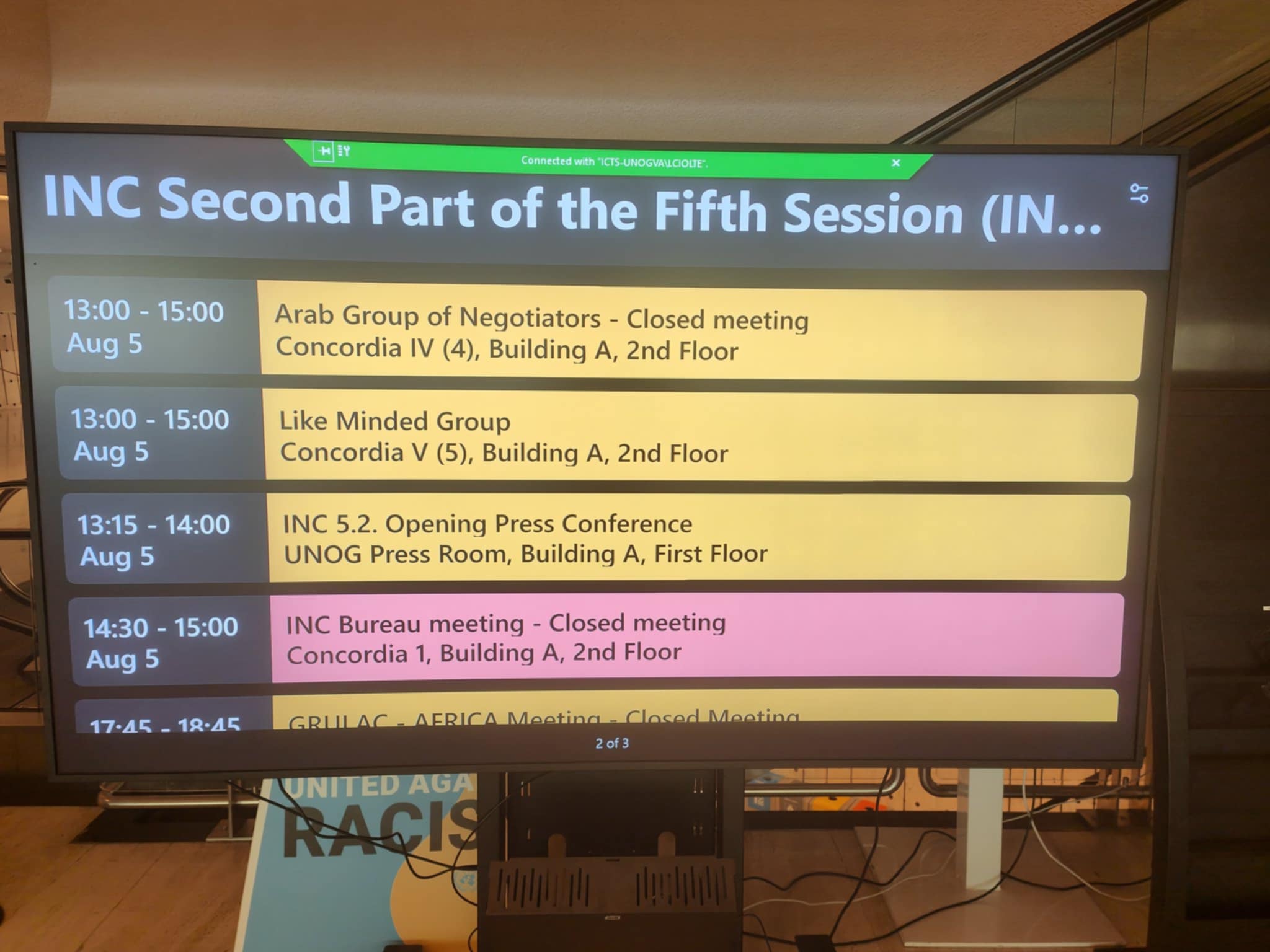
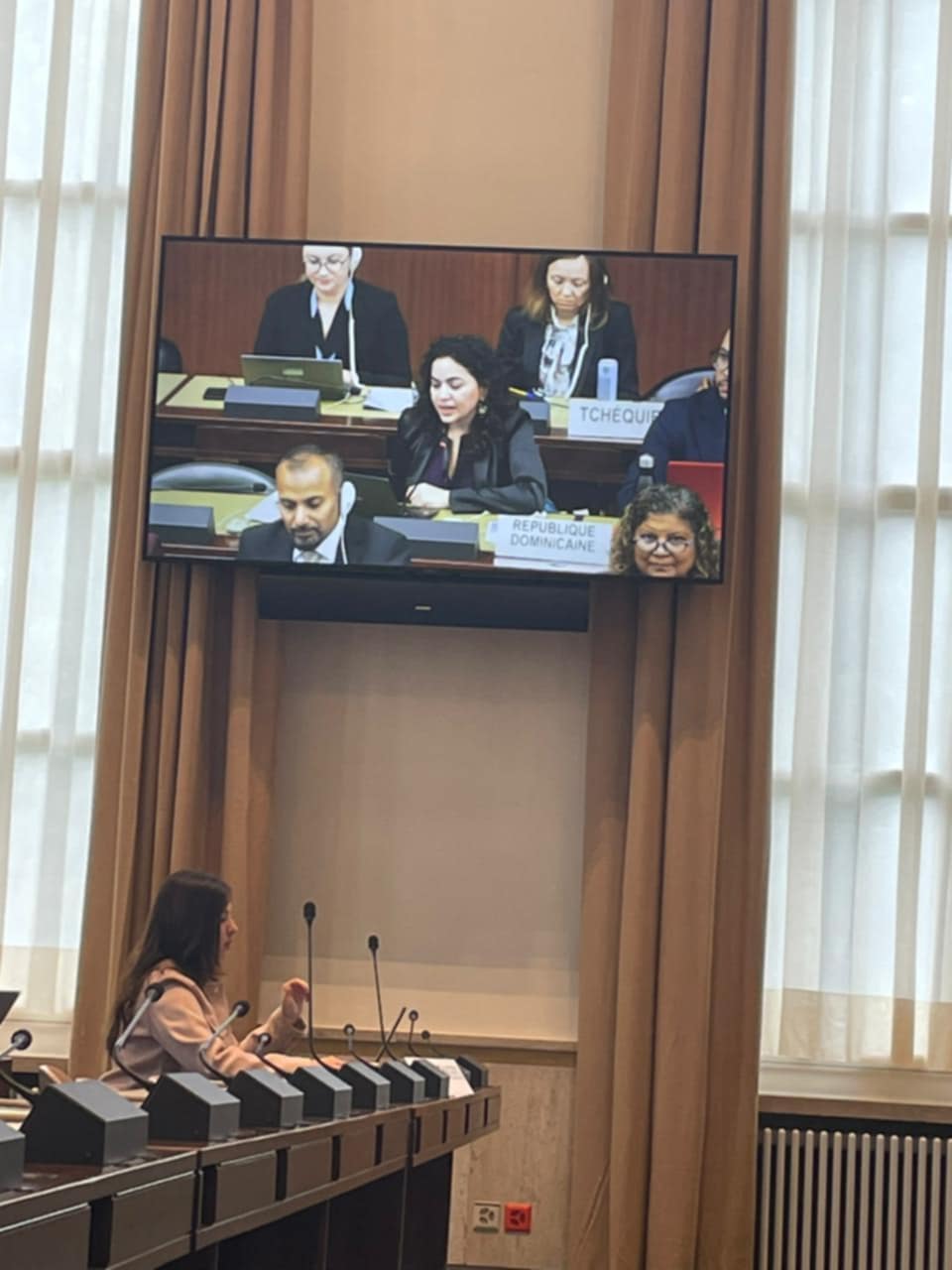

The UNEP oordinates environmental work across the UN, but it is not the only organization. The UN has now created the UN Convention to Combat Desertification (UNCCD), the Convention on Biological Diversity (CBD), and the United Nations Framework Convention on Climate Change (UNFCCC). Each organization deals with separate environmenal issues and hosts its own conferences that include negotiations between nations and sometimes ask for statements and opinions of NGOs like our own. Currently the UNFCCC is hosting the COP conference in Brazil.



Carlos was able to observe the UNEP negotiations, but as we are not a nation (aka Party) we do not have a voice. Furthermore, we are not yet members of any of these conventions. PPI needs to establish more direct activities that promote environmental protection so that we can be accepted as members of these organizations, in addition to the Economic and Social Affairs Committee (ECOSOC) where we are already members.
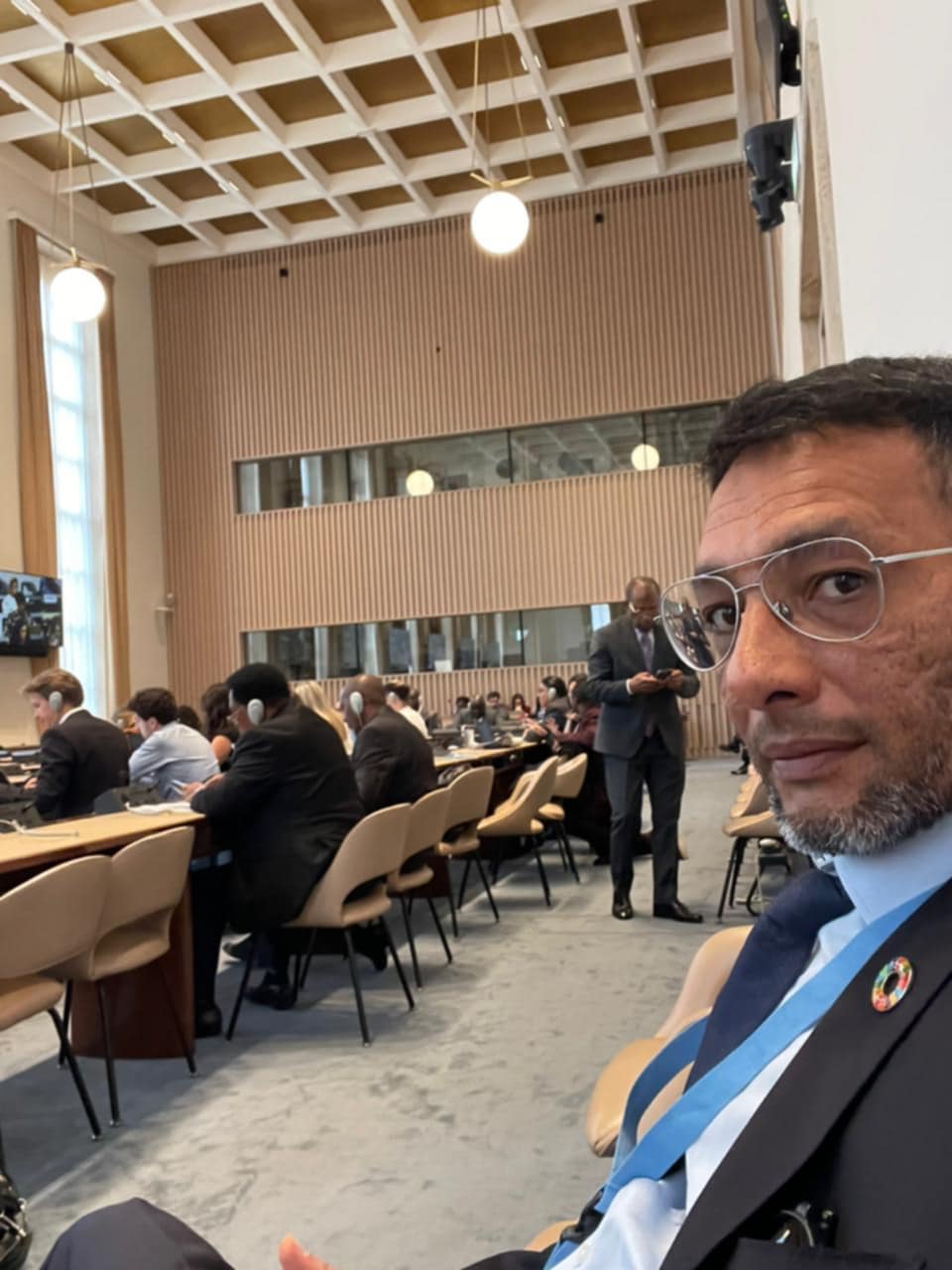
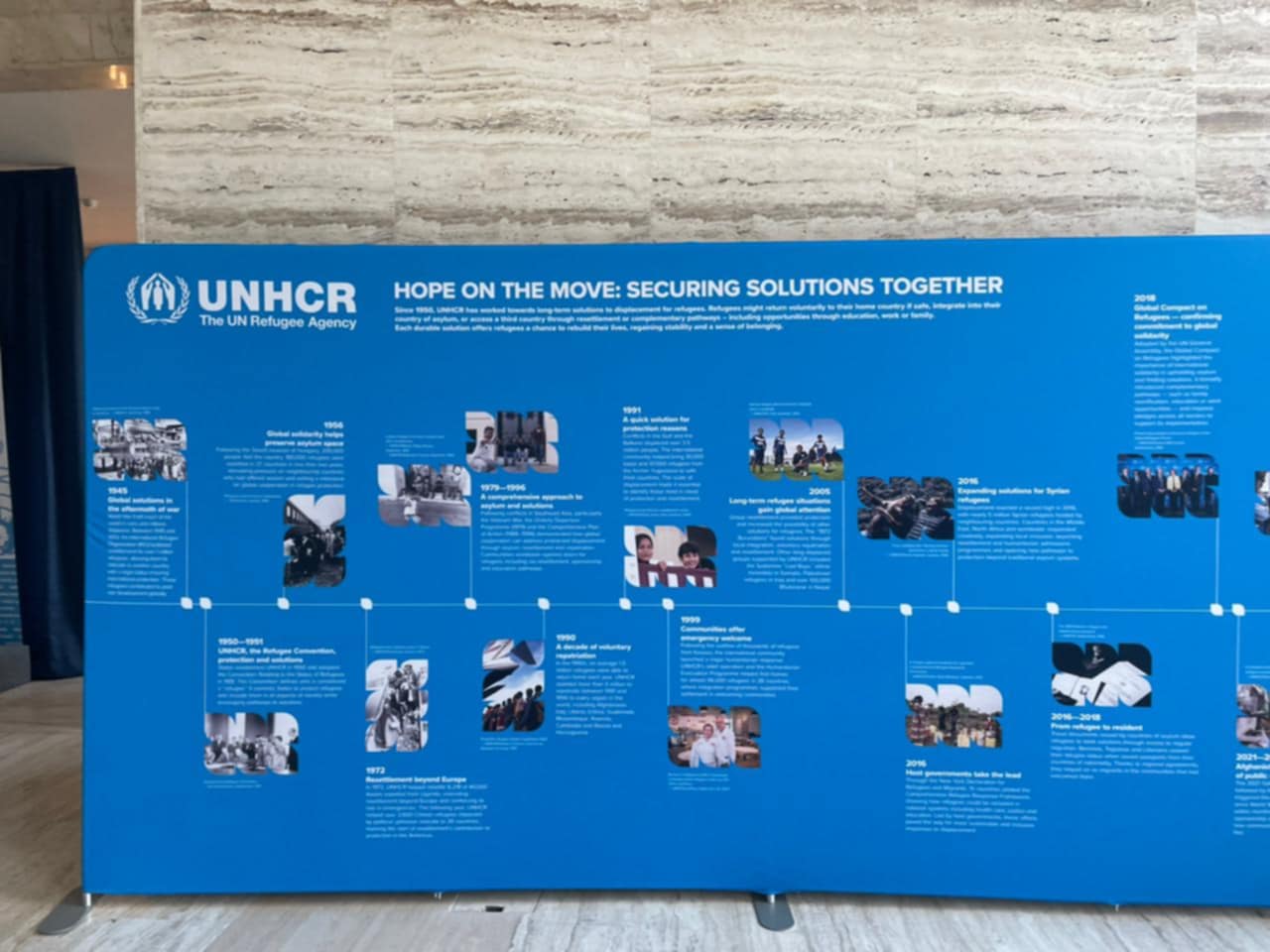
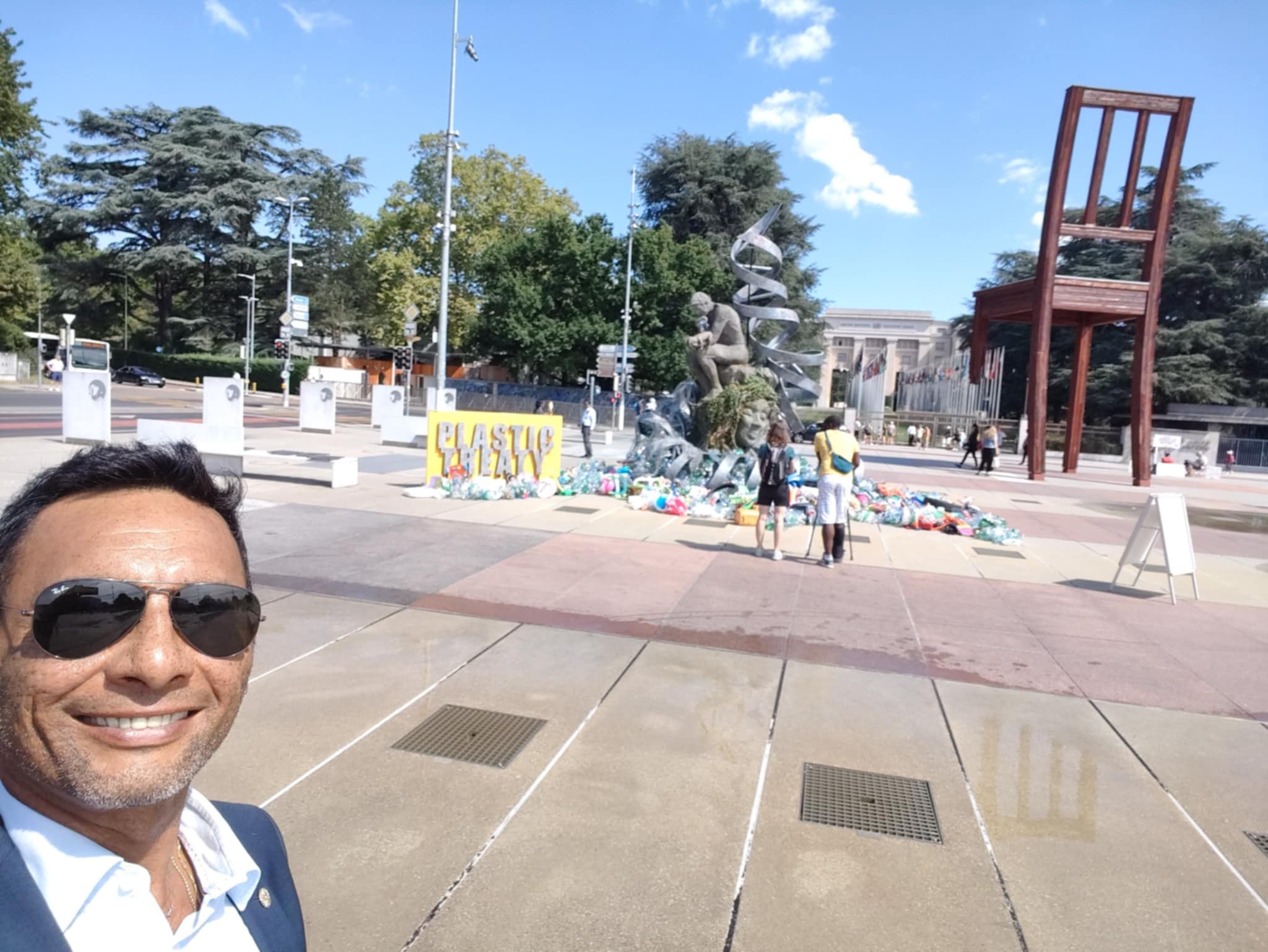
We are hoping to make a bigger impact on international environmental governance. As an NGO, our abilities are limited. NGOs often watch from the back of the room. Our speaking time is scarce. The actual negotiation where the decisions are made take place behind closed doors, and we are simply able to only provide statements at the conference or as a published policy statement. One additional opportunity is that we can host side events. We have discussed cohosting a side even with other NGOs. If anyone is interested in collaborating, please contact us.
board@pp-international.net
Donations
pp-international.net/donations…
pp-international.net/2025/11/g…


Polizeigesetz: Auch NRW will mit deinen Daten Überwachungs-Software füttern
netzpolitik.org/2025/polizeige…

Interne Dokumente: EU-Staaten wollen Chatkontrolle-Gesetz ohne weitere Änderungen
netzpolitik.org/2025/interne-d…

„Trumpsche Gesetzgebungspraktiken“: Max Schrems kritisiert Grundrechte-Kahlschlag
netzpolitik.org/2025/trumpsche…

Wind Farms, Whistleblowers, and Nuclear Reactors: News from the Slovenian Pirates
As part of our ongoing effort to connect the international Pirate community, we are reviewing and translating recent news from various Pirate Parties into English. This week, we highlight important reports from the Pirate Party of Slovenia, covering issues of corruption in green energy projects, technological sovereignty, and energy policy in Europe. As will be noted, much of their news is not country specific but reflects wider European issues. We look forward to sharing more news from PPSI and all of the Pirate parties around the world.

New suspicion of abuse and corruption related to wind farms
Following a report from a civil initiative, law enforcement agencies began to investigate whether funds from a state-owned company were used for unlawful influence on local decision-makers and whether donations from the investor constituted a form of bribery.
Just as during the epidemic millions of taxpayer euros were spent under the guise of necessity, today something similar is happening in the field of green energy, which has become a major source of abuse of public funds due to poor legislation.
Instead of the Ministry of Energy increasing oversight of the use of public funds, with ever new legislative proposals the sector is being even more deregulated, expanding opportunities for corruption and manipulation.
Unfortunately, what we are witnessing is not a green transition, but a diversion of millions of euros of public money into the accounts of a select few.]Here is the English translation of the requested article:
Following a report from a civil initiative, law enforcement agencies began to investigate whether funds from a state-owned company were used for unlawful influence on local decision-makers and whether donations from the investor constituted a form of bribery.
Just as during the epidemic millions of taxpayer euros were spent under the guise of necessity, today something similar is happening in the field of green energy, which has become a major source of abuse of public funds due to poor legislation.
Instead of the Ministry of Energy increasing oversight of the use of public funds, with ever new legislative proposals the sector is being even more deregulated, expanding opportunities for corruption and manipulation.
Unfortunately, what we are witnessing is not a green transition, but a diversion of millions of euros of public money into the accounts of a select few.]
piratskastranka.si/nov-sum-zlo…
In Norway, it was discovered that a manufacturer could remotely shut down 850 buses
Although Norwegian taxpayers paid for these buses, they are not completely under their control.
Such practices are not limited only to China. Many Western manufacturers, with the notorious American company John Deere being a prime example, have for years implemented similar mechanisms for remote vehicle control.
Farmers can have their tractors disabled remotely, for instance, if they are late with a leasing payment or try to repair the machine themselves without official service.
We increasingly encounter products that we physically purchase, yet manufacturers, through pre-installed software, protections, and remote control, take away real control over what we have bought.
If we buy a product, we must have full control over it. We must have the right to use, repair, and modify the product without restrictions from the manufacturer.
Such cases should be understood as a warning that Europe needs to strengthen technological sovereignty and protect the right to repair.]
piratskastranka.si/na-norveske…
Germans demolish nuclear power plant that could operate for another 30 years
German policy has decided to shut down all nuclear power plants in the country, and Grafenrheinfeld was closed as part of this plan in 2015.
The plant operated for only 33 years, although it could have easily operated for another 30 years or even longer.
During its operation, it prevented emissions of more than 300 million tons of CO2 through clean energy production.
Germany’s Green Party forced the early closure of nuclear power plants by manipulating data and reports.
Just as they rushed to shut down nuclear power plants, they are now hastily dismantling them.
This will deprive future German governments of the option to simply restore and restart the shut-down nuclear reactors.
It is a waste of the future—a climatic, economic, and energy crime.]
piratskastranka.si/nemci-rusij…
pp-international.net/2025/11/p…

Menschenrechte: Das Grundrecht auf digitale Integrität und sein Erfolg in der Schweiz
netzpolitik.org/2025/menschenr…

Palantir in Baden-Württemberg: Polizei soll mit deinen Daten Software trainieren dürfen
netzpolitik.org/2025/palantir-…

Abstimmungskampagne der Piratenpartei Zürich für die Digitale Integrität

Die Abstimmungskampagne der Piratenpartei Zürich für die Digitale Integrität [1] kommt jetzt mit dem Versand der Abstimmungsunterlagen in die intensive Phase. Die Piraten stellen sich dabei deutlich gegen den Gegenvorschlag.
Renato Sigg, Vorstand der Piratenpartei Zürich: „Der Gegenvorschlag verwässert an den entscheidenden Punkten unsere Volksinitiative und würde die Digitale Integrität zum zahnlosen Papiertiger machen.“
Mit einem JA zur Digitalen Integrität kann der Kanton Zürich an den wegweisenden Erfolg vom Kanton Genf anknüpfen, wo in der Volksabstimmung 94% der Bürger einen vergleichbaren Schutz ihrer Daten forderten. Auf dieser Basis wurde der Kanton aufgefordert, Microsoft oder Google für Schüler nicht verpflichtend zu nutzen. [2]
[3]Die griffigen Auswirkungen im Kanton Genf kommentiert Renato Sigg: „Die Digitale Integrität ist ein zentrales Element für eine menschenwürdige Digitalisierung.“
Auch die Jugendsession 2025 fordert seit Sonntag eine „Digital Governance“, welche die digitale Selbstbestimmung, den Schutz persönlicher Daten und mehr digitale Souveränität beinhaltet.
[4]Auch in anderen Kantonen laufen gleiche Bestrebungen, direkt oder indirekt von den Piraten gefördert. Dort sind nun Vorbereitungsarbeiten im Gange, ähnliche Initiativen umzusetzen.
Die Digitalisierung ist in der heutigen Zeit wichtig und nicht wegzudenken, jedoch wird diese über die Köpfe der Menschen hinweg und oftmals gegen ihre Interessen umgesetzt. Das Grundrecht auf Digitale Integrität sorgt hier für dringend nötige Korrekturen.
Konkret lassen sich aus der Digitalen Integrität folgende Rechte ableiten:
Das Recht auf ein Offline-Leben.
Das Recht darauf, nicht von einer Maschine beurteilt zu werden.
Das Recht darauf, nicht überwacht, vermessen und analysiert zu werden.
Das Recht auf Vergessenwerden.
Das Recht auf Informationssicherheit.
Das Recht auf Schutz vor Verwendung von Daten ohne Zustimmung, welche das digitale Leben betreffen.
Jorgo Ananiadis, Präsident der Piratenpartei: „Die Inklusion muss ernst genommen werden. Auch älteren Menschen müssen wir die Möglichkeit bewahren, ihre Billete selbst zu lösen, an einem Schalter mit Menschen zu kommunizieren oder mit Bargeld zu zahlen. Die Freiheit, nicht ständig digital erreichbar oder kontrollierbar zu sein muss bestehen bleiben.“
Pascal Fouquet, Vorstandsmitglied Piratenpartei: „Alle müssen darauf bestehen können, dass im Zweifel ein Mensch eine Entscheidung fällt. Sei es bei der Bewerbung, beim Abschluss einer Versicherung oder einer medizinischen Behandlung.“
Das Recht auf digitale Unversehrtheit sollte endlich in allen Verfassungen aufgenommen werden [5]. Das Abstimmungsergebnis aus Genf, Neuenburg und der Sammelerfolg in Zürich bestätigen das wachsende Bewusstsein für digitale Rechte und den zunehmenden Bedarf nach Schutz der Privatsphäre. Der unermüdliche Einsatz der Piratenpartei, die sich seit fast einem Jahrzehnt für dieses Thema starkmacht, zeigt Wirkung [6]. Massgeblich verantwortlich hierfür ist Alexis Roussel [7].
Alexis Roussel, ehemaliger Co-Präsident der Piratenpartei und Autor des Buches „Notre si précieuse intégrité numérique“ (Unsere so wertvolle digitale Unversehrtheit): „Dies ist eine historische Chance für Zürich. Es ist der erste Schritt in Richtung einer digitalen Gesellschaft, die die Menschen schützt. Das Recht auf digitale Integrität gibt uns das Werkzeug, um gegen Massenüberwachung zu kämpfen.“
Die Piratenpartei ruft auch andere Kantone und die Schweizer Regierung auf, dem Beispiel von Genf und Neuenburg zu folgen und die digitalen Rechte in ihre Verfassungen und Gesetze aufzunehmen. Im Bundeshaus wurde im Dezember 2023 ein solcher Vorstoss abgelehnt [8]. Inzwischen hat die Staatspolitische Kommission des Nationalrates das Thema aber erneut aufgegriffen [9]. Es ist von entscheidender Bedeutung, dass die Bürgerinnen und Bürger ihre Privatsphäre und digitale Integrität geschützt wissen.
Ivan Büchi, Piratenpartei Ostschweiz
„Das Grundrecht auf digitale Integrität sichert eine humanistische Zukunft in Freiheit und Würde.“
Quellen:
[1] https://digitaleintegrität.ch/
[2] letemps.ch/cyber/donnees-perso…
[3] rune-geneve.ch/petition-integr…
[4] jugendsession.ch/2025
[5] https://www.ge.ch/votations/20230618/cantonal/4/
[6] de.wikipedia.org/wiki/Recht_au…
[7] slatkine.com/fr/editions-slatk…
[8] parlament.ch/de/ratsbetrieb/su…
[9] parlament.ch/de/ratsbetrieb/su…


„Digitaler Omnibus“: EU-Kommission will Datenschutzgrundverordnung und KI-Regulierung schleifen
netzpolitik.org/2025/digitaler…

European SFS Award: VLC-Mitentwickler erhält Preis für Freie Software
netzpolitik.org/2025/european-…

Nach Databroker Files: Rundmail warnt EU-Angestellte vor Gefahr durch Tracking
netzpolitik.org/2025/nach-data…


Digitaler Euro: Während das Parlament streitet, geht die Entwicklung weiter
netzpolitik.org/2025/digitaler…

Digitaler Omnibus: EU-Kommission strebt offenbar Kahlschlag beim Datenschutz an [UPDATE]
netzpolitik.org/2025/digitaler…

Digitaler Omnibus: EU-Kommission strebt offenbar Kahlschlag beim Datenschutz an
netzpolitik.org/2025/digitaler…

Elektronische Patientenakte: Bundestag beschließt doppelte Rolle rückwärts
netzpolitik.org/2025/elektroni…

Einigung rückt näher: EU-Rat könnte verpflichtende Chatkontrolle verwerfen
netzpolitik.org/2025/einigung-…


Drahtbericht: Deutsche Diplomaten fordern undiplomatisch Chatkontrolle
netzpolitik.org/2025/drahtberi…

Surveillance under Surveillance: Weltkarte der Videoüberwachung gerettet
netzpolitik.org/2025/surveilla…

Dänischer Vorschlag: Der Kampf um die Chatkontrolle ist noch nicht vorbei
netzpolitik.org/2025/daenische…

Interaktive Webseite: Wie autoritäre Tech-Netzwerke die europäische Souveränität gefährden
netzpolitik.org/2025/interakti…
