
There is a massive exodus happening in the AI world; the 'Save Our Signs' campaign, and why AI won't save the media industry.
There is a massive exodus happening in the AI world; the x27;Save Our Signsx27; campaign, and why AI wonx27;t save the media industry.#Podcast

Podcast: The AI Exodus Begins
There is a massive exodus happening in the AI world; the 'Save Our Signs' campaign, and why AI won't save the media industry.Joseph Cox (404 Media)
Blu-ray Won, But At What Cost?

Over on their substack [ObsoleteSony] has a new article: The Last Disc: How Blu-ray Won the War but Lost the Future.
In this article the author takes us through the history of Blu-ray media and how under Sony’s stewardship it successfully defeated the competing format of the time, HD DVD. Sony started behind the eight ball but through some deft maneuvering managed to come out on top. Perhaps the most significant contributing factor was the inclusion of Blu-ray drives in the PlayStation 3.
The person leading the Blu-ray initiative for Sony was Masanobu Yamamoto, whose legacy was the compact disc. What was needed was a personal media format which could deliver for high-definition 1080p video. As the DVD format did not have the storage capacity required, new formats needed to be developed. The enabling technology for both Blu-ray and HD DVD media was the blue laser as it allowed for more compact encoding.
Sony’s Blu-ray format became the dominating format for high-definition personal media…just as physical media died.
Thanks to [Stephen Walters] for writing in about this one.
Data Act, verso la piena applicabilità: le osservazioni di EDPB sulle clausole contrattuali
@Informatica (Italy e non Italy 😁)
L’European Data Protection Board con la dichiarazione n. 4/2025 dello scorso 8 luglio 2025 ha recepito le raccomandazioni della Commissione europea su uno schema di clausole contrattuali tipo non vincolanti per la condivisione
Informatica (Italy e non Italy 😁) reshared this.
Operazione Eastwood contro NoName057(16): così l’Europa ha fermato gli attacchi DDoS pro-russi
@Informatica (Italy e non Italy 😁)
Coordinato da Europol ed Eurojust, il blitz internazionale ribattezzato "Operazione Eastwood" ha consentito di smantellare l’infrastruttura dietro una delle più attive campagne DDoS filo-Cremlino. Ecco tutti i
Informatica (Italy e non Italy 😁) reshared this.
Presentazione del libro “Governare (con) le macchine”
@Politica interna, europea e internazionale
23 luglio 2025, ore 18:00 Al webinar interverranno Gianluca Sgueo, Curatore del volume e coordinatore del Dipartimento digitale della Fondazione Mario Nobile, Direttore generale, AGID Francesca Rossi, IBM fellow, IBM T.J. Watson Research Center Flavio Arzarello, Public Policy Manager, Economic and
Politica interna, europea e internazionale reshared this.
#telegram va bene, almeno per ora. (e per canali come t.me/slowforward e t.me/asemic).
ma, in generale, se vogliamo #comunicare in #sicurezza , consiglio di disinstallare #whatsapp o usarlo il meno possibile, e installare semmai #signal :
signal.org/install
#nientedinuovo , lo so, ma l'impressione è che la situazione stia precipitando di giorno in giorno
Poliversity - Università ricerca e giornalismo reshared this.
The DEW Line Remembered
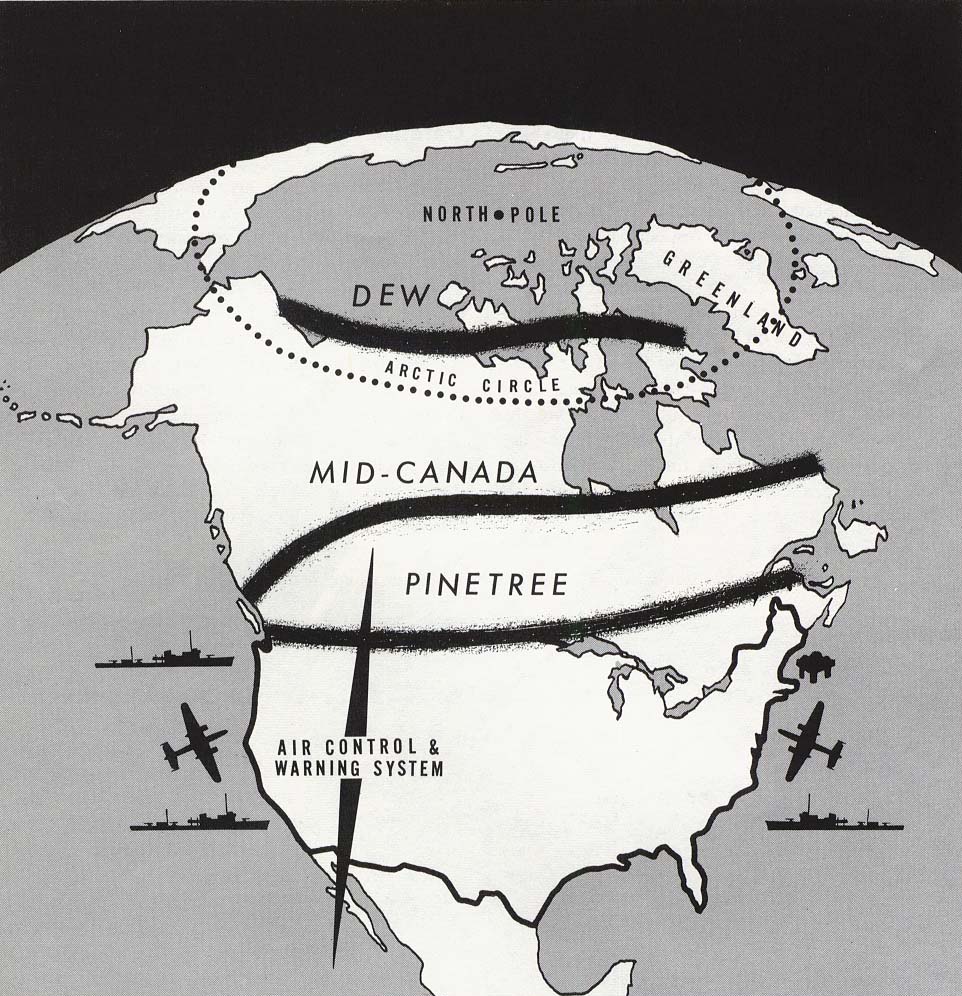
If you grew up in the middle of the Cold War, you probably remember hearing about the Distant Early Warning line between duck-and-cover drills. The United States and Canada built the DEW line radar stations throughout the Arctic to detect potential attacks from the other side of the globe.

MIT’s Lincoln Lab proposed the DEW Line in 1952, and the plan was ambitious. In order to spot bombers crossing over the Arctic circle in time, it required radar twice as powerful as the best radar of the day. It also needed communications systems that were 99 percent reliable, even in the face of terrestrial and solar weather.
In the end, there were 33 stations built from Alaska to Greenland in an astonishing 32 months. Keep in mind that these stations were located in a very inhospitable environment, where temperatures reached down to -60 °F (-51 °C). Operators kept the stations running 24/7 for 36 years, from 1957 to 1993.
System of Systems
The DEW line wasn’t the only radar early-warning system that the US and Canada had in place, only the most ambitious. The Pinetree Line was first activated in 1951. However, its simple radar was prone to jamming and couldn’t pick up things close to the ground. It was also too close to main cities along the border to offer them much protection. Even so, the 33 major stations, along with six smaller stations, did better than expected.
youtube.com/embed/2NMfzITWxDs?…
Mid-Canada

The Mid-Canada Line utilized bistatic radar, where the transmitter and receiver were located in different positions. The idea is that the receiver hears the transmitter along with Doppler-shifted returns from a target. That means the total travel distance of the radar beam is almost constant.
This scheme is good for inexpensively covering a wide area, but it suffers at providing exact positions. It also has trouble rejecting things like birds near either the transmitter or the receiver.
Mid-Canada first started operating in 1956, but was shut down by 1965. The reason? Speed.
The Need for Speed
In the 1940s, when Pinetree was being planned, jet aircraft were relatively new. But they made great strides, and the faster a bomber might be, the more warning you needed. While Mid-Canada was closer to the possible path of an attack, it was clear by the time it was operational that the real threat would be from ballistic missiles. Planning for the DEW Line was already underway, but it focused on fast bombers.
Moving further north was the solution. If Pinetree was relatively easy to build, building the Mid-Canada Line was more challenging due to the terrain and weather conditions. Correct topographical information was difficult to find, and paradoxically, construction had to take place during the winter when the marshland was frozen, facilitating access to many of the sites.
The DEW Line, though, was above the Arctic Circle. Building there, near the 69th parallel, would present an even bigger challenge. Working conditions were passable during the short Arctic summer, but more difficult in the harsh winter, which included a solid month of nighttime.
Prototype
The prototype station was at a weather station in Alaska’s Barter Island. There was little data on building at such high latitudes, save for the recent work done to build the Thule Air Force Base. The prototype design needed some rework in 1953, but once things were moving, the DEW Line installations managed to run for 36 years.
The typical station used prefabricated modules connected into “trains.” The modules were used as quarters, offices, equipment rooms, storage, and kitchens. Living quarters were 8′ x 12′ (2.4 m x 3.6 m). The bases were totally self-contained.
There were main stations that had a full crew and amenities like a library and other entertainment. Secondary stations typically had a chief, a cook, and a mechanic. The “gap filler” stations didn’t have any crew, but were serviced from the other stations when possible.
A main station might have two trains connected by a bridge. Smaller stations might have a single train of 25 modules. There were also garages for vehicles, warehouses, hangars, and dormitories for up to 24 personnel not housed in the main structures. While most of the stations were similar in design, the two on the Greenland ice cap were more like offshore drilling rigs, built on columns buried 100 feet into the ice.
Technology
A typical DEW line station used a 1.25 GHz radar with an average output of 400 watts, although it was rated for a maximum of 160 kW. The radar could probe from 3,000 feet out to 180 miles (300 km). Here are some details about the vacuum-tube-based technology in a 1980s booklet for newcomers to the line:
The radar system presently used was developed in the 1950’s and as such is a “tube” system which is experiencing reliability and maintainability problems. Good tubes are hard to find anymore. The operational performance is seriously affected, and support is becoming, so expensive, regardless of management improvements, that economic feasibility is only made possible by the absolute operational need for the system.
The Bell Companies played a crucial role in the development of the DEW Line. There’s an old AT&T archive video of the project that you can see below.
youtube.com/embed/q7hFJZf9fWk?…
White Alice

Because of the challenging radio conditions above the Arctic, the stations used a system known as White Alice to communicate. Short distances used microwave links. Giant tropospheric scatter antennas provided connections beyond the horizon at 900 MHz.
The system used two antennas for reliability and also transmitted on two frequencies. For shorter hops, a 60 ft (18 m) antennas would transmit 10 kW. Longer paths used 120 ft (36 m) antennas and 50 kW. Short links used 30 ft (9 m) dishes with 1 kW of power.
Museum
Check out the DEW Line virtual museum, which tells the story from construction to the debris left to be cleaned up. There’s also an extensive collection of related videos like the one embedded below.
youtube.com/embed/-Mfwcp6rTjc?…
The DEW Line is just part of the tech history of the Cold War. Some of it was downright cloak-and-dagger.
fa rima (per papà)

fa rima (11.6.2025)
Fa rima con cuore oppure rispetto fa riva con tavolo oppure con tetto fa rima con casa al mare ma la parola non la voglio trovare. Mil...ordinariafollia
Patriot all’Ucraina, come funzionerà la nuova fornitura (e perché l’Italia si sfila)
@Notizie dall'Italia e dal mondo
L’Ucraina riceverà nuove batterie di missili Patriot, ma non saranno gli Stati Uniti a fornirle direttamente. Le batterie arriveranno da arsenali europei e saranno i governi europei a pagarle, mentre Washington si limiterà a dare il via libera politico e a
Notizie dall'Italia e dal mondo reshared this.
EDPB e EDPS, sì alle modifiche del GDPR se a beneficio delle PMI
@Informatica (Italy e non Italy 😁)
EDPB ed EDPS hanno accolto favorevolmente la proposta di regolamento della Commissione UE per la modifica del GDPR, fornendo chiarimenti e raccomandazioni per garantire che le semplificazioni previste vadano a beneficio delle piccole e medie imprese. Ecco le principali
Informatica (Italy e non Italy 😁) reshared this.


Operazione Eastwood: Smantellato il gruppo hacker filorusso NoName057(16)
Nell’ambito delle indagini condotte dalla Procura della Repubblica di Roma e con il coordinamento della Direzione Nazionale Antimafia e Antiterrorismo, la Polizia Postale ha portato a termine importanti attività investigative nell’Operazione Eastwood nei confronti gruppo hacker filorusso noto come “NoName057(16)”, contemporaneamente ad analoghe attività in Germania, Stati Uniti, Olanda, Svizzera, Svezia, Francia e Spagna.
Il gruppo NONAME dal marzo del 2022 ad oggi, ha portato migliaia di attacchi verso siti governativi, della pubblica amministrazione, di infrastrutture di trasporto pubblico, istituti bancari, sanità e telecomunicazioni in diversi paesi europei.
Le indagini, coordinate a livello internazionale da Eurojust ed Europol hanno consentito di identificare numerosi aderenti al gruppo, disvelando chi si celava dietro ai server remoti, agli account Telegram e ai pagamenti in criptovaluta riconducibili alla crew hacker.
Cinque mandati di arresto internazionali sono stati altresì emessi nei confronti di altrettanti soggetti di nazionalità russa, 2 dei quali ritenuti vertici dell’organizzazione. Più di 600 server in vari Paesi sono stati disattivati ed in parte sottoposti a sequestro, in quanto server costituenti l’infrastruttura criminale da cui partivano gli attacchi.
NONAME reclutava simpatizzanti, distribuendo gli elenchi dei target occidentali da colpire e rivendicando poi gli attacchi attraverso ipropri canali anonimi Telegram. Con il canale DDosia Project, NONAME metteva a disposizione un software per entrare e operare nel gruppo.

L’infrastruttura criminale è risultata articolata su un livello centrale di comando e controllo nella Federazione russa, server intermedi dedicati alla anonimizzazione del segnale e alla dispersione delle tracce e, quindi in migliaia di computer messi a disposizione di NONAME dagli aderenti per gli attacchi.
NONAME ha coordinato gli attacchi dal territorio russo, remunerando in criptovalute gli aderenti. Gli attacchi “DDOS” (Distributed Denial of Service), con ingenti quantità di connessioni simultanee dai computer verso i siti da colpire, sono stati mirati a provocarne il collasso e la temporanea inservibilità, con ripercussioni anche rilevanti sull’erogazione dei servizi pubblici.
In Italia, le indagini delCNAIPIC, con i Centri operativi della Polizia Postale di Piemonte, Lombardia, Veneto, Friuli-VG, Emilia-Romagna e Calabria, hanno condotto alla identificazione di 5 soggetti, ritenuti aderenti al gruppo avendo effettuato attacchi ad infrastrutture nazionali ed europee.
Nei confronti degli stessi la Procura della Repubblica di Roma ha emesso decreti di perquisizione eseguiti dai medesimi uffici. Sono inoltre al vaglio altre posizioni. Si sottolinea che le persone sottoposte ad indagine nei cui confronti si procede, debbono ritenersi innocenti fino a quando la loro colpevolezza non sia stata legalmente accertata con una sentenza definitiva.

Risultati complessivi dell’operazione Eastwood
- 2 arresti (1 arresto preliminare in Francia e 1 in Spagna)
- 7 mandati di arresto emessi (6 dalla Germania e 1 dalla Spagna)
- 24 perquisizioni domiciliari (2 in Repubblica Ceca, 1 in Francia, 3 in Germania, 5 in Italia, 12 in Spagna, 1 in Polonia)
- 13 persone intervistate (2 in Germania, 1 in Francia, 4 in Italia, 1 in Polonia, 5 in Spagna)
- Oltre 1.000 sostenitori, di cui 15 amministratori, sono stati avvisati della loro responsabilità legale tramite un’app di messaggistica
- Oltre 100 server interrotti in tutto il mondo
- La maggior parte dell’infrastruttura principale di NoName057(16) è stata messa offline
Paesi partecipanti
- Repubblica Ceca – Agenzia nazionale antiterrorismo, estremismo e criminalità informatica
- Finlandia – Ufficio nazionale investigativo (NBI)
- Francia – Unità nazionale di sicurezza informatica della Gendarmeria nazionale, Procura della Repubblica di Parigi – Giurisdizione nazionale contro la criminalità organizzata (JUNALCO)
- Germania – Ufficio federale di polizia criminale (Bundeskriminalamt), Procura generale di Francoforte sul Meno – Centro per la criminalità informatica
- Italia – Polizia di Stato (Polizia di Stato)
- Lituania – Polizia nazionale
- Paesi Bassi – Polizia nazionale (Politie), Procura della Repubblica
- Polonia – Ufficio centrale per la criminalità informatica
- Spagna – Guardia Civil, Polizia Nazionale (Policía Nacional)
- Svezia – Polisen
- Svizzera – Ufficio federale di polizia fedpol e Ministero pubblico della Confederazione (MPC)
- Stati Uniti – Federal Bureau of Investigation
Paesi di supporto
- Belgio
- Canada
- Danimarca
- Estonia
- Lettonia
- Romania
- Ucraina
Agenzie UE partecipanti
- Europol
- Eurojust
- ENISA
L'articolo Operazione Eastwood: Smantellato il gruppo hacker filorusso NoName057(16) proviene da il blog della sicurezza informatica.
Ben(e)detto – Immuni dal populismo
@Politica interna, europea e internazionale
Mercoledì 16 luglio 2025, ore 21:00 Con Davide Giacalone e Andrea Davola
L'articolo Ben(e)detto – Immuni dal populismo proviene da Fondazione Luigi Einaudi.
Politica interna, europea e internazionale reshared this.
Morbidone
@Politica interna, europea e internazionale
La cosa più sciocca da farsi è disputare sull’approccio morbido e avvolgente o duro e vociante alla dissennatezza dei dazi trumpiani. Quello è un bidone il cui sgradevole contenuto creerà più danni agli Stati Uniti, nuocendo allo sviluppo e alla libertà dei consumi prima da noi e poi da loro, ma intaccando l’affidabilità più di […]
L'articolo Morbidone proviene da Fondazione Luigi
Politica interna, europea e internazionale reshared this.
Caltech Scientists Make Producing Plastics From CO2 More Efficient

For decades there has been this tantalizing idea being pitched of pulling CO2 out of the air and using the carbon molecules for something more useful, like making plastics. Although this is a fairly simple process, it is also remarkably inefficient. Recently Caltech researchers have managed to boost the efficiency somewhat with a new two-stage process involving electrocatalysis and thermocatalysis that gets a CO2 utilization of 14%, albeit with pure CO2 as input.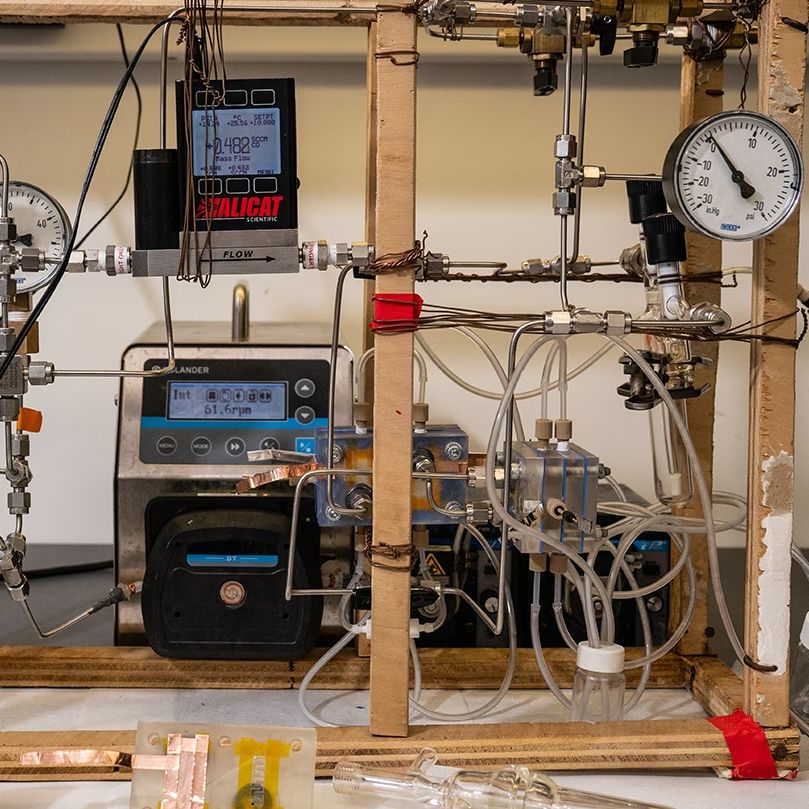
The full paper as published in Angewandte Chemie International is sadly paywalled with no preprint available, but we can look at the Supplemental Information for some details. We can see for example the actual gas diffusion cell (GDE) starting on page 107 in which the copper and silver electrodes react with CO2 in a potassium bicarbonate (KHCO3) aqueous electrolyte, which produces carbon monoxide (CO) and ethylene (C2H4). These then react under influence of a palladium catalyst in the second step to form polyketones, which is already the typical way that these thermoplastics are created on an industrial scale.
The novelty here appears to be that the ethylene and CO are generated in the GDEs, which require only the input of CO2 and the potassium bicarbonate, with the CO2 recirculated for about an hour to build up high enough concentrations of CO and C2H4. Even so, the researchers note a disappointing final quality of the produced polyketones.
Considering that a big commercial outfit like Novomer that attempted something similar just filed for Chapter 11 bankruptcy protection, it seems right to be skeptical about producing plastics on an industrial scale, before even considering using atmospheric CO2 for this at less than 450 ppm.
Sinjil. L’ennesimo crimine impunito nella Cisgiordania occupata
@Notizie dall'Italia e dal mondo
Due giovani palestinesi, tra cui un cittadino statunitense, sono stati uccisi da milizie di coloni israeliani durante un attacco armato contro una protesta pacifica nel villaggio
L'articolo Sinjil. L’ennesimo crimine impunito nella Cisgiordania occupata proviene da Pagine Esteri.
Notizie dall'Italia e dal mondo reshared this.
“Salta la fila con la scorta”, il ministro Urso risponde alle polemiche dopo il video di Zingaretti: “È la scorta che decide”
@Politica interna, europea e internazionale
A scatenare il caso è stato inizialmente un video pubblicato sui social dal noto attore Luca Zingaretti, con il quale aveva denunciato il fatto che “la moglie
Politica interna, europea e internazionale reshared this.
Data Act e cyber security: cambia la sicurezza informatica per le aziende
@Informatica (Italy e non Italy 😁)
Manca poco all’entrata in vigore del Data Act, il prossimo 12 settembre 2025, che impone alle imprese di adeguarsi rapidamente e di valutare attentamente gli impatti in termini di cyber security. Ecco cos'è la normativa e quali vantaggi offre alle aziende
Informatica (Italy e non Italy 😁) reshared this.
Caso Kaufmann e sussidi al cinema: l’assistenzialismo è nemico della cultura
@Politica interna, europea e internazionale
Quanti Rexal Ford avrà prodotto la pioggia di sussidi indiscriminati al cinema italiano? Avremmo mai scoperto la reale identità del sedicente regista e produttore, al secolo Francis Kaufmann, e le sue probabili truffe ai danni dell’erario, se non fosse
Politica interna, europea e internazionale reshared this.
differx
Unknown parent • •purtroppo il cellulare serve, sì, è vero
differx
Unknown parent • •Ska
Unknown parent • • •differx likes this.
Sabrina Web 📎
in reply to differx • • •differx likes this.
differx
in reply to differx • •