The Privacy Post ha ricondiviso questo.

Electronics Manufacturing: The Achilles’ Heel of EU Strategic Autonomy [Promoted content]
poliverso.org/display/0477a01e…
Electronics Manufacturing: The Achilles’ Heel of EU Strategic Autonomy [Promoted content]Despite the adoption of the European Chips Act, the EU electronics manufacturing industry is set to decline, undermining European security, industrial resiliency, and competitiveness.euractiv.com/section/digital/o…


Electronics Manufacturing: The Achilles’ Heel of EU Strategic Autonomy [Promoted content]


Despite the adoption of the European Chips Act, the EU electronics manufacturing industry is set to decline, undermining European security, industrial resiliency, and competitiveness.


euractiv.com/section/digital/o…


The Privacy Post reshared this.

The Privacy Post ha ricondiviso questo.

EU Commission accuses X of breaking digital rulebook
poliverso.org/display/0477a01e…
EU Commission accuses X of breaking digital rulebookThe European Commission accused social media platform X of breaching the Digital Services Act (DSA) over its verified accounts policy and lapses in transparency, in preliminary findings released on Friday (12 July).euractiv.com/section/platforms…


EU Commission accuses X of breaking digital rulebook


The European Commission accused social media platform X of breaching the Digital Services Act (DSA) over its verified accounts policy and lapses in transparency, in preliminary findings released on Friday (12 July).


euractiv.com/section/platforms…


The Privacy Post reshared this.

The Privacy Post ha ricondiviso questo.

Apple opens NFC access, EU Commission takes on X
poliverso.org/display/0477a01e…
Apple opens NFC access, EU Commission takes on XThe EU Commission legally bound Apple to committments to open its 'pay and tap' technology and opened up a front with Elon Musk's X.euractiv.com/section/competiti…


Apple opens NFC access, EU Commission takes on X


The EU Commission legally bound Apple to committments to open its 'pay and tap' technology and opened up a front with Elon Musk's X.


euractiv.com/section/competiti…


The Privacy Post reshared this.

The Privacy Post ha ricondiviso questo.

The media in this post is not displayed to visitors. To view it, please go to the original post.

Parla Vanir Group! L’intervista di RHC agli ex affiliati di LockBit, Karakurt and Knight: “Assumete professionisti, non siate tirchi!”
poliverso.org/display/0477a01e…
Parla Vanir Group! L’intervista di RHC agli ex affiliati di LockBit, Karakurt and Knight: “Assumete professionisti, non siate tirchi!” Ogni giorno emergono spesso nuovi attori di minaccia che destabilizzano le fondamenta digitali delle organizzazioni di tutto il mondo. Una delle più recenti e


Parla Vanir Group! L’intervista di RHC agli ex affiliati di LockBit, Karakurt and Knight: “Assumete professionisti, non siate tirchi!”

Ogni giorno emergono spesso nuovi attori di minaccia che destabilizzano le fondamenta digitali delle organizzazioni di tutto il mondo. Una delle più recenti e inquietanti cybergang scoperte dal team Darklab di Red Hot Cyber è il gruppo VANIR, un collettivo noto per le sue spietate operazioni di ransomware. Questa intervista esclusiva, condotta da Dark Lab, getta luce su un nemico tanto misterioso quanto pericoloso.

“Devi conoscere i demoni per imparare a contrastarli.” Questa frase, frequentemente citata da Red Hot Cyber in conferenze e articoli, sottolinea l’importanza di comprendere il modus operandi dei cyber-criminali. Conoscere i “demoni” significa capire le loro motivazioni, le loro tecniche, tattiche e procedure (TTPs). Questo approccio non solo aiuta a prevedere e identificare le minacce, ma è anche essenziale per sviluppare difese informatiche efficaci, capaci di contrastare gli attacchi sul loro stesso terreno.

Le interviste ai Threat Actors, curate dal gruppo RHC Dark Lab, divisione di Cyber Threat Intelligence di Red Hot Cyber, sono uno strumento cruciale per ottenere questa comprensione. Conoscere come ragionano e operano i cyber-criminali permette di migliorare continuamente le difese cibernetiche, aumentando la consapevolezza delle minacce e la capacità di prevenire attacchi futuri.

Il Threat Actors Vanir Group


Scoperto per la prima volta grazie alla costante vigilanza di Red Hot Cyber, il gruppo VANIR si è distinto non solo per l’efficacia dei suoi attacchi, ma anche per l’estetica unica del suo data leak site. Quest’ultimo, progettato in stile retrò, accoglie i visitatori con un prompt minimalista dove le informazioni possono essere richieste tramite un testo verde fluorescente su sfondo nero, evocando un’atmosfera da vecchio terminale.

Il messaggio di benvenuto che accoglie i nuovi “visitatori” è diretto e minaccioso:

“Salve, Devi essere l’amministratore di dominio o il CEO, in altre parole, la nostra ultima vittima. Se stai leggendo questo messaggio, significa che l’infrastruttura interna della tua azienda è stata compromessa, tutti i tuoi backup sono stati eliminati o crittografati. Abbiamo anche rubato la maggior parte dei dati importanti detenuti dalla tua azienda. Andando avanti, sarebbe nel tuo interesse cooperare con noi, per prevenire ulteriori disgrazie. Siamo a conoscenza di tutto. Abbiamo studiato attentamente tutte le tue finanze e sappiamo quanto è un prezzo equo per te da pagare, tenendo conto di ciò, sappi che ti tratteremo con giustizia. Quando scegli di ignorare la nostra gentilezza e di segnalare alle forze dell’ordine o agli esperti di recupero dati per aiutarti a trovare un modo per recuperare i tuoi dati persi, perdi solo TEMPO e SOLDI, e noi nel processo perdiamo la nostra pazienza. Perdere la nostra pazienza comporterebbe la perdita delle tue informazioni sensibili a vantaggio dei tuoi concorrenti e di altri criminali informatici che certamente ne trarrebbero profitto. Sarebbe nel tuo miglior interesse evitare questo. Siamo sempre disposti a negoziare poiché crediamo che il dialogo debba essere sempre la prima opzione e le azioni drastiche debbano essere salvate per ultime. Se non riusciremo a raggiungere un accordo, venderemo o cederemo tutte le informazioni che abbiamo rubato. Navigare in questo sito è stato mantenuto al minimo e semplice. Per elencare tutti i comandi, digita help nel terminale.”

L’Intervista


Attraverso questa intervista, Dark Lab offre uno sguardo approfondito nelle menti di coloro che si celano dietro gli attacchi di VANIR, esplorando le loro motivazioni, le loro tecniche e le loro strategie di negoziazione. Un viaggio che ci permette di capire meglio chi sono questi attori di minaccia e come possiamo difenderci dalle loro azioni devastanti.
Dove si è svolta l’intervista, tramite il messenger TOX
1 – RHC: Grazie ragazzi per aver accettato questa intervista. Cominciamo con una domanda diretta: qual è l’origine del gruppo VANIR e cosa vi ha spinto a dedicarvi alle operazioni ransomware? Il nome ha un’origine specifica?
BlackEyedBastard: Il gruppo Vanir è composto da ex affiliati di gruppi come karakurt e lockbit e knight ransomware, erano tutti scontenti per diversi motivo e sono venuti da noi. Lavoriamo solo per guadagno finanziario, non abbiamo interessi politici.

2 – RHC : Siete un rebrand di un gruppo ransomware già esistente o affiliati di altri RaaS che volevano mettersi in proprio?
BlackEyedBastard: Sì, lo siamo.

3 – RHC : Utilizzate un modello di affiliazione nelle vostre operazioni di ransomware? Se sì, come funziona e come selezionate i vostri affiliati?
BlackEyedBastard: Abbiamo un modello di affiliazione, come ho detto nella prima domanda. La selezione avviene sulla base della fiducia e della reputazione.

4 – RHC : Attualmente vi occupate di tutto internamente (malware, violazione e richiesta di riscatto) o siete distribuiti su più gruppi? Ad esempio, fate uso di Initial Access Broker (IaB)?
BlackEyedBastard: A volte acquistiamo i servizi degli IAB, ma tutto ciò che è abbastanza interessante di solito non viene divulgato.

5 – RHC : Molti gruppi si sono dati regole rigide sugli obiettivi (come non colpire ospedali e istituti per bambini, ecc…) su cui lanciare gli attacchi. Voi ne avete?
BlackEyedBastard: Non attacchiamo i Paesi della CSI.

6 – RHC : Quali sono le motivazioni principali che vi spingono a svolgere attività ransomware? È solo un modo per fare più soldi o c’è un pensiero più ampio come il miglioramento della sicurezza informatica delle infrastrutture IT?
BlackEyedBastard: È solo per profitto, non ci interessa l’incapacità delle aziende di cui vi fidate per proteggere i vostri dati, piuttosto siamo felici di fare soldi grazie alla loro avidità e negligenza.

7 – RHC : Se doveste consigliare a un’azienda di proteggersi meglio dalla criminalità informatica, quale sarebbe la prima cosa da fare?
BlackEyedBastard : Assumere un team di professionisti e non essere tirchi.

8 – RHC : Riportate nel vostro DLS che “sappiamo qual è il prezzo giusto da pagare per voi” e poi “sappiate che vi tratteremo in modo equo“. A quanto pare la scelta è quella di una negoziazione “collaborativa“. Quanto sono alte le vostre richieste di riscatto oggi?
BlackEyedBastard: Qualsiasi cifra compresa tra l’1,5 e il 2% del fatturato annuale di un’azienda ci sembra equa.

9 – RHC : Puoi spiegarci brevemente come funziona la tua soluzione?
BlackEyedBastard: Una volta ottenuto l’accesso, entriamo nella rete ed effettuiamo la massima ricognizione possibile. Al termine, blocchiamo immediatamente il server.

10 – RHC : Qual è la nazionalità prevalente dei membri del gruppo Vanir?
BlackEyedBastard : Al momento siamo tutti dell’Europa dell’Est.

11 – RHC : Ricevete supporto o sponsorizzazione da agenzie governative o altre organizzazioni?
BlackEyedBastard: No, non siamo un gruppo APT, non riceviamo supporto da nessuno o organizzazione, non possiamo essere comprati per eseguire un attacco contro qualcuno che non siamo disposti a colpire.

12 – RHC : Quali sono i vostri obiettivi a lungo termine?
BlackEyedBastard : Creare scompiglio.

13 – RHC : Il vostro ransomware si ispira a codici esistenti? Se sì, quali e come li avete modificati per renderli unici?
BlackEyedBastard : Il codice sorgente del nostro ransomware è scritto da zero, non è un compito arduo per chiunque abbia un po’ di esperienza.

14 – RHC : Ci sono altri cybergang da cui traete ispirazione? Se sì, quali sono e cosa ammiri di loro?
BlackEyedBastard : Personalmente, amo la tenacia di lockbit e sono un grande fan di Akira.

15 – RHC : Qual è la tua filosofia nel trattare le vittime?
BlackEyedBastard : Cerchiamo il più possibile di essere corretti, anche se di solito siamo severi con i dirigenti, che avrebbero dovuto fare di più per proteggersi, ma hanno fallito e messo a rischio persone innocenti.

16 – RHC : Il vostro sito dedicato alle fughe di dati ha un design unico e retrò, che ricorda i vecchi monitor CRT degli anni 80. Qual è l’idea alla base di questa estetica che ricorda anche il DLS di un’altra cyber gang come AKIRA?
BlackEyedBastard : Sì, l’interfaccia utente del sito è fortemente ispirata ad Akira, inoltre, non amate la nostalgia? Volevamo qualcosa di semplice che non necessitasse di codice backend, questa era la soluzione. Nessun PHP o Node in esecuzione in background, quindi nessuna possibilità di sfruttamento.

17 – RHC : Avete qualche messaggio finale per le organizzazioni che potrebbero diventare vostre future vittime?
BlackEyedBastard : Non siate stupidi, pagate il riscatto, facciamo sul serio e la morte della vostra azienda non è altro che un piccolo divertimento per noi. Non puoi essere l’eroe. Sottomettiti o sarai distrutto.

18 – RHC : Vi ringraziamo per questa intervista. Facciamo queste interviste per far capire ai nostri lettori che la cybersecurity è un argomento puramente tecnico e che per poter vincere la lotta al cybercrime dobbiamo essere più forti di voi, che notoriamente siete spesso un passo avanti a tutti. Vuole aggiungere qualcosa o fare qualche considerazione che potrebbe essere interessante per i nostri lettori?
BlackEyedBastard : Ciao caro lettore, ascolta, sappiamo entrambi che il mondo e il sistema in cui viviamo è fottuto. Le persone cresciute da famiglie di classe media o povera sono destinate a rimanere tali se si comportano come le pecore che ci si aspetta che siano, ma tu non sei così. Potete controllare il vostro destino, altrimenti perché stareste leggendo questo articolo? Se siete scontenti di questo sistema ingiusto, potete sempre rivolgervi a noi. Vi mostreremo come possiamo farlo tutti insieme.

Di seguito l’intervista nel linguaggio originale:
1 - RHC: Thank you guys for accepting this interview. Let's start with a direct question: what is the origin of the VANIR group and what prompted you to engage in ransomware operations? Does the name have any specific origin?
BlackEyedBastard: Vanir group is made up of ex-affiliates of groups like karakurt and lockbit as well as knight ransomware, they were all disgruntled for whatever reasons and they came to us. We work soley for financial gain, we have no political interests.

2 - RHC: Are you a rebrand of a previously existing ransomware group or affiliates of other RaaS that wanted to go out on their own?
BlackEyedBastard: Yes, we are.

3 - RHC: Do you use an affiliate model in your ransomware operations? If so, how does it work and how do you select your affiliates?
BlackEyedBastard: We do have an affiliate model as I stated in the first question. Selection is on a trust and reputation basis.

4 - RHC: Do you currently do everything in-house (malware, breach, and ransom demand) or are you distributed across multiple groups? For example, do you make use of Initial Access Broker (IaB)?
BlackEyedBastard: We sometimes purchase the services of IABs, anything that is interesting enough usually isnt passed on.

5 - RHC: Many groups have given themselves strict rules about targets (such as not hitting hospitals and institutions for children, etc...) on which to launch attacks. Do you guys have any?
BlackEyedBastard: We do not attack CIS countries.

6 - RHC: What are your main motivations behind in ransomware activities? Is it just a way to make more money or is there a broader thought such as improving IT infrastructure cybersecurity?
BlackEyedBastard: It is soley for profit, we are not interested in the inability of the companies you trust to protect your data, rather, we are happy to make money off their greed and carelessness.

7 - RHC: If you were to advise any company to better protect itself from cybercrime, what would you recommend as the first thing to start with?
BlackEyedBastard: Hire an actual, professional team and don't be cheap about it

8 - RHC: Report in your DLS that "we know what is a fair price for you to pay" and then "know that we will treat you fairly." Apparently the choice is for "collaborative" negotiation. How high are your ransom demands today?
BlackEyedBastard: Anything from 1.5- 2% of a companies yearly revenue seems fair to us.

9 - RHC: Can you explain to us how your solution works briefly?
BlackEyedBastard: Once we have access, we walk in the network and perform as much reconnaisance as possible. When this is complete, we immediately lock the server.

10 - RHC: What is the predominant nationality of the Vanir group members?
BlackEyedBastard: We are all from Eastern Europe as of now.

11 - RHC: Do you receive support or sponsorship from government agencies or other organizations?
BlackEyedBastard: No, we are not an APT group, we do not receive support from any one or organisation, we cannot be bought to perform an attack on anyone we are not willing to hit.

12 - RHC: What are your long-term goals for the Vanir group?
BlackEyedBastard: To wreak havoc.

13 - RHC: Is your ransomware inspired by existing codes? If so, which ones and how did you modify them to make them unique?
BlackEyedBastard: The source code of our ransomware is written from scratch, this is not a daunting task for anyone with a bit of experience.

14 - RHC: Are there other cybergangs from which you draw inspiration? If yes, what are they and what do you admire about them?
BlackEyedBastard: Personally, I love the tenacity of lockbit, and I am a big fan of Akira.

15 - RHC: What is your philosophy in dealing with victims?
BlackEyedBastard: We try as much as possible to be fair, although we are usually strict on the management, they should have done more to protect themselves, but they failed and put the innocent at risk

16 - RHC: Your data leak site has a unique, retro design and reminds us of old CRT monitors from the 1980s. What is the idea behind this aesthetic that also reminds us of the DLS of another cyber gang such as AKIRA?
BlackEyedBastard: Yes, the UI of the site is heavily inspired by Akira, also, don't you love nostalgia? We wanted something simple with 0 need for backend code, that was the solution. No PHP or Node running in the background, means 0 possibility of exploitation.

17 - RHC: Do you have any final messages for organizations that may become your future victims?
BlackEyedBastard: Don't be stupid, pay your ransom, we mean business and the death of your company is nothing but some little entertainment to us. You can't be the hero. Submit, or be destroyed.

18 - RHC: We thank you for this interview. We do these interviews to make our readers understand that cybersecurity is a purely technical subject and that in order to be able to win the fight against cybercrime we need to be stronger than you, who are notoriously often one step ahead of everyone. Would you like to add anything or make any points that might be of interest to our readers?
BlackEyedBastard: Hello dear reader, Listen up, we both know the world and the system in which we live is fucked. People raised from middle or poor class families are doomed to remain that way if they are like the sheep they are expected to be, but you are not like that. You can control your destiny, else why would you be reading this? If you are disgruntled by this unfair system, you can always reach out to us. We would show you how we can all become reach together.
L'articolo Parla Vanir Group! L’intervista di RHC agli ex affiliati di LockBit, Karakurt and Knight: “Assumete professionisti, non siate tirchi!” proviene da il blog della sicurezza informatica.


The Privacy Post reshared this.

The Privacy Post ha ricondiviso questo.

The media in this post is not displayed to visitors. To view it, please go to the original post.

You Can Use A CRT As An Audio Amplifier Tube
poliverso.org/display/0477a01e…
You Can Use A CRT As An Audio Amplifier Tube When we talk about audio amplifier tubes, we’re normally talking about the glass little blobby things you might find in a guitar amplifier. We’re not normally talking about big ol’ color CRTs, but apparently they can do the job too. That’s what [Termadnator] is here youtube.com/watch?v=iqRT1vKova…


You Can Use A CRT As An Audio Amplifier Tube

When we talk about audio amplifier tubes, we’re normally talking about the glass little blobby things you might find in a guitar amplifier. We’re not normally talking about big ol’ color CRTs, but apparently they can do the job too. That’s what [Termadnator] is here to show us.

The CRT in question is a 14″ unit from a common garden variety Philips color TV. [Termadnator] pulled out the TV’s original circuitry, and replaced much of it with his own. He had to whip up a high-voltage power supply with a 555 and a laptop power supply, along with a bunch of fake MOSFETs pressed into service. He also had to build his own Leyden jar capacitor, too. The specifics of converting it to audio operation get a bit messy, but fear not—[Termadnator] explains the idea well, and also supplies a schematic. Perhaps the coolest thing, though, is the crazy color pattern that appears on the display when it’s working as an amp.

Sound output isn’t exactly loud, and it’s a little distorted, too. Still, it’s amusing to see an entire TV instead doing the job of a single amplifier tube. Video after the break.

youtube.com/embed/iqRT1vKovaQ?…

[Thanks to bugminer for the tip!]


The Privacy Post reshared this.

The Privacy Post ha ricondiviso questo.

The media in this post is not displayed to visitors. To view it, please go to the original post.

Internet Explorer non è Morto! I criminali informatici hanno trovato un modo per utilizzarlo
poliverso.org/display/0477a01e…
Internet Explorer non è Morto! I criminali informatici hanno trovato un modo per utilizzarlo Questa redhotcyber.com/post/vulnerabi…


Internet Explorer non è Morto! I criminali informatici hanno trovato un modo per utilizzarlo

Questa settimana Microsoft ha risolto una vulnerabilità di 0day su Windows. Come hanno riferito gli esperti di Check Point, questo problema è stato attivamente sfruttato dagli hacker negli attacchi per 18 mesi ed è stato utilizzato per lanciare script dannosi che aggirano le misure di sicurezza integrate.

La vulnerabilità CVE-2024-38112 è un problema di spoofing in Windows MSHTML. Questo problema è stato scoperto dallo specialista di Check Point Research Haifei Li e ne ha informato Microsoft nel maggio 2024. Allo stesso tempo, nel suo rapporto sul problema, Lee osserva che nel gennaio 2023 sono stati scoperti campioni di malware che sfruttavano questa falla.

Secondo il ricercatore, gli aggressori distribuiscono file Windows Internet Shortcut (.url) per falsificare file legittimi (ad esempio PDF) e quindi scaricare ed eseguire file HTA sul sistema della vittima per installare malware in grado di rubare password.

Un file di collegamento Internet è un semplice file di testo contenente varie impostazioni di configurazione, ad esempio quale icona mostrare, quale collegamento aprire quando si fa doppio clic e così via. Quando salvi come .url e fai doppio clic sul file, Windows aprirà l’URL specifico nel browser predefinito.

Tuttavia, gli aggressori hanno scoperto che possono forzare l’apertura dell’URL specificato tramite Internet Explorer utilizzando mhtml:. MHTML sta per MIME Encapsulation of Aggregate HTML Documents, una tecnologia introdotta in Internet Explorer che trasforma un’intera pagina Web, comprese le immagini, in un unico archivio.

E se un URL viene avviato con mhtml:, Windows lo apre automaticamente in Internet Explorer anziché nel browser predefinito. Secondo il noto esperto di sicurezza informatica Will Dormann, l’apertura di una pagina in Internet Explorer offre agli hacker un ulteriore vantaggio perché l’utente vede molti meno avvisi di pericolo durante il download di file dannosi.

“In primo luogo, IE ti consente di scaricare un file .HTA da Internet senza alcun preavviso”, afferma Dohrmann. – In secondo luogo, dopo il download, il file .HTA si troverà nella directory INetCache, ma NON riceverà un marchio MotW (Mark of the Web) esplicito. A questo punto, l’unica protezione dell’utente è un avvertimento che il “sito web” sta tentando di aprire il contenuto utilizzando un programma sul computer. Non è specificato di quale sito stiamo parlando. Se l’utente ritiene di fidarsi del sito, avviene l’esecuzione del codice.”

In sostanza, gli aggressori approfittano del fatto che Internet Explorer è ancora incluso in Windows 10 e Windows 11 per impostazione predefinita. Anche se Microsoft ha finalmente ritirato IE circa due anni fa e Edge lo ha sostituito quasi completamente, è ancora possibile accedere al browser obsoleto e utilizzarlo per scopi dannosi.

Check Point spiega che gli hacker creano file di collegamento Internet con icone che assomigliano a collegamenti a file PDF. Facendo clic su di essi in Internet Explorer, si apre la pagina Web specificata, che tenta automaticamente di scaricare quello che dovrebbe essere un file PDF, ma in realtà è un file HTA.

In questo caso, gli aggressori possono nascondere l’estensione HTA e far sembrare che il file PDF venga scaricato utilizzando Unicode in modo che l’estensione .hta non venga visualizzata.

Quando Internet Explorer scarica un file HTA, il browser chiede se salvarlo o aprirlo. Se l’utente decide di aprire il file pensando che sia un PDF, allora all’avvio ci sarà solo un avviso generale sull’apertura di contenuto da un sito web. Poiché la persona sta aspettando il download del PDF, può ignorare questo avviso e il file finirà per essere eseguito.

Secondo i ricercatori, consentire l’esecuzione del file HTA porta all’installazione del malware Atlantida Stealer sul computer della vittima, che ruba i dati. Una volta lanciato, il malware ruba tutte le credenziali archiviate nel browser, i cookie, la cronologia del browser, i dati del portafoglio di criptovaluta, le credenziali di Steam e così via.

Dopo aver risolto la vulnerabilità CVE-2024-38112, mhtml:non funziona più e non consente in ogni caso l’apertura di Internet Explorer;

L'articolo Internet Explorer non è Morto! I criminali informatici hanno trovato un modo per utilizzarlo proviene da il blog della sicurezza informatica.


The Privacy Post reshared this.

The Privacy Post ha ricondiviso questo.

Disinformation more rife in run-up to national elections than EU vote, say experts
poliverso.org/display/0477a01e…
Disinformation more rife in run-up to national elections than EU vote, say expertsThe level of disinformation in national elections, such as the recent ones in France and the UK, was higher than in the previous European elections, disinformation experts said in recently published reports.euractiv.com/section/disinform…


Disinformation more rife in run-up to national elections than EU vote, say experts


The level of disinformation in national elections, such as the recent ones in France and the UK, was higher than in the previous European elections, disinformation experts said in recently published reports.


euractiv.com/section/disinform…


The Privacy Post reshared this.

The Privacy Post ha ricondiviso questo.

The media in this post is not displayed to visitors. To view it, please go to the original post.

Making SD Cards More Nostalgic With More Cartridge-ness
poliverso.org/display/0477a01e…
Making SD Cards More Nostalgic With More Cartridge-ness As practical SD cards are, they lack much of what made floppy disks and cartridges so awesome: room for art and a list of contents, as well as the ability to not be lost in shaggy carpet or down a pet’s gullet. In a fit of righteous nostalgia, [Abe] decided that he’d turn SD youtube.com/watch?v=END_PVp3Ed…


Making SD Cards More Nostalgic With More Cartridge-ness

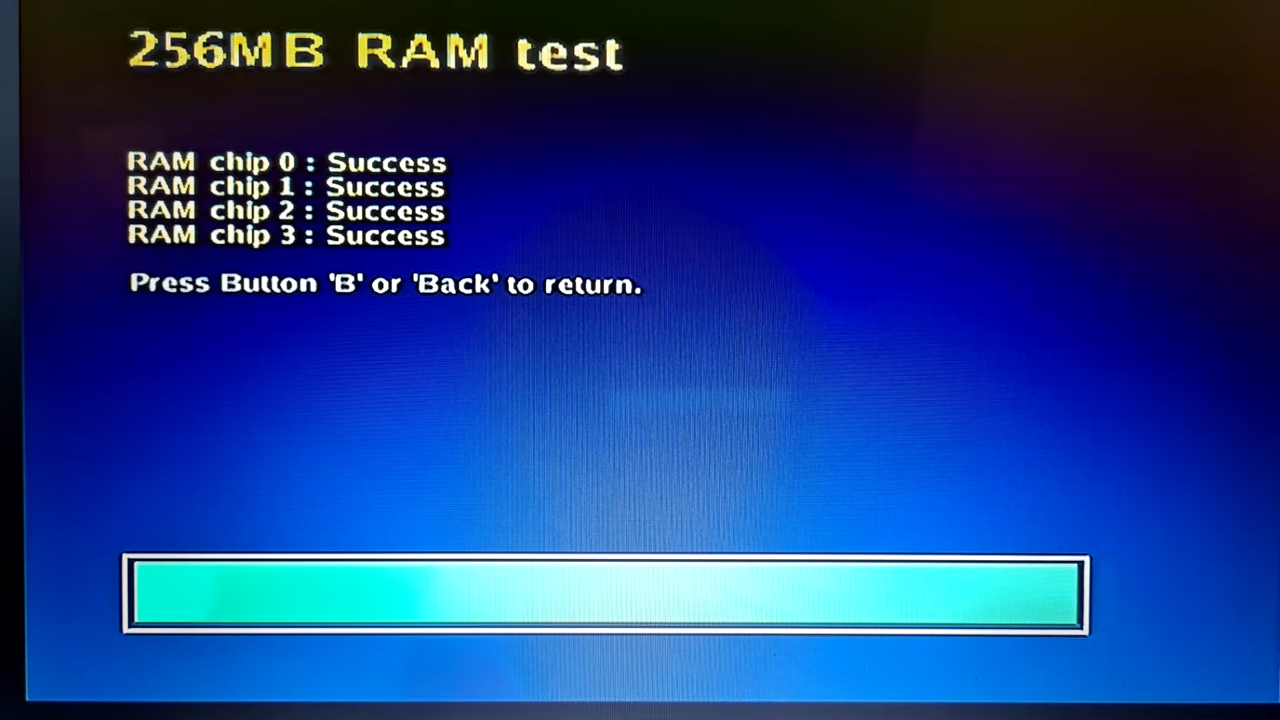
As practical SD cards are, they lack much of what made floppy disks and cartridges so awesome: room for art and a list of contents, as well as the ability to not be lost in shaggy carpet or down a pet’s gullet. In a fit of righteous nostalgia, [Abe] decided that he’d turn SD cards into cartridges in the best way possible, and amazingly managed to not only finish the project after two years, but also make it look snazzy enough to have come straight out of the 1980s. The resulting cartridges come both with fixed (256 MB) and removable micro SD card storage, which are mounted on a PCB that passively connects to pogo pins in the custom, 3D printed reader.
Front of an SD-card-turned-cartridge with adn without decal. (Credit: Abe's Projects, YouTube)Front of an SD-card-turned-cartridge with adn without decal. (Credit: Abe’s Projects, YouTube)
The inspiration for this project kicked in while [Abe] was working on a floppy drive conversion project called the Floppy8, which crammed an MCU into an external floppy drive along with a rough version of these SD card-based cartridges that used the physical card’s edge connector to connect with a micro SD slot inside the converted floppy drive. The problem with this setup was that alignment was terrible, and micro SD cards would break, along with a range of other quality of life issues.

Next, the SD card was put into a slot on the carrier PCB that featured its own edge connector. This improved matters, but the overly complicated (moving) read head in the reader turned out to be very unreliable, in addition to FDM printed parts having general tolerance and durability issues. Eventually a simplified design which takes these limitations in mind was created that so far seems to work just fine.

Although SD cards in cartridges are not a new idea, using them purely as a data carrier is far less common. One could argue about the practicality of turning a fingernail-sized micro SD card into something much larger, but in terms of aesthetics and handleability it definitely gets an A+.

youtube.com/embed/END_PVp3Eds?…


The Privacy Post reshared this.

The Privacy Post ha ricondiviso questo.

The media in this post is not displayed to visitors. To view it, please go to the original post.

CVE-2024-4577: La Vulnerabilità PHP Sfruttata entro 24 Ore dalla Sua Scoperta
poliverso.org/display/0477a01e…
CVE-2024-4577: La Vulnerabilità PHP Sfruttata entro 24 Ore dalla Sua Scoperta Nel giugno 2024, è stata resa pubblica una grave vulnerabilità redhotcyber.com/post/vulnerabi… nel linguaggio di programmazione PHP, identificata come CVE-2024-4577. Questa falla di sicurezza


CVE-2024-4577: La Vulnerabilità PHP Sfruttata entro 24 Ore dalla Sua Scoperta

Nel giugno 2024, è stata resa pubblica una grave vulnerabilità nel linguaggio di programmazione PHP, identificata come CVE-2024-4577. Questa falla di sicurezza colpisce le installazioni di PHP che operano in modalità CGI (Common Gateway Interface) ed è particolarmente critica per le installazioni su sistemi Windows con impostazioni locali in cinese e giapponese. Tuttavia, non si esclude che possa interessare un numero più ampio di configurazioni​ (Akamai)​​.

Dettagli della Vulnerabilità


La vulnerabilità è presente nelle versioni di PHP 8.1., 8.2., e 8.3.*, precedenti rispettivamente alle versioni 8.1.29, 8.2.20, e 8.3.8. La falla è causata dal modo in cui PHP e i gestori CGI interpretano determinati caratteri Unicode, permettendo agli aggressori di eseguire codice remoto (Remote Code Execution, RCE) inviando codice PHP che viene successivamente interpretato erroneamente dal server. Questo tipo di attacco sfrutta l’input php://input, un flusso I/O di sola lettura che consente di leggere i dati grezzi dal corpo della richiesta​.

Modalità di Sfruttamento


Gli attacchi sfruttano l’input php://input, un flusso I/O di sola lettura che permette di leggere i dati grezzi dal corpo della richiesta. Questo metodo consente di inserire codice malevolo che viene eseguito prima del codice principale del file PHP. Una tecnica comune è l’uso dell’opzione auto_prepend_file di PHP, che specifica un file da analizzare automaticamente prima del file principale. Questo assicura che il codice dell’attaccante venga eseguito per primo. Inoltre, viene spesso utilizzata l’opzione allow_url_include, che abilita il recupero di dati da posizioni remote tramite funzioni come fopen e file_get_contents​.

In modalità CGI, il server web analizza le richieste HTTP e le passa a uno script PHP per ulteriori elaborazioni. Questo può lasciare aperta una via per l’iniezione di comandi, poiché i parametri delle query vengono passati al PHP interpreter tramite la linea di comando. Ad esempio, una richiesta del tipo http://host/cgi.php?foo=bar potrebbe essere eseguita come php.exe cgi.php foo=bar, lasciando aperta la possibilità di eseguire comandi arbitrari se gli input non vengono correttamente sanitizzati​.

Impatti e Conseguenze


Il primo giorno dopo la divulgazione della vulnerabilità, il team di Akamai ha osservato numerosi tentativi di sfruttamento, segnalando la rapidità con cui gli attori malevoli hanno adottato questa vulnerabilità. Gli attacchi osservati includono iniezioni di comandi e l’implementazione di vari malware, tra cui Gh0st RAT, miner di criptovalute come RedTail e XMRig. Questi attacchi dimostrano l’alta criticità e la facile sfruttabilità della vulnerabilità, con conseguenze potenzialmente devastanti per i sistemi compromessi​​.

Descrizione dei Malware Utilizzati


  • Gh0st RAT: Gh0st RAT (Remote Access Trojan) è un malware utilizzato per il controllo remoto di sistemi infetti. Permette agli attaccanti di eseguire comandi da remoto, rubare informazioni sensibili, catturare schermate, registrare audio e video, e trasferire file. Questo malware è noto per la sua versatilità e la capacità di nascondersi nei sistemi infetti, rendendo difficile la sua rilevazione e rimozione​.
  • RedTail Cryptominer: RedTail è un miner di criptovalute che sfrutta le risorse del sistema infetto per minare criptovalute senza il consenso dell’utente. Questo tipo di malware consuma una quantità significativa di risorse di sistema, causando rallentamenti e potenziali danni hardware dovuti al surriscaldamento​.
  • XMRig: XMRig è un altro esempio di software di mining di criptovalute, specificamente progettato per minare Monero (XMR). Questo malware è altamente efficiente nel mascherare la sua presenza e può operare silenziosamente in background, riducendo al minimo la possibilità di essere rilevato dall’utente o dai software di sicurezza​.
  • Muhstik: Muhstik è un noto botnet malware che colpisce principalmente server basati su Linux. Viene utilizzato per lanciare attacchi DDoS (Distributed Denial of Service), eseguire criptominazioni, e propagare ulteriori malware. Muhstik è in grado di auto-propagarsi sfruttando vulnerabilità note e può compromettere rapidamente reti estese​.
  • RAT (Remote Access Trojan): I RAT sono trojan che permettono agli attaccanti di controllare completamente i sistemi infetti da remoto. Questi malware possono rubare dati, installare altri malware, monitorare le attività degli utenti, e trasformare i computer infetti in parte di una botnet per ulteriori attacchi. La loro caratteristica principale è la capacità di nascondersi efficacemente per evitare il rilevamento e la rimozione.


Indicatori di Compromissione (IOCs)


Gli Indicatori di Compromissione (IOCs) sono elementi di dati che suggeriscono una potenziale compromissione del sistema. Nel contesto della vulnerabilità CVE-2024-4577, gli IOCs possono includere:

  • Traffico di rete anomalo: Rilevamento di comunicazioni con server noti per essere utilizzati da attori malevoli.
  • File sospetti: Presenza di file sconosciuti o non autorizzati nelle directory dei server PHP, specialmente quelli specificati tramite auto_prepend_file.
  • Processi in esecuzione: Processi PHP o web server che eseguono comandi inusuali o che consumano eccessive risorse di sistema.
  • Log di sistema: Voci nei log del server che indicano tentativi di accesso non autorizzato o l’esecuzione di script PHP non previsti.
  • Modifiche ai file di configurazione: Alterazioni non autorizzate dei file di configurazione PHP, specialmente quelli che abilitano l’inclusione di URL remoti o specificano file da eseguire automaticamente​.


Identificazione della Vulnerabilità tramite Threat Intelligence


L’identificazione e la mitigazione delle minacce come la vulnerabilità CVE-2024-4577 possono essere effettuate tramite l’uso di Threat Intelligence, che include:

  • Monitoraggio dei Threat Feeds: Iscriversi a servizi di threat intelligence per ricevere aggiornamenti tempestivi su nuove vulnerabilità e indicatori di compromissione.
  • Analisi dei Log: Utilizzare strumenti di analisi dei log per identificare attività sospette o anomale nei log del server.
  • Implementazione di Sistemi di Intrusion Detection/Prevention (IDS/IPS): Questi sistemi possono rilevare e prevenire tentativi di sfruttamento delle vulnerabilità noti.
  • Patch Management: Implementare un processo di gestione delle patch efficace per assicurarsi che tutte le vulnerabilità note siano tempestivamente corrette.
  • Audit di Sicurezza: Condurre regolari audit di sicurezza per identificare e correggere potenziali punti deboli nel sistema​.


Misure di Protezione e Mitigazione


Per proteggersi da questa vulnerabilità, è fondamentale che le organizzazioni aggiornino immediatamente le loro installazioni di PHP alle versioni più recenti. Akamai ha implementato misure di mitigazione tramite il loro servizio App & API Protector, che protegge i clienti bloccando automaticamente gli exploit noti. Inoltre, nel loro blog, Akamai ha fornito una lista completa degli indicatori di compromesso (IOCs) per aiutare le organizzazioni a identificare e rispondere agli attacchi​.

Conclusione


La vulnerabilità CVE-2024-4577 rappresenta una seria minaccia per le installazioni di PHP in modalità CGI. La rapidità con cui è stata sfruttata dimostra la necessità per le organizzazioni di adottare misure di sicurezza tempestive e proattive. Aggiornare PHP alle versioni più sicure e utilizzare soluzioni di mitigazione automatica come quelle offerte da Akamai sono passi cruciali per proteggere i sistemi da attacchi futuri.

L'articolo CVE-2024-4577: La Vulnerabilità PHP Sfruttata entro 24 Ore dalla Sua Scoperta proviene da il blog della sicurezza informatica.


The Privacy Post reshared this.

The Privacy Post ha ricondiviso questo.

The media in this post is not displayed to visitors. To view it, please go to the original post.

Why The 555 Is Not a Timer, But Can Be One
poliverso.org/display/0477a01e…
Why The 555 Is Not a Timer, But Can Be One Although commonly referred to as a ‘timer IC’, the venerable NE555 and derivatives are in fact not timer ICs. This perhaps controversial statement is the open door that gets kicked in by [PKAE Electronics] over at YouTube, as he explains with excellent diagrams and simulations youtube.com/watch?v=3lEN6hEGUm… how exactly these ICs


Why The 555 Is Not a Timer, But Can Be One

Although commonly referred to as a ‘timer IC’, the venerable NE555 and derivatives are in fact not timer ICs. This perhaps controversial statement is the open door that gets kicked in by [PKAE Electronics] over at YouTube, as he explains with excellent diagrams and simulations how exactly these ICs work, and what it takes to make it actually do timer things. For anyone who has ever used one of these chips there is probably nothing too mind-blowing, but it’s an infinitely better way to wrap your way around an NE555 and kin than a datasheet.

At its core, the 555 contains three 5 kOhm resistors as a voltage divider, which has been incorrectly postulated to be the source of the chip’s name. This voltage divider controls two comparators, which in turn control an SR flipflop. These comparators are used for the voltage trigger and threshold inputs, which in turn toggle the flipflop, respectively setting and resetting it. This by itself just means that the 555 can be used as a threshold detector, with settable control voltage. How a 555 becomes a timer is when the discharge, trigger and threshold pins are combined with external resistors and a capacitor, which creates a smooth square wave on the 555’s output pin.

There are many ways to make basic components into an oscillator of some type, but the 555 is a great choice when you want something more refined that doesn’t involve using an entire MCU. That said, there’s far more that the 555 can be used for, as [PKAE] alludes to, and we hope that he makes more excellent videos on these applications.

youtube.com/embed/3lEN6hEGUmE?…


The Privacy Post reshared this.

The Privacy Post ha ricondiviso questo.

The media in this post is not displayed to visitors. To view it, please go to the original post.

Build Your Own Hydroelectric Dam
poliverso.org/display/0477a01e…
Build Your Own Hydroelectric Dam We have to admit that we often think about building unusual things, but we hadn’t really considered building our own hydroelectric dam before. [Mini Construction] did youtube.com/watch?v=jNCivw94vB…, apparently, and there’s a timelapse of the build in the video below.We wished this was more of a how-to video, although if you are handy with brickwork, th


Build Your Own Hydroelectric Dam

We have to admit that we often think about building unusual things, but we hadn’t really considered building our own hydroelectric dam before. [Mini Construction] did, apparently, and there’s a timelapse of the build in the video below.

We wished this was more of a how-to video, although if you are handy with brickwork, the mechanical construction seems straightforward. Presumably, you’d need to understand how much force the water had but we don’t know if there was math involved or just seat-of-the-pants design.

We were unclear what the tower was for until we saw the turbine installed in it. We weren’t clear where it came from, and it looked like maybe it was repurposed from something else. If you recognize what it is, or have a guess, drop a comment, will you? While the brickwork was impressive, the wiring — especially near water — looked a bit suspect. We hope that was just test wiring and a more permanent arrangement was made later.

We have seen hacker hydroelectric before, but rarely. Waterwheels seem much more common. Honestly, the masonry work was the best we’ve seen since [Walt] built a bomb shelter.

youtube.com/embed/jNCivw94vBo?…


The Privacy Post reshared this.

The Privacy Post ha ricondiviso questo.

The media in this post is not displayed to visitors. To view it, please go to the original post.

Ecco a voi Blast-RADIUS! Il nuovo exploit che Minaccia le Reti RADIUS dopo 30 Anni
poliverso.org/display/0477a01e…
Ecco a voi Blast-RADIUS! Il nuovo exploit che Minaccia le Reti RADIUS dopo 30 Anni Un gruppo di professionisti della sicurezza e accademici di Cloudflare, Microsoft, BastionZero, UC San Diego e Università di Amsterdam, hanno attirato redhotcyber.com/post/vulnerabi…


Ecco a voi Blast-RADIUS! Il nuovo exploit che Minaccia le Reti RADIUS dopo 30 Anni

Un gruppo di professionisti della sicurezza e accademici di Cloudflare, Microsoft, BastionZero, UC San Diego e Università di Amsterdam, hanno attirato l’attenzione su una vulnerabilità (CVE-2024-3596) nel protocollo RADIUS, che è in uso da oltre 30 anni. L’ attacco Blast-RADIUS consente agli aggressori di compromettere reti e dispositivi utilizzando attacchi MitM e collisioni MD5.

Il protocollo RADIUS (Remote Authentication Dial-In User Service) è stato sviluppato nel 1991 ed è noto fin dai tempi del dial-up. Da allora è rimasto lo standard de facto per l’autenticazione leggera ed è supportato praticamente in ogni switch, router, punto di accesso e concentratore VPN rilasciato negli ultimi decenni. Pertanto, RADIUS rimane un componente importante per la gestione della comunicazione client-server e viene utilizzato per fornire:

  • Accesso VPN;
  • Connessioni DSL e fibra offerte dai provider Internet,
  • funzionamento Wi-Fi e autenticazione 802.1X;
  • roaming nelle reti 2G e 3G;
  • Autenticazione DNN nelle reti 5G;
  • autenticazione tramite APN privati ​​per connettere i dispositivi mobili alle reti aziendali;
  • autenticazione sui dispositivi di controllo CII;
  • Eduroam e OpenRoaming Wi-Fi.

RADIUS consente una comunicazione continua tra i client (in genere router, switch e altri dispositivi che forniscono accesso alla rete) e un server RADIUS centrale, che funge da gatekeeper per l’autenticazione degli utenti e le policy di accesso. Lo scopo di RADIUS è fornire una gestione centralizzata dell’autenticazione, dell’autorizzazione e della contabilità per gli accessi remoti. A volte parliamo di decine di migliaia di dispositivi sulla stessa rete.

L’attacco Blast-RADIUS sfrutta il protocollo MD5 e le vulnerabilità di collisione, consentendo agli aggressori con accesso al traffico RADIUS di manipolare le risposte del server e aggiungere attributi arbitrari, consentendo loro di ottenere diritti amministrativi sui dispositivi RADIUS senza utilizzare la forza bruta o il furto di credenziali. L’attacco colpisce tutte le modalità di autenticazione RADIUS/UDP, ad eccezione di quelle che utilizzano EAP (Extensible Authentication Protocol).

“L’attacco Blast-RADIUS consente a un utente malintenzionato che si trova tra il client e il server RADIUS di creare un vero messaggio di accettazione del protocollo in risposta a una richiesta di autenticazione non riuscita”, spiegano i ricercatori. “Ciò può consentire a un utente malintenzionato di accedere ai dispositivi e ai servizi di rete senza dover indovinare o decifrare password o i segreti condivisi. Di conseguenza, l’aggressore non riceve le credenziali dell’utente. Un utente malintenzionato che utilizza il nostro attacco ha la capacità di aumentare i propri privilegi dall’accesso parziale alla rete all’accesso a qualsiasi dispositivo che utilizza RADIUS per l’autenticazione o di assegnarsi diritti di rete arbitrari”.
Modello di attacco
Il fatto è che il protocollo RADIUS utilizza richieste e risposte con hash MD5 durante l’autenticazione sul dispositivo. L’exploit PoC sviluppato dagli specialisti calcola una collisione dell’hash MD5 con un prefisso selezionato, necessaria per creare una corretta risposta Access-Accept, indicando una richiesta di autenticazione riuscita. Questo falso hash MD5 viene quindi iniettato nella connessione di rete utilizzando un attacco man-in-the-middle, consentendo all’aggressore di accedere al sistema.

Sfruttare il problema e creare un hash MD5 richiede dai 3 ai 6 minuti, ovvero più tempo dei timeout da 30 a 60 secondi tipicamente utilizzati in RADIUS. Tuttavia, ogni fase dell’algoritmo di collisione utilizzato nell’attacco può essere efficacemente parallelizzata e può anche essere ottimizzata a livello hardware. Cioè, un utente malintenzionato con buone risorse può sferrare un attacco utilizzando GPU, FPGA e altro hardware moderno e veloce per ottenere tempi di esecuzione più rapidi, aumentandoli di decine o addirittura centinaia di volte.

Poiché questo attacco non compromette le credenziali dell’utente finale, gli utenti stessi non possono fare nulla per proteggersi. Si consiglia tuttavia ai produttori e agli amministratori di sistema che creano e gestiscono dispositivi RADIUS di seguire le migliori pratiche già disponibili .inkbridgenetworks.com/blastrad…

Per proteggersi da Blast-RADIUS, gli operatori di rete possono passare a RADIUS over TLS (RADSEC), implementazioni RADIUS multi-hop e isolare il traffico RADIUS da Internet utilizzando VLAN limitate o tunneling TLS/IPsec.

L'articolo Ecco a voi Blast-RADIUS! Il nuovo exploit che Minaccia le Reti RADIUS dopo 30 Anni proviene da il blog della sicurezza informatica.


The Privacy Post reshared this.

The Privacy Post ha ricondiviso questo.

The media in this post is not displayed to visitors. To view it, please go to the original post.

2024 Business Card Challenge: The Gift of Music
poliverso.org/display/0477a01e…
2024 Business Card Challenge: The Gift of Music Has anyone ever told you that you just can’t carry a tune? If you were to be the lucky recipient of one of [Ayu]’s synthesizer business cards hackaday.io/project/196643-can…, well, then it really couldn’t be helped.This tiny, go-anywhere instrument has quite a lot going for it. It’s easy for anyone to pick up and play


2024 Business Card Challenge: The Gift of Music

A business card-sized synthesizer with capacitive touch pads.

Has anyone ever told you that you just can’t carry a tune? If you were to be the lucky recipient of one of [Ayu]’s synthesizer business cards, well, then it really couldn’t be helped.

This tiny, go-anywhere instrument has quite a lot going for it. It’s easy for anyone to pick up and play something, but versatile enough that a more experienced musician can add complexity. While we do tend to see twelve keys in a small form-factor like this, the Canta-Cart uses them a bit differently. Only ten are tied to notes, and the other two are for transposition.

[Ayu] was able to keep the BOM cost way down by using the PY32, which is an ARM Cortex-M microcontroller made by Puya that costs as little as 10¢ each. In fact, the whole BOM clocks in around 60¢ total even with the audio DAC and amplifier ICs, which really makes these ideal to actually give away to people. Check it out in action after the break, or try it in the browser!

player.vimeo.com/video/9708980…

2024 Business Card Challenge


The Privacy Post reshared this.

The Privacy Post ha ricondiviso questo.

The media in this post is not displayed to visitors. To view it, please go to the original post.

Newly Completed Overly-Complex Clock Synchronizes Multiple Mechanisms
poliverso.org/display/0477a01e…
Newly Completed Overly-Complex Clock Synchronizes Multiple Mechanisms Some time ago [Kelton] was working on a clock inspired by Rube Goldberg contraptions. It uses only a single motor, and he’s proud to now show off the finished product youtube.com/watch?v=LFGRpzzMAg… (video, embedded below.)The clock shows hours on the left, and minutes on the


Newly Completed Overly-Complex Clock Synchronizes Multiple Mechanisms

Some time ago [Kelton] was working on a clock inspired by Rube Goldberg contraptions. It uses only a single motor, and he’s proud to now show off the finished product (video, embedded below.)

The clock shows hours on the left, and minutes on the right. Every sixty minutes the clock drops a marble. That marble kicks off a series of visually-satisfying operations that culminate in advancing the hour. Then everything resets, and it continues for as long as it has power.
The hour oscillates in a very satisfying manner as it locks in.
At the top of each hour, the minute hand tips a marble with a gravity cam. That marble runs down a track gaining enough momentum to flip a kicker, and a short series of falling dominoes builds enough force to tip and trigger the spring-loaded ratchet that locks in a new hour. You can skip directly to 2:09 if you just want to listen to [Kelton] explain the whole operation from beginning to end.

We think it’s very interesting to note that this clock’s complexity is, if anything, understated. Each of the mechanisms involved must individually reset by their own separate mechanisms, each of which are as intriguing as their showier counterparts, and we’re sure they were every bit as difficult to get just right. And of course, it’s all driven by a single motor.

You may recall the promising start this clock project was off to and we’re delighted to see it come to completion, especially considering its complexity. Not every project sees completion, and fewer still get a version two, but that’s okay. What really floats our boat is seeing the process and details as well as hearing about what worked and what didn’t. We’re glad this clock reached the finish line, but even if something doesn’t work out, there’s always something to learn.

youtube.com/embed/LFGRpzzMAgE?…


The Privacy Post reshared this.

The Privacy Post ha ricondiviso questo.

Palo Alto Networks Risolve Vulnerabilità Critiche di Sicurezza: Aggiornamenti per CVE-2024-5910 e BlastRADIUS
poliverso.org/display/0477a01e…
Palo Alto Networks Risolve Vulnerabilità Critiche di Sicurezza: Aggiornamenti per CVE-2024-5910 e BlastRADIUS Palo Alto Networks ha rilasciato aggiornamenti di sicurezza per risolvere cinque falle di sicurezza security.paloaltonetworks.com/ che hanno avuto un impatto sui suoi prodotti, tra cui un bug critico che


Palo Alto Networks Risolve Vulnerabilità Critiche di Sicurezza: Aggiornamenti per CVE-2024-5910 e BlastRADIUS

Palo Alto Networks ha rilasciato aggiornamenti di sicurezza per risolvere cinque falle di sicurezza che hanno avuto un impatto sui suoi prodotti, tra cui un bug critico che potrebbe causare l’aggiramento dell’autenticazione.

Catalogata come CVE-2024-5910 (punteggio CVSS: 9,3), la vulnerabilità è stata descritta come un caso di autenticazione mancante nel suo strumento di migrazione Expedition che potrebbe portare all’acquisizione di un account amministratore.

“La mancanza di autenticazione per una funzione critica in Palo Alto Networks Expedition può portare all’acquisizione dell’account amministratore di Expedition per gli aggressori con accesso di rete a Expedition”, ha affermato l’azienda in un avviso. “I segreti di configurazione, le credenziali e altri dati importati in Expedition sono a rischio a causa di questo problema”.

Il difetto ha un impatto su tutte le versioni di Expedition precedenti alla versione 1.2.92, che risolve il problema. Brian Hysell del Synopsys Cybersecurity Research Center (CyRC) è stato accreditato per aver scoperto e segnalato il problema. Sebbene non vi siano prove che la vulnerabilità sia stata sfruttata, si consiglia agli utenti di aggiornare il software alla versione più recente per proteggersi da potenziali minacce.

Come soluzione alternativa, Palo Alto Networks consiglia di limitare l’accesso di rete a Expedition a utenti, host o reti autorizzati. L’azienda americana di sicurezza informatica ha inoltre risolto un difetto recentemente scoperto nel protocollo RADIUS denominato BlastRADIUS (CVE-2024-3596), che potrebbe consentire a un malintenzionato in grado di eseguire un attacco Adversary-in-the-Middle (AitM) tra il firewall PAN-OS di Palo Alto Networks e un server RADIUS per eludere l’autenticazione.

L'articolo Palo Alto Networks Risolve Vulnerabilità Critiche di Sicurezza: Aggiornamenti per CVE-2024-5910 e BlastRADIUS proviene da il blog della sicurezza informatica.


The Privacy Post reshared this.

The Privacy Post ha ricondiviso questo.

The media in this post is not displayed to visitors. To view it, please go to the original post.

You Can Build A Little Car That Goes Farther Than You Push It
poliverso.org/display/0477a01e…
You Can Build A Little Car That Goes Farther Than You Push It Can you build a car that travels farther than you push it? [Tom Stanton] shows us that you can youtube.com/watch?v=eoVUdwOgji…, using a capacitor and some nifty design tricks.[Tom]’s video shows us the construction of a small 3D printed trike with a curious drivetrain. There’s a simple generator


You Can Build A Little Car That Goes Farther Than You Push It

Can you build a car that travels farther than you push it? [Tom Stanton] shows us that you can, using a capacitor and some nifty design tricks.

[Tom]’s video shows us the construction of a small 3D printed trike with a curious drivetrain. There’s a simple generator on board, which charges a capacitor when the trike is pushed along the ground. When the trike is let go, however, this generator instead acts as a motor, using energy stored in the capacitor to drive the trike further.

When put to the test by [Tom], both a freewheeling car and the capacitor car are pushed up to a set speed. But the capacitor car goes farther. The trick is simple – the capacitor car can go further because it has more energy. But how?

It’s all because more work is being done to push the capacitor car up to speed. It stores energy in the capacitor while it’s being accelerated by the human pushing it. In contrast, after being pushed, the freewheeling car merely coasts to a stop as it loses kinetic energy. However, the capacitor car has similar kinetic energy plus the energy stored in its capacitor, which it can use to run its motor.

It’s a neat exploration of some basic physics, and useful learning if you’ve ever wondered about the prospects of perpetual motion machines.

youtube.com/embed/eoVUdwOgjiA?…


The Privacy Post reshared this.

The Privacy Post ha ricondiviso questo.

The media in this post is not displayed to visitors. To view it, please go to the original post.

Embedded Python: MicroPython Is Amazing
poliverso.org/display/0477a01e…
Embedded Python: MicroPython Is Amazing In case you haven’t heard, about a month ago MicroPython has celebrated its 11th birthday. I was lucky that I was able to start hacking with it soon after pyboards have shipped – the first tech talk I remember giving was about MicroPython python.lv/2014-10-05-recap.htm…, and that talk was how I got into the hackerspace I subsequently spent


Embedded Python: MicroPython Is Amazing

In case you haven’t heard, about a month ago MicroPython has celebrated its 11th birthday. I was lucky that I was able to start hacking with it soon after pyboards have shipped – the first tech talk I remember giving was about MicroPython, and that talk was how I got into the hackerspace I subsequently spent years in. Since then, MicroPython been a staple in my projects, workshops, and hacking forays.

If you’re friends with Python or you’re willing to learn, you might just enjoy it a lot too. What’s more, MicroPython is an invaluable addition to a hacker’s toolkit, and I’d like to show you why.

Hacking At Keypress Speed


Got a MicroPython-capable chip? Chances are, MicroPython will serve you well in a number of ways that you wouldn’t expect. Here’s a shining example of what you can do. Flash MicroPython onto your board – I’ll use a RP2040 board like a Pi Pico. For a Pico, connect an I2C device to your board with SDA on pin 0 and SCL on pin 1, open a serial terminal of your choice and type this in:
>>> from machine import I2C, Pin
>>> i2c = I2C(0, sda=Pin(0), scl=Pin(1))
>>> i2c.scan()

This interactivity is known as REPL – Read, Evaluate, Print, Loop. The REPL alone makes MicroPython amazing for board bringup, building devices quickly, reverse-engineering, debugging device library problems and code, prototyping code snippets, writing test code and a good few other things. You can explore your MCU and its peripherals at lightning speed, from inside the MCU.

When I get a new I2C device to play with, the first thing I tend to do is wiring it up to a MicroPython-powered board, and poking at its registers. It’s as simple as this:
>>> for i in range(16):
>>> # read out registers 0-15
>>> # print "address value" for each
>>> print(hex(i), i2c.readfrom_mem(0x22, i))
>>> # write something to a second (0x01) register
>>> i2c.writeto_mem(0x22, 0x01, bytes([0x01]) )

That i2c.scan() line alone replaces an I2C scanner program you’d otherwise have to upload into your MCU of choice, and you can run it within three to five seconds. Got Micropython running? Use serial terminal, Ctrl+C, and that will drop you into a REPL, just type i2c.scan() and press Enter. What’s more, you can inspect your code’s variables from the REPL, and if you structure your code well, even restart your code from where it left off! This is simply amazing for debugging code crashes, rare problems, and bugs like “it stops running after 20 days of uptime”. In many important ways, this removes the need for a debugger – you can now use your MCU to debug your code from the inside.

Oh, again, that i2c.scan()? You can quickly modify it if you need to add features on the fly. Want addresses printed in hex? (hex(addr) for addr in i2c.scan()). Want to scan your bus while you’re poking your cabling looking for a faulty wire? Put the scan into a while True: and Ctrl+C when you’re done. When using a typical compiled language, this sort of tinkering requires an edit-compile-flash-connect-repeat cycle, taking about a dozen seconds each time you make a tiny change. MicroPython lets you hack at the speed of your keyboard typing. Confused the pins? Press the `up` button, edit the line and run the i2c = line anew.

To be clear, all of code is running on your microcontroller, you just type it into your chip’s RAM and it is executed by your MCU. Here’s how you check GPIOs on your Pi Pico, in case you’re worried that some of them have burnt out:
>>> from machine import Pin
>>> from time import sleep
>>> pin_nums = range(30) # 0 to 29
>>> # all pins by default - remove the ones connected to something else if needed
>>> pins = [Pin(num, Pin.OUT) for num in pin_nums]
>>>
>>> while True:
>>> # turn all pins on
>>> for i in range(len(pins)):
>>> pins[i].value(True)
>>> sleep(1)
>>> # turn all pins off
>>> for i in range(len(pins)):
>>> pins[i].value(False)
>>> sleep(1)
>>> # probe each pin with your multimeter and check that each pin changes its state

There’s many things that make MicroPython a killer interpreter for your MCU. It’s not just the hardware abstraction layer (HAL), but it’s also the HAL because moving your code from board to board is generally as simple as changing pin definitions. But it’s all the other libraries that you get for free that make Python awesome on a microcontroller.

Batteries Included


It really is about the batteries – all the libraries that the stock interpreter brings you, and many more that you can download. Only an import away are time, socket, json, requests, select, re and many more, and overwhelmingly, they work the same as CPython. You can do the same r = requests.get("https://retro.hackaday.com"); print(r.text)[:1024] as you would do on desktop Python, as long as you got a network connection going on. There will be a few changes – for instance, time.time() is an integer, not a float, so if you need to keep track of time very granularly, there are different functions you can use.

Say, you want to parse JSON from a web endpoint. If you’re doing that in an Arduino environment, chances are, you will be limited in what you can do, and you will get triangle bracket errors if you mis-use the JSON library constructs because somehow the library uses templates; runtime error messages are up to you to implement. If you parse JSON on MicroPython and you expect a dict but get a list in runtime, it prints a readable error message. If you run out of memory, you get a very readable MemoryError printed out, you can expect it and protect yourself from it, even fix things from REPL and re-run the code if needed.

The user-supplied code is pretty good, too. If you want PIO or USB-HID on the RP2040, or ESP-CPU-specific functions on the ESP family, they are exposed in handy libraries. If you want a library to drive a display, it likely already has been implemented by someone and put on GitHub. And, if that doesn’t exist, you port one from Arduino and publish it; chances are, it will be shorter and easier to read. Of course, MicroPython has problems. In fact, I’ve encountered a good few problems myself, and I would be amiss not mentioning them.

Mind The Scope


In my experience, the single biggest problem with MicroPython is that writing out `MicroPython` requires more of my attention span than I can afford. I personally shorten it to uPy or just upy, informally. Another problem is that the new, modernized MicroPython logo has no sources or high-res images available, so I can’t print my own stickers of it, and MicroPython didn’t visit FOSDEM this year, so I couldn’t replenish my sticker stock.

On a more serious note, MicroPython as a language has a wide scope of where you can use it; sometimes, it won’t work for you. An ATMega328P can’t handle it – but an ESP8266 or ESP32 will easily, without a worry in the world, and you get WiFi for free. If you want to exactly control what your hardware does, counting clock cycles or hitting performance issues, MicroPython might not work for you – unless you write some Viper code.

If you want to have an extremely-low-power MCU that runs off something like energy harvesting, MicroPython might not work – probably. If you need your code run instantly once your MCU gets power, mind the interpreter takes a small bit of time to initialize – about one second, in my experience. If you want to do HDMI output on a RP2040, perhaps stick to C – though you can still do PIO code, there are some nice libraries for it.

Some amount of clock cycles will be spent on niceties that Python brings. Need more performance? There are things you can do. For instance, if you have a color display connected over SPI and you want to reduce frame rendering time, you might want to drop down to C, but you don’t have to ditch MicroPython – just put more of your intensive code into C-written device drivers or modules you compile, and, prototype it in MicroPython before you write it.

As Seen On Hackaday


If you’ve followed the USB-C PD talking series, you must’ve seen that the code was written in MicroPython, and I’ve added features like PD sniffing, DisplayPort handling and PSU mode as if effortlessly; it was just that easy to add them and more. I started with the REPL, a FUSB302 connected to a RP2040, poking at registers and reading the datasheet, and while I needed outside help, the REPL work was so so much fun!

There’s something immensely satisfying about poking at a piece of technology interactively and trying to squeeze features out of it, much more if it ends up working, which it didn’t, but it did many other times! I’ve been hacking on that PD stack, and now I’m slowly reformatting it from a bundle of functions into object-based code – Python makes that a breeze.

Remember the Sony Vaio board? Its EC (embedded controller) is a RP2040, always powered on as long as batteries are inserted, and it’s going to be running MicroPython. The EC tasks include power management, being a HID over I2C peripheral, button and LED control, and possibly forwarding keyboard and trackpoint events to save a USB port from the second RP2040, which will run QMK and server as a keyboard controller. MicroPython allows me to make the firmware quickly, adorn it with a dozen features while I do it, and keep the codebase expandable on a whim. The firmware implementation will be a fun journey, and I hope I can tell about it at some point.

Have you used MicroPython in your projects? What did it bring to your party?


The Privacy Post reshared this.

The Privacy Post ha ricondiviso questo.

The media in this post is not displayed to visitors. To view it, please go to the original post.

Ticketmaster SafeTix Reverse-Engineered
poliverso.org/display/0477a01e…
Ticketmaster SafeTix Reverse-Engineered Ticketmaster is having a rough time lately. Recently, a hacker named [Conduition] managed to reverse-engineer their new “safe” electronic ticket system conduition.io/coding/ticketmas…. Of course, they also had the recent breach where more than half a billion accounts had personal and financial data cbc.ca/news/ticketmaster-data-


Ticketmaster SafeTix Reverse-Engineered

Ticketmaster is having a rough time lately. Recently, a hacker named [Conduition] managed to reverse-engineer their new “safe” electronic ticket system. Of course, they also had the recent breach where more than half a billion accounts had personal and financial data leaked without any indication of whether or not the data was fully encrypted. But we’re going to focus on the former, as it’s more technically interesting.

Ticketmaster’s stated goals for the new SafeTix system — which requires the use of a smartphone app — was to reduce fraud and ticket scalping. Essentially, you purchase a ticket using their app, and some data is downloaded to your phone which generates a rotating barcode every 15 seconds. When [Conduition] arrived at the venue, cell and WiFi service was totally swamped by everyone trying to load their barcode tickets. After many worried minutes (and presumably a few choice words) [Conduition] managed to get a cell signal long enough to update the barcode, and was able to enter, albeit with a large contingent of similarly annoyed fans trying to enter with their legally purchased tickets.

The real kicker here is that since the barcode rotates every 15 seconds, printing it out simply isn’t an option. This alienates anyone who doesn’t have a smartphone, which includes individuals who may not be able to physically operate one. So the problem isn’t simply that users were being forced to install yet another application on their device, but that the system reduces accessibility to entertainment. [Conduition] was dismayed and frustrated with this, and so the reverse-engineering effort began.

Decoding the barcode was actually quite simple. It is a standard PDF417 barcode, which contains a long Base64 string, two six-digit numbers, and a Unix timestamp all concatenated together with colons. The only parts of the string that seemed to change over time were the two six-digit numbers. Hmm, can we think of a common technology which generates six-digit numbers that update seemingly randomly on a fixed cycle? Of course — it’s just a Time-based one-time password (TOTP), the technology behind 2FA authenticator apps!

So where were the secret keys coming from? TOTP only requires two things: a static secret string, and the current time. [Conduition] checked the communication with the Ticketmaster servers and found a particularly interesting request that returned JSON-formatted data, inside which were of course the two secret keys. One seems to be unique per customer, and the other per ticket.
The important data captured from the web traffic
The Ticketmaster API documentation only briefly mentions this feature, but they do state that customers must refresh their ticket barcodes within 20 hours before an event starts. These two pieces of information were enough to allow [Conduition] to whip up a simple app that accepts the secret keys and the ticket ID and pops out the rotating barcodes. This would allow you to sell your tickets in the 20 hours prior to an event, or even just give them away to friends without having to give their personal data to Ticketmaster and allow you to take back control of your tickets.

Thanks to [Chrischi] for the tip!


The Privacy Post reshared this.

The Privacy Post ha ricondiviso questo.

The media in this post is not displayed to visitors. To view it, please go to the original post.

Fine di un’Era: SiegedSec, il Gruppo di Hacker, Annuncia la Sua Dissoluzione
poliverso.org/display/0477a01e…
Fine di un’Era: SiegedSec, il Gruppo di Hacker, Annuncia la Sua Dissoluzione Il gruppo di cybercriminali SiegedSec, che ha guadagnato notorietà durante l’invasione russa dell’Ucraina, ha recentemente annunciato la sua dissoluzione. Questo gruppo, guidato da “YourAnonWolf,” ha rapidamente consolidato il suo potere aumentando il numero delle sue vittime.


Fine di un’Era: SiegedSec, il Gruppo di Hacker, Annuncia la Sua Dissoluzione

Il gruppo di cybercriminali SiegedSec, che ha guadagnato notorietà durante l’invasione russa dell’Ucraina, ha recentemente annunciato la sua dissoluzione. Questo gruppo, guidato da “YourAnonWolf,” ha rapidamente consolidato il suo potere aumentando il numero delle sue vittime. Descrivendosi come “hacker gay furry,” SiegedSec è noto per i suoi slogan divertenti e il linguaggio volgare. Le loro attività principali includono attacchi di defacing, illeciti di dati sensibili e accessi non autorizzati a database e email.

La Storia di SiegedSec


SiegedSec è emerso come una forza significativa nel panorama della cybercriminalità, sfruttando il caos e l’incertezza creati dalla guerra in Ucraina. Il gruppo ha guadagnato rapidamente notorietà attraverso una serie di attacchi di alto profilo contro aziende di diversi settori, tra cui sanità, IT, assicurazioni, diritto e finanza. Le loro operazioni hanno colpito aziende in paesi come India, Indonesia, Sud Africa, Stati Uniti, Filippine e Messico.

Motivazioni e Dichiarazione di Scioglimento


Il 10 luglio 2024, SiegedSec ha attirato l’attenzione con un annuncio sorprendente: “È tempo per SiegedSec di sciogliersi.” Nel post pubblicato, hanno dichiarato: “Sì, questo è un annuncio improvviso. Avevamo pianificato di scioglierci oggi o domani, ma date le circostanze, crediamo sia meglio farlo ora. Per la nostra sanità mentale, lo stress della pubblicità di massa e per evitare gli occhi dell’FBI.”

Il leader del gruppo, noto come YourAnonWolf, ha riflettuto sul suo desiderio di abbandonare il cybercrimine e ha affermato che gli altri membri hanno concordato che fosse il momento giusto per lasciar riposare SiegedSec per sempre. In passato, aveva tentato di abbandonare il cybercrimine diverse volte senza successo, ma questa volta spera di riuscire a stare lontano da queste attività per il suo benessere.

Attacchi Noti e Conseguenze


SiegedSec ha portato a termine numerosi attacchi di successo contro aziende di varie industrie. Questi attacchi includevano defacing di siti web, furti di dati sensibili e accessi non autorizzati a database e email. Hanno colpito aziende in paesi come India, Indonesia, Sud Africa, Stati Uniti, Filippine, Messico e altri, causando danni significativi e attirando l’attenzione dei media e delle autorità.

Nella loro dichiarazione finale, hanno affermato di aver postato l’ultimo dei loro attacchi e di aver inviato alcune violazioni private ai giornalisti per la gestione delle divulgazioni. Il canale del gruppo, tutte le violazioni e le chat della comunità rimarranno aperti.

La Community e il Futuro


SiegedSec ha ringraziato la sua comunità per il supporto e ha invitato i membri a rimanere attivi nei loro canali di comunicazione. Hanno citato una frase del rapper Ytcracker: “Might as well quit while I’m a free man … a clean slate, just a chance to start fresh” (“Tanto vale smettere finché sono un uomo libero … un nuovo inizio, solo una possibilità di ricominciare da capo”).

In conclusione, mentre SiegedSec non sarà più un gruppo di cybercriminali attivo, il suo spirito vivrà nella comunità che hanno costruito. I membri continueranno a supportare gli ideali del gruppo e a lottare per i diritti degli altri.

Immagini di Commiato


Il gruppo ha condiviso un’immagine ASCII emotiva che rappresenta tre gatti con i nomi “vio,” “kry,” e “kit,” seduti su una recinzione sotto un cielo stellato, con un’epigrafe che recita: “Grazie a tutti. Ogni stella è un altro membro, tutti sono ricordati. Riposa in pace. I nostri membri caduti saranno ricordati per sempre.”


SiegedSec ha lasciato un segno indelebile nel mondo della cybercriminalità e della sicurezza informatica, e il loro annuncio di scioglimento segna la fine di un’era.

L'articolo Fine di un’Era: SiegedSec, il Gruppo di Hacker, Annuncia la Sua Dissoluzione proviene da il blog della sicurezza informatica.


The Privacy Post reshared this.

The Privacy Post ha ricondiviso questo.

The media in this post is not displayed to visitors. To view it, please go to the original post.

Ancora Local Privilege Escalation 0day per Windows in vendita a 150.000 dollari
poliverso.org/display/0477a01e…
Ancora Local Privilege Escalation 0day per Windows in vendita a 150.000 dollari Di recente è mersa una nuova vulnerabilità redhotcyber.com/post/vulnerabi… di tipo Local Privilege Escalation (LPE) su tutte le versionihttps://www.redhotcyber.com/post/vulnerabilita-cve-2024-


Ancora Local Privilege Escalation 0day per Windows in vendita a 150.000 dollari

Di recente è mersa una nuova vulnerabilità di tipo Local Privilege Escalation (LPE) su tutte le versioni di Windows. Conosciuta come una vulnerabilità zero-day, questa falla non è ancora stata individuata né corretta dai produttori del software, rendendo immediatamente vulnerabili milioni di dispositivi in tutto il mondo.

L’annuncio presente sul dark web, mette in vendita l’exploit per una somma di 150.000 dollari, evidenziando la gravità della minaccia e l’urgenza di una risposta da parte delle comunità di sicurezza informatica.

Dettagli vulnerabilità


L’annuncio descrive una vulnerabilità di tipo LPE, che consente a un utente malintenzionato di elevare i propri privilegi su un sistema locale, bypassando le restrizioni di sicurezza tipiche del sistema operativo. Questo tipo di exploit può essere devastante, poiché consente agli attaccanti di ottenere accesso amministrativo completo, potendo così manipolare il sistema, eseguire codice arbitrario, installare malware e rubare dati sensibili.

Dettagli vendita


Su un noto forum underground, il threat actor noto come ‘Cvsp” afferma di avere in possesso una vulnerabilità di Local Privilege Escalation (LPE) in Windows pronta alla vendita.

Immagine del post rinvenuto nel darkweb

Dettagli post:

  • Versioni Affette: Tutte le versioni di Windows sono vulnerabili, indicando una falla sistemica e non circoscritta a specifiche edizioni del sistema operativo.
  • Tasso di Successo: L’exploit vanta un impressionante tasso di successo del 98%, suggerendo che è stato testato ampiamente e verificato come altamente efficace.
  • Dettagli e PoC: I dettagli tecnici dell’exploit e un Proof of Concept (PoC) sono disponibili solo tramite messaggi privati.
  • Prezzo: Il costo dell’exploit è fissato a 150.000$, una cifra significativa che riflette l’alto valore percepito di questa vulnerabilità nel dark web.

Al momento non è possibile verificare la validità dell’exploit, senza prove, le affermazioni di Cvsp rimangono non verificate.

L’attore Cvsp è comparso nel settembre 2023, la sua reputazione è descritta come “discreta”, il che implica che non è particolarmente noto né totalmente sconosciuto, ma ha acquisito una certa credibilità all’interno della comunità. Cvsp ha messo in vendita altre vulnerabilità zero-day nei mesi scorsi, specificamente per VMware ESXi e Microsoft Outlook, ma in entrambi i casi precedenti non ha fornito prove concrete dell’esistenza e dell’efficacia delle vulnerabilità. Di conseguenza, non è possibile verificare se le affermazioni di Cvsp siano vere.

Metodi di contatto e acquisto


Cvsp può essere contattato tramite TOX, un protocollo di messaggistica crittografata e garantisce anonimato e la protezione dei dati durante lo scambio di informazioni sensibili.

L’autore dell’annuncio specifica che le transazioni saranno effettuate tramite un servizio di escrow, nello specifico tramite l’inermediario IntelBroker. Questo metodo di pagamento, comune nei contesti di alta sicurezza, garantisce che i fondi siano trattenuti da una terza parte fiduciaria fino a quando tutte le condizioni dell’accordo non sono state soddisfatte. Questo suggerisce una transazione ben orchestrata e professionale.

Conclusioni


La scoperta di questa nuova vulnerabilità zero-day in tutte le versioni di Windows sottolinea ancora una volta la costante minaccia rappresentata dagli exploit non divulgati. Le implicazioni di un exploit di tipo Local Privilege Escalation sono gravi, poiché permettono agli attaccanti di ottenere il controllo completo dei sistemi affetti, esponendo dati sensibili e compromettendo la sicurezza generale dell’infrastruttura IT. Gli utenti e gli amministratori di sistema devono assicurarsi che tutti i sistemi Windows siano aggiornati con le ultime patch di sicurezza non appena diventano disponibili. Questo riduce la superficie di attacco e protegge contro le vulnerabilità note.

La comunità di sicurezza informatica deve rimanere vigile e collaborativa per affrontare rapidamente queste minacce e proteggere gli utenti da potenziali attacchi. La divulgazione responsabile delle vulnerabilità e la collaborazione con i produttori di software sono fondamentali per mantenere sicuri i nostri sistemi informatici.

L'articolo Ancora Local Privilege Escalation 0day per Windows in vendita a 150.000 dollari proviene da il blog della sicurezza informatica.


The Privacy Post reshared this.

The Privacy Post ha ricondiviso questo.

New note by cybersecurity
poliverso.org/display/0477a01e…
h1]Francia troppo protezionista sulla cybersicurezza? https://www.startmag.it/cybersecurity/francia-troppo-protezionista-sulla-cybersicurezza/[/h1]Che cosa emerge dalla "Stratégie nationale de cybersécurité 2024" elaborata dall'Anssi (Agenzia Nazionale per la Sicurezza dei Sistemi Informativi) francese. L'analisi di Francis WalsinghamL'articolo viene ricondiviso sulla comunità Lemmy @Informatica


Francia troppo protezionista sulla cybersicurezza?

Che cosa emerge dalla "Stratégie nationale de cybersécurité 2024" elaborata dall'Anssi (Agenzia Nazionale per la Sicurezza dei Sistemi Informativi) francese. L'analisi di Francis Walsingham

L'articolo viene ricondiviso sulla comunità Lemmy @Informatica (Italy e non Italy 😁) e proviene dalla sezione #Cybersecurity di #StartMag la


The Privacy Post reshared this.

The Privacy Post ha ricondiviso questo.

Apple opens NFC technology access, dodges EU antitrust scrutiny
poliverso.org/display/0477a01e…
Apple opens NFC technology access, dodges EU antitrust scrutinyThe European Commission legally bound Apple to commitments on Thursday (11 July) addressing previous competition concerns over its refusal to grant rivals access to NFC technology for contactless payments.euractiv.com/section/competiti…


Apple opens NFC technology access, dodges EU antitrust scrutiny


The European Commission legally bound Apple to commitments on Thursday (11 July) addressing previous competition concerns over its refusal to grant rivals access to NFC technology for contactless payments.


euractiv.com/section/competiti…


The Privacy Post reshared this.

The Privacy Post ha ricondiviso questo.

Microsoft e Apple Lasciano il Consiglio di OpenAI! Una Mossa verso l’Indipendenza?
poliverso.org/display/0477a01e…
Microsoft e Apple Lasciano il Consiglio di OpenAI! Una Mossa verso l’Indipendenza? Microsoft e Apple hanno deciso di rinunciare ai loro posti nel consiglio di amministrazione di OpenAI, citando preoccupazioni su questioni antitrust e sull’indipendenza di OpenAI. Questa decisione arriva in un momento di intensificazione del controllo normativo sia


Microsoft e Apple Lasciano il Consiglio di OpenAI! Una Mossa verso l’Indipendenza?

Microsoft e Apple hanno deciso di rinunciare ai loro posti nel consiglio di amministrazione di OpenAI, citando preoccupazioni su questioni antitrust e sull’indipendenza di OpenAI. Questa decisione arriva in un momento di intensificazione del controllo normativo sia da parte degli Stati Uniti che dell’Unione Europea.

Il panorama normativo che circonda l’IA è diventato sempre più complesso, con organismi come la Commissione Europea e la Federal Trade Commission (FTC) degli Stati Uniti che esaminano attentamente l’influenza delle grandi aziende tecnologiche in questo settore in rapida evoluzione.

La presidente della FTC Lisa Khan ha parlato apertamente dell’importanza di promuovere iniziative open source e decentralizzazione nell’IA, sottolineando la necessità di prevenire il controllo monopolistico e promuovere un ambiente di mercato competitivo.

Rinunciando alle loro posizioni nel consiglio, Microsoft e Apple stanno adottando misure proattive per allinearsi a questi obiettivi normativi e garantire che OpenAI rimanga un’entità autonoma. Vale la pena notare che il ruolo di Microsoft nel consiglio era principalmente di osservazione, concentrandosi sulla salvaguardia dell’indipendenza di OpenAI piuttosto che sull’esercizio di un controllo diretto sulle sue operazioni.

Nonostante le dimissioni dal consiglio, OpenAI continua a compiere passi da gigante nel promuovere le capacità dell’IA, dando priorità alla sicurezza e alle considerazioni etiche. L’organizzazione ha recentemente annunciato una nuova entusiasmante partnership bioscientifica con il Los Alamos National Laboratory, volta a esplorare l’applicazione sicura e responsabile dell’IA nella ricerca bioscientifica. Questa collaborazione si concentrerà sullo sfruttamento delle tecnologie dell’IA per vari compiti biologici e sulla valutazione delle potenziali minacce di rischio biologico.

Oltre alle sue iniziative in ambito bioscientifico, OpenAI ha anche introdotto nuove funzionalità nella sua API text-to-speech, ora disponibile nel playground. L’API presenta un’impressionante gamma di sei voci diverse e consente agli utenti di scaricare facilmente file audio. Con questi miglioramenti, OpenAI si sta posizionando come un formidabile concorrente di altri provider text-to-speech, come 11 Labs, offrendo a sviluppatori e aziende una soluzione versatile e intuitiva per la sintesi vocale avanzata.

Mentre il panorama dell’IA continua a evolversi, la prontezza e la sicurezza delle tecnologie future, come Sora, rimangono un argomento di discussione in corso. OpenAI ha costantemente sottolineato l’importanza di uno sviluppo robusto e di test rigorosi prima di rilasciare nuovi sistemi di IA al pubblico. Garantire l’affidabilità e la sicurezza di queste tecnologie è fondamentale per la loro integrazione di successo in varie applicazioni e settori.

Le decisioni di Microsoft e Apple di dimettersi dal consiglio di amministrazione di OpenAI hanno implicazioni di vasta portata per l’intero settore dell’IA. Queste mosse potrebbero potenzialmente avere un impatto sui monopoli dell’IA e sulla concorrenza di mercato, aprendo la strada a un panorama più diversificato e competitivo.

Mentre gli enti normativi continuano a confrontarsi con le preoccupazioni relative alle grandi aziende tecnologiche che controllano le risorse e l’innovazione dell’IA, la promozione di iniziative open source e decentralizzazione diventa sempre più cruciale.

L'articolo Microsoft e Apple Lasciano il Consiglio di OpenAI! Una Mossa verso l’Indipendenza? proviene da il blog della sicurezza informatica.


The Privacy Post reshared this.

The Privacy Post ha ricondiviso questo.

A First for AI: A Close Look at The Colorado AI Act
fpf.org/blog/a-first-for-ai-a-…
@privacy
Colorado made history on May 17, 2024 when Governor Polis signed into law the Colorado Artificial Intelligence Act (“CAIA”), the first law in the United States to comprehensively regulate the development and deployment of high-risk artificial intelligence (“AI”) systems. The law will come into effect on February 1, 2026, preceding the March, 2026

The Privacy Post reshared this.

The Privacy Post ha ricondiviso questo.

The #NGI Zero consortium, of which the FSFE is a partner, is granting small and medium R&D projects developing #FreeSoftware technologies that can improve the Internet.

Find more about the NGI Zero Common Fund: nlnet.nl/commonsfund/

reshared this

The Privacy Post ha ricondiviso questo.

The media in this post is not displayed to visitors. To view it, please go to the original post.

When spear phishing met mass phishing
poliverso.org/display/0477a01e…
When spear phishing met mass phishing IntroductionBulk phishing email campaigns tend to target large audiences. They use catch-all wordings and simplistic formatting, and typos are not uncommon. Targeted attacks take greater effort, with attackers sending personalized messages that include personal details and might look more like something you’d get from your employer or a customer. Adopting


When spear phishing met mass phishing


Introduction


Bulk phishing email campaigns tend to target large audiences. They use catch-all wordings and simplistic formatting, and typos are not uncommon. Targeted attacks take greater effort, with attackers sending personalized messages that include personal details and might look more like something you’d get from your employer or a customer. Adopting that approach on a larger scale is a pricey endeavor. Yet, certain elements of spear phishing recently started to be used in regular mass phishing campaigns. This story looks at some real-life examples that illustrate the trend.

Spear phishing vs. mass phishing


Spear phishing is a type of attack that targets a specific individual or small group. Phishing emails like that feature information about the victim, and they tend to copy, both textually and visually, the style used by the company that they pretend to be from. They’re not easy to see for what they are: the attackers avoid errors in technical headers and don’t use email tools that could get them blocked, such as open email relays or bulletproof hosting services included in blocklists, such as DNS-based blocklist (DNSBL).

By contrast, mass phishing campaigns are designed for a large number of recipients: the messages are generalized in nature, they are not addressed to a specific user and do not feature the name of the addressee’s company or any other personalized details. Typos, mistakes and poor design are all common. Today’s AI-powered editing tools help attackers write better, but the text and formatting found in bulk email is still occasionally substandard. There is no structure to who gets targeted: attackers run their campaigns across entire databases of email addresses available to them. It’s a one-size-fits-all message inside: corporate discounts, security alerts from popular services, issues with signing in and the like.

Attacks evolving: real-life examples


Unlike other types of email phishing, spear phishing was never a tool for mass attacks. However, as we researched user requests in late 2023, we spotted an anomaly in how detections were distributed statistically. A lot of the emails that we found were impossible to pigeonhole as either targeted or mass-oriented. They boasted a quality design, personalized details of the targeted company and styling that imitated HR notifications. Still the campaigns were too aggressive and sent on too mass a scale to qualify as spear phishing.

An HR phishing email message: the body references the company, the recipient is addressed by their name, and the content is specialized enough so as to feel normal to a vigilant user

Besides, the message linked to a typical fake Outlook sign-in form. The form was not customized to reflect the target company’s style – a sure sign of bulk phishing.

The phishing sign-in form that opened when the user clicked the link in the email

Another similar campaign uses so-called ghost spoofing, a type of spoofing that adds a real corporate email address to the sender’s name, but does not hide or modify the actual domain. The technique sees increasing use in targeted attacks, but it’s overkill for mass phishing.

An HR phishing email message that uses ghost spoofing: the sender's name contains the HR team's email address, lending an air of authenticity to the email
An HR phishing email message that uses ghost spoofing: the sender’s name contains the HR team’s email address, lending an air of authenticity to the email

As in the previous example, the phishing link in the email doesn’t have any unique features that a spear phishing link would. The sign-in form that opens contains no personalized details, while the design looks exactly like many other forms of this kind. It is hosted on an IPFS service like those often used in mass attacks.

The IPFS phishing sign-in form

Statistics

The number of mixed phishing emails, March-May, 2024 (download)

We detected a substantial increase in the number of those mixed attacks in March through May 2024. First and foremost, this is a sign that tools used by attackers are growing in complexity and sophistication. Today’s technology lowers the cost of launching personalized attacks at scale. AI-powered tools can style the email body as an official HR request, fix typos and create a clean design. We have also observed a proliferation of third-party spear phishing services. This calls for increased vigilance on the part of users and more robust corporate security infrastructure.

Takeaways


Attackers are increasingly adopting spear phishing methods and technology in their bulk phishing campaigns: emails they send are growing more personalized, and the range of their spoofing technologies and tactics is expanding. These are still mass email campaigns and as such present a potential threat. This calls for safeguards that keep up with the pace of advances in technology while combining sets of methods and services to combat each type of phishing.

To fend off email attacks that combine spear and mass phishing elements:

  • Pay attention to the sender’s address and the actual email domain: in an official corporate email, these must match.
  • If something smells phishy, ask the sender to clarify, but don’t just reply to the email: use a different communication channel.
  • Hold regular awareness sessions for your team to educate them about email phishing.
  • Use advanced security solutions that incorporate anti-spam filtering and protection.

securelist.com/spear-phishing-…


The Privacy Post reshared this.

The Privacy Post ha ricondiviso questo.

Inclusion is still a problem in museums, an app is trying to fill the gap [Promoted content]
poliverso.org/display/0477a01e…
Inclusion is still a problem in museums, an app is trying to fill the gap [Promoted content]In cultural spaces there are still many barriers for people from a physical, mental and economic disadvantaged background. An EU funded project is developing an app and a kit that thanks to augmented reality and a hands-on approach, will break down


Inclusion is still a problem in museums, an app is trying to fill the gap [Promoted content]


In cultural spaces there are still many barriers for people from a physical, mental and economic disadvantaged background. An EU funded project is developing an app and a kit that thanks to augmented reality and a hands-on approach, will break down these barriers.


euractiv.com/section/digital/o…


The Privacy Post reshared this.

The Privacy Post ha ricondiviso questo.

The media in this post is not displayed to visitors. To view it, please go to the original post.

Il Mondo Ha Bisogno di Nuovi Muri! Come la Sicurezza Nazionale Sta Cambiando il Panorama Geopolitico Globale
poliverso.org/display/0477a01e…
Il Mondo Ha Bisogno di Nuovi Muri! Come la Sicurezza Nazionale Sta Cambiando il Panorama Geopolitico Globale Il mondo si trova di fronte a una nuova, invisibile, ma non meno pericolosa divisione: quella digitale. L’era della collaborazione internazionale, in cui ogni nazione contribuiva con un “mattone” alla costruzione


Il Mondo Ha Bisogno di Nuovi Muri! Come la Sicurezza Nazionale Sta Cambiando il Panorama Geopolitico Globale

Il mondo si trova di fronte a una nuova, invisibile, ma non meno pericolosa divisione: quella digitale. L’era della collaborazione internazionale, in cui ogni nazione contribuiva con un “mattone” alla costruzione delle infrastrutture tecnologiche globali, sembra essere giunta al termine.

L’ombra della sicurezza nazionale e delle intelligence si estende, e la lunga mano delle sanzioni anticipa gravi ripercussioni che vivremo tra anni e saranno di lungo termine. La cooperazione e la collaborazione stanno lasciando il posto a una crescente autonomia tecnologica, che minaccia di destabilizzare la pace globale.

Questo scenario sta spingendo le superpotenze a erigere non più muri di mattoni, ma “muri digitali”. E come sappiamo bene, dietro ogni muro si cela nazionalismo, intransigenza e risentimento, che metteranno a dura prova la stabilità mondiale.

La Corsa alla Tecnologia Proprietaria


Un tempo, la cooperazione internazionale era la chiave per lo sviluppo tecnologico. Ogni paese contribuiva con le proprie competenze per costruire un’infrastruttura digitale globale, promuovendo una connessione planetaria senza precedenti. Abbiamo vissuto anni floridi, soprattutto gli ultimi 20 anni, dove al netto di specifiche guerre, le super potenze sono riuscite a creare quella che abbiamo chiamato “economia globale”, che ha saputo farci davvero sentire cittadini del mondo.

Tuttavia, oggi, le logiche di sicurezza nazionale e di spionaggio, anche a seguito di specifici fatti di terrorismo e dell’incremento della “vita digitale”, hanno spezzato questa rete di collaborazione. La crescente paura che la Cina aumenti le sue capacità nell’intelligenza artificiale e nel calcolo quantistico ha portato gli Stati Uniti a limitare l’accesso a materiali cruciali per lo sviluppo di queste tecnologie. Attraverso sanzioni mirate, gli Stati Uniti stanno cercando di rallentare l’avanzamento tecnologico della Cina, creando una frattura sempre più evidente tra le due potenze.

Ma questa strategia sta generando effetti collaterali non previsti, o meglio previsti ma sottovalutati. La Cina, grazie ai suoi vasti investimenti in ricerca e sviluppo, è riuscita in pochi anni a superare alcune tecnologie americane, diventando sempre più autosufficiente. Anche la Russia, colpita da sanzioni tecnologiche a seguito delle sue azioni belliche, ha intrapreso un cammino simile, investendo massicciamente nello sviluppo di tecnologie interne. Questa corsa verso l’autosufficienza tecnologica sta ridisegnando la mappa delle potenze globali, con gli Stati Uniti D’America che arrancano mentre Cina e Russia accelerano nella realizzazione di specifiche “tecnologie domestiche”, che inevitabilmente faranno capolino nel mercato globale.

L’Europa nel Mezzo della Contesa


In questo scenario di tensioni crescenti, l’Europa si trova come al solito in una posizione di estrema vulnerabilità. Essendo in minima parte autosufficiente sul piano tecnologico e alleata degli Stati Uniti, il vecchio continente rischia nuovamente di trovarsi schiacciato tra due/tre blocchi sempre più autosufficienti e antagonisti.

Questa “strategia”, condizionata dai rapporti di amicizia con gli Stati Uniti, sta indebolendo sempre di più l’Europa, costringendola a dipendere dalle tecnologie e dalle decisioni americane. Inoltre, la creazione di tecnologie proprietarie da parte delle altre superpotenze non farà altro che trasformare l’Europa in un terreno fertile per scontri tecnologici ed economici futuri.

La mancanza di autonomia tecnologica, espone l’Europa a rischi significativi, rendendola vulnerabile non solo economicamente, ma anche strategicamente, militarmente e politicamente.
Il film “The wall” dei Pink Fluyd

Nuove Barricate Digitali si alzano


Questa nuova corsa alla tecnologia proprietaria non si limita a dividere le potenze globali. Sta anche creando nuove barricate digitali che segmentano internet in sfere di influenza sempre più ristrette. La Cina ha da tempo realizzato i suoi Great Cannon e Great Firewall of a China.

Si tratta di “muri digitali” che controllano e limitano l’accesso a internet, creando di fatto una sorta di gestore della censura. La Russia, d’altra parte, sta seguendo lo stesso percorso con l’Internet sovrano costituito dalla Runet. Una grossa rete “intranet” nazionale che mira a isolare il paese dal resto del mondo nel caso ce ne sia una reale esigenza.

Questi muri digitali stanno frammentando internet, minacciando l’idea stessa di una rete globale libera e interconnessa creando “bolle di censura”, che nascondono puro idealismo politico.

L’effetto Boomerang


Le sanzioni e le limitazioni imposte dagli Stati Uniti stanno paradossalmente accelerando la corsa allo sviluppo tecnologico di Cina e Russia, rendendole sempre più indipendenti. Quella che doveva essere una strategia per contenere le capacità tecnologiche delle altre potenze si sta rivelando un boomerang per gli Stati Uniti, che vedono ridursi la loro influenza tecnologica a livello globale.

Un’apertura maggiore verso la tecnologia avrebbe potuto creare una dipendenza da parte degli altri stati verso le tecnologie americane, fornendo agli Stati Uniti un vantaggio strategico anche in termini di sicurezza nazionale. Invece, la chiusura e le sanzioni stanno solo rafforzando la determinazione degli avversari a diventare autosufficienti.

Possibile che il decisore politico abbia pensato solo a una strategia di contingency e non a una strategia a lungo termine? Cosa ci manca tra i pezzi del puzzle che ancora non comprendiamo? Probabilmente nulla, ma va da sé che le conseguenze stanno iniziando a manifestarsi e non sono affatto incoraggianti.

Cosa Accadrà nei Prossimi Anni?


La stabilità globale nel prossimo futuro non sembra affatto promettere nulla di positivo.

Ogni muro che viene creato, sia fisico che digitale, alimenta divisione, odio, intransigenza e nazionalismo, riproponendo una storia conosciuta, senza calce e mattoni.

La stabilità mondiale è in pericolo, non a causa di conflitti armati, ma per la mancanza di dialogo e collaborazione tra i principali attori globali. I muri digitali che si stanno alzando rischiano di dividere il mondo in blocchi sempre più autosufficienti ed antagonisti, rendendo la pace e la stabilità globale obiettivi sempre più difficili da raggiungere.

Se i paesi non troveranno un modo per abbattere queste barriere e promuovere una maggiore cooperazione tecnologica, il rischio è quello di un mondo sempre più frammentato e instabile.

In conclusione, i muri digitali che si stanno alzando non solo minano la sicurezza del pianeta, ma mettono a rischio la stabilità stessa del mondo.

La mancanza di dialogo e cooperazione economica, accompagnata da un continuo processo di colonialismo tecnologico mondiale, porterà a un conflitto aperto dove mantenere la pace sarà sempre più difficile. La sfida nei prossimi anni sarà trovare un equilibrio tra sicurezza nazionale e cooperazione internazionale, per costruire un futuro in cui la tecnologia sia un ponte e non un muro.

L'articolo Il Mondo Ha Bisogno di Nuovi Muri! Come la Sicurezza Nazionale Sta Cambiando il Panorama Geopolitico Globale proviene da il blog della sicurezza informatica.


The Privacy Post reshared this.

The Privacy Post ha ricondiviso questo.

The media in this post is not displayed to visitors. To view it, please go to the original post.

La National Security Agency degli Stati Uniti è stata violata? 325.498 nomi, email, numeri di telefono e indirizzi compromessi
poliverso.org/display/0477a01e…
La National Security Agency degli Stati Uniti è stata violata? 325.498 nomi, email, numeri di telefono e indirizzi compromessi Recentemente, su un noto forum underground, sono emerse notizie allarmanti riguardo a presunte violazioni dei dati del Dipartimento della Difesa e della National Security Agency


La National Security Agency degli Stati Uniti è stata violata? 325.498 nomi, email, numeri di telefono e indirizzi compromessi

Recentemente, su un noto forum underground, sono emerse notizie allarmanti riguardo a presunte violazioni dei dati del Dipartimento della Difesa e della National Security Agency (NSA) degli Stati Uniti.

Gli annunci, postati dall’utente “Gostingr”, hanno destato preoccupazione tra gli utenti e gli esperti di sicurezza informatica, soprattutto per la natura sensibile delle informazioni coinvolte.

Dettagli delle Presunte Violazioni


Secondo il post pubblicato dall’utente, i dati violati comprendono 325.498 righe contenenti nomi, email, numeri di telefono e indirizzi. Il file, in formato CSV, è stato compresso in un archivio ZIP con una dimensione di 6,3 MB, mentre la dimensione non compressa raggiunge i 14,6 MB.

L’attore malintenzionato non ha fornito una data precisa dell’intrusione, lasciando quindi un alone di incertezza sul momento esatto in cui il sistema del Dipartimento della Difesa sarebbe stato compromesso.

National Security Agency USA


In un ulteriore post, lo stesso attore ha dichiarato di aver violato i dati della National Security Agency (NSA) degli Stati Uniti. Secondo quanto riportato, la dimensione del file violato è di 1,4 GB e contiene nomi completi, email, numeri di telefono degli uffici, numeri di cellulare personali, indirizzi email governativi, militari e del Pentagono. Questa violazione sarebbe avvenuta tramite un’intrusione nei sistemi di Acuity Inc., una società che lavora direttamente con il governo degli Stati Uniti e i suoi alleati.

Al momento, non possiamo confermare con precisione la veridicità della violazione, poiché l’organizzazione non ha ancora rilasciato alcun comunicato stampa ufficiale sul proprio sito web riguardo l’incidente. Pertanto, questo articolo dovrebbe essere considerato come una ‘fonte di intelligence’.

Implicazioni e Rischi


Le implicazioni di tali violazioni sono estremamente gravi. Le informazioni personali di centinaia di migliaia di individui potrebbero essere utilizzate per vari scopi malevoli, tra cui il furto di identità, il phishing e altre forme di attacchi informatici. Inoltre, il fatto che si tratti di dati appartenenti a organizzazioni di rilevanza nazionale come il Dipartimento della Difesa e la NSA rende la situazione ancora più critica, poiché potrebbero essere coinvolti dati di personale militare e dipendenti governativi.

Mancanza di Conferme Ufficiali


Al momento, non è possibile confermare con certezza la veridicità delle violazioni. Né il Dipartimento della Difesa né la NSA degli Stati Uniti hanno ancora rilasciato alcun comunicato stampa ufficiale riguardo gli incidenti. Senza una dichiarazione ufficiale, è difficile determinare l’effettiva portata del danno e se le informazioni diffuse sul forum siano autentiche.

Considerazioni Finali


Questi episodi sottolineano ancora una volta l’importanza della sicurezza informatica e della protezione dei dati sensibili. Le organizzazioni, specialmente quelle che gestiscono informazioni di rilevanza nazionale, devono adottare misure di sicurezza rigorose per prevenire tali incidenti.

Fino a quando non saranno disponibili ulteriori dettagli e conferme ufficiali, queste notizie devono essere trattate come fonti di intelligence e monitorate attentamente per eventuali aggiornamenti. Nel frattempo, è consigliabile che gli individui potenzialmente coinvolti prendano precauzioni per proteggere le proprie informazioni personali e rimangano vigili contro possibili tentativi di phishing o altre attività fraudolente.

Come nostra consuetudine, lasciamo sempre spazio ad una dichiarazione da parte dell’azienda qualora voglia darci degli aggiornamenti sulla vicenda. Saremo lieti di pubblicare tali informazioni con uno specifico articolo dando risalto alla questione.

RHC monitorerà l’evoluzione della vicenda in modo da pubblicare ulteriori news sul blog, qualora ci fossero novità sostanziali. Qualora ci siano persone informate sui fatti che volessero fornire informazioni in modo anonimo possono utilizzare la mail crittografata del whistleblower.

L'articolo La National Security Agency degli Stati Uniti è stata violata? 325.498 nomi, email, numeri di telefono e indirizzi compromessi proviene da il blog della sicurezza informatica.


The Privacy Post reshared this.

The Privacy Post ha ricondiviso questo.

The media in this post is not displayed to visitors. To view it, please go to the original post.

Celebrating the [Jack Ells] Automatic Photometric Telescope
poliverso.org/display/0477a01e…
Celebrating the [Jack Ells] Automatic Photometric Telescope Here at Hackaday, we take pride in presenting the freshest hacks and the best of what’s going on today in the world of hardware hacking. But sometimes, we stumble upon a hack from the past so compelling that we’ve got to bring it to you, so we can all marvel at what was possible in the Before Times.This one, a


Celebrating the [Jack Ells] Automatic Photometric Telescope

Here at Hackaday, we take pride in presenting the freshest hacks and the best of what’s going on today in the world of hardware hacking. But sometimes, we stumble upon a hack from the past so compelling that we’ve got to bring it to you, so we can all marvel at what was possible in the Before Times.

This one, a completely homebrewed automatic photometric telescope, was designed and built by the father-son team of [Jack Ells] and [Peter Ells]. From the elder [Ells]’ field notes, the telescope saw its first light in 1988, giving us some idea of the scale of problems that had to be overcome to get this wonderful machine working. The optics are straightforward, as least as telescopes go — it’s an f-4.0 Newtonian reflector with an 8.5″ (221 mm) primary mirror on an equatorial mount. The telescope is very rugged-looking indeed, and even stands on brick piers for stability. The telescope’s mount is controlled by a BBC Micro running custom BASIC software.

For the photometric parts, the [Ells] boys installed a photo-multiplier tube at the focus of the telescope. More precisely, they used a liquid light guide to connect the eyepiece to a rack full of equipment, which included the PM tube, its high-voltage power supply, and a series of signal conditioners and counter circuits. The idea was to view a single star through a pinhole mask over the objective of the telescope and count the rate of photons received over time. Doing so would reveal periodic changes in the star’s brightness. Today we’d use similar data to search for exoplanet transits; while we don’t think that was a thing back in 1988, it looks like this telescope could easily have handled the job.

Sadly, [Jack Ells] died only two years after finishing the telescope. But he left it with his son, who eventually moved it to a location with better seeing conditions, where it gathered data for another eight years. The quality of the work is amazing, and as father-son projects go, this one is tough to beat.

youtube.com/embed/iDILsByAoFY?…


The Privacy Post reshared this.

The Privacy Post ha ricondiviso questo.

The media in this post is not displayed to visitors. To view it, please go to the original post.

Avast ha rilasciato il Decryptor del ransomware DoNex. Italia inclusa!
poliverso.org/display/0477a01e…
Avast ha rilasciato il Decryptor del ransomware DoNex. Italia inclusa! Avast ha scoperto una vulnerabilità redhotcyber.com/post/vulnerabi… nella famiglia di redhotcyber.com/post/il-ransom… DoNex. Gli esperti hanno già rilasciato


Avast ha rilasciato il Decryptor del ransomware DoNex. Italia inclusa!

Avast ha scoperto una vulnerabilità nella famiglia di ransomware DoNex. Gli esperti hanno già rilasciato uno strumento gratuito per la decrittazione dei file con il quale le vittime possono recuperare i propri dati.

La società afferma di collaborare con le forze dell’ordine per fornire privatamente alle vittime di DoNex uno strumento di decrittazione da marzo 2024. Questa tattica viene spesso utilizzata dalle società di sicurezza informatica per impedire agli aggressori di venire a conoscenza dell’errore ed eliminarlo. Ora che la vulnerabilità DoNex è stata resa pubblica alla conferenza Recon 2024, Avast ha deciso di rendere il decryptor disponibile a tutti.

DoNext è un rebranding del malware DarkRace, che, a sua volta, è stato un rebranding del malware Muse, scoperto per la prima volta nella primavera del 2022. La vulnerabilità scoperta da Avast colpisce tutte le versioni precedenti della famiglia di ransomware DoNex, incluso il falso Lockbit 3.0, utilizzato sotto il nome Muse nel novembre 2022.

Secondo gli esperti, l’attività recente di DoNex ha riguardato soprattutto gli Stati Uniti, l’Italia e il Belgio, ma il malware è stato distribuito anche in altri paesi del mondo.

Gli esperti scrivono che durante l’esecuzione di DoNex, la chiave di crittografia viene generata utilizzando la funzione CryptGenRandom(), che inizializza la chiave simmetrica ChaCha20, che viene utilizzata per crittografare i file della vittima. Una volta crittografati i file, la chiave ChaCha20 viene crittografata utilizzando RSA-4096 e aggiunta alla fine di ciascun file.

Allo stesso tempo, gli specialisti di Avast non dicono quale sia esattamente il problema, cioè potrebbe essere correlato, ad esempio, al riutilizzo delle chiavi, alla generazione prevedibile e così via.

L’azienda sottolinea che quando si utilizza un decryptor è meglio scegliere la versione a 64 bit, poiché la fase di cracking della password richiederà molta memoria. Si noti inoltre che lo strumento deve essere avviato da un utente amministratore e, affinché funzioni, richiederà un paio di file: crittografati e originali.

Avast consiglia agli utenti di fornire un file di esempio quanto più grande possibile, poiché ciò determina la dimensione massima del file che può essere decrittografato dallo strumento dell’azienda.

L'articolo Avast ha rilasciato il Decryptor del ransomware DoNex. Italia inclusa! proviene da il blog della sicurezza informatica.


The Privacy Post reshared this.

The Privacy Post ha ricondiviso questo.

The media in this post is not displayed to visitors. To view it, please go to the original post.

Giving The Original Xbox 256 MB Of Memory
poliverso.org/display/0477a01e…
Giving The Original Xbox 256 MB Of Memory The original Xbox forever changed the console world, because it was basically just PC components laced together in a slightly different architecture. It featured a Pentium 733 MHz CPU with just 64MB of RAM. [Prehistoricman] has been hard at work, figuring out how to up that to 256MB youtube.com/watch?v=1idSEhUT4P…


Giving The Original Xbox 256 MB Of Memory

The original Xbox forever changed the console world, because it was basically just PC components laced together in a slightly different architecture. It featured a Pentium 733 MHz CPU with just 64MB of RAM. [Prehistoricman] has been hard at work, figuring out how to up that to 256MB instead.

This isn’t [Prehistoricman’s] first rodeo. Previously, he managed to up the Xbox’s RAM to 128 MB. To figure out how to go further, he had to figure out the addressing scheme. A datasheet for the Xbox’s original memory chip was a help in this regard, as was the envytools project and an Xbox source code leak.

A BIOS hack was needed to move the auto-precharge pin to free up more address pins for the higher memory space. Furthermore, the only available memory chips that were suitable used BGA packages, so a small PCB with castellated edges was needed to adapt the chip to the Xbox’s motherboard, which expects a TQFP package.

Ultimately, getting this hack to work involved a lot of bare-metal hacking. It also won’t help the performance of commercial games at all, as they were all designed within the limitations of the original console. Still, it’s impressive to see this now-ancient platform hacked to do more. It’s also hilarious to compare it with a contemporary PC, which could simply accept 256 MB of RAM by using additional memory slots. Video after the break.

youtube.com/embed/1idSEhUT4PM?…

youtube.com/embed/R2hvSL30Rlg?…

[Thanks to Stephen Walters for the tip!]


The Privacy Post reshared this.

The Privacy Post ha ricondiviso questo.

The media in this post is not displayed to visitors. To view it, please go to the original post.

Hacking Airline WiFi the Hard Way
poliverso.org/display/0477a01e…
Hacking Airline WiFi the Hard Way We’ve all been there. You are on a flight, there’s WiFi, but you hate to pay the few bucks just to watch dog videos. What to do? Well, we would never suggest you engage in theft of service, but as an intellectual exercise, [Robert Heaton] had an interesting idea. Could the limited free use of the network be coopted to access the general internet? Turns out, the


Hacking Airline WiFi the Hard Way

We’ve all been there. You are on a flight, there’s WiFi, but you hate to pay the few bucks just to watch dog videos. What to do? Well, we would never suggest you engage in theft of service, but as an intellectual exercise, [Robert Heaton] had an interesting idea. Could the limited free use of the network be coopted to access the general internet? Turns out, the answer is yes.

Admittedly, it is a terrible connection. Here’s how it works. The airline lets you get to your frequent flier account. When there, you can change information such as your name. A machine on the ground can also see that change and make changes, too. That’s all it takes.

It works like a drop box. You take TCP traffic, encode it as fake information for the account and enter it. You then watch for the response via the same channel and reconstitute the TCP traffic from the remote side. Now the network is at your fingertips.

There’s more to it, but you can read about it in the post. It is slow, unreliable, and you definitely shouldn’t be doing it. But from the point of view of a clever hack, we loved it. In fact, [Robert] didn’t do it either. He proved it would work but did all the development using GitHub gist as the drop box. While we appreciate the hack, we also appreciate the ethical behavior!

Some airlines allow free messaging, which is another way to tunnel traffic. If you can connect to something, you can probably find a way to use it as a tunnel.


The Privacy Post reshared this.

The Privacy Post ha ricondiviso questo.

The media in this post is not displayed to visitors. To view it, please go to the original post.

Bring Your Reusable Grocery Bag on Your Head
poliverso.org/display/0477a01e…
Bring Your Reusable Grocery Bag on Your Head After decades of taking plastic bags for granted, some places now charge for them to help offset some of the environmental damage they cause. If you have a tendency to forget your reusable bags at home but love to wear hats, [Simone Giertz] has the bag hat for you youtube.com/watch?v=ZHkoAWs-BQ… conquered everything from


Bring Your Reusable Grocery Bag on Your Head

A green hat with a grey zipper is partially opened revealing the grey mesh inside. It is held by two hands manipulating the zipper. The picture is inside a red circle overlaid on top of a tinted image of a workshop. A red line points to an image of a woman looking to the right wearing the green baseball cap.

After decades of taking plastic bags for granted, some places now charge for them to help offset some of the environmental damage they cause. If you have a tendency to forget your reusable bags at home but love to wear hats, [Simone Giertz] has the bag hat for you.

Having conquered everything from making the first Tesla pickup to a tambour puzzle table, a hat that can turn into a grocery bag seems like a relatively easy challenge. It was not. One thing that [Giertz] observes early in the process is that fabric is a much less “honest” material since it can move in ways that many of the other materials she works with cannot, like glass or wood.

As with any good project, there are numerous iterations of the bag hat, mostly due to trying to balance the two distinct functions of bag and hat without overly-compromising either. In the end, the hat features a zipper down the center from ear to ear that opens up into a mesh grocery bag. The adjustable loop of the hat does double duty as the bag handle.

If you’d like to build your own sewing machine for projects like this, maybe you should find out how they work. If you’d rather just get on with the sewing bit, we can help you with that too.

youtube.com/embed/ZHkoAWs-BQk?…


The Privacy Post reshared this.

The Privacy Post ha ricondiviso questo.

The media in this post is not displayed to visitors. To view it, please go to the original post.

Threat Actors Trafugano 5.90 GB di Dati Sensibili dalla Fiscalía General del Estado de Veracruz!
poliverso.org/display/0477a01e…
Threat Actors Trafugano 5.90 GB di Dati Sensibili dalla Fiscalía General del Estado de Veracruz! In un’epoca in cui la sicurezza informatica redhotcyber.com/rubriche/alla-… è diventata cruciale per la protezione dei dati sensibili, una recente fuga di notizie ha portato alla luce una


Threat Actors Trafugano 5.90 GB di Dati Sensibili dalla Fiscalía General del Estado de Veracruz!

In un’epoca in cui la sicurezza informatica è diventata cruciale per la protezione dei dati sensibili, una recente fuga di notizie ha portato alla luce una presunta violazione della sicurezza presso la Fiscalía General del Estado de Veracruz. Un attore malevolo, conosciuto come “dwShark”, ha affermato di aver trafugato il database dell’ufficio del procuratore generale dello stato di Veracruz, esponendo dati sensibili come nomi, numeri di telefono, e-mail e altre informazioni personali.

Al momento, non possiamo confermare la veridicità della notizia, poiché l’organizzazione non ha ancora rilasciato alcun comunicato stampa ufficiale sul proprio sito web riguardo l’incidente. Pertanto, questo articolo deve essere considerato come ‘fonte di intelligence’.

Fiscalía General del Estado de Veracruz


La Fiscalía General del Estado de Veracruz (FGE Veracruz) è l’ente responsabile dell’amministrazione della giustizia penale nello stato di Veracruz, Messico. Questa istituzione gioca un ruolo cruciale nel mantenimento dell’ordine pubblico, nella persecuzione dei reati e nella protezione dei diritti dei cittadini.

Dettagli della Violazione


Secondo quanto riportato, i dati compromessi includono:

  • Tipologie di Dati: Nomi, numeri di telefono, email e altre informazioni personali.
  • Numero Totale di Documenti: 2.526
  • Dimensione del File: 5,90 GB
  • Formati dei Documenti: DOCX, PDF
  • Data del Dump: 7 luglio 2024

L’attore malevolo ha pubblicato l’annuncio della violazione su un forum oscuro, allegando un esempio dei dati trafugati e un link per il download.

Implicazioni della Violazione


La compromissione dei dati della Fiscalía General del Estado de Veracruz potrebbe avere gravi ripercussioni. Le informazioni personali rubate possono essere utilizzate per una vasta gamma di attività illecite, tra cui:

  • Furto di Identità: Gli attori malevoli possono utilizzare i dati personali per impersonare le vittime e commettere frodi.
  • Phishing e Truffe: Gli indirizzi email e i numeri di telefono possono essere usati per orchestrare attacchi di phishing, truffe e altre attività fraudolente.
  • Estorsione: Le informazioni sensibili possono essere sfruttate per estorcere denaro dalle vittime o dai loro contatti.


Conclusione


La presunta violazione della sicurezza presso la Fiscalía General del Estado de Veracruz mette in evidenza l’importanza critica della protezione dei dati personali e della sicurezza informatica nelle istituzioni pubbliche. È imperativo che le organizzazioni adottino misure proattive per proteggere i dati sensibili e rispondano prontamente in caso di incidenti di sicurezza. Continueremo a monitorare la situazione in attesa di conferme ufficiali e ulteriori sviluppi.


Nota: Questo articolo si basa su informazioni di intelligence e al momento non possiamo confermare la veridicità della violazione. Si consiglia di considerare le informazioni presentate come non verificate fino a conferma ufficiale.

Come nostra consuetudine, lasciamo sempre spazio ad una dichiarazione da parte dell’azienda qualora voglia darci degli aggiornamenti sulla vicenda. Saremo lieti di pubblicare tali informazioni con uno specifico articolo dando risalto alla questione.

RHC monitorerà l’evoluzione della vicenda in modo da pubblicare ulteriori news sul blog, qualora ci fossero novità sostanziali. Qualora ci siano persone informate sui fatti che volessero fornire informazioni in modo anonimo possono utilizzare la mail crittografata del whistleblower.

L'articolo Threat Actors Trafugano 5.90 GB di Dati Sensibili dalla Fiscalía General del Estado de Veracruz! proviene da il blog della sicurezza informatica.


The Privacy Post reshared this.

The Privacy Post ha ricondiviso questo.

The media in this post is not displayed to visitors. To view it, please go to the original post.

If You Want An Expensive Chair Just Print Your Own
poliverso.org/display/0477a01e…
If You Want An Expensive Chair Just Print Your Own The Magis Spun chair is a weird piece. It’s basically a kind of seat with a round conical base that stops it from sitting still in one place. Instead, it rolls and pivots around when you sit on it, which is apparently quite fun. They’re expensive though, which gave [Morley Kert] a neat idea. Why not 3D youtube.com/wa


If You Want An Expensive Chair Just Print Your Own

The Magis Spun chair is a weird piece. It’s basically a kind of seat with a round conical base that stops it from sitting still in one place. Instead, it rolls and pivots around when you sit on it, which is apparently quite fun. They’re expensive though, which gave [Morley Kert] a neat idea. Why not 3D print one instead?

Obviously 3D printing a sofa wouldn’t be straightforward, but the Magis Spun is pretty much just a hunk of plastic anyway. The real thing is made with rotational molding. [Morley] suspected he could make one for less than the retail price with 3D printing.

With no leads on a big printer, he decided to go with a segmented design. He whipped up his basic 3D model through screenshots from the manufacturer’s website and measurements of a display model in a store. After print farming the production, the assembly task was the next big challenge. If you’re interested in doing big prints with small printers, this video is a great way to explore the perils of this idea.

Ultimately, if you want to print one of these yourself, it’s a big undertaking. It took 30-50 print days, or around 5 days spread across 15 printers at Slant 3D’s print farm. It used around $300-400 of material at retail prices, plus some extra for the epoxy and foam used to assemble it.

The finished product was killer, though, even if it looks a little rough around the edges. It rolls and pivots just like the real thing.

We don’t feature a lot of chair hacks on Hackaday, but we do feature some! Video after the break.

youtube.com/embed/ThXu-zyltSM?…


The Privacy Post reshared this.

The Privacy Post ha ricondiviso questo.

The media in this post is not displayed to visitors. To view it, please go to the original post.

FLOSS Weekly Episode 791: It’s All About Me!
poliverso.org/display/0477a01e…
FLOSS Weekly Episode 791: It’s All About Me! This week David Ruggles x.com/thedavidfactor chats with Jonathan Bennett twitter.com/jp_bennett about his origin story! What early core memory does Jonathan pin his lifelong computer hobby on? And how was a tense meeting instrumental to Jonathan’s life outlook? And how did Jonathan manage to score a squashable brain toy from


FLOSS Weekly Episode 791: It’s All About Me!

This week David Ruggles chats with Jonathan Bennett about his origin story! What early core memory does Jonathan pin his lifelong computer hobby on? And how was a tense meeting instrumental to Jonathan’s life outlook? And how did Jonathan manage to score a squashable brain toy from an equipment manufacturer? Watch the whole show to find out!

youtube.com/embed/g4w3FaFqyg8?…

Did you know you can watch the live recording of the show Right on our YouTube Channel? Have someone you’d like us to interview? Let us know, or contact the guest and have them contact us! Take a look at the schedule here.

play.libsyn.com/embed/episode/…

Direct Download in DRM-free MP3.

If you’d rather read along, here’s the transcript for this week’s episode.

Places to follow the FLOSS Weekly Podcast:


The Privacy Post reshared this.

The Privacy Post ha ricondiviso questo.

Google Estende il Monitoraggio del Dark Web a Tutti gli Account
poliverso.org/display/0477a01e…
Google Estende il Monitoraggio del Dark Web a Tutti gli Account Google estenderà il suo servizio di monitoraggio del dark web redhotcyber.com/post/deep-web-… a tutti gli utenti con un account Google a partire dalla fine di questo mese. Questa funzionalità, che monitora la fuga di informazioni rubate come numeri di telefono e indirizzi


Google Estende il Monitoraggio del Dark Web a Tutti gli Account

Google estenderà il suo servizio di monitoraggio del dark web a tutti gli utenti con un account Google a partire dalla fine di questo mese. Questa funzionalità, che monitora la fuga di informazioni rubate come numeri di telefono e indirizzi fisici degli abbonati a Google One, sarà ora disponibile senza costi aggiuntivi .

Secondo quanto riportato da una pagina di supporto di Google, il servizio sarà integrato a fine luglio nella sezione “Risultati su di te” di Google, uno strumento disponibile solo in alcuni Paesi, come gli Stati Uniti, e che consente già di controllare e richiedere la rimozione delle informazioni di contatto personali archiviate da Google, come indirizzi di casa, numeri di telefono e indirizzi email.

Google assicura che questa misura fornirà una “soluzione combinata per aiutare gli utenti a proteggere la propria presenza online”. Sebbene esistano altri servizi, sia gratuiti che a pagamento, che scansionano il dark web alla ricerca di dati personali e inviano avvisi, integrare queste funzioni in Google è molto più comodo per gli utenti della piattaforma.

Con questa nuova misura, scompariranno due vantaggi precedentemente aggiunti per gli oltre 100 milioni di abbonati a Google One, un abbonamento con costi a partire da 1,99 euro al mese (circa 2,15 $) . Il mese scorso, Google ha annunciato che il suo servizio VPN di Google One chiuderà alla fine di quest’anno. Sebbene queste non fossero probabilmente le ragioni principali per cui ci si è abbonati a Google One, la rimozione di questi vantaggi senza una corrispondente riduzione del prezzo potrebbe scoraggiare molti utenti dall’abbonarsi o addirittura riabbonarsi al servizio.

Il motivo principale per abbonarsi a Google One è ottenere più spazio di archiviazione per tutte le app Google, tra cui Drive , Foto e Gmail. Sebbene offra anche altri vantaggi, come le videochiamate premium su Google Meet , la possibilità di condividere l’archiviazione con un massimo di cinque persone e una migliore pianificazione degli appuntamenti su Google Calendar, nessuno è attraente quanto l’aumento dello spazio di archiviazione.

L'articolo Google Estende il Monitoraggio del Dark Web a Tutti gli Account proviene da il blog della sicurezza informatica.


The Privacy Post reshared this.