The Privacy Post ha ricondiviso questo.

The media in this post is not displayed to visitors. To view it, please go to the original post.

Go Forth With This Portable Programmer
poliverso.org/display/0477a01e…
Go Forth With This Portable Programmer When choosing a low-level language, it’s hard to beat the efficiency of Forth while also maintaining some amount of readability. There are open source options for the language which makes it accessible, and it maintains its prevalence in astronomical and other embedded systems for its direct hardware control and streamlined use of limited resources even


Go Forth With This Portable Programmer

When choosing a low-level language, it’s hard to beat the efficiency of Forth while also maintaining some amount of readability. There are open source options for the language which makes it accessible, and it maintains its prevalence in astronomical and other embedded systems for its direct hardware control and streamlined use of limited resources even though the language started over 50 years ago. Unlike 50 years ago, though, you can now take your own self-contained Forth programmer on the go with you.

The small computer is built on a design that [Dennis] built a while back called my4TH which has its own dedicated 8-bit CPU and can store data in a 256 kB EEPROM chip. Everything else needed for the computer is built in as well but that original design didn’t include a few features that this one adds, most notably a small 40×4 character LCD and a keyboard. The build also adds a case to tie everything together, with ports on the back for I2C and power plus an RS232 port. An optional battery circuit lets the computer power up without an external power supply as well.

Part of the appeal of Forth for systems like this is that it includes an interpreter and compiler in addition to the programming language itself, meaning that it has everything needed for a usable computer system built right in. For some more details on this unique language, or if you’d like to explore below the world of Python or C, check out [Elliot]’s discussion on the “hacker’s language.”. While Forth can tackle big problems, it can fit on tiny machines, too.


The Privacy Post reshared this.

The Privacy Post ha ricondiviso questo.

The media in this post is not displayed to visitors. To view it, please go to the original post.

Building a Hydraulic System With 3D Printed SLA Resin Parts
poliverso.org/display/0477a01e…
Building a Hydraulic System With 3D Printed SLA Resin Parts hackaday.com/wp-content/upload… off the 3D-printed hydraulics system. (Credit: Indeterminate Design, YouTube)Hydraulics are incredibly versatile, but due to the pressures at which they operate, they are also rather expensive and not very DIY-friendly.


Building a Hydraulic System With 3D Printed SLA Resin Parts


Showing off the 3D-printed hydraulics system. (Credit: Indeterminate Design, YouTube)
Hydraulics are incredibly versatile, but due to the pressures at which they operate, they are also rather expensive and not very DIY-friendly. This isn’t to say that you cannot take a fair shot at a halfway usable 3D-printed set of hydraulics, as [Indeterminate Design] demonstrates in a recent video. Although not 100% 3D-printed, it does give a good idea of how far you can push plastic-based additive manufacturing in this field.

Most interesting is the integration of the gear pump, 4-way selector valve, and relief valve into a single structure, which was printed with a resin printer (via the JLC3DP 3D print service). After bolting on the (also 3D printed) clear reservoir and assembling the rest of the structure including the MR63 ball bearings, relief spring valve, and pneumatic fittings it was ready to be tested. The (unloaded) gear pump could pump about 0.32 L/minute, demonstrating its basic functionality.

For the hydraulic cylinder, mostly non-3D printed parts were used, with a brass cylinder forming the main body. During these initial tests, plain water was used, followed by CHF11 hydraulic oil, with a pressure of about 1.3 bar (19 PSI) calculated afterward. This fairly low pressure is suspected to be caused by leaky seals (including the busted shaft seal), but as a basic proof of concept, it provides an interesting foundation for improvements.

Want a primer on hydraulics? We got you. MIT likes 3D printing with hydraulics, too (dead link, but the underlying paper link is still good).

youtube.com/embed/BfJxwzkcQqE?…


The Privacy Post reshared this.

The Privacy Post ha ricondiviso questo.

The media in this post is not displayed to visitors. To view it, please go to the original post.

Solar Energy Plant Creates Fuel
poliverso.org/display/0477a01e…
Solar Energy Plant Creates Fuel Normally, when you think of solar power, you think about photovoltaic cells or using the sun to generate steam. But engineers at Synhelion — a spin off from ETH Zurich — had a crazy idea. Could you reverse combustion and change waste products back into fuel? The answer is yes if you can use the sun to turn things up to 1,500°C thechemicalengineer.com/new


Solar Energy Plant Creates Fuel

Normally, when you think of solar power, you think about photovoltaic cells or using the sun to generate steam. But engineers at Synhelion — a spin off from ETH Zurich — had a crazy idea. Could you reverse combustion and change waste products back into fuel? The answer is yes if you can use the sun to turn things up to 1,500°C.

The input is water, carbon dioxide, and methane into syngas. The pilot plant in Germany is set to begin operations using a thermal storage device to allow the plant to operate around the clock. The new plant is slated to produce several thousand liters of fuel a year. Future plants will produce more, and they are targeting a cost of $1 per liter of fuel. The pilot plant has a 20-meter-tall tower and around 1,500 square meters of mirrors, producing 600 kW of output. The hexagonal mirrors are very thin, and the plant uses drones to aim the mirrors quickly compared to other methods.

Syngas shows up a lot lately. Getting to 1,500 degrees is a big ask, although we’ve seen ETH Zurich get to 1,000 using solar.


The Privacy Post reshared this.

The Privacy Post ha ricondiviso questo.

New note by cybersecurity
poliverso.org/display/0477a01e…
Attacco informatico sofisticato sfrutta vulnerabilità in Microsoft Office insicurezzadigitale.com/attacc… ricercatori di cybersecurity presso FortiGuard Labs hanno scoperto un attacco informatico sofisticato che sfrutta una vulnerabilità nota in Microsoft Office per distribuire un potente spyware denominato MerkSpy. Qu


Attacco informatico sofisticato sfrutta vulnerabilità in Microsoft Office

I ricercatori di cybersecurity presso FortiGuard Labs hanno scoperto un attacco informatico sofisticato che sfrutta una vulnerabilità nota in Microsoft Office per distribuire un potente spyware denominato MerkSpy. Questo malware insidioso è progettato per infiltrarsi nei sistemi,


The Privacy Post reshared this.

The Privacy Post ha ricondiviso questo.

The media in this post is not displayed to visitors. To view it, please go to the original post.

Identificato POC per la Vulnerabilità CVE-2024-34102 in Magento / Adobe Commerce
poliverso.org/display/0477a01e…
Identificato POC per la Vulnerabilità CVE-2024-34102 in Magento / Adobe Commerce Recentemente, è stata rinvenuta in rete una Proof of Concept (POC) per una vulnerabilità redhotcyber.com/post/vulnerabi… identificata come CVE-2024-34102, che colpisce le piattaforme di


Identificato POC per la Vulnerabilità CVE-2024-34102 in Magento / Adobe Commerce

Recentemente, è stata rinvenuta in rete una Proof of Concept (POC) per una vulnerabilità identificata come CVE-2024-34102, che colpisce le piattaforme di e-commerce Magento e Adobe Commerce. Questa vulnerabilità, rilevata dagli esperti di sicurezza di Assetnote, rappresenta una minaccia significativa poiché consente attacchi di XML entity injection senza autenticazione.

Descrizione della Vulnerabilità


La CVE-2024-34102 è una vulnerabilità di tipo XML entity injection che può essere sfruttata prima della fase di autenticazione, rendendola particolarmente pericolosa. Le piattaforme di e-commerce come Magento e Adobe Commerce sono ampiamente utilizzate per la gestione di negozi online, e una falla di questo tipo potrebbe esporre numerosi dati sensibili e compromettere la sicurezza dei server coinvolti.

Dettagli Tecnici


L’attacco sfrutta la capacità di un sistema di parsing XML di elaborare entità esterne, che consente a un attaccante di indurre il server a leggere file locali o a effettuare richieste verso altre risorse di rete. In questo specifico caso, la POC tenta di leggere file dai server target che sono vulnerabili alla CVE-2024-34102.

Questo tipo di attacco può portare a esposizioni di dati sensibili, inclusi file di configurazione, chiavi di accesso e altre informazioni critiche che possono compromettere ulteriormente la sicurezza del sistema.

Implicazioni di Sicurezza


L’impatto di questa vulnerabilità è considerevole. Un attaccante che riesce a sfruttare con successo questa falla potrebbe:

  1. Accedere a file sensibili sul server vulnerabile.
  2. Raccogliere informazioni critiche che possono essere utilizzate per ulteriori attacchi.
  3. Compromettere la riservatezza, l’integrità e la disponibilità dei dati gestiti dal sistema di e-commerce.
  4. Effettuare movimenti laterali all’interno della rete aziendale, aumentando il rischio di compromissioni più ampie.


Misure di Mitigazione


Per mitigare il rischio associato a questa vulnerabilità, è fondamentale adottare le seguenti misure:

  1. Aggiornamento dei Sistemi: Assicurarsi che tutte le installazioni di Magento e Adobe Commerce siano aggiornate con le ultime patch di sicurezza rilasciate dai rispettivi fornitori.
  2. Configurazione Sicura del Parser XML: Disabilitare la risoluzione delle entità esterne (External Entity Resolution) nel parser XML utilizzato dal sistema.
  3. Monitoraggio dei Log: Implementare un sistema di monitoraggio dei log per rilevare attività sospette che potrebbero indicare tentativi di sfruttamento della vulnerabilità.
  4. Isolamento dei Server: Isolare i server di produzione per limitare il potenziale impatto di una compromissione.


Conclusioni


La scoperta della POC per la vulnerabilità CVE-2024-34102 evidenzia ancora una volta l’importanza della sicurezza nelle piattaforme di e-commerce. Gli amministratori di sistema devono essere proattivi nell’applicazione delle patch di sicurezza e nella configurazione corretta dei propri ambienti per prevenire attacchi di questo tipo. La collaborazione con esperti di sicurezza e la continua formazione del personale addetto alla gestione dei sistemi possono contribuire significativamente a ridurre i rischi associati a queste minacce.

In conclusione, mentre le tecnologie continuano a evolversi, le vulnerabilità di sicurezza rimangono una sfida costante. La comunità IT deve rimanere vigile e reattiva per proteggere le risorse digitali e mantenere la fiducia dei propri utenti.

L'articolo Identificato POC per la Vulnerabilità CVE-2024-34102 in Magento / Adobe Commerce proviene da il blog della sicurezza informatica.


The Privacy Post reshared this.

The Privacy Post ha ricondiviso questo.

The media in this post is not displayed to visitors. To view it, please go to the original post.

Danger is My Middle Name
poliverso.org/display/0477a01e…
Danger is My Middle Name Last week, [Al Williams] wrote up a his experience with a book hackaday.com/2024/06/24/the-bo… that provided almost too much detailed information on how to build a DIY x-ray machine for his (then) young soul to bear. He almost had to build it! Where the “almost” is probably both a bummer because he didn’t have an x-ray machine as a kid,


Danger is My Middle Name

Last week, [Al Williams] wrote up a his experience with a book that provided almost too much detailed information on how to build a DIY x-ray machine for his (then) young soul to bear. He almost had to build it! Where the “almost” is probably both a bummer because he didn’t have an x-ray machine as a kid, but also a great good because it was a super dangerous build, of a typical sort for the 1950s in which it was published.

Part of me really loves the matter-of-factness with which “A Boy’s First Book of Linear Accelerators” tells you how you (yes you!) can build a 500 kV van der Graff generator. But at the same time, modern me does find the lack of safety precautions in many of these mid-century books to be a little bit spooky. Contrast this with modern books where sometimes I get the feeling that the publisher’s legal team won’t let us read about folding paper airplanes for fear of getting cut.

A number of us have built dangerous projects in our lives, and many of us have gotten away with it. Part of the reason that many of us are still here is that we understood the dangers, but I would be lying if I said that I always fully understood them. But thinking about the dangers is still our first and best line of defense. Humility about how well you understand all of the dangers of a certain project is also very healthy – if you go into it keeping an eye out for the unknown unknowns, you’re in better shape.

Safety isn’t avoiding danger, but rather minimizing it. When we publish dangerous hacks, we really try to at least highlight the most important hazards so that you know what to look out for. And over the years, I’ve learned a ton of interesting safety tricks from the comments and fellow hackers alike. My ideal, then, is the spirit of the 1950s x-ray book, which encourages you to get the hack built, but modernized so that it tells you where the dangers lie and how to handle them. If you’re shooting electrons, shouldn’t the book also tell you how to stay out of the way?

This article is part of the Hackaday.com newsletter, delivered every seven days for each of the last 200+ weeks. It also includes our favorite articles from the last seven days that you can see on the web version of the newsletter. Want this type of article to hit your inbox every Friday morning? You should sign up!


The Privacy Post reshared this.

The Privacy Post ha ricondiviso questo.

New note by cybersecurity
poliverso.org/display/0477a01e…
Alcuni plugin di WordPress hanno subito un attacco alla supply chain zerozone.it/cybersecurity/alcu… Un attacco alla supply chain sferrato usando credenziali rubate direttamente sul codice sorgente di alcuni plugin di Wordpress mette a rischio almeno 35.000 installazioni del popolare CMS.SourceL'articolo proviene


Alcuni plugin di WordPress hanno subito un attacco alla supply chain

TL;DR Un attacco alla supply chain sferrato usando credenziali rubate direttamente sul codice sorgente di alcuni plugin di Wordpress mette a rischio almeno 35.000 installazioni del popolare CMS.
Source

L'articolo proviene dal blog #ZeroZone di @Mic Pin ed è stato


The Privacy Post reshared this.

The Privacy Post ha ricondiviso questo.

The media in this post is not displayed to visitors. To view it, please go to the original post.

Long-Term OctoPrint Stat Manipulation Uncovered
poliverso.org/display/0477a01e…
Long-Term OctoPrint Stat Manipulation Uncovered Developing free and open source software can be a thankless experience. Most folks do it because it’s something they’re passionate about, with the only personal benefit being the knowledge that there are individuals out there who found your work useful enough to download and install. So imagine how you’d feel if it turns out somebody


Long-Term OctoPrint Stat Manipulation Uncovered

Developing free and open source software can be a thankless experience. Most folks do it because it’s something they’re passionate about, with the only personal benefit being the knowledge that there are individuals out there who found your work useful enough to download and install. So imagine how you’d feel if it turns out somebody was playing around with the figures, and the steady growth in the number of installs you thought your software had turned out to be fake.

That’s what happened just a few days ago to OctoPrint developer [Gina Häußge]. Although there’s no question that her software for remotely controlling and monitoring 3D printers is immensely popular within the community, the fact remains that the numbers she’s been using to help quantify that popularity have been tampered with by an outside party. She’s pissed, and has every right to be.

[Gina] discovered this manipulation on June 26th after taking a look at the publicly available usage stats on data.octoprint.org. She noticed that an unusually high number of instances appeared to be running an old OctoPrint release, and upon closer inspection, realized what she was actually seeing was a stream of bogus data that was designed to trick the stat counter. Rolling back the data, she was able to find out this spam campaign has been going on since late 2022. Tens of thousands of the users she thought she’d gained over the last two years were in fact nothing more than garbage spit out by some bot. But why?

Here’s where it gets interesting. Looking at the data being reported by these fake OctoPrint instances, [Gina] could tell the vast majority of them claimed to be running a specific plugin: OctoEverywhere. The perpetrators were clever enough to sprinkle in a random collection of other popular plugins along with it, but this specific plugin was the one most of them had in common. Sure enough this pushed OctoEverywhere to the top of the charts, making it seem like it was the most popular plugin in the community repository.

So what do the developers of OctoEverywhere have to say for themselves? In a statement that [Gina] posted on the OctoPrint blog, they claim they were able to determine a member of the community had performed the stat manipulation of their own accord, but as of this writing are unwilling to release this individual’s identity. A similar statement now appears on the OctoEverywhere website.

On June 27th, Gina Häußge, the developer behind OctoPrint, informed us of an incident involving the OctoPrint usage stats. Gina had observed that the stats were being manipulated to boost OctoEverywhere’s rankings.

We took the report very seriously and quickly started an investigation. Using private community channels, we determined a community member was responsible for manipulating the OctoPrint stats. We had a private conversation with the individual, who didn’t realize the impact they were having but apologized and promised never to do it again.


From a journalistic perspective, it would be inappropriate for us to leap to any conclusions based on the currently available information. But we will say this…we’ve heard more convincing stories on a kindergarten playground. Even if we take the statement at face value, the fact that they were able to figure out who was doing this within 48 hours of being notified would seem to indicate this person wasn’t exactly a stranger to the team.

In any event, the bogus data has now been purged from the system, and the plugin popularity charts are once again showing accurate numbers. [Gina] also says some safeguards have been put into place to help prevent this sort of tampering from happening again. As for OctoEverywhere, it slid back to its rightful place as the 6th most popular plugin, a fact that frankly makes the whole thing even more infuriating — you’d think legitimately being in the top 10 would have been enough.

On Mastodon, [Gina] expressed her disappointment in being fooled into thinking OctoPrint was growing faster than it really was, which we certainly get. But even so, OctoPrint is a wildly popular piece of software that has become the cornerstone of a vibrant community. There’s no question that her work has had a incredible impact on the world of desktop 3D printing, and while this turn of events is frustrating, it will ultimately be little more than a footnote in what is sure to be a lasting legacy.


The Privacy Post reshared this.

The Privacy Post ha ricondiviso questo.

Nuova Minaccia Malware: Unfurling Hemlock Distribuisce Migliaia di File Dannosi in Pochi Secondi!
poliverso.org/display/0477a01e…
Nuova Minaccia Malware: Unfurling Hemlock Distribuisce Migliaia di File Dannosi in Pochi Secondi! La società di sicurezza Outpost24 ha rilevato l’attività di un nuovo gruppo chiamato Unfurling Hemlock, che infetta i sistemi target con più redhotcyber.com/post/la-storia… e distribuisce centinaia di


Nuova Minaccia Malware: Unfurling Hemlock Distribuisce Migliaia di File Dannosi in Pochi Secondi!

La società di sicurezza Outpost24 ha rilevato l’attività di un nuovo gruppo chiamato Unfurling Hemlock, che infetta i sistemi target con più malware e distribuisce centinaia di migliaia di file dannosi.

I ricercatori descrivono questo metodo di infezione come una “bomba a grappolo di malware”, che consente agli aggressori di utilizzare solo un pezzo di malware, che poi infetta ulteriormente il computer della vittima.

Secondo la società, l’attività di Unfurling Hemlock è iniziata nel febbraio 2023 e i ricercatori hanno scoperto più di 50.000 file contenenti tali “bombe a grappolo”.

Va notato che più della metà di tutti gli attacchi Unfurling Hemlock erano mirati a sistemi negli Stati Uniti, ma un’attività relativamente elevata è stata osservata anche in Germania, Russia, Turchia, India e Canada.

Gli attacchi iniziano con l’esecuzione del file WEXTRACT.EXE, che raggiunge i dispositivi di destinazione tramite e-mail dannose o tramite downloader di malware a cui Unfurling Hemlock ha accesso (si presuppone che gli hacker collaborino con i loro operatori).

Il file eseguibile dannoso contiene file CAB nidificati, in ogni livello dei quali vengono archiviati un campione di malware e un altro file compresso. Ad ogni fase, una sorta di malware viene installato sul computer della vittima e, nella fase finale, tutti i file estratti vengono eseguiti in ordine inverso (ovvero, l’ultimo estratto viene eseguito per primo).

Gli specialisti di Outpost24 scrivono di aver osservato da quattro a sette fasi di disimballaggio, ovvero la quantità di malware utilizzata negli attacchi Unfurling Hemlock varia.

Il caricamento simultaneo di molti payload in un sistema compromesso fornisce un elevato livello di ridondanza per gli aggressori, offrendo loro maggiori opportunità di prendere piede nel sistema e monetizzare. Nonostante il rischio maggiore di essere rilevati in questi casi, molti hacker seguono una strategia aggressiva simile, sperando che almeno una parte del loro malware sopravviva al processo di pulizia del sistema.

Tra i payload di Unfurling Hemlock, i ricercatori hanno notato: gli stealer Redline, RisePro e Mystic Stealer, il caricatore personalizzato Amadey, il loader e la backdoor SmokeLoader, l’utility Protection Disabler progettata per disabilitare Windows Defender e altre soluzioni di sicurezza, lo strumento per l’offuscamento e l’occultamento dei payload Enigma Packer, l’utilità di controllo delle prestazioni, utilizzata per controllare e registrare l’esecuzione di malware, nonché utilità che utilizzano strumenti Windows standard (wmiadap.exe e wmiprvse.exe) per raccogliere informazioni di sistema.

Anche se i ricercatori non entrano nei dettagli su come Unfurling Hemlock monetizza i suoi attacchi, si può presumere che il gruppo venda ad altri criminali i registri degli stealer e l’accesso alle macchine hackerate.

Apparentemente, i partecipanti a Unfurling Hemlock si trovano in uno dei paesi dell’Europa orientale. Ciò è indicato dalla presenza della lingua russa in alcuni campioni di malware, nonché dall’uso dell’Autonomous System 203727, che è associato all’hosting popolare tra i gruppi di hacker in questa regione.

L'articolo Nuova Minaccia Malware: Unfurling Hemlock Distribuisce Migliaia di File Dannosi in Pochi Secondi! proviene da il blog della sicurezza informatica.


The Privacy Post reshared this.

The Privacy Post ha ricondiviso questo.

The media in this post is not displayed to visitors. To view it, please go to the original post.

DK 8x33 - Orgoglio dugongo
poliverso.org/display/0477a01e…
DK 8x33 - Orgoglio dugongoAnche gli accademici si sono finalmente accorti che i I LLM sono motori per produrre stronzate; il casino dietro l'FSE 2.0 che va alla deriva verso la cospirazione. Piccoli momenti di orgoglio, rigorosamente a panino fra fegato grosso e livelli preoccupanti di cristomadonio.spreaker.com/episode/dk-8x33-o…api.spreaker.com/download/epis…


DK 8x33 - Orgoglio dugongo


Anche gli accademici si sono finalmente accorti che i I LLM sono motori per produrre stronzate; il casino dietro l'FSE 2.0 che va alla deriva verso la cospirazione. Piccoli momenti di orgoglio, rigorosamente a panino fra fegato grosso e livelli preoccupanti di cristomadonio.


spreaker.com/episode/dk-8x33-o…


The Privacy Post reshared this.

The Privacy Post ha ricondiviso questo.

⚠"iPhones and iPads are not computers," Apple has publicly stated. ⚠

🔔 We should not allow gatekeepers like Apple to threaten our rights and freedoms!

fsfe.org/news/2024/news-202406…

in reply to Free Software Foundation Europe

Even for iPhone, it's a stretch, as you can easily connect one to an external display, and the CPU is powerful enough. iPad is certainly a general purpose computer.

Yes, Apple is being evil as usual. But if denying the obvious is their best defense, they're going to lose. I cannot imagine any independent expert confirming Apple's point of view in court.

The Privacy Post ha ricondiviso questo.

New note by cybersecurity
poliverso.org/display/0477a01e…
ACN adotta il nuovo regolamento cloud per le Pubbliche Amministrazioni: cosa cambia? insicurezzadigitale.com/acn-ad… ultime notizie riguardanti la digitalizzazione delle pubbliche amministrazioni, è stato adottato il 27 giugno 2024 il nuovo Regolamento per le Infrastrutture Digitali e i Servizi Cloud. Ques


ACN adotta il nuovo regolamento cloud per le Pubbliche Amministrazioni: cosa cambia?

Nelle ultime notizie riguardanti la digitalizzazione delle pubbliche amministrazioni, è stato adottato il 27 giugno 2024 il nuovo Regolamento per le Infrastrutture Digitali e i Servizi Cloud. Questo documento rivoluzionario pone l’accento sulla sicurezza e la


The Privacy Post reshared this.

The Privacy Post ha ricondiviso questo.

The media in this post is not displayed to visitors. To view it, please go to the original post.

Can We Ever Achieve Fusion Power?
poliverso.org/display/0477a01e…
Can We Ever Achieve Fusion Power? Fusion power has long held the promise of delivering near-endless energy without as many unfortunate side effects as nuclear fission. But despite huge investment and some fascinating science, the old adage about practical power generation being 20 years away seems just as true as ever. But is that really the case? [Brian Potter] has written a review article for


Can We Ever Achieve Fusion Power?

Fusion power has long held the promise of delivering near-endless energy without as many unfortunate side effects as nuclear fission. But despite huge investment and some fascinating science, the old adage about practical power generation being 20 years away seems just as true as ever. But is that really the case? [Brian Potter] has written a review article for Construction Physics, which takes us through the decades of fusion research.

For a start, it’s fascinating to learn about the many historical fusion process, the magnetic pinch, the stelarator, and finally the basis of many modern reactors, the tokamak. He demonstrates that we’ve made an impressive amount of progress, but at the same time warns against misleading comparisons. There’s a graph comparing fusion progress with Moore’s Law that he debunks, but he ends on a positive note. Who knows, we might not need a Mr. Fusion to arrive from the future after all!

Fusion reactors are surprisingly easy to make, assuming you don’t mind putting far more energy in than you’d ever receive in return. We’ve featured more than one Farnsworth fusor over the years.


The Privacy Post reshared this.

The Privacy Post ha ricondiviso questo.

The media in this post is not displayed to visitors. To view it, please go to the original post.

Cyberpunk 2077: E’ stato trafugato il Codice Sorgente ?
poliverso.org/display/0477a01e…
Cyberpunk 2077: E’ stato trafugato il Codice Sorgente ? Un attore malevolo ha dichiarato di aver ottenuto l’accesso al codice sorgente completo di Cyberpunk 2077, il famoso gioco di ruolo sviluppato da CD Projekt Red. Questa affermazione, se confermata, potrebbe avere conseguenze devastanti per l’azienda e per l’intera comunità di gioco. Dettagli della MinacciaSecondo un


Cyberpunk 2077: E’ stato trafugato il Codice Sorgente ?

Un attore malevolo ha dichiarato di aver ottenuto l’accesso al codice sorgente completo di Cyberpunk 2077, il famoso gioco di ruolo sviluppato da CD Projekt Red. Questa affermazione, se confermata, potrebbe avere conseguenze devastanti per l’azienda e per l’intera comunità di gioco.

Dettagli della Minaccia


Secondo un post apparso su un forum di hacking, un utente identificato come “alphahat” ha dichiarato di possedere l’intero codice sorgente di Cyberpunk 2077, completo degli strumenti di sviluppo e del motore di gioco Red Engine 6.

Il post include anche link che conducono a materiale trafugato e un contatto su Telegram per ulteriori dettagli.

Cyberpunk 2077


è un videogioco di ruolo d’azione sviluppato da CD Projekt Red, un’azienda polacca nota per la serie di giochi The Witcher. Uscito il 10 dicembre 2020, il gioco ha ricevuto molta attenzione per la sua ambientazione dettagliata e il suo gameplay innovativo. Ecco una panoramica dettagliata:

Cyberpunk 2077 è ambientato in un futuro distopico nella città immaginaria di Night City, situata sulla costa della California. L’anno è il 2077 e il mondo è caratterizzato da avanzate tecnologie cibernetiche, disuguaglianze sociali estreme e una predominanza di megacorporazioni che controllano gran parte della vita quotidiana.

Conclusione


La dichiarazione di accesso non autorizzato al codice sorgente di Cyberpunk 2077 rappresenta una grave minaccia per CD Projekt Red.

Mentre l’azienda si prepara a rispondere a questa emergenza, rimane fondamentale monitorare da vicino l’evoluzione della situazione e adottare tutte le misure necessarie per proteggere i propri asset e la fiducia dei propri utenti.

Come nostra consuetudine, lasciamo sempre spazio ad una dichiarazione da parte dell’azienda qualora voglia darci degli aggiornamenti sulla vicenda. Saremo lieti di pubblicare tali informazioni con uno specifico articolo dando risalto alla questione.

RHC monitorerà l’evoluzione della vicenda in modo da pubblicare ulteriori news sul blog, qualora ci fossero novità sostanziali. Qualora ci siano persone informate sui fatti che volessero fornire informazioni in modo anonimo possono utilizzare la mail crittografata del whistleblower.

L'articolo Cyberpunk 2077: E’ stato trafugato il Codice Sorgente ? proviene da il blog della sicurezza informatica.


The Privacy Post ha ricondiviso questo.

The media in this post is not displayed to visitors. To view it, please go to the original post.

SnailLoad: Come spiare la cronologia degli utenti analizzando i Ritardi di Rete
poliverso.org/display/0477a01e…
SnailLoad: Come spiare la cronologia degli utenti analizzando i Ritardi di Rete Un nuovo metodo di spionaggio informatico chiamato snailload.com/ consente di scoprire la cronologia di navigazione di un utente analizzando i ritardi dei pacchetti di rete nella sua connessione Internet.Questo metodo di attacco è stato sviluppato dai ricercatori


SnailLoad: Come spiare la cronologia degli utenti analizzando i Ritardi di Rete

Un nuovo metodo di spionaggio informatico chiamato SnailLoad consente di scoprire la cronologia di navigazione di un utente analizzando i ritardi dei pacchetti di rete nella sua connessione Internet.

Questo metodo di attacco è stato sviluppato dai ricercatori dell’Università Tecnica di Graz, con sede in Austria, e si distingue per il fatto che non richiede l’accesso diretto al dispositivo della vittima o alla sua rete Wi-Fi.

L’essenza dell’attacco è che l’aggressore costringe l’utente a scaricare un file innocuo dal suo server. Quindi, durante il download del file, il server misura i ritardi sulla rete della vittima mentre la vittima naviga su siti Web o guarda video. Utilizzando strumenti di intelligenza artificiale, un hacker può determinare con elevata precisione quali contenuti consuma un utente: fino al 98% per i video e fino al 63% per i siti web.

Il nome “SnailLoad” deriva dal fatto che il file esca viene trasmesso a una velocità molto bassa, consentendogli di monitorare a lungo la connessione di rete della vittima. Per attaccare non è necessario eseguire codici dannosi sul dispositivo dell’utente, è sufficiente lo scambio continuo di dati.

Le nostre vite digitali lasciano tracce anche dove non ce le aspettiamo.

La protezione delle informazioni personali online richiede una vigilanza costante sia da parte degli utenti che degli sviluppatori di tecnologia. In un mondo in cui anche la latenza della rete può dire molto su di noi, è importante ricordare: la sicurezza è uno stile di vita, non un’attività occasionale.

L'articolo SnailLoad: Come spiare la cronologia degli utenti analizzando i Ritardi di Rete proviene da il blog della sicurezza informatica.


The Privacy Post reshared this.

The Privacy Post ha ricondiviso questo.

The media in this post is not displayed to visitors. To view it, please go to the original post.

Fuga di Dati di Microsoft PlayReady. 1GB pubblicato nelle underground
poliverso.org/display/0477a01e…
Fuga di Dati di Microsoft PlayReady. 1GB pubblicato nelle underground 28 Giugno 2024 – Come abbiamo riportato recentemente, redhotcyber.com/post/dataleak-… un ingegnere di Microsoft ha accidentalmente esposto 4 GB di librerie interne e simboli PlayReady. La fuga di informazioni è avvenuta


Fuga di Dati di Microsoft PlayReady. 1GB pubblicato nelle underground

28 Giugno 2024Come abbiamo riportato recentemente, un ingegnere di Microsoft ha accidentalmente esposto 4 GB di librerie interne e simboli PlayReady. La fuga di informazioni è avvenuta sulla Microsoft Developer Community, un forum dedicato agli sviluppatori.

PlayReady è una tecnologia di prevenzione della copia di file multimediali di Microsoft che include crittografia, prevenzione dell’output e gestione dei diritti digitali (DRM). È stata annunciata a febbraio 2007.

Il materiale trapelato includeva:

  • Configurazioni di WarBird
  • Librerie di WarBird per la funzionalità di offuscamento del codice
  • Librerie con informazioni simboliche correlate a PlayReady

Queste componenti sono fondamentali per la protezione del contenuto e la gestione dei diritti digitali (DRM) all’interno delle piattaforme Microsoft.

La Fuga di Dati


Nella giornata di ieri, è stata fatta una rivelazione su un noto forum di hacking da un utente con il nickname “EndOfTheFile“, il quale ha condiviso dettagli e link per accedere ai dati trapelati.
Post del threat actors sul forum underground breach forums
Il post di “EndOfTheFile” specifica che l’incidente è avvenuto l’11 giugno 2024. Tra i dati esposti, denominati “ICE_REPRO.zip”, vi sono librerie WarBird e simboli PlayReady, componenti cruciali per lo sviluppo e la gestione di applicazioni interne di Microsoft.

Secondo le informazioni condivise nel post, chi fosse interessato a maggiori dettagli può consultare le seguenti risorse:


File messo a disposizione da parte del threat actors nelle underground
Il link diretto per scaricare i file è stato nascosto, al costo di un credito, ma rimane disponibile su un sito di condivisione file.

Implicazioni della Fuga di Dati


La fuga di dati rappresenta un rischio significativo per Microsoft, in quanto le librerie interne e i simboli PlayReady sono componenti sensibili che potrebbero essere utilizzati per compromettere ulteriormente la sicurezza dell’azienda e dei suoi utenti.

  • WarBird Libraries: Si tratta di librerie utilizzate per lo sviluppo interno di software, contenenti codice proprietario e algoritmi che potrebbero rivelare vulnerabilità critiche se analizzate da malintenzionati.
  • PlayReady Symbols: PlayReady è una tecnologia di gestione dei diritti digitali (DRM) utilizzata per proteggere i contenuti multimediali. La fuga di simboli potrebbe esporre metodi di protezione che potrebbero essere aggirati, compromettendo la sicurezza dei contenuti protetti da DRM.

L'articolo Fuga di Dati di Microsoft PlayReady. 1GB pubblicato nelle underground proviene da il blog della sicurezza informatica.


The Privacy Post reshared this.

The Privacy Post ha ricondiviso questo.

Attenti al Drone! La Cina Dice Basta ai Selfie con le Navi da Guerra!
poliverso.org/display/0477a01e…
Attenti al Drone! La Cina Dice Basta ai Selfie con le Navi da Guerra! Il Ministero scmp.com/news/china/politics/a… cinese per la Sicurezza dello Stato (MSS) ha lanciato un serio avvertimento agli utenti di droni. È stato chiesto loro di vigilare e di non consentire


Attenti al Drone! La Cina Dice Basta ai Selfie con le Navi da Guerra!

Il Ministero cinese per la Sicurezza dello Stato (MSS) ha lanciato un serio avvertimento agli utenti di droni. È stato chiesto loro di vigilare e di non consentire la fuga di segreti di stato nel corso delle loro attività.

Le preoccupazioni del governo non sono arrivate all’improvviso: si sono già registrati diversi casi in cui proprietari di droni hanno involontariamente diffuso online informazioni di particolare importanza mettendo a repentaglio la sicurezza nazionale.

Uno dei casi clamorosi è la storia di un uomo rimasto in carcere per un anno intero. Ha fotografato la nave da guerra più recente e non ha resistito alla tentazione di mostrare le foto sui forum Internet.

Non meno notevole è la storia di un filmatore aereo che voleva testare il suo drone fatto in casa in un’area riservata. Sebbene il radar militare abbia rilevato l’intruso, catturarlo è costato una fortuna, circa 16.500 dollari. Questo caso non solo ha evidenziato i rischi per la sicurezza dei voli non autorizzati, ma ha anche mostrato quanto possono costare ai contribuenti.

I piloti dovranno ora ottenere il permesso ufficiale per volare in aree riservate. Inoltre, tutti i lavori di rilevamento e mappatura geodetica richiedono ora un certificato speciale. In questo modo le autorità vogliono garantire il controllo sulla raccolta di dati geografici sensibili.

Particolare attenzione è riservata agli operatori stranieri: è loro assolutamente vietato svolgere qualsiasi lavoro utilizzando droni in Cina.

Il rafforzamento dei controlli sull’uso dei droni nel Regno di Mezzo fa parte di un programma globale per rafforzare le misure di controspionaggio. Questa tendenza è evidente anche negli Stati Uniti, dove il produttore cinese di droni DJI si trova ad affrontare la minaccia di un divieto.

Le autorità americane temono che i dati raccolti dalle macchine DJI possano finire in possesso del governo cinese. In risposta, l’azienda promette di implementare misure per migliorare la sicurezza, inclusa la modalità di archiviazione locale dei dati. Resta però aperta la questione dell’affidabilità dei droni cinesi.

L'articolo Attenti al Drone! La Cina Dice Basta ai Selfie con le Navi da Guerra! proviene da il blog della sicurezza informatica.


The Privacy Post reshared this.

The Privacy Post ha ricondiviso questo.

The media in this post is not displayed to visitors. To view it, please go to the original post.

Una potenziale violazione dei Dati Colpisce Traderie: Piattaforma di Trading di Roblox
poliverso.org/display/0477a01e…
Una potenziale violazione dei Dati Colpisce Traderie: Piattaforma di Trading di Roblox In una svolta preoccupante per la comunità del trading online, un attore malintenzionato sotto lo pseudonimo “victim” ha dichiarato di essere responsabile della diffusione di un sostanziale database di Traderie, una popolare piattaforma di trading per


Una potenziale violazione dei Dati Colpisce Traderie: Piattaforma di Trading di Roblox

In una svolta preoccupante per la comunità del trading online, un attore malintenzionato sotto lo pseudonimo “victim” ha dichiarato di essere responsabile della diffusione di un sostanziale database di Traderie, una popolare piattaforma di trading per Roblox.

L’annuncio è stato fatto sul noto forum di hacking BreachForums il 28 giugno 2024. Il database diffuso conterrebbe 392.270 record, presumibilmente violati nel 2022.

Dettagli della Violazione


Secondo il post sul forum, la violazione è stata inizialmente nascosta a causa di un accordo finanziario che Traderie non ha rispettato, portando così alla divulgazione pubblica dei dati.

Il post mostra un campione dei dati compromessi, evidenziando una vasta gamma di informazioni sensibili degli utenti.

Quali Dati Sono Stati Violati?


Il database compromesso contiene dettagliate informazioni sugli utenti, tra cui:

  • Nomi utente e indirizzi email
  • ID Google e ID Twitter
  • Timestamp di creazione e aggiornamento degli account
  • Vari identificatori di social media
  • Note e biografie fornite dagli utenti
  • Stati degli abbonamenti e metodi di pagamento


Impatto Potenziale


La diffusione di una quantità così vasta di dati personali rappresenta un rischio significativo per gli utenti colpiti. Questi dati potrebbero essere utilizzati per attività malevole, tra cui furto d’identità, attacchi di phishing e altre forme di crimine informatico. Si consiglia agli utenti della piattaforma Traderie di cambiare immediatamente le proprie password e monitorare i propri account per qualsiasi attività sospetta.

Risposta da Parte di Traderie


Al momento, Traderie non ha rilasciato una dichiarazione ufficiale riguardo alla violazione. È imperativo per le aziende affrontare rapidamente tali incidenti per mantenere la fiducia degli utenti e mitigare ulteriori danni. La trasparenza e l’azione tempestiva sono fondamentali in queste situazioni per rassicurare utenti e stakeholder.

Conclusione


La fuga di dati di Traderie è un chiaro promemoria delle vulnerabilità presenti nelle piattaforme online e dell’importanza critica di misure di cybersecurity robuste. Gli utenti devono rimanere vigili e prendere misure proattive per proteggere le proprie informazioni personali a seguito di tali incidenti. Traderie, come molte altre piattaforme, ha davanti a sé un compito arduo nell’affrontare la violazione e nel ripristinare la fiducia degli utenti.

L'articolo Una potenziale violazione dei Dati Colpisce Traderie: Piattaforma di Trading di Roblox proviene da il blog della sicurezza informatica.


The Privacy Post reshared this.

The Privacy Post ha ricondiviso questo.

The media in this post is not displayed to visitors. To view it, please go to the original post.

Hosting Your Own PixMob Party Made Easy
poliverso.org/display/0477a01e…
Hosting Your Own PixMob Party Made Easy Over the last few years, it’s been increasingly common for concertgoers to be handed a light-up bracelet from PixMob that synchronizes with the others in the crowd to turn the entire audience into a music visualizer. They’re a clever way of enhancing the concert experience, but unfortunately, they don’t do anything once you leave the show. Or at


Hosting Your Own PixMob Party Made Easy

Over the last few years, it’s been increasingly common for concertgoers to be handed a light-up bracelet from PixMob that synchronizes with the others in the crowd to turn the entire audience into a music visualizer. They’re a clever way of enhancing the concert experience, but unfortunately, they don’t do anything once you leave the show. Or at least, that used to be the case.

We’ve seen efforts to reverse engineer the IR (and occasionally radio) signals that drive these PixMob devices, but since we checked in last it seems like things have gotten a lot easier for the home gamer. [David Pride] has recently posted a brief write-up that shows how quickly and easily it is to get these devices fired up using nothing more exotic than an Arduino, an IR LED, and an audio sensor module.

With the audio sensor module connected to the Arduino’s digital input and the IR LED wired to digital out, all you need to do is flash firmware to the board and start playing some beats. The source code [David] has provided is a a remixed version of what’s previously been published by [Carlos Ganoza], which, in this case, has been tweaked to make the lighting patterns less random.

Presumably, this is to make the devices behave more like they do during an actual concert, but since nobody at Hackaday is cool enough to have seen a live musical performance in the last decade, we’re not really sure. All we can say is that the effect looks pretty sweet in the demo video.

Back in 2019, we saw a teardown of an early PixMob device, and by 2022, the efforts to reverse engineer their IR control protocol were well underway. We’re glad to see things have progressed to the point that you can piece together a transmitter from what’s in the parts bin, as it means at least some of these devices will have a lifespan longer than a single concert.


The Privacy Post reshared this.

The Privacy Post ha ricondiviso questo.

The media in this post is not displayed to visitors. To view it, please go to the original post.

8MM Digitization For Anyone
poliverso.org/display/0477a01e…
8MM Digitization For Anyone There’s a pleasing retro analogue experience to shooting Super 8 film, giving as it does the feel of a 1970s home movie to your work. But once you’ve had the film developed, there’s a need for a projector to enjoy the result. Far better to digitize it for a more modern viewing and editing experience. [Elbert] has made a digitizer for 8mm film hackaday.io/project


8MM Digitization For Anyone

There’s a pleasing retro analogue experience to shooting Super 8 film, giving as it does the feel of a 1970s home movie to your work. But once you’ve had the film developed, there’s a need for a projector to enjoy the result. Far better to digitize it for a more modern viewing and editing experience. [Elbert] has made a digitizer for 8mm film which takes the best approach, snapping each frame individually to be joined together in a video file as a whole.

The frame of the device is 3D printed, but some parts of a film transport must be higher quality than a printed part can deliver. These, in particular the sprockets, are salvaged from a film viewer, and the movement is powered by a set of stepper motors. The steppers are controlled by an ESP32, and the optics are provided by a USB microscope. All this is hooked up to a PC which grabs each image, and finally stitches them all together using ffmpeg.

As anyone who has dabbled in 8mm film will tell you, there is a lot in the quality of a film digitizer, and it’s often worth paying for a professional job from someone aimed at the film-making world rather than you local photographic print booth. It would be interesting to take a look at this device, and see whether its quality is worth pursuing. After all, some of us have been known to dabble in 8mm film.


The Privacy Post reshared this.

The Privacy Post ha ricondiviso questo.

The media in this post is not displayed to visitors. To view it, please go to the original post.

3D Printing with Sublime Sublimation
poliverso.org/display/0477a01e…
3D Printing with Sublime Sublimation [Teaching Tech] got an interesting e-mail from [Johan] showing pictures of 3D prints with a dye-sublimated color image on the surface. Normally, we think of dye sublimation, we think of pressing color pictures onto fabric, especially T-shirts. But [Johan] uses a modified Epson inkjet printer youtube.com/watch?v=Jq13diBRQc… and has amazing


3D Printing with Sublime Sublimation

[Teaching Tech] got an interesting e-mail from [Johan] showing pictures of 3D prints with a dye-sublimated color image on the surface. Normally, we think of dye sublimation, we think of pressing color pictures onto fabric, especially T-shirts. But [Johan] uses a modified Epson inkjet printer and has amazing results, as you can see in the video below.

The printers use separate tanks for ink, which seems to be the key. If you already have an Espon “tank” printer, you are halfway there, but if you don’t have one, a cheap one will set you back less than $200 and maybe even less if you pick one up used.

You have to fill bottles with special dye, of course. You can also use the printer to make things like T-shirts. The idea is to print a dye transfer page and place it on the bed before you start printing. The sublimation dye is activated with heat, and, of course, you are shooting out hot plastic, so the image will transfer to the plastic.

[Teaching Tech] explains the best settings to make it all work. The results look great and we’re interested to try this ourselves. Transferring bed images is old hat, but this is something else. Beats liar’s color printing.

youtube.com/embed/Jq13diBRQcA?…


The Privacy Post reshared this.

The Privacy Post ha ricondiviso questo.

The media in this post is not displayed to visitors. To view it, please go to the original post.

2024 Business Card Challenge: POV Fidget Keeps Your Info In Their Hands
poliverso.org/display/0477a01e…
2024 Business Card Challenge: POV Fidget Keeps Your Info In Their Hands So what if we’re halfway through 2024? People who needed to fidget all along still need something to do with their hands. So why not hand them a solution with your information on it? hackaday.io/project/196588-per… only will this spin nicely, the spinning action


2024 Business Card Challenge: POV Fidget Keeps Your Info In Their Hands

A business-card-sized fidget spinner with the Hackaday logo.

So what if we’re halfway through 2024? People who needed to fidget all along still need something to do with their hands. So why not hand them a solution with your information on it?

Not only will this spin nicely, the spinning action will use magnets to energize PCB coils and light up LEDs for some persistence of vision action. Designing the PCB was easier than you might imagine thanks to KiMotor, a KiCad plugin to automate the design of parametric PCB motors.

Mechanical testing went pretty well with the bearings and magnets that [mulcmu] had on hand, along with a scrap PCB as the sacrifice. Although a bit difficult to hold, it spins okay with just the bearing and the shaft. Once the boards arrived, it was time to test the electrical side. So far, things are not looking good — [mulcmu] is only getting a few tens of mV out of the rectifier — but they aren’t giving up hope yet. We can’t wait to see this one in action!

Hurry! This is the last weekend to enter the 2024 Business Card Challenge! Technically you have until Tuesday, July 2nd, but you know what we mean. Show us what you’ve got!

2024 Business Card Challenge


The Privacy Post reshared this.

The Privacy Post ha ricondiviso questo.

The media in this post is not displayed to visitors. To view it, please go to the original post.

Reviving a Free 1990s Millport CNC Vertical Mill
poliverso.org/display/0477a01e…
Reviving a Free 1990s Millport CNC Vertical Mill When faced with the offer of free machining equipment, there is no realistic way to say ‘no’. This is how [Anthony Kouttron]’s brother [Thomas] got to pick up a large 1990s-era CNC machine salvagedcircuitry.com/90s-cnc-… as a new companion for his growing collection of such equipment. The trickiest part of the move


Reviving a Free 1990s Millport CNC Vertical Mill

When faced with the offer of free machining equipment, there is no realistic way to say ‘no’. This is how [Anthony Kouttron]’s brother [Thomas] got to pick up a large 1990s-era CNC machine as a new companion for his growing collection of such equipment. The trickiest part of the move to the new location was getting the machine to fit through the barn doors, requiring some impromptu disassembly of the Z-axis assembly, which required the use of an engine crane and some fine adjustments with the reinstallation. With that [Thomas] and [Anthony] got to gawk at their new prize in its new home.

This Millport vertical mill is effectively a Taiwanese clone of the Bridgeport vertical mill design, though using an imported servo control system from Anilam. The most exciting part about a CNC machine like this is usually the electronics, especially for a well-used machine. Fortunately the AT-style PC and expansion cards looked to be in decent condition, and the mill’s CRT-based controller popped up the AMI BIOS screen before booting into the Anilam S1100 CNC software on top of MS-DOS, all running off a 1 MB Flash card.

Which is not to say that there weren’t some issues to be fixed. The Dallas DS12887 real-time clock/NVRAM module on the mainboard was of course dead. After replacing it, the BIOS finally remembered the right boot and input settings, so that the CNC machine’s own controls could be used instead of an external keyboard. This just left figuring out the Anilam controls, or so they thought, as a range of new errors popped up about X-lag and the Distribution Board. This had [Anthony] do a deep-dive into the electronics cabinets to clean metal chips and repair broken parts and floating pins. After this and a replacement Anilam Encoder this Millport vertical mill was finally ready to be put back into service.

youtube.com/embed/7nqYmy_eE4o?…


The Privacy Post reshared this.

The Privacy Post ha ricondiviso questo.

Chevron Decision Will Impact Privacy and AI Regulations
fpf.org/blog/chevron-decision-…
@privacy
The Supreme Court has issued a 6-3 decision in two long-awaited cases – Loper Bright Enterprises v. Raimondo and Relentless, Inc. v. Department of Commerce – overturning the legal doctrine of “Chevron deference.” While the decision will impact a wide range of federal rules, it is particularly salient for ongoing privacy, data protection, and

The Privacy Post reshared this.

The Privacy Post ha ricondiviso questo.

Cloud per la PA: Al Via il Regolamento Unico per una Trasformazione Digitale Sicura!
poliverso.org/display/0477a01e…
Cloud per la PA: Al Via il Regolamento Unico per una Trasformazione Digitale Sicura! L’Agenzia per la cybersicurezza nazionale ha adottato il Regolamento unico per le infrastrutture e i servizi cloud per la PA, d’intesa con il Dipartimento per la trasformazione digitale. L’inizio della nuova fase regolatoria, (cd “regime ordinario”), è fissata al


Cloud per la PA: Al Via il Regolamento Unico per una Trasformazione Digitale Sicura!

L’Agenzia per la cybersicurezza nazionale ha adottato il Regolamento unico per le infrastrutture e i servizi cloud per la PA, d’intesa con il Dipartimento per la trasformazione digitale. L’inizio della nuova fase regolatoria, (cd “regime ordinario”), è fissata al 1° agosto 2024 per consentire alle amministrazioni e alle aziende di familiarizzare con le novità.

Il regolamento definisce, armonizzandole in un unico quadro normativo, le misure minime che le infrastrutture come i data center e i servizi cloud devono rispettare per supportare i servizi pubblici.
Il provvedimento descrive come classificare i dati e i servizi digitali, rappresentando, a seconda del livello di importanza e sensibilità delle informazioni, una guida sicura per le Pubbliche Amministrazioni nella individuazione delle soluzioni cloud da acquisire. Per agevolarne la scelta, le PA potranno accedere al catalogo delle infrastrutture cloud disponibili sul sito dell’Agenzia.

Cambia anche il processo di qualificazione, che sarà tutto digitale. I fornitori dei servizi cloud, interessati a ottenere la qualificazione, potranno farlo attraverso il sito dell’Agenzia. Il Regolamento disciplina anche l’utilizzo delle infrastrutture di housing e dei servizi di prossimità (cosiddetti ‘edge computing’).

Le nuove qualifiche saranno valide per 36 mesi e soggette ad attività di monitoraggio grazie alla quale ACN potrà verificare nel tempo il rispetto dei requisiti necessari al trattamento dei dati e dei servizi in linea con il livello di classificazione. Il sottosegretario alla Presidenza del Consiglio dei ministri, con delega all’Innovazione, Alessio Butti, ha sottolineato: “L’adozione del Regolamento unico per le infrastrutture e i servizi cloud per la PA è giunta nel pieno rispetto delle tempistiche previste grazie al lavoro impeccabile svolto dall’Agenzia per la Cybersicurezza Nazionale (ACN) e dal Dipartimento per la Trasformazione Digitale.

Il regolamento rappresenta un passo fondamentale verso un quadro normativo armonizzato, che definisce le misure minime che le infrastrutture, come i data center e i servizi cloud, devono rispettare per supportare i servizi pubblici.

L’innovazione portata da questo regolamento passa anche dal nuovo processo di qualificazione, che ora permette ai fornitori di servizi cloud di ottenere la qualificazione direttamente online”. Il sottosegretario ha inoltre voluto rimarcare come: “In questo modo stiamo promuovendo un approccio innovativo e rigoroso per la trasformazione digitale del Paese, in linea con gli standard più elevati di sicurezza e efficienza”. In occasione dell’adozione del nuovo regime, il Direttore Generale dell’Agenzia per la cybersicurezza nazionale, Bruno Frattasi, ha dichiarato: “Dare stabilità alla regolazione dei servizi cloud rappresenta il raggiungimento di una tappa fondamentale per la nostra Agenzia. L’ambizione è quella di rappresentare, per le PA impegnate nei processi di transizione al cloud, un punto di riferimento che potrà orientarle nella scelta delle soluzioni più congeniali”.

Il DG ha poi aggiunto: “Voglio ricordare che la migrazione al cloud è di per sé una misura organizzativa e tecnica che favorisce una maggiore protezione e sicurezza dei dati. E ci potrà offrire, con l’utilizzo delle tecnologie più avanzate, quali ad esempio l’Intelligenza artificiale, opportunità straordinarie per lo sviluppo digitale del paese”. Le informazioni sul Regolamento possono essere reperite sul sito dell’Agenzia per la cybersicurezza nazionale.

L'articolo Cloud per la PA: Al Via il Regolamento Unico per una Trasformazione Digitale Sicura! proviene da il blog della sicurezza informatica.


The Privacy Post reshared this.

The Privacy Post ha ricondiviso questo.

The media in this post is not displayed to visitors. To view it, please go to the original post.

Natohub rivendica un attacco al COI della Nato. Potenziale perdita di dati di 362 membri
poliverso.org/display/0477a01e…
Natohub rivendica un attacco al COI della Nato. Potenziale perdita di dati di 362 membri Poco fa, un attore malevolo ha diffuso dati sensibili presumibilmente appartenenti al COI, un ambiente di condivisione e collaborazione delle informazioni non classificate della NATO.Il COI Cooperation Portal è un ambiente di collaborazione e condivisione


Natohub rivendica un attacco al COI della Nato. Potenziale perdita di dati di 362 membri

Poco fa, un attore malevolo ha diffuso dati sensibili presumibilmente appartenenti al COI, un ambiente di condivisione e collaborazione delle informazioni non classificate della NATO.

Il COI Cooperation Portal è un ambiente di collaborazione e condivisione di informazioni non classificate della NATO. Il portale è dedicato al supporto delle organizzazioni NATO, delle nazioni NATO e dei loro partner di missione, della pubblica amministrazione, nonché dell’industria e del mondo accademico dei paesi dell’Alleanza e del Partenariato per la Pace (PfP).

La perdita sembra coinvolgere una lista di 362 membri, comprensiva di informazioni come nome completo, email e organizzazione, oltre a qualche documento non classificato.

Dettagli della Violazione


La fuga di notizie è stata riportata sul noto forum underground Breach Forums dove l’utente “natohub” ha condiviso dei link per scaricare dei file di esempio.

Il campione dei dati forniti nel post include informazioni su membri di varie organizzazioni all’interno della NATO, con email professionali e le rispettive entità organizzative. Alcuni esempi di queste informazioni sono:

La divulgazione di queste informazioni, sebbene non classificate, potrebbe rappresentare una grave violazione della privacy e della sicurezza delle comunicazioni all’interno della NATO. Le informazioni trapelate potrebbero essere utilizzate per attacchi di phishing mirati, social engineering, e altre attività malevole contro i membri della NATO.

Come nostra consuetudine, lasciamo sempre spazio ad una dichiarazione da parte dell’azienda qualora voglia darci degli aggiornamenti sulla vicenda. Saremo lieti di pubblicare tali informazioni con uno specifico articolo dando risalto alla questione.

RHC monitorerà l’evoluzione della vicenda in modo da pubblicare ulteriori news sul blog, qualora ci fossero novità sostanziali. Qualora ci siano persone informate sui fatti che volessero fornire informazioni in modo anonimo possono utilizzare la mail crittografata del whistleblower.

L'articolo Natohub rivendica un attacco al COI della Nato. Potenziale perdita di dati di 362 membri proviene da il blog della sicurezza informatica.


The Privacy Post reshared this.

The Privacy Post ha ricondiviso questo.

EU Commission demands information from Temu and Shein on illegal products, user protections
poliverso.org/display/0477a01e…
EU Commission demands information from Temu and Shein on illegal products, user protectionsThe European Commission formally requested information on Friday (28 June) from online marketplaces Temu and Shein on measures taken to comply with online safety regulation Digital Services Act (DSA).euractiv.com/section/platforms…


EU Commission demands information from Temu and Shein on illegal products, user protections


The European Commission formally requested information on Friday (28 June) from online marketplaces Temu and Shein on measures taken to comply with online safety regulation Digital Services Act (DSA).


euractiv.com/section/platforms…


The Privacy Post reshared this.

The Privacy Post ha ricondiviso questo.

The media in this post is not displayed to visitors. To view it, please go to the original post.

Cleaning Up World War 2’s Legacy on the Seafloor With Robots
poliverso.org/display/0477a01e…
Cleaning Up World War 2’s Legacy on the Seafloor With Robots Until the 1970s, a very common method to dispose of unneeded munitions was to simply tip them off the side of a ship. This means that everything from grenades to chemical weapons have been languishing in large quantities around Europe’s shorelines, right alongside other types of unexploded ordnance


Cleaning Up World War 2’s Legacy on the Seafloor With Robots

Until the 1970s, a very common method to dispose of unneeded munitions was to simply tip them off the side of a ship. This means that everything from grenades to chemical weapons have been languishing in large quantities around Europe’s shorelines, right alongside other types of unexploded ordnance (UXO).

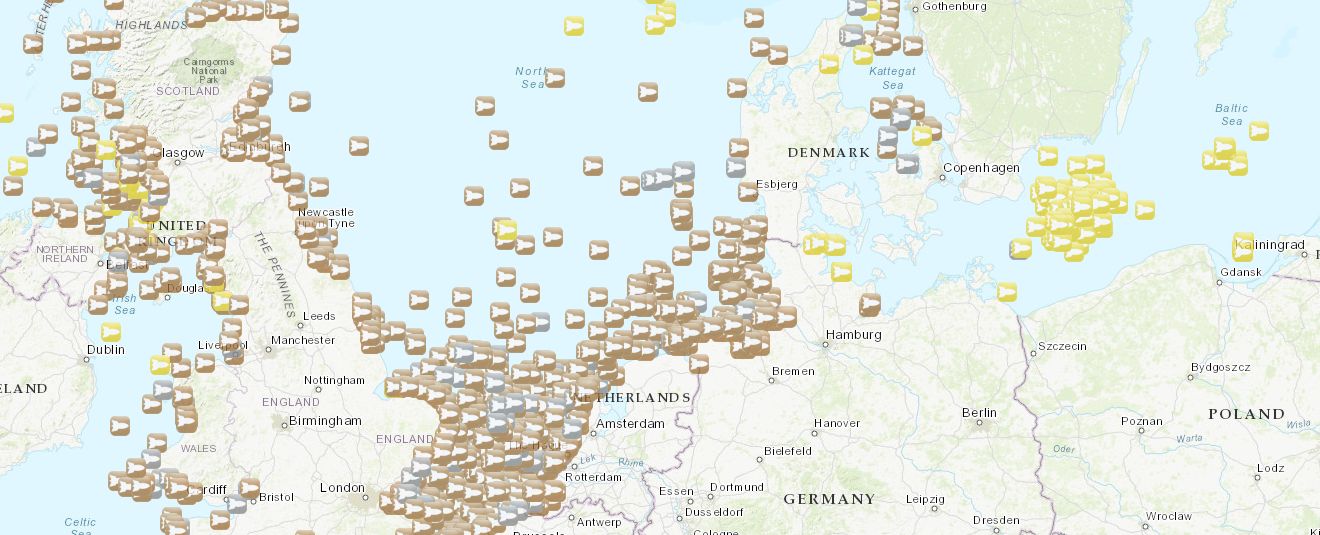
Although clearing and mapping such dump sites are a standard part of e.g. marine infrastructure such as undersea cabling and off-shore wind turbines, no large-scale effort has so far been undertaken to remove them, even as they continue to pose an increasing hazard to people and the environment. Most recently, efforts are underway to truly begin clearing these UXO, as the BBC reports.

Map of discovered munitions
Considering the hazards of these UXO, most interactions are performed by swimming and crawling robots, to find the UXO and grip it so that they can be gathered, classified and sorted with like types, for later disposal. Rather than explosively dispose of the UXO, they will instead be disassembled and the elements separately disposed of, including thermal decomposition of the explosive material by GEKA, a company which specializes in such disposal.

For the pilot project being undertaken in the Baltic Sea by SeaTerra and other companies, the goal for the first phase is to collect 50 tons of UXO. This of course is but the merest fraction of the estimated 1.6 million tons of explosives and weapons, and the chemical weapons would have to be treated with even more care in future operations.

For now the goal is to streamline and automate the UXO recovery and disposal process, so that the European seafloor and those around the world may one day be less riddled with UXO and other symptoms of humankind’s follies.


The Privacy Post reshared this.

The Privacy Post ha ricondiviso questo.

The media in this post is not displayed to visitors. To view it, please go to the original post.

Hackaday Podcast Episode 277: Edible Robots, a Personal Eclipse, and DIY PCBs to Die For
poliverso.org/display/0477a01e…
Hackaday Podcast Episode 277: Edible Robots, a Personal Eclipse, and DIY PCBs to Die For This week on the Podcast, it’s Kristina’s turn to ramble on alongside Editor-in-Chief Elliot Williams. First up in the news: Paul Allen’s Living Computers Museum + Labs is being liquidated at auction after just 12 years of being open to the public. In


Hackaday Podcast Episode 277: Edible Robots, a Personal Eclipse, and DIY PCBs to Die For

This week on the Podcast, it’s Kristina’s turn to ramble on alongside Editor-in-Chief Elliot Williams. First up in the news: Paul Allen’s Living Computers Museum + Labs is being liquidated at auction after just 12 years of being open to the public. In Hackaday news, the 2024 Business Card Challenge ends next Tuesday, July 2nd, so this is your weekend to shine! Also, you’ve got about two weeks to get your talk proposals in for this year’s Supercon. (Can you believe it’s only four months away?)

Then it’s on to What’s That Sound, at which Kristina made a couple of close-but-no-cigar guesses. Can you get it? Can you figure it out? Can you guess what’s making that sound? If you can, and your number comes up, you get a special Hackaday Podcast t-shirt.

Then it’s on to the hacks, beginning with a $3 smartwatch that can run Python, and a completely DIY analog tape recording solution. We’ll talk about making your wireless keyboard truly low power, all the steps you can take to produce perfect PCBs at home, and AI in a font. Finally, we talk about the dangers of a curious childhood, and talk about a dotcom hardware solution that could have gone far, given the right business model.

Check out the links below if you want to follow along, and as always, tell us what you think about this episode in the comments!

html5-player.libsyn.com/embed/…

Download and savor at your leisure.

Where to Follow Hackaday Podcast

Places to follow Hackaday podcasts:


Episode 277 Show Notes:

News:


What’s that Sound?


Interesting Hacks of the Week:


Quick Hacks:


Can’t-Miss Articles:


The Privacy Post reshared this.

The Privacy Post ha ricondiviso questo.

AI Forward: FPF’s Annual DC Privacy Forum Explores Intersection of Privacy and AI
fpf.org/blog/ai-forward-fpfs-a…
@privacy
The Future of Privacy Forum (FPF) hosted its inaugural DC Privacy Forum: AI Forward on Wednesday, June 5th. Industry experts, policymakers, civil society, and academics explored the intersection of data, privacy, and AI. In Washington, DC’s southwest Waterfront at the InterContinental,

The Privacy Post reshared this.

The Privacy Post ha ricondiviso questo.

New note by cybersecurity
poliverso.org/display/0477a01e…
ACN: “In vigore il nuovo Regolamento cloud per la PA” https://www.key4biz.it/acn-in-vigore-il-nuovo-regolamento-cloud-per-la-pa/495665/L’Agenzia per la cybersicurezza nazionale (ACN) ha adottato il Regolamento unico per le infrastrutture e i servizi cloud per la PA, d’intesa con il Dipartimento per la trasformazione digitale. L’inizio della nuova fase regolatoria, (cd “regime ordinario”), è fissat


ACN: “In vigore il nuovo Regolamento cloud per la PA”

L’Agenzia per la cybersicurezza nazionale (ACN) ha adottato il Regolamento unico per le infrastrutture e i servizi cloud per la PA, d’intesa con il Dipartimento per la trasformazione digitale. L’inizio della nuova fase regolatoria, (cd “regime ordinario”), è fissata al 1° agosto 2024 per consentire alle amministrazioni e alle


The Privacy Post reshared this.

The Privacy Post ha ricondiviso questo.

The media in this post is not displayed to visitors. To view it, please go to the original post.

Presunta Fuga di Dati del Database degli Elettori Israeliani del 2020
poliverso.org/display/0477a01e…
Presunta Fuga di Dati del Database degli Elettori Israeliani del 2020 In uno sviluppo significativo e preoccupante, un individuo con l’alias “mrwan” avrebbe divulgato il database degli elettori israeliani risalente al 2020. I dati personali di tutti i 6,5 milioni di elettori israeliani sono stati esposti, causando gravi preoccupazioni per la privacy e la


Presunta Fuga di Dati del Database degli Elettori Israeliani del 2020

In uno sviluppo significativo e preoccupante, un individuo con l’alias “mrwan” avrebbe divulgato il database degli elettori israeliani risalente al 2020. I dati personali di tutti i 6,5 milioni di elettori israeliani sono stati esposti, causando gravi preoccupazioni per la privacy e la sicurezza.

Dettagli della Fuga di Dati


Secondo il post di mrwan, la fuga di dati include i seguenti elementi:

  • 6,5 Milioni di Linee: I dati comprendono informazioni su tutti gli elettori registrati in Israele, per un totale di circa 6,5 milioni di linee di dati.
  • Formato: I dati trapelati sono disponibili in un file zip contenente file di dati in formato CSV (Comma-Separated Values). Questo formato suggerisce che i dati possono essere facilmente accessibili e analizzati utilizzando software standard per fogli di calcolo.


Implicazioni della Fuga di Dati


L’esposizione di una così vasta quantità di dati personali ha diverse potenziali implicazioni:

  1. Preoccupazioni per la Privacy: Dettagli personali come nomi, indirizzi e altre informazioni sensibili potrebbero essere utilizzati per scopi malevoli, inclusi furti di identità e frodi.
  2. Rischi per la Sicurezza: I dati trapelati potrebbero essere sfruttati da criminali informatici per prendere di mira gli individui con attacchi di phishing, truffe e altre forme di attacchi informatici.
  3. Impatto Politico: L’integrità del processo elettorale potrebbe essere messa in discussione e la fuga di dati potrebbe essere utilizzata per minare la fiducia nel sistema elettorale e nelle istituzioni governative.


Conclusione


La presunta fuga di dati del database degli elettori israeliani è un incidente grave con conseguenze di vasta portata. Sottolinea l’importanza di misure di sicurezza dei dati robuste e la necessità di proteggere vigilemente le informazioni personali. Man mano che le indagini procedono, l’attenzione sarà focalizzata sulla mitigazione dell’impatto della fuga di dati e sulla prevenzione di future violazioni di questo tipo.

L'articolo Presunta Fuga di Dati del Database degli Elettori Israeliani del 2020 proviene da il blog della sicurezza informatica.


The Privacy Post reshared this.

The Privacy Post ha ricondiviso questo.

The media in this post is not displayed to visitors. To view it, please go to the original post.

This Week in Security: Kaspersky Ban, Project Naptime, and More
poliverso.org/display/0477a01e…
This Week in Security: Kaspersky Ban, Project Naptime, and More The hot news this week is that Kaspersky is banned in the USA reuters.com/technology/biden-b…. More specifically, Kaspersky products will be banned from sale in the US starting on September 29. This ban will extend to


This Week in Security: Kaspersky Ban, Project Naptime, and More

The hot news this week is that Kaspersky is banned in the USA. More specifically, Kaspersky products will be banned from sale in the US starting on September 29. This ban will extend to blocking software updates, though it’s unclear how that will actually be accomplished. It’s reasonable to assume that payment processors will block payments to Kaspersky, but will ISPs be required to block traffic that could contain antivirus updates?

WordPress Plugin Backdoor


A Quartet of WordPress plugins have been found to have recently included backdoor code. It’s a collection of five Open Source plugins, seemingly developed by unrelated people. Malicious updates first showed up on June 21st, and it appears that all five plugins are shipping the same malicious code.

Rabbit AI API


The Rabbit R1 was released to less than thunderous applause. The idea is a personal AI device, but the execution has been disappointing, to the point of reviewers suggesting some of the earlier claims were fabricated. Now it seems there’s a serious security issue, in the form of exposed API keys that have *way* too many privileges.

The research seems to be done by the rabbitude group, who found the keys back in May. Of the things allowed by access to the API keys, the most worrying for user privacy was access to every text-to-speech call. Rabbitude states in their June 25 post, that “rabbit inc has known that we have had their elevenlabs (tts) api key for a month, but they have taken no action to rotate the api keys.” On the other hand, rabbit pushed a statement on the 26th, claiming they were just then made aware of the issue, and made the needed key rotations right away.

MOVEit is Back


Last year a severe vulnerability in MOVEit file transfer server led to some big-deal compromises in 2023 and 2024. MOVEit is back, this time disclosing an authentication bypass. The journey to finding this vulnerability starts with an exception, thrown whenever an SSH connection is attempted with a public key.

…the server is attempting to open the binary data representing our auth material, as a file path, on the server.


Uh-oh. There’s no way that’s good. What’s worse, that path can be an external SMB path. That’s even worse. This behavior does depend on the incoming connection referencing a valid username, but this has the potential to enable password stealing, pass-the-hash attacks, and username mapping. So what’s actually going on here? The SSH server used here is IPWorks SSH, which has some useful additions to SSH. One of these additions seems to be an odd delegated authentication scheme that goes very wrong in this case.

The attack flow goes like this: Upload a public SSH key to any location on the MOVEit server, log in with any valid username signing the connection with the uploaded key, and send the file location of the uploaded key instead of an actual key. Server pulls the key, makes sure it matches, and lets you in. The only pesky bit is how to upload a key without an account. It turns out that the server supports PPK keys, and those survive getting written to and read from the system logs. Ouch.

The flaws got fixed months ago, and a serious effort has been carried out to warn MOVEit customers and get them patched. On the other hand, a full Proof of Concept (PoC) is now available, and Internet monitoring groups are starting to see the attack being attempted in the wild.

Cat File: Pop Calc


We all know not to trust files from the Internet. Don’t execute the script, don’t load the spreadsheet, and definitely don’t install the package. But what about running cat or strings on an untrusted file? Apparently the magic of escape strings makes those dangerous too. The iTerm2 terminal was accidentally set to allow “window title reporting”, or copying the window title to the command line. Another escape code can set that value, making for an easy way to put an arbitrary command on the command line. One more quirk in the form of tmux integration allowed the injection of a newline — running the arbitrary command. Whoops. Versions 3.5.0 and 3.5.1 are the only iterm2 versions that are vulnerable, with version 3.5.2 containing the fix.

Putting LLM to Work During Naptime


There’s been a scourge of fake vulnerability reports, where someone has asked ChatGPT to find a vulnerability in a project with a bug bounty. First off, don’t do this. But second, it would be genuinely useful if a LLM could actually find vulnerabilities. This idea intrigued researchers at Google’s Project Zero, so they did some research, calling it “Project Naptime”, in a playful reference to napping while the LLM works.

The secret sauce seems to be in extending an LLM to look at real code, to run Python scripts in a sandbox, and have access to a debugger. The results were actually encouraging, that LLM could eventually be a useful tool. It’s not gonna replace the researcher, but it won’t surprise me to cover vulnerabilities found by a LLM instead of a fuzzing tool. Or maybe that’s an LLM guided fuzzer?

Github Dishes on Chrome RCE


Github’s [Man Yue Mo] discovered and reported CVE-2024-3833 in Chrome back in March, a fix was released in April, and it’s now time to get the details. This one is all about how object cloning and code caching interacts. Cloning an object in a particular circumstance ends up with an object that exists in a superposition between having unused property fields, and yet a full property array. Or put simply, the internal object state incorrectly indicates there is unused allocated memory. Try to write a new property, and it’s an out of bounds write.

The full exploit is involved, but the whole thing includes a sandbox escape as well, using overwritten WebAssembly functions. Impressive stuff.

Bits and Bytes


[Works By Design] is taking a second crack at building an unpickable lock. This one has some interesting features, like a ball-bearing spring system that should mean that levering one pin into place encourages the rest to drop out of position. A local locksmith wasn’t able to pick it, given just over half-an-hour. The real test will be what happens when [LockPickingLawyer] gets his hands on it, which is still to come.

youtube.com/embed/xCg3qNnh59w?…

Gitlab just fixed a critical issue that threatened to let attackers run CI pipelines as arbitrary users. The full details aren’t out yet, but CVE-2024-5655 weighs in at a CVSS 9.6, and Gitlab is “strongly recommending” immediate updates.


The Privacy Post reshared this.

The Privacy Post ha ricondiviso questo.

After 6 months the programming period of #YH4F 2024 is almost over!

While we wait to see this year's projects, we take a deeper look at one of last year's winners!

fsfe.org/news/2024/news-202406…

#YH4F

The Privacy Post reshared this.

The Privacy Post ha ricondiviso questo.

The media in this post is not displayed to visitors. To view it, please go to the original post.

C’è CozyBear (APT29) dietro le irregolarità di TeamViewer!
poliverso.org/display/0477a01e…
C’è CozyBear (APT29) dietro le irregolarità di TeamViewer! 6 giugno 2024 – TeamViewer ha rilevato un’irregolarità nell’ambiente IT aziendale interno. Come riportato nel nostro precedente articolo, TeamViewer ha confermato che mercoledì 26 giugno 2024 il loro team di sicurezza ha rilevato un’irregolarità nel loro ambiente IT aziendale interno.L’azienda ha rassicurato i


C’è CozyBear (APT29) dietro le irregolarità di TeamViewer!

6 giugno 2024 – TeamViewer ha rilevato un’irregolarità nell’ambiente IT aziendale interno. Come riportato nel nostro precedente articolo, TeamViewer ha confermato che mercoledì 26 giugno 2024 il loro team di sicurezza ha rilevato un’irregolarità nel loro ambiente IT aziendale interno.

L’azienda ha rassicurato i propri clienti dichiarando che questo ambiente è “completamente indipendente dall’ambiente del prodotto.”

Aggiornamento di TeamViewer


L’azienda ha riportato un update al suo comunicato intorno alle ore 12:00 dove riporta:
Aggiornamento sulla Sicurezza – 28 Giugno 2024, 12:10 CEST
Un gruppo di lavoro composto dal team di sicurezza di TeamViewer insieme a esperti di sicurezza informatica di fama mondiale ha lavorato 24 ore su 24 per indagare sull'incidente con tutti i mezzi disponibili. Siamo in costante scambio con fornitori aggiuntivi di informazioni sulle minacce e autorità competenti per informare l'indagine.

I risultati attuali dell'indagine indicano un attacco avvenuto mercoledì 26 giugno, collegato alle credenziali di un account standard di un dipendente all'interno del nostro ambiente IT aziendale. Basandosi su un monitoraggio continuo della sicurezza, i nostri team hanno identificato comportamenti sospetti di questo account e hanno immediatamente attivato misure di risposta agli incidenti. Insieme al supporto esterno per la risposta agli incidenti, attualmente attribuiamo questa attività all'attore di minacce noto come APT29 / Midnight Blizzard. Sulla base dei risultati attuali dell'indagine, l'attacco è stato contenuto all'interno dell'ambiente IT aziendale e non ci sono prove che l'attore di minacce abbia avuto accesso al nostro ambiente di prodotto o ai dati dei clienti.

Seguendo le migliori pratiche architettoniche, abbiamo una forte segregazione dell'IT aziendale, dell'ambiente di produzione e della piattaforma di connettività TeamViewer. Questo significa che manteniamo tutti i server, le reti e gli account rigorosamente separati per aiutare a prevenire l'accesso non autorizzato e il movimento laterale tra i diversi ambienti. Questa segregazione è uno dei molteplici livelli di protezione nel nostro approccio di "difesa in profondità".

La sicurezza è di massima importanza per noi, è profondamente radicata nel nostro DNA. Pertanto, ci impegniamo a comunicare in modo trasparente con gli stakeholder. Continueremo ad aggiornare lo stato delle nostre indagini nel nostro Trust Center man mano che saranno disponibili nuove informazioni. Ci aspettiamo di pubblicare il prossimo aggiornamento entro la fine di oggi CEST.

Allarme di NCC Group


In precedenza, NCC Group, un’azienda di cybersecurity, ha avvertito i suoi clienti di una “significativa compromissione della piattaforma di accesso remoto e supporto di TeamViewer da parte di un gruppo APT.” Questo avviso è stato condiviso da un esperto di sicurezza che si fa chiamare Jeffrey su Mastodon.

Lo screenshot pubblicato indica un TLP “AMBER+STRICT”, il che significa che le informazioni sensibili sono designate solo per una divulgazione limitata, ristretta all’organizzazione dei partecipanti.

Avviso di Health-ISAC


L’organizzazione Health-ISAC (Information Sharing and Analysis Center) ha avvertito che TeamViewer potrebbe essere stato violato da Cozy Bear”, un attore sponsorizzato dallo stato controllato da un servizio segreto russo. “Il 27 giugno 2024, Health-ISAC ha ricevuto informazioni da un partner di intelligence fidato che APT29 sta sfruttando attivamente TeamViewer.

Health-ISAC raccomanda di esaminare i log per eventuali traffici insoliti di desktop remoto. È stato osservato che gli attori delle minacce sfruttano strumenti di accesso remoto. È stato osservato che TeamViewer viene sfruttato da attori di minacce associati ad APT29″, ha condiviso Jeffrey.

Il Gruppo APT29


APT29 è anche conosciuto con altri nomi come Cozy Bear, NOBELIUM e Midnight Blizzard.

Origine: APT29 è un gruppo di hacking sponsorizzato dallo stato russo, collegato al Servizio di Intelligence Estero della Russia (SVR).

Attività Principale: APT29 è noto per le sue attività di cyber-espionaggio. Il gruppo prende di mira governi, organizzazioni internazionali, aziende e istituzioni accademiche per raccogliere informazioni sensibili.

Tecniche e Tattiche:

  • Spear Phishing: APT29 utilizza spesso campagne di spear phishing per ottenere l’accesso iniziale ai sistemi target. Queste email di phishing sono altamente personalizzate e mirate a individui specifici all’interno delle organizzazioni.
  • Malware Sviluppato: Il gruppo è noto per sviluppare malware sofisticato, tra cui strumenti come “Hammertoss,” “Uroburos,” e “Sunburst,” utilizzato nell’attacco alla catena di fornitura di SolarWinds.
  • Tecniche di Offuscamento: APT29 impiega avanzate tecniche di offuscamento per evitare il rilevamento dei suoi attacchi, includendo l’uso di comunicazioni crittografate e canali di comando e controllo nascosti.


Attacchi di Alto Profilo:


  • Attacco a SolarWinds (2020): Uno degli attacchi più noti associati ad APT29 è stato l’incidente di SolarWinds, dove il gruppo ha compromesso la catena di fornitura del software di gestione IT Orion, utilizzato da molte organizzazioni governative e aziendali.
  • Attacchi a Diplomatici e Organizzazioni Internazionali: APT29 ha preso di mira diplomatici e organizzazioni come la NATO e l’OSCE, cercando di ottenere informazioni geopolitiche sensibili.
  • Violazione dei Sistemi Elettorali USA (2016): Il gruppo è stato implicato negli attacchi ai sistemi elettorali statunitensi durante le elezioni presidenziali del 2016.

Motivazioni: Le attività di APT29 sono principalmente motivate da obiettivi di spionaggio geopolitico e di intelligence, con lo scopo di sostenere gli interessi del governo russo e ottenere un vantaggio strategico a livello globale.

Conclusioni


TeamViewer sta attivamente indagando sull’irregolarità rilevata nel loro sistema IT aziendale interno. Mentre le indagini proseguono, l’azienda rimane concentrata sulla protezione dell’integrità dei propri sistemi e sulla sicurezza dei dati dei clienti. Le autorità e le organizzazioni di sicurezza continueranno a monitorare la situazione per garantire che qualsiasi minaccia venga prontamente mitigata.

L'articolo C’è CozyBear (APT29) dietro le irregolarità di TeamViewer! proviene da il blog della sicurezza informatica.


The Privacy Post reshared this.

The Privacy Post ha ricondiviso questo.

Telcos vs Big Tech, Breton’s future
poliverso.org/display/0477a01e…
Telcos vs Big Tech, Breton’s futureWelcome to Euractiv’s Tech Brief, your weekly update on all things digital in the EU. You can subscribe to the newsletter here.euractiv.com/section/digital/n…


Telcos vs Big Tech, Breton’s future


Welcome to Euractiv’s Tech Brief, your weekly update on all things digital in the EU. You can subscribe to the newsletter here.


euractiv.com/section/digital/n…


The Privacy Post reshared this.

The Privacy Post ha ricondiviso questo.

The media in this post is not displayed to visitors. To view it, please go to the original post.

Solving Cold Cases With Hacked Together Gear
poliverso.org/display/0477a01e…
Solving Cold Cases With Hacked Together Gear People go missing without a trace far more commonly than any of us would like to think about. Of course the authorities will conduct a search, but even assuming they have the equipment and personnel necessary, the odds are often stacked against them. A few weeks go by, then months, and eventually there’s yet another “cold case” on the books


Solving Cold Cases With Hacked Together Gear

People go missing without a trace far more commonly than any of us would like to think about. Of course the authorities will conduct a search, but even assuming they have the equipment and personnel necessary, the odds are often stacked against them. A few weeks go by, then months, and eventually there’s yet another “cold case” on the books and a family is left desperate for closure.

But occasionally a small team or an individual, if determined enough, can solve such a case even when the authorities have failed. Some of these people, such as [Antti Suanto] and his brother, have even managed to close the books on multiple missing person cases. In an incredibly engrossing series of blog posts, [Antti] describes how he hacked together a pair of remotely operated vehicles to help search for and ultimately identify sunken cars.

The first he built was intended to perform reconnaissance using a consumer side-scan sonar unit. While these devices are designed to be mounted to a “real” boat, [Antti] didn’t have the room at home for one. So he did some research and eventually settled on an affordable solution that combined a watertight plastic box with pontoons made out of PVC pipes. We’ve seen similar designs before, and have always been impressed with the stability and payload capacity offered by such an arrangement given its low cost and ease of assembly.

In an interesting twist [Antti] decided to outfit his craft with quadcopter motors and propellers to create a sort of airboat, which would keep it from getting tangled up in weeds. We also appreciate the no-nonsense method of viewing the sonar’s output remotely — all they had to do was take an old smartphone, point its camera at the unit, and open up a video calling application.

While having the sonar data would help the brothers identify potential targets on the bottom, it wasn’t enough to make a positive identification. For that, they’d have to go down there and directly image the object being investigated. So the second project was a remotely operated vehicle (ROV). Its PVC frame might look a bit low-tech, but [Antiii] designed the central “dry hull” to survive at depths of up to 100 meters (328 feet). With cameras, lights, a Raspberry Pi, and an Arduino Mega pulling it all together, the finished product is a formidable underwater explorer.

Combined with diligent research on the individuals who went missing and the areas in which they were last seen, the brothers were able to use these vehicles to solve a pair of missing persons cases that had been open for more than a decade. Their work earned them the personal thanks of the President of Finland, and a medal that’s generally only given to police officers.

Our hats off to this intrepid duo — surely there’s no more noble a pursuit than dedicating your skills and free time to help others.

youtube.com/embed/rxW2xGD_qFQ?…


The Privacy Post reshared this.

The Privacy Post ha ricondiviso questo.

The media in this post is not displayed to visitors. To view it, please go to the original post.

Parla AzzaSec! RHC intervista gli Hacktivisti Italiani pro Palestina e Russia, affiliati a NoName057(16)
poliverso.org/display/0477a01e…
Parla AzzaSec! RHC intervista gli Hacktivisti Italiani pro Palestina e Russia, affiliati a NoName057(16) Negli ultimi anni, il mondo della cybersicurezza è stato testimone di un’evoluzione significativahttps://www.redhotcyber.com/post/che-cose-lhacktivismo-cibernetico-tra-storia-motivazioni-hacking-conseguenze-ed-evoluzioni/,


Parla AzzaSec! RHC intervista gli Hacktivisti Italiani pro Palestina e Russia, affiliati a NoName057(16)

Negli ultimi anni, il mondo della cybersicurezza è stato testimone di un’evoluzione significativa del ruolo degli hacktivisti, gruppi di hacker che utilizzano le loro competenze tecniche per promuovere cause politiche o sociali attraverso attacchi informatici. Uno di questi gruppi emergenti è AzzaSec, un collettivo che ha attirato l’attenzione per le sue audaci incursioni nel cyberspazio e per le sue recenti mosse strategiche.

AzzaSec è noto per i suoi attacchi mirati contro vari paesi e istituzioni, spesso motivati da questioni geopolitiche o per manifestare dissenso contro determinate politiche. Tra le loro attività più recenti, AzzaSec ha annunciato una serie di attacchi contro il Pakistan, evidenziando le vulnerabilità presenti nella cybersicurezza del paese. Questa serie di attacchi ha messo in luce le carenze delle infrastrutture digitali pakistane e la necessità urgente di migliorare le misure di protezione per prevenire future compromissioni di dati sensibili appartenenti a istituzioni governative, aziende e cittadini.

In un recente sviluppo, AzzaSec ha stretto una serie di alleanze, anche con il gruppo di hacktivisti filorussi NoName, noto per le sue incursioni cibernetiche in Italia con attività mirate a destabilizzare il paese e promuovere i loro interessi geopolitici. Questa nuova affiliazione rappresenta un potenziale aumento della portata e dell’efficacia delle azioni di AzzaSec, ampliando le loro capacità operative e strategiche.

Abbiamo voluto intervistare AzzaSec per conoscerli meglio e comprendere le motivazioni che, in quanto italiani, li spingono a supportare paesi come la Russia e la Palestina, in un contesto geopolitico complesso e prevalentemente orientato agli ideali occidentali.
Post sul canale Telegram di AzzaSec che annuncia la partner con gli hacktivisti filorussi del gruppo NoName057(16) Post sul canale Telegram di NoName057(16) dove si annuncia la partner con AzzaSec
1 – RHC: Salve ragazzi, intanto grazie per aver preso parte a questa intervista. Potete raccontarci brevemente chi è AzzaSec, l’origine del nome e come è nato il collettivo? Qundo è stato fondato?
AzzaSec: In sostanza, avevo questo gruppo in comune con il proprietario di alixsec e gli ho chiesto se poteva unirsi. Mi ha risposto che lavorava da solo e mi ha suggerito di creare un nuovo gruppo per collaborare insieme. Il nome ‘Azzasec’ è stato un nome astratto inventato per questa occasione. Il gruppo è stato fondato a Febbraio del 2024.

2 – RHC: Quali sono le motivazioni principali che vi spingono a svolgere attività di hacktivismo?
AzzaSec: La determinazione di cercare di aiutare i nostri fratelli palestinesi.

3 – RHC: Qual è il messaggio principale che cercate di trasmettere attraverso i vostri attacchi informatici?
AzzaSec: Che il mondo deve aprire gli occhi e non guardare solamente ai soldi.

4 – RHC: Nella storia dell’hacking, ci sono gruppi di hacktivisti o APT che vi affascinano particolarmente e dai quali traete ispirazione?
AzzaSec: Mi hanno particolarmente affascinato i gruppi Lapsus$, Lizard squad e Anonymous IT.

5 – AzzaSec: Abbiamo visto che avete attaccato diversi obiettivi come il Pakistan. Potreste raccontarci alcune delle vostre operazioni più significative e i loro impatti?
AzzaSec: Le nostre azioni sono riferite solamente agli alleati di Israele. Noi attacchiamo per far capire al governo e al governo e al popolo di quel paese che è sbagliato supportare un paese (se così si può chiamare) che fa genocidi.

6 – RHC: Quali sono le vostre principali competenze tecniche e quali strumenti utilizzate per condurre i vostri attacchi? Il vostro gruppo è aperto a chiunque voglia partecipare oppure è un gruppo chiuso?
AzzaSec: Le competenze dei nostri membri spaziano ampiamente tra il pentesting e la programmazione, comprendendo crittografia avanzata, exploiting, video editing e molto altro. I programmi utilizzati includono strumenti open source come Metasploit e software privati per svolgere attacchi sofisticati mirati alla compromissione dei sistemi. Di conseguenza, il nostro team non accoglie chiunque, ma solo membri capaci di contribuire attivamente e significativamente allo sviluppo complessivo del gruppo.

7 – RHC: Quali misure adottate per garantire la sicurezza dei vostri membri durante le vostre operazioni?AzzaSec: Cerchiamo di motivare i nostri membri mostrando loro che un attacco su un sito importante attira l’attenzione del pubblico, scatenando una reazione sociale significativa.

8 – RHC: Avete tutti un background tecnico? Abbiamo visto che avete realizzato un ransomware. Volete utilizzarlo come rivendita di malware oppure avete intenzione di organizzare un RaaS?
AzzaSec: Vorremmo usarlo come Ransomware-as-a-service e venderlo.
Un post sul canale Telegram di AzzaSec che riporta la messa in vendita del ransomware da loro prodotto.
9 – RHC: In Italia la sicurezza informatica è indietro rispetto agli altri paesi europei. Cosa pensate che manchi in questa nazione per prendere seriamente l’argomento?
AzzaSec: In italia la sicurezza informatica è alla pari degli altri paesi europei. E’ l’Europa che risulta essere indietro. Bisognerebbe investire di più in soluzioni di sicurezza.

10 – RHC: In quanto gruppo italiano, quali sono le ragioni che vi hanno spinto a supportare cause e paesi come la Russia e la Palestina, in un contesto geopolitico dominato dagli ideali occidentali?
AzzaSec: Noi supportiamo la Palestina e la Russia perché non ci sembra corretto quello che sta accadendo in occidente e cerchiamo di aiutare come possiamo questi paesi.

11 – RHC: Cosa significano le alleanze che state creando nell’underground? Credete che saranno durature o condividete solo alcuni obiettivi a tempo? Quale è il massimo livello di fiducia tra i membri all’interno di queste?
AzzaSec: Il livello di fiducia è massimo. I nostri alleati ci aiutano con quello di cui abbiamo bisogno. Siamo alleati principalmente con noname057(16) e il gruppo ora inattivo che era il secondo in Afghanistan, team1916.

12 – RHC: Come vedete il ruolo della Russia nel contesto globale e come la vostra alleanza con gruppi filorussi influenza le vostre operazioni e la vostra reputazione?
AzzaSec: In realtà la Russia sta facendo tutto questo per colpa degli USA che sono sempre in mezzo. La nostra reputazione rimane quella ma noi aiutiamo chi ha ragione.

13 – RHC: Qual è la differenza tra un’alleanza di gruppi di hacktivisti come la vostra e quelle che si stanno sviluppando nel mondo? Ci sono dei parallelismi?
AzzaSec: Le nostre alleanze sono principalmente con gruppi di rilievo globalmente. Non crediamo ci siano molti parallelismi, poiché gruppi hacktivisti come il nostro agiscono per motivi politici, mentre altri gruppi potrebbero farlo per guadagnare fama.

14 – RHC: Uno dei gruppi con cui avete istituito un’alleanza è Nonome057. In che modo collaborate con il gruppo nonome057 e altri gruppi simili?
AzzaSec: Ci aiutiamo a vicenda facendo attacchi combinati e defacement insieme.

15 – RHC: siete sicuramente al corrente che questo gruppo (NoName) effettua defacement e attacchi ai website governativi italiani. Siete allineati con le loro idee e motivazioni politiche?
AzzaSec: Si, facciamo questo perché il governo italiano fa schifo. Detto in poche parole i politici dovrebbero prendersi più responsabilità al posto di scaricarle su qualcun’altro.

16 – RHC: Nonostante AzzaSec sia un gruppo dichiaratamente italiano, la maggior parte dei vostri attacchi viene effettuata al di fuori dell’Italia. C’è una ragione specifica per cui evitate target italiani?
AzzaSec: Si cerchiamo di evitare target italiani per non avere ripercussioni penali.

17 – RHC: Dal vostro punto di vista, com’è cambiato il ruolo degli hacktivisti negli ultimi anni?
AzzaSec: Il numero dei gruppi hacktivisti è cresciuto a dismisura e molti sono stati creati con l’avvento della guerra russo/ucraina, israelo/palestina. Cercano di evidenziare il fatto che i “cattivi” sono dalla parte del torto e fanno defacement dove esprimono la loro opinione.

18 – RHC: Anonymous Italia si è schierata a favore dell’Ucraina dall’inizio del conflitto: come si concilia il vostro essere Anon con l’alleanza con NoName057?
AzzaSec: noi abbiamo detto apertamente che supportavano la Russia. Nessuno ci ha dato contro perché comunque è sempre un’idea di gruppo.

19- RHC: Potete parlarci di un caso in cui le vostre azioni hanno portato a un cambiamento positivo o significativo?
AzzaSec: Avevamo fatto un attacco qualche tempo fa al messico facendo più di 20 defacement e li il Messico si è subito allarmato e hanno migliorato le protezioni.

20 – RHC: Come vedete l’evoluzione del panorama del cyber-attivismo nei prossimi anni? Che evoluzione vi aspettate o desiderate?
AzzaSec: Aspettiamo che si formino più gruppi di attivisti che combattono per quello che è giusto. Speriamo che il cyber attivismo non taccia mai.

21 – RHC: Come reagite alle accuse di criminalità informatica e quale messaggio volete trasmettere al pubblico generale?
AzzaSec: Noi non siamo criminali informatici. Noi siamo hacktivisti! Abbiamo una motivazione a quello che facciamo è aiutare i nostri fratelli Palestinesi e Russi.

22 – RHC: Quali sono i limiti e le potenzialità degli attacchi informatici in un mondo dove la guerra cinetica vince tutto? Non mettono più in pericolo i civili che gli eserciti?
AzzaSec: Gli attacchi informatici mirati possono infliggere danni significativi, spesso più gravi agli eserciti che ai civili.

23 – RHC: Vi ringraziamo per questa intervista. C’è qualcosa che vorreste aggiungere o un argomento che avreste voluto trattare e che non abbiamo toccato?
AzzaSec: Grazie a voi per averci invitato.

L'articolo Parla AzzaSec! RHC intervista gli Hacktivisti Italiani pro Palestina e Russia, affiliati a NoName057(16) proviene da il blog della sicurezza informatica.


The Privacy Post reshared this.

The Privacy Post ha ricondiviso questo.

Nasce Dark Lab. Il Team di Cyber Threat Intelligence della Community di Red Hot Cyber
poliverso.org/display/0477a01e…
Nasce Dark Lab. Il Team di Cyber Threat Intelligence della Community di Red Hot Cyber Nel panorama in continua evoluzione della sicurezza informatica redhotcyber.com/rubriche/alla-…, la community di Red Hot Cyber ha recentemente annunciato la nascita di un nuovo team dedicato esclusivamente alla


Nasce Dark Lab. Il Team di Cyber Threat Intelligence della Community di Red Hot Cyber

Nel panorama in continua evoluzione della sicurezza informatica, la community di Red Hot Cyber ha recentemente annunciato la nascita di un nuovo team dedicato esclusivamente alla Cyber Threat Intelligence (CTI) chiamato “Dark Lab”.

Questo gruppo di esperti provenienti dall’Italia e dall’estero è guidato da Pietro Melillo. Una figura di spicco nel campo della CTI italiana, e si propone come un centro di competenza per professionisti e appassionati all’interno della più vasta community di Red Hot Cyber.

La Missione del RHC Dark Lab


Il RHC Dark Lab nasce con l’obiettivo principale di diffondere la conoscenza sulle minacce informatiche per migliorare la consapevolezza e le difese digitali del paese. La missione del team è chiara: non si tratta solo di proteggere le infrastrutture critiche e le organizzazioni, ma anche di coinvolgere e informare le persone comuni, aumentando così la resilienza complessiva della società contro le minacce cibernetiche.

Per raggiungere questo obiettivo, il Dark Lab esplorerà le profondità del dark web e delle reti underground per ottenere “informazioni” di prima mano sulle minacce in corso oltre che intervistare i Threat Actors per conoscerli meglio e comprendere le loro Tecniche Tattiche e Procedure (TTPs).

Queste “informazioni” saranno poi utilizzate per sensibilizzare il pubblico e diffondere la Cyber Threat Intelligence (CTI) come disciplina chiave – anche se ancora poco conosciuta – nella prevenzione delle minacce.

L’Approccio Dark Lab


Questo metodo distintivo si concentra su diversi aspetti fondamentali per garantire una protezione efficace contro le minacce cibernetiche.

  • Monitoraggio delle Minacce: L’identificazione e l’analisi delle minacce emergenti sono al centro dell’attività del Dark Lab. Utilizzando tecniche avanzate di cyber intelligence e strumenti di vario genere, il team esamina costantemente il panorama delle minacce, individuando nuovi attacchi e tendenze pericolose. Questo processo include il monitoraggio delle attività su dark web, forum underground e altre piattaforme utilizzate da attori malevoli per scambiare informazioni e pianificare attacchi. L’obiettivo è rilevare precocemente le minacce, comprendere le loro tecniche e tattiche e sviluppare contromisure adeguate prima che possano causare danni significativi;
  • Collaborazione e Condivisione: Un aspetto chiave dell’approccio del Dark Lab è la promozione della collaborazione tra diversi attori del settore, compresi governi, aziende private, istituzioni accademiche, organizzazioni non profit e appassionati. La collaborazione e la condivisione delle informazioni è essenziale per affrontare le minacce in modo efficace e coordinato. Questo network, basato anche sul portale Red Hot Cyber è progettato per facilitare la risposta collettiva agli attacchi e migliorare la capacità di individuazione e mitigazione delle minacce cibernetiche a livello nazionale e internazionale;
  • Informazione, Consapevolezza e Formazione: Dark Lab riconosce che la sicurezza informatica non è solo una questione tecnologica, ma anche una questione “culturale”. Per questo motivo, si impegna a promuovere una cultura nelle discipline di sicurezza attraverso una informazione continua delle minacce presenti nell’underground. Questi programmi includono news, articoli, approfondimenti, ma anche workshop e corsi di formazione. L’obiettivo è fornire a tutti gli strumenti necessari per approfondire le tecniche di intelligence delle minacce informatiche e reagire in modo appropriato, contribuendo così a creare una comunità più resiliente e informata.

In sintesi, Dark Lab rappresenta un nuovo paradigma nella sicurezza informatica, combinando le logiche Open Source e l’approccio a Community integrato e collaborativo per proteggere il nostro mondo digitale dalle crescenti minacce cibernetiche. Con una forte enfasi sulla formazione, la collaborazione e la ricerca, il team si propone ad essere un punto di riferimento nel panorama nazionale ed internazionale sulla cyber threat intelligence.

Ogni minaccia divulgata da Dark Lab può diventare un punto di partenza per attività e processi di intelligence successivi basati sul paradigma CIPP (Collezione, Interpreta, Previeni e Proteggi). Tuttavia, spetta alle singole aziende contestualizzare queste informazioni per adattarle al proprio contesto aziendale specifico.

In conclusione, la nascita del RHC Dark Lab segna un passo importante per la sicurezza informatica in Italia. Con la guida esperta di Pietro Melillo e il supporto della community di Red Hot Cyber, questo team si propone di creare un ambiente digitale più sicuro e consapevole, dove le minacce informatiche possono essere affrontate con competenza e tempestività.

Candidature


Dark Lab è un gruppo di appassionati di Cyber Threat Intelligence e professionisti nel campo dell’intelligence delle minacce. Se sei interessato a partecipare e a contribuire attivamente alla redazione di articoli, a fornire informazioni di prima mano sulla sicurezza digitale e sei un esperto di Cyber Threat Intelligence (CTI), invia il tuo curriculum a redazione@redhotcyber.com per verificare l’inserimento nel gruppo.

L'articolo Nasce Dark Lab. Il Team di Cyber Threat Intelligence della Community di Red Hot Cyber proviene da il blog della sicurezza informatica.


The Privacy Post reshared this.