The Privacy Post ha ricondiviso questo.

Meta multata per 91 milioni di euro! Password in chiaro per uno scandalo globale
poliverso.org/display/0477a01e…
Meta multata per 91 milioni di euro! Password in chiaro per uno scandalo globaleLa Commissione irlandese per la protezione dei dati (DPC) ha multato Meta Platforms Ireland Limited (MPIL) di 91 milioni di euro per aver archiviato le password di centinaia di milioni di utenti in chiaro. Il DPC sta indagando su questo incidente dal 2019.Ricordiamo che


Meta multata per 91 milioni di euro! Password in chiaro per uno scandalo globale


La Commissione irlandese per la protezione dei dati (DPC) ha multato Meta Platforms Ireland Limited (MPIL) di 91 milioni di euro per aver archiviato le password di centinaia di milioni di utenti in chiaro. Il DPC sta indagando su questo incidente dal 2019.

Ricordiamo che nel 2019 i ricercatori hanno scoperto che le password di 200-600 milioni di utenti di Facebook Lite, Facebook e Instagram venivano erroneamente archiviate sui server dell’azienda in formato testo ed erano accessibili a migliaia di dipendenti dell’azienda.

I registri hanno rivelato che circa 2.000 ingegneri e sviluppatori dell’azienda hanno effettuato circa 9.000.000 di richieste interne per elementi di dati contenenti password degli utenti in chiaro.

È interessante notare che Meta ha poi ammesso di aver effettivamente memorizzato le password, ma non ha fornito numeri specifici, dicendo solo che l’incidente ha colpito centinaia di milioni di utenti di Facebook Lite, decine di milioni di utenti di Facebook e milioni di utenti di Instagram.

Ora la Commissione irlandese per la protezione dei dati, che è l’organismo principale dell’UE in materia di privacy e questioni relative a Meta (poiché la sede europea della società è in Irlanda), ha completato un’indagine di cinque anni sull’incidente.

“Nel marzo 2019, MPIL ha notificato al DPC di aver inavvertitamente archiviato le password di alcuni utenti di social media in “testo semplice” sui suoi sistemi interni (ovvero, senza protezione crittografica o crittografia)”, si legge nella dichiarazione del DPC.

Anche se è noto che terze parti hanno avuto accesso alle password, le revisioni condotte non hanno rilevato alcuna prova di abuso o accesso non autorizzato.

Poiché la memorizzazione delle password senza adeguate misure di sicurezza, come la crittografia e il controllo degli accessi, costituisce una violazione di diversi articoli del Regolamento generale sulla protezione dei dati dell’UE (GDPR), l’autorità di controllo ha deciso di infliggere a Meta una multa di 91 milioni di euro (101,6 milioni di dollari USA).

Ad oggi, Meta è stata multata per oltre 2,23 miliardi di dollari nell’UE per varie violazioni del GDPR, entrato in vigore nel 2018. Questo importo include anche una multa record di 1,3 miliardi di dollari che è stata inflitta alla società lo scorso anno, contro la quale Meta sta ora cercando di presentare ricorso.

L'articolo Meta multata per 91 milioni di euro! Password in chiaro per uno scandalo globale proviene da il blog della sicurezza informatica.


The Privacy Post reshared this.

The Privacy Post ha ricondiviso questo.

The media in this post is not displayed to visitors. To view it, please go to the original post.

Static Electricity And The Machines That Make It
poliverso.org/display/0477a01e…
Static Electricity And The Machines That Make ItStatic electricity often just seems like an everyday annoyance when a wool sweater crackles as you pull it off, or when a doorknob delivers an unexpected zap. Regardless, the phenomenon is much more fascinating and complex than these simple examples suggest. In fact, static electricity is direct observable evidence of the actions of


Static Electricity And The Machines That Make It


Static electricity often just seems like an everyday annoyance when a wool sweater crackles as you pull it off, or when a doorknob delivers an unexpected zap. Regardless, the phenomenon is much more fascinating and complex than these simple examples suggest. In fact, static electricity is direct observable evidence of the actions of subatomic particles and the charges they carry.

While zaps from a fuzzy carpet or playground slide are funny, humanity has learned how to harness this naturally occurring force in far more deliberate and intriguing ways. In this article, we’ll dive into some of the most iconic machines that generate static electricity and explore how they work.

What Is It?


Before we look at the fancy science gear, we should actually define what we’re talking about here. In simple terms, static electricity is the result of an imbalance of electric charges within or on the surface of a material. While positively-charged protons tend to stay put, electrons, with their negative charges, can move between materials when they come into contact or rub against one another. When one material gains electrons and becomes negatively charged, and another loses electrons and becomes positively charged, a static electric field is created. The most visible result of this is when those charges are released—often in the form of a sudden spark.

Since it forms so easily on common materials, humans have been aware of static electricity for quite some time. One of the earliest recorded studies of the phenomenon came from the ancient Greeks. Around 1000 BC, they noticed that rubbing amber with fur would then allow it to attract small objects like feathers. Little came of this discovery, which was ascribed as a curious property of amber itself. Fast forward to the 17th century, though, and scientists were creating the first machines designed to intentionally store or generate static electricity. These devices helped shape our understanding of electricity and paved the way for the advanced electrical technologies we use today. Let’s explore a few key examples of these machines, each of which demonstrates a different approach to building and manipulating static charge.

The Leyden Jar

An 1886 drawing of Andreas Cunaeus experimenting with his apparatus. In this case, his hand is helping to store the charge. Credit: public domain
Though not exactly a machine for generating static electricity, the Leyden jar is a critical part of early electrostatic experiments. Effectively a static electricity storage device, it was independently discovered twice, first by a German named Ewald Georg von Kleist in 1745. However, it gained its common name when it was discovered by Pieter van Musschenbroek, a Dutch physicist, sometime between 1745 and 1746. The earliest versions were very simple, consisting of water in a glass jar that was charged with static electricity conducted to it via a metal rod. The experimenter’s hand holding the jar served as one plate of what was a rudimentary capacitor, the water being the other. The Leyden jar thus stored static electricity in the water and the experimenter’s hand.

Eventually the common design became a glass jar with layers of metal foil both inside and outside, separated by the glass. Early experimenters would charge the jar using electrostatic generators, and then discharge it with a dramatic spark.

The Leyden jar is one of the first devices that allowed humans to store and release static electricity on command. It demonstrated that static charge could be accumulated and held for later use, which was a critical step in understanding the principles that would lead to modern capacitors. The Leyden jar can still be used in demonstrations of electrostatic phenomena and continues to serve as a fascinating link to the history of electrical science.

The Van de Graaff Generator

A Van de Graaff generator can be configured to run in either polarity, depending on the materials chosen and how it is set up. Here, we see the generator being used to feed negative charges into an attached spherical conductor. Credit: Omphalosskeptic, CC BY-SA 3.0
Perhaps the most iconic machine associated with generating static electricity is the Van de Graaff generator. Developed in the 1920s by American physicist Robert J. Van de Graaff, this machine became a staple of science classrooms and physics demonstrations worldwide. The device is instantly recognizable thanks to its large, polished metal sphere that often causes hair to stand on end when a person touches it.

The Van de Graaff generator works by transferring electrons through mechanical movement. It uses a motor-driven belt made of insulating material, like rubber or nylon, which runs between two rollers. At the bottom roller, plastic in this example, a comb or brush (called the lower electrode) is placed very close to the belt. As the belt moves, electrons are transferred from the lower roller onto the belt due to friction in what is known as the triboelectric effect. This leaves the lower roller positively charged and the belt carrying excess electrons, giving it a negative charge. The electric field surrounding the positively charged roller tends to ionize the surrounding air and attracts more negative charges from the lower electrode.

As the belt moves upward, it carries these electrons to the top of the generator, where another comb or brush (the upper electrode) is positioned near the large metal sphere. The upper roller is usually metal in these cases, which stays neutral rather than becoming intensely charged like the bottom roller. The upper electrode pulls the electrons off the belt, and they are transferred to the surface of the metal sphere. Because the metal sphere is insulated and not connected to anything that can allow the electrons to escape, the negative charge on the sphere keeps building up to very high voltages, often in the range of hundreds of thousands of volts. Alternatively, the whole thing can be reversed in polarity by changing the belt or roller materials, or by using a high voltage power supply to charge the belt instead of the triboelectric effect.

The result is a machine capable of producing massive static charges and dramatic sparks. In addition to its use as a demonstration tool, Van de Graaff generators have applications in particle physics. Since they can generate incredibly high voltages, they were once used to accelerate particles to high speeds for physics experiments. These days, though, our particle accelerators are altogether more complex.

The Whimsical Wimshurst Machine

Two disks with metal sectors spin in opposite directions upon turning the hand crank. A small initial charge is able to induce charge in other sectors as the machine is turned. Credit: public domain
Another fascinating machine for generating static electricity is the Wimshurst machine, invented in the late 19th century by British engineer James Wimshurst. While less famous than the Van de Graaff generator, the Wimshurst machine is equally impressive in its operation and design.

The key functional parts of the machine are the two large, circular disks made of insulating material—originally glass, but plastic works too. These disks are mounted on a shared axle, but they rotate in opposite directions when the hand crank is turned. The surfaces of the disks have small metal sectors—typically aluminum or brass—which play a key role in generating static charge. As the disks rotate, brushes made of fine metal wire or other conductive material lightly touch their surfaces near the outer edges. These brushes don’t generate the initial charge but help to collect and amplify it once it is present.

The key to the Wimshurst machine’s operation lies in a process called electrostatic induction, which is essentially the influence that a charged object can exert on nearby objects, even without touching them. At any given moment, one small area of the rotating disk may randomly pick up a small amount of charge from the surrounding air or by friction. This tiny initial charge is enough to start the process. As this charged area on the disk moves past the metal brushes, it induces an opposite charge in the metal sectors on the other disk, which is rotating in the opposite direction.

For example, if a positively charged area on one disk passes by a brush, it will induce a negative charge on the metal sectors of the opposite disk at the same position. These newly induced charges are then collected by a pair of metal combs located above and below the disks. The combs are typically connected to Leyden jars to store the charge, until the voltage builds up high enough to jump a spark over a gap between two terminals.
It is common to pair a Wimshurst machine with Leyden jars to store the generated charge. Credit: public domain
The Wimshurst machine doesn’t create static electricity out of nothing; rather, it amplifies small random charges through the process of electrostatic induction as the disks rotate. As the charge is collected by brushes and combs, it builds up on the machine’s terminals, resulting in a high-voltage output that can produce dramatic sparks. This self-amplifying loop is what makes the Wimshurst machine so effective at generating static electricity.

The Wimshurst machine is seen largely as a curio today, but it did have genuine scientific applications back in the day. Beyond simply using it to investigate static electricity, its output could be discharged into Crookes tubes to create X-rays in a very rudimentary way.

youtube.com/embed/6zd_HwgrJjI?…

The Electrophorus: Simple Yet Ingenious


One of the simplest machines for working with static electricity is the electrophorus, a device that dates back to 1762. Invented by Swedish scientist Johan Carl Wilcke, the electrophorus consists of two key parts: a flat dielectric plate and a metal disk with an insulating handle. The dielectric plate was originally made of resinous material, but plastic works too. Meanwhile, the metal disk is naturally conductive.
An electrophorus device, showing the top metal disk, and the bottom dielectric material, at times referred to as the “cake.” The lower dielectric was classically charged by rubbing with fur. Credit: public domain
To generate static electricity with the electrophorus, the dielectric plate is first rubbed with a cloth to create a static charge through friction. This is another example of the triboelectric effect, as also used in the Van de Graaff generator. Once the plate is charged, the metal disk is placed on top of it. The disc then becomes charged by induction. It’s much the same principle as the Wimshurst machine, with the electrostatic field of the dielectric plate pushing around the charges in the metal plate until it too has a distinct charge.

For example, if the dielectric plate has been given a negative charge by rubbing, it will repel negative charges in the metal plate to the opposite side, giving the near surface a positive charge, and the opposite surface a negative charge. The net charge, though, remains neutral. But, if the metal disk is then grounded—for example, by briefly touching it with a finger—the negative charge on the disk can drained away, leaving it positively charged as a whole. This process does not deplete the charge on the dielectric, so it can be used to charge the metal disk multiple times, though the dielectric’s charge will slowly leak away in time.

Though it’s simple in design, the electrophorus remains a remarkable demonstration of static electricity generation and was widely used in early electrostatic experiments. A particularly well-known example is that of Georg Lichtenberg. He used a version a full two meters in diameter to create large discharges for his famous Lichtenberg figures. Overall, it’s an excellent tool for teaching the basic principles of electrostatics and charge separation—particularly given how simple it is in construction compared to some of the above machines.

Zap


Static electricity, once a mysterious and elusive force, has long since been tamed and turned into a valuable tool for scientific inquiry and education. Humans have developed numerous machines to generate, manipulate, and study static electricity—these are just some of the stars of the field. Each of these devices played an important role in furthering humanity’s understanding of electrostatics, and to a degree, physics in general.

Today, these machines continue to serve as educational tools and historical curiosities, offering a glimpse into the early days of electrical science—and they still spark fascination on the regular, quite literally. Static electricity may be an everyday phenomenon, but the machines that harness its power are still captivating today. Just go to any local science museum for the proof!


The Privacy Post reshared this.

The Privacy Post ha ricondiviso questo.

New note by cybersecurity
poliverso.org/display/0477a01e…
@6AL evidentemente i ragazzi di @Redhotcyber hanno interpretato il punto come una virgola... 😁Grazie per la segnalazione


@6AL evidentemente i ragazzi di @Redhotcyber hanno interpretato il punto come una virgola... 😁

Grazie per la segnalazione


The Privacy Post reshared this.

The Privacy Post ha ricondiviso questo.

The media in this post is not displayed to visitors. To view it, please go to the original post.

Switch Your RP2040 Between 3.3 V and 1.8 V
poliverso.org/display/0477a01e…
Switch Your RP2040 Between 3.3 V and 1.8 VEver want to build a RP2040 devboard that has everything you could ever want? Bad news, “everything” also means adding 1.8 V GPIO voltage support. The good news is that this write-up by [xenia] blog.awoo.systems/posts/2024-0… explains the process of adding a “3.3 V/1.8 V” slide switch onto your board.Some parts are obvious, like the need to pick


Switch Your RP2040 Between 3.3 V and 1.8 V


Ever want to build a RP2040 devboard that has everything you could ever want? Bad news, “everything” also means adding 1.8 V GPIO voltage support. The good news is that this write-up by [xenia] explains the process of adding a “3.3 V/1.8 V” slide switch onto your board.

Some parts are obvious, like the need to pick a flash chip that works at either voltage, for instance. Unfortunately, most of them don’t. But there’s more you’d be surprised by, like the crystal, a block where the recommended passives are tuned for 3.3 V, and you need to re-calculate them when it comes to 1.8 V operation – not great for swapping between voltages with a flick of a switch. Then, you need to adjust the bootloader to detect the voltage supplied — that’s where the fun begins, in large part. Modifying the second stage bootloader to support the flash chip being used proved to be quite a hassle, but we’re graced with a working implementation in the end.

All the details and insights laid out meticulously and to the point, well-deserved criticism of Raspberry Pi silicon and mask ROM design choices, code fully in Rust, and a success story in the end – [xenia]’s write-up has all you could wish for.

Want to learn more about the RP2040’s bootloader specifically? Then check this out — straight out of Cornell, a bootloader that’s also a self-spreading worm. Not only is it perfect for updating your entire RP2040 flock, but it also teaches you everything you could want to know about RP2040’s self-bringup process.


hackaday.com/2024/09/30/switch…


The Privacy Post reshared this.

The Privacy Post ha ricondiviso questo.

Hacking tra le nuvole! Lo Spoofing GPS è in forte aumento ed inganna i piloti durante i voli
poliverso.org/display/0477a01e…
Hacking tra le nuvole! Lo Spoofing GPS è in forte aumento ed inganna i piloti durante i voliA marzo, il pilota dell’American Airlines Dan Carey si è imbattuto in un inaspettato allarme mentre il suo Boeing 777 si trovava a oltre 9.700 chilometri sopra il Pakistan. La causa era lo spoofing del GPS, che creava falsi segnali per i sistemi di


Hacking tra le nuvole! Lo Spoofing GPS è in forte aumento ed inganna i piloti durante i voli


A marzo, il pilota dell’American Airlines Dan Carey si è imbattuto in un inaspettato allarme mentre il suo Boeing 777 si trovava a oltre 9.700 chilometri sopra il Pakistan. La causa era lo spoofing del GPS, che creava falsi segnali per i sistemi di navigazione.

Anche se in questo caso il segnale non rappresentava una minaccia reale, il problema dello spoofing GPS colpisce sempre più i voli commerciali, compresi i voli internazionali delle compagnie aeree statunitensi.

I sistemi GPS negli aerei moderni sono fondamentali per la navigazione e la gestione della sicurezza. Tuttavia, i segnali creati artificialmente possono causare gravi malfunzionamenti nel funzionamento delle apparecchiature di bordo. Secondo SkAI Data Services e l’Università di Scienze Applicate di Zurigo, il numero di voli che hanno ricevuto segnali falsi, è aumentato da poche decine a febbraio a oltre 1.100 nell’agosto 2024.

Episodi di spoofing GPS sono stati segnalati non solo nelle zone di conflitto dell’Europa orientale e del Medio Oriente, ma anche in altre regioni, causando interruzioni della navigazione e tensione sui piloti che devono rispondere rapidamente ai falsi allarmi. Secondo rapporti anonimi, i piloti hanno subito una serie di conseguenze, tra cui il ripristino degli orologi di volo, falsi allarmi e rotte sbagliate.

L’industria aeronautica riconosce che lo spoofing del GPS non ha ancora creato una minaccia critica alla sicurezza, ma l’impatto degli attacchi è in crescita. La Federal Aviation Administration (FAA) degli Stati Uniti rileva che se un paese dovesse perdere un aereo a causa di tali attacchi, soprattutto in caso di emergenza, “le conseguenze sarebbero disastrose”.

I produttori, i fornitori e gli enti regolatori di aeromobili stanno lavorando a soluzioni temporanee per ridurre l’impatto dello spoofing, ma gli standard per migliorare la sicurezza dei sistemi di navigazione non appariranno prima del prossimo anno. Per ora, i piloti ricevono istruzioni dettagliate su come identificare e rispondere ai falsi allarmi, incluso talvolta ignorare i falsi comandi del sistema di allarme di prossimità al suolo.

La maggior parte degli attacchi avviene grazie a potenti trasmettitori di electronic war. In alcuni casi, i piloti hanno addirittura eseguito manovre non necessarie. Anche altri sistemi di bordo, inclusa la rete di messaggistica, sono disturbati da dati falsi su ora e posizione.

Un rapporto di OpsGroup, che comprende piloti e controllori del traffico aereo, indica che lo spoofing può portare a gravi conseguenze. Nel settembre 2023, un jet privato Embraer è quasi finito nello spazio aereo iraniano e un Airbus A320 ha perso i dati di navigazione durante il decollo da Cipro. Il Boeing 787 ha interrotto l’atterraggio due volte a causa della perdita del segnale GPS e dei successivi guasti agli strumenti.

La FAA non ha ancora identificato alcun caso di spoofing negli Stati Uniti, ma nell’ottobre 2022 sono stati osservati problemi al GPS all’aeroporto di Dallas/Fort Worth che hanno causato la deviazione dell’aereo dalla rotta. Anche l’Agenzia aeronautica europea ha segnalato interruzioni della navigazione, ma nessun problema per la sicurezza.

L'articolo Hacking tra le nuvole! Lo Spoofing GPS è in forte aumento ed inganna i piloti durante i voli proviene da il blog della sicurezza informatica.


The Privacy Post ha ricondiviso questo.

The media in this post is not displayed to visitors. To view it, please go to the original post.

:fsfe: FSFE General Assembly 2024!

We had a great and fruitful weekend in Madrid, reflecting on our work over the past few months and diving into deep discussions about our plans for the next 12 months. Exciting things ahead! #SoftwareFreedom #FreeSoftware

💥 Check our Software Freedom in Europe report for an overview of the last few months: fsfe.org/news/2024/news-202409…

The Privacy Post reshared this.

The Privacy Post ha ricondiviso questo.

The media in this post is not displayed to visitors. To view it, please go to the original post.

Inside the F-4 Attitude Indicator
poliverso.org/display/0477a01e…
Inside the F-4 Attitude Indicator[Ken] recently obtained an attitude indicator—sometimes called an artificial horizon—from an F-4 fighter jet. Unlike some indicators, the F-4’s can rotate to show pitch, roll, and yaw, so it moves in three different directions. [Ken] wondered how that could work, so, like any of us, he took it apart to find out righto.com/2024/09/f4-attitude….With the cover off,


Inside the F-4 Attitude Indicator


[Ken] recently obtained an attitude indicator—sometimes called an artificial horizon—from an F-4 fighter jet. Unlike some indicators, the F-4’s can rotate to show pitch, roll, and yaw, so it moves in three different directions. [Ken] wondered how that could work, so, like any of us, he took it apart to find out.

With the cover off, the device is a marvel of compact design. Then you realize that some of the circuit is inside the ball, so there’s even more than it appears at a quick glance. As you might have guessed, there are two separate slip rings that allow the ball to turn freely without tangling wires. Of course, even if you don’t tangle wires, getting the ball to reflect the aircraft’s orientation is an exercise in control theory, and [Ken] shows us the servo loop that makes it happen. There’s a gyroscope and synchros—sometimes known by the trade name selsyn—to keep everything in the same position.

You have to be amazed by the designers of things like this. Sophisticated both electrically and mechanically, rugged, compact, and able to handle a lot of stress. Good thing it didn’t have to be cheap.

We’ve seen inside an ADI before. If you want to make any of this look simple, check out the mechanical flight computers from the 1950s.

youtube.com/embed/uKzj5shVtlo?…


hackaday.com/2024/09/30/inside…


The Privacy Post reshared this.

The Privacy Post ha ricondiviso questo.

Data Intermediaries Alliance (DIA) – Inauguration – Open Webinar – 9 October, 2024
istitutoitalianoprivacy.it/202…
@informatica
You are invited to the open webinar for the presentation and inauguration of the newly established European think tank “Data Intermediaries Alliance” (DIA), which will be held online on 9 October 2024 at 17:00 CET (1:30h). The Data Intermediaries Alliance (DIA) is

The Privacy Post reshared this.

The Privacy Post ha ricondiviso questo.

Recall torna su Windows 11: Istanze di sicurezza rafforzate, ma preoccupazioni rimangono
poliverso.org/display/0477a01e…
Recall torna su Windows 11: Istanze di sicurezza rafforzate, ma preoccupazioni rimangonoMicrosoft ha annunciato techradar.com/computing/window… il ritorno di Recall per Windows 11, uno strumento che ha causato polemiche a causa di problemi di sicurezza e privacy. L’azienda intende lanciare questa funzionalità sui laptop con Copilot+ da


Recall torna su Windows 11: Istanze di sicurezza rafforzate, ma preoccupazioni rimangono


Microsoft ha annunciato il ritorno di Recall per Windows 11, uno strumento che ha causato polemiche a causa di problemi di sicurezza e privacy. L’azienda intende lanciare questa funzionalità sui laptop con Copilot+ da novembre di quest’anno, avendo precedentemente introdotto una serie di misure per rafforzare la protezione dei dati degli utenti.

Recall utilizza l’intelligenza artificiale per fornire ricerche avanzate nella cronologia delle attività del tuo computer. Il sistema acquisisce regolarmente schermate (che Microsoft chiama “istantanee“) e le analizza, consentendo all’utente di trovare rapidamente le informazioni di cui ha bisogno dalle sessioni passate.

Uno dei cambiamenti chiave riguarda il modo in cui funziona Recall. Ora verrà attivato solo su richiesta dell’utente. Quando si configura un computer con Copilot+ per la prima volta, il sistema chiederà direttamente se il proprietario desidera abilitare Recall e consentire il salvataggio degli screenshot. Senza consenso esplicito, la funzionalità rimarrà disabilitata e non verranno create istantanee.

Microsoft ha inoltre confermato che tutti gli snapshot e gli altri dati associati a Recall saranno completamente crittografati. Per utilizzare la tecnologia sarà richiesta l’autenticazione tramite Windows Hello. Inoltre, il nuovo strumento verrà eseguito in un ambiente sicuro chiamato Virtualization-based Security Enclave (VBS Enclave). È una macchina virtuale completamente isolata, separata dal sistema principale Windows 11.

David Weston, vicepresidente della sicurezza aziendale e dei sistemi operativi di Microsoft, ha spiegato: Tutti i processi sensibili, ovvero l’acquisizione di screenshot, l’elaborazione e il database vettoriale, si trovano ora in VBS Enclave. Essenzialmente, l’intero motore è collocato in una macchina virtuale, in modo che anche gli utenti con diritti amministrativi non possano interagire con il servizio, eseguire codice o visualizzare dati. Questo vale anche per la stessa Microsoft.

Le informazioni vengono archiviate localmente sul dispositivo e non vengono inviate al cloud. Ecco perché Recall è un’esclusiva dei PC con Copilot+: richiedono un potente processore neurale per l’accelerazione e l’elaborazione locale per mantenere il sistema in esecuzione senza intoppi e senza ritardi.

Gli ingegneri Microsoft si sono occupati anche della protezione dei dati riservati. Recall ora riconosce e rimuove automaticamente le informazioni sensibili dagli screenshot, come password e numeri di carta di credito. Per una protezione aggiuntiva, durante la configurazione del servizio, è possibile specificare le applicazioni e i siti che Recall non deve registrare. Inoltre, il sistema non scatterà istantanee mentre lavora in modalità di navigazione in incognito nei browser più diffusi.

Quando Recall salva un’istantanea, un’icona speciale apparirà nella barra delle applicazioni. Recall tornerà in fase di test a ottobre e il suo rilascio su PC con Copilot+ è previsto a novembre. Si tratta di un percorso abbastanza rapido verso il grande pubblico, anche se limitato ai possessori di laptop con Copilot+. È probabile che Recall verrà ancora etichettato come “anteprima” per questi utenti e resta la domanda se valga la pena utilizzare tale tecnologia quando non è ancora completamente matura.

L'articolo Recall torna su Windows 11: Istanze di sicurezza rafforzate, ma preoccupazioni rimangono proviene da il blog della sicurezza informatica.


The Privacy Post reshared this.

The Privacy Post ha ricondiviso questo.

Germany posed to regulate automated credit scoring
poliverso.org/display/0477a01e…
Germany posed to regulate automated credit scoring Germany’s proposed revision of its Federal Data Protection Act (BDSG) would allow automatic credit scoring, a common practice that is currently in legal muddy waters.euractiv.com/section/data-priv…


Germany posed to regulate automated credit scoring 


Germany’s proposed revision of its Federal Data Protection Act (BDSG) would allow automatic credit scoring, a common practice that is currently in legal muddy waters.


euractiv.com/section/data-priv…


The Privacy Post reshared this.

The Privacy Post ha ricondiviso questo.

Browser e Sicurezza: Come Proteggere i Tuoi Dati in un Mondo Digitale Sempre Più Pericoloso
poliverso.org/display/0477a01e…
Browser e Sicurezza: Come Proteggere i Tuoi Dati in un Mondo Digitale Sempre Più PericolosoI browser sono la porta d’accesso al mondo digitale, e la loro sicurezza è cruciale per proteggere utenti e sistemi per cui mi sembra indispensabile conoscere questi strumenti, in particolare per gli aspetti di sicurezza.Un browser, o web browser, è


Browser e Sicurezza: Come Proteggere i Tuoi Dati in un Mondo Digitale Sempre Più Pericoloso


I browser sono la porta d’accesso al mondo digitale, e la loro sicurezza è cruciale per proteggere utenti e sistemi per cui mi sembra indispensabile conoscere questi strumenti, in particolare per gli aspetti di sicurezza.

Un browser, o web browser, è un software applicativo progettato per recuperare, visualizzare e interagire con contenuti disponibili su Internet. Questi applicativi consentono agli utenti di accedere a pagine web, applicazioni web e servizi online tramite l’inserimento di URL e la navigazione tra le pagine attraverso collegamenti ipertestuali. Funzionano interpretando il codice HTML, CSS e JavaScript per rendere il contenuto web visibile e interattivo. I browser moderni offrono anche funzionalità aggiuntive come la gestione dei segnalibri, la protezione della privacy e strumenti di sviluppo.

Tra i più utilizzati vi sono Google Chrome, Mozilla Firefox, Microsoft Edge e Apple Safari. Secondo le statistiche più recenti (StatCounter – settembre 2024), Google Chrome domina il mercato con oltre il 65% di quota globale, seguito da Safari con circa il 19%, Edge con circa il 5% e Firefox con il 3%. Oltre a questi browser desktop, è importante considerare anche le opzioni per dispositivi mobili: Google Chrome è il browser dominante anche su mobile, con una quota di mercato di oltre il 60%, seguito da Safari con circa il 25%. Altri browser significativi per il mondo mobile includono Mozilla Firefox per Android e Samsung Internet.

Principali minacce alla sicurezza dei browser


Le minacce alla sicurezza dei browser sono tante e ciascuna può compromettere in modo significativo la sicurezza e la privacy degli utenti. Vediamo in breve le principali.

Phishing e Social Engineering: gli attacchi di phishing mirano a ingannare gli utenti per ottenere informazioni personali o aziendali, come credenziali di accesso e dati finanziari, inducendoli a visitare siti web falsi che sembrano legittimi. Inoltre, il phishing può indurre gli utenti a scaricare malware di vario genere, compromettendo così reti e sistemi. I cybercriminali utilizzano tecniche di social engineering per manipolare psicologicamente le vittime, spingendole a divulgare dati sensibili o a compiere azioni compromettenti.

Malware e drive-by downloads: un malware può essere distribuito tramite siti web compromessi o malevoli, infettando il sistema dell’utente senza il suo consenso. I drive-by downloads sono particolarmente insidiosi perché avvengono automaticamente, sfruttando vulnerabilità del browser o dei suoi plugin per scaricare e installare software dannoso senza che l’utente ne sia consapevole. Tra questi merita particolare attenzione l’attacco Man in the Browser (MitB), un attacco in cui un trojan viene inoculato in un browser ponendosi tra questo e l’utente. La sua posizione gli consente di intercettare e modificare in tempo reale transazioni e pagine web. Pensiamo alle transazioni bancarie online in cui l’utente accede al conto corrente per fare un bonifico e il malware modifica importo e numero del conto del destinatario, senza che l’utente possa accorgersi di niente.

Sfruttamento di vulnerabilità del browser: i browser, come ogni software, possono presentare delle vulnerabilità che i cybercriminali sfruttano per compromettere la sicurezza del sistema. Tali vulnerabilità possono consentire l’esecuzione di codice malevolo, il furto di dati sensibili o il controllo remoto del sistema da parte di attaccanti.

Estensioni dannose: le estensioni del browser, che offrono funzionalità aggiuntive, possono rappresentare un rischio per la sicurezza. Estensioni malevole o non verificate possono raccogliere informazioni personali, monitorare le abitudini di navigazione o compromettere il browser stesso. Inoltre, anche le estensioni possono contenere vulnerabilità che gli hacker possono sfruttare. Bisogna anche considerare l’impronta digitale che lascia un browser con estensioni, diversa da quella di un browser non customizzato, per cui facilmente rintracciabile.

Cookie e tracciamento: i cookie e altre tecnologie di tracciamento possono essere utilizzati per raccogliere dati sugli utenti e le loro abitudini di navigazione. Sebbene siano state create per personalizzare e migliorare l’esperienza utente, questi strumenti possono essere abusati per profilare gli utenti in modo invasivo o per tracciarli senza il loro consenso.
Attacchi Man-in-the-Middle (MitM): i browser moderni implementano meccanismi di protezione avanzati contro questi attacchi, come HSTS (HTTP Strict Transport Security) e certificati SSL/TLS convalidati da terze parti. Senza una connessione sicura i dati scambiati tra il browser e i server possono essere intercettati e manipolati da terzi. Gli attacchi MitM possono compromettere la riservatezza e l’integrità delle comunicazioni, consentendo ai cybercriminali di accedere a informazioni sensibili o di alterare i dati trasmessi.

La protezione contro queste minacce è fondamentale per garantire un’esperienza di navigazione sicura e protetta, e richiede un’attenzione costante sia da parte degli utenti che dei fornitori di software.
Misure di sicurezza integrate nei principali browser
Come potete ben immaginare ogni browser è diverso dagli altri e i meccanismi di protezione seguono la stessa regola.

Google Chrome, Firefox e altri, per esempio, utilizzano un meccanismo chiamato sandboxing, che isola i processi del browser dagli altri processi del sistema, riducendo il rischio che una compromissione influenzi tutto il sistema. Possiede inoltre una funzione, Safe Browsing, che avverte gli utenti se stanno visitando un sito potenzialmente pericoloso. Infine, per correggere vulnerabilità e migliorare la sicurezza utilizza una politica di aggiornamenti frequenti.

Mozilla Firefox, Chrome ed Edge supportano DNS-over-HTTPS (DoH) per una navigazione più sicura e riservata. Firefox impiega la funzione Total Cookie Protection, per isolare i cookie per ogni sito web, impedendo che i tracker possano seguirti su diversi siti. La politica di aggiornamenti rapidi è simile a quella di Chrome.

Microsoft Edge utilizza la protezione SmartScreen, che avverte l’utente se un sito è pericoloso o se un download contiene malware. Utilizza una funzionalità di isolamento simile alla sandbox di Chrome.
Apple Safari utilizza tecnologie di anti-tracking che impediscono ai siti web di seguire il comportamento di navigazione. Possiede un meccanismo chiamato Privacy Preserving Ad Click Attribution, che traccia i clic sugli annunci senza compromettere la privacy dell’utente.
Esistono dei browser progettati appositamente per migliorare la sicurezza e la privacy. Se siete un utente a rischio potrebbe valere la pena considerare di cambiare browser, magari installando Brave, Tor browser o Ungoogled Chromium. Il primo, Brave, è un browser orientato alla privacy con funzioni integrate per bloccare annunci e tracker. Tor Browser è basato su Firefox, offre navigazione anonima attraverso la rete Tor, crittografando il traffico e nascondendo l’indirizzo IP dell’utente. Ungoogled Chromium è una versione di Chromium senza l’integrazione dei servizi Google, per chi cerca un’esperienza di navigazione più privata.

Gestione della sicurezza delle estensioni


Le estensioni del browser sono piccoli programmi che si integrano con il browser per aggiungere nuove funzionalità o migliorare l’esperienza di navigazione. Possono includere strumenti per la gestione delle password, blocchi pubblicitari, traduttori, e molto altro. Tuttavia, mentre offrono utilità e personalizzazione, possono anche introdurre rischi significativi per la sicurezza e la privacy se non vengono gestite correttamente. Per garantire la sicurezza, è quindi fondamentale adottare comportamenti corretti, vediamo alcune brevi considerazioni che ci possono venire in aiuto:

  • Fonte di Installazione: è essenziale installare estensioni solo da fonti affidabili e ufficiali, come il Chrome Web Store, il Firefox Add-ons Marketplace o l’Edge Add-ons Store. Questi marketplace hanno processi di revisione e approvazione per ridurre il rischio di estensioni malevole, ma è comunque importante fare attenzione. Le estensioni possono avere accesso a dati sensibili e alle attività di navigazione, quindi è cruciale verificare la reputazione del fornitore e leggere le recensioni degli utenti.
  • Permessi Richiesti: prima di installare un’estensione, è opportuno esaminare attentamente i permessi che richiede. Le estensioni spesso richiedono accesso a informazioni sensibili o funzionalità del browser, e se un’estensione chiede permessi che non sono strettamente necessari per la sua funzionalità principale, potrebbe rappresentare un rischio. Ad esempio, un’estensione che gestisce le password non dovrebbe necessitare di accesso alla cronologia di navigazione o alle credenziali di altre applicazioni.
  • Aggiornamenti e Manutenzione: mantenere sempre le estensioni aggiornate per garantire che le ultime patch di sicurezza siano applicate. Gli sviluppatori rilasciano aggiornamenti per correggere vulnerabilità e migliorare la sicurezza. Controlla regolarmente le estensioni installate e rimuovi quelle che non utilizzi più o che non sono state aggiornate di recente.
  • Verifica dei Permessi: è necessario rivedere periodicamente i permessi concessi alle estensioni installate. Alcuni browser consentono di visualizzare e modificare i permessi concessi a ciascuna estensione attraverso le impostazioni. Se un’estensione richiede permessi aggiuntivi che sembrano eccessivi o non necessari, valuta se è il caso di disattivarla o rimuoverla.
  • Ricerca e Controllo: prima di installare una nuova estensione, fai una ricerca per verificare la sua affidabilità. Leggi le recensioni degli utenti e controlla il numero di download e le valutazioni. I feedback di altri utenti possono fornire indicazioni preziose su eventuali problemi di sicurezza o prestazioni.
  • Seguendo queste pratiche, è possibile mitigare i rischi associati alle estensioni del browser e migliorare la sicurezza complessiva della navigazione web.


Principali funzionalità di sicurezza.


I browser possiedono diverse funzionalità di sicurezza, non sempre conosciute. Ecco le più note:

  • Sandboxing: questa tecnica isola i processi per limitare l’impatto degli exploit, impedendo che un singolo componente compromesso danneggi l’intero sistema.
  • Protezione contro il phishing e il malware: i browser moderni includono funzionalità di blocco per i siti web malevoli, migliorando la sicurezza degli utenti contro le truffe online.
  • Gestione dei certificati SSL/TLS: I browser gestiscono le connessioni sicure verificando i certificati digitali, garantendo una comunicazione criptata tra il client e il server.


Impatto del linguaggio di programmazione sulla sicurezza


Non tutti i linguaggi di programmazione sono uguali dal punto di vista sicurezza. In generale la gestione della memoria da parte del linguaggio di programmazione è molto importante.
I linguaggi C++ e C, per esempio, richiedono la gestione manuale della memoria, introducendo potenziali vulnerabilità come buffer overflow e use-after-free.Il JavaScript, essenziale per la funzionalità dinamica del web, è però sensibile a vulnerabilità come Cross-Site Scripting (XSS).

Il linguaggio Rust, sempre più popolare per lo sviluppo di browser grazie alla gestione sicura della memoria e alla prevenzione degli errori di tipo, riduce la probabilità di vulnerabilità critiche.
L’uso di WebAssembly (Wasm) permette l’esecuzione di codice quasi nativo con prestazioni elevate, ma richiede misure di sicurezza come l’isolamento per evitare che codice malevolo sfrutti questa tecnologia.
Alcuni linguaggi, come JavaScript e Python, automatizzano la gestione della memoria riducendo il rischio di errori come il buffer overflow. Altrettanto importante è il controllo dei tipi di dati (Type Safety). Rust e altri linguaggi moderni applicano un controllo rigido dei tipi di dati per prevenire errori che possono portare a vulnerabilità di sicurezza. La randomizzazione dello spazio degli indirizzi (ASLR) e il sandboxing limitano l’accesso non autorizzato ai processi e alle risorse critiche del sistema operativo.

Best Practices per migliorare la sicurezza del browser


Il primo suggerimento, per mantenere e migliorare la sicurezza del browser è quello di mantenerlo sempre aggiornato. I browser vengono aggiornati frequentemente per risolvere vulnerabilità emerse, sta ad ogni utente assicurarsi di avere installato sempre l’ultima versione. Se hai bisogno di utilizzare delle estensioni, verifica sempre la loro origine e utilizza solo quelle strettamente necessarie. Se non hai esigenze particolari blocca i popup e i download automatici. Molti attacchi provengono da siti che usano popup o avviano download non autorizzati. Per sicurezza è sempre bene configurare il browser per rimuovere i dati di navigazione alla chiusura, i cookie e il contenuto della cache possono essere utilizzati per tracciare gli utenti, quindi è una buona pratica cancellarli regolarmente, purtroppo fare ciò significa anche influenzare l’esperienza utente, come la perdita di sessioni salvate e l’impossibilità di effettuare login automatici.. Sebbene JavaScript sia essenziale per molte funzionalità web, può essere anche un vettore per attacchi. Alcuni plugin permettono di abilitare JavaScript solo per siti di fiducia. Occorre anche dire che l’uso di plugin o impostazioni per limitare JavaScript può influire sull’esperienza di navigazione, quindi è importante bilanciare la sicurezza con l’usabilità. Utilizza, ove possibile, autenticazione a due o più fattori, per incrementare ulteriormente il livello di sicurezza.

Sviluppi Futuri


Due tendenze chiave stanno ridefinendo il futuro della sicurezza nei browser: i browser aziendali e quelli potenziati dall’intelligenza artificiale.
Con il crescente utilizzo del lavoro remoto e l’integrazione dei servizi cloud, sono nati i browser aziendali che stanno diventando essenziali per proteggere i dati aziendali. Si stanno sviluppando browser specializzati per offrire una protezione avanzata contro phishing, malware, e furti di dati, con funzioni come la distribuzione di policy centralizzate e la protezione delle informazioni su dispositivi aziendali.
L’Intelligenza Artificiale è sempre più integrata nei browser per migliorare la sicurezza e l’esperienza utente, come per la prevenzione automatica del phishing o il miglioramento delle prestazioni del caricamento delle pagine. Ad esempio, browser come Brave e Mozilla Firefox utilizzano AI per bloccare automaticamente la pubblicità, migliorare la privacy e personalizzare le ricerche web. In futuro, l’AI potrà identificare e bloccare minacce in tempo reale, rendendo la navigazione più sicura e adattiva. Browser emergenti, come DuckDuckGo Browser, stanno sperimentando l’uso dell’intelligenza artificiale per identificare potenziali minacce alla privacy in tempo reale, tramite algoritmi di machine learning possono analizzare automaticamente i pattern di traffico web per identificare tentativi di fingerprinting del dispositivo o tracking nascosti.

Alcuni browser, come Brave, stanno integrando funzionalità di criptovalute direttamente nell’esperienza di navigazione. Ad esempio, Brave ha introdotto il suo token BAT (Basic Attention Token) che permette agli utenti di guadagnare criptovalute semplicemente navigando e visualizzando annunci pubblicitari. Questa integrazione offre nuove opportunità economiche per gli utenti e ridefinisce il modello pubblicitario online.

Alcuni nuovi browser, come Lilo o progetti di ricerca accademici, stanno esplorando la navigazione “zero-knowledge”, dove i server del browser non raccolgono alcun dato personale dell’utente. Utilizzando tecnologie come la crittografia omomorfica o il routing basato su protocolli anonimi, questi browser garantiscono che nessuna informazione privata possa essere tracciata o memorizzata, nemmeno da parte del provider del browser. Questa tecnologia potrebbe essere una buona promessa per una navigazione web completamente anonima e sicura, eliminando qualsiasi punto di raccolta dati centrale.

Alcuni progetti innovativi stanno sviluppando browser decentralizzati basati su blockchain, come Beaker Browser o Misty Browser. Questi browser utilizzano la tecnologia blockchain e peer-to-peer per consentire agli utenti di pubblicare, condividere e ospitare contenuti senza server centralizzati. L’infrastruttura distribuita aiuta a prevenire la censura, garantisce la trasparenza e migliora la privacy. D’altra parte aumenta alcune criticità di sicurezza aumentando la superficie d’attacco.

Browser come Edge stanno sperimentando l’uso di microVM (micro virtual machine) per isolare le sessioni di navigazione. Questa tecnologia consente a ciascuna tab di funzionare in un ambiente completamente virtualizzato, separato dal resto del sistema operativo, riducendo al minimo l’impatto di eventuali attacchi e prevenendo la compromissione del sistema. L’uso di microVM per i browser è una tecnica avanzata che porta l’isolamento dei processi a un livello superiore, garantendo una protezione più robusta rispetto al tradizionale sandboxing.

Con l’avvento della crittografia quantistica, alcuni progetti sperimentali stanno sviluppando protocolli di sicurezza per i browser che sono resistenti agli attacchi di computer quantistici. Questi protocolli utilizzano algoritmi di crittografia post-quantistica e comunicazioni a prova di quantum per garantire che anche con l’avvento dei computer quantistici, le comunicazioni rimangano sicure.
Nuove tecnologie, come Remote Browser Isolation (RBI), permettono agli utenti di navigare in sicurezza facendo girare il browser su un server remoto anziché sul proprio dispositivo. Tutti i contenuti web vengono eseguiti in un ambiente virtuale remoto e il risultato viene inviato all’utente come un flusso video. Questo approccio riduce notevolmente il rischio che malware o exploit compromettano il dispositivo dell’utente.

Progetti come Min Browser promuovono un’esperienza di navigazione priva di JavaScript per migliorare la sicurezza e la privacy. JavaScript è una delle principali fonti di vulnerabilità web (come Cross-Site Scripting – XSS), quindi alcuni browser bloccano o limitano severamente l’esecuzione di codice JavaScript, favorendo l’uso di siti statici o minimalisti. Chiaramente l’esperienza utente è ridotta a favore della maggiore sicurezza.

Alcuni browser stanno esplorando l’integrazione di tecnologie di Realtà Aumentata (AR) e Realtà Virtuale (VR). Browser come Firefox Reality e Samsung Internet VR permettono agli utenti di navigare in ambienti immersivi o di visualizzare contenuti 3D direttamente dal browser.
Alcuni browser, come Brave, supportano il protocollo IPFS (InterPlanetary File System), un protocollo di rete peer-to-peer che consente agli utenti di accedere a contenuti distribuiti senza affidarsi a server centralizzati. IPFS riduce la dipendenza dalle infrastrutture di rete tradizionali, migliorando la resilienza e la velocità, introducendo però alcune criticità tipiche del decentralizzato, che ho già indicato in precedenza.

Credo che sia ormai chiaro che la sicurezza dei browser è di fondamentale importanza per proteggere gli utenti da minacce digitali in continua evoluzione. Le minacce principali, come phishing, malware e vulnerabilità del browser, richiedono un’attenta gestione e l’adozione di misure preventive. I principali browser moderni offrono una serie di funzionalità di sicurezza, come sandboxing e protezioni anti-phishing, per mitigare i rischi. La gestione sicura delle estensioni e l’adozione di best practices, come mantenere il browser aggiornato e limitare i permessi delle estensioni, sono essenziali per una navigazione sicura.

Con l’integrazione di tecnologie emergenti, come l’intelligenza artificiale, e linguaggi di programmazione avanzati, la sicurezza dei browser è destinata a migliorare ulteriormente, offrendo agli utenti una navigazione sempre più protetta e affidabile. Tuttavia, è fondamentale ricordare che anche gli utenti giocano un ruolo cruciale in questo ecosistema. Rimanere informati sulle nuove minacce, adottare un approccio proattivo e prestare attenzione a comportamenti rischiosi sono azioni essenziali per garantire una protezione continua.

In conclusione, la sicurezza online è una responsabilità condivisa: mentre i browser si evolvono per offrire maggiore protezione, gli utenti devono fare la loro parte, rimanendo vigili e adottando le migliori pratiche di sicurezza digitale. Solo così sarà possibile affrontare con successo le sfide del futuro.

L'articolo Browser e Sicurezza: Come Proteggere i Tuoi Dati in un Mondo Digitale Sempre Più Pericoloso proviene da il blog della sicurezza informatica.


The Privacy Post reshared this.

The Privacy Post ha ricondiviso questo.

Mercato della Cybersecurity nel 2024: Tecnologie e Servizi “Siloed” e il Ruolo dell’Augmented SOC
poliverso.org/display/0477a01e…
Mercato della Cybersecurity nel 2024: Tecnologie e Servizi “Siloed” e il Ruolo dell’Augmented SOCIl mercato della cybersecurity sta crescendo rapidamente, con proiezioni che indicano un aumento da 223,7 miliardi di dollari nel 2023 a 248,65 miliardi di dollari nel 2024, con un CAGR (tasso di crescita annuale composto) dell’11,2%.


Mercato della Cybersecurity nel 2024: Tecnologie e Servizi “Siloed” e il Ruolo dell’Augmented SOC


Il mercato della cybersecurity sta crescendo rapidamente, con proiezioni che indicano un aumento da 223,7 miliardi di dollari nel 2023 a 248,65 miliardi di dollari nel 2024, con un CAGR (tasso di crescita annuale composto) dell’11,2%. Questo aumento è dovuto a vari fattori, tra cui l’aumento degli attacchi informatici, la crescita economica nei mercati emergenti e l’espansione delle iniziative di digitalizzazione (Research and Markets) (MarketsandMarkets) .

Problemi dei Silos Tecnologici in Cybersecurity


Le tecnologie e i servizi “siloed” rappresentano una sfida critica nel campo della cybersecurity. I silos creano barriere tra diversi dipartimenti e tecnologie all’interno di un’organizzazione, limitando la condivisione delle informazioni e la collaborazione. Questo isolamento può portare a inefficienze operative, vulnerabilità alla sicurezza e decisioni basate su dati incompleti o inaccurati (Gartner).

Tendenze e Soluzioni Emerse


  1. Integrazione delle Tecnologie: L’integrazione delle tecnologie è essenziale per superare i problemi dei silos. Soluzioni basate su cloud e piattaforme di gestione centralizzata dei dati stanno guadagnando terreno. Queste tecnologie facilitano la condivisione delle informazioni e migliorano la visibilità sulle operazioni di sicurezza, permettendo una risposta più rapida ed efficace alle minacce (Mordor Intelligence) .
  2. Intelligenza Artificiale e Machine Learning: L’adozione di AI e machine learning sta trasformando il panorama della cybersecurity. Queste tecnologie offrono capacità avanzate di rilevamento delle minacce e analisi predittiva, aiutando le organizzazioni a identificare e mitigare le vulnerabilità in modo più efficiente (MarketsandMarkets) (Gartner) .
  3. Cybersecurity Basata su processi di Orchestrazione: La moltitudine di tecnologie che rappresentano lo stack di sicurezza per ogni impresa soffre l’incompletezza di integrazione, spesso tradotta in difetto – parziale o assoluto – di processi di orchestrazione. Ogni incidente di sicurezza trova i suoi effetti su differenti componenti tecnologiche, e relativi servizi dell’organizzazione target, con la conseguenza che la singola tecnologia, o componente di sicurezza, non pu’ garantire una soluzione completa, e quindi spesso azioni di risposta parziali.

Per queste ragioni l’obiettivo di ogni impresa deve essere quello di integrare dei processi di orchestrazione, che portino, una volta testati e confermati, a capacita’ di automazione, sia in fase di detection (es. Categorizzazione dei false-positives) e sia in fase di response (es. playbook di mitigazione – o contenimento- e di risoluzione).

Attacchi Hacker di Successo Causati da Tecnologie e Servizi “Siloed” nel 2024


Nel 2024, diversi attacchi informatici di successo hanno evidenziato le vulnerabilità create da tecnologie e servizi “siloed”. Ecco alcuni esempi rilevanti che mostrano come la frammentazione delle tecnologie possa avere conseguenze disastrose.

Attacco a Trello (Gennaio 2024)


Trello, uno strumento di gestione dei progetti online, ha subito una violazione di dati che ha esposto informazioni su 15 milioni di account. Questo incidente è stato possibile a causa di una vulnerabilità nell’API pubblica, che ha permesso agli hacker di abbinare un database di 50 milioni di email con gli account Trello. La mancanza di integrazione e coordinamento tra i vari sistemi di sicurezza di Trello ha facilitato questa violazione (TechRadar) .

Attacco a VARTA (Febbraio 2024)


Il produttore tedesco di batterie VARTA è stato colpito da un attacco informatico che ha causato la chiusura di cinque impianti di produzione. Gli hacker sono riusciti a superare gli standard di sicurezza IT dell’azienda, indicando che le difese segmentate e non integrate erano insufficienti per prevenire l’incursione. Questo tipo di frammentazione ha impedito una risposta coordinata ed efficace all’attacco (TechRadar) .

Attacco a UnitedHealth/Change Healthcare (Febbraio 2024)


UnitedHealth Group ha subito un grave attacco ransomware che ha colpito la sua piattaforma Change Healthcare. Gli hacker, associati al gruppo BlackCat, hanno sottratto 6 TB di dati da migliaia di fornitori di assistenza sanitaria. La frammentazione dei sistemi di sicurezza tra le varie divisioni e fornitori ha impedito una rapida identificazione e contenimento dell’attacco (Cyber Training & Consulting) .

Il Contributo dell’Augmented SOC


Un Augmented Security Operations Center (SOC) rappresenta un’evoluzione significativa rispetto ai tradizionali centri operativi di sicurezza. Integrando tecnologie avanzate come l’intelligenza artificiale (AI), il machine learning e l’automazione, un Augmented SOC offre una serie di vantaggi chiave:

  • Rilevamento Avanzato delle Minacce: L’AI e il machine learning consentono di analizzare grandi volumi di dati in tempo reale, identificando comportamenti anomali e potenziali minacce in modo più rapido ed efficiente rispetto ai metodi tradizionali. Questo approccio proattivo migliora la capacità di rilevare attacchi sofisticati che potrebbero sfuggire ai sistemi di sicurezza convenzionali (Mordor Intelligence) (MarketsandMarkets) .
  • Automazione delle Risposte: Un Augmented SOC può automatizzare molte delle risposte agli incidenti di sicurezza, riducendo il tempo di reazione e minimizzando i danni potenziali. L’automazione consente agli analisti di concentrarsi su compiti più strategici e complessi, migliorando l’efficienza operativa complessiva (Gartner) .
  • Visibilità Unificata: Integrando diverse fonti di dati e piattaforme di sicurezza, un Augmented SOC offre una visibilità completa sulle operazioni di sicurezza di un’organizzazione. Questo approccio unificato elimina i silos informativi, migliorando la collaborazione tra i team e permettendo una gestione più coordinata della sicurezza (Pipedrive) .
  • Resilienza e Risposta Continuativa: La capacità di monitorare continuamente l’esposizione alle minacce e di valutare in modo sistematico la vulnerabilità delle risorse digitali aiuta a mantenere una superficie di attacco più sicura. Programmi di gestione dell’esposizione continua alle minacce (CTEM) possono ridurre significativamente il numero di violazioni (Gartner) .


La risposta di Nais


In qualita’ di Service Provider, il nostro Security Competence Center ha gestito – nel corso degli anni – numerose piattaforme, non solo in termini di componenti dello stack di sicurezza (es. EDR, XDR, NDR, Firewall, WAF, IPS/IDS, SIEM, …) ma anche di vendor tecnologici, e quindi di preferenze dell’Impresa finale.

Il risultato? Decine di tecnologie, spesso con impossibilita’ di gestirle simultaneamente o – come da noi chiamato – in un Single Point of Control (SPOC).

Per queste ragioni abbiamo deciso, dapprima per soli finalita’ ad uso interno del nostro SOC, di implementare Fluxstorm: la prima piattaforma ‘’Augmented SOC’’ 100% italiana, agentlesse, e tecnologicamente agnostica.

Grazie alle REST-API fornire dai vendot tecnologici e al nostro Team dedicato allo alla R&D, Nais e’ in grado di assicuare ai nostri Clienti un’esperienza senza precedenti: un’unica piattaforma capace di mostrare in real-time, 24*7, ogni evento di sicurezza, relativo allo stato di sicurezza di: Endpoint, Network, Vulnerabilità, Log Manager, Intelligence & Dark Web Monitoring, OT Asset.

E nell’indirizzo della trasparenza, Nais toglie ogni barriera tra Fornitore e Cliente, garantedo la possibilita’ di comunicare con il nostro SOC con una chat dedicata e protetta by-design, una sanbox dedicata, repository per i report di Servizio, e grafici in real-time sulle performance del SOC rispetto agli SLA ed ai KPI definiti con il Cliente.

Capacita’ di Collezione, Correlazione, Orchestrazione e Automazione, il tutto a portata di click e potenziato dai nostri motori proprietari di AI: questo e molto ancora e’ Fluxstorm.

L'articolo Mercato della Cybersecurity nel 2024: Tecnologie e Servizi “Siloed” e il Ruolo dell’Augmented SOC proviene da il blog della sicurezza informatica.


The Privacy Post reshared this.

The Privacy Post ha ricondiviso questo.

The media in this post is not displayed to visitors. To view it, please go to the original post.

Shoot Smooth Video From Your Phone With the Syringe Slider
poliverso.org/display/0477a01e…
Shoot Smooth Video From Your Phone With the Syringe SliderWe love the idea [Btoretsukuru] shared that uses a simple setup called the Syringe Slider x.com/Btoretsukuru/status/1838… to take smoothly-tracked video footage of small scenes like model trains in action. The post is in Japanese, but the video is very much “show, don’t tell” and it’s perfectly clear how it all


Shoot Smooth Video From Your Phone With the Syringe Slider


We love the idea [Btoretsukuru] shared that uses a simple setup called the Syringe Slider to take smoothly-tracked video footage of small scenes like model trains in action. The post is in Japanese, but the video is very much “show, don’t tell” and it’s perfectly clear how it all works. The results look fantastic!
Suited to filming small subjects.
The device consists of a frame that forms a sort of enclosed track in which one’s mobile phone can slide horizontally. The phone butts up against the plunger of an ordinary syringe built into the frame. As the phone is pushed along, it depresses the plunger which puts up enough resistance to turn the phone’s slide into a slow, even, and smooth glide. Want to fine-tune the resistance and therefore the performance? Simply attach different diameter tips to the syringe.

The results speak for themselves, and it’s a fantastically clever bit of work. There are plenty of DIY slider designs (some of which get amazingly complex) but they are rarely small things that can be easily gotten up close and personal with small subjects like mini train terrain.

「注射器スライダー」を使った滑らか撮影テクが進化しました!!
枠を作って注射器とスマホを収め、いろんなアングルでスライド動作できるようにしました!
動画10秒目からの作例もぜひ見てください!#鉄道模型 #Nゲージ #Bトレ #ジオラマ pic.twitter.com/57uVTeHOxq

— B作 (@Btoretsukuru) September 24, 2024


hackaday.com/2024/09/29/shoot-…


The Privacy Post reshared this.

The Privacy Post ha ricondiviso questo.

The media in this post is not displayed to visitors. To view it, please go to the original post.

Some SPI Flash Chip Nuances Worth Learning
poliverso.org/display/0477a01e…
Some SPI Flash Chip Nuances Worth LearningSome hackers have the skills to help us find noteworthy lessons in even the most basic of repairs. For instance, is your computer failing to boot? Guess what, it could just be a flash chip that’s to blame — and, there’s more you should know about such a failure mode. [Manawyrm] and [tSYS] over at the Kittenlabs blog show us a server motherboard


Some SPI Flash Chip Nuances Worth Learning


Some hackers have the skills to help us find noteworthy lessons in even the most basic of repairs. For instance, is your computer failing to boot? Guess what, it could just be a flash chip that’s to blame — and, there’s more you should know about such a failure mode. [Manawyrm] and [tSYS] over at the Kittenlabs blog show us a server motherboard fix involving a SPI flash chip replacement, and tell us every single detail we should know if we ever encounter such a case.

They got some Gigabyte MJ11-EC1 boards for cheap, and indeed, one of the BIOS chips simply failed — they show you how to figure that one out. Lesson one: after flashing a SPI chip, remember to read back the image and compare it to the one you just flashed into it! Now, you might be tempted to take any flash chip as a replacement, after all, many are command-compatible. Indeed, the duo crew harvested a SPI chip from an ESP32 board, the size matched, and surely, that’d suffice.

That’s another factor you should watch out for. Lesson two is to compare the SPI flash commands being used on the two chips you’re working with. In this case, the motherboard would read the BIOS alright and boot just fine, but wasn’t able to save the BIOS settings. Nothing you couldn’t fix by buying the exact chip needed and waiting for it to arrive, of course! SPI flash command sets are fun and worth learning about — after all, they could be the key to hacking your “smart” kettle. Need a 1.8 V level shifter while flashing? Remember, some resistors and a NPN transistor is more than enough.


hackaday.com/2024/09/29/some-s…


The Privacy Post reshared this.

The Privacy Post ha ricondiviso questo.

The media in this post is not displayed to visitors. To view it, please go to the original post.

Hackaday Links: September 29, 2024
poliverso.org/display/0477a01e…
Hackaday Links: September 29, 2024There was movement in the “AM Radio in Every Vehicle Act” last week, with the bill advancing insideradio.com/free/house-adv… out of the US House of Representatives Energy and Commerce Committee and heading to a full floor vote. For those not playing along at home, auto manufacturers have been making moves toward deleting AM radios from cars because they’re too


Hackaday Links: September 29, 2024


Hackaday Links Column Banner

There was movement in the “AM Radio in Every Vehicle Act” last week, with the bill advancing out of the US House of Representatives Energy and Commerce Committee and heading to a full floor vote. For those not playing along at home, auto manufacturers have been making moves toward deleting AM radios from cars because they’re too sensitive to all the RF interference generated by modern vehicles. The trouble with that is that the government has spent a lot of effort on making AM broadcasters the centerpiece of a robust and survivable emergency communications system that reaches 90% of the US population.

The bill would require cars and trucks manufactured or sold in the US to be equipped to receive AM broadcasts without further fees or subscriptions, and seems to enjoy bipartisan support in both the House and the Senate. Critics of the bill will likely point out that while the AM broadcast system is a fantastic resource for emergency communications, if nobody is listening to it when an event happens, what’s the point? That’s fair, but short-sighted; emergency communications isn’t just about warning people that something is going to happen, but coordinating the response after the fact. We imagine Hurricane Helene’s path of devastation from Florida to Pennsylvania this week and the subsequent emergency response might bring that fact into focus a bit.

The US Geological Survey and NASA bid goodbye to Landsat 7 this week, 25 years into its five-year mission to watch the planet. Launched in 1999, the satellite’s imaging instruments were witness to many Earth changes, both natural and man-made. Its before-and-after images, like this look at New Orleans around the time of Hurricane Katrina, are especially striking. Despite suffering instrumentation problems within a few years of launch that degraded image quality on some of its sensors, Landsat 7 sent a wealth of geophysical data down to Earth, enough that it has over 210,000 citations in the scientific literature. The aging satellite was moved to a lower orbit in 2021 to make way for its newer cousins, Landsat 8 and 9, which put its polar sun-synchronous orbit out of sync with mission requirements. Despite this, it kept on grabbing images right up until May 28, 2024, when it grabbed a picture of Las Vegas that shows the dramatic increase in the size of the metro area over the last 25 years, along with the stunning decrease of Lake Mead.

How much do you enjoy captchas? If you’re anything like us, you’ve learned to loathe their intentionally fuzzy photos where you have to find traffic lights, stairs, motorcycles, or cars to prove you’re human. Well, surprise — just because you can (eventually) solve a captcha doesn’t make you a human. It turns out that AI can do it too. A security research group at ETH Zurich managed to modify YOLO to solve Google’s reCAPTCHAv2, saying it wasn’t even particularly hard to get it to pass the test 100% of the time within two tries. Think about that the next time you’re wondering if that tiny sliver of the rider’s helmet that intrudes just a tiny bit into one frame counts as a square containing a motorcycle.

We’re not much into cryptocurrency around here, but we do love vaults and over-the-top physical security, and that makes this article on a Swiss Bitcoin vault worth looking at. If you’re perplexed with the need for a physical vault to keep your virtual currency safe, we get it. But with people investing huge amounts of effort in excavating landfills for accidentally disposed hard drives containing Bitcoin wallets worth millions, it starts to make sense. The vault in this story is impressively well-protected, living deep within the granite of a Swiss mountain and protected from every conceivable threat. Ah, but it’s the inconceivable threats that get you, isn’t it? And when you put a lot of valuable things together in one place, well — let’s just say we’re eagerly awaiting the “based on a true story” heist film.

And finally, YouTube seems to be the go-to resource for how-to videos, and we’ve all likely gotten quick tutorials on everything from fixing a toilet to writing a will. So why not a tutorial on changing a fuel filter on an Airbus A320? Sure, you might not need to do one, and we’re pretty sure you’ll be arrested for even trying without the proper certifications, but it’s cool to see it down. All things considered, it doesn’t look all that hard, what with all the ease-of-maintenance features built into the Pratt and Whitney PW1100G engine. As we’ve spent many hours on a creeper in the driveway doing repairs that would better be done on the lift we can’t afford, we found the fact that the mechanic has to lie on his back on the tarmac to service a multimillion-dollar aircraft pleasingly ironic.

youtube.com/embed/YGokAvmeGeI?…


hackaday.com/2024/09/29/hackad…


The Privacy Post reshared this.

Una lettera aperta invita gli accademici a opporsi al regolamento proposto dall'UE sugli abusi sessuali sui minori #chatcontrol

@Privacy Pride

Scienziati e ricercatori di tutta Europa hanno pubblicato una lettera aperta, esprimendo profonda preoccupazione per l'ultima proposta dell'UE per la regolamentazione degli abusi sessuali sui minori, che impone la scansione lato client sulle piattaforme di messaggistica crittografata per rilevare materiale pedopornografico (CSAM).

La lettera evidenzia significativi difetti tecnici e potenziali violazioni della privacy nella proposta, sostenendo che minaccia la crittografia end-to-end e potrebbe portare a una sorveglianza di massa senza affrontare efficacemente l'abuso sui minori. Nonostante alcune concessioni nella bozza di agosto 2024, la lettera sostiene che il regolamento rimane sproporzionato, inefficace e pone gravi rischi per la privacy e la sicurezza individuali.

Gli accademici sono invitati a unirsi a questa iniziativa e a firmare la lettera per proteggere la privacy digitale e sostenere canali di comunicazione sicuri.


Per leggere la lettera completa e dare il tuo supporto, visita il link alla lettera aperta.

Ecco i primi accademici italiani ad averla firmata:
Prof. Stefano Calzavara Università Ca' Foscari Venezia
Dr. Igino Corona Pluribus One
Dr. Daniele Cono D'Elia Sapienza University of Rome
Prof. Giorgio Giacinto University of Cagliari
Dr. Marco Giraudo University of Turin
Dr. Angelo Jr Golia LUISS University
Prof. Emmanuela Orsini Bocconi University
Prof. Stefano Zanero @Stefano Zanero Politecnico di Milano

Link al post originale

#chatcontrol

The Privacy Post ha ricondiviso questo.

The media in this post is not displayed to visitors. To view it, please go to the original post.

Thinkpad 13 Gets NVMe Support With Three Jumpers
poliverso.org/display/0477a01e…
Thinkpad 13 Gets NVMe Support With Three JumpersHardware restrictions can be unreasonable, and at times, it can be downright puzzling just how arbitrary they are. Such is the case with the Lenovo ThinkPad 13 — it’s got a M.2 M-key socket, yet somehow only supports SATA SSDs in it, despite the CPU being new enough to support both SATA and NVMe effortlessly. [treble] got one of those


Thinkpad 13 Gets NVMe Support With Three Jumpers


Hardware restrictions can be unreasonable, and at times, it can be downright puzzling just how arbitrary they are. Such is the case with the Lenovo ThinkPad 13 — it’s got a M.2 M-key socket, yet somehow only supports SATA SSDs in it, despite the CPU being new enough to support both SATA and NVMe effortlessly. [treble] got one of those laptops from a recycler, and decided to figure out just what this laptop’s deal is.

Armed with schematics, she and her friend looked at the M.2 implementation. The slot’s schematic sure looked ready to support either kind of drive, a surprising find. Here’s the catch — Lenovo only populated components for SATA drive support. All you need to switch from SATA to NVMe support is three magnet wire jumpers, or zero-ohm 0402 resistors, and voila; you can now use the significantly cheaper kind of M.2 drives in your ThinkPad.

All is documented, and [treble] even mentions that you could increase the link speed by adding more PCIe lane capacitors that Lenovo, again, left unsoldered. UEFI doesn’t have a module to boot from NVMe, but that could be a single injected module away, or you could use a Clover-flashed tiny USB drive. Either way, that’s an outright upgrade for your laptop, and a reminder that proprietary tech will screw you over for entirely arbitrary reasons. Now, it’s not just laptops you can upgrade with a few resistors — same goes for certain electric cars.


hackaday.com/2024/09/29/thinkp…


The Privacy Post reshared this.

The Privacy Post ha ricondiviso questo.

The media in this post is not displayed to visitors. To view it, please go to the original post.

First Tentative Sales of Tandem Perovskite-Silicon PV Panels
poliverso.org/display/0477a01e…
First Tentative Sales of Tandem Perovskite-Silicon PV PanelsTo anyone who has spent some time in photovoltaic (PV) power circles, the word ‘perovskite’ probably sounds familiar. Offering arguably better bandgap properties than traditional silicon cells, perovskite-based PV panels also promise to be cheaper and (literally) more flexible, but commercialization has been


First Tentative Sales of Tandem Perovskite-Silicon PV Panels


To anyone who has spent some time in photovoltaic (PV) power circles, the word ‘perovskite’ probably sounds familiar. Offering arguably better bandgap properties than traditional silicon cells, perovskite-based PV panels also promise to be cheaper and (literally) more flexible, but commercialization has been elusive. This is something which Oxford PV seeks to change, with the claim that they will be shipping the first hybrid perovskite-silicon panels to a US customer.

Although Oxford PV prefers to keep the details of their technology classified, there have been decades of research on pure perovskite PV cells as well as tandem perovskite-silicon versions. The reason for the tandem (i.e. stacked) construction is to use more of the solar rays’ spectrum and total energy to increase output. The obvious disadvantage of this approach is that you need to find ways to make each layer integrate in a stable fashion, with ideally the connecting electrodes being transparent. A good primer on the topic is found in this 2021 review article by [Yuanhang Cheng] and [Liming Ding].

The primary disadvantage of perovskites has always been their lack of longevity, with humidity, UV irradiation, temperature and other environmental factors conspiring against their continued existence. In a 2022 study by [Jiang Liu] et al. in Science it was reported that a perovskite-silicon tandem solar cell lost about 5% of its initial performance after 1,000 hours. A 2024 study by [Yongbin Jin] et al. in Advanced Materials measured a loss of 2% after approximately the same timespan. At a loss of 2%/1,000 hours, the perovskite layer would be at 50% of its initial output after 25,000 hours, or a hair over 2.85 years.

A quick glance through the Oxford PV website didn’t reveal any datasheets or other technical information which might elucidate the true loss rate, so it would seem that we’ll have to wait a while longer on real data to see whether this plucky little startup has truly cracked the perovskite stability issue.


Top image: Summary of tandem perovskite-silicon solar cell workings. (Credit: Yuanhang Cheng, Liming Ding, SusMat, 2021)


hackaday.com/2024/09/29/first-…


The Privacy Post reshared this.

The Privacy Post ha ricondiviso questo.

The media in this post is not displayed to visitors. To view it, please go to the original post.

Seven Day Movement Makes a Rubbish Clock
poliverso.org/display/0477a01e…
Seven Day Movement Makes a Rubbish ClockWe see a lot of clocks here at Hackaday. Some of them are better than others, but this one from [John Graham-Cumming] is definitely a rubbish clock blog.jgc.org/2024/09/i-made-ru…. It performs the simple yet vital task of keeping track of which day is which when it comes to trash collection.The big revelation for us from this project is that the


Seven Day Movement Makes a Rubbish Clock


We see a lot of clocks here at Hackaday. Some of them are better than others, but this one from [John Graham-Cumming] is definitely a rubbish clock. It performs the simple yet vital task of keeping track of which day is which when it comes to trash collection.

The big revelation for us from this project is that the standard plastic battery clock mechanism which you’ll no doubt be familiar with from many cheap clocks can also be bought with gearing for a weekly rather than daily revolution. The physical hack is therefore a pretty simple one of mounting the movement with a single hand over a face showing the waste collections, and the write-up goes into more depth about the code for creating custom SVG clock faces. We’re already thinking of interesting stuff that can be done with one of these movements.

Meanwhile, we like this clock, but it’s certainly not the first trash indicator we’ve seen.


hackaday.com/2024/09/29/seven-…


The Privacy Post reshared this.

The Privacy Post ha ricondiviso questo.

Gli hacker israeliani della IDF hackerano la torre di controllo Libanese di Beirut-Rafic Hariri
poliverso.org/display/0477a01e…
Gli hacker israeliani della IDF hackerano la torre di controllo Libanese di Beirut-Rafic HaririLe tensioni in Medio Oriente sono aumentate sabato quando i media israeliani hanno riferito che le forze israeliane avrebbero violato la rete di comunicazioni della torre di controllo dell’aeroporto internazionale di Beirut-Rafic Hariri.


Gli hacker israeliani della IDF hackerano la torre di controllo Libanese di Beirut-Rafic Hariri


Le tensioni in Medio Oriente sono aumentate sabato quando i media israeliani hanno riferito che le forze israeliane avrebbero violato la rete di comunicazioni della torre di controllo dell’aeroporto internazionale di Beirut-Rafic Hariri. L’incidente è avvenuto quando un aereo cargo iraniano, operato da “Qasem Air“, numero di volo QFZ9964, si stava avvicinando a Beirut per l’atterraggio.

Secondo quanto riportato, le forze israeliane hanno hackerato il sistema di comunicazione dell’aeroporto e hanno emesso un avviso, affermando che non avrebbero permesso all’aereo iraniano di atterrare. Il messaggio avrebbe anche incluso una minaccia di attaccare l’aeroporto se l’aereo avesse continuato il suo avvicinamento.

Il ministro dei trasporti libanese, Ali Hamieh, ha confermato l’incidente al quotidiano libanese “An-Nahar”. Ha affermato che le Forze di difesa israeliane (IDF) hanno intercettato la frequenza radio dell’aeroporto, inviando un avviso alla torre di controllo. Come risultato delle minacce, l’aereo iraniano ha invertito la rotta ed è tornato a Teheran, evitando lo spazio aereo libanese.

L’aereo in questione, identificato come un aereo cargo civile, era in rotta per consegnare merci in Libano, sebbene la natura esatta del carico non sia stata ancora verificata. L’incidente segna uno sviluppo significativo nelle tensioni geopolitiche in corso tra Israele e Iran, che spesso si manifestano nello spazio aereo libanese.

Escalation delle tensioni regionali


Questo incidente avviene in un momento in cui sia Israele che l’Iran sono coinvolti in un conflitto in corso, principalmente a causa dell’influenza dell’Iran in Libano e Siria.

Israele ha ripetutamente accusato l’Iran di utilizzare voli cargo civili per contrabbandare armi ed equipaggiamento militare a Hezbollah, un gruppo militante libanese sostenuto da Teheran. Sebbene l’IDF non abbia commentato ufficialmente questo specifico incidente, esso fa parte di una più ampia politica israeliana volta a contrastare la crescente influenza regionale dell’Iran.

La presunta violazione delle comunicazioni evidenzia la natura ad alto rischio del controllo dello spazio aereo nella regione. L’aeroporto internazionale di Beirut è un hub vitale per i viaggi aerei civili, ma è stato anche un punto focale di preoccupazioni per la sicurezza, dove Libano e Israele rimangono in bilico su potenziali azioni militari.

Reazioni diplomatiche e potenziali ripercussioni


Il governo libanese deve ancora rilasciare una dichiarazione ufficiale sull’incidente, oltre alle osservazioni del ministro Hamieh, ma si prevede che causerà notevoli attriti diplomatici. L’Iran potrebbe considerare questa azione come una provocazione diretta e una violazione del diritto internazionale, poiché il traffico aereo civile è stato interrotto e minacciato con la forza militare.

Per il Libano, questa intrusione nel suo spazio aereo e nella rete di comunicazione rappresenta una grave violazione della sovranità. L’aeroporto internazionale Beirut-Rafic Hariri funge da principale porta d’accesso del paese al mondo e qualsiasi minaccia alle sue operazioni potrebbe avere implicazioni più ampie per l’economia e la sicurezza del Libano.

Il quadro generale


Questo incidente sottolinea la guerra segreta in corso tra Israele e Iran, che spesso si svolge attraverso attacchi aerei, attacchi informatici e influenza regionale. Israele ha spesso lanciato attacchi contro le milizie sostenute dall’Iran in Siria e ha intercettato numerosi presunti trasferimenti di armi a Hezbollah. L’IDF considera Hezbollah, che ha una presenza significativa nel Libano meridionale, come una delle minacce più immediate alla sicurezza israeliana.

Mentre le tensioni continuano a crescere, la regione potrebbe essere trascinata più vicina a un conflitto aperto, soprattutto se incidenti come questo diventano più frequenti. Sia Israele che l’Iran hanno dimostrato una riluttanza alla de-escalation, e il Libano si ritrova spesso intrappolato nel fuoco incrociato della loro rivalità geopolitica.

L'articolo Gli hacker israeliani della IDF hackerano la torre di controllo Libanese di Beirut-Rafic Hariri proviene da il blog della sicurezza informatica.


The Privacy Post ha ricondiviso questo.

Germany posed to regulate automated credit scoring
poliverso.org/display/0477a01e…
Germany posed to regulate automated credit scoring Germany’s proposed revision of its Federal Data Protection Act (BDSG) would allow automatic credit scoring, a common practice that is currently in legal muddy waters.euractiv.com/section/data-priv…


Germany posed to regulate automated credit scoring 


Germany’s proposed revision of its Federal Data Protection Act (BDSG) would allow automatic credit scoring, a common practice that is currently in legal muddy waters.


euractiv.com/section/data-priv…


The Privacy Post reshared this.

The Privacy Post ha ricondiviso questo.

The media in this post is not displayed to visitors. To view it, please go to the original post.

Curing CRT Cataracts Freshens Up Retro Roundy TVs
poliverso.org/display/0477a01e…
Curing CRT Cataracts Freshens Up Retro Roundy TVsIt’s been a long time since the family TV has had a CRT in it, and even longer since that it was using what was basically an overgrown oscilloscope tube. But “roundies” were once a thing, and even back in the early 80s you’d still find them in living rooms on TV repair calls, usually sporting a characteristic and unsightly bullseye


Curing CRT Cataracts Freshens Up Retro Roundy TVs


It’s been a long time since the family TV has had a CRT in it, and even longer since that it was using what was basically an overgrown oscilloscope tube. But “roundies” were once a thing, and even back in the early 80s you’d still find them in living rooms on TV repair calls, usually sporting a characteristic and unsightly bullseye discoloration.

Fast-forward a few decades, and roundy TVs have become collectible enough that curing their CRT cataracts is necessary for restorationists like [shango066], a skill he demonstrates in the video below. The defect comes from the composite construction of CRTs — a safety feature added by television manufacturers wisely concerned with the safety aspects of putting a particle accelerator with the twin hazards of high vacuum and high voltage in the family home. The phosphor-covered face of the tube was covered by a secondary glass cover, often tinted and frosted to improve the admittedly marginal viewing experience. This cover was often glued in place with an epoxy resin that eventually oxidized from the edges in, making the bullseye pattern.

The remedy for this problem? According to [shango066], it’s heat, and plenty of it. After liberating the tube from the remarkably clean TV chassis, he took advantage of a warm summer’s day and got the tube face cooking under a black plastic wrap. Once things were warmed up, more heat was added to really soften the glue; you can easily see the softening progress across the face of the tube in the video below. Once softened, gentle prying with wooden chopsticks completes the job of freeing the safety lens, also in remarkably good shape.

With the adhesive peeled off in an oddly satisfying manner, all that’s left is a thorough cleaning and gluing the lens back on with a little silicone sealant around the edges. We’d love to see the restored TV in operation, but that’s left to a promised future video. In the meantime, please enjoy a look at the retro necessities TV owners depended on in the good old days, which really weren’t all that good when you get down to it.

youtube.com/embed/h6hGd_ZPaqY?…


hackaday.com/2024/09/29/curing…


The Privacy Post reshared this.

The Privacy Post ha ricondiviso questo.

The media in this post is not displayed to visitors. To view it, please go to the original post.

Internet Connected TI-84 To Cut Your Academic Career Short
poliverso.org/display/0477a01e…
Internet Connected TI-84 To Cut Your Academic Career ShortIn an educational project with ethically questionable applications, [ChromaLock] has converted the ubiquitous TI-84 calculator into the ultimate cheating device. github.com/chromalock/TI-32/The foundation of this hack lies in the TI-84’s link protocol, which has been a mainstay in calculator mods


Internet Connected TI-84 To Cut Your Academic Career Short


In an educational project with ethically questionable applications, [ChromaLock] has converted the ubiquitous TI-84 calculator into the ultimate cheating device.

The foundation of this hack lies in the TI-84’s link protocol, which has been a mainstay in calculator mods for years. [ChromaLock] uses this interface to connect to a tiny WiFi-enabled XIAO ESP32-C3 module hidden in the calculator. It’s mounted on a custom PCB with a simple MOSFET-based level shifting circuit, and slots neatly into a space on the calculator rear cover. The connecting wires are soldered directly to the pads of the 2.5 mm jack, and to the battery connections for power.

But what does this mod do? It connects your calculator to the internet and gives you a launcher with several applets. These allow you to view images badly pixelated images on the TI-84’s screen, text-chat with an accomplice, install more apps or notes, or hit up ChatGPT for some potentially hallucinated answers. Inputting long sections of text on the calculator’s keypad is a time-consuming process, so [ChromaLock] teased a camera integration, which will probably make use of newer LLMs image input capabilities. The ESP32 doesn’t handle all the heavy lifting, and needs to connect to an external server for more complex interfaces.

To prevent pre-installed programs from being used for cheating on TI-84s, examiners will often wipe the memory or put it into test mode. This mod can circumvent both. Pre-installed programs are not required on the calculator to interface with the hardware module, and installing the launcher is done by sending two variables containing a password and download command to the ESP32 module. The response from the module will also automatically break the calculator out of test mode.

We cannot help but admire [ChromaLock]’s ingenuity and polished implementation, and hopefully our readers are more interested in technical details than academic self-sabotage. For those who need even more capability in their calculator, we’d suggest checking out the NumWorks.

youtube.com/embed/Bicjxl4EcJg?…


hackaday.com/2024/09/29/intern…


The Privacy Post reshared this.

The Privacy Post ha ricondiviso questo.

The media in this post is not displayed to visitors. To view it, please go to the original post.

Come Attivare la Protezione Ransomware su Windows 11 in 5 Semplici Passi
poliverso.org/display/0477a01e…
Come Attivare la Protezione Ransomware su Windows 11 in 5 Semplici PassiI redhotcyber.com/post/la-storia… come i redhotcyber.com/post/il-ransom… rappresentano una seria minaccia. Lo abbiamo sempre detto sulle pagine di Red Hot Cyber, facendo comprendere quanto sia importante proteggersi adeguatamente.IL ransomware crittografa i file su un computer,


Come Attivare la Protezione Ransomware su Windows 11 in 5 Semplici Passi


I malware come i ransomware rappresentano una seria minaccia. Lo abbiamo sempre detto sulle pagine di Red Hot Cyber, facendo comprendere quanto sia importante proteggersi adeguatamente.

IL ransomware crittografa i file su un computer, bloccandone l’accesso finché la vittima non paga il riscatto richiesto. I file diventano ostaggi e, se l’attacco non può essere affrontato con altri metodi, l’utente è costretto ad accettare i termini degli aggressori. Sebbene gli utenti comuni siano meno suscettibili a tali attacchi, non dovrebbero sfidare la fortuna, anche perché esistono moltissimi ransomware minori che colpiscono proprio le persone comuni e non le aziende.

Uno dei modi migliori per proteggersi dal ransomware è utilizzare con attenzione siti Web e file e installare dei buoni software antivirus. I moderni programmi antivirus spesso limitano l’accesso delle applicazioni ai file nelle cartelle che sono gli obiettivi principali del ransomware. Anche Microsoft Defender (in precedenza Windows Defender) integrato in Windows può eseguire questa operazione, ma queste protezioni aggiuntive non sono abilitate per impostazione predefinita e devono essere abilitate dall’utente.

Come abilitare la protezione ransomware in Windows


Se sei un utente di Windows 11, puoi abilitare la protezione integrata dal ransomware in Windows effettuando questi semplici passaggi.

  1. Apertura di Sicurezza di Windows
    Per prima cosa è necessario aprire l’app Sicurezza di Windows. Apri quindi il menu Start, digita “Sicurezza Windows” e premi Invio.
  2. Configura la protezione ransomware
    Vai a Protezione da virus e minacce sulla barra di sinistra, quindi seleziona Gestisci protezione ransomware nella parte inferiore dello schermo. Nella nuova finestra abilita l’opzione “Accesso controllato alle cartelle”. Questa funzionalità limita l’accesso delle app a cartelle come OneDrive, Documenti, Immagini, Video, Musica e Preferiti. Inoltre, puoi aggiungere manualmente altre cartelle.


  1. Autorizzazione dell’applicazione
    Alcuni programmi, come Microsoft Office, hanno accesso automatico a queste cartelle. Tuttavia, se l’applicazione non è attendibile, non sarà in grado di vedere il contenuto delle cartelle senza un’autorizzazione esplicita, che può essere concessa tramite Sicurezza di Windows.
  2. Controllo di OneDrive
    Per una protezione completa, è importante disporre di copie di backup dei file. Se sei connesso a OneDrive, Windows creerà automaticamente queste copie. Per assicurarti che la funzionalità funzioni, vai su “Protezione anti-ransomware” e apri la sezione “Recupero dati dopo attacchi”.


Dovresti abilitare la protezione ransomware?


La protezione ransomware è un equilibrio tra sicurezza e comodità. Ad esempio, i giocatori potrebbero sentirsi a disagio se l’accesso ai file di salvataggio archiviati nella cartella Documenti è bloccato per impostazione predefinita. Tuttavia, il problema può essere facilmente risolto aggiungendo l’applicazione desiderata all’elenco consentito o salvando i file in una cartella diversa.

Per proteggere i tuoi dati, si consiglia inoltre di effettuare sempre il backup non solo nel cloud, ma anche in un archivio offline come ad esempio uno storage esterno. Ciò fornisce una migliore protezione in caso di attacco ransomware.

L'articolo Come Attivare la Protezione Ransomware su Windows 11 in 5 Semplici Passi proviene da il blog della sicurezza informatica.
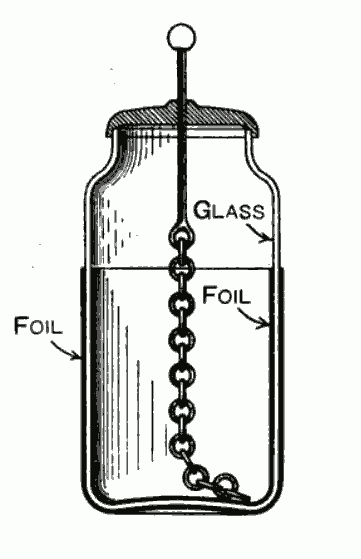

The Privacy Post reshared this.

The Privacy Post ha ricondiviso questo.

Il primo insegnante AI è comparso in India. Gli insegnanti perderanno il loro lavoro?
poliverso.org/display/0477a01e…
Il primo insegnante AI è comparso in India. Gli insegnanti perderanno il loro lavoro?In che misura è giustificata l’inclusione dell’intelligenza artificiale redhotcyber.com/post/che-cose-… nel campo dell’istruzione?È possibile affidare completamente una scuola o un’università a insegnanti robot dotati di intelligenza artificiale


Il primo insegnante AI è comparso in India. Gli insegnanti perderanno il loro lavoro?


In che misura è giustificata l’inclusione dell’intelligenza artificiale nel campo dell’istruzione?

È possibile affidare completamente una scuola o un’università a insegnanti robot dotati di intelligenza artificiale? Il motivo è chiaro: esiste un’enorme differenza nella capacità di memoria e nel potere di ragionamento.

Recentemente, l’India ha ottenuto il suo primo insegnante di IA (Intelligenza Artificiale). Certamente si tratta di un risultato senza precedenti del Paese nel campo della tecnologia. Il nome di questo insegnante robot introdotto nella scuola a Thiruvananthapuram, è “Iris“. Questo insegnante robot è dotato di programmi di intelligenza artificiale come ChatGPT e ha anche la capacità di rispondere a domande su materie come matematica e scienze.

Questo insegnante artificiale, che parla tre lingue, è arrivato a scuola indossando un sari e ha anche stretto la mano ai bambini.

Questo è un esempio unico dell’uso dell’intelligenza artificiale nel campo dell’istruzione. Sebbene l’intelligenza artificiale sia iniziata nel 1950, il suo rapido sviluppo è iniziato dopo il 1970. Se parliamo degli ultimi tempi, dopo la nascita del chatbot AI ChatGPT nel novembre 2022, c’è stata senza dubbio una rivoluzione nel campo dell’intelligenza artificiale portandola nella casa di tutti.

In ChatGPT si cerca di rispondere alle domande utilizzando algoritmi e programmazione di alto livello e di rendere facili e semplici tutti quei compiti umani, per portare a termine specifiche attività. Combinando ChatGPT con il robot (e questo non è la prima sperimentazione), è stato creato un insegnante artificiale.

Una domanda su cui vale la pena riflettere è: fino a che punto l’uso dell’intelligenza artificiale è appropriato nel campo dell’istruzione? Pochi giorni fa, anche una scuola in Inghilterra ha nominato un chatbot AI come preside e ha fornito agli studenti assistenti personali basati sull’intelligenza artificiale.

È possibile affidare completamente una scuola o un’università a insegnanti robot dotati di intelligenza artificiale? Facendo un passo del genere, gli studenti potranno liberarsi dalle preoccupazioni per il loro futuro?

Se riflettiamo profondamente su queste domande, otterremo risposte negative. Il motivo è che questo insegnante robot basato sull’intelligenza artificiale è semplicemente una macchina con algoritmi di alta classe e un’elevata capacità di archiviazione delle informazioni.

Potrebbe rispondere alle domande come un ricercatore con dottorato, ma quando si tratta di curiosità e creatività, sicuramente fallirà.

Il motivo è chiaro: esiste un’enorme differenza nella capacità di memoria e nel potere di ragionamento. Gli insegnanti robot dotati di intelligenza artificiale non potranno mai sostituire i veri insegnanti, perché attualmente non hanno la capacità di pensare, comprendere e presentare argomentazioni su qualsiasi argomento.

Per comprendere meglio qualsiasi argomento, è molto importante usare la propria capacità di pensiero e di ragionamento su di esso.

Le statistiche dicono che la tecnologia AI eliminerà 300 milioni di posti di lavoro entro il 2030. Il commento del Fondo monetario internazionale sull’intelligenza artificiale afferma anche che l’intelligenza artificiale è una rivoluzione tecnologica che aumenterà la nostra produttività, il reddito globale e lo sviluppo, ma questa stessa rivoluzione tecnologica potrà portare via molti posti di lavoro e ampliare il divario di disuguaglianza. Cosa significano tutti questi rapporti? Gli insegnanti perderanno il lavoro in futuro e saranno sostituiti da macchine inanimate?

Forse viene fatta una stima del genere perché gli insegnanti meccanici non vogliono alcuno stipendio. Richiedono solo la ricarica della batteria installata al loro interno. D’altro canto, una parte sostanziale del bilancio delle scuole viene spesa per gli stipendi degli insegnanti. Il secondo punto è che gli insegnanti umani presentano di volta in volta le loro diverse esigenze. In caso di inadempimento si organizzano anche proteste, mentre gli insegnanti meccanici non presenteranno mai alcun tipo di richiesta, la protesta ha fatto molta strada. Se osserviamo altre differenze, gli insegnanti meccanici possono insegnare la stessa materia agli studenti tutte le volte che vogliono, mentre gli insegnanti umani possono provare stress mentale o irritazione quando viene loro chiesto di ripetere lo stesso punto o capitolo ancora e ancora.

Da queste argomentazioni, sembra che gli insegnanti basati sull’intelligenza artificiale si dimostreranno migliori sotto ogni aspetto degli insegnanti umani basati sull’intelligenza reale, ma questa è solo immaginazione. La verità è che le macchine possono sostituire l’umanità. Sì, se in qualche modo l’umanità e le emozioni potessero essere incorporate nelle macchine, allora senza dubbio saremo tutti in pericolo, ma al momento non è possibile farlo.

Ora sorge la domanda: in che misura si dovrebbe consentire all’intelligenza artificiale di interferire nel campo dell’istruzione in modo che possa riuscire a portare l’istruzione al più alto livello di progresso sfruttando i suoi aspetti positivi?

A queste domande occorrerà rispondere oltre a regolamentare l’uso di questa tecnologia all’interno delle scuole.

L'articolo Il primo insegnante AI è comparso in India. Gli insegnanti perderanno il loro lavoro? proviene da il blog della sicurezza informatica.
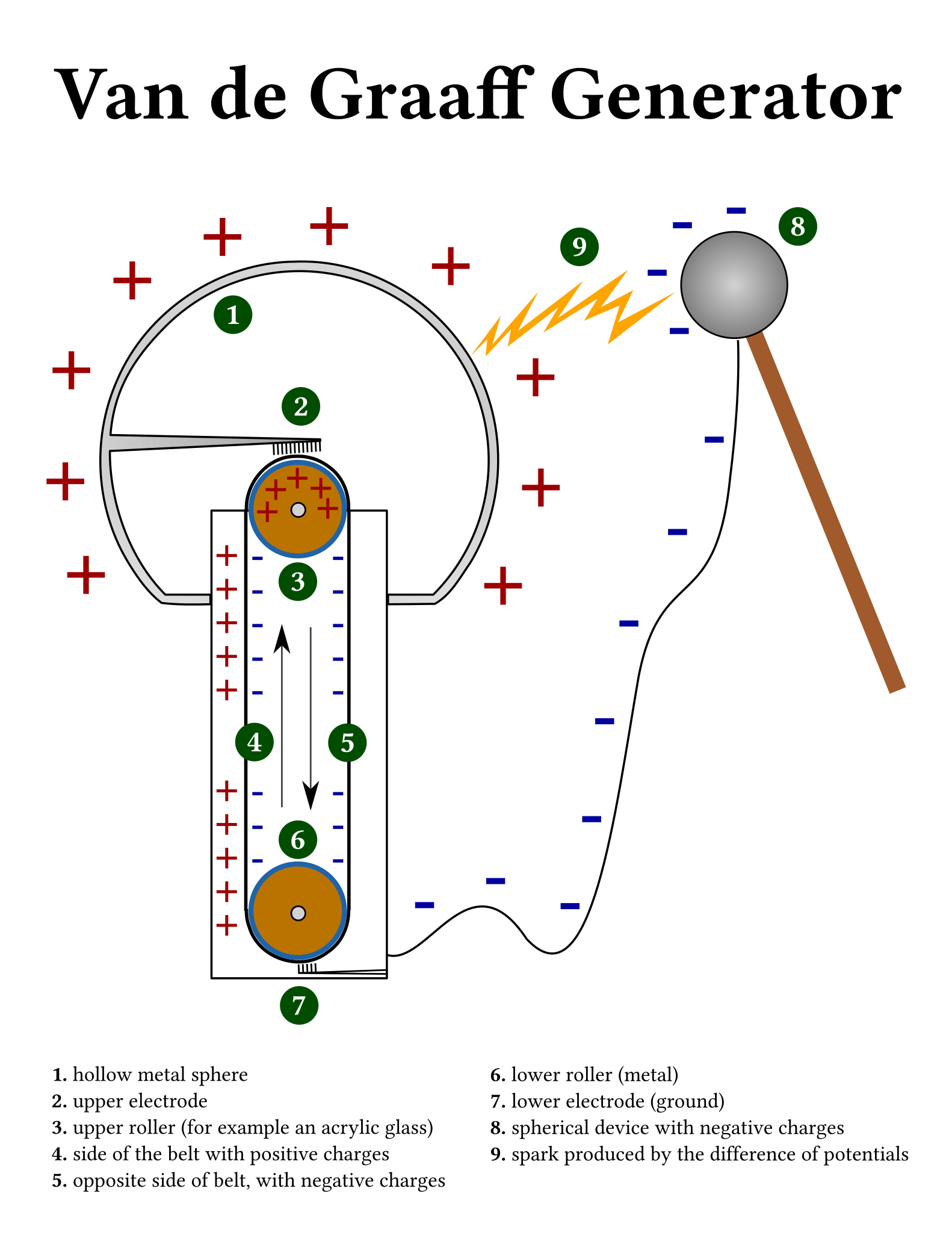

The Privacy Post reshared this.

The Privacy Post ha ricondiviso questo.

Attacco alle ferrovie UK. Gli hacker sconvolgono i passeggeri con messaggi terroristici tramite WIFI
poliverso.org/display/0477a01e…
Attacco alle ferrovie UK. Gli hacker sconvolgono i passeggeri con messaggi terroristici tramite WIFINel Regno Unito, i passeggeri in 19 stazioni ferroviarie hanno visto messaggi relativi ad attacchi terroristici quando erano connessi al bbc.com/news/articles/c1jd5k8x…Wi-Fi pubblico. L’attacco redhotcyber.com/post/i-padri-f… è


Attacco alle ferrovie UK. Gli hacker sconvolgono i passeggeri con messaggi terroristici tramite WIFI


Nel Regno Unito, i passeggeri in 19 stazioni ferroviarie hanno visto messaggi relativi ad attacchi terroristici quando erano connessi al Wi-Fi pubblico. L’attacco hacker è associato a un account ISP interno.bbc.com/news/articles/c1jd5k8x…

I messaggi sono comparsi sugli schermi dei dispositivi degli utenti connessi alla rete Wi-Fi gestita da Network Rail. Il servizio è supportato dall’appaltatore Telent e Internet è fornito da Global Reach Technology.

Telent ha affermato che l’incidente è stato un atto di vandalismo informatico avvenuto sulla rete Global Reach. La situazione non è stata causata da problemi di sicurezza della rete o da un problema tecnico. Telent sta ora collaborando con Network Rail, Global Reach e Transport Police per risolvere il problema e prevede di ripristinare il Wi-Fi entro la fine della settimana.

Uno degli utenti, dopo essersi connesso al Wi-Fi in una delle stazioni, ha visto sullo schermo messaggi con dettagli sugli attacchi terroristici nel Regno Unito e in Europa, con foto di notizie. “Lo schermo si illuminava con strani avvisi e pop-up”, ha detto. “Ho iniziato a farmi prendere dal panico: e se fosse qualcosa di pericoloso?”

Un portavoce di Network Rail ha confermato l’incidente informatico e ha detto che l’attacco potrebbe aver colpito altre organizzazioni, non solo le stazioni ferroviarie. Il servizio Wi-Fi è stato sospeso durante le indagini.

La polizia dei trasporti britannica ha arrestato un dipendente della Global Reach Technology sospettato di coinvolgimento nell’attacco. L’arrestato è accusato di “abuso di accesso” ai servizi Wi-Fi in alcune stazioni. Le informazioni sull’identità del sospettato non sono state rilasciate.

Telent ha affermato che l’hacking era dovuto a una modifica non autorizzata della pagina accesso alla rete WIFI tramite un account amministratore. La polizia dei trasporti britannica ha sottolineato che i dati personali dei passeggeri non saranno probabilmente compromessi.

A settembre, le agenzie di intelligence britanniche hanno arrestato un adolescente di 17 anni in relazione a un attacco informatico al sistema Transport for London (TfL), avvenuto il 1° settembre. L’arresto è avvenuto a Walsall il 5 settembre nell’ambito di un’indagine su un incidente che è diventato una minaccia per le infrastrutture dei trasporti di Londra.

L'articolo Attacco alle ferrovie UK. Gli hacker sconvolgono i passeggeri con messaggi terroristici tramite WIFI proviene da il blog della sicurezza informatica.


The Privacy Post reshared this.

The Privacy Post ha ricondiviso questo.

The media in this post is not displayed to visitors. To view it, please go to the original post.

An ESP32 Delivers Perfect Slot Car Control
poliverso.org/display/0477a01e…
An ESP32 Delivers Perfect Slot Car ControlIf your memory of slot cars as a childhood toy is of lightweight controllers with wire-wound rheostats inside, then you’re many years behind the state of the art when it comes to competitive slot car racing. In that world the full force of modern electronics has been brought to keeping the car on the road, and as an example here’s [Maker Fabio]


An ESP32 Delivers Perfect Slot Car Control


If your memory of slot cars as a childhood toy is of lightweight controllers with wire-wound rheostats inside, then you’re many years behind the state of the art when it comes to competitive slot car racing. In that world the full force of modern electronics has been brought to keeping the car on the road, and as an example here’s [Maker Fabio] with a cutting edge controller that has an ESP32 at its heart.

It’s obvious that a huge amount of attention has gone into both the physical design of the unit and its software, and the result speaks for itself. The trigger sits on a proper bearing, and the sensor is a Hall-effect device on the PCB. The firmware was written in the Arduino IDE, and through the trigger and a rotary encoder all of its options can be configured on a small OLED display. Individual settings can be configured for each car, and we’re treated to a full explanation of this in the video.

We are told that the files for both software and hardware will be released in due course, as this is still a work in progress for the moment. The video meanwhile provides ample demonstration, so we look forward to the release.

It’s a surprise to find relatively few projects from the slot car world on these pages, given the amount of potential there is in them for electronic improvement. Here’s one from a few years ago though.

youtube.com/embed/JtMKeiguHKI?…

Thanks [Bri] for the tip!


hackaday.com/2024/09/28/an-esp…


The Privacy Post reshared this.

The Privacy Post ha ricondiviso questo.

The media in this post is not displayed to visitors. To view it, please go to the original post.

The Last Sun Sparc Workstation
poliverso.org/display/0477a01e…
The Last Sun Sparc WorkstationThe truth is, our desktop computers today would have been classed as supercomputers only a few decades ago. There was a time when people who needed real desktop power looked down their noses at anyone with a Mac or a PC with any operating system on it. The workstation crowd used Sun computers. Sun used the Sparc processor, and the machine had specs that are laughable


The Last Sun Sparc Workstation


The truth is, our desktop computers today would have been classed as supercomputers only a few decades ago. There was a time when people who needed real desktop power looked down their noses at anyone with a Mac or a PC with any operating system on it. The workstation crowd used Sun computers. Sun used the Sparc processor, and the machine had specs that are laughable now but were enviable in their day. [RetroBytes] shows off Sun’s final entry in the category, the Ultra 45 from 2007.

Confusingly, the model numbers don’t necessarily increase. The Ultra 80, for example, is an older computer than the 45. Then there were machines like the Ultra 20, 24, 27, and 40 that all used x86 CPUs. A ’45 had one or two UltraSPARC III 64-bit CPUs running at 1.6 GHz and up to a whopping 16 GB of RAM (the one in the video has 8GB). Sure, we see less powerful computers today, but they are usually Chromebooks or very cheap PCs.

The Ultra line started back in 1995 but went underground for a few years with a re-branding. Sun brought the name back in 2005, and the Ultra 45 hit the streets in 2006, only to discontinue the machine in late 2008. According to [RetroBytes], the Sun team knew the Workstation days were numbered and wanted to produce a final awesome workstation. Partially, the reason for sparing few expenses was that anyone who was buying a SPARC workstation in 2006 probably had a reason not to move to cheaper hardware, so you have them over a proverbial barrel.

We liked the CPU cooler, which looked hefty. Honestly, except for the type of CPUs in it, the box could pass itself off as a mid-range desktop tower today with PCI express sockets. The operating system was Sun’s brand of Unix, Solaris, now owned by Oracle.

Sun’s big competitor for a while was Apollo. We’d point out that if all you want is to run Solaris, you don’t need to buy new old hardware.

youtube.com/embed/O3iUmhkP10k?…


hackaday.com/2024/09/28/the-la…


The Privacy Post reshared this.

The Privacy Post ha ricondiviso questo.

The media in this post is not displayed to visitors. To view it, please go to the original post.

Dog Poop Drone Cleans Up the Yard So You Don’t Have To
poliverso.org/display/0477a01e…
Dog Poop Drone Cleans Up the Yard So You Don’t Have ToSometimes you instantly know who’s behind a project from the subject matter alone. So when we saw this “aerial dog poop removal system” calebolson.com/blog/2024/09/27… show up in the tips line, we knew it had to be the work of [Caleb Olson].If you’re unfamiliar with [Caleb]’s oeuvre, let us refresh your memory. [Caleb] has


Dog Poop Drone Cleans Up the Yard So You Don’t Have To


Sometimes you instantly know who’s behind a project from the subject matter alone. So when we saw this “aerial dog poop removal system” show up in the tips line, we knew it had to be the work of [Caleb Olson].

If you’re unfamiliar with [Caleb]’s oeuvre, let us refresh your memory. [Caleb] has been on a bit of a dog poop journey, starting with a machine-learning system that analyzed security camera footage to detect when the adorable [Twinkie] dropped a deuce in the yard. Not content with just knowing when a poop event has occurred, he automated the task of locating the packages with a poop-pointing robot laser. Removal of the poop remained a manual task, one which [Caleb] was keen to outsource, hence the current work.

The video below, from a lightning talk at a conference, is pretty much all we have to go on, and the quality is a bit potato-esque. And while [Caleb]’s PoopCopter is clearly still a prototype, it’s easy to get the gist. Combining data from the previous poop-adjacent efforts, [Caleb] has built a quadcopter that can (or will, someday) be guided to the approximate location of the offending package, home in on it using a downward-looking camera, and autonomously whisk it away.

The retrieval mechanism is the high point for us; rather than a complicated, servo-laden “sky scoop” or something similar, the drone has a bell-shaped container on its belly with a series of geared leaves on the open end. The leaves are open when the drone descends onto the payload, and then close as the drone does a quick rotation around the yaw axis. And, as [Caleb] gleefully notes, the leaves can also open in midair with a high-torque yaw move in the opposite direction; the potential for neighborly hijinx is staggering.

All jokes and puns aside, this looks fantastic, and we can’t wait for more information and a better video. And lest you think [Caleb] only works on “Number Two” problems, never fear — he’s also put considerable work into automating his offspring and taking the awkwardness out of social interactions.

youtube.com/embed/nchw8_siDOM?…


hackaday.com/2024/09/28/dog-po…


The Privacy Post reshared this.

The Privacy Post ha ricondiviso questo.

Le minacce mobile crescono: L’82% dei siti di phishing prende di mira smartphone e tablet
poliverso.org/display/0477a01e…
Le minacce mobile crescono: L’82% dei siti di phishing prende di mira smartphone e tabletSecondo un recente rapporto zimperium.com/resources/surge-… di Zimperium, l’82% di tutti i siti di redhotcyber.com/post/il-phishi… su Internet prendono di mira i dispositivi mobili. Inoltre, il 76% di questi siti utilizza il protocollo HTTPS, che inganna


Le minacce mobile crescono: L’82% dei siti di phishing prende di mira smartphone e tablet


Secondo un recente rapporto di Zimperium, l’82% di tutti i siti di phishing su Internet prendono di mira i dispositivi mobili. Inoltre, il 76% di questi siti utilizza il protocollo HTTPS, che inganna gli utenti, creando una falsa illusione di sicurezza.

Gli specialisti di Zimperium hanno registrato un aumento significativo di campioni di malware unici, del 13% all’anno. Allo stesso tempo, i Trojan rappresentano l’80% di tutte le minacce. La maggiore vulnerabilità è dimostrata dal settore sanitario, dove il 39% delle minacce mobili è associato ad attacchi di phishing.

I criminali informatici utilizzano strategie mobile-first per ottenere l’accesso ai sistemi aziendali. Sfruttano i punti deboli di tali dispositivi, utilizzando schermi piccoli e indicatori di sicurezza limitati per ingannare gli utenti e rubare dati sensibili.

Secondo Shridhar Mittal, CEO di Zimperium, i dispositivi mobili e le app sono diventati i canali più importanti per la sicurezza nell’era digitale. Dato che il 71% dei dipendenti utilizza lo smartphone per lavoro, le aziende devono implementare una sicurezza multilivello che includa la sicurezza mobile e la verifica delle app.

Il rapporto mostra anche la rapida crescita dei siti di phishing: quasi un quarto di essi inizia la propria attività entro 24 ore dal lancio, rimanendo inosservato dai metodi di rilevamento tradizionali.

Le app di terze parti non installate dagli store ufficiali rappresentano un altro rischio per le aziende. Il settore finanziario è particolarmente vulnerabile, dove il 68% delle minacce sono associate a tali applicazioni. Allo stesso tempo, gli utenti che installano applicazioni da fonti non ufficiali hanno il 200% in più di probabilità di imbattersi in malware.

La regione Asia-Pacifico (APAC) è leader nelle minacce di sideloading: il 43% dei dispositivi Android in questa regione utilizza applicazioni provenienti da fonti non ufficiali.

Gli esperti concordano sul fatto che le aziende debbano implementare migliori soluzioni di sicurezza mobile. Chris Cinnamo, vicepresidente senior del prodotto presso Zimperium, ha dichiarato: “Gli attacchi di phishing e il malware mobile eludono sempre più i sistemi di rilevamento”.

Per combattere le crescenti minacce mobili, i team di sicurezza aziendali devono dare priorità agli attacchi ai dispositivi mobili dei dipendenti. Senza difese attive, tali attacchi continueranno ad affliggere le aziende, sfruttando dati sensibili e interrompendo le loro operazioni.

L'articolo Le minacce mobile crescono: L’82% dei siti di phishing prende di mira smartphone e tablet proviene da il blog della sicurezza informatica.


The Privacy Post reshared this.

The Privacy Post ha ricondiviso questo.

The media in this post is not displayed to visitors. To view it, please go to the original post.

Man-in-the-Middle PCB Unlocks HP Ink Cartridges
poliverso.org/display/0477a01e…
Man-in-the-Middle PCB Unlocks HP Ink CartridgesIt’s a well-known secret that inkjet ink is being kept at artificially high prices, which is why many opt to forego ‘genuine’ manufacturer cartridges and get third-party ones instead. Many of these third-party ones are so-called re-manufactured ones, where a third-party refills an empty OEM cartridge. This is increasingly being done due


Man-in-the-Middle PCB Unlocks HP Ink Cartridges


It’s a well-known secret that inkjet ink is being kept at artificially high prices, which is why many opt to forego ‘genuine’ manufacturer cartridges and get third-party ones instead. Many of these third-party ones are so-called re-manufactured ones, where a third-party refills an empty OEM cartridge. This is increasingly being done due to digital rights management (DRM) reasons, with tracking chips added to each cartridge. These chip prohibit e.g. the manual refilling of empty cartridges with a syringe, but with the right tweak or attack can be bypassed, with [Jay Summet] showing off an interesting HP cartridge DRM bypass using a physical man-in-the-middle-attack.

This bypass takes the form of a flex PCB with contacts on both sides which align with those on the cartridge and those of the printer. What looks like a single IC in a QFN package is located on the cartridge side, with space for it created inside an apparently milled indentation in the cartridge’s plastic. This allows is to fit flush between the cartridge and HP inkjet printer, intercepting traffic and presumably telling the printer some sweet lies so that you can go on with that print job rather than dash out to the store to get some more overpriced Genuine HP-approved cartridges.

Not that HP isn’t aware or not ticked off about this, mind. Recently they threatened to brick HP printers that use third-party cartridges if detected, amidst vague handwaving about ‘hackers’ and ‘viruses’ and ‘protecting the users’ with their Dynamic Security DRM system. As the many lawsuits regarding this DRM system trickle their way through the legal system, it might be worth it to keep a monochrome laser printer standing by just in case the (HP) inkjet throws another vague error when all you want is to just print a text document.

youtube.com/embed/h0ya184uaTE?…


hackaday.com/2024/09/28/man-in…


The Privacy Post reshared this.

The Privacy Post ha ricondiviso questo.

Hacker iraniani nel mirino dell’FBI: Attacco alla campagna di Donald Trump!
poliverso.org/display/0477a01e…
Hacker iraniani nel mirino dell’FBI: Attacco alla campagna di Donald Trump!Il Dipartimento di Giustizia degli Stati Uniti ha accusato tre redhotcyber.com/post/i-padri-f… iraniani presumibilmente coinvolti in un attacco informatico alla campagna dell’ex presidente Donald Trump.Secondo i funzionari justice.gov/opa/media/1371191/… Seyyed Ali Aghamiri, Yasar


Hacker iraniani nel mirino dell’FBI: Attacco alla campagna di Donald Trump!


Il Dipartimento di Giustizia degli Stati Uniti ha accusato tre hacker iraniani presumibilmente coinvolti in un attacco informatico alla campagna dell’ex presidente Donald Trump.

Secondo i funzionari Seyyed Ali Aghamiri, Yasar Balaghi e Masoud Jalili agivano per conto del Corpo delle Guardie della Rivoluzione Islamica (IRGC), una delle strutture chiave dell’Iran nota per le sue attività di spionaggio informatico. Le accuse coprono il periodo dal 2020 al settembre 2024.Gli hacker hanno hackerato e rubato documenti della campagna di Trump e hanno preso di mira funzionari e rappresentanti dei media statunitensi. Le loro azioni, secondo l’FBI, miravano a minare i processi democratici nel paese.

Inoltre, hanno tentato di trasmettere le informazioni rubate al team di Biden e ai rappresentanti dei media, ma i loro tentativi non hanno avuto successo poiché nessuno dei destinatari ha risposto ai loro messaggi.Gli inquirenti sostengono che gli attacchi informatici mirassero anche alla “vendetta per la morte” del generale Qassem Soleimani, ucciso nel gennaio 2020 durante un’operazione militare statunitense.

Jalili, che secondo l’accusa è un membro del gruppo paramilitare Basij, e altri due hacker sono stati coinvolti in una serie di attacchi nel corso di diversi anni che hanno colpito sia agenzie governative statunitensi che organizzazioni internazionali.Parallelamente alle accuse, le autorità statunitensi e britanniche hanno emesso un avvertimento congiunto sulle tattiche utilizzate dai gruppi informatici iraniani e hanno imposto sanzioni a sette funzionari iraniani legati all’IRGC.

In particolare, queste sanzioni riguardano gli attacchi hacker volti a interrompere il processo elettorale negli Stati Uniti nel 2020 e nel 2024.L’indagine è in corso e le autorità non hanno escluso ulteriori accuse contro coloro che sono coinvolti in attacchi volti a minare la fiducia nelle elezioni americane.

L'articolo Hacker iraniani nel mirino dell’FBI: Attacco alla campagna di Donald Trump! proviene da il blog della sicurezza informatica.


The Privacy Post reshared this.

The Privacy Post ha ricondiviso questo.

The media in this post is not displayed to visitors. To view it, please go to the original post.

VR Headset With Custom Face Fitting Gets Even More Custom
poliverso.org/display/0477a01e…
VR Headset With Custom Face Fitting Gets Even More CustomThe Bigscreen Beyond is a small and lightweight VR headset that in part achieves its small size and weight by requiring custom fitting based on a facial scan. [Val’s Virtuals] managed to improve fitment even more by redesigning a facial interface and using a 3D scan of one’s own head printables.com/model/751989-sl…


VR Headset With Custom Face Fitting Gets Even More Custom


The Bigscreen Beyond is a small and lightweight VR headset that in part achieves its small size and weight by requiring custom fitting based on a facial scan. [Val’s Virtuals] managed to improve fitment even more by redesigning a facial interface and using a 3D scan of one’s own head to fine-tune the result even further. The new designs distribute weight more evenly while also providing an optional flip-up connection.

It may be true that only a minority of people own a Bigscreen Beyond headset, and even fewer of them are willing to DIY their own custom facial interface. But [Val]’s workflow and directions for using Blender to combine a 3D scan of one’s face with his redesigned parts to create a custom-fitted, foam-lined facial interface is good reading, and worth keeping in mind for anyone who designs wearables that could benefit from custom fitting. It’s all spelled out in the project’s documentation — look for the .txt file among the 3D models.

We’ve seen a variety of DIY approaches to VR hardware, from nearly scratch-built headsets to lens experiments, and one thing that’s clear is that better comfort is always an improvement. With newer iPhones able to do 3D scanning and 1:1 scale scanning in general becoming more accessible, we have a feeling we’re going to see more of this DIY approach to ultra-customization.


hackaday.com/2024/09/28/vr-hea…


The Privacy Post reshared this.

The Privacy Post ha ricondiviso questo.

The media in this post is not displayed to visitors. To view it, please go to the original post.

What’s the Deal with AI Art?
poliverso.org/display/0477a01e…
What’s the Deal with AI Art?A couple weeks ago, we had a kerfuffle here on Hackaday: A writer put out a piece with AI-generated headline art. It was, honestly, pretty good, but it was also subject to all of the usual horrors that get generated along the way. If you have played around with any of the image generators you know the AI-art uncanny style, where it looks good enough at first glance, but


What’s the Deal with AI Art?


A couple weeks ago, we had a kerfuffle here on Hackaday: A writer put out a piece with AI-generated headline art. It was, honestly, pretty good, but it was also subject to all of the usual horrors that get generated along the way. If you have played around with any of the image generators you know the AI-art uncanny style, where it looks good enough at first glance, but then you notice limbs in the wrong place if you look hard enough. We replaced it shortly after an editor noticed.

The story is that the writer couldn’t find any nice visuals to go with the blog post, with was about encoding data in QR codes and printing them out for storage. This is a problem we have frequently here, actually. When people write up a code hack, for instance, there’s usually just no good image to go along with it. Our writers have to get creative. In this case, he tossed it off to Stable Diffusion.

Some commenters were afraid that this meant that we were outsourcing work from our fantastic, and very human, art director Joe Kim, whose trademark style you’ve seen on many of our longer-form original articles. Of course we’re not! He’s a genius, and when we tell him we need some art about topics ranging from refining cobalt to Wimshurst machines to generate static electricity, he comes through. I think that all of us probably have wanted to make a poster out of one or more of his headline art pieces. Joe is a treasure.

But for our daily blog posts, which cover your works, we usually just use a picture of the project. We can’t ask Joe to make ten pieces of art per day, and we never have. At least as far as Hackaday is concerned, AI-generated art is just as good as finding some cleared-for-use clip art out there, right?

Except it’s not. There is a lot of uncertainty about the data that the algorithms are trained on, whether the copyright of the original artists was respected or needed to be, ethically or legally. Some people even worry that the whole thing is going to bring about the end of Art. (They worried about this at the introduction of the camera as well.) But then there’s also the extra limbs, and AI-generated art’s cliche styles, which we fear will get old and boring after we’re all saturated with them.

So we’re not using AI-generated art as a policy for now, but that’s not to say that we don’t see both the benefits and the risks. We’re not Luddites, after all, but we are also in favor of artists getting paid for their work, and of respect for the commons when people copyleft license their images. We’re very interested to see how this all plays out in the future, but for now, we’re sitting on the sidelines. Sorry if that means more headlines with colorful code!

This article is part of the Hackaday.com newsletter, delivered every seven days for each of the last 200+ weeks. It also includes our favorite articles from the last seven days that you can see on the web version of the newsletter. Want this type of article to hit your inbox every Friday morning? You should sign up!


hackaday.com/2024/09/28/whats-…


The Privacy Post reshared this.

The Privacy Post ha ricondiviso questo.

Crisi Sanitaria in Kuwait! un Cyber attacco Blocca gli ospedali, salvati dai Backup
poliverso.org/display/0477a01e…
Crisi Sanitaria in Kuwait! un Cyber attacco Blocca gli ospedali, salvati dai BackupIl Ministero della Salute del Kuwait sta ripristinando kuna.net.kw/ArticleDetails.asp… i suoi sistemi dopo che un attacco informatico ha colpito diversi ospedali e l’app mobile Sahel utilizzata per fornire servizi medici. Al momento, il sito web ufficiale del


Crisi Sanitaria in Kuwait! un Cyber attacco Blocca gli ospedali, salvati dai Backup


Il Ministero della Salute del Kuwait sta ripristinando i suoi sistemi dopo che un attacco informatico ha colpito diversi ospedali e l’app mobile Sahel utilizzata per fornire servizi medici. Al momento, il sito web ufficiale del Ministero della Salute non è disponibile, ma il dipartimento ha rilasciato una dichiarazione tramite la Kuwait News Agency.

I sistemi che gestiscono il Centro nazionale contro i tumori, nonché i dipartimenti responsabili dell’assicurazione sanitaria nazionale e dei controlli per i cittadini stranieri, sono stati ripristinati utilizzando copie di backup. Nonostante le sfide, le autorità hanno assicurato che sono state adottate tutte le misure necessarie per garantire il continuo funzionamento dei servizi sanitari essenziali e vitali nei centri sanitari primari e negli ospedali governativi.

L’indagine ha rivelato come gli aggressori siano riusciti a penetrare nei sistemi, ma il ministero ha sottolineato di aver adottato tutte le misure necessarie per impedire che la minaccia si diffonda ad altri sistemi. L’attacco informatico non ha danneggiato alcun database critico, ma il dipartimento ha dovuto chiudere alcuni dei suoi sistemi per installare aggiornamenti e rafforzare la sicurezza.

Al momento non è stata fornita una tempistica esatta per il ripristino completo di tutti gli impianti, ma il ministero assicura che ciò avverrà nel prossimo futuro. Finora nessun gruppo di ransomware ha rivendicato la responsabilità dell’attacco.

Vale la pena notare che esattamente un anno fa anche il Ministero delle finanze del Kuwait era stato attaccato dal gruppo di hacker Rhysida. L’anno prima diversi negozi IKEA in Kuwait erano stati presi di mira dal gruppo Vice Society, ritenuto legato a Rhysida.

Secondo un nuovo rapporto di un importante consorzio di sicurezza informatica, nel 2023 un numero record di paesi, oltre 117, sono stati attaccati da gruppi di ransomware. In totale sono stati registrati circa 6.670 incidenti, con un aumento del 73% rispetto all’anno precedente.

L'articolo Crisi Sanitaria in Kuwait! un Cyber attacco Blocca gli ospedali, salvati dai Backup proviene da il blog della sicurezza informatica.


The Privacy Post reshared this.

The Privacy Post ha ricondiviso questo.

The media in this post is not displayed to visitors. To view it, please go to the original post.

Winamp A Few Days Later: You Can Fork, And Watch For GPL Violations
poliverso.org/display/0477a01e…
Winamp A Few Days Later: You Can Fork, And Watch For GPL ViolationsA few days ago the source code for the popular Winamp music player was released into the world, with as we reported at the time, a licence that left a lot to be desired. Since then it seems some of the criticism has caught up with the company, for not only have they modified their terms to allow


Winamp A Few Days Later: You Can Fork, And Watch For GPL Violations


A few days ago the source code for the popular Winamp music player was released into the world, with as we reported at the time, a licence that left a lot to be desired. Since then it seems some of the criticism has caught up with the company, for not only have they modified their terms to allow forking, they’ve reacted to a bunch of claimed GPL violations by removing offending files. Perhaps How-To-Geek are right in describing it all as an absolute mess.

The forking amendment means that with luck we’ll start seeing a few modified players descending from the Winamp code, and it seems that the GPL violations are more embarrassing technicalities than show-stoppers, but we have to wornder whether or not this makes for something with any more than historical interest. Perhaps its value stands in a lesson for corporate entities in how not to release their source, which sadly we expect will be taken by other organisations as an excuse not to do so.

If you’re following the Winamp source code saga you can read our coverage from when it came out. It will be interesting to see where this story goes.


hackaday.com/2024/09/28/winamp…


The Privacy Post reshared this.

The Privacy Post ha ricondiviso questo.

The media in this post is not displayed to visitors. To view it, please go to the original post.

See the Hands-on Details Behind Stunning Helmet Build
poliverso.org/display/0477a01e…
See the Hands-on Details Behind Stunning Helmet Build[Zibartas] recently created wearable helmets from the game Starfield that look fantastic, and we’re happy to see that he created a video showcasing the whole process of design, manufacture, and assembly. The video really highlights just how much good old-fashioned manual work like sanding goes into getting good results, even


See the Hands-on Details Behind Stunning Helmet Build


[Zibartas] recently created wearable helmets from the game Starfield that look fantastic, and we’re happy to see that he created a video showcasing the whole process of design, manufacture, and assembly. The video really highlights just how much good old-fashioned manual work like sanding goes into getting good results, even in an era where fancy modern equipment like 3D printing is available to just about anyone.
The secret to perfectly-tinted and glassy-smooth clear visors? Lots and lots of sanding and polishing.
The visor, for example, is one such example. The usual approach to making a custom helmet visor (like for Daft Punk helmet builds) is some kind of thermoforming. However, the Starfield helmet visors were poor candidates due to their shape and color. [Zibartas]’s solution was to 3D print the whole visor in custom-tinted resin, followed by lots and lots of sanding and polishing to obtain a clear and glassy-smooth end product.

A lot of patient sanding ended up being necessary for other reasons as well. Each helmet has a staggering number of individual parts, most of which are 3D printed with resin, and these parts didn’t always fit together perfectly well.

[Zibartas] also ended up spending a lot of time troubleshooting an issue that many of us might have had an easier time recognizing and addressing. The helmet cleverly integrates a faux-neon style RGB LED strip for internal lighting, but the LED strip would glitch out when the ventilation fan was turned on. The solution after a lot of troubleshooting ended up being simple decoupling capacitors, helping to isolate the microcontrollers built into the LED strip from the inductive load of the motors.

What [Zibartas] may have lacked in the finer points of electronics, he certainly makes up for in practical experience when it comes to wearable pieces like these. The helmets look solid but are in fact full of open spaces and hollow, porous surfaces. This makes them more challenging to design and assemble, but it pays off in spades when worn. The helmets not only look great, but allow a huge amount of airflow. This along with the fans makes them comfortable to wear as well as prevents the face shield from misting up from the wearer’s breathing. It’s a real work of art, so check out the build video, embedded just below.

youtube.com/embed/AZqaHBKlm48?…


hackaday.com/2024/09/28/see-th…


The Privacy Post reshared this.

The Privacy Post ha ricondiviso questo.

The media in this post is not displayed to visitors. To view it, please go to the original post.

Telegram Tradisce il Cybercrime! L’esodo degli hacker criminali su Altre Piattaforme è iniziato
poliverso.org/display/0477a01e…
Telegram Tradisce il Cybercrime! L’esodo degli hacker criminali su Altre Piattaforme è iniziatoL’aggiornamento della politica sulla privacy di Telegram ha influito sulla reputazione della piattaforma come servizio di comunicazione anonima. La notizia che il messenger condividerà ora i numeri di telefono e gli indirizzi IP degli utenti


Telegram Tradisce il Cybercrime! L’esodo degli hacker criminali su Altre Piattaforme è iniziato


L’aggiornamento della politica sulla privacy di Telegram ha influito sulla reputazione della piattaforma come servizio di comunicazione anonima. La notizia che il messenger condividerà ora i numeri di telefono e gli indirizzi IP degli utenti con le agenzie di intelligence ha allarmato la comunità dei criminali informatici e li ha costretti a pensare al passaggio ad altre piattaforme.

Ad esempio, il gruppo Ghosts of Palestine prevede di lasciare la piattaforma e trovare un messenger più sicuro. RipperSec ha già creato canali di backup su Discord e Al Ahad si è spostato su Signal. GlorySec sta esaminando anche altre piattaforme tra cui Facebook e Threads.

Il messaggio di Al Ahad sul passaggio da Telegram a Signal

Alcuni hacker criminali preferiscono adattarsi alle nuove condizioni. UserSec condivide le istruzioni su come rimanere anonimo, fornendo suggerimenti per aggirare le nuove regole sul trasferimento dei dati.

I membri della chat BF Repo V3 (collegata alla comunità BreachForums) hanno addirittura discusso della possibilità di creare una propria piattaforma di messaggistica basata sull’interfaccia di Telegram per ridurre i rischi di esposizione.

Vengono discusse anche alternative come Jabber, Matrix e Session, ma queste sono più adatte per conversazioni private, mentre Telegram consente di creare comunità aperte. Discord è attualmente l’unica piattaforma che offre funzionalità simili.

Sebbene non si sia ancora verificato un esodo di massa di criminali informatici da Telegram, tali discussioni potrebbero preannunciare possibili cambiamenti. Non è chiaro quanto le nuove regole influenzeranno l’attività degli aggressori, dal momento che le loro operazioni su Telegram sono altamente scalabili e non è facile passare rapidamente a un’altra piattaforma.

Telegram sta inoltre rafforzando il suo controllo sui contenuti con un team di moderatori e intelligenza artificiale, il che complicherà le azioni dei criminali informatici, ma molti di loro, incluso il gruppo UserSec, hanno già imparato a aggirare tali barriere creando canali di backup in caso di blocco.

Anche se le nuove regole potrebbero spingere alcuni criminali a cercare app di messaggistica più sicure, è improbabile che Telegram, con i suoi 900 milioni di utenti attivi, perda presto il suo ruolo nel mondo del crimine informatico.

L'articolo Telegram Tradisce il Cybercrime! L’esodo degli hacker criminali su Altre Piattaforme è iniziato proviene da il blog della sicurezza informatica.


The Privacy Post ha ricondiviso questo.

The media in this post is not displayed to visitors. To view it, please go to the original post.

Spectroscopy on the Cheap
poliverso.org/display/0477a01e…
Spectroscopy on the Cheap[Project 326] wanted to know exactly what gas was in some glass tubes. The answer, of course, is to use a spectrometer, but that’s an expensive piece of gear, right? Not really youtube.com/watch?v=z4-DUWogY7…. Sure, these cheap devices aren’t perfect, but they are serviceable and, as the video below shows, there are ways to work around some of the limitations.The two units


Spectroscopy on the Cheap


[Project 326] wanted to know exactly what gas was in some glass tubes. The answer, of course, is to use a spectrometer, but that’s an expensive piece of gear, right? Not really. Sure, these cheap devices aren’t perfect, but they are serviceable and, as the video below shows, there are ways to work around some of the limitations.

The two units in question are “The Little Garden” spectrometer and a TLM-2. Neither are especially sensitive, but both are well under $100, so you can’t expect much. Because the spectrometers were not very sensitive, a 3D printed jig and lens were used to collect more light and block ambient light interference. The jigs also allowed the inclusion of special filters, which enhanced performance quite a bit. The neon bulbs give off the greatest glow when exposed to high voltage. Other bulbs contain things like helium, xenon, and carbon dioxide. There were also tubes with mercury vapor and even deuterium.

We’ll admit it. Not everyone needs a spectrometer, but if you do, there’s a lot of really interesting info on how to get the most out of these cheap devices. Apparently, [Project 326] was frustrated that he couldn’t buy an X-ray spectrometer and has vowed to create one, so we’ll be interested to see how that goes.

Some homebrew spectrometers can get pretty fancy. Of course, there’s more to spectroscopy than just optics.

youtube.com/embed/z4-DUWogY7E?…


hackaday.com/2024/09/27/spectr…


The Privacy Post reshared this.