The Privacy Post ha ricondiviso questo.

Frodi Sentimentali: Oltre 2,7 Milioni Riciclati da una Donna della Florida
poliverso.org/display/0477a01e…
Frodi Sentimentali: Oltre 2,7 Milioni Riciclati da una Donna della FloridaUna donna della Florida si è dichiarata colpevole di aver partecipato a una cospirazione internazionale per riciclare milioni di dollari ottenuti da truffe romantiche, inviando i fondi a un complice all’estero.Secondo i documenti del tribunale, justice.gov/opa/pr/florida-wom…


Frodi Sentimentali: Oltre 2,7 Milioni Riciclati da una Donna della Florida


Una donna della Florida si è dichiarata colpevole di aver partecipato a una cospirazione internazionale per riciclare milioni di dollari ottenuti da truffe romantiche, inviando i fondi a un complice all’estero.

Secondo i documenti del tribunale, Christine Petitfrere, 30 anni, residente a Miramar, ha gestito conti bancari utilizzati per ricevere denaro proveniente da truffe sentimentali. Dopo aver ricevuto i fondi dalle vittime, Petitfrere tratteneva una parte come commissione personale, mentre il resto veniva trasferito a un suo complice al di fuori degli Stati Uniti. In totale, Petitfrere ha riciclato oltre 2,7 milioni di dollari, guadagnando centinaia di migliaia di dollari per il suo ruolo nella frode.

Le truffe sentimentali coinvolgono la creazione di falsi profili online, spesso su piattaforme di incontri, per guadagnare la fiducia e l’affetto delle vittime, per poi sfruttarle finanziariamente. Questo tipo di frode non solo provoca ingenti perdite economiche, ma infligge anche gravi danni emotivi, specialmente a persone vulnerabili, come gli anziani. La Federal Trade Commission (FTC) ha stimato che nel 2023, gli americani hanno perso circa 1,14 miliardi di dollari a causa di queste truffe.

“Le truffe romantiche causano non solo perdite finanziarie significative, ma infliggono anche profonde sofferenze emotive a innumerevoli individui”, ha dichiarato Brian Boynton, vice procuratore generale della divisione civile del Dipartimento di Giustizia. “Questa condanna evidenzia l’impegno del dipartimento nel distruggere le reti criminali che sfruttano le vulnerabilità delle persone con schemi sofisticati.”

Petitfrere sarà condannata l’11 dicembre presso il tribunale federale del Distretto Meridionale della Florida e rischia una pena massima di 10 anni di carcere. La condanna definitiva sarà decisa da un giudice federale, che prenderà in considerazione le linee guida delle US Sentencing Guidelines e altri fattori legali.

L’FBI di Miami ha condotto le indagini, mentre Matthew Robinson e Lauren M. Elfner, avvocati della Sezione per la Protezione dei Consumatori del Dipartimento di Giustizia, sono a capo del processo.

Per le vittime di frodi finanziarie, specialmente se di età superiore ai 60 anni, è disponibile una linea di assistenza del Dipartimento di Giustizia, la National Elder Fraud Hotline (1-833-FRAUD-11), che offre supporto e risorse per affrontare questo tipo di crimini. I case manager sono disponibili dal lunedì al venerdì dalle 10:00 alle 18:00 ET, offrendo supporto in inglese, spagnolo e altre lingue. Segnalare tempestivamente può contribuire a recuperare parte delle perdite finanziarie e a fermare i truffatori.

L'articolo Frodi Sentimentali: Oltre 2,7 Milioni Riciclati da una Donna della Florida proviene da il blog della sicurezza informatica.


The Privacy Post reshared this.

The Privacy Post ha ricondiviso questo.

The media in this post is not displayed to visitors. To view it, please go to the original post.

G4 Mac Mini is a Wolf in Apple IIc Clothing
poliverso.org/display/0477a01e…
G4 Mac Mini is a Wolf in Apple IIc ClothingRestomods let us relive some of the glory days of industrial design with internals that would blow the socks off the original device. [Mental Hygiene] decided to update an Apple IIc with a G4 brain flickr.com/photos/charles_mang….Starting with a broken IIc, they pulled the internals, including the venerable 6502, and transplanted the parts from


G4 Mac Mini is a Wolf in Apple IIc Clothing


A beige computer monitor with a green glow sits atop a flat, beige Apple IIc with a mouse next to it on a dark wooden table. A vase full of bright pink flowers is in the background.

Restomods let us relive some of the glory days of industrial design with internals that would blow the socks off the original device. [Mental Hygiene] decided to update an Apple IIc with a G4 brain.

Starting with a broken IIc, they pulled the internals, including the venerable 6502, and transplanted the parts from a G4 Mac mini into the case. There was plenty of room for the small desktop and its power supply. We love how they were able to repurpose the 5 1/4″ floppy access on the side of the IIc as a DVD drive.

A Mac OSX install DVD peeks out from the disc slot on a beige Apple IIc. You'd never guess this was originally a floppy drive.The original keyboard was adapted with an Arduino Teensy into a USB unit for the mini, but the internals of the mouse were replaced with a modern USB laser mouse running the signals over the original connector. What really sells this particular restomod is the “VGA adapter that outputs monochrome NTSC via RCA” allowing a vintage Apple CRT to make this look like a device that somehow upgraded all the way to OSX.

This mod looks to be from 2012, so we’re wondering if it’s time someone did this with an Apple Silicon mini? We’ve previously covered a few different minis inside G4 iMacs. We’ve even seen someone tackle the Compact Macintosh with an iPad mini.


hackaday.com/2024/09/15/g4-mac…


The Privacy Post reshared this.

The Privacy Post ha ricondiviso questo.

The media in this post is not displayed to visitors. To view it, please go to the original post.

An Espresso Machine for the DIY Crowd
poliverso.org/display/0477a01e…
An Espresso Machine for the DIY CrowdWant to build your own espresso machine, complete with open-source software to drive it? The diypresso.com/ might be right up your alley. hackaday.com/wp-content/upload…diyPresso parts, laid out and ready for assembly.It might not be the cheapest road to obtaining an espresso machine, but it’s probably the most economical way to turn high-quality


An Espresso Machine for the DIY Crowd


Want to build your own espresso machine, complete with open-source software to drive it? The diyPresso might be right up your alley.
diyPresso parts, laid out and ready for assembly.
It might not be the cheapest road to obtaining an espresso machine, but it’s probably the most economical way to turn high-quality components (including a custom-designed boiler) and sensors into a machine of a proven design.

Coffee and the machines that turn it into a delicious beverage are fertile ground for the type of folk who like to measure, modify, and optimize. We’ve seen DIY roasters, grinders, and even a manual lever espresso machine. There are also many efforts at modifying existing machines with improved software-driven controls but this is the first time we’ve seen such a focused effort at bringing the DIY angle to a ground-up espresso machine specifically offered as a kit.

Curious to know more? Browse the assembly manual or take a peek at the software’s GitHub repository. You might feel some ideas start to flow for your next coffee hack.


hackaday.com/2024/09/15/an-esp…


The Privacy Post reshared this.

The Privacy Post ha ricondiviso questo.

The media in this post is not displayed to visitors. To view it, please go to the original post.

Non-planar Ironing Makes Smooth Prints
poliverso.org/display/0477a01e…
Non-planar Ironing Makes Smooth PrintsIf you want to smooth out the top surface of your FDM 3D prints, you can try ironing. Many slicers allow you to set this option, which drags the hot printhead through the top surface with a tiny bit of plastic to smooth out the extrusion lines. However, a recent paper explains how non-planar ironing can provide a better result


Non-planar Ironing Makes Smooth Prints


If you want to smooth out the top surface of your FDM 3D prints, you can try ironing. Many slicers allow you to set this option, which drags the hot printhead through the top surface with a tiny bit of plastic to smooth out the extrusion lines. However, a recent paper explains how non-planar ironing can provide a better result.

Usually, non-planar printing requires rotating the print bed in addition to the normal linear motion. However, you can also manipulate the layer height in real time to create bulges in the 3D print. This is the approach taken by Curvislicer, which shares authors with this paper. Another approach is to build a part conventionally but add non-planar printing to the last few layers.

The non-planar ironing is a variation of the latter technique. After slicing, the top layer of g-code passes through a Python script. The results on a test object look very impressive. We’d be interested to see how some more complex shapes look, though.

Of course, it looks like all you need is an ordinary printer, a modified copy of Slic3r, and the script, so if you try it yourself, let us know what you think. It would be great to smooth prints without extra chemicals and post-processing. While you can get good results, it is a lot of work.


hackaday.com/2024/09/15/non-pl…


The Privacy Post reshared this.

The Privacy Post ha ricondiviso questo.

The media in this post is not displayed to visitors. To view it, please go to the original post.

Watch NASA’s Solar Sail Reflect Brightly in the Night Sky
poliverso.org/display/0477a01e…
Watch NASA’s Solar Sail Reflect Brightly in the Night SkyNASA’s ACS3 (Advanced Composite Solar Sail System) is currently fully deployed in low Earth orbit, and stargazers can spot it if they know what to look for smithsonianmag.com/smart-news/…. It’s actually one of the brightest things in the night sky. When the conditions are right, anyway.


Watch NASA’s Solar Sail Reflect Brightly in the Night Sky


NASA’s ACS3 (Advanced Composite Solar Sail System) is currently fully deployed in low Earth orbit, and stargazers can spot it if they know what to look for. It’s actually one of the brightest things in the night sky. When the conditions are right, anyway.
ACS3’s sail is as thin as it is big.
What conditions are those? Orientation, mostly. ACS3 is currently tumbling across the sky while NASA takes measurements about how it acts and moves. Once that’s done, the spacecraft will be stabilized. For now, it means that visibility depends on the ACS’s orientation relative to someone on the ground. At it’s brightest, it appears as bright as Sirius, the brightest star in the night sky.

ACS3 is part of NASA’s analysis and testing of solar sail technology for use in future missions. Solar sails represent a way of using reflected photons (from sunlight, but also possibly from a giant laser) for propulsion.

This perhaps doesn’t have much in the way of raw energy compared to traditional thrusters, but offers low cost and high efficiency (not to mention considerably lower complexity and weight) compared to propellant-based solutions. That makes it very worth investigating. Solar sail technology aims to send a probe to Alpha Centauri within the next twenty years.

Want to try to spot ACS3 with your own eyes? There’s a NASA app that can alert you to sighting opportunities in your local time and region, and even guide you toward the right region of the sky to look. Check it out!


hackaday.com/2024/09/15/watch-…


The Privacy Post reshared this.

The Privacy Post ha ricondiviso questo.

Il Primo Robot Cafe in Africa Orientale: Camerieri Robot al Servizio
poliverso.org/display/0477a01e…
Il Primo Robot Cafe in Africa Orientale: Camerieri Robot al ServizioIn uno dei ristoranti della capitale del Kenya, Nairobi, i visitatori possono assistere a uno spettacolo insolito: i camerieri robot consegnano i piatti ai tavoli dei clienti. In questo ristorante, chiamato Robot Cafe, tre robot, di nome Claire, R24 e Nadia, si muovono tra i camerieri umani,


Il Primo Robot Cafe in Africa Orientale: Camerieri Robot al Servizio


In uno dei ristoranti della capitale del Kenya, Nairobi, i visitatori possono assistere a uno spettacolo insolito: i camerieri robot consegnano i piatti ai tavoli dei clienti. In questo ristorante, chiamato Robot Cafe, tre robot, di nome Claire, R24 e Nadia, si muovono tra i camerieri umani, impressionando gli ospiti con il loro servizio. Questa struttura è considerata la prima nel suo genere non solo a Nairobi, ma in tutta l’Africa orientale.

Nairobi si è affermata da tempo come hub tecnologico della regione, guadagnandosi il soprannome di “Silicon Savannah” grazie alle sue numerose startup e innovazioni. L’introduzione dei robot nel settore della ristorazione conferma lo status di leader tecnologico della città.

I robot del Robot Cafe sono stati acquistati per intrattenere i clienti e, sebbene importarli non fosse economico, il proprietario del ristorante Mohammed Abbas afferma che ne è valsa la pena. Lo stabilimento è popolare e attira molti clienti curiosi che vogliono sperimentare il servizio robot.

Tuttavia, nonostante l’attrattiva della tecnologia, i robot non possono ancora sostituire completamente il lavoro umano. Eseguono solo compiti semplici: informano i clienti che il loro ordine è pronto e richiedono loro di premere un pulsante per completare il servizio. I robot sono controllati tramite un’app per tablet, mentre i camerieri umani svolgono ancora un ruolo importante nel servire gli ospiti, prendere gli ordini e consegnare le bevande.

Gli esperti ritengono che tali tecnologie potrebbero cambiare il mercato del lavoro in futuro, soprattutto in Africa, dove l’età media della popolazione è di soli 19 anni. Tuttavia, i robot non sono ancora in grado di sostituire completamente l’uomo nel settore della ristorazione.

Ad esempio, al Robot Cafe, i camerieri robotici si limitano a integrare il servizio umano, offrendo ai clienti un’esperienza unica, ma non sostituiscono il calore umano e l’attenzione che sono importanti per molti clienti.

Pertanto, l’introduzione dei robot nel settore dei servizi apre nuove opportunità per combinare automazione e servizi tradizionali, soddisfacendo così una varietà di preferenze dei clienti.

L'articolo Il Primo Robot Cafe in Africa Orientale: Camerieri Robot al Servizio proviene da il blog della sicurezza informatica.


The Privacy Post reshared this.

The Privacy Post ha ricondiviso questo.

The media in this post is not displayed to visitors. To view it, please go to the original post.

San Pietroburgo vieta l’uso di WhatsApp e Telegram per comunicazioni ufficiali. Si passa all’App Nazionale eXpress
poliverso.org/display/0477a01e…
San Pietroburgo vieta l’uso di WhatsApp e Telegram per comunicazioni ufficiali. Si passa all’App Nazionale eXpressI capi di tutti gli organi esecutivi di San Pietroburgo hanno ricevuto istruzioni di vietare l’uso di servizi di messaggistica istantanea stranieri per lo scambio di informazioni ufficiali. L’ordinanza ha


San Pietroburgo vieta l’uso di WhatsApp e Telegram per comunicazioni ufficiali. Si passa all’App Nazionale eXpress


I capi di tutti gli organi esecutivi di San Pietroburgo hanno ricevuto istruzioni di vietare l’uso di servizi di messaggistica istantanea stranieri per lo scambio di informazioni ufficiali. L’ordinanza ha interessato anche applicazioni popolari come WhatsApp e Telegram.

Secondo le informazioni ricevute dalla pubblicazione Fontanka, il 4 settembre il Comitato per l’informazione e la comunicazione ha inviato una lettera in tal senso. Successivamente, le istituzioni subordinate hanno ricevuto notifiche simili dai comitati che le controllavano, ma sotto forma di divieto categorico.

Fonte “Fontanka”

Nella lettera, firmata dal capo del comitato, si afferma che il divieto viene introdotto per prevenire casi di “compromissione, distruzione o modifica di informazioni ad accesso limitato”, nonché per eliminare l’emergere di precondizioni per tali incidenti.

In alternativa ai messenger stranieri si propone di utilizzare la piattaforma di comunicazione aziendale nazionale eXpress. Gli sviluppatori posizionano il loro prodotto come “l’unica Super App aziendale certificata dall’FSTEC della Federazione Russa”, implementata in grandi aziende con una copertura di decine e centinaia di migliaia di utenti.

Il messenger eXpress è stato sviluppato dalla società moscovita Unlimited Production, di proprietà di Andrey Vratsky. Nel 2023 l’azienda ha realizzato un fatturato superiore al miliardo di rubli (Circa 10 milioni di euro). Ha più volte stipulato contratti per la fornitura di licenze per il suo software a organizzazioni e istituzioni governative.

L'articolo San Pietroburgo vieta l’uso di WhatsApp e Telegram per comunicazioni ufficiali. Si passa all’App Nazionale eXpress proviene da il blog della sicurezza informatica.


The Privacy Post reshared this.

The Privacy Post ha ricondiviso questo.

AGI ma in Sicurezza! Il fondatore di OpenAi crea Safe Superintelligence: 1 miliardo di dollari di finanziamento
poliverso.org/display/0477a01e…
AGI ma in Sicurezza! Il fondatore di OpenAi crea Safe Superintelligence: 1 miliardo di dollari di finanziamentoQualche mese fa ci eravamo lasciati con la decisione del fondatore di OpenAi, Ilya Sutskever di lasciare l’azienda redhotcyber.com/post/ilya-suts… e per imbattersi in una nuova per importante avventura.Ancora


AGI ma in Sicurezza! Il fondatore di OpenAi crea Safe Superintelligence: 1 miliardo di dollari di finanziamento


Qualche mese fa ci eravamo lasciati con la decisione del fondatore di OpenAi, Ilya Sutskever di lasciare l’azienda e per imbattersi in una nuova per importante avventura.

Ancora non sapevamo nulla di quali fossero le reali intenzioni del genio dell’intelligenza artificiale. Recentemente ha ottenuto un finanziamento straordinario di 1 miliardo di dollari per la sua startup, dedicata a sviluppare un’intelligenza artificiale superintelligente con un focus sulla sicurezza. Questo annuncio segna un’importante evoluzione nel campo dell’IA, evidenziando l’urgenza di affrontare le sfide legate alla sicurezza e al controllo di tecnologie avanzate.

Il co-fondatore di OpenAI, Ila, ha recentemente ottenuto un finanziamento straordinario di 1 miliardo di dollari per la sua startup, dedicata a sviluppare un’intelligenza artificiale superintelligente con un focus sulla sicurezza. Questo annuncio segna un’importante evoluzione nel campo dell’IA, evidenziando l’urgenza di affrontare le sfide legate alla sicurezza e al controllo di tecnologie avanzate.

Un Obiettivo Ambizioso


La startup di Sutskever si propone di creare una superintelligenza artificiale che non solo eccelle nelle sue capacità intellettive, ma che è progettata con rigorosi meccanismi di sicurezza per prevenire eventuali rischi. Questo progetto è particolarmente significativo in un momento in cui le preoccupazioni relative all’IA stanno crescendo e la necessità di soluzioni sicure diventa sempre più pressante.

Il Finanziamento e i Suoi Impatti


Il miliardo di dollari raccolto rappresenta uno degli investimenti più sostanziali nel campo dell’IA e conferma l’interesse e la fiducia nella visione di Sutskever. Questo capitale consentirà alla startup di accelerare il suo sviluppo e di garantire che le risorse adeguate siano destinate alla gestione dei potenziali rischi e alla realizzazione di una tecnologia affidabile e sicura.

L’Importanza della Sicurezza nell’IA


L’iniziativa di Sutskever risponde a una crescente consapevolezza della necessità di controllare e limitare i rischi associati all’IA superintelligente. Con l’avanzamento rapido delle tecnologie, è essenziale che le nuove forme di intelligenza artificiale siano progettate con misure di sicurezza integrate per evitare conseguenze indesiderate e garantire che il loro impatto sia positivo e controllabile.

Reazioni e Opinioni del Settore


Il progetto ha attirato l’attenzione e l’interesse di esperti del settore, che si sono espressi favorevolmente sulla missione di Sutskever, apprezzando l’approccio proattivo verso la sicurezza. Tuttavia, alcuni esperti rimangono scettici sulla fattibilità di mantenere un controllo totale su una forma di intelligenza così avanzata e sollevano interrogativi su come saranno gestiti i potenziali problemi etici e pratici.

Prospettive Future


L’iniziativa di Sutskever segna un passo significativo verso il futuro dell’IA e potrebbe avere un impatto duraturo sul modo in cui sviluppiamo e utilizziamo queste tecnologie. Con un obiettivo chiaro e un sostegno finanziario notevole, questa startup potrebbe non solo avanzare la ricerca sull’IA, ma anche stabilire nuovi standard per la sicurezza e l’etica nel settore.

L'articolo AGI ma in Sicurezza! Il fondatore di OpenAi crea Safe Superintelligence: 1 miliardo di dollari di finanziamento proviene da il blog della sicurezza informatica.


The Privacy Post reshared this.

The Privacy Post ha ricondiviso questo.

The media in this post is not displayed to visitors. To view it, please go to the original post.

Cast21 Brings Healing Into 2024
poliverso.org/display/0477a01e…
Cast21 Brings Healing Into 2024It takes but an ill-fated second to break a bone, and several long weeks for it to heal in a cast. And even if you have one of those newfangled fiberglass casts, you still can’t get the thing wet, and it’s gonna be itchy under there because your skin can’t breathe. Isn’t it high time for something better?Enter cast21.com/, co-founded by Chief Technical Officer [Jason


Cast21 Brings Healing Into 2024


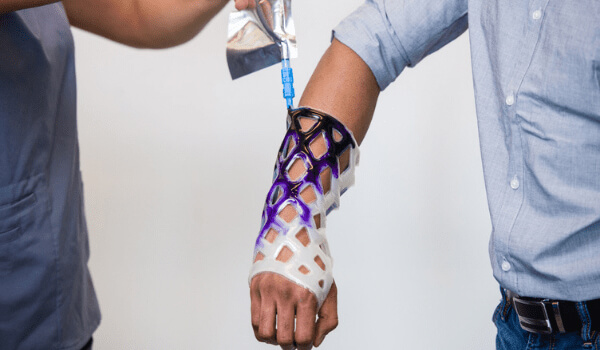
Five colors of Cast21 on five different wrists.

It takes but an ill-fated second to break a bone, and several long weeks for it to heal in a cast. And even if you have one of those newfangled fiberglass casts, you still can’t get the thing wet, and it’s gonna be itchy under there because your skin can’t breathe. Isn’t it high time for something better?

Enter Cast21, co-founded by Chief Technical Officer [Jason Troutner], who has been in casts more than 50 times due to sports injuries and surgeries. He teamed up with a biomedical design engineer and an electrical engineer to break the norms associated with traditional casts and design a new solution that addresses their drawbacks.

A medical professional fills a Cast21 with purple resin.So, how does it work already? The latticework cast is made from a network of silicone tubes that harden once injected with resin and a catalyst mixture. It takes ten seconds to fill the latticework with resin and three minutes for it to cure, and the whole process is much faster than plaster or fiberglass.

This new cast can be used along with electrical stimulation therapy, which can reduce healing time and prevent muscle atrophy.

Cast21 is not only breathable, it’s also waterproof, meaning no more trash bags on your arm to take a shower. The doctor doesn’t even need a saw to remove it, just cut in two places along the seam. It can even be used as a splint afterward.

It’s great to see advancements in simple medical technologies like the cast. And it looks almost as cool as this 3D-printed exoskeleton cast we saw ten years ago.

Thanks to [Keith Olson] for the tip!


hackaday.com/2024/09/14/cast21…


The Privacy Post reshared this.

The Privacy Post ha ricondiviso questo.

The media in this post is not displayed to visitors. To view it, please go to the original post.

Taking Back The Internet With The Tildeverse
poliverso.org/display/0477a01e…
Taking Back The Internet With The TildeverseFor many of us of a particular vintage, the internet blossomed in the ’90s with the invention of the Web and just a few years of development. Back then, we had the convenience of expression on the WWW and the backup of mature services such as IRC for all that other stuff we used to get up to. Some of us still hang out there. Then something


Taking Back The Internet With The Tildeverse


For many of us of a particular vintage, the internet blossomed in the ’90s with the invention of the Web and just a few years of development. Back then, we had the convenience of expression on the WWW and the backup of mature services such as IRC for all that other stuff we used to get up to. Some of us still hang out there. Then something happened. Something terrible. Big-commerce took over, and it ballooned into this enormously complex mess with people tracking you every few seconds and constantly trying to bombard you with marketing messages. Enough now. Many people have had enough and have come together to create the Tildeverse, a minimalist community-driven internet experience.
A collaborative Minecraft server hosted on a Tilde site
Tilde, literally ‘ ~ ‘, is your home on the internet. You can work on your ideas on a shared server or run your own. Tilde emphasises the retro aesthetic by being minimal and text-orientated. Those unfamiliar with a command line may start getting uncomfortable, but don’t worry—help is at hand. The number of activities is too many to list, but there are a few projects, such as a collaborative Sci-Fi story, a radio station, and even a private VoIP server. Gamers are catered for as long as you like Minecraft, but we think that’s how it should go.

The Tildeverse also supports Gopher and the new Gemini protocol, giving some people a few more options with which to tinker. The usual method to gain access is to first sign up on a server, then SSH into it; you’re then taken to your little piece of the internet, ready to start your minimalist journey into the Tildeverse.

A couple of videos after the break go into much more detail about the whys and hows of the Tildeverse and are worth a chunk of your time.

We’ve talked about the ‘small web’ before. Here’s our guide to Gemini.

youtube.com/embed/qK1mInnbfrU?…

youtube.com/embed/I2Q35uFCq8Q?…

Thanks to [Andrew] for the tip!


hackaday.com/2024/09/14/taking…


The Privacy Post reshared this.

The Privacy Post ha ricondiviso questo.

The media in this post is not displayed to visitors. To view it, please go to the original post.

An Earth-Bound Homage to a Martian Biochemistry Experiment
poliverso.org/display/0477a01e…
An Earth-Bound Homage to a Martian Biochemistry ExperimentWith all the recent attention on Mars and the search for evidence of ancient life there, it’s easy to forget that not only has the Red Planet been under the figurative microscope since the early days of the Space Race, but we went to tremendous effort to send a pair of miniaturized biochemical laboratories there


An Earth-Bound Homage to a Martian Biochemistry Experiment


With all the recent attention on Mars and the search for evidence of ancient life there, it’s easy to forget that not only has the Red Planet been under the figurative microscope since the early days of the Space Race, but we went to tremendous effort to send a pair of miniaturized biochemical laboratories there back in 1976. While the results were equivocal, it was still an amazing piece of engineering and spacefaring, one that [Marb] has recreated with this Earth-based version of the famed Viking “Labeled Release” experiment.

The Labeled Release experimental design was based on the fact that many metabolic processes result in the evolution of carbon dioxide gas, which should be detectable by inoculating a soil sample with a nutrient broth laced with radioactive carbon-14. For this homage to the LR experiment, [Marb] eschewed the radioactive tracer, instead looking for a relative increase in the much lower CO2 concentration here on Earth. The test chamber is an electrical enclosure with a gasketed lid that holds a petri dish and a simple CO2 sensor module. Glands in the lid allow an analog for Martian regolith — red terrarium sand — and a nutrient broth to be added to the petri dish. Once the chamber was sterilized, or at least sanitized, [Marb] established a baseline CO2 level with a homebrew data logger and added his sample. Adding the nutrient broth — a solution of trypsinized milk protein, yeast extract, sugar, and salt — gives the bacteria in the “regolith” all the food they need, which increases the CO2 level in the chamber.

More after the break…

[Marb]’s results are not surprising by any means, but that’s hardly the point. This is just a demonstration of the concept of the LR experiment, one that underscores the difficulties of doing biochemistry on another planet and the engineering it took to make it happen. Compared to some of the instruments rolling around Mars today, the Viking experiments seem downright primitive, and the fact that they delivered even the questionable data they did is pretty impressive.

youtube.com/embed/8T492TxZCrI?…


hackaday.com/2024/09/14/an-ear…


The Privacy Post reshared this.

The Privacy Post ha ricondiviso questo.

The media in this post is not displayed to visitors. To view it, please go to the original post.

Create Custom Gridfinity Boxes Using Images Of Tools
poliverso.org/display/0477a01e…
Create Custom Gridfinity Boxes Using Images Of ToolsExhibit A: A standard-issue banana.We love it when a community grabs hold of an idea and runs wild with it despite obvious practicality issues. Gridfinity by YouTuber [Zach Freedman] is one of those concepts. For the unaware, this is a simple storage system standard, defining boxes to hold your things. These boxes can be


Create Custom Gridfinity Boxes Using Images Of Tools


Exhibit A: A standard-issue banana.
We love it when a community grabs hold of an idea and runs wild with it despite obvious practicality issues. Gridfinity by YouTuber [Zach Freedman] is one of those concepts. For the unaware, this is a simple storage system standard, defining boxes to hold your things. These boxes can be stacked and held in place in anything from a desk drawer to hanging off the side of a 3D printer. [Georgs Lazdāns] is one such Gridfinity user who wanted to create tool-specific holders without leaving the sofa. To do so, they made a web application using node.js and OpenCV to extract outlines for tools (or anything else) when photographed on a blank sheet of paper.

The OpenCV stack assumes that the object to be profiled will be placed on a uniformly colored paper with all parts of its outline visible. The first part of the stack uses a bilateral filter to denoise the image whilst keeping edge details.
Make a base, then add a banana. Easy!
Next, the image is converted to greyscale, blurred, and run through an adaptive threshold. This converts the image to monochrome, again preserving edge details. Finally, the Canny algorithm pulls out the paper contour. The object outline can be given an accurate scale with the paper contour and paper size specified. The second part of the process works similarly to extract the object outline. The second contour should follow the object pretty accurately. If it doesn’t, it can be manually tweaked in the editor. Once a contour is captured, it can be used to modify a blank Gridfinity base in the model editor.

With a few tweaks to the OpenCV parameters, we were able to create a usable profile from an image of a banana (obviously, Gridfinity is the perfect snack storage system). From there, inside the model editor, we adjusted the box outline to encompass it. Then, we cut out the traced profile to create our banana holder. The web app allows you to download an STL file, which can be fed into your slicer of choice. We would have printed the thing but accidentally ate the banana. Ah well.

More information can be found on the project’s GitHub page.

We’ve touched on Gridfinity before; here’s our first article. Of course, we can’t talk about making outlines of tools for storage without mentioning shadow boards. Finally, on the subject of the awesome OpenCV, it has many, many uses, including catching a dirty stinkin’ thief.

Thanks to [JohnU] for the tip!


hackaday.com/2024/09/14/create…


The Privacy Post reshared this.

The Privacy Post ha ricondiviso questo.

Ivanti sotto Attacco! Il CISA conferma lo Sfruttamento Attivo del Bug
poliverso.org/display/0477a01e…
Ivanti sotto Attacco! Il CISA conferma lo Sfruttamento Attivo del BugUna versione ormai fuori produzione del software di gestione dei servizi IT cloud di Ivanti presenta una vulnerabilità redhotcyber.com/post/vulnerabi… recentemente rilasciata che, secondo la Cybersecurity and Infrastructure Security Agency (CISA) degli Stati Uniti D’America, è in fase di


Ivanti sotto Attacco! Il CISA conferma lo Sfruttamento Attivo del Bug


Una versione ormai fuori produzione del software di gestione dei servizi IT cloud di Ivanti presenta una vulnerabilità recentemente rilasciata che, secondo la Cybersecurity and Infrastructure Security Agency (CISA) degli Stati Uniti D’America, è in fase di sfruttamento.

CISA ha avvertito che le organizzazioni dotate di Cloud Service Appliance di Ivanti versione 4.6 e precedenti sono state prese di mira dagli hacker criminali e il bug è stato aggiunto all’elenco delle vulnerabilità note sfruttate (KEV). Venerdì, l’azienda con sede nello Utah ha affermato che un “numero limitato di clienti” ha confermato lo sfruttamento, ma non ha fornito ulteriori dettagli.

Inoltre, il bug è l’ultimo della versione end-of-life, ha detto Ivanti, quindi le organizzazioni dovrebbero aggiornare a CSA 5.0 per ulteriori aggiornamenti di sicurezza. Il bug, una vulnerabilità di iniezione di comandi del sistema operativo, consente a un hacker criminale con diritti di amministratore nel software di ottenere l’esecuzione di codice remoto del dispositivo.

“CSA 5.0 è l’unica versione supportata e non contiene questa vulnerabilità”, ha osservato Ivanti. Inoltre, Ivanti ha affermato che “le configurazioni CSA dovrebbero essere dual-homed con eth0 come rete interna”.

La vulnerabilità, CVE-2024-8190 , è stata resa pubblica per la prima volta il 10 settembre e all’epoca non erano noti exploit pubblici. Per trovare prove di compromissione, Ivanti suggerisce di esaminare il Cloud Service Appliance per rilevarei nuovi utenti amministratori.

Le agenzie civili federali sono tenute ad attenuare quanto riportato dal CISA entro 60 giorni dall’aggiunta all’elenco KEV.

L'articolo Ivanti sotto Attacco! Il CISA conferma lo Sfruttamento Attivo del Bug proviene da il blog della sicurezza informatica.


The Privacy Post reshared this.

The Privacy Post ha ricondiviso questo.

The media in this post is not displayed to visitors. To view it, please go to the original post.

Pong in a Petri Dish: Teasing Out How Brains Work
poliverso.org/display/0477a01e…
Pong in a Petri Dish: Teasing Out How Brains Work hackaday.com/wp-content/upload…Experimental setup for the EAP hydrogel free energy principle test. (Credit: Vincent Strong et al., Cell, 2024)Of the many big, unanswered questions in this Universe, the ones pertaining to the functioning of biological neural networks are probably among the most intriguing. From the lowliest neurally


Pong in a Petri Dish: Teasing Out How Brains Work


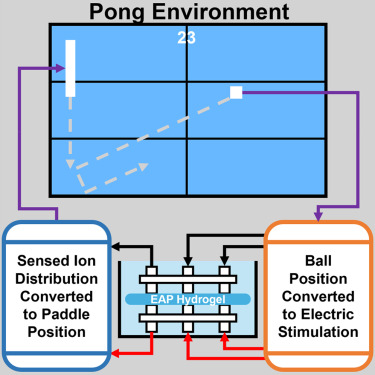
Experimental setup for the EAP hydrogel free energy principle test. (Credit: Vincent Strong et al., Cell, 2024)Experimental setup for the EAP hydrogel free energy principle test. (Credit: Vincent Strong et al., Cell, 2024)
Of the many big, unanswered questions in this Universe, the ones pertaining to the functioning of biological neural networks are probably among the most intriguing. From the lowliest neurally gifted creatures to us brainy mammals, neural networks allow us to learn, to predict and adapt to our environments, and sometimes even stand still and wonder puzzlingly how all of this even works. Such puzzling has led to a number of theories, with a team of researchers recently investigating one such theory, as published in Cell. The focus here was that of Bayesian approaches to brain function, specifically the free energy principle, which postulates that neural networks as inference engines seek to minimize the difference between inputs (i.e. the model of the world as perceived) and its internal model.

This is where Electro Active Polymer (EAP) hydrogel comes into play, as it features free ions that can migrate through the hydrogel in response to inputs. In the experiment, these inputs are related to the ball position in the game of Pong. Much like experiments involving biological neurons, the hydrogel is stimulated via electrodes (in a 2 x 3 grid, matching the 2 by 3 grid of the game world), with other electrodes serving as outputs. The idea is that over time the hydrogel will ‘learn’ to optimize the outputs through ion migration, so that it ‘plays’ the game better, which should be reflected in the scores (i.e. the rally length).

Based on the results some improvement in rally length can be observed, which the researchers present as statistically significant. This would imply that the hydrogel displays active inference and memory. Additional tests with incorrect inputs resulted in a marked decrease in performance. This raises many questions about whether this truly displays emergent memory, and whether this validates the free energy principle as a Bayesian approach to understanding biological neural networks.

To the average Star Trek enthusiast the concept of hydrogels, plasmas, etc. displaying the inklings of intelligent life would probably seem familiar, and for good reason. At this point, we do not have a complete understanding of the operation of the many billions of neurons in our own brains. Doing a bit of prodding and poking at some hydrogel and similar substances in a dish might be just the kind of thing we need to get some fundamental answers.


hackaday.com/2024/09/14/pong-i…


The Privacy Post reshared this.

The Privacy Post ha ricondiviso questo.

The media in this post is not displayed to visitors. To view it, please go to the original post.

6 Gruppi APT controllati dall’RGB della Corea Del Nord conducono in Silenzio una Guerra Informatica Globale
poliverso.org/display/0477a01e…
6 Gruppi APT controllati dall’RGB della Corea Del Nord conducono in Silenzio una Guerra Informatica GlobalePalo Alto Networks in un nuovo rapporto ha descritto le attività dei gruppi di redhotcyber.com/post/i-padri-f… associati all’intelligence nordcoreana. I gruppi, spesso indicati come Lazarus nei resoconti pubblici,


6 Gruppi APT controllati dall’RGB della Corea Del Nord conducono in Silenzio una Guerra Informatica Globale


Palo Alto Networks in un nuovo rapporto ha descritto le attività dei gruppi di hacker associati all’intelligence nordcoreana. I gruppi, spesso indicati come Lazarus nei resoconti pubblici, lavorano per conto del governo nordcoreano, impegnandosi in spionaggio informatico, crimini finanziari e attacchi dirompenti alle industrie di tutto il mondo.

RGB è una struttura composta da più divisioni, ognuna delle quali ha i propri obiettivi e la propria specializzazione. Ad oggi sono stati identificati sei gruppi chiave:

  1. Alluring Pisces (noto anche come Bluenoroff) – è specializzato in attacchi a istituti finanziari, società di criptovaluta e bancomat. È questo gruppo responsabile delle principali rapine informatiche.
  2. Gleaming Pisces (Citrine Sleet) – attacca le società di criptovaluta ed è associato alla campagna AppleJeus, che distribuiva false applicazioni di criptovaluta.
  3. Jumpy Pisces (Andariel) – Si concentra sullo spionaggio informatico, ma è anche noto per condurre attacchi ransomware.
  4. Selective Pisces (TEMP.Hermit) – prende di mira le aziende dei media, della difesa e dell’IT, impegnandosi sia nello spionaggio che negli attacchi alle reti con l’obiettivo di distruggerle o comprometterle.
  5. Slow Pisces (TraderTraitor) – noto per gli attacchi alle società blockchain e alle catene di fornitura, distribuisce applicazioni dannose come TraderTraitor.
  6. Sparkling Pisces (Kimsuky) – L’attività principale di questo gruppo è la raccolta di informazioni e le loro operazioni sono finanziate attraverso la criminalità informatica.


Organigramma dei gruppi nordcoreani all’interno dell’RGB
Il rapporto include anche un’analisi di 10 famiglie di malware sviluppate da gruppi nordcoreani scoperte di recente. Questi programmi, che prendono di mira Windows, macOS e Linux, vengono utilizzati per vari tipi di attacchi, come la raccolta di informazioni, l’hacking di reti aziendali e la diffusione di ransomware.

Il rapporto descrive anche malware come RustBucket, KANDYKORN, SmoothOperator, ObjCShellz e Fullhouse. Il malware copre una vasta gamma di funzioni, dall’infiltrazione nei sistemi al furto di dati e al controllo dei dispositivi infetti.

Uno dei programmi più importanti è RustBucket, un malware macOS in più fasi scoperto nel 2023. I passaggi prevedono il download e l’esecuzione di più componenti, rendendo difficile il rilevamento e la rimozione. KANDYKORN è un altro esempio di un attacco complesso in più fasi che inizia con l’ingegneria sociale, in cui la vittima viene indotta con l’inganno a eseguire uno script dannoso mascherato da un normale file.

È stato identificato anche il programma SmoothOperator che, secondo i ricercatori, veniva utilizzato per attaccare i client della popolare applicazione 3CX. Il malware era incorporato nei file di installazione e raccoglieva dati dai dispositivi infetti.

I ricercatori sottolineano che i gruppi sotto il controllo di RGB sono diventati noti grazie a incidenti di alto profilo come l’attacco a Sony Pictures nel 2014, l’epidemia globale WannaCry nel 2017 e numerosi attacchi agli scambi di criptovaluta. Le attività degli hacker nordcoreani sono in corso dal 2007 e abbracciano molti settori e regioni in tutto il mondo.

A causa della portata e della complessità delle attività dei gruppi nordcoreani, questi sono stati inclusi nella valutazione annuale sulla sicurezza di MITRE ATT&CK nel 2024 , che ne analizza i metodi, le tattiche e i software utilizzati. Palo Alto Networks, a sua volta, continua a sviluppare e migliorare soluzioni volte a proteggere le aziende dalle minacce poste da questi gruppi di hacker.

Il rapporto evidenzia la necessità di un approccio globale alla protezione delle organizzazioni per ridurre al minimo i rischi associati alle attività degli hacker statali, come i gruppi nordcoreani gestiti da RGB.

L'articolo 6 Gruppi APT controllati dall’RGB della Corea Del Nord conducono in Silenzio una Guerra Informatica Globale proviene da il blog della sicurezza informatica.


The Privacy Post ha ricondiviso questo.

The media in this post is not displayed to visitors. To view it, please go to the original post.

Always Something New Under the Sun
poliverso.org/display/0477a01e…
Always Something New Under the SunSome of the entries we got into the Tiny Games Contest have been really mind-blowing. Just as you think you’ve seen it all, for instance, alnwlsn comes along and mills the DIP-package ATtiny84 and embeds a complete Simon game in the space normally wasted by all that plastic overmolding hackaday.com/2024/09/12/2024-t…. It’s the tiniest, and most gonzo,


Always Something New Under the Sun


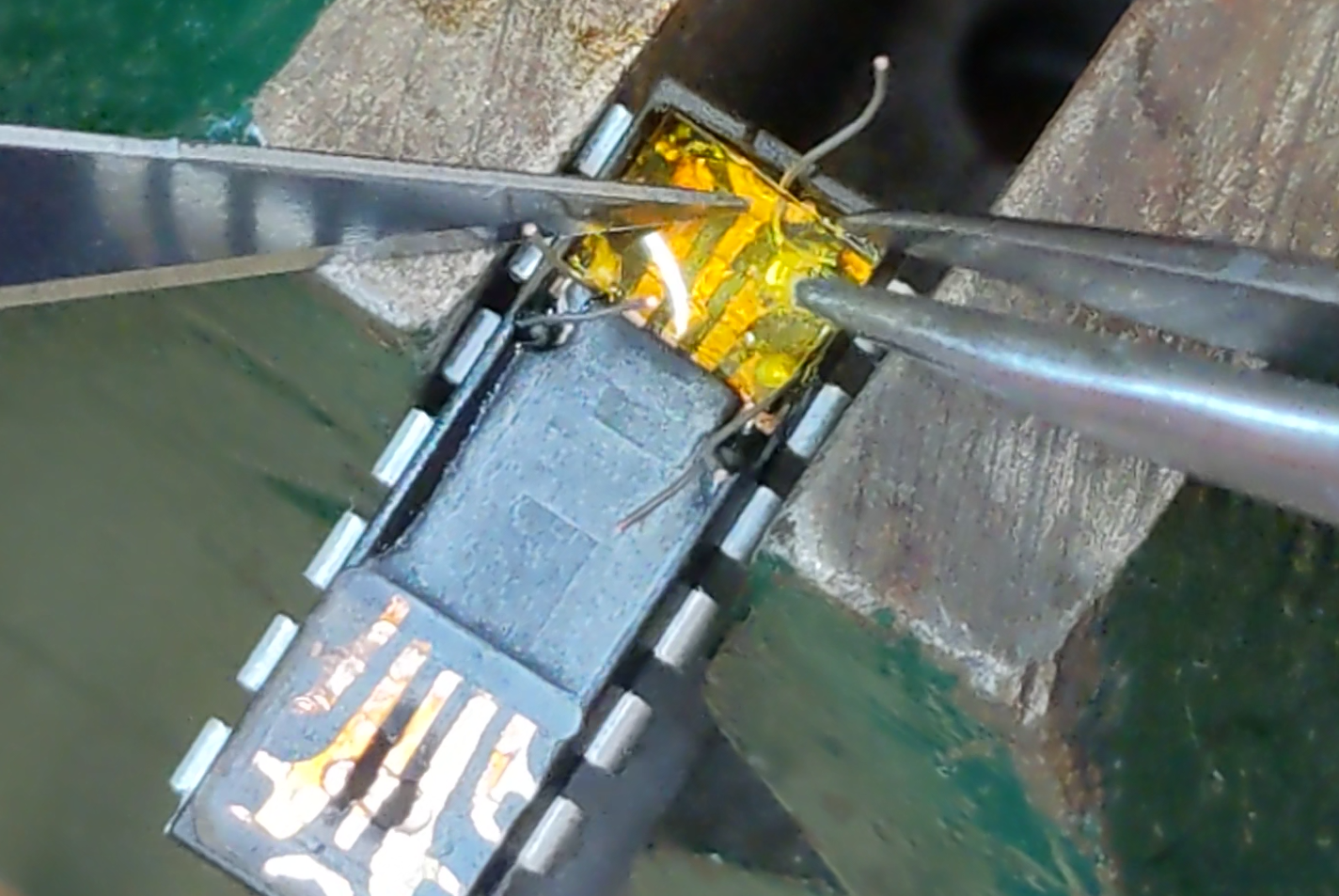
Some of the entries we got into the Tiny Games Contest have been really mind-blowing. Just as you think you’ve seen it all, for instance, alnwlsn comes along and mills the DIP-package ATtiny84 and embeds a complete Simon game in the space normally wasted by all that plastic overmolding. It’s the tiniest, and most gonzo, circuit-sculpture Simon we’ve ever seen.

Soldering fine wires to the leadframe of an ATtiny84 in a DIP-14 package.Now, our judges are hard at work ranking all 80 of the entries, and we have a fantastic range of entries all around, so I’m not calling any winners yet. But have you ever seen a project milled into a chip before? Nope, me neither.

What’s amazing is that this happens every time we run a contest. The second you put limitations on a project, there’s always someone out there who says “Hold my beer” and blows the limits out of the water. Indeed, the frequency with which we see someone pull off the impossible on Hackaday makes me wish I were buying more lottery tickets. You all really are stupendous.

We hope that feats like this are as inspirational to you as they are to us. No idea is too bonkers to not at least give it a try. Who knows, it might work! And when it does, please write it up and let us know. Keep the cycle of inspiration going!

This article is part of the Hackaday.com newsletter, delivered every seven days for each of the last 200+ weeks. It also includes our favorite articles from the last seven days that you can see on the web version of the newsletter. Want this type of article to hit your inbox every Friday morning? You should sign up!


hackaday.com/2024/09/14/always…


The Privacy Post reshared this.

The Privacy Post ha ricondiviso questo.

Phishing della “truffa da 1 centesimo”. Arrestato 19enne sospetto nei Paesi Bassi
poliverso.org/display/0477a01e…
Phishing della “truffa da 1 centesimo”. Arrestato 19enne sospetto nei Paesi BassiMartedì 10 settembre un uomo di 19 anni è stato arrestato politie.nl/nieuws/2024/septemb… nella città di Amersfoort perché sospettato di aver partecipato ad una truffa di redhotcyber.com/post/il-phishi…. In precedenza era stato processato tre volte per crimini simili.La


Phishing della “truffa da 1 centesimo”. Arrestato 19enne sospetto nei Paesi Bassi


Martedì 10 settembre un uomo di 19 anni è stato arrestato nella città di Amersfoort perché sospettato di aver partecipato ad una truffa di phishing. In precedenza era stato processato tre volte per crimini simili.

La polizia ha avviato un’indagine dopo aver ricevuto una denuncia da una delle banche, che riportava una serie di attacchi di phishing ai danni dei propri clienti. I truffatori hanno utilizzato una tecnica nota come “truffa da 1 centesimo”, che prevede che un utente malintenzionato si fingesse acquirente su una piattaforma di beni usati per chiedere ai venditori di fare clic su un collegamento per confermare una transazione da 1 centesimo.

In realtà, il collegamento portava a un sito di phishing in cui ignari commercianti inserirono i propri dati bancari, consentendo al truffatore di accedere ai loro conti.

Utilizzando questo schema l’aggressore ha tentato di rubare quasi 100.000 euro da diversi conti. Fortunatamente, la maggior parte delle transazioni sospette sono state bloccate dalla banca prima che fossero completate.

Nel corso delle indagini la polizia è riuscita a risalire al sospettato analizzando le tracce digitali. Durante l’arresto è stata effettuata una perquisizione nel suo domicilio, dove sono stati sequestrati diversi supporti di memorizzazione.

Le indagini sono in corso e la polizia continua a raccogliere ulteriori prove.

L'articolo Phishing della “truffa da 1 centesimo”. Arrestato 19enne sospetto nei Paesi Bassi proviene da il blog della sicurezza informatica.


The Privacy Post reshared this.

The Privacy Post ha ricondiviso questo.

The media in this post is not displayed to visitors. To view it, please go to the original post.

Soldering, Up Close and Personal
poliverso.org/display/0477a01e…
Soldering, Up Close and PersonalA word of warning before watching this very cool video on soldering youtube.com/watch?v=m3Ny3j5nH0…: it may make you greatly desire what appears to be a very, very expensive microscope. You’ve been warned.Granted, most people don’t really need to get this up close and personal with their soldering, but as [Robert Feranec] points out, a close look at what’s going on


Soldering, Up Close and Personal


A word of warning before watching this very cool video on soldering: it may make you greatly desire what appears to be a very, very expensive microscope. You’ve been warned.

Granted, most people don’t really need to get this up close and personal with their soldering, but as [Robert Feranec] points out, a close look at what’s going on when the solder melts and the flux flows can be a real eye-opener. The video starts with what might be the most esoteric soldering situation — a ball-grid array (BGA) chip. It also happens to be one of the hardest techniques to assess visually, both during reflow and afterward to check the quality of your work. While the microscope [Robert] uses, a Keyence VHX-7000 series digital scope, allows the objective to swivel around and over the subject in multiple axes and keep track of where it is while doing it, it falls short of being the X-ray vision you’d need to see much beyond the outermost rows of balls. But, being able to look in at an angle is a huge benefit, one that allows us a glimpse of the reflow process.

More after the break

[Robert] also takes a look at other SMD packages, such as a TSSOP chip and a QFN package, as well as some through-hole terminals. He also forces a few errors, like misaligning leads or using way too much solder, just to show how fault-tolerant SMD soldering can be. The real eye-opener here was the excess tinning on the central pad of the QFN, which clearly caused problems by preventing capillary action from pulling the outer contacts down onto the pads. We’ve had that same problem ourselves, and seeing this makes us want to give that repair another go.

Kudos to [Roboert] for sharing these delicious views of what’s really going on when the solder starts to flow.

youtube.com/embed/m3Ny3j5nH0U?…


hackaday.com/2024/09/14/solder…


The Privacy Post reshared this.

The Privacy Post ha ricondiviso questo.

The media in this post is not displayed to visitors. To view it, please go to the original post.

Gli Hacker di Lazarus si spacciano per reclutatori e ingannano gli sviluppatori Python
poliverso.org/display/0477a01e…
Gli Hacker di Lazarus si spacciano per reclutatori e ingannano gli sviluppatori PythonGli analisti di ReversingLabs avvertono reversinglabs.com/blog/fake-re… che i membri del gruppo di redhotcyber.com/post/i-padri-f… nordcoreano Lazarus si spacciano per reclutatori e offrono agli sviluppatori Python il compito di svolgere compiti di test


Gli Hacker di Lazarus si spacciano per reclutatori e ingannano gli sviluppatori Python


Gli analisti di ReversingLabs avvertono che i membri del gruppo di hacker nordcoreano Lazarus si spacciano per reclutatori e offrono agli sviluppatori Python il compito di svolgere compiti di test presumibilmente legati allo sviluppo di un falso gestore di password. In effetti, non esiste un gestore di password e tali attività contengono solo del malware.

Secondo i ricercatori, gli attacchi fanno parte della campagna VMConnect, scoperta nell’agosto 2023. Successivamente gli aggressori prendono di mira gli sviluppatori, utilizzando pacchetti Python dannosi caricati nel repository PyPI.

Secondo il rapporto che monitora questa campagna da più di un anno, i partecipanti a Lazarus stanno ora pubblicando i loro progetti dannosi su GitHub, dove le vittime possono anche trovare file README con le istruzioni su come completare l'”attività di test”. Inoltre, le istruzioni sono scritte in modo tale che tutto appaia professionale, legittimo e crei anche l’impressione di urgenza.

In questo caso gli aggressori si fingono grandi banche americane, tra cui Capital One e Rookery Capital Limited, per attirare l’attenzione dei candidati e probabilmente offrono loro condizioni e pacchetti di servizi interessanti. Le vittime hanno detto ai ricercatori che i membri di Lazarus in genere si connettono con i loro obiettivi tramite LinkedIn.

Come test, gli aggressori hanno chiesto alle loro vittime di trovare un errore in un falso gestore di password, inviare la loro soluzione e fornire screenshot come prova.

Il file README per questa “attività di test” richiedeva alle vittime di eseguire prima un’applicazione di gestione delle password dannosa (PasswordManager.py) sul proprio sistema, quindi di iniziare a cercare i bug e risolverli.

Se l’utente non si accorgesse del problema ed eseguisse il file, ciò causerebbe l’esecuzione di un modulo base64 offuscato nascosto nei file _init_.py delle librerie pyperclip e pyrebase. La stringa offuscata è il loader del malware, che contattava il proprio server di comando e controllo e attende ulteriori comandi.

Per garantire che gli utenti non controllino i file di progetto alla ricerca di malware o codice offuscato, le istruzioni nel file README indicano di completare rapidamente l’attività: 5 minuti per creare il progetto, 15 minuti per implementare la patch e altri 10 minuti per inviare il file risultato finale al “reclutatore”.

Apparentemente, tutto ciò avrebbe dovuto confermare l’esperienza della vittima nel lavorare con progetti Python e GitHub, ma in realtà gli hacker criminali hanno semplicemente costretto gli utenti a rifiutare qualsiasi controllo di sicurezza in grado di rilevare codice dannoso.

I ricercatori notano che questa campagna era attiva dal 31 luglio 2024 e rimane attiva oggi.

L'articolo Gli Hacker di Lazarus si spacciano per reclutatori e ingannano gli sviluppatori Python proviene da il blog della sicurezza informatica.


The Privacy Post ha ricondiviso questo.

Arrestato l’hacker 17enne per aver effettuato l’attacco informatico alla metropolitana di Londra
poliverso.org/display/0477a01e…
Arrestato l’hacker 17enne per aver effettuato l’attacco informatico alla metropolitana di LondraLa National Crime Agency del Regno Unito ha annunciato nationalcrimeagency.gov.uk/new… l’arresto di un adolescente di 17 anni sospettato di coinvolgimento in un attacco al Transport for London, il servizio municipale che coordina il lavoro


Arrestato l’hacker 17enne per aver effettuato l’attacco informatico alla metropolitana di Londra


La National Crime Agency del Regno Unito ha annunciato l’arresto di un adolescente di 17 anni sospettato di coinvolgimento in un attacco al Transport for London, il servizio municipale che coordina il lavoro di metropolitana, metropolitana leggera, metropolitana, tram e si occupa anche di la concessione di licenze per i taxi urbani e il trasporto pubblico acquatico.

Le autorità affermano che l’adolescente, il cui nome non è stato rilasciato, è stato arrestato con l’accusa di reati ai sensi del Computer Misuse Act in relazione all’attacco, avvenuto a Transport for London il 1 settembre 2024.

Si sa che il sospettato è stato ora interrogato e rilasciato su cauzione.

Il 1° settembre di quest’anno, i rappresentanti di Transport for London hanno riferito che il servizio aveva subito un attacco informatico, che li ha costretti a chiudere o limitare l’accesso a diversi sistemi IT per impedire la diffusione della minaccia.

Sebbene l’attacco non abbia avuto alcun impatto sulle operazioni di trasporto pubblico di Londra, ha interessato i sistemi interni di Transport for London utilizzati dal personale, nonché vari servizi di assistenza clienti online. L’incidente ha portato anche a interruzioni del servizio Dial-a-Ride, che fornisce il trasporto alle persone con disabilità.

I trasporti per i sistemi di Londra non si sono ancora completamente ripresi. Pertanto, i dipendenti continuano a dover affrontare interruzioni nel funzionamento di vari sistemi, ad esempio non possono rispondere alle richieste dei clienti inviate tramite moduli online, emettere rimborsi per viaggi pagati tramite metodi contactless e così via.

Sebbene inizialmente fosse stato riferito che durante l’attacco non erano stati rubati dati dei clienti, questa settimana Transport for London ha dichiarato che si era verificata una violazione. In seguito all’hacking sono stati rubati nomi, informazioni di contatto, indirizzi e-mail e indirizzi di casa dei clienti. È emerso inoltre che gli aggressori sono riusciti ad accedere ai dati di rimborso della carta Oyster e alle informazioni sui conti bancari di circa 5.000 clienti.

L'articolo Arrestato l’hacker 17enne per aver effettuato l’attacco informatico alla metropolitana di Londra proviene da il blog della sicurezza informatica.


The Privacy Post reshared this.

The Privacy Post ha ricondiviso questo.

The media in this post is not displayed to visitors. To view it, please go to the original post.

A 1930s Ham Station
poliverso.org/display/0477a01e…
A 1930s Ham Station[Mikrowave1] wanted to build an authentic 1930s-style ham radio station that was portable. He’s already done a regenerative receiver, but now he’s starting on a tube transmitter youtube.com/watch?v=_FC-VLkK7D… that runs on batteries. He’s settled on a popular design for the time, a Jones push-pull transmitter. Despite the tubes, it will only put out a few watts, which is probabl


A 1930s Ham Station


[Mikrowave1] wanted to build an authentic 1930s-style ham radio station that was portable. He’s already done a regenerative receiver, but now he’s starting on a tube transmitter that runs on batteries. He’s settled on a popular design for the time, a Jones push-pull transmitter. Despite the tubes, it will only put out a few watts, which is probably good for the batteries which, at the time, wouldn’t have been like modern batteries. You can see the kickoff video below.

According to the video, these kinds of radios were popular with expeditions to exotic parts of the world. He takes a nostalgic look back at some of the radios and antennas used in some of those expeditions.

The Jones oscillator originates with [Frank Jones, W6AJF] and was quite popular in the day, as he was well-known in ham radio circles then. Normally, these took a dual triode and a crystal along with some passive components. In this case, though, the transmitter will use two type 30 tubes. If you missed the series on the receiver, that’ll give you something to watch while you wait for the next installment on the transmitter.

We are excited to see — and maybe hear — this station on the air. Of course, you can build simple gear today, too. You can only wonder what [Frank Jones] would think of modern software-defined radios.

youtube.com/embed/_FC-VLkK7DU?…


hackaday.com/2024/09/14/a-1930…


The Privacy Post reshared this.

The Privacy Post ha ricondiviso questo.

Autenticazione a più fattori nel mirino dei criminali. Colpite le identità degli utenti nella metà degli attacchi
poliverso.org/display/0477a01e…
Autenticazione a più fattori nel mirino dei criminali. Colpite le identità degli utenti nella metà degli attacchiMilano, 10 settembre 2024 – A rischio l’autenticazione a più fattori. Secondo i dati riportati dal report del primo trimestre del 2024 primapaginacomunicazionesrl.mu… di Cisco Talos Incident Response (Talos


Autenticazione a più fattori nel mirino dei criminali. Colpite le identità degli utenti nella metà degli attacchi


Milano, 10 settembre 2024 – A rischio l’autenticazione a più fattori. Secondo i dati riportati dal report del primo trimestre del 2024 di Cisco Talos Incident Response (Talos IR) – la più grande organizzazione privata di intelligence al mondo dedicata alla cybersecurity – quasi la metà di tutti gli incidenti di sicurezza hanno riguardato questa problematica (MFA, Multi Factor Authentication).

Nel 25% dei casi, la causa è stata l’accettazione da parte degli utenti di notifiche push MFA fraudolente, mentre nel 21% è stata rilevata l’assenza di un’implementazione corretta dell’MFA. Nonostante negli ultimi anni ci siano stati molti progressi per quanto riguarda l’implementazione dell’autenticazione a più fattori all’interno delle aziende, i criminali informatici continuano a prendere di mira gli account protetti dall’MFA per poter accedere ai sistemi informativi aziendali.

Gli attacchi MFA


La tipologia più comune di attacchi che Cisco Talos ha dovuto gestire ha utilizzato le notifiche push MFA non autorizzate da parte degli utenti. Questa situazione si verifica quando l’aggressore tenta di autenticarsi ripetutamente a un account utente con credenziali valide al fine di sommergere le vittime di notifiche push MFA fino a quando, per esasperazione, la vittima accetta permettendo l’accesso. Cisco Duo, l’azienda di Cisco che si occupa di servizi di autenticazione multi-factor (MFA) e di accesso sicuro, ha rilevato, da giugno 2023 a maggio 2024, circa 15.000 attacchi basati su notifiche push. Cisco Duo ha inoltre constatato che il momento in cui avvengono questi attacchi è principalmente l’inizio della giornata lavorativa, quando gli utenti si autenticano per accedere ai sistemi aziendali.

Ecco i principali metodi, oltre alle notifiche push, utilizzati per eludere le difese MFA:

  1. Token di autenticazione rubati. I criminali utilizzano i token di sessione rubati ottenendo così un’identità legittima che gli permette di accedere ai sistemi aziendali.
  2. Ingegneria sociale del reparto IT. In genere, un aggressore si spaccia per qualcuno che la vittima conosce e cerca di trasmettere un senso di urgenza e importanza alle sue comunicazioni per incoraggiarlo a cliccare sul suo messaggio. Una volta ottenute le credenziali, il criminale le utilizza per entrare nei sistemi informativi e per aggiungere nuovi dispositivi abilitati all’autenticazione a più fattori.
  3. Compromissione di un fornitore dell’azienda presa di mira. Gli aggressori prendono di mira un fornitore per accedere all’MFA utilizzando il dispositivo compromesso.
  4. Compromissione di un singolo endpoint. Il fine è quello di aumentare i privilegi a livello di amministratore e quindi disattivare la protezione MFA.
  5. Attacchi As a Service. I criminali utilizzano applicazioni software erogate attraverso il dark web e, una volta ottenuto l’accesso ai sistemi informatici, utilizzano script per disabilitare gli strumenti di sicurezza.


Come difendersi


Ecco alcune raccomandazioni di Cisco Talos per implementare correttamente l’MFA:

  • Abilitare il number matching nelle applicazioni MFA per fornire un ulteriore livello di sicurezza e impedire agli utenti di accettare notifiche push MFA dannose.
  • Implementare l’autenticazione a più fattori su tutti i servizi critici, inclusi tutti i servizi di accesso remoto e di gestione dell’accesso all’identità (IAM).
  • Configurare un alert per l’autenticazione al fine di identificare rapidamente anomalie e modifiche nei criteri di autenticazione a più fattori.
  • Investire nella formazione degli utenti per aggiornarli sul panorama delle minacce informatiche e aiutarli a essere vigili, segnalando tempestivamente situazioni sospette.

L'articolo Autenticazione a più fattori nel mirino dei criminali. Colpite le identità degli utenti nella metà degli attacchi proviene da il blog della sicurezza informatica.


The Privacy Post reshared this.

The Privacy Post ha ricondiviso questo.

The media in this post is not displayed to visitors. To view it, please go to the original post.

Xpeng lancia la sua auto Volante Modulare al costo di 260.000 euro. Prevendite a Novembre
poliverso.org/display/0477a01e…
Xpeng lancia la sua auto Volante Modulare al costo di 260.000 euro. Prevendite a NovembreXPENG AEROHT, un’affiliata di XPENG Motors, ha presentato la sua rivoluzionaria auto volante modulare “Land Aircraft Carrier” catturando l’attenzione con questa innovazione rivoluzionaria. Questa meraviglia innovativa vanta un esclusivo design in due


Xpeng lancia la sua auto Volante Modulare al costo di 260.000 euro. Prevendite a Novembre


XPENG AEROHT, un’affiliata di XPENG Motors, ha presentato la sua rivoluzionaria auto volante modulare “Land Aircraft Carrier” catturando l’attenzione con questa innovazione rivoluzionaria. Questa meraviglia innovativa vanta un esclusivo design in due parti, che passa senza soluzione di continuità dalla modalità terrestre a quella aerea.

Il modulo aereo facilita il decollo verticale per i voli a bassa quota, mentre il modulo di terra avvolge ingegnosamente il modulo aereo, consentendo il trasporto via terra. XPENG AEROHT ha anche presentato l’ultimo design dell’auto volante eVTOL e ha evidenziato una serie di progressi in termini di sicurezza.

Il modulo di terra dell’auto volante modulare ospita 4-5 passeggeri e dispone di un sistema di alimentazione ibrido a lungo raggio che può fornire più ricariche per il modulo aereo.

Il veicolo è progettato con una configurazione a tre assi e sei ruote, che consente la trazione integrale 6×6 e lo sterzo posteriore, offrendo una capacità di carico impressionante e capacità fuoristrada. Sebbene il design finale sia ancora in fase di sviluppo, vanta già un’estetica futuristica e cyber-meccanica, caratterizzata da linee nette e superfici lisce, che ricordano un “veicolo di esplorazione lunare”.

youtube.com/embed/KwOrxzWQiW0?…

Il modulo aereo è un velivolo completamente elettrico pilotato, in grado di decollare verticalmente e volare a bassa quota. Il prodotto impiega un sistema di propulsione elettrica distribuito per soddisfare i requisiti di sicurezza in caso di guasto su un punto singolo. Supporta sia la modalità di guida manuale che quella automatica, offrendo un’esperienza di volo accessibile.

La cabina di pilotaggio panoramica a due posti a 270° offre un vasto campo visivo.

A novembre è previsto il volo inaugurale dove Xpeng inizierà le prevendite verso la fine dell’anno con un prezzo inferiore a 2 milioni di yuan (260.000 euro). Le consegne sono previste per il 2026.

L'articolo Xpeng lancia la sua auto Volante Modulare al costo di 260.000 euro. Prevendite a Novembre proviene da il blog della sicurezza informatica.


The Privacy Post reshared this.

The Privacy Post ha ricondiviso questo.

The media in this post is not displayed to visitors. To view it, please go to the original post.

Security Weekly 9-13/9/24: infrastrutture critiche, exploits e il FunFact
poliverso.org/display/0477a01e…
Security Weekly 9-13/9/24: infrastrutture critiche, exploits e il FunFactBuon sabato e ben ritrovato caro cyber User.Benvenuti al nostro aggiornamento settimanale sugli scenari cyber. Questa settimana, il governo britannico ha elevato i data center a infrastruttura critica nazionale, riconoscendo la loro importanza strategica, mentre la Federal


Security Weekly 9-13/9/24: infrastrutture critiche, exploits e il FunFact


Buon sabato e ben ritrovato caro cyber User.

Benvenuti al nostro aggiornamento settimanale sugli scenari cyber. Questa settimana, il governo britannico ha elevato i data center a infrastruttura critica nazionale, riconoscendo la loro importanza strategica, mentre la Federal Communications Commission (FCC) statunitense lancia un nuovo programma di etichettatura per aiutare i consumatori a scegliere prodotti tecnologici più sicuri. Nel frattempo, nuovi attacchi informatici continuano a emergere in tutto il mondo, colpendo vari settori con tecniche sempre più sofisticate. Ecco una panoramica degli sviluppi più significativi.

I data center britannici diventano infrastrutture critiche


Il governo del Regno Unito ha ufficialmente designato i data center come infrastrutture critiche nazionali, una mossa che sottolinea l’importanza della loro protezione durante crisi e attacchi informatici. Con questa designazione, i data center e i fornitori di servizi cloud avranno accesso privilegiato ai servizi di emergenza e alle agenzie di sicurezza per garantire la continuità operativa. Questo passaggio rafforza il ruolo centrale dei data center nel mantenere al sicuro dati vitali e infrastrutture digitali nel Regno Unito.

L’FCC introduce il marchio “U.S. Cyber Trust Mark”


Negli Stati Uniti, la FCC ha lanciato un programma volontario di etichettatura per i prodotti tecnologici, simile all’ENERGY STAR per l’efficienza energetica. Questo nuovo marchio, chiamato “U.S. Cyber Trust Mark”, sarà applicato ai prodotti dell’internet delle cose (IoT) che soddisfano rigorosi standard di sicurezza. L’obiettivo è fornire ai consumatori informazioni chiare sulla sicurezza dei dispositivi connessi, facilitando la scelta di tecnologie più sicure.

Databreach: violazione dei dati in Fortinet (esperti in cybersecurity)


La società di sicurezza informatica Fortinet ha confermato di aver subito una violazione dei dati che ha interessato alcuni dati dei clienti, riferisce BleepingComputer. La società ha dichiarato: "Un individuo ha ottenuto l'accesso non autorizzato a un numero limitato di file archiviati sull'istanza di Fortinet di un'unità di file condivisa basata su cloud di terze parti, che includeva dati limitati relativi a un numero limitato (meno dello 0,3%) di clienti Fortinet". L'azienda non ha rivelato quale tipo di dati è stato rubato, ma afferma di aver "comunicato direttamente con i clienti, a seconda dei casi".
BleepingComputer rileva che un hacker ha pubblicato ieri un post su un forum underground affermando di aver rubato 440 GB di dati dall'istanza Azure Sharepoint di Fortinet. Il truffatore ha anche pubblicato le credenziali di un bucket S3 contenente i presunti dati rubati, affermando che Fortinet si era rifiutata di pagare un riscatto per evitare che i dati venissero divulgati. BleepingComputer non ha confermato la validità delle affermazioni dell'autore della minaccia.

Campagne di phishing e attacchi mirati


La settimana ha visto una serie di attacchi sofisticati colpire diversi settori a livello globale. Una campagna di phishing ha distribuito file Excel che sfruttano una vecchia vulnerabilità di Microsoft (CVE-2017-0199) per installare il trojan Remcos RAT, dando agli attaccanti accesso remoto ai sistemi delle vittime. Questo malware è stato utilizzato in vari settori in tutto il mondo, e sfrutta tecniche avanzate per evitare i rilevamenti dei tradizionali strumenti di sicurezza.

Trend Micro sta monitorando le nuove varianti di malware utilizzate dall'attore criminale allineato alla Cina Earth Preta (noto anche come "Mustang Panda"). L'autore della minaccia utilizza e-mail di spearphishing e unità rimovibili per distribuire malware contro enti governativi nella regione Asia-Pacifico. Trend Micro afferma: "Earth Preta ha utilizzato una variante del worm HIUPAN per propagare PUBLOAD nelle reti dei propri obiettivi tramite unità rimovibili. PUBLOAD è stato utilizzato come strumento di controllo principale per la maggior parte della campagna e per eseguire varie attività, inclusa l'esecuzione di strumenti come RAR per la raccolta e curl per l'esfiltrazione dei dati è stato utilizzato anche per introdurre strumenti supplementari nell'ambiente degli obiettivi, come FDMTP per fungere da strumento di controllo secondario, che è stato osservato svolgere compiti simili a quelli di PUBLOAD e PTSOCKET, uno strumento utilizzato come opzione di esfiltrazione alternativa".

In Iraq, il gruppo OilRig, legato allo stato iraniano, ha lanciato una campagna contro le reti governative, utilizzando nuovi malware chiamati Veaty e Spearal per eseguire comandi PowerShell e rubare file. Questi attacchi sono un’ulteriore dimostrazione delle crescenti tensioni cyber tra stati-nazione.

Crimson Palace: Cyber-spionaggio in Asia sudorientale


Sophos ha scoperto una nuova campagna di cyber-spionaggio denominata Crimson Palace, condotta da tre gruppi di hacker cinesi che hanno preso di mira governi del sud-est asiatico. Il nuovo malware utilizzato, Tattletale, è progettato per rubare dati sensibili e chiavi di autenticazione. Questo attacco ha compromesso almeno 11 organizzazioni, sottolineando l’importanza di implementare misure di sicurezza rafforzate per proteggere le reti governative.

Malware Vo1d infetta 1,3 milioni di dispositivi Android TV


Il malware Vo1d ha infettato oltre 1,3 milioni di dispositivi di streaming Android TV in più di 200 paesi, tra cui Brasile, Marocco e Pakistan. Questo backdoor consente agli attaccanti di ottenere il controllo completo dei dispositivi infetti, modificando i file di sistema per mantenere l’accesso. La maggior parte dei dispositivi compromessi utilizza versioni obsolete del firmware Android, dimostrando l’importanza di mantenere aggiornati i sistemi per prevenire simili infezioni.

Minacce contro i sistemi bancari e le piattaforme Linux


I clienti bancari in Asia Centrale sono nel mirino di Ajina.Banker, un malware Android che si diffonde tramite canali Telegram travestito da app legittime. Questo malware ruba dati finanziari e sensibili, mettendo a rischio migliaia di utenti in paesi come Armenia, Kazakistan e Russia.

Nel mondo Linux, Hadooken è una nuova minaccia che sfrutta server WebLogic vulnerabili per installare cryptominer e il malware Tsunami. Hadooken utilizza password deboli per accedere ai sistemi e cancellare i log, rendendo difficile il rilevamento e la rimozione del malware.

Vulnerabilità e aggiornamenti di sicurezza


GitLab ha rilasciato aggiornamenti di sicurezza per 17 vulnerabilità, tra cui una criticità (CVE-2024-6678) che consente agli attaccanti di eseguire lavori di pipeline come utenti arbitrari. Cisco Talos ha individuato una nuova minaccia, DragonRank, che prende di mira i paesi asiatici ed europei utilizzando PlugX e BadIIS per manipolare il SEO e compromettere server IIS.

Microsoft ha inoltre annunciato tre nuove vulnerabilità attivamente sfruttate in Windows, come parte degli aggiornamenti del Patch Tuesday di settembre 2024. Questi aggiornamenti riguardano un totale di 79 vulnerabilità, di cui sette considerate critiche.

😋 FunFact


Il funfact di oggi è abbastanza poco fun in quanto situazione molto seria: ho deciso di mettere in evidenza questo articolo, di una serie, che fa chiarezza con esperimenti pratici sulle vulnerabilità Bluetooth sui dispositivi medicali come le pompe per diabetici.
vulnerabilità sui dispositivi medicali
Recentemente, l'FDA ha emesso un richiamo di Classe I per un'app mobile utilizzata con una pompa per insulina, a causa di problemi di crash che portano a un eccessivo consumo della batteria e, in alcuni casi, alla disattivazione della pompa stessa, causando 224 infortuni segnalati. L'articolo sottolinea che il problema non è stato risolto a livello hardware, ma solo a livello software, evidenziando la mancanza di attenzione da parte delle autorità competenti riguardo ai rischi associati ai dispositivi BTLE in ambito sanitario. Il blog affronta anche le difficoltà di valutazione delle vulnerabilità BTLE e propone metodologie per identificare e catalogare gli UUID, utilizzando strumenti di analisi delle applicazioni Android. Viene descritto come gli APK (pacchetti di applicazioni Android) possano rivelare informazioni utili sui dispositivi BTLE e come sia possibile costruire un database di UUID per facilitare la ricerca di vulnerabilità. Infine, l'articolo analizza specifiche vulnerabilità nei prodotti Firewalla, evidenziando come la configurazione e la gestione dei dispositivi possano essere compromesse attraverso l'uso improprio delle comunicazioni BTLE.

Infine


Continuiamo a vedere infrastrutture critiche e settori chiave in tutto il mondo in serie difficoltà. Gli sforzi congiunti dei governi e delle organizzazioni private per migliorare la sicurezza digitale sono essenziali per fronteggiare questa crescente complessità.


Anche quest'oggi abbiamo concluso, ti ringrazio per il tempo e l'attenzione che mi hai dedicato, augurandoti buon fine settimana, ti rimando al mio blog e alla prossima settimana per un nuovo appuntamento con NINAsec.


buttondown.com/ninasec/archive…


The Privacy Post reshared this.

The Privacy Post ha ricondiviso questo.

The media in this post is not displayed to visitors. To view it, please go to the original post.

Player Ukulele Pulls Your Strings
poliverso.org/display/0477a01e…
Player Ukulele Pulls Your StringsAutomated musical instruments aren’t a new idea. From water chimes to player pianos, they’ve been around for a while. But we can’t remember the last time we saw a player ukulele. [Zeroshot] shows us one instructables.com/Self-playing…, though, and it uses an Arduino. You can see and hear it in the video below.Honestly, with all the stepper motors, linear rails,


Player Ukulele Pulls Your Strings


Automated musical instruments aren’t a new idea. From water chimes to player pianos, they’ve been around for a while. But we can’t remember the last time we saw a player ukulele. [Zeroshot] shows us one, though, and it uses an Arduino. You can see and hear it in the video below.

Honestly, with all the stepper motors, linear rails, and belts, we thought it looked like a 3D printer, at least up at the business end. [Zeroshot] thought it would be easier to build a robot than to actually learn to play the instrument. We aren’t sure we agree.

The first problem was automating both picking strings and strumming. Then, you needed a way to press down on the strings at each fret. Solenoids can act like your fingers. With the mechanics in place, it is all software, right? There were quite a few unexpected little hardware wrinkles.

The solenoids don’t move along the fretboard, so it limits the range a bit. Also, the mechanical noises sometimes seem to drown out the instrument, but it does work. Kind of. We don’t think we are going to see AI buskers anytime soon.

Don’t have a ukulele? Do you have a GameBoy? If you are building an automated ukulele, you might as well add LEDs.

youtube.com/embed/2MbfsqCwU2Q?…


hackaday.com/2024/09/13/player…


The Privacy Post reshared this.

The Privacy Post ha ricondiviso questo.

The media in this post is not displayed to visitors. To view it, please go to the original post.

Supercon 2024: Last Call For Display Tech Exhibit
poliverso.org/display/0477a01e…
Supercon 2024: Last Call For Display Tech ExhibitDuring this year’s Hackaday Supercon, the Supplyframe DesignLab will be playing host to a unique exhibit that catalogs the evolution of display technology. That means showcasing the best and most interesting examples they can find, from the vintage to the ultra-modern. Where are all these wonderful toys coming from, you might ask?


Supercon 2024: Last Call For Display Tech Exhibit


During this year’s Hackaday Supercon, the Supplyframe DesignLab will be playing host to a unique exhibit that catalogs the evolution of display technology. That means showcasing the best and most interesting examples they can find, from the vintage to the ultra-modern. Where are all these wonderful toys coming from, you might ask? Why, the Hackaday community, of course.

This is a rare chance to show off your prized gadgetry to a captive audience of hackers and makers. Whether it’s a custom display you’ve created or some gonzo piece of hardware you’ve been holding onto for years, now’s the time to haul it out. However, there are only a few days left to submit your display for potential inclusion, so if you’ve got something you want the Hackaday community to see, make sure you fill out the form before the September 16th deadline. That’s Monday, if you were wondering.

The folks at the DesignLab tell us they’ve already got some very cool pieces of hardware lined up, many of which readers will recognize from these pages. We’re eager to get up close and personal with some of these incredible creations we’ve covered over the years, and we’re willing to bet many of the Supercon attendees will, too.

While we don’t want to give away too much, here’s a quick look at a couple of the displays currently slated for exhibition:

The More the Merrier


While there are some truly gorgeous examples lined up for the November exhibit, there are still a few gaps in the collection we’d love to see addressed. If you’ve got any of the following that you’d like to show off, please don’t hesitate to get in touch:

  • Unique LCDs (I.E. Tiger handhelds)
  • Vintage Displays
  • CRTs (All Types)
  • Plasma Displays
  • Nixie Clocks/Displays
  • Anything Custom Built
  • Video Synthesizers

For some of those, like CRTs, submissions would ideally come from the Southern California area. But in general, submissions from all over the globe are welcome.

If you’ve been holding off on submitting because you’re worried somebody else has sent in for the same thing, don’t be. Showing different permutations of a particular display technology is a bit part of the exhibit — we’d rather have too many Nixie clocks to choose from than not enough.

Whatever you’d like to show off, just make sure you submit it before the end of the weekend!


The Privacy Post reshared this.

The Privacy Post ha ricondiviso questo.

The media in this post is not displayed to visitors. To view it, please go to the original post.

Pulling Apart An Old Satellite Truck Tracker
poliverso.org/display/0477a01e…
Pulling Apart An Old Satellite Truck TrackerSometimes there’s nothing more rewarding than pulling apart an old piece of hardware of mysterious origin. [saveitforparts] does just that, and recently came across a curious satellite system from a surplus store. What else could he do, other than tear it down and try to get it humming? youtube.com/watch?v=zcCzgE_gb0…The device appeared to


Pulling Apart An Old Satellite Truck Tracker


Sometimes there’s nothing more rewarding than pulling apart an old piece of hardware of mysterious origin. [saveitforparts] does just that, and recently came across a curious satellite system from a surplus store. What else could he do, other than tear it down and try to get it humming?

The device appeared to be satellite communication device for a tracking unit of some sort, complete with a long, thick proprietary cable. That led to a junction box with a serial port and an RJ45 port, along with some other interfaces. Disassembly of the unit revealed it contained a great deal of smarts onboard, including some kind of single-board computer. Comms-wise, it featured a cellular GPRS interface as well as an Orbcomm satellite modem. It also packed in GPS, WiFi, Xbee, Ethernet, and serial interfaces. It ultimately turned out to be a Digi ConnectPort X5 device, used as a satellite tracking system for commercial trucks.

What’s cool is that the video doesn’t just cover pulling it apart. It also dives into communicating with the unit. [saveitforparts] was able to power it up and, using the manufacturer’s software, actually talk to the device. He even found the web interface and tested the satellite modem.

Ultimately, this is the kind of obscure industry hardware that most of us would never come into contact with during our regular lives. It’s neat when these things show up on the secondary market so hackers can pull them apart and see what makes them tick. Video after the break.

youtube.com/embed/zcCzgE_gb0o?…


hackaday.com/2024/09/13/pullin…


The Privacy Post reshared this.

The Privacy Post ha ricondiviso questo.

The media in this post is not displayed to visitors. To view it, please go to the original post.

Building A Multi-Purpose Electrochemistry Device
poliverso.org/display/0477a01e…
Building A Multi-Purpose Electrochemistry DeviceWe don’t get enough electrochemistry hacks on these pages, so here’s [Markus Bindhammer] of YouTube/Marb’s lab fame to give us a fix with their hand-built general-purpose electrochemistry device youtube.com/watch?v=ZiB3p96-qc….The basic structure is made from plyboard cut to size on a table saw and glued’n’screwed together. The top


Building A Multi-Purpose Electrochemistry Device


We don’t get enough electrochemistry hacks on these pages, so here’s [Markus Bindhammer] of YouTube/Marb’s lab fame to give us a fix with their hand-built general-purpose electrochemistry device.

The basic structure is made from plyboard cut to size on a table saw and glued’n’screwed together. The top and front are constructed from an aluminium sheet bent to shape with a hand-bender. A laser-printed front panel finishes the aesthetic nicely, contrasting with the shiny aluminium. The electrode holders are part of off-the-shelf chemistry components, with the electrical contacts hand-made from components usually used for constructing stair handrails. Inside, a 500 RPM 12 V DC geared motor is mounted, driving a couple of small magnets. A PWM motor speed controller provides power. This allows a magnetic stirrer to be added for relevant applications. Power for the electrochemical cell is courtesy of a Zk-5KX buck-boost power supply with a range of 0 – 36 V at up to 5 A with both CV and CC modes. A third electrode holder is also provided as a reference electrode for voltammetry applications. A simple and effective build, we reckon!

Over the years, we’ve seen a few electrochemical hacks, like this DIY electroplating pen, a DIY electrochemical machining rig, and finally, a little something about 3D printing metal electrochemically.

youtube.com/embed/ZiB3p96-qc8?…


hackaday.com/2024/09/13/buildi…


The Privacy Post reshared this.

The Privacy Post ha ricondiviso questo.

The media in this post is not displayed to visitors. To view it, please go to the original post.

2024 Tiny Games Contest: Neat PCB Business Card Was Inspired By The Arduboy
poliverso.org/display/0477a01e…
2024 Tiny Games Contest: Neat PCB Business Card Was Inspired By The ArduboyThe humble business card is usually a small slip of cardboard with some basic contact details on it — but as hackers know, it can be so much more. [Marian] has provided us a great example in the form of his own digital business card hackaday.io/project/197871-mar…, which doubles as


2024 Tiny Games Contest: Neat PCB Business Card Was Inspired By The Arduboy


The humble business card is usually a small slip of cardboard with some basic contact details on it — but as hackers know, it can be so much more. [Marian] has provided us a great example in the form of his own digital business card, which doubles as a handheld game!

Wanting to make his business card more interesting for better engagement, [Marian] was inspired by the Arduboy to give it some interactivity. He chose the STM32G030F6 microcontroller as a cheap and reliable option to run his business card. He then created a 10×9 LED matrix display using Charlieplexing to minimize the amount of I/O pins required. For controls, he went with the usual directional cross plus two action buttons. He implemented a variety of games on the card—including a Flappy Bird clone and a game similar to the classic Simon toy.

Files are on GitHub for the curious. We’ve featured some other great business cards this year, too. Indeed, we ran a whole challenge! If you’re cooking up your own exemplary little PCB to hand out at conferences, don’t hesitate to let us know!

2024 Tiny Games Challenge


hackaday.com/2024/09/13/2024-t…


The Privacy Post reshared this.

The Privacy Post ha ricondiviso questo.

The media in this post is not displayed to visitors. To view it, please go to the original post.

Where Do You Connect The Shield?
poliverso.org/display/0477a01e…
Where Do You Connect The Shield?When it comes to polarizing and confusing questions in electronics, wiring up shields is on the top-10 list when sorted by popularity. It’s a question most of us need to figure out at some point – when you place a USB socket symbol on your schematic, where do you wire up the SHIELD and MP pins?Once you look it up, you will find Eevblog forum threads with dozens of c


Where Do You Connect The Shield?


When it comes to polarizing and confusing questions in electronics, wiring up shields is on the top-10 list when sorted by popularity. It’s a question most of us need to figure out at some point – when you place a USB socket symbol on your schematic, where do you wire up the SHIELD and MP pins?

Once you look it up, you will find Eevblog forum threads with dozens of conflicting replies, Stackexchange posts with seven different responses plus a few downvoted ones, none of them accepted, and if you try to consult the literature, the answer will invariably be “it depends”.

I’m not a connector-ground expert, I just do a fair bit of both reading and hacking. Still, I’ve been trying to figure out this debate, for a couple years now, re-reading the forum posts each time I started a new schematic with a yet-unfamiliar connector. Now, of course, coming to this question with my own bias, here’s a summary you can fall back on.

Consumer Ports


Putting HDMI on your board? First of all, good luck. Then, consider – do you have a reason to avoid connecting the shield? If not, certainly connect the shield to ground, use jumpers if that’s what makes you comfortable, though there’s a good argument that you should just connect directly, too. The reason is simple: a fair few HDMI cables omit GND pin connections, fully relying on the shield for return currents. When your HDMI connection misfires, you don’t want to be debugging your HDMI transmitter settings when the actual No Signal problem, as unintuitive as it sounds, will be simply your shield not being grounded – like BeagleBone and Odroid didn’t in the early days. By the way, is a DVI-D to HDMI adapter not working for you? Well, it might just be that it’s built in a cheap way and doesn’t connect the shields of the two sockets together – which is fixable.

Putting an Ethernet port on your board? This is the case where you should probably watch out, to make sure you understand what’s happening. Ethernet doesn’t use or need ground as such — it’s a galvanically isolated interface — but if you ground the shield and then use a shielded cable, your ground will go run along the shield. Do you need it? Likely not. Do you want it? I’d say it’s inconclusive. This only applies if your cable has a shield and metal-plated jacks that connect to it: while that’s not the norm, it’s the case for CAT6 and CAT7 cables, which are now pretty common because they’re pretty much required for 2.5 Gbps and above interfaces. Same goes for magjack shields, though watch out, they have a separate ground pin for the internal transformers and circuitry, you do need to wire that up, it won’t propagate any further than it might need to.

Every coaxial port that has a shield contact, but there’s only two contacts in total? This goes from RCA to BNC – the “shield” is actually often a ground pin, though not everyone might realize this. If it is used as a ground pin, passing the return current through, it has to stay grounded at both ends.

USB Ports


There are a fair few different USB port connectors and roles you could be putting on your board – here’s a quick answer for a somewhat common case. USB-A port that’s a host and therefore a power source? Connect the shield to ground. This is what you are universally expected to do, and something that indeed is done basically everywhere you look, bar devices that are being a bit bizarre.

What about a device port, like microUSB, or USB-B, or, hell, miniUSB? Well, the recommendation is leaving two footprints connected to the shield, so you can stuff them with 0-ohm resistors later, or put, say, a resistor-and-capacitor combo there if you’re having noise issues. Honestly, it is unlikely to hurt you if you ground it, doubly so if it’s a power only port – USB is a seriously sensitive interface when it comes to common mode shifts.

Using USB-C? Just wire the shield to ground. Do not pass go, do not collect 200, just wire it up to ground. Why? The specification requires you to, so that’s an easy call. It’s definitely true that, with dual-role ports being abundant, you can no longer really differentiate between host or device, so figuring out shield grounding based on already shaky roles would be a problem. By the way, this is a gift for all of us reverse-engineers out there – finally, a connector with a shield that is guaranteed to be ground-connected!

Not everyone realizes that the specification explicitly mandates it, and people still think separating shield from ground could be meaningful, including myself as recently as a few months ago. If anyone needs a pointer, tell them to check the USB-C cable and connector specification, revision 2.2. For sockets (receptacles), open page 44 and refer to the note 11, for plugs, open page 78 and refer to the note 6.

Other Concerns


There is some mechanical helpfulness to hard-wiring shield to ground, especially if you’re using copper fills without thermals. In my experience, it’s harder for connectors to break off when they have a plane of solid uninterrupted copper they adhere to! Now, thermals do help soldering a whole bunch, so I don’t want to be gung-ho about it, but if you’re dealing with a fully surface-mount connector that can get torn off, you might as well go thermal-less just this once. Worked for me on a larger-scale product of mine, to the point I completely stopped getting the problem where microUSB shield pads would get torn off the board. Of course, remember, microUSB with through-hole mounting pins is superiour mechanically – in case you do make the very situational decision to use microUSB.

The debate about grounding shields might never end, but if you want a summary, this is what I can say surefire, and I hope it helps. What’s your take?


hackaday.com/2024/09/13/where-…


The Privacy Post reshared this.

The Privacy Post ha ricondiviso questo.

The media in this post is not displayed to visitors. To view it, please go to the original post.

Hackaday Podcast Episode 288: Cyanotypes, Antique 21-Segment Displays, and the Voynich Manuscript in a New Light
poliverso.org/display/0477a01e…
Hackaday Podcast Episode 288: Cyanotypes, Antique 21-Segment Displays, and the Voynich Manuscript in a New LightIt’s Friday the 13th, and despite having to dodge black cats and poorly located ladders, Elliot and Dan were able to get together and run down the best hacks of the first week of September. Our luck was


Hackaday Podcast Episode 288: Cyanotypes, Antique 21-Segment Displays, and the Voynich Manuscript in a New Light


It’s Friday the 13th, and despite having to dodge black cats and poorly located ladders, Elliot and Dan were able to get together and run down the best hacks of the first week of September. Our luck was pretty good, too, seeing how we stumbled upon a coffee table that walks your drink over to you on Strandbeest legs, a potato that takes passable photographs, and a cool LED display three times better than a boring old seven-segment.

If you’ve never heard of the Voynich manuscript, you’re in luck too, because we got a chance to look inside this medieval comic book literally, with multispectral analysis. Is your cruise ship too short? No worries, just lop it in two and add a section. Speaking of cutting things up, that’s what you need to do to see how your plus-size DIY rocket engine performed after test firing.

And finally, it was a sweep for Jenny this week with our “Can’t Miss” articles, where she both pines for a simpler, smaller web experience and wonders what the future holds for biomass fuels.

html5-player.libsyn.com/embed/…
Where to Follow Hackaday Podcast

Places to follow Hackaday podcasts:


Download the zero-calorie MP3.

Episode 288 Show Notes:

News:


What’s that Sound?


  • Congratulations to [TechnoLibrarian] for recognizing the sound of a videotape loading.


Interesting Hacks of the Week:


Quick Hacks:


Can’t-Miss Articles:


hackaday.com/2024/09/13/hackad…


The Privacy Post reshared this.

The Privacy Post ha ricondiviso questo.

New note by cybersecurity
poliverso.org/display/0477a01e…
@Hamster42 solo in alcuni casi. In Italia per esempio sono stati molto severi con i canali che violavano il copyright degli editori dei giornali


@Hamster42 solo in alcuni casi. In Italia per esempio sono stati molto severi con i canali che violavano il copyright degli editori dei giornali

The Privacy Post reshared this.

The Privacy Post ha ricondiviso questo.

The media in this post is not displayed to visitors. To view it, please go to the original post.

Recreating a Popular Faux-Nixie Clock
poliverso.org/display/0477a01e…
Recreating a Popular Faux-Nixie ClockThere’s a good chance you’ve seen “Nixie clocks” on the Internet that replace the classic cold cathode tubes with similarly sized LCD panels. The hook is that the LCDs can show pictures and animations of Nixie tubes — or pretty much anything else for that matter — to recreate the look of the real thing, while being far cheaper and easier to produce. It’s a


Recreating a Popular Faux-Nixie Clock


There’s a good chance you’ve seen “Nixie clocks” on the Internet that replace the classic cold cathode tubes with similarly sized LCD panels. The hook is that the LCDs can show pictures and animations of Nixie tubes — or pretty much anything else for that matter — to recreate the look of the real thing, while being far cheaper and easier to produce. It’s a hack for sure, and that’s the way we like it.

[Trung Tran] liked the idea, but didn’t just want to buy a turn-key clock. So he’s decided to build his own version based on the ESP32-S3. The WiFi-enabled microcontroller syncs up to the latest time via NTP, then uses a PCF8563 real-time clock (RTC) module to keep from drifting too far off the mark. The six displays, which plug into the custom PCB backplane, can then show the appropriate digits for the time. Since they’re showing image files, you can use any sort of font or style you wish. Or you could show something else entirely — the demo video below shows off each panel running the Matrix “digital rain” effect.

Unfortunately, [Trung Tran] hasn’t shared a whole lot of technical info about this project yet. But between the Open Source Hardware logo on the PCB, and the fact that project page says “Part 1” at the top, we’re hopeful that more information is forthcoming.

We first saw the commercial version of this concept back in 2021, and had to admit, it was a pretty cool idea. It’s good to see the community creating their own versions, and if they end up being open hardware so that others can reproduce and improve the design, even better.


hackaday.com/2024/09/13/recrea…


The Privacy Post reshared this.

The Privacy Post ha ricondiviso questo.

The media in this post is not displayed to visitors. To view it, please go to the original post.

Fortinet: Risposta immediata alla recente violazione di dati. Nessun impatto sui clienti
poliverso.org/display/0477a01e…
Fortinet: Risposta immediata alla recente violazione di dati. Nessun impatto sui clientiRecentemente, Fortinet, uno dei leader mondiali nella sicurezza informatica redhotcyber.com/rubriche/alla-…, ha confermato di essere stata vittima di una violazione dei dati. L’incidente è emerso quando un redhotcyber.com/post/i-padri-f… criminale, sotto


Fortinet: Risposta immediata alla recente violazione di dati. Nessun impatto sui clienti


Recentemente, Fortinet, uno dei leader mondiali nella sicurezza informatica, ha confermato di essere stata vittima di una violazione dei dati. L’incidente è emerso quando un hacker criminale, sotto lo pseudonimo di “Fortibitch“, ha dichiarato di aver sottratto 440 GB di file dal server Microsoft SharePoint dell’azienda e ha tentato di ricattare Fortinet per impedire la diffusione dei dati rubati.

Tuttavia, Fortinet ha rifiutato di pagare il riscatto, dimostrando fermezza nella sua politica di non cedere a tentativi di estorsione.
Post su Breach Forums che rivendica la violazione di Fortinet.

Dettagli della violazione


L’attacco ha avuto origine su una piattaforma cloud di terze parti utilizzata da Fortinet per archiviare file condivisi. L’hacker ha pubblicato su un forum del dark web, fornendo anche le credenziali di accesso a un presunto archivio S3, dove i dati rubati sarebbero stati conservati. Nonostante l’ampia quantità di dati sottratti, Fortinet ha comunicato che meno dello 0,3% dei suoi clienti è stato coinvolto e che i file rubati contenevano informazioni limitate, circoscrivendo quindi l’impatto dell’incidente.

Fortinet ha immediatamente avviato un’indagine e preso provvedimenti per contenere la violazione, revocando l’accesso non autorizzato e avvisando le autorità competenti, incluse agenzie di sicurezza cibernetica globali. L’azienda ha inoltre incaricato una società forense esterna per validare i risultati dell’indagine interna.
Nota emessa da Fortinet
Fortinet ha rassicurato che non ci sono prove che i dati sottratti siano stati utilizzati per attività malevole che possano aver danneggiato i clienti. Inoltre, non vi sono stati accessi non autorizzati alla rete aziendale, né vi è stata la distribuzione di ransomware o crittografia dei dati. Le operazioni e i servizi dell’azienda non hanno subito interruzioni, e non si prevede alcun impatto materiale sulla situazione finanziaria di Fortinet.

Il contesto dell’attacco


Fortinet, specializzata nella fornitura di soluzioni di sicurezza per la rete come firewall, router e VPN, così come strumenti avanzati di rilevamento e risposta alle minacce (EDR/XDR), è un obiettivo particolarmente allettante per i cyber criminali. Il tentativo di ricatto segue un modello comune in cui gli attori malevoli sottraggono dati sensibili con l’obiettivo di richiedere un riscatto. Tuttavia, Fortinet ha scelto di non cedere, adottando una strategia di risposta immediata e trasparente per mitigare l’impatto.

Fin dall’inizio, Fortinet ha comunicato con chiarezza, fornendo ai clienti coinvolti tutte le informazioni necessarie e supportando le loro misure di riduzione del rischio. L’azienda ha inoltre rafforzato i propri sistemi di monitoraggio e adottato ulteriori misure di sicurezza per prevenire il ripetersi di simili incidenti. Tra queste, un monitoraggio avanzato degli account e sistemi di rilevamento delle minacce più sofisticati, a conferma del costante impegno di Fortinet verso la protezione dei suoi clienti.

Conclusioni


L’incidente che ha coinvolto Fortinet è un ulteriore promemoria della costante evoluzione delle minacce cyber, anche per le aziende leader nella sicurezza. Nonostante l’ampiezza dei dati rubati, la risposta tempestiva e proattiva di Fortinet ha contenuto l’impatto, proteggendo i clienti e mantenendo la continuità operativa.

Fortinet continua a dimostrare l’importanza di una solida strategia di cybersecurity e di una rapida capacità di risposta a incidenti, ribadendo il proprio impegno nel garantire la sicurezza delle reti e delle informazioni dei propri clienti.
Proteggere la sicurezza dei nostri clienti e salvaguardare i nostri dati e l'integrità delle nostre operazioni aziendali è al centro di tutto ciò che facciamo. Vorremmo condividere informazioni su un recente incidente di sicurezza che ha coinvolto Fortinet e la nostra risposta fino ad oggi.

Un individuo ha ottenuto l'accesso non autorizzato a un numero limitato di file archiviati nell'istanza di Fortinet di un'unità di file condivisa basata su cloud di terze parti, che includeva dati limitati relativi a un numero esiguo (meno dello 0,3%) di clienti Fortinet. Per essere chiari:

Ad oggi non vi è alcuna indicazione che questo incidente abbia provocato attività dannose che abbiano danneggiato i clienti.

Le operazioni, i prodotti e i servizi di Fortinet non hanno subito ripercussioni e non abbiamo individuato alcuna prova di ulteriore accesso ad altre risorse Fortinet.
L'incidente non ha comportato alcuna crittografia dei dati, distribuzione di ransomware o accesso alla rete aziendale di Fortinet.
Fortinet ha immediatamente attuato un piano per proteggere i clienti e ha comunicato direttamente con loro quando necessario, supportando i loro piani di riduzione del rischio.

Data la natura limitata dell'incidente, non abbiamo riscontrato, e al momento non riteniamo che sia ragionevolmente probabile che l'incidente abbia, un impatto materiale sulla nostra situazione finanziaria o sui nostri risultati operativi.
Dopo aver identificato l'incidente, abbiamo immediatamente avviato un'indagine, contenuto l'incidente interrompendo l'accesso dell'individuo non autorizzato e avvisato le forze dell'ordine e alcune agenzie di sicurezza informatica selezionate a livello globale. Una società forense esterna leader è stata incaricata di convalidare i risultati del nostro team forense. Inoltre, abbiamo messo in atto ulteriori processi interni per aiutare a prevenire il ripetersi di un incidente simile, tra cui un monitoraggio avanzato degli account e misure di rilevamento delle minacce.
L'articolo Fortinet: Risposta immediata alla recente violazione di dati. Nessun impatto sui clienti proviene da il blog della sicurezza informatica.


The Privacy Post reshared this.

The Privacy Post ha ricondiviso questo.

GitLab Rilascia Aggiornamenti Urgenti: Patch con Score 9.9 per Bug Critico nelle Pipeline
poliverso.org/display/0477a01e…
GitLab Rilascia Aggiornamenti Urgenti: Patch con Score 9.9 per Bug Critico nelle PipelineGli sviluppatori di GitLab hanno rilasciato patch about.gitlab.com/releases/2024… per risolvere diverse vulnerabilità redhotcyber.com/post/vulnerabi…, come il CVE-2024-6678 che in determinate condizioni consente a un utente malintenzionato di eseguire


GitLab Rilascia Aggiornamenti Urgenti: Patch con Score 9.9 per Bug Critico nelle Pipeline


Gli sviluppatori di GitLab hanno rilasciato patch per risolvere diverse vulnerabilità, come il CVE-2024-6678 che in determinate condizioni consente a un utente malintenzionato di eseguire pipeline come qualsiasi utente. Sono stati risolti un totale di 18 problemi nelle versioni 17.3.2, 17.2.5 e 17.1.7 di GitLab Community Edition (CE) ed Enterprise Edition (EE).

La vulnerabilità menzionata sopra, CVE-2024-6678, ha ricevuto un punteggio CVSS di 9,9 su 10. La criticità del problema è dovuta alla possibilità del suo sfruttamento remoto, alla mancanza di necessità di interazione da parte dell’utente, nonché al basso livello di privilegi richiesti per utilizzare il bug. GitLab avverte che il problema riguarda le versioni CE/EE dalla 8.14 alla 17.1.7, le versioni dalla 17.2 alla 17.2.5 e le versioni dalla 17.3 alla 17.3.2 e consiglia di installare gli aggiornamenti il ​​prima possibile.

Le pipeline GitLab fanno parte di un sistema di integrazione continua/distribuzione continua (CI/CD) che consente agli utenti di eseguire automaticamente processi e attività in parallelo o in sequenza per creare, testare o distribuire modifiche al codice. Sono stati creati per semplificare il processo di sviluppo automatizzando le attività ripetitive e garantendo test e distribuzione coerenti delle modifiche alla base di codice.

Vale la pena notare che questa non è la prima volta negli ultimi mesi che GitLab risolve bug relativi alle pipeline. Pertanto, nel luglio 2024, è stato risolto il problema critico CVE-2024-6385 e a giugno il CVE-2024-5655 .

Anche questo mese, gli sviluppatori di GitLab hanno rilasciato patch per altre vulnerabilità. Quattro di questi problemi, valutati tra 6,7 ​​e 8,5 sulla scala CVSS, sono elencati di seguito. Consentono potenzialmente a un utente malintenzionato di interrompere servizi, eseguire comandi non autorizzati e compromettere risorse critiche.

  • CVE-2024-8640 : a causa di un filtraggio dell’input improprio, un utente malintenzionato potrebbe eseguire iniezioni di comandi che interessano il server Cube connesso tramite la configurazione YAML, compromettendo potenzialmente l’integrità dei dati. La vulnerabilità interessa GitLab EE a partire dalla versione 16.11.
  • CVE-2024-8635 : un utente malintenzionato potrebbe sfruttare una vulnerabilità SSRF creando un URL proxy di dipendenza Maven personalizzato per effettuare richieste alle risorse interne, il che potrebbe portare all’interruzione e alla compromissione dell’infrastruttura interna. La vulnerabilità interessa GitLab EE a partire dalla versione 16.8.
  • CVE-2024-8124 : un utente malintenzionato può effettuare DoS inviando un parametro glm_source di grandi dimensioni, sovraccaricando infine il sistema e rendendolo non disponibile. Il problema riguarda GitLab CE/EE a partire dalla versione 16.4.
  • CVE-2024-8641 : un utente malintenzionato può sfruttare CI_JOB_TOKEN per ottenere l’accesso al token della sessione GitLab di una vittima, portando infine al dirottamento della sessione. Il bug rappresenta una minaccia per GitLab CE/EE sin dalla versione 13.7.

L'articolo GitLab Rilascia Aggiornamenti Urgenti: Patch con Score 9.9 per Bug Critico nelle Pipeline proviene da il blog della sicurezza informatica.


The Privacy Post reshared this.

The Privacy Post ha ricondiviso questo.

The media in this post is not displayed to visitors. To view it, please go to the original post.

This Week in Security: Malicious Rollback, WHOIS, and More
poliverso.org/display/0477a01e…
This Week in Security: Malicious Rollback, WHOIS, and MoreIt’s time to talk about Microsoft’s patch Tuesday krebsonsecurity.com/2024/09/bu…, and the odd vulnerability rollback that happened. msrc.microsoft.com/update-guid… has caught some attention, as it’s a 9.8 on the CVSS scale, is under active exploitation, and results in Remote Code Execution (RCE). Yikes, it sounds


This Week in Security: Malicious Rollback, WHOIS, and More


It’s time to talk about Microsoft’s patch Tuesday, and the odd vulnerability rollback that happened. CVE-2024-43491 has caught some attention, as it’s a 9.8 on the CVSS scale, is under active exploitation, and results in Remote Code Execution (RCE). Yikes, it sounds terrible!

First off, what actually happened? The official statement is that “build version numbers crossed into a range that triggered a code defect”. We don’t know the exact details, but it’s something like an unsigned integer that was interpreted as a signed integer. A build number could have rolled over 32767, and what was intended to be 32768 or higher suddenly became −32767. Lots of “if greater than or equal” logic breaks down in that situation. Because of a logic flaw like this, certain versions of Windows 10 were unintentionally opting out of some historical security fixes.

And that’s where the high CVSS score and active exploitation descriptor comes from. This is simply the highest score of the resurgent flaws, and an acknowledgement that they have been exploited in the past. The good news is that this only applies to Windows 10 build 1507, so either the original install without any of the major updates installed, or one of the Windows 10 Enterprise Long-Term Servicing Branch (LTSB) versions. It seems that the March 2024 monthly security update introduced the problem, and it wasn’t fixed until this month’s updates.

Tracking Bikes, Busting Thieves


This is a bit different from our normal fare. [Bryan Hance] started the Bike Index, an online registry for high value bikes, with the goal of tracking and recovering bikes after they are stolen. After years of success tracking down bikes, there was something new brewing. Stolen bikes from California were showing up on Facebook Marketplace, for sale down in Mexico. It was a literal international theft ring, racking up a score of over $2 million worth of bicycles.

You know that feeling that you’re probably giving away too much personal information by having a Facebook account? It turns out that’s a good way to get busted for international crime, too. In this case, an account selling the bikes south of the border had a Facebook friend close to where the crimes were being committed. And some of the bike pictures included orange shelves. That was enough to identify an auto shop that was being used to stage the stolen bikes. One criminal arrested, but the rest of the operation is still running. Similar to the challenges of going after cybercriminals that operate from overseas, it’s a challenge for law enforcement to go after bike thieves across the southern border.

Don’t Let Those Domains Expire


Researchers at Watchtowr just wanted to find a few vulnerabilities in WHOIS handling. WHOIS is part of the domain name system, and returns contact information for domains. How exactly does that lookup happen? Broadly speaking, each top level domain has a WHOIS server, and the Internet Assigned Numbers Authority (IANA) just publishes a list of server domain names for each TLD. What happens when a TLD changes their server name?

The .mobi TLD did just this, retiring whois.dotmobiregistry.net to move to a new domain. And by retire, we definitely mean abandon and completely forget about. Because the domain name registration was allowed to expire. And because they couldn’t help themselves, researchers at Watchtwr ran out and registered the domain. Surely there wouldn’t be any hosts in the wild still looking to this retired domain name for WHOIS data, right? Right? Based on the 76,085 unique IP address that hit the domain doing WHOIS lookup within the first three hours, we’re guessing that stale data is quite widespread.

The original attack was to prove that an exploit in WHOIS handling could actually be useful in the real world. But WHOIS data is actually used for some interesting cases. Like verifying SSL certificate requests. While they didn’t actually generate a forged certificate, it certainly looks like multiple certificate authorities would have gladly issued a microsoft.mobi certificate.

Sextortion Comes to your House


[Krebs] has the low-down on a new low in sextortion scams. If you haven’t seen this exact breed of scammy spam messages, it’s usually an email that claims that compromising pictures were taken using your webcam. You’re supposed to then pay Bitcoin to get the scammer to delete the non-existent images. Once you understand that it’s just spam it’s easier to ignore. Until now. These spam messages are generally generated using information from data breaches, and sometimes those include street addresses.

The new trick is to grab an image from the Internet of that address, and include it in the spam message. It’s just a bit harder to ignore a spam email when it includes a picture of your house and front yard. But ignore them you should, as well as being careful with webcams and cell phones, because while this is just a spam message, illicit image capture does happen, and that’s worse than a simple spam email. That said, you’ll probably know when it happens to you — we presume they’ll show you a copy of the goods as motivation.

Bits and Bytes


Adobe Acrobat Reader has released an update that fixes CVE-2024-41869, a use-after-free vulnerability that could lead to RCE. To make it worse, there is an proof-of-concept exploit publicly available.

Elastic Kibana has a deserialization flaw related to its integration assistant in version 8.15.0. This YAML parsing issue was fixed with version 8.15.1, and requires both Elastisearch and Kibana privileges to exploit, but it’s a CVSS 9.9, so considered very severe and likely to be exploited.

The Apache Customer Relationship Management software, OFBiz, has had a series of unauthenticated RCEs on both Linux and Windows. It’s a series because of several incomplete patches of the root issue, followed by finally fixing it. The core flaw is that the server logic and the web client can desync, leading to incomplete security checking. 18.12.16 finally lands the fix.


hackaday.com/2024/09/13/this-w…


The Privacy Post reshared this.

The Privacy Post ha ricondiviso questo.

The media in this post is not displayed to visitors. To view it, please go to the original post.

PIXHELL: Come il Rumore di un Monitor consente di Rubare Dati da una rete Air-Gap
poliverso.org/display/0477a01e…
PIXHELL: Come il Rumore di un Monitor consente di Rubare Dati da una rete Air-GapGli esperti hanno dimostrato l’attacco “sonoro” PIXHELL arxiv.org/pdf/2409.04930, che consente di estrarre dati da macchine isolate. I ricercatori hanno proposto di creare modelli di pixel specifici sui monitor LCD, provocando così la comparsa di rumore nell’intervallo


PIXHELL: Come il Rumore di un Monitor consente di Rubare Dati da una rete Air-Gap


Gli esperti hanno dimostrato l’attacco “sonoro” PIXHELL, che consente di estrarre dati da macchine isolate. I ricercatori hanno proposto di creare modelli di pixel specifici sui monitor LCD, provocando così la comparsa di rumore nell’intervallo 0-22 kHz, in cui potrebbero essere codificati i dati desiderati.

L’attacco PIXHELL è stato sviluppato dallo specialista israeliano di sicurezza informatica Dr. Mordechai Guri, capo del dipartimento di ricerca e sviluppo presso il centro di ricerca sulla sicurezza informatica dell’Università Ben-Gurion.

Più recentemente abbiamo parlato di un altro dei suoi progetti, l’attacco RAMBO (Radiation of Air-gapped Memory Bus for Offense),progettato per rubare dati dalle macchine protette attraverso la radiazione elettromagnetica della RAM. Altri sviluppi simili realizzati da specialisti dell’Università Ben-Gurion sono elencati alla fine della pubblicazione.

Nell’attacco PIXHELL, i pattern di pixel richiesti vengono creati da uno speciale malware sviluppato da esperti. Il rumore risultante nell’intervallo 0-22 kHz può essere intercettato dai dispositivi vicini, anche i più semplici (ad esempio gli smartphone).

PIXHELL sfrutta i segnali acustici casuali che inevitabilmente si presentano durante il funzionamento dei monitor LCD: coil whine , rumore dei condensatori e vibrazioni interne che non possono essere eliminate fisicamente.

Allo stesso tempo, le frequenze sonore sfruttate dall’attacco sono praticamente indistinguibili dall’udito umano. Pertanto, i ricercatori notano che una persona di solito percepisce i suoni nell’intervallo di frequenza da 20 Hz a 20 kHz e il limite superiore è solitamente 15-17 kHz.

Inoltre, i modelli di pixel utilizzati nell’attacco sono a bassa luminosità e praticamente invisibili all’utente.
Modulazione di segnali audio a diverse frequenze
I test condotti dai ricercatori hanno dimostrato che la trasmissione dei dati da una macchina isolata è possibile ad una distanza massima di 2 metri e che la velocità di trasferimento delle informazioni sarà di circa 20 bit al secondo.

Poiché è troppo lento trasferire file di grandi dimensioni, gli esperti scrivono che l’attacco è più adatto a intercettare le sequenze di tasti in tempo reale o a rubare piccoli file di testo che potrebbero contenere password e altri dati.

Creato da esperti, il malware può codificare informazioni sensibili (chiavi di crittografia o sequenze di tasti) in segnali acustici utilizzando i seguenti schemi.

  • OOK (On-Off Keying): i dati vengono codificati attivando e disattivando i segnali audio.
  • FSK (Frequency Shift Keying): i dati vengono codificati passando da una frequenza all’altra.
  • ASK (Amplitude Shift Keying): i dati vengono codificati modificando l’ampiezza (volume) del segnale audio.

I dati vengono quindi trasmessi attraverso il monitor LCD modificando la configurazione dei pixel su di esso, modificando così i segnali audio provenienti dai componenti del dispositivo. Un microfono vicino (ad esempio in un laptop o uno smartphone) può ricevere segnali e successivamente trasmetterli a un aggressore per la successiva demodulazione.
Spettrogramma del segnale ricevuto dal microfono più vicino
Il rapporto dei ricercatori sottolinea che PIXHELL può funzionare anche in condizioni in cui esiste un solo destinatario per più fonti di segnale. Ciò significa che se il malware penetra in più sistemi protetti contemporaneamente, l’aggressore può intercettarne i segreti contemporaneamente.

Per proteggersi da PIXHELL e altri tipi di attacchi “audio” sul canale laterale, i ricercatori suggeriscono di utilizzare diversi metodi.

Pertanto, in ambienti critici, si consiglia di vietare completamente l’uso dei microfoni in determinate aree per motivi di sicurezza. Anche la generazione di rumore risolve il problema, poiché il rumore di fondo viene utilizzato per sopprimere qualsiasi segnale audio, rendendo impraticabile un simile attacco.

Inoltre, Mordechai Guri suggerisce di monitorare il buffer dello schermo utilizzando una fotocamera, che rileverà modelli di pixel insoliti che non corrispondono al normale funzionamento del sistema.

Altri attacchi in side channel sviluppati dagli scienziati dell’Università Ben-Gurion includono quanto segue:

  • USBee : trasforma quasi ogni dispositivo USB in un trasmettitore RF per trasferire dati da un PC sicuro;
  • DiskFiltration : intercetta le informazioni registrando i suoni emessi dal disco rigido del computer mentre il computer è in funzione;
  • AirHopper : utilizza il ricevitore FM di un telefono cellulare per analizzare le radiazioni elettromagnetiche provenienti dalla scheda grafica di un computer e trasformarle in dati;
  • Fansmitter : regola la velocità del dispositivo di raffreddamento sulla macchina infetta, in conseguenza della quale cambia la tonalità del dispositivo di raffreddamento che può essere ascoltato e registrato per estrarre dati;
  • GSMem : trasferirà i dati da un PC infetto a qualsiasi telefono cellulare, anche il più vecchio, utilizzando le frequenze GSM;
  • BitWhisper : utilizza sensori termici e fluttuazioni di energia termica;
  • Anonymous Attack: che utilizza scanner piani e lampadine intelligenti per trasmettere informazioni;
  • HVACKer e aIR-Jumper : furto di dati tramite telecamere CCTV dotate di LED IR, nonché utilizzo come “ponte” verso reti isolate di sistemi di riscaldamento, ventilazione e condizionamento dell’aria;
  • MOSQUITO : Estrae i dati utilizzando normali cuffie o altoparlanti;
  • PowerHammer : suggerisce di utilizzare normali cavi di alimentazione per estrarre i dati;
  • CTRL-ALT-LED : i diodi Caps Lock, Num Lock e Scroll Lock vengono utilizzati per recuperare informazioni;
  • Brightness: estrae i dati modificando la luminosità dello schermo del monitor;
  • AIR-FI : la RAM viene utilizzata come emettitore wireless per trasmettere dati.
  • SATAn : i cavi Serial Advanced Technology Attack (SATA) fungono da antenne wireless per la trasmissione del segnale.
  • RAMBO : L’attacco si basa sul monitoraggio delle radiazioni elettromagnetiche provenienti dalla RAM della macchina bersaglio.

Un elenco completo dei documenti di ricerca degli attacchi in side-channel, degli esperti di compromissione delle macchine presenti nelle reti air-gap potete trovarlo qui.

L'articolo PIXHELL: Come il Rumore di un Monitor consente di Rubare Dati da una rete Air-Gap proviene da il blog della sicurezza informatica.


The Privacy Post reshared this.

The Privacy Post ha ricondiviso questo.

The media in this post is not displayed to visitors. To view it, please go to the original post.

Doing MIDI With Discrete Logic Is Neat, If Not Particularly Useful
poliverso.org/display/0477a01e…
Doing MIDI With Discrete Logic Is Neat, If Not Particularly UsefulMIDI is normally baked into the chipset of a synthesizer, or something you use a microcontroller to handle. But that’s not the only way to speak the language! [Kevin] decided to have some fun doing MIDI with discrete logic instead, diyelectromusic.com/2024/09/10… with some pretty neat


Doing MIDI With Discrete Logic Is Neat, If Not Particularly Useful


MIDI is normally baked into the chipset of a synthesizer, or something you use a microcontroller to handle. But that’s not the only way to speak the language! [Kevin] decided to have some fun doing MIDI with discrete logic instead, with some pretty neat results.

[Kevin] had previously built a control voltage step sequencer called the Baby8, which relied on 4017 counter ICs. He later realized he could repurpose three of his old Baby8 PCBs to create something that could generate MIDI using nothing more than discrete logic. The stack of three boards generate a simple MIDI message—in this case, a two-byte Program Change command. At 8 bits per byte, plus a start and stop bit, that comes out to 20 bits in total. The bits to be sent are configured via the switches on the PCBs, and clocked out through the counter ICs via a clock running at the MIDI baud rate of 31,250 Hz.

Obviously, it’s not very practical to code your MIDI commands manually via DIP switches and then clock them out in this fashion. But—it does work, and you can do it! If you wanted to build an old-school logic circuit that just spits out simple short MIDI commands, this is one way to go about it.

We’ve seen [Kevin]’s work before, too, like this neat musical rotary phone build.

makertube.net/videos/embed/b8e…


hackaday.com/2024/09/13/doing-…


The Privacy Post reshared this.