
New note by cybersecurity
poliverso.org/display/0477a01e…
@Arblor crittografia di default E zero metadati

@Arblor crittografia di default E zero metadati
The Privacy Post reshared this.
New note by cybersecurity
poliverso.org/display/0477a01e…
@Arblor crittografia di default E zero metadati
@Arblor crittografia di default E zero metadati
The Privacy Post reshared this.
2024 Tiny Games Contest: Realistic Steering Wheel Joystick In Miniature
poliverso.org/display/0477a01e…
2024 Tiny Games Contest: Realistic Steering Wheel Joystick In MiniatureFor racing games, flight simulators, and a few other simulation-style games, a simple controller just won’t do. You want something that looks and feels closer to the real thing. The major downsides to these more elaborate input methods is that they take up a large amount of space,


2024 Tiny Games Contest: Realistic Steering Wheel Joystick In Miniature
For racing games, flight simulators, and a few other simulation-style games, a simple controller just won’t do. You want something that looks and feels closer to the real thing. The major downsides to these more elaborate input methods is that they take up a large amount of space, requiring extra time for setup, and can be quite expensive as well. To solve both of these problems [Rahel zahir Ali] created a miniature steering wheel controller for some of his favorite games.
While there are some commercial offerings of small steering wheels integrated into an otherwise standard video game controller and a few 3D printed homebrew options, nothing really felt like a true substitute. The main design goal with this controller was to maintain the 900-degree rotation of a standard car steering wheel in a smaller size. It uses a 600P/R rotary encoder attached to a knob inside of a printed case, with two spring-loaded levers to act as a throttle and brake, as well as a standard joystick to adjust camera angle and four additional buttons. Everything is wired together with an Arduino Leonardo that sends the inputs along to the computer.
Now he’s ready to play some of his favorite games and includes some gameplay footage using this controller in the video linked below. If you’re racing vehicles other than cars and trucks, though, you might want a different type of controller for your games instead.
youtube.com/embed/7g6O4G1OXd4?…
hackaday.com/2024/08/30/realis…
The Privacy Post reshared this.
The Privacy Post reshared this.
Hackaday Podcast Episode 286: Showing off SAOs, Hiding from HOAs, and Beautiful Byproducts
poliverso.org/display/0477a01e…
Hackaday Podcast Episode 286: Showing off SAOs, Hiding from HOAs, and Beautiful ByproductsEven when the boss is away, the show must go on, so Dan slid back behind the guest mic and teamed up with Tom to hunt down the freshest of this week’s hacks. It was a bit of a chore, with a couple of computer crashes and some side-quests down a few
Hackaday Podcast Episode 286: Showing off SAOs, Hiding from HOAs, and Beautiful Byproducts
Even when the boss is away, the show must go on, so Dan slid back behind the guest mic and teamed up with Tom to hunt down the freshest of this week’s hacks. It was a bit of a chore, with a couple of computer crashes and some side-quests down a few weird rabbit holes, but we managed to get things together in the end.
Tune in and you’ll hear us bemoan HOAs and celebrate one ham’s endless battle to outwit them, no matter what the golf cart people say about his antennas. Are you ready to say goodbye to the magnetic stripe on your credit card? We sure are, but we’re not holding our breath yet. Would you 3D print a 55-gallon drum? Probably not, but you almost can with a unique Cartesian-polar hybrid printer. And, if you think running MS-DOS on a modern laptop is hard, guess again — or, maybe you just have to get really lucky.
We also took a look at a digital watch with a beautiful display, a hacked multimeter, modern wardriving tools, switchable magnets, and debate the eternal question of v-slot wheels versus linear bearings. And finally, you won’t want to miss our look at what’s new with 3D scanning, and the first installment of Kristina’s new “Boss Byproducts” series, which delves into the beauty of Fordite.
html5-player.libsyn.com/embed/…
Where to Follow Hackaday PodcastPlaces to follow Hackaday podcasts:
Episode 286 Show Notes:
News:
What’s that Sound?
- Congratulations to bmgxyz for guessing a hand-crank generator.
Interesting Hacks of the Week:
- Nice Retro Displays Set This Watch On Edge
- Fast 3D Printing With A Polar, Four Quadrant Custom Machine
- 3D Printed Electronics Breadboard
- Hackaday Prize 2023: Jumperless, The Jumperless Jumperboard
- The Mind-Blowing Machines that Stamp Millions of Metal Parts – Smarter Every Day 288
- Farewell Magnetic Stripe
- Running Stock MS-DOS On A Modern ThinkPad
- Hidden Gutter Antenna Keeps HOA Happy
Quick Hacks:
- Elliot’s Picks
- Using A 2D Scanner To Make 3D Things
- V-Slot Wheels Or Linear Rails?
- Wardriving Tools In The Modern Era
- Dan’s Picks:
- Backlight Switch For A Better Multimeter
- It Turns Out, A PCB Makes A Nice Watch Dial
- You Can 3D Print Yourself Some Simple Magnetic Switches
Can’t-Miss Articles:
- What’s New In 3D Scanning? All-In-One Scanning Is Nice
- Boss Byproducts: Fordites Are Pieces Of American History
hackaday.com/2024/08/30/hackad…
The Privacy Post reshared this.
Fuoriuscita… di dati dal sito ufficiale di Durex India. Numeri, indirizzi ed email esposti dei clienti
poliverso.org/display/0477a01e…
Fuoriuscita… di dati dal sito ufficiale di Durex India. Numeri, indirizzi ed email esposti dei clientiDurex India, la filiale indiana di un noto marchio, ha accidentalmente divulgato i dati personali redhotcyber.com/post/cosa-fare… dei suoi clienti, inclusi nomi completi, numeri di telefono e dati degli ordini.Il ricercatore di
Fuoriuscita… di dati dal sito ufficiale di Durex India. Numeri, indirizzi ed email esposti dei clienti
Durex India, la filiale indiana di un noto marchio, ha accidentalmente divulgato i dati personali dei suoi clienti, inclusi nomi completi, numeri di telefono e dati degli ordini.Il ricercatore di sicurezza informatica Sorajit Majumder ha dichiarato a TechCrunch della fuga di notizie involontaria. La colpa di tutto è il sito ufficiale di Durex India, i cui amministratori non hanno protetto sufficientemente le informazioni riservate dei clienti.
Di conseguenza, nomi, numeri di telefono, indirizzi e-mail, articoli ordinati e importi spesi sono stati resi pubblici. Il numero esatto dei clienti interessati dalla fuga di notizie non è stato ancora annunciato.
Secondo Majumder, centinaia di persone sono state colpite da un’autenticazione configurata in modo errato nella pagina di conferma dell’ordine.
“Per le aziende che vendono articoli intimi, la protezione dei dati dei clienti dovrebbe essere una questione fondamentale”, afferma lo specialista.
Lo staff di TechCrunch ha verificato le affermazioni di Majumder e ha concluso che i dati sensibili sono effettivamente facili da raccogliere per terze parti. I dettagli tecnici non sono ancora stati resi noti, per non fornire un servizio ai criminali informatici.
L'articolo Fuoriuscita… di dati dal sito ufficiale di Durex India. Numeri, indirizzi ed email esposti dei clienti proviene da il blog della sicurezza informatica.
reshared this
Is That Antenna Allowed? The Real Deal on the FCCs OTARD Rule
poliverso.org/display/0477a01e…
Is That Antenna Allowed? The Real Deal on the FCCs OTARD RuleThe Hackaday comments section is generally a lively place. At its best, it’s an endless wellspring of the combined engineering wisdom of millions of readers which serves to advance the state of the art in hardware hacking for all. At its worst — well, let’s just say that at least it’s not the YouTube comments
Is That Antenna Allowed? The Real Deal on the FCCs OTARD Rule
The Hackaday comments section is generally a lively place. At its best, it’s an endless wellspring of the combined engineering wisdom of millions of readers which serves to advance the state of the art in hardware hacking for all. At its worst — well, let’s just say that at least it’s not the YouTube comments section.
Unfortunately, there’s also a space between the best and the worst where things can be a bit confusing. A case in point is [Bryan Cockfield]’s recent article on a stealth antenna designed to skirt restrictions placed upon an amateur radio operator by the homeowners’ association (HOA) governing his neighborhood.
Hiding an antenna in plain sight.
Putting aside the general griping about the legal and moral hazards of living under an HOA, as well as the weirdly irrelevant side-quest into the relative combustibility of EVs and ICE cars, there appeared to be a persistent misapprehension about the reality of the US Federal Communications Commission’s “Over-the-Air Reception Devices” rules. Reader [Gamma Raymond] beseeched us to clarify the rules, lest misinformation lead any of our readers into the unforgiving clutches of the “golf cart people” who seem to run many HOAs.According to the FCC’s own OTARD explainer, the rules of 47 CFR § 1.400 are intended only to prevent “governmental and nongovernmental restrictions on viewers’ ability to receive video programming signals” (emphasis added) from three distinct classes of service: direct satellite broadcasters, broadband radio service providers, and television broadcast services.
Specifically, OTARD prevents restrictions on the installation, maintenance, or use of antennas for these services within limits, such as dish antennas having to be less than a meter in diameter (except in Alaska, where dishes can be any size, because it’s Alaska) and restrictions on where antennas can be placed, for example common areas (such as condominium roofs) versus patios and balconies which are designated as for the exclusive use of a tenant or owner. But importantly, that’s it. There are no carve-outs, either explicit or implied, for any other kind of antennas — amateur radio, scanners, CB, WiFi, Meshtastic, whatever. If it’s not about getting TV into your house in some way, shape, or form, it’s not covered by OTARD.
It goes without saying that we are not lawyers, and this is not to be construed as legal advice. If you want to put a 40′ tower with a giant beam antenna on your condo balcony and take on your HOA by stretching the rules and claiming that slow-scan TV is a “video service,” you’re on your own. But a plain reading of OTARD makes it clear to us what is and is not allowed, and we’re sorry to say there’s no quarter for radio hobbyists in the rules. This just means you’re going to need to be clever about your antennas. Or, you know — move.
hackaday.com/2024/08/30/is-tha…
The Privacy Post reshared this.
Non solo Pavel Durov. Dietro Telegram e VKontakte c’è un vero Genio. Il fratello Nikolai
poliverso.org/display/0477a01e…
Non solo Pavel Durov. Dietro Telegram e VKontakte c’è un vero Genio. Il fratello NikolaiCome Steve Jobs sta a Steve Wozniak, Pavel Durov sta a suo fratello Nikolai Durov.Nikolai Durov x.com/kolja_durov, nato il 21 novembre 1980 a Leningrado, è una delle figure più misteriose e talentuose nel mondo della tecnologia moderna. Fratello maggiore
Non solo Pavel Durov. Dietro Telegram e VKontakte c’è un vero Genio. Il fratello Nikolai
Come Steve Jobs sta a Steve Wozniak, Pavel Durov sta a suo fratello Nikolai Durov.Nikolai Durov, nato il 21 novembre 1980 a Leningrado, è una delle figure più misteriose e talentuose nel mondo della tecnologia moderna. Fratello maggiore del famoso imprenditore Pavel Durov, Nikolai ha svolto un ruolo chiave nella creazione e nello sviluppo di progetti di successo come VKontakte e Telegram.
Fin dalla prima infanzia, Nikolai ha mostrato abilità eccezionali in matematica. Secondo suo fratello Pavel, già all’età di tre anni Nikolai leggeva come un adulto, e all’età di otto anni risolveva equazioni cubiche. All’età di dieci anni venne presentato dalla televisione italiana come un prodigio, capace di risolvere complessi problemi matematici in tempo reale.
La formazione di Nikolai era legata alla matematica e all’informatica:
- Al liceo ha vinto tre volte le Olimpiadi internazionali della matematica (1996, 1997, 1998).
- È diventato più volte il vincitore del premio delle Olimpiadi internazionali di informatica.
- Nel 2000, come studente del secondo anno presso la Facoltà di Matematica e Meccanica dell’Università Statale di San Pietroburgo, come parte di una squadra ha vinto il prestigioso campionato di programmazione ACM ICPC.
- Nel 2005 ha difeso la sua tesi presso l’Università statale di San Pietroburgo sul tema “Un nuovo approccio alla geometria di Arakelov”.
- Nel 2007 ha difeso la sua seconda tesi presso l’Università di Bonn sul tema “Geometria singolare di Arakelov”.
- Ha lavorato presso l’Istituto Max Planck per la matematica in Germania.
- Era un ricercatore senior presso il laboratorio di algebra e teoria dei numeri presso la filiale di San Pietroburgo dell’Istituto di Matematica. V. A. Steklova RAS.
Carriere nella tecnologia
All’inizio degli anni 2000, Nikolai si è unito a suo fratello Pavel nella creazione del social network VKontakte:
- Ha assunto il ruolo di direttore tecnico del progetto.
- Ha sviluppato un’architettura che garantisse stabilità e scalabilità della rete.
- Secondo le sue stesse parole, nella fase iniziale ha aiutato con consulenza generale ed è stato il primo amministratore di sistema dell’azienda.
- Successivamente, insieme ad Andrey Lopatin, ha sviluppato sistemi specializzati di archiviazione dei dati.
Dopo aver lasciato VKontakte nel 2014, i fratelli Durov si sono concentrati sullo sviluppo del messenger Telegram:
- Nikolay ha sviluppato il protocollo MTProto, che garantisce un elevato grado di protezione dei dati degli utenti e velocità di trasmissione dei messaggi.
- Ha creato i principi di base della crittografia che sono ancora utilizzati oggi in Telegram.
- Ha partecipato allo sviluppo del progetto blockchain TON nel 2018.
Vita personale e opinioni
Nikolai è noto per la sua reticenza e raramente rilascia commenti ai media. Secondo le fonti, ha “obiezioni ultra-liberali”. Dal 2013 utilizza una fotografia dell’anarchico e rivoluzionario ucraino Nestor Makhno come avatar su VKontakte.Nell’agosto 2024 si è saputo che le autorità francesi avevano emesso un mandato di arresto per Nikolai Durov insieme a suo fratello Pavel. I mandati furono emessi nel marzo dello stesso anno come parte di un caso riguardante accuse di insufficiente moderazione dei contenuti su Telegram. Secondo fonti aperte, Nikolai Durov ha la cittadinanza di diversi paesi:
- Russia
- Saint Kitts e Nevis
- Presumibilmente Lettonia (non confermato ufficialmente)
Nonostante tutti i suoi successi e contributi allo sviluppo della tecnologia moderna, Nikolai Durov rimane una figura misteriosa, che preferisce lavorare dietro le quinte ed evitare la pubblicità. La sua combinazione unica di genio matematico e innovazione tecnologica continua ad avere un impatto significativo sullo sviluppo delle comunicazioni digitali su scala globale.
L'articolo Non solo Pavel Durov. Dietro Telegram e VKontakte c’è un vero Genio. Il fratello Nikolai proviene da il blog della sicurezza informatica.
The Privacy Post reshared this.
Online Game Becomes Unexpected PixelFlut
poliverso.org/display/0477a01e…
Online Game Becomes Unexpected PixelFlutBlink and you could have missed it, but a viral sensation for a few weeks this summer was One Million Checkboxes, a web page with as you might expect, a million checkboxes. The cool thing about it was that it was interactive, so if you checked a box on your web browser, everyone else seeing that box also saw it being checked. You could do pixel art
Online Game Becomes Unexpected PixelFlut
Blink and you could have missed it, but a viral sensation for a few weeks this summer was One Million Checkboxes, a web page with as you might expect, a million checkboxes. The cool thing about it was that it was interactive, so if you checked a box on your web browser, everyone else seeing that box also saw it being checked. You could do pixel art with it, and have some fun. While maintaining it, its author [eieio] noticed something weird, a URL was appearing in the raw pixel data. Had he been hacked? Investigation revealed something rather more awesome.
The display of checkboxes was responsive rather than fixed-width, on purpose to stop people leaving objectionable content. Any pixel arrangement would only appear as you made it to someone viewing with exactly the same width of checkboxes. But still, the boxes represented a binary bitfield, so of course people saw it and had fun hacking. The URLs appeared because they were ASCII encoded in the binary, and were left on purpose as a message to the developer inviting him to a forum.
On it he found a disparate group of teen hackers who’d formed a community having fun turning the game into their own version of a Pixelflut. If you’ve not seen the game previously, imagine a screen on which all pixels are individually addressable over the internet. Place it in a hackerspace or in the bar at a hacker camp, and of course the coders present indulge in a bit of competitive pixel-spamming to create a colorful and anarchic collaborative artwork. In this case as well as artwork they’d encoded the forum link in several ways, and had grown a thriving underground community of younger hackers honing their craft. As [eieio] did, we think this is excellent, and if any of the checkbox pixelflutters are reading this, we salute you!
Before he eventually took the site down he removed the rate limit for a while to let them really go to town, and predictably, they never gave up on the opportunity, and didn’t let him down.
Some people would call the activity discussed here antisocial, but in particular we agree with the final point in the piece. Young hackers like this don’t need admonishment, they need encouragement, and he’s done exactly the right thing. If you want to read more about Pixelflut meanwhile, we’ve been there before.
hackaday.com/2024/08/30/online…
The Privacy Post reshared this.
Un ingegnere Blocca 254 Server per Estorcere la Sua Azienda, ma una Ricerca tramite Proxy lo Tradisce
poliverso.org/display/0477a01e…
Un ingegnere Blocca 254 Server per Estorcere la Sua Azienda, ma una Ricerca tramite Proxy lo TradisceUn ex ingegnere delle infrastrutture IT di un’anonima società del New Jersey è stato arrestato dopo aver bloccato l’accesso agli amministratori a 254 server e aver tentato di estorcere un riscatto al suo datore di lavoro. A causa
Un ingegnere Blocca 254 Server per Estorcere la Sua Azienda, ma una Ricerca tramite Proxy lo Tradisce
Un ex ingegnere delle infrastrutture IT di un’anonima società del New Jersey è stato arrestato dopo aver bloccato l’accesso agli amministratori a 254 server e aver tentato di estorcere un riscatto al suo datore di lavoro. A causa di questo fallito tentativo di estorsione rischia fino a 35 anni di carcere.Secondo i documenti del tribunale , il 25 novembre 2023, i dipendenti dell’azienda interessata hanno ricevuto un’e-mail con il titolo “La tua rete è stata penetrata”. La lettera affermava che tutti gli amministratori IT avevano perso l’accesso ai propri account e che i backup dei server erano stati distrutti per rendere impossibile il recupero dei dati.
Il messaggio conteneva anche una minaccia: l’aggressore prometteva di chiudere ogni giorno 40 server a caso nella rete dell’azienda per 10 giorni a meno che non gli fosse stato pagato un riscatto di 20 bitcoin (al tasso di cambio di allora – circa 750.000 dollari).
L’indagine, coordinata dall’FBI, ha rivelato che Daniel Rhyne, 57 anni, che lavorava come ingegnere delle infrastrutture IT dell’azienda del New Jersey colpita dall’attacco, il quale aveva accesso remoto non autorizzato ai sistemi dell’azienda dal 9 al 25 novembre utilizzando un account di amministrazione.
Tramite il controller di dominio, Rhyne ha pianificato un’attività per modificare le password per l’account amministratore, nonché 13 account amministratore di dominio e 301 account utente di dominio, modificandoli nella stringa di testo “TheFr0zenCrew!”
I documenti affermano che Rhyne ha anche pianificato attività per modificare le password per due account di amministratore locale, interessando un totale di 254 server, e per altri due account di amministratore locale, interessando 3.284 workstation sulla rete del suo datore di lavorob. Ha inoltre pianificato una serie di attività per spegnere server e workstation in giorni diversi nel dicembre 2023.
Secondo quanto riferito, Rhyne ha utilizzato Windows Net User e lo strumento PsPasswd di Sysinternals Utilities per questo sabotaggio.
Come ha scoperto l’indagine, mentre pianificava il suo attacco di estorsione, Rhyne avrebbe utilizzato una macchina virtuale nascosta per cercare in Internet il 22 novembre informazioni su come cancellare account, cancellare i registri di Windows e modificare le password per gli utenti del dominio utilizzando la riga di comando.
Il 15 novembre, Rhyne ha eseguito ricerche simili, tra cui “riga di comando per modificare la password dell’amministratore locale” e “riga di comando per modificare la password dell’amministratore locale da remoto”.
Rhyne è stato arrestato il 27 agosto e rilasciato dopo essere comparso in tribunale a Kansas City. È accusato di estorsione, danneggiamento intenzionale di computer e frode. Queste accuse comportano una pena massima fino a 35 anni di carcere e una multa di 750.000 dollari.
L'articolo Un ingegnere Blocca 254 Server per Estorcere la Sua Azienda, ma una Ricerca tramite Proxy lo Tradisce proviene da il blog della sicurezza informatica.
The Privacy Post reshared this.
This Week in Security: The Rest of the IPv6 Story, CVE Hunting, and Hacking the TSA
poliverso.org/display/0477a01e…
This Week in Security: The Rest of the IPv6 Story, CVE Hunting, and Hacking the TSAWe finally have some answers about the Windows IPv6 vulnerability malwaretech.com/2024/08/exploi… — and a Proof of Concept github.com/ynwarcs/CVE-2024-38…! The patch was a single change in the Windows TCP/IP driver’s Ipv6pProcessOptions(), now calling IppSendError()
This Week in Security: The Rest of the IPv6 Story, CVE Hunting, and Hacking the TSA
We finally have some answers about the Windows IPv6 vulnerability — and a Proof of Concept! The patch was a single change in the Windows TCP/IP driver’s
Ipv6pProcessOptions(), now callingIppSendError()instead ofIppSendErrorList(). That’s not very helpful on its own, which is why [Marcus Hutchins]’s analysis is so helpful here. And it’s not an easy task, since decompiling source code like this doesn’t give us variable names.The first question that needs answered is what is the list in question? This code is handling the option field in incoming IPv6 packets. The object being manipulated is a linked list of packet structs. And that linked list is almost always a single member list. When calling
IppSendErrorList()on a list with a single member, it’s functionally equivalent to theIppSendError()in the fixed code. The flaw must be in the handling of this list with multiple members. The only way to achieve that criteria is to send a lot of traffic at the machine in question, so it can’t quite keep up with processing packets one at a time. To handle the high throughput, Windows will assemble incoming packets into a linked list and process them in batch.So what’s next?
IppSendErrorList(), takes a boolean and passes it on to each call ofIppSendError(). We don’t know what Microsoft’s variable name is, but [Marcus] is calling italways_send_icmp, because setting it to true means that each packet processed will generate an ICMP packet. The important detail is thatIppSendError()can have side effects. There is a codepath where the packet gets reverted, and the processing pointer is set back to the beginning of the packet. That’s fine for the first packet in the list, but because the function processes errors on the entire list of packets, the state of the rest of those packets is now much different from what is expected.This unexpected but of weirdness can be further abused through IPv6 packet fragmentation. With a bit of careful setup, the reversion can cause a length counter to underflow, resulting in data structure corruption, and finally jumping code execution into the packet data. That’s the Remote Code Execution (RCE). And the good news, beyond the IPv6-only nature of the flaw, is that so far it’s been difficult to actually pull the attack off, as it relies on this somewhat non-deterministic “packet coalescing” technique to trigger the flaw.
CVE Hunting Made Easy
[Eddie Zhang] wanted to take the easy road to finding CVEs. To his immense credit, he did not ask ChatGPT to hallucinate vulnerabilities for him, but instead built an automation chain to find possible vulns. The idea is simple: Download as many WordPress plugins as he could, run Semgrep over the corpus, throw the results in a SQL database, and take a closer look at the most promising findings.That starts by writing a SQL query, naturally. The interesting flaws were SELECTed, and then the different plugins run in a test bench setup to try to trigger actual vulnerable code. And it’s not a bad approach, judging by the 14 CVEs found in 3 afternoons of work.
Moodle
RedTeam Pentesting got to have a field day with the Moodle platform. Moodle is a web-based distance learning solution written in PHP. And to get the flavor of how this went, the test grading logic is written in PHP — andeval()‘d on the server during grading. Now it’s not quite as bad as it sounds. There is sanitization done, and the set of symbols, characters, and functions are rather limited.PHP has a pretty interesting type system. Something like
acos(2), inverse of the cosine of 2, returns a result of Not a Number, or NAN. The dot.symbol does string concatenation in PHP, and putting those together,acos(2) . acos(2)results in a string,NANNAN. It gets better, as it’s then possible to do bitwise manipulation of those strings, eventually unlocking the entire alphabet. A few more tricks like PHP’s variable functions, variable variables, and other fun language contortions. Eventually we get to system() and escape into the system.Hacking the TSA
[Ian Carroll] and [Sam Curry] bring an unfortunate tale of clever hacking, cover ups, and incompetence. The actual hack is pretty straightforward, a SQL injection in a login system. The real problem is that this login is in the official airline security systems that controls the Known CrewMember and Cockpit Access Security System. That’s the list of people that get to skip TSA checkpoints altogether, and that get access to airplane cockpits in flight. Not good.The good news is that after disclosure, the Department of Homeland Security quickly secured the vulnerable site. The takes a turn for the worse, when it came time for disclosure. TSA issues a factually incorrect statement about what is required to use the KCM system. [Ian] and [Sam] reached out again to try to set the record straight about the severity of the finding. In response, the TSA quietly deleted the FAQ that spells out how bad the vulnerability could be. Not a great look.
Bits and Bytes
For your data and packet capture needs, Wireshark 4.4 is out. Among the normal improvements, there’s better VoIP support, a handful of new protocols, and some IPv6 tweaks to make life easier.Ever wondered how to do effective sandboxing in Linux? Hardened Linux has you covered. There are some obvious things like limited filesystem access, but it might be more useful to read about seccomp to limit the available system calls to your sandboxed program. The article is an overview of the individual techniques, and then some of the more popular all-in-one solutions like firejail, bubblewrap, and landlock.
Volt Typhoon, a collection of hackers believed to be working on behalf of the Chinese government has begun using a vulnerability in Versa Director to attack businesses. Version 22.1.4 of the network management platform fixes the vulnerability, which allowed for executable java filew to be disguised as PNGs and uploaded to the platform.
And finally, one of the sneakier ways to stay on a Linux system is to use udev. For attackers, it’s always a challenge to make sure the malware starts up on each boot, and yet doesn’t attract any attention. There are plenty of places to hide a startup hook, but this one creates a udev rule to automatically run early in boot when the /dev/random device is created. How often do you audit your udev files? Sneaky!
hackaday.com/2024/08/30/this-w…
The Privacy Post reshared this.
New 2 GB Raspberry Pi 5 Has Smaller Die and 30% Lower Idle Power Usage
poliverso.org/display/0477a01e…
New 2 GB Raspberry Pi 5 Has Smaller Die and 30% Lower Idle Power UsageRecently Raspberry Pi released the 2GB version of the Raspberry Pi 5 with a new BCM2712 SoC featuring the D0 stepping. As expected, [Jeff Geerling] got his mitts on one of these boards and ran it through its paces jeffgeerling.com/blog/2024/new…, with positive results. Well, mostly positive
New 2 GB Raspberry Pi 5 Has Smaller Die and 30% Lower Idle Power Usage
Recently Raspberry Pi released the 2GB version of the Raspberry Pi 5 with a new BCM2712 SoC featuring the D0 stepping. As expected, [Jeff Geerling] got his mitts on one of these boards and ran it through its paces, with positive results. Well, mostly positive results — as the Geekbench test took offence to the mere 2 GB of RAM on the board and consistently ran out of memory by the multi-core Photo Filter test, as feared when we originally reported on this new SBC. Although using swap is an option, this would not have made for a very realistic SoC benchmark, ergo [Jeff] resorted to using
sysbenchinstead.Naturally some overclocking was also performed, to truly push the SoC to its limits. This boosted the clock speed from 2.4 GHz all the way up to 3.5 GHz with the
sysbenchscore increasing from 4155 to 6068. At 3.6 GHz the system wouldn’t boot any more, but [Jeff] figured that delidding the SoC could enable even faster speeds. This procedure also enabled taking a look at the bare D0 stepping die, revealing it to be 32.5% smaller than the previous C1 stepping on presumably the same 16 nm process.Although 3.5 GHz turns out to be a hard limit for now, the power usage was interesting with idle power being 0.9 watts lower (at 2.4 W) for the D0 stepping and the power and temperatures under load also looked better than the C1 stepping. Even when taking the power savings of half the RAM versus the 4 GB version into account, the D0 stepping seems significantly more optimized. The main question now is when we can expect to see it appear on the 4 and 8 GB versions of the SBC, though the answer there is likely ‘when current C1 stocks run out’.
hackaday.com/2024/08/30/new-2-…
The Privacy Post reshared this.
Who is the Telegram CEO and why is he being prosecuted in France?
poliverso.org/display/0477a01e…
Who is the Telegram CEO and why is he being prosecuted in France?Paris prosecutors have opened a formal investigation against Telegram founder Pavel Durov as part of a probe into organised crime-related activities on the messaging app. To break it all down, we are joined by our Paris-based technology reporter, Théophane Hartmann.euractiv.com/section/digital/p…
Who is the Telegram CEO and why is he being prosecuted in France?
Paris prosecutors have opened a formal investigation against Telegram founder Pavel Durov as part of a probe into organised crime-related activities on the messaging app. To break it all down, we are joined by our Paris-based technology reporter, Théophane Hartmann.euractiv.com/section/digital/p…
The Privacy Post reshared this.
Driven To Over-Engineer a Kids’ Car
poliverso.org/display/0477a01e…
Driven To Over-Engineer a Kids’ CarYou know, it feels as though it’s getting more and more difficult to compete for Father of the Year around here. And [Jon Petter Skagmo] just laid down a new gauntlet — the incredibly overly-engineered kids car skagmo.com/page.php?p=projects…. hackaday.com/wp-content/upload…While the original plan was to build the entire car from scratch, [Jon] eventually
Driven To Over-Engineer a Kids’ Car
You know, it feels as though it’s getting more and more difficult to compete for Father of the Year around here. And [Jon Petter Skagmo] just laid down a new gauntlet — the incredibly overly-engineered kids car.
While the original plan was to build the entire car from scratch, [Jon] eventually opted to use an off-the-shelf car that had a dead battery.
While the original architecture was quite simple, the new hardware has just about everything a kid could want in a tricked-out ride, most of which is accessible through the really cool dashboard.
We’re talking headlights, a music player, a siren, a selfie video cam that doubles as two-way communication with the driver, and even a garage door opener that uses an MQTT connection.
Under the cute little hood is where you’ll find most of the electronics. The car’s brain is a Raspberry Pi 3B, and there’s a custom daughter board that includes GPS/GNSS. This was originally meant to geofence [Baby Girl Skagmo] in, but Dad quickly realized that kids are gonna kid and disabled it pretty soon after.
This isn’t the first high-tech rebuild of a kiddie car that we’ve seen here at Hackaday. Makes us wish we were quite a bit smaller…
youtube.com/embed/6S74HPwhZlI?…
hackaday.com/2024/08/29/driven…
The Privacy Post reshared this.
2024 Tiny Games Contest: Mini Cyclone Tests Reaction Time
poliverso.org/display/0477a01e…
2024 Tiny Games Contest: Mini Cyclone Tests Reaction TimeRound and round goes the red LED, and if you can push the button when it overlaps the green LED, then you win. Cyclone is almost too simple of a game, and that’s probably part of why it’s so addictive. hackaday.com/wp-content/upload…Want to make one for your desk? All it takes is an Arduino Nano R3 or comparable
2024 Tiny Games Contest: Mini Cyclone Tests Reaction Time
Round and round goes the red LED, and if you can push the button when it overlaps the green LED, then you win. Cyclone is almost too simple of a game, and that’s probably part of why it’s so addictive.
Want to make one for your desk? All it takes is an Arduino Nano R3 or comparable microcontroller, an RGB LED ring with 12 LEDs, a 16×2 LCD, a buzzer, and a momentary push button switch.
Interestingly, there aren’t successive levels with increasing speed, but each round begins with a randomized speed value. Of course, this can all be easily changed in the code, which is modified from [Joern Weise]’s original.
This is a tinier version of [mircemk]’s original project, which uses a 60-LED ring and does contain levels. As usual with [mircemk]’s builds, this project is mounted on their trademark 3 mm PVC board and covered with peel-and-stick wallpaper. Be sure to check out the demo and build video after the break.
Don’t forget! You have until Tuesday, September 10th to enter the 2024 Tiny Games Contest, so get crackin’!
youtube.com/embed/Hs9-PIE7uxU?…
hackaday.com/2024/08/29/2024-t…
The Privacy Post reshared this.
French authorities charge Telegram’s Durov in probe into organised crime on app
poliverso.org/display/0477a01e…
French authorities charge Telegram’s Durov in probe into organised crime on appA French judge put Telegram boss Pavel Durov under formal investigation on Wednesday (28 August) in a probe into organised crime on the messaging app, but granted the entrepreneur bail.euractiv.com/section/justice-h…
French authorities charge Telegram’s Durov in probe into organised crime on app
A French judge put Telegram boss Pavel Durov under formal investigation on Wednesday (28 August) in a probe into organised crime on the messaging app, but granted the entrepreneur bail.euractiv.com/section/justice-h…
The Privacy Post reshared this.
2024 Tiny Games Contest: Blind Maze Is Fun For All
poliverso.org/display/0477a01e…
2024 Tiny Games Contest: Blind Maze Is Fun For AllIf you think about it, even difficult mazes on paper are pretty easy. You can see all the places you can and can’t go, and if you use a pencil instead of a pen, well, that’s almost like cheating. hackaday.com/wp-content/upload…However, using a pencil is pretty much a necessity to play [penumbriel]’s Blind Maze
2024 Tiny Games Contest: Blind Maze Is Fun For All
If you think about it, even difficult mazes on paper are pretty easy. You can see all the places you can and can’t go, and if you use a pencil instead of a pen, well, that’s almost like cheating.
However, using a pencil is pretty much a necessity to play [penumbriel]’s Blind Maze. In this game, you can’t even see the maze, or where you are. Well, that’s not exactly true — you can “touch” the wall (or lack thereof) in front of you and to the sides, but that’s it. So you’re going to need that pencil to draw out a map as you go along.
This game runs on an Arduino Nano and a 18650 cell. There are three LEDs deep within the enclosure, which is meant to give the depth of walls. But, even the vision-impaired can play the Blind Maze, because there’s haptic feedback thanks to a small vibration motor.
If you want to play in hard mode, there’s a hidden paperclip-accessible switch that turns off the LEDs. This way, you have to rely on hitting the walls with your head. Be sure to check out the video below.
youtube.com/embed/rd01wIHwtz8?…
hackaday.com/2024/08/29/2024-t…
The Privacy Post reshared this.
𝘽𝙚𝙧𝙡𝙞𝙣 𝙁𝙚𝙙𝙞𝙫𝙚𝙧𝙨𝙚 𝘿𝙖𝙮! Save the date! 🚩
The Berlin Fediverse Day will take place on 14 Sept at c-base:
The Berlin Fediverse Day is a Fediverse conference taking place on 14 September 2024 at c-base Berlin with workshops and lectures for interested people, newcomers and experienced users.Berlin Fediverse Day 2024
reshared this
Walking the Plank: Add-Ons for the Bus Pirate
poliverso.org/display/0477a01e…
Walking the Plank: Add-Ons for the Bus PirateThe Bus Pirate multi-tool has held a place of honor in many a hardware hacker’s toolbox for years, and the latest generation of the gadget powered by the Raspberry Pi RP2040/RP2350 offers significantly enhanced capabilities over the original PIC versions. We took a look at the new Bus Pirate hackaday.com/2024/02/12/hands-… when it started
Walking the Plank: Add-Ons for the Bus Pirate
The Bus Pirate multi-tool has held a place of honor in many a hardware hacker’s toolbox for years, and the latest generation of the gadget powered by the Raspberry Pi RP2040/RP2350 offers significantly enhanced capabilities over the original PIC versions. We took a look at the new Bus Pirate when it started shipping back in February, and while the firmware was still in the early stages back then, it was already clear that creator [Ian Lesnet] and his team had put together a compelling product.
Over the last several months, the Bus Pirate software has improved dramatically. New features have started showing off the hardware’s capabilities, and the user experience is far improved over where it was at release. Following the firmware development is a roller coaster ride, with [Ian] sometimes pushing out several updates a day. Luckily, like the Pi Pico itself, updating the new Bus Pirate only takes a second.
But as impressive and important as those software updates have been, that’s not what we’re talking about today. In this post, we’ll take a look at one of the most exciting aspects of the new Bus Pirate — the ability to easily develop add-on modules for it.
Bus Pirate Versions
Before we get too far, I should mention that there are now a couple of new Bus Pirate versions on the market, which makes talking about the product a little confusing.The new Bus Pirate 6
The Bus Pirate 5, which started shipping in February and remains available, is powered by the RP2040. It is the first major version of the hardware to see a wide release since the Bus Pirate 3. Since the team got early access to the RP2350 chip, they were also able to produce two new variants: the 5XL and the 6.What are the differences between them all? The 5XL uses the RP2350A and is essentially just a faster version of the 5 thanks to the more powerful cores and additional RAM offered by the new Raspberry Pi silicon. The 6 is based on the RP2350B and takes advantage of the additional GPIO pins by deleting some of the I/O expander chips that were necessary on the 5 and 5XL. This not only makes I/O faster but frees up space on the board to implement a “follow along” logic analyzer that automatically records everything that’s happening on the bus.
All that being said, for the purposes of this article, it doesn’t actually matter.
One Port To Rule Them All
Regardless of which version of the Bus Pirate you get (5/5XL/6), they all feature the same 10-pin connector on the side. This is where you’d normally connect up your probes, and thanks to the display on the top of the Bus Pirate, you don’t even have to remember the pinout — when you switch modes on the device, the screen will be updated to show which pin does what.
This is where things start to get interesting. Since the connector on the side is nothing more exotic than a male 2.54 mm pitch header, interfacing with it through custom hardware is incredibly simple. You don’t need to hunt down some special connector — making a board that can plug into the BP5 (or beyond) can be as easy as soldering a female header onto a scrap of perfboard. Even better, since you don’t have to worry about creating a custom footprint, developing your own add-on PCBs is a breeze.
Designing Custom Expansions
Creating your own piece of hardware that plugs into the Bus Pirate is as easy as adding a right-angle 2.54 mm female header to the edge of your PCB. You might think the fact that the pinout changing depending on what mode the device is in would be a problem, but in practice, your add-on is likely going to require the user to set a corresponding mode anyway (I2C, SPI, UART, etc).
Over on the Bus Pirate forums, user [grymoire] is responsible for coming up with the idea of calling these expansions “planks” after drawing comparisons with the “hats” and “shields” used by other development boards. Why a plank? Well, for one, it fits the pirate theme. When plugged into the Bus Pirate, the expansions also look a bit like a plank hanging out over the side of a pirate ship.
As an example, I recently put together the SAO Plank: a small adapter that lets me connect three Simple Add-Ons to the Bus Pirate. This is not only a convenient way of powering the badge expansions and monitoring their current consumption using the Bus Pirate’s onboard display, but it also provides a way to debug and test I2C communications between several SAOs — a capability that will become more useful as we get closer to Supercon 2024.
There’s really not much going on in the SAO Plank, and frankly, I could have wired the thing up on a perfboard. Even the power LED I added is technically superfluous, as the technicolor lights produced by the Bus Pirate leave no question as to whether or not it’s turned on. But it was so cheap and easy to turn this into its own board, so why not?
I’m eager to see what the community comes up with when presented with such a low-friction path to coming up with custom Bus Pirate expansions.
Collect Em’ All
Bus Pirate planks aren’t just limited to DIY. Since releasing the Bus Pirate 5, a number of official planks have been introduced. Some of these are still in development, such as the “IR Toy” that [Ian] has been documenting in a thread on the forums. Others are already available for purchase, such as an assortment of adapters that make it easier to work with SPI flash chips and one for interfacing with SLE4442 Secure Memory Cards.
One of the advantages of the official planks is that the firmware is likely to get baked-in support for any special functions they may have. Even though the IR Toy hasn’t officially been released, last week a new mode was added to the stable build of the firmware that can interface with it and send NEC IR codes. Then again, as the firmware is open source, even DIY planks could get their own modes should somebody be so inclined to write the code for them.Whether they’re an official product or a homebrew project from the community, the Bus Pirate Planks are a very exciting addition to an already fantastic tool. If you happen to see an interesting Plank in the wild, or end up making one yourself, be sure to let us know.
The Privacy Post reshared this.
Adjustable Electric Hand Warmers
poliverso.org/display/0477a01e…
Adjustable Electric Hand WarmersIt may be the last gasp of summer here in the Northern Hemisphere, but it’s always cold somewhere, whether it’s outdoors or inside. If you suffer from cold, stiff hands, you know how difficult it can be to work comfortably on a computer all day. Somehow, all that typing and mousing does little to warm things up. What you need are hand warmers, obviously, and they mi
Adjustable Electric Hand Warmers
It may be the last gasp of summer here in the Northern Hemisphere, but it’s always cold somewhere, whether it’s outdoors or inside. If you suffer from cold, stiff hands, you know how difficult it can be to work comfortably on a computer all day. Somehow, all that typing and mousing does little to warm things up. What you need are hand warmers, obviously, and they might as well be smart and made to fit your hands.
Fifteen-year-old [Printerforge] created these bad boys in an effort to learn how to code LCDs and control heat like Magneto controls ferrous metals. Thanks to digital control, they can heat up to specific temperatures, and they happen to run for a long time.
Power-wise, these warmers use a 18650 cell and a TP4056 charging module. Everything is controlled by an Arduino Nano, which reads from both a thermistor and a potentiometer to control the output.
[Printerforge] really thought this project through, as you’ll see in the Instructable. There’s everything from a table of design requirements to quick but thorough explanations of nichrome wire and basic electronic theory.
And then there’s the material consideration. [Printerforge] decided that polymer clay offers the best balance of heat conductivity and durability. They ended up with two styles — flat, and joystick grip. The best part is, everything can fit in a generous pocket.
Clay is good for a lot of things, like making the perfect custom mouse.
hackaday.com/2024/08/30/adjust…
The Privacy Post reshared this.
Durov’s arrest, California to regulate AI
poliverso.org/display/0477a01e…
Durov’s arrest, California to regulate AIWelcome to Euractiv’s Tech Brief, your weekly update on all things digital in the EU. You can subscribe to the newsletter here.euractiv.com/section/digital/n…
Durov’s arrest, California to regulate AI
Welcome to Euractiv’s Tech Brief, your weekly update on all things digital in the EU. You can subscribe to the newsletter here.euractiv.com/section/digital/n…
The Privacy Post reshared this.
A Little Optical Magic Makes This Floating Display Pop
poliverso.org/display/0477a01e…
A Little Optical Magic Makes This Floating Display PopIf there’s a reason that fancy holographic displays that respond to gestures are a science fiction staple, it’s probably because our current display technology is terrible. Oh sure, Retina displays and big curved gaming monitors are things of wonder, but they’re also things that occupy space even when they’re off — hence
A Little Optical Magic Makes This Floating Display Pop
If there’s a reason that fancy holographic displays that respond to gestures are a science fiction staple, it’s probably because our current display technology is terrible. Oh sure, Retina displays and big curved gaming monitors are things of wonder, but they’re also things that occupy space even when they’re off — hence the yearning for a display that can appear and disappear at need.
Now, we’re not sure if [Maker Mac70]’s floating display is the answer to your sci-fi dreams, but it’s still pretty cool. And, as with the best of tricks, it’s all done with mirrors. The idea is to use a combination of a partially reflective mirror, a sheet of retroreflective material, and a bright LCD panel. These are set up in an equilateral triangle arrangement, with the partially reflective mirror at the top. Part of the light from the LCD bounces off the bottom surface of the mirror onto a retroreflector — [Mac] used a sheet of material similar to what’s used on traffic signs. True to its name, the retroreflector bounces the light directly back at the semi-transparent mirror, passing through it to focus on a point in space above the whole contraption. To make the display interactive, [Mac] used a trio of cheap time-of-flight (TOF) sensors to watch for fingers poking into the space into which the display is projected. It seemed to work well enough after some tweaking; you can check it out in the video below, which also has some great tips on greebling, if that’s your thing.
We suspect that the thumbnail for the video is a composite, but that’s understandable since the conditions for viewing such a display have to be just right in terms of ambient light level and the viewer’s position relative to the display. [Mac] even mentions the narrow acceptance angle of the display, touting it as a potential benefit for use cases where privacy is a concern. In any case, it’s very different from his last sci-fi-inspired volumetric display, which was pretty cool too.
youtube.com/embed/EctawhlzZEw?…
hackaday.com/2024/08/29/a-litt…
The Privacy Post reshared this.
Unsere Wasserkraft & KSV 1870: Elettricità pulita solo dopo un controllo del credito sporco?
Unsere Wasserkraft rifiuta i clienti sulla base di classifiche di credito automatizzate. noyb ha presentato un reclamo
mickey29 August 2024
New note by cybersecurity
poliverso.org/display/0477a01e…
La digitalizzazione impatta banche, aziende e PA: ma rivediamo i processi partendo dall’autenticazione con le Passkey insicurezzadigitale.com/la-dig…@Informatica (Italy e non Italy 😁)Nell’era della digitalizzazione, la sicurezza delle informazioni e l’accesso ai servizi online sono diventati temi di primaria importanza per banche, aziende e pubbliche
La digitalizzazione impatta banche, aziende e PA: ma rivediamo i processi partendo dall’autenticazione con le Passkey
@Informatica (Italy e non Italy 😁)
Nell’era della digitalizzazione, la sicurezza delle informazioni e l’accesso ai servizi online sono diventati temi di primaria importanza per banche, aziende e pubbliche
The Privacy Post reshared this.
New note by cybersecurity
poliverso.org/display/0477a01e…
Ecco perché la Francia ha colpito Telegram e non le altre piattaforme cybersecurity360.it/cultura-cy…@Informatica (Italy e non Italy 😁)Telegram è stato attenzionato dalle autorità francesi, a differenza di altre piattaforme di messaggistica, per due motivi tecnici. La crittografia di default e la conservazione dei dati sul server in chiaro. A differenza di altre piattaforme, Telegram potrebbe
Ecco perché la Francia ha colpito Telegram e non le altre piattaforme
@Informatica (Italy e non Italy 😁)
Telegram è stato attenzionato dalle autorità francesi, a differenza di altre piattaforme di messaggistica, per due motivi tecnici. La crittografia di default e la conservazione dei dati sul server in chiaro. A differenza di altre piattaforme, Telegram potrebbe
The Privacy Post reshared this.
New note by cybersecurity
poliverso.org/display/0477a01e…
Intelligenza e Gen AI, la convergenza di due mondi: un approccio by design e by default cybersecurity360.it/cultura-cy…@Informatica (Italy e non Italy 😁)La diffusione della Generative AI ha consentito l’impiego massivo dell’AI in diversi contesti della vita umana, ma ha consentito anche il diffondersi di utilizzi distorti come le fake news. Per questo un uso corretto e
Intelligenza e Gen AI, la convergenza di due mondi: un approccio by design e by default
@Informatica (Italy e non Italy 😁)
La diffusione della Generative AI ha consentito l’impiego massivo dell’AI in diversi contesti della vita umana, ma ha consentito anche il diffondersi di utilizzi distorti come le fake news. Per questo un uso corretto e
The Privacy Post reshared this.
New note by cybersecurity
poliverso.org/display/0477a01e…
Telegram, così l’arresto di Durov mette in crisi l’Europa digitale cybersecurity360.it/legal/priv…@Informatica (Italy e non Italy 😁)La vicenda giudiziaria che ha coinvolto Pavel Durov mette in luce un potenziale limite della normativa europea, la quale sembra non possa, tuttavia, superare alcuni ambiti giuridici tipicamente “locali”, quale è ad esempio la normativa penale
Telegram, così l’arresto di Durov mette in crisi l’Europa digitale
@Informatica (Italy e non Italy 😁)
La vicenda giudiziaria che ha coinvolto Pavel Durov mette in luce un potenziale limite della normativa europea, la quale sembra non possa, tuttavia, superare alcuni ambiti giuridici tipicamente “locali”, quale è ad esempio la normativa penale
The Privacy Post reshared this.
New note by cybersecurity
poliverso.org/display/0477a01e…
Cyber security e budget limitati. Queste le soluzioni per le Pmi cybersecurity360.it/outlook/cy…@Informatica (Italy e non Italy 😁)Le Pmi sono la spina dorsale del tessuto economico italiano e, spesso, per questione di budget sacrificano la cyber security. Ci sono soluzioni a costo ridotto che possono essere adottate da chiunque. Ma c’è da tenere conto di un incomodo ingombrante a cui quasi nessuno
Cyber security e budget limitati. Queste le soluzioni per le Pmi
@Informatica (Italy e non Italy 😁)
Le Pmi sono la spina dorsale del tessuto economico italiano e, spesso, per questione di budget sacrificano la cyber security. Ci sono soluzioni a costo ridotto che possono essere adottate da chiunque. Ma c’è da tenere conto di un incomodo ingombrante a cui quasi nessuno fa caso
L'articolo Cyber security e budget limitati.
The Privacy Post reshared this.
New note by cybersecurity
poliverso.org/display/0477a01e…
Ecco come il tilt informatico di Windows pesa su CrowdStrike startmag.it/cybersecurity/ecco…@Informatica (Italy e non Italy 😁)CrowdStrike, la società americana di software responsabile dell’interruzione di Internet globale dello scorso luglio, stimata come la più grande interruzione IT della storia, taglia le previsioni per gli utili. Tutti i dettagliL'articolo proviene dalla sezione #Cybersecurit
Ecco come il tilt informatico di Windows pesa su CrowdStrike
@Informatica (Italy e non Italy 😁)
CrowdStrike, la società americana di software responsabile dell’interruzione di Internet globale dello scorso luglio, stimata come la più grande interruzione IT della storia, taglia le previsioni per gli utili. Tutti i dettagliL'articolo proviene dalla sezione #Cybersecurity di
The Privacy Post reshared this.
The lack of public funding for these important technologies has a negative impact not only on free software, but on the entire future of the internet."
heise.de/en/news/Criticism-pro…
#SoftwareFreedom #FreeSoftware #HorizonEU #NGI
The "Next Generation Internet" initiative has been funding open source projects since 2018. Despite high demand, the EU Commission wants to cut financial aid.Stefan Krempl (heise online)
reshared this
I honestly don't understand how the EU intends to invest in things like AI without having digital infrastructure first.
It's like cutting funding from wheat production to focus on making bread instead.
New note by cybersecurity
poliverso.org/display/0477a01e…
Indagini francesi su Durov e problemi tra Israele e data leak scomodi su Telegram. Si tiene tutto, tranne Israele? insicurezzadigitale.com/indagi…@Informatica (Italy e non Italy 😁)Pavel Durov, il fondatore di Telegram, è stato recentemente fermato in Francia, suscitando un acceso dibattito su motivazioni e implicazioni legate alla sua detenzione. La questione si
Indagini francesi su Durov e problemi tra Israele e data leak scomodi su Telegram. Si tiene tutto, tranne Israele?
@Informatica (Italy e non Italy 😁)
Pavel Durov, il fondatore di Telegram, è stato recentemente fermato in Francia, suscitando un acceso dibattito su motivazioni e implicazioni legate alla sua detenzione. La questione si
The Privacy Post reshared this.
Are you also concerned about the @EUCommission decision to cut the funding for #FreeSoftware projects?
Write a letter to the editor of your local newspaper 🗞️ to make their readers aware of the importance of funding #FreeSoftware solutions with a long-term sustainable funding:
fsfe.org/news/2024/news-202408…
#SoftwareFreedom #NGI #HorizonEU #getactive
Are you also worried and concerned about the European Commission decision to cut the funding for Free Software projects? Besides contacting European repres...FSFE - Free Software Foundation Europe
reshared this
La vicenda Durov. Tra cene di Gala con il Presidente Macron, Passaporto e Terrorismo
poliverso.org/display/0477a01e…
La vicenda Durov. Tra cene di Gala con il Presidente Macron, Passaporto e TerrorismoIl Wall Street Journal, citando fonti, ha rivelato wsj.com/world/who-is-pavel-dur… una serie di dettagli sulla relazione tra Pavel Durov, che ha ricevuto la cittadinanza francese nel 2021, e le autorità francesi. Secondo il materiale, nel 2018, il presidente
La vicenda Durov. Tra cene di Gala con il Presidente Macron, Passaporto e Terrorismo
Il Wall Street Journal, citando fonti, ha rivelato una serie di dettagli sulla relazione tra Pavel Durov, che ha ricevuto la cittadinanza francese nel 2021, e le autorità francesi. Secondo il materiale, nel 2018, il presidente francese Emmanuel Macron durante il pranzo suggerì a Durov di spostare la sede di Telegram dagli Emirati Arabi Uniti a Parigi. Tuttavia, secondo quanto riferito, Durov ha rifiutato. Nonostante ciò, nel 2021 la Francia gli ha concesso la cittadinanza attraverso una procedura semplificata.Inoltre, un anno prima del presunto incontro di Macron con Durov, secondo la pubblicazione, i servizi segreti francesi e degli Emirati Arabi, nell’ambito di un’operazione congiunta, hanno violato il telefono cellulare di Durov. Ciò è stato dovuto al timore che una organizzazione terroristica utilizzi Telegram per reclutare sostenitori e preparare attacchi terroristici.
La pubblicazione inoltre, citando una fonte vicina a Durov, sostiene che Telegram per molti anni ha ignorato mandati di comparizione e ordinanze del tribunale, “che si accumulavano sull’indirizzo email raramente verificato della società”.
Dopo l’arresto del fondatore del messenger, il suo team ha affermato che Telegram rispetta le leggi dell’UE, incluso il Digital Services Act (DSA), che prevede regole più severe per combattere la diffusione della disinformazione e dei contenuti illegali.
I rappresentanti di Telegram hanno anche sottolineato che il CEO dell’azienda, Pavel Durov, non ha nulla da nascondere e viaggia spesso in giro per l’Europa. Hanno definito assurde le affermazioni secondo cui la piattaforma o il suo proprietario sarebbero responsabili degli abusi commessi dagli utenti.
La vicenda riportata dal Wall Street Journal offre uno sguardo intrigante sulle relazioni tra Pavel Durov, fondatore di Telegram, e le autorità francesi, oltre a sollevare questioni più ampie riguardo la privacy e il controllo statale. Il fatto che Durov abbia rifiutato l’invito di Emmanuel Macron di trasferire la sede di Telegram in Francia, sottolinea la complessità delle sue decisioni strategiche e la sua apparente determinazione a mantenere l’indipendenza della piattaforma.
La presunta violazione del telefono di Durov da parte dei servizi segreti francesi e degli Emirati Arabi mette in luce le crescenti tensioni tra la sicurezza nazionale e la protezione della privacy individuale. Telegram, spesso elogiato per la sua forte crittografia e la difesa della libertà di espressione, si trova costantemente al centro di dibattiti sul ruolo delle piattaforme digitali nella diffusione di contenuti potenzialmente pericolosi.
Questa situazione solleva domande cruciali su come bilanciare la sicurezza con i diritti civili. Se da un lato è essenziale prevenire l’uso di queste piattaforme per scopi illeciti, dall’altro è fondamentale che tali misure non compromettano la privacy degli utenti e la fiducia nei servizi digitali. Il caso Durov è emblematico di questa delicata dinamica, dove le decisioni prese oggi avranno un impatto duraturo sul futuro della tecnologia e della società.
E’ chiaro che la tensione tra controllo statale e libertà individuale è destinata a crescere. La questione non riguarda solo la tecnologia, ma anche i principi fondamentali su cui si basano le nostre democrazie. Come utenti e cittadini, dobbiamo essere consapevoli di queste dinamiche e chiedere un dibattito aperto e trasparente su come le nostre informazioni e le nostre libertà vengono gestite.
L'articolo La vicenda Durov. Tra cene di Gala con il Presidente Macron, Passaporto e Terrorismo proviene da il blog della sicurezza informatica.
The Privacy Post reshared this.
AI Usata per Creare Immagini pedo-pornografiche: Un Soldato Americano rischia 20 anni
poliverso.org/display/0477a01e…
AI Usata per Creare Immagini pedo-pornografiche: Un Soldato Americano rischia 20 anniUn soldato americano è accusato justice.gov/opa/pr/army-soldie… di utilizzare l’intelligenza artificiale redhotcyber.com/post/che-cose-… (AI) per creare materiale sessualmente esplicito raffigurante bambini. Seth Herrera, 34 anni, rischia fino a 20 anni di
AI Usata per Creare Immagini pedo-pornografiche: Un Soldato Americano rischia 20 anni
Un soldato americano è accusato di utilizzare l’intelligenza artificiale (AI) per creare materiale sessualmente esplicito raffigurante bambini. Seth Herrera, 34 anni, rischia fino a 20 anni di carcere per trasporto, ricezione e possesso di tali materiali.Secondo i documenti del tribunale, Herrera ha utilizzato chatbot basati sull’intelligenza artificiale per trasformare le fotografie di bambini che conosceva in immagini pornografiche. L’imputato, che prestava servizio presso la base congiunta Elmendorf-Richardson ad Anchorage, è stato trovato in possesso di decine di migliaia di immagini di abusi sessuali su bambini.
“L’uso improprio dell’intelligenza artificiale generativa all’avanguardia sta accelerando la proliferazione di contenuti pericolosi, tra cui materiale di abusi sessuali su minori, quindi il Dipartimento di Giustizia sta accelerando i suoi sforzi di applicazione”, ha affermato il vice procuratore generale Lisa Monaco. “Come affermato, l’imputato ha utilizzato strumenti di intelligenza artificiale per trasformare immagini di bambini veri in orribile materiale di abusi sessuali su minori. I criminali che stanno considerando l’uso dell’intelligenza artificiale per perpetuare i loro crimini dovrebbero fermarsi e pensarci due volte, perché il Dipartimento di Giustizia sta perseguendo condotte criminali basate sull’intelligenza artificiale con la massima estensione della legge e cercherà di aumentare le condanne ovunque sia giustificato”.
L’indagine ha inoltre stabilito che il militare utilizzava servizi di messaggistica istantanea crittografati per cercare, ricevere e scaricare materiale pedopornografico. Il processo di Herrera è previsto per agosto 2024. Se ritenuto colpevole, rischia una pena detentiva minima di 5 anni e massima di 20 anni.
“Come affermato, Seth Herrera possedeva migliaia di immagini raffiguranti abusi sessuali violenti su minori, compresi neonati. Avrebbe anche utilizzato l’intelligenza artificiale per creare immagini raffiguranti lo sfruttamento sessuale di minori che conosceva”, ha affermato il vice procuratore generale aggiunto principale Nicole M. Argentieri, a capo della divisione penale del Dipartimento di Giustizia.
“L’annuncio di oggi dovrebbe servire come un ulteriore avvertimento che la divisione penale perseguirà aggressivamente coloro che possiedono o producono materiale di abusi sessuali su minori, anche quando le immagini sono state generate tramite intelligenza artificiale”.
L'articolo AI Usata per Creare Immagini pedo-pornografiche: Un Soldato Americano rischia 20 anni proviene da il blog della sicurezza informatica.
The Privacy Post reshared this.
Proper Mag Lev Controller Makes Snail Lamp Much Cooler
poliverso.org/display/0477a01e…
Proper Mag Lev Controller Makes Snail Lamp Much CoolerMagnetic levitation has not quite revolutionized the world of transit the way some of us might have hoped. It has, however, proven useful to [mrdiytechmagic], who has put the technology to grand use in making his levitating snail lamp. hackaday.io/project/197343-diy… hackaday.com/wp-content/upload…The build is actually
Proper Mag Lev Controller Makes Snail Lamp Much Cooler
Magnetic levitation has not quite revolutionized the world of transit the way some of us might have hoped. It has, however, proven useful to [mrdiytechmagic], who has put the technology to grand use in making his levitating snail lamp.
The build is actually relatively complicated compared to some levitating toys you might have seen before. It uses a number of coils to produce a magnetic field to levitate the 3D printed plastic snail which contains the lighting element itself.
The actively controlled levitation base uses a magnetic sensor to detect the changing field as the snail moves above it. It then varies the current going to the various coils to keep the snail balanced and in place. Power is transmitted with a further larger coil, much as in a wireless phone charger. This is picked up by a circuit in the snail, and used to power the LEDs inside.
It might not have been our first choice, but having seen it in action, we can’t deny a levitating 3D printed snail is pretty impressive. If you’d prefer something slightly more befitting such a high-tech looking presentation, perhaps a hovering SpaceX Starship would be more your speed.
youtube.com/embed/719jesh9Mec?…
hackaday.com/2024/08/28/proper…
The Privacy Post reshared this.
Caccia al Cybercriminale: 2,5 Milioni di Dollari per Informazioni su Vladimir Kadaria
poliverso.org/display/0477a01e…
Caccia al Cybercriminale: 2,5 Milioni di Dollari per Informazioni su Vladimir KadariaIl Dipartimento di Stato americano ha annunciato state.gov/reward-for-informati… una ricompensa fino a 2,5 milioni di dollari per informazioni che portino all’arresto o alla condanna di Vladimir Kadaria, accusato di coinvolgimento nelle attività di un importante
Caccia al Cybercriminale: 2,5 Milioni di Dollari per Informazioni su Vladimir Kadaria
Il Dipartimento di Stato americano ha annunciato una ricompensa fino a 2,5 milioni di dollari per informazioni che portino all’arresto o alla condanna di Vladimir Kadaria, accusato di coinvolgimento nelle attività di un importante gruppo di criminalità informatica.Kadaria, 38 anni, conosciuto con gli pseudonimi “Stalin”, “Eseb” e “baxus”, è sospettato di aver distribuito l’Angler Exploit Kit. Dall’ottobre 2013 al marzo 2022, Kadaria avrebbe utilizzato la pubblicità online per fornire malwareai computer di milioni di vittime ignare.
Poster del Dipartimento di Stato americanoAl suo apice, l’Angler Exploit Kit (AEK) era uno degli strumenti più popolari tra i criminali informatici per infettare i dispositivi. Secondo la NCA, durante il suo periodo di picco, Angler rappresentava circa il 40% di tutte le infezioni da exploit kit. Il fatturato annuo derivante da attività criminali è stato stimato a 34 milioni di dollari.
Kadaria è stato accusato a giugno di frode finanziaria e crimini informatici. Le campagne pubblicitarie a cui Kadaria ha partecipato sembravano reali, ma spesso reindirizzavano le vittime su siti dannosi. I siti sono stati creati con l’obiettivo di ingannare gli utenti o infettare i dispositivi con malware.
Alcuni annunci incoraggiavano le vittime ad acquistare o scaricare malware, fornire accesso remoto a un dispositivo o divulgare informazioni personali e finanziarie. Kadaria e i suoi soci guadagnavano vendendo l’accesso a dispositivi infetti e informazioni rubate, comprese informazioni bancarie e conti, sui forum sulla criminalità informatica.
All’inizio di agosto, il complice di Kadaria, Maxim Silnikov, è stato arrestato ed estradato negli Stati Uniti. Silnikov ha gestito due programmi pluriennali di criminalità informatica e ha creato il RaaS Reveton, che consentiva ai criminali meno esperti di lanciare attacchi di estorsione a pagamento.
Si ritiene che sia stato Silnikov il responsabile della creazione dell’Angler Exploit Kit. Se giudicati colpevoli, Silnikov, Kadaria e il loro terzo partner Andrei Tarasov potrebbero ricevere pene massime di 27 anni di carcere per associazione a delinquere finalizzata a commettere frodi.
L'articolo Caccia al Cybercriminale: 2,5 Milioni di Dollari per Informazioni su Vladimir Kadaria proviene da il blog della sicurezza informatica.
The Privacy Post reshared this.
I micro-robot ora possono contare su una batteria da 0,1 mm capace di fornire 1volt
poliverso.org/display/0477a01e…
I micro-robot ora possono contare su una batteria da 0,1 mm capace di fornire 1voltGli ingegneri del Massachusetts Institute of Technology ( MIT ) hanno sviluppato una minuscola batteria science.org/doi/10.1126/scirob… che potrebbe rivoluzionare il mondo della microrobotica. Il nuovo dispositivo è lungo solo 0,1 millimetri e spesso 0,002
I micro-robot ora possono contare su una batteria da 0,1 mm capace di fornire 1volt
Gli ingegneri del Massachusetts Institute of Technology ( MIT ) hanno sviluppato una minuscola batteria che potrebbe rivoluzionare il mondo della microrobotica. Il nuovo dispositivo è lungo solo 0,1 millimetri e spesso 0,002 millimetri, ovvero all’incirca lo spessore di un capello umano.Ciò che rende unica la batteria è la sua capacità di catturare l’ossigeno dall’aria e utilizzarlo per ossidare lo zinco. Di conseguenza, viene creata una corrente elettrica con un potenziale fino a 1 volt. Questa potenza è sufficiente per alimentare un piccolo circuito, sensore o attuatore.
Il team ha già iniziato a integrare varie funzioni robotiche nella batteria e a combinare i componenti in dispositivi più complessi.
Il problema principale nella creazione di robot microscopici è sempre stato fornire loro abbastanza energia. In precedenza, i ricercatori avevano proposto di caricare le microbatterie utilizzando l’energia solare, ma ciò avrebbe richiesto il puntamento di un laser verso il dispositivo o la ricerca di un’altra fonte di luce. La batteria del MIT libererà i robot da fonti di energia esterne e consentirà loro di muoversi autonomamente su distanze molto più lunghe.
Lo sviluppo riguarda la tipologia delle batterie zinco-aria. Tali batterie hanno un’elevata densità di energia e una lunga durata, che le rendono popolari, ad esempio, negli apparecchi acustici.
Il design è costituito da componenti in zinco e platino. Entrambi sono incorporati in una striscia di polimero SU-8, spesso utilizzato nella microelettronica. Quando interagisce con le molecole di ossigeno, lo zinco si ossida e rilascia elettroni che fluiscono verso l’elemento di platino, creando una corrente.
Durante lo studio, gli scienziati hanno dimostrato che la loro batteria può fornire energia a vari componenti dei microrobot. Ad esempio, è riuscita ad attivare un attuatore, un braccio robotico che può alzarsi e abbassarsi. Inoltre, la batteria alimentava un memristor, un componente elettrico in grado di memorizzare informazioni sugli eventi modificando la sua resistenza elettrica, nonché un circuito orologio che consentiva ai robot di tenere traccia del tempo.
La batteria aveva anche energia sufficiente per azionare due diversi tipi di sensori che cambiano la loro resistenza elettrica quando entrano in contatto con le sostanze chimiche presenti nell’ambiente. Uno dei sensori è costituito da bisolfuro di molibdeno atomicamente sottile e l’altro è costituito da nanotubi di carbonio.
Uno dei promettenti ambiti di applicazione della nuova tecnologia è la creazione di robot microscopici per la somministrazione di farmaci all’interno del corpo umano. Tali dispositivi potrebbero trovare autonomamente il sito bersaglio e rilasciare il farmaco necessario, ad esempio l’insulina. Vogliono creare piccoli medici con materiali biocompatibili che verranno distrutti una volta completato il loro compito.
I ricercatori stanno attualmente lavorando per aumentare la tensione della batteria, il che potrebbe aprire ulteriori possibilità per la sua applicazione in vari campi della scienza e della tecnologia.
L'articolo I micro-robot ora possono contare su una batteria da 0,1 mm capace di fornire 1volt proviene da il blog della sicurezza informatica.
The Privacy Post reshared this.
Email in Quarantena per Errore: Microsoft Interviene su Exchange Online
poliverso.org/display/0477a01e…
Email in Quarantena per Errore: Microsoft Interviene su Exchange OnlineMicrosoft sta risolvendo x.com/MSFT365Status/status/182… un problema con la protezione dai falsi positivi in Exchange Online, che potrebbe far sì che i messaggi di posta elettronica redhotcyber.com/post/la-storia… contenenti immagini vengano erroneamente contrassegnati come dannosi e
Email in Quarantena per Errore: Microsoft Interviene su Exchange Online
Microsoft sta risolvendo un problema con la protezione dai falsi positivi in Exchange Online, che potrebbe far sì che i messaggi di posta elettronica contenenti immagini vengano erroneamente contrassegnati come dannosi e messi in quarantena.“Le e-mail degli utenti contenenti immagini potrebbero essere erroneamente contrassegnate come dannose e messe in quarantena”, hanno affermato gli sviluppatori. “Stiamo rivedendo la telemetria del servizio di monitoraggio per identificare la causa principale e sviluppare un piano per correggere il problema.”
Il bug viene rilevato come EX873252 e, secondo numerose lamentele da parte degli amministratori di sistema, questo problema è diffuso e colpisce anche i messaggi che utilizzano immagini nella firma.
“Sembra che il problema riguardi solo il nostro traffico in uscita, vale a dire le risposte e l’inoltro di mail esterne precedentemente inviate”, dice una delle vittime.I rappresentanti di Microsoft non hanno specificato quali regioni siano interessate da questo problema, ma gli sviluppatori hanno affermato di aver già adottato misure per rimuovere dalla quarantena le e-mail erroneamente contrassegnate come dannose.
“Abbiamo scoperto un problema che interessa i nostri sistemi di rilevamento del malware. Abbiamo adottato misure per sbloccare le email legittime che sono state erroneamente messe in quarantena. La riproduzione delle lettere interessate è attualmente in corso”.
Poche ore fa l’azienda ha assicurato che il 99% dei messaggi messi erroneamente in quarantena sono già stati ripristinati e il problema è stato risolto.
Non si sa cosa abbia causato l’errore e gli utenti ipotizzano che il problema potrebbe essere correlato a Microsoft Defender Threat Explorer e al cmdlet Get-QuarantineMessage di PowerShell.
L'articolo Email in Quarantena per Errore: Microsoft Interviene su Exchange Online proviene da il blog della sicurezza informatica.
The Privacy Post reshared this.
Styx Stealer: Il Malware che Ruba Dati dal Browser, Criptovaluta e Messaggi
poliverso.org/display/0477a01e…
Styx Stealer: Il Malware che Ruba Dati dal Browser, Criptovaluta e MessaggiI ricercatori di Check Point Research (CPR) hanno scoperto research.checkpoint.com/2024/u… un nuovo prodotto software dannoso chiamato Styx Stealer, in grado di rubare dati del browser, sessioni di messaggistica di Telegram e Discord, nonché criptovaluta.Nonostante la sua comparsa
Styx Stealer: Il Malware che Ruba Dati dal Browser, Criptovaluta e Messaggi
I ricercatori di Check Point Research (CPR) hanno scoperto un nuovo prodotto software dannoso chiamato Styx Stealer, in grado di rubare dati del browser, sessioni di messaggistica di Telegram e Discord, nonché criptovaluta.Nonostante la sua comparsa recente, questo virus è già stato riscontrato in diversi attacchi.
Lo sviluppatore di Styx Stealer è stato collegato a uno dei gruppi di minacce dietro il malware Agent Tesla, noto come Fucosreal. Durante il debug di Styx Stealer, lo sviluppatore ha commesso un grave errore e ha divulgato i dati del suo computer, consentendo ai ricercatori di ottenere una quantità significativa di informazioni, inclusi dati dei clienti, profitti e informazioni di contatto di altri partecipanti al crimine informatico.
Styx Stealer è stato creato sulla base di una versione precedente di un altro noto virus, Phemedrone Stealer, diventato ampiamente noto dopo aver sfruttato una vulnerabilità in Windows Defender SmartScreen all’inizio del 2024. Phemedrone era originariamente disponibile su GitHub, ma è stato successivamente rimosso, portando a varie modifiche, una delle quali era Styx Stealer.
Questo software dannoso viene venduto tramite il sito Web styxcrypter[.]com e include funzionalità per l’avvio automatico, il monitoraggio degli appunti e la protezione contro l’analisi.
CPR ha scoperto che lo sviluppatore di Styx Stealer ha anche creato e utilizzato bot di Telegram per trasmettere dati rubati. Durante le indagini, è stato rivelato che il creatore di Styx Stealer stava interagendo attivamente con un altro criminale informatico noto come Mack_Sant, che gli ha fornito un token da utilizzare in Styx Stealer.
Ulteriori informazioni ottenute durante l’indagine hanno rivelato che Styx Stealer è stato utilizzato in attacchi contro aziende di vari settori industriali, tra cui quello dei diamanti, quello metallurgico e altri. Tuttavia, nonostante i tentativi attivi di diffondere malware, i ricercatori sono riusciti a prevenire danni ai clienti.
Questo caso è un ottimo esempio di come anche i criminali informatici più esperti possano commettere errori che rivelano le loro identità e i loro piani. A seguito di un errore dello sviluppatore Styx Stealer, Check Point Research è riuscita a ottenere dati importanti che aiuteranno nella lotta contro le minacce informatiche e proteggeranno le aziende da tali attacchi.
L'articolo Styx Stealer: Il Malware che Ruba Dati dal Browser, Criptovaluta e Messaggi proviene da il blog della sicurezza informatica.
The Privacy Post reshared this.
Le emozioni all’interno della Cybersecurity: un binomio inaspettato
poliverso.org/display/0477a01e…
Le emozioni all’interno della Cybersecurity: un binomio inaspettatoIn un mondo sempre più digitalizzato, la sicurezza informatica redhotcyber.com/rubriche/alla-… è diventata una priorità assoluta. Ma oltre alle misure tecniche, c’è un altro elemento da considerare: l’impatto delle emozioni sulle nostre decisioni online.La cybersecurity è una corsa contro il
Le emozioni all’interno della Cybersecurity: un binomio inaspettato
In un mondo sempre più digitalizzato, la sicurezza informatica è diventata una priorità assoluta. Ma oltre alle misure tecniche, c’è un altro elemento da considerare: l’impatto delle emozioni sulle nostre decisioni online.La cybersecurity è una corsa contro il tempo. Mentre i cybercriminali diventano sempre più sofisticati, noi siamo ancora troppo spesso guidati dalle nostre emozioni, che ci rendono facili bersagli.
Le emozioni umane sono un fattore cruciale che può influenzare il nostro comportamento in rete, rendendoci più vulnerabili agli attacchi.
Dietro ogni computer c’è una persona. E le persone provano emozioni. Capire come queste emozioni influenzano il nostro modo di interagire con il mondo digitale è fondamentale per costruire una cybersecurity più efficace.
La cybersecurity non è solo una questione di tecnologia, ma anche di psicologia. Comprendere le emozioni che muovono gli utenti è il primo passo per proteggerli dalle minacce informatiche.
Come i cybercriminali sfruttano le emozioni
- Paura: Messaggi allarmistici e minacce di perdita di dati o identità possono indurre le vittime a compiere azioni affrettate e a fornire informazioni sensibili.
- Curiosità: Messaggi intriganti o promesse di guadagni facili possono spingere le persone a cliccare su link o allegati sospetti.
- Fretta: Messaggi urgenti o richieste di informazioni immediate possono creare un senso di panico e indurre le persone a ignorare i segnali di pericolo.
- Fiducia: L’impersonificazione di entità affidabili (banche, aziende, amici) può far abbassare la guardia e indurre le persone a fornire credenziali o informazioni personali.
- Empatia: Messaggi che sfruttano situazioni di emergenza o disagio per manipolare le emozioni delle vittime e indurle a fornire assistenza
- Avidità: L’avidità viene utilizzata spesso per promuovere truffe e offerte troppo belle per essere vere.
- FOMO (Fear of Missing Out): La paura di essere esclusi viene sfruttata per indurre le persone a condividere informazioni private.
Le conseguenze emotive degli attacchi informatici
Essere vittima di un attacco informatico può avere conseguenze psicologiche significative:
- Stress e ansia: La paura di essere nuovamente attaccati, la perdita di dati personali o finanziari, o la violazione della privacy possono provocare livelli elevati di stress e ansia.
- Depressione: In alcuni casi, le vittime possono sviluppare sintomi depressivi, come perdita di interesse per le attività quotidiane e sentimenti di tristezza e impotenza.
- Fiducia compromessa: La fiducia nelle istituzioni e nelle tecnologie può essere seriamente danneggiata, portando a un senso di sfiducia generalizzato.
Un attacco informatico non è solo una minaccia per i nostri dati, ma può avere un impatto significativo anche sul nostro benessere psicologico.
Sentimenti di violazione, ansia, rabbia e impotenza sono reazioni comuni. Subire un attacco informatico può essere un’esperienza molto stressante e destabilizzante. Fortunatamente, esistono diverse tecniche e risorse che possono aiutare le vittime a gestire le emozioni negative e a riprendere il controllo della propria vita digitale.
Tecniche di Coping Psicologico
Le tecniche di coping psicologico sono strategie che aiutano a gestire lo stress e a migliorare il benessere emotivo. Ecco alcune delle più utili nel caso di un attacco cyber:
- Mindfulness e meditazione: Queste pratiche aiutano a focalizzare l’attenzione sul momento presente, riducendo l’ansia e promuovendo la calma.
- Respirazione profonda: Eseguire esercizi di respirazione profonda può aiutare a calmare il sistema nervoso e a ridurre i sintomi fisici dello stress.
- Tecniche di rilassamento muscolare progressivo: Rilassare gradualmente i diversi gruppi muscolari per ridurre la tensione fisica.
- Attività fisica: Fare esercizio regolarmente aiuta a ridurre lo stress e a migliorare l’umore.
- Journaling: Scrivere un diario può essere un modo utile per esprimere le proprie emozioni e pensieri.
- Limitare l’esposizione alle notizie: Evitare di seguire costantemente le notizie sull’attacco cyber può aiutare a ridurre l’ansia.
Il ruolo della cybersecurity
La cybersecurity non si limita a proteggere i sistemi informatici, ma deve anche considerare l’aspetto umano. Il ruolo della cybersecurity va ben oltre la semplice protezione tecnica dei sistemi informatici. Mentre gli aspetti tecnici sono fondamentali per prevenire e mitigare gli attacchi, è altrettanto cruciale considerare il fattore umano, ovvero le persone che interagiscono con questi sistemi.
L’anello debole
Gli esseri umani sono spesso considerati l’anello più debole della catena della sicurezza informatica. Un clic su un link sospetto, l’apertura di un allegato infetto o la divulgazione di informazioni sensibili possono compromettere anche i sistemi più sicuri.Capire come i cybercriminali manipolano le nostre emozioni e come proteggerci a livello psicologico è fondamentale per affrontare le sfide sempre più complesse del mondo digitale.
La cybersecurity non è una disciplina fredda e razionale perchè richiede un approccio olistico e tiene conto sia degli aspetti tecnici che di quelli umani. Solo integrando queste due dimensioni sarà possibile costruire una difesa efficace contro le sempre più sofisticate minacce informatiche.
La consapevolezza sulla cybersecurity è fondamentale per proteggersi dalle sempre più sofisticate minacce informatiche.
La cybersecurity è una responsabilità di tutti. Investendo un po’ di tempo e impegno nella formazione e nell’adozione di pratiche sicure, possiamo proteggere noi stessi e i nostri dati dalle minacce informatiche.
L'articolo Le emozioni all’interno della Cybersecurity: un binomio inaspettato proviene da il blog della sicurezza informatica.
The Privacy Post reshared this.
Exploring PC Floppy Protection: Formaster Copy-Lock
poliverso.org/display/0477a01e…
Exploring PC Floppy Protection: Formaster Copy-Lock[GloriousCow] has started working on a series of investigations into the various historical floppy disk copy protection schemes used in the early days of the IBM PC and is here with the first of these results, specifically Formaster’s Copy-Lock. martypc.blogspot.com/2024/08/p…This is the starting sector of track 6. It looks
Exploring PC Floppy Protection: Formaster Copy-Lock
[GloriousCow] has started working on a series of investigations into the various historical floppy disk copy protection schemes used in the early days of the IBM PC and is here with the first of these results, specifically Formaster’s Copy-Lock.
This is the starting sector of track 6. It looks empty, but it’s not quite.
The game in question is King’s Quest by Sierra Entertainment, which used a ‘booter disk’ with the Copy-Lock protection scheme. Instead of having to boot DOS separately, you could just insert this disk and the game would launch automatically. Early copy protections often used simple methods, like adding sectors with non-standard sizes or tampering with sector CRC values to create disk errors. Copy-Lock employed several such tricks together, making it challenging for standard floppy disk hardware to replicate. In the case of Copy-Lock, Sector 1 on track 6 was intentionally written as only 256 bytes, with a 256-byte blank section to fill the gap. Additionally, the CRC was also altered to add another layer of protection.When attempting to read the disk, the PC BIOS interrupt routine assumes it’s looking for a standard 512-byte sector, so when a “read sector” command is issued to locate the sector, it never finds it. To detect a dodgy copy, the game bypasses the BIOS and talks directly to the floppy disk controller using some custom code. The first part of the code uses the standard INT 13h routine to seek to track 6, sector 1, where it expects a fail since there is no valid sector there. Next, the floppy controller sends the “read track” command to perform a raw dump of all 512 bytes at this address and looks for a magic number, 0xF7, sitting in the final byte. That empty second half of the short sector is indeed not empty and is the check the game makes to determine if it was written with the Copy-Lock capable hardware. That last point is pertinent; you can’t create this disk structure with a standard IBM PC floppy disk controller; you need specialised hardware that can write different-sized sectors and incorrect CRCs, and that costs money to acquire.
We recently covered the copy protection scheme used for Dungeon Master on the Atari ST and the Amiga. If you’re thinking less about how a floppy got cracked and copied and more about how to preserve these digital relics, check this out!
hackaday.com/2024/08/27/explor…
The Privacy Post reshared this.





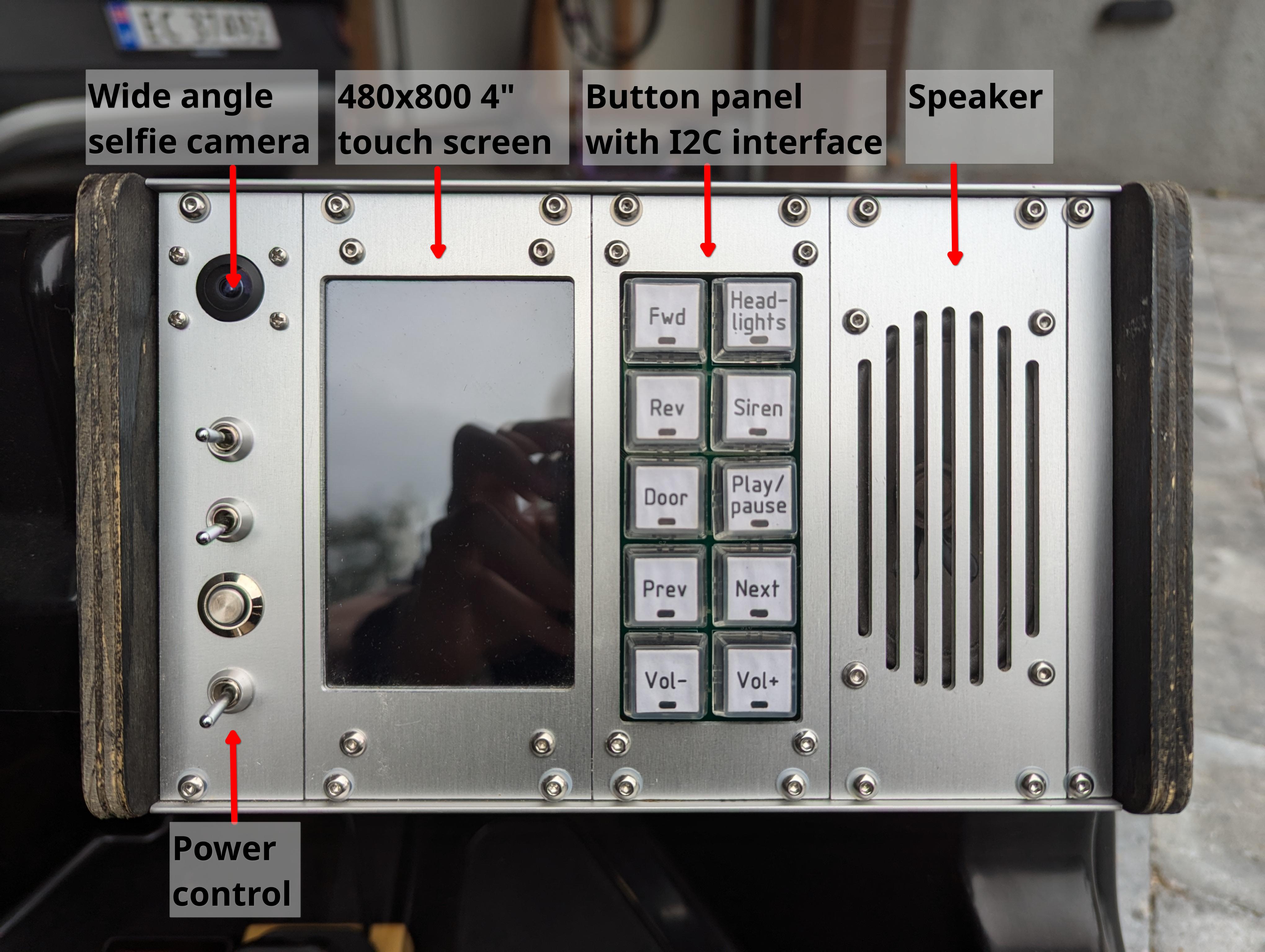


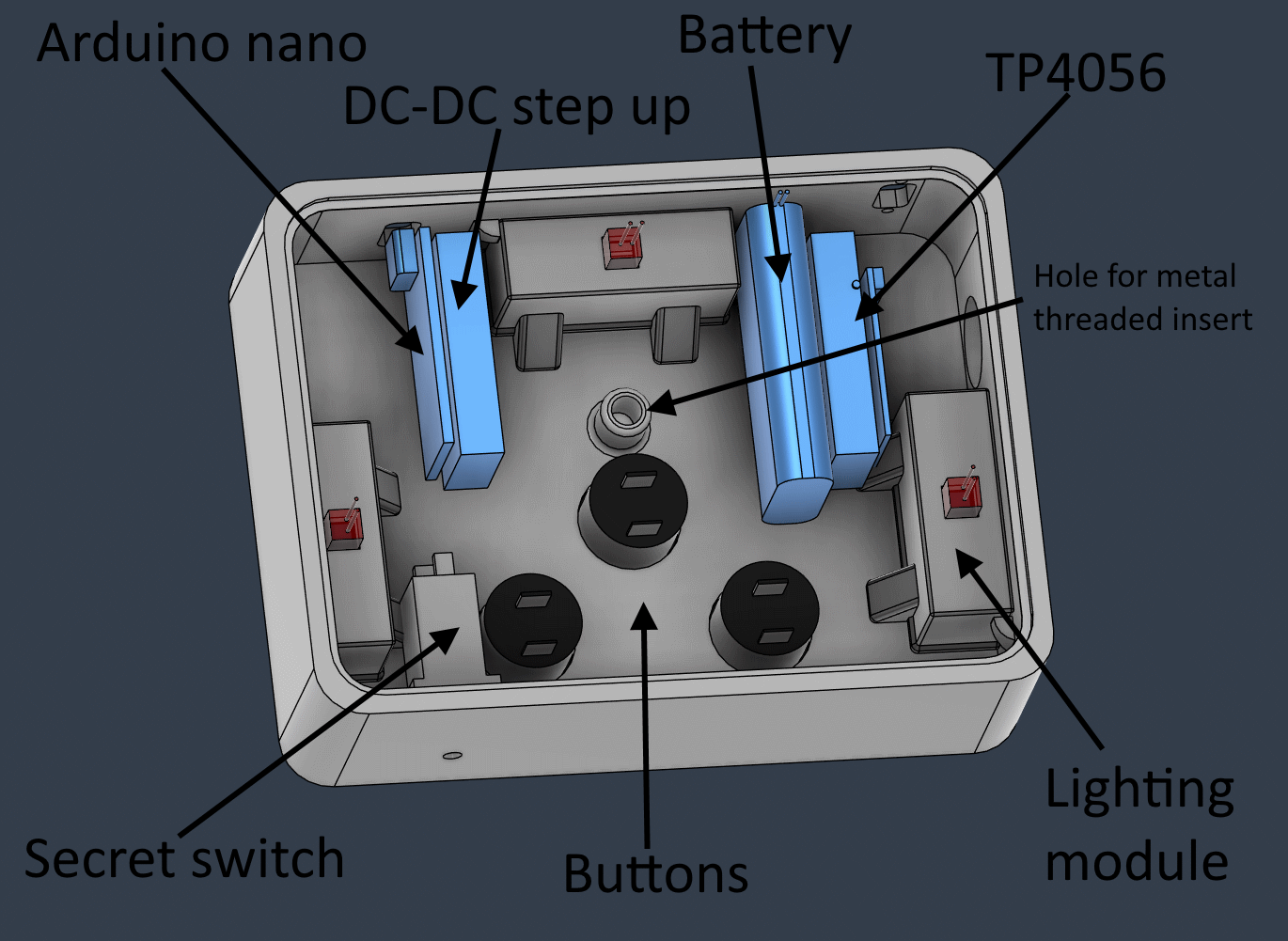


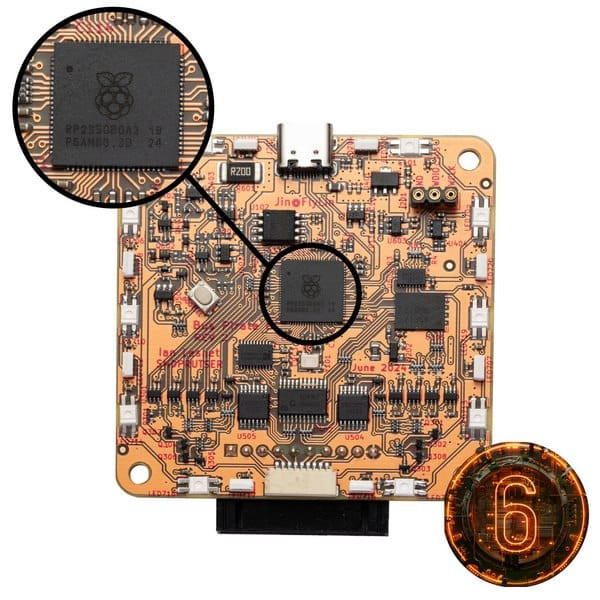
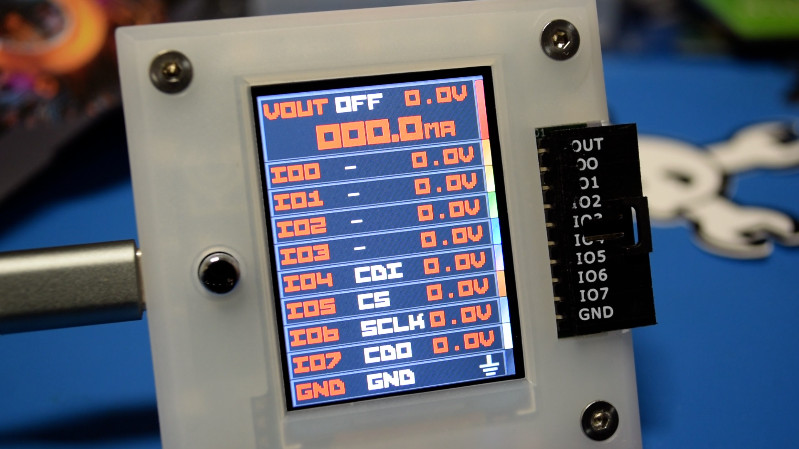

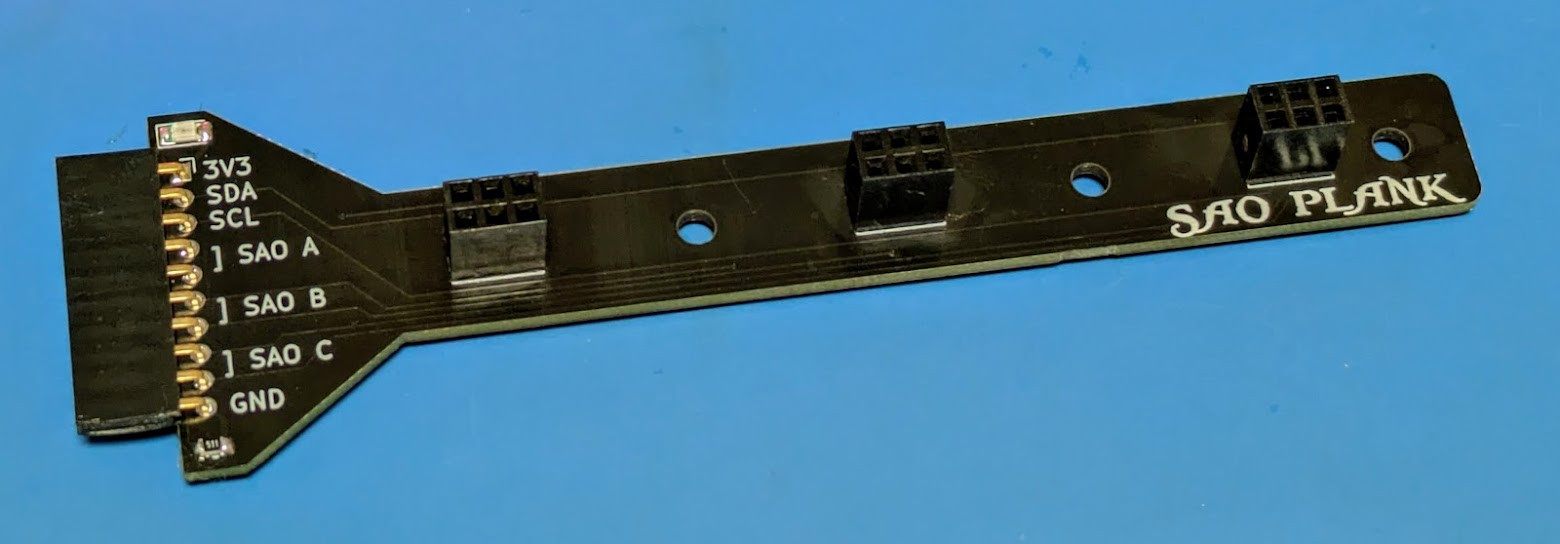


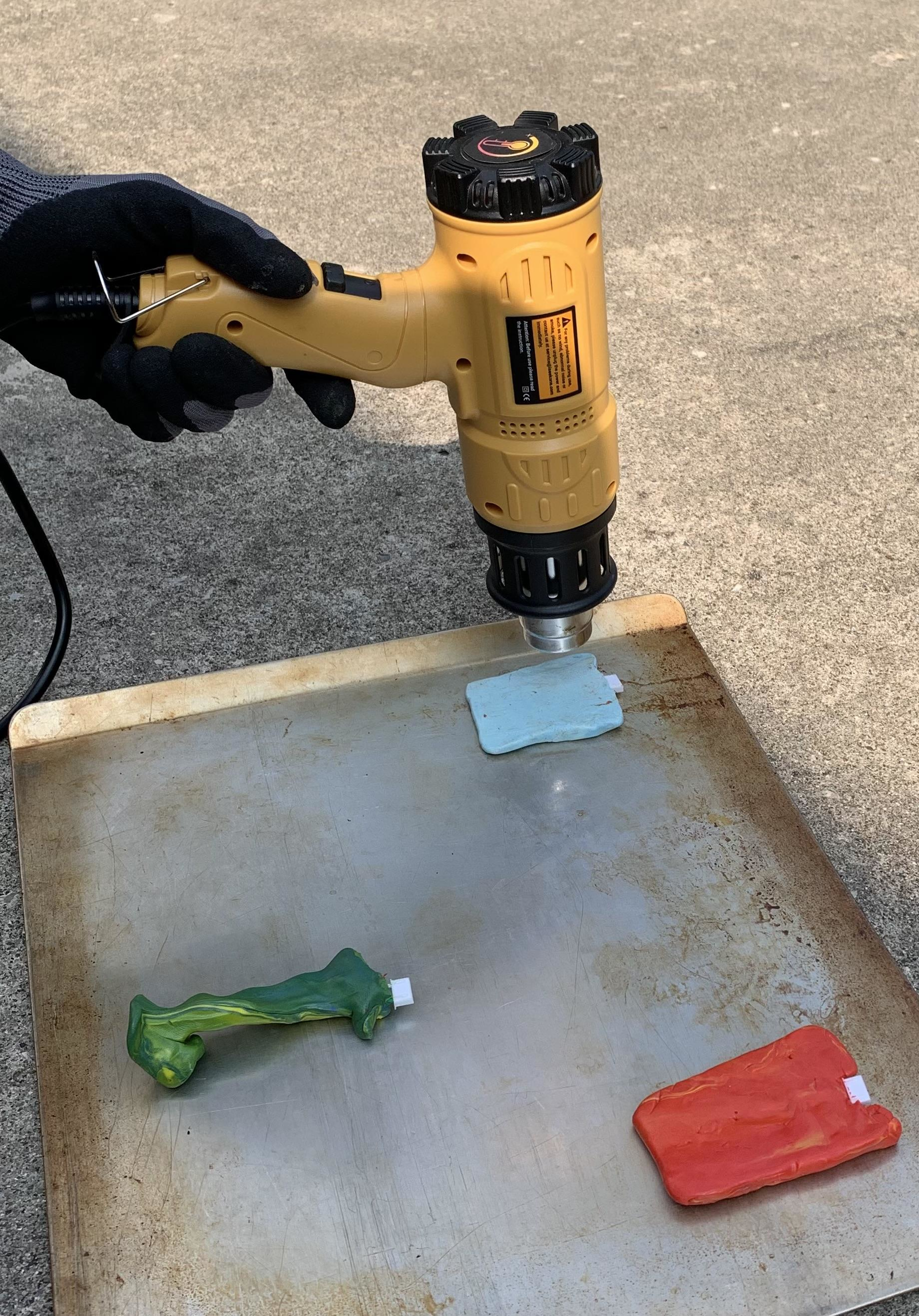





Gazzetta del Cadavere
in reply to Privacity • • •