The Privacy Post ha ricondiviso questo.

The media in this post is not displayed to visitors. To view it, please go to the original post.

Diverse aziende salvate dal BSOD di CrowdStrike con Windows 3.1. Ma l’Obsolescenza è un bene?
poliverso.org/display/0477a01e…
Diverse aziende salvate dal BSOD di CrowdStrike con Windows 3.1. Ma l’Obsolescenza è un bene? Qualche giorno fa, i sistemi basati su Windows sono stati scossi da un bug di CrowdStrike redhotcyber.com/post/windows-i… che ha causato


Diverse aziende salvate dal BSOD di CrowdStrike con Windows 3.1. Ma l’Obsolescenza è un bene?

Qualche giorno fa, i sistemi basati su Windows sono stati scossi da un bug di CrowdStrike che ha causato il Blue Screen of Death (BSOD). Sono stati colpiti 8,5 milioni di computer, il che sembra molto sulla carta; tuttavia, è una goccia nell’acqua se confrontato con il numero totale di dispositivi Windows utilizzati.

Sfortunatamente, quegli 8,5 milioni di computer avevano più probabilità di essere incaricati di mantenere in vita importanti sistemi critici, il che significa che le persone hanno visto il BSOD su schermi pubblici in tutto il mondo.

Nonostante ciò, sembra che alcune aziende siano riuscite a non incorrere a questo problema.

Come? Con un sistema operativo vecchio di 30 anni.

Questa notizia è iniziata con un post su X di Artem Russakovskii. In tale tweet, ha affermato che alcune compagnie aeree statunitensi erano state messe a terra a causa del bug, ma Southwest stava ancora operando normalmente.

Questo perché, in barba alle buone regole sull’obsolescenza tecnologica, i sistemi dell’azienda giravano ancora su Windows 3.1.

Delta, United, American Airlines flights are all grounded right now.

The reason Southwest is not affected is because they still run on Windows 3.1.t.co/ezFubvKVNA
— Artem Russakovskii (@ArtemR) July 19, 2024

Southern non usa solo Windows 3.1. Usa ancora il buon vecchio Windows 95 come parte del suo sistema di pianificazione del personale.

Di conseguenza, i suoi sistemi erano così vecchi che non potevano ospitare soluzioni di sicurezza evolute come quella di CrowdStrike, pertanto non ha risentito del BSOD come altre aziende.

Uno sguardo al fenomeno dell’obsolescenza tecnologica


Questo cosa vuol dire che l’Obsolescenza tecnologica è un bene?

Assolutamente no, in quanto occorre sempre aggiornare i software in End Of Life, ma c’è anche un fenomeno da noi analizzato diversi anni fa che vede il software in EoL particolarmente vecchio più protetto di altri software appena entrati all’interno della fase di EoL.

La strada del replatforming (qualora possibile) risulta sempre la migliore, ma sulle applicazioni legacy/enterprise già obsolete non sempre è percorribile, a causa dei massicci investimenti richiesti. Qualora non sia possibile un buon “cleaning” (hardenizzazione e messa in sicurezza delle vulnerabilità rilevate) può consentire una drastica riduzione – e alle volte una completa bonifica – del rischio dovuto all’obsolescenza tecnologica.

Questo intervento (normalmente di basso costo) dovrà essere eseguito “da mani esperte” in quanto può bastare una sola vulnerabilità per rendere vano l’intero lavoro svolto, oltre al fatto che non sempre è possibile.

L'articolo Diverse aziende salvate dal BSOD di CrowdStrike con Windows 3.1. Ma l’Obsolescenza è un bene? proviene da il blog della sicurezza informatica.


The Privacy Post reshared this.

The Privacy Post ha ricondiviso questo.

Poland calls on EU to stress ties with US to counter Russian ‘disinformation’
poliverso.org/display/0477a01e…
Poland calls on EU to stress ties with US to counter Russian ‘disinformation’Poland wants the European Union to launch a campaign in the United States to raise awareness with the American public about the importance of the joint relationship.euractiv.com/section/elections…


Poland calls on EU to stress ties with US to counter Russian ‘disinformation’


Poland wants the European Union to launch a campaign in the United States to raise awareness with the American public about the importance of the joint relationship.


euractiv.com/section/elections…


The Privacy Post reshared this.

The Privacy Post ha ricondiviso questo.

The media in this post is not displayed to visitors. To view it, please go to the original post.

Il Threat Actor 888 espone informazioni personali dei dipendenti dell’Oréal
poliverso.org/display/0477a01e…
Il Threat Actor 888 espone informazioni personali dei dipendenti dell’Oréal Recentemente, un noto attore di minacce, identificato come 888, ha reso pubblica una presunta violazione dei dati ai danni di L’Oréal, famosa azienda operante nel settore bellezza e cosmetici.La fuga di notizie sembrerebbe portare alla compromissione di circa 5110 righe di


Il Threat Actor 888 espone informazioni personali dei dipendenti dell’Oréal

Recentemente, un noto attore di minacce, identificato come 888, ha reso pubblica una presunta violazione dei dati ai danni di L’Oréal, famosa azienda operante nel settore bellezza e cosmetici.

La fuga di notizie sembrerebbe portare alla compromissione di circa 5110 righe di informazioni personali della nota azienda.

Al momento, non possiamo confermare la veridicità della notizia, poiché l’organizzazione non ha ancora rilasciato alcun comunicato stampa ufficiale sul proprio sito web riguardo l’incidente. Pertanto, questo articolo deve essere considerato come ‘fonte di intelligence’.

Dettagli della violazione


Secondo quanto riportato nel post, la violazione dei dati comprenderebbe informazioni personali di migliaia di dipendenti della nota azienda. La pubblicazione è avvenuta il 20 luglio 2024 sul noto sito BreachForums, con il Threat Actor 888 che ha reso disponibili i dati al pubblico.

I dati compromessi dovrebbero includere:

  • Nome e cognome
  • Qualifica professionale
  • Indirizzo e-mail
  • Città
  • Stato
  • Paese

Attualmente, non siamo in grado di confermare con precisione l’accuratezza delle informazioni riportate, poiché non è stato rilasciato alcun comunicato stampa ufficiale sul sito web riguardante l’incidente.

Conclusioni


La presunta violazione dei dati rappresenterebbe un rischio elevato per i dipendenti di L’Oréal ed evidenzia l’importanza cruciale della sicurezza informatica. Le informazioni divulgate potrebbero essere utilizzate per vari scopi illeciti e malevoli.

Le aziende devono porre attenzione e adottare misure proattive per proteggere i propri dati. Nel frattempo, gli utenti coinvolti dovrebbero monitorare attentamente le loro informazioni personali e adottare misure precauzionali per proteggersi da potenziali minacce.

Come nostra consuetudine, lasciamo sempre spazio ad una dichiarazione da parte dell’azienda qualora voglia darci degli aggiornamenti sulla vicenda. Saremo lieti di pubblicare tali informazioni con uno specifico articolo dando risalto alla questione.

RHC monitorerà l’evoluzione della vicenda in modo da pubblicare ulteriori news sul blog, nel caso in cui ci fossero novità sostanziali. Qualora ci siano persone informate sui fatti che volessero fornire informazioni in modo anonimo possono utilizzareredhotcyber.com/whistleblowerla mail crittografata del whistleblower.

L'articolo Il Threat Actor 888 espone informazioni personali dei dipendenti dell’Oréal proviene da il blog della sicurezza informatica.


The Privacy Post reshared this.

The Privacy Post ha ricondiviso questo.

The media in this post is not displayed to visitors. To view it, please go to the original post.

Using Femtosecond Laser Pulses to Induce Metastable Hidden States in Magnetite
poliverso.org/display/0477a01e…
Using Femtosecond Laser Pulses to Induce Metastable Hidden States in Magnetite Hidden states are a fascinating aspect of matter, as these can not normally be reached via natural processes (i.e. non-ergodic), but we can establish them using laser photoexcitation. Although these hidden states are generally very unstable and will often decay within a


Using Femtosecond Laser Pulses to Induce Metastable Hidden States in Magnetite

Sketch of the UED setup at EPFL, 1) Electron gun, 2) High-Voltage connector, 3) Photo-cathode, 4) Anode, 5) Collimating solenoid, 6) Steering plates, 7) Focusing solenoid, 8) RF cavity, 9) Sample holder, 10) Cryostat, 11) Electron detector, 12) Turbo pump, 13) Ion gauge. Credit: Proceedings of the National Academy of Sciences (2024). DOI: 10.1073/pnas.2316438121

Hidden states are a fascinating aspect of matter, as these can not normally be reached via natural processes (i.e. non-ergodic), but we can establish them using laser photoexcitation. Although these hidden states are generally very unstable and will often decay within a nanosecond, there is evidence for more persistent states in e.g. vanadates. As for practical uses of these states, electronics and related fields are often mentioned. This is also the focus in the press release by the Ecole Polytechnique Federale de Lausanne (EPFL) when reporting on establishing hidden states in magnetite (Fe3O4), with the study published in PNAS (Arxiv preprint link).

[B. Truc] and colleagues used two laser frequencies to either make the magnetite more conductive (800 nm) or a better insulator (400 nm). The transition takes on the order of 50 picoseconds, allowing for fairly rapid switching between these metastable states. Naturally, turning this into practical applications will require a lot more work, especially considering the need for femtosecond pulsed lasers to control the process, which makes it significantly more cumbersome than semiconductor technology. Its main use at this point in time will remain a fascinating demonstration of these hidden states of matter.


The Privacy Post reshared this.

The Privacy Post ha ricondiviso questo.

The media in this post is not displayed to visitors. To view it, please go to the original post.

Working Through The Art of Electronics Exercises
poliverso.org/display/0477a01e…
Working Through The Art of Electronics Exercises [The Engineering Experience] has an ambitious series of videos. He’s working through circuit examples from the awesome book “The Art of Electronics.” In the latest installment, he’s looking at a pulse generator youtube.com/watch?v=jM6Vf623wT… that uses bipolar transistors. So far, there are 43 videos covering different


Working Through The Art of Electronics Exercises

[The Engineering Experience] has an ambitious series of videos. He’s working through circuit examples from the awesome book “The Art of Electronics.” In the latest installment, he’s looking at a pulse generator that uses bipolar transistors. So far, there are 43 videos covering different exercises.

If you’ve read the book — and you should — you know the examples and exercises sometimes have little explanation. Honestly, that’s good. You should try to work through them yourself first. But once you have an idea of how it works, hearing someone give their take on it may help you out. In fact, even if you don’t have the book, we’d suggest pausing the video and looking at the circuit to see what you can figure out before playing the explanation. You’ll learn more that way.

Admittedly, some of the early videos will be cakewalks for Hackaday readers. The first few, for example, walk through parallel and series resistors. However, if you are starting out or just want a refresher, you can probably enjoy all of them. The later ones get a bit more challenging.

If you want to double-check your work, you can simulate the circuit, too. Our simulation got 4.79 V and he computed 4.8, which is certainly close enough.

We do love “The Art of Electronics.” The book’s author also enjoys listening for aliens.

youtube.com/embed/jM6Vf623wT8?…


The Privacy Post reshared this.

The Privacy Post ha ricondiviso questo.

The media in this post is not displayed to visitors. To view it, please go to the original post.

This Vintage Computing Device is No Baby Food
poliverso.org/display/0477a01e…
This Vintage Computing Device is No Baby Food Today, if you want a computer for a particular task, you go shopping. But in the early days of computing, exotic applications needed custom computers. What’s more is that with the expense of computers, you likely got one made that fit exactly what you needed and no more. That led to many oddball one-off or nearly one-off computers during


This Vintage Computing Device is No Baby Food

Today, if you want a computer for a particular task, you go shopping. But in the early days of computing, exotic applications needed custom computers. What’s more is that with the expense of computers, you likely got one made that fit exactly what you needed and no more. That led to many oddball one-off or nearly one-off computers during that time frame. Same for peripheral devices — you built what you had to and you left the rest on the drafting table. [Vintage Geek] got his hands on what appears to be one of them: the Gerber Scientific 6200.

While Gerber Scientific is still around, we’ve never heard of the 6200. Based on the serial number, we would guess at least 62 of them were made and this one has an interesting backstory of living in someone’s home who worked at the Pentagon. We presume the tapes were erased before it was sold!

Design-wise, it is pretty standard stuff. A 19-inch rack, a standard tape drive from Kennedy, a power supply, and some cards. The box takes 240 V, so the computer didn’t get powered up, but an examination of the inside looked like this really was a one-off with handwritten labels on masking tape.

We couldn’t tell for sure if the device was a computer itself, or just a tape drive and maybe plotter interface for another computer. If you know anything about this device, we are sure [Vintage Geek] would like to hear from you.

If this does turn out to have a CPU onboard, we’d bet it is bit sliced. If you have a 9-track tape machine, you may have to make your own tapes soon.

youtube.com/embed/b9Qe-7SuLk0?…


The Privacy Post reshared this.

The Privacy Post ha ricondiviso questo.

The media in this post is not displayed to visitors. To view it, please go to the original post.

New Additive Manufacturing Contenders: HIP and Centrifugal Printing
poliverso.org/display/0477a01e…
New Additive Manufacturing Contenders: HIP and Centrifugal Printing Additive Manufacturing (AM) is a field of ever-growing importance, with many startups and existing companies seeking to either improve on existing AM technologies or market new approaches. At the RAPID + TCT 2024 tradeshow it seems thathttps://www.engineering.com/two-new-3d-printing-technologies-


New Additive Manufacturing Contenders: HIP and Centrifugal Printing

Additive Manufacturing (AM) is a field of ever-growing importance, with many startups and existing companies seeking to either improve on existing AM technologies or market new approaches. At the RAPID + TCT 2024 tradeshow it seems that we got two more new AM approaches to keep an eye on to see how they develop. These are powder-based Hot Isostatic Pressing (HIP) by Grid Logic and centrifugal 3D printing by Fugo Precision.
Grid Logic demo at RAPID + TCT 2024. (Credit: Ian Wright)
Grid Logic’s HIP uses binder-less powders in sealed containers that are compressed and deposited into a HIP can according to the design being printed, followed by the HIP process. This is a common post-processing step outside of AM as well, but here HIP is used as the primary method in what seems like a budget version of typical powder sintering AM printers. Doubtlessly it won’t be ‘hobbyist cheap’, but it promises to allow for printing ceramic and metal parts with minimal wasted powder, which is a major concern with current powder-based sintering printers.

While Grid Logic’s approach is relatively conservative, Fugo’s Model A printer using centrifugal printing is definitely trying to distinguish itself. It uses 20 lasers which are claimed to achieve 30 µm accuracy in all directions with a speed of 1 mm/minute. It competes with SLA printers, which also means that it works with photopolymers, but rather than messing with FEP film and pesky Earth gravity, it uses a spinning drum to create its own gravitational parameters, along with a built-in parts cleaning and curing system. They claim that this method requires 50% fewer supports while printing much faster than competing commercial SLA printers.

Even if not immediately relevant to AM enthusiasts, it’s good to see new ideas being tried in the hope that they will make AM better for all of us.


The Privacy Post reshared this.

The Privacy Post ha ricondiviso questo.

The media in this post is not displayed to visitors. To view it, please go to the original post.

Revolver Rabbit: La Nuova Minaccia Cyber supportata da 500.000 Domini di primo livello
poliverso.org/display/0477a01e…
Revolver Rabbit: La Nuova Minaccia Cyber supportata da 500.000 Domini di primo livello I ricercatori di Infoblox hanno scoperto il gruppo Revolver Rabbit blogs.infoblox.com/threat-inte…, che ha registrato più di 500.000 domini per le sue campagne dannose rivolte agli utenti


Revolver Rabbit: La Nuova Minaccia Cyber supportata da 500.000 Domini di primo livello

I ricercatori di Infoblox hanno scoperto il gruppo Revolver Rabbit, che ha registrato più di 500.000 domini per le sue campagne dannose rivolte agli utenti Windows e macOS.

Gli esperti affermano che gli hacker utilizzano algoritmi per generare domini (RDGA), ovvero registrare automaticamente nomi di dominio in un breve periodo di tempo.

L’essenza di RDGA è simile al metodo DGA, utilizzato dal malware per creare elenchi di possibili posizioni per i server di controllo. La differenza è che DGA è integrato direttamente nel codice del malware e registra solo alcuni dei domini generati, mentre RDGA lavora dalla parte degli aggressori e registra tutti i domini generati.

E mentre i ricercatori possono scoprire un DGA e poi decodificare gli indirizzi di eventuali server di comando e controllo, con un RDGA tutto è segreto, e trovare un modello per generare domini diventa un compito più difficile.
Confronto tra DGA e RDGA
Secondo l’azienda, il gruppo controlla più di 500.000 domini di primo livello .BOND, che vengono utilizzati per creare server di controllo sia falsi che reali per il malware. Allo stesso tempo, Infoblox osserva che i domini nella zona .BOND sono semplicemente i più facili da rilevare, ma in totale gli hacker hanno già registrato più di 700.000 domini in una varietà di zone.

I ricercatori stimano che Revolver Rabbit utilizzi RDGA per acquistare centinaia di migliaia di domini e che la sua spesa abbia già superato 1 milione di dollari, dato che un singolo dominio .BOND costa circa 2 dollari.

Nelle loro operazioni, gli hacker distribuiscono il malware XLoader, in grado di rubare informazioni riservate ed eseguire file dannosi sui sistemi che eseguono Windows e macOS. “Il modello RDGA più comune utilizzato da questo gruppo è una serie di una o più parole del dizionario seguite da un numero di cinque cifre, con ogni parola o numero separato da un trattino”, hanno detto gli analisti di Infoblox.

I domini tendono a concentrarsi su un argomento o una regione specifica e hanno molta varietà. Ecco alcuni esempi:

  • usa-online-laurea-29o[.]bond
  • reggiseno-condizionatore-portatile-9o[.]bond
  • crociere-fluviali-uk-8n[.]bond
  • ai-courses-17621[.]bond
  • app-sviluppo-software-formazione-52686[.]bond
  • assistenza-alla-vita-11607[.]bond
  • lavori-online-42681[.]bond
  • profumi-76753[.]bond
  • telecamere-di-sorveglianza-di-sicurezza-42345[.]bond
  • lezioni-di-yoga-35904[.]bond

I ricercatori scrivono di aver monitorato Revolver Rabbit per circa un anno, ma l’uso di RDGA ha nascosto gli obiettivi degli aggressori fino a poco tempo fa.

L'articolo Revolver Rabbit: La Nuova Minaccia Cyber supportata da 500.000 Domini di primo livello proviene da il blog della sicurezza informatica.


The Privacy Post ha ricondiviso questo.

The media in this post is not displayed to visitors. To view it, please go to the original post.

2024 Business Card Challenge: CardTunes Bluetooth Speaker
poliverso.org/display/0477a01e…
2024 Business Card Challenge: CardTunes Bluetooth Speaker A business card form factor can be quite limiting, but that didn’t stop [Schwimmflugel] from creating CardTunes hackaday.io/project/196562-bus…, an ESP32-based Bluetooth audio speaker that tried something innovative to deliver the output.What’s very interesting about this design is


2024 Business Card Challenge: CardTunes Bluetooth Speaker

A business card form factor can be quite limiting, but that didn’t stop [Schwimmflugel] from creating CardTunes, an ESP32-based Bluetooth audio speaker that tried something innovative to deliver the output.

What’s very interesting about this design is the speaker itself. [Schwimmflugel] aimed to create a speaker out of two coils made from flexible circuit board material, driving them with opposite polarities to create a thin speaker without the need for a permanent magnet.

The concept is sound, but in practice, performance was poor. One could identify the song being played, but only if holding the speaker up to one’s ear. The output was improved considerably with the addition of a small permanent magnet behind the card, but of course this compromised the original vision.

Even though the concept of making a speaker from two flexible PCB panel coils had only mixed success, we love seeing this kind of effort and there’s a lot to learn from the results. Not to mention that it’s frankly fantastic to even have a Bluetooth speaker on a business card in the first place.

The 2024 Business Card Challenge is over, but judging by all the incredible entries we received, we’re thinking it probably won’t be too long before we come up with another sized-constrained challenge.

youtube.com/embed/qcwfLV3TDHw?…

2024 Business Card Challenge


The Privacy Post reshared this.

The Privacy Post ha ricondiviso questo.

Risolta Vulnerabilità Critica in Cisco SSM On-Prem: Aggiorna Subito!
poliverso.org/display/0477a01e…
Risolta Vulnerabilità Critica in Cisco SSM On-Prem: Aggiorna Subito! Cisco ha risolto sec.cloudapps.cisco.com/securi… una vulnerabilità redhotcyber.com/post/vulnerabi… critica che poteva consentire agli


Risolta Vulnerabilità Critica in Cisco SSM On-Prem: Aggiorna Subito!

Cisco ha risolto una vulnerabilità critica che poteva consentire agli aggressori di modificare la password di qualsiasi utente sui server vulnerabili Cisco Smart Software Manager On-Prem (Cisco SSM On-Prem), comprese le password di amministratore.

La vulnerabilità colpisce le versioni 8-202206 e precedenti, nonché le versioni precedenti di SSM On-Prem (precedenti alla versione 7.0), precedentemente note come Cisco Smart Software Manager Satellite (SSM Satellite).

Il bug critico viene tracciato con l’identificatore CVE-2024-20419 e ha ricevuto un punteggio di 10 su 10 sulla scala CVSS. È stato segnalato che è correlato a un bug nel processo di modifica della password nel sistema di autenticazione SSM On-Prem. Uno sfruttamento riuscito consente agli aggressori remoti e non autenticati di impostare nuove password per gli utenti senza conoscere le credenziali originali.

“La vulnerabilità è dovuta all’errata implementazione del processo di modifica della password. Un utente malintenzionato può sfruttare questo problema inviando richieste HTTP appositamente predisposte a un dispositivo vulnerabile, afferma Cisco. “Lo sfruttamento riuscito consente l’accesso a un’interfaccia web o API con i privilegi di un utente compromesso.”

Si consiglia ora a tutti gli amministratori di aggiornare Cisco SSM On-Prem alla versione 8-202212 o alla versione 9, che non è affatto interessata da questo problema, il prima possibile.

Vale anche la pena notare che questa settimana gli sviluppatori Cisco hanno risolto un’altra vulnerabilità critica nel Secure Email Gateway (SEG), che consentiva di aggiungere nuovi utenti con privilegi di root e disabilitare i dispositivi.

Questo problema, identificato come CVE-2024-20401 (punteggio CVSS 9.8), è dovuto alla scrittura arbitraria di file e alla gestione impropria degli allegati e-mail durante la scansione del contenuto e-mail e il filtraggio dei messaggi. In effetti, questo bug di attraversamento del percorso ne ha consentito la sostituzione in qualsiasi file del sistema operativo.

“La vulnerabilità è dovuta all’elaborazione errata degli allegati e-mail quando sono abilitati l’analisi dei file e i filtri dei contenuti. Uno sfruttamento riuscito potrebbe consentire a un utente malintenzionato di sostituire qualsiasi file nel file system, hanno scritto gli sviluppatori. “L’aggressore potrebbe quindi eseguire una delle seguenti operazioni: aggiungere utenti con privilegi root, modificare le impostazioni del dispositivo, eseguire codice arbitrario o causare un rifiuto di servizio permanente (DoS) sul dispositivo interessato.”

CVE-2024-20401 colpisce i dispositivi SEG se eseguono una versione vulnerabile di Cisco AsyncOS e sono soddisfatte le seguenti condizioni:

  • La funzionalità di analisi dei file (parte di Cisco Advanced Malware Protection) o la funzionalità di filtro dei contenuti è abilitata e utilizzata per la posta in arrivo;
  • Content Scanner Tools ha una versione fino alla 23.3.0.4823.

Il problema è stato risolto in Content Scanner Tools versione 23.3.0.4823 e successive. La versione aggiornata è inclusa per impostazione predefinita con Cisco AsyncOS per il software Cisco Secure Email versione 15.5.1-055 e successive.

L'articolo Risolta Vulnerabilità Critica in Cisco SSM On-Prem: Aggiorna Subito! proviene da il blog della sicurezza informatica.


The Privacy Post reshared this.

The Privacy Post ha ricondiviso questo.

The media in this post is not displayed to visitors. To view it, please go to the original post.

Do Your Research
poliverso.org/display/0477a01e…
Do Your Research We were talking about a sweet hack this week, wherein [Alex] busts the encryption for his IP web cam firmware hackaday.com/2024/07/17/hackin… so that he can modify it later. He got a number of lucky breaks, including getting root on the device just by soldering on a serial terminal, but was faced with having to reverse-engineer a bina


Do Your Research

We were talking about a sweet hack this week, wherein [Alex] busts the encryption for his IP web cam firmware so that he can modify it later. He got a number of lucky breaks, including getting root on the device just by soldering on a serial terminal, but was faced with having to reverse-engineer a binary that implemented RSA encryption and decryption.

Especially when they’re done right, and written to avoid side-channel attacks, encryption routines aren’t intuitive, even when you’re looking at the C source. Reversing it from the binary would be a tremendous hurdle.

That’s when [Alex] started plugging in strings he found in the binary into a search engine. And that’s when he found exactly the open source project that the webcam used, which gave him the understanding he needed to crack the rest of the nut.

Never forget! When you’re doing some reverse engineering, whether hardware or software, do a search for every part number and every string you find in memory. If you’re like me, it might feel like cheating a little bit, but it’s just being efficient. It’s what all your hacker heroes say they do, and if you’re lucky, it might just be the break you need too.


The Privacy Post reshared this.

The Privacy Post ha ricondiviso questo.

The media in this post is not displayed to visitors. To view it, please go to the original post.

Sealed Packs of Pokémon Cards Give Up Their Secrets Without Opening Them
poliverso.org/display/0477a01e…
Sealed Packs of Pokémon Cards Give Up Their Secrets Without Opening Them [Ahron Wayne] succeeded in something he’s been trying to accomplish for some time: figuring out what’s inside a sealed Pokémon card packet without opening it hackaday.io/project/191395-x-r….


Sealed Packs of Pokémon Cards Give Up Their Secrets Without Opening Them

[Ahron Wayne] succeeded in something he’s been trying to accomplish for some time: figuring out what’s inside a sealed Pokémon card packet without opening it. There’s a catch, however. It took buying an X-ray CT scanner off eBay, refurbishing and calibrating it, then putting a load of work into testing and scanning techniques. Then finally combining the data with machine learning in order to make useful decisions. It’s a load of work but [Ahron] succeeded by developing some genuinely novel techniques.

While using an X-ray machine to peek inside a sealed package seems conceptually straightforward, there are in fact all kinds of challenges in actually pulling it off. There’s loads of noise. So much that the resulting images give a human eyeball very little to work with. Luckily, there are also some things that make the job a little easier.

For example, it’s not actually necessary to image an entire card in order to positively identify it. Teasing out the individual features such as a fist, a tentacle, or a symbol are all useful to eliminate possibilities. Interestingly, as a side effect the system can easily spot counterfeit cards; the scans show up completely different.

When we first covered [Ahron]’s fascinating journey of bringing CT scanners back to life, he was able to scan cards but made it clear he wasn’t able to scan sealed packages. We’re delighted that he ultimately succeeded, and also documented the process. Check it out in the video below.

youtube.com/embed/j7hkmrk63xc?…


The Privacy Post reshared this.

The Privacy Post ha ricondiviso questo.

The media in this post is not displayed to visitors. To view it, please go to the original post.

I nuovi iPhone non possono essere hackerati da Cellebrite
poliverso.org/display/0477a01e…
I nuovi iPhone non possono essere hackerati da Cellebrite Nell’aprile 2024, la società Cellebrite ha dovuto affrontare un problema. Secondo i documenti trapelati e confermati da 404 Media, una parte significativa dei moderni iPhone era inaccessibile ai loro strumenti di jailbreak.I documenti mostrano a quali smartphone Android e versioni del sistema operativo Cellebrite


I nuovi iPhone non possono essere hackerati da Cellebrite

Nell’aprile 2024, la società Cellebrite ha dovuto affrontare un problema. Secondo i documenti trapelati e confermati da 404 Media, una parte significativa dei moderni iPhone era inaccessibile ai loro strumenti di jailbreak.

I documenti mostrano a quali smartphone Android e versioni del sistema operativo Cellebrite può accedere e fornisce uno sguardo dettagliato sullo stato attuale della tecnologia forense mobile.

L’analisi dei documenti è stata effettuata dopo che l’FBI ha annunciato di essere riuscita ad avere accesso al cellulare di Thomas Matthew Crooks, sospettato dell’attentato a Donald Trump. L’FBI non ha specificato quale marca di telefono utilizzasse Crooks o come fosse stato sbloccato il dispositivo.

I documenti, intitolati “Cellebrite iOS Support Matrix” e “Cellebrite Android Support Matrix“, sono stati inviati a 404 Media da una fonte anonima. A maggio, GrapheneOS, un sistema operativo basato su Android incentrato sulla privacy e sulla sicurezza, aveva precedentemente pubblicato screenshot degli stessi documenti, ma non avevano ricevuto un’attenzione diffusa al di fuori della comunità forense mobile.

Tabella delle versioni di iPhone e iOS supportate

Tutti gli iPhone bloccati con iOS 17.4 e versioni successive sono elencati come “In ricerca” nei documenti di Cellebrite, il che significa che i modelli che eseguono quella versione non possono essere sbloccati utilizzando gli strumenti dell’azienda.

Per le versioni precedenti di iOS 17 (da 17.1 a 17.3.1), sono supportati i modelli iPhone XR e iPhone 11. Tuttavia, per iPhone 12 e versioni successive da 17.1 a 17.3.1, è contrassegnato come “Prossimamente“, il che significa che. il supporto “arriverà presto”. Queste versioni di iOS hanno recentemente aggiunto anche il supporto per Supersonic BF (forza bruta), che consente un rapido accesso ai telefoni, afferma l’azienda .

Secondo i dati di giugno di Apple , la maggior parte degli utenti iPhone ha effettuato l’aggiornamento a iOS 17: il 77% di tutti gli iPhone e l’87% degli iPhone rilasciati negli ultimi 4 anni utilizzano iOS 17.

Cellebrite offre una varietà di strumenti forensi mobili, tra cui UFED, un dispositivo hardware in grado di estrarre dati da uno smartphone fisicamente connesso. L’UFED è ampiamente utilizzato dalla polizia. Cellebrite vende anche Cellebrite Premium, un servizio che offre ai clienti UFED più opzioni, viene elaborato nel cloud Cellebrite o viene offerto come soluzione autonoma.

Cellebrite afferma che Cellebrite Premium è in grado di recuperare la password per “quasi tutti i dispositivi mobili moderni, comprese le ultime versioni di iOS e Android”. Tuttavia, i documenti trapelati non supportano questa affermazione, dimostrando che ad aprile 2024 Cellebrite non era in grado di accedere agli iPhone bloccati con iOS 17.4.

Il secondo documento mostra che Cellebrite non ha il supporto completo per i dispositivi Android bloccati, sebbene copra la maggior parte di quelli elencati. Ad esempio, Cellebrite non può forzare i Google Pixel 6, 7 o 8 se sono spenti.

Tabella dei dispositivi Android supportati

Cellebrite ha confermato l’autenticità dei documenti in un’e-mail a 404 Media. Un portavoce dell’azienda ha affermato che i documenti hanno lo scopo di aiutare i clienti a comprendere le capacità delle tecnologie Cellebrite nella conduzione di indagini etiche e legali. Il rappresentante ha inoltre osservato che l’azienda non vende i suoi prodotti a paesi soggetti a sanzioni da parte di Stati Uniti, UE, Regno Unito o Israele.

Cellebrite non è l’unica azienda forense mobile. Grayshift realizza un prodotto chiamato GrayKey, inizialmente focalizzato sui dispositivi iOS e successivamente esteso ad Android. Le attuali capacità di GrayKey non sono chiare.

L'articolo I nuovi iPhone non possono essere hackerati da Cellebrite proviene da il blog della sicurezza informatica.


The Privacy Post reshared this.

The Privacy Post ha ricondiviso questo.

The media in this post is not displayed to visitors. To view it, please go to the original post.

Bangladesh in Rivolta: Le Manifestazioni degli Studenti e gli Attacchi degli Hacktivisti Portano il Governo a Staccare l’Internet Mobile
poliverso.org/display/0477a01e…
Bangladesh in Rivolta: Le Manifestazioni degli Studenti e gli Attacchi degli Hacktivisti Portano il Governo a Staccare l’Internet Mobile Autori: Fabio Di Costanzo linkedin.com/in/fabio-di-costa… e Roland Kapidani linkedin.com/in/roland-kapidan…


Bangladesh in Rivolta: Le Manifestazioni degli Studenti e gli Attacchi degli Hacktivisti Portano il Governo a Staccare l’Internet Mobile

Autori: Fabio Di Costanzo e Roland Kapidani

Sono ormai settimane che gli studenti bengalesi protestano contro un sistema di assegnazione degli impieghi nel settore pubblico che reputano discriminatorio e che vorrebbero sostituire con uno basato sul merito. Infatti in Bangladesh i posti di lavoro pubblici sono molto ambiti non solo per una maggiore stabilità e sicurezza economica, ma soprattutto a causa delle precarie condizioni di lavoro nel settore privato.

La gestione dei posti pubblici è regolata da un sistema di quote introdotto nel 1972. Questo sistema riserva il 56% dei posti a categorie protette: il 30% ai figli dei reduci di guerra, il 10% alle donne, il 10% a persone provenienti da determinati distretti, il 5% alle minoranze etniche e l’1% alle persone con disabilità. Gli studenti, tra i più colpiti dalla disoccupazione, chiedono una riforma del sistema, proponendo di mantenere solo il 6% delle quote per minoranze e persone con disabilità in modo da evitare che ogni anno 400mila laureati competono per soli 3mila posti di lavoro.

Nel 2018 Il governo di Hasina aveva già sospeso questo sistema di quote dopo alcune proteste di massa degli studenti. Ma il mese scorso, dopo una petizione firmata dai parenti dei veterani, l’Alta Corte del Bangladesh ha annullato la decisione dichiarando illegale tale sospensione e ripristinato le quote iniziali.

Escalation


Le manifestazioni sono in corso da settimane in tutto il paese, ma da lunedì 15 Luglio 2024 ci sono state violente proteste all’Università di Dacca: da allora sono morte almeno 30 persone e centinaia sono state ferite, secondo quanto riportano i media locali, e gli scontri sembrano non essersi fermati lì ma anche in altre città.

“Internet mobile è stato temporaneamente sospeso a causa di varie voci e della situazione instabile creatasi … sui social media”, così il ministro dell’Information Technology del paese, Zunaid Ahmed Palak, ha riferito ai giornalisti. – I servizi saranno ripristinati una volta che la situazione sarà tornata alla normalità – ha aggiunto, mentre le autorità hanno disposto la chiusura delle università.

Un clima sempre più difficile per gli studenti che dovranno aspettare la decisione della Corte Suprema che ha sospeso la sentenza dell’Alta Corte e dovrebbe pronunciarsi il 7 agosto. Secondo l’ufficio del procuratore generale, il governo ha presentato ricorso contro la decisione dell’Alta Corte, in seguito alle proteste.

Gli studenti stanno chiedendo aiuto alle forze internazionali sui pochi canali che hanno a disposizione per comunicare con l’esterno del paese ed in giro si leggono diversi hashtag come #savestudents e #savebangladeshistudents per fermare le violenze che stanno subendo, c’è chi dichiara sia una caccia all’uomo casa dopo casa per scovare i manifestanti e torturarli o portarli via.

Hacktivisti


Diversi gruppi di Hacktivisti hanno risposto alle richieste di degli studenti del Bangladesh e si sono schierati digitalmente con loro, con annunci come quello che segue:

Tra i gruppi più attivi su questo fronte ci sono:

  • Team_insane_Pakistan
  • Alixsec
  • 7 October Union
  • NoName05716
  • SilentCyberForce

E lo slogan che si ripete di più recita:

  • “Attacking students is a crime against humanity” (Attaccare gli studenti è un crimine contro l’umanità)

Ad oggi questi gruppi hanno condotto con successo attacchi DDOS ad almeno 7 siti governativi del Bangladesh:

Hanno inoltre pubblicato un data leak riguardante il ministero “dell’edilizia abitativa e dei lavori pubblici” del Bangladesh:

Veridicità delle Violazioni


Al momento, non è possibile confermare con precisione la veridicità dei dati in quanto il governo del Bangladesh non ha rilasciato dichiarazioni in tal senso. Sulla veridicità dei DDOS invece ci sono diversi report online che dimostrano l’indisponibilità dei siti menzionati durante gli attacchi.

Tuttavia data la mancanza di dichiarazioni ufficiali queste informazioni devono essere considerate come una fonte di intelligence non verificata

Conclusioni


La situazione in Bangladesh evidenzia come le proteste studentesche e le attività degli hacktivisti possano avere un impatto significativo sulla stabilità di uno stato e sull’accesso alle tecnologie di comunicazione.

Ma noi di RHC vogliamo evidenziare che ancora una volta le dichiarazioni degli Hacktivisti come questa:

Mettono in luce un problema cruciale: la necessità di aggiornare e rafforzare i sistemi di sicurezza informatica. La vulnerabilità ad attacchi come l’iniezione SQL, XSS e HTML evidenzia la mancanza di protezioni adeguate e di manutenzione dei siti web governativi. Ignorare queste debolezze non solo espone il governo a ulteriori attacchi, ma compromette anche la sicurezza dei dati dei cittadini.

Monitoreremo come sempre la situazione e vi aggiorneremo su eventuali sviluppi significativi come per esempio l’anticipazione in calce, che deve essere ancora verificata:

L'articolo Bangladesh in Rivolta: Le Manifestazioni degli Studenti e gli Attacchi degli Hacktivisti Portano il Governo a Staccare l’Internet Mobile proviene da il blog della sicurezza informatica.


The Privacy Post reshared this.

The Privacy Post ha ricondiviso questo.

The media in this post is not displayed to visitors. To view it, please go to the original post.

Robot Seeks and Sucks Up Cigarette Butts, With Its Feet
poliverso.org/display/0477a01e…
Robot Seeks and Sucks Up Cigarette Butts, With Its Feet It would be better if humans didn’t toss cigarette butts on the ground in the first place, but change always takes longer than we think it should. In the meantime, researchers at the Italian Institute of Technology have used the problem as an opportunity to explore what seems to be a novel approach: attaching vacuum


Robot Seeks and Sucks Up Cigarette Butts, With Its Feet

It would be better if humans didn’t toss cigarette butts on the ground in the first place, but change always takes longer than we think it should. In the meantime, researchers at the Italian Institute of Technology have used the problem as an opportunity to explore what seems to be a novel approach: attaching vacuum pickups to a robot’s feet, therefore removing the need for separate effectors.

VERO (Vacuum-cleaner Equipped RObot) is a robotic dog with a vacuum cleaner “backpack” and four hoses, one going down each leg. A vision system detects a cigarette butt, then ensures the robot plants a foot next to it, sucking it up. The research paper has more details, but the video embedded below gives an excellent overview.

While VERO needs to think carefully about route planning, using the legs as effectors is very efficient. Being a legged robot, VERO can navigate all kinds of real-world environments — including stairs — which is important because cigarette butts know no bounds.

Also, using the legs as effectors means there is no need for the robot to stop and wait while a separate device (like an arm with a vacuum pickup) picks up the trash. By simply planting a foot next to a detected cigarette butt, VERO combines locomotion with pickup.

It’s fascinating to see how the Mini Cheetah design has really become mainstream to the point that these robots are available off-the-shelf, and it’s even cooler to see them put to use. After all, robots tackling trash is a good way to leverage machines that can focus on specific jobs, even if they aren’t super fast at it.

youtube.com/embed/O8BqvAe-moI?…


The Privacy Post reshared this.

The Privacy Post ha ricondiviso questo.

The media in this post is not displayed to visitors. To view it, please go to the original post.

La Sicurezza Informatica dell’Iran in Crisi: 40 Anni di Dati Sensibili a Rischio
poliverso.org/display/0477a01e…
La Sicurezza Informatica dell’Iran in Crisi: 40 Anni di Dati Sensibili a Rischio Nel mondo della sicurezza informatica redhotcyber.com/rubriche/alla-…, pochi eventi hanno lo stesso impatto di una violazione su larga scala di dati sensibili. Recentemente, è emersa la notizia di una massiccia esposizione


La Sicurezza Informatica dell’Iran in Crisi: 40 Anni di Dati Sensibili a Rischio

Nel mondo della sicurezza informatica, pochi eventi hanno lo stesso impatto di una violazione su larga scala di dati sensibili. Recentemente, è emersa la notizia di una massiccia esposizione di dati riguardanti l’Organizzazione “Hajj e Pellegrinaggio” in Iran, che ha messo in pericolo le informazioni personali di oltre 168 milioni di individui.

Questa fuga di dati, che copre un periodo di quarant’anni dal 1984 al 2024, è straordinaria non solo per il volume di informazioni compromesse ma anche per la loro natura estremamente sensibile. La violazione coinvolge dati dettagliati dei pellegrini iraniani che hanno partecipato a viaggi religiosi organizzati verso destinazioni come La Mecca, Medina e importanti siti sciiti in Iraq e Siria.

L’ampia gamma di informazioni trapelate comprende dati personali, contatti, dettagli di viaggio e documenti finanziari. Questi dati includono anche informazioni su funzionari governativi, membri delle forze armate e gruppi religiosi, esponendo potenzialmente figure di alto profilo e informazioni strategiche.

Dettagli della Vendita


L’annuncio della vendita, presente sul noto forum undergrounf “Breached Forum”, include dettagli su una vasta gamma di dati personali, come nomi, date di nascita, numeri di identificazione e informazioni dettagliate sui passaporti, tra cui scansioni dei passaporti e fotografie dei viaggiatori. Inoltre, i dati comprendono informazioni sui voli, assicurazioni di viaggio, documenti di cauzione e dati bancari.

Sono presenti anche dettagli su broker di pellegrinaggi, stato di alloggio dei viaggiatori e informazioni sui funzionari governativi e su varie forze di sicurezza. Nel post si fa riferimento anche al codice sorgente delle applicazioni e dei servizi legati all’Hajj, suggerendo un accesso completo ai sistemi interni dell’organizzazione.

Sebbene i dettagli specifici dell’attacco non siano stati divulgati, la portata e la natura dei dati indicano una possibile compromissione a lungo termine dei sistemi informatici dell’organizzazione. In totale sembrano essere stati esfiltrati 1.25TB di dati.

Conclusioni


Questa violazione sottolinea l’importanza di adottare misure di sicurezza rigorose per la tutela di informazioni sensibili, in particolare quelle governative. L’incidente evidenzia come le organizzazioni che gestiscono grandi quantità di dati siano obiettivi primari per i cybercriminali, e solleva preoccupazioni significative sulla sicurezza informatica in Iran. In un contesto geopolitico, la violazione può avere implicazioni anche oltre i confini iraniani, dato che le informazioni trapelate riguardano spostamenti e dati di individui di interesse governativo, che potrebbero essere sfruttati per fini di intelligence o ricatto. Questo attacco mette in luce la crescente minaccia della cybercriminalità come strumento di conflitto geopolitico, dove stati e organizzazioni possono sfruttare tali dati per destabilizzare governi e minare la fiducia pubblica nelle istituzioni. Le autorità competenti devono implementare misure immediate per mitigare i rischi, tra cui la protezione degli individui colpiti, l’avvio di un’indagine approfondita per identificare i responsabili e l’analisi dei sistemi compromessi. È fondamentale rafforzare le misure di sicurezza con crittografia dei dati, controlli di accesso rigorosi e formazione sulla sicurezza informatica per il personale.

In definitiva, questa violazione sottolinea l’urgente necessità di elevare la sicurezza informatica a tutti i livelli. Solo attraverso un impegno collettivo e misure di sicurezza robuste possiamo proteggere i dati sensibili e scongiurare le minacce informatiche sempre più sofisticate.

L'articolo La Sicurezza Informatica dell’Iran in Crisi: 40 Anni di Dati Sensibili a Rischio proviene da il blog della sicurezza informatica.


The Privacy Post reshared this.

The Privacy Post ha ricondiviso questo.

Microsoft Windows vittima inconsapevole della Supply-Chain. Cosa l’incidente di CrowdStrike ci deve insegnare
poliverso.org/display/0477a01e…
Microsoft Windows vittima inconsapevole della Supply-Chain. Cosa l’incidente di CrowdStrike ci deve insegnare Nella giornata di ieri, un incidente ha scosso il panorama tecnologico, redhotcyber.com/post/windows-i…


Microsoft Windows vittima inconsapevole della Supply-Chain. Cosa l’incidente di CrowdStrike ci deve insegnare

Nella giornata di ieri, un incidente ha scosso il panorama tecnologico, facendo emergere l’interdipendenza critica delle infrastrutture digitali moderne. Nonostante il coinvolgimento di Microsoft Windows, è essenziale chiarire che il sistema operativo dell’azienda Microsoft, non è stato direttamente responsabile del problema.

L’incidente è derivato da un aggiornamento di una terza parte, appunto CrowdStrike, che ha causato il collasso del sistema operativo, facendoci riflettere nuovamente sulle vulnerabilità (non solo di sicurezza) delle catene di fornitura tecnologiche.

L’Incidente CrowdStrike


CrowdStrike, leader nelle soluzioni di cybersecurity, ha recentemente affrontato la crisi legata a un difetto di aggiornamento sugli host Windows. Questo problema ha provocato interruzioni, bloccando servizi critici causando la temuta “schermata blu della morte” (BSOD) su numerosi dispositivi Windows.

È cruciale sottolineare che questo malfunzionamento non è stato causato da un attacco informatico (quindi con dolo), e soprattutto da un difetto intrinseco di Microsoft Windows.

CrowdStrike ha riportato che “Il problema è stato identificato, isolato e una correzione è stata distribuita. Rimandiamo i clienti al portale di supporto per gli ultimi aggiornamenti e continueremo a fornire aggiornamenti completi e continui sul nostro sito web.”

L’azienda ha inoltre riportato le sue scuse dicendo: “Comprendiamo la gravità della situazione e siamo profondamente dispiaciuti per l’inconveniente e l’interruzione. Stiamo lavorando con tutti i clienti interessati per garantire che i sistemi siano di nuovo operativi e possano fornire i servizi su cui i loro clienti contano.”

Ma come possiamo evitare che tutto questo succeda ancora?

La Catena di Fornitura Tecnologica


Questo scenario mette in luce quanto le tecnologie moderne siano interdipendenti e vulnerabili una dall’altra. Un singolo componente malfunzionante può avere ripercussioni a catena, evidenziando la necessità di una vigilanza costante e una gestione accurata delle catene di fornitura.

La necessità di effettuare collaudi e controlli rigorosi su vasta scala è cruciale quando si tratta di tecnologie altamente diffuse, soprattutto per soluzioni di sicurezza di basso livello. Questi componenti, che spesso includono software di sicurezza altamente diffusi come antivirus ed Endpoint Detection and Response (EDR), sono strettamente interconnessi con il sistema operativo.

Un malfunzionamento in questi contesti può provocare effetti a cascata imprevedibili e devastanti. Pertanto, è imperativo implementare procedure di testing estensive, che includano scenari d’uso realistici e condizioni di stress, per garantire che ogni aggiornamento o integrazione non comprometta la stabilità del sistema operativo.

Ad esempio soluzioni che girano in contesti critici del Sistema Operativo comportano rischi elevati, poiché tali soluzioni hanno accesso diretto alle risorse fondamentali del sistema. Un errore o un difetto in questi componenti può causare interruzioni di servizio significative, perdita di dati e vulnerabilità di sicurezza o l’impossibilità di accedere alla rete.

Di conseguenza, le organizzazioni devono adottare pratiche di collaudo e verifica rigorose e metodiche su tecnologie a larga diffusione, inclusi test di regressione, simulazioni di attacco e analisi comportamentale sotto carico.

Catalogazione delle soluzioni ad alto rischio e a massima diffusione


È fondamentale creare un catalogo dettagliato di queste soluzioni, effettuando un censimento delle tecnologie altamente diffuse e critiche. Questo catalogo dovrebbe identificare le soluzioni che, a livello di integrazione, hanno il potenziale di compromettere la funzionalità di un sistema per poi definire dei processi su tali soluzioni che ne intensificano le attività di controllo.

Per garantire la massima affidabilità e sicurezza, sarebbe ipotizzabile che tali controlli vengano svolti da entrambe le aziende coinvolte: sia quella che sviluppa il sistema operativo sia quella che fornisce il software di sicurezza. Questo approccio integrato e collaborativo dovrebbe assicurare dei controlli al di sopra delle parti, riducendo ulteriormente i rischi e garantendo che le soluzioni di basso livello siano adeguatamente testate e validate prima di essere rilasciate in produzione.

Si tratta di una soluzione percorribile?

Non lo sappiamo, ma va da se che occorre ripensare a dei controlli/collaudi su vasta scala di componenti non di sistema ma altamente diffuse nei sistemi operativi, in modo che non avvenga nuovamente quanto abbiamo visto oggi.

Conclusioni


Come di consueto, da ogni fallimento si possono creare nuove opportunità per poter migliorare le soluzioni e aumentarne la sicurezza soprattutto quando sono presenti delicati equilibri come quelli presenti nelle infrastrutture digitali moderne.

Anche se Microsoft Windows non è stato direttamente responsabile, il problema ha rivelato vulnerabilità insite nelle catene di approvvigionamento tecnologiche del software che già conoscevamo ma mai con risvolti specifici come in questo caso.

Tenendo sempre in considerazione che il rischio zero” none esiste – e questo deve essere ben chiaro – Per prevenire futuri incidenti simili, le aziende dovrebbero adottare misure preventive e più rigorose, garantire una vigilanza costante e promuovere una comunicazione tempestiva con i loro fornitori.

Come sempre la collaborazione premia soprattutto in situazioni di crisi. Inoltre dobbiamo privilegiare un approccio più critico a questi incidenti, attraverso una riflessione più profonda oltre il giudizio immediato.

L'articolo Microsoft Windows vittima inconsapevole della Supply-Chain. Cosa l’incidente di CrowdStrike ci deve insegnare proviene da il blog della sicurezza informatica.


The Privacy Post ha ricondiviso questo.

The media in this post is not displayed to visitors. To view it, please go to the original post.

Modern In-Circuit Emulator for the 6809
poliverso.org/display/0477a01e…
Modern In-Circuit Emulator for the 6809 The Motorola 6809, released in 1978, was the follow-up to their 6800 from four years earlier. It’s a powerful little chip with many 16-bit features, although it’s an 8-bit micro at heart. Despite its great improvements over the 6800, and even technical superiority over the Z80 and 6502 (hardware multiply, for example!), it never reached the same


Modern In-Circuit Emulator for the 6809

The Motorola 6809, released in 1978, was the follow-up to their 6800 from four years earlier. It’s a powerful little chip with many 16-bit features, although it’s an 8-bit micro at heart. Despite its great improvements over the 6800, and even technical superiority over the Z80 and 6502 (hardware multiply, for example!), it never reached the same levels of success that those chips did. However, there are still some famous systems, such as the TRS-80 Colour Computer, which utilized the chip and are still being hacked on today. [Ted] is clearly a fan of the 6809, as he used a Teensy 4.1 to create a cycle-exact, drop-in 6809 emulator!

A small interposer board rearranges the Teensy pinout to match the 6809, as well as translating voltage levels from 3.3V to 5V. With careful design, the Teensy matches the cycle diagrams in the Motorola datasheet precisely, and so should be able to run any applications written for the chip! A great test was booting Extended Colour BASIC for the TRS-80 CoCo 2 and running some test BASIC programs. Any issues with opcode decoding or timing would certainly be exposed while running an interpreted language like BASIC. After this successful test, it was time to let the Teensy’s ARM Cortex-M7 rip and see what it could do.

Simply removing the dummy cycles between opcode fetches (necessary in the original chip) led to an immediate speedup of almost 100%. For many computers that used the 6809, this effectively doubles the clock speed from a typical ~1MHz to 2MHz, which is a noticeable and welcome speedup. Mirroring the ROM and RAM inside the Teensy (apparently overclocked to 800MHz!) led to a ridiculous 800% improvement, making many applications and games essentially unusable – though probably breaking the record for the world’s fastest CoCo in the process.
The Teensy emulator plugged into a CoCo 2
The real power of in-circuit emulators is for debugging both software and hardware. In-circuit emulators were essential tools back in the day of 8- and even 16-/32-bit microprocessors. Being able to control the processor from an external machine allows you to view the internal state of the chip while stepping a single cycle at a time if needed. This can help expose issues with hardware surrounding the MCU, although many engineers would also use a large, multi-channel logic analyzer at the same time. Common emulators back then would consist of a large box full of many boards packed with circuitry, all connected to a card inserted into an IBM PC or similar. This could also remove the slow process of burning EPROMs and then having to wait for them to be UV erased during prototyping, as many emulators would include SRAM to act as ROM.

All in all, we think [Ted] did a terrific job and we are hoping to see the project expand, possibly with PC software to control the emulator and show the internal state, just like back in the 80s!

youtube.com/embed/v15GEWrfFuQ?…


The Privacy Post reshared this.

The Privacy Post ha ricondiviso questo.

CrowdStrike chaos could prompt rethink among investors, customers
poliverso.org/display/0477a01e…
CrowdStrike chaos could prompt rethink among investors, customersAmerican cybersecurity company CrowdStrike became a household name for all the wrong reasons on Friday (19 July), after a botched software update caused havoc around the world.euractiv.com/section/cybersecu…


CrowdStrike chaos could prompt rethink among investors, customers


American cybersecurity company CrowdStrike became a household name for all the wrong reasons on Friday (19 July), after a botched software update caused havoc around the world.


euractiv.com/section/cybersecu…


The Privacy Post reshared this.

The Privacy Post ha ricondiviso questo.

The media in this post is not displayed to visitors. To view it, please go to the original post.

The Continuing Venusian Mystery of Phosphine and Ammonia
poliverso.org/display/0477a01e…
The Continuing Venusian Mystery of Phosphine and Ammonia The planet Venus is in so many ways an enigma. It’s a sister planet to Earth and also within relatively easy reach of our instruments and probes, yet we nevertheless know precious little about what is going on its surface or even inside its dense atmosphere. Much of this is of course due to planets like Mars getting


The Continuing Venusian Mystery of Phosphine and Ammonia

The planet Venus is in so many ways an enigma. It’s a sister planet to Earth and also within relatively easy reach of our instruments and probes, yet we nevertheless know precious little about what is going on its surface or even inside its dense atmosphere. Much of this is of course due to planets like Mars getting all the orbiting probes and rovers scurrying around on its barren, radiation-blasted surface, but we had atmospheric probes descend through Venus’ atmosphere, so far to little avail. Back in 2020 speculation arose of phosphine being detected in Venus’ atmosphere, which caused both excitement and a lot of skepticism. Regardless, at the recent National Astronomy Meeting (NAM 2024) the current state of Venusian knowledge was discussed, which even got The Guardian to report on it.

In addition to phosphine, there’s speculation of ammonia also being detectable from Earth, both of which might be indicative of organic processes and thus potentially life. Related research has indicated that common amino acids essential to life on Earth would be stable even in sulfuric droplets like in Venus’ atmosphere. After criticism to the original 2020 phosphine article, [Jane S. Greaves] et al. repeated their observations based on feedback, although it’s clear that the observation of phosphine gas on Venus is not a simple binary question.

The same is true of ammonia, which if present in Venusian clouds would be a massive discovery, which according to research by [William Bains] and colleagues in PNAS could explain many curious observations in Venus’ atmosphere. With so much uncertainty with remote observations, it’s clear that the only way that we are going to answer these questions is with future Venus missions, which sadly remain rather sparse.

If there’s indeed life on Venus, it’ll have a while longer to evolve before we can go and check it out.


The Privacy Post reshared this.

The Privacy Post ha ricondiviso questo.

The media in this post is not displayed to visitors. To view it, please go to the original post.

Desiccants, Tested Side By Side
poliverso.org/display/0477a01e…
Desiccants, Tested Side By Side We’re so used to seeing a little sachet of desiccant drop out of a package when we open it, that we seldom consider these essential substances. But anyone who spends a while around 3D printing soon finds the need for drying their filament, and knowing a bit about the subject becomes of interest. It’s refreshing then to see [Big Clive] do a side-by-side test of a ran


Desiccants, Tested Side By Side

We’re so used to seeing a little sachet of desiccant drop out of a package when we open it, that we seldom consider these essential substances. But anyone who spends a while around 3D printing soon finds the need for drying their filament, and knowing a bit about the subject becomes of interest. It’s refreshing then to see [Big Clive] do a side-by-side test of a range of commonly available desiccants. Of silica gel, bentonite, easy-cook rice, zeolite, or felight, which is the best? He subjects them to exactly the same conditions over a couple of months, and weighs them to measure their efficiency in absorbing water.

The results are hardly surprising, in that silica gel wins by a country mile. Perhaps the interesting part comes in exploding the rice myth; while the rice does have some desiccant properties, it’s in fact not the best of the bunch despite being the folk remedy for an immersed mobile phone.

Meanwhile, this isn’t the first time we’ve looked at desiccants, in the past we’ve featured activated alumina.

youtube.com/embed/rufg-Wa4Zr4?…


The Privacy Post reshared this.

The Privacy Post ha ricondiviso questo.

The media in this post is not displayed to visitors. To view it, please go to the original post.

Watch This RC Jet Thrust System Dance
poliverso.org/display/0477a01e…
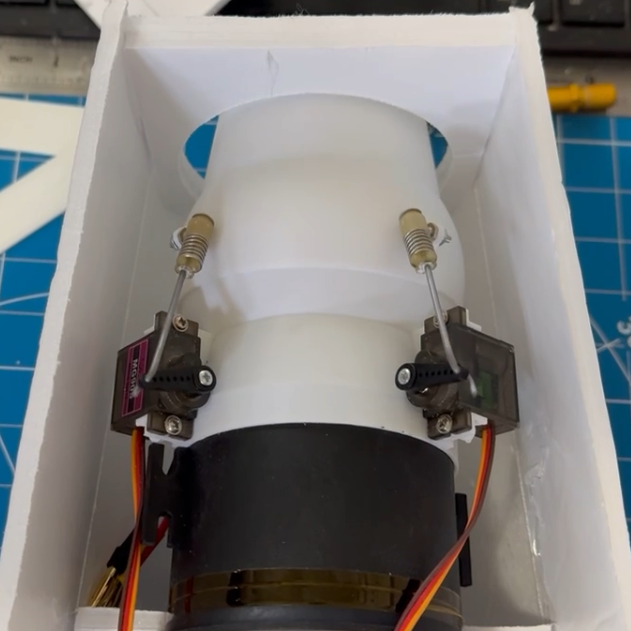
Watch This RC Jet Thrust System Dance An EDF (electric duct fan) is a motor that basically functions as a jet engine for RC aircraft. They’re built for speed, but to improve maneuverability (and because it’s super cool) [johnbecker31] designed a 3D-printable method of adjusting the EDF’s thrust forum.flitetest.com/index.php?…


Watch This RC Jet Thrust System Dance

An EDF (electric duct fan) is a motor that basically functions as a jet engine for RC aircraft. They’re built for speed, but to improve maneuverability (and because it’s super cool) [johnbecker31] designed a 3D-printable method of adjusting the EDF’s thrust on demand.
Before 3D printers were common, making something like this would have been much more work.
The folks at Flite Test released a video in which they built [john]’s design into a squat tester jet that adjusts thrust in sync with the aircraft’s control surfaces, as you can see in the header image above. Speaking of control surfaces, you may notice that test aircraft lacks a rudder. That function is taken over by changing the EDF’s thrust, although it still has ailerons that move in sync with the thrust system.

EDF-powered aircraft weren’t really feasible in the RC scene until modern brushless electric motors combined with the power density of lithium-ion cells changed all that. And with electronics driving so much, and technology like 3D printers making one-off hardware accessible to all, the RC scene continues to be fertile ground for all sorts of fascinating experimentation. Whether it’s slapping an afterburner on an EDF or putting an actual micro jet engine on an RC car.

youtube.com/embed/LIRXDUgKlkM?…

youtube.com/embed/5or-egAm_4g?…


The Privacy Post reshared this.

The Privacy Post ha ricondiviso questo.

The media in this post is not displayed to visitors. To view it, please go to the original post.

How Ten Turn Pots Are Made
poliverso.org/display/0477a01e…
How Ten Turn Pots Are Made It is easy to think of a potentiometer as a simple device, but there are many nuances. For example, some pots are linear — a change of a few degrees at the low end will change the resistance the same amount as the same few degrees at the high end. Others are logarithmic. Changes at one end of the scale are more dramatic than at the other end of the scale. But for very pr


How Ten Turn Pots Are Made

It is easy to think of a potentiometer as a simple device, but there are many nuances. For example, some pots are linear — a change of a few degrees at the low end will change the resistance the same amount as the same few degrees at the high end. Others are logarithmic. Changes at one end of the scale are more dramatic than at the other end of the scale. But for very precise use, you often turn to the infamous ten-turn pot. Here, one rotation of the knob is only a tenth of the entire range. [Thomas] shows us what’s inside a typical one in the video below.

When you need a precise measurement, such as in a bridge instrument, these pots are indispensable. [Thomas] had a broken one and took that opportunity to peer inside. The resistor part is a coil of wire wound around the inside of the round body. Unsurprisingly, there are ten turns of wire that make up the coil.

The business end, of course, is in the rotating part attached to the knob. A small shuttle moves up and down the shaft, making contact with the resistance wire and a contact for the wiper. The solution is completely mechanical and dead simple.

As [Thomas] notes, these are usually expensive, but you can — of course — build your own. These are nice for doing fine adjustments with precision power supplies, too.

youtube.com/embed/bZ7jDXMOQdU?…


The Privacy Post reshared this.

The Privacy Post ha ricondiviso questo.

CrowdStrike emette un comunicato stampa ufficiale: “Siamo profondamente dispiaciuti”
poliverso.org/display/0477a01e…
CrowdStrike emette un comunicato stampa ufficiale: “Siamo profondamente dispiaciuti” Avevamo riportato questo pomeriggio un commento arrivato in redazione da parte di CrowdStrike sull’accaduto. Intorno alle 13:25 ET, l’azienda emette un comunicato sul loro sito web che prosegue redhotcyber.com/post/crowdstri…


CrowdStrike emette un comunicato stampa ufficiale: “Siamo profondamente dispiaciuti”

Avevamo riportato questo pomeriggio un commento arrivato in redazione da parte di CrowdStrike sull’accaduto. Intorno alle 13:25 ET, l’azienda emette un comunicato sul loro sito web che prosegue quanto anticipato nel commento di questo pomeriggio.

Rispetto al commento di questo pomeriggio, CrowdStrike riconosce la gravità della situazione e si scusa profondamente per l’inconveniente e l’interruzione causati. L’azienda sta lavorando in stretta collaborazione con tutti i clienti interessati per garantire che i loro sistemi siano rapidamente riportati alla piena operatività, permettendo loro di continuare a fornire i servizi critici su cui i loro clienti fanno affidamento.
CrowdStrike sta lavorando attivamente con i clienti interessati da un difetto trovato in un singolo aggiornamento di contenuto per gli host Windows. Gli host Mac e Linux non sono interessati. Non si è trattato di un attacco informatico.

Il problema è stato identificato, isolato e una correzione è stata distribuita. Rimandiamo i clienti al portale di supporto per gli ultimi aggiornamenti e continueremo a fornire aggiornamenti completi e continui sul nostro sito web.

Raccomandiamo inoltre alle organizzazioni di assicurarsi di comunicare con i rappresentanti di CrowdStrike attraverso i canali ufficiali.

Il nostro team è completamente mobilitato per garantire la sicurezza e la stabilità dei clienti di CrowdStrike.

Comprendiamo la gravità della situazione e siamo profondamente dispiaciuti per l'inconveniente e l'interruzione. Stiamo lavorando con tutti i clienti interessati per garantire che i sistemi siano di nuovo operativi e possano fornire i servizi su cui i loro clienti contano.

Assicuriamo ai nostri clienti che CrowdStrike sta funzionando normalmente e che questo problema non influisce sui nostri sistemi della piattaforma Falcon. Se i tuoi sistemi stanno funzionando normalmente, non vi è alcun impatto sulla loro protezione se il sensore Falcon è installato.

Di seguito è riportato l'ultimo CrowdStrike Tech Alert con maggiori informazioni sul problema e sulle misure alternative che le organizzazioni possono adottare. Continueremo a fornire aggiornamenti alla nostra community e al settore non appena saranno disponibili.
Per maggiori dettagli, CrowdStrike ha pubblicato un Tech Alert contenente informazioni dettagliate sul problema riscontrato e sulle misure alternative che le organizzazioni possono adottare. L’azienda continuerà a fornire aggiornamenti alla propria community e all’intero settore non appena nuove informazioni saranno disponibili.

CrowdStrike rimane fermamente impegnata a garantire la sicurezza dei propri clienti e a fornire soluzioni rapide ed efficaci a qualsiasi problema che possa emergere. La fiducia e la sicurezza dei clienti rimangono la priorità assoluta dell’azienda.

Di seguito alcune indicazioni riportati nel comunicato stampa di CS:

  • I sintomi includono l’errore bugcheck\blue screen relativo al sensore Falcon.
  • Gli host Windows che non sono stati interessati non necessitano di alcuna azione poiché il file del canale problematico è stato ripristinato.
  • Anche gli host Windows che vengono attivati ​​dopo le 05:27 UTC non saranno interessati
  • Gli host che eseguono Windows 7/2008 R2 non sono interessati
  • Questo problema non ha alcun impatto sugli host basati su Mac o Linux
  • Il file del canale “C-00000291*.sys” con timestamp 0527 UTC o successivo è la versione ripristinata (corretta).
  • Il file del canale “C-00000291*.sys” con timestamp 0409 UTC è la versione problematica.
    • Nota: è normale che nella directory CrowdStrike siano presenti più file “C-00000291*.sys”. Finché uno dei file nella cartella ha una marca temporale pari o successiva alle 05:27 UTC, quello sarà il contenuto attivo.


È doveroso riportare che, nonostante la gravità estrema degli impatti di questo incidente, l’azienda ha incluso delle scuse nel proprio comunicato stampa, un gesto non sempre scontato tra le aziende tecnologiche statunitensi. Ci auguriamo che questo episodio induca a riflessioni profonde sulla natura interdipendente delle infrastrutture moderne. Anche un piccolo difetto può innescare un effetto a cascata devastante, sottolineando la necessità di una vigilanza costante e di un’attenzione meticolosa nella gestione di tali sistemi complessi.

L'articolo CrowdStrike emette un comunicato stampa ufficiale: “Siamo profondamente dispiaciuti” proviene da il blog della sicurezza informatica.


The Privacy Post reshared this.

The Privacy Post ha ricondiviso questo.

The media in this post is not displayed to visitors. To view it, please go to the original post.

Hackaday Podcast Episode 280: TV Tubes as Amplifiers, Smart Tech in Sportsballs, and Adrian Gives Us the Fingie
poliverso.org/display/0477a01e…
Hackaday Podcast Episode 280: TV Tubes as Amplifiers, Smart Tech in Sportsballs, and Adrian Gives Us the Fingie Despite the summer doldrums, it was another big week in the hacking world, and Elliot sat down with Dan for a rundown. Come along for the ride as Dan betrays his total ignorance of soccer/football, much to


Hackaday Podcast Episode 280: TV Tubes as Amplifiers, Smart Tech in Sportsballs, and Adrian Gives Us the Fingie

Despite the summer doldrums, it was another big week in the hacking world, and Elliot sat down with Dan for a rundown. Come along for the ride as Dan betrays his total ignorance of soccer/football, much to Elliot’s amusement. But it’s all about keeping the human factor in sports, so we suppose it was worth it. Less controversially, we ogled over a display of PCB repair heroics, analyzed a reverse engineering effort that got really lucky, and took a look at an adorable one-transistor ham transceiver. We also talked about ants doing surgery, picking locks with nitric acid, a damn cute dam, and how to build one of the world’s largest machines from scratch in under a century. Plus, we answered the burning question: can a CRT be used as an audio amplifier? Yes, kind of, but please don’t let the audiophiles know or we’ll never hear the end of it.

html5-player.libsyn.com/embed/…
Where to Follow Hackaday Podcast

Places to follow Hackaday podcasts:


Worried about attracting the Black Helicopters? Download the DRM-free MP3 and listen offline, just in case.

Episode 280 Show Notes:

News:


What’s that Sound?


Interesting Hacks of the Week:


Quick Hacks:


Can’t-Miss Articles:


The Privacy Post reshared this.

The Privacy Post ha ricondiviso questo.

The media in this post is not displayed to visitors. To view it, please go to the original post.

Supercon 2023: [Pierce Nichols] is Teaching Robots To Sail
poliverso.org/display/0477a01e…
Supercon 2023: [Pierce Nichols] is Teaching Robots To Sail Sailing the high seas with the wind conjures a romantic notion of grizzled sailors fending off pirates and sea monsters, but until the 1920s, wind-powered vessels were the primary way goods traveled the sea. The meager weather-prediction capabilities of the early 20th Century spelled the end of the sailing ship


Supercon 2023: [Pierce Nichols] is Teaching Robots To Sail

An image of a man in glasses in a circle placed on a black background. The title "Pierce Nichols: Teaching Robots to Sail" is on white lettering in the bottom left corner.

Sailing the high seas with the wind conjures a romantic notion of grizzled sailors fending off pirates and sea monsters, but until the 1920s, wind-powered vessels were the primary way goods traveled the sea. The meager weather-prediction capabilities of the early 20th Century spelled the end of the sailing ship for most cargo, but cargo ships currently spend half of their operating budget on fuel. Between the costs and growing environmental concerns, [Pierce Nichols] thinks the time may be right for a return to sails.

[Nichols] grew up on a sailing vessel with his parents, and later worked in the aerospace industry designing rockets and aircraft control surfaces. Since sailing is predominantly an exercise in balancing the aerodynamic forces of the sails with the hydrodynamic forces acting on the keel, rudder, and hull of the boat, he’s the perfect man for the job.

WhileAn image of a sailing polar diagram on the left next to the words "A) Dead upwind (“in irons”) B) Close-hauled C) Beam reach (90˚ to the wind - fastest for sailing vessels D) Broad reach E) Run" The letters correspond to another diagram of a sailboat from the top showing it going directly into the wind (A), slightly into (B), perpendicular to (C), slightly away (D), and directly away from the wind / downwind (E). the first sails developed by humans were simple drag devices, sailors eventually developed airfoil sails that allow sailing in directions other than downwind. A polar diagram for a vessel gives you a useful chart of how fast it can go at a given angle to the wind. Sailing directly into the wind is also known as being “in irons” as it doesn’t get you anywhere, but most other angles are viable.

After a late night hackerspace conversation of how it would be cool to circumnavigate the globe with a robotic sailboat, [Nichols] assembled a team to move the project from “wouldn’t it be cool” to reality with the Pathfinder Prototype. Present at the talk, this small catamaran uses two wing sails to provide its primary propulsion. Wing sails, being a solid piece, are easier for computers to control since soft sails often exhibit strange boundary conditions where they stop responding to inputs as expected.

In its first iteration, An orange catamaran with two orange sails sticking up out of the starboard hull. A number of antennae and instruments jut out from the deck.Pathfinder was controlled with Ardupilot and servos directly attached to the wing sails. For this application, [Nichols] and his team found that the program was unable to successfully navigate multiple points and was difficult to edit due to its monolithic nature. A rebuild of the boat with a new cellular modem instead of Wi-Fi, bigger batteries, and a power switch changed to PX4 for control. They found that using cross-tack error, or the deviation from a straight line between waypoints works well for confined waters with well-documented hazards, but in open water “best velocity made good” can be more efficient.

With some experience under their belt, the crew was able to secure funding to build a larger test vessel. With a cheap catamaran and 400 square feet of rental space, this vessel was equipped with two wing sails on one of the hulls and commenced testing in the Puget Sound. Keeping the wing sails on a single hull keeps the deck clear for cargo without significantly affecting performance.

Despite some setbacks, like breaking apart and sinking, the new vessel is yielding lots of interesting data which will lead to the first operating full-scale vessels. These will be designed to carry one or two ISO standard shipping containers to rural locations. Current regulations require a small crew aboard the boat, but [Nichols] hopes that the research they’ve been doing on autonomous vessel control will lead to fully autonomous trips in the future to help make deliveries to Alaska or other remote places more economical.

Further down the line, larger vessels will be able to handle hundreds or thousands of containers. Toward the end of the talk, [Nichols] gave us a list of resources for anyone interested in pursuing nautical hacks including many works by C.A. Marchaj or looking into the Amateur Yacht Research Society to “do weird things with sailboats.”

youtube.com/embed/e2eV3SHpBEE?…


The Privacy Post reshared this.

The Privacy Post ha ricondiviso questo.

The media in this post is not displayed to visitors. To view it, please go to the original post.

Play Ransomware Rivendica l’Attacco al Colosso MIPS
poliverso.org/display/0477a01e…
Play Ransomware Rivendica l’Attacco al Colosso MIPS Nelle ultime ore, il sito di Data Leak della redhotcyber.com/post/il-ransom… gang Play Ransomware ha pubblicato una nuova rivendicazione: il colosso MIPS Technologies (mips.com/feed) è stato vittima di un attacco. Sebbene la pubblicazione ufficiale sia prevista per


Play Ransomware Rivendica l’Attacco al Colosso MIPS

Nelle ultime ore, il sito di Data Leak della ransomware gang Play Ransomware ha pubblicato una nuova rivendicazione: il colosso MIPS Technologies (www.mips.com) è stato vittima di un attacco.

Sebbene la pubblicazione ufficiale sia prevista per il 19 luglio 2024, il sito ha già reso pubblici alcuni dettagli, accrescendo la preoccupazione tra i partner e i clienti dell’azienda.

Play Ransomware

Play Ransomware è una delle numerose gang di ransomware emerse negli ultimi anni. Questi gruppi criminali operano criptando i dati delle vittime e richiedendo un riscatto per il ripristino. Play Ransomware si distingue per la sua strategia di pubblicazione dei dati rubati su siti di Data Leak, aumentando la pressione sulle vittime per pagare il riscatto.

La gang ha recentemente negato di offrire il servizio di Ransomware-as-a-Service (RaaS), una modalità in cui gli affiliati possono utilizzare il ransomware in cambio di una quota dei proventi. Questo è stato chiarito nel loro sito di Data Leak con un avviso prominente, probabilmente per evitare confusione e preservare la loro reputazione operativa.

Play Ransomware è noto per sfruttare vulnerabilità in applicazioni pubbliche e per utilizzare credenziali di account rubate per ottenere accesso iniziale ai sistemi delle vittime. Un esempio significativo è lo sfruttamento della vulnerabilità “Citrix Bleed” (CVE-2023-4966), che ha permesso al gruppo di accedere a informazioni sensibili e di condurre attacchi mirati​​.

Una volta ottenuto l’accesso, il gruppo utilizza una varietà di strumenti legittimi ma compromessi per eseguire le sue operazioni. Tra questi ci sono PowerShell, Cobalt Strike, Mimikatz, e WinSCP, utilizzati per il movimento laterale, l’esfiltrazione di dati e la persistenza all’interno delle reti compromesse.

Play Ransomware ha colpito oltre 300 organizzazioni in tutto il mondo, incluse infrastrutture critiche e città importanti come Oakland e Lowell, causando significative interruzioni delle operazioni e il furto di dati sensibili​​. Il gruppo tende a focalizzarsi su piccole e medie imprese, fornitori di servizi gestiti e enti governativi, con una particolare attenzione per Nord America e Europa​​.

Il gruppo non inserisce le richieste di riscatto direttamente nelle note di riscatto, ma invita le vittime a contattarli via email, solitamente con domini terminanti in @gmx.de. I pagamenti sono richiesti in criptovalute, aggiungendo un ulteriore livello di anonimato e difficoltà per le forze dell’ordine nel tracciamento dei fondi​​.

Play ransomware scala la vetta. 300 attacchi informatici riusciti in poco più di un anno


redhotcyber.com/post/play-rans…

MIPS Technologies: Una Breve Storia

MIPS Technologies è un nome di rilievo nel campo della tecnologia dei microprocessori. Fondata negli anni ’80, l’azienda è stata pioniera nello sviluppo di architetture di microprocessori RISC (Reduced Instruction Set Computing). Questi processori hanno trovato applicazioni in vari settori, dai dispositivi embedded ai server e ai sistemi di telecomunicazione.

I Successi e le Innovazioni

Nel corso degli anni, MIPS ha introdotto numerose innovazioni che hanno rivoluzionato il mondo della tecnologia dei microprocessori. Le loro architetture RISC sono state adottate in un’ampia gamma di applicazioni, dimostrando l’efficacia e la flessibilità dei loro design. L’azienda ha continuato a evolversi, espandendo il suo portafoglio di prodotti e mantenendo una posizione di rilievo nel settore tecnologico globale.

L’Attacco e le Conseguenze Potenziali

Secondo le informazioni presenti sul sito di Play Ransomware, l’attacco ha compromesso una quantità non specificata di dati riservati, inclusi documenti confidenziali privati e personali, documenti dei clienti, budget, buste paga, contabilità, contratti, informazioni fiscali, ID e altre informazioni finanziarie. L’attacco è stato aggiunto al sito il 17 luglio 2024 e la pubblicazione completa è prevista per il 19 luglio 2024.

Al momento, non possiamo confermare con precisione la veridicità della violazione, poiché l’organizzazione non ha ancora rilasciato alcun comunicato stampa ufficiale sul proprio sito web riguardo l’incidente. Tuttavia, se confermata, la fuga di dati potrebbe includere informazioni sensibili sui clienti, dettagli interni sui progetti in corso e altri dati critici.

Considerazioni Finali

Questo articolo dovrebbe essere considerato come una ‘fonte di intelligence’ piuttosto che una conferma definitiva della fuga di dati. L’attesa di una dichiarazione ufficiale da parte di MIPS Technologies è cruciale per verificare l’entità dell’attacco e comprendere le misure che l’azienda intende adottare per mitigare i danni.

Come nostra consuetudine, lasciamo sempre spazio ad una dichiarazione da parte dell’azienda qualora voglia darci degli aggiornamenti sulla vicenda. Saremo lieti di pubblicare tali informazioni con uno specifico articolo dando risalto alla questione.

RHC monitorerà l’evoluzione della vicenda in modo da pubblicare ulteriori news sul blog, qualora ci fossero novità sostanziali. Qualora ci siano persone informate sui fatti che volessero fornire informazioni in modo anonimo possono utilizzare la mail crittografata del whistleblower.

L'articolo Play Ransomware Rivendica l’Attacco al Colosso MIPS proviene da il blog della sicurezza informatica.


The Privacy Post reshared this.

The Privacy Post ha ricondiviso questo.

The media in this post is not displayed to visitors. To view it, please go to the original post.

Crisi Digitale nel Regno Unito: L’interruzione Globale crea problemi ai malati di cancro
poliverso.org/display/0477a01e…
Crisi Digitale nel Regno Unito: L’interruzione Globale crea problemi ai malati di cancro Il Regno Unito sta affrontando una grave crisi sanitaria a causa di un’interruzione globale dei sistemi IT basati su Windows causata da un aggiornamento del sensorehttps://www.redhotcyber.com/post/windows-in-crisi-globale-servizi-di-emergenza-e-banche-blo


Crisi Digitale nel Regno Unito: L’interruzione Globale crea problemi ai malati di cancro

Il Regno Unito sta affrontando una grave crisi sanitaria a causa di un’interruzione globale dei sistemi IT basati su Windows causata da un aggiornamento del sensore Falcon di CrowdStrike .

In precedenza abbiamo segnalato che una massiccia interruzione ha colpito molte organizzazioni in decine di paesi in cui venivano utilizzate le soluzioni di sicurezza delle informazioni CrowdStrike. A causa delle cicliche “schermate blu della morte” (BSOD), molti canali TV sono stati costretti a interrompere le loro trasmissioni e alcuni scambi sono stati costretti a interrompere le negoziazioni. Decine di aeroporti hanno cancellato o riprogrammato i voli in massa a causa dell’impossibilità di effettuare il check-in dei passeggeri.

Il fallimento globale probabilmente ha scosso i nervi di centinaia di migliaia di persone, ma la conseguenza più grave di questo incidente, senza dubbio, possono essere definiti problemi nei sistemi medici, e in particolare nel sistema britannico Varian, utilizzato per la radioterapia dei malati di cancro .

Il Royal Surrey Trust, uno dei clienti di Varian Medical Systems, ha annunciato oggi che le sessioni di trattamento mattutino per i malati di cancro sono state annullate a causa di un’interruzione globale.

Successivamente i servizi di radioterapia sono stati ripristinati, ma la situazione in sé era fuori dall’ordinario: le persone malate di cancro non potevano ricevere le cure programmate. Questo è abbastanza serio. E mentre i sistemi Varian sono tornati online, si prevede che alcune interruzioni delle apparecchiature mediche continueranno nella prossima settimana.

Varian è il secondo sistema più grande del Regno Unito ad essere interessato dall’interruzione causata dall’aggiornamento CrowdStrike. Il primo sistema, EMIS, è utilizzato dalla maggior parte dei medici di famiglia nel Regno Unito.

Numerosi enti NHS nel Regno Unito, tra cui gli ospedali universitari Barking, Havering e Redbridge, l’East and North Hertfordshire NHS Trust e il Beatson West of Scotland Cancer Centre, hanno confermato pubblicamente l’uso delle apparecchiature Varian. Gli esperti di queste agenzie hanno confermato che i sistemi Varian sono ancora operativi, ma la direzione sta ora determinando l’intera portata dell’impatto dell’incidente.

Nonostante le conseguenze estremamente gravi, l’incidente non può essere classificato come attacco informatico in quanto non era di natura dannosa. Gli esperti di CrowdStrike hanno rapidamente sospeso l’implementazione degli aggiornamenti quando hanno appreso del problema tecnico e hanno quindi rilasciato rapidamente una soluzione.

Tuttavia, i computer già colpiti dal guasto dovranno molto probabilmente essere ripristinati manualmente per un lungo periodo e in modo noioso, poiché la “schermata blu della morte” appare immediatamente dopo l’avvio di Windows. Non puoi farlo senza accedere alla modalità provvisoria ed eliminare manualmente i file problematici.

Questa misura non rappresenta un grosso problema per le piccole organizzazioni, ma per le aziende con flotte di migliaia di computer, la portata dei lavori risulta complicata. Per questo motivo, il ripristino completo di tutti i sistemi interessati potrebbe richiedere del tempo.

L'articolo Crisi Digitale nel Regno Unito: L’interruzione Globale crea problemi ai malati di cancro proviene da il blog della sicurezza informatica.


The Privacy Post reshared this.

The Privacy Post ha ricondiviso questo.

CrowdStrike invia un commento a RHC: Aggiornamento Windows In Progress
poliverso.org/display/0477a01e…
CrowdStrike invia un commento a RHC: Aggiornamento Windows In Progress Come abbiamo visto nella giornata di oggi, un disservizio a livello globale redhotcyber.com/post/windows-i… ha colpito i sistemi operativi windows, che non sono riusciti ad avviarsi a


CrowdStrike invia un commento a RHC: Aggiornamento Windows In Progress

Come abbiamo visto nella giornata di oggi, un disservizio a livello globale ha colpito i sistemi operativi windows, che non sono riusciti ad avviarsi a causa di un aggiornamento difettoso della soluzione CrowdStrike.

Le soluzioni tecnologiche di oggi sono sempre più dipendenti l’una dalle altre, e quanto avvenuto ci ricordano l’importanza di una riflessione profonda oltre il giudizio immediato nelle questioni di sicurezza informatica che riguardano le infrastrutture critiche.

Poco fa è arrivato un commento da CrowdStrike alla redazione di Red Hot Cyber che ci ha fornito chiaramente indicazioni che non si tratta di un attacco informatico, come alcuni hanno ipotizzato. Si è trattato di un problema tecnico relativo ad “un singolo aggiornamento” che ha comportato il disservizio e che ora sono pronti gli aggiornamenti per il ripristino completo.

“CrowdStrike sta lavorando attivamente con i clienti colpiti da un difetto riscontrato in un singolo aggiornamento dei contenuti per gli host Windows. Gli host Mac e Linux non sono interessati.

Questo non è un incidente di sicurezza o un attacco informatico. Il problema è stato identificato, isolato ed è stata implementata una soluzione.

Rimandiamo i clienti al portale di supporto per gli ultimi aggiornamenti e continueremo a fornire aggiornamenti completi e continui sul nostro sito web.

Raccomandiamo inoltre alle organizzazioni di assicurarsi di comunicare con i rappresentanti di CrowdStrike attraverso canali ufficiali. Il nostro team è completamente mobilitato per garantire la sicurezza e la stabilità dei clienti CrowdStrike”.

Mentre CrowdStrike lavora da sempre e incessantemente per mettere in sicurezza le nostre infrastrutture critiche – e ora per risolvere il problema contingente – questo incidente sottolinea l’importanza di una gestione rigorosa e preventiva della sicurezza informatica.

È essenziale che le organizzazioni siano preparate e attente a rispondere rapidamente a tali crisi e che collaborino strettamente con i fornitori di sicurezza per mitigare i rischi.

Rimaniamo in attesa di ulteriori aggiornamenti da CrowdStrike, sperando che la situazione sia in risoluzione e che le lezioni apprese in questa convulsa giornata possano contribuire a prevenire future interruzioni di questa portata e a fare come di consueto “lesson learned” per tutti!

L'articolo CrowdStrike invia un commento a RHC: Aggiornamento Windows In Progress proviene da il blog della sicurezza informatica.


The Privacy Post reshared this.

The Privacy Post ha ricondiviso questo.

The media in this post is not displayed to visitors. To view it, please go to the original post.

So You Can Tuna Fish
poliverso.org/display/0477a01e…
So You Can Tuna Fish You know what they say. But it’s 2024, after all. Shouldn’t you be able to tune a fish by now? As [ChromaLock] shows us in the video below youtube.com/watch?v=F2y92obnsc…, it’s absolutely possible, and has been all along.Of course, you can’t possibly put a rainbow trout (or any other fish) under tension until it produces audible tones. So, how does it work? [Chroma


So You Can Tuna Fish

A tuna fish with several probes sticking out of it.

You know what they say. But it’s 2024, after all. Shouldn’t you be able to tune a fish by now? As [ChromaLock] shows us in the video below, it’s absolutely possible, and has been all along.

Of course, you can’t possibly put a rainbow trout (or any other fish) under tension until it produces audible tones. So, how does it work? [ChromaLock] turned to the skin, which functions electrically much like ours does with different resistance values in different areas.

A cucumber with a dozen or so probes sticking out of it, lined up in a 3D-printed jig.From there, it was a matter of hunting around for spots that produced different notes that sounded good, and marking them for later so it can be played like a potentiometer. But there were problems with this setup, mostly screeching between notes from stray voltages in the environment.

After a brief detour using a PS/2 keyboard with spray-painted keycaps, [ChromaLock] said to hell with it and unearthed a regular MIDI keyboard. Armed with a 3D printed jig to hold the probes, [ChromaLock] tested everything with a cucumber, and then out came the trout for its musical debut. Be sure to check it out after the break.

What else can you do with canned tuna and other fish? Cook up some pyrolized bread, and you’ve got yourself a foundry and crucible.

youtube.com/embed/F2y92obnsc0?…

Thanks to [Zixxorb] for the tip!


The Privacy Post reshared this.

The Privacy Post ha ricondiviso questo.

The media in this post is not displayed to visitors. To view it, please go to the original post.

This Week in Security: Snowflake, The CVD Tension, and Kaspersky’s Exit — And Breaking BSOD
poliverso.org/display/0477a01e…
This Week in Security: Snowflake, The CVD Tension, and Kaspersky’s Exit — And Breaking BSOD In the past week, AT&T has announced an absolutely massive data breach arstechnica.com/tech-policy/20…. This is sort of a multi-layered story, but it gives me an


This Week in Security: Snowflake, The CVD Tension, and Kaspersky’s Exit — And Breaking BSOD

In the past week, AT&T has announced an absolutely massive data breach. This is sort of a multi-layered story, but it gives me an opportunity to use my favorite piece of snarky IT commentary: The cloud is a fancy way to talk about someone else’s servers. And when that provider has a security problem, chances are, so do you.

The provider in question is Snowflake, who first made the news in the Ticketmaster breach. As far as anyone can tell, Snowflake has not actually been directly breached, though it seems that researchers at Hudson Rock briefly reported otherwise. That post has not only been taken down, but also scrubbed from the wayback machine, apparently in response to a legal threat from Snowflake. Ironically, Snowflake has confirmed that one of their former employees was compromised, but Snowflake is certain that nothing sensitive was available from the compromised account.

At this point, it seems that the twin problems are that big organizations aren’t properly enforcing security policy like Two Factor Authentication, and Snowflake just doesn’t provide the tools to set effective security policy. The Mandiant report indicates that all the breaches were the result of credential stealers and other credential-based techniques like credential stuffing.

Cisco’s Easy Password Reset


Cisco has patched a vulnerability in the Smart Software Manager On-Prem utility, a tool that allows a business to manage their own Cisco licenses. The flaw was a pretty nasty one, where any user could change the password of any other user.

While there are no workarounds, an update with the fix has been released for free. As [Dan Goodin] at Ars speculates, full administrative access to this management console could provide unintended access to all the rest of the Cisco gear in a given organization. This seems like one to get patched right away.

Bye Bye Kaspersky


Kaspersky Labs has officially started started winding down their US operations, as a direct result of the US Commerce Department ban. As a parting gift, anyone who wants it gets a free six-month subscription.

Just a reminder, any Kaspersky installs will stop getting updates at that six-month mark, so don’t forget to go on a Kaspersky uninstall spree at that time. We’ve got the twin dangers, that the out-of-date antivirus could prevent another solution like Windows Defender from running, and that security products without updates are a tempting target for escalation of privilege attacks.

Uncoordinated Vulnerability Disclosure


Let’s chat a bit about coordinated vulnerability disclosure. That’s the process when a researcher finds a vulnerability, privately reports it to the vendor, and together they pick a date to make the details public, usually somewhere around 90 or 120 days from disclosure. The researcher gets credit for the find, sometimes a bug bounty payout, and the vendor fixes their bug.

Things were not always this way. Certain vendors were once well known for ignoring these reports for multiple months at a time, only to rush out a fix if the bug was exploited in the wild. This slapdash habit led directly to our current 90-day industry standard. And in turn, a strict 90-day policy is usually enough to provoke responsible behaviors from vendors.

Usually, but not always. ZDI discovered the Internet Explorer technique that we discussed last week being used in the wild. Apparently [Haifei Li] at Check Point Research independently discovered the vulnerability, and it’s unclear which group actually reported it first. What is clear is that Microsoft dropped the ball on the patch, surprising both research teams and failing to credit the ZDI researcher at all. And as the ZDI post states, this isn’t an isolated incident:

microsoft: Exploit Code Unporoven

me: i literally gave you a compiled PoC and also exploit code

m$: No exploit code is available, or an exploit is theoretical.

me: pic.twitter.com/tIXJAbkRu4

— chompie (@chompie1337) June 12, 2024

While these are Microsoft examples, there are multiple occasions from various vendors where “coordination” simply means “You tell us everything you know about this bug, and maybe something will happen.”


Bits and Bytes


Claroty’s Team82 has documented their rather impressive entry in the 2023 Pwn2Own IoT contest. The two part series starts with a WAN side attack, targeting a router’s dynamic DNS. We briefly discussed that last week. This week is the juicy details of an unauthenticated buffer overflow, leading to RCE on the device. This demonstrates the clever and terrifying trick of attacking a network from the Internet and establishing presence on an internal device.

There are times when you really need to see into an SSL stream, like security research or auditing. Often times that’s as easy as adding a custom SSL certificate to the machine’s root store, so the application sees your forced HTTPS proxy as legitimate. In the case of Go, applications verify certificates independently of the OS, making this inspection much more difficult. The solution? Just patch the program to turn on the InsecureSkipVerify feature. The folks at Cyberark have dialed in this procedure, and even have a handy Python script for ease of use. Neat!

Speaking of tools, we were just made aware of EMBA, the EMBedded Analyzer. That’s an Open Source tool to take a look into firmware images, automatically extract useful data.

Breaking BSOD


Just as we were wrapping this week’s column, a rash of Windows Blue Screens of Death, BSODs, starting hitting various businesses around the world. The initial report suggests that it’s a Crowdstrike update gone wrong, and Crowdstrike seems to be investigating. It’s reported that renaming the C:\windows\system32\drivers\crowdstrike folder from within safe mode will get machines booting again, but note that this is not official guidance at this point.

Something super weird happening right now: just been called by several totally different media outlets in the last few minutes, all with Windows machines suddenly BSoD’ing (Blue Screen of Death). Anyone else seen this? Seems to be entering recovery mode: pic.twitter.com/DxdLyA9BLA

— Troy Hunt (@troyhunt) July 19, 2024


The Privacy Post reshared this.

The Privacy Post ha ricondiviso questo.

New note by cybersecurity
poliverso.org/display/0477a01e…
CrowdStrike e Microsoft Azure, ecco gli effetti del tilt informatico startmag.it/cybersecurity/crow… dei sistemi informatici in tutto il mondo: Microsoft ha dichiarato di non essere coinvolta, mentre CrowdStrike si è assunta la responsabilità del disservizio e sta lavorando per risolvere il problema. Ma in realtà ieri


CrowdStrike e Microsoft Azure, ecco gli effetti del tilt informatico

Caos dei sistemi informatici in tutto il mondo: Microsoft ha dichiarato di non essere coinvolta, mentre CrowdStrike si è assunta la responsabilità del disservizio e sta lavorando per risolvere il problema. Ma in realtà ieri un'interruzione anche del sistema di servizi cloud Microsoft Azure.


The Privacy Post reshared this.

The Privacy Post ha ricondiviso questo.

I fatti di oggi ci ricordano l’importanza di una riflessione profonda oltre il giudizio immediato
poliverso.org/display/0477a01e…
I fatti di oggi ci ricordano l’importanza di una riflessione profonda oltre il giudizio immediato L’attuale questione riguardante una nota azienda di sicurezza informatica redhotcyber.com/rubriche/alla-… evidenzia un fenomeno comune nella nostra era digitale: la velocità con cui le


I fatti di oggi ci ricordano l’importanza di una riflessione profonda oltre il giudizio immediato

L’attuale questione riguardante una nota azienda di sicurezza informatica evidenzia un fenomeno comune nella nostra era digitale: la velocità con cui le opinioni e gli schieramenti si formano e si diffondono, spesso senza una piena comprensione della complessità sottostante.

Mentre molti di noi sono rapidi nel giudicare, è essenziale riconoscere che le questioni di sicurezza informatica, in particolare quando coinvolgono servizi critici, richiedono una riflessione più profonda e ponderata. La sicurezza informatica non è un problema monolitico; è una rete intricata di interazioni tecniche, umane e organizzative.

Ogni vulnerabilità scoperta, ogni attacco subito, ogni disservizio globale, riguarda non solo la tecnologia ma anche la fiducia riposta nei sistemi e nelle istituzioni che li gestiscono. È necessario considerare non solo gli aspetti tecnici ma anche le implicazioni economiche, sociali e politiche.

La reazione istintiva e immediata, sebbene comprensibile, rischia di semplificare eccessivamente situazioni che invece richiedono un’analisi approfondita. La vera sfida è andare oltre i giudizi rapidi e superficiali per abbracciare un approccio che riconosca la complessità, accetti l’incertezza e si impegni in un dialogo costruttivo su come migliorare e proteggere i nostri sistemi critici.

In questo contesto, la situazione attuale dovrebbe essere un invito per una riflessione collettiva.

Ogni stakeholder, dagli esperti di sicurezza ai decisori politici, dai fornitori di servizi ai singoli cittadini, deve essere coinvolto in una conversazione continua e approfondita.

Solo in questo modo possiamo costruire una resilienza autentica e duratura contro le minacce sempre più sofisticate che affrontiamo ed affronteremo.

L'articolo I fatti di oggi ci ricordano l’importanza di una riflessione profonda oltre il giudizio immediato proviene da il blog della sicurezza informatica.


The Privacy Post reshared this.

The Privacy Post ha ricondiviso questo.

New note by cybersecurity
poliverso.org/display/0477a01e…
“Pc con schermi blu perché il bug ha messo KO i server delle società”. L’esperto spiega la causa del cyber-caos key4biz.it/pc-con-schermi-blu-… cyber-caos sarà ricordato come la giornata dei PC con gli schermi blu – Blue Screen of Death (BSOD) – con impatti negativi soprattutto nei sett


“Pc con schermi blu perché il bug ha messo KO i server delle società”. L’esperto spiega la causa del cyber-caos

Questo cyber-caos sarà ricordato come la giornata dei PC con gli schermi blu – Blue Screen of Death (BSOD) – con impatti negativi soprattutto nei settori Trasporti e Finance (anche se dobbiamo considerare una ricaduta


The Privacy Post reshared this.

The Privacy Post ha ricondiviso questo.

Viele #FreeSoftware Organisationen wie die FSFE fordern, dass die Förderung für das @NGI4eu Programm fortgesetzt wird. Ein von der @EU_Commission beauftragter Bericht bewertete das Programm vergangenen Monat positiv. Besser wäre eine langfristige Lösung.
netzpolitik.org/2024/open-sour…
The Privacy Post ha ricondiviso questo.

Recent #cybersecurity incident around #CrowdStrike and #Windows #Azure shows the problem around monocultures and control over its one technology.

It is important for Europe to evaluate own dependencies and support administrations, business and citizens alike to run secure IT. For this #softwarefreedom plays an important role.

The Privacy Post ha ricondiviso questo.

Verdict on TikTok, Von der Leyen’s promises
poliverso.org/display/0477a01e…
Verdict on TikTok, Von der Leyen’s promises The CJEU dismissed all of Bytedance's arguments as to why it shouldn't be a gatekeeper under the EU's digital rules, while re-elected Commission President von der Leyen laid out a series of promises for tech policy.euractiv.com/section/platforms…


Verdict on TikTok, Von der Leyen’s promises 


The CJEU dismissed all of Bytedance's arguments as to why it shouldn't be a gatekeeper under the EU's digital rules, while re-elected Commission President von der Leyen laid out a series of promises for tech policy.


euractiv.com/section/platforms…


The Privacy Post reshared this.

The Privacy Post ha ricondiviso questo.

New note by cybersecurity
poliverso.org/display/0477a01e…
Tutto su Crowdstrike, nella bufera per il down informatico startmag.it/cybersecurity/crow… informatico: Microsoft scarica le colpe su Crowdstrike, un'azienda di sicurezza informatica che fornisce servizi cyber. Un suo aggiornamento software ha mandato in tilt le piattaforme Windows di Microsoft. Fatti e approfondimentiL'articolo viene ricondiviso s


Tutto su Crowdstrike, nella bufera per il down informatico

Down informatico: Microsoft scarica le colpe su Crowdstrike, un'azienda di sicurezza informatica che fornisce servizi cyber. Un suo aggiornamento software ha mandato in tilt le piattaforme Windows di Microsoft. Fatti e approfondimenti

L'articolo viene ricondiviso sulla comunità Lemmy @Informatica (Italy e non Italy 😁) e proviene dalla


The Privacy Post reshared this.

The Privacy Post ha ricondiviso questo.

Parliament mulls monitoring group for AI Act implemention
poliverso.org/display/0477a01e…
Parliament mulls monitoring group for AI Act implementionThe European Parliament is discussing the establishment of a monitoring group for the implementation of the Artificial Intelligence (AI) Act, which comes into force in August, a leading EU lawmaker for the file told Euractiv.euractiv.com/section/artificia…


Parliament mulls monitoring group for AI Act implemention


The European Parliament is discussing the establishment of a monitoring group for the implementation of the Artificial Intelligence (AI) Act, which comes into force in August, a leading EU lawmaker for the file told Euractiv.


euractiv.com/section/artificia…


The Privacy Post reshared this.