The Privacy Post ha ricondiviso questo.

The media in this post is not displayed to visitors. To view it, please go to the original post.

Apple May Break Into the Hearing Aid Industry
poliverso.org/display/0477a01e…
Apple May Break Into the Hearing Aid IndustryWhen the entry of a tech giant such as Apple into a market represents its liberation from exploitation, that market must be really broken, yet the reported FDA approval of the hearing aid feature in the latest AirPod earbuds 9to5mac.com/2024/09/12/apple-j… seems to represent just that. The digital hearing aid business is notorious for its


Apple May Break Into the Hearing Aid Industry


When the entry of a tech giant such as Apple into a market represents its liberation from exploitation, that market must be really broken, yet the reported FDA approval of the hearing aid feature in the latest AirPod earbuds seems to represent just that. The digital hearing aid business is notorious for its sharp sales practices and eye-watering prices, so for all Apple’s own notoriety the news might actually represent a leap forward for consumers in that sector. We have to ask though, if Apple of all people are now the Good Guys, where has the world of electronics gone so badly wrong?

Your grandparents decades ago would have had a simple analogue hearing aid if they had one, usually a small transistor circuit and perhaps with some kind of analogue filtering. Digital aids with DSP algorithms to pick out speech arrived some time in the 1990s, and from there evolved a market in which their high prices increasingly didn’t match the cost of the technology or software involved. At least in the UK, they were sold aggressively to older people as less cumbersome or better than the National Health Service aids, and if you had an older person in the family it was routine to see pages and pages of targeted junk mail offering dubious financial schemes to pay for them.

The question then, given that a modern hearing aid has a relatively cheap microcontroller and DSP at its heart, why has the open source community not risen to the challenge? The answer is that they have, though the Tympan seems an over-expensive trinket for what it is and the LoCHAid and Open Speech Platform seem to have sunk without trace. Can we do better?

Header: Gregory Varnum, CC BY-SA 4.0 .


hackaday.com/2024/09/17/apple-…


The Privacy Post reshared this.

The Privacy Post ha ricondiviso questo.

The media in this post is not displayed to visitors. To view it, please go to the original post.

WordPress nel Mirino: Scoperti Oltre 2.800 Siti Web Compromessi – Cambia le Password Subito!
poliverso.org/display/0477a01e…
WordPress nel Mirino: Scoperti Oltre 2.800 Siti Web Compromessi – Cambia le Password Subito!Negli ultimi giorni da una ricerca di threat intelligence svolta dal gruppo DarkLab redhotcyber.com/post/nasce-dar… di Red Hot Cyber, siamo venuti a conoscenza di data leak riguardanti a più di 2,8K siti WordPress (il più diffuso CMS) compromessi


WordPress nel Mirino: Scoperti Oltre 2.800 Siti Web Compromessi – Cambia le Password Subito!


Negli ultimi giorni da una ricerca di threat intelligence svolta dal gruppo DarkLab di Red Hot Cyber, siamo venuti a conoscenza di data leak riguardanti a più di 2,8K siti WordPress (il più diffuso CMS) compromessi in ben 55 paesi differenti.

Negli ultimi anni possiamo notare come milioni di nuovi siti web vengono creati senza alcuna conoscenza di programmazione grazie all’uso di CMS (versione abbreviata di Content Management System) come WordPress. In un’importante ricerca di market share riguardante l’utilizzo dei CMS Themeisle riporta sul suo blog che:

  • Il 68,7% di tutti i siti web utilizza un CMS.
  • WordPress detiene la stragrande maggioranza del mercato CMS, con una quota di utilizzo del 62,8% , seguito da Shopify (6,2%) e Wix (3,8%) .
  • Wix è il CMS in più rapida crescita, con un tasso di crescita della quota di mercato dell’800% tra il 2016 e il 2023.
  • Tra i 1.000 siti più popolari in base al traffico, WordPress (47,3%) e Drupal (4,7%) sono quelli più comunemente utilizzati per la gestione dei contenuti.


WordPress quindi è la piattaforma su cui si basa quasi il 50% di tutti i siti web globali. La sua popolarità lo rende un obiettivo attraente per i cybercriminali, che sfruttano vulnerabilità nei plugin, nei temi o nelle configurazioni non sicure per lanciare attacchi di vario tipo.

Data Leak


Uno degli aspetti più preoccupanti emerso dalle nostre analisi di cyber threat intelligence è che quasi il 17% (487 in totale) dei siti WordPress compromessi utilizza ancora il protocollo HTTP. Questo rappresenta una falla di sicurezza critica, poiché HTTP trasmette dati in chiaro, rendendoli estremamente vulnerabili a una serie di attacchi, tra cui man-in-the-middle (MITM), intercettazione del traffico, e furto di credenziali.

Un accesso al pannello di amministrazione di WordPress con le credenziali che vengono inviate tramite HTTP, rende di fatto molto semplice l’intercettazione e sniffing dei dati a qualsiasi malintenzionato.

Nonostante i rischi evidenti, molti amministratori di siti WordPress non effettuano il passaggio a HTTPS per vari motivi: mancanza di consapevolezza, percezione che l’implementazione sia complicata o costosa, o semplicemente per inerzia. Tuttavia, i costi e la complessità dell’implementazione di HTTPS sono stati drasticamente ridotti negli ultimi anni grazie a soluzioni come Let’s Encrypt, che fornisce certificati SSL/TLS gratuiti e facili da installare.

Distribuzione Geografica


Un’analisi approfondita sulla geolocalizzazione dei siti web coinvolti nel Data Leak ha rivelato la presenza di ben 55 paesi differenti coinvolti. Questa distribuzione geografica mette in luce la leadership netta degli Stati Uniti d’America, che dominano la classifica con quasi il 50% del totale dei siti analizzati. Di seguito, vediamo i principali risultati.

Classifica dei primi 10 paesi

La Leadership degli USA


Il predominio degli Stati Uniti nella geolocalizzazione dei siti web coinvolti nel Data Leak, con quasi il 50% del totale, non è una sorpresa. Gli Stati Uniti, infatti, sono storicamente il centro nevralgico dell’infrastruttura internet globale, ospitando un numero significativo di server, data center e provider di servizi.

Il fatto che gli Stati Uniti siano così ampiamente rappresentati in questo contesto sottolinea non solo la loro importanza infrastrutturale, ma anche le sfide che affrontano in termini di gestione della sicurezza informatica e di protezione dei dati. Essere al centro della rete globale li rende un bersaglio di primaria importanza per attacchi informatici e fughe di dati.

Gli Altri Paesi in Classifica


Classifica dei primi 10 paesi escludendo US

Senza gli Stati Uniti, la Francia emerge come il paese con la maggiore incidenza, seguita dalla Germania e dall’India. Interessante è notare che Singapore (SG), nonostante sia un piccolo paese, ha una rilevante presenza con il 6.44%. Presenza questa che riflette il suo ruolo come punto di snodo tra l’Asia e il resto del mondo, e la sua infrastruttura avanzata per il traffico internet e il cloud computing.
L’Italia è anch’essa tra i primi 10 paesi, rappresentando il 5.32% dei siti coinvolti.

Questi dati offrono uno spaccato sulle dinamiche geopolitiche e sull’importanza della sicurezza informatica a livello globale, evidenziando come la distribuzione dei siti coinvolti non sia limitata ai soli grandi paesi, ma coinvolga anche altre realtà con un ruolo significativo nella rete.

L’Italia: Una Presenza Modesta ma Significativa


L’Italia contribuisce alla classifica con 76 siti web, che rappresentano il 2,68% del totale. Sebbene questa percentuale possa sembrare ridotta rispetto ai paesi leader come gli Stati Uniti o la Francia, riflette un certo livello di vulnerabilità nelle infrastrutture informatiche italiane, evidenziando la necessità di un rafforzamento delle misure di sicurezza e della consapevolezza in ambito di sicurezza informatica.

Domini


L’analisi dei domini coinvolti nel Data Leak rivela una netta prevalenza di domini appartenenti alla categoria .com, seguita da un insieme di domini nazionali e internazionali che riflettono la diversità geografica e funzionale dell’infrastruttura web globale. Vediamo in dettaglio la distribuzione e le implicazioni dei principali 10 domini compromessi:

Con il 56.31% del totale, i siti con estensione .com rappresentano la stragrande maggioranza dei domini compromessi nel data leak. Questo non sorprende, considerando che .com è l’estensione di dominio più utilizzata al mondo, destinata principalmente a scopi commerciali.

Dominio .org: Organizzazioni Non Profit a Rischio


Con il 5.53%, il dominio .org occupa il secondo posto nella classifica. Questo dominio è comunemente utilizzato da organizzazioni non profit, enti di beneficenza, e istituzioni educative. La presenza significativa di siti .org indica che anche queste organizzazioni sono sempre più spesso sul mirino dei cyber criminali

IdPs


Un altro dato rilevante emerso dall’analisi riguarda la varietà di Identity Providers (IdPs) coinvolti. In totale, più di 200 diversi IdPs risultano associati ai siti compromessi, dimostrando che la vulnerabilità non è confinata a un solo provider di servizi web, ma è diffusa su scala globale. Qui sotto presentiamo una classifica dei primi 20 IdPs, responsabili della gestione di un numero significativo di siti compromessi.

Cloudflare e Hostinger probabilmente dominano queste classifiche a causa della loro vasta base di clienti e della popolarità dei loro servizi di hosting tra i siti WordPress. Tuttavia, la presenza di provider come Google LLC, GoDaddy.com, LLC, e Hetzner Online GmbH sottolinea ancora una volta che nessuna piattaforma è immune agli attacchi.

La diversità degli IdPs coinvolti indica che la vulnerabilità dei siti WordPress non dipende esclusivamente dal provider di hosting, ma soprattutto da come gli utenti configurano e proteggono i propri siti.

Tra i vari Identity Providers (IdP) coinvolti nella compromissione dei siti WordPress, toviamo anche l’Italiana Aruba S.p.A., uno dei principali provider di servizi di hosting in Italia, figura nella classifica con il 19° posto, rappresentando lo 0.67% dei siti compromessi. Nonostante la percentuale relativamente bassa rispetto a giganti globali come Cloudflare o Hostinger, la presenza di Aruba S.p.A. in questa lista mette in evidenza la diffusione del problema anche tra provider di hosting locali e ben consolidati.

Conclusioni


I dati presentati in questo articolo sono basati su fonti di threat intelligence e, pur non essendo verificati, ci forniscono spunti significativi per riflettere su alcune questioni chiave della sicurezza informatica.

Da un lato, l’uso di sistemi CMS, come WordPress, ha reso la creazione di siti web più accessibile e immediata, semplificando notevolmente il processo per utenti di ogni livello. Tuttavia, questa semplicità ha un costo: la gestione di un sito web richiede un impegno costante in termini di manutenzione e sicurezza. Gli amministratori di siti devono adottare le best practice di sicurezza per WordPress, come l’aggiornamento regolare del core, dei plugin e dei temi, l’implementazione WAF, firewall, autenticazione a più fattori, etc…

Un altro aspetto critico evidenziato dai dati riguarda l’uso ancora diffuso del protocollo HTTP per il traffico web. Con il 17% dei siti WordPress compromessi che continuano a utilizzare HTTP, è evidente il grave rischio per la privacy e l’integrità dei dati che ciò comporta. Il passaggio a HTTPS non è più una scelta opzionale, ma una necessità urgente per chiunque gestisca un sito, soprattutto in contesti in cui la sicurezza è fondamentale. HTTPS protegge non solo i dati degli utenti, ma rafforza anche la fiducia e la credibilità del sito.

In conclusione, proteggere i siti WordPress dalle compromissioni su larga scala richiede una configurazione adeguata e l’adozione di soluzioni di sicurezza avanzate. Oltre all’uso di certificati SSL/TLS e alla regolare manutenzione, è essenziale che gli amministratori rimangano vigili di fronte alle nuove minacce emergenti.Infine, la distribuzione dei domini coinvolti nel data leak sottolinea come la vulnerabilità non riguardi solo le grandi aziende commerciali, ma coinvolga anche organizzazioni non profit, governi, medie piccole imprese, liberi professionisti, etc… Questo dato ci ricorda che la sicurezza informatica è una priorità globale, e ogni settore, sia pubblico che privato, è potenzialmente a rischio. In un mondo sempre più digitalizzato, proteggere i propri sistemi non è più solo una questione tecnica, ma una priorità strategica.

L'articolo WordPress nel Mirino: Scoperti Oltre 2.800 Siti Web Compromessi – Cambia le Password Subito! proviene da il blog della sicurezza informatica.


The Privacy Post reshared this.

The Privacy Post ha ricondiviso questo.

The media in this post is not displayed to visitors. To view it, please go to the original post.

The Rise of Self-Cleaning, Cat-Killing Litter Boxes
poliverso.org/display/0477a01e…
The Rise of Self-Cleaning, Cat-Killing Litter BoxesMachines that automate the various tedious tasks that come with being a servant in a cat’s household — like feeding and cleaning Mr. Fluffles’ litter box — are generally a godsend, as they ensure a happy cat and a happy human. That is, unless said litter box-cleaning robot kills said cat. That’s the gruesome topic that [Philip


The Rise of Self-Cleaning, Cat-Killing Litter Boxes


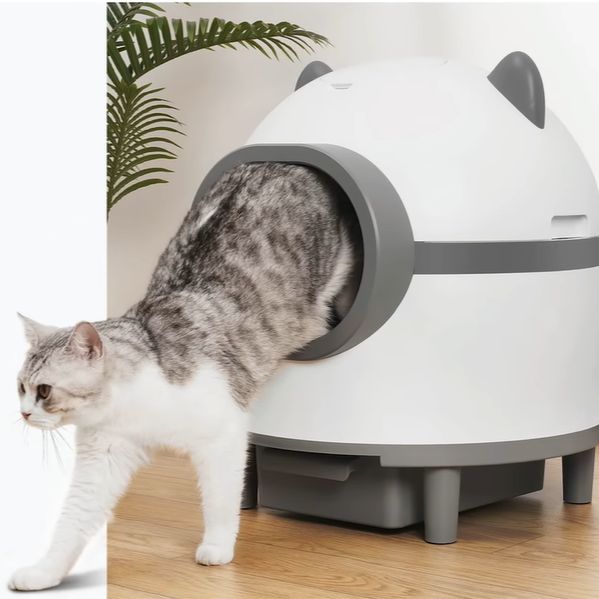
Machines that automate the various tedious tasks that come with being a servant in a cat’s household — like feeding and cleaning Mr. Fluffles’ litter box — are generally a godsend, as they ensure a happy cat and a happy human. That is, unless said litter box-cleaning robot kills said cat. That’s the gruesome topic that [Philip Bloom], also known as the bloke of the One Man Five Cats channel on YouTube, decided to investigate after coming across a report about a certain Amazon-bought unit.
The theory of a self-cleaning litter box: a happy Mr. Fluffles.The theory of a self-cleaning litter box: a happy Mr. Fluffles.
Although he was unable to get the (generic & often rebranded) unit off Amazon UK, he did get it via AliExpress for £165 + £80 shipping. Although this version lacks the cute ears of other variants, it’s still effectively the same unit, with the same moving components and mechanism. An initial test with a cat plushie gave the result which can be observed in the above image, where the inner part with the opening will move upwards, regardless of whether a cat (or presumably a curious baby or toddler) is currently poking through said opening. Once the victim is stuck, there is no obvious way to free the trapped critter, which has already led to the death of a number of cats.

The other self-cleaning litter boxes which [Philip] owns have a number of safety features, including a weight sensor, an infrared sensor above the opening to detect nearby critters, a top that will pop off rather than trap a critter, as well as a pinch sensor. During a test with his own hand, [Philipp] managed to get injured, and following a banana test, he had a nice banana smoothie.

What takes the cake here is that after [Philipp] connected the mobile app for the litter box, he found that there was a firmware update that seems to actually change the machine to use the pinch and infrared sensors that do exist in the litter box, but which clearly were not used properly or at all with the shipped firmware. This means that anyone who buys any of these self-cleaning litter boxes and does not update the firmware runs the significant risk of losing their pet(s) in a gruesome incident. In the video a number of such tragic deaths are covered, which can be rather distressing for any cat lover.

Of note here is that even with the improved firmware, any issue with the sensors will still inevitably lead to the tragic death of Mr. Fluffles. If you do want to obtain a self-cleaning litter box, make sure to for example get one of [Philip]’s recommendations which come with a paw stamp of approval from his own precious fluff balls, rather than a random unit off Amazon or AliExpress.

youtube.com/embed/xepC3-Ia9ho?…


hackaday.com/2024/09/17/the-ri…


The Privacy Post reshared this.

The Privacy Post ha ricondiviso questo.

Meta bans Russian state media outlets for ‘foreign interference’
poliverso.org/display/0477a01e…
Meta bans Russian state media outlets for ‘foreign interference’Meta late Monday (16 September) said it is banning Russian state media outlets from its apps around the world due to "foreign interference activity."euractiv.com/section/global-eu…


Meta bans Russian state media outlets for ‘foreign interference’


Meta late Monday (16 September) said it is banning Russian state media outlets from its apps around the world due to "foreign interference activity."


euractiv.com/section/global-eu…


The Privacy Post ha ricondiviso questo.

The media in this post is not displayed to visitors. To view it, please go to the original post.

Il Threat Actor 888 espone informazioni personali dei dipendenti SAP
poliverso.org/display/0477a01e…
Il Threat Actor 888 espone informazioni personali dei dipendenti SAPRecentemente, un noto attore di minacce, identificato come 888, ha reso pubblica una presunta violazione di dati appartenenti a SAP, una delle principali aziende di software aziendali al mondo.La fuga di notizie sembrerebbe portare alla compromissione delle informazioni sensibili di circa 2.600


Il Threat Actor 888 espone informazioni personali dei dipendenti SAP


Recentemente, un noto attore di minacce, identificato come 888, ha reso pubblica una presunta violazione di dati appartenenti a SAP, una delle principali aziende di software aziendali al mondo.

La fuga di notizie sembrerebbe portare alla compromissione delle informazioni sensibili di circa 2.600 dipendenti, come nomi, indirizzi e mail.

Al momento, non possiamo confermare la veridicità della notizia, poiché l’organizzazione non ha ancora rilasciato alcun comunicato stampa ufficiale sul proprio sito web riguardo l’incidente. Pertanto, questo articolo deve essere considerato come ‘fonte di intelligence’.

Dettagli della violazione


Secondo quanto riportato nel post, la violazione dei dati sarebbe avvenuta nel settembre 2024 e includerebbe informazioni sensibili di circa 2.600 dipendenti della nota azienda. La pubblicazione è avvenuta il giorno 14 settembre 2024 sul noto sito BreachForums, con il Threat Actor 888 che ha reso disponibili i dati al pubblico.

I dati compromessi dovrebbero includere:

  • Nome e cognome
  • Qualifica professionale
  • Indirizzo e-mail
  • Città
  • Stato
  • Paese

Attualmente, non siamo in grado di confermare con precisione l’accuratezza delle informazioni riportate, poiché non è stato rilasciato alcun comunicato stampa ufficiale sul sito web riguardante l’incidente.

Conclusioni


Le implicazioni per SAP, leader mondiale nel software aziendale, potrebbero essere significative. Se il data Breach si rivelasse vero, l’azienda, che vanta di fornire soluzioni sicure in tutto il mondo, sarebbe costretta a rivedere e approfondire le proprie misure di protezione dati che potenzialmente potrebbero risultare vulnerabili.

L’episodio è un chiaro segnale di allarme per tutte le aziende che sono obbligate a porre molta attenzione e adottare misure proattive per proteggere i propri dati. Nel frattempo, gli utenti interessati dovrebbero monitorare attentamente le loro informazioni personali e adottare misure precauzionali per proteggersi da potenziali minacce come furti di identità o attacchi di phishing.

Come nostra consuetudine, lasciamo sempre spazio ad una dichiarazione da parte dell’azienda qualora voglia darci degli aggiornamenti sulla vicenda. Saremo lieti di pubblicare tali informazioni con uno specifico articolo dando risalto alla questione.

RHC monitorerà l’evoluzione della vicenda in modo da pubblicare ulteriori news sul blog, nel caso in cui ci fossero novità sostanziali. Qualora ci siano persone informate sui fatti che volessero fornire informazioni in modo anonimo possono utilizzareredhotcyber.com/whistleblowerla mail crittografata del whistleblower.

L'articolo Il Threat Actor 888 espone informazioni personali dei dipendenti SAP proviene da il blog della sicurezza informatica.


The Privacy Post reshared this.

The Privacy Post ha ricondiviso questo.

The media in this post is not displayed to visitors. To view it, please go to the original post.

Server Linux e Istanze Oracle Weblogic al centro dalla Campagna Malware Hadooken
poliverso.org/display/0477a01e…
Server Linux e Istanze Oracle Weblogic al centro dalla Campagna Malware HadookenÈ stata scoperta una nuova campagna dannosa mirata agli ambienti Linux per l’estrazione illegale di criptovalute e la distribuzione di redhotcyber.com/post/la-storia… per redhotcyber.com/post/come-funz…. Pertanto, gli redhotcyber.com/post/i-padri-f… stanno attaccando i


Server Linux e Istanze Oracle Weblogic al centro dalla Campagna Malware Hadooken


È stata scoperta una nuova campagna dannosa mirata agli ambienti Linux per l’estrazione illegale di criptovalute e la distribuzione di malware per botnet. Pertanto, gli hacker stanno attaccando i server Oracle Weblogic utilizzando il nuovo malware Hadooken.

Secondo Aqua Security, che ha scoperto questa attività, gli attacchi si basano suvulnerabilità note e configurazioni errate (come credenziali deboli) per penetrare nel sistema ed eseguire codice arbitrario.

Per fare ciò, vengono lanciati due payload quasi identici: uno è scritto in Python e l’altro è uno script di shell. Entrambi sono responsabili della ricezione del malware Hadooken da un server remoto (89.185.85[.]102 o 185.174.136[.]204).

“Una volta eseguito, Hadooken distribuisce il malware Tsunami e distribuisce un miner di criptovaluta”, affermano gli esperti. – Inoltre, lo script della shell tenta di esaminare varie directory contenenti dati SSH (incluse credenziali, informazioni sull’host e segreti) e utilizza queste informazioni per attaccare server conosciuti. Quindi si sposta lateralmente attraverso la rete dell’organizzazione o gli ambienti connessi per distribuire ulteriormente Hadooken”.

Come accennato in precedenza, Hadooken contiene due componenti: un minatore di criptovaluta e un malware botnet DDoS noto come Tsunami (aka Kaiten), che ha precedentemente attaccato i servizi Jenkins e Weblogic distribuiti sui cluster Kubernetes. Il malware si attacca anche all’host, creando schedulazioni cron con nomi casuali per eseguire periodicamente il minatore a frequenze diverse.

I ricercatori notano che Hadooken rinomina i servizi dannosi in “-bash” o “-java” per mascherarsi da processi legittimi e integrarsi con la normale attività. Inoltre, il malware cancella i registri di sistema per nascondere le tracce della sua presenza, rendendo difficile il rilevamento e l’analisi.

Secondo Aqua Security, l’indirizzo menzionato 89.185.85[.]102 è registrato in Germania presso la società di hosting Aeza International LTD (AS210644), e in precedenza gli analisti di Uptycs lo hanno associato al gruppo 8220, che sfruttava le vulnerabilità in precedenza Apache Log4j e Atlassian Confluence Server e Data Center.

Sempre su questo server è stato scoperto uno script PowerShell che scaricava il malware ransomware Mallox per Windows.

“Secondo alcuni rapporti, questo indirizzo IP viene utilizzato per distribuire ransomware, quindi si può presumere che gli aggressori stiano prendendo di mira sia gli endpoint Windows per effettuare attacchi ransomware, sia i server Linux per sfruttare software spesso utilizzato dalle grandi organizzazioni per eseguire backdoor e cryptominer” concludono gli esperti.

Anche il secondo indirizzo IP 185.174.136[.]204, attualmente inattivo, risulta essere associato ad Aeza Group Ltd. (AS216246).

L'articolo Server Linux e Istanze Oracle Weblogic al centro dalla Campagna Malware Hadooken proviene da il blog della sicurezza informatica.


The Privacy Post reshared this.

The Privacy Post ha ricondiviso questo.

The media in this post is not displayed to visitors. To view it, please go to the original post.

Valencia Leaks: un nuovo volto del crimine informatico
poliverso.org/display/0477a01e…
Valencia Leaks: un nuovo volto del crimine informaticoDi recente, un nuovo gruppo noto come Valencia Leaks sembrerebbe aver mosso i primi passi nel mondo del redhotcyber.com/post/il-mondo-…, prendendo di mira aziende in diversi settori e Paesi. Sebbene manchino ancora conferme ufficiali, il gruppo avrebbe rivendicato una serie di attacchi.Chi sarebbero le presunte vittime?


Valencia Leaks: un nuovo volto del crimine informatico


Di recente, un nuovo gruppo noto come Valencia Leaks sembrerebbe aver mosso i primi passi nel mondo del cybercrime, prendendo di mira aziende in diversi settori e Paesi. Sebbene manchino ancora conferme ufficiali, il gruppo avrebbe rivendicato una serie di attacchi.

Chi sarebbero le presunte vittime?

Valencia Leaks avrebbe colpito diverse aziende di grande rilievo in vari settori industriali e nazioni. Di seguito, le principali aziende attualmente nel mirino:

1. Duopharma Biotech Berhad (duopharmabiotech.com)


Azienda farmaceutica malese con un fatturato di oltre RM 696.72 milioni nel 2022, leader nell’industria sanitaria malese. Nel loro sito dark web, Valencia Leaks, avrebbe rivendicato il furto di 25,7 GB di dati dalla società, con un avviso che segnala che “TIME IS UP”, ossia il tempo per negoziare sarebbe scaduto. Duopharma rappresenta una delle colonne portanti del settore farmaceutico in Malesia.

2. Globe Pharmaceuticals Ltd (globe.com.bd)


Con una storia che risale al 1986, Globe sarebbe una delle più importanti aziende farmaceutiche del Bangladesh. Secondo quanto emerso dal loro sito sul dark web, Valencia Leaks avrebbe sottratto 200 MB di dati dalla compagnia, rendendoli disponibili per il download e segnalando che anche per loro “TIME IS UP”.

3. Satia Industries Limited (satiagroup.com)


Azienda specializzata nella produzione di carta eco-sostenibile, con una forza lavoro di oltre 2.200 dipendenti. Valencia Leaks avrebbe dichiarato di aver esfiltrato 7,1 GB di dati da Satia, pronti per essere scaricati. Anche per questa azienda, il tempo di negoziazione sarebbe “scaduto”, secondo quanto riportato sul loro sito dark web.

4. City of Pleasanton, California (cityofpleasantonca.gov)


Una vittima ‘insolita’ ma significativa: la città di Pleasanton, in California, sarebbe stata colpita da Valencia Leaks. Il gruppo affermerebbe di aver rubato 283 GB di dati dal sito web governativo, rendendoli disponibili al pubblico. Anche in questo caso, verrebbe segnalato che “TIME IS UP”, indicando che il governo locale non avrebbe risposto alle richieste di riscatto.

5. Tendam (tendam.es)


Tendam, gruppo spagnolo leader nel settore retail e moda, proprietario di marchi come Cortefiel e Springfield, sarebbe un’altra presunta vittima. Secondo quanto riportato, l’azienda avrebbe circa 17 giorni di tempo per risolvere la situazione prima che i dati rubati, la cui dimensione non è ancora chiara (??? GB), vengano resi pubblici. Tendam ha registrato un fatturato di circa €1,29 miliardi nel 2023.

Che cosa possiamo aspettarci?


Le rivendicazioni di Valencia Leaks, se confermate, potrebbero avere effetti devastanti per le aziende coinvolte. Il gruppo sembrerebbe seguire il classico modello del ransomware, ovvero attacchi mirati volti a estorcere denaro in cambio della non divulgazione di dati sensibili o della restituzione degli accessi ai sistemi aziendali.

Con il messaggio “TIME IS UP” esposto per la maggior parte delle vittime, si suggerisce che molte di queste aziende potrebbero non aver risposto alle richieste di riscatto, portando Valencia Leaks a procedere con la pubblicazione dei dati rubati.

Una crescente minaccia globale


Negli ultimi anni, gli attacchi ransomware si sono trasformati in una delle minacce più serie per le aziende di ogni dimensione. Da piccole imprese a grandi conglomerati, il panorama della sicurezza informatica globale appare sempre più vulnerabile, e Valencia Leaks potrebbe inserirsi in questa tendenza crescente.

Nonostante ci siano ancora pochi dettagli concreti su questo gruppo emergente, la vicenda Valencia Leaks sottolineerebbe ancora una volta l’importanza di adottare misure di sicurezza informatica rigorose. Le aziende coinvolte rischierebbero di affrontare non solo ingenti perdite economiche, ma anche danni alla reputazione e alla fiducia dei propri clienti.

Continueremo a monitorare la situazione e forniremo aggiornamenti man mano che emergono ulteriori dettagli o conferme da parte delle autorità e delle aziende colpite. Valencia Leaks potrebbe essere solo l’inizio di una nuova serie di attacchi informatici su larga scala.

L'articolo Valencia Leaks: un nuovo volto del crimine informatico proviene da il blog della sicurezza informatica.


The Privacy Post reshared this.

The Privacy Post ha ricondiviso questo.

The media in this post is not displayed to visitors. To view it, please go to the original post.

We’ll Take DIY Diamond Making for $200,000
poliverso.org/display/0477a01e…
We’ll Take DIY Diamond Making for $200,000They say you can buy anything on the Internet if you know the right places to go, and apparently if you’re in the mood to make diamonds, then Alibaba is the spot arstechnica.com/science/2024/0…. You even have your choice of high-pressure, high-temperature (alibaba.com/product-detail/HPH…) machine for $200,000, or a chemical vapor deposition (CVD


We’ll Take DIY Diamond Making for $200,000


A person examines a diamond with a loupe.

They say you can buy anything on the Internet if you know the right places to go, and apparently if you’re in the mood to make diamonds, then Alibaba is the spot. You even have your choice of high-pressure, high-temperature (HPHT) machine for $200,000, or a chemical vapor deposition (CVD) version, which costs more than twice as much. Here’s a bit more about how each process works.
A sea of HPHT diamond-making machines.A sea of HPHT machines. Image via Alibaba
Of course, you’ll need way more than just the machine and a power outlet. Additional resources are a must, and some expertise would go a long way. Even so, you end up with raw diamonds that need to be processed in order to become gems or industrial components.

For HPHT, you’d also need a bunch of good graphite, catalysts such as iron and cobalt, and precise control systems for temperature and pressure, none of which are included as a kit with the machine.

For CVD, you’d need methane and hydrogen gases, and precise control of microwaves or hot filaments. In either case, you’re not getting anywhere without diamond seed crystals.

Right now, the idea of Joe Hacker making diamonds in his garage seems about as far off as home 3D printing did in about 1985. But we got there, didn’t we? Hey, it’s a thought.

Main and thumbnail images via Unsplash


hackaday.com/2024/09/16/well-t…


The Privacy Post reshared this.

The Privacy Post ha ricondiviso questo.

Intel halts plans for flagship factories in Germany, Poland amid financial woes
poliverso.org/display/0477a01e…
Intel halts plans for flagship factories in Germany, Poland amid financial woesUS chipmaker Intel is halting plans for new factories in Germany and Poland amid financial troubles, in a blow to the EU efforts to build up domestic chipmaking capacity.euractiv.com/section/industria…


Intel halts plans for flagship factories in Germany, Poland amid financial woes


US chipmaker Intel is halting plans for new factories in Germany and Poland amid financial troubles, in a blow to the EU efforts to build up domestic chipmaking capacity.


euractiv.com/section/industria…


The Privacy Post reshared this.

The Privacy Post ha ricondiviso questo.

The media in this post is not displayed to visitors. To view it, please go to the original post.

The Universe as We Know It May End Sooner Than Expected
poliverso.org/display/0477a01e…
The Universe as We Know It May End Sooner Than Expected hackaday.com/wp-content/upload…The ‘Sombrero Potential’ as seen with the Higgs mechanism.One of the exciting aspects of some fields of physics is that they involve calculating the expected time until the Universe ends or experiences fundamental shifts that would render most if not all of the ‘laws of physics’ invalid.


The Universe as We Know It May End Sooner Than Expected


The 'Sombrero Potential' as seen with the Higgs mechanism.The ‘Sombrero Potential’ as seen with the Higgs mechanism.
One of the exciting aspects of some fields of physics is that they involve calculating the expected time until the Universe ends or experiences fundamental shifts that would render most if not all of the ‘laws of physics’ invalid. Within the Standard Model (SM), the false vacuum state is one such aspect, as it implies that the Universe’s quantum fields that determine macrolevel effects like mass can shift through quantum field decay into a lower, more stable state. One such field is the Higgs field, which according to a team of researchers may decay sooner than we had previously assumed.

As the Higgs field (through the Higgs boson) is responsible for giving particles mass, it’s not hard to imagine the chaos that would ensue if part of the Higgs field were to decay and cause a spherical ripple effect throughout the Universe. Particle masses would change, along with all associated physics, as suddenly the lower Higgs field state means that everything has significantly more mass. To say that it would shake up the Universe would an understatement.

Of course, this expected time-to-decay has only shifted from 10794 years to 10790 years with the corrections to the previous calculations as provided in the paper by [Pietro Baratella] and colleagues, and they also refer to it as ‘slightly shorter’. A sidenote here is also that the electroweak vacuum’s decay is part of the imperfect SM, which much like the false vacuum hypothesis are part of these models, and not based on clear empirical evidence (yet).


hackaday.com/2024/09/16/the-un…


The Privacy Post reshared this.

The Privacy Post ha ricondiviso questo.

The media in this post is not displayed to visitors. To view it, please go to the original post.

Raspberry Pi Becomes Secure VPN Router
poliverso.org/display/0477a01e…
Raspberry Pi Becomes Secure VPN RouterOpenWRT is a powerful piece of open-source software that can turn plenty of computers into highly configurable and capable routers. That amount of versatility comes at a cost, though; OpenWRT can be difficult to configure outside of the most generic use cases. [Paul] generally agrees with this sentiment and his latest project seeks to solve a single use


Raspberry Pi Becomes Secure VPN Router


OpenWRT is a powerful piece of open-source software that can turn plenty of computers into highly configurable and capable routers. That amount of versatility comes at a cost, though; OpenWRT can be difficult to configure outside of the most generic use cases. [Paul] generally agrees with this sentiment and his latest project seeks to solve a single use case for routing network traffic, with a Raspberry Pi configured to act as a secure VPN-enabled router configurable with a smartphone.

The project is called PiFi and, while it’s a much more straightforward piece of software to configure, at its core it is still running OpenWRT. The smartphone app allows most users to abstract away most of the things about OpenWRT that can be tricky while power users can still get under the hood if they need to. There’s built-in support for Wireguard-based VPNs as well which will automatically route all traffic through your VPN of choice. And, since no Pi router is complete without some amount of ad blocking, this router can also take care of removing most ads as well in a similar way that the popular Pi-hole does. More details can be found on the project’s GitHub page.

This router has a few other tricks up its sleeve as well. There’s network-attached storage (NAS) built in , with the ability to use the free space on the Pi’s microSD card or a USB flash drive. It also has support for Ethernet and AC1300 wireless adapters which generally have much higher speeds than the built-in WiFi on a Raspberry Pi. It would be a great way to build a guest network, a secure WiFi hotspot when traveling, or possibly even as a home router provided that the home isn’t too big or the limited coverage problem can be solved in some other way. If you’re looking for something that packs a little more punch for your home, take a look at this guide to building a pfSense router from the ground up.


hackaday.com/2024/09/16/raspbe…


The Privacy Post reshared this.

The Privacy Post ha ricondiviso questo.

The media in this post is not displayed to visitors. To view it, please go to the original post.

No Z80? No Problem!
poliverso.org/display/0477a01e…
No Z80? No Problem!Earlier this year Zilog stopped production of the classic 40-pin DIP Z80 microprocessor, a move that brought a tear to the eye of retro computing enthusiasts everywhere. This chip had a huge influence on both desktop and embedded computing that lingers to this day, but it’s fair to say that the market for it has dwindled. If you have a retrocomputer then, what’s to be done? If y


No Z80? No Problem!


Earlier this year Zilog stopped production of the classic 40-pin DIP Z80 microprocessor, a move that brought a tear to the eye of retro computing enthusiasts everywhere. This chip had a huge influence on both desktop and embedded computing that lingers to this day, but it’s fair to say that the market for it has dwindled. If you have a retrocomputer then, what’s to be done? If you’re [Dean Netherton], you create a processor card for the popular RC2014 retrocomputer backplane, carrying the eZ80, a successor chip that’s still in production.

The eZ80 can be thought of as a Z80 system-on-chip, with microcontroller-style peripherals, RAM, and Flash memory on board. It’s much faster than the original and can address a relatively huge 16MB of memory. For this board, he’s put the chip on a processor daughterboard that plugs into a CPU card with a set of latches to drive the slower RC2014 bus. We can’t help drawing analogies with some of the 16-bit upgrades to 8-bit platforms back in the day, which used similar tactics.

So this won’t save the Z80, but it might well give a new dimension to Z80 hacking. Meanwhile, we’re sure there remain enough of the 40-pin chips out there to keep hackers going for many years to come if you prefer the original. Meanwhile, read our coverage of the end-of-life announcement, even roll your own silicon if you want., or learn about the man who started it all, Federico Faggin.


hackaday.com/2024/09/16/no-z80…


The Privacy Post reshared this.

The Privacy Post ha ricondiviso questo.

The media in this post is not displayed to visitors. To view it, please go to the original post.

The JawnCon 0x1 Badge Dials Up a Simpler Time
poliverso.org/display/0477a01e…
The JawnCon 0x1 Badge Dials Up a Simpler TimeFor hackers of a certain age, the warbling of an analog modem remains something of a siren song. Even if you haven’t heard it in decades, the shrill tones and crunchy static are like a time machine that brings back memories of a bygone era. Alien to modern ears, in the 1980s and 90s, it was the harbinger of unlimited possibilities. An


The JawnCon 0x1 Badge Dials Up a Simpler Time


For hackers of a certain age, the warbling of an analog modem remains something of a siren song. Even if you haven’t heard it in decades, the shrill tones and crunchy static are like a time machine that brings back memories of a bygone era. Alien to modern ears, in the 1980s and 90s, it was the harbinger of unlimited possibilities. An audible reminder that you were about to cross the threshold into cyberspace.

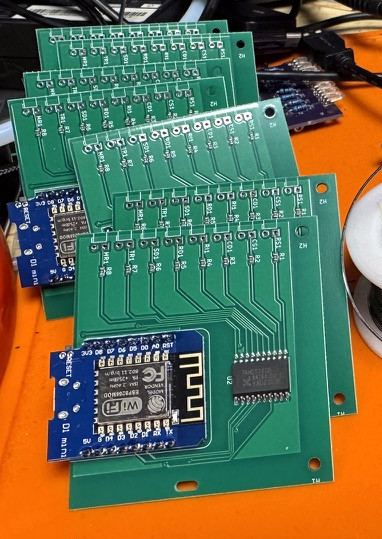
If you can still faintly hear those strangely comforting screeches in the back of your mind, the JawnCon 0x1 badge is for you. With a row of authentic vintage red LEDs and an impeccably designed 3D-printed enclosure, the badge is essentially a scaled-down replica of the Hayes SmartModem. But it doesn’t just look the part — powered by the ESP8266 and the open source RetroWiFiModem project, the badge will allow attendees to connect their modern computers to services from the early Internet via era-appropriate AT commands while they’re at the con.

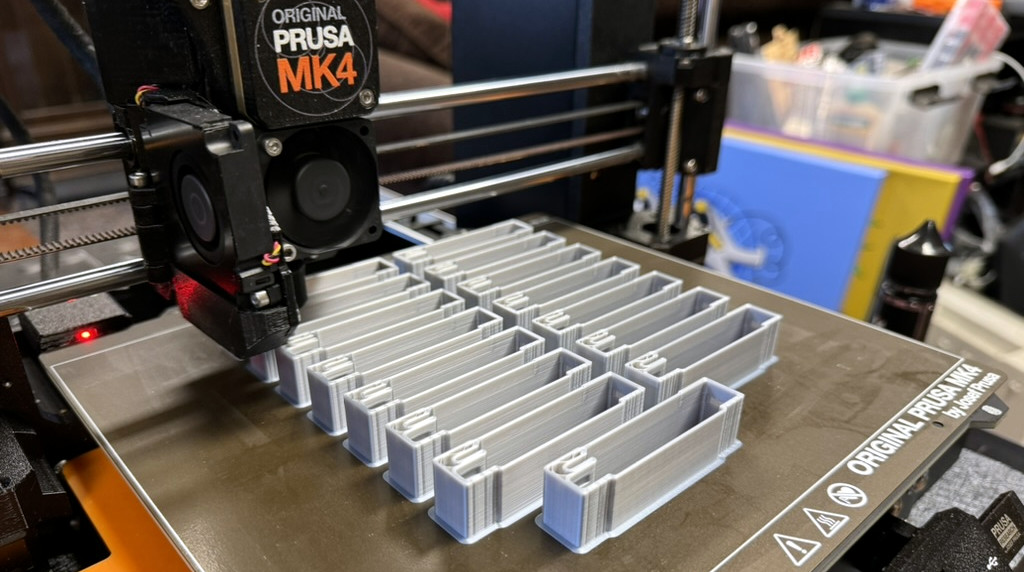
In a detailed write-up, we get a behind-the-scenes look at how the badge was designed and assembled. Being that the team is only expecting 250 or so attendees, they decided to handle production in-house. That meant printing out the cases over the course of a month and a half on a single Prusa MK4, and hand-soldering a few PCBs each day to hit their final numbers. Each front panel was also individually placed in a laser for marking, an exceptionally time-consuming process, but it’s hard to argue with those results.

While the design is admittedly pushing the definition of what can realistically be called a “badge,” there’s a lanyard attached so it’s technically wearable. If the idea of being surrounded by a bunch of nerds wearing tiny modems around their necks is as enticing to you as it is to us, you’ll absolutely be among friends during this Philadelphia-area hacker con.

Although the JawnCon 0x1 badge clearly appeals to those with graying beards (literally or metaphorically), it should also provide an excellent chance for younger attendees to experience a version of the Internet that no longer exists in the real world.

The crew behind the con has spent the last few months spinning up a number of services that attendees will be able to access, including a bulletin board system (BBS), a multi-user dungeon (MUD), and a private AOL Instant Messenger (AIM) server. There’s also a selection of lo-fi websites to browse hosted on a Cobalt RaQ 4 server appliance from the year 2000. Having seen the reactions similar Internet microcosms have had while running at various Vintage Computer Festivals, we expect it should be a lot of fun for veterans and newbies alike.

We visited the inaugural JawnCon last year and came away eager for more. Judging by this look at the badge, the scheduled speakers, and the various activities set to take place during the two-day con (October 11th to the 12th), they’ve certainly delivered.

If you’re in the Philadelphia area, we highly recommend taking the ride out and experiencing the con in person. But if you can’t make it, don’t worry. We’ll be covering all the highlights of JawnCon 0x1 just as soon as we finish playing with our tiny modem.


hackaday.com/2024/09/16/the-ja…


The Privacy Post reshared this.

The Privacy Post ha ricondiviso questo.

Wi-Fi HaLow: 16km di portata nel Joshua Tree National Park
poliverso.org/display/0477a01e…
Wi-Fi HaLow: 16km di portata nel Joshua Tree National ParkMorse Micro ha condotto morsemicro.com/2024/09/09/push… una serie di test della tecnologia Wi-Fi HaLow nel Joshua Tree National Park, negli Stati Uniti. Lo scopo del test era quello di verificare la portata massima e le prestazioni di Wi-Fi HaLow in condizioni di interferenza minima. I test hanno dimostrato la


Wi-Fi HaLow: 16km di portata nel Joshua Tree National Park


Morse Micro ha condotto una serie di test della tecnologia Wi-Fi HaLow nel Joshua Tree National Park, negli Stati Uniti. Lo scopo del test era quello di verificare la portata massima e le prestazioni di Wi-Fi HaLow in condizioni di interferenza minima. I test hanno dimostrato la capacità di trasmettere dati su una distanza massima di 16 km con un rendimento significativo.

Per i test è stato utilizzato un set standard di apparecchiature: un punto di accesso basato su MM6108-EKH01, incluso il modulo Wi-Fi HaLow MM6108 e Raspberry Pi 4. L’apparecchiatura funzionava in modalità normale con una potenza di trasmissione di 22 dBm. Morse Micro ha intenzionalmente evitato l’uso di antenne direzionali e aumentato la potenza del trasmettitore per consentire l’utilizzo di questa apparecchiatura in applicazioni portatili alimentate a batteria.

youtube.com/embed/fBMgZah2Z7g?…

Il raggio di comunicazione teorico è stato calcolato utilizzando l’equazione di Fries e tenendo conto della perdita di segnale alla distanza massima. Secondo i calcoli, la portata massima in condizioni ideali era di circa 15,9 km, che soddisfa i requisiti dello standard IEEE 802.11ah. Morse Micro ha utilizzato uno slot time di 52 microsecondi per raggiungere questo valore.

I test pratici hanno confermato i calcoli teorici: nelle condizioni del parco nazionale sono state raggiunte velocità di trasmissione dati fino a 2 Mbit/s ad una distanza di 15,9 km.

Secondo gli esperti di Morse Micro, queste cifre rientrano nei limiti teorici della tecnologia, rendendo Wi-Fi HaLow ideale per applicazioni come progetti agricoli e infrastrutturali in aree remote. Tuttavia, negli ambienti urbani con elevata densità di segnale radio, HaLow potrebbe essere meno efficace a causa delle interferenze.

L'articolo Wi-Fi HaLow: 16km di portata nel Joshua Tree National Park proviene da il blog della sicurezza informatica.


The Privacy Post reshared this.

The Privacy Post ha ricondiviso questo.

The media in this post is not displayed to visitors. To view it, please go to the original post.

Keebin’ with Kristina: the One with the (Mc)Cool Typewriter
poliverso.org/display/0477a01e…
Keebin’ with Kristina: the One with the (Mc)Cool Typewriter hackaday.com/wp-content/upload…Image by [ambrush] via hackaday.io/project/197762-run…Okay, so this isn’t a traditional keyboard, but you can probably figure out why the hackaday.io/project/197762-run… is here. Because it’s awesome! Now, let me give you the finer points.Hugely inspired by both


Keebin’ with Kristina: the One with the (Mc)Cool Typewriter


Illustrated Kristina with an IBM Model M keyboard floating between her hands.

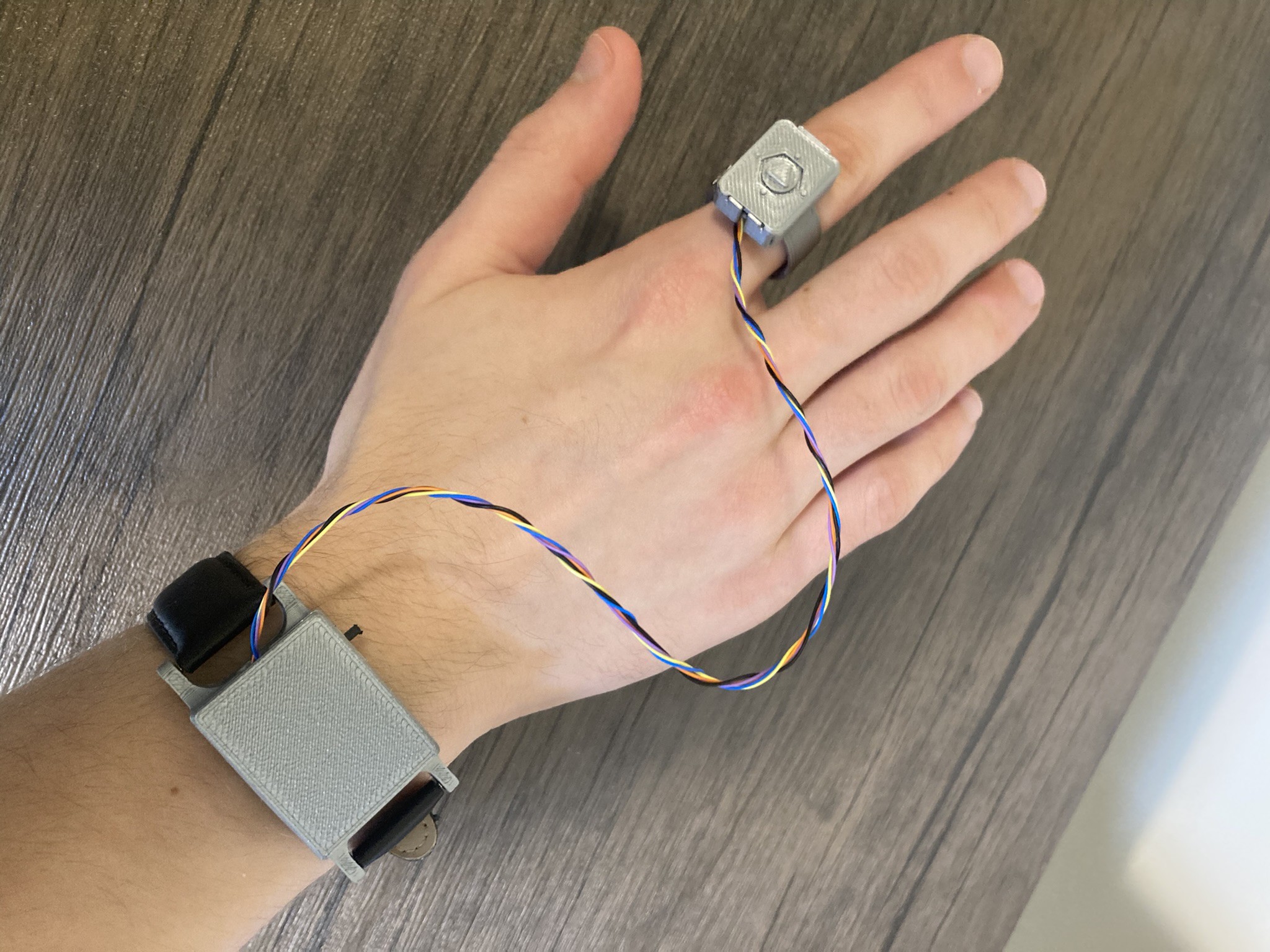
A hand and wrist with a gesture detection ring and a control box on the wrist.Image by [ambrush] via Hackaday.IOOkay, so this isn’t a traditional keyboard, but you can probably figure out why the RuneRing is here. Because it’s awesome! Now, let me give you the finer points.

Hugely inspired by both ErgO and Somatic, RuneRing is a machine learning-equipped wearable mouse-keyboard that has a configurable, onboard ML database that can be set up to detect any gesture.

Inside the ring is a BMI160 6-axis IMU that sends gesture data to the Seeed Studio nRF52840 mounted on the wrist. Everything is powered with an 80mAh Li-Po lifted from a broken pair of earbuds.

Instead of using a classifier neural network, RuneRing converts IMU data to points in 24-dimensional space. Detecting shapes is done with a statistical check. The result is a fast and highly versatile system that can detect a new shape with as few as five samples.

A Nexus of Keyboarding Ideas


The Nexus, a split keyboard with most modifiers, navigation, and media controls on the left.Image by [Fraawlen-dev] via GitHubYou might guess from a glance at this experimental split keyboard that [Fraawlen-dev] is left-handed, but that’s not the reason for the left-side arrow keys. [Fraawlen] sits sideways at the computer, left side facing the screen keyboard. In fact, that’s why most of the modifiers and media keys are over there as well.

The Nexus is [Fraawlen-dev]’s first split (and ortho), and it looks great in this ortholinear layout with a pinky stagger. This 3D-printable hand-wired keyboard is designed to work with as many keycap sets as possible. In fact, that’s what prompted this build — re-using existing keycaps. Under the hood are a couple of Pro Micros running the ever-popular QMK.

The awesome thing about designing something ultra-personal to you and then sharing it is that, inevitably, someone else down the line will find it useful enough to spin it off into something ultra-personal to them.

The Centerfold: Blue M&Ms In 1976? I’ll Allow It!


A keyboard with Signature Plastics' 1976 keycap set, with peanut M&Ms scattered around in front of it.Image by [jacknthememestalk] via redditAhh, the classic Signature Plastics 1976 keycap set in all its chocolate-y glory. What can I say? I’m a sucker for candy colors, especially on keyboards. And candy. And now I want this keycap set all over again. You want to see mouthwatering keycaps? Try two thumb clusters full of 1u and 2u caps without legends. I’m drooling, here. Anyway, I’m not sure what keyboard that is, but the gold sure puts a wrapper on the whole candy thing.

Do you rock a sweet set of peripherals on a screamin’ desk pad? Send me a picture along with your handle and all the gory details, and you could be featured here!

Historical Clackers: the McCool Typewriter Kind of Wasn’t So Cool

The McCool typewriter, which wasn't very successful despite the name.Image via The Antikey Chop
Why? Well, because unfortunately, by the time it finally went into production in 1909, it was already outdated. That’s because it borrowed outdated technologies from other typewriters.

For just one year, before a fire spread from the factory next door causing an estimated $1M in damage, the McCool typewriter was produced and sold by the Acme-Keystone Manufacturing Company.

It was a bargain at $25, and fairly portable at 12 pounds. The double-shift keyboard typed a total of 84 characters. Borrowed mechanical innovations included a Blickensderfer-esque typewheel, a hammer like Commercial Visible, and a hammer extension arm like a Chicago.

Even so, it’s a righteous-looking machine. Then again, I’m a sucker for octagonal keys and portability.

ICYMI: Floorboard Is a Robust Pedal Keyboard


A keyboard for feet!Image by [Wingletang] via InstructablesThis foot keyboard is one after my own heart. If you’ll recall, a few years ago, I made a keyboard out of a footstool with the buttons perpendicular to the floor. I have to say that [Wingletang]’s Floorboard is a strictly better design.

For one thing, it’s made from sturdier stock. While my base is more of a step stool than anything else, [Wingletang] started an actual foot rest meant to hold both feet and switches for typing from dictation.

They settled on Ctrl, Alt, and Shift for the buttons, which are meant for guitar stomp pedals. I used 35mm arcade buttons, and while those have held up, they’re certainly no stomp switches. [Wingletang] added toppers to increase the area and make them easier and more comfortable to stomp.

I love that [Wingletang] printed a new compartment to hold everything, because it looks better than the original and of course has its various purposes, like cable management.


Got a hot tip that has like, anything to do with keyboards? Help me out by sending in a link or two. Don’t want all the Hackaday scribes to see it? Feel free to email me directly.


hackaday.com/2024/09/16/keebin…


The Privacy Post reshared this.

The Privacy Post ha ricondiviso questo.

The media in this post is not displayed to visitors. To view it, please go to the original post.

Real Time Hacking Of A Supermarket Toy
poliverso.org/display/0477a01e…
Real Time Hacking Of A Supermarket ToySometimes those moments arise when a new device comes on the market and hardware hackers immediately take to it. Over a few days, an observer can watch them reverse engineer it and have all sorts of fun making it do things it wasn’t intended to by the original manufacturer. We’re watching this happen in real time from afar this morning, as Dutch hackers


Real Time Hacking Of A Supermarket Toy


Sometimes those moments arise when a new device comes on the market and hardware hackers immediately take to it. Over a few days, an observer can watch them reverse engineer it and have all sorts of fun making it do things it wasn’t intended to by the original manufacturer. We’re watching this happen in real time from afar this morning, as Dutch hackers are snapping up a promotional kids’ game from a supermarket (mixed Dutch/English, the site rejects Google Translate).

The Albert Heijn soundbox is a small handheld device with a barcode reader and a speaker, and as far as we can see it forms part of an animal identification card game. The cards have a barcode on the back, and sliding them through a reader causes a sample of that animal’s sound to be played. They’re attractively cheap, so of course someone had to take a look inside. So far the parts including the microcontroller have been identified, the ROM has been dumped and the audio reverse-engineered, and the barcode format has been cracked. Still to come are the insertion of custom audio or codes and arbitrary code execution, but knowing these hackers that won’t take long. If you’re Dutch, we suggest you head over to your local Albert Heijn with a few euros, and join in the fun.

European supermarkets can be fruitful places for the hardware hacker, as we’ve shown you before.


hackaday.com/2024/09/16/real-t…


The Privacy Post reshared this.

The Privacy Post ha ricondiviso questo.

Breton’s resignation could mark a new chapter for EU digital policy
poliverso.org/display/0477a01e…
Breton’s resignation could mark a new chapter for EU digital policyThe resignation of now-former Internal Market Commissioner Thierry Breton, known as the key architect of the EU’s current digital agenda, is viewed by some as a chance to reshape what has often been criticised for being controversial.euractiv.com/section/digital/n…


Breton’s resignation could mark a new chapter for EU digital policy


The resignation of now-former Internal Market Commissioner Thierry Breton, known as the key architect of the EU’s current digital agenda, is viewed by some as a chance to reshape what has often been criticised for being controversial.


euractiv.com/section/digital/n…


The Privacy Post reshared this.

The Privacy Post ha ricondiviso questo.

The media in this post is not displayed to visitors. To view it, please go to the original post.

Campagna malevola ai danni delle PEC Italiane. Un link malevolo spunta sul dominio Excite.it
poliverso.org/display/0477a01e…
Campagna malevola ai danni delle PEC Italiane. Un link malevolo spunta sul dominio Excite.itQuesto fine settimana è stata identificata e contrastata una campagna malevola che utilizzava alcuni account PEC compromessi per colpire altri utenti del servizio di Posta Elettronica redhotcyber.com/post/la-storia… Certificata. LO riporta il


Campagna malevola ai danni delle PEC Italiane. Un link malevolo spunta sul dominio Excite.it


Questo fine settimana è stata identificata e contrastata una campagna malevola che utilizzava alcuni account PEC compromessi per colpire altri utenti del servizio di Posta Elettronica Certificata. LO riporta il CERT-AgID con una news sul sito istituzionale.

Il messaggio, firmato da un presunto creditore, richiede il pagamento di un importo di 1305 euro, minacciando azioni legali in caso di mancato pagamento entro cinque giorni. La comunicazione include un link per scaricare una fattura che potrebbe essere un tentativo di phishing o di un malware, come osservato nelle campagne precedenti.

Questa volta il link punta a una url sul vecchio dominio Excite.it, noto portale italiano in voga negli anni ’90 (qui la pagina info su archive.org).

Fortunatamente, sia le URL identificate che il dominio principale non distribuiscono alcun payload, ma richiedono una basic authentication.

Grazie alla fattiva collaborazione con i Gestori PEC, la campagna è stata contrastata e gli Indicatori di Compromissione (IoC) sono stati condivisi con le Pubbliche Amministrazioni accreditate al flusso IoC, portando al blocco del dominio principale di Excite.

È fondamentale rimanere vigili di fronte a queste truffe e verificare sempre l’autenticità delle richieste di pagamento, anche quando provengono da una casella PEC. Nel dubbio, per queste problematiche è utilizzabile la casella malware@cert-agid.gov.it per richiedere gli eventuali controlli del caso.

L'articolo Campagna malevola ai danni delle PEC Italiane. Un link malevolo spunta sul dominio Excite.it proviene da il blog della sicurezza informatica.


The Privacy Post reshared this.

The Privacy Post ha ricondiviso questo.

The media in this post is not displayed to visitors. To view it, please go to the original post.

Hack On Self: Collecting Data
poliverso.org/display/0477a01e…
Hack On Self: Collecting DataA month ago, I’ve talked about using computers to hack on our day-to-day existence, specifically, augmenting my sense of time hackaday.com/2024/08/06/hack-o… (or rather, lack thereof). Collecting data has been super helpful – and it’s best to automate it as much as possible. Furthermore, an augment can’t be annoying beyond the level you expect, and making it context-se


Hack On Self: Collecting Data


A month ago, I’ve talked about using computers to hack on our day-to-day existence, specifically, augmenting my sense of time (or rather, lack thereof). Collecting data has been super helpful – and it’s best to automate it as much as possible. Furthermore, an augment can’t be annoying beyond the level you expect, and making it context-sensitive is important – the augment needs to understand whether it’s the right time to activate.

I want to talk about context sensitivity – it’s one of the aspects that brings us closest to the sci-fi future; currently, in some good ways and many bad ways. Your device needs to know what’s happening around it, which means that you need to give it data beyond what the augment itself is able to collect. Let me show you how you can extract fun insights from collecting data, with an example of a data source you can easily tap while on your computer, talk about implications of data collections, and why you should do it despite everything.

Started At The Workplace, Now We’re Here


Around 2018-2019, I was doing a fair bit of gig work – electronics, programming, electronics and programming, sometimes even programming and electronics. Of course, for some, I billed per hour, and I was asked to provide estimates. How many hours does it take for me to perform task X?

I decided to collect data on what I do on my computer – to make sure I can bill people as fairly as possible, and also to try and improve my estimate-making skills. Fortunately, I do a lot of my work on a laptop – surely I could monitor it very easily? Indeed, and unlike Microsoft Recall, neither LLMs nor people were harmed during this quest. What could be a proxy for “what I’m currently doing”? For a start, currently focused window names.
All these alt-tabs, it feels like a miracle I manage to write articles sometimes
Thankfully, my laptop runs Linux, a hacker-friendly OS. I quickly wrote a Python script that polls the currently focused window, writing every change into a logfile, each day a new file. A fair bit of disk activity, but nothing that my SSDs can’t handle. Initially, I just let the script run 24/7, writing its silly little logs every time I Alt-Tabbed or opened a new window, checking them manually when I needed to give a client a retrospective estimate.

I Alt-Tab a lot more than I expected, while somehow staying on the task course and making progress. Also, as soon as I started trying to sort log entries into types of activity, I was quickly reminded that categorizing data is a whole project in itself – it’s no wonder big companies outsource it to the Global South for pennies. In the end, I can’t tell you a lot about data processing here, but only because I ended up not bothering with it much, thinking that I would do it One Day – and I likely will mention it later on.

Collect Data, And Usecases Will Come


Instead, over time, I came up with other uses for this data. As it ran in an always-open commandline window, I could always scroll up and see the timestamps. Of course, this meant I could keep tabs on things like my gaming habits – at least, after the fact. I fall asleep with my laptop by my side, and usually my laptop is one of the first things I check when I wake up. Quickly, I learned to scroll through the data to figure out when I went to sleep, when I woke up, and check how long I slept.
seriously, check out D-Feet – turns out there’s so, so much you can find on DBus!
I also started tacking features on the side. One thing I added was monitoring media file playback, logging it alongside window title changes. Linux systems expose this information over Dbus, and there’s a ton of other useful stuff there too! And Dbus is way easier to work with than I’ve heard, especially when you use a GUI explorer like D-Feet to help you learn the ropes.

The original idea was figuring out how much time I was spending actively watching YouTube videos, as opposed to watching them passively in the background, and trying to notice trends. Another idea was to keep an independent YouTube watch history, since the YouTube-integrated one is notoriously unreliable. I never actually did either of these, but the data is there whenever I feel the need to do so.

Of course, having the main loop modifiable meant that I could add some hardcoded on-window-switch actions, too. For instance, at some point I was participating in a Discord community and I had trouble remembering a particular community rule. No big deal – I programmed the script to show me a notification whenever I switched into that server, reminding me of the rule.
whenever I wish, I have two years’ worth of data to learn from!
There is no shortage of information you can extract even from this simple data source. How much time do I spend talking to friends, and at which points in the day; how does that relate to my level of well-being? When I spend all-nighters on a project, how does the work graph look? Am I crashing by getting distracted into something unrelated, not asleep, but too sleepy to get up and get myself to bed? Can I estimate my focus levels at any point simply by measuring my Alt-Tab-bing frequency, then perhaps, measure my typing speed alongside and plot them together on a graph?

Window title switches turned out to be a decent proxy for “what I’m currently doing with my computer”. Plus, it gives me a wonderful hook, of the “if I do X, I need to remember to do Y” variety – there can never be enough of those! Moreover, it provides me with sizeable amounts of data about myself, data that I now store. Some of you will be iffy about collecting such data – there are some good reasons for it.

Taking Back Power


We emit information just like we emit heat. As long as we are alive, there’s always something being digitized; even your shed in the woods is being observed by a spy satellite. The Internet revolution has made information emissivity increase exponentially, a widespread phenomenon it now uses to grow itself, since now your data pays for online articles, songs, and YouTube videos. Now there are entire databanks containing various small parts of your personality, way more than you could ever have been theoretically comfortable with, enough to track your moves before you’re aware you’re making them.
:¬)
Cloning is not yet here, but Internet already contains your clone – it can sure answer your security questions to your bank, with a fair bit of your voice to impersonate you while doing so, and not to mention all the little tidbits used to sway your purchase power and voting preferences alike. When it comes to protections, all we have is pretenses like “privacy policies” and “data anonymization”. EU is trying to move in the right direction through directives like GDPR, with Snowden discoveries having left a deep mark, but it’s barely enough and not a consistent trend.

Just like with heat signatures, not taking care of your information signature gives you zero advantages and a formidable threat profile, but if you are tapped into it, you can protect people – or preserve dictatorships. Now, if anyone deserves to have power over yourself, it’s you, as opposed to an algorithm currently tracking your toilet paper purchases, which might be used tomorrow to catch weed smokers when it notices an increase in late night snack runs. It’s already likely to be used to ramp up prices during an emergency, or just because of increased demand – that’s where all these e-ink pricetags come into play!

Isn’t It Ridiculous?


Your data will be collected by others no matter your preference, and it will not be shared with you, so you have to collect it yourself. Once you have it, you can use your data to understand yourself better, become stronger by compensating for your weaknesses, help you build healthier relationships with others, living a more fulfilling and fun life overall. Collecting data also means knowing what others might collect and the power it provides, and tyis can help you fight and offset the damage you are bound to suffer because of datamining. Why are we not doing more of this, again?

We’ve got a lot to catch up to. Our conversations can get recorded with the ever-present networked microphones and then datamined, but you don’t get a transcript of that one phonecall where you made a doctor’s appointment and forgot to note the appointment time. Your store knows how often you buy toilet paper, what’s with these loyalty cards we use to get discounts while linking our purchases to our identities, but they are not kind enough to send you a notification saying it might be time to restock. Ever looked back on a roadtrip you did and wished you had a GPS track saved? Your telco operators know your location well enough, now even better with 5G towers, but you won’t get a log. Oh, also, your data can benefit us all, in a non-creepy way.

Unlike police departments, scientists are bound by ethics codes and can’t just buy data without the data owner’s consent – but science and scientific research is where our data could seriously shine. In fact, scientific research thrives when we can provide it with data we collected – just look at Apple Health. In particular, social sciences could really use a boost in available data, as reproducibility crises have no end in sight – research does turn out to skew a certain way when your survey respondents are other social science students.

Grab the power that you’re owed, collect your own data, store it safely, and see where it gets you – you will find good uses for it, whether it’s self-improvement, scientific research, or just building a motorized rolling chair that brings you to your bed as it notices you become too tired after hacking all night throughout. Speaking of which, my clock tells me it’s 5 AM.

Works, Helps, Grows


The code is on GitHub, for whatever purposes. This kind of program is a useful data source, and you could add it into other things you might want to build. This year, I slapped some websocket server code over the window monitoring code – now, other programs on my computer can connect to the websocket server, listen to messages, making decisions based on my currently open windows and currently playing media. If you want to start tracking your computer activity right now, there are some promising programs you should consider – ActivityWatch looks really nice in particular.

I have plans for computer activity tracking beyond today – from tracking typing on the keyboard, to condensing this data into ongoing activity summaries. When storing data you collect, make sure you include a version number from the start and increment it on every data format change. You will improve upon your data formats and you will want to parse them all, and you’ll be thankful for having a version number to refer to.

The GitHub-published portion is currently being used for a bigger project, where the window monitoring code plays a crucial part. Specifically, I wanted to write a companion program that would help me stay on track when working on specific projects on my laptop. In a week’s time, I will show you that program, talk about how I’ve come to create it and how it hooks into my brain, how much it helps me in the end, share the code, and give you yet another heap of cool things I’ve learned.

What other kinds of data could one collect?


hackaday.com/2024/09/16/hack-o…


The Privacy Post reshared this.

The Privacy Post ha ricondiviso questo.

Apple abbandona inaspettatamente e “in nome della Sicurezza” la causa contro la NSO Group
poliverso.org/display/0477a01e…
Apple abbandona inaspettatamente e “in nome della Sicurezza” la causa contro la NSO GroupApple ha chiesto alla Corte distrettuale courtlistener.com/docket/61570…degli Stati Uniti per il distretto settentrionale della California di archiviare volontariamente il procedimento contro la società israeliana NSO Group, che sviluppo il famigerato


Apple abbandona inaspettatamente e “in nome della Sicurezza” la causa contro la NSO Group


Apple ha chiesto alla Corte distrettuale degli Stati Uniti per il distretto settentrionale della California di archiviare volontariamente il procedimento contro la società israeliana NSO Group, che sviluppo il famigerato spyware Pegasus.courtlistener.com/docket/61570…securitylab.ru/glossary/nso_gr…securitylab.ru/glossary/pegasu…

In un documento depositato il 13 settembre 2024, Apple cita una serie di ragioni per questa decisione. Il principale tra questi è il rischio di divulgare informazioni importanti sulla sicurezza dei dispositivi Apple durante un processo.

Secondo i rappresentanti dell’azienda, nei tre anni trascorsi dall’avvio della causa, la situazione nel settore dello spyware commerciale è cambiata in modo significativo. NSO Group ha perso la sua posizione di leader, ma sono emersi molti altri attori. Di conseguenza, sconfiggere questa azienda non avrà più l’effetto su cui Apple contava nel 2021.

“Quando abbiamo intentato questa causa quasi tre anni fa, abbiamo capito che ciò avrebbe comportato la divulgazione di informazioni a terzi. Tuttavia, gli eventi accaduti da allora hanno cambiato il panorama dei rischi associati alla divulgazione di tali informazioni”, ha affermato Apple in una nota.

Inoltre, Apple continua a migliorare il proprio sistema di protezione degli utenti. La divulgazione di questo sistema in tribunale, anche con controlli rigorosi, potrebbe comprometterne l’efficacia.

“Compromettere queste informazioni – il rischio intrinseco di divulgarle a terzi – minerebbe seriamente l’efficacia del nostro programma e la capacità di proteggere gli utenti, specialmente in ambienti ad alto rischio in cui gli avversari cercano aggressivamente di ottenere queste informazioni con ogni mezzo necessario”, afferma il documento.

Apple cita anche resoconti dei media su possibili fughe di materiale da una causa simile di WhatsApp contro NSO Group. Secondo The Guardian, pubblicato il 25 luglio 2024, le autorità israeliane hanno sequestrato documenti del gruppo NSO per impedirne il trasferimento a un tribunale americano.

La società rileva che da quando è stata intentata la causa, molti paesi hanno riconosciuto i rischi che lo spyware dannoso comporta per i propri cittadini. Sono stati raggiunti accordi internazionali che riconoscono i pericoli dello spyware per i diritti umani e impongono l’adozione di misure per mitigarne l’impatto devastante.

Apple sottolinea che rimane fiduciosa nella validità delle sue pretese contro NSO Group. Tuttavia, l’azienda ha deciso di concentrarsi su metodi tecnici per combattere lo spyware in modo da non mettere a rischio la sicurezza degli utenti.

“Per evitare di compromettere il nostro impegno nei confronti della sicurezza dei nostri utenti e alla luce degli eventi sopra descritti, Apple ha deciso di dare priorità alle proprie risorse di sicurezza esperte e al programma avanzato di intelligence sulle minacce in questo momento per continuare a fermare lo spyware distruttivo attraverso mezzi tecnici“, afferma l’azienda.

Un’udienza su questa mozione è prevista per il 24 ottobre 2024 a San Francisco. Se la richiesta di Apple verrà accolta, il caso verrà chiuso senza possibilità di riesame.

Apple sottolinea che non prende questa decisione alla leggera ed è motivata dalla linea di condotta che proteggerà al meglio i suoi utenti. La Società ringrazia il tribunale per l’attenta considerazione delle questioni finora presentate in questo caso.

L'articolo Apple abbandona inaspettatamente e “in nome della Sicurezza” la causa contro la NSO Group proviene da il blog della sicurezza informatica.


The Privacy Post reshared this.

The Privacy Post ha ricondiviso questo.

The media in this post is not displayed to visitors. To view it, please go to the original post.

Ti ricordi del format per i ragazzi incentrato sul libro Ada&Zangemann? È giunta l’ora di contattare le Scuole! 😀 ✏️

Trovi tutto il necessario (scheda per i volontari, istruzioni per attività ricreativa, template per le scuole) a questo link: share.fsfe.org/s/eSDatbWSitrZ6…

Like questo post se hai già mandato la tua richiesta!
E #staytuned il progetto sarà arricchito da alcune chicche che sveleremo a brevissimo 😉

in reply to Free Software Foundation Europe

Sensitive content

Questa voce è stata modificata (1 anno fa)
The Privacy Post ha ricondiviso questo.

Updated FPF Infographic Explores Data in Connected Vehicles
fpf.org/blog/updated-fpf-infog…
@privacy
Today, The Future of Privacy Forum is launching the Data and the Connected Vehicle Infographic 2.0, including new updates to account for the types of data associated with connected vehicles, features in and outside of the vehicle, and data handlers who receive and process data. Lawmakers, manufacturers, privacy professionals, and

The Privacy Post reshared this.

The Privacy Post ha ricondiviso questo.

The media in this post is not displayed to visitors. To view it, please go to the original post.

Hack Your Eyesight with High Tech Bifocals
poliverso.org/display/0477a01e…
Hack Your Eyesight with High Tech BifocalsAs we get older, our eyes get worse. That’s just a fact of life. It is a rite of passage the first time you leave the eye doctor with a script for “progressive” lenses which are just fancy bifocals. However, a new high-tech version of bifocals promises you better vision gizmodo.com/these-hi-tech-bifo…, but with a slight drawback, as [Sherri L.


Hack Your Eyesight with High Tech Bifocals


As we get older, our eyes get worse. That’s just a fact of life. It is a rite of passage the first time you leave the eye doctor with a script for “progressive” lenses which are just fancy bifocals. However, a new high-tech version of bifocals promises you better vision, but with a slight drawback, as [Sherri L. Smith] found.

Remember how users of Google Glass earned the nickname “glassholes?” Well, these new bifocals make Google Glass look like a fashion statement. If you are too young to need them, bifocals account for the fact that your eyes need different kinds of help when you look close up (like soldering) or far away (like at an antenna up on a roof). A true bifocal has two lenses and you quickly learn to look down at anything close up and up to see things far away. Progressives work the same, but they transition between the two settings instead of having a discrete mini lens at the bottom.

The new glasses, the ViXion01 change based on what you are looking for. They measure range and adjust accordingly. For $555, or a monthly rental, you can wear what looks like a prototype for a Star Trek visor and let it deduce what you are looking at and change its lenses accordingly.

Of course, this takes batteries that last about ten hours. It also requires medical approval to be real glasses and it doesn’t have that, yet. Honestly, if they worked well and didn’t look so dorky, the real use case might be allowing your eye doctor to immediately download a new setting as your vision changes. How about you? How much odd headgear are you willing to wear in public and why?

Glasses have a long strange history. While a university prototype we saw earlier was not likely to win fashion awards, they did look better than these. Maybe.


hackaday.com/2024/09/16/hack-y…


The Privacy Post reshared this.

The Privacy Post ha ricondiviso questo.

Infographic Explores Driver Data Collection and Use in Connected Cars
fpf.org/blog/infographic-explo…
@privacy
FPF’s “Data and the Connected Vehicle” Demystifies Connected Car Ecosystem as Policymakers Look to Regulate SEPT. 16, 2024 — Vehicle technologies are evolving rapidly, in every facet of the system, from safety features to entertainment, and occupant convenience. Many of these new features are enabled by the

The Privacy Post reshared this.

The Privacy Post ha ricondiviso questo.

The media in this post is not displayed to visitors. To view it, please go to the original post.

Attacco Informatico alla Kawasaki Motors! RansomHub pubblica 487 GB di dati rubati
poliverso.org/display/0477a01e…
Attacco Informatico alla Kawasaki Motors! RansomHub pubblica 487 GB di dati rubatiKawasaki Motors Europe si sta riprendendo da un attacco informatico kawasaki.eu/en/News_and_events… effettuato dal gruppo redhotcyber.com/post/il-ransom… RansomHub. L’incidente ha causato interruzioni del servizio, tuttavia, come affermano i rappresentanti


Attacco Informatico alla Kawasaki Motors! RansomHub pubblica 487 GB di dati rubati


Kawasaki Motors Europe si sta riprendendo da un attacco informatico effettuato dal gruppo ransomware RansomHub. L’incidente ha causato interruzioni del servizio, tuttavia, come affermano i rappresentanti dell’azienda, il ripristino attivo è attualmente in corso e si prevede che il 90% dei server ritornerà in servizio la prossima settimana.

L’attacco ha preso di mira la sede europea della Kawasaki all’inizio di settembre. Nell’ambito delle misure di sicurezza adottate, tutti i server aziendali sono stati temporaneamente disabilitati per verificare la presenza di malware.

Il personale IT, insieme ad esperti esterni di sicurezza informatica, hanno esaminato manualmente ciascun server prima di riconnetterlo alla rete aziendale.
Post all’interno del Data Leak Site (DLS) di RansomHub
Kawasaki Motors Europe, una filiale di Kawasaki Heavy Industries, produttore globale di motociclette e altre attrezzature motorizzate, ha affermato che l’incidente non ha influenzato le operazioni aziendali chiave come concessionari, fornitori e logistica.

Nel frattempo, il gruppo RansomHub ha rivendicato l’attacco informatico affermando di aver rubato 487 GB di dati dalla rete dell’azienda. Gli hacker hanno pubblicato i dati rubati in quanto l’azienda si è rifiutata di pagare il riscatto.

Non è chiaro se i dati rubati contengano informazioni sui clienti dell’azienda, ma questo scenario non è stato escluso. I rappresentanti della Kawasaki non hanno risposto alle richieste di commento dei giornalisti.
Alcune directory dei dati pubblicati da RansomHub
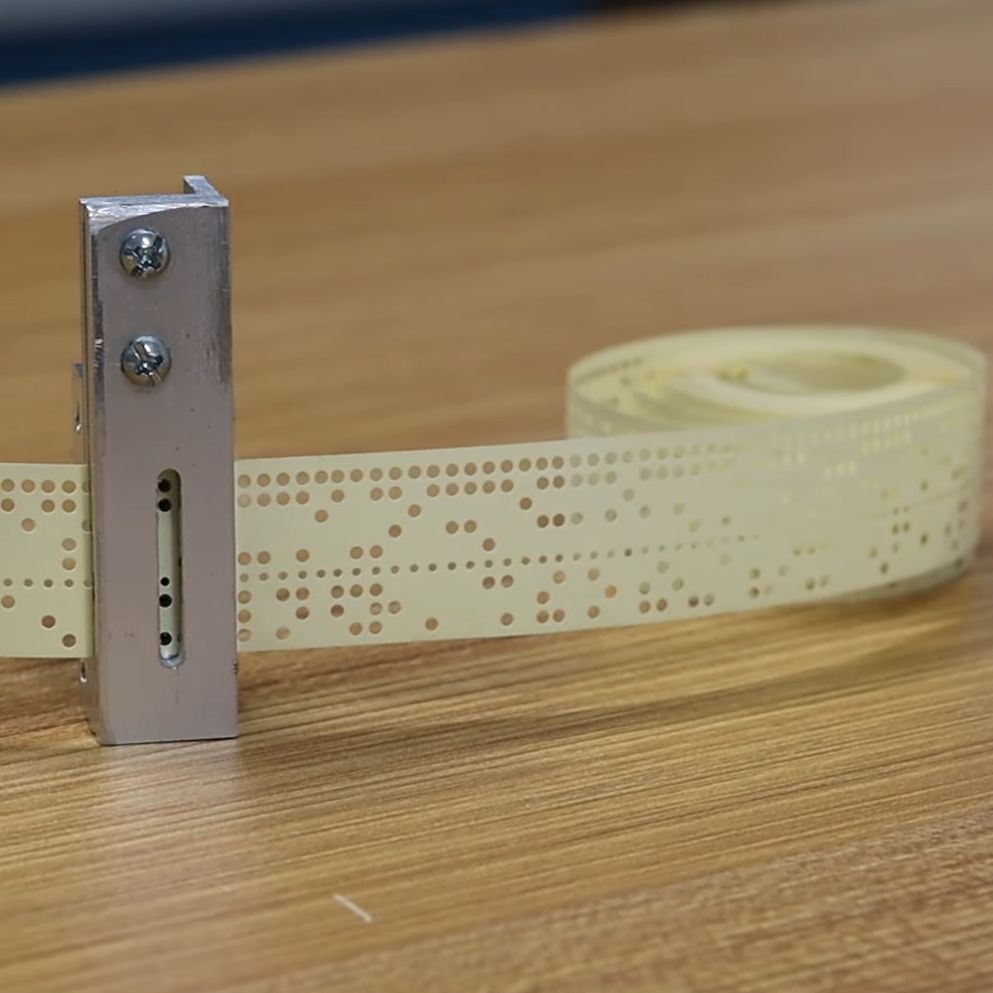
Il gruppo RansomHub è diventato attivo dopo la fine dell’operazione BlackCat/ALPHV, nella quale erano coinvolti molti attuali membri di RansomHub. Dall’inizio del 2024 ha effettuato più di 200 attacchi riusciti, anche contro grandi aziende come Rite Aid e Planned Parenthood.

Un allarme congiunto emesso il mese scorso da FBI, CISA e Dipartimento della Salute degli Stati Uniti ha evidenziato la minaccia del gruppo ai principali settori infrastrutturali statunitensi.

L'articolo Attacco Informatico alla Kawasaki Motors! RansomHub pubblica 487 GB di dati rubati proviene da il blog della sicurezza informatica.


The Privacy Post reshared this.

The Privacy Post ha ricondiviso questo.

The media in this post is not displayed to visitors. To view it, please go to the original post.

1/4 📢Today, 64 orgs & experts urge the @EU_Commission to halt proposals for using #AgeVerification tools when implementing #DigitalServicesAct & #eIDAS.

Evidence & lived experiences show these tools are dangerous, discriminatory & unsafe.

READ MORE: edri.org/our-work/open-letter-…

in reply to EDRi

4/4 #AgeVerification tools aren't a silver bullet for addressing children's needs online.

Strict verification can block access to valuable resources, hinder digital skills & put users at risk.

edri.org/our-work/open-letter-…

in reply to EDRi

Signatories: @comunal
@article19org
@ansol
@danesjenovdan
@wikimediaDE
@vrijschrift
@superrr
@digiges
@des.network
@BoellStiftung
@apti
@accessnow
@dfri
@d3

For more see the open letter: edri.org/our-work/open-letter-…

The Privacy Post ha ricondiviso questo.

French Commissioner Thierry Breton resigns over row with Von der Leyen
poliverso.org/display/0477a01e…
French Commissioner Thierry Breton resigns over row with Von der LeyenThierry Breton, Internal Market Commissioner also in charge of tech and defence announced his resignation from the European Commission, in a last move to question von der Leyen’s right to reign.euractiv.com/section/defence-a…


French Commissioner Thierry Breton resigns over row with Von der Leyen


Thierry Breton, Internal Market Commissioner also in charge of tech and defence announced his resignation from the European Commission, in a last move to question von der Leyen’s right to reign.


euractiv.com/section/defence-a…


The Privacy Post reshared this.

The Privacy Post ha ricondiviso questo.

The media in this post is not displayed to visitors. To view it, please go to the original post.

Usagi Electric’s Paper Tape Reader is Ready to Hop With the Tube Computer
poliverso.org/display/0477a01e…
Usagi Electric’s Paper Tape Reader is Ready to Hop With the Tube ComputerAfter previously working out a suitable approach to create a period-correct paper tape reader for his tube-based, MC14500B processor-inspired computer, [David Lovett] over at the Usagi Electric farm is back with a video on how he made a working tape reader


Usagi Electric’s Paper Tape Reader is Ready to Hop With the Tube Computer


After previously working out a suitable approach to create a period-correct paper tape reader for his tube-based, MC14500B processor-inspired computer, [David Lovett] over at the Usagi Electric farm is back with a video on how he made a working tape reader.
The assembled paper tape reader as seen from the front with tape inserted. (Credit: David Lovett, Usage Electric, YouTube)The assembled paper tape reader as seen from the front with tape inserted. (Credit: David Lovett, Usage Electric, YouTube)
The tape reader’s purpose is to feed data into the tube-based computer, which for this computer system with its lack of storage memory means that the instructions are fed into the system directly, with the tape also providing the clock signal with a constant row of holes in the tape.

Starting the tape reader build, [David] opted to mill the structural part out of aluminum, which is where a lot of machining relearning takes place. Ultimately he got the parts machined to the paper design specs, with v-grooves for the photodiodes to fit into and a piece to clamp them down. On top of this is placed a part with holes that line up with the photodiodes.

Another alignment piece is added to hold the tape down on the reader while letting light through onto the tape via a slot. After a test assembly [David] was dismayed that due to tolerance issues he cracked two photodiodes within the v-groove clamp, which was a hard lesson with these expensive (and rare) photodiodes.

Although tolerances were somewhat off, [David] is confident that this aluminum machined reader will work once he has it mounted up. Feeding the tape is a problem that is still to be solved. [David] is looking for ideas and suggestions for a good approach within the limitations that he’s working with. At the video’s end, he mentions learning FreeCAD and 3D printing parts in the future. That would probably not be period-correct in this situation, but might be something he could get away with for some applications within the retrocomputing space.

We covered the first video and the thought process behind picking small (1.8 mm diameter) photodiodes as a period-correct tape hole sensor for a 1950s-era computing system, like the 1950s Bendix G-15 that [David] is currently restoring.

youtube.com/embed/xdyZEZTv-xg?…


hackaday.com/2024/09/16/usagi-…


The Privacy Post reshared this.

The Privacy Post ha ricondiviso questo.

Nella mente del criminale informatico: Cosa Spinge un Hacker a Compiere Attacchi?
poliverso.org/display/0477a01e…
Nella mente del criminale informatico: Cosa Spinge un Hacker a Compiere Attacchi?Cosa spinge un redhotcyber.com/post/i-padri-f… criminale oppure un’organizzazione a compiere un attacco informatico? La sicurezza informatica redhotcyber.com/rubriche/alla-… inizia dalla comprensione dell’animo umano. Scopriamo insieme perchè.La profilazione psicologica


Nella mente del criminale informatico: Cosa Spinge un Hacker a Compiere Attacchi?


Cosa spinge un hacker criminale oppure un’organizzazione a compiere un attacco informatico? La sicurezza informatica inizia dalla comprensione dell’animo umano. Scopriamo insieme perchè.

La profilazione psicologica cerca di costruire un profilo psicologico di un individuo, in questo caso di un criminale informatico, analizzando le sue azioni, il suo modus operandi e le tracce digitali che lascia.

I fattori che influenzano le emozioni sono diversi ma i più importanti sono:

  • Successo o fallimento: Un attacco riuscito può portare a una sensazione di trionfo e potere, mentre un fallimento può causare frustrazione e rabbia.
  • Riconoscimento: Molti attaccanti cercano il riconoscimento dei loro pari nella comunità hacker. Il fatto di essere considerati un esperto può aumentare l’autostima e la motivazione.
  • Conseguenze delle azioni: Alcuni potrebbero provare rimorso o senso di colpa dopo aver causato danni significativi. Tuttavia, altri potrebbero giustificare le loro azioni sostenendo di aver agito per il bene comune o per difendersi da un torto subito o per grandi guadagni.


La motivazione


  • Economica: Chi agisce per guadagno potrebbe provare eccitazione all’idea di un colpo riuscito e frustrazione se fallisce.
  • Ideologica: Un hacker motivato da ideologie politiche o sociali potrebbe provare soddisfazione nel danneggiare un sistema o nel diffondere informazioni.
  • Vendetta: Un attacco potrebbe essere motivato da rancore personale, e l’attaccante potrebbe provare sollievo o vendetta nel causare danni.

Altri aspetti da considerare

  • Il ruolo dei media: I media spesso presentano gli hacker come figure romantiche o antieroi, contribuendo a creare un’aura di fascino intorno a questa figura.
  • La dipendenza: Alcuni hacker possono sviluppare una vera e propria dipendenza dall’adrenalina e dalla soddisfazione che provano nel compiere attacchi informatici.
  • L’impatto sociale: Gli attacchi informatici possono avere conseguenze devastanti sulla società, causando perdite economiche, interruzioni dei servizi e danni alla reputazione.

I cyber criminali raramente agiscono da soli ed a tal proposito cerchiamo di scoprire le differenze.

Hacker Solitario vs. Gruppo Organizzato


La profilazione di un hacker, sia esso solitario o parte di un gruppo, è un compito complesso che richiede una profonda conoscenza del mondo del cybercrime. Tuttavia, esistono delle differenze significative nel modus operandi e nei profili psicologici tra queste due tipologie di attaccanti.

Attaccante Solitario:

  • Motivazioni: Spesso guidati da curiosità, vendetta, sfida personale o ideologie.
  • Competenze: Le competenze tecniche possono variare notevolmente, da un principiante a un esperto.
  • Modus operandi: Tende ad essere meno sofisticato e più imprevedibile.
  • Traccia digitale: La traccia digitale è spesso più facile da seguire, poiché il solitario lascia meno false piste.
  • Profilo psicologico: Può essere introverso, solitario, con un forte bisogno di riconoscimento.

Gruppo Organizzato:

  • Motivazioni: Principalmente economiche, ma anche politiche o legate al crimine organizzato.
  • Competenze: Elevato livello di specializzazione, con membri che hanno competenze complementari.
  • Modus operandi: Più sofisticato, pianificato e coordinato.
  • Traccia digitale: La traccia digitale è spesso più difficile da seguire, grazie all’utilizzo di tecniche di offuscamento e alla distribuzione delle responsabilità.
  • Profilo psicologico: I membri possono avere profili psicologici diversi, ma spesso condividono una forte coesione e un senso di appartenenza al gruppo.


Differenze chiave nella profilazione dell’Hacker Solitario e del Gruppo Organizzato


  • Complessità dell’analisi: La profilazione di un gruppo è più complessa, in quanto richiede l’analisi di dinamiche di gruppo, gerarchie e ruoli.
  • Varietà di competenze: Un gruppo organizzato può includere esperti in diverse aree, come hacking, ingegneria sociale.
  • Motivazioni più varie: I gruppi organizzati possono avere motivazioni più complesse e difficili da individuare.
  • Traccia digitale più difficile da seguire: I gruppi organizzati utilizzano spesso infrastrutture complesse e tecniche di offuscamento per nascondere le loro attività.

La psicologia può svolgere un ruolo cruciale nell’identificazione delle emozioni che motivano i criminali informatici, offrendo un contributo significativo alla società in diversi modi:

1. Comprensione delle motivazioni profonde:


  • Profiling psicologico: Attraverso l’analisi del modus operandi, delle comunicazioni online e del contesto sociale, gli psicologi possono costruire profili psicologici degli hacker, cercando di individuare le motivazioni profonde che li spingono ad agire.
  • Teorie della personalità: Applicando teorie della personalità come quella dei Big Five o di Maslow, si possono identificare tratti comuni tra gli hacker, come il bisogno di potere, la ricerca di eccitazione o la volontà di vendicarsi.


2. Identificazione di segnali premonitori:


  • Analisi del linguaggio: Analizzando il linguaggio utilizzato negli ambienti online, gli psicologi possono individuare segnali di allarme, come espressioni di rabbia, frustrazione o desiderio di vendetta, che potrebbero indicare una potenziale minaccia.
  • Monitoraggio dei comportamenti online: Attraverso l’analisi dei comportamenti online, si possono identificare individui che manifestano un interesse eccessivo per argomenti legati alla sicurezza informatica o che mostrano segni di radicalizzazione.


3. Sviluppo di strategie di prevenzione:


  • Interventi educativi: La psicologia può contribuire a sviluppare programmi educativi per sensibilizzare i giovani ai rischi del cybercrime e promuovere comportamenti online responsabili.
  • Interventi riabilitativi: Per gli hacker che desiderano cambiare vita, la psicologia può offrire strumenti e tecniche per affrontare le motivazioni profonde che li hanno spinti a compiere reati informatici.


4. Collaborazione con le forze dell’ordine:


  • Supporto investigativo: Gli psicologi possono fornire alle forze dell’ordine un supporto fondamentale nell’interpretazione delle evidenze digitali e nella costruzione di profili psicologici degli indagati.
  • Negoziazione: In alcuni casi, gli psicologi possono essere coinvolti in negoziazioni con gli hacker per cercare di farli desistere dalle loro azioni o per recuperare i dati rubati.


Conclusione


In conclusione, la psicologia offre un contributo fondamentale alla comprensione delle motivazioni che spingono gli individui a compiere reati informatici.

Attraverso l’analisi dei comportamenti, delle comunicazioni e del contesto sociale, gli psicologi possono aiutare a identificare i segnali premonitori, sviluppare strategie di prevenzione e collaborare con le forze dell’ordine per contrastare il cybercrime.

La psicologia ci insegna a leggere tra le righe, mentre la sicurezza informatica ci insegna a proteggere ciò che conta di più.

Insieme, creano una sinergia potente.

L'articolo Nella mente del criminale informatico: Cosa Spinge un Hacker a Compiere Attacchi? proviene da il blog della sicurezza informatica.


The Privacy Post reshared this.

The Privacy Post ha ricondiviso questo.

The media in this post is not displayed to visitors. To view it, please go to the original post.

Nuovo schema fraudolento: Falsi test CAPTCHA installano malware su Windows
poliverso.org/display/0477a01e…
Nuovo schema fraudolento: Falsi test CAPTCHA installano malware su WindowsGli specialisti della sicurezza informatica redhotcyber.com/rubriche/alla-… mettono in guardia da un nuovo schema fraudolento: gli aggressori hanno iniziato a utilizzare falsi test CAPTCHA per installare redhotcyber.com/post/la-storia… sui computer Windows. Questo è un segnale per


Nuovo schema fraudolento: Falsi test CAPTCHA installano malware su Windows


Gli specialisti della sicurezza informatica mettono in guardia da un nuovo schema fraudolento: gli aggressori hanno iniziato a utilizzare falsi test CAPTCHA per installare malware sui computer Windows. Questo è un segnale per gli utenti di prestare maggiore attenzione alla protezione dei propri dati e di fare attenzione quando interagiscono con CAPTCHA.

Come sai, i test CAPTCHA standard richiedono all’utente di eseguire determinate attività, ad esempio selezionare gli oggetti desiderati in un’immagine o inserire caratteri di testo. Gli aggressori hanno però approfittato di questo scenario familiare e hanno creato una versione falsa del test che, invece di verificare, chiede all’utente di eseguire una serie di azioni sulla tastiera che portano all’installazione di un virus.

Invece dei suggerimenti tradizionali, il falso CAPTCHA chiede all’utente di premere la combinazione di tasti “Windows + R”, che fa apparire una finestra sul computer per eseguire i comandi. Successivamente, il test ti chiede di premere “CTRL + V” e quindi il tasto Invio. Se l’utente non pensa a ciò che sta accadendo, potrebbe non notare che nella finestra che avvia il download di uno script PowerShell dannoso viene eseguito un comando.

Processo di attivazione dello script tramite CAPTCHA

Secondo l’Unità 42 di Palo Alto Networks, lo script dannoso installa sul dispositivo Lumma Stealer, progettato per rubare password, cookie e dati del portafoglio di criptovaluta dal dispositivo infetto.

Gli esperti di Hudson Rock hanno inoltre confermato che quando si visitano siti pericolosi che ospitano un falso test CAPTCHA, uno script dannoso viene automaticamente copiato nel browser. Quando l’utente esegue le azioni suggerite, viene attivato lo script, che porta all’infezione del dispositivo.

Continuano a verificarsi attacchi che utilizzano CAPTCHA falsi. Lo specialista in sicurezza informatica John Hammond di Huntress ha notato che la società ha registrato un’altra apparizione di questa minaccia la scorsa settimana.

I test CAPTCHA falsi possono essere distribuiti tramite e-mail e messaggi di phishing, rendendoli particolarmente pericolosi. Gli utenti devono essere vigili e non eseguire attività sospette durante il controllo del CAPTCHA.

L'articolo Nuovo schema fraudolento: Falsi test CAPTCHA installano malware su Windows proviene da il blog della sicurezza informatica.


The Privacy Post reshared this.

The Privacy Post ha ricondiviso questo.

The media in this post is not displayed to visitors. To view it, please go to the original post.

Un Mondo di Spioni! L’Active Listening sembrerebbe non essere fantascenza
poliverso.org/display/0477a01e…
Un Mondo di Spioni! L’Active Listening sembrerebbe non essere fantascenza404 Media 404media.co/heres-the-pitch-de… ha ricevuto un documento di presentazione da documentcloud.org/documents/25… Cox Media Group (CMG). Afferma che l’azienda può indirizzare gli annunci in base a ciò che i potenziali clienti dicono ad alta voce vicino ai microfoni dei loro


Un Mondo di Spioni! L’Active Listening sembrerebbe non essere fantascenza


404 Media ha ricevuto un documento di presentazione da Cox Media Group (CMG). Afferma che l’azienda può indirizzare gli annunci in base a ciò che i potenziali clienti dicono ad alta voce vicino ai microfoni dei loro dispositivi.

Inoltre, Google, Amazon, Bing e altre società sono menzionate nel documento come partner CMG.

Nel dicembre dello scorso anno la pubblicazione parlava già della funzionalità pubblicizzata da CMG denominata Active Listening. A quel tempo, i giornalisti utilizzavano materiali dal sito web di CMG, ma dopo la pubblicazione dell’articolo la società ha cancellato queste informazioni.

Prima sul sito CMG era scritto: “Che impatto avrebbe sulla tua attività se potessi rivolgerti a potenziali clienti che discutono attivamente della necessità dei tuoi servizi nelle conversazioni quotidiane? No, questo non è un episodio di Black Mirror: si tratta di dati vocali e CMG ha le capacità per utilizzarli a vantaggio del tuo business.”

Ora la redazione ha a disposizione una presentazione pubblicitaria dedicata all’Ascolto Attivo. Si noti che questa presentazione è stata inviata almeno ad una società alla quale i rappresentanti di CMG prevedevano di vendere i propri servizi.

“I dispositivi intelligenti raccolgono dati sulle intenzioni in tempo reale ascoltando le nostre conversazioni. Gli inserzionisti possono abbinare questi dati vocali a parametri comportamentali per rivolgersi ai consumatori sul mercato. Utilizziamo l’intelligenza artificiale per raccogliere questi dati da oltre 470 fonti per migliorare l’implementazione, il targeting e le prestazioni delle campagne”, si legge nella prima diapositiva della presentazione di CMG.

Il documento non dice da dove esattamente CMG riceverebbe questi dati vocali (cioè non elenca, ad esempio, marchi specifici di smart TV, altoparlanti o specifiche applicazioni per smartphone). Ma è stato riferito che CMG utilizza i dati vocali per identificare il pubblico “pronto ad acquistare”, quindi compila un elenco di tali utenti e lo trasferisce alle piattaforme pubblicitarie per il successivo targeting degli annunci.

Il documento afferma che per 100 dollari al giorno, CMG può rivolgersi a persone entro un raggio di 10 miglia (16 chilometri), o per 200 dollari al giorno, un raggio di 20 miglia (32 chilometri).

Come accennato in precedenza, CMG afferma di avere partnership con Google, Amazon e Facebook. Molto probabilmente, in questo contesto stiamo parlando di pubblicità in generale e non specificamente del prodotto Active Listening. Ma la presentazione dice che CMG è:

  • partner principale ( Premier Partner ) di Google, cioè incluso nel 3% delle società pubblicitarie di maggior successo in un determinato Paese;
  • Il primo media partner di Amazon Advertising;
  • una delle prime società di media a diventare partner di marketing di Facebook.

Dopo che 404 giornalisti di Media hanno pubblicato la loro storia e contattato le aziende per un commento, Google ha rimosso CMG dal suo programma di affiliazione.

“Tutti gli inserzionisti sono tenuti a rispettare tutte le leggi e i regolamenti applicabili, nonché le norme di Google Ads, e quando identifichiamo annunci o inserzionisti che violano queste norme, adottiamo le misure appropriate”, ha affermato Google alla pubblicazione.

Amazon ha affermato che “Amazon Ads non ha mai collaborato con CMG su questo programma e non ha intenzione di farlo”. La società ha aggiunto che se si venisse a sapere che uno dei partner viola le regole di marketing, Amazon potrà intraprendere le azioni appropriate.

Meta ha affermato di non poter commentare informazioni su specifici account di inserzionisti, ma ha osservato che gli inserzionisti dovrebbero avere i diritti necessari per utilizzare qualsiasi dato come parte delle loro campagne. E dopo che Google ha rimosso CMG dal suo programma di affiliazione, Meta ha aggiunto che stava attualmente esaminando se CMG avesse violato i Termini e condizioni dell’azienda e ha affermato che avrebbe potuto agire se necessario.

L'articolo Un Mondo di Spioni! L’Active Listening sembrerebbe non essere fantascenza proviene da il blog della sicurezza informatica.


The Privacy Post reshared this.

The Privacy Post ha ricondiviso questo.

The media in this post is not displayed to visitors. To view it, please go to the original post.

Exploring TapTo NFC Inegration On The MiSTer
poliverso.org/display/0477a01e…
Exploring TapTo NFC Inegration On The MiSTer[Ken] from the YouTube channel What’s Ken Making is back with another MiSTer video youtube.com/watch?v=73Kx3jwyk0… detailing the TapTo project tapto.wiki/Main_Page and its integration into MiSTer. MiSTer, misterfpga.org/feed/ as some may recall, is a set of FPGA images and a supporting ecosystem for the Terasic DE10-Nano FPGA board


Exploring TapTo NFC Inegration On The MiSTer


[Ken] from the YouTube channel What’s Ken Making is back with another MiSTer video detailing the TapTo project and its integration into MiSTer. MiSTer, as some may recall, is a set of FPGA images and a supporting ecosystem for the Terasic DE10-Nano FPGA board, which hosts the very capable Altera Cyclone V FPGA.
The TeensyROM C64 cart supports TapTo
The concept behind TapTo is to use NFC cards, stickers, and other such objects to launch games and particular key sequences. This allows an NFC card to be programmed with the required FPGA core and game image. The TapTo service runs on the MiSTer, waiting for NFC events and launching the appropriate actions when it reads a card. [Ken] demonstrates many such usage scenarios, from launching games quickly and easily with a physical ‘game card’ to adding arcade credits and even activating cheat codes.

As [Ken] points out, this opens some exciting possibilities concerning physical interactivity and would be a real bonus for people less able-bodied to access these gaming systems. It was fun to see how the Nintendo Amiibo figures and some neat integration projects like the dummy floppy disk drive could be used.

TapTo is a software project primarily for the MiSTer system, but ports are underway for Windows, the MiSTex, and there’s a working Commodore 64 game loader using the TeensyROM, which supports TapTo. For more information, check out the TapTo project GitHub page.

We’ve covered the MiSTer a few times before, but boy, do we have a lot of NFC hacks. Here’s an NFC ring and a DIY NFC tag, just for starters.

youtube.com/embed/73Kx3jwyk0U?…

Thanks to [Stephen Walters] for the tip!


hackaday.com/2024/09/15/explor…


The Privacy Post reshared this.

The Privacy Post ha ricondiviso questo.

The media in this post is not displayed to visitors. To view it, please go to the original post.

Microwave Forge Casts the Sinking-est Benchy Ever
poliverso.org/display/0477a01e…
Microwave Forge Casts the Sinking-est Benchy EverAs a test artifact, 3DBenchy does a pretty good job of making sure your 3D printer is up to scratch. As an exemplar of naval architecture, though — well, let’s just say that if it weren’t for the trapped air in the infilled areas, most Benchy prints wouldn’t float at all. About the only way to make Benchy less seaworthy would be to


Microwave Forge Casts the Sinking-est Benchy Ever


As a test artifact, 3DBenchy does a pretty good job of making sure your 3D printer is up to scratch. As an exemplar of naval architecture, though — well, let’s just say that if it weren’t for the trapped air in the infilled areas, most Benchy prints wouldn’t float at all. About the only way to make Benchy less seaworthy would be to make it out of cast iron. Challenge accepted.

We’ve grown accustomed to seeing [Denny] over at “Shake the Future” on YouTube using his microwave-powered kilns to cast all sorts of metal, but this time he puts his skill and experience to melting iron. For those not in the know, he uses standard consumer-grade microwave ovens to heat kilns made from ceramic fiber and lots of Kapton tape, which hold silicon carbide crucibles that get really, really hot under the RF onslaught. It works surprisingly well, especially considering he does it all on an apartment balcony.

For this casting job, he printed a Benchy model from PLA and made a casting mold from finely ground silicon carbide blasting medium mixed with a little sodium silicate, or water glass. His raw material was a busted-up barbell weight, which melted remarkably well in the kiln. The first pour appeared to go well, but the metal didn’t quite make it all the way to the tip of Benchy’s funnel. Round two was a little more exciting, with a cracked crucible and spilled molten metal. The third time was a charm, though, with a nice pour and complete mold filling thanks to the vibrations of a reciprocating saw.

After a little fettling and a saltwater bath to achieve the appropriate patina, [Denny] built a neat little Benchy tableau using microwave-melted blue glass as a stand-in for water. It highlights the versatility of his method, which really seems like a game-changer for anyone who wants to get into home forging without the overhead of a proper propane or oil-fired furnace.

youtube.com/embed/-WFin_4Ltfs?…


hackaday.com/2024/09/15/microw…


The Privacy Post reshared this.

The Privacy Post ha ricondiviso questo.

The media in this post is not displayed to visitors. To view it, please go to the original post.

Hackaday Links: September 15, 2024
poliverso.org/display/0477a01e…
Hackaday Links: September 15, 2024A quick look around at any coffee shop, city sidewalk, or sadly, even at a traffic light will tell you that people are on their phones a lot. But exactly how much is that? For Americans in 2023, it was a mind-boggling 100 trillion megabytes reuters.com/technology/america…, according to the wireless industry lobbying association CTIA. The group doesn’t discuss


Hackaday Links: September 15, 2024


Hackaday Links Column Banner

A quick look around at any coffee shop, city sidewalk, or sadly, even at a traffic light will tell you that people are on their phones a lot. But exactly how much is that? For Americans in 2023, it was a mind-boggling 100 trillion megabytes, according to the wireless industry lobbying association CTIA. The group doesn’t discuss their methodology in the press release, so it’s a little hard to make judgments on that number’s veracity, or the other numbers they bandy about, such as the 80% increase in data usage since 2021, or the fact that 40% of data is now going over 5G connections. Some of the numbers are more than a little questionable, too, such as the claim that 330 million Americans (out of a current estimate of 345.8 million people) are covered by one or more 5G networks. Even if you figure that most 5G installations are in densely populated urban areas, 95% coverage seems implausible given that in 2020, 57.5 million people lived in rural areas of the USA. Regardless of the details, it remains that our networks are positively humming with data, and keeping things running is no mean feat.

If you’ve ever wondered what one does with a degree in wildlife biology, look no further than a study that looks into “avian-caused ignitions” of wildfires. The study was led by Taylor Barnes, a wildlife biologist and GIS specialist who works for a civil engineering firm, and concludes that some utility poles are 5 to 8 times more likely to spark a wildfire than the average pole due to “thermal events” following electrocution of a bird, squirrel, bear, or idiot. Unfortunately, the paper is paywalled, so there’s no information on methodology, but we’re guessing a grad student or intern spent a summer collecting animal carcasses from beneath power poles. It’s actually very valuable work since it informs decisions on where to direct wildlife mitigation efforts that potentially reduce the number of service outages and wildfires, but it’s still kinda funny.

From the “How to get rid of a lot of money in a hurry” files comes a story of a bad GPU made into an incredibly unattractive purse. About the only thing good about the offering, which consists of a GeForce GT 730 video card stuffed into a clear plastic box with a gold(ish) chain attached, is the price of $1,024. The completely un-dodgy GPUStore Shopify site also lists a purse fashioned from an NVIDIA H100 Tensor Core GPU for a cool $65,536. At least somebody knows about base two.

And finally, if you’ve struggled with the question of what humanoid robots bring to the table, chances are pretty good that adding the ability to fly with four jet engines isn’t going to make things much clearer. But for some reason, a group from the Italian Institute of Technology is working on the problem of “aerial humanoid robotics” with a cherub-faced bot dubbed iRonCub. The diminutive robot is only about 70 kilograms, which includes the four jet engines generating a total of 1,000 newtons of thrust. Applications for the flying baby robot are mostly left to the imagination, although there is a vague reference to “search and rescue” applications; we’re not sure about you, but if we’re lost in the woods and half-crazed from hunger and exposure, a baby descending from the sky on a 600° plume of exhaust might not be the most comforting sight.


hackaday.com/2024/09/15/hackad…


The Privacy Post reshared this.

The Privacy Post ha ricondiviso questo.

The media in this post is not displayed to visitors. To view it, please go to the original post.

Archiving Data On Paper Using 2D Images
poliverso.org/display/0477a01e…
Archiving Data On Paper Using 2D ImagesIt seems like only yesterday we covered a project using QR codes to archive data on paper (OK, it was last Thursday), so here’s another way to do it ronja.twibright.com/optar/, this time with a dedicated codec using the full page. Optar or OPTical ARchiver is a project capable of squeezing a whopping 200 Kb of data onto a single A4 sheet of paper, with


Archiving Data On Paper Using 2D Images


It seems like only yesterday we covered a project using QR codes to archive data on paper (OK, it was last Thursday), so here’s another way to do it, this time with a dedicated codec using the full page. Optar or OPTical ARchiver is a project capable of squeezing a whopping 200 Kb of data onto a single A4 sheet of paper, with writing and reading achieved with a standard laser printer and a scanner. It’s a bit harder than you might think to get that much data on the page, given that even a 600 DPI printer can’t reliably place every dot each time. Additionally, paper is rarely uniform at the microscopic scale, so Optar utilizes a forward error-correcting coding scheme to cater for a little irregularity in both printing and scanning.

The error-correcting scheme selected was an Extended Golay code (24, 12, 8), which, interestingly, was also used for image transmission by the NASA Voyager 1 and 2 missions. In information theory terms, this scheme has a minimum Hamming Distance of 8, giving detection of up to seven bit errors. This Golay code implementation is capable of correcting three-bit errors in each 24-bit block, with 12 bits available for payload. That’s what the numbers in those brackets mean.

More after the break…

Another interesting problem is paper stretch during printing. A laser printer works by feeding the paper around rollers, some of which are heated. As a printer wears or gets dirty, the friction coefficient along the rollers can vary, leading to twisting and stretching of the paper during the printing process. Water absorbed by the paper can also lead to distortion. To compensate for these effects, Optar regularly inserts calibration targets throughout the bit image, which are used to locally resynchronize the decoding process as the image is processed. This is roughly similar to how the alignment patterns work within larger QR codes. Finally, similar to the position detection targets (those square bits) in QR codes, Optar uses a two-pixel-wide border around the bit image. The border is used to align to the corners well enough to locate the rows of bits to be decoded.

In the distant past of last week, we covered a similar project that uses QR codes. This got us thinking about how QR codes work, and even if encoding capacity can be increased using more colors than just black and white?

Thanks to [Petr] for the tip!


hackaday.com/2024/09/15/archiv…


The Privacy Post reshared this.

The Privacy Post ha ricondiviso questo.

New note by cybersecurity
poliverso.org/display/0477a01e…
L’utilità della tecnologia edoardolimone.com/2024/09/15/l…@Informatica (Italy e non Italy 😁)Da qualche mese si cominciano a leggere articoli che sembrano riproporzionare l’importanza di talune tecnologie di cui finora si è parlato molto. Tra queste, ovviamente, c’è anche l’intelligenza artificiale… Cosa […]L'articolo L’utilità della tecnologia proviene da Edoardo Limone.L'articolo proviene dal blo


L’utilità della tecnologia


@Informatica (Italy e non Italy 😁)
Da qualche mese si cominciano a leggere articoli che sembrano riproporzionare l’importanza di talune tecnologie di cui finora si è parlato molto. Tra queste, ovviamente, c’è anche l’intelligenza artificiale… Cosa […]
L'articolo L’utilità della tecnologia proviene da Edoardo Limone.

L'articolo proviene dal blog dell'esperto di #Cybersecurity


The Privacy Post reshared this.

The Privacy Post ha ricondiviso questo.

Mastercard acquista per 2,65 Miliardi di dollari Recorded Future
poliverso.org/display/0477a01e…
Mastercard acquista per 2,65 Miliardi di dollari Recorded FutureMastercard ha deciso di potenziare la propria infrastruttura di sicurezza informatica redhotcyber.com/rubriche/alla-… acquistando la società di intelligence delle minacce globali Recorded Future dalla societàdi private equity Insight Partners per 2,65 miliardi di dollari.L’emittente di carte di credito


Mastercard acquista per 2,65 Miliardi di dollari Recorded Future


Mastercard ha deciso di potenziare la propria infrastruttura di sicurezza informatica acquistando la società di intelligence delle minacce globali Recorded Future dalla società
di private equity Insight Partners per 2,65 miliardi di dollari.

L’emittente di carte di credito ha affermato giovedì che l’acquisizione “rafforza le intuizioni e l’intelligence utilizzate per proteggere l’economia digitale odierna, nell’ecosistema dei pagamenti e oltre“. La società ha affermato che la necessità di una difesa informatica olistica e globale “non è mai stata così grande”.

Si prevede che la transazione si concluda nel primo trimestre del prossimo anno.

L’intelligenza artificiale utilizzata per analizzare le potenziali minacce


Mastercard ha affermato che Recorded Future utilizza l’intelligenza artificiale (IA) per analizzare miliardi di dati per identificare potenziali minacce. Ha aggiunto che questa combinazione “consentirà lo sviluppo di pratiche ancora più solide e guiderà maggiori sinergie nella sicurezza informatica e nell’intelligence, rafforzando il marchio Mastercard come marchio di fiducia”.

Giovedì pomeriggio le azioni Mastercard hanno registrato un leggero rialzo, raggiungendo il massimo storico di oltre 490 dollari.

Nel 2007, i co-fondatori di Recorded Future, Christopher Ahlberg e Staffan Truvé, hanno depositato un brevetto per un sistema di analisi dei dati che utilizza l’apprendimento automatico per raccogliere e analizzare informazioni dal web. L’azienda è stata ufficialmente costituita nel 2009, ricevendo finanziamenti iniziali da Google e In-Q-Tel.

Breve storia di Recorded Future


Nel 2012, Recorded Future ha iniziato a concentrarsi sull’intelligence delle minacce informatiche, e nel 2014 ha lanciato Recorded Future Dark Web, espandendo le sue capacità di analisi sul dark web. Nel 2017, ha introdotto l’Insikt Group, il suo braccio di ricerca per l’intelligence delle minacce.

Nel 2019, Recorded Future è stata acquisita dalla società di private equity Insight Partners per 780 milioni di dollari. Nel 2020, ha lanciato un’agenzia di stampa sulla sicurezza informatica chiamata “The Record”. Nel 2023, l’azienda ha introdotto Recorded Future AI, un modello basato su OpenAI GPT per arricchire le analisi di sicurezza. Infine, nel 2024, MasterCard ha acquisito Recorded Future per 2,65 miliardi di dollari.

L'articolo Mastercard acquista per 2,65 Miliardi di dollari Recorded Future proviene da il blog della sicurezza informatica.


The Privacy Post reshared this.

The Privacy Post ha ricondiviso questo.

The media in this post is not displayed to visitors. To view it, please go to the original post.

An 80386 Upgrade Deal and Intel 486 Competitor: the Cyrix Cx486DLC
poliverso.org/display/0477a01e…
An 80386 Upgrade Deal and Intel 486 Competitor: the Cyrix Cx486DLCThe x86 CPU landscape of the 1980s and 1990s was competitive in a way that probably seems rather alien to anyone used to the duopoly that exists today between AMD and Intel. At one point in time, Cyrix was a major player, who mostly sought to provide a good deal that would undercut Intel. One such


An 80386 Upgrade Deal and Intel 486 Competitor: the Cyrix Cx486DLC


The x86 CPU landscape of the 1980s and 1990s was competitive in a way that probably seems rather alien to anyone used to the duopoly that exists today between AMD and Intel. At one point in time, Cyrix was a major player, who mostly sought to provide a good deal that would undercut Intel. One such attempt was the Cx486DLC and the related Tx486DLC by Texas Instruments. These are interesting because they fit in a standard 386DX mainboard, are faster than a 386 CPU, and add i486 instructions. Check your mainboard though, as these parts require a mainboard that supports them.

This is something that [Bits und Bolts] over at YouTube discovered as well when poking at a TX486DLC (TI486DLC) CPU. The Ti version of the Cyrix Cx486DLC CPU increases the 1 kB L1 cache to 8 kB but is otherwise essentially the same. He found the CPU and the mainboard in the trash and decided to adopt it. After removing the very dead battery from the Jamicon KMC-40A Baby AT mainboard, the mainboard was found to be in good working order. The system fired right up with the Ti CPU, some RAM, and a video card installed.

That’s when the excitement began, as although the mainboard is ‘Cyrix-aware’, its BIOS support is somewhat buggy. Although it technically will beat the living tar out of a 386, the Speedsys benchmark utility was crashing because the internal L1 cache wasn’t being enabled properly. Fixing the problem required an external Cyrix utility application. These issues were why so few people were interested in bolt-on solutions. The sentiment extended to Intel with their ill-fated Pentium OverDrive products.

For enthusiasts looking for a good deal, they were an exciting option, but Intel took offense to Cyrix barging into the x86 CPU market without a negotiated license. Cyriz instead utilized reverse engineering to make their own x86-compatible designs. This included their later 5×86 and 6×86 CPUs. After a series of lawsuits Cyrix was merged into National Semiconductor and later sold to AMD, who sold Cyrix’s latest designs under the Geode name before discontinuing it in 2019.

youtube.com/embed/XxzDE6aDAA8?…


hackaday.com/2024/09/15/an-803…


The Privacy Post ha ricondiviso questo.

Frodi Sentimentali: Oltre 2,7 Milioni Riciclati da una Donna della Florida
poliverso.org/display/0477a01e…
Frodi Sentimentali: Oltre 2,7 Milioni Riciclati da una Donna della FloridaUna donna della Florida si è dichiarata colpevole di aver partecipato a una cospirazione internazionale per riciclare milioni di dollari ottenuti da truffe romantiche, inviando i fondi a un complice all’estero.Secondo i documenti del tribunale, justice.gov/opa/pr/florida-wom…


Frodi Sentimentali: Oltre 2,7 Milioni Riciclati da una Donna della Florida


Una donna della Florida si è dichiarata colpevole di aver partecipato a una cospirazione internazionale per riciclare milioni di dollari ottenuti da truffe romantiche, inviando i fondi a un complice all’estero.

Secondo i documenti del tribunale, Christine Petitfrere, 30 anni, residente a Miramar, ha gestito conti bancari utilizzati per ricevere denaro proveniente da truffe sentimentali. Dopo aver ricevuto i fondi dalle vittime, Petitfrere tratteneva una parte come commissione personale, mentre il resto veniva trasferito a un suo complice al di fuori degli Stati Uniti. In totale, Petitfrere ha riciclato oltre 2,7 milioni di dollari, guadagnando centinaia di migliaia di dollari per il suo ruolo nella frode.

Le truffe sentimentali coinvolgono la creazione di falsi profili online, spesso su piattaforme di incontri, per guadagnare la fiducia e l’affetto delle vittime, per poi sfruttarle finanziariamente. Questo tipo di frode non solo provoca ingenti perdite economiche, ma infligge anche gravi danni emotivi, specialmente a persone vulnerabili, come gli anziani. La Federal Trade Commission (FTC) ha stimato che nel 2023, gli americani hanno perso circa 1,14 miliardi di dollari a causa di queste truffe.

“Le truffe romantiche causano non solo perdite finanziarie significative, ma infliggono anche profonde sofferenze emotive a innumerevoli individui”, ha dichiarato Brian Boynton, vice procuratore generale della divisione civile del Dipartimento di Giustizia. “Questa condanna evidenzia l’impegno del dipartimento nel distruggere le reti criminali che sfruttano le vulnerabilità delle persone con schemi sofisticati.”

Petitfrere sarà condannata l’11 dicembre presso il tribunale federale del Distretto Meridionale della Florida e rischia una pena massima di 10 anni di carcere. La condanna definitiva sarà decisa da un giudice federale, che prenderà in considerazione le linee guida delle US Sentencing Guidelines e altri fattori legali.

L’FBI di Miami ha condotto le indagini, mentre Matthew Robinson e Lauren M. Elfner, avvocati della Sezione per la Protezione dei Consumatori del Dipartimento di Giustizia, sono a capo del processo.

Per le vittime di frodi finanziarie, specialmente se di età superiore ai 60 anni, è disponibile una linea di assistenza del Dipartimento di Giustizia, la National Elder Fraud Hotline (1-833-FRAUD-11), che offre supporto e risorse per affrontare questo tipo di crimini. I case manager sono disponibili dal lunedì al venerdì dalle 10:00 alle 18:00 ET, offrendo supporto in inglese, spagnolo e altre lingue. Segnalare tempestivamente può contribuire a recuperare parte delle perdite finanziarie e a fermare i truffatori.

L'articolo Frodi Sentimentali: Oltre 2,7 Milioni Riciclati da una Donna della Florida proviene da il blog della sicurezza informatica.


The Privacy Post reshared this.

The Privacy Post ha ricondiviso questo.

The media in this post is not displayed to visitors. To view it, please go to the original post.

G4 Mac Mini is a Wolf in Apple IIc Clothing
poliverso.org/display/0477a01e…
G4 Mac Mini is a Wolf in Apple IIc ClothingRestomods let us relive some of the glory days of industrial design with internals that would blow the socks off the original device. [Mental Hygiene] decided to update an Apple IIc with a G4 brain flickr.com/photos/charles_mang….Starting with a broken IIc, they pulled the internals, including the venerable 6502, and transplanted the parts from


G4 Mac Mini is a Wolf in Apple IIc Clothing


A beige computer monitor with a green glow sits atop a flat, beige Apple IIc with a mouse next to it on a dark wooden table. A vase full of bright pink flowers is in the background.

Restomods let us relive some of the glory days of industrial design with internals that would blow the socks off the original device. [Mental Hygiene] decided to update an Apple IIc with a G4 brain.

Starting with a broken IIc, they pulled the internals, including the venerable 6502, and transplanted the parts from a G4 Mac mini into the case. There was plenty of room for the small desktop and its power supply. We love how they were able to repurpose the 5 1/4″ floppy access on the side of the IIc as a DVD drive.

A Mac OSX install DVD peeks out from the disc slot on a beige Apple IIc. You'd never guess this was originally a floppy drive.The original keyboard was adapted with an Arduino Teensy into a USB unit for the mini, but the internals of the mouse were replaced with a modern USB laser mouse running the signals over the original connector. What really sells this particular restomod is the “VGA adapter that outputs monochrome NTSC via RCA” allowing a vintage Apple CRT to make this look like a device that somehow upgraded all the way to OSX.

This mod looks to be from 2012, so we’re wondering if it’s time someone did this with an Apple Silicon mini? We’ve previously covered a few different minis inside G4 iMacs. We’ve even seen someone tackle the Compact Macintosh with an iPad mini.


hackaday.com/2024/09/15/g4-mac…


The Privacy Post reshared this.