The Privacy Post ha ricondiviso questo.

Draghi’s report is the third to sound alarm on telecom competition policy
poliverso.org/display/0477a01e…
Draghi’s report is the third to sound alarm on telecom competition policyLarge EU telcos said Draghi's report sounded the alarm over the state of EU's telecom competition policy, consumer associations and smaller telecom companies are repeating their stance against these findings.euractiv.com/section/digital/n…


Draghi’s report is the third to sound alarm on telecom competition policy


Large EU telcos said Draghi's report sounded the alarm over the state of EU's telecom competition policy, consumer associations and smaller telecom companies are repeating their stance against these findings.


euractiv.com/section/digital/n…


The Privacy Post reshared this.

The Privacy Post ha ricondiviso questo.

The media in this post is not displayed to visitors. To view it, please go to the original post.

888 rivendica un attacco informatico ai danni di BMW Hong Kong. Database scaricabile nelle underground
poliverso.org/display/0477a01e…
888 rivendica un attacco informatico ai danni di BMW Hong Kong. Database scaricabile nelle undergroundIn data 3/9/24 sul celebre forum “Breached” è comparso un post dove il Threat Actors 888 mette in vendita un database con diverse informazioni sui proprietari dei veicoli estratti da BMW Hong Kong,.Secondo 888, sarebbe la


888 rivendica un attacco informatico ai danni di BMW Hong Kong. Database scaricabile nelle underground


In data 3/9/24 sul celebre forum “Breached” è comparso un post dove il Threat Actors 888 mette in vendita un database con diverse informazioni sui proprietari dei veicoli estratti da BMW Hong Kong,.

Secondo 888, sarebbe la seconda esfiltrazione, ora più completa con dati riguardanti account del proprietario, nomi, dettagli di contatto etc….

Secondo cybersecuritynews BMW ha sottolineato il suo impegno per la privacy dei clienti e gli sforzi continui per rafforzare la sicurezza dei suoi sistemi. Tuttavia, le violazioni che sembrerebbero avvenute nella prima metà del 2024 hanno sollevato diverse preoccupazioni.

Al momento, non è possibile confermare la veridicità della notizia, poiché l’organizzazione non ha ancora rilasciato alcun comunicato stampa ufficiale sul proprio sito web riguardo l’incidente. Pertanto, questo articolo deve essere considerato come ‘fonte di intelligence’.

Come nostra consuetudine, lasciamo sempre spazio ad una dichiarazione da parte dell’azienda qualora voglia darci degli aggiornamenti sulla vicenda. Saremo lieti di pubblicare tali informazioni con uno specifico articolo dando risalto alla questione.

RHC monitorerà l’evoluzione della vicenda in modo da pubblicare ulteriori news sul blog, qualora ci fossero novità sostanziali. Qualora ci siano persone informate sui fatti che volessero fornire informazioni sulla vicenda od effettuare una dichiarazione, possono accedere alla sezione contatti, oppure in forma anonima utilizzando la mail crittografata del whistleblower.

Chi è 888 ?


Il cyber threat actor noto come “888” ha fatto la sua comparsa nei forum underground nell’agosto 2023.

Le sue operazioni si concentrano principalmente sul furto di dati sensibili di importanti aziende, al fine di poterli rivendere. Tra le aziende che potrebbero avere subito violazioni da parte di “888” rientrano: Shopify, BMW (Hong Kong), L’Oreal, Shell, Heineken, Accenture (India) e Credit Suisse (India).

Le attività di “888” rappresentano una minaccia significativa per le organizzazioni con potenziali impatti che includono la perdita di dati confidenziali, danni alla reputazione, costi finanziari per la risposta agli incidenti e possibilità di estorsioni.

Per mitigare i rischi associati a questo attore della minaccia, le organizzazioni devono monitorare attivamente l’esposizione dei propri dati, oltre a implementare misure di sicurezza robuste, tra cui controlli di accesso, crittografia dei dati, gestione delle patch e formazione del personale sulla sicurezza informatica.

In sintesi, “888” rappresenta una minaccia emergente nel panorama della cybersecurity, e le organizzazioni devono rimanere vigili e informate per proteggere i loro dati e la loro reputazione.

In poco meno di un anno di attività ha dimostrato determinazione nel perseguire le sue attività dannose, accumulando una reputazione totale di 1750, con 66 valutazioni dai membri (di cui 65 positive e 1 negativa).

Cerchiamo di fornire un’analisi delle attività note di “888” e delle organizzazioni bersaglio, nonché alcune raccomandazioni per le organizzazioni che desiderano proteggere i loro dati sensibili.

Per la redazione del report si è fatto riferimento a fonti di informazione disponibili su internet e al monitoraggio di forum underground.

Threat Landscape


Le attività di “888” si concentrano sulla compromissione di dati sensibili, che vengono successivamente diffusi nei canali underground. Fino ad oggi, “888” ha postato 51 thread su Breachforums, offrendo sample di dati e proponendo la condivisione di informazioni sensibili dietro pagamento. Le aziende bersaglio includono nomi di rilievo come: Riyadh Airport, Shopify, BMW (Hong Kong), L’Oreal, Shell, Heineken, Accenture e Credit Suisse (India).

Purtroppo ad oggi non ci sono informazioni certe circa le TTPs utilizzate da “888”; presumibilmente potrebbe sfruttare misconfiguration nei controlli di accesso o credenziali provenienti da altre violazioni, per poter avere accesso ai dati delle organizzazioni.

Inoltre, si potrebbe ipotizzare che i dati provengano da attacchi alla supply chain. Infatti, dopo la pubblicazione dei dati da parte di “888”, Shopify ha smentito di aver subito un data breach, affermando che le informazioni potessero provenire da violazioni di app di terze parti.

Ulteriori ricerche sono necessarie per comprendere le strategie e le tattiche utilizzate da questo threat actor.

Allo stesso modo, Accenture India ha contestato la validità della violazione rivendicata da “888”, indicando che solo 3 dei 32.000 record diffusi appartenevano a dipendenti dell’azienda.

Minacce Specifiche


Dalla sua comparsa il threat actor “888” si è reso responsabile di attacchi mirati contro organizzazioni di rilievo, come da tabella seguente:

Mitigazione e Raccomandazioni


Al fine di mitigare le possibili conseguenze derivanti da diffusioni di dati sensibili dei dipendenti delle organizzazioni, è necessario che le aziende si dotino di strutture capaci di svolgere i compiti di Cyber Threat Intelligence, al fine di monitorare l’esposizione aziendale e quindi:

  • Implementare controlli di accesso robusti e autenticazione a più fattori
  • Provvedere con regolarità all’aggiornamento e al patching dei software
  • Formare il personale sulla sicurezza informatica e, in particolare, svolgere regolari aggiornamenti sulle minacce emergenti
  • Implementare soluzioni di sicurezza avanzate, come sistemi di rilevamento delle intrusioni e di analisi delle minacce
  • In occasione del rilevamento di dati esposti, aumentare il livello di attenzione di tutte le parti coinvolte nel business aziendale (dipendenti, clienti, fornitori), al fine di proteggersi dall’impiego delle informazioni stesse in attacchi di social engineering


Conclusioni


Pur in assenza di informazioni dettagliate che permettano di comprendere a fondo le capacità tecniche del cyber threat actor “888”, questo rappresenta una minaccia significativa dal momento che ha dimostrato determinazione nel perseguire le sue attività dannose, finalizzate all’esfiltrazione di dati sensibili per finalità economiche, oltre alla capacità di colpire organizzazioni rilevanti nei rispettivi settori di attività.

Fonti e Riferimenti:


L'articolo 888 rivendica un attacco informatico ai danni di BMW Hong Kong. Database scaricabile nelle underground proviene da il blog della sicurezza informatica.


The Privacy Post reshared this.

The Privacy Post ha ricondiviso questo.

La MFA non è più sufficiente! Gli hacker hanno superato le sue difese
poliverso.org/display/0477a01e…
La MFA non è più sufficiente! Gli hacker hanno superato le sue difeseNel 2023, un sondaggio condotto su 2.600 professionisti IT da KnowBe4 knowbe4.com/press/knowbe4-stud…, rinomata azienda di sicurezza informatica redhotcyber.com/rubriche/alla-…, ha rivelato ancora ampie disparità nelle pratiche di sicurezza tra le grandi organizzazioni e le piccole e medie


La MFA non è più sufficiente! Gli hacker hanno superato le sue difese


Nel 2023, un sondaggio condotto su 2.600 professionisti IT da KnowBe4, rinomata azienda di sicurezza informatica, ha rivelato ancora ampie disparità nelle pratiche di sicurezza tra le grandi organizzazioni e le piccole e medie imprese. Mentre solo il 38% delle grandi organizzazioni non ha ancora implementato l’autenticazione a più fattori (MFA) per proteggere i propri account utente, una percentuale significativamente più alta, il 62%, delle PMI non ha adottato alcuna forma di MFA.

La tendenza è però positiva: con l’aumento della popolarità dei metodi senza password e la crescente complessità delle applicazioni, l’uso della MFA si sta diffondendo. Nel 2021, ad esempio, l’amministrazione Biden negli Stati Uniti ha emesso un ordine esecutivo per migliorare la sicurezza informatica nazionale, seguito dall’introduzione da parte di Google di requisiti MFA obbligatori per tutti i dipendenti.

Successivamente, Microsoft ha rafforzato le pratiche di autenticazione su Azure, promuovendo un’autenticazione continua e completa. Oggi secondo un sondaggio, due terzi degli utenti comuni utilizzano regolarmente la MFA, e il 90% degli amministratori aziendali la adotta per proteggere l’accesso.

La Sicurezza della MFA: Opportunità e Sfide

La maggior parte delle persone riconosce ormai i benefici della MFA nel migliorare la sicurezza. Tuttavia, l’implementazione di questa tecnologia è ancora disomogenea, generando confusione tra i responsabili della sicurezza e gli utenti. L’aggiunta di fattori di autenticazione può aumentare il carico di lavoro per gli utenti, rappresentando un ulteriore ostacolo alla diffusione dell’MFA.

Nonostante ciò, i tentativi di aggirare la MFA sono sempre più frequenti. Ad esempio, recenti attacchi di spear-phishing hanno preso di mira piccole imprese che utilizzavano Microsoft 365, e nel 2022 Okta è stata vittima di attacchi che hanno compromesso il codice sorgente e rubato credenziali utente. Questi eventi hanno sollevato dubbi sulla corretta implementazione della MFA.

Principali Minacce alla MFA

Tra gli errori comuni nell’implementazione della MFA, tre modalità di attacco emergono:

1. MFA Fatigue o Push Bombing: Questo metodo consiste nell’inviare un gran numero di richieste di autorizzazione, spesso sotto forma di notifiche push, fino a quando l’utente, sopraffatto, concede l’accesso all’attaccante. Un esempio emblematico è l’incidente di sicurezza avvenuto presso Uber nel 2022.

2. Ingegneria Sociale e Phishing: Gli aggressori combinano tecniche di ingegneria sociale con attacchi di phishing per manipolare gli utenti e sottrarre i loro token MFA, sfruttando cambiamenti nel comportamento degli utenti, come l’uso del telelavoro.

3. Targeting di Utenti e Sistemi senza MFA: Nonostante l’aumento dell’adozione della MFA, non è ancora universale. Gli aggressori sfruttano questo gap per colpire utenti e sistemi con password deboli, come dimostrato dall’attacco al Colonial Pipeline nel 2021.

Strategie per Proteggersi dagli Attacchi MFA

Per migliorare la sicurezza MFA senza compromettere l’esperienza utente, si possono adottare alcune strategie:

1. Valutazione delle Risorse Critiche: È fondamentale comprendere quali risorse proteggere. La CISA consiglia di utilizzare sistemi compatibili con il protocollo FIDO per i componenti più critici, come le chiavi hardware.

2. Autenticazione Basata sul Rischio: Le protezioni di sicurezza dovrebbero essere adattate dinamicamente in base al comportamento dell’utente. È inoltre importante una valutazione continua dei diritti di accesso, limitando l’accesso ai dati necessari per il lavoro.

3. Miglioramento dei Processi di Reimpostazione delle Password: Spesso, la reimpostazione della password rappresenta un punto di vulnerabilità. È cruciale che i processi di reimpostazione integrino l’autenticazione a due fattori.

4. Identificazione degli Utenti a Rischio: È necessario individuare e proteggere gli utenti con diritti di accesso elevati, che sono spesso bersagli di attacchi mirati.

In sintesi, una pianificazione e implementazione precisa della MFA sono cruciali per garantire la sicurezza aziendale, affrontare le minacce attuali e future e rispettare le normative governative e industriali.

L'articolo La MFA non è più sufficiente! Gli hacker hanno superato le sue difese proviene da il blog della sicurezza informatica.


The Privacy Post reshared this.

The Privacy Post ha ricondiviso questo.

The media in this post is not displayed to visitors. To view it, please go to the original post.

Hard Lessons Learned While Building a Solar RC Plane
poliverso.org/display/0477a01e…
Hard Lessons Learned While Building a Solar RC PlaneAlthough not the first to try and build a DIY solar-powered remote control airplane, [ProjectAir]’s recent attempt is the most significant one youtube.com/watch?v=tEpn-6dBn-… in recent memory. It follows [rctestflight]’s multi-year saga hackaday.com/2019/10/09/soarin… with its v4 revision in 2019, as well as 2022’s rather big


Hard Lessons Learned While Building a Solar RC Plane


Although not the first to try and build a DIY solar-powered remote control airplane, [ProjectAir]’s recent attempt is the most significant one in recent memory. It follows [rctestflight]’s multi-year saga with its v4 revision in 2019, as well as 2022’s rather big one by [Bearospace]. With so many examples to look at, building a solar-powered RC airplane in 2024 should be a snap, surely?

The first handicap was that [ProjectAir] is based in the UK, which means dealing with the famously sunny weather in those regions. The next issue was that the expensive, 20% efficient solar panels are exceedingly fragile, so the hope was that hot-gluing them to the foam of the airplane would keep them safe, even in the case of a crash. During the first test flights they quickly found that although the airplane few fairly well, the moment the sun vanished behind another cloud, the airplane would quite literally fall out of the sky, damaging some cells in the process.

For the final revision, a storage battery was picked, which got charged with an MPPT charger. The airplane itself was changed to be as low-drag as possible, with 60 photovoltaic (PV) cells stuck to its wings. This resulted in the somewhat spindly, swept wing, tail-less pusher design. After debugging a fun issue with EMI from the motor and the navigation module a test flight could be performed, which had the airplane autonomously keep a fixed course. That’s when everything went horribly wrong.

During the subsequent crash investigation, it was found that a total power loss occurred, due to the MPPT charger overcharging the battery, possibly due to a shared ground with the PV cells. Simultaneously, likely due to rushing the testing as bad weather was incoming, the backup battery on the controller was not installed, resulting in the airplane plummeting once primary power ran out. Fortunately, all of these are fixable issues, while providing a learning experience at the cost of an RC airplane and the PV cells that got destroyed in the crash.

Perhaps most importantly, this shows that even if much of building one’s own PV RC airplane in 2024 is just sticking off-the-shelf modules together, there’s no substitute for good engineering, not to mention assembly & pre-flight checklists.

youtube.com/embed/tEpn-6dBn-M?…


hackaday.com/2024/09/09/hard-l…


The Privacy Post reshared this.

The Privacy Post ha ricondiviso questo.

The media in this post is not displayed to visitors. To view it, please go to the original post.

Un Threat Actors rivendica la violazione di Capgemini. 20 GB di Dati Trapelati nel Dark Web
poliverso.org/display/0477a01e…
Un Threat Actors rivendica la violazione di Capgemini. 20 GB di Dati Trapelati nel Dark WebUn recente post apparso su un noto forum del dark web redhotcyber.com/post/deep-web-… ha sollevato preoccupazioni riguardo a una possibile violazione dei dati di Capgemini, una delle principali società di consulenza e servizi IT a livello


Un Threat Actors rivendica la violazione di Capgemini. 20 GB di Dati Trapelati nel Dark Web


Un recente post apparso su un noto forum del dark web ha sollevato preoccupazioni riguardo a una possibile violazione dei dati di Capgemini, una delle principali società di consulenza e servizi IT a livello globale.

Secondo il post, il gruppo di hacker “CyberNiggers” avrebbe sottratto 20 gigabyte di dati sensibili, inclusi database, codice sorgente, chiavi private, credenziali, API keys, dati dei dipendenti, log delle macchine virtuali e molto altro. Tuttavia, è importante sottolineare che Capgemini non ha ancora confermato pubblicamente la presunta violazione.

Al momento, non possiamo confermare la veridicità della notizia, poiché l’organizzazione non ha ancora rilasciato alcun comunicato stampa ufficiale sul proprio sito web riguardo l’incidente. Pertanto, questo articolo deve essere considerato come ‘fonte di intelligence’.

Dettagli dell’attacco


Immagine del post rinvenuta nel Dark Web

Tra i dati esposti vi sarebbero database contenenti informazioni sugli utenti, permessi, e log delle macchine virtuali utilizzate da T-Mobile, uno dei principali clienti di Capgemini.

Questi log contengono dettagli sulle configurazioni delle VM, i loro stati operativi, e altre informazioni tecniche che potrebbero essere utilizzate per ulteriori attacchi informatici.

Immagine dei dettagli del post rinvenuto nel dark web

L’hacker che ha rivendicato l’attacco, noto con lo pseudonimo di “@grep”, ha dichiarato di aver esfiltrato solamente i file più grandi e di maggior valore, lasciando intendere che potrebbe esserci molto più materiale non ancora divulgato.

Conclusione


Sebbene le informazioni fornite nel post sul dark web siano allarmanti, è importante trattarle con cautela fino a quando Capgemini non confermerà ufficialmente l’accaduto. Se confermata, questa violazione rappresenterebbe uno degli attacchi più significativi del 2024, considerando la vastità e la sensibilità dei dati potenzialmente compromessi. In attesa di ulteriori sviluppi, le aziende e i professionisti IT dovrebbero prendere in considerazione misure preventive per proteggere i propri sistemi e dati, specialmente quando si tratta di collaborazioni con grandi società come Capgemini.

Come nostra consuetudine, lasciamo sempre spazio ad una dichiarazione da parte dell’azienda qualora voglia darci degli aggiornamenti sulla vicenda. Saremo lieti di pubblicare tali informazioni con uno specifico articolo dando risalto alla questione.

RHC monitorerà l’evoluzione della vicenda in modo da pubblicare ulteriori news sul blog, qualora ci fossero novità sostanziali. Qualora ci siano persone informate sui fatti che volessero fornire informazioni in modo anonimo possono utilizzare la mail crittografata del whistleblower.

L'articolo Un Threat Actors rivendica la violazione di Capgemini. 20 GB di Dati Trapelati nel Dark Web proviene da il blog della sicurezza informatica.


The Privacy Post reshared this.

The Privacy Post ha ricondiviso questo.

The media in this post is not displayed to visitors. To view it, please go to the original post.

DOOM on a Volumetric Display
poliverso.org/display/0477a01e…
DOOM on a Volumetric DisplayThere’s something magical about volumetric displays. They really need to be perceived in person, and no amount of static or video photography will ever do them justice. [AncientJames] has built a few, and we’re reporting on his progress, mostly because he got it to run a playable port of DOOM youtube.com/watch?v=na7pvihXhY….Base view of an earlier version showing the mo


DOOM on a Volumetric Display


There’s something magical about volumetric displays. They really need to be perceived in person, and no amount of static or video photography will ever do them justice. [AncientJames] has built a few, and we’re reporting on his progress, mostly because he got it to run a playable port of DOOM.
Base view of an earlier version showing the motor drive and PSU
As we’ve seen before, DOOM is very much a 3D game viewed on a 2D display using all manner of clever tricks and optimizations. The background visual gives a 3D effect, but the game’s sprites are definitely very solidly in 2D land. As we’ll see, that wasn’t good enough for [James].

The basic concept relies on a pair of 128 x 64 LED display matrix modules sitting atop a rotating platform. The 3D printed platform holds the displays vertically, with the LEDs lined up with the diameter, meaning the electronics hang off the back, creating some imbalance.

Lead, in the form of the type used for traditional window leading, was used as a counterbalance. A Raspberry Pi 4 with a modified version of this LED driver HAT is rotating with the displays. The Pi and both displays are fed power from individual Mini560 buck modules, taking their input from a 12 V 100 W Mean-Well power supply via a car alternator slip ring setup. (Part numbers ABH6004S and ASL9009 for those interested.) Finally, to synchronise the setup, a simple IR photo interrupter signals the Pi via an interrupt.

The second version running Doom
The base contains a DC motor driving the platform with a 224:20 reduction ratio using a GT2 timing belt to help reduce noise. [James] reports that running at 700 RPM was the limit for the current version, giving an acceptable update frame rate. Too high, and the vibration and chassis flex was excessive. The base does little else other than house that power supply and support a 400 mm acrylic garden light dome. We wouldn’t want to run this without such protection, which might not even be enough.

There are quite a few details to consider in such a build. One is the need to reduce the angle of perception of the LED display using a 3D printed slat-type collimator in front of each unit. You only want to perceive the LEDs head-on, or the POV effect is ruined. However, most of the details are in the software.

To that end, [James] took the entire game logic of the ‘Doom Generic’ port, removing the code that renders the 3D parts of the scene. The 2D menus and in-game panels are rendered by projecting the image onto a cylinder. That was easy. [James] took a minimalist path for the room scenes, as fully solid walls looked too busy. The viewport automatically zooms into any ongoing battles, so monsters zoom into focus if nearby, but objects behind closed doors and too far around corners are discarded. No spoiler alerts! The models were lifted from Chello’s Voxel Doom mod, giving a fitting 3D upgrade to gameplay. This is an ongoing project, so we’ll keep track and report back!

We’ve reported on a few volumetric displays over the years, like this tiny one based on an OLED display. Even a volumetric CCTV system. But they can’t run DOOM. Speaking of which, here’s what it looks like ray-traced.

youtube.com/embed/na7pvihXhYs?…

Thanks to [Keith] for the tip!


hackaday.com/2024/09/09/doom-o…


The Privacy Post reshared this.

The Privacy Post ha ricondiviso questo.

The media in this post is not displayed to visitors. To view it, please go to the original post.

PC Floppy Copy Protection: Softguard Superlok
poliverso.org/display/0477a01e…
PC Floppy Copy Protection: Softguard Superlok hackaday.com/wp-content/upload…Sierra’s King Quest v1.0 for DOS.Many have sought the holy grail of making commercial media both readable and copy-proof, especially once everyone began to copy those floppies. One of these attempts to make floppies copy-proof was Softguard’s Superlok martypc.blogspot.com/2024/08/p…. This in-depth look at


PC Floppy Copy Protection: Softguard Superlok


Sierra’s King Quest v1.0 for DOS.
Many have sought the holy grail of making commercial media both readable and copy-proof, especially once everyone began to copy those floppies. One of these attempts to make floppies copy-proof was Softguard’s Superlok. This in-depth look at this copy protection system by [GloriousCow] comes on the heels of a part 1 that covers Formaster’s Copy-Lock. Interestingly, Sierra switched from Copy-Lock to Superlok for their DOS version of games like King’s Quest, following the industry’s quest in search of this holy grail.

The way that Superlok works is that it loads a (hidden) executable called CPC.COM which proceeds to read the 128 byte key that is stored on a special track 6. With this key the game’s executable is decoded and fun can commence. Without a valid ‘Play’ disk containing the special track and CPC.COM executable all one is instead left with is a request by the game to ‘insert your ORIGINAL disk 1’.

As one can see in the Norton Commander screenshot of a Sierra game disk, the hidden file is easily uncovered in any application that supports showing hidden files. However, CPC.COM couldn’t be executed directly; it needs to be executed from a memory buffer and passed the correct stack parameters. Sierra likely put in very little effort when implementing Softguard’s solution in their products, as Superlok supports changing the encryption key offset and other ways to make life hard for crackers.

Sierra was using version 2.3 of Superlok, but Softguard would also make a version 3.0. This is quite similar to 2.x, but has a gotcha in that it reads across the track index for the outer sector. This requires track wrapping to be implemented. Far from this kind of copy protection cracking being a recent thing, there was a thriving market for products that would circumvent these protections, all the way up to Central Point’s Copy II PC Option Board that would man-in-the-middle between the floppy disk drive and the CPU, intercepting data and render those copy protections pointless.

As for the fate of Softguard, by the end of the 1980s many of its customers were tiring of the cat-and-mouse game between crackers and Softguard, along with issues reported by legitimate users. Customers like Infographics Inc. dropped the Superlok protection by 1987 and by 1992 Softguard was out of business.


hackaday.com/2024/09/09/pc-flo…


The Privacy Post reshared this.

The Privacy Post ha ricondiviso questo.

New note by cybersecurity
poliverso.org/display/0477a01e…
L’ascesa delle intrusioni interattive: cosa rivelano i dati del Report Threat Hunting 2024 di CrowdStrike insicurezzadigitale.com/lasces…@Informatica (Italy e non Italy 😁)Negli ultimi anni, il panorama delle minacce informatiche ha subito un’evoluzione drammatica, e il recente Threat Hunting Report 2024 di CrowdStrike offre uno sguardo approfondito su queste tendenze


L’ascesa delle intrusioni interattive: cosa rivelano i dati del Report Threat Hunting 2024 di CrowdStrike


@Informatica (Italy e non Italy 😁)
Negli ultimi anni, il panorama delle minacce informatiche ha subito un’evoluzione drammatica, e il recente Threat Hunting Report 2024 di CrowdStrike offre uno sguardo approfondito su queste tendenze


The Privacy Post reshared this.

The Privacy Post ha ricondiviso questo.

The media in this post is not displayed to visitors. To view it, please go to the original post.

This Tiny Steam Engine Takes a Watchmaker’s Skill to Build
poliverso.org/display/0477a01e…
This Tiny Steam Engine Takes a Watchmaker’s Skill to BuildWhen your steam engine build requires multiple microscopes, including those of the scanning electron variety, you know you’re building something really, really tiny youtube.com/watch?v=O8txvk5m6V….All of the usual tiny superlatives and comparisons apply to [Chronova Engineering]’s latest effort — fits on a pencil


This Tiny Steam Engine Takes a Watchmaker’s Skill to Build


When your steam engine build requires multiple microscopes, including those of the scanning electron variety, you know you’re building something really, really tiny.

All of the usual tiny superlatives and comparisons apply to [Chronova Engineering]’s latest effort — fits on a pencil eraser, don’t sneeze while you’re working on it or you’ll never find it. If we were to put the footprint of this engine into SMD context, we’d say it’s around a 2010 or so. As one would expect, the design is minimalistic, with no room for traditional bearings or valves. The piston and connecting rod are one piece, meaning the cylinder must pivot, which provides a clever way of switching between intake and exhaust. Tiny crankshaft, tiny flywheel. Everything you’d associate with a steam engine is there, but just barely.

The tooling needed to accomplish this feat is pretty impressive too. [Chronova] are no strangers to precision work, but this is a step beyond. Almost everything was done on a watchmaker’s lathe with a milling attachment and a microscope assist. For the main body of the engine, a pantograph engraving machine was enlisted to scale a 3D printed template down tenfold. Drill bits in the 0.3 mm range didn’t fare too well against annealed tool steel, which is where the scanning electron microscope came into play. It revealed brittle fractures in the carbide tool, which prompted a dive down the rabbit hole of micro-machining and a switch to high-speed steel tooling.

It all worked in the end, enough so that the engine managed 42,000 RPM on a test with compressed air. We eagerly await the equally tiny boiler for a live steam test.

youtube.com/embed/O8txvk5m6VM?…


hackaday.com/2024/09/09/this-t…


The Privacy Post reshared this.

The Privacy Post ha ricondiviso questo.

The media in this post is not displayed to visitors. To view it, please go to the original post.

One Giant Steppe for Space Flight
poliverso.org/display/0477a01e…
One Giant Steppe for Space FlightIn a recent photo essay for the New Yorker magazine newyorker.com/culture/photo-bo…, author Keith Gessen and photographer Andrew McConnell share what life is like for the residents around the launch facility and where Soyuz capsules land in Kazakhstan.Read the article for a brief history of the Baikonur spaceport and observations from the photographer’s15 visits


One Giant Steppe for Space Flight


A photo of a farmer in Kazakhstan wearing a balaclava mask standing in front of a farm house with a rusting piece of Soyuz space capsule used as part of the farm's animal feed trough

In a recent photo essay for the New Yorker magazine, author Keith Gessen and photographer Andrew McConnell share what life is like for the residents around the launch facility and where Soyuz capsules land in Kazakhstan.

Read the article for a brief history of the Baikonur spaceport and observations from the photographer’s15 visits to observe Syuz landings and the extreme separation between the local farmers and the facilities built up around Baikonur. A local ecologist even compares the family farmers toiling around the busy spaceport to a scene our readers may be familiar with on Tatooine.

A wide angle photo of a Kazakhstan grassy steppe littered with rusty abandoned pieces of Soyuz space capsules

We assumed Soyuz capsules splashdown somewhere near Russia just like the iconic images of Apollo capsules. While they can land in water, their 13 target landing sites are all on land in the sparsely inhabited Kazakhstan steppe (flat grasslands). According to russianspaceweb.com, the descent is slowed with a single large parachute. When the capsule is about one meter from the ground, solid rocket thrusters fire, “reducing the descent speed of the capsule to between 0 and 3 meters per second.” We learned that the rockets’ force, not the crumple zone on the capsule, causes so much stress that each is only suitable for a single use.

Map of Kazakhstan showing the landing trajectory of Soyuz space capsulesA typical final descent trajectory for the Soyuz spacecraft in Kazakhstan (courtesy russianspaceweb.com)
While there is fascinating engineering in the Soyuz landing, from the landing rockets mentioned above to parachute wires acting as antennae for transponders to the multiple automated and backup systems, there is some hacking by the local farmers as well. The cast-off parts of the single-use capsules become scrap metal for use around the farms, leading to haunting images that seem to come from a dystopian future where space flights are as common as commercial air travel but still out of reach for many.


hackaday.com/2024/09/09/one-gi…


The Privacy Post reshared this.

The Privacy Post ha ricondiviso questo.

The media in this post is not displayed to visitors. To view it, please go to the original post.

Supercon 2023: Ben Combee And The Hacker’s Guide To Audio/Video Formats
poliverso.org/display/0477a01e…
Supercon 2023: Ben Combee And The Hacker’s Guide To Audio/Video FormatsMedia formats have come a long way since the early days of computing. Once upon a time, the very idea of even playing live audio was considered a lofty goal, with home computers instead making do with simple synthesizer chips instead. Eventually, though, real audio became possible, and in


Supercon 2023: Ben Combee And The Hacker’s Guide To Audio/Video Formats


Media formats have come a long way since the early days of computing. Once upon a time, the very idea of even playing live audio was considered a lofty goal, with home computers instead making do with simple synthesizer chips instead. Eventually, though, real audio became possible, and in turn, video as well.

But what of the formats in which we store this media? Today, there are so many—from MP3s to MP4s, old-school AVIs to modern *.h264s. Senior software engineer Ben Combee came down to the 2023 Hackaday Supercon to give us all a run down of modern audio and video formats, and how they’re best employed these days.

Vaguely Ironic

Thanks to vectrexer, who raised the alarm that the stream’s sound needed to be kicked into gear.
Before we dive into the meat of the talk, it’s important we acknowledge the elephant in the room. Yes, the audio on Ben’s talk was completely absent until seven minutes and ten seconds in. The fact that this happened on a talk about audio/visual matters has not escaped us. In any case, Ben’s talk is still very much worth watching—most of it has perfectly fine audio and you can quite easily follow what he’s saying from his slides. Ben, you have our apologies in this regard.

youtube.com/embed/iz2lkeCUK3c?…

Choose Carefully

You know the great thing about MP3? The patents expired in 2018!
Ben’s talk starts with fundamentals. He notes you need to understand your situation in exquisite detail to ensure you’re picking the correct format for the job. You need to think about what platform you’re using, how much processing you can do on the CPU, and how much RAM you have to spare for playback. There’s also the question of storage, too. Questions of latency are also important if your application is particularly time-sensitive, and you should also consider whether you’ll need to encode streams in addition to simply decoding them. Or, in simpler terms, are you just playing media, or are you recording it too? Finally, he points out that you should consider licensing or patent costs. This isn’t such a concern on small hobby projects, but it’s a big deal if you’re doing something commercially.

When it comes to picking an audio format, you’ll need to specify your desired bit rate, sample size, and number of channels. Metadata might be important to your application, too. He provides a go-to list of popular choices, from the common uncompressed PCM to the ubiquitous MP3. Beyond that, there are more modern codecs like AAC and Vorbis, as well as those for specialist applications like aLaw and uLaw.
Brightness is what humans notice most! That lets you do some neat things where you spend more data on brightness levels and less on specific colors.
Ben notes that MP3 is particularly useful these days, as its patents ran out in 2018. However, it does require a lot of software to decode, and can take quite a bit of hardware resources too (on the embedded scale, at least). Meanwhile, Opus is a great open-source format that was specifically designed for speech applications, and has low bitrate options handy if you need them.

When it comes to video, Ben explains that it makes sense to first contemplate images. After all, what is video but a sequence of images? So many formats exist, from raw bitmaps to tiled formats and those relying on all kinds of compression. There’s also color formats to consider, along with relevant compression techniques like run-length encoding and the use of indexed color palettes. You’re probably familiar with RGB, but Ben goes through a useful explanation of YUV too, and why it’s useful. In short, it’s a color format that prioritizes brightness over color information because that’s what’s most important to a human viewer’s perception.
Decoding video usually means storing multiple frames in memory.
As for video formats themselves, there are a great many to pick from. Motion JPEG is one of the simplest, which is mostly just a series of JPEGs played one after another. Then there are the MPEG-1 and MPEG-2 standards from the 1990s, which were once widespread but have dropped off a lot since. H.264 has become a leading modern video standard, albeit with some patent encumbrances that can make it hard or expensive to use in some cases. H.265 is even more costly again. Standards like VP8, VP9, and AV1 were created to side step some of these patent issues, but with mixed levels of success. If you’re building a commercial product, you’ll have to consider these things.

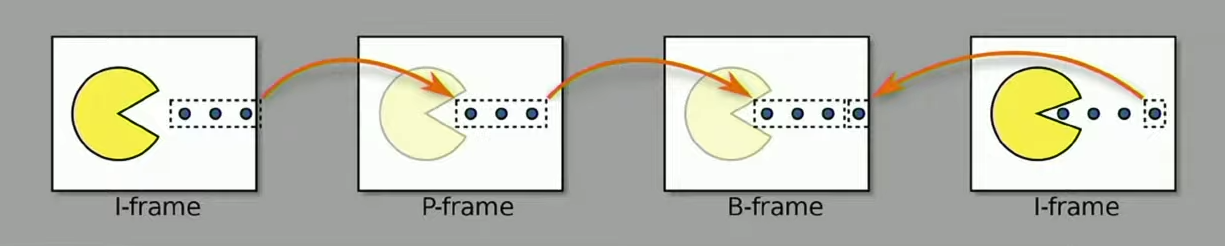
Ben explains that video decoding can be very hardware intensive, far more so than working with simple images. Much of the time, it comes down to reference frames. Many codecs periodically store an “I-frame,” which is a fully-detailed image. They then only store the parts of the image that change in following frames to save space, before eventually storing another full I-frame some time later. This means that you need lots of RAM to store multiple frames of video at once, since decoding a later frame requires the earlier one as a reference.

Interestingly, Ben states that MPEG-1 is one of his favorite codecs at the moment. He explains its history as a format for delivering video on CD, noting that while it never took off in the US, it was huge in Asia. It has the benefit of being patent free since 2008. It’s also easy to decode with in C with a simple header called pl_mpeg. It later evolved into MPEG-2 which remains an important broadcast standard to this day.
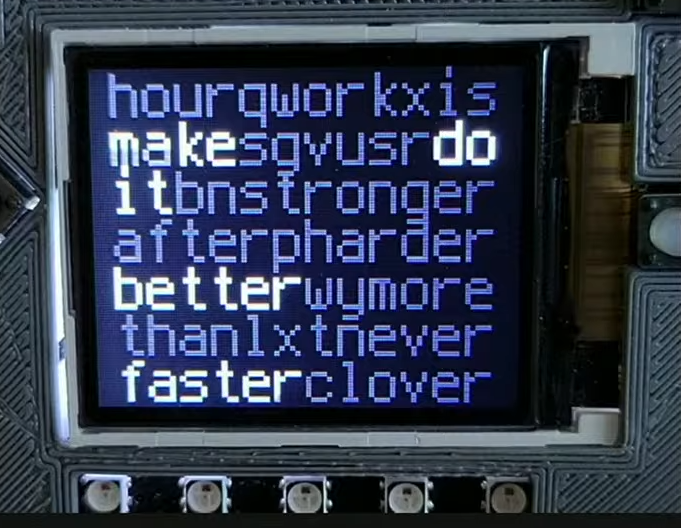
Ben explains the nitty-gritty syncronization work he did in CircuitPython to sync audio with his custom Daft Punk word clock.
The talk also crucially covers synchronization. In many cases, if you’ve got video, you’ve got audio that goes along with it. Even a small offset between the two streams can be incredibly off-putting; all the worse if they’re drifting relative to each other over time. Sync is also important for things like closed captions, too.

Ultimately, if you’re pursuing an audio or video project and you’ve never done one before, this talk is great for you. Rather than teaching you any specific lesson, it’s a great primer to get you thinking about the benefits and drawbacks of various media formats, and how you might pick the best one for your application. Ben’s guide might just save you some serious development time in future—and some horrible patent lawsuits to boot!


hackaday.com/2024/09/09/superc…


The Privacy Post reshared this.

The Privacy Post ha ricondiviso questo.

The media in this post is not displayed to visitors. To view it, please go to the original post.

The Science of Coating Steel
poliverso.org/display/0477a01e…
The Science of Coating Steel[Breaking Taps] has a look at “parkerization youtube.com/watch?v=O0-6g6NJMm…” — a process to coat steel to prevent rust. While you commonly see this finish in firearms, it is usable anywhere you need some protection for steel parts. The process is relatively easy. It does require heat and a special manganese solution made for the purpose. You scuff up the surface of the


The Science of Coating Steel


[Breaking Taps] has a look at “parkerization” — a process to coat steel to prevent rust. While you commonly see this finish in firearms, it is usable anywhere you need some protection for steel parts. The process is relatively easy. It does require heat and a special manganese solution made for the purpose. You scuff up the surface of the steel and degrease and wash it.

Once the part is ready, you insert the part in hot solution which is manganese and phosphoric acid. Rinse and displace the water and you are ready to oil the part.

But what we really liked was the electron micrographs of the steel before and after the process. The phosphates formed in the solution cover the iron and hold oil to prevent oxidization. However, the first attempt wasn’t uniform so it wouldn’t work as well. [Breaking Taps] thinks it was a failure to rough up the piece sufficiently before starting. He also raised the temperature of the bath and got a better, but not perfect, result.

We miss having an electron microscope at work and we really want one at home! The last fun coating project we remember used copper in a strange and wonderful way.

youtube.com/embed/O0-6g6NJMmE?…


hackaday.com/2024/09/09/the-sc…


The Privacy Post reshared this.

The Privacy Post ha ricondiviso questo.

Cyber Resilience Act: è iniziata l’era della Sicurezza del software
poliverso.org/display/0477a01e…
Cyber Resilience Act: è iniziata l’era della Sicurezza del softwareIl Cyber Resilience Act (CRA) rappresenta un passo fondamentale nell’evoluzione della normativa europea sulla sicurezza informatica redhotcyber.com/rubriche/alla-…, nato dall’esigenza di garantire che i prodotti con elementi digitali, come software e hardware, siano progettati e sviluppati con


Cyber Resilience Act: è iniziata l’era della Sicurezza del software


Il Cyber Resilience Act (CRA) rappresenta un passo fondamentale nell’evoluzione della normativa europea sulla sicurezza informatica, nato dall’esigenza di garantire che i prodotti con elementi digitali, come software e hardware, siano progettati e sviluppati con elevati standard di sicurezza. Approvato dalla Commissione Europea ed entrato in vigore in Aprile 2024, il Cyber Resilience Act si propone di prevenire e mitigare i rischi legati agli attacchi informatici, proteggendo non solo le aziende, ma anche i consumatori finali.

Cos’è il Cyber Resilience Act?


Il Cyber Resilience Act è un regolamento che mira a rafforzare la sicurezza informatica nell’Unione Europea, imponendo requisiti chiari per i produttori di software e hardware digitali. L’obiettivo è creare un ecosistema digitale sicuro, in cui i prodotti siano progettati con la sicurezza come priorità fin dalle prime fasi di sviluppo. Il CRA impone alle aziende di considerare la sicurezza non solo al momento della produzione e vendita del prodotto, ma per tutto il suo ciclo di vita. Questo significa che i produttori sono obbligati a garantire aggiornamenti di sicurezza continui, oltre che a rispondere tempestivamente a eventuali vulnerabilità.

Tempistiche di Entrata in Vigore e Adeguamento


Il Cyber Resilience Act è entrato in vigore ufficialmente in aprile 2024. Le aziende avranno un periodo di transizione per conformarsi alle nuove normative, con la piena applicabilità del regolamento prevista entro il 2026. Alcuni obblighi specifici, come la gestione delle vulnerabilità e la segnalazione di incidenti informatici, diventeranno effettivi già nel corso del 2025​.

Requisiti Principali per le Aziende Produttrici di Software


Le aziende produttrici di software devono adottare una serie di misure preventive e correttive per essere conformi al Cyber Resilience Act. Queste misure includono:

  1. Progettazione sicura e prevenzione delle vulnerabilità:
    • Le aziende devono garantire che i loro prodotti siano progettati e sviluppati con un approccio “sicurezza by design” e “sicurezza per default”, riducendo le superfici di attacco e minimizzando i rischi di vulnerabilità sfruttabili.
    • È obbligatorio adottare tecniche di mitigazione delle vulnerabilità e fornire aggiornamenti di sicurezza tempestivi ai prodotti


  2. Gestione delle vulnerabilità:
    • Le aziende devono creare un processo per l’identificazione, documentazione e risoluzione delle vulnerabilità. Devono inoltre mantenere un elenco completo dei componenti software utilizzati nei loro prodotti, inclusi quelli di terze parti, in un formato leggibile​.
    • Le aziende sono obbligate a implementare una politica di divulgazione coordinata delle vulnerabilità e a fornire un contatto per la segnalazione di falle di sicurezza da parte di utenti e terze parti.


  3. Aggiornamenti di sicurezza:
    • I produttori devono garantire che i prodotti ricevano aggiornamenti di sicurezza gratuiti e tempestivi per almeno cinque anni o per tutta la durata prevista di utilizzo del prodotto. Le patch devono essere fornite con la massima celerità una volta scoperte le vulnerabilità.


  4. Segnalazione degli incidenti:
    • Le aziende sono tenute a segnalare incidenti di sicurezza rilevanti o vulnerabilità sfruttate entro 24 ore alle autorità competenti e fornire un rapporto dettagliato entro 72 ore​.


  5. Conformità e marcatura CE:
    • Prima di immettere un prodotto sul mercato, le aziende devono completare una valutazione della conformità che certifichi il rispetto dei requisiti di sicurezza del Cyber Resilience Act. Una volta completata la valutazione, devono redigere una dichiarazione di conformità e applicare il marchio CE sul prodotto.


L’impatto sulle aziende produttrici di software


Per le aziende produttrici di software, l’introduzione del Cyber Resilience Act comporta l’adozione di un approccio di Security by Design. Ciò significa che la sicurezza informatica deve essere integrata sin dalle prime fasi del ciclo di vita del software, dalla progettazione allo sviluppo, fino alla distribuzione e al mantenimento. Uno degli obblighi più rilevanti è quello di condurre test continui sui prodotti, come SAST (Static Application Security Testing) e DAST (Dynamic Application Security Testing). I test SAST permettono di identificare vulnerabilità nel codice sorgente durante lo sviluppo, mentre i test DAST simulano attacchi durante l’esecuzione del software per rilevare debolezze che potrebbero essere sfruttate da attori malevoli.

Inoltre, il Cyber Resilience Act richiede che i produttori di software implementino processi per la gestione delle vulnerabilità, inclusa la redazione di un elenco dei componenti software utilizzati (Software Bill of Materials – SBOM), garantendo la trasparenza sulla sicurezza del prodotto. L’obbligo di mantenere aggiornamenti di sicurezza costanti per almeno cinque anni rappresenta un’altra sfida significativa per le aziende.

Obblighi di segnalazione e gestione delle vulnerabilità


Un aspetto cruciale della nuova normativa è la gestione delle vulnerabilità. Le aziende devono essere in grado di segnalare entro 24 ore eventuali incidenti o vulnerabilità sfruttate da attori malevoli. Le segnalazioni devono essere inviate all’ENISA (Agenzia dell’Unione Europea per la Sicurezza Informatica) e ai Computer Security Incident Response Teams (CSIRT) nazionali, e le aziende devono fornire aggiornamenti dettagliati entro 72 ore. Questo obbligo di trasparenza e reattività è centrale per prevenire danni su larga scala e mantenere la fiducia dei consumatori.

Sanzioni per il mancato adeguamento


Le aziende che non rispetteranno il Cyber Resilience Act saranno soggette a sanzioni molto severe. Le multe possono arrivare fino a 15 milioni di euro o il 2,5% del fatturato globale annuale, a seconda di quale cifra sia maggiore. Le violazioni meno gravi, come il mancato rispetto della documentazione tecnica o delle regole di conformità, possono comunque comportare sanzioni fino a 10 milioni di euro o il 2% del fatturato globale.

Oltre alle multe, le aziende rischiano il ritiro del marchio CE, essenziale per la vendita dei prodotti nell’Unione Europea. Senza il marchio CE, i prodotti digitali non potranno essere commercializzati sul mercato europeo, mettendo in seria difficoltà le aziende che non riescono a conformarsi​.

Opportunità e sfide


Sebbene il Cyber Resilience Act rappresenti una sfida significativa per le aziende, soprattutto in termini di adeguamento tecnologico e organizzativo, esso offre anche delle opportunità. Le aziende che adotteranno un approccio proattivo alla sicurezza informatica non solo eviteranno le sanzioni, ma potranno guadagnare la fiducia dei consumatori, aumentando la loro competitività. In un’epoca in cui le minacce informatiche sono in costante crescita, la conformità al Cyber Resilience Act può diventare un vantaggio competitivo per le aziende che sapranno sfruttare questa normativa a loro favore.

Conclusione


Il Cyber Resilience Act è destinato a trasformare il panorama della sicurezza informatica in Europa. Le aziende produttrici di software, e in particolare quelle che operano nel settore dell’automazione industriale, devono prepararsi ad affrontare sfide complesse ma necessarie per garantire la sicurezza dei loro prodotti. Con l’introduzione di nuove misure di sicurezza, obblighi di segnalazione e sanzioni per il mancato rispetto, il CRA diventa un regolamento imprescindibile per tutte le aziende che operano nel mercato europeo. Tuttavia, chi saprà adeguarsi potrà trarre beneficio da una maggiore fiducia dei consumatori e da nuove opportunità di crescita in un mercato sempre più digitalizzato e sicuro.

L'articolo Cyber Resilience Act: è iniziata l’era della Sicurezza del software proviene da il blog della sicurezza informatica.


The Privacy Post reshared this.

The Privacy Post ha ricondiviso questo.

Call for Nominations: 15th Annual Privacy Papers for Policymakers Award
fpf.org/blog/call-for-nominati…
@privacy
Future of Privacy Forum Award Elevates Privacy Research to Inform Policy Discussion September 9, 2024 —The Future of Privacy Forum (FPF) invites scholars and authors with an interest in privacy issues to submit finished papers to be considered for its 15th annual Privacy Papers for Policymakers (PPPM) Awards.

The Privacy Post reshared this.

The Privacy Post ha ricondiviso questo.

The media in this post is not displayed to visitors. To view it, please go to the original post.

While @europarl_en was on break, tech enforcers & Big Tech lobbyists have been making moves.

What have #Google, #Meta & #X been up to while you were away? How did the summer feel like with the #DigitalServicesAct & #DigitalMarketsAct in place?

Read more: edri.org/our-work/enforcing-th…

reshared this

The Privacy Post ha ricondiviso questo.

New note by cybersecurity
poliverso.org/display/0477a01e…
Usa, un ‘I want you’ per la cyber war: reclutano 500mila esperti. “Eliminiamo requisiti di laurea non necessari” key4biz.it/usa-un-i-want-you-p…@Informatica (Italy e non Italy 😁)Gli Stati Uniti lanciano “Service for America: Service is Serving your Country“, un programma di reclutamento per colmare il divario di circa 500mila posti di lavoro disponibili nel settore della


Usa, un ‘I want you’ per la cyber war: reclutano 500mila esperti. “Eliminiamo requisiti di laurea non necessari”


@Informatica (Italy e non Italy 😁)
Gli Stati Uniti lanciano “Service for America: Service is Serving your Country“, un programma di reclutamento per colmare il divario di circa 500mila posti di lavoro disponibili nel settore della


The Privacy Post reshared this.

The Privacy Post ha ricondiviso questo.

The media in this post is not displayed to visitors. To view it, please go to the original post.

Reinforcing Plastic Polymers With Cellulose and Other Natural Fibers
poliverso.org/display/0477a01e…
Reinforcing Plastic Polymers With Cellulose and Other Natural FibersWhile plastics are very useful on their own, they can be much stronger when reinforced and mixed with a range of fibers. Not surprisingly, this includes the thermoplastic polymers which are commonly used with FDM 3D printing, such as polylactic acid (PLA) and polyamide (PA, also known as nylon).


Reinforcing Plastic Polymers With Cellulose and Other Natural Fibers


While plastics are very useful on their own, they can be much stronger when reinforced and mixed with a range of fibers. Not surprisingly, this includes the thermoplastic polymers which are commonly used with FDM 3D printing, such as polylactic acid (PLA) and polyamide (PA, also known as nylon). Although the most well-known fibers used for this purpose are probably glass fiber (GF) and carbon fiber (CF), these come with a range of issues, including their high abrasiveness when printing and potential carcinogenic properties in the case of carbon fiber.

So what other reinforcing fiber options are there? As it turns out, cellulose is one of these, along with basalt. The former has received a lot of attention currently, as the addition of cellulose and similar elements to thermopolymers such as PLA can create so-called biocomposites that create plastics without the brittleness of PLA, while also being made fully out of plant-based materials.

Regardless of the chosen composite, the goal is to enhance the properties of the base polymer matrix with the reinforcement material. Is cellulose the best material here?

Cellulose Nanofibers


Plastic objects created by fused deposition modeling (FDM) 3D printing are quite different from their injection-molding counterparts. In the case of FDM objects, the relatively poor layer adhesion and presence of voids means that 3D-printed PLA parts only have a fraction of the strength of the molded part, while also affecting the way that any fiber reinforcement can be integrated into the plastic. This latter aspect can also be observed with the commonly sold CF-containing FDM filaments, where small fragments of CF are used rather than long strands.

According to a study by Tushar Ambone et al. (2020) as published (PDF) in Polymer Engineering and Science, FDM-printed PLA has a 49% lower tensile strength and 41% lower modulus compared to compression molded PLA samples. The addition of a small amount of sisal-based cellulose nanofiber (CNF) at 1% by weight to the PLA subsequently improved these parameters by 84% and 63% respectively, with X-ray microtomography showing a reduction in voids compared to the plain PLA. Here the addition of CNF appears to significantly improve the crystallization of the PLA with corresponding improvement in its properties.

Fibers Everywhere


Incidentally a related study by Chuanchom Aumnate et al. (2021) as published in Cellulose used locally (India) sourced kenaf cellulose fibers to reinforce PLA, coming to similar results. This meshes well with the findings by Usha Kiran Sanivada et al. (2020) as published in Polymers, who mixed flax and jute fibers into PLA. Although since they used fairly long fibers in compression and injection molded samples a direct comparison with the FDM results in the Aumnate et al. study is somewhat complicated.

Meanwhile the use of basalt fibers (BF) is already quite well-established alongside glass fibers (GF) in insulation, where it replaced asbestos due to the latter’s rather unpleasant reputation. BF has some advantages over GF in composite materials, as per e.g. Li Yan et al. (2020) including better chemical stability and lower moisture absorption rates. As basalt is primarily composed of silicate, this does raise the specter of it being another potential cause of silicosis and related health risks.

With the primary health risk of mineral fibers like asbestos coming from the jagged, respirable fragments that these can create when damaged in some way, this is probably a very pertinent issue to consider before putting certain fibers quite literally everywhere.

A 2018 review by Seung-Hyun Park in Saf Health Work titled “Types and Health Hazards of Fibrous Materials Used as Asbestos Substitutes” provides a good overview of the relative risks of a range of asbestos-replacements, including BF (mineral wool) and cellulose. Here mineral wool fibers got rated as IARC Group 3 (insufficient evidence of carcinogenicity) except for the more biopersistent types (Group 2B, possibly carcinogenic), while cellulose is considered to be completely safe.

Finally, related to cellulose, there is also ongoing research on using lignin (present in plants next to cellulose as cell reinforcement) to improve the properties of PLA in combination with cellulose. An example is found in a 2021 study by Diana Gregor-Svetec et al. as published in Polymers. PLA composites created with lignin and surface-modified nanofibrillated (nanofiber) cellulose (NFC). A 2023 study by Sofia P. Makri et al. (also in Polymers) examined methods to improve the dispersion of the lignin nanoparticles. The benefit of lignin in a PLA/NFC composite appears to be in UV stabilization most of all, which should make objects FDM printed using this material last significantly longer when placed outside.

End Of Life


Another major question with plastic polymers is what happens with them once they inevitably end up discarded in the environment. There should be little doubt about what happens with cellulose and lignin in this case, as every day many tons of cellulose and lignin are happily devoured by countless microorganisms around the globe. This means that the only consideration for cellulose-reinforced plastics in an end-of-life scenario is that of the biodegradability of PLA and other base polymers one might use for the polymer composite.

Today, many PLA products end up discarded in landfills or polluting the environment, where PLA’s biodegradability is consistently shown to be poor, similar to other plastics, as it requires an industrial composting process involving microbial and hydrolytic treatments. Although incinerating PLA is not a terrible option due to its chemical composition, it is perhaps an ironic thought that the PLA in cellulose-reinforced PLA might actually be the most durable component in such a composite.

That said, if PLA is properly recycled or composted, it seems to pose few issues compared to other plastics, and any cellulose components would likely not interfere with the process, unlike CF-reinforced PLA, where incinerating it is probably the easiest option.

Do you print with hybrid or fiber-mixed plastics yet?


hackaday.com/2024/09/09/reinfo…


The Privacy Post reshared this.

The Privacy Post ha ricondiviso questo.

Call for Nominations: 15th Annual Privacy Papers for Policymakers Award
fpf.org/press-releases/call-fo…
@privacy
Future of Privacy Forum Award Elevates Privacy Research to Inform Policy Discussion September 9, 2024 —The Future of Privacy Forum (FPF) invites scholars and authors with an interest in privacy issues to submit finished papers to be considered for its 15th annual Privacy Papers for Policymakers (PPPM)

The Privacy Post reshared this.

The Privacy Post ha ricondiviso questo.

Elon Musk controlla il futuro dell’accesso a Internet globale: Potere più grande dei governi?
poliverso.org/display/0477a01e…
Elon Musk controlla il futuro dell’accesso a Internet globale: Potere più grande dei governi?Negli ultimi due anni, la rete Internet satellitare Starlink , nata da un’idea di SpaceX di Elon Musk x.com/elonmusk/status/18313501… , ha rivoluzionato la vita di centinaia di comunità remote dell’Amazzonia. Le regioni precedentemente isolate


Elon Musk controlla il futuro dell’accesso a Internet globale: Potere più grande dei governi?


Negli ultimi due anni, la rete Internet satellitare Starlink , nata da un’idea di SpaceX di Elon Musk , ha rivoluzionato la vita di centinaia di comunità remote dell’Amazzonia. Le regioni precedentemente isolate dalla civiltà hanno finalmente ottenuto l’accesso a Internet e alla comunicazione con il resto del mondo. Sembrerebbe che il sogno di una rete globale anche negli angoli più inaccessibili del pianeta si sia avverato. Il successo di Starlink in Brasile è stato così impressionante che il governo del paese ha assegnato a Musk una medaglia per il suo contributo alla regione.

Tuttavia, oggi questo idillio tecnologico è oscurato da un grave conflitto politico. Starlink si è trovata nel mezzo di uno scontro tra il suo proprietario e le autorità brasiliane. La causa della discordia è stata l’altra società del miliardario, il social network X (ex Twitter).

Il conflitto è scoppiato dopo che il giudice della Corte Suprema brasiliana Alexandre de Moraes ha ordinato a X di bloccare dozzine di account, per lo più appartenenti a politici e commentatori di destra. Il giudice ha spiegato questo come una lotta contro la disinformazione, ma Musk ha considerato l’iniziativa di de Moraes come una censura delle voci conservatrici.

Il miliardario ha ignorato le richieste del tribunale, che hanno portato a multe e al congelamento dei beni brasiliani di Starlink. La situazione è arrivata al limite quando de Moraes ha ordinato di interrompere l’accesso a X in tutto il paese. In risposta, Musk ha dichiarato che non avrebbe bloccato il sito tramite Starlink finché le società non avessero restituito i fondi congelati.

Questo incidente ha dimostrato ancora una volta la disponibilità di Elon a confrontarsi con chiunque possa violare gli interessi della sua attività. La situazione è andata ben oltre il conflitto personale e riflette un dibattito globale sulla libertà di parola.

Questa controversia ha messo in luce un’altra tendenza allarmante: Elon Musk sta diventando un vero “dio di Internet”. La combinazione di Internet spaziale e social network nelle mani di una persona è un caso senza precedenti, che causa non meno preoccupazione dei tentativi dei governi di censurare Internet. Ora Musk non solo può determinare quali voci verranno ascoltate, ma anche decidere chi avrà accesso alla rete in alcune regioni del mondo. Nei suoi cinque anni di esistenza, Starlink è diventato davvero onnipresente, fornendo connettività in tutti e sette i continenti. Il miliardario ha inviato terminali in aree colpite da disastri naturali e persino in prima linea.

Nel 2023, Elon ha visitato Israele, dove ha incontrato il primo ministro Benjamin Netanyahu. Il miliardario ha ispezionato un kibbutz attaccato da Hamas e ha offerto al governo i servizi Starlink. Dopo lunghe trattative, le autorità israeliane hanno consentito a SpaceX di attivare Starlink in uno degli ospedali di Gaza, con la prospettiva di espandere il servizio.

Tutti questi eventi mostrano quanto sia diventata significativa l’influenza di Elon Musk sulla politica mondiale. Le sue azioni possono avere conseguenze di vasta portata, paragonabili alle decisioni dei capi di stato.

Attualmente ci sono più di 6.000 satelliti Starlink operativi nell’orbita terrestre, più della metà di tutti i satelliti operativi. SpaceX lancia nuovi lotti quasi ogni settimana, ben prima di concorrenti come Amazon, che stanno anch’essi lavorando per costruire le proprie costellazioni Internet.

L'articolo Elon Musk controlla il futuro dell’accesso a Internet globale: Potere più grande dei governi? proviene da il blog della sicurezza informatica.


The Privacy Post ha ricondiviso questo.

Lack of productivity growth ‘existential challenge’ for Europe, Draghi report says
poliverso.org/display/0477a01e…
Lack of productivity growth ‘existential challenge’ for Europe, Draghi report saysEurope is facing an "existential challenge" to increase its productivity, Mario Draghi’s long-awaited report on European competitiveness states, with the main priorities focused on advancing the tech sector and ensuring a successful transition towards climate


Lack of productivity growth ‘existential challenge’ for Europe, Draghi report says


Europe is facing an "existential challenge" to increase its productivity, Mario Draghi’s long-awaited report on European competitiveness states, with the main priorities focused on advancing the tech sector and ensuring a successful transition towards climate neutrality.


euractiv.com/section/economy-j…


The Privacy Post reshared this.

The Privacy Post ha ricondiviso questo.

The media in this post is not displayed to visitors. To view it, please go to the original post.

Orion Ceases Operations, Future of Meade Unclear
poliverso.org/display/0477a01e…
Orion Ceases Operations, Future of Meade UnclearThere was a time when building a telescope was a rite of passage for budding astronomers, much as building a radio was the coming age for electronics folks. These days, many things are cheaper to buy than build, even though we do enjoy building anything we can. Orion was a big name in telescopes for many years. Their parent company


Orion Ceases Operations, Future of Meade Unclear


There was a time when building a telescope was a rite of passage for budding astronomers, much as building a radio was the coming age for electronics folks. These days, many things are cheaper to buy than build, even though we do enjoy building anything we can. Orion was a big name in telescopes for many years. Their parent company also owned Meade and Coronado, both well-known optical brands. A recent video from [Reflactor] brought it to our attention that Orion abruptly ceased operations on July 9th.

We always hate to hear when well-known brands that serve a big part of our community vanish. According to [Reflactor], people who have telescopes with the company for repair are likely to never see them again. [Dylan O’Donnell] also had a video about it (see below), and, as he notes, at that time, the website was still operating, but it’s gone now. To add further fuel to the fire Sky & Telescope ran an article on July 12th saying that Meade was also on the chopping block, although at the time of this writing, their site is still online.

You have to wonder what problems you might have selling telescopes today. Many people live where there is light pollution. We’d like to think there are still people who want to ponder the universe from their backyard, though.

There are still people selling telescopes, so presumably, one of them — maybe Celestron — will take up the slack. Or maybe we’ll see a resurgence in telescope homebrewing.

After all, if you have a 3D printer, you could make a 900 mm telescope on a tight budget. Or, try IKEA.

youtube.com/embed/O9VFVsz_sb8?…


hackaday.com/2024/09/09/orion-…


The Privacy Post reshared this.

The Privacy Post ha ricondiviso questo.

The media in this post is not displayed to visitors. To view it, please go to the original post.

280 App Android distribuiscono SpyAgent! Il Malware Android che Ruba i dati dalle immagini
poliverso.org/display/0477a01e…
280 App Android distribuiscono SpyAgent! Il Malware Android che Ruba i dati dalle immaginiGli analisti McAfee hanno scoperto mcafee.com/blogs/other-blogs/m… che almeno 280 applicazioni Android sono infette dal redhotcyber.com/post/la-storia… SpyAgent. Gli redhotcyber.com/post/i-padri-f… utilizzano la tecnologia di riconoscimento ottico dei


280 App Android distribuiscono SpyAgent! Il Malware Android che Ruba i dati dalle immagini


Gli analisti McAfee hanno scoperto che almeno 280 applicazioni Android sono infette dal malware SpyAgent. Gli hacker utilizzano la tecnologia di riconoscimento ottico dei caratteri (OCR) per rubare le frasi di recupero dai portafogli di criptovaluta dagli screenshot delle vittime.

In genere, la frase di recupero è una serie di 12-24 parole che funge da chiave di backup per un portafoglio di criptovaluta. Tali frasi vengono utilizzate per ripristinare l’accesso a un portafoglio crittografico e a tutti i suoi fondi, ad esempio in caso di perdita del dispositivo, danneggiamento dei dati o trasferimento del portafoglio su un nuovo dispositivo.

Poiché le frasi seed sono costituite da molte parole, possono essere difficili da ricordare e spesso si consiglia di salvarle, stamparle e generalmente conservarle in un luogo sicuro. Di conseguenza, è normale che gli utenti acquisiscano screenshot delle frasi seed e le salvino come immagini normali sul proprio dispositivo.

Questa caratteristica del comportamento degli utenti è stata notata dagli autori del malware SpyAgent, che utilizza l’OCR per recuperare frasi seed dalle immagini salvate sui dispositivi Android. I ricercatori di McAfee scrivono di aver scoperto almeno 280 APK dannosi con SpyAgent distribuiti al di fuori di Google Play (tramite SMS e post sui social media).

Alcune di queste app impersonano vere e proprie agenzie governative della Corea del Sud e del Regno Unito, app bancarie ufficiali e si mascherano anche da app di incontri e siti porno. Sebbene l’attività di SpyAgent si rivolga principalmente agli utenti della Corea del Sud, gli esperti notano che la minaccia si è recentemente diffusa anche nel Regno Unito.

Dopo aver infettato un nuovo dispositivo, SpyAgent trasmette le seguenti informazioni al suo server di controllo:

  • un elenco dei contatti della vittima (probabilmente per la successiva distribuzione del malware via SMS);
  • messaggi SMS in entrata, compresi quelli contenenti password monouso;
  • immagini archiviate sul dispositivo per la scansione OCR;
  • informazioni generali sul dispositivo.

SpyAgent può anche ricevere comandi dai suoi operatori per modificare le impostazioni audio del dispositivo o inviare messaggi SMS. Questo viene probabilmente utilizzato per inviare messaggi di phishing e diffondere malware.

Gli esperti affermano che gli operatori di SpyAgent non hanno seguito le regole di sicurezza durante la configurazione dei propri server e, di conseguenza, i ricercatori sono riusciti ad accedervi. Gli specialisti avevano a disposizione anche il pannello di amministrazione, nonché i file e i dati rubati alle vittime.

Si è scoperto che sul lato server, le immagini rubate agli utenti vengono elaborate e scansionate tramite OCR, quindi organizzate nel pannello di amministrazione, che consente agli hacker di gestirle facilmente e di utilizzarle immediatamente per hackerare i portafogli di altre persone.

Il rapporto degli specialisti rileva inoltre che gli sviluppatori di malware stanno gradualmente migliorando la loro creazione per mascherare meglio le sue funzionalità dannose. Pertanto, le tecniche di offuscamento includono la codifica di stringhe in modo che non possano essere facilmente lette, l’aggiunta di codice irrilevante e la ridenominazione di funzioni e variabili. Inoltre i ricercatori hanno trovato segni dello sviluppo di una versione di SpyAgent per iOS.

Vale la pena notare che questo non è il primo malware che utilizza l’OCR per rubare informazioni dalle immagini. L’anno scorso, i ricercatori di Trend Micro hanno scoperto i malware Android CherryBlos e FakeTrade, che utilizzavano anch’essi l’OCR e riuscivano a penetrare anche nel Google Play Store ufficiale.

L'articolo 280 App Android distribuiscono SpyAgent! Il Malware Android che Ruba i dati dalle immagini proviene da il blog della sicurezza informatica.


The Privacy Post ha ricondiviso questo.

Polish authorities takes down Belarusian and Russian cyber-espionage group
poliverso.org/display/0477a01e…
Polish authorities takes down Belarusian and Russian cyber-espionage groupPolish authorities successfully dismantled a cyber-espionage group linked to Belarusian and Russian intelligence services, which had been conducting malicious activities in Poland, reported Polish Minister of Digitization Krzysztof Gawkowski on Monday (9


Polish authorities takes down Belarusian and Russian cyber-espionage group


Polish authorities successfully dismantled a cyber-espionage group linked to Belarusian and Russian intelligence services, which had been conducting malicious activities in Poland, reported Polish Minister of Digitization Krzysztof Gawkowski on Monday (9 September).


euractiv.com/section/politics/…


The Privacy Post reshared this.

The Privacy Post ha ricondiviso questo.

I Soldi Gratis hanno un Costo! Gli Americani di TikTok svaligiano gli ATM e rischiano il Carcere
poliverso.org/display/0477a01e…
I Soldi Gratis hanno un Costo! Gli Americani di TikTok svaligiano gli ATM e rischiano il CarcereDurante il fine settimana, i social media sono stati inondati di video che mostravano un modo apparentemente legale per ottenere denaro gratuitamente dagli sportelli bancomat statunitensi della Chase Bank in tutto il paese. Gli utenti sono


I Soldi Gratis hanno un Costo! Gli Americani di TikTok svaligiano gli ATM e rischiano il Carcere


Durante il fine settimana, i social media sono stati inondati di video che mostravano un modo apparentemente legale per ottenere denaro gratuitamente dagli sportelli bancomat statunitensi della Chase Bank in tutto il paese. Gli utenti sono stati incoraggiati a utilizzare uno schema semplice ma illegale: depositare un assegno per un importo elevato che in realtà non possedevano e quindi ritirare rapidamente una parte dei fondi prima che la banca avesse la possibilità di scoprire che non esisteva una copertura reale.

JP Morgan Chase ha risposto alla situazione dichiarando la sua intenzione di denunciare i trasgressori alle forze dell’ordine. Un rappresentante della banca ha spiegato che per ogni caso sospetto viene condotta un’indagine interna e le informazioni, se necessario, vengono trasferite alle forze dell’ordine. La banca ha sottolineato che, indipendentemente dalle informazioni presenti su Internet, tali azioni sono fraudolente.

Il numero esatto di persone che hanno tentato di approfittare di questo sistema non è noto, ma il Wall Street Journal stima che sia nell’ordine delle migliaia. La popolarità di questo “trucco” ha raggiunto un livello tale che i video a riguardo su TikTok sono stati guardati da decine di milioni di utenti.

youtube.com/embed/BU0tq6fM5VQ?…

Tra i video popolari ce n’era uno in cui una ragazza cercava di convincere sua madre che era possibile ottenere dai 40 ai 50mila dollari senza alcuna conseguenza. Nonostante lo scetticismo della madre, la figlia ha insistito sul fatto che l’operazione era sicura, definendola semplicemente un “fallimento del sistema”.

Alcuni utenti hanno addirittura pubblicato video in cui spargevano il denaro presumibilmente ricevuto in questo modo. Tuttavia, Chase ha riferito di aver congelato una serie di conti i cui proprietari hanno tentato di trarre vantaggio dallo schema. Inoltre, la banca fornisce alla polizia i filmati delle telecamere a circuito chiuso e altre informazioni sulle persone coinvolte.

Nonostante l’entusiasmo iniziale, la situazione è cambiata rapidamente. Ora, la maggior parte dei nuovi video ridicolizza coloro che credevano nell’esistenza di tale possibilità e non si rendevano conto che si trattava di un reato.

Only TikTok would transform grand larceny into a “life hack” and rename check fraud as “a glitch” 😭 #chasebank
— Socialist IG Baddie (@KadyRoxz) September 3, 2024

Un utente sulla Piattaforma X (ex Twitter) ha osservato ironicamente che solo TikTok potrebbe trasformare un grave furto in un “hack” e rinominare la frode con assegni in “errore di sistema”. Anche il servizio di ispezione postale degli Stati Uniti ha reagito alla situazione avvertendo gli utenti della gravità del crimine e dell’inevitabilità della punizione per la frode sugli assegni.

L'articolo I Soldi Gratis hanno un Costo! Gli Americani di TikTok svaligiano gli ATM e rischiano il Carcere proviene da il blog della sicurezza informatica.


in reply to Privacity

e invece il fatto che io sia obbligato ad avere un conto corrente che devo pagare? perché lo stato non crea una Banca Della Repubblica Italiana, totalmente statale (ovviamente destinata al fallimento) in cui posso mettere i miei soldi senza spese? A cui chiedere poi anche un mutuo con interessi inferiori, visto che un ente statale non dovrebbe guadagnare su un cittadino. o altrimenti permettermi di tenere i soldi sotto al materasso.
The Privacy Post ha ricondiviso questo.

The media in this post is not displayed to visitors. To view it, please go to the original post.

Microsoft Sculpt Keyboard Lives Again with RP2040
poliverso.org/display/0477a01e…
Microsoft Sculpt Keyboard Lives Again with RP2040Hackaday readers are likely the kind of folks that have a favorite keyboard, so you can probably imagine how devastating it would be to find out that the board you’ve sworn by for years is going out of production. Even worse, the board has some internal gremlins that show up after a few years of use, so functional ones in the


Microsoft Sculpt Keyboard Lives Again with RP2040


Hackaday readers are likely the kind of folks that have a favorite keyboard, so you can probably imagine how devastating it would be to find out that the board you’ve sworn by for years is going out of production. Even worse, the board has some internal gremlins that show up after a few years of use, so functional ones in the second-hand market are becoming increasingly rare. So what do you do?

This is the position [TechBeret] recently found himself in with his beloved Sculpt keyboard. When Microsoft decided to step back from the peripheral market last year, he started looking at alternatives. Finding none of them appealing, he decided instead to breathe new life into the ergonomic keyboard with the RP2040. Every aspect of the resurrection is covered in a phenomenally detailed write-up on his blog, making this a valuable case study in modernizing peripherals with the popular microcontroller.

According to [TechBeret], the biggest problem with the Sculpt was its wonky wireless hardware. It was bad enough that the board was permanently paired to its USB dongle, but apparently, the RF side of things would degrade over time, leading to an ever shorter range. So he decided the best course of action was to simply give the board a brain transplant. Since he didn’t really want it to be wireless anyway, he figured it wouldn’t be too difficult to create a replacement PCB that reads the keyboard matrix and speaks USB Human Interface Device (HID).
Checking the fit with a 3D-printed PCB
In fact, he was able to find a couple of projects that did that exactly. Instead of copying them, he took them as inspiration to help direct his own effort. His primary goal was to develop a drop-in replacement for the original PCB — specifically, he didn’t want to have to take a Dremel to his keyboard just to get it working again. He also wanted to use components he knew would be available for the foreseeable future, as well as bring USB-C support to the party. Finally, he didn’t want to get bogged down in writing code, so the replacement board had to be able to run the popular QMK firmware.

By his own admission, [TechBeret] is no expert in such matters. But that makes the write-up all the more compelling. Rather than seeing a perfect result on the first attempt, we get to learn along through his trials and tribulations. Even if you’ve done this kind of thing before, we bet you’ll pick up some interesting tricks along the way. We particularly liked his tip about test-fitting your PCB by exporting it as a STEP file and 3D printing a replica.

It might seem like a lot of work to save a keyboard, but then, those who’ve come to love it — like our very own [Lewin Day] — will tell you the Sculpt isn’t just any keyboard. QMK might even make it better.


hackaday.com/2024/09/09/micros…


The Privacy Post reshared this.

The Privacy Post ha ricondiviso questo.

The media in this post is not displayed to visitors. To view it, please go to the original post.

Il Pericolo delle Password Di Default! Usiamo Wireshark ed Hashcat per testare la sicurezza del Modem
poliverso.org/display/0477a01e…
Il Pericolo delle Password Di Default! Usiamo Wireshark ed Hashcat per testare la sicurezza del ModemIn questo articolo vediamo come l’analisi dell’handshake e l’utilizzo di strumenti come Wireshark comportino un’ipotetica individuazione del modello del modem e come, mediante la ricerca di immagini su Google, sia possibile


Il Pericolo delle Password Di Default! Usiamo Wireshark ed Hashcat per testare la sicurezza del Modem


In questo articolo vediamo come l’analisi dell’handshake e l’utilizzo di strumenti come Wireshark comportino un’ipotetica individuazione del modello del modem e come, mediante la ricerca di immagini su Google, sia possibile risalire alla password di default dei router.

L’articolo che segue è realizzato esclusivamente a scopo didattico e divulgativo.

1. Configurazione degli Strumenti

1.1 IFCONFIG


Solitamente in Linux le schede di rete sono suddivise in:

  • Wi-Fi (indicate con la lettera “w“)
  • Ethernet (indicate con la lettera “e“)


1.2 IWCONFIG


Con iwconfig possiamo verificare che siamo in modalità gestita.

Adesso vediamo come passare alla modalità monitor. Per farlo, si può utilizzare anche iwconfig, ma in questo esempio useremo un altro tool.

1.3 AIRMON-NG


Il comando airmon-ng può essere utilizzato per attivare la modalità monitor sulle interfacce wireless.

Permette anche di interrompere i gestori di rete o passare dalla modalità monitor a quella managed.

Questo comando permette di arrestare i gestori di rete e successivamente di eliminare i processi interferenti rimasti:

Attenzione: questo comando interromperà anche la connessione di rete.

Adesso avviamo la scheda di rete wlan1 in monitor mode con il comando sudo airmon-ng start wlan1.

Adesso la scheda di rete è in modalità monitor.

2. Cattura dei Pacchetti

2.1 AIRODUMP-NG


Airodump-ng è utilizzato per la cattura di pacchetti per lo sniffing delle reti wifi.

Per scansionare le reti, digitiamo il comando sudo airodump-ng wlan1mon

Una volta individuata la rete da attaccare, prendiamo nota dell’indirizzo MAC (‘BSSID’) e il canale (‘CH’). Possiamo premere il tasto spazio sulla tastiera per mettere in pausa o riprendere il ridisegno del display e fare copia e incolla dell’indirizzo MAC. Poi, usiamo Ctrl + C per terminare e digitiamo il seguente comando:

Il parametro ‘-w‘ specifica il prefisso del file di output, il che significa che tutti i file generati con informazioni di rete o handshake verranno salvati con il prefisso indicato.

BSSID” mostra l’indirizzo MAC del punto di accesso.

PWR” mostra la “potenza” della rete.

Beacons” mostra il numero di pacchetti di annunci inviati dalla rete.

Ogni rete, anche se nascosta, invierà pacchetti di annunci.

#Dati” mostra il numero di pacchetti dati catturati.

#/s” mostra il numero di pacchetti di dati catturati negli ultimi dieci secondi.

CH” indica il “canale” su cui è trasmessa la rete.

MB” indica la velocità massima supportata dalla rete.

ENC” indica il metodo di crittografia utilizzato dalla rete.

CIPHER” mostra il cifrario utilizzato dalla rete.

AUTH” mostra l’autenticazione utilizzata dalla rete.

ESSID” mostra il nome della rete, lo stesso nome visualizzato quando si tenta di connettersi alla rete dal proprio laptop o telefono.

STATION” Indirizzo MAC di ogni stazione associata o stazioni che cercano un AP a cui connettersi. I client non attualmente associati a un AP hanno un BSSID di “(non associato)”.

2.2 AIREPLAY-NG

Aireplay-ng è uno strumento della suite Aircrack-ng, molto utilizzato nel mondo del pentesting wireless. In parole semplici, serve a interagire con le reti wireless, in particolare per scopi di testing e auditing della sicurezza.

Cosa fa specificamente aireplay-ng?


  • Deautenticazione: Forza la disconnessione di dispositivi collegati a una rete wireless. Ti consente di disconnettere qualsiasi dispositivo da qualsiasi rete, anche se non sei connesso alla rete. Non hai nemmeno bisogno di conoscere la password della rete.
  • Iniezione di pacchetti: Permette di inviare pacchetti personalizzati a una scheda di rete wireless, consentendo di manipolare il traffico e di testare la vulnerabilità di specifici protocolli.
  • Attacco dei quattro handshake: Questa è probabilmente la funzionalità più famosa di aireplay-ng. Viene utilizzata per recuperare il pacchetto di handshake, un elemento fondamentale per crackare la password di una rete WEP o WPA-PSK tramite strumenti come aircrack-ng.

Con Aireplay-ng è possibile interrompere la connessione tra un dispositivo e il punto di accesso. Per fare ciò, è necessario essere abbastanza vicini alla rete. Se l’attacco non dovesse funzionare, potrebbe essere presente un’opzione anti-DOS nel modem.

Digitiamo il comando:

-a” indirizzo mac “BSSID” -c indirizzo mac “STATION” (IL CLIENT CONNESSO ALLA RETE) “–deauth” 10 è il numero di richieste che vuoi inviare.

Una volta che il client si riconnetterà, saremo in grado di catturare l’handshake.

Adesso che abbiamo l’handshake, possiamo prenderci il tempo necessario per analizzarlo e craccarlo.

3. Analisi con Wireshark


Apriamo il file handshake.cap con Wireshark e cerchiamo la voce ‘Probe Response’. Nella parte inferiore destra, troveremo il modello del modem, che in questo esempio è il TD-W8961N

4. Ricerca della Password di Default

Ora che conosciamo il modello, possiamo fare una ricerca su Google per trovare ipotetiche password di default.


Come si vede nella foto, la password è composta da 8 cifre.

Per esperienza, so che molti modelli TP-Link utilizzano password di 8 numeri, quindi il malintenzionato tenterà un attacco bruteforce su tutte le combinazioni possibili. Ora possiamo convertire il file handshake.cap e procedere al cracking della password.

5. Conversione e Cracking dell’Handshake

5.1 CONVERSIONE DEL FILE HANDSHAKE


Airodump-ng salva gli handshake catturati in un file CAP, che deve essere convertito in un formato compatibile con Hashcat per poter procedere al cracking.

La conversione rapida è possibile utilizzando il tool online disponibile a questo indirizzo: hashcat.net/cap2hashcat/

Una volta caricato, il processo si conclude con successo: l’handshake è stato correttamente estratto (tasto Download).

5.2 CRACKING CON HASHCAT


A questo punto non rimane che provare a craccare l’handshake. In questa fase possiamo utilizzare un attacco bruteforce.

Per praticità utilizzerò Hashcat su Windows, ma potete eseguire lo stesso processo anche su Linux.

Lanciamo il comando hashcat -m 22000 -a 3 1623475_1725638879.hc22000 ?d?d?d?d?d?d?d?d

Arrivati a questo punto, avremo ottenuto la password (53107534).

CONCLUSIONI


Questo articolo ha dimostrato i rischi associati alle password di default e come sia possibile identificare il modello del modem e recuperare la password anche senza essere connessi alla rete Wi-Fi. Proteggere adeguatamente le proprie reti e dispositivi è fondamentale per evitare accessi non autorizzati.

L'articolo Il Pericolo delle Password Di Default! Usiamo Wireshark ed Hashcat per testare la sicurezza del Modem proviene da il blog della sicurezza informatica.


The Privacy Post reshared this.

The Privacy Post ha ricondiviso questo.

The media in this post is not displayed to visitors. To view it, please go to the original post.

Loki: a new private agent for the popular Mythic framework
poliverso.org/display/0477a01e…
Loki: a new private agent for the popular Mythic frameworkIn July 2024, we discovered the previously unknown Loki backdoor, which was used in a series of targeted attacks. By analyzing the malicious file and open sources, we determined that Loki is a private version of an agent for the open-source Mythic framework. media.kasperskycontenthub.com/…One of the agent’s


Loki: a new private agent for the popular Mythic framework


In July 2024, we discovered the previously unknown Loki backdoor, which was used in a series of targeted attacks. By analyzing the malicious file and open sources, we determined that Loki is a private version of an agent for the open-source Mythic framework.

One of the agent's decrypted strings
One of the agent’s decrypted strings

Our solutions detect this threat as Backdoor.Win64.MLoki to differentiate it from other malware families with the same name, such as Loki Bot, Loki Locker, and others.

Mythic Framework


In 2018, developer Cody Thomas created his own open-source framework called Apfell for post-exploitation of compromised macOS systems. Two years later, several developers joined the project, the framework became cross-platform, and was renamed Mythic. The main problems with existing frameworks at the time were the inconvenience of creating different agents (clients), the lack of a unified interface for managing them, and no support for modularity. The advantage of Mythic is that it allows the use of agents in any language, for any platform, with the required functionality. At the time of writing, around two dozen agents have been published in the official Mythic repository.

Technical details


The Loki agent we discovered is a Mythic-compatible version of the agent for another framework, Havoc. The Loki modification inherited various techniques from Havoc to complicate analysis of the agent, such as encrypting its memory image, indirectly calling system API functions, searching for API functions by hashes, and more. However, unlike the agent for Havoc, Loki was split into a loader and a DLL, where main functionality of the malware is implemented.

Both versions of the agent use the djb2 hashing algorithm to obscure API functions and commands. However, in the Mythic version, this was slightly modified. The Havoc agent used Daniel Bernstein’s original magic number, 5381, but in Loki, this was replaced with 2231.
unsigned long
hash(unsigned char *str)
{
unsigned long hash = 2231;
int c;
while (c = *str++)
hash = ((hash << 5) + hash) + c; /* hash * 33 + c */
return hash;
}

Loader functionality


Upon execution, the Loki loader generates a packet containing information about the infected system, such as the OS version, internal IP address, username, processor architecture, the path to the current process and its ID, and sends it encrypted to the command-and-control (С2) server at https://y[.]nsitelecom[.]ru/certcenter. In response, the server sends a DLL, which the loader places in the infected device’s memory – command processing and further communication with the C2 server occur within this library. We will now look at two versions of the loader, whose activity was observed in May and July.

May loader version

MD5375CFE475725CAA89EDF6D40ACD7BE70
SHA18326B2B0569305254A8CE9F186863E09605667E7
SHA25681801823C6787B737019F3BD9BD53F15B1D09444F0FE95FAD9B568F82CC7A68D
Compilation time:13:50 23.05.2024
CompilerGNU Binutils 2.31
File typeWindows x64 executable
File size92,328 bytes
File nameсмета_27.05.2024.exe

July loader version

MD546505707991E856049215A09BF403701
SHA121CDDE4F6916F7E4765A377F6F40A82904A05431
SHA256FF605DF63FFE6D7123AD67E96F3BC698E50AC5B982750F77BBC75DA8007625BB
Compilation time:11:23 25.07.2024
CompilerGNU Binutils 2.31
File typeWindows x64 executable
File size92,672 bytes
File namewinit.exe

The loader version observed in May differs slightly from the July sample. For example, the earlier version uses the protobuf protocol for data serialization, while the new one partially mimics the behavior of the Ceos agent.

Both versions use the same algorithms for data encryption: first, the collected information is encrypted with the AES algorithm, then encoded with base64. However, the old version sends a 36-character UUID in plaintext along with the encrypted data, while the new one encodes it using base64.

An example of the data sent before encryption by the July version of Loki, with the UUID visible on the right

Each instance of the malware has a unique UUID. The May sample used the identifier
86cd8a56-1657-42ce-a0e8-587bf8144c05, while the July version used 472719a8-e1ce-4a5c-9ab2-bb4d1139ae33.
Traffic from the July version after AES and base64 encryption

Traffic from the May version after encryption with plaintext UUID

As a result of the first request to the C2 server, the server returns a payload in the form of a DLL with two exported functions: the standard entry point DllMain and the Start function, which the loader calls to transfer further control to the library.

Main module functionality


At the time of discovery, it was no longer possible to download the payload from the aforementioned server. However, through detailed analysis, we found around 15 other versions of the loader and two active C2 servers, and eventually obtained a sample of the main module from the May version.

MD5EB7886DDC6D28D174636622648D8E9E0
SHA198CFFA5906ADB7BBBB9A6AA7C0BF18587697CF10
SHA256AA544118DEB7CB64DED9FDD9455A277D0608C6985E45152A3CBB7422BD9DC916
Compilation time:12:00 03.05.2024
CompilerGNU Binutils 2.31
File typeWindows x64 executable
File size167424 bytes
File namestagger_1.1.dll

The main module, like the loader, is based on the Havoc version of the agent, but the list of supported commands is partially borrowed from other Mythic agents. This list is not stored in plain text within the DLL; instead, a series of hashes is specified in the library code. When a command is received from the server, its name is hashed and compared with the hash stored in the DLL.

Processing command hashes

HashCommand nameDescription
0x00251B5EcdChange the current directory
0x36D4696Fkill-processTerminate a specified process
0x03A9CB57create-processCreate a process
0x04C8848EbofLaunch a Beacon Object File
0x04C89140envDisplay a list of environment variables and their values
0x04C8C122pwdShow the current directory
0x5A2DE070sleepChange the interval between C2 requests
0x5A41B798tokenManage Windows access tokens
0x7BD1668FdownloadSend a file from the infected machine to the server
0x88BD45B4injectInject code into an already running process
0x9DDAE271exitTerminate the agent process
0xA4E0A13CuploadSend a file from the server to the infected machine

Tools for tunneling traffic


The agent itself does not support traffic tunneling, so to access private network segments, attackers use third-party publicly available utilities. On several infected machines, the ngrok utility was found in the directory with the Loki loader. In other cases, instances of the gTunnel utility were discovered running in the context of the svchost.exe and runtimebroker.exe system processes. Notably, unlike ngrok, it was modified using goReflect to load and execute in memory, not from disk.

Victims and distribution


Over a dozen of Russian companies from various industries, including engineering and healthcare, have encountered this threat. However, we believe the number of potential victims may be higher. Based on telemetry and the names of files in which the malware was detected (such as “смета_27.05.2024.exe”, “На_согласование_публикации_<предприятие>.rar”, “ПЕРЕЧЕНЬ_ДОКУМЕНТОВ.ISO”, etc. – referring to an estimate, a publication approval for a specific enterprise, or a list of documents), we can assume that in several cases, Loki reaches victims’ computers via email, with an unsuspecting user launching the file themselves.

Attribution


At the time of research, there is insufficient data to attribute Loki to any known group. Instead of using standard email templates to spread the agent, the attackers likely approach each target individually. We also did not find any unique tools on the infected machines that could help with attribution. Attackers seem to prioritize using only publicly available utilities for traffic tunneling, such as gTunnel and ngrok, and the goReflect tool for modifying them.

Conclusion


The popularity of open-source post-exploitation frameworks is growing. Although they are primarily useful for enhancing infrastructure security, attackers are increasingly testing and applying various frameworks to control their victims’ devices remotely and modifying them for their own purposes, such as to make detection and attribution more difficult.

Indicators of compromise


July loader version
46505707991e856049215a09bf403701

May loader version
f0b6e7c0f0829134fe73875fadf3942f
796bdba64736a0bd6d2aafe773acba52
5ec03e03b908bf76c0bae7ec96a2ba83
0632799171501fbeeba57f079ea22735
97357d0f1bf2e4f7777528d78ffeb46e
f2132a3e82c2069eb5d949e2f1f50c94
7f85e956fc69e6f76f72eeaf98aca731
375cfe475725caa89edf6d40acd7be70
dff5fa75d190dde0f1bd22651f8d884d
05119e5ffceb21e3b447df49b52ab608
724c8e3fc74dde15ccd6441db460c4e4
834f7e48aa21c18c0f6e5285af55b607
e8b110b51f45f2d64af6619379aeef62

Main module
eb7886ddc6d28d174636622648d8e9e0

gTunnel
1178e7ff9d4adfe48064c507a299a628
dd8445e9b7daced487243ecba2a5d7a8

ngrok
4afad607f9422da6871d7d931fe63402

C2 addresses:
http://y[.]nsitelecom[.]ru/certcenter
http://document[.]info-cloud[.]ru/data
http://ui[.]telecomz[.]ru/data


securelist.com/loki-agent-for-…


The Privacy Post reshared this.

The Privacy Post ha ricondiviso questo.

Budget per la Cybersecurity: Una voce Dolorosa di bilancio! Il rapporto IANS
poliverso.org/display/0477a01e…
Budget per la Cybersecurity: Una voce Dolorosa di bilancio! Il rapporto IANSLe organizzazioni di ricerca IANS Research e Artico Search hanno recentemente pubblicato un rapporto congiunto prnewswire.com/news-releases/n… sui budget per la sicurezza per il 2024, rivelando le tendenze chiave nei finanziamenti e nel personale nel contesto delle sfide


Budget per la Cybersecurity: Una voce Dolorosa di bilancio! Il rapporto IANS


Le organizzazioni di ricerca IANS Research e Artico Search hanno recentemente pubblicato un rapporto congiunto sui budget per la sicurezza per il 2024, rivelando le tendenze chiave nei finanziamenti e nel personale nel contesto delle sfide economiche globali. Lo studio si basa sui dati di un sondaggio condotto da oltre 750 chief information security officer (CISO) raccolti da aprile ad agosto di quest’anno.

In un contesto di incertezza globale, inclusi fattori economici e geopolitici, le aziende continuano a essere caute sulla spesa, e ciò sta incidendo sui budget per la sicurezza. La maggior parte di tal budget rimane allo stesso livello o aumenta in modo molto insignificante.

“Il modesto aumento dei budget per la sicurezza informatica quest’anno evidenzia la necessità di investimenti strategici in un contesto economico difficile”, ha affermato Nick Kakolowsky, direttore senior della ricerca presso IANS. La difesa contro le crescenti minacce come gli attacchi di intelligenza artificiale rimane una priorità, ha affermato, ma i budget vengono assegnati con grande attenzione.

Principali risultati del rapporto:


  1. I budget per la sicurezza sono cresciuti dell’8%, rispetto al 6% del 2023, ma ancora al di sotto dei tassi di crescita del 2021 e del 2022, rispettivamente del 16% e del 17%. Un quarto degli intervistati ha segnalato budget stabili, mentre il 12% ha segnalato una diminuzione dei finanziamenti.
  2. La spesa per la sicurezza continua ad aumentare rispetto alla spesa IT complessiva. Negli ultimi cinque anni, la quota dei budget per la sicurezza IT è cresciuta dall’8,6% nel 2020 al 13,2% nel 2024. Ciò conferma la crescente importanza della protezione dalle minacce informatiche nell’ambiente aziendale.
  3. Fattori esterni, come incidenti e nuovi rischi associati all’implementazione dell’intelligenza artificiale, spesso causano aumenti significativi dei budget. Anche i cambiamenti interni, comprese le espansioni e le fusioni aziendali, svolgono un ruolo importante nel giustificare l’aumento dei costi.
  4. La crescita del budget varia a seconda del settore. I settori finanziario, IT, vendita al dettaglio e legale hanno visto miglioramenti rispetto allo scorso anno, ma rimangono a livelli percentuali unici. Allo stesso tempo, si sono registrate ulteriori riduzioni nei settori della sanità e dei servizi al consumo.
  5. Le assunzioni stanno rallentando nonostante l’aumento dei budget. Nel 2024 la crescita dei dipendenti è scesa al 12%, mentre nel 2022 la cifra era del 31%. Molte aziende mantengono una forza lavoro stabile, il che mette ulteriore stress sui team di sicurezza informatica.

Steve Martano, esperto IANS e reclutatore presso Artico Search, ha osservato che le assunzioni sono diventate una sfida per i CISO. I team sono costretti ad affrontare compiti crescenti con risorse ridotte, il che aumenta la pressione sui manager e sui loro subordinati.

I manager dovrebbero considerare che le prestazioni della sicurezza informatica non sono sempre direttamente proporzionali alle dimensioni del budget. Le aziende che riescono a snellire i processi e incoraggiare il pensiero innovativo tra i dipendenti e soprattutto l’automazione, possono raggiungere elevati livelli di sicurezza anche con risorse limitate.

Il fattore chiave non è solo l’introduzione di tecnologie avanzate, ma anche lo sviluppo del potenziale umano. Le competenze, la creatività e l’adattabilità dei professionisti della sicurezza stanno diventando fondamentali. In condizioni di instabilità economica, solo team uniti e motivati ​​possono creare lo scudo più affidabile contro le minacce informatiche in continua evoluzione.

L'articolo Budget per la Cybersecurity: Una voce Dolorosa di bilancio! Il rapporto IANS proviene da il blog della sicurezza informatica.


The Privacy Post reshared this.

The Privacy Post ha ricondiviso questo.

US takes on Google’s ad tech empire in antitrust trial
poliverso.org/display/0477a01e…
US takes on Google’s ad tech empire in antitrust trialGoogle faces its second major antitrust trial in less than a year on Monday (9 September), with the US government accusing the tech giant of dominating online advertising and stifling competition.euractiv.com/section/competiti…


US takes on Google’s ad tech empire in antitrust trial


Google faces its second major antitrust trial in less than a year on Monday (9 September), with the US government accusing the tech giant of dominating online advertising and stifling competition.


euractiv.com/section/competiti…


The Privacy Post reshared this.

The Privacy Post ha ricondiviso questo.

The media in this post is not displayed to visitors. To view it, please go to the original post.

La falla Critica RCE nella Tesla Model 3 scoperta al Pwn2Own sfrutta i sensori dei pneumatici
poliverso.org/display/0477a01e…
La falla Critica RCE nella Tesla Model 3 scoperta al Pwn2Own sfrutta i sensori dei pneumaticiLo scorso gennaio, durante la competizione di sicurezza informatica redhotcyber.com/rubriche/alla-… Pwn2Own 2024, è stata scoperta una vulnerabilità redhotcyber.com/post/vulnerabi… critica nella comunicazione del sistema di monitoraggio della


La falla Critica RCE nella Tesla Model 3 scoperta al Pwn2Own sfrutta i sensori dei pneumatici


Lo scorso gennaio, durante la competizione di sicurezza informatica Pwn2Own 2024, è stata scoperta una vulnerabilità critica nella comunicazione del sistema di monitoraggio della pressione dei pneumatici (TPMS) della Tesla Model 3.

Questo difetto ha permesso agli attaccanti di eseguire codice malevolo da remoto sul sistema immobilizzatore del veicolo.

Il pieno resoconto di questa scoperta non è ancora stato reso pubblico, ma alcuni dettagli sono emersi durante la conferenza HexaCon, tenutasi di recente.

I ricercatori David Berard e Thomas Imbert, appartenenti al team di Synacktiv, hanno presentato la catena di attacco che hanno sfruttato per compromettere la Tesla Model 3. Il punto di partenza dell’attacco è il sistema TPMS, che comunica in modalità wireless con l’auto. Questo sistema è stato utilizzato come vettore per eseguire codice dannoso sull’ECU immobilizzatore, noto come VCSEC.

"0-click RCE on Tesla Model 3 through TPMS Sensors" 🚗

by David BERARD (@_p0ly_) & Thomas Imbert (@masthoon) pic.twitter.com/Er4fv2Qxoo
— Hexacon (@hexacon_fr) September 3, 2024

Il VCSEC è un’unità critica per la sicurezza del veicolo, poiché gestisce la comunicazione con gli smartphone degli utenti per sbloccare e avviare l’auto, oltre a coordinare le funzioni del TPMS. Come riportato dai ricercatori, questo sistema utilizza più interfacce di comunicazione, tra cui il Bluetooth Low Energy (BLE), impiegato sia dai sensori TPMS che dagli smartphone.

Inoltre, gli smartphone possono utilizzare l’interfaccia Ultra Wide Band (UWB) per migliorare la comunicazione con l’auto.

Sebbene la ricerca completa non sia ancora disponibile, questa scoperta solleva importanti questioni sulla sicurezza delle auto connesse e sull’utilizzo di sistemi wireless per funzioni critiche. Tesla è già stata informata della vulnerabilità e si attende una risposta formale da parte del produttore riguardo alle contromisure da adottare per mitigare il rischio di futuri attacchi.

L'articolo La falla Critica RCE nella Tesla Model 3 scoperta al Pwn2Own sfrutta i sensori dei pneumatici proviene da il blog della sicurezza informatica.


The Privacy Post reshared this.

The Privacy Post ha ricondiviso questo.

The media in this post is not displayed to visitors. To view it, please go to the original post.

Mainframe Chip has 360MB of on-Chip Cache
poliverso.org/display/0477a01e…
Mainframe Chip has 360MB of on-Chip CacheIt is hard to imagine what a mainframe or supercomputer can do when we all have what amounts to supercomputers on our desks. But if you look at something like IBM’s mainframe Telum chip chipsandcheese.com/2024/09/08/…, you’ll get some ideas. The Telum II has “only” eight cores, but they run at 5.5 GHz. Unimpressed? It also has 360 MB of on-chip


Mainframe Chip has 360MB of on-Chip Cache


It is hard to imagine what a mainframe or supercomputer can do when we all have what amounts to supercomputers on our desks. But if you look at something like IBM’s mainframe Telum chip, you’ll get some ideas. The Telum II has “only” eight cores, but they run at 5.5 GHz. Unimpressed? It also has 360 MB of on-chip cache and I/O and AI accelerators. A mainframe might use 32 of these chips, by the way.

[Clamchowder] explains in the post how the cache has a unique architecture. There are actually ten 36 MB L2 caches on the chip. There are eight caches, one for each core, plus one for the I/O accelerator, and another one that is uncommitted.

A typical CPU will have a shared L3 cache, but with so much L2 cache, IBM went a different direction. As [Clamchowder] explains, the chip reuses the L2 capacity to form a virtual L3 cache. Each cache has a saturation metric and when one cache gets full, some of its data goes to a less saturated cache block.

Remember the uncommitted cache block? It always has the lowest saturation metric so, typically, unless the same data happens to be in another cache, it gets moved to the spare block.

There’s more to it than that — read the original post for more details. You’ll even read speculation about how IBM managed a virtual L4 cache, across CPUs.

Cache has been a security bane lately on desktop CPUs. But done right, it is good for performance.


hackaday.com/2024/09/08/mainfr…


The Privacy Post reshared this.

The Privacy Post ha ricondiviso questo.

The media in this post is not displayed to visitors. To view it, please go to the original post.

Printed in Space: 3D-Printed Metal Parts Shown Off After Returning From the ISS
poliverso.org/display/0477a01e…
Printed in Space: 3D-Printed Metal Parts Shown Off After Returning From the ISSThe European Space Agency (ESA) is showing 3D-printed metal parts theregister.com/2024/09/06/esa… made onboard the International Space Station using a printer and materials the agency sent esa.int/Science_Exploration/Hu… earlier this year. While 3D printing onboard the ISS


Printed in Space: 3D-Printed Metal Parts Shown Off After Returning From the ISS


The European Space Agency (ESA) is showing 3D-printed metal parts made onboard the International Space Station using a printer and materials the agency sent earlier this year. While 3D printing onboard the ISS is nothing new, the printing of metal parts in space is an important advancement. The agency’s goals are to be able to produce more tools and spares in situ rather than having to rely on resupply missions. An ambitious idea being pitched is to use captured space debris as input as well, which would further decrease the ISS’s dependence on Earth and expensive cargo runs from the bottom of the gravity well.

The metal 3D printer in operation during testing on Earth prior to being installed on the ISS. (Credit: ESA)The metal 3D printer in operation during testing on Earth prior to being installed on the ISS. (Credit: ESA)
The 180 kg 3D printer lives in the European Drawer Rack Mark II inside ESA’s Columbus module. Controllers on Earth managed the printing process after installation. The printer ran for about four hours a day, with each layer inspected before continuing. This means the printing process took days, but running the machine continuously would, of course, cut printing time significantly.

The printer uses stainless steel wire that is fed to the printing location, where a laser melts it. As the pool of molten metal moves away from the laser-heated spot, it solidifies like plastic does in a regular FDM printer. Of course, with the melting point of stainless steel being around 1400 °C, it runs a lot hotter and thus requires that the printer to be inside a completely sealed box, with the atmosphere inside vented into space and replaced with nitrogen prior to starting the printing process. The presence of oxygen would totally ruin the print.

We badly want a practical metal printer for home use, but, so far, they remain out of reach. When you do get them, you might consider that there are different design rules for metal-printed parts.


hackaday.com/2024/09/08/printe…


The Privacy Post reshared this.

The Privacy Post ha ricondiviso questo.

The media in this post is not displayed to visitors. To view it, please go to the original post.

Hackaday Links: September 8, 2024
poliverso.org/display/0477a01e…
Hackaday Links: September 8, 2024OK, sit down, everyone — we don’t want you falling over and hurting yourself when you learn the news that actually yes, your phone has been listening to your conversations all along techtimes.com/articles/307372/…. Shocking, we know, but that certainly seems to be what an outfit called Cox Media Group (CMG) does with its “Active Listening” software, according to a


Hackaday Links: September 8, 2024


Hackaday Links Column Banner

OK, sit down, everyone — we don’t want you falling over and hurting yourself when you learn the news that actually yes, your phone has been listening to your conversations all along. Shocking, we know, but that certainly seems to be what an outfit called Cox Media Group (CMG) does with its “Active Listening” software, according to a leaked slide deck that was used to pitch potential investors. The gist is that the software uses a smartphone’s microphone to listen to conversations and pick out keywords that it feeds to its partners, namely Google, Facebook, and Amazon so that they can target you with directed advertisements. Ever have an IRL conversation about something totally random only to start seeing references to that subject pop up where they never did before? We sure have, and while “relationship mining” seemed like a more parsimonious explanation back in 2017, the state of tech makes eavesdropping far more plausible today. Then there’s the whole thing of basically being caught red-handed. The Big Three all huffed and puffed about how they were shocked, SHOCKED to learn that this was going on, with reactions ranging from outright denial of ever partnering with CMG to quietly severing their relationship with the company. So much for years of gaslighting on this.

In other dystopian news, the American Radio Relay League just wrote a $1 million check to end a ransomware attack. According to an ARRL statement, unidentified “threat actors” found their way into computer systems at the group’s Newington, Connecticut headquarters and related cloud-based systems, which allowed them to install encryption packages on laptops, desktops, and servers running a variety of operating systems. The ARRL’s crisis team managed to talk the cyberattackers down from their original demand of several million dollars to just a million, which all things considered was probably the path of least resistance and lowest cost. It’s a shame that things have come to that, but here we are.

The long saga of Starliner’s first crewed test flight is finally over, as the beleaguered spacecraft pushed back from the International Space Station and headed back to a midnight landing in New Mexico on Saturday. The return was sans crew, of course, with NASA being unwilling to risk the lives of astronauts Suni Williams and Butch Wilmore in a spacecraft that hadn’t really performed up to snuff on the way up to the ISS. As if the leaky thrusters weren’t enough, just before the hatches were closed Wilmore reported weird noises coming from a speaker in Starliner. He managed to capture the sounds on his mic for Mission Control, which for all the world sounded like someone repeatedly banging on a pipe in the distance. The weird thing about the sound is the regularity, which sounded a little faster than one per second. We’re keen to see if NASA shares any in-depth engineering information on this and all the other Starliner anomalies now that the craft is back on the ground.

If you’ve ever had to do extensive overhead work, such as sanding or painting ceilings, or working under a car on a lift, you know the burn that starts to set in after just a short while of holding your arms over your head. Up to now, the only way to fix that was either hit the gym and work on upper body strength, or find another way to make a living. But now that we’re living in the future, you can just strap on your own exoskeleton backpack and take a load off the robotic way. Perhaps unsurprisingly, the ExoActive exoskeleton comes from Festool, best known for its wonderfully well-engineered premium tools that often command a premium price. The ExoActive is battery-powered and straps on like a backpack with extensions that support the upper arms. It can be set to different work heights and provides a boost in lifting power, taking some of the weight off your shoulder girdle and transmitting it to your lower back. Unlike other exoskeletons we’ve seen breathless press releases for, this one seems like something you can buy right now. Sure, it’s expensive, but it’s a fraction of the cost of shoulder surgery.

youtube.com/embed/TQ-007HfGXE?…

And finally, Animagraffs is back with an incredibly detailed look inside the inner workings of a 16th-century sailing vessel. The video really captures what it took to build vessels that could (just barely) sail around the world for the first time. We loved the explanation of the rigging, especially the differences between the standing rigging and the running rigging. If you don’t know your clewline from your backstay, this Blender tour de force will set you straight.

youtube.com/embed/3pYqXrFx6S8?…


hackaday.com/2024/09/08/hackad…


The Privacy Post reshared this.

The Privacy Post ha ricondiviso questo.

The media in this post is not displayed to visitors. To view it, please go to the original post.

Self Driving Cars Learn from Our Eyes
poliverso.org/display/0477a01e…
Self Driving Cars Learn from Our Eyes[Michelle Hampson] reports in IEEE Spectrum that Chinese researchers may improve self-driving cars by mimicking how the human eye works spectrum.ieee.org/autonomous-v…. In some autonomous cars, two cameras use polarizing filters to help understand details about what the car sees researchgate.net/publication/3…. However, these filters can penalize the car’s


Self Driving Cars Learn from Our Eyes


[Michelle Hampson] reports in IEEE Spectrum that Chinese researchers may improve self-driving cars by mimicking how the human eye works. In some autonomous cars, two cameras use polarizing filters to help understand details about what the car sees. However, these filters can penalize the car’s vision in low light conditions.

Humans, however, have excellent vision in low-lighting conditions. The Retinex theory (based on the Land Effect discovered by [Edwin Land]) attributes this to the fact that our eyes sense both the reflectance and the illumination of light. The new approach processes polarized light from the car’s cameras in the same way.

The images pass through two algorithms. One compensates for brightness levels, while the other processes the reflective properties of the incoming light. They mounted cameras on real cars and drove them in actual dim environments to test everything out.

The result? Studies show that the approach improved driving accuracy by approximately 10%. However, the algorithms require extensive training on difficult-to-obtain data sets, so that is one challenge to adoption.

Self-driving cars certainly need improving. Oddly enough, navigation can be done with polarizing filter cameras and a clear view of the sky. Or, you can look under the road.


hackaday.com/2024/09/08/self-d…


The Privacy Post reshared this.

The Privacy Post ha ricondiviso questo.

The media in this post is not displayed to visitors. To view it, please go to the original post.

Reverse Engineering The Web API of an Akaso EK7000 Action Camera
poliverso.org/display/0477a01e…
Reverse Engineering The Web API of an Akaso EK7000 Action CameraRecently, [Richard Audette] bought an Akaso EK7000 action camera for his daughter’s no-smartphones-allowed summer camp, which meant that after his daughter returned from said camp, he was free to tinker hotelexistence.ca/reverse-engi… with this new toy. Although he was not interested in peeling open the


Reverse Engineering The Web API of an Akaso EK7000 Action Camera


Recently, [Richard Audette] bought an Akaso EK7000 action camera for his daughter’s no-smartphones-allowed summer camp, which meant that after his daughter returned from said camp, he was free to tinker with this new toy. Although he was not interested in peeling open the camera to ogle its innards, [Richard] was very much into using the WiFi-based remote control without being forced into using the ‘Akaso Go’ smartphone app. To do this, he had to figure out the details of what the Android app does so that it could be replicated. He provided a fake camera WiFi hotspot for the app in order to learn its secrets.

Normally, the camera creates a WiFi hotspot with a specific SSID (iCam-AKASO_C_1e96) and password (1234567890) which the Android app connects to before contacting the camera’s IP address at 192.72.1.1. The app then shows a live view and allows you to copy over snapshots and videos. Initially, [Richard] tried to decompile the Android app using JADX, but the decompiled code contained so many URLs that it was hard to make heads or tails of it. In addition, the app supports many different Akaso camera models, making it harder to focus on the part for this particular camera.

No worries! A Raspberry Pi SBC provided a fake camera WiFi hotspot. A simple application records HTTP requests from the app and provides responses. This was easier than setting up a man-in-the-middle attack, although — since the traffic isn’t encrypted — this was a possibility.

Ultimately, this allowed [Richard] to determine the relevant URLs to retrieve photos and videos, while the RTSP live stream URL was discovered from the decompiled Akasa Go app. Using the fake WiFi camera setup, the parameters to set the stream resolution and FPS were then determined, giving [Richard] full remote control over the camera without the need to use the mobile app.

We’ve seen a lot of camera WiFi reverse engineering. WiFi hotspots are handy for hacking. They also are handy in hotel rooms.


hackaday.com/2024/09/08/revers…


The Privacy Post reshared this.

The Privacy Post ha ricondiviso questo.

New note by cybersecurity
poliverso.org/display/0477a01e…
Guerre di Rete - Il caso Telegram guerredirete.substack.com/p/gu…@Informatica (Italy e non Italy 😁)Poi AI e istruzione.#GuerreDiRete è la newsletter curata da @Carola Fredianiguerredirete.substack.com/p/gu…

The Privacy Post reshared this.

The Privacy Post ha ricondiviso questo.

The media in this post is not displayed to visitors. To view it, please go to the original post.

Aumento degli attacchi ransomware in Cina. Manifatturiero il più colpito e AI al Servizio del Cybercrime
poliverso.org/display/0477a01e…
Aumento degli attacchi ransomware in Cina. Manifatturiero il più colpito e AI al Servizio del CybercrimeNel periodo tra luglio 2023 e giugno 2024, 26 gruppi di redhotcyber.com/post/il-ransom… hanno condotto attacchi mirati contro 71 organizzazioni in Cina, portando a un aumento del 100% rispetto all’anno precedente.Questi dati


Aumento degli attacchi ransomware in Cina. Manifatturiero il più colpito e AI al Servizio del Cybercrime


Nel periodo tra luglio 2023 e giugno 2024, 26 gruppi di ransomware hanno condotto attacchi mirati contro 71 organizzazioni in Cina, portando a un aumento del 100% rispetto all’anno precedente.

Questi dati sono stati rivelati durante il 2° Forum sulla Sicurezza del Cyberspazio, tenutosi il 5 settembre a Tianjin, attraverso il “Rapporto di Analisi della Situazione della Sicurezza nel Cyberspazio (2024)”, prodotto dal National Computer Virus Emergency Response Center.

La minaccia del ransomware: una preoccupazione globale


I recenti dati del rapporto evidenziano che trojan, ransomware e botnet costituiscono una sorta di “triade” di minacce che guidano l’evoluzione del crimine informatico. Questi attacchi non solo stanno diventando sempre più sofisticati, ma sono anche sostenuti da una collaborazione tra diverse organizzazioni criminali, che operano in alleanze di reciproco supporto.
Fonte immagine: “Cyberspace Security Situation Analysis Report (2024)” 网络空间安全态势分析报告
La crescente complessità delle operazioni criminali e la stretta relazione tra i vari gruppi di hacker contribuiscono all’espansione delle catene industriali del crimine informatico. Queste dinamiche rappresentano uno dei principali problemi di governance della sicurezza nel cyberspazio cinese, con impatti potenzialmente devastanti sulla stabilità di molte organizzazioni.

Il settore manifatturiero sotto attacco


Tra i 71 attacchi segnalati in Cina, 14 settori economici sono stati colpiti, con il settore manifatturiero che si è rivelato il più vulnerabile. Il rapporto evidenzia che le aziende manifatturiere spesso non dispongono di sistemi di monitoraggio della rete sufficientemente robusti e mancano di procedure di sicurezza informatica ottimali.

Questa mancanza di preparazione aumenta il rischio di essere bersagli di attacchi ransomware. Un altro fattore critico è che le aziende manifatturiere, a causa delle ripercussioni economiche derivanti dalle interruzioni delle attività, sono frequentemente costrette a negoziare con i criminali per il pagamento di riscatti.
Fonte immagine: “Cyberspace Security Situation Analysis Report (2024)”

Secondo Du Zhenhua, un ingegnere senior del National Computer Virus Emergency Response Center, la situazione è particolarmente grave per i settori di elettronica automobilistica, prodotti chimici, apparecchiature di comunicazione, materiali, semiconduttori e tessili.

Le aziende di questi sottosettori hanno rappresentato quasi il 50% delle vittime totali, con l’elettronica automobilistica che da sola ha coperto il 17% degli attacchi. Questa industria si trova particolarmente esposta a causa della crescente dipendenza dalle reti digitali per la produzione e la gestione delle operazioni.

La crescita globale del ransomware


A livello globale, gli attacchi ransomware continuano a registrare una crescita costante dal 2021, con un totale di 87 RaaS attive nell’ultimo anno. Le dieci organizzazioni più attive hanno rappresentato oltre la metà di tutti gli attacchi globali, indicando una crescente concentrazione delle minacce in poche mani.

Il ruolo dell’intelligenza artificiale negli attacchi ransomware


Una delle evoluzioni più preoccupanti nel campo del ransomware è l’utilizzo dell’intelligenza artificiale (IA). Wu Xiangning, vicepresidente senior di AsiaInfo Security Technology, ha sottolineato come i moderni attacchi ransomware stiano sempre più facendo leva su strumenti di IA per aumentare la loro efficacia e difficoltà di rilevamento. Wu ha spiegato che le aziende devono adottare misure preventive basate sull’intelligenza artificiale per affrontare questi rischi in modo proattivo. Tecniche di difesa avanzate, come il rilevamento, la localizzazione e la tracciabilità delle minacce, sono diventate indispensabili per costruire una protezione efficace.

L’aumento degli attacchi ransomware e l’evoluzione delle tecniche utilizzate dai criminali informatici rappresentano una delle più grandi sfide per la sicurezza informatica globale. In Cina, il settore manifatturiero è il più esposto, con gravi conseguenze economiche per le aziende vittime. Le strategie difensive basate sull’intelligenza artificiale si profilano come l’unica risposta efficace contro una minaccia sempre più sofisticata e aggressiva.

L'articolo Aumento degli attacchi ransomware in Cina. Manifatturiero il più colpito e AI al Servizio del Cybercrime proviene da il blog della sicurezza informatica.


The Privacy Post reshared this.

The Privacy Post ha ricondiviso questo.

The media in this post is not displayed to visitors. To view it, please go to the original post.

2024 Tiny Games Contest: An Epic Minimalist Entertainment System, Indeed
poliverso.org/display/0477a01e…
2024 Tiny Games Contest: An Epic Minimalist Entertainment System, IndeedOne way to keep things tiny is to make a system with cartridges where the brain lives on each cartridge instead of the platform itself. [Michael]’s Epic Minimalist Entertainment System (EMES) hackaday.io/project/197826-eme… is one of those, and boy, is it tiny. EMES makes use of the


2024 Tiny Games Contest: An Epic Minimalist Entertainment System, Indeed


An incredibly small gaming console with cartridges, each bearing an ATtiny10.

One way to keep things tiny is to make a system with cartridges where the brain lives on each cartridge instead of the platform itself. [Michael]’s Epic Minimalist Entertainment System (EMES) is one of those, and boy, is it tiny. EMES makes use of the ATtiny10, and they don’t get much AT-tinier than that.

A Plessey GPD340 display showing the word 'Hi'.This nearly microscopic console uses an equally Lilliputian display — a Plessey GPD340 vintage LED display, in fact. (Check out [Michael]’s reverse engineering project if you want to play around with these.) There are four ultra-small buttons for control and a buzzer for sound.

Now, the ATtiny10 is an 8Mhz microcontroller with 1KB of flash and 32 bytes of RAM. It has an 8-bit ADC and a somewhat surprisingly high four GPIO pins. But of course, that’s not enough. Not with the display, the four buttons, and the buzzer, so [Michael] had to come up with a way to multiplex everything to four GPIOs.

PB0 is shared between the buttons and the display’s serial data input. PB1 cleverly outputs the same PWM for both the brightness control and the buzzer. When the buzzer is needed, [Michael]’s code switches to a lower frequency and adjusts the duty cycle of the display to keep it readable. PB2 and 3 are serial clock inputs for the two display halves. Be sure to check it out the heated PONG action in the video after the break!

There’s still a little bit of time to enter the 2024 Tiny Games Contest! You have until Tuesday, September 10th, so head on over to Hackaday.IO and get started!

youtube.com/embed/k9Wc860w9_k?…

2024 Tiny Games Challenge


hackaday.com/2024/09/08/2024-t…


The Privacy Post reshared this.

The Privacy Post ha ricondiviso questo.

The media in this post is not displayed to visitors. To view it, please go to the original post.

Repairing a Hallicrafters S-120
poliverso.org/display/0477a01e…
Repairing a Hallicrafters S-120[MIKROWAVE1] claims he’s not a radio repair guy, but he agreed to look at a malfunctioning Hallicrafters S-120 shortwave receiver. He lets us watch as he tries to get it in shape youtube.com/watch?v=gpDXRFH6E9… in the video below. You’ll see that one of his subscribers had done a great job restoring the radio, but it just didn’t work well.Everything looked great incl


Repairing a Hallicrafters S-120


[MIKROWAVE1] claims he’s not a radio repair guy, but he agreed to look at a malfunctioning Hallicrafters S-120 shortwave receiver. He lets us watch as he tries to get it in shape in the video below. You’ll see that one of his subscribers had done a great job restoring the radio, but it just didn’t work well.

Everything looked great including the restored parts, so it was a mystery why things wouldn’t work. However, every voltage measured was about 20V too low. Turns out that the series fuse resistor had changed value and was dropping too much voltage.

That was an easy fix and got three of the radio’s four bands working. The fourth band had some problems. Fixing some grounding helped, but the converter tube was weak and a new replacement made it work much better.

There were some other minor issues, but in the end, the radio was back to its original glory. We have to warn you that restoring old radios can be addictive. The good news is, thanks to the Internet, you don’t have to figure it all out yourself or find a local expert who will take an apprentice. Hallicrafters was a huge name in the radio business after World War II, and, for that matter, during the war, too.

youtube.com/embed/gpDXRFH6E9w?…


hackaday.com/2024/09/08/repair…


The Privacy Post reshared this.