
DIY MP3 Player Inspired By The iPod

These days, the personal MP3 player has been largely replaced by the the smartphone. However, [Justinas Petkauskas] still appreciates the iPod for its tactility and portability, and wanted to bring that vibe back. Enter JPL.mp3
The build is based around the ESP32-S3 microcontroller. It’s hooked up with a PCM5102 DAC hooked up over I2S to provide quality audio, along with a micro SD card interface for music storage, and a small IPS LCD. The best feature, though? The mechanical click-wheel which provides a very tactile way to scroll and interact with the user interface. Everything is assembled into a neat 3D printed case, with a custom four-layer PCB lacing all the electronics together.
On the software side, [Justinas] cooked up some custom software for organizing music on the device using a SQLite database. As he primarily listens to classical music, the software features fields for composer/piece and conductor, orchestra, or performer.
[Justinas] calls the final build “chunky, but nevertheless functional” and notes it is “vaguely reminiscent of classic iPods.” We can definitely see the fun in building your own personalized version of a much-enjoyed commercial product, for sure. Meanwhile, if you’re cooking up your own similar hardware, we’d certainly love to hear about it.
Lovense scrive a Red Hot Cyber. Il CEO manda dei chiarimenti sulle vulnerabilità sicurezza
In relazione al nostro precedente articolo relativo ai bug di sicurezza rilevati sui dispositivi Lovesense (azienda leader leader nel settore dei dispositivi tecnologici per l’intimità), l’azienda ha rilasciato a Red Hot Cyber una dichiarazione ufficiale.
Il comunicato risponde alle recenti preoccupazioni sollevate dalla stampa sui bug di sicurezza rilevati nei suoi prodotti.
Dan Liu, CEO di Lovense, ha voluto rassicurare clienti e partner sull’impegno costante per la tutela della privacy e della sicurezza degli utenti attraverso un comunicato stampa che condividiamo con i nostri lettori.

Le vulnerabilità individuate
Un ricercatore di sicurezza, tramite una piattaforma di bug bounty cui Lovense partecipa dal 2018, ha identificato due specifiche vulnerabilità:
- Esposizione di indirizzi email: un bug che poteva potenzialmente esporre gli indirizzi email associati agli account Lovense attraverso specifiche attività di rete.
- Rischio di takeover degli account: una vulnerabilità che avrebbe potuto consentire l’accesso non autorizzato agli account tramite indirizzi email, senza necessità di password.
Importante sottolineare che queste vulnerabilità sono state scoperte in condizioni controllate e non tramite attività dannose. Di seguito viene riportato il comunicato di Lovesense nella versione integrale fornito a Red Hot Cyber.
Statement Regarding Recent Lovense Security Vulnerabilities
Statement from the CEO of Lovense
At Lovense, maintaining the trust of our customers and partners is our highest priority. We are aware of the recent report regarding security vulnerabilities disclosed by a security researcher. We want to provide clarity on the situation and outline the steps we have taken to address these concerns.
Summary of the Issue
The security researcher identified two vulnerabilities in our systems:
1. Email Address Exposure: A bug that could potentially expose email addresses associated with Lovense accounts through specific network activity.
2. Account Takeover Risk: A vulnerability that may allow unauthorized access to accounts using email addresses without requiring passwords. These vulnerabilities were discovered under controlled conditions by the researcher, who is part of a bug bounty platform we joined in 2018, and not through malicious activity.
We want to reassure our customers that:
• All identified vulnerabilities have been fully addressed.
• As of today, there is no evidence suggesting that any user data, including email addresses or account information, has been compromised or misused.
Actions Taken
• The email address exposure vulnerability has been fully resolved, and updates have been deployed to all users. Users must upgrade to the latest version to properly access all functions that may be affected by this
vulnerability. While those who do not upgrade will not face security risks, certain features will become unavailable.
• The account takeover vulnerability has been fixed following verification by our team.
• In our commitment to privacy and security, we submitted these fixes to the bug bounty platform for further independent testing to ensure the robustness of our solutions. This is standard practice to safeguard user
privacy and security.
Response to Timeframe for Fixes
To illustrate our approach, consider Lovense as a complex machine, where each component must function harmoniously for overall safety and reliability. When a faulty gear is identified, we conduct immediate repairs while evaluating the entire system to ensure all parts work together seamlessly.
Although vulnerabilities relate to email addresses, the conditions triggering those are distinct, which requires tailored solutions and thorough testing. We adopted a dual-track strategy of emergency response and long-term optimization.
The originally scheduled long term 14-month system reconstruction plan was completed significantly ahead of schedule due to the team's dedicated efforts and increased resource allocation. Reducing this comprehensive project to a simple "fixable in two days" is not only misleading but also overlooks the immense work put forth by our team.
Ensuring user safety has always been our core mission, a commitment reflected in our decision to join the HackerOne program in 2018. We are proud to be one of the earliest sex toy companies to have joined this initiative, demonstrating our dedication to user safety. We value the insights provided in the vulnerability disclosure report and appreciate the researcher’s proactive approach. However, we must clarify that any accusations of neglect regarding user safety are unfounded.
Commitment to Data Security
We regret any concern this report may have caused and remain steadfast in protecting user privacy and security. To prevent similar issues in the future, we are:
• Conducting a comprehensive review of our security practices to proactively identify and resolve potential vulnerabilities.
• Strengthening collaboration with external security researchers and platforms to enhance detection and response times.
• Proactively communicating with users about security updates to maintain transparency and trust. We will also be rolling out a statement to users about these vulnerabilities.
In response to the numerous erroneous reports online, our legal team is investigating the possibility of legal action. Thank you for your understanding and continued trust in Lovense.
Kind Regards,
Dan Liu
CEO of Lovense
Interventi e sicurezza degli utenti
Lovense ha già risolto entrambe le problematiche. In particolare:
- La vulnerabilità relativa all’esposizione degli indirizzi email è stata corretta con un aggiornamento distribuito a tutti gli utenti. Per continuare a utilizzare tutte le funzionalità, è necessario aggiornare il dispositivo all’ultima versione software. Chi non aggiorna non corre rischi di sicurezza, ma alcune funzioni potrebbero non essere disponibili.
- Il problema di takeover degli account è stato sistemato dopo verifica del team interno.
Le soluzioni implementate sono state sottoposte a ulteriori test indipendenti tramite la piattaforma bug bounty, a garanzia della robustezza delle correzioni.
Tempistiche e processo di risoluzione
Il CEO Liu spiega che Lovense ha adottato un approccio dual-track: interventi urgenti per mitigare subito i rischi e una revisione di lungo termine per ottimizzare il sistema. Il piano di ricostruzione del sistema, previsto originariamente in 14 mesi, è stato completato in anticipo grazie a risorse dedicate.
Lovense evidenzia che semplificare il lavoro a una “riparazione in due giorni” è fuorviante e non riflette il lavoro complesso svolto dal team.
Impegno costante e futuro
Lovense si dichiara orgogliosa di essere tra le prime aziende di sex tech ad aver aderito al programma HackerOne, dimostrando un impegno storico verso la sicurezza degli utenti. L’azienda è impegnata a:
- Rivedere in modo completo le pratiche di sicurezza per prevenire future vulnerabilità.
- Rafforzare la collaborazione con ricercatori esterni e piattaforme di bug bounty.
- Comunicare in modo trasparente con gli utenti riguardo agli aggiornamenti di sicurezza.
Lovense ha inoltre annunciato che intende intraprendere azioni legali contro le numerose segnalazioni errate e fuorvianti apparse online.
Conclusioni
Il CEO Dan Liu conclude chiedendo comprensione e fiducia da parte degli utenti, riaffermando che la sicurezza e la privacy restano la priorità assoluta di Lovense. Concludiamo evidenziando che anche i migliori programmi di sicurezza informatica possono presentare vulnerabilità; tuttavia, l’implementazione di un programma di bug bounty testimonia l’impegno dell’azienda verso la community hacker e una costante dedizione alla sicurezza dei propri prodotti e clienti.
L'articolo Lovense scrive a Red Hot Cyber. Il CEO manda dei chiarimenti sulle vulnerabilità sicurezza proviene da il blog della sicurezza informatica.
Lo standard IEC 62443-4-2 per la cyber security industriale: le linee guida 2025
@Informatica (Italy e non Italy 😁)
Lo standard IEC 62443-4-2 ha l'obiettivo di garantire la "safety" dell'impianto industriale, insieme alla confidenzialità, disponibilità e integrità dei dati che vengono utilizzati nello stesso. Con il grande vantaggio di mitigare anche i rischi legati
Dal comandante al CISO: il pensiero analitico come metodo di comando nella cyber security
@Informatica (Italy e non Italy 😁)
Il pensiero analitico trasforma le norme in azione concreta e difesa reale: senza, la compliance a GDPR, NIS 2, AI Act resterebbe astratta. Come un comandante guida le sue truppe, analizzando scenari complessi, così CISO,
La nuova determinazione ACN del 31 luglio 2025: cosa cambia davvero per i soggetti NIS
@Informatica (Italy e non Italy 😁)
Il 31 luglio 2025, nel giorno di chiusura della finestra per l’aggiornamento annuale, l’ACN ha pubblicato una nuova determinazione che sostituisce quella con cui i soggetti NIS si sono appena confrontati per la loro conformità. Ma non è

David Grossman e la parola genocidio per Gaza: «Per anni mi sono rifiutato di usarla ma oggi non posso trattenermi»
Il colloquio a Repubblica: «È una parola valanga: una volta che la pronunci, non fa che crescere, come una valanga appunto»Alba Romano (Open)
ACEA S.p.A.: Data Breach
@Informatica (Italy e non Italy 😁)
Il 31 luglio 2025 è stato pubblicato il data breach ai danni della nota azienda ACEA S.p.A. da parte del gruppo World Leaks. I dati pubblicati sono molti e ammonterebbero […]
L'articolo ACEA S.p.A.: Data Breach proviene da Edoardo Limone.
L'articolo proviene dal blog dell'esperto di edoardolimone.com/2025/08/01/a…
McDonald’s Scam! 10.000 persone attirate da Instagram e Facebook con una falsa promo
Nel contesto della proliferazione di truffe online, la Romania ha assistito a una truffa particolarmente su larga scala mascherata da promozione di McDonald’s. Più di 10.000 persone sono state attirate in una truffa che inizialmente si presentava come un’offerta allettante: un hamburger, patatine fritte e bibite per soli 10 lei, l’equivalente di circa due dollari.
Su Instagram e Facebook, i truffatori hanno lanciato una serie di annunci pubblicitari per conto di un marchio inesistente, McDelight România. Con il pretesto di partecipare a una “tripla promozione”, agli utenti è stato chiesto di compilare un breve sondaggio e di partecipare a un semplice gioco. A tutti è stata promessa la possibilità di vincere un premio e, sorprendentemente, tutti hanno vinto.
A questo punto, le potenziali vittime si sono sentite come se avessero fatto jackpot, come confermato da immagini in stile McDonald’s e da recensioni apparentemente autentiche da parte dei “clienti”.
Il passo successivo era compilare un modulo con i dati personali, inclusa una carta di credito, presumibilmente per pagare una cifra simbolica. Tuttavia, le condizioni, scritte in caratteri minuscoli, nascondevano la vera essenza della truffa: un abbonamento con addebito automatico di 63,42 euro ogni due settimane. Questa somma iniziò a essere addebitata regolarmente sulle carte delle vittime, e il pranzo da due dollari pubblicizzato è rimasto presto un’illusione irrealizzabile.

Gli specialisti di Bitdefender hanno rivelato i dettagli del piano, sottolineando che la campagna fraudolenta è iniziata il 17 luglio e continua a guadagnare terreno. Secondo i loro dati, ci sono almeno sei varianti di tali annunci in rotazione su Meta e il piano stesso si è già diffuso oltre la Romania: azioni simili sono state registrate in Ungheria e nei Paesi Bassi.
La piattaforma fasulla non solo sfrutta elementi visivi che ispirano fiducia, ma gioca anche attivamente sui sentimenti di urgenza e scarsità, creando l’illusione di un’offerta limitata. Tali tattiche la rendono particolarmente pericolosa sui social media, dove l’attenzione degli utenti è discontinua e il comportamento è spesso impulsivo.
Bitdefender sottolinea: nessuna vera azienda addebiterà più di 60 euro ogni 14 giorni in cambio di un hamburger gratuito. Qualsiasi “promozione” con pagamento anticipato richiede una valutazione critica. Si consiglia agli utenti di non inserire i dati di pagamento su siti sospetti, di studiare attentamente i termini e le condizioni e di segnalare annunci fraudolenti al supporto di Meta. Se cadete in una trappola, contattate immediatamente la vostra banca per annullare gli addebiti non autorizzati.
L’incidente evidenzia ancora una volta quanto facilmente una pubblicità visivamente accurata possa trasformarsi in un costoso inganno, soprattutto se le clausole scritte in piccolo non vengono lette in tempo.
Ed inoltre evidenza quanto sia facile avviare una campagna di Advertising a nome di una grande azienda, superando le difese informatiche gestite dalle intelligenze artificiali, in questo caso di Meta.
L'articolo McDonald’s Scam! 10.000 persone attirate da Instagram e Facebook con una falsa promo proviene da il blog della sicurezza informatica.
Analisi della Campagna di Attacco con il Trojan Silver Fox che imita Google Translate
Secondo quanto riportato dal Knownsec 404 Advanced Threat Intelligence Team, di recente è stata osservata un’intensa attività di attacco legata al trojan Silver Fox, che imita strumenti diffusi come Google Translate. Questi attacchi, risalenti al 2024, prevedono che, al clic dell’utente su qualsiasi punto della pagina, compaia un messaggio relativo a una versione obsoleta di Flash, seguito da un reindirizzamento verso una pagina di download predisposta dagli aggressori.
Se l’utente scarica ed esegue il file, il sistema viene compromesso attraverso l’esecuzione di payload successivi.
Negli ultimi anni, diversi gruppi di hacker hanno distribuito il trojan Silver Fox utilizzando varie tecniche: dalla falsificazione di pagine di download di strumenti comuni, all’ottimizzazione SEO, fino alla creazione di copie di siti di istituzioni nazionali. Queste strategie hanno contribuito a compromettere sempre più l’ambiente di download dell’internet cinese.

Il gruppo Silver Fox è attivo almeno dal 2022, diffondendo i trojan tramite canali come e-mail, siti di phishing e software di messaggistica istantanea. In seguito alla diffusione del codice sorgente di trojan per il controllo remoto, come Winos 4.0, questa gang si è trasformata da singola organizzazione in una vera e propria famiglia di malware, riprogettata anche da altri gruppi criminali e persino da organizzazioni APT.
Un’analisi tecnica ha permesso di individuare diversi siti web di phishing usati per distribuire Silver Fox, tra cui copie fasulle di Google Translate, di un convertitore di valuta e persino del sito ufficiale di download di WPS. In questi siti, gli aggressori hanno inserito script di reindirizzamento direttamente nel codice sorgente, così da portare le vittime su pagine dannose.
Tra i pacchetti di installazione dannosi scoperti ci sono file MSI ed EXE che rilasciano il trojan Winos. Nel caso dei file MSI, l’esecuzione carica il file aicustact.dll per lanciare ulteriori componenti, mentre update.bat avvia sia il programma legittimo che il payload malevolo. Successivamente, javaw.exe scrive Microsoftdata.exe nel registro per garantirne la persistenza. Quest’ultimo, scritto in Golang, legge ed esegue un file Xps.dtd, che contiene shellcode destinato a caricare un modulo PE chiamato RexRat4.0.3, la cui componente centrale rimane winos.
Il trojan winos, che appartiene alla famiglia Silver Fox, dispone di numerose funzioni: può catturare schermate, registrare ciò che viene digitato sulla tastiera e ottenere dati dagli appunti. Oltre a questi, sono stati scoperti ulteriori programmi contraffatti usati per diffondere il malware, come pacchetti fake di Easy Translation, Youdao Translate, browser Bit e Letsvpn.

Negli ultimi anni, Silver Fox si è evoluto in un malware modulare e basato su strumenti, utilizzato e modificato anche da gruppi APT come Golden Eye Dog. Gli aggressori puntano soprattutto a migliorare le tecniche anti-rilevamento, come l’offuscamento del codice o la falsificazione delle firme, per rendere più efficace la diffusione. Questo aumenta i rischi per gli utenti che scaricano software da fonti non ufficiali, inducendoli con pop-up o siti clone.
Gli esperti, hanno riportato che Silver Fox rappresenta una seria minaccia per la sicurezza informatica in Cina. Per difendersi, si consiglia di mantenere alta l’attenzione su link, allegati e pacchetti provenienti da fonti sconosciute, scaricare software solo da siti ufficiali o app store affidabili e aggiornare costantemente sistemi operativi e antivirus. Solo così è possibile ridurre concretamente il rischio di infezioni.
L'articolo Analisi della Campagna di Attacco con il Trojan Silver Fox che imita Google Translate proviene da il blog della sicurezza informatica.
Attacco ransomware al Consorzio di Bonifica Adige Po. Una interessante Strategia di Comunicazione
A fine giugno una nota compare sul sito web istituzionale del Consorzio di Bonifica Adige Po: Non passano che pochi giorni -il 3 luglio, per l’esattezza- perché sia pubblicata una nuova news che avvisa di un attacco ransomware subito dall’Ente, di cui però è degno di nota lo stile comunicativo adottato.
“Viviamo in un’epoca in cui anche le infrastrutture più tradizionali devono affrontare sfide digitali. Nei giorni scorsi, i nostri sistemi informatici amministrativi e gestionali hanno subito un attacco esterno.” – inizia la nota – “Vogliamo dirlo in modo chiaro e senza ambiguità: questo evento non ha mai messo a rischio la nostra operatività sul campo ed il presidio del territorio. Abbiamo reagito subito attuando i protocolli di emergenza, collaborando con esperti di sicurezza informatica.“
Ma il vero “tocco di classe” sta qui, nel ribaltare comunicativamente una situazione di crisi in una opportunità: “Per noi questa non è solo una crisi da gestire. È un’occasione per dimostrare il nostro impegno alla trasparenza e alla responsabilità sociale.“
L’attacco è stato successivamente rivendicato, in data 10 luglio 2025, dalla ransomware gang Qilin attraverso il loro DLS, pubblicando a testimonianza dell’esfiltrazione dei dati alcuni documenti contenenti informazioni riservate e dati personali. Al momento non risultano note né date di scadenza del conto alla rovescia prima della pubblicazione integrale né la quantità dei dati esfiltrati dai sistemi dell’Ente colpito.
Tuttavia, un comunicato del Consorzio di Bonifica di pochi giorni dopo, il 7 luglio 2025, comunica agli utenti il progressivo ritorno all’operatività.
Mentre scriviamo, in data 31 luglio 2025, l’Ente ha pubblicato un nuovo comunicato destinato agli interessati, che conferma sia la rivendicazione della gang cybercriminale Qilin che la pubblicazione di qualche documento. Nella comunicazione vengono forniti alcuni dettagli e consigli agli utenti interessati in merito ai possibili rischi conseguenti all’attacco.
Anche in quest’ultima comunicazione lo stile ricalca l’approccio iniziale, attraverso un approccio orientato al rassicurare l’utenza e mantenere la fiducia nell’Istituzione: “Questa vicenda è per noi molto seria e rappresenta un attacco non solo al Consorzio, ma alla comunità che serviamo. Per questo motivo ci impegniamo a continuare a comunicare in modo trasparente e puntuale sull’evoluzione della situazione, garantendo il massimo sforzo per ridurre ogni possibile impatto sugli interessati e rafforzare la sicurezza informatica dei nostri sistemi. il Consorzio, se lo riterrà opportuno, metterà a disposizione un canale di contatto dedicato. Difendere il territorio oggi significa anche affrontare con responsabilità e competenza le sfide digitali. E noi siamo pronti a farlo.“
Come o già evidenziato, trovo questo approccio comunicativo interessante e degno di nota, perché assolutamente non scontato quando parliamo di Enti pubblici.
Ci sarà anche modo di capire come reagirà il Garante della Privacy, se e quando ci sarà il provvedimento conseguente, ma sicuramente l’adozione di uno stile comunicativo chiaro aiuta nel far comprendere la situazione agli interessati e, potenzialmente, mitigare eventuali sanzioni.
L'articolo Attacco ransomware al Consorzio di Bonifica Adige Po. Una interessante Strategia di Comunicazione proviene da il blog della sicurezza informatica.
Il malware Auto-Color distribuito grazie ad una vulnerabilità di SAP NetWeaver
Darktrace ha registrato un attacco mirato a un’azienda chimica americana, in cui gli aggressori hanno sfruttato una vulnerabilità critica nella piattaforma SAP NetWeaver. La minaccia, registrata come CVE-2025-31324, consisteva in un errore nel meccanismo di caricamento dei file che consentiva agli aggressori di eseguire codice arbitrario sul server senza autenticazione. Sebbene SAP abbia rilasciato un aggiornamento ad aprile, l’incidente si è verificato in un momento in cui la correzione non era ancora stata installata.
L’attacco si è sviluppato nell’arco di tre giorni. I primi segnali sono stati un’attività simile a una scansione di ricognizione di dispositivi accessibili a Internet, presumibilmente dotati di SAP NetWeaver. In seguito si è scoperto che gli aggressori avevano sfruttato la vulnerabilità per scaricare un file eseguibile dannoso in formato ELF, corrispondente a una famiglia di malware chiamata Auto-Color.
Questo malware è stato descritto per la prima volta nel febbraio 2025 dall’Unità 42 di Palo Alto Networks. All’epoca, attaccava università e istituzioni governative in Nord America e Asia. Auto-Color opera come un trojan di accesso remoto, dando agli aggressori il pieno controllo sugli host Linux infetti. Le sue funzionalità includono l’esecuzione di shell, la creazione e l’esecuzione di file, la manipolazione delle impostazioni proxy di sistema, la gestione del carico, la raccolta di informazioni di sistema e la capacità di autodistruggersi completamente a comando.
Una delle caratteristiche principali di Auto-Color è il suo comportamento volto a nascondere la propria attività. Se non viene stabilita una connessione al server di comando e controllo, il malware rallenta il suo comportamento o addirittura interrompe del tutto la sua attività, imitando un file innocuo. Questo gli consente di eludere i sistemi di rilevamento delle minacce e di destare meno sospetti nella fase iniziale di penetrazione.
Durante l’incidente di aprile, Auto-Color non è riuscito a stabilire una connessione permanente con l’infrastruttura C&C esterna, ma anche in questo stato ha mostrato un comportamento complesso, dimostrando una profonda comprensione della logica interna di Linux e cautela nelle sue azioni. Secondo gli analisti, gli autori di questo malware hanno deliberatamente ridotto al minimo i rischi di rilevamento disabilitando le funzioni attive in caso di connessione non riuscita al server C&C.
L’attacco e lo sfruttamento della vulnerabilità Zero-Day in SAP NetWeaver evidenziano il crescente interesse degli aggressori per le piattaforme aziendali. Non è la prima volta che un software commerciale ampiamente utilizzato diventa un punto di accesso per un attacco mirato a più fasi. L’incidente dimostra anche la rapidità con cui i gruppi reagiscono dopo la pubblicazione delle patch: sono trascorsi solo pochi giorni tra il rilascio dell’aggiornamento e l’utilizzo dell’exploit.
L'articolo Il malware Auto-Color distribuito grazie ad una vulnerabilità di SAP NetWeaver proviene da il blog della sicurezza informatica.
Raspberry Pi RP2350 A4 Stepping Addresses E9 Current Leakage Bug

When Raspberry Pi’s new RP2350 MCU was released in 2024, it had a slight issue in that its GPIO pins would leak a significant amount of current when a pin is configured as input with the input buffer enabled. Known as erratum 9 (E9), it has now been addressed per the July 29 Product Change Note from Raspberry Pi for the A4 stepping along with a host of other hardware and software issues.

Although the PCN is for stepping A4, it covers both steppings A3 and A4, with the hardware fixes in A3 and only software (bootrom) fixes present in A4, as confirmed by the updated RP2350 datasheet. It tells us that A3 was an internal development stepping, ergo we should only be seeing the A4 stepping in the wild alongside the original defective A2 stepping.
When we first reported on the E9 bug it was still quite unclear what this issue was about, but nearly a month later it was officially defined as an input mode current leakage issue due to an internal pull-up that was too weak. This silicon-level issue has now finally been addressed in the A3 and thus new public A4 stepping.
Although we still have to see whether this is the end of the E9 saga, this should at least offer a way forward to those who wish to use the RP2350 MCU, but who were balking at the workarounds required for E9 such as external pull-downs.


Railway Time: Why France’s Railways Ran Five Minutes Behind

With us chafing at time zones and daylight saving time (DST) these days, it can be easy to forget how much more confusing things were in the late 19th century. Back then few areas had synchronized their clocks to something like Greenwich Mean Time (GMT) or other standards like London time or Paris time, with everyone instead running on local time determined by as solar time. This created a massive headache for the railways, as they somehow had to make their time schedules work across what were effectively hundreds of tiny time zones while ensuring that passengers got on their train on time.
In a recent video [The Tim Traveller] explains how the creation of so-called Railway time sort-of solved this in France. As railroads massively expanded across the world by the 1850s and travel times dropped rapidly, this concept of Railway time was introduced from the US to Europe to India, creating effectively a railway-specific time zone synchronized to e.g. London time in the UK and Paris time in France. In addition to this, French railways also set the clocks inside the stations to run five minutes behind, to give travelers even more of a chance to get to their train on time when stuck in a long goodbye.
By 1911, across Europe GMT was adopted as the central time base, and the French five minute delay was eliminated as French travelers and trains were now running perfectly on time. If one wishes to experience what rail travel in the 1880s was like, travelers are invited to travel with Deutsche Bahn, who add a random delay to each actual arrival and departure time so that time becomes very relative indeed.
youtube.com/embed/PELruSTO3qI?…
2025 One Hertz Challenge: 4-Function Frequency Counter

Frequency! It’s an important thing to measure, which is why [Jacques Pelletier] built a frequency counter some time ago. The four-function unit is humble, capable, and also an entry into our 2025 One Hertz Challenge!
The build began “a long while ago when electronic parts were still available in local stores,” notes Jacques, dating the project somewhat. The manner of construction, too, is thoroughly old-school. The project case and the sweet red digits are both classic, but so is what’s inside. The counter is based around 4553 BCD counter chips and 4511 decoder ICs. Laced together, the logic both counts frequency in binary-coded decimal and then converts that into the right set of signals to drive the 7-segment displays. Sample time is either 1 Hz or 0.1 Hz, which is derived from an 8MHz oscillator. It can act as a frequency meter, period meter, chronometer, or a basic counter. The whole build is all raw logic chips, there are no microprocessors or microcontrollers involved.
It just goes to show, you can build plenty of useful things without relying on code and RAM and all that nonsense. You just need some CMOS chips and a bucket of smarts to get the job done!

Dove c'è quella becera, c'è corruzione e decadenza, sia morale che civile. Peggio sono gli scagnozzi che gli coprono le spalle.
Pfizergate, la Commissione non fa ricorso: definitiva la sentenza sugli sms di von der Leyen - L'INDIPENDENTE
lindipendente.online/2025/07/3…
Quando la fiducia diventa un’arma: abuso del link wrapping per il phishing tramite Proofpoint e Intermedia
@Informatica (Italy e non Italy 😁)
Gli attaccanti continuano a fare leva su una delle risorse più difficili da difendere: la fiducia. L’ultima evoluzione in tal senso si inserisce in una tendenza già nota ma ora affinata con metodi ancora
Double the Sensors, Double the Fun, with 2-in-1 Panoramic Camera

When film all came in rolls, it was fairly easy to play with the frame of the image. Companies like Hasselblad (and many others) made camera backs that would expose longer strips of 35 mm film to create stunning panoramic images in one single shot. [snappiness] wanted to bring that style of camera into the digital age, and ended up with a 2-in-1 Sony-based frankencamera.
Sensors just aren’t readily available in the wide aspect ratio [snappiness] was looking for, and even if they were, bare sensors are hugely expensive compared to consumer cameras. Lacking the budget for high-res scientific CMOS, [snappiness] did what any of us would do, and hacked two Sony A7ii full-frame mirrorless cameras together to get a combined 24x72mm sensor frame.
Conceptually, the hack is really very simple: a 3D print acts like a T-fitting, with the two cameras held parallel off the arms of the T and the lens making the shaft. Inside, the only optics are a pair of mirrors serving as a beam splitter. Each camera sees half the FOV of the lens in its corresponding mirror, which means the images can be stitched together later to make the double-wide pictures [snappiness] is after.
Of course both cameras must be triggered at the same time, but with what looks like a headphone splitter and an aftermarket remote shutter button, that part works perfectly. The optics, not so much– as always with conceptually simple projects, the devil is in the details, and here it’s the mirror alignment where you’ll find Old Nick. [snappiness] made no provision for adjustments, so everything needed to be designed and built with very stringent tolerances. Somewhere along the way, those tolerances were exceeded; as a result, the two cameras don’t share a focal plane.
That means half the composite image will always be out of focus, or that the main lens needs to be refocused and two snaps taken, rather defeating the point the frankencamera. If [snappiness] attempts a version two, perhaps an adjustment mechanism to focus each sensor would be in order. Still, even if it didn’t work perfectly, he’s proven that the idea is sound, and we can’t imagine many people will see this and argue it isn’t a hack.
The world of film did make all of this easier, perhaps– we’ve seen large-format film cameras out of lego, and a panorama made from four full rolls of 35 mm film. If you know of any other great photography hacks– film or digital– don’t hesitate to send us a tip.
youtube.com/embed/60tAma9SN-4?…
lantidiplomatico.it/dettnews-t…
The decision highlights hurdles faced by developers as they navigate a world where credit card companies dictate what is and isn't appropriate.
The decision highlights hurdles faced by developers as they navigate a world where credit card companies dictate what is and isnx27;t appropriate.#News

Steam Doesn't Think This Image Is ‘Suitable for All Ages’
The decision highlights hurdles faced by developers as they navigate a world where credit card companies dictate what is and isn't appropriate.Matthew Gault (404 Media)
@vegan@citiverse.it


🧳🌱 Domanda per esperti viaggiatori: con alcuni amici stiamo pian piano organizzando una visita a #Londra. Tra noi ci sono anche dei #vegani. Chi per scelta, chi per importanti intolleranze. Avete qualche consiglio di locali dove poter mangiare che non lascino a digiuno o non uccidano qualcuno del gruppo?
Grazie in anticipo! Ogni ricondivisione è gradita.
Poliversity - Università ricerca e giornalismo reshared this.
2025 One Hertz Challenge: Op-Amp Madness

Sometimes, there are too many choices in this world. My benchtop function generator can output a sine, square, or saw wave anywhere from 0.01 Hz up to 60 MHz? Way too many choices. At least, that’s what we suspect [Phil Weasel] was thinking when he built this Analog 1 Hz Sinewave Generator.

Sometimes we make things much more complicated than we need to, just to see if we can. This is one of those times. Are there much simpler ways to generate a sine wave? Yes — but not exclusively using op-amps! This entry brings stiff competition to the “Ridiculous” category of the 2025 One Hertz Challenge.

When Online Safety Means Surrendering Your ID, What Can You Do?

A universal feature of traveling Europe as a Hackaday scribe is that when you sit in a hackerspace in another country and proclaim how nice a place it all is, the denizens will respond pessimistically with how dreadful their country really is. My stock response is to say “Hold my beer” and recount the antics of British politicians, but the truth is, the grass is always greener on the other side.
There’s one thing here in dear old Blighty that has me especially concerned at the moment though, and perhaps it’s time to talk about it here. The Online Safety Act has just come into force and is the UK government’s attempt to deal with what they perceive as the nasties on the Internet, and while some of its aspirations may be honourable, its effects are turning out to be a little chilling.
As might be expected, the Act requires providers to ensure their services are free of illegal material, and it creates some new offences surrounding sharing images without consent, and online stalking. Where the concern lies for me is in the requirement for age verification to ensure kids don’t see anything the government things they shouldn’t, which is being enforced through online ID verification. There are many reasons why this is of concern, but I’ll name the three at the top of my list.
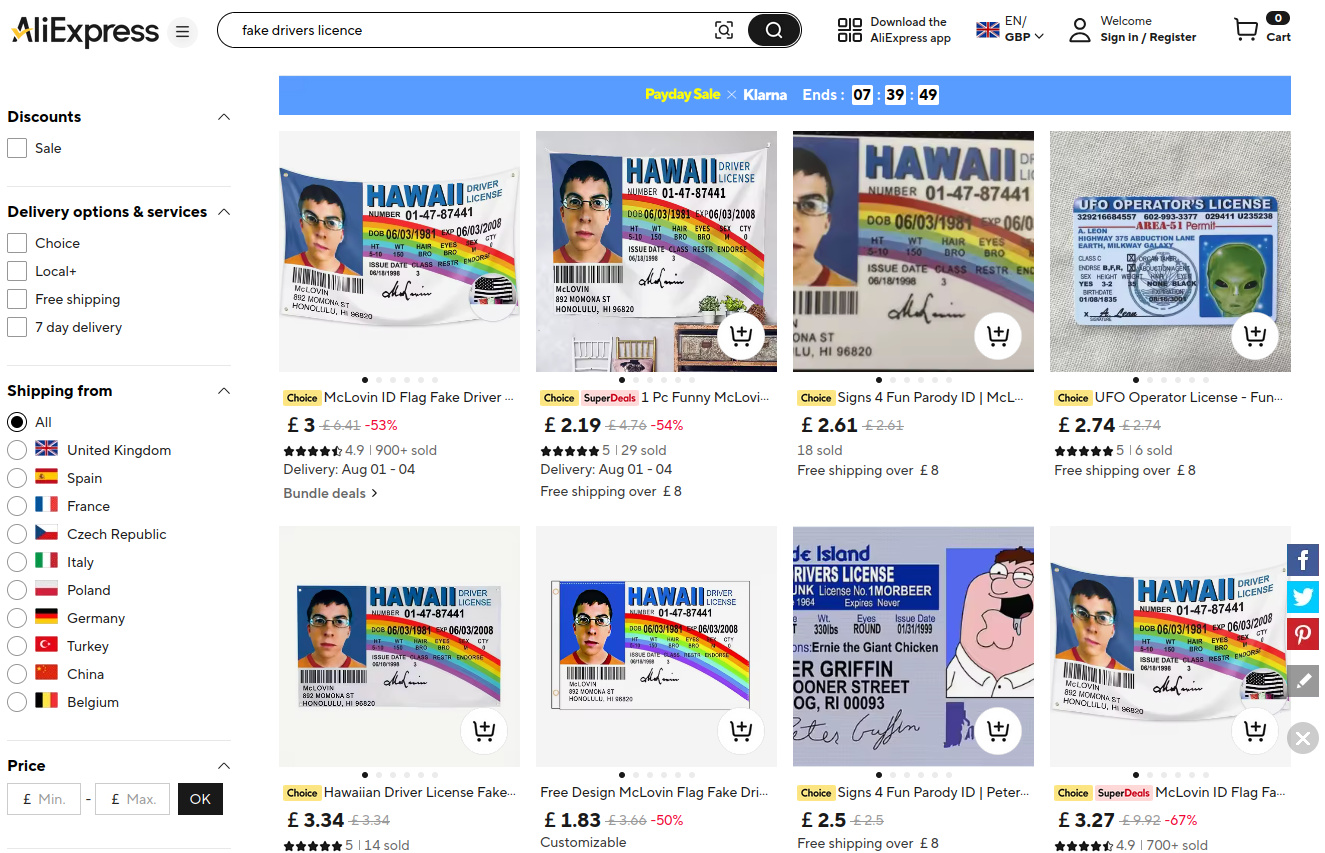
As anyone who has helped their non technical friends secure their networks will tell you, nothing boosts technical expertise more than presenting a 13-year-old with an online restriction. It’s already been shown how a tech-savvy kid can use an AI generated fake ID to watch online smut, and I am thus certain that the Act just won’t work. Kids will trade ways to get round it just like they traded floppies full of dodgy JPGs in the playground back in the ’90s.
The scope of the Act extends way beyond merely the porn sites you might expect, so your average Brit is going to find themselves uploading their drivers’ licence or passport an awful lot. The probability of a data breach involving all that valuable data will approach one, and all those identities will be compromised. Making more laws won’t stop this happening, after all the very definition of a criminal is a person with a disregard for the law.
And finally, that broad scope is catching all manner of inoffensive and blameless online communities who don’t have the resources to put the age verification and other measures in place. Your classic car forum, a support group for people with mental health problems, even possibly Wikipedia. Of course it’s important to protect children from inappropriate content, but killing the British internet for everyone else shouldn’t be a side effect.
This issue is likely to rumble on for a while in the UK, as at the time of writing a petition for its reform stands around 350k signatures. Thus a further parliamentary debate seems very likely, and no doubt we’ll see a few of our overlords wriggling a little to avoid the inevitable repercussions. You can sign it if you’re a Brit, and meanwhile if you’d like to restore access to the internet that the rest of the world sees, you can join the hordes of Brits running to acquire VPN access.
Palace of Westminster header image: Diliff, CC BY-SA 2.5.
Hexagonal Lighting Brings a Touch of Elegance to the Workshop

Sometimes, we’re faced with what should be simple household tasks that we choose to make more difficult. Sure, you could buy a clock, hang it on your wall, and move on with your day, or could spend a week or two building the perfect one. [Nejc Koncan] was in one such situation recently when he needed some new overhead lighting. He wanted hexagonal lights — and since none of the off-the-shelf solutions met his exacting requirements, he built his own.
Unlike most of the cycling RGB hexagonal lighting solutions available on the market, [Nejc] wanted elegant white outlines that he could control via HomeAssistant. After some careful design and quite a bit of trial-and-error, he ended up with a highly modular and very professional-looking installation. The hexagons are constructed from LED strips set into aluminum extrusions, with junction PCBs at each intersection. To complete the look, all of the strips and wiring are hidden by diffusers that slot into the extrusions — and of course, the whole thing is open source.
We see lots of lighting projects here at Hackaday, and even other hexagonal lights — but this might just be one of the most refined. Sometimes it’s worth the extra effort to build a totally over-engineered custom solution.
#Trump e la bufera #Epstein

Trump e la bufera Epstein
Con l’aumentare delle polemiche sul progressivo insabbiamento del caso Jeffrey Epstein da parte dell’amministrazione Trump, un paio di settimane fa l’FBI aveva diffuso pubblicamente un filmato di circa undici ore di videosorveglianza carceraria che m…www.altrenotizie.org
Un’armatura elettronica contro i droni ucraini? Il nuovo sistema made-in-Russia
@Notizie dall'Italia e dal mondo
La crescente rilevanza dei sistemi unmanned nel conflitto in Ucraina, utilizzati in modo sempre più estensivo, ha comportato di pari passo un’accelerazione nello sviluppo di varie tipologie di sistemi anti-drone da parte di entrambe le fazioni coinvolte nel conflitto.
Addio Shunsaku Tamiya: l'uomo che ci ha dato le cose migliori da costruire
Per la maggior parte di noi, la parola "Tamiya" evoca l'immagine di una scatola dai colori vivaci e ben illustrata, con il caratteristico logo Tamiya rosso e blu, contenente un kit di modellismo, un'auto telecomandata o un altro meraviglioso pezzo di ingegneria in miniatura. I bambini sono plasmati dalle esperienze che i loro giocattoli offrono loro e, sebbene possa sembrare strano citare i modellini in plastica come un'influenza chiave per un hacker hardware, ecco giocattoli che potevano essere costruiti in tutti i loro intricati dettagli.
La storia di Tamiya è iniziata nel settore del legname, per poi diversificarsi nei giocattoli in legno e poi, proprio come la LEGO dall'altra parte del mondo rispetto alla sede di Shizuoka, negli stampaggi a iniezione di plastica. Shunsaku Tamiya era famoso per la sua attenzione ai dettagli, che si rifletteva in modo evidente nei suoi prodotti.
hackaday.com/2025/07/31/farewe…
@Informatica (Italy e non Italy 😁)

Farewell Shunsaku Tamiya: The Man Who Gave Us The Best Things To Build
In the formative experiences of most Hackaday readers there will almost certainly be a number of common threads, for example the ownership of a particular game console, or being inspired into engin…Hackaday

Farewell Shunsaku Tamiya: The Man Who Gave Us The Best Things To Build
In the formative experiences of most Hackaday readers there will almost certainly be a number of common threads, for example the ownership of a particular game console, or being inspired into engineering curiosity by the same TV shows. A home computer of a TV show may mark you as coming from a particular generation, but there are some touchstones which cross the decades.
Of those, we are guessing that few readers will not at some point have either built, owned, or lusted after a Tamiya model kit at some point over the last many decades, so it’s with some sadness that we note the passing of Mr. Tamiya himself, Shunsaku Tamiya, who has died at the age of 90.
Shunsaku Tamiya
For most of us the word “Tamiya” conjures up an image of a brightly coloured and well illustrated box with the trademark red and blue Tamiya logo containing a model kit, remote controlled car, or other wondrous piece of miniature engineering. Kids’ are shaped by the experiences their toys give them, and while it might seem strange to cite plastic models as a key influence for a hardware hacker, here were toys that could be built in all their intricate detail.The Tamiya story started in the lumber business, diversifying into wooden toys, and then just like LEGO on the other side of the world from their Shizuoka base, into plastic injection mouldings. Shunsaku Tamiya was famous for his attention to detail and this very much came through in his products.
I learned this first-hand through a professional modeler friend who had the job of making the models featured on British Tamiya packaging. Though she dealt with the British agents of the company and could have spent her entire tenure talking to their marketing department, she found herself dealing with Mr. Tamiya personally. His box models were made by one of the best in the business, but even the quality of the packaging in a distant export market mattered to the boss.
We are sure the Tamiya company will continue to produce the best in plastic modeling, and we envy the kids who are now discovering them for the first time and sharpening an interest in making things that will stay with them for life. Thank you, Shunkasu Tamiya.
hackaday.com/2025/07/31/farewe…


Cosa farà Leonardo con Iveco Defence Vehicles. Parla Giovanni Soccodato
@Notizie dall'Italia e dal mondo
Con l’acquisizione del gruppo Iveco Defense Vehicles, Leonardo diventerà un attore integrato per i mezzi terrestri. L’operazione segue l’alleanza strategica con Rheinmetall e porta il gruppo di Piazza Monte Grappa a guardare sempre più a cooperazioni con le realtà europee
VPN su Kodi: la guida per streaming sicuro, veloce e anonimo
@Informatica (Italy e non Italy 😁)
Usare una VPN con Kodi permette di sbloccare contenuti geolocalizzati e garantire privacy durante lo streaming. Le migliori VPN offrono velocità elevate, ampia compatibilità e facilità d’installazione. È legale ma va usata con add-on ufficiali per evitare problemi legati al copyright
L'articolo VPN su Kodi:
Sentenza reshared this.
Max - Poliverso 🇪🇺🇮🇹
in reply to Max - Poliverso 🇪🇺🇮🇹 • •@Franc Mac
Non vedo comparire questo post di là, sbaglio qualcosa?