
Browser Fingerprinting and Why VPNs Won’t Make You Anonymous

Amidst the glossy marketing for VPN services, it can be tempting to believe that the moment you flick on the VPN connection you can browse the internet with full privacy. Unfortunately this is quite far from the truth, as interacting with internet services like websites leaves a significant fingerprint. In a study by [RTINGS.com] this browser fingerprinting was investigated in detail, showing just how easy it is to uniquely identify a visitor across the 83 laptops used in the study.
As summarized in the related video (also embedded below), the start of the study involved the Am I Unique? website which provides you with an overview of your browser fingerprint. With over 4.5 million fingerprints in their database as of writing, even using Edge on Windows 10 marks you as unique, which is telling.
In the study multiple VPN services were used, each of which resulted in exactly the same fingerprint hash. This is based on properties retrieved from the browser, via JavaScript and other capabilities exposed by the browser, including WebGL and HTML5 Canvas.
Next in the experiment the set of properties used was restricted to those that are more deterministic, removing items such as state of battery charge, and creating a set of 28 properties. This still left all 83 work laptops at the [RTINGS.com] office with a unique fingerprint, which is somewhat amazing for a single Canadian office environment since they should all use roughly the same OS and browser configuration.
As for ways to reduce your uniqueness, browsers like Brave try to mix up some of these parameters used for fingerprinting, but with Brave being fairly rare the use of this browser by itself makes for a pretty unique identifier. Ultimately being truly anonymous on the internet is pretty hard, and thus VPNs are mostly helpful for getting around region blocks for streaming services, not for obtaining more privacy.
youtube.com/embed/pJOpHSPkWMo?…
reshared this
Possibly-Smallest ESP32 Board Uses Smallest-Footprint Parts

Whenever there’s a superlative involved, you know that degree of optimization has to leave something else on the table. In the case of [PegorK]’s f32, the smallest ESP32 dev board we’ve seen, the cost of miniaturization is GPIO.
There’s only one GPIO pin broken out, and it’s pre-wired to an LED. That’s the bad news, and depending on what you want an ESP32 for, it might not phase you at all. What is impressive here, if not the number of I/O pins, is the size of the board: at 9.85 mm x 8.45 mm barely overhangs the USB-C socket that takes up one side of the board.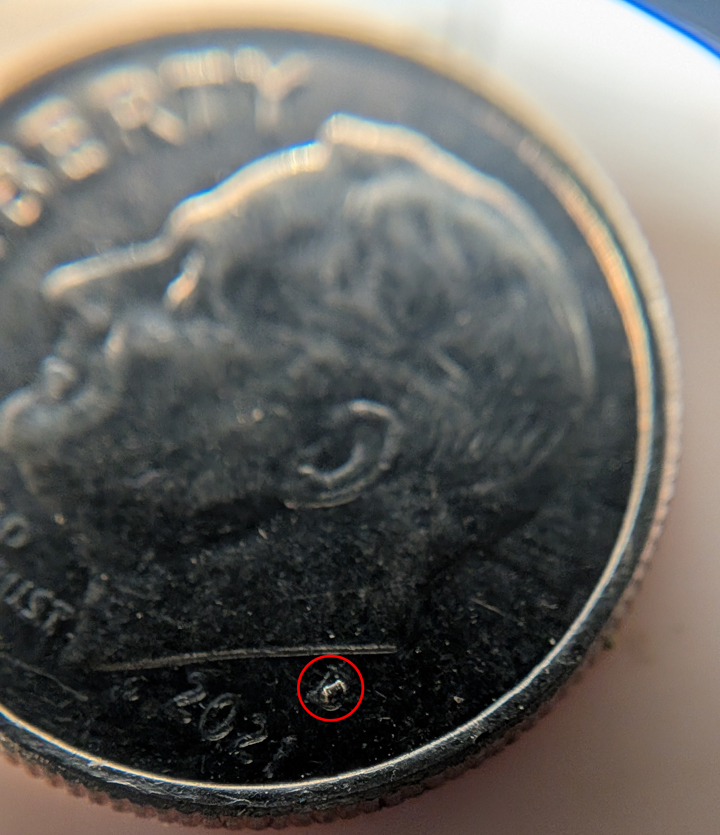
In order to get the ESP32-C3FH4 onto such a tiny board, all of the other support hardware had to be the smallest possible sizes– including resistors in 01005. If you don’t speak SMD, one could read that number code as “oh god too small” — at 0.4 mm x 0.2 mm it’s as minuscule as you’ll find– and [Pegor] hand soldered them.
OK, he did use a hot plate for the final step, but he did tin the pads manually with a soldering iron, which is still impressive. Most of us probably would have taken PCBWay up on their offer of assembly services, but not [Pegor]. Apparently part of the reason for this project was that he was looking for an excuse to use the really small footprint components.
Aside from leaving out GPIO and needing too-small SMD components, [Pegor] admits that pesky little details like antenna matching circuits and decoupling capacitors had to get cut to make the tiny footprint, so this board might be more of a stunt than anything practical. So what can you do with the smallest ESP32 board? Well, [Pegor] put up a basic web interface up to get you started blinking the built-in LED; after that, it’s up to you. Perhaps you might fancy a teeny-tiny minecraft server? If you can stand to increase the volume a little bit, we’ve seen how to hack a C3 for much better wifi performance.
Thanks to [Pegor] for the tip, and remember– submit your projects, big or small, we read ’em all!
Finanza contro economia
@Giornalismo e disordine informativo
articolo21.org/2025/11/finanza…
Amintore Fanfani con la Legge 28/02/1949 “Provvedimenti per incrementare l’occupazione operaia…”, poi detta “Piano Casa”, si inimicò la finanza internazionale (USA) perché osò indirizzare verso l’economia reale (e ci fu il boom) le risorse finanziarie del piano Marshall. Wall Street avrebbe voluto che
Giornalismo e disordine informativo reshared this.
Partito Dem: il caso della strage in carcere non può concludersi impunito
La Commissione legale e per i diritti umani del partito DEM ha condannato la gestione del caso del massacro in carcere del 19 dicembre e ha affermato che l’impunità è un risultato inaccettabile. L’operazione condotta il 19 dicembre 2000, pubblicizzata come operazione “Ritorno alla Vita”, ebbe un esito grave e devastante. Persone che lo Stato era tenuto a proteggere furono uccise e ferite. Trentadue persone persero la vita, tra cui due membri delle forze di sicurezza che avevano preso parte all’operazione, e centinaia rimasero gravemente ferite.
Successivi esami forensi hanno stabilito che tutti i decessi causati da ferite da arma da fuoco, compresi quelli degli agenti di sicurezza, erano dovuti ad armi utilizzate dal personale statale. I rapporti hanno confermato che non sono stati sparati colpi dall’interno verso l’esterno. Le armi che hanno causato le morti erano armi da fuoco militari ad alta energia cinetica, armi estremamente potenti e a canna lunga.
I metodi utilizzati nel reparto femminile erano pura barbarie. Vennero aperti dei buchi nel tetto e materiale incendiario fu lanciato nei dormitori. Agenti incendiari a base chimica, proibiti all’uso in spazi chiusi, furono rilasciati in grandi quantità provocando l’incendio dei reparti e rendendo impossibile respirare alle prigioniere. Quando le detenute, rendendosi conto che sarebbero state uccise, tentarono di raggiungere il cortile, furono colpite anche lì. Sei persone persero la vita in questo attacco.
Nonostante le istanze e le denunce presentate, furono avviati procedimenti contro le vittime, mentre non fu concessa alcuna autorizzazione a procedere contro gli agenti coinvolti nell’operazione. L’indagine fu deliberatamente protratta fino al 2010.
Quell’anno furono infine presentate accuse contro 37 coscritti, ma non contro alcun ufficiale di grado superiore. L’avvio tardivo del procedimento contro coloro che avevano comandato l’operazione non ne alterò l’esito. Il tribunale respinse le richieste di audizione personale degli imputati e di deposizione di persona di vittime e testimoni. Le dichiarazioni sono rimaste incomplete per anni. La mancata presentazione dei documenti e delle informazioni richiesti dal tribunale ha intenzionalmente prolungato il processo per molti anni. Alla fine il caso è stato archiviato per prescrizione.
Tuttavia, secondo la giurisprudenza consolidata della Corte europea dei diritti dell’uomo (CEDU), la prescrizione non può essere invocata quando i ritardi sono causati dalle autorità giudiziarie o dai funzionari statali. I crimini che possono essere considerati crimini contro l’umanità non possono essere conclusi impunemente, poiché ciò viola sia la legge sia i principi normativi fondamentali che sostengono i diritti umani.
Per queste ragioni, la CEDU ha stabilito il 15 novembre 2016,nel caso Hamdemir e altri contro la Turchia, che la forza e i metodi utilizzati nel carcere di Bayrampaşa erano sproporzionati e che il diritto alla vita era stato violato. Inoltre, lo Stato non aveva rispettato le Regole minime standard delle Nazioni Unite per il trattamento dei detenuti, di cui è parte.
La perdita di diritti causata dalle politiche carcerarie dello Stato e il fatto che un altro massacro abbia portato all’impunità sono inaccettabili. Respingiamo l’archiviazione dell’ultimo caso riguardante le operazioni simultanee condotte in 20 carceri, il caso del raid nel carcere di Bayrampaşa, attraverso l’applicazione della prescrizione e il conseguente esito di impunità.”
L'articolo Partito Dem: il caso della strage in carcere non può concludersi impunito proviene da Retekurdistan.it.
La pace come dovere: prime note in calce alla Critica della ragione bellica
@Giornalismo e disordine informativo
articolo21.org/2025/11/la-pace…
I vostri primi doveri, primi non per tempo ma per importanza e perché senza intendere quelli non potete compiere se non imperfettamente gli altri,
Giornalismo e disordine informativo reshared this.
Build a Stranger Things Wall You Can Freak Out At In Your Own Home

When Stranger Things premiered in 2016, it was a cultural force. Foreign DJs gushed over the lush 80s soundtrack, fashionistas loved the clothing, and the world became obsessed with the idea of using Christmas lights to communicate across material planes. [kyjohnso] has recreated that experience with the technology of today.

This build works a little differently. You basically type a message into a terminal on a Raspberry Pi, and it gets sent to a large language model—namely, the Claude API. The response from Claude (or Will Byers, if you’re imagining) is then flashed out on a WS2812B set of LED Christmas lights on the wall. [kyjohnso] added dramatic pauses whenever there’s a space in the output, somewhat replicating the dramatic elements of the show itself. Files are on GitHub for the spooky and curious.
It’s a neat build that would be a hit at any Halloween party. We can’t imagine how much more immersive it would be if paired with a speech-to-text engine so you could actually scream at the thing like a distraught Midwestern parent who has just lost her youngest child. It’s all about committing to the bit; if you build such a thing, don’t hesitate to notify the tipsline!
Whatsapp: rilevata vulnerabilità crittografica globale
@Informatica (Italy e non Italy 😁)
Un silenzio digitale ha avvolto per mesi i server di WhatsApp (che non si sono opposti allo sfruttamento), un vuoto di sicurezza che ha permesso a un gruppo di ricerca dell’Università di Vienna di condurre quello che può essere definito un censimento globale dell’intera piattaforma. Tra dicembre 2024 e
Informatica (Italy e non Italy 😁) reshared this.
Oggi vi presento la sister!
Piccolo spazio promozionale pre-natalizio per un'artista indipendente e attivista LGBTQ+ (ma per niente "social"... anche se le dico sempre che sul Fediverso si troverebbe bene...)
Cinzia è attrice e speaker/voiceover artist e ha uno shop di prodotti parlanti!
Su PrintedVOICE trovate magliette, felpe, shopper, tazze, borracce... su ognuna delle quali c'è un QR che rimanda a una clip con la sua voce.
I design sono ispirati al contenuto delle clip: le frasi più emozionanti della letteratura italiana, inglese (in inglese) e non solo (ci sono anche il francese e il latino!).
Nelle foto potete vedere qualche esempio interessante... ma vi consiglio di esplorare il sito e provare le combinazioni di colori che preferite!
Qui invece trovate un esempio delle clip che si apriranno inquadrando il QR!
E... vi consiglio di approfittare degli sconti di novembre / black friday: fino a domenica c'è il 20% di sconto, mentre il 28-29 ci sarà uno sconto speciale del 25% su ordini a partire da 70 €
Ricondivisioni molto gradite... Grazie!
printed-voice.myspreadshop.it/


Tiziano reshared this.
Regno Unito, Laburisti a tutta destra

Regno Unito, Laburisti a tutta destra
Il Partito Laburista britannico sotto la guida del primo ministro, Keir Starmer, sta procedendo a passo spedito verso la trasformazione in un soggetto di (estrema) destra, liquidando anche formalmente riferimenti e principi di carattere progressista.www.altrenotizie.org
Rogan's conspiracy-minded audience blame mods of covering up for Rogan's guests, including Trump, who are named in the Epstein files.
Roganx27;s conspiracy-minded audience blame mods of covering up for Roganx27;s guests, including Trump, who are named in the Epstein files.#News


Joe Rogan Subreddit Bans 'Political Posts' But Still Wants 'Free Speech'
In a move that has confused and angered its users, the r/JoeRogan subreddit has banned all posts about politics. Adding to the confusion, the subreddit’s mods have said that political comments are still allowed, just not posts. “After careful consideration, internal discussion and tons of external feedback we have collectively decided that r/JoeRogan is not the place for politics anymore,” moderator OutdoorRink said in a post announcing the change today.The new policy has not gone over well. For the last 10 years, the Joe Rogan Experience has been a central part of American political life. He interviews entertainers, yes, but also politicians and powerful businessmen. He had Donald Trump on the show and endorsed his bid for President. During the COVID and lockdown era, Rogan cast himself as an opposition figure to the heavy regulatory hand of the state. In a recent episode, Rogan’s guest was another podcaster, Adam Carolla, and the two spent hours talking about Covid lockdowns, Gavin Newsom, and specific environmental laws and building codes they argue is preventing Los Angeles from rebuilding after the Palisades fire.
playlist.megaphone.fm?p=TBIEA2…
To hear the mods tell it, the subreddit is banning politics out of concern for Rogan’s listeners. “For too long this subreddit has been overrun by users who are pushing a political agenda, both left and right, and that stops today,” the post announcing the ban said. “It is not lost on us that Joe has become increasingly political in recent years and that his endorsement of Trump may have helped get him elected. That said, we are not equipped to properly moderate, arbitrate and curate political posts…while also promoting free speech.”To be fair, as Rogan’s popularity exploded over the years, and as his politics have shifted to the right, many Reddit users have turned to the r/JoeRogan to complain about the direction Rogan and his podcast have taken. These posts are often antagonistic to Rogan and his fans, but are still “on-topic.”
Over the past few months, the moderator who announced the ban has posted several times about politics on r/JoeRogan. On November 3, they said that changes were coming to the moderation philosophy of the sub. “In the past few years, a significant group of users have been taking advantage of our ‘anything goes’ free speech policy,” they said. “This is not a political subreddit. Obviously Joe has dipped his toes in the political arena so we have allowed politics to become a component of the daily content here. That said, I think most of you will agree that it has gone too far and has attracted people who come here solely to push their political agenda with little interest in Rogan or his show.” A few days later the mod posted a link to a CBC investigation into MMA gym owners with neo-Nazi ties, a story only connected to Rogan by his interested in MMA and work as a UFC commentator.
r/JoeRogan’s users see the new “no political posts” policy as hypocrisy. And a lot of them think it has everything to do with recent revelations about Jeffrey Epstein. The connections between Epstein, Trump, and various other Rogan guests have been building for years. A recent, poorly formatted, dump of 200,000 Epstein files contained multiple references to Trump and Congress is set to release more.
“Random new mod appears and want to ruin this sub on a pathetic power trip. Transparently an attempt to cover for the pedophiles in power that Joe endorsed and supports. Not going to work,” one commenter said under the original post announcing the new ban.
“Perfectly timed around the Epstein files due to be released as well. So much for being free speech warriors eh space chimps?,” said one.
“Talking politics was great when it was all dunking on trans people and brown people but now that people have to defend pedophiles that banned hemp it's not so fun anymore,” said another.
You can see the remnants of pre-politics bans discussions lingering on r/JoeRogan. There are, of course, clips from the show and discussions of its guests but there’s also a lot of Epstein memes, posts about Epstein news, and fans questioning why Rogan hasn’t spoken out about Epstein recently after talking about it on the podcast for years.
Multiple guests Rogan has hosted on the show have turned up in the Epstein files, chief among them Donald Trump. The House GOP slipped a ban on hemp into the bill to re-open the government, a move that will close a loophole that’s allowed people to legally smoke weed in states like Texas. These are not the kinds of things the chill apes of Rogan’s fandom wanted.
“I think we all know what eventually happened to Joe and his podcast. The slow infiltration of right wing grifters coupled with Covid, it very much did change him. And I saw firsthand how that trickled down into the comedy community, especially one where he was instrumental in helping to rebuild. Instead of it being a platform to share his interests and eccentricities, it became a place to share his grievances and fears….how can we not expect to be allowed to talk about this?” user GreppMichaels said. “Do people really think this sub can go back to silly light chatter about aliens or conspiracies? Joe did this, how do the mods think we can pretend otherwise?”
Chatbot roleplay and image generator platform SecretDesires.ai left cloud storage containers of nearly two million of images and videos exposed, including photos and full names of women from social media, at their workplaces, graduating from universities, taking selfies on vacation, and more.#AI #AIPorn #Deepfakes #chatbots
Massive Leak Shows Erotic Chatbot Users Turned Women’s Yearbook Pictures Into AI Porn
An erotic roleplay chatbot and AI image creation platform called Secret Desires left millions of user-uploaded photos exposed and available to the public. The databases included nearly two million photos and videos, including many photos of completely random people with very little digital footprint.The exposed data shows how many people use AI roleplay apps that allow face-swapping features: to create nonconsensual sexual imagery of everyone, from the most famous entertainers in the world to women who are not public figures in any way. In addition to the real photo inputs, the exposed data includes AI-generated outputs, which are mostly sexual and often incredibly graphic. Unlike “nudify” apps that generate nude images of real people, these images are putting people into AI-generated videos of hardcore sexual scenarios.
Secret Desires is a browser-based platform similar to Character.ai or Meta’s AI avatar creation tool, which generates personalized chatbots and images based on user prompting. Earlier this year, as part of its paid subscriptions that range from $7.99 to $19.99 a month, it had a “face swapping” feature that let users upload images of real people to put them in sexually explicit AI generated images and videos. These uploads, viewed by 404 Media, are a large part of what’s been exposed publicly, and based on the dates of the files, they were potentially exposed for months.
About an hour after 404 Media contacted Secret Desires on Monday to alert the company to the exposed containers and ask for comment, the files became inaccessible. Secret Desires and CEO of its parent company Playhouse Media Jack Simmons did not respond to my questions, however, including why these containers weren’t secure and how long they were exposed.
💡
Do you have a tip about AI and porn? I would love to hear from you. Using a non-work device, you can message me securely on Signal at sam.404. Otherwise, send me an email at sam@404media.co.The platform was storing links to images and videos in unsecured Microsoft Azure Blob containers, where anyone could access XML files containing links to the images and go through the data inside. A container labeled “removed images” contained around 930,000 images, many of recognizable celebrities and very young looking women; a container named “faceswap” contained 50,000 images; and one named “live photos,” referring to short AI-generated videos, contained 220,000 videos. A number of the images are duplicates with different file names, or are of the same person from different angles or cropping of the photos, but in total there were nearly 1.8 million individual files in the containers viewed by 404 Media.
The photos in the removed images and faceswap datasets are overwhelmingly real photos (meaning, not AI generated) of women, including adult performers, influencers, and celebrities, but also photos of women who are definitely not famous. The datasets also include many photos that look like they were taken from women’s social media profiles, like selfies taken in bedrooms or smiling profile photos.
In the faceswap container, I found a file photo of a state representative speaking in public, photos where women took mirror selfies seemingly years ago with flip phones and Blackberries, screenshots of selfies from Snapchat, a photo of a woman posing with her university degree and one of a yearbook photo. Some of the file names include full first and last names of the women pictured. These and many more photos are in the exposed files alongside stolen images from adult content creators’ videos and websites and screenshots of actors from films. Their presence in this container means someone was uploading their photos to the Secret Desires face-swapping feature—likely to make explicit images of them, as that’s what the platform advertises itself as being built for, and because a large amount of the exposed content is sexual imagery.
Some of the faces in the faceswap containers are recognizable in the generations in the “live photos” container, which appears to be outputs generated by Secret Desires and are almost entirely hardcore pornographic AI-generated videos. In this container, multiple videos feature extremely young-looking people having sex.
‘I Want to Make You Immortal:’ How One Woman Confronted Her Deepfakes Harasser
“After discovering this content, I’m not going to lie… there are times it made me not want to be around any more either,” she said. “I literally felt buried.”404 MediaSamantha Cole
In early 2025, Secret Desires removed its face-swapping feature. The most recent date in the faceswap files is April 2025. This tracks with Reddit comments from the same time, where users complained that Secret Desires “dropped” the face swapping feature. “I canceled my membership to SecretDesires when they dropped the Faceswap. Do you know if there’s another site comparable? Secret Desires was amazing for image generation,” one user said in a thread about looking for alternatives to the platform. “I was part of the beta testing and the faceswop was great. I was able to upload pictures of my wife and it generated a pretty close,” another replied. “Shame they got rid of it.”In the Secret Desires Discord channel, where people discuss how they’re using the app, users noticed that the platform still listed “face swapping” as a paid feature as of November 3. As of writing, on November 11, face swapping isn’t listed in the subscription features anymore. Secret Desires still advertises itself as a “spicy chatting” platform where you can make your own personalized AI companion, and it has a voice cloning mode, where users can upload an audio file of someone speaking to clone their voice in audio chat modes.
On its site, Secret Desires says it uses end-to-end encryption to secure communications from users: “All your communications—including messages, voice calls, and image exchanges—are encrypted both at rest and in transit using industry-leading encryption standards. This ensures that only you have access to your conversations.” It also says stores data securely: “Your data is securely stored on protected servers with stringent access controls. We employ advanced security protocols to safeguard your information against unauthorized access.”
The prompts exposed by some of the file names are also telling of how some people use Secret Desires. Several prompts in the faceswap container, visible as file names, showed users’ “secret desire” was to generate images of underage girls: “17-year-old, high school junior, perfect intricate detail innocent face,” several prompts said, along with names of young female celebrities. We know from hacks of other “AI girlfriend” platforms that this is a popular demand of these tools; Secret Desires specifically says on its terms of use that it forbids generating underage images.
Screenshot of a former version of the subscription offerings on SecretDesires.ai, via Discord. Edits by the user
Secret Desire runs advertisements on Youtube where it markets the platform’s ability to create sexualized versions of real people you encounter in the world. “AI girls never say no,” an AI-generated woman says in one of Secret Desire’s YouTube Shorts. “I can look like your favorite celebrity. That girl from the gym. Your dream anime character or anyone else you fantasize about? I can do everything for you.” Most of Secret Desires’ ads on YouTube are about giving up on real-life connections and dating apps in favor of getting an AI girlfriend. “What if she could be everything you imagined? Shape her style, her personality, and create the perfect connection just for you,” one says. Other ads proclaim that in an ideal reality, your therapist, best friend, and romantic partner could all be AI. Most of Secret Desires’ marketing features young, lonely men as the users.
youtube.com/embed/eVugJ78rBRM?…
We know from years of research into face-swapping apps, AI companion apps, and erotic roleplay platforms that there is a real demand for these tools, and a risk that they’ll be used by stalkers and abusers for making images of exes, acquaintances, and random women they want to see nude or having sex. They’re accessible and advertised all over social media, and that children find these platforms easily and use them to create child sexual abuse material of their classmates. When people make sexually explicit deepfakes of others without their consent, the aftermath for their targets is often devastating; it impacts their careers, their self-confidence, and in some cases, their physical safety. Because Secret Desires left this data in the open and mishandled its users’ data, we have a clear look at how people use generative AI to sexually fantasize about the women around them, whether those women know their photos are being used or not.A Deepfake Nightmare: Stalker Allegedly Made Sexual AI Images of Ex-Girlfriends and Their Families
An Ohio man is accused of making violent, graphic deepfakes of women with their fathers, and of their children. Device searches revealed he searched for "undress" apps and "ai porn."Samantha Cole (404 Media)

We talk the terrible format of the latest Epstein dump; how a contractor is hiring randos on LinkedIn to physically track immigrants for $300; and a new code of conduct in the adult industry.#Podcast
Podcast: The Epstein Email Dump Is a Mess
We start this week with a rant from Jason about how the latest dump of Epstein emails were released. It would be a lot easier to cover them if they were published differently! After the break, we talk about Joseph’s piece about a contractor hiring essentially randos off LinkedIn to physically track immigrants for $300. In the subscribers-only section, Sam tells us about a new adult industry code of conduct that has been a long time coming
playlist.megaphone.fm?e=TBIEA6…
Listen to the weekly podcast on Apple Podcasts,Spotify, or YouTube. Become a paid subscriber for access to this episode's bonus content and to power our journalism. If you become a paid subscriber, check your inbox for an email from our podcast host Transistor for a link to the subscribers-only version! You can also add that subscribers feed to your podcast app of choice and never miss an episode that way. The email should also contain the subscribers-only unlisted YouTube link for the extended video version too. It will also be in the show notes in your podcast player.
youtube.com/embed/_6tVI4jh__Y?…
- Our New FOIA Forum! 11/19, 1PM ET
- Contractor Recruiting People on LinkedIn to Physically Track Immigrants for ICE, Will Pay $300
- Major Porn Studios Join Forces to Establish Industry ‘Code of Conduct’
The 404 Media Podcast
Tech News Podcast · Updated Weekly · Welcome to the podcast from 404 Media where Joseph, Sam, Emanuel, and Jason catch you up on the stories we published this week. 404 Media is a journalist-owned digital media company exploring the way …Apple Podcasts

Druetti-Marro (Possibile): Cannabis, il Senato blocca l’esame del DDL di iniziativa popolare in violazione del proprio regolamento. Conferenza stampa il 20 novembre, ore 16.00 – Sala Nassirya
Il 20 novembre alle ore 16.00, presso la Sala Nassirya del Senato, si terrà la conferenza stampa “Io Coltivo: che fine ha fatto la proposta di legge popolare?” dedicata al Disegno di Legge di iniziativa popolare S.1317 – “Depenalizzazione della coltivazione per uso personale e in forma associata della cannabis”, promosso da Meglio Legale, Associazione Coscioni, Forum Droghe e con il sostegno di oltre 70 organizzazioni.
A quasi un anno dal deposito della proposta, sostenuta da 54.000 firme, e a dieci mesi dalla sua assegnazione alle Commissioni Giustizia, Sanità e Lavoro, il Senato non ha ancora avviato l’esame del testo, violando apertamente l’Art. 74 del Regolamento.
Una mancata discussione che svilisce e di fatto denigra lo strumento della proposta di legge di iniziativa popolare, previsto dalla Costituzione per garantire ai cittadini un canale diretto di partecipazione democratica.
“Siamo da anni al fianco della battaglia per la legalizzazione della cannabis e siamo al fianco di Meglio Legale”, dichiara la Segretaria di Possibile Francesca Druetti, “con la convinzione che sia urgente e necessario togliere il mercato della cannabis dalle mani della criminalità organizzata, separarlo da quello delle droghe pesanti, trovare risorse per le casse dello Stato che possono essere investite in una corretta informazione sulle droghe e sulla sanità pubblica. Che il Parlamento non voglia nemmeno discutere una proposta firmata e condivisa da decine di migliaia di persone è un danno che la maggioranza fa non solo a noi, ma alla qualità del rapporto tra istituzioni e cittadinanza”.
In quest’ottica, Druetti ha partecipato alla Controconferenza nazionale sulle Droghe a Roma insieme alla Consigliera Regionale del Piemonte Giulia Marro, che aggiunge: “La Controconferenza è stato un luogo di confronto serio e necessario in un momento in cui le politiche governative procedono a colpi di “tolleranza zero”, senza risultati e senza ascolto.
È emerso con chiarezza quanto queste scelte – dalle oscillazioni continue sulla canapa agli interventi punitivi sulle sostanze – stiano producendo solo danni: non diminuisce l’uso, non si riduce la circolazione delle droghe, che anzi oggi sono più varie e più diffuse che mai.
Si continua a combattere battaglie simboliche, inseguendo un nemico immaginario, invece di confrontarsi con ciò che cinquant’anni di studi e pratiche ci insegnano: la repressione non funziona. Funzionano l’informazione corretta, la comunicazione trasparente, la riduzione del danno, il coinvolgimento delle persone e delle associazioni di consumatori.
Per questo considero grave che il Senato non abbia ancora avviato l’esame del DDL di iniziativa popolare sulla coltivazione domestica.
Rispettare la volontà di migliaia di cittadine e cittadini è un obbligo democratico. Continuare a rinviare la discussione significa lasciare spazio a politiche inefficaci e punitive, mentre avremmo bisogno di responsabilità, dati e prevenzione”.
Interverranno:
Antonella Soldo, presidente Meglio Legale e vicesegretaria +Europa
Marco Perduca, Associazione Luca Coscioni
Francesca Druetti, segretaria Possibile
Leonardo Fiorentini, Forum Droghe
Mattia Cusani, Canapa Sativa Italia
Denise Amerini, CGIL
Parlamentari, rappresentanti istituzionali, stampa e organizzazioni sono invitati a partecipare.
L'articolo Druetti-Marro (Possibile): Cannabis, il Senato blocca l’esame del DDL di iniziativa popolare in violazione del proprio regolamento. Conferenza stampa il 20 novembre, ore 16.00 – Sala Nassirya proviene da Possibile.
Basta tagli: al presidio AVS contro i tagli agli enti locali
Oggi in piazza a Roma insieme a tanti amministratori e amministratrici da tutta Italia per partecipare al presidio organizzato da Alleanza Verdi e Sinistra che denuncia i tagli agli enti locali fatti dal governo Meloni.
139,5 milioni su 140 tagliati al fondo per la messa in sicurezza di scuole, strade ed edifici pubblici.
100 milioni su 200 tagliati ai fondi contro il dissesto idrogeologico.
400 milioni su 400 di taglio ai fondi per gli interventi di sviluppo sostenibile.
29,9 milioni su 30 tagliati a opere per la messa in sicurezza di edifici e strutture pubbliche.
Soldi, tantissimi soldi, tolti all’edilizia scolastica, agli edifici pubblici, al contrasto al dissesto idrogeologico, all’edilizia pubblica.
Tagli che significano la cancellazione o riduzione di servizi essenziali, di politiche per la casa, di interventi sull’efficientamento energetico, della messa in sicurezza di infrastrutture e territorio. In un paese in cui milioni persone vivono in aree a rischio idrogeologico, in cui l’emergenza abitativa dovrebbe essere in cima alle priorità di qualunque governo. Tagli che investono fondi in gran parte destinati al Mezzogiorno e alle Aree interne.
In un paese in cui l’astensionismo alle urne è un dato allarmante, il governo decide tagli che vanno a depotenziare le amministrazioni comunali, le istituzioni più vicine ai cittadini e alle cittadine, quelle che dovrebbero poter garantire servizi essenziali nella vita quotidiana delle persone, che dovrebbero essere la fondazione del rapporto tra cittadinanza e chi in sua rappresentanza amministra la cosa pubblica. Se i Comuni non hanno i mezzi per erogare questi servizi, si incrina ulteriormente la fiducia tra cittadinanza e istituzioni, si infierisce su chi è più fragile, aumentando ulteriormente le disuguaglianze, si mina la tenuta delle città e dei territori di fronte alla crisi economica, sociale, climatica.
L'articolo Basta tagli: al presidio AVS contro i tagli agli enti locali proviene da Possibile.
Ahmad Salem libero: la mobilitazione per la Palestina non è reato
Ahmad Salem è un nome che alla maggior parte di noi non dice niente, ed è questo il problema.
Salem è un ragazzo palestinese, da sei mesi detenuto in regime di alta sicurezza in un carcere della nostra regione per aver denunciato il genocidio che il suo popolo stava e sta subendo per mano di Israele.
Durante l’iter per ottenere asilo politico in Italia il suo telefono è stato sequestrato e perquisito: spezzoni decontestualizzati di un video in cui invita la società civile a mobilitarsi per la Palestina sono bastati per accusarlo di “propaganda jihadista”.
Altri filmati presenti sul suo cellulare sono considerati dall’accusa “video istruttivi” di matrice terroristica. I filmati — diffusi in passato dalle principali testate giornalistiche italiane — non contengono però effettive indicazione tecniche o di addestramento.
I reati contestati a Salem — istigazione a delinquere e autoaddestramento con finalità di terrorismo — sono stati introdotti dal DDL Sicurezza, cardine della repressione del dissenso che è l’unico tratto distintivo del governo Meloni. Un provvedimento che, tramite l’introduzione di nuovi reati e l’inasprimento di pene, aggravanti e sanzioni, limita diritti e libertà fondamentali.
Salem ora va sostenuto, come lui ha tentato di fare col popolo palestinese. Dobbiamo diventare la sua voce, amplificare la sua rabbia e aggiungerci la nostra verso un governo sempre più securitario e criminalizzante.
Raccogliendo l’appello delle attiviste e degli attivisti, come @vincenzo23fullone, vi invitiamo a spezzare l’indifferenza che circonda la detenzione di Salem.
Il 21 novembre è stato organizzato un presidio di solidarietà davanti al Tribunale de L’Aquila per altri tre giovani palestinesi — Ahmad, Anan Yaeesh, Ali Irar e Mansour Doghmosh — accusati di terrorismo, in cui manifestare anche la solidarietà ad Ahmad Salem.
L'articolo Ahmad Salem libero: la mobilitazione per la Palestina non è reato proviene da Possibile.
FLOSS Weekly Episode 855: Get in the Minecart, Loser!

This week Jonathan chats with Kevin, Colin, and Curtis about Cataclysm: Dark Days Ahead! It’s a rogue-like post-apocalyptic survival game that you can play in the terminal, over SSH if you really want to! Part of the story is a Kickstarter that resulted in a graphics tile-set. And then there’s the mods!
youtube.com/embed/XzS8cOnVFgg?…
Did you know you can watch the live recording of the show right on our YouTube Channel? Have someone you’d like us to interview? Let us know, or have the guest contact us! Take a look at the schedule here.
play.libsyn.com/embed/episode/…
Direct Download in DRM-free MP3.
If you’d rather read along, here’s the transcript for this week’s episode.
Places to follow the FLOSS Weekly Podcast:
Theme music: “Newer Wave” Kevin MacLeod (incompetech.com)
Licensed under Creative Commons: By Attribution 4.0 License
hackaday.com/2025/11/19/floss-…
Hackers Can’t Spend a Penny

We aren’t here to praise the penny, but rather, to bury it. The penny, and its counterparts, have been vanishing all around the world as the cost of minting one far outweighs its value. But hackers had already lost a big asset: real copper pennies, and now even the cheaply made ones are doomed to extinction.
If you check your pockets and find a pre-1982 penny, it’s almost all copper. Well, 95% of its slightly-more-than-3-gram heft is pure copper. Since then, the copper penny’s been a fraud, weighing 2.5 g and containing only a 2.5% copper plate over a zinc core. During WWII, they did make some oddball steel pennies, but that was just a temporary measure.
Penny Science
If you are a certain age, you might remember building a “voltaic pile.” These primitive batteries use pennies, cardboard soaked in vinegar, and aluminum foil. Granted, it wasn’t very practical, so raiding your couch for change to make a battery was never really practical, but it was a fun science experiment. There are dozens of YouTube videos showing this popular experiment, including the [ScienceBuddies] video below.
youtube.com/embed/JcRRTHkAl6A?…
Old pennies were also a cheap and easy source of copper. Vinegar or lemon juice and some voltage made it simple to copperplate another metal object, like a nail. Copper also makes a good heatsink. We’ve seen Raspberry Pis and similar boards with heatsinks that cost an integer number of pennies, because that’s all they were. An oxidized penny shows up in some foxhole radios. They were also handy little weights if you made a balance or for taming a wobbly ceiling fan.
If you were a real kid chemist, you might have done the classic trick of turning a penny into “silver” and then “gold.” You used not-so-lovely-to-handle sodium hydroxide, some zinc, and a flame to actually convert the penny to brass. It wasn’t really a precious metal, but still a good trick if you were a kid with a chemistry set. As the video from [Simon] below shows, that will still work with the copperplate pennies.
youtube.com/embed/wmd2teoPUu0?…
New Pennies
Not that you can’t have fun with zinc pennies. If you scratch the plating a bit and dip it in HCL, the zinc core fizzes away. What’s left is a hollow copper penny. If you don’t like using HCL, we hear you can do it over a stove and simply melt the zinc. We wouldn’t try either one of those without a vent hood and an unhealthy disregard for your personal safety, so, you know, don’t do that. But know that you could. [Craig] shows how to remove the zinc or the copper in the video below.
youtube.com/embed/5Cf0gH2LtiE?…
The legality of all this has always been a little suspect. Since 2006, it has been illegal to melt down coins for their metal value. Technically, using it in a science class probably won’t bring the Treasury agents swooping into your classroom, but you have been warned.
Household Hacker
Of course, it is going to take some time for all the pennies to really vanish. There are plenty of them, and you can still get around a hundred for a buck. But when they are gone, what other household items are easy to hack for science? Aluminum foil, maybe? Tell us your favorite in the comments.
Whether they were copper slugs or thinly plated zinc tokens, pennies were a weirdly perfect hacker material: cheap, conductive, sacrificial, and everywhere. We’ll miss them.
Featured image: “wealth of pennies” by [Reza]


Press-hating president kisses up to press-murdering crown prince
FOR IMMEDIATE RELEASE:
President Donald Trump shamefully welcomed Saudi Crown Prince Mohammed bin Salman to the White House today. He brushed aside questions about Prince Mohammed’s role in the gruesome murder of Washington Post journalist Jamal Khashoggi, commenting that “things happen” and “You don’t have to embarrass our guest by asking a question like that.”
Freedom of the Press Foundation Director of Advocacy Seth Stern said:
“Somehow calling a female reporter ‘piggy’ was only the second-most offensive anti-press utterance to come out of the president’s mouth in recent days. And somehow Biden’s infamous fist bump is now only the second-most disgusting public display of flattery by a U.S. president to journalist-murderer Mohammed bin Salman.“Scolding a U.S. reporter for asking questions about MBS ordering a fellow journalist to be bonesawed signals to dictators everywhere that they can murder journalists with impunity — as if Trump hadn’t already sent that message clearly enough by bankrolling and arming Israel while it does just that in Gaza.
“Today’s fiasco felt like the nail in the coffin for whatever was left of the U.S.’s global standing as a leader on press freedom. The next president is going to have their work cut out for them in rebuilding that credibility. In the meantime, judges, lawmakers, and everyone else in a position to slow the backslide need to step up and rise to the moment before more journalists get killed.”
Please contact us if you would like further comment.
Light reshared this.
Press Release: Commission’s Digital Omnibus is a major rollback of EU digital protections
Today the European Commission has published two Digital Omnibus proposals, reopening the EU’s core protections against harm in the digital age. This step risks dismantling the rules-based system that was hard-won over decades, endangering the very foundation of human rights and tech policy in the EU.
The post Press Release: Commission’s Digital Omnibus is a major rollback of EU digital protections appeared first on European Digital Rights (EDRi).
Why the Digital Omnibus puts GDPR and ePrivacy at risk
Today, the Commission will present a “Digital Omnibus” package, a series of measures to allegedly ease administrative burdens for businesses across areas like privacy, cybersecurity and artificial intelligence. This will include one proposal dedicated to the AI Act, and another to simplifying digital rules, reopening and amending both the General Data Protection Regulation (GDPR) and the ePrivacy Directive.
The post Why the Digital Omnibus puts GDPR and ePrivacy at risk appeared first on European Digital Rights (EDRi).

Piantedosi, faccia votare i fuorisede
Nella giornata di ieri, il Ministro dell’Interno Matteo Piantedosi ha rivolto un appello alla partecipazione al voto. Un invito che ogni rappresentante delle istituzioni ha il dovere di fare, ma che rischia di apparire contraddittorio se non accompagnato dalle misure necessarie a rendere realmente possibile l’esercizio del diritto di voto per tutte e tutti.
Ancora ad oggi, infatti, il Governo non ha introdotto una norma che consenta ai fuorisede di votare senza dover affrontare costi e disagi significativi. Sono migliaia di persone che, pur volendo partecipare, vengono di fatto ostacolate da un sistema che non tiene conto dei problemi. Studentesse e studenti, lavoratrici e lavoratori che vivono lontano dal proprio comune. Parliamo anche di persone temporaneamente domiciliate fuori sede per motivi di cura.
Il diritto di voto deve essere garantito pienamente, senza discriminazioni territoriali o economiche. È necessario introdurre subito una legge sul voto dei fuorisede: una misura di civiltà, di democrazia e di rispetto verso chi studia, lavora e contribuisce al Paese.
Chiediamo che il Governo abbandoni rinvii e ambiguità e si assuma la responsabilità di rendere l’Italia una democrazia più accessibile e inclusiva. Invitare al voto è importante; permettere davvero a tutte e tutti di votare lo è ancora di più.
L'articolo Piantedosi, faccia votare i fuorisede proviene da Possibile.

Damn Fine (Solar Powered) Coffee

The folks at Low Tech Magazine are here again, this time with a solar powered coffee maker. Lest you think of a large parabolic mirror with a pot at its focus, in this case the device is much more friendly. It’s a table-top appliance that relies upon a 100 W 12 V panel for its operation.
They make the point that an electric coffee pot requires at least 300 W to work, so what’s the secret? In this case, insulation, as a standard moka pot is placed within a nichrome heating element set in mortar and surrounded by cork. On the outside are tiles, though they appear largely ornamental and the write-up suggests you could experiment with other materials to serve as an enclosure.
It appears to be an effective coffee maker, with the significant caveat that it’s hardly fast. In full sunlight the first pot takes over an hour to brew, with subsequent ones once it’s up to temperature being somewhat faster. But you can’t argue with the idea of free power, even if your favourite caffeinated beverage may now take a while to appear.
We like this idea, despite its slow brewing. We’ve featured Low Tech Magazine before, not least in their solar powered oven.

Zensur in Vietnam: Mitarbeiter des deutsch-vietnamesischen Exilmediums Thoibao in Haft
netzpolitik.org/2025/zensur-in…

Alberto Trentini, dal governo un anno di silenzio intollerabile
È passato un anno dall’arresto di Alberto Trentini, non si è mosso nulla.
“Sono qui dopo 365 giorni a esprimere indignazione. Per Alberto non si è fatto ciò che era doveroso fare. Sono stata troppo paziente ed educata ma ora la pazienza è finita”.
Sono le parole di Armanda Colusso, mamma dell’operatore umanitario detenuto in Venezuela da un anno senza un’accusa formale a suo carico.
L’immobilismo del governo Meloni non può essere tollerato, facciamo pressione, chiediamo che si attivi e adoperi ogni strumento diplomatico necessario alla sua liberazione.
Facciamolo per Alberto e la sua famiglia, facciamolo per la giustizia che perde valore ogni minuto che Alberto passa nella cella in cui è detenuto senza colpa.
Insistiamo.
L'articolo Alberto Trentini, dal governo un anno di silenzio intollerabile proviene da Possibile.
Questo tema è rivolto ai #genitori nell’ambito della campagna #Sicurnauti, il nuovo percorso che aiuta studenti, famiglie e personale scolastico a comprendere l'importanza de…

Ministero dell'Istruzione
L'uso consapevole dei dispositivi mobili, sono online i contenuti dedicati! Questo tema è rivolto ai #genitori nell’ambito della campagna #Sicurnauti, il nuovo percorso che aiuta studenti, famiglie e personale scolastico a comprendere l'importanza de…Telegram

Why Samsung Phones Are Failing Emergency Calls In Australia

We’re taught how to call emergency numbers from a young age; whether it be 911 in the US, 999 in the UK, or 000 in Australia. The concept is simple—if you need aid from police, fire, or ambulance, you pick up a phone and dial and help will be sent in short order.
It’s a service many of us have come to rely on; indeed, it’s function can swing the very balance between life or death. Sadly, in Australia, that has come to pass, with a person dying when their Samsung phone failed to reach the Triple Zero (000) emergency line. It has laid bare an obscure technical issue that potentially leaves thousands of lives at risk.
Peril

Australia’s Triple Zero emergency service becoming a hot-button issue. September 2025 saw widespread failures of emergency calls on the Optus network, an incident that was tied to at least three deaths of those unable to reach help. A series of further isolated cases have drawn more attention to edge case failures that have prevented people from reaching emergency services.
A bigger potential issue with the Triple Zero service has since bubbled up with the increased scrutiny on the system’s operation. Namely, the fact that a huge swathe of older Samsung smartphones cannot be trusted to successfully call 000 in an emergency. The potential issue has been on the radar of telcos and authorities since at least 2024. Since then, on November 13 2025, an individual in Sydney passed away after their phone failed to dial the emergency line. Their phone was using a Lebara SIM card, as managed by TPG and using the Vodafone network, when the incident occurred. Subsequent investigation determined that the problem was due to issues already identified with a wide range of Samsung phones.
The issue surrounds the matter of Australia’s shutdown of 3G phone service, which took place from 2023 to 2024. If you had a 3G phone, it would no longer be able to make any calls after the networks were shut down. Common sense would suggest that phones with 4G and 5G connectivity would be fine going forward. However, there was a caveat. There were a number of phones sold that offered 4G or 5G data connections, but could not actually make phone calls on these networks. This was due to manufacturers failing to implement Voice-over-LTE (VoLTE) functionality required to carry voice calls over 4G LTE networks. Alternatively, in some cases, the 4G or 5G handset could make VoLTE calls, but would fail to make emergency calls in certain situations.
Communication Breakdown
It all comes down to the way voice calls work on 4G and 5G. Unlike earlier 2G and 3G cellular networks, 4G and 5G networks are data only. Phone calls are handled through VoLTE, which uses voice-over-IP technology, or using Voice over NR (VoNR) in a purely 5G environment. Either way, the system is a data-based, packet-switched method of connecting a phone call, unlike the circuit-switched methods used for 2G and 3G calling.
The problem with this is that while 2G and 3G emergency calls worked whenever you had a tower nearby, VoLTE calling is more complex and less robust. VoLTE standards don’t guarantee that a given handset will be interoperable with all LTE networks, particularly when roaming. A given handset might only like IPv4, for example, which may be fine in its home region on its regular carrier. However, when roaming, or when doing an emergency call, that handset might find itself only in range of a different network’s towers, which only like IPv6, and thus VoLTE calling will fail. There are any number of other configuration mismatches that can occur between a handset and a network that can also cause VoLTE calling to fail.
Usually, when you’re in range of your phone’s home network with a modern 4G or 5G handset, you won’t have any problems. Your phone will use its VoLTE settings profile to connect and the emergency call will go through. After all, older models with no VoLTE support have by and large been banned from networks already. However, the situation gets more complex if your home network isn’t available. In those cases, it will look to “camp on” to another provider’s network for connectivity. In this case, if the phone’s VoLTE settings aren’t compatible with the rival network, the call may fail to connect, and you might find yourself unable to reach emergency services.
Specifically, in the Australian case, this appears to affect a range of older Samsung phones. Testing by telecommunications company Telstra found that some of these phones were unable to make Triple Zero emergency calls when only the Vodafone network was available. These phones will happily work when a Telstra or Optus network is available, but fallback to the Vodafone network has been found to fail. Research from other sources has also identified that certain phones can reach Triple Zero when using Telstra or Optus SIM cards, but may fail when equipped with a Vodafone SIM.
For its part, Samsung has provided a list of models affected by the issue. Some older phones, mostly from 2016 and 2017, will need to be replaced, as they will not be updated to reliably make emergency calls over 4G networks. Meanwhile, newer phones, like the Galaxy S20+ and Galaxy S21 Ultra 5G, will be given software updates to enable reliable emergency calling. Telecom operators have been contacting users of affected phones, indicating they will need to replace or upgrade as necessary. Devices that are deemed to be unable to safely make emergency calls will be banned from Australian mobile networks 28 days after initial notification to customers.
Broader Problem
This issue is not limited to just Australia. Indeed, European authorities have been aware of issues with VoLTE emergency calling since at least 2022. Many phones sold in European markets are only capable of making emergency calls on 2G and 3G networks, and could fail to reach emergency services if only 4G connections are available. This issue was particularly noted to be a risk when roaming internationally, where a handset sold in one country may prove inoperable with VoLTE calling on a foreign network.
Some blame has been laid on the loose standardization of the VoLTE standard. Unlike 2G and 3G standards, global interoperability is pretty much non-existent when it comes to phone calls. This wasn’t seen as a big issue early on, as when 4G devices first hit the market, 2G and 3G phone networks were readily available to carry any voice calls that couldn’t be handled by VoLTE. However, with 2G and 3G networks shutting down, the lack of VoLTE standardization and interoperability between carriers has been laid bare.
While Australia is currently tangling with this issue, expect it to crop up in other parts of the world before long. Europe is currently working towards 2G and 3G shutdowns, as our other jurisdictions, and issues around roaming functionality still loom large for those taking handsets overseas. Ultimately, end users will be asking a very simple question. If 2G and 3G technologies could handle emergency calls on virtually any compatible network around the world, how did it go so wrong when 4G and 5G rolled around? Old networks existed as a crutch that avoided the issue for a time, but they were never going to last forever. It surely didn’t have to be this way.
Il nuovo video di Pasta Grannies: youtube.com/shorts/NZuG-sJSmqI
@Cucina e ricette
(HASHTAG)
Cucina e ricette reshared this.
Karsten Wildberger: Digitale Souveränität ganz, ganz wichtig – nur nicht bei Palantir
netzpolitik.org/2025/karsten-w…

Smart Bandage Leverages AI Model For Healing Purposes

If you get a small cut, you might throw a plastic bandage on it to help it heal faster. However, there are fancier options on the horizon, like this advanced AI-powered smart bandage.
Researchers at UC Santa Cruz have developed a proof-of-concept device called a-Heal, intended for use inside existing commercial bandages for colostomy use. The device is fitted with a small camera, which images the wound site every two hours. The images are then uploaded via a wireless connection, and processed with a machine learning model that has been trained to make suggestions on how to better stimulate the healing process based on the image input. The device can then follow these recommendations, either using electrical stimulation to reduce inflammation in the wound, or supplying fluoxetine to stimulate the growth of healthy tissue. In testing, the device was able to improve the rate of skin coverage over an existing wound compared to a control.
The long-term goal is to apply the technology in a broader sense to help better treat things like chronic or infected wounds that may have difficulty healing. It’s still at an early stage for now, but it could one day be routine for medical treatment to involve the use of small smart devices to gain a better rolling insight on the treatment of wounds. It’s not the first time we’ve explored innovative methods of wound care; we’ve previously looked at how treatments from the past could better inform how we treat in future.
Tiziano
in reply to Tiziano :friendica: • • •