Cybersecurity & cyberwarfare ha ricondiviso questo.

The media in this post is not displayed to visitors. To view it, please go to the original post.

Una azienda italiana presto verrà violata! L’accesso ad un e-commerce è merce nelle underground

📌 Link all'articolo : redhotcyber.com/post/una-azien…

A cura di Carolina Vivianti

#redhotcyber #news #cybersecurity #hacking #malware #ransomware #prestashop #italiano

Cybersecurity & cyberwarfare ha ricondiviso questo.

The media in this post is not displayed to visitors. To view it, please go to the original post.

Starlink e le nuove “guerre invisibili”. Così i satelliti stanno cambiano il potere globale

📌 Link all'articolo : redhotcyber.com/post/starlink-…

A cura di Carolina Vivianti

#redhotcyber #news #comunicazionisatellite #connessioniveloci #crisiglobale #pianificazionemilitare

New Slicer Enables Horizontal Overhangs Without Support


The media in this post is not displayed to visitors. To view it, please log in.

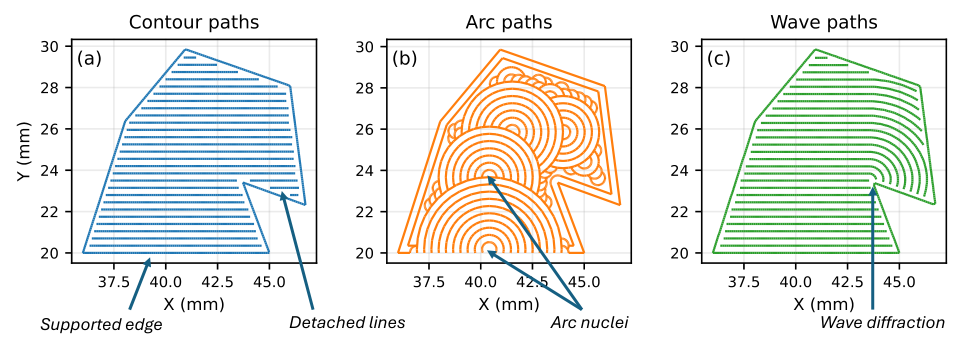
There’s a rule of thumb when it comes to FDM printing that overhangs are really only possible to an angle of around 45 degrees or so. If you try to squirt out plastic with nothing supporting it, it just goes everywhere. However, a new slicer hopes to enable printing up to 90-degree overhangs with some creative techniques.

The software that enables this is called WaveOverhangs, and currently exists as a fork of OrcaSlicer. The idea is straightforward enough — using unique toolpathing to create rings of deposited material that fasten to those laid down before them in the same layer. Thus as the printer lays down a layer into bare space, the deposited plastic is, ideally, able to fix on to the supported edge. As the next ring is laid down, it grabs on to the cooled ring laid down before it, and so on. The idea is inspired by wave propagation, hence the name. You can see a demonstration of the software in the video below by [Cocoanix 3D Printing].

It’s still a very new technique. The slicer has a whole bunch of knobs to turn and two different algorithms. Get the settings just right and you can print horizontal overhangs successfully. There aren’t exactly presets yet, this is something to explore with trial and error. If you test it out, don’t forget to upload your results to the Community Gallery so the developers can see what works and what doesn’t.

We’ve explored how smart slicers can do amazing things before, too, particularly when it comes to things like bridging.

youtube.com/embed/gJS-XkTEq-A?…


hackaday.com/2026/04/28/new-sl…

Cybersecurity & cyberwarfare ha ricondiviso questo.

The media in this post is not displayed to visitors. To view it, please go to the original post.

AI locale in un’estensione Chrome con Transformers.js e Manifest V3: architettura pratica
#tech
spcnet.it/ai-locale-in-unesten…
@informatica


AI locale in un’estensione Chrome con Transformers.js e Manifest V3: architettura pratica


Hugging Face ha pubblicato una guida dettagliata su come costruire un’estensione Chrome che esegue modelli AI direttamente nel browser, senza server esterni, usando Transformers.js e Manifest V3 (MV3). Il progetto di riferimento è una browser assistant basata su Gemma 4 E2B, open source e già disponibile sul Chrome Web Store. Vediamo in dettaglio l’architettura e le scelte tecniche che rendono fattibile questo approccio.

Perché AI locale in un’estensione?


L’inferenza locale porta vantaggi concreti: nessun dato dell’utente inviato a server esterni, latenza ridotta dopo il download iniziale del modello, funzionamento offline. Il limite storico era la complessità di integrare modelli ONNX direttamente in un’estensione browser. Transformers.js risolve questo problema esponendo un’API familiare (ispirata alla libreria Python di HuggingFace) che gira interamente nel browser tramite WebAssembly e WebGPU.

Architettura MV3: tre contesti, tre ruoli


Manifest V3 impone un’architettura a contesti separati, ognuno con accesso e ciclo di vita differenti. Il progetto usa tre entry point distinti:

  • Background service worker (background.ts): il piano di controllo. Gestisce il ciclo di vita dell’agente, l’inizializzazione dei modelli, l’esecuzione dei tool e i servizi condivisi come feature extraction. I modelli Transformers.js vengono caricati e mantenuti qui.
  • Side panel (sidebar/): il layer di interazione con l’utente. Chat input/output, streaming degli aggiornamenti, controlli di setup.
  • Content script (content.ts): il bridge con la pagina web. Estrae contenuto dal DOM e gestisce l’evidenziazione di elementi.

La regola di design è chiara: orchestrazione pesante nel background, UI e logica di pagina leggeri. Questo evita di caricare il modello più volte, mantiene l’interfaccia reattiva e rispetta i confini di sicurezza di Chrome.

Contratto di messaggistica tipato


Con contesti separati, la comunicazione avviene tramite messaggi. Il progetto li tipizza con enum in src/shared/types.ts:

// Side panel verso background
enum BackgroundTasks {
  CHECK_MODELS,
  INITIALIZE_MODELS,
  AGENT_GENERATE_TEXT,
  AGENT_GET_MESSAGES,
  AGENT_CLEAR,
  EXTRACT_FEATURES
}

// Background verso side panel
enum BackgroundMessages {
  DOWNLOAD_PROGRESS,
  MESSAGES_UPDATE
}

// Background verso content script
enum ContentTasks {
  EXTRACT_PAGE_DATA,
  HIGHLIGHT_ELEMENTS,
  CLEAR_HIGHLIGHTS
}

Il flusso tipico è: la side panel invia AGENT_GENERATE_TEXT, il background aggiunge il messaggio alla conversazione, esegue l’inferenza, poi emette MESSAGES_UPDATE alla side panel che ri-renderizza.

Integrazione di Transformers.js: dove gira l’inferenza


L’estensione usa due modelli con ruoli distinti, definiti in src/shared/constants.ts:

  • Text generation (LLM): onnx-community/gemma-4-E2B-it-ONNX, formato q4f16 – responsabile delle risposte chat e dell’esecuzione dell’agente.
  • Feature extraction (embedding): un modello separato per estrarre vettori da testi di pagina, usato per operazioni semantiche.

Entrambi i modelli vengono inizializzati e cachati nel background service worker. Il download avviene al primo avvio e i pesi rimangono nella cache del browser (via Cache API), così le sessioni successive partono istantaneamente. Il progresso del download viene trasmesso alla side panel tramite l’evento DOWNLOAD_PROGRESS.

Agent loop e tool calling


L’estensione implementa un loop agente completo. La classe Agent gestisce la cronologia dei messaggi e il ciclo di ragionamento:

// Flusso semplificato di Agent.runAgent
while (true) {
  const response = await model.generate(chatMessages);

  if (response.hasToolCall) {
    const toolResult = await executeTool(response.toolCall);
    chatMessages.push({ role: "tool", content: toolResult });
  } else {
    // Risposta finale
    break;
  }
}

I tool disponibili includono EXTRACT_PAGE_DATA (estrae il testo dalla pagina corrente via content script) e HIGHLIGHT_ELEMENTS (evidenzia elementi nel DOM). L’interfaccia dei tool è definita con schema JSON per permettere al modello di invocarli correttamente.

Build e packaging: Vite e MV3


Il progetto usa Vite per il build, con configurazione custom per generare entry point separati per background, side panel e content script. I modelli ONNX non sono inclusi nel bundle dell’estensione (sarebbero troppo grandi), ma vengono scaricati da Hugging Face Hub al primo avvio.

Un dettaglio pratico importante: i service worker MV3 possono essere terminati dal browser in qualsiasi momento quando inattivi. Bisogna gestire la persistenza dello stato (conversazione, modelli inizializzati) in modo da riprendere correttamente al risveglio del worker. Il progetto usa chrome.storage.session per lo stato effimero e chrome.storage.local per i dati persistenti tra sessioni.

Considerazioni pratiche prima di adottare questo approccio


Prima di replicare questa architettura in un progetto reale, vale la pena considerare alcune limitazioni:

  • Dimensione modello: Gemma 4 E2B in q4f16 pesa diversi gigabyte. Il download iniziale richiede una connessione affidabile e spazio disco significativo nel profilo Chrome.
  • Compatibilità hardware: le prestazioni variano molto tra macchine. Su hardware senza GPU decente, l’inferenza può essere lenta anche con quantizzazione aggressiva.
  • Ciclo di vita service worker: Chrome può terminare il background worker dopo 5 minuti di inattività. Gestire il riavvio e la reinizializzazione del modello è parte non banale dell’implementazione.
  • Review del Chrome Web Store: le estensioni con funzionalità AI vengono esaminate più attentamente; documentare chiaramente cosa fa il modello e dove girano i dati accelera il processo di approvazione.


Conclusione


L’architettura descritta da HuggingFace è solida e dimostra che eseguire AI locale in un’estensione Chrome è fattibile oggi con Transformers.js. Il codice sorgente dell’estensione Gemma 4 Browser Assistant è disponibile su GitHub come riferimento completo, con implementazione reale di tool calling, streaming e gestione del ciclo di vita MV3. Per chi vuole portare funzionalità AI nelle proprie estensioni senza dipendere da API esterne, questo progetto è un ottimo punto di partenza.


Fonte: How to Use Transformers.js in a Chrome Extension – Hugging Face Blog, 23 aprile 2026


Cybersecurity & cyberwarfare ha ricondiviso questo.

The media in this post is not displayed to visitors. To view it, please go to the original post.

Microsoft Defender “RedSun” Zero-Day (CVE-2026-33825): Unpatched Exploit Grants Full SYSTEM Access
#CyberSecurity
securebulletin.com/microsoft-d…
Cybersecurity & cyberwarfare ha ricondiviso questo.

The media in this post is not displayed to visitors. To view it, please go to the original post.

🔥 Aperte le Iscrizioni alla CTF "𝟮𝟭𝟰𝟵 𝗕𝗥𝗘𝗔𝗞 𝗧𝗛𝗘 𝗦𝗣𝗛𝗘𝗥𝗘!" della 𝗥𝗛𝗖 𝗖𝗼𝗻𝗳𝗲𝗿𝗲𝗻𝗰𝗲 𝟮𝟬𝟮𝟲

📍𝗤𝘂𝗮𝗻𝗱𝗼 : dalle 15:30 di Lunedì 18 alle 17:00 di Martedì 19 Maggio 2026
📍𝗥𝗲𝗴𝗼𝗹𝗮𝗺𝗲𝗻𝘁𝗼: redhotcyber.com/documents/rhc-…
📍𝗜𝘀𝗰𝗿𝗶𝘇𝗶𝗼𝗻𝗶: ctf.hackthebox.com/event/detai… (Password “rhc-ctf-2026”)
📍𝗜𝘀𝗰𝗿𝗶𝘇𝗶𝗼𝗻𝗶 𝗳𝗹𝗮𝗴 𝗳𝗶𝘀𝗶𝗰𝗵𝗲 da svolgere presso il Teatro Italia: rhc-conference-2026-ctf.eventb…
📍𝗦𝘁𝗼𝗿𝘆𝘁𝗲𝗹𝗹𝗶𝗻𝗴: redhotcyber.com/post/2149-brea…

#redhotcyber #capturetheflag #ctf #ethicalhacking #rhcconference #conferenza #informationsecurity #hacking #cybersecurity #cybercrime #cybersecurityawareness

The Gentlemen: l’operazione ransomware-as-a-service più attiva nel 2026


@Informatica (Italy e non Italy)
Ciò che rende The Gentlemen degno di attenzione non è la sofisticazione del vettore di attacco, ma la velocità di crescita e la capacità di attrarre operatori esperti provenienti da altri programmi criminali. Ecco perché l'operazione ransomware-as-a-service (RaaS) sta

SmokedHam, la backdoor scelta dagli amministratori IT


@Informatica (Italy e non Italy)
Una backdoor nascosta nei tool di rete più usati mette in evidenza le capacità di dissuasione dei cyber criminali e rilancia il tema della formazione aziendale continua. SmokedHam è metafora di ciò che attende le organizzazioni che non investono nella cyber security
L'articolo SmokedHam, la backdoor scelta dagli amministratori

Cybersecurity & cyberwarfare ha ricondiviso questo.

New #Android #spyware #Morpheus linked to Italian #surveillance firm
securityaffairs.com/191398/mal…
#securityaffairs #hacking
Cybersecurity & cyberwarfare ha ricondiviso questo.

The media in this post is not displayed to visitors. To view it, please go to the original post.

Pack2TheRoot: Critical Linux Privilege Escalation Flaw in PackageKit Affects 12+ Years of Releases (CVE-2026-41651)
#CyberSecurity
securebulletin.com/pack2theroo…
Cybersecurity & cyberwarfare ha ricondiviso questo.

The media in this post is not displayed to visitors. To view it, please go to the original post.

Bitwarden CLI npm Package Compromised in Sophisticated GitHub Actions Supply Chain Attack
#CyberSecurity
securebulletin.com/bitwarden-c…
Cybersecurity & cyberwarfare ha ricondiviso questo.

The media in this post is not displayed to visitors. To view it, please go to the original post.

ShinyHunters Claims Udemy Data Breach: 1.4 Million User Records at Risk as Ransom Deadline Expires
#CyberSecurity
securebulletin.com/shinyhunter…
Cybersecurity & cyberwarfare ha ricondiviso questo.

The media in this post is not displayed to visitors. To view it, please go to the original post.

Critical CVSS 9.8 Flaw in CrowdStrike LogScale Lets Unauthenticated Attackers Read Server Files
#CyberSecurity
securebulletin.com/critical-cv…

A Guide to CubeSat Mission and Bus Design


The media in this post is not displayed to visitors. To view it, please log in.

If you mention the word bus, you might think of public transportation or, more likely for us, a way to connect things together. But in the satellite world, the bus is the part of a vehicle that supports the payload but isn’t itself the payload. Typically, that means the electric power system, propulsion, radios, and thermal control, among other systems. If you are designing a CubeSat, you will want to read A Guide to CubeSat Mission and Bus Design by [Frances Zhu].

The Creative Commons-licensed book has twelve chapters, ranging from systems engineering — that is, defining what you want to do — to analyzing structures, handling power, setting up communications, and more. Of particular interest to us was the chapter on command and data handling. The final chapters cover software, system integration, and there’s even a chapter on Ethics.

If you want to build a CubeSat or just want to learn more about how satellites actually work, this is a great read. There are videos and other features, too. If you don’t like reading in your browser, you can download an EPUB, PDF, or MOBI near the top of the page.

There are many resources for the want-to-be CubeSat builder. You can even start with an open source design.


hackaday.com/2026/04/28/a-guid…

Cybersecurity & cyberwarfare ha ricondiviso questo.

The media in this post is not displayed to visitors. To view it, please go to the original post.

Truffa del CEO: la Cassazione cambia tutto. Ora un clic potrebbe costarti il lavoro

📌 Link all'articolo : redhotcyber.com/post/truffa-de…

A cura di Paolo Galdieri

#redhotcyber #news #dirittodelavoro #licenziamento #giustacausa #erroreumano #truffa #frode

Cybersecurity & cyberwarfare ha ricondiviso questo.

The media in this post is not displayed to visitors. To view it, please go to the original post.

GUIDA AL SUPERMERCATO

Molti disagi e malattie partono dal Supermercato. Quando scegli cosa mettere nel carrello, stai facendo molto più di un semplice acquisto: stai costruendo la tua salute.

Compra cibi mono-ingrediente (frutta, uova, carne, pesce, verdura) e per una piccola parte cibi minimamente processati (formaggio, riso, pane), scegli la qualità e il bio per ogni alimento.
Evita tutti i cibi industriali ultraprocessati.

Pubblicato nel gruppo salute seguibile da qui: @salute@diggita.com

Unknown parent

mastodon - Collegamento all'originale

Salute

@andreabont SI certo, In Europa, per fortuna, esistono controlli più rigorosi su alimenti e sostanze: questo ci offre una tutela maggiore rispetto ad altre parti del mondo poi è vero che molti di questi video sono pensati per attirare attenzione e generare guadagni, quindi vanno sempre presi con un po’ di spirito critico, diversi consigli sono piuttosto “di base”: ridurre il consumo di alimenti ultra-processati o di sostanze industriali è un’indicazione generale che ha senso.
in reply to Salute

@andreabont Bisogna fare attenzione a non semplificare troppo o a generalizzare ma faccio fatica a capire dove stia esattamente la disinformazione: forse dipende da come vengono presentati i contenuti e da quali esempi specifici si prendono. Vale sempre la pena entrare nel merito dei singoli casi più che fermarsi a bollare genericamente perchè ha un linguaggio da influencer, meno si usano i prodotti citati meglio è comunque per tutti, si sa che il supermercato è pieno di spazzatura.
Cybersecurity & cyberwarfare ha ricondiviso questo.

#NCSC launches SilentGlass, a plug-in device to secure HDMI and DisplayPort links
securityaffairs.com/191408/sec…
#securityaffairs #hacking
Cybersecurity & cyberwarfare ha ricondiviso questo.

The media in this post is not displayed to visitors. To view it, please go to the original post.

296 – Meta aiuta i genitori a parlare di AI con i figli camisanicalzolari.it/296-meta-…
Cybersecurity & cyberwarfare ha ricondiviso questo.

The media in this post is not displayed to visitors. To view it, please go to the original post.

Prima di Stuxnet nel 2000 c’era Fast16: la suite malware per inquinare i calcoli matematici

📌 Link all'articolo : redhotcyber.com/post/prima-di-…

A cura di Carolina Vivianti

#redhotcyber #news #cybersecurity #malware #hacking #sentinellabs #fast16 #kernel #svcmgmtexe

Sega Master System Controllers, Now With USB C


The media in this post is not displayed to visitors. To view it, please log in.

USB wasn’t even a gleam in an engineer’s eye when the Sega Master System hit the market in 1985. Today, we’re up to USB 4 or something, and the USB C connector is becoming a defacto standard for just about everything except desktop computers. [Retrostalgia] is embracing this by mating the control pad from Sega’s first international console with the connector of today.

Naturally, the Sega Master System did not use the Universal Serial Bus to talk to its controllers, so some conversion was in order. That’s achieved with the use of a RP2040 microcontroller, which reads the D-pad and action buttons via its GPIO pins. It then acts as a HID device when plugged into a computer or other USB host, showing up as a simple game controller. This is a particularly easy hack as the Master System controller is so simple, there’s no need to decipher any protocols or anything like that. It’s just about wiring up a few simple buttons. Beyond that, it’s just a matter of hot-gluing the RP2040 into the Master System controller housing, and making some room for the USB C port to sneak out the top. We’d have loved to seen a little extra hackery on this one, perhaps adding some rumble to a controller that was never, ever supposed to have it.

If you want to adapt authentic old controllers to work with modern computers and emulators, this project is a great place to start. It doesn’t get much simpler than the Master System, after all. You can always work your way up to more advanced feats later, like working with the beloved Wavebird. Video after the break.

youtube.com/embed/lEYEePY9bpk?…


hackaday.com/2026/04/27/sega-m…

Cybersecurity & cyberwarfare ha ricondiviso questo.

The media in this post is not displayed to visitors. To view it, please go to the original post.

🚀 Gli speaker della RHC Conference 2026

📍𝗤𝘂𝗮𝗻𝗱𝗼: Martedì 19 Maggio con ingresso dalle ore 8:45
📍𝗗𝗼𝘃𝗲: Teatro Italia, Via Bari 18, Roma (Metro Piazza Bologna)
📍𝗣𝗿𝗼𝗴𝗿𝗮𝗺𝗺𝗮: redhotcyber.com/linksSk2L/prog…
📍𝗜𝘀𝗰𝗿𝗶𝘇𝗶𝗼𝗻𝗲 conferenza di Martedì 19 Maggio: rhc-conference-2026.eventbrite…

#redhotcyber #rhcconference #conferenza #informationsecurity #ethicalhacking #dataprotection

Cybersecurity & cyberwarfare ha ricondiviso questo.

The media in this post is not displayed to visitors. To view it, please go to the original post.

La difesa non è il muro: come l’Agger romano può insegnarci la cybersecurity

📌 Link all'articolo : redhotcyber.com/post/la-difesa…

A cura di Simona Piacenti

#redhotcyber #news #cybersecurity #sicurezzainformatica #hacking #malware #ransomware

Cybersecurity & cyberwarfare ha ricondiviso questo.

The media in this post is not displayed to visitors. To view it, please go to the original post.

PhantomRPC: un bug di sicurezza critico in Windows RPC, ma Microsoft non rilascia fix

📌 Link all'articolo : redhotcyber.com/post/phantomrp…

A cura di Bajram Zeqiri

#redhotcyber #news #cybersecurity #hacking #windows #vulnerabilita #phantomrpc

Why Solid State Batteries Short


The media in this post is not displayed to visitors. To view it, please log in.

Solid state batteries, we are told, are the new hot battery technology that will replace lithium-ion batteries. Soon. Not that we haven’t heard that before. One reason it isn’t dominating the market today is that it’s prone to short circuits during charging. [Dr. Yuwei Zhang and others have published a paper detailing why the shorts happen, which could lead to strategies to improve the technology.

Solid state batteries employ a solid electrolyte and a lithium anode. It is known that, sometimes, lithium metal from the anode forms dendrites that penetrate the ceramic electrolyte and cause it to crack. This is somewhat of a mystery as the lithium is a soft metal (to quote [Zhang], “like a gummy bear.”).

There were two leading hypotheses for the observations. [Zhang’s] team showed that hydrostatic stress made the lithium dendrites act like a water jet, enabling them to penetrate the hard ceramic.

There is still work to figure out what to do about it, but understanding the root cause is certainly a step in the right direction. We’ve looked at these batteries before. We’ve also seen how changing the anode construction might help with the problem.


hackaday.com/2026/04/27/why-so…

Cybersecurity & cyberwarfare ha ricondiviso questo.

The media in this post is not displayed to visitors. To view it, please go to the original post.

A bit over two years after starting to work on it...

Go is officially FIPS 140-3 certified 💥

csrc.nist.gov/projects/cryptog…

I am pretty confident Go is now one of the most—if not the most—seamless and complete FIPS 140-3 compliance solutions... with a single env var, out of the box.

A Different Kind of Ultrasonic Levitation


The media in this post is not displayed to visitors. To view it, please log in.

An ultrasonic transducer with two wires attached to it by alligator clips floats very slightly suspended over a glass surface.

Ultrasonic levitation is by now a familiar trick: one or more ultrasonic transducers create a standing wave, and small objects can be held in the nodes of this standing wave. With a sufficiently large array of transducers, it’s even possible to control the movement of the object. This isn’t the only form of ultrasonic levitation, however, as [Steve Mould] demonstrated with his ultrasonic air hockey table.

This less familiar form of levitation was discovered by [Bob Collins] while working on torpedo guidance systems: when he tried to place a glass lens on an ultrasonic transducer it immediately slid off. He found during further experimentation that an ultrasonic transducer would levitate over any sufficiently flat and smooth surface. It works by trapping a very thin layer of air between the transducer and the smooth surface. When the transducer moves sharply toward the surface, it compresses a layer of air in between, and forces some air out, and the reverse happens while pulling back. However, during the downstroke, the gap through which air can escape is narrower than during the upstroke, and there is more surface-induced drag, meaning that the inflow and outflow of air through a narrow gap isn’t completely equal. At a certain distance, inflow and outflow balance, and the transducer floats on a thin layer of air.

In [Steve]’s air hockey arena, the floor oscillates and the pucks levitate over this. Driving it using just one transducer didn’t work, since the floor formed standing waves, and the pucks would get stuck on node lines. Instead, he used two transducers, one at each end of the arena, and drove them out of phase with each other. This created a standing wave and minimized dead spots.

The arena was a bit small (having to be played using toothpicks), but it seemed to work well. If you prefer your air hockey a bit more human-scaled, we’ve seen a table build before. We’ve also seen ultrasonic levitation before, ranging from simple electronics kits to the driving force behind a full volumetric display or photography station.

youtube.com/embed/BViIGAg-eVI?…


hackaday.com/2026/04/27/a-diff…

The Challenges of 3D Printing Reliable Springs


The media in this post is not displayed to visitors. To view it, please log in.

Springs are great, but making them out of plastic tends to come with some downsides, for fairly obvious reasons. Creating a compliant mechanism that can be 3D printed and yet which doesn’t permanently deform or wear out after a few uses is therefore a bit of a struggle. The complaint toggle mechanism that [neotoy] designed is said to have addressed those issues, with the model available on Printables for anyone to give a shake.

The model in question is a toggle, which is the commonly seen plastic or metal device that clamps down on e.g. rope or cord and requires you to push on it to have it release said clamping force. Normally these use a metal spring inside, but this version is fully 3D printable and thus forms a practical way to test this particular compliant mechanism with a variety of materials.

The internal spring is a printed spiral spring, with the example in the video printed in PETG. You can of course also print it in other materials for different durability and springiness properties. As noted in the video, PLA makes for a very poor spring material, so you probably want to skip that one.

We covered compliant mechanisms in the past for purposes like blasters, including some that you can only see under a microscope.

youtube.com/embed/hHZo82-PtT8?…


hackaday.com/2026/04/27/the-ch…

Cybersecurity & cyberwarfare ha ricondiviso questo.

The media in this post is not displayed to visitors. To view it, please go to the original post.

The media in this post is not displayed to visitors. To view it, please go to the original post.

LockBit 5.0 in Escalation: dalla Banca delle Banche Centrali Latinoamericane alle logistiche Europee
#CyberSecurity
insicurezzadigitale.com/lockbi…


LockBit 5.0 in Escalation: dalla Banca delle Banche Centrali Latinoamericane alle logistiche Europee


LockBit 5.0 — nome in codice ChuongDong — non è la resurrezione di un brand cybercriminale: è la prova che i ransomware-as-a-service più organizzati si evolvono più velocemente delle operazioni delle forze dell’ordine che li contrastano. Nell’ultima settimana di aprile 2026, la gang ha rivendicato colpi su un istituto finanziario fondato dalle banche centrali latinoamericane, su società di logistica tedesche e su numerose altre vittime in Europa, Asia e nelle Americhe. Un’analisi tecnica e operativa della minaccia più attiva del momento.

Storia e resurrezione: da Operation Cronos a LockBit 5.0


Nel febbraio 2024, la joint task force internazionale Operation Cronos — guidata dall’NCA britannica con la partecipazione di Europol, FBI e polizie di altri dieci paesi — aveva inflitto quello che sembrava un colpo definitivo all’ecosistema LockBit: server sequestrati, chiavi di decryption pubblicate, affiliati arrestati in Polonia e Ucraina, e il volto del presunto admin “LockBitSupp” esposto pubblicamente.

La risposta del gruppo è arrivata con una certa prevedibilità: già nel settembre 2025, LockBit ha annunciato sul forum dark web RAMP la versione 5.0, coincidendo con il sesto anniversario dell’operazione. A distanza di circa sette mesi dal lancio, il quadro è chiaro: il gruppo ha ripreso la sua cadenza operativa, con oltre 100 vittime rivendicate sulla nuova data leak site (DLS) e attività in costante escalation nel 2026.

Architettura tecnica: cosa c’è di nuovo in LockBit 5.0


LockBit 5.0 è costruito su un’architettura a due componenti principali, un Loader e un modulo Ransomware, con una separazione netta tra funzioni di delivery e payload di cifratura.

Il Loader decifra il payload ransomware usando XOR combinato con compressione LZ e lo esegue direttamente in memoria, senza mai scrivere il binario cifrato su disco — una tecnica che complica notevolmente l’analisi forense e il rilevamento da parte degli antivirus tradizionali.

Sul fronte cifratura, la versione 5.0 introduce significativi miglioramenti rispetto alla 4.0:

  • Cifratura differenziale basata sulla dimensione dei file: per i file più grandi viene cifrata solo una porzione, massimizzando la velocità dell’attacco e comprimendo la finestra di risposta per i difensori.
  • Modulo di cancellazione delle Shadow Copy aggiornato: basato su codice derivato da Conti, ora utilizza le VSS API native di Windows invece degli strumenti da riga di comando, riducendo le tracce nel log degli eventi.
  • Patching di EtwEventWrite: disabilita in memoria il Windows Event Tracing for Windows (ETW), cieco di fatto i sistemi di SIEM e EDR che si affidano ai provider nativi.
  • Controlli di geolocalizzazione e locale: i campioni escludono automaticamente i sistemi nei paesi della CIS (Comunità degli Stati Indipendenti), un pattern tipico degli operatori ransomware di madrelingua russa.
  • Estensioni randomizzate a 16 caratteri: i file cifrati ricevono un’estensione generata casualmente per ogni campagna, impedendo il rilevamento basato su signature statiche.


Multi-piattaforma: Windows, Linux e VMware ESXi nel mirino


Una delle novità più significative di LockBit 5.0 è l’espansione cross-platform. Il gruppo ha sviluppato tre varianti distinte — per Windows, Linux e VMware ESXi — che possono essere deployate in modo coordinato su tutta l’infrastruttura di una vittima.

La variante ESXi è progettata specificamente per cifrare i datastore delle macchine virtuali, paralizzando interi ambienti virtualizzati in un singolo passaggio. Per un’organizzazione enterprise che fa affidamento su VMware, questo significa che server, applicazioni critiche e database possono essere resi inaccessibili simultaneamente, moltiplicando la pressione a pagare il riscatto.

Le vittime di aprile 2026: da Bladex alle logistiche europee


La settimana del 26-27 aprile 2026 ha visto LockBit 5.0 rivendicare una serie di attacchi di profilo elevato, in particolare:

  • Bladex (Panama): istituto finanziario multinazionale fondato direttamente dalle banche centrali dei paesi latinoamericani e caraibici. LockBit ha annunciato la pubblicazione dei dati entro 14-15 giorni. Un attacco a un istituto con questo profilo istituzionale ha implicazioni che vanno ben oltre il singolo incidente.
  • Merlo Teleskoplader (Germania): produttore tedesco di macchinari industriali; la rivendicazione include potenziale esfiltrazione di dati tecnici e commerciali.
  • D. Heinrichs Logistic GmbH (Bremerhaven, Germania): provider logistico nel porto di Bremerhaven, nodo strategico per il commercio europeo.

La concentrazione di vittime tedesche nel settore logistico/industriale suggerisce una campagna mirata, o quantomeno che gli affiliati di LockBit 5.0 stiano attivamente prendendo di mira la filiera produttiva e logistica europea.

Indicatori di compromissione e pattern di attacco

# File system indicators (Windows)
%TEMP%\ReadMeForDecrypt.txt         # Ransom note (naming convention LockBit 5.0)
*.{16-char random extension}         # File cifrati con estensione randomizzata
# Processi sospetti (behavior indicators)
vssadmin.exe (chiamate VSS API native invece di CLI)
wevtutil.exe (possibile log clearing pre-cifratura)
wmic.exe shadowcopy delete
# ETW patching (in-memory)
EtwEventWrite patched -> NOP sled   # Disabilita event tracing Windows
# Geolocation check (CIS exclusion)
GetUserDefaultLCID() / GetLocaleInfoW()  # Controllo locale pre-esecuzione
# Network indicators
Comunicazioni C2 su infrastrutture TOR
Data exfiltration pre-cifratura via tool personalizzato (data theft stage)
# Loader behavior
XOR + LZ decompression in memoria
Nessuna scrittura del payload cifrato su disco (fileless execution)

Il modello RaaS e la resilienza di LockBit


La sopravvivenza di LockBit alle operazioni delle forze dell’ordine non è un caso: è il risultato di un modello RaaS (Ransomware-as-a-Service) progettato con ridondanza in mente. Gli affiliati — decine di gruppi criminali indipendenti che noleggiano il malware in cambio di una percentuale dei riscatti — possono continuare a operare anche quando l’infrastruttura centrale viene sequestrata. Quando il codice e le build vengono trapelate o ricostruite, il lancio di una nuova versione diventa relativamente rapido.

LockBit 5.0 dimostra anche una capacità di adattamento tecnico reale: il patching in memoria di ETW, l’uso delle VSS API invece dei comandi shell, e l’architettura modulare cross-platform non sono aggiornamenti cosmetici ma miglioramenti mirati a sopravvivere agli EDR e ai SIEM di nuova generazione.

Raccomandazioni per i difensori


  • Proteggere i backup offline e immutabili: la strategia più efficace contro LockBit rimane avere copie fuori dalla portata del ransomware. I backup connessi alla rete sono sempre stati l’obiettivo primario degli operatori.
  • Monitorare le API di Volume Shadow Copy: rilevare chiamate anomale alle VSS API da processi inusuali, non solo l’esecuzione di vssadmin.
  • EDR con visibilità sulle patch in-memory: i provider che monitorano l’integrità del codice in memoria (PatchGuard bypass, EtwEventWrite tampering) hanno significativamente più chance di rilevare LockBit 5.0 prima dell’esecuzione del payload.
  • Segmentazione rigorosa degli ambienti VMware: i datastore ESXi non devono essere accessibili da host che non abbiano una necessità operativa diretta.
  • Threat hunting basato su estensioni randomizzate: configurare alert su mass-rename di file con estensioni sconosciute nei file server critici.
  • Verifica della geolocation check: se in un ambiente vengono rilevati controlli di locale da processi inusuali, potrebbe indicare una fase di reconnaissance pre-attivazione del payload.

LockBit 5.0 non è un fantasma del passato. È una minaccia attiva, tecnicamente evoluta e operativamente resiliente. L’attacco a Bladex — un’istituzione finanziaria nata per volontà delle banche centrali di un’intera regione del mondo — è il segnale che nessun settore, nessuna dimensione aziendale e nessuna geografia è fuori dal mirino del gruppo più prolifico del ransomware mondiale.


Cybersecurity & cyberwarfare ha ricondiviso questo.

#Medtronic discloses security incident after #ShinyHunters claimed theft of 9M+ records
securityaffairs.com/191391/cyb…
#securityaffairs #hacking

reshared this

The media in this post is not displayed to visitors. To view it, please log in.

LockBit 5.0 in Escalation: dalla Banca delle Banche Centrali Latinoamericane alle logistiche Europee


@Informatica (Italy e non Italy)
LockBit 5.0 (ChuongDong) torna a colpire ad aprile 2026: tra le vittime Bladex, la banca delle banche centrali latinoamericane, e logistiche tedesche. Analisi tecnica del nuovo payload cross-platform con cifratura


LockBit 5.0 in Escalation: dalla Banca delle Banche Centrali Latinoamericane alle logistiche Europee


LockBit 5.0 — nome in codice ChuongDong — non è la resurrezione di un brand cybercriminale: è la prova che i ransomware-as-a-service più organizzati si evolvono più velocemente delle operazioni delle forze dell’ordine che li contrastano. Nell’ultima settimana di aprile 2026, la gang ha rivendicato colpi su un istituto finanziario fondato dalle banche centrali latinoamericane, su società di logistica tedesche e su numerose altre vittime in Europa, Asia e nelle Americhe. Un’analisi tecnica e operativa della minaccia più attiva del momento.

Storia e resurrezione: da Operation Cronos a LockBit 5.0


Nel febbraio 2024, la joint task force internazionale Operation Cronos — guidata dall’NCA britannica con la partecipazione di Europol, FBI e polizie di altri dieci paesi — aveva inflitto quello che sembrava un colpo definitivo all’ecosistema LockBit: server sequestrati, chiavi di decryption pubblicate, affiliati arrestati in Polonia e Ucraina, e il volto del presunto admin “LockBitSupp” esposto pubblicamente.

La risposta del gruppo è arrivata con una certa prevedibilità: già nel settembre 2025, LockBit ha annunciato sul forum dark web RAMP la versione 5.0, coincidendo con il sesto anniversario dell’operazione. A distanza di circa sette mesi dal lancio, il quadro è chiaro: il gruppo ha ripreso la sua cadenza operativa, con oltre 100 vittime rivendicate sulla nuova data leak site (DLS) e attività in costante escalation nel 2026.

Architettura tecnica: cosa c’è di nuovo in LockBit 5.0


LockBit 5.0 è costruito su un’architettura a due componenti principali, un Loader e un modulo Ransomware, con una separazione netta tra funzioni di delivery e payload di cifratura.

Il Loader decifra il payload ransomware usando XOR combinato con compressione LZ e lo esegue direttamente in memoria, senza mai scrivere il binario cifrato su disco — una tecnica che complica notevolmente l’analisi forense e il rilevamento da parte degli antivirus tradizionali.

Sul fronte cifratura, la versione 5.0 introduce significativi miglioramenti rispetto alla 4.0:

  • Cifratura differenziale basata sulla dimensione dei file: per i file più grandi viene cifrata solo una porzione, massimizzando la velocità dell’attacco e comprimendo la finestra di risposta per i difensori.
  • Modulo di cancellazione delle Shadow Copy aggiornato: basato su codice derivato da Conti, ora utilizza le VSS API native di Windows invece degli strumenti da riga di comando, riducendo le tracce nel log degli eventi.
  • Patching di EtwEventWrite: disabilita in memoria il Windows Event Tracing for Windows (ETW), cieco di fatto i sistemi di SIEM e EDR che si affidano ai provider nativi.
  • Controlli di geolocalizzazione e locale: i campioni escludono automaticamente i sistemi nei paesi della CIS (Comunità degli Stati Indipendenti), un pattern tipico degli operatori ransomware di madrelingua russa.
  • Estensioni randomizzate a 16 caratteri: i file cifrati ricevono un’estensione generata casualmente per ogni campagna, impedendo il rilevamento basato su signature statiche.


Multi-piattaforma: Windows, Linux e VMware ESXi nel mirino


Una delle novità più significative di LockBit 5.0 è l’espansione cross-platform. Il gruppo ha sviluppato tre varianti distinte — per Windows, Linux e VMware ESXi — che possono essere deployate in modo coordinato su tutta l’infrastruttura di una vittima.

La variante ESXi è progettata specificamente per cifrare i datastore delle macchine virtuali, paralizzando interi ambienti virtualizzati in un singolo passaggio. Per un’organizzazione enterprise che fa affidamento su VMware, questo significa che server, applicazioni critiche e database possono essere resi inaccessibili simultaneamente, moltiplicando la pressione a pagare il riscatto.

Le vittime di aprile 2026: da Bladex alle logistiche europee


La settimana del 26-27 aprile 2026 ha visto LockBit 5.0 rivendicare una serie di attacchi di profilo elevato, in particolare:

  • Bladex (Panama): istituto finanziario multinazionale fondato direttamente dalle banche centrali dei paesi latinoamericani e caraibici. LockBit ha annunciato la pubblicazione dei dati entro 14-15 giorni. Un attacco a un istituto con questo profilo istituzionale ha implicazioni che vanno ben oltre il singolo incidente.
  • Merlo Teleskoplader (Germania): produttore tedesco di macchinari industriali; la rivendicazione include potenziale esfiltrazione di dati tecnici e commerciali.
  • D. Heinrichs Logistic GmbH (Bremerhaven, Germania): provider logistico nel porto di Bremerhaven, nodo strategico per il commercio europeo.

La concentrazione di vittime tedesche nel settore logistico/industriale suggerisce una campagna mirata, o quantomeno che gli affiliati di LockBit 5.0 stiano attivamente prendendo di mira la filiera produttiva e logistica europea.

Indicatori di compromissione e pattern di attacco

# File system indicators (Windows)
%TEMP%\ReadMeForDecrypt.txt         # Ransom note (naming convention LockBit 5.0)
*.{16-char random extension}         # File cifrati con estensione randomizzata
# Processi sospetti (behavior indicators)
vssadmin.exe (chiamate VSS API native invece di CLI)
wevtutil.exe (possibile log clearing pre-cifratura)
wmic.exe shadowcopy delete
# ETW patching (in-memory)
EtwEventWrite patched -> NOP sled   # Disabilita event tracing Windows
# Geolocation check (CIS exclusion)
GetUserDefaultLCID() / GetLocaleInfoW()  # Controllo locale pre-esecuzione
# Network indicators
Comunicazioni C2 su infrastrutture TOR
Data exfiltration pre-cifratura via tool personalizzato (data theft stage)
# Loader behavior
XOR + LZ decompression in memoria
Nessuna scrittura del payload cifrato su disco (fileless execution)

Il modello RaaS e la resilienza di LockBit


La sopravvivenza di LockBit alle operazioni delle forze dell’ordine non è un caso: è il risultato di un modello RaaS (Ransomware-as-a-Service) progettato con ridondanza in mente. Gli affiliati — decine di gruppi criminali indipendenti che noleggiano il malware in cambio di una percentuale dei riscatti — possono continuare a operare anche quando l’infrastruttura centrale viene sequestrata. Quando il codice e le build vengono trapelate o ricostruite, il lancio di una nuova versione diventa relativamente rapido.

LockBit 5.0 dimostra anche una capacità di adattamento tecnico reale: il patching in memoria di ETW, l’uso delle VSS API invece dei comandi shell, e l’architettura modulare cross-platform non sono aggiornamenti cosmetici ma miglioramenti mirati a sopravvivere agli EDR e ai SIEM di nuova generazione.

Raccomandazioni per i difensori


  • Proteggere i backup offline e immutabili: la strategia più efficace contro LockBit rimane avere copie fuori dalla portata del ransomware. I backup connessi alla rete sono sempre stati l’obiettivo primario degli operatori.
  • Monitorare le API di Volume Shadow Copy: rilevare chiamate anomale alle VSS API da processi inusuali, non solo l’esecuzione di vssadmin.
  • EDR con visibilità sulle patch in-memory: i provider che monitorano l’integrità del codice in memoria (PatchGuard bypass, EtwEventWrite tampering) hanno significativamente più chance di rilevare LockBit 5.0 prima dell’esecuzione del payload.
  • Segmentazione rigorosa degli ambienti VMware: i datastore ESXi non devono essere accessibili da host che non abbiano una necessità operativa diretta.
  • Threat hunting basato su estensioni randomizzate: configurare alert su mass-rename di file con estensioni sconosciute nei file server critici.
  • Verifica della geolocation check: se in un ambiente vengono rilevati controlli di locale da processi inusuali, potrebbe indicare una fase di reconnaissance pre-attivazione del payload.

LockBit 5.0 non è un fantasma del passato. È una minaccia attiva, tecnicamente evoluta e operativamente resiliente. L’attacco a Bladex — un’istituzione finanziaria nata per volontà delle banche centrali di un’intera regione del mondo — è il segnale che nessun settore, nessuna dimensione aziendale e nessuna geografia è fuori dal mirino del gruppo più prolifico del ransomware mondiale.


2026 Green Powered Challenge: Adding Low-Power Sleep To Microcontrollers


The media in this post is not displayed to visitors. To view it, please log in.

When building a project to operate on battery power for long periods of time, having a microcontroller with a reliable and extremely low-power sleep mode is critical. When processing power isn’t needed, it should be able to wait around using almost no energy until an interrupt triggers it. Once triggered, the CPU performs its tasks and then puts itself right back to sleep, making sure the battery lasts as long as possible. Unfortunately, not every microcontroller has sleep capabilities or has an acceptably low level of power use for maximizing battery life. For these systems, a tool like this power manager might come in handy.

The small PCB, called the powerTimer, essentially acts as a middleman for power delivery to another microcontroller. On the PCB is an RV3028-C7 real-time clock, which uses a mere 45 nA of current and can interact with the second microcontroller through a timer or alarm. When commanded, the powerTimer uses an SR latch as its main control circuit, allowing single button presses to change the power state for the second microcontroller. Once the powerTimer powers up the second microcontroller, that microcontroller can communicate back to the powerTimer with a “DONE” signal, and once this signal is received, the powerTimer will cut power and wait for the next interrupt to occur.

The project’s creator, [Juan], had this idea for an ESP32 with a camera module. While it does have a sleep mode, the ESP32 wasn’t nearly low-power enough to get the battery life that he wanted. With a modular system like this, it can be used in many other applications as well. PowerTimer is one of the entries in our 2026 Green Powered Challenge.

2026 Hackaday Greep Powered Challenge

youtube.com/embed/sy0iTkA_p64?…


hackaday.com/2026/04/27/2026-g…

Cybersecurity & cyberwarfare ha ricondiviso questo.

NEW: Chinese national Xu Zewei was extradited to the United States this weekend, according to his lawyer.

Xu is accused of working for the Chinese government hacking group Hafnium, which was allegedly behind the hack of thousands of Microsoft Exchange servers, as well as stealing COVID-19 research from U.S. universities.

techcrunch.com/2026/04/27/hack…

in reply to Lorenzo Franceschi-Bicchierai

UPDATE: U.S. DOJ confirms Xu has been extradited and he appeared in court in Houston this morning.

techcrunch.com/2026/04/27/hack…

in reply to Lorenzo Franceschi-Bicchierai

UPDATE 2: Xu Zewei's lawyer told us that his client pleaded not guilty to all charges this morning during a court hearing.

techcrunch.com/2026/04/27/hack…

Cybersecurity & cyberwarfare ha ricondiviso questo.

I spoke with @josephcox for a 404 Media podcast about the zero-day industry, the incredible case of the L3Harris executive who leaked hacking tools to a Russian broker, and what happened to those hacking tools afterward.

Check it out here or on whatever podcast app you use.

404media.co/government-hacking…


Government Hacking Tools Are Now in Criminals' Hands (with Lorenzo Franceschi-Bicchierai)


This week Joseph talks to Lorenzo Franceschi-Bicchierai, a journalist at TechCrunch. Lorenzo has possibly the deepest understanding of one of the wildest cybersecurity stories in years: how an employee of Trenchant, a government malware vendor that is supposed to only sell to the ‘good’ guys, secretly sold a bunch of hacking tools to a Russian company. Those tools, it looks like, then ended up with the Russian government and possibly Chinese criminals too. It’s a really insane story about how powerful hacking tech can fall into the wrong hands.
playlist.megaphone.fm?e=TBIEA5…
Listen to the weekly podcast on Apple Podcasts,Spotify, or YouTube. Become a paid subscriber for access to this episode's bonus content and to power our journalism. If you become a paid subscriber, check your inbox for an email from our podcast host Transistor for a link to the subscribers-only version! You can also add that subscribers feed to your podcast app of choice and never miss an episode that way. The email should also contain the subscribers-only unlisted YouTube link for the extended video version too. It will also be in the show notes in your podcast player.
youtube.com/embed/MWxLqopMo5o?…
0:00 - Guest Introduction: Lorenzo Franceschi-Bicchierai

02:52 – What Is Trenchant?

03:52 – Secrecy & Evolution of Exploit Industry

05:05 – Modern Spyware Industry Landscape

08:34 – Discovery of Peter Williams

10:31 – Apple Spyware Notifications Context

13:03 – Early Reporting Strategy

14:13 – Indictment & Confirmation

15:34 – What Peter Williams Did

18:17 – Economics of Zero-Day Market

24:53 – Google Discovers “Corona” Exploit Kit

28:11 – Shift to Mass Exploitation in China

31:03 – How Did It Spread? (Speculation)

34:36 – Link Back to Trenchant Leak

36:27 – Security Failure & Industry Implications

41:04 – Ethical Stakes & Real-World Harm

43:15 – Motive & Final Reflections


Cybersecurity & cyberwarfare ha ricondiviso questo.

CodeAct e Hyperlight: agenti AI piu veloci con meno chiamate al modello nel .NET Agent Framework
#tech
spcnet.it/codeact-e-hyperlight…
@informatica


CodeAct e Hyperlight: agenti AI piu veloci con meno chiamate al modello nel .NET Agent Framework


Chi lavora con agenti AI su basi .NET sa bene che il vero collo di bottiglia non è spesso la qualità del modello, ma il numero di round trip tra il modello stesso e i tool. Un agente che deve recuperare dati, filtrarli, fare calcoli e assemblare un risultato finisce tipicamente per eseguire cinque o sei chiamate separate al modello, ognuna con la propria latenza e il proprio costo in token. Microsoft ha presentato una soluzione concreta a questo problema: CodeAct, ora disponibile nel pacchetto alpha agent-framework-hyperlight.

Il problema: troppi turni, troppa latenza


Nel flusso tradizionale, un agente ragiona come segue: chiede al modello quale tool usare, esegue quel tool, rimanda il risultato al modello, il quale decide il prossimo tool, e così via. Questo schema modello → tool → modello → tool moltiplica la latenza e il consumo di token con ogni step aggiuntivo. Su task composti da tre, quattro o cinque operazioni concatenate (tipico nelle pipeline di data wrangling, elaborazione report, lookup incrociati), il costo diventa significativo.

CodeAct risolve il problema in modo elegante: invece di chiedere al modello di scegliere un tool alla volta, gli viene offerto un singolo tool speciale chiamato execute_code. Il modello esprime l’intero piano come un breve programma Python, che viene eseguito una volta sola in un ambiente sandbox. Il risultato? Latenza ridotta del ~50% e consumo di token calato di oltre il 60% su workload rappresentativi, secondo i dati pubblicati da Microsoft.

Hyperlight: sandbox micro-VM per sicurezza senza compromessi


La parte che rende CodeAct praticabile in produzione è Hyperlight: una tecnologia Microsoft che avvia una micro-VM isolata per ogni esecuzione di codice generato dal modello. Il codice Python prodotto dall’LLM gira dentro questa sandbox, senza accesso al filesystem host, alla rete o a qualsiasi risorsa non esplicitamente autorizzata. I tool reali invece continuano a girare nel runtime dell’applicazione, con tutti i permessi necessari.

Il bridge tra sandbox e tool avviene tramite la funzione call_tool(...): quando il codice nella sandbox chiama call_tool("nome_tool", ...), Hyperlight instrada la chiamata verso il tool nel processo principale, ne ritorna il risultato nella sandbox, e il programma continua. Il codice generato dall’AI rimane isolato; solo i tool verificati e distribuiti dallo sviluppatore hanno accesso reale alle risorse.

Come si integra CodeAct nel proprio agente


Il setup è sorprendentemente compatto. Dopo aver installato i pacchetti agent-framework e agent-framework-hyperlight:

from agent_framework import Agent, tool
from agent_framework_hyperlight import HyperlightCodeActProvider

@tool
def get_weather(city: str) -> dict:
    # Restituisce il meteo corrente per una citta
    return {"city": city, "temperature_c": 21.5, "conditions": "partly cloudy"}

codeact = HyperlightCodeActProvider(
    tools=[get_weather],
    approval_mode="never_require",
)

agent = Agent(
    client=client,
    name="CodeActAgent",
    instructions="Sei un assistente utile.",
    context_providers=[codeact],
)

result = await agent.run(
    "Ottieni il meteo di Seattle e Amsterdam e confrontali."
)


HyperlightCodeActProvider si occupa di due cose in automatico: registra il tool execute_code ad ogni run dell’agente, e inietta nel system prompt le istruzioni sulla sandbox e sui tool disponibili via call_tool(...).

Gestione delle approvazioni: chi controlla cosa


Agent Framework distingue due modalità di approvazione per i tool:

  • never_require: il framework invoca il tool automaticamente.
  • always_require: ogni chiamata viene sospesa in attesa di un’approvazione human-in-the-loop.

Con CodeAct, la logica cambia leggermente. I tool registrati su HyperlightCodeActProvider non vengono esposti direttamente al modello come tool di primo livello: il modello vede solo execute_code e raggiunge gli altri tool scrivendo call_tool("nome", ...) nel programma Python. L’approvazione, se richiesta, si applica all’intero blocco di codice, non alle singole chiamate interne.

La regola pratica è chiara: i tool puri e sicuri (lookup dati, calcoli, chiamate read-only) vanno passati al provider, così il modello li può comporre in un unico turno. I tool con side effect (invio email, scrittura su sistemi in produzione, transazioni economiche) vanno tenuti sull’agente direttamente con approval_mode="always_require", così il modello li deve invocare esplicitamente uno per uno.

Quando conviene usare CodeAct


CodeAct non è la soluzione giusta per ogni agente. I benefici massimi si ottengono con task che coinvolgono molte operazioni concatenate e chainabili: data wrangling, generazione report, lookup multipli, calcoli intermedi. Se il task dell’agente si risolve quasi sempre con una o due chiamate a tool, il guadagno è marginale.

È anche importante considerare che il codice Python generato dal modello deve essere revisionabile: uno dei vantaggi collaterali di CodeAct è che l’intero piano dell’agente è concentrato in un singolo blocco di codice leggibile e auditabile, invece di essere distribuito su una catena di messaggi di tool-call.

Conclusione


CodeAct con Hyperlight rappresenta un’evoluzione pragmatica nell’architettura degli agenti AI su .NET: meno turni, meno token, stessa qualità. Il pattern è disponibile oggi nel pacchetto alpha agent-framework-hyperlight, pronto per essere sperimentato su workload interni prima di adottarlo in produzione. Chi sta già usando Agent Framework e si trova a costruire pipeline di tool-calling complesse troverà probabilmente il guadagno di latenza immediato e concreto.


Fonte: CodeAct in Agent Framework: Faster Agents with Fewer Model Turns – Microsoft Dev Blogs, 23 aprile 2026


Register Renaming


The media in this post is not displayed to visitors. To view it, please log in.

[Shreeyash] asks an interesting question: how many registers does your CPU have? The answer is probably more than you think. The reason? Modern CPUs — at least many of them — execute instructions out of sequence so they can perform multiple instructions per clock cycle. To do this, they may need to execute instructions that change registers that other instructions are still reading. In addition, you might be writing a result speculatively — a branch might make it where your result won’t wind up in the target register. The answer to both of these problems is register renaming.

The ARM CPU he looks at has many physical registers you can’t see. These get mapped to the registers you use on the fly. So when you read a register in software, you are really getting an underlying physical register. Which one? Depends on when you read it.

The RAT, or Register Alias Table, keeps track of the mapping between physical registers and the register names you use. Not only does this allow the CPU to run operations out of order, but it also lets results sit in unnamed physical registers until the time is right for it to become the real register. As a byproduct, moving one register to another becomes fast since you can just copy the alias of one physical register to another logical register.

Not clear? Try reading the post. There are other ways to get the same result (e.g., reservation stations), but the technique goes way back to mainframe computers. While it didn’t appear right away in microprocessors, modern ones often execute out of order and have to have some scheme to address this problem.

If you build your own CPUs with FPGAs, it is possible to do the same trick. There are also RISC-V variants that can do it.


hackaday.com/2026/04/27/regist…

Trying Pair Programming With an LLM Chatbot


The media in this post is not displayed to visitors. To view it, please log in.

When it comes to software developers, there are t a few distinct types. For example, the extroverted, chatty type, who is always going out there to share the latest and newest libraries and projects with everyone, and is very much into bouncing ideas off others, regardless of whether they know what you’re talking about. Then there is the introverted loner, who prefers to tackle programming challenges by bouncing things around inside their own minds and going on long walks to mull things over before committing to anything significant.

This leads to interesting scenarios when it comes to management-enforced ‘optimization’ strategies, like Pair Programming. This approach involves two developers sharing the same computer and keyboard, theoretically doubling the effective output by some kind of metric, but realistically often leading to at least one side feeling pretty miserable and disconnected unless you put two of the chatty types together.

As a certified introverted loner developer, the idea of using an LLM chatbot as a coding assistant naturally triggers unpleasant flashbacks to hours of forced awkward pair ‘programming’. However, maybe using an LLM chatbot could be more pleasant because you can skip the whole awkward socializing bit. In order to give it a shake, I put together a little experiment to see whether LLM-based coding assistants is something that I could come to appreciate, unlike pair programming.

Setting Expectations


Any good experimental setup features clear goals and parameters that define what will be tested and what the expectations are. Obviously I come from a somewhat negative angle into this whole experiment, so to make it easy I’ll be picking two fairly straightforward scenarios for the LLM to assist with:

  • C++ embedded coding for STM32 and CMSIS.
  • Ada network development.

These are topics that I’m fairly familiar and comfortable with, so that I know what questions I have here, and what I’m roughly expecting as output. I’ll be treating the chatbot for the most part as I would use StackOverflow or nag people on IRC, with my main fear being that it’ll be expecting pleasantries from me instead of brutal and cold professionalism. Ideally it’ll be a step above me hurling profanities at a search engine for clearly willfully misunderstanding what I am looking for.

My expectations are that it’ll have some answers for me for the questions I have about how to do certain aspects of the tasks, and may even produce half-way usable code that I can fairly easily understand and double-check using my usual documentation references.

This just leaves one big question, being which LLM chatbot to pick and how the heck any of it is supposed to work, since I have avoided the things like the proverbial plague.

Meeting the Crew


Although I am aware that everyone who is into using LLM-assisted programming seem to like to promote LLMs like Claude, I’d ideally not be signing up to another service. This pretty much just leaves GitHub Copilot, which I have access to already. I have written about this particular LLM chatbot quite a bit since it was introduced, with my generally negative feelings towards these tools increasingly backed up by research.

Biased I may be, but to be a true scientist you have to be able to set aside your biases for an experiment and accept reality in the face of new evidence. Thus, with all biases and doubts firmly pushed aside in favor of the aforementioned cold professionalism, let’s get down to brass tacks.

Micro Code


My pet project for STM32-related programming has for a while been my Nodate project, involving the use of the CMSIS standard headers and the macros defined therein in order to write things ranging from start-up to running the Dhrystone benchmark and deciphering the various flavors of real-time clocks.

Much of this work entails digging through datasheets, reference manuals and piles of reference code, as well as throwing queries at search engines to see what potentially useful results percolate out of that particular resource. Coming across the trials and tribulations of fellow STM32 developers in forum threads and the like can be both heartening and disheartening, but all of it tends to condense into something that you can use to progress in the project.

Perhaps ironically, the moment that I tried to use the chatbot in the browser I got an error with the GitHub status page indicating that some of their systems are down, including those for Copilot.
GitHub Copilot chat failed to load, with browser console open. (Credit: Maya Posch)GitHub Copilot chat failed to load, with browser console open. (Credit: Maya Posch)
This raises another interesting point: regardless of whether an LLM chatbot makes for a good programming partner, a human partner doesn’t generally randomly keel over or become unresponsive in the midst of trying to do some work together. If they do, however, that’s absolutely a medical emergency and you should call 911, 112, or your local equivalent emergency number stat.
Ask for CMSIS, get HAL. (Credit: Maya Posch)Ask for CMSIS, get HAL. (Credit: Maya Posch)
Anyway, after waiting for services to be restored, I was eventually able to ask the chatbot how to properly set the clock speed on an STM32F411 MCU, after getting tripped up previously by the need to set the regulator voltage scaling (VOS) in the power control register (PWR_CR). This is a power saving feature whose adjusting is required for hitting specific and clearly power-wasting clocks.

Shockingly, the chatbot happily spits out ST HAL code and ignores the ‘CMSIS’ bit, although you could maybe argue that the ST HAL uses CMSIS inside. But then so does Arduino code for many MCUs.

To its credit, it does mention in a ‘Key CMSIS Requirements’ list that you need to set PWR_REGULATOR_VOLTAGE_SCALE1 yet without further detail on where to set it. There is also the tiny detail that this isn’t even the CMSIS macro, which would be PWR_CR_VOS to set both bits for the full range.

Fortunately we can do the digital equivalent of smacking the chatbot upside the head and tell it to do the thing we asked it to do. This being to provide the real CMSIS version. Doing so results in another gobsmacking moment when it happily spits out code that doesn’t bother to include the CMSIS headers, but simply copies every single used struct definition and more into the code as well, bloating it up massively:
I guess that's kinda what I asked for? (Credit: Maya Posch)I guess that’s kinda what I asked for? (Credit: Maya Posch)
This is of course very annoying when it should have used #define macros, and it clearly can generate include statements based on its inclusion of <cstdint>, but the absolutely deadly sin here is that his code isn’t even functional for an STM32F411, as can be observed here:
Broken VOS scaling code courtesy of Copilot. (Credit: Maya Posch)Broken VOS scaling code courtesy of Copilot. (Credit: Maya Posch)
I’m not entirely sure where it got the PWR_CR_VOS_SCALE1 thing from, with asking a friendly search engine leading to just a handful of results, one of which is for an STM32F407 that runs at 168 MHz max. This is hilarious in light of the comments right above the code. It makes you wonder what example code it pilfered from.

At this point I could probably continue to pick at this generated code, but suffice it to say that my confidence level in its generated code and overall output hovers somewhere between ‘low’ and ‘bottom of a black hole’. I’m more than happy to flip this particular table, rage quit, and not lose what remains of my sanity.

Findings


Although I had intended to also do some fun porting to Ada together with my buddy Copilot of some C++ networking code in my NymphRPC remote procedure call library, I found my nerves to be sufficiently frayed and the bouts of near-hysterical laughter out of sheer disbelief worrisome enough to abort this attempt.

I also do not feel that it’d do much more than hammer home the point that GitHub Copilot at the very least doesn’t make for a good pair programming partner, nor as a programming tool, or a search engine, or much of anything. When the only thing that it got me was having to check its output for very obvious errors and shaking my head in disbelief when I found them, it beggars belief that anyone would voluntarily use it.

When we also got reports that the use of such LLM chatbots are likely to degrade human cognition and critical thinking skills, not to mention the worrisome prospect of cognitive surrender, then it’s probably best to avoid these chatbots altogether.

I also agree generally with Advait Sarkar et al. in their 2022 paper that you cannot really do pair programming as-such with an LLM chatbot, but that it offers something different. Something that’s very different from using a search engine and digesting various articles and forum posts along with reference material into something new.

Thus, after using an LLM chatbot for some coding ‘assistance’ I’ll be happily scurrying back to my boring references and yelling invectives at search engines.


hackaday.com/2026/04/27/trying…

Cybersecurity & cyberwarfare ha ricondiviso questo.

Il convegno conclusivo del progetto di ricerca Clinical trial data between privatization of knowledge and Open Science, patrocinato da AISA, si svolgerà l’8 maggio a Lecce.

Programma e locandina della conferenza sono visibili qui. Tutti i testi riconducibili al progetto sono disponibili su Zenodo.
- The post’s content. aisa.sp.unipi.it/privatizzazio…

Cybersecurity & cyberwarfare ha ricondiviso questo.

Chinese spy posed as researcher in spear-#phishing campaign targeting #NASA to steal defense software
securityaffairs.com/191347/int…
#securityaffairs #hacking #China

reshared this