
Game dev on iBook G4 with NetBSD

What can you do with a laptop enough to drink even in the Puritan ex-colonies? 21 years is a long time for computer hardware– but [Chris] is using his early-2004 iBook G4 for game dev thanks to NetBSD.
Some of you might consider game dev a strong word; obviously he’s not working on AAA titles on the machine he affectionately calls “Brick”. NetBSD includes pygame in its repositories, though, and that’s enough for a 2D puzzle game he’s working on called Slantics. It’s on GitHub, if you’re curious.
Why NetBSD? Well, [Chris] wants to use his vintage hardware so that, in his words “collecting does not become hoarding” and as the slogan goes: “Of course it runs NetBSD!” It’s hard to remember sometimes that it’s been two decades since the last PPC Macintosh. After that long, PPC support in Linux is fading, as you might expect.
[Chris] tried the community-supported PPC32 port of Debian Sid, but the installer didn’t work reliably, and driver issues made running it “Death by a thousand cuts”. NetBSD, with it’s institutional obsession with running on anything and everything, works perfectly on this legally-adult hardware. Even better, [Chris] reports NetBSD running considerably faster, getting 60 FPS in pygame vs 25 FPS under Linux.
This is almost certainly not the year of the BSD Desktop, but if you’ve got an old PPC machine you feel like dusting off to enjoy a low-powered modern workflow, NetBSD may be your AI-code-free jam. It’s great to see old hardware still doing real work. If you’d rather relive the glory days, you can plug that PPC into a wayback proxy to browse like it’s 2005 again. If you get bored of nostalgia, there’s always MorphOS, which still targets PPC.
Fusing Cheap eBay Find Into a Digital Rangefinder

One of the earliest commercially-successful camera technologies was the rangefinder — a rather mechanically-complex system that allows a photographer to focus by triangulating a subject, often in a dedicated focusing window, and and frame the shot with another window, all without ever actually looking through the lens. Rangefinder photographers will give you any number of reasons why their camera is just better than the others — it’s faster to use, the focusing is more accurate, the camera is lighter — but in today’s era of lightweight mirrorless digitals, all of these arguments sound like vinyl aficionados saying “The sound is just more round, man. Digital recordings are all square.” (This is being written by somebody who shoots with a rangefinder and listens to vinyl).
While there are loads of analog rangefinders floating around eBay, the trouble nowadays is that digital rangefinders are rare, and all but impossible to find for a reasonable price. Rather than complaining on Reddit after getting fed up with the lack of affordable options, [Mr.50mm] decided to do something about it, and build his own digital rangefinder for less than $250.
Part of the problem is that, aside from a few exceptions, the only digital rangefinders have been manufactured by Leica, a German company often touted as the Holy Grail of photography. Whether you agree with the hype or consider them overrated toys, they’re sure expensive. Even in the used market, you’d be hard-pressed to find an older model for less than $2,000, and the newest models can be upwards of $10,000.
Rather than start from scratch, he fused two low-cost and commonly-available cameras into one with some careful surgery and 3D printing. The digital bits came from a Panasonic GF3, a 12 MP camera that can be had for around $120, and the rangefinder system from an old Soviet camera called the Fed 5, which you can get for less than $50 if you’re lucky. The Fed 5 also conveniently worked with Leica Thread Mount (LTM) lenses, a precursor to the modern bayonet-mount lenses, so [Mr.50mm] lifted the lens mounting hardware from it as well.
Even LTM lenses are relatively cheap, as they’re not compatible with modern Leicas. Anyone who’s dabbled in building or repairing cameras will tell you that there’s loads of precision involved. If the image sensor, or film plane, offset is off by the slightest bit, you’ll never achieve a sharp focus — and that’s just one of many aspects that need to be just right. [Mr.50mm]’s attention to detail really paid off, as the sample images (which you can see in the video below) look fantastic.
With photography becoming a more expensive hobby every day, it’s great to see some efforts to build accessible and open-source cameras, and this project joins the ranks of the Pieca and this Super 8 retrofit. Maybe we’ll even see Leica-signed encrypted metadata in a future version, as it’s so easy to spoof.
youtube.com/embed/uzDwgYQVdWs?…
Valgano i medesimi criteri
@Politica interna, europea e internazionale
Il disegno di legge che introduce il reato di femminicidio Alcuni giorni fa la Commissione Giustizia del Senato ha approvato il disegno di legge proposto dal governo Meloni per introdurre nel codice penale il reato di femminicidio. Una parte politica lo chiede da tempo ed è libera di chiederlo, non è una novità e di […]
L'articolo Valgano i medesimi
Politica interna, europea e internazionale reshared this.
Protezione dei dati nel cloud: sfide e soluzioni
@Informatica (Italy e non Italy 😁)
Il quadro normativo europeo - caratterizzato dall'interazione tra GDPR, Data Governance Act e il Data Act - delinea un ecosistema regolamentare sempre più articolato che richiede alle organizzazioni di adottare strategie di conformità proattive e dinamiche. Ecco come garantire la sicurezza dei dati in
Informatica (Italy e non Italy 😁) reshared this.

#Ucraina, #Zelensky contro tutti

Ucraina, Zelensky contro tutti
La ripresa dei “colloqui di pace” tra Russia e Ucraina nella giornata di mercoledì è stata anticipata da tensioni quasi senza precedenti negli ultimi tre anni e mezzo all’interno del regime di Zelensky, evidentemente in conseguenza della posizione se…www.altrenotizie.org
2025 One Hertz Challenge: 16-Bit Tower Blinks at One Hertz

We’ve seen our share of blinking light projects around here; most are fairly straightforward small projects, but this entry to the 2025 One Hertz Challenge is the polar opposite of that approach. [Peter] sent in this awesome tower of 16bit relay CPU power blinking a light every second.
There’s a lot to take in on this project, so be sure to go look at the ongoing logs of the underlying 16-bit relay CPU project where [Peter] has been showing his progress in creating this clicking and clacking masterpiece. The relay CPU consists of a stack of 5 main levels: the top board is the main control board, the next level down figures out the address calculations for commands, under that is the arithmetic logic unit level, under the ALU is the output register where you’ll see a 220 V lamp blinking at 1 Hz, and finally at the base are a couple of microcontrollers used for a clock signal and memory. [Peter] included oscilloscope readings showing how even with the hundreds of moving parts going on, the light is blinking within 1% of its 1 Hz goal.
It’s worth noting that while [Peter] has the relay CPU blinking a light in this setup, the CPU has 19 commands to program it, enabling much more complex tasks. Thanks for the amazing-sounding entry from [Peter] for our One Hertz Challenge. Be sure to check out some of the other relay computers we’ve featured over the years for more clicking goodness.

youtube.com/embed/P7Qtw9os0EM?…
Prokofiev: Romeo and Juliet, No 13 Dance of the Knights (Valery Gergiev,...
youtube.com/watch?v=Z_hOR50u7e…

Trump aveva ragione Zelensky ha davvero il 4%. Ma … sul sondaggio dove la CNN ha chiesto agli americani la loro opinione sui responsabil...
Trump aveva ragione Zelensky ha davvero il 4%. Ma … sul sondaggio dove la CNN ha chiesto agli americani la loro opinione sui responsabili dello scandalo dello Studio Ovale.Quora


Il conto corrente diventa un diritto 'di cittadinanza' - Notizie - Ansa.it
Le banche dovranno aprirlo e non potranno chiuderlo se in attivo (ANSA)Agenzia ANSA
Embedded LEDs for Soft Robots Made from Silicone

Over on their YouTube channel [Science Buddies] shows us how to embed LEDs in soft robots. Soft robots can be made entirely or partially from silicone. In the video you see an example of a claw-like gripper made entirely from silicone. You can also use silicone to make “skin”. The skin can stretch, and the degree of stretch can be measured by means of an embedded sensor made from stretchy conductive fabric.
As silicone is translucent if you embed LEDs within it when illuminated they will emit diffuse light. Stranded wire is best for flexibility and the video demonstrates how to loop the wires back and forth into a spring-like shape for expansion and contraction along the axis which will stretch. Or you can wire in the LEDs without bending the wires if you run them along an axis which won’t stretch.
The video shows how to make silicone skin by layering two-part mixture into a mold. A base layer of silicone is followed by a strip of conductive fabric and the LED with its wires. Then another layer of silicone is applied to completely cover and seal the fabric and LED in place. Tape is used to hold the fabric and LED in place while the final layer of silicone is applied.
When the LEDs are embedded in silicone there will be reduced airflow to facilitate cooling so be sure to use a large series resistor to limit the current through the LED as much as possible to prevent overheating. A 1K series resistor would be a good value to try first. If you need the LED to be brighter you will need to decrease the resistance, but make sure you’re not generating too much heat when you do so.
If you’re interested in stretchy circuits you might also like to read about flexible circuits built on polyimide film.
youtube.com/embed/BsSRQozNZk0?…
Ritorno alla Luna, così la corsa allo spazio si fa palcoscenico per le potenze del futuro
@Notizie dall'Italia e dal mondo
A 56 anni dal primo allunaggio, la Luna sta tornando al centro della competizione internazionale. La nuova corsa allo Spazio è guidata da logiche diverse rispetto a quelle della Guerra Fredda: oggi nelle orbite e nello spazio cislunare si
Notizie dall'Italia e dal mondo reshared this.

Un milione di soldati russi sono partiti per l'Ucraina. Ma dove sono finiti?
L'enigma dell'armata scomparsa: il Cremlino non dà notizie. Nella capitale una piccola fila davanti al centro di reclutamento: ci si arruola per la promessa di soldi e cure medicheGiuseppe D’Amato, Mosca (Avvenire)
The wiping commands probably wouldn't have worked, but a hacker who says they wanted to expose Amazon’s AI “security theater” was able to add code to Amazon’s popular ‘Q’ AI assistant for VS Code, which Amazon then pushed out to users.
The wiping commands probably wouldnx27;t have worked, but a hacker who says they wanted to expose Amazon’s AI “security theater” was able to add code to Amazon’s popular ‘Q’ AI assistant for VS Code, which Amazon then pushed out to users.#News #Hacking

Hacker Plants Computer 'Wiping' Commands in Amazon's AI Coding Agent
The wiping commands probably wouldn't have worked, but a hacker who says they wanted to expose Amazon’s AI “security theater” was able to add code to Amazon’s popular ‘Q’ AI assistant for VS Code, which Amazon then pushed out to users.Joseph Cox (404 Media)
The Death of Industrial Design and the Era of Dull Electronics

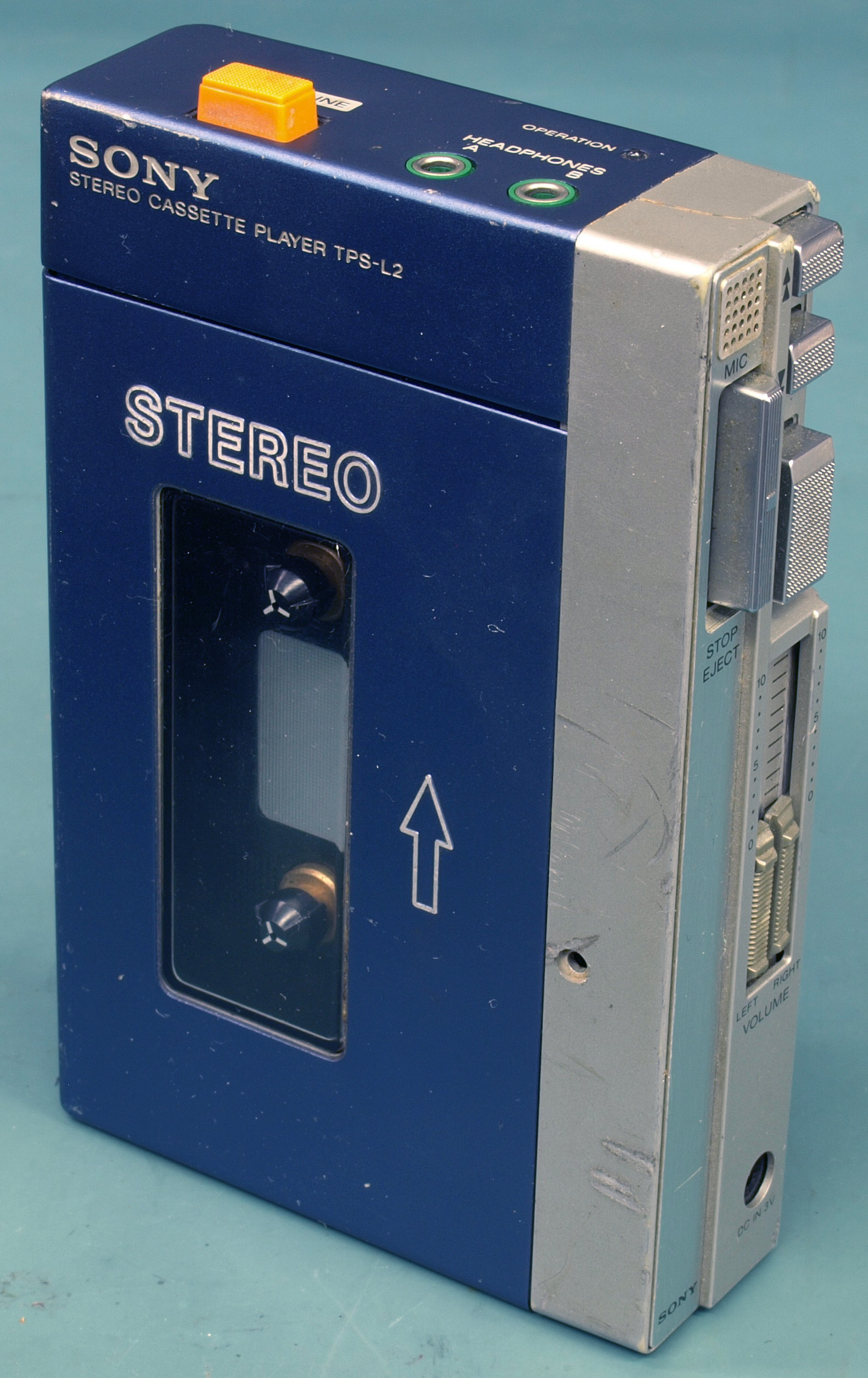
It’s often said that what’s inside matters more than one’s looks, but it’s hard to argue that a product’s looks and its physical user experience are what makes it instantly recognizable. When you think of something like a Walkman, an iPod music player, a desktop computer, a car or a TV, the first thing that comes to mind is the way that it looks along with its user interface. This is the domain of industrial design, where circuit boards, mechanisms, displays and buttons are put into a shell that ultimately defines what users see and experience.
Thus industrial design is perhaps the most important aspect of product development as far as the user is concerned, right along with the feature list. It’s also no secret that marketing departments love to lean into the styling and ergonomics of a product. In light of this it is very disconcerting that the past years industrial design for consumer electronics in particular seems to have wilted and is now practically on the verge of death.
Devices like cellphones and TVs are now mostly flat plastic-and-glass rectangles with no distinguishing features. Laptops and PCs are identified either by being flat, small, having RGB lighting, or a combination of these. At the same time buttons and other physical user interface elements are vanishing along with prominent styling, leaving us in a world of basic geometric shapes and flat, evenly colored surfaces. Exactly how did we get to this point, and what does this mean for our own hardware projects?
Bold And Colorful Shapes

Industrial design is less of a science and more of an art, limited only by the available materials, the constraints of the product’s internals and the goal of creating a positive user experience. Although design has always played a role with many products over the millennia, these were generally quite limited due to material and tooling constraints. As both plastics and electronics began their stratospheric rise during the 20th century, suddenly it felt like many of these constraints had been removed.
No longer was one limited to basic materials like stone, metal, wood and paint, while internals got ever smaller and more flexible in terms of placement. Enclosures now could take on any shape, while buttons, knobs and dials could be shaped and placed to one’s heart’s content. This change is clearly visible in consumer devices, with the sixties and subsequent
The peak here was arguably achieved during the 1990s and early 2000s, as electronic miniaturization and manufacturing chops led to device manufacturers basically just showing off. Personal Hi-Fi systems and portable devices along with computer systems and laptops grew curved, translucent and transparent plastic along with a dazzling array of colors.
These days we refer to this era as the ‘Y2K Aesthetic‘, which was followed around the mid-2000s to early 2010s by the sweetly named ‘Frutiger Aero‘ era. During this time both hardware and software underwent a transition from mostly utilitarian looks into something that can be defined as tasteful to over the top, depending on your perspective, but above all it embraced the technologies and materials in its industrial design. Futurism and literal transparency were the rule, as a comfortable, colorful and stylish companion in daily life.
From Brick To Slab

Ask someone to visualize a Nokia 3310 and even if they’re born after 2000, there’s a good chance that they will be able to tell you what it is, what it does and what it looks like. Then ask that same person to describe any modern cellphone, and while the feature list should be quite easy, asking them to draw what differentiates, say, an iPhone 16 from a Samsung Galaxy S25 is effectively impossible unless they have memorized the layout of the cameras on the back and perhaps the side button placement.

Over the decades, cellphones have seen their displays grow larger and larger. With voracious appetite, these displays have consumed bezels, front speakers, keyboards and home buttons.
Along with the demise of these features, front facing cameras were only preserved by literally punching a hole in the display, but notification LEDs vanished right along with headphone jacks, IR blaster LEDs, swappable covers, removable batteries, etc.
The current scuttlebutt is that Apple will be the first to drop any and all connectors from its iPhone cellphones, with the iPhone 17 reportedly nearly becoming the first to do so. Along with eSIMs, this would leave smartphones as glued-together slabs of plastic-and-glass with only a screen, some cameras and a couple of buttons.
In marketing shots smartphones are always shown with a lock- or home screen open on the screen, because otherwise there would be just a lifeless black slab of glass to look at from the front. From the side you can see the same slab, which easily wobbles on its ever-growing camera hump that’s sticking out of the razor-thin case like a bad case of optical melanoma. At this point in time, the most exciting thing about cellphones is whether it can flip or not, followed by whatever subdued color is applied to the slippery glass back that you want to cover up with something concealing and grippy as soon as possible anyway.
Naturally, it’s not just phones either, but also computers, with the iMac’s evolution showing a clear ‘evolution’ from colorful and bold designs to geometric slabs:
Whether you call it ‘modern’ or ‘clean’ design, the trend is quite clear. Curves are removed, colors are purged or at the very least muted and the overall design reduced to the level of excitement experienced while being stuck at an Ikea showroom during a busy weekend with the family.
Lifeless Slabs

There was a time when televisions had a recognizable look to them, with a stylish bezel, a real power button, as well as a couple of front input connectors and buttons to adjust basic settings like volume and the current channel, which could also be hidden behind a small flap. This is now all gone, and TVs have become as visually striking from the front as modern smartphones, with the speakers fully nerfed since there’s no space on the front any more.
All inputs and any remaining controls are now hidden on the back where reaching them is borderline impossible after installation, never mind if you mounted it on a wall. You’re not supposed to find the TV visually appealing, or marvel at the easy user interface, just consume whatever content is displayed on the bezel-less screen.
The rest of any home entertainment setup has undergone the same process, with the HiFi stacks and mid-sized sets of yesteryear replaced by the same smartphones and TVs, along with a bit of plastic that you can stick into a slab TV to stream content with from some internet-based service.
Rather than a stereo – or better – HiFi setup, most people will have a bunch of usually mono Bluetooth speakers scattered around, each of which possessing the visual appeal of a radar dome. If you’re lucky there are still a couple of touch buttons to fondle, but virtually all of your interactions with such devices will go via an app on your slab phone.
Touch controls are also all that you will get these days, as physical buttons, dials, sliders and switches are almost completely faux pas in modern-day product design. Everything has to be smooth, stealthy, invisibly present and yet always there when you crave that entertainment fix.
This design language isn’t just afflicting home electronics either, as over the past years car interiors have seen physical user controls vanish in favor of one or more touch screens, with cars like those from Tesla being the most extreme example with just a single large touch screen on the center console as the sole user interface. Users are however pushing back against this change, with a number of studies also showing that touch-only controls are less effective and less safe than fumbling around on a big screen while driving to adjust something like the climate controls or radio station.
There Is An App For That
Want to set up your new formless slab of plastic or fabric? Please download this special mobile app to do anything with it. Got a new pair of headphones? Better pray that the mobile app works well on your slab phone or you’ll be stuck with whatever preset defaults it came with, as physical controls on the device are for dummies.
Whether we like it or not, the human user interface part of industrial design has been mostly taken out back and replaced with software running on a slab phone. Whatever vestigial controls still remain on the device itself will only be a small subset of what its electronics and firmware are capable of. The slab phone has thus become the user interface, with that part of industrial design often outsourced to some third-party mobile app developer.
This has massively backfired for some companies already, with Sonos in 2024 releasing a ‘new and improved’ version of its slab phone app that was so buggy and plagued with issues that it rendered the Sonos speaker hardware effectively useless. While physical user interfaces have their issues, sinking an entire company due to a badly arranged set of knobs is not as easy as with a slab phone app or equivalent, not to mention the potential to retroactively brick the user interface of devices that people have already purchased.
Yearning For That Human Touch
Here we can see parallels with computer user interfaces, where much like with industrial design there’s a big push to reduce shapes to the most basic geometric forms, remove or reduce color and remove any ‘superfluous’ styling including skeuomorphism. These parallels are perhaps not that surprising, as companies like Google, Apple and Microsoft produce both consumer hardware and software.
Google, for example, has heavily invested in its Material Design design language, which can be summarized as having flat color backgrounds with the most simplistic UI elements suspended in said void. UI elements like the ‘hamburger’ icon are used to hide menus not just on phones, but also on desktop systems, where a form of extreme minimalism is being pushed to its ultimate extremes.
In the case of consumer electronics that means devices that lack any distinguishable features, as minimalism is a poor way to distinguish one product from another. The removal of visually pleasing and physically practical elements also means a dull, stimulation-free experience.
There are no pleasing elements to rest your eyes on, no curves or colors that invoke an emotional response, no buttons to press, or any kind of auditory or physical response. Just lifeless touch controls on slabs of plastic and glass with maybe a sad beep as confirmation of a touch control having been triggered.
In this context, what is often called the revival of physical media can be interpreted as not just a yearning for a more visceral audio-visual experience, but would together with so-called retro-computing be a way to experience personal electronics in a way that stimulates and invigorates. Where physical buttons are pressed, sliders slid, dials turned and things go click and whirr as one’s fingers touch and manipulate the very real user interface elements.
We know that chronic boredom can be extremely harmful to non-human animals, with enrichment toys and activities prescribed to make them happier and more content. With modern day consumer electronics having become incredibly dull due to the death of industrial design, it would seem that us human mammals are seeking out our own enrichment activities, modern design sensibilities be damned. If this means repeating the sins of early 2000s or 1990s industrial design in our personal hobbyist projects, it’s a price worth to pay for keeping ourselves and our fellow humans happy and enriched.
Il Regno Unito dice STOP agli attacchi Ransomware! Basta Pagamenti dei riscatti per la PA
Il governo del Regno Unito ha annunciato i preparativi per una misura radicale per combattere la criminalità informatica: il divieto di pagare riscatti dopo gli attacchi ransomware. Il nuovo divieto si applica alle organizzazioni del settore pubblico e alle infrastrutture critiche, inclusi enti locali, scuole e il Servizio Sanitario Nazionale (NHS) finanziato con fondi pubblici.
La mossa arriva in un momento in cui il ransomware minaccia di diffondersi, causando perdite economiche per decine di milioni di sterline ogni anno e interrompendo servizi vitali. Il governo afferma che, eliminando gli incentivi finanziari per gli aggressori, si mira a indebolire il modello di business alla base della criminalità informatica. Questo dovrebbe rendere il governo e le organizzazioni di rilevanza sociale bersagli meno appetibili per gli attacchi.
Secondo il piano, se l’iniziativa verrà adottata, a tutte le istituzioni pubbliche sarà severamente vietato effettuare pagamenti a criminali. Le aziende private, che non saranno direttamente interessate dal divieto, dovranno informare il governo senza indugio se intendono pagare un riscatto. Inoltre, dovranno verificare gli elenchi delle sanzioni per assicurarsi di non trasferire illegalmente fondi a gruppi criminali.
Parallelamente, è in fase di sviluppo un sistema di segnalazione obbligatorio per tutte le organizzazioni vittime di ransomware. L’obiettivo è fornire alle forze dell’ordine i dati necessari per monitorare gli attacchi e fornire supporto alle strutture interessate. Il nuovo meccanismo prevede anche una più stretta interazione con i partner del settore e un maggiore coordinamento nell’ambito del cosiddetto “Piano di Cambiamento” per la riforma della sicurezza informatica del Paese.
La proposta fa seguito a una consultazione pubblica condotta a gennaio, in cui il governo aveva già sollevato la questione del divieto di pagamenti e dell’obbligo di segnalazione. Ha ricevuto ampio sostegno dalle agenzie competenti, tra cui il National Cyber Security Centre ( NCSC ) e la National Crime Agency ( NCA ), che considerano il ransomware la principale minaccia digitale del Paese.
La situazione è aggravata dal fatto che il Regno Unito è stato bersaglio di numerosi attacchi su larga scala negli ultimi anni, tra cui la chiusura del Servizio Sanitario Nazionale (NHS) e l’incidente della British Library. Nell’aprile 2025, la catena di negozi Marks & Spencer è stata aggiunta all’elenco . In quell’occasione, gli aggressori hanno utilizzato il ransomware DragonForce per disabilitare le macchine virtuali sui server VMware ESXi, costringendo il rivenditore a sospendere temporaneamente l’accettazione degli ordini online e interrompendo l’operatività di 1.400 negozi.
Anche le più grandi catene britanniche sono state tra le vittime. Co-op ha confermato la fuga di dati di attuali ed ex partecipanti ai programmi fedeltà. Harrods, a sua volta, è stata costretta a limitare l’accesso a Internet a diverse risorse interne dopo un tentativo di hackeraggio della rete aziendale. Tutti questi casi non hanno fatto che rafforzare la posizione dei sostenitori del divieto e sottolineare quanto possano essere estese le conseguenze di tali attacchi: dalle interruzioni della logistica alla minaccia diretta alla vita delle persone.
Se le misure saranno adottate, il Regno Unito sarà uno dei primi Paesi a compiere un passo così drastico per smantellare un sistema ransomware a livello nazionale. Tuttavia, l’efficacia di tali decisioni dipenderà in larga misura dal coordinamento internazionale, poiché la maggior parte delle minacce informatiche è di natura transnazionale.
L'articolo Il Regno Unito dice STOP agli attacchi Ransomware! Basta Pagamenti dei riscatti per la PA proviene da il blog della sicurezza informatica.


Ministero dell'Istruzione
Su proposta del Ministro Giuseppe Valditara è stato approvato un emendamento al Decreto legge #Sport finalizzato alla realizzazione di Percorsi per le Competenze Trasversali e per l’Orientamento (PCTO), da parte delle #Scuole secondarie di II grado, …Telegram
Coyote, il trojan che fa la storia! fruttati i sistemi per i disabili per violare i conti bancari
Una nuova variante del trojan bancario Coyote ha iniziato a utilizzare un metodo insolito per tracciare gli utenti Windows: gli aggressori hanno imparato a utilizzare il sistema Microsoft UI Automation (UIA), progettato per le persone con disabilità, per tracciare le visite ai siti di banking e di scambio di criptovalute. Questo consente al malware di raccogliere dati riservati, inclusi login e password, bypassando al contempo i moderni strumenti di sicurezza.
La piattaforma UIA è stata progettata per consentire alle tecnologie assistive, come gli screen reader, di interagire con gli elementi dell’interfaccia utente di Windows. Le applicazioni compatibili con UIA creano un cosiddetto albero di automazione, in cui ogni elemento (pulsante, finestra, scheda) può essere individuato, analizzato e persino controllato dall’esterno tramite un’apposita API. Questa architettura ha permesso di creare soluzioni intuitive per le persone con disabilità. Tuttavia, è stata proprio questa versatilità e potenza ad attirare l’attenzione dei criminali informatici.
Gli esperti di Akamai avevano lanciato l’allarme sul rischio di un attacco di questo tipo già a dicembre 2024. All’epoca, avevano ipotizzato che UIA potesse essere utilizzata per aggirare i sistemi di difesa di classe EDR (Endpoint Detection and Response), poiché il framework era considerato “sicuro” e non destava sospetti negli antivirus. Ma ora, a partire da febbraio 2025, hanno registrato l’effettivo utilizzo di questa vulnerabilità in attacchi attivi. Si tratta del primo caso nella storia in cui un trojan inizia a utilizzare le funzionalità di UIA per rubare informazioni dal computer di una vittima.
Il trojan Coyote è apparso per la prima volta nel febbraio 2024 e da allora è in fase di sviluppo attivo. Prende di mira principalmente utenti brasiliani ed è in grado di rubare credenziali da 75 banche e piattaforme di criptovalute. In precedenza, il suo arsenale includeva metodi classici: keylogging, finestre di login false e intercettazione dei clic. Ma ora, con l’avvento del supporto UIA, il trojan è diventato molto più sofisticato e pericoloso.
Quando un utente apre un browser e visita il sito web di una banca o di un exchange, Coyote cerca innanzitutto di identificarlo tramite il titolo della finestra. Se non trova una corrispondenza, si connette all’albero UIA, estrae gli indirizzi dalle schede e dalla barra degli indirizzi e li confronta con un elenco hard-coded di 75 servizi target. Tra questi, Banco do Brasil, CaixaBank, Santander, Bradesco, nonché i servizi di criptovalute Binance, Electrum, Bitcoin e Foxbit. Se l’indirizzo corrisponde, il modulo spia viene attivato.
La particolarità dell’attacco è che per ora è limitato alla fase di ricognizione: il trojan si limita a monitorare l’interfaccia utente e a verificare se il bersaglio desiderato è aperto. Tuttavia, gli specialisti di Akamai hanno dimostrato che lo stesso meccanismo può essere utilizzato per leggere i dati di input, inclusi login e password. Hanno pubblicato un esempio tecnico che mostra come l’UIA possa essere utilizzata per acquisire il contenuto dei campi di input, ovvero un furto di account a tutti gli effetti.
Al momento della pubblicazione, Microsoft non aveva rilasciato dichiarazioni in merito a eventuali piani per introdurre ulteriori restrizioni o misure di sicurezza contro tali abusi. Tuttavia, la situazione ricorda un problema di lunga data nell’ecosistema Android, dove i servizi di accessibilità vengono sistematicamente utilizzati in modo improprio da app dannose. In risposta a ciò, Google ha introdotto misure di sicurezza da anni, inasprendo i requisiti per le app che accedono all’interfaccia di Accessibilità.
Framework come UIA nascono con buone intenzioni: aiutare le persone con disabilità a usare i computer come tutti gli altri. Ma con lo sviluppo di vettori di attacco non convenzionali da parte degli aggressori, questi potenti meccanismi di sistema stanno diventando sempre più strumenti per la criminalità informatica.
L'articolo Coyote, il trojan che fa la storia! fruttati i sistemi per i disabili per violare i conti bancari proviene da il blog della sicurezza informatica.

Caso Almasri, Boldrini: “Approviamo il codice dei crimini internazionali”
@Politica interna, europea e internazionale
“Oggi alla Camera dei Deputati abbiamo presentato la proposta di legge per introdurre il codice dei crimini internazionali nell’ordinamento italiano. Se avessimo avuto questa legge qualche mese fa, l’Italia avrebbe potuto processare Almasri e le vittime delle sue torture, dei
Politica interna, europea e internazionale reshared this.
Attacco cyber a server SharePoint, Microsoft accusa hacker cinesi
@Informatica (Italy e non Italy 😁)
Microsoft ha accusato hacker collegati alla Cina tra i responsabili dell'attacco cibernetico che ha sfruttato la falla nel suo software SharePoint per accedere a istituzioni e organizzazioni in tutto il mondo. Si tratta di tre gruppi cinesi: Linen Typhoon, Violet Typhoon e
Informatica (Italy e non Italy 😁) reshared this.
Annealing in Space: How NASA Saved JunoCam in Orbit Around Jupiter

The Juno spacecraft was launched towards Jupiter in August of 2011 as part of the New Frontiers series of spacecraft, on what would originally have been a 7-year mission, including a nearly 5 year cruise to the planet. After a mission extension, it’s currently orbiting Jupiter, allowing for many more years of scientific data to be gathered using its instruments. One of these instruments is the JunoCam (JCM), a visible light camera and telescope. Unfortunately the harsh radiation environment around Jupiter had led many to believe that this camera would fail before long. Now it seems that NASA engineers have successfully tested a fix.
Although the radiation damage to JCM was obvious a few dozen orbits in – and well past its original mission’s 34 orbits – the big question was exactly was being damaged by the radiation, and whether something could be done to circumvent or fix it. The good news was that the image sensor itself was fine, but one of the voltage regulators in JCM’s power supply was having a bad time. This led the engineers to try annealing the affected part by cranking up one of the JCM’s heaters to a balmy 25°C, well above what it normally is kept at.
This desperate step seemed to work, with massively improved image quality on the following orbits, but soon the images began to degrade again. Before an approach to Jupiter’s moon Io, the engineers thus tried it again but this time cranked the JCM’s heater up to eleven and crossed their fingers. Surprisingly this fixed the issue over the course of a week, until the JCM seems as good as new. Now the engineers are trying their luck with Juno‘s other instruments as well, with it potentially providing a blueprint for extending the life of spacecraft in general.
Thanks to [Mark Stevens] for the tip.
LameHug sfrutta l’AI per generare comandi d’attacco: un salto evolutivo nell’information warfare
@Informatica (Italy e non Italy 😁)
Probabilmente collegato al gruppo russo APT28, LameHug utilizza l'intelligenza artificiale e il Large Language Mode (LLM) per creare comandi malevoli dediti al furto di dati riservati su sistemi Windows compromessi. Ecco
Informatica (Italy e non Italy 😁) reshared this.
PODCAST. Freedom Flotilla. Mazzeo: “Agire subito per salvare Gaza”
@Notizie dall'Italia e dal mondo
Le considerazione odierne del giornalista e attivista Antonio Mazzeo, a bordo dell'Handala, sull'importanza del viaggio verso Gaza
L'articolo PODCAST. Freedom Flotilla. pagineesteri.it/2025/07/23/med…
Notizie dall'Italia e dal mondo reshared this.
L’Europa abbandona Big Tech?
@Informatica (Italy e non Italy 😁)
Aziende, governi e cittadini sono sempre più consapevoli dei limiti dei servizi statunitensi, soggetti ai voleri politici e basati sul capitalismo della sorveglianza. Cambiare strada non è facile, ma è l’unico modo per riconquistare l’indipendenza.
L'articolo L’Europa abbandona Big Tech? proviene da Guerre di Rete.
L'articolo proviene da #GuerreDiRete di
Informatica (Italy e non Italy 😁) reshared this.
Red Hot Cyber Conference 2026. La Quinta edizione a Roma lunedì 18 e martedì 19 Maggio
La Red Hot Cyber Conference ritorna!
Dopo il grande successo della terza e quarta edizione, torna l’appuntamento annuale gratuito ideato dalla community di RHC! Un evento pensato per avvicinare i più giovani alle tecnologie digitali e, allo stesso tempo, una conferenza dedicata a professionisti ed esperti del settore.
La nuova edizione della RHC Conference 2026 si svolgerà a Roma, nella stessa location delle ultime due edizioni, presso la prestigiosa cornice del Teatro Italia nei giorni lunedì 18 e martedì 19 maggio 2026. Il Teatro Italia si trova in Via Bari, 18 00161 Roma e può ospitare fino ad 800 persone.
La location risulta distante:
- 2 km dalla Stazione Termini o dall’Università La Sapienza, raggiungibile con una passeggiata a piedi di circa 20 minuti o con 6 minuti di Taxi;
- 600 metri dalla stazione della Metro B di Piazza Bologna, raggiungibile con una passeggiata di 6 minuti a piedi o con 3 minuti di Taxi.
youtube.com/embed/J1i9S4LOWSA?…
Video riassunto della Red Hot Cyber Conference 2025
La quarta edizione del 2025
La quarta edizione della Red Hot Cyber Conference si è svolta a Roma il 19 e 20 aprile 2024, registrando oltre 800 partecipanti effettivi e più di 1.400 iscrizioni complessive.
Durante le due entusiasmanti giornate, si sono tenuti workshop pratici ‘hands-on’, la competizione di hacking ‘Capture The Flag’ (CTF), e una conferenza in cui numerosi esperti italiani, provenienti sia dal settore privato che pubblico, hanno condiviso le loro conoscenze sul palco.
Di seguito potete trovare una serie di link che mostrano le due giornate del 2025, compresi i video degli interventi.


Come si articolerà la Red Hot Cyber Conference 2026
Visto il format vincente della scorsa edizione, il programma della Red Hot Cyber Conference 2026 sarà articolato in modo simile all’edizione del 2025.
A differenza delle prime tre edizioni, i workshop “hands-on” si terranno nella sola giornata di lunedì 18 Maggio, mentre la Conferenza sarà l’unica protagonista della scena di martedì 19 Maggio. In entrambe le giornate, in una location parallela al teatro si terrà la capture the flag (CTF), con la premiazione prevista alla fine della giornata di martedì 19 maggio. Di seguito il programma (ancora in bozza) delle due giornate.
Lunedì 18 Maggio
- Workshop “hands-on”: In tarda mattinata verranno avviati i Workshop pratici, incentrati nell’approccio “hands-on”. Durante questi workshop, verranno affrontati temi quali ethical hacking, intelligenza artificiale e altro ancora. I partecipanti, muniti del proprio laptop, avranno l’opportunità di ascoltare i workshop e poi cimentarsi nello svolgere gli esercizi pratici supervisionati dai nostri esperti per poter toccare con mano la tecnologia. I workshop termineranno la sera dell’18 maggio;
- Capture The Flag (CTF): Nel pomeriggio, partirà anche la Capture The Flag (CTF) che terminerà il 19 Maggio alle ore 17:00. Si tratta di una competizione tra hacker etici che si terrà sia online che presso il Teatro Italia. I partecipanti presenti presso il Teatro Italia (i quali avranno una sala dedicata per poter partecipare), avranno la possibilità di sfidarsi in “flag fisiche” appositamente progettate da Red Hot Cyber per cimentarsi in attacchi locali RF/IoT. Queste attività forniranno la possibilità di accumulare maggiore punteggio per salire nella classifica. Sarà possibile cimentarsi nelle flag fisiche in entrambe le giornate.
Martedì 19 maggio
- Red Hot Cyber Conference: La giornata sarà interamente dedicata alla RHC Conference, un evento di spicco nel campo della sicurezza informatica. Il programma prevede un panel con ospiti istituzionali che si terrà all’inizio della conferenza. Successivamente, numerosi interventi di esperti nel campo della sicurezza informatica si susseguiranno sul palco fino alle ore 19:00 circa, quando termineranno le sessioni. Prima del termine della conferenza, ci sarà la premiazione dei vincitori della Capture The Flag prevista per le ore 18:00.
Si precisa che i Workshop non saranno disponibili nella giornata di martedì 19 di maggio ma solo nella giornata di lunedì 18 Maggio.
Il Programma Sponsor per la Red Hot Cyber Conference 2026
Come negli scorsi anni, sarà presente la possibilità di adesione come “sponsor sostenitore”. Si tratta delle prime aziende che crederanno in questa iniziativa e che permetteranno a Red Hot Cyber di avviare i lavori relativi alla conferenza.
Oltre agli sponsor sostenitori, come di consueto saranno presenti 3 livelli di sponsorizzazione che sono rispettivamente Platinum, Gold e Silver. Solo i Sostenitori e i Platinum avranno la possibilità di svolgere uno speech all’interno della conferenza. Abbinati ad ogni sponsorizzazione della conferenza, sarà sempre presente un pacchetto di Advertising che permetterà agli sponsor di disporre di una serie di vantaggi all’interno del circuito Red Hot Cyber.
Solo una azienda potrà aggiudicarsi la “Workshop Sponsorship”, un’opportunità unica per assumere un ruolo centrale nell’evento e collaborare fianco a fianco con Red Hot Cyber nell’organizzazione della giornata dedicata ai workshop pratici “hands-on” rivolti ai ragazzi. Anche per il 2026, per la terza edizione consecutiva, Accenture Italia sarà partner di Red Hot Cyber, con l’obiettivo di trasmettere ai giovani la passione per il mondo digitale.
Per richiedere informazioni per la sponsorizzazione della Red Hot Cyber Conference 2026 oltre che accedere al “Media Kit” e alle altre informazioni che riassumono i vantaggi della sponsorizzazione, scrivete a sponsor@redhotcyber.com.
La Red Hot Cyber Conference 2026 è orgogliosa di avere al suo fianco alcuni dei principali attori del panorama tecnologico e della cybersecurity, come Media Partner: i Fintech Awards Italia, Cyber Actors, Università E-Campus, Women4Cyber, Ri-Creazione, la Federazione Italiana Dei Combattenti Alleati e il Digital Security Summit e AIPSI. Queste collaborazioni rafforzano l’impegno comune nel promuovere la sicurezza digitale e la formazione per un futuro sempre più consapevole e sicuro.
L'articolo Red Hot Cyber Conference 2026. La Quinta edizione a Roma lunedì 18 e martedì 19 Maggio proviene da il blog della sicurezza informatica.
“Zero trust. Guida per le PMI”: i consigli di Cloud Security Alliance
@Informatica (Italy e non Italy 😁)
La recente guida di CSA offre preziose indicazioni per le PMI che desiderano adottare un’architettura Zero Trust. Scopriamo come questa transizione può diventare un vantaggio competitivo prezioso per le aziende
L'articolo “Zero trust. Guida per le PMI”: i consigli di
Informatica (Italy e non Italy 😁) reshared this.
ACN, a giugno aumentano le attività malevole: ecco il tallone di Achille delle piccole imprese
@Informatica (Italy e non Italy 😁)
L'operational summary dell'ACN per il mese di giugno fotografa un incremento a tripla cifra degli eventi. Come mitigare il rischio
L'articolo ACN, a giugno aumentano le attività malevole: ecco il tallone di Achille delle
Informatica (Italy e non Italy 😁) reshared this.
Gaza muore di fame, nel silenzio del mondo
@Notizie dall'Italia e dal mondo
Israele non allenta la morsa mentre le scorte di aiuti umanitari si esauriscono. 15 i bambini morti per mancanza di cibo
L'articolo Gaza muore di fame, nel silenzio del mondo proviene da Pagine Esteri.
Notizie dall'Italia e dal mondo reshared this.
Andrea Russo
Unknown parent • •@qwe
Bravo non ti sfugge niente
No, quelli per cui mi pagano poco non li posto
No, troppa fatica. Uso un servizio on line
Il mio rapporto con loro è che io posto gli articoli e loro mi pagano soldi veri!
Se vuoi sare come ho fatto, clicca qui!
Notizie dall'Italia e dal mondo reshared this.
Andrea Russo
Unknown parent • •Notizie dall'Italia e dal mondo reshared this.
Signor Amministratore ⁂
in reply to Andrea Russo • •Notizie dall'Italia e dal mondo reshared this.
Andrea Russo
in reply to Signor Amministratore ⁂ • •Notizie dall'Italia e dal mondo reshared this.