I ragazzi e le ragazze della IIE dell'istituto comprensivo Sferracavallo-Onorato chiedono un piano di rinaturalizzazione dell'area di Barcarello e Capo Gallo che comprenda:
- identificazione delle specie vegetali più adatte al contesto climatico e paesaggistico, preferendo quelle autoctone; - definizione di misure di prevenzione degli incendi, quali la manutenzione regolare delle aree verdi e la sensibilizzazione della popolazione; - coinvolgimento di associazioni locali, scuole, e cittadini volontari per favorire la partecipazione attiva della comunità; - possibilità di accedere a fondi regionali, nazionali ed europei destinati a progetti ambientali.
sono certa che a parte sporadici gruppi di nazisti presenti in tutto il mondo, l'unico stato che li ha istituzionallizzati e a cui ha dato potere è quello russo. se putin fosse sincero per combattere il nazismo dovrebbe auto distruggersi.
OpenDSA: Reading è un'applicazione pensata per aiutare i bambini che hanno difficoltà a leggere. Sapete, ci sono alcuni bambini che, pur essendo intelligenti e svegli, fanno più fatica degli altri quando devono leggere un libro o una frase. Questa difficoltà si chiama "dislessia", ed è un po' come avere gli occhiali appannati quando si cerca di vedere qualcosa: le lettere si confondono, si scambiano di posto, e tutto diventa più complicato.
@Lorenzo DM , un giovane divulgatore e Youtuber molto seguito, ha creato questa applicazione proprio per dare una mano a questi bambini. Non con noiose lezioni o compiti da fare, ma con qualcosa di molto più divertente: un gioco!
Siamo di fronte a un paradosso che sfida la logica istituzionale: un’università statale, finanziata con oltre 540 milioni di euro di fondi pubblici, nega l’accesso a rappresentanti di un’altra istituzione dello Stato. L’Esercito italiano, previsto e
@Informatica (Italy e non Italy 😁) Un rapporto Coveware fa il punto della situazione a livello globale. I ransomware continuano a essere le minacce più diffuse, ma tendono a fare meno ricchi gli attaccanti. Il parere dell’esperto L'articolo Ransomware, il 23% delle vittime paga il riscatto (e gli attaccanti corrono ai ripari)
Acid rain sucks, particularly if you run a fancy university with lots of lovely statues outside. If you’d like to try and predict when it’s going to occur, you might like this project from [Mohammad Nihal].
When rain is particularly acidic, it’s usually because of the combination of sulfur dioxide or nitrogen dioxide and moisture in the atmosphere. This combination ends up making sulfuric acid or nitric acid that then falls to the ground as precipitation. The low-pH rain that results can harm ecosystems, melt statues, and just generally give everyone a hard time.
[Mohammed] decided to try and predict acid rain by building a simple device based on an Arduino Nano. It records SO2 levels with an MQ-136 gas sensor, and NO2 levels with an unspecified MEMS-based sensor. There’s also a DHT11 temperature & humidity sensor in the mix, which is important since moisture content plays a role. The Arduino reads these sensors and uses a simple predictive algorithm to create an “Acid Rain Risk Score” that is displayed on a 16×2 character LCD. It’s all wrapped up in a fun 3D printed enclosure that looks like a cloud.
There are some limitations to the device. Namely, it doesn’t necessarily have a great read on atmospheric SO2 and NO2 levels in the atmosphere, particularly at altitudes where rain is formed, because the sensor sits inside the device indoors. However, the basic concept is there, and improvements could certainly be made with some upgrades and further research.
Ammettiamolo: nel mondo dell’Information Technology (IT) e della Cyber Security, le 24 ore non sono uguali per tutti. La vera risorsa scarsa non è il tempo, ma il bandwidth del cervello.
Se ci sentiamo costantemente sotto assedio, se la nostra giornata è una corsa reattiva da un alert urgente all’altro, abbiamo un problema di architettura cognitiva, non di gestione del tempo.
La differenza tra un team sovraccarico che naviga a vista e un team chirurgico e ad alto impatto non sta negli tool di ultima generazione, ma nel loro sistema operativo interno.
È ora di smettere di rincorrere l’illusione della “gestione del tempo” e di iniziare a padroneggiare ciò che conta davvero: il nostro focus e la nostra energia cognitiva.
Esploriamo come passare dalla RAM satura alla lucidità operativa, trasformando la gestione del rischio da una reazione stanca a una strategia deliberata.
Quando l’allarme è solo rumore
Il risultato del sovraccarico è l’Alert Fatigue. È la condizione per cui l’esposizione cronica a False Positive ci porta a desensibilizzarci.
Quando il True Positive arriva in una coda di 99 avvisi irrilevanti, la nostra velocità di reazione non è più determinata dalla nostra skill, ma dalla nostra tolleranza alla frustrazione e dalla nostra attenzione esaurita.
Urgenza vs. Rischio di Impatto
La vecchia matrice urgente/importante non funziona più perché ogni cosa “importante” è quasi sempre anche “urgente”.
Cosa possiamo fare per riprendere il controllo?
Dobbiamo smettere di sentirci responsabili per tutti i task e concentrarci principalmente sulle Critical Few (le poche cose critiche ed essenziali).
Applichiamo quindi il Principio di Pareto (80/20) e domandiamoci:
Quali 20% di task o vulnerability possono mitigare l’80% del rischio complessivo?
Ogni mattina, identifichiamo le nostre 3 attività che, se completate, avranno il massimo impatto sulla nostra giornata e sul rischio aziendale.
Se abbiamo completato solo quelle, la nostra giornata è stata comunque un successo, indipendentemente dal resto della To-Do List.
Deep Work: la VPN mentale per la concentrazione
Il nostro valore non è nel lavoro superficiale (Shallow Work – rispondere a email e chat), ma nel Deep Work.
Il Deep Work (lavoro profondo) è lo stato di concentrazione senza distrazioni che spinge le nostre capacità cognitive al limite e crea nuovo valore.
Stop al Multitasking: un mito distruttivo!
Ogni volta che saltiamo da un task all’altro, il nostro cervello paga un costo di switching.
La parte di noi che decide (la corteccia prefrontale) si stanca e lascia una residual attention (attenzione residua), come una tab del browser rimasta aperta in background che ci rallenta.
Dobbiamo creare una VPN mentale per il nostro Deep Work:
Time Boxing: prenotiamo blocchi di tempo non negoziabili nel nostro calendar.
Isolamento Rituale: durante il Time Box, chiudiamo Outlook. Ci stiamo letteralmente disconnettendo dal rumore per connetterci al segnale.
Ego Depletion: ogni scelta svuota la batteria
Ogni decisione, dalla scelta della colazione alla prioritizzazione di un patching, consuma energia (questo è l’Ego Depletion).
Automatizziamo o deleghiamo il più possibile le micro-decisioni (es. l’ordine delle email, i processi di workflow standard).
Conserviamo l’energia per le macro-decisioni critiche (es.incident response complesso, analisi strategica, zero-day).
La padronanza del nostro sistema
Smettiamo di credere di poter hackerare il tempo!
Non possiamo aggiungere ore al giorno, ma possiamo aggiungere qualità al nostro focus.
Nel mondo Cyber/IT, la nostra vera architettura di sicurezza non è solo la nostra suite di tool o il nostro firewall,
è la stabilità e la lucidità della nostra mente!
Se siamo costantemente reattivi, saturi di alert e stanchi, siamo un sistema operativo con risorse insufficienti e un obiettivo facile per chiunque debba eseguire un exploit.
Il professionista resiliente, invece, ha il controllo sui suoi input (le distrazioni) e sui suoi processi (il Deep Work), garantendo che la risorsa più critica di tutte ossia il suo capitale cognitivo sia sempre on target.
La padronanza operativa inizia con la padronanza di sé!
Ecco 3 domande essenziali per applicare subito un fix al nostro sistema operativo personale:
Analisi del Rischio : quali sono le 3 attività a massimo impatto che, se eseguite in Deep Work questa settimana, ridurranno significativamente un rischio o sbloccheranno un valore critico?
Ottimizzazione della RAM : quale singola micro-decisione o task ripetitivo potremmo documentare e delegare/automatizzare subito per liberare il nostro cervello dal “rumore di fondo” decisionale?
Resilienza Operativa : trattiamo il nostro sonno e le nostre pause come un requisito operativo o come un optional?
Airbus ha annunciato il richiamo di circa 6.500 aeromobili A320 a causa di potenziali guasti al sistema di controllo ELAC causati da potenti brillamenti solari. Il richiamo è avvenuto in seguito a un’improvvisa perdita di quota durante un volo da Cancún, in Messico, a Newark, che ha causato un atterraggio di emergenza e 15 passeggeri feriti.
Secondo Reuters , la decisione di richiamare l’aereo è stata presa in seguito a un’indagine sull’incidente che ha coinvolto il JetBlue A320. L’indagine ha stabilito che l’incidente è stato causato dalla risposta errata del sottosistema ELAC alle intense eruzioni solari.
Di conseguenza, il sistema ha interpretato erroneamente i movimenti della colonna di controllo. Il produttore ha raccomandato di ripristinare l’aggiornamento software L104 alla versione precedente o di sostituire il modulo di elaborazione.
Oltre 6.000 aeromobili A320 sono interessati dal richiamo. Lufthansa, IndiGo, easyJet, JetBlue, American Airlines e Air France sono state costrette a mettere a terra una parte significativa delle loro flotte, causando ritardi e cancellazioni diffuse durante il fine settimana. La sola Air France ha cancellato 35 voli sabato.
Nel frattempo, IndiGo, easyJet, JetBlue e American Airlines hanno ripristinato in modo indipendente l’aggiornamento problematico: l’operazione ha richiesto solo poche ore, evitando qualsiasi interruzione dei loro programmi.
Solo gli aerei più vecchi necessitano della sostituzione del modulo computer. Secondo una fonte del settore RBC, sembrerebbe che gli aerei della Federazione russa sono immuni a questo problema.
Perchè? l’“immunità” degli A320 russi è dovuta al fatto che il loro software non è stato aggiornato dal 2022 a causa delle sanzioni. Il problematico aggiornamento L104 è stato rilasciato solo nel 2024.”
Il secondo giorno del Papa a Libano è denso di impegni. La giornata è cominciata con la visita al Monastero di San Maroun ad Annaya, dove il Papa ha pregato sulla tomba di San Charbel, il monaco eremita canonizzato da Paolo VI nel 1977, e ha portato …
“Oggi vogliamo affidare all’intercessione di San Charbel le necessità della Chiesa, del Libano e del mondo”. Lo ha detto il Papa, nel saluto durante la visita al monastero di San Maroun ad Annaya, con cui è iniziato il suo secondo giorno in Libano.
“Rendo grazie a Dio che mi ha concesso di venire pellegrino alla tomba di San Charbel. I miei Predecessori – penso specialmente a San Paolo VI, che lo ha beatificato e canonizzato – l’avrebbero tanto desiderato”.
“Ogni visita del Santo Padre mobilita il Paese che lo ospita. Il Papa arriva in Libano che vive un periodo difficile e complicato. Siamo tormentati per il futuro del nostro Paese. È una visita che significa tantissimo.
Keith Jarrett – The Köln Concert: Cinquant’anni dopo la nascita di un classico senza genere. freezonemagazine.com/articoli/… Almeno tre, quattro volte l’anno, specie nei momenti in cui lo stato di ansia e il pessimismo cosmico mi prendono in ostaggio, mi ascolto il Concerto di Colonia del grande pianista di Allentown. Il potere omeopatico della musica vince sempre e dopo l’ascolto tutto torna a posto. Ma, sorvolando il fatto personale che poco interesserà
Safari Sarajevo: il confine tra civiltà e barbarie non è geografico è morale. freezonemagazine.com/articoli/… “La guerra vicina, quella con cui possiamo interloquire tutti i giorni, non con cartelli e appelli ma frequentandone le vittime, ci mette in discussione, rende precaria la nostra convivenza perché svela l’inconsistenza dei fondamenti su cui si fonda. Se non abbiamo fermato tutto questo a che serve ciò
OpenAI, un’azienda valutata circa 500 miliardi di dollari, si trova ad affrontare una concorrenza tecnica sempre più agguerrita. L’ultima versione di Gemini 3 di Google, in particolare, supera GPT-5 di OpenAI in diverse aree.
“Il mondo di oggi è profondamente diverso dalla situazione di due anni fa, quando OpenAI era più avanti di tutti gli altri”, ha dichiarato al Financial Times Thomas Wolf, co-fondatore e direttore scientifico della piattaforma di intelligenza artificiale Hugging Face.
Lo stesso CEO di OpenAI, Sam Altman, ha recentemente ammesso in una nota trapelata al personale che l’azienda deve prepararsi a un periodo di intensa concorrenza.
Solo un anno fa, la posizione di Google sembrava meno favorevole, ma dopo la conferenza degli sviluppatori di maggio e il lancio dello strumento fotografico Nano Banana, il numero di utenti mensili dell’app Gemini è salito da 400 milioni a 650 milioni. Tuttavia, questa crescita non sembra procedere in modo graduale. Nel frattempo, la capitalizzazione di mercato di Alphabet si avvicina ai 4.000 miliardi di dollari.
Sebbene OpenAI vanti circa 800 milioni di utenti settimanali, i dati dello strumento di analisi Similarweb, secondo il Financial Times, mostrano che le persone ora trascorrono più tempo su Gemini che su ChatGPT. La sfida principale di OpenAI risiede nel generare entrate sufficienti, potenzialmente attraverso l’integrazione pubblicitaria e l’espansione della sua base di abbonati.
Un vantaggio fondamentale per Google: l’azienda ha addestrato Gemini 3 utilizzando i propri chip Tensor Processing Unit invece di affidarsi all’hardware Nvidia. “Questo approccio completamente integrato tra hardware e software ci consente di raggiungere consumatori, clienti e aziende su questa scala “, ha dichiarato al Financial Times Koray Kavukcuoglu, architetto AI di Google e CTO di DeepMind.
Parallelamente, Anthropic, fondata nel 2021 da ex dipendenti di OpenAI, sta costruendo una solida attività imprenditoriale.
L’azienda sta raccogliendo capitali per una valutazione prevista di circa 300 miliardi di dollari. Secondo il Financial Times, il chatbot Claude è particolarmente apprezzato dai clienti aziendali nel settore della programmazione
Sarà una tappa molto significativa quella di Papa Leone XIV al Monastero di San Maroun ad Annaya, dove pregherà sulla tomba di San Charbel Makhlouf, conosciuto da molti come il “Padre Pio libanese”.
If you own a handheld transceiver of any type then the chances are it will come with a “rubber duck” style antenna. These flexible rubber-coated antennas are a compromise in performance, being significantly smaller than a wavelength at their frequency of operation. [OM40ET] has an interesting video in which he investigates this by tearing down a cheap rubber duck antenna and an even cheaper fake.
These antennas usually have a flexible upper section and a bulge at the bottom over the connector. The fake one has nothing in the bulge except the antenna wire and thus has a very high SWR, while the “real” one has a loading coil. This coil is an interesting design, because it’s designed such that the antenna has two resonant points at the 2 metre and 70 centimetre amateur bands. On paper it’s a tapped coil fed at the tap through a capacitor for matching, but a more detailed appraisal will tell you that the two halves of the coil are designed to return those two resonances. It’s still a not-very-good antenna, but the fact that it works at all is something.
If you want something better at VHF and haven’t got much space, all is not lost. We recently featured a VHF magnetic loop.
A nove mesi dall’entrata in vigore del Digital Operational Resilience Act (DORA), il settore finanziario europeo si trova di fronte a una sfida cruciale: garantire una resilienza dei dati all’altezza delle nuove normative. Secondo un recente sondaggio di Veeamcondotto da Censuswide, il 96% delle organizzazioni finanziarie in EMEA ammette che il proprio livello di resilienza non è ancora sufficiente per soddisfare i requisiti imposti dal regolamento europeo.
La normativa DORA, entrata in vigore a gennaio 2025, nasce con l’obiettivo di rafforzare la sicurezza digitale e la continuità operativa delle istituzioni finanziarie, in un contesto in cui le minacce informatiche sono sempre più sofisticate e pervasive. Eppure, nonostante il 94% delle aziende intervistate dichiari di attribuire oggi a DORA una priorità maggiore rispetto al passato, il percorso verso la piena conformità è tutt’altro che concluso.
Cybersecurity sotto pressione
Il regolamento ha avuto un impatto diretto sui team IT e di sicurezza: il 41% delle organizzazioni segnala un aumento dello stress e della pressione interna, mentre il 37% deve affrontare costi crescenti imposti dai fornitori ICT. A ciò si aggiunge un dato preoccupante: il 20% delle aziende non ha ancora ottenuto il budget necessario per implementare le misure richieste dalla normativa DORA.
In questo scenario, la cybersecurity diventa il pilastro su cui costruire una vera resilienza operativa. Non si tratta solo di proteggere i dati, ma di garantire che siano sempre disponibili, recuperabili e sicuri, anche in caso di attacco o interruzione. La “resilienza radicale” promossa da Veeam si fonda proprio su questo principio: offrire soluzioni in grado di integrare backup, ripristino, portabilità e intelligence, in ambienti cloud, virtuali, fisici, SaaS e Kubernetes.
Le lacune da colmare
Il sondaggio evidenzia come molte organizzazioni siano ancora lontane dal soddisfare alcuni requisiti fondamentali del DORA. Il 24% non ha avviato test di continuità operativa, né implementato procedure di segnalazione degli incidenti. Il 21% non ha ancora garantito l’integrità dei backup e il recupero sicuro dei dati e il 34% considera la gestione del rischio dei fornitori terzi il requisito più difficile da implementare, a causa della scarsa visibilità sulle supply chain e della complessità delle reti esterne.
Secondo Alessio di Benedetto, Country Manager di Veeam Software Italia, “La normativa DORA ha acceso i riflettori sulla necessità di una resilienza operativa concreta. In Italia, molte aziende stanno ancora cercando di colmare il divario tra conformità e protezione reale. In Veeam crediamo che la cybersecurity debba essere al centro di questa trasformazione: non solo per difendere i dati, ma per garantirne disponibilità e ripristino immediato. È il momento di andare oltre il backup tradizionale e costruire una resilienza digitale duratura“.
È qui che la cybersecurity assume un ruolo strategico: non solo come strumento di protezione, ma come leva per una governance più consapevole e integrata.
Verso una resilienza informatica duratura
La normativa DORA non è solo una questione di conformità, ma un’occasione per ripensare laresilienza informatica. Le organizzazioni che sapranno investirvi, puntando su cybersecurity e data protection avanzata, saranno le più pronte ad affrontare le sfide future.
L’iniziativa “Veeam è Molto di Più” invita aziende e professionisti ad andare oltre il semplice backup e considerarlo non più come una semplice copia dei dati, ma come pilastro strategico per garantire continuità, sicurezza e agilità del business. La vera resilienza nasce dalla capacità diripristinare rapidamente sistemi e ambienti, di gestire laportabilità dei dati tra cloud, infrastrutture virtuali e container, e diproteggerli con soluzioni sicure, immutabili e crittografate. In un modello dicloud ibrido, che unisce flessibilità e controllo, la resilienza dei dati diventa così una necessità strategica per assicurare la continuità operativa in un mondo in cui le interruzioni non sono più l’eccezione, ma la norma.
L’Agenzia per la Cybersicurezza Nazionale (ACN) ha imposto un’accelerazione decisiva per la sicurezza informatica italiana. Con la Determinazione n. 333017/2025, ha formalizzato la figura del Referente CSIRT, il punto di contatto obbligatorio con il CSIRT Italia nell’ambito della Direttiva NIS2.
La finestra temporale è ristretta: dal 20 novembre al 31 dicembre 2025. Questa scadenza non è un mero adempimento, ma un test concreto di resilienza per tutte le organizzazioni NIS2.
In un contesto di minacce in aumento, la capacità di reagire in modo rapido e coordinato è il fattore discriminante tra contenimento del danno e caos operativo.
L’OBBLIGO NIS2: DALLA NOMINA FORMALE ALLA REALTÀ OPERATIVA
Il Referente CSIRT è la figura responsabile della gestione e notifica degli incidenti significativi. La sfida principale non è nominare una persona, ma garantire che questo ruolo sia integrato in un processo di Incident Response (IR) funzionante.
Il Rischio della Conformità Fittizia
La Determina ACN definisce l’obbligo, ma molti aspetti operativi restano in ombra. Il rischio più evidente è la nomina puramente formale, priva di reali capacità operative.
Secondo Riccardo Margarito, Cyber Security Expert in Nais: «La paper compliance è una falsa conformità che nasconde gravi gap operativi. L’obbligo di notifica all’ACN scatta entro le 24 ore dal momento in cui l’incidente è noto. Senza un vero processo IR e di “contenimento dell’incidente” (eradication) a seguito di un’analisi preliminare svolta da un SOC L2-L3, la notifica sarà inevitabilmente tardiva.»
Questo problema è aggravato dall’approccio ancora largamente reattivo e non preventivo in Italia: oltre il 50% delle organizzazioni interviene sulla propria superficie d’attacco solo dopo aver subito un incidente, un’inerzia incompatibile con le tempistiche NIS2.
IL CONTO ALLA ROVESCIA TECNICO: PRONTEZZA NELLE PRIME ORE
La crescente domanda di un Referente CSIRT realmente competente non è un vezzo normativo, ma la risposta diretta a un panorama di minacce sempre più mirato. L‘ACN, ENISA e il CSIRT Italia delineano un ecosistema ad altissima pressione: oltre la metà degli incidenti registrati (53,7%) ha colpito le “entità essenziali” definite dalla NIS2, dimostrando che la criticità normativa funge ormai da vero e proprio faro per gli attaccanti. La PA rimane il bersaglio primario, seguita dal settore sanitario che registra un inquietante +40% di attacchi nel 2025 e il manifatturiero assediato da un aumento del 71% nell’attività criminale.
Sul fronte della prontezza operativa, la vera battaglia non si combatte sulla quantità di notifiche, ma sulla loro qualità. L’esperto Riccardo Margarito sposta il focus dall’evento in sé alla comprensione profonda dell’intrusione: «Il vero ostacolo non è la notifica, ma la qualità del dato che la alimenta. La risposta iniziale non può limitarsi a constatare il danno, ma deve fondarsi su una triade operativa irrinunciabile: Deep Visibility, Automation & Threat Intelligence.»
La figura del Referente CSIRT non deve limitarsi a gestire un allarme, ma deve interpretare l’intera Kill Chain, distinguendo un falso positivo dall’azione mirata di un noto gruppo Ransomware. Margarito definisce la gestione dell’attacco come una vera e propria “Golden Hour”: il momento cruciale in cui si gioca la partita tra la detection del SOC e l’effettivo dispiegamento delle procedure di Incident Response. Se in quell’ora l’azienda non ha la capacità di correlare i segnali o identificare i primi accessi, la notifica all’ACN rischia di essere tardiva o priva dei fondamentali IoC (Indicators of Compromise) e IoA (Indicators of Attack) richiesti. Il dato più allarmante è che in Italia e in Europa, il 74% delle violazioni viene rilevato da terze parti (come il law enforcement) e non dai team interni, un indicatore inequivocabile di una profonda carenza di Self-Detection.
IL LABIRINTO GIURIDICO: REFERENTE CSIRT VS. DPO
La sovrapposizione tra NIS2 e GDPR è una delle criticità maggiori in caso di attacco. In presenza di dati personali, si attivano due figure con mandati distinti: il Referente CSIRT, responsabile verso ACN, il DPO, responsabile verso il Garante Privacy.
Ivana Genestrone, Avvocato e DPO, consulente legale per Nais, evidenzia il doppio binario normativo: «Il Referente tutela la resilienza dei servizi essenziali e notifica gli incidenti significativi secondo NIS2. Il DPO valuta l’impatto sui dati personali e supporta il soggetto nella fase di valutazione dell’evento/incidente, della sua qualificazione come Data Breach e della eventuale necessità di procedere anche con la comunicazione agli interessati.
La categorizzazione dell’incidente: lo snodo critico
Nelle prime ore è essenziale classificare correttamente l’evento come: incidente NIS2, data breach GDPR, oppure entrambi (caso frequente nei ransomware).
Il problema è che senza competenze integrate, molte aziende non riescono a categorizzare correttamente l’incidente, ritardando una delle due notifiche.
Sulla gestione della crisi, Genestrone è netta: «L’analisi tecnica del Referente – IoC , impatto, categorizzazione – deve alimentare immediatamente la valutazione legale del DPO. Senza un flusso decisionale chiaro, il rischio è una doppia sanzione: per mancata conformità NIS2 e per gestione errata del data breach.»
LA FUGA DI COMPETENZE E IL TREND DELL’OUTSOURCING
Dal confronto quotidiano con le imprese, Nais – specializzata in servizi gestiti cyber e IT – registra una costante: la criticità non è solo normativa o tecnologica, ma soprattutto umana. La carenza di competenze cyber è strutturale: le aziende faticano a trovare profili qualificati e i team interni assorbono nuove responsabilità senza adeguata formazione, anche in vista della NIS2. Ne deriva un divario crescente tra richieste normative e capacità operative.
In assenza di figure ibride capaci di unire competenze legali e tecniche, l’esternalizzazione emerge come risposta pragmatica per garantire la conformità.
«Il mercato italiano è molto eterogeneo: accanto alle realtà più strutturate c’è un ampio tessuto di PMI che si confronta con la NIS2 senza risorse dedicate», osserva Bianca Amico di Meane, Head of Marketing & Business Development di Nais. «La difficoltà è sempre la stessa: trovare una figura che unisca aspetti legali e tecnici. Per molte aziende questa combinazione non è costruibile internamente. L’esternalizzazione a un ReferenteCSIRT As-a-Service non significa acquistare una persona, ma un ecosistema: playbook, competenze integrate, SOC e Incident Response».
CONCLUSIONE: L’ORA DELLA VERITÀ OPERATIVA
La scadenza di fine dicembre 2025 non è negoziabile. La nomina del Referente CSIRT è la formalizzazione del punto nevralgico della risposta cyber nazionale. Le aziende soggette alla NIS2 devono comprendere che trattare questa figura come una semplice incombenza amministrativa espone l’organizzazione a un rischio inaccettabile, specialmente in un contesto di minacce incessanti (ACN, ENISA).
La vera conformità NIS2 richiede un Referente CSIRT con autorità esecutiva, supportato da un processo di Incident Response validato e da una sinergia impeccabile con la funzione legale (DPO). Quando si verifica l’incidente, la velocità con cui vengono raccolti gli IoC e notificati all’ACN è la differenza tra la resilienza e la sanzione.
La nomina del Referente CSIRT non è un semplice adempimento formale, ma una funzione critica per garantire la resilienza cyber nelle prime ore dell’incidente. Richiede competenze legali, tecniche e di coordinamento integrate – molto più della semplice “nomina”.
Questo articolo analizza la disclosure presentata a Microsoft e consultabile in inglese su digitaldefense, dove sono disponibili immagini, video dimostrativi e un esempio di codice Python.
Negli ultimi anni la sicurezza delle comunicazioni digitali ha amplificato un certo paradigma: l’attacco non punta più soltanto a violare l’infrastruttura, ma a smantellare la fiducia dell’utente sfruttando ogni tipo di aggancio cognitivo.
Se email, calendari e piattaforme di collaborazione rappresentano il centro di gravità della vita aziendale, la superficie di attacco più efficace non è quella puramente tecnica, ma quella capace di incide sul fattore umano.
Il fenomeno analizzato dal presente articolo non riguarda prodotti certamente marginali o scenari teorici. Colpisce Outlook Web e Outlook Desktop nella sua versione moderna, nonché Microsoft Teams sia in versione Web sia Desktop. Parliamo quindi dell’ecosistema su cui si fonda la quotidianità operativa di moltissime aziende. In questo quadro merita un’annotazione significativa: la versione “classica” di Outlook, quella storica e meno recente, non è affetta dal problema. Il comportamento critico emerge soltanto nel nuovo stack applicativo, dove l’interfaccia ha assunto un ruolo più centrale e integrato nell’esperienza utente.
In questo contesto, le evidenze riportate nel prosieguo dell’articolo, relative a un ambiente di comunicazione basato su Microsoft Outlook e Teams, assumono un’importanza critica. Comprenderle significa acquisire consapevolezza di quanto possa accadere nella quotidianità operativa di un’azienda.
Mostreremo come sia possibile, con relativa semplicità, manipolare l’interfaccia, alterare l’identità dei mittenti e indirizzare l’utente verso destinazioni controllate dall’attaccante. Tutto questo sfruttando la fiducia consolidata negli strumenti di produttività che utilizziamo ogni giorno, aumentando drasticamente le probabilità di successo delle campagne malevole.
Si tratta di un caso emblematico di come anche gli strumenti più comuni, se non supportati da un modello di sicurezza adeguato, possono trasformarsi in vettori di rischio tanto subdoli quanto inattesi.
A rendere la questione ancora più rilevante è il contesto della disclosure. Le vulnerabilità sono state segnalate a Microsoft MSRC per la prima volta nel dicembre 2024 (VULN-144184). Nonostante l’evidente impatto sulla fiducia dell’utente e sulla capacità di inganno dell’interfaccia, il comportamento è stato classificato come “atteso” oppure non meritevole di un intervento correttivo.
La segnalazione è stata riaperta nell’ottobre 2025 (VULN-164593), con un set di evidenze tecniche più ampio, prove complete dell’intera catena di attacco e l’introduzione di due ulteriori criticità capaci di alterare il comportamento degli strumenti. Anche queste nuove vulnerabilità sono state definite “moderate“, senza alcuna data stimata di remediation (ETA), mentre le due evidenze di impersonificazione, che consentono di presentare un aggressore come un contatto interno legittimo, sono state considerate come un comportamento previsto.
A complicare ulteriormente il quadro è la scelta di non associare alcuna CVE. La motivazione ufficiale è che non viene richiesto alcun intervento agli utenti e che eventuali mitigazioni possono essere applicate in modo silente lato SaaS. Questo approccio esclude la possibilità di riconoscere le vulnerabilità in modo trasparente e impedisce di attribuire il merito a chi le ha individuate. Di conseguenza si indebolisce la catena di fiducia tra ricercatori e vendor, scoraggiando la divulgazione responsabile e normalizzando il rischio per gli utenti finali.
Questa cornice solleva una domanda scomoda per il settore. Se una vulnerabilità non compromette i sistemi dell’azienda che li sviluppa ma mina la fiducia degli utenti che li utilizzano ogni giorno, può davvero essere trattata come un problema secondario?
Dal phishing alla “interface poisoning”
Le campagne di phishing classiche cercano di convincere l’utente ad aprire un allegato o cliccare un link sospetto. Oggi il livello si alza: il sospetto potrebbe non bastare. L’attaccante può impersonare identità interne e presentarsi attraverso indicatori visivi credibili: nome, foto profilo, contesto aziendale.
La chiave di volta è la gestione dei file ICS (iCal), che Microsoft utilizza per le convocazioni calendario. Attraverso campi ical normalmente legittimi, come:
X-ALT-DESC o DESCRIPTION, dove è possibile inserire HTML e che sarà mostrato come testo della mail al posto del body standard.
X-MICROSOFT-SKYPETEAMSMEETINGURL, che determina il comportamento del pulsante “Join meeting“
l’attaccante non sfrutta un exploit, ma funzionalità standard, manipolandole a proprio favore.
Risultato:
l’evento malevolo si inserisce automaticamente in Outlook e Teams,
l’interfaccia mostra mittente, titolo, immagine e pulsanti come se provenissero da un contatto interno,
il tasto “Partecipa” di Outlook e di Teams può essere fatto puntare a un sito realizzato per sottrazione credenziali o download di malware.
Il messaggio nel body sarà innocuo o assente, e il messaggio che l’utente vedrà sarà la descrizione dell’evento, evitando così l’intervento dei filtri antispam (provato con 2 differenti vendor)
Questa dinamica comporta un salto qualitativo: l’utente non vede più un link sospetto, vede una funzione di piattaforma affidabile.
La schermata parla: fidati di ciò che vedi
Il valore di un’interfaccia moderna sta nella capacità di astrarre complessità. Ma dove l’interfaccia semplifica, si creano “zone cieche” per la sicurezza.
Quando un utente vede nel calendario un invito:
dal proprio CFO,
con la sua immagine di profilo,
dentro un ambiente aziendale familiare,
con il pulsante standard “Partecipa alla riunione”,
il livello di diffidenza arriva quasi a zero. Non c’è più contesto sospetto, non c’è un dominio esterno nel corpo della mail, non c’è un banner di avvertimento.
L’attacco sfrutta la fiducia sedimentata nell’ecosistema Microsoft 365, non una falla tecnica isolata.
L’anomalia più subdola: l’assenza della traccia
Nei casi osservati emerge un ulteriore elemento che amplifica il rischio: la scomparsa della dicitura “per conto di” (on behalf of) dalla mail ricevuta, ottenuta con un semplice accorgimento tecnico, come l’inserimento di una lunga sequenza di caratteri “_” (underscore) nel nome del mittente. L’utente si trova di fronte a un messaggio email che sembra provenire da un account interno (ma anche esterno), completo di tutti gli elementi grafici associati a quel contatto che l’interfaccia ci farebbe normalmente vedere, come foto profilo e informazioni correlate. Non perché tali elementi siano stati alterati o generati artificialmente, ma perché le applicazioni coinvolte estraggono e mostrano realmente i dati del contatto impersonato. Questo accade anche se l’email è stata inviata tramite SMTP da un servizio terzo, ad esempio Gmail senza l’essenziale necessità di registrate domini fake per indurre in errore l’occhio dell’utente.
Il punto critico si manifesta quando il contenuto dell’invito viene automaticamente proiettato nel calendario: l’email, pur alterata, mantiene ancora tracce della sua origine esterna, mentre l’evento calendarizzato le perde completamente. Nel calendario spariscono i riferimenti a servizi terzi, sparisce qualsiasi indicazione del reale mittente e rimane solo la rappresentazione “pulita” dell’identità impersonata, con il relativo nome e la foto profilo aziendale. L’invito non è più una comunicazione sospetta, ma un appuntamento apparentemente interno, coerente e perfettamente integrato nel contesto lavorativo.
La mail è il punto di ingresso e l’utente quindi si trova di fronte a un messaggio che sembra provenire da un account interno, completo di tutti gli elementi grafici associati a quel contatto, come foto profilo e informazioni correlate. Non perché tali elementi siano stati alterati o forzati, ma perché le applicazioni coinvolte mostrano effettivamente i dati del contatto impersonato. Questo accade anche se l’email è stata inviata tramite SMTP da un servizio terzo, ad esempio Gmail.
È vero che osservando gli header del messaggio o esplorando angoli meno evidenti dell’interfaccia si possono individuare gli indizi dell’origine reale. Ma la domanda è tanto semplice quanto scomoda: quanti utenti lo faranno davvero? Nella percezione visiva e nell’uso quotidiano, l’unica identità che rimane è quella impersonata, mentre il mittente reale scompare.
Non si tratta di una vulnerabilità tecnica in senso tradizionale, ma di un difetto nella presentazione che indebolisce il modello di fiducia. L’identità visibile non corrisponde all’identità reale, creando un contesto in cui l’interfaccia diventa parte dell’inganno.
Calendar flooding: l’attacco silenzioso e scalabile
L’inserimento automatico di inviti in calendario apre un altro vettore: il calendar flooding. Un attaccante può saturare l’agenda aziendale di eventi fraudolenti:
senza superare barriere tecniche,
senza interattività dell’utente,
senza innescare filtri anti-phishing tradizionali.
Perché è critico?
Molti utenti interagiranno con almeno uno degli eventi, anche solo per curiosità.
L’impatto di un singolo click è sufficiente: credenziali rubate, dropper attivato, sessione compromessa.
Tanti più eventi avremo a calendario, magari posizionati a distanza temporale di sicurezza (es: tra 1,2 mesi nel futuro) , tante più possibilità avrà l’attacante che un utente vittima ci clicchi.
Il rischio scala linearmente col numero di target, non con la complessità dell’attacco.
L’aspetto più insidioso non è quindi soltanto la manipolazione del messaggio email. Arriva una mail, e immediatamente compare un invito nel calendario dell’utente, senza che sia necessaria alcuna azione. Il contenuto della mail può contenere alterazioni, indicatori sospetti o tracce dell’origine reale. L’evento calendarizzato invece no. È la versione “pulita”, priva di ogni riferimento a terze parti.
Nel momento in cui l’invito viene inseritocome evento di calendario in Outlook o Teams, il sistema perde completamente i riferimenti all’indirizzo o al servizio esterno che lo ha generato. Rimane soltanto la rappresentazione visiva dell’account impersonato: nome, foto profilo, entità apparente dell’organizzatore. Tutto ciò che potrebbe suggerire un’origine non legittima viene assorbito dall’interfaccia.
L’email è il vettore di ingresso, l’evento calendario è il cavallo di Troia. L’utente, o peggio ancora un gruppo aziendale che usa il calendario come fonte operativa, non vede più solo un messaggio sospetto o un mittente anomalo. Vede un appuntamento interno, formalmente coerente con il contesto aziendale e accompagnato dalla UI che ha imparato a considerare “sicura”.
Non stiamo parlando di un difetto cosmetico, ma di un cortocircuito nel modello di fiducia. Si passa da una comunicazione che porta ancora con sé tracce dell’origine reale a un oggetto applicativo che non ne conserva più nessuna. L’attaccante smette di sembrare un attaccante. Diventa un collega, un manager, un referente, un contatto di fiducia. E a quel punto, l’utente smette semplicemente di difendersi.
UI vs Cybersecurity: un conflitto culturale
Il punto più delicato non riguarda esclusivamente Microsoft. È un problema di settore. La sicurezza delle interfacce non viene trattata alla stregua delle vulnerabilità di sistema perché non produce RCE, privilege escalation o memory corruption. Non “buca” i server.
Ma la sicurezza non è solo integrità tecnica. Una piattaforma che guida milioni di persone a cliccare automaticamente su pulsanti il cui significato può essere alterato è una piattaforma vulnerabile, anche se il backend risulti integro. Sarebbe come dire che una XSS non è una vulnerabilità, solo perché non intacca il backend.
Le aziende che oggi operano in ecosistemi Microsoft 365 non subiscono più attacchi di tipo tecnico, subiscono attacchi che tentano di minare la loro fiducia quindi la sicurezza deve essere parte integrante anche della user interface, che è di fatto quella che la maggioranza di utenti hanno a che fare continuamente tutti i giorni.
La vera domanda: “Chi stiamo proteggendo?”
Se una vulnerabilità espone al rischio “solo” gli utenti e non la piattaforma, deve essere considerata “moderata”? In un mondo fatto (ancora) da umani, la risposta è semplice: no!
Quando il perimetro privilegiato è il comportamento umano, non basta dire che il problema non intacca l’infrastruttura o i sistemi. Un attacco che rende indistinguibili interazioni legittime e false è un problema di primo livello, perché mina il principio stesso di autenticità.
In un contesto in cui:
i fattori sociali sono il primo ingresso agli incidenti,
Digital Omnibus – A Single Rulebook or a License to Trespass Fundamental Rights?
What is Digital Omnibus?
Digital policy lobbies across the European Union are buzzing with one word: Digital Omnibus, a proposal aimed at consolidating and simplifying the existing EU digital framework. The idea, according to the proposal’s advocates, is to reduce overlap in obligations and the compliance burden on businesses.
Clarifying GDPR concepts such as pseudonymised vs non-personal data
Allowing limited use of sensitive data for detecting AI bias
Adjusting some obligations under the AI Act and delaying certain requirements
Creating a European Business Wallet for corporate digital identities
Merging various data laws into a more unified Data Act
Introducing a single entry point for cybersecurity incident reporting
These are framed as efficiency measures, cost-reduction initiatives, and efforts to make Europe more attractive to digital innovation.
Critics Warn: What Does Streamlining Actually Mean for OurRights?
For policymakers looking at the issue from strictly a business perspective, the digital Omnibus is a proposal long overdue. But as with any sweeping reform, the details matter, and this is where the debate becomes intense.
This is where concerns sharpen, especially among civil society groups, privacy advocates, and parties committed to defending digital freedoms such as the European Pirates.
European Digital Rights (EDRI) and other Digital rights advocates warn that simplifying the rulebook will come with a quiet erosion of our rights that were hard-won over the past decade.
Key Concerns Raised Against the Digital Omnibus
1. Roll-Back of Digital Protection Laws
The Omnibus is seen as reopening and weakening major protections, including the GDPR, ePrivacy, and the AI Act. This is viewed as a blow to the decades of work on digital rights.
2. Weakening of ePrivacy Rules
According to EDRi, the proposal would shift some “device access” rules from ePrivacy into GDPR, reducing mandatory consent in some cases. It is feared that this could permit tracking on devices without users’ explicit approval.
3. Narrowing the Definition of “Personal Data”
A redefinition of personal data could give companies more leeway to process information. Critics argue that this redefinition could reduce transparency and control for individuals.
4. Undermining AI Accountability
According to TechPolicy.Press article, amendments that give AI providers too much discretion, including a loophole that allows them to opt out of certain “high-risk” obligations without publicly declaring it. Rights groups argue this removes a key transparency check, weakening the AI Act’s purpose of managing risk.
5. Privileging Business Over People
Supporters of digital rights strongly believe that these reforms will shift power toward companies, thereby reducing individuals’ leverage under data protection laws. Precisely, these reforms have corporate interests as their focal point rather than citizens’ rights.
6. Weak Democratic Process
The way Omnibus is being fast-tracked with limited consultation and impact assessment, EDRi and others argue that such sweeping changes deserve more thorough democratic scrutiny.
7. Risk to Minoritised and Vulnerable Groups
EDRi highlights that under the proposed changes, marginalised communities could face a higher risk of profiling or automated discrimination. Reduced oversight and transparency could make it harder to challenge unfair or biased automated decisions.
So, Where Does This Leave Us?
For the European Pirates, the question is not whether Europe should innovate, but how. Efficiency cannot come at the cost of loosening the protections that set the EU apart in the global digital landscape.
The Digital Omnibus, on the surface, may appear to be an effort to overcome the hurdles that impede the EU’s innovation and growth. However, the implications of this proposal have far-reaching consequences from a social perspective.
The debate around the Digital Omnibus is only beginning. What is at stake is the balance between modernising Europe’s digital framework and guarding the rights of the people who live within it.
If you don’t know much about the RP2040 or RP2350 here’s the basic run down: the original Raspberry Pi Pico was released in 2021 with the RP2040 at its heart, with the RP2350 making its debut in 2024 with the Pico 2. Both microcontrollers include a feature known as Programmed I/O (PIO), which lets you configure tiny state machines and other facilities (shift registers, scratch registers, FIFO buffers, etc) to process simple I/O logic, freeing up the CPU to do other tasks.
The bottom line is that you can write very simple programs to do very fast and efficient I/O and these programs can run separately to the other code running on your micro. In the video below, [piers] explains how it works and how he’s used it in his One ROM project.
Across Europe, a new concept known as chat scanning has entered the public debate. Supporters claim it will protect children from online harm. Chat control is formally part of the Child Sexual Abuse Regulation (CSAR), aimed at combating CSAM (child sexual abuse material). However, many experts, privacy groups, and digital rights advocates warn that it poses a greater risk for everyone who uses a phone, especially young people who message daily.
What is chat scanning?
In simple terms, it is a system that checks your private messages before or as soon as you send them. The app you use would need to scan your texts, photos, or videos and determine whether they seem suspicious. If the scanner thinks something is “unsafe,” it can report the sender, even if the message was completely innocent.
This means the scanning occurs within your phone, not on a server elsewhere. Every typed or uploaded message is checked before it reaches a friend or family member. It is like having a digital security guard watching over your shoulder every time you write something personal.
For digital rights advocates, including the Pirate Party, this raises a serious concern: privacy is not something that can be switched on and off. Once a system is built to monitor everyone’s conversations, it becomes a permanent gateway to surveillance. It does not take much for such tools to be expanded, misused, or accessed by actors who do not have the public’s interest at heart.
Why Chat Control Is a Real Threat
Chat control systems are not theoretical risks. Automated scanners genuinely make mistakes. They often cannot understand teenage slang, humour, or personal images. A tool meant to protect vulnerable users can easily turn into one that falsely accuses innocent people. Meanwhile, determined bad actors can simply switch to apps that do not follow these rules, while ordinary citizens remain under constant monitoring.
This approach also weakens secure communication. End-to-end encryption is designed to protect everyone from hackers, identity theft, and even misuse of state power. Scanning messages before they are encrypted breaks that protection. Instead of keeping society safe, it exposes activists, families, journalists, and children to new dangers.
The Ripple Effect on Democracy
If chat controls become law with a full majority, the long-term consequences could spread slowly but deeply. The ripple effect would impact multiple pillars of democracy.
Privacy Erosion
What begins as limited scanning to target harmful content can gradually expand to include most users. When every message is subject to scrutiny, personal privacy is the first casualty.
Overwhelmed Law Enforcement
A flood of false positives would strain police resources. German experts who reviewed the proposal warned that law enforcement would be unable to handle the volume of inaccurate reports. This waste of time and energy increases the risk of people being wrongly investigated or prosecuted, ultimately making the public less safe.
Chilling of Free Expression
Journalists, activists, and vulnerable groups may start to self-censor because they no longer trust their communication channels. When private conversations feel monitored, open dialogue becomes rare.
Decline in Civic Participation
As trust in institutions weakens, people may disengage from democratic processes. Press freedom declines, and political debate becomes less open.
Shift in Social Norms
Over time, society may begin to accept the idea that monitoring private digital spaces is normal. Such a shift can alter the social contract itself, making surveillance an everyday expectation rather than an exception.
This is how a policy introduced in the name of protection can gradually erode the foundations of democracy.
Are there safer alternatives?
There are better ways to keep communities safe. Targeted investigations, stronger reporting channels, improved child protection services, and investment in digital literacy can genuinely support vulnerable groups without breaking the fundamental right to private communication.
Europe should not accept a future where every phone becomes a checkpoint. Safety should be built on rights, not surveillance. Protecting children and protecting privacy are not opposing goals. With smart policy and responsible technology, the EU can and must do both.
The drive to protect minors online has been gaining momentum in recent years and is now making its mark in global policy circles. This shift, strongly supported by public sentiment, has also reached the European Union.
In a recent development, Members of the European Parliament, as part of the Internal Market and Consumer Protection Committee, approved a report raising serious concerns about the shortcomings of major online platforms in safeguarding minors. With 32 votes in favour, the Committee highlighted growing worries over issues such as online addiction, mental health impacts, and children’s exposure to illegal or harmful digital content.
What Is In The Report
The report discusses the creation of frameworks and systems to support age verification and protect children’s rights and privacy online. This calls for a significant push to incorporate safety measures as an integral part of the system’s design, within a social responsibility framework, to make the internet a safe environment for minors.
MEPs have proposed sixteen years as the minimum age for children to access social media, video-sharing platforms, and AI-based chat companions. Children below sixteen can access the above-mentioned platforms with parental permission. However, a proposal has been put forth demanding that an absolute minimum age of thirteen be set. This indicates that children under 13 cannot access or use social media platforms, even with parental permission.
In Short:
Under 13 years of age: Not allowed on social media
13-15 years of age: Allowed with parents’ approval
16 years and above: Can use freely, no consent required
MEPs recommended stricter actions against non-compliance with the Digital Services Act (DSA). Stricter actions range from holding the senior executives of the platforms responsible for breaches of security affecting minors to imposing huge fines.
The recommendations include banning addictive design features and engagement-driven algorithms, removing gambling-style elements in games, and ending the monetisation of minors as influencers. They also call for tighter control over AI tools that create fake or explicit content and stronger rules against manipulative chatbots.
What Do Reports And Research Say?
The operative smoothness and convenience introduced by the digital and technological advancements over the last two decades have changed how the world works and communicates. The internet provides a level field for everyone to connect, learn, and make an impact. However, the privacy of internet users and the access to and control over data are points of contention and a constant topic of debate. With an increasing percentage of minor users globally, the magnitude of risks has been multiplied. Lack or limited awareness of understanding of digital boundaries and the deceptive nature of the online environment make minors more susceptible to the dangers. Exposure to inappropriate content, cyberbullying, financial scams, identity theft, and manipulation through social media or gaming platforms are a few risks to begin with. Their curiosity to explore beyond boundaries often makes minors easy targets for online predators.
Recent studies have made the following observations (the studies are EU-relevant):
According to the Internet Watch Foundation Annual Data & Insights / 2024 (reported 2025 releases), Record levels of child sexual abuse imagery were discovered in 2024; IWF actioned 291,273 reports and found 62% of identified child sexual abuse webpages were hosted in EU countries.
WeProtect Global Alliance Global Threat Assessment 2023 (relevant to the EU) reported an 87% increase in child sexual abuse material since 2019. Rapid grooming on social gaming platforms and emerging threats from AI-generated sexual abuse material are the new patterns of online exploitation.
According to WHO/Europe HBSC Volume on Bullying & Peer Violence (2024), one in six school-aged children (around 15-16%) experienced cyberbullying in 2022, a rise from previous survey rounds.
These reports indicate the alarming situation regarding minors’ safety and reflect the urgency with which the Committee is advancing its recommendations. Voting is due on the 23rd-24th of November, 2025.
While these reports underline the scale of the threat, they also raise an important question: are current solutions, like age verification, truly effective?
How Foolproof Is Age Verification As A Measure?
The primary concern in promoting age verification as a defence mechanism against cybercrime is the authenticity of those verification processes and whether they are robust enough to eliminate unethical practices targeting users. For instance, if the respondent (user) provides inaccurate information during the age verification process, are there any mechanisms in place to verify its accuracy?
Additionally, implementing age verification for children is next to impossible without violating the rights to privacy and free speech of adults, raising the question of who shall have access to and control over users’ data – Government bodies or big tech companies. Has “maintenance of anonymity” while providing data been given enough thought in drafting these policies? This is a matter of concern.
According to EDRI, a leading European Digital Rights NGO, deploying age verification as a measure to tackle multiple forms of cybercrime against minors is not a new policy. Reportedly, social media platforms were made to adopt similar measures in 2009. However, the problem still exists. Age verification as a countermeasure to cybercrime against minors is a superficial fix. Do the Commission’s safety guidelines address the root cause of the problem – a toxic online environment – is an important question to answer.
EDRI’s Key arguments:
Age verification is not a solution to problems of toxic platform design, such as addictive features and manipulative algorithms.
It restricts children’s rights to access information and express themselves, rather than empowering them.
It can exclude or discriminate against users without digital IDs or access to verification tools.
Lawmakers are focusing on exclusion instead of systemic reform — creating safer, fairer online spaces for everyone.
True protection lies in platform accountability and ethical design, not mass surveillance or one-size-fits-all age gates.
Before floating any policy into the periphery of execution, weighing the positive and negative user experiences is pivotal, because a blanket policy based on age brackets might make it ineffective at mitigating the risks of an unsafe online space. Here, educating and empowering both parents and children with digital literacy can have a more profound and meaningful impact rather than simply regulating age brackets. Change always comes with informed choices.
You do research on a product, maybe a pair of shoes, a gadget, or a flight ticket. And all of a sudden, every other ad on your screen is a copy of the same. It is easy and convenient to get over it – until you stop to think: how come the internet knows me so well?
This is not how the periphery of an algorithm works, but a systematically curated process designed to influence user behaviour, shaping not just what we buy, but how we think and choose.
As Europe now discusses “digital sovereignty,” it’s worth asking: who truly holds the reins of your digital life—you, your government, or the tech giants?
A recent article by Politico explains how France and Germany, in alliance with the United States, are championing a “sovereign digital transition,” the idea that Europe must reduce its dependence on foreign Big Tech giants and establish its own technological foundations. On paper, it appears to be a bold step toward autonomy. In practice, however, citizens across Europe are asking: What does this mean for me, my data, my digital life? (archive.ph/k7Nyz)
The Promise of a European Stack – What’s at Stake?
The ambition is high: from sovereign cloud infrastructure to home-grown AI and chip design, the goal is a Europe where tech is owned, governed, and secured by Europeans. But this raises significant questions. Who controls these platforms? Are they built for citizen empowerment or just national-industrial competition? Is “sovereignty” being framed as freedom, or as new walls around users’ data and digital behaviours?
Ground-Level Reality: Data, Dependence, and Digital Discomfort
Commuters from the EU are receiving fines from London’s ULEZ zone even though they never drove there. The cross-border data sharing behind that fine is not some distant regulation—it’s a personal intrusion. (Source: Guardian – theguardian.com/uk-news/2024/j…? | archive.ph/s9EBF)
DataReportal’s “Digital 2025: Online Privacy Concerns” section highlights that in Europe, the number of connected adults worried about how companies use their personal data is a meaningful trend (although slightly down from previous years). (Source: Dataportal – datareportal.com/reports/digit… | archive.ph/vOwZp )
A case where the European Commission was ordered to compensate a citizen for improperly transferring his personal data outside the EU, illustrating how even high-level institutions can breach data-protection rights. (Source: Brussels Signal – brusselssignal.eu/2025/01/eu-c… | archive.ph/bN5lF)
These stories illustrate that what starts as “digital sovereignty” in high-level Brussels dialogue ends up in your bank records, your home, and your social feed.
Where Sovereignty Risks Turning Into Surveillance
According to the Politico piece, Europe’s push to take control of its tech stack is partly a response to U.S. dominance. But replacing one system with another raises the same concerns:
Will European infrastructure keep privacy at the centre, or will it become just another corporate/state-controlled ecosystem?
When national or bloc-level systems enforce age checks, data localization, and surveillance capabilities, will citizens gain freedom or lose it?
The Pirate Perspective: Tech for People, Not Power
For the European Pirates Party, the question isn’t whether Europe should build tech. It’s how and for whom. True sovereignty starts with the user’s choice, not just the state’s contracts and cloud servers.
Digital freedom means:
Transparent platforms where citizens can inspect how their data is used.
User-controlled infrastructure, where opting out isn’t a penalty.
Open standards and interoperability, rather than locked-in systems that create new dependencies.
Governance by citizens, not just by ministers or industrial lobbyists.
What It Means For You
Ask: Who owns the cloud where your photos are stored? If Europe builds its own stack, will you still have the right to move your data freely?
Watch for: Platforms that claim “European control” but push the same manipulative algorithms and business models as before.
Insist on: User education and choice because no matter how sovereign the tech gets, if you don’t understand it, you are still powerless.
Final Word
Europe’s digital sovereignty drive is exciting and potentially transformative. Europe’s digital sovereignty drive is exciting and potentially transformative. However, if it continues without electing citizens to govern, we risk establishing a “sovereign tech” environment that denies users authority.
The Pirates’ message is unmistakable: sovereignty devoid of popular authority is merely another form of reliance. Let’s ensure that users, not tech companies or anyone else, own the data revolution.
The Netherlands once again finds itself at a political crossroads. Less than two years after a coalition government collapsed under the weight of internal tensions, Dutch voters are preparing to decide what kind of leadership they want for their future.
On the 29th of October, Dutch people will be going to the polls to elect a new Tweede Kamer (Dutch lower house). Initially, the next elections were scheduled for 2028, but due to the fall of the 2024 cabinet, snap elections were called for.
On the 3rd of June, Geert Wilders, leader of the far-right conservative party PVV (Party for Freedom), walked away from the coalition due to different views on asylum policies. The cabinet led by Dick Schoof as prime minister ended with his resignation. The upcoming elections thus pose an opportunity for voters to shape the composition of their parliament anew.
The elections held in November 2023 led to talks that concluded in 2024, with the coalition appointing the independent Schoof as prime minister. The coalition was formed by the Party for Freedom (PVV), the largest party in the House of Representatives, with the People’s Party for Freedom and Democracy (VVD), New Social Contract (NSC), and the Farmer–Citizen Movement (BBB). The coalition was marked by its delicate nature and Wilders’ inability to converse with his fellow coalition members, often alienating them due to his narrow, inflexible views on migration, asylum, and social policies.
As the elections approach, a first debate was held on the 12th of October. It was expected that the populist nature of Wilders would take centre stage; however, he withdrew from the campaign and did not participate in the debate. [Earlier in the week, he had been mentioned in the list of targets of a terrorist group, and so, for security reasons, he decided not to participate in the debate, even after the group had been arrested, security had confirmed it to be safe, and possibilities for venue changes and online allocations were suggested.] In his absence, the leader of D66 (Democracy 66), Rob Jetten, joined in his place.
The debate featured Dilan Yeşilgöz, the leader of VVD (People’s Party for Freedom and Democracy, a conservative-liberal party), Henri Bontenb from CDA (Christian Democratic Appeal), Frans Timmermans from the recently combined GroenLinks-PvdA party (social democracy, green politics), and Rob Jetten. Key debate topics included asylum policies, how to address the current housing crisis, health care practices, and issues in Gaza. Despite party leaders fixating on the language of the debate rather than the policy proposals and personal attacks, the key topics of the election agenda were raised.
Given Wilders’ absence from this weekend’s debate, other party leaders had the opportunity to present their positions more prominently. This offers a hopeful outlook, as his strongly right-aligned views were not the focal point, allowing voters to engage with other perspectives. Considering Wilders’ rigid stance on migration during the previous government, he may have alienated not only other parties but also segments of his own voter base.
According to polling conducted at the beginning of October (ipsos-publiek.nl/actueel/ipsos…), support for the PVV has declined compared to 2023, yet it remains the most popular party. The most notable change is the decline in support for the VVD and NSC, two former coalition parties. It is also key to highlight the rise in support for CDA, a party that has previously stated its preference to work with the VVD rather than the PVV. The shifting popularity of some parties from the previous coalition may signal a potential change in the composition of the next one. This could be encouraging news: the Netherlands might see a government more centrally aligned in its social and immigration policies and more open to dialogue. While the left and more progressive parties have yet to gain significant momentum (including the Dutch Pirate Party), there remains a possibility for a more moderate, centre-right coalition to emerge (rather than the previous extreme-right one).
With Dutch voters heading to the polls at the end of the month, there is still room for public opinion to evolve and for parties to rethink their alliances. For the moment, there is a cautious hope that the next Dutch government may take a more moderate path.
So how are our Dutch Pirate Party colleagues faring?
"Ik ben fractievoorzitter in het Waterschap Amstel, Gooi en Vecht en heb een achtergrond op het gebied van Kunstmatige Intelligentie.
De Piratenpartij staat voor een vrije democratie waarin iedereen direct toegang heeft tot alle kennis, kunst en cultuur. We investeren in publieke voorzieningen zoals betaalbare woningen, zorg en onderwijs. We vertrouwen elkaar en hebben een gezond wantrouwen tegenover de macht van overheden en bedrijven."
"Het ondersteunen van burgerrechten, directe democratie, databeveiliging, bescherming van persoonsgegevens, transparantie, vrijheid van kennis en informatie, goed toegankelijke onderwijs, universele gezondheidszorg en een stabiel basisinkomen. Dit zijn exact de steken die het huidige kabinet heeft laten vallen!
Daar waar anderen weg lopen, ga ik de strijd aan. Bij de Piratenpartij voel ik daadkracht en integriteit."
Ik ben geboren en wonende in Eindhoven en programmeur van beroep.
Binnen de campagne ben ik iemand die zorgt dat drempels voor activiteiten worden weggenomen in plaats van opgeworpen. Met mijn ervaringen binnen de Piratenpartij help ik ideeën van nieuwe actieve leden tot daadwerkelijke acties te brengen, en ben ik een bron van kennis op het gebied van acties die we in het verleden gedaan hebben.
"Om mezelf recht in de spiegel aan te kunnen kijken, in de hoop op een leven waarvan de balans tussen geven en nemen doorslaat naar meer coöperatie – en daarmee het onderling vertrouwen, verkies ik in ieder opzicht partnerschap. Daarom kies ik voor de partij met de programmapunten die het beste in ons naar boven halen, zoals de invoering van een universeel basisinkomen en de bevrijding van informatie.
"Wat ik vooral belangrijk vind is ervoor zorgen dat er in onze maatschappij internationale solidariteit is en dat er respectvol omgekeken wordt naar mensen in zwakkere posities, zoals bijv jongeren met een vluchtverleden.
Duurzaamheid, corporate sociaal responsibility, mensenrechten, armoedebestrijding en een weerbare digitale samenleving is waar ik me voor wil inzetten. En minder polarisatie graag, ook in de media."
"Ik ben 42 jaar en werkzaam in verschillende sectoren: zorg, kinderopvang en sociaal werk.
Er zijn heel veel dingen die veel beter kunnen in Nederland. Zorg, onderwijs, onderdak en voedselzekerheid zijn cruciaal en ik zal hier dan ook voor strijden. Ik zou namelijk graag in een land willen wonen waar niemand achterblijft en we Nederland eindelijk echt een welvarend land kunnen noemen."
"Vanuit mijn werk als maatschappelijk werker en psychosociaal therapeut zie ik dat de zorg, zowel medisch als het geestelijk welzijn in de knel is geraakt door het huidige beleid. Door de systemen en de macht van de grotere organisaties mis ik de menselijke maat, die men juist nodig heeft als men om hulp vraagt en zich kwetsbaar voelt.
Als ervaringsdeskundige loopt Angeline zelf ook tegen allerlei hindernissen aan, zoals bij de WMO
"Ik ben een functionaris gegevensbescherming bij de overheid met een missie: zorgen dat organisaties niet als rovers omgaan met persoonsgegevens. Privacy en ethiek horen bovenaan de mast.
Ik vaar ook een koers als ondernemer: met mijn handel Hook Solutions verkoop ik haken voor huis, tuin en keuken, en Kapitein Haak-artikelen. Met mijn achternaam kan ik onmogelijk níet met de Piratenpartij meevaren."
"Ik ben sinds 2022 stadsdeelcommissielid in Amsterdam-Noord. Mijn speerpunten zijn behoud van het groen, directe democratie, privacy en sociale verbinding.
Daarnaast ben ik onderzoeker en schrijver.
Ik ben enthousiast, heb een duidelijke mening, kan tegelijkertijd goed samenwerken en de kar trekken. Ik ben kandidaat voor de Piratenpartij, omdat ik denk dat ik goed in staat ben om de partij een gezicht te geven.
"Als software-ontwikkelaar wil ik vrij kennis kunnen delen op het internet. Die vrijheid wordt bedreigd door BigTech. Om monopoliemacht te krijgen misbruiken ze softwarepatenten en auteursrechten.
Monopolievorming speelt niet alleen online, maar in de hele samenleving. We willen vrijheid om mee te doen met de economie en lokale zeggenschap."
Als moeder van kinderen met bijzondere behoeften zet ik me in voor de rechten van personen met een handicap. Ons land voldoet niet aan internationale verdragen zoals de VN-verdragen Handicap en Inzake de Rechten van het Kind.
Mijn prioriteit is om de meest ernstige misstanden in de zorg te bestrijden. Ik pleit voor het aanstellen van een functionerende autoriteit boven de instellingen en organisaties, om menswaardige zorg te waarborgen.
"Veel mensen kennen mij van de markt, uit de zorg, als tegelzetter of goochelaar. Ik heb in elke uithoek van de maatschappij gewerkt.
Sinds 2020 ben ik actief voor de Piratenpartij. Twee jaar lang was ik met veel plezier partijvoorzitter. Er is moed nodig om de huidige problemen op te lossen. Denk aan doorgeslagen bureaucratie, corruptie, inbreuk op privacy van burgers, non-transparantie, milieuvervuiling, ongelijke machtsverhoudingen."
Langetijdpiraat, idealist, en een groot voorstander van gelijkwaardigheid en vrijheid.
"Kennis moet gedeeld kunnen worden anders kan ze niet groeien. Daarbij willen wij kennis kunnen nemen van wat de overheid doet en welke verbindingen er bestaan tussen de overheid en het bedrijfsleven. Wij willen meer privacy voor burgers en transparantie van die overheid en bedrijven.
"Ik kom uit Rotterdam en werk bij Lely waar ik 600+ ontwikkelaars ondersteun bij het bouwen van software.
Ik concentreer me op wat ik het recht op bezit noem. Met name software wordt zodanig geleverd dat het bedrijf achter het product bepaalt hoe, waar en hoelang je hun product mag gebruiken. Het liefst met grove inbreuk op je privacy."
"Ik ben natuurkundige en heb lange tijd als onderzoeker in het ziekenhuis gewerkt. Daar zag ik grote problemen met veilige data-opslag en uitwisseling van gegevens.
Tegenwoordig ben ik docent op een middelbare school in Amsterdam. Ik geef natuurkunde, natuur leven & technologie, en informatica aan vooral de bovenbouw leerlingen Mavo, Havo en VWO."
We stellen de komende dagen alle kandidaten voor, startend bij nr. 33, onze lijstduwer Metje Blaak:
Wat haar aantrekt in de Piratenpartij is “je leven leiden zo als jij dat wilt”.
"Eigenlijk doe ik dat mijn hele leven al. Vandaar dat ik me graag aansluit bij de Piratenpartij, ook zodat ieder vrij is om zich te ontwikkelen en toegang heeft tot techniek en cultuur; of je nou zo arm als een kerkrat bent of rijk."
Mensen zijn de grote drijfveer in mijn leven; eerst als buschauffeur, nu als conciërge op de Hogeschool Arnhem Nijmegen.
Als Piraat verzet ik mij tegen de inperkingen van onze vrijheden. In een ideale samenleving is informatie zo vrij en veel mogelijk beschikbaar voor ons allemaal, kan iedereen anoniem en privé communiceren, is er weinig surveillance en bespaart legalisering en regulering van drugs inzet van politiecapaciteit.
Goof is 36 en zet zich al jaren in als gemeenteraadslid in Doetinchem.
"Als ambulant begeleider in de zorg en werkzaam bij een opvang voor dakloze jongeren heb ik dagelijks te maken met de uitdagingen waarmee mensen in moeilijke situaties worden geconfronteerd. Mijn hart ligt bij degenen die het meest kwetsbaar zijn in onze samenleving, en ik geloof dat we als partij een verschil kunnen maken door voor hen op te komen."
Eskild, ICT’er en vader. Zijn centrale strijdpunten zijn de bescherming van digitale burgerrechten en online privacy voor alle burgers. Hij pleit ervoor dat betrouwbaar breedbandinternet een betaalbare nutsvoorziening wordt. Wikkeling wil dat overheden digitale mogelijkheden beter benutten om het leven van burgers te vereenvoudigen, bijvoorbeeld door het schrappen van overbodige formulieren.
"Ik ben commissielid in Waterschap Amstel- Gooi en Vecht. Na zovele jaren uitkleden van zorg, sociale voorzieningen, drama’s als met de Toeslagenaffaire, vluchtelingen, covid, Groningen, etc. is er, nu gelukkig een nieuwe kans en kunnen we alles op alles zetten om onze thema’s eindelijk naar Den Haag te brengen."
Ook actief bij ATD Vierde Wereld, Stoere Vrouwen, Milieudefensie, Transnational Institute en SOMO,
Dylan is een maker in de brede zin van het woord: dus van realtime calculated 3D-graphics tot lasershows en van lichteffecten tot hardcore tekno.
"In dit proces loop je onherroepelijk tegen juridische grenzen aan van wat wel en niet toegestaan is. Dit is een mijnenveld. De huidige copyrightwetgeving belemmert creativiteit, terwijl deze juist was opgezet om creativiteit te bevorderen."
Peter is al ruim 10 jaar lid van de Piratenpartij en woont in de mooie in Kerkrade.
Hij is ruim 20 jaar geluidtechnicus geweest en daarna journalist en fotograaf voor de jongerensite van Landgraaf en heeft onder andere ook in de Wsw-raad gezeten.
Tegenwoordig maakt hij nog steeds in zijn vrije tijd foto’s onder het creative common licentie model, schrijft wordpress plugins, maakt wordpress templates en werkt als operator in Gronsveld. piratenpartij.nl/kandidaten-tk…
"Geloven in vrijheid en autonomie vooronderstelt dat je het individu vertrouwt en daarom beschermt tegen bemoeienis van de autoriteiten.
Voor een Piraat is de vrije uitwisseling van informatie en ideeën nog steeds essentieel om onzin en onbegrip de wereld uit te helpen – die uitwisseling wordt niet opeens een gevaarlijke bron van desinformatie en extremisme omdat ze zich online afspeelt. Daarom pleiten we zo hard tegen censuur en voor privacy online".
Ron Smit (1964) heeft de opleiding Informatica Technologie aan de universiteit in Amsterdam gevolgd. Hij is mede-oprichter van de Basisinkomen Partij in 2013. Ron onderzoekt nieuwe technologische ontwikkelingen in de wetenschap en is ook radiozendamateur (piraat).
"Tussen 1990 en 1994 was ik raadslid in stadsdeel de Pijp. Ik woon nu in de Rivierenbuurt en zet me nog steeds in voor een leefbare buurt. Directe communicatie, dialogen en samenwerking met geestverwanten."
"Ik vind dat de regering bewoners meer kansen moet aanreiken om macht in eigen handen te kunnen nemen wanneer het niet goed gaat in buurten of wijken."
"Als advocaat en ex-wethouder vecht ik voor jouw digitale rechten. Voor transparantie en de digitale underdog.
Als Piraat wil ik opkomen voor de digitale burgerrechten van iedereen en met mijn juridische kennis wil ik helpen aan het ontwikkelen en realiseren van die digitale burgerrechten. Mét de Piratenpartij zal ik bijdragen aan die digitale empowerment."
The modern office environment has shifted in recent years. Employees are routinely asked to collaborate with co-workers half way around the globe and be camera ready, or whatever passes for webcam ready, in order to telecommute when they are out of office. Every office laptop, tablet, or cell phone these days comes equipped with some sort of camera sensor capable of recording at HD resolution. Twenty years ago, that was not the case. Though tech conglomerates like HP had a different idea of teleconferencing to sell back in 2005 dubbed the Halo Collaboration Studio.
The Halo Studio was a collaboration between HP and Dreamworks that was used during the production of Bee Movie. Studio heads at Dreamworks thought it necessary to install the HP teleconferencing solution inside the New York office of Jerry Seinfeld, the writer of the film, as to allow him to avoid long trips to Dreamworks production offices in Los Angeles. According to the HP Halo Collaboration Studio brochure, “Halo actually pays for itself, not only by reducing travel costs, but also by encouraging higher productivity and stronger employee loyalty.” Certainly Dreamworks believed in that sales pitch for Bee Movie, because the upfront asking price left a bit of a sting.
Less of a singular machine, more of an entire dedicated room, the Halo Studio had a $550,000 asking price. It utilized three 1280×960 resolution plasma screens each fitted with a 720p broadcast camera and even included an “executive” table for six. The room lighting solution was also part of the package as the intent was to have all participants appear true to life size on the monitors. The system ran on a dedicated T3 fiber optic connection rated at 45 Mbps that connected to the proprietary Halo Video Exchange Network that gave customers access to 24×7 tech support for the small sum of $30,000 a month.
Few of us keep big old cathode ray tubes in the house anymore, but we can still appreciate the form factor of the classic TV. Indeed, the Tinytron from [t0mg] is a neat little tchotchke in this vein — a miniature TV that you could just about fit on a keyring.
[t0mg] wanted this project to be quick and easy to put together. It starts with an ESP32-S3-LCD-1.69 from Waveshare. It’s an all-in-one dev module which combines the microcontroller with a small screen right out of the box. You just have to solder a single six pin header to hook it up with an SD card reader and battery, and you’re done with the electronics. Even the case is a cinch to build, with four 3D printed components that can be spat out of a Prusa MK4S in just half an hour. Programming it can be done via a web browser. Just about the only thing it’s missing is a speaker — this TV is video only.
To watch things on the Tinytron, you just have to prepare them properly and drop them on the SD card. [t0mg] provides a web page for transcoding the video files, although you can do it yourself locally with ffmpeg if you prefer.
If you’re looking for a silly gift for a TV-obsessed friend, you could probably whip up a Tinytron in a couple hours or less. It reminds us of another great project, the tiny Simpsons replica TV that endlessly plays the greatest cartoon on Earth.
“Beati gli operatori di pace!”. E’ il saluto di Leone XIV al Libano, seconda tappa del suo viaggio apostolico che lo ha visto oggi lasciare la Turchia per approdare nel Paese di cedri, ferito da una guerra ai propri confini.
ma esattamente quando la meloni sostiene che la violenza va sempre condannata, quando a proprio danno, intende anche violenze del genere esposto nell'articolo accluso?
Biking can be an incredibly rewarding hobby, but what do you do with all of your expensive pieces of metal and composite when you aren’t hitting the trails? They take up space that you could use for more bikes! [Chaz] figured there had to be a better way and discovered the unlikely solution of the humble garage opener.
Garage doors are made to lift high with moderate weight, exactly what one would expect from a bike lift. If you have high ceilings in your garage or wherever else you store your bikes there can’t be much easier than pushing a button to get your bike out of the way.
To assemble the unusual bike rack, [Chaz] mounted the motor to the wall with a few scraps of wood, and built a wooden platform that rides along the rail. This additional board allows you to use a traditional bike wheel rack to gently raise the bike. While initially [Chaz] had some questionable results, this was quickly resolved with removing the rotational elements of the mount and allowing a slight slant in the bike.
While not everyone may need to raise their bikes to the heavens, this type of simple hacking is always rewarding to see come together. If you want to see how some more bike specific tech works, check out the insides of this expensive bike seat!
Spinto da questo toot dei @Devol ⁂ (che ringrazio), ho deciso di andare un po' più in là nella mia degooglizzazione. Non posso rimuovere del tutto google ddalla mia vita, ma mi sono detto almeno voglio avvicinarmi il più possibile, un passo alla volta.
La premessa da fare è che non conoscevo molte delle soluzioni indicate nel toot, quindi è un'ulteriore riprova (se mai ce ne fosse bisogno), che la conoscenza è potere --> diffondiamo il più possibile!
Ho messo #lineageos nel mio vecchio Redmi Note 10 Pro, che stavo letteralmente per buttare in pattumiera: si bloccava continuamente, andava a scatti, la batteria non durava più molto. Del resto è questo a cui ci hanno abituati; a buttare l'hardware ogni 3 anni al massimo per comprarlo nuovo. In questo caso, quel dispositivo era stato particolarmente sfortunato perché la stessa Xiaomi l'aveva ucciso dopo sole 2 versioni di android e 3 anni scarsi di vita, chiudendo il rubinetto degli aggiornamenti.
Con Lineage OS, a 2 anni di distanza dall'ultimo aggiornamento rilasciato, ho riportato a nuova vita il dispositivo. Senza più il peso di tutta la spazzatura di Google e Xiaomi, quell'hardware è tornato a far girare android 16 (uscito quest'anno) e per di più in maniera estremamente fluida, comparabile a un google pixel nuovo. La batteria dura di più, e posso anche dire che sono più tranquillo dal punto di vista della sicurezza (è sempre meglio avere software aggiornato).
Ho installato anche il play store, ma sinceramente non conto di usarlo: sto usando F-Droid per le app open source (ne userò il più possibile) e per tutto il resto c'è Aurora store, che si interfaccia con il play store di google ma con un dispositivo "virtuale", quindi in maniera anonima. Potrò anche beneficiare degli aggiornamenti molto più frequenti rispetto al nulla a cui mi aveva condannato Xiaomi/Redmi.
Insomma, al posto di un hardware ancora valido ma inutilizzabile, mi rtrovo un secondo cellulare che è tornato come nuovo, e che potrò usare come riserva o come compagno per i miei viaggi (è sempre utile avere con sé un secondo dispositivo da usare nel caso in cui si perda il primo).
L'installazione non è stata difficilissima per me che sono un utente avanzato, ma di per sé non è complicatissima: se si conosce un minimo di inglese, il sito di Lineage Os spiega passo passo cosa fare.
La parte più complicata, tutto sommato, è stata quella di sbloccare il dispositivo Xiaomi: l'azienda non mette a disposizione il software aggiornato per farlo, quello sul sito lineage è un po' vecchiotto, e anche una volta che si è reperito in rete la versione aggiornata, Xiaomi ti fa aspettare una settimana di calendario!
Superato questo ostacolo, è stato facile.
Insomma, ancora una volta grazie all'opensource e a chi ne ha diffuso la conoscenza.
Liberi dal monopolio di Google: devol.it e la rivoluzione della deGooglizzazione
Il movimento DeGoogle (in italiano “degooglizzazione”) invita utenti e cittadinə a uscire dalla gabbia digitale di Google.
Nel corso della storia moderna della Chiesa, quattro Pontefici hanno compiuto viaggi apostolici in Libano, ciascuno lasciando un segno particolare in momenti differenti, con significati spirituali, ecclesiali e simbolici profondi.


![[Piers] explains his code](https://poliverso.org/photo/link/372607 "[Piers] explains his code")
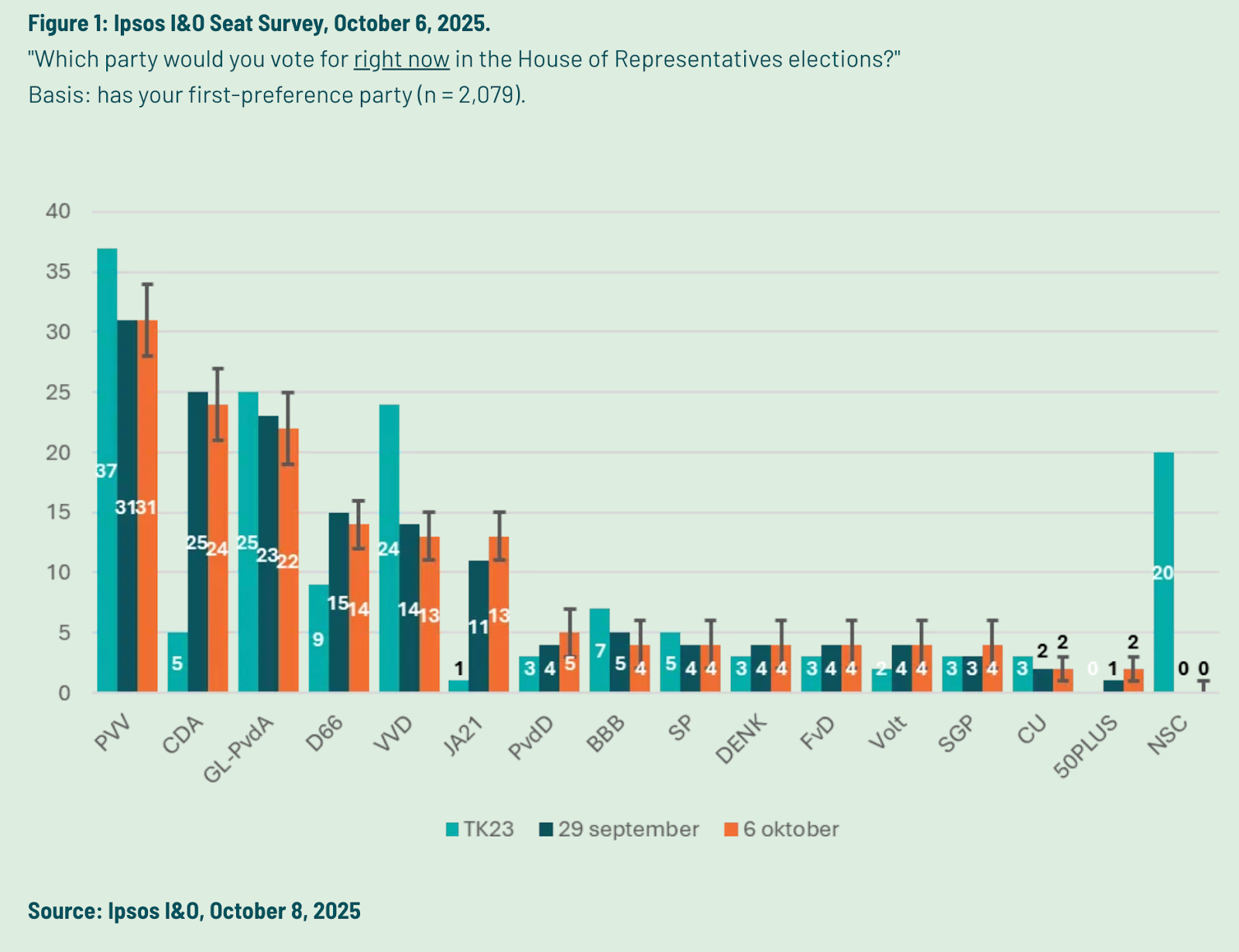





Lorenzo DM
in reply to Cybersecurity & cyberwarfare • • •Cybersecurity & cyberwarfare likes this.
reshared this
Scuola - Gruppo Forum e Cybersecurity & cyberwarfare reshared this.
Cybersecurity & cyberwarfare
in reply to Lorenzo DM • •Scuola - Gruppo Forum reshared this.
Lorenzo DM
in reply to Cybersecurity & cyberwarfare • • •Scuola - Gruppo Forum reshared this.