
Trasferimenti di dati UE-USA: è tempo di prepararsi a nuovi problemi in arrivo
La maggior parte dei trasferimenti di dati tra UE e USA si basa sul "Quadro Transatlantico sulla Privacy dei Dati" (TAFPF) o sulle cosiddette "Clausole Contrattuali Tipo" (SCC). Entrambi gli strumenti si basano su leggi statunitensi fragili, regolamenti non vincolanti e una giurisprudenza che è sotto attacco e che probabilmente verrà smantellata nei prossimi mesi. Mentre l'instabilità del sistema legale statunitense diventa innegabile e gli Stati Uniti mostrano evidenti segnali di ostilità nei confronti dell'UE, è tempo di riconsiderare dove fluiscono i nostri dati e per quanto tempo reggerà il "castello di carte" legale costruito dall'UE.
noyb.eu/en/eu-us-data-transfer…
@Privacy Pride


⚖️ In light of the upcoming US #SupremeCourt ruling in #Trump v. Slaughter, we took a detailed look at the implications for US-EU #datatransfers. In short: It's time for EU companies to prepare for more trouble to come.noyb.eu/en/eu-us-data-transfer…
EU-US Data Transfers: Time to prepare for more trouble to come
As instability in the US legal system becomes undeniable and the US shows open signs of hostility towards the EU, it is time to reconsider where our data is flowingnoyb.eu

reshared this
La Stampa in assemblea permanente, il giornale non sarà in edicola: “una giornata drammatica per la storia della nostra testata”
@Giornalismo e disordine informativo
articolo21.org/2025/12/la-stam…
Pubblichiamo la nota del Comitato di Redazione del quotidiano “La Stampa”. Articolo21 esprime grande
Quel filo nero che unisce le stragi all’evento di Articolo 21. Voci e volti della democrazia che resiste
@Giornalismo e disordine informativo
articolo21.org/2025/12/quel-fi…
Guardare al futuro significa coltivare la memoria e ciò equivale

Mark Russo reported the dataset to all the right organizations, but still couldn't get into his accounts for months.
Mark Russo reported the dataset to all the right organizations, but still couldnx27;t get into his accounts for months.#News #AI #Google


A Developer Accidentally Found CSAM in AI Data. Google Banned Him For It
Google suspended a mobile app developer’s accounts after he uploaded AI training data to his Google Drive. Unbeknownst to him, the widely used dataset, which is cited in a number of academic papers and distributed via an academic file sharing site, contained child sexual abuse material. The developer reported the dataset to a child safety organization, which eventually resulted in the dataset’s removal, but he claims Google’s has been "devastating.”A message from Google said his account “has content that involves a child being sexually abused or exploited. This is a severe violation of Google's policies and might be illegal.”
The incident shows how AI training data, which is collected by indiscriminately scraping the internet, can impact people who use it without realizing it contains illegal images. The incident also shows how hard it is to identify harmful images in training data composed of millions of images, which in this case were only discovered accidentally by a lone developer who tripped Google’s automated moderation tools.
💡
Have you discovered harmful materials in AI training data ? I would love to hear from you. Using a non-work device, you can message me securely on Signal at @emanuel.404. Otherwise, send me an email at emanuel@404media.co.In October, I wrote about the NudeNet dataset, which contains more than 700,000 images scraped from the internet, and which is used to train AI image classifiers to automatically detect nudity. The Canadian Centre for Child Protection (C3P) said it found more than 120 images of identified or known victims of CSAM in the dataset, including nearly 70 images focused on the genital or anal area of children who are confirmed or appear to be pre-pubescent. “In some cases, images depicting sexual or abusive acts involving children and teenagers such as fellatio or penile-vaginal penetration,” C3P said.
In October, Lloyd Richardson, C3P's director of technology, told me that the organization decided to investigate the NudeNet training data after getting a tip from an individual via its cyber tipline that it might contain CSAM. After I published that story, a developer named Mark Russo contacted me to say that he’s the individual who tipped C3P, but that he’s still suffering the consequences of his discovery.
Russo, an independent developer, told me he was working on an on-device NSFW image detector. The app runs locally and can detect images locally so the content stays private. To benchmark his tool, Russo used NudeNet, a publicly available dataset that’s cited in a number of academic papers about content moderation. Russo unzipped the dataset into his Google Drive. Shortly after, his Google account was suspended for “inappropriate material.”
On July 31, Russo lost access to all the services associated with his Google account, including his Gmail of 14 years, Firebase, the platform that serves as the backend for his apps, AdMob, the mobile app monetization platform, and Google Cloud.
“This wasn’t just disruptive — it was devastating. I rely on these tools to develop, monitor, and maintain my apps,” Russo wrote on his personal blog. “With no access, I’m flying blind.”
Russo filed an appeal of Google’s decision the same day, explaining that the images came from NudeNet, which he believed was a reputable research dataset with only adult content. Google acknowledged the appeal, but upheld its suspension, and rejected a second appeal as well. He is still locked out of his Google account and the Google services associated with it.
Russo also contacted the National Center for Missing & Exploited Children (NCMEC) and C3P. C3P investigated the dataset, found CSAM, and notified Academic Torrents, where the NudeNet dataset was hosted, which removed it.
As C3P noted at the time, NudeNet was cited or used by more than 250 academic works. A non-exhaustive review of 50 of those academic projects found 134 made use of the NudeNet dataset, and 29 relied on the NudeNet classifier or model. But Russo is the only developer we know about who was banned for using it, and the only one who reported it to an organization that investigated that dataset and led to its removal.
After I reached out for comment, Google investigated Russo’s account again and reinstated it.
“Google is committed to fighting the spread of CSAM and we have robust protections against the dissemination of this type of content,” a Google spokesperson told me in an email. “In this case, while CSAM was detected in the user account, the review should have determined that the user's upload was non-malicious. The account in question has been reinstated, and we are committed to continuously improving our processes.”
“I understand I’m just an independent developer—the kind of person Google doesn’t care about,” Russo told me. “But that’s exactly why this story matters. It’s not just about me losing access; it’s about how the same systems that claim to fight abuse are silencing legitimate research and innovation through opaque automation [...]I tried to do the right thing — and I was punished.”
Home
As Canada’s tipline for reporting online child sexual abuse and exploitation, Cybertip.ca is dedicated to reducing child victimization through technology, education, public awareness, along with supporting survivors and their families.Cybertip.ca

Our new zine; a very strange change at Instagram; and the creator of ICEBlock is suing the U.S. government.#Podcast
Podcast: Zines Are Back
We start this week with news of our zine! We’re printing it very soon, and walk you through the process. Independent media is turning back to physical zines as a way to subvert algorithms. After the break, Emanuel tells us about some very weird Instagram changes. In the subscribers-only section, Joseph explains ICEBlock’s lawsuit against the U.S. government.
playlist.megaphone.fm?e=TBIEA4…
Listen to the weekly podcast on Apple Podcasts,Spotify, or YouTube. Become a paid subscriber for access to this episode's bonus content and to power our journalism. If you become a paid subscriber, check your inbox for an email from our podcast host Transistor for a link to the subscribers-only version! You can also add that subscribers feed to your podcast app of choice and never miss an episode that way. The email should also contain the subscribers-only unlisted YouTube link for the extended video version too. It will also be in the show notes in your podcast player.
youtube.com/embed/lseEXc-ZzsQ?…
Timestamps:
1:37 - 1st Story - 404 Media Is Making a Zine; buy the zine here.
23:35 - 2nd Story - Instagram Is Generating Inaccurate SEO Bait for Your Posts
36:09 - 3rd Story - ICEBlock Creator Sues U.S. Government Over App’s RemovalThe 404 Media Podcast
Tech News Podcast · Updated Weekly · Welcome to the podcast from 404 Media where Joseph, Sam, Emanuel, and Jason catch you up on the stories we published this week. 404 Media is a journalist-owned digital media company exploring the way …Apple Podcasts

Production KiCad Template Covers All Your Bases

Ever think about all the moving parts involving a big KiCad project going into production? You need to provide manufacturer documentation, assembly instructions and renders for them to reference, every output file they could want, and all of it has to always stay up to date. [Vincent Nguyen] has a software pipeline to create all the files and documentation you could ever want upon release – with an extensive installation and usage guide, helping you turn your KiCad projects truly production-grade.
This KiBot-based project template has no shortage of features. It generates assembly documents with custom processing for a number of production scenarios like DNPs, stackup and drill tables, fab notes, it adds features like table of contents and 3D renders into KiCad-produced documents as compared to KiCad’s spartan defaults, and it autogenerates all the outputs you could want – from Gerbers, .step and BOM files, to ERC/DRC reports and visual diffs.
This pipeline is Github-tailored, but it can also be run locally, and it works wonderfully for those moments when you need to release a PCB into the wild, while making sure that the least amount of things possible can go wrong during production. With all the features, it might take a bit to get used to. Don’t need fully-featured, just some GitHub page images? Use this simple plugin to auto-add render images in your KiCad repositories, then.
youtube.com/embed/63R6Wnx44uY?…
We thank [Jaac] for sharing this with us!
FLOSS Weekly Episode 858: YottaDB: Sometimes the Solution is Bigger Servers

This week Jonathan chats with K. S. Bhaskar about YottaDB. This very high performance database has some unique tricks! How does YottaDB run across multiple processes without a daemon? Why is it licensed AGPL, and how does that work with commercial deployments? Watch to find out!
youtube.com/embed/aUhdny-zHdw?…
Did you know you can watch the live recording of the show right on our YouTube Channel? Have someone you’d like us to interview? Let us know, or have the guest contact us! Take a look at the schedule here.
play.libsyn.com/embed/episode/…
Direct Download in DRM-free MP3.
If you’d rather read along, here’s the transcript for this week’s episode.
Places to follow the FLOSS Weekly Podcast:
Theme music: “Newer Wave” Kevin MacLeod (incompetech.com)
Licensed under Creative Commons: By Attribution 4.0 License
hackaday.com/2025/12/10/floss-…
Why LLMs are Less Intelligent than Crows

The basic concept of human intelligence entails self-awareness alongside the ability to reason and apply logic to one’s actions and daily life. Despite the very fuzzy definition of ‘human intelligence‘, and despite many aspects of said human intelligence (HI) also being observed among other animals, like crows and orcas, humans over the ages have always known that their brains are more special than those of other animals.
Currently the Cattell-Horn-Carroll (CHC) theory of intelligence is the most widely accepted model, defining distinct types of abilities that range from memory and processing speed to reasoning ability. While admittedly not perfect, it gives us a baseline to work with when we think of the term ‘intelligence’, whether biological or artificial.
This raises the question of how in the context of artificial intelligence (AI) the CHC model translate to the technologies which we see in use today. When can we expect to subject an artificial intelligence entity to an IQ test and have it handily outperform a human on all metrics?
Types Of Intelligence
While the basic CHC model contains ten items, the full model is even more expansive, as can be seen in the graphic below. Most important are the overarching categories and the reasoning for the individual items in them, as detailed in the 2014 paper by Flanagan and McGrew. Of these, reasoning (Gf, for fluid intelligence), acquired knowledge and memory (long and short term) are arguably the most relevant when it comes to ‘general intelligence’.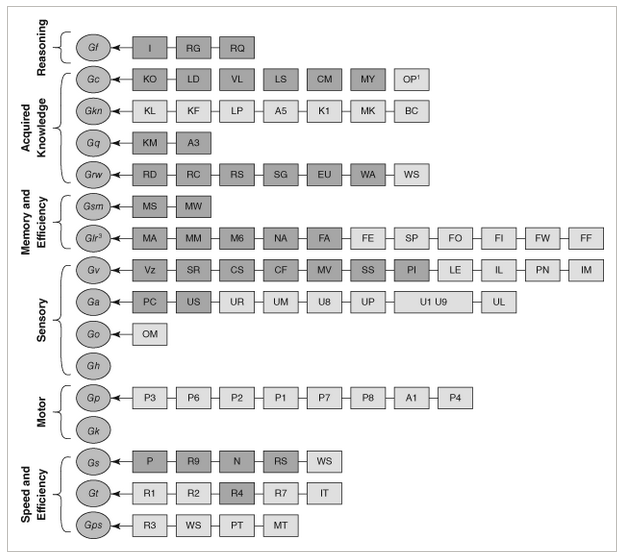
Fluid intelligence (Gf), or reasoning, entails the ability to discover the nature of the problem or construction, to use a provided context to fill in the subsequent steps, and to handle abstract concepts like mathematics. Crystallized intelligence (Gc) can be condensed to ‘basic skills’ and general knowledge, including the ability to communicate with others using a natural language.
The basic memory abilities pertain to short-term (Gsm) and long-term recall (Glr) abilities, in particular attention span, working memory and the ability to recall long-term memories and associations within these memories.
Beyond these basic types of intelligence and abilities we can see that many more are defined, but these mostly expand on these basic four, such as visual memory (Gv), various visual tasks, speed of memory operations, reaction time, reading and writing skills and various domain specific knowledge abilities. Thus it makes sense to initially limit evaluating both HI and AI within this constrained framework.
Are Humans Intelligent?

It’s generally considered a foregone conclusion that because humans as a species possesses intelligence, ergo facto every human being possesses HI. However, within the CHC model there is a lot of wriggle room to tone down this simplification. A big part of IQ tests is to test these these specific forms of intelligence and skills, after all, creating a mosaic that’s then boringly reduced to a much less meaningful number.
The main discovery over the past decades is that the human brain is far less exceptional than we had assumed. For example crows and their fellow corvids easily keep up with humans in a range of skills and abilities. As far as fluid intelligence is concerned, they clearly display inductive and sequential reasoning, as they can solve puzzles and create tools on the spot. Similarly, corvids regularly display the ability to count and estimate volumes, demonstrating quantitative reasoning. They have regularly demonstrated understanding water volume, density of objects and the relation between these.
In Japanese parks, crows have been spotted manipulating the public faucets for drinking and bathing, adjusting the flow to either a trickle or a strong flow depending on what they want. Corvids score high on the Gf part of the CHC model, though it should be said that the Japanese crow in the article did not turn the faucet back off again, which might just be because they do not care if it keeps running.
When it comes to crystallized intelligence (Gc) and the memory-related Gsm and Glr abilities, corvids score pretty high as well. They have been reported to remember human faces, to learn from other crows by observing them, and are excellent at mimicking the sounds that other birds make. There is evidence that corvids and other avian dinosaur species (‘birds’) are capable of learning to understand human language, and even communicating with humans using these learned words.
The key here is whether the animal understands the meaning of the vocalization and what vocalizing it is meant to achieve when interacting with a human. Both parrots and crows show signs of being able to learn significant vocabularies of hundreds of words and conceivably a basic understanding of their meaning, or at least what they achieve when uttered, especially when it comes to food.
Whether non-human animals are capable of complex human speech remains a highly controversial topic, of course, though we are breathlessly awaiting the day that the first crow looks up at a human and tells the hairless monkey what they really think of them and their species as a whole.
The Bears
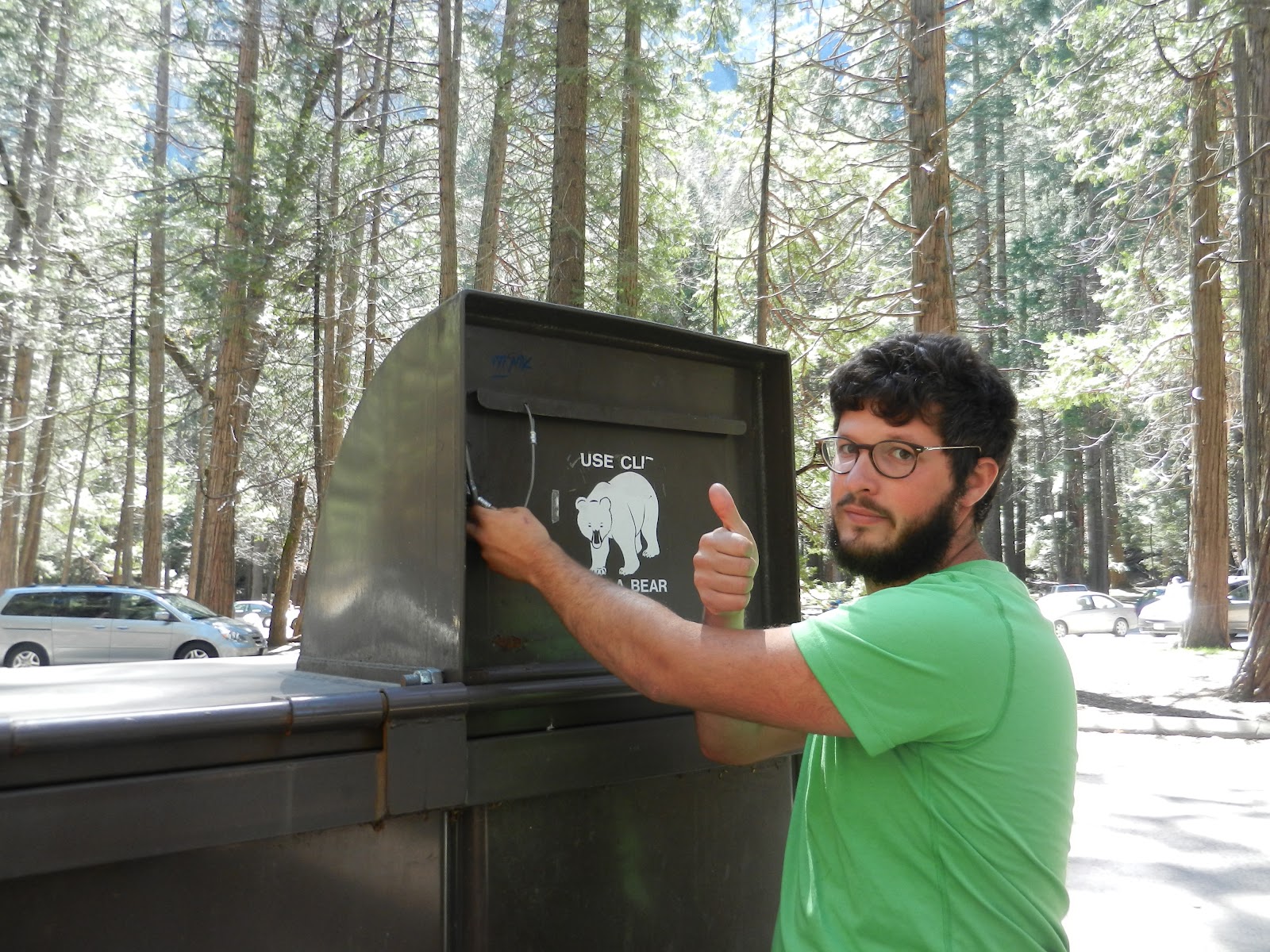
Meanwhile there’s a veritable war of intellects going on in US National Parks between humans and bears, involving keeping the latter out of food lockers and trash bins while the humans begin to struggle the moment the bear-proof mechanism requires more than two hand motions. This sometimes escalates to the point where bears are culled when they defeat mechanisms using brute force.
Over the decades bears have learned that human food is easier to obtain and fills much better than all-natural food sources, yet humans are no longer willing to share. The result is an arms race where bears are more than happy to use any means necessary to obtain tasty food. Ergo we can put the Gf, Gc and memory-related scores for bears also at a level that suggests highly capable intellects, with a clear ability to learn, remember, and defeat obstacles through intellect. Sadly, the bear body doesn’t lend itself well to creating and using tools like a corvid can.
Despite the flaws of the CHC model and the weaknesses inherent in the associated IQ test scores, it does provide some rough idea of how these assessed capabilities are distributed across a population, leading to a distinct Bell curve for IQ scores among humans and conceivably for other species if we could test them. Effectively this means that there is likely significant overlap between the less intelligent humans and smarter non-human animals.
Although H. sapiens is undeniably an intelligent species, the reality is that it wasn’t some gods-gifted power, but rather an evolutionary quirk that it shares with many other lifeforms. This does however make it infinitely more likely that we can replicate it with a machine and/or computer system.
Making Machines Intelligent

The conclusion we have thus reached after assessing HI is that if we want to make machines intelligent, they need to acquire at least the Gf, Gc, Gsm and Glr capabilities, and at a level that puts them above that of a human toddler, or a raven if you wish.
Exactly how to do this has been the subject of much research and study the past millennia, with automatons (‘robots’) being one way to pour human intellect into a form that alleviates manual labor. Of course, this is effectively merely on par with creating tools, not an independent form of intelligence. For that we need to make machines capable of learning.
So far this has proved very difficult. What we are capable of so far is to condense existing knowledge that has been annotated by humans into a statistical model, with large language models (LLMs) as the pinnacle of the current AI hype bubble. These are effectively massively scaled up language models following the same basic architecture as those that hobbyists were playing with back in the 1980s on their home computers.
With that knowledge in mind, it’s not so surprising that LLMs do not even really register on the CHC model. In terms of Gf there’s not even a blip of reasoning, especially not inductively, but then you would not expect this from a statistical model.
As far as Gc is concerned, here the fundamental flaw of a statistical model is what it does not know. It cannot know what it doesn’t know, nor does it understand anything about what is stored in the weights of the statistical model. This is because it’s a statistical model that’s just as fixed in its functioning as an industrial robot. Chalk up another hard fail here.
Finally, although the context window of LLMs can be considered to be some kind of short-term memory, it is very limited in its functionality. Immediate recall of a series of elements may work depending on the front-end, but cognitive operations invariably fail, even very basic ones such as adding two numbers. This makes Gsm iffy at best, and more realistically a complete fail.
Finally, Glr should be a lot easier, as LLMs are statistical models that can compress immense amounts of data for easy recall. But this associative memory is an artefact of human annotation of training data, and is fixed at the time of training the model. After that, it does not remember outside of its context window, and its ability to associate text is limited to the previous statistical analysis of which words are most likely to occur in a sequence. This fact alone makes the entire Glr ability set a complete fail as well.
Piecemeal Abilities
Although an LLM is not intelligent by any measure and has no capacity to ever achieve intelligence, as a tool it’s still exceedingly useful. Technologies such as artificial neurons and large language models have enabled feats such as machine vision that can identify objects in a scene with an accuracy depending on the training data, and by training an LLM on very specific data sets the resulting model can be a helpful statistical tool, as it’s a statistical model.
These are all small fragments of what an intelligent creature is capable of, condensed into tool form. Much like hand tools, computers and robots, these are all tools that we humans have crafted to make certain tasks easier or possible. Like a corvid bending some wire into shape to open a lock or timing the dropping of nuts with a traffic light to safely scoop up fresh car-crushed nuts, the only intelligence so far is still found in our biological brains.
All of which may change as soon as we figure out a way to replicate abstract aspects such as reasoning and understanding, but that’s still a whole kettle of theoretical fish at this point in time, and the subject of future articles.
Cheap 10x10cm Hotplate Punches Above Its Weight

For less than $30 USD, you can get a 10×10 centimeter hotplate with 350 Watts of power. Sounds mighty fine to us, so surely there must be a catch? Maybe not, as [Stefan Nikolaj]’s review of this AliExpress hotplate details, it seems to be just fine enough.
At this price, you’d expect some shoddy electronics inside, or maybe outright fiery design decisions, in the vein of other reviews for similar cheap heat-producing tech that we’ve seen over the years. Nope – the control circuitry seems to be more than well-built for our standards, with isolation and separation where it matters, the input being fused away, and the chassis firmly earthed. [Stefan] highlights just two possible problem areas: a wire nut that could potentially be dodgy, and lack of a thermal fuse. Both can be remedied easily enough after you get one of these, and for the price, it’s a no-brainer. Apart from the review, there’s also general usage recommendations from [Stefan] in the end of the blog post.
While we’re happy to see folks designing their own PCB hotplates or modifying old waffle irons, the availability of cheap turn-key options like this means there’s less of a reason to go the DIY route. Now, if you’re in the market for even more build volume, you can get one of the classic reflow ovens, and maybe do a controller upgrade while you’re at it.
Ask Hackaday: Solutions, or Distractions?

The “Long Dark” is upon us, at least for those who live north of the equator, and while it’s all pre-holiday bustle, pretty lights, and the magical first snow of the season now, soon the harsh reality of slushy feet, filthy cars, and not seeing the sun for weeks on end will set in. And when it does, it pays to have something to occupy idle mind and hands alike, a project that’s complicated enough to make completing even part of it feel like an accomplishment.
But this time of year, when daylight lasts barely as long as a good night’s sleep, you’ve got to pick your projects carefully, lest your winter project remain incomplete when the weather finally warms and thoughts turn to other matters. For me, at least, that means being realistic about inevitabilities such as competition from the day job, family stuff, and the dreaded “scope creep.”
It’s that last one that I’m particularly concerned with this year, because it has the greatest potential to delay this project into spring or even — forbid it! — summer. And that means I need to be on the ball about what the project actually is, and to avoid the temptation to fall into any rabbit holes that, while potentially interesting and perhaps even profitable, will only make it harder to get things done.
Pushing My Buttons
For my winter project this year, I chose something I’ve been itching to try for a while: an auto-starter for my generator. Currently, my solar PV system automatically charges its battery bank when the state of charge (SOC) drops below 50%, which it does with alarming frequency during these short, dark days. But rather than relying on shore power, I want my generator to kick on to top off the batteries, then turn itself off when the charge is complete.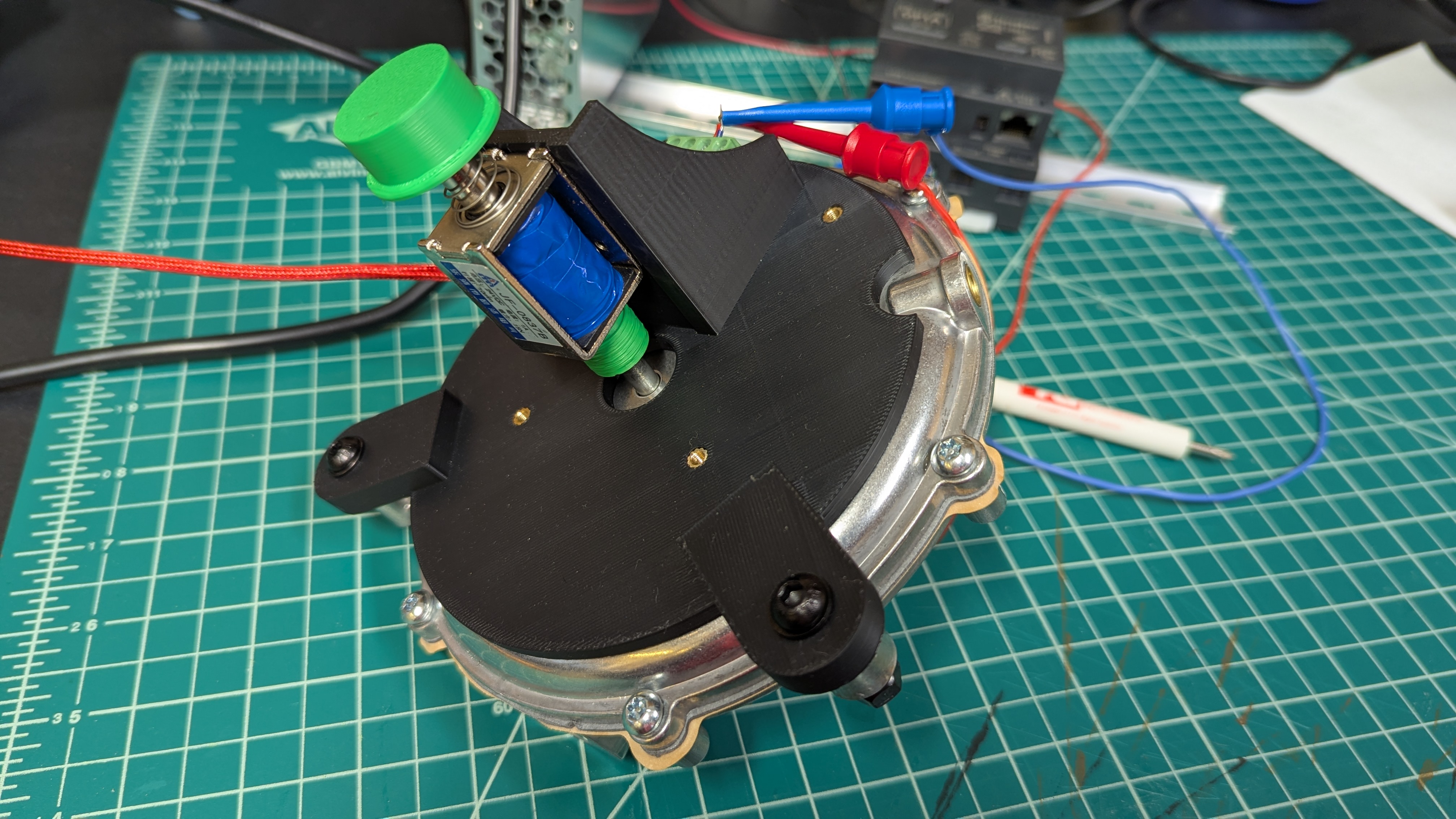
In concept, it’s a simple project, since the inverter panel I chose has dry contacts that can trigger based on SOC. It seems like a pretty easy job, just a microcontroller to sense when the inverter is calling for a charge and some relays to kick the generator on. It’s a little — OK, a lot — more complicated than that when you think about it, since you have to make sure the generator actually cranks over, you’ve got to include fail-safes so the generator doesn’t just keep cranking endlessly if it doesn’t catch, and you have to make everything work robustly in an electrically and mechanically noisy environment.
However, in my case, the most challenging aspect is dealing with the mechatronics of the project. My generator is fueled by propane, which means there’s a low-pressure regulator that needs to be primed before cranking the starter. When cranking the generator manually, you just push the primer button a few times to get enough propane into the fuel intake and turn the key. Automating this process, though, is another matter, one that will surely require custom parts, and the easiest path to that would be 3D printing.
But, up until a couple of weeks ago, I didn’t own a 3D printer. I know, it’s hard to believe someone who writes for Hackaday for a living wouldn’t own one of the essential bits of hacker kit, but there it is. To be fair to myself, I did dip my toe into additive manufacturing about six or seven years ago, but that printer was pretty awful and never really turned out great prints. It seemed like this project, with its potential need for many custom parts, was the perfect excuse to finally get a “big boy” printer.
Pick Your Project
And that’s where I came upon the first potential rabbit hole: should I buy an out-of-the-box solution, or should I take on a side-quest project? I was sorely tempted to take the latter course by getting one of those used Enders returned to Amazon, having heard that they’re about half the price of new and often need very little work to get them going. But then again, sometimes these printers have gone through a lot in the short time they were in a customer’s hands, to the point where they need quite a bit of work to get them back in good order.
While I like the idea of a cheap printer, and I wouldn’t mind tinkering with one to get it going again, I decided against the return route. I really didn’t like my odds, given that our Editor in Chief, Elliot Williams, says that of the two returned printers he’s purchased, one worked basically out of the box, while the other needed more work to get in shape. I wanted to unbox the printer and start making parts right away, to get this project going. So, I took the plunge and bought a Bambu P1S on a pre-Black Friday sale that was much less than list price, but much more than what I would have paid for a returned Ender.

I think this is a pretty common choice that hackers face up and down the equipment spectrum. Take machine tools, for instance. Those of us who dream of one day owning a shop full of metalworking tools often trawl through Facebook Marketplace in search of a nice old South Bend lathe or a beautiful Bridgeport milling machine, available for a song compared to what such a machine would cost new. But with the difficulty and expense of getting it home and the potential for serious mechanical problems like worn ways or broken gears that need to be sorted before putting the machine to use, the value proposition could start to shift back toward buying a brand new machine. Expensive, yes, but at least you stand a chance of making parts sooner.
Your Turn
Don’t get me wrong; I’d love to find a nice old lathe to lovingly restore, and I just may do that someday. It’s like buying a rusty old classic car; you’re not doing it to end up with a daily driver, but rather for the joy of restoring a fine piece of engineering to its former glory. In projects like that, the journey is the point, not the destination. But if I need to make parts right away, a new lathe — or mill, or CNC router, or 3D printer — seems like the smarter choice.
I’ll turn things over to you at this point. Have you come up against this kind of decision before? If so, which path did you choose? Has anyone had a satisfying out-of-the-box experience with returned printers? Was I unnecessarily pessimistic about my chances in that market? What about your experience with large machine tools, like lathes and mills? Is it possible to buy used and not have the machine itself become the project? Sound off in the comments below.
Failed 3D Printed Part Brings Down Small Plane

Back in March, a small aircraft in the UK lost engine power while coming in for a landing and crashed. The aircraft was a total loss, but thankfully, the pilot suffered only minor injuries. According to the recently released report by the Air Accidents Investigation Branch, we now know a failed 3D printed part is to blame.
The part in question is a plastic air induction elbow — a curved duct that forms part of the engine’s air intake system. The collapsed part you see in the image above had an air filter attached to its front (towards the left in the image), which had detached and fallen off. Heat from the engine caused the part to soften and collapse, which in turn greatly reduced intake airflow, and therefore available power.
While the cause of the incident is evident enough, there are still some unknowns regarding the part itself. The fact that it was 3D printed isn’t an issue. Additive manufacturing is used effectively in the aviation industry all the time, and it seems the owner of the aircraft purchased the part at an airshow in the USA with no reason to believe anything was awry. So what happened?
The part in question is normally made from laminated fiberglass and epoxy, with a glass transition of 84° C. Glass transition is the temperature at which a material begins to soften, and is usually far below the material’s actual melting point.
When a part is heated at or beyond its glass transition, it doesn’t melt but is no longer “solid” in the normal sense, and may not even be able to support its own weight. It’s the reason some folks pack parts in powdered salt to support them before annealing.
The printed part the owner purchased and installed was understood to be made from CF-ABS, or ABS with carbon fiber. ABS has a glass transition of around 100° C, which should have been plenty for this application. However, the investigation tested two samples taken from the failed part and measured the glass temperature at 52.8°C and 54.0°C, respectively. That’s a far cry from what was expected, and led to part failure from the heat of the engine.
The actual composition of the part in question has not been confirmed, but it sure seems likely that whatever it was made from, it wasn’t ABS. The Light Aircraft Association (LAA) plans to circulate an alert to inspectors regarding 3D printed parts, and the possibility they aren’t made from what they claim to be.
Il QDay è vicino? QuantWare presenta il processore quantistico da 10.000 qubit
Il mondo della tecnologia quantistica ha compiuto un balzo in avanti impressionante:
QuantWare ha presentato il primo processore al mondo da 10.000 qubit, 100 volte più di qualsiasi dispositivo esistente. Inoltre, il nuovo chip occupa ancora meno spazio rispetto ai sistemi attuali, rendendo questa svolta particolarmente degna di nota in un contesto di anni di stagnazione nella scalabilità dei processori quantistici.
Per quasi un decennio, il settore non è riuscito a superare la soglia dei 100 qubit. Google è riuscita a passare da 53 a 105 qubit solo in sei anni, mentre IBM ha introdotto un processore da 1.121 qubit nel 2023 e non prevede una crescita significativa almeno fino al 2028. Di fronte alle limitazioni hardware, le aziende sono state costrette a combinare più chip di piccole dimensioni anziché aumentare la potenza di uno solo. Ciò ha complicato l’architettura, aumentato i costi e ostacolato il progresso reale.
QuantWare sostiene che la sua nuova architettura rimuove questa barriera.
Si basa sulla scalabilità 3D e su un design modulare a livello di chiplet, supportando 40.000 linee di I/O e interconnessioni interchip ad alta precisione. Questo approccio consente la costruzione di unità di elaborazione quantistica (QPU) monolitiche di grandi dimensioni senza sacrificare affidabilità o prestazioni.
L’azienda sostiene che il nuovo sistema offre una potenza di calcolo significativamente maggiore per dollaro e per watt rispetto alle soluzioni multi-chip, e l’architettura stessa potrebbe diventare uno standard di scalabilità a livello di settore. Qualsiasi organizzazione che lavori con qubit superconduttori potrà utilizzarlo per creare dispositivi quantistici più potenti.
QuantWare sta sviluppando contemporaneamente l’ecosistema Quantum Open Architecture, che ora includeNVIDIA NVQLink. Combinata con l’architettura proprietaria di QuantWare, questa tecnologia combina il calcolo quantistico iperscalabile con il calcolo classico ad alte prestazioni, accessibile tramite NVIDIA CUDA-Q. L’azienda è convinta che la combinazione di VIO e NVQLink offra la scalabilità di cui il settore ha disperatamente bisogno oggi.

Insieme all’annuncio, l’azienda ha anche annunciato l’intenzione di costruire un impianto Kilofab su larga scala. L’impianto, la cui apertura è prevista per il 2026 a Delft, nei Paesi Bassi, diventerà la prima fabbrica al mondo dedicata ai dispositivi Quantum Open Architecture e uno dei più grandi impianti di produzione quantistica mai progettati. QuantWare spedisce già più processori quantistici di qualsiasi altro produttore commerciale in termini di volume, e Kilofab aumenterà questa capacità di 20 volte.
Matt Rijlaarsdam, CEO di QuantWare, ha definito questo un punto di svolta atteso da tempo.
Ha osservato che per anni gli specialisti si erano limitati a teorizzare le capacità dei sistemi quantistici, poiché il settore era limitato a 100 qubit e non poteva raggiungere una potenza di calcolo economicamente significativa. Il nuovo processore, ha affermato, rimuove finalmente questa barriera e apre la strada a computer quantistici realmente utili . “Con il VIO-40K, stiamo offrendo all’intero ecosistema l’accesso all’architettura di processore quantistico più potente e scalabile mai realizzata”, ha sottolineato.
I preordini sono già aperti e le prime unità saranno consegnate ai clienti nel 2028.
Ricordiamo che nel 2019 Craig Gidney e Martin Ekerå stimarono, nel loro lavoro intitolato “How to factor 2048-bit RSA integers in 8 hours using 20 million noisy qubits”, che un dispositivo quantistico con circa 20 milioni di qubit fisici “rumorosi” — connessi in una griglia piana e corretti con codice superficie (surface code) — sarebbe teoricamente in grado di fattorizzare una chiave RSA a 2048 bit in circa 8 ore.
Tuttavia, in un aggiornamento del 2025 lo stesso Gidney propone ottimizzazioni sostanziali: grazie a tecniche come l’approximate residue arithmetic e una gestione più efficiente dei qubit logici dormienti, secondo l’articolo “How to factor 2048 bit RSA integers with less than a million noisy qubits” oggi sarebbe sufficiente un quantum computer con meno di un milione di qubit fisici rumorosi per scomporre una chiave RSA-2048, in un tempo “meno di una settimana.
L'articolo Il QDay è vicino? QuantWare presenta il processore quantistico da 10.000 qubit proviene da Red Hot Cyber.
Ivanti risolve 4 vulnerabilità critiche in Endpoint Manager (EPM)
Un aggiornamento urgente è stato pubblicato da Ivanti per la sua piattaforma Endpoint Manager (EPM), al fine di risolvere un insieme di vulnerabilità significative che potrebbero permettere agli aggressori di eseguire codice a loro scelta o di prendere il controllo delle sessioni amministrative.
Tra le vulnerabilità corrette, vi sono quattro falle specifiche, compresa una particolarmente critica, contraddistinta da un punteggio di elevata gravità, che sono state sanate grazie a questo aggiornamento.
Per le organizzazioni che non sono in grado di applicare immediatamente la patch, e suggerisce di segregare al meglio le proprie reti riportando che : “Se i clienti non hanno esposto la propria soluzione su Internet, il rischio di questa vulnerabilità è significativamente ridotto”.
Una falla di sicurezza di Stored Cross-Site Scripting (XSS) monitorata con il CVE-2025-10573, ha ottenuto un punteggio CVSS di 9,6. Le versioni del software EPM antecedenti alla 2024 SU4 SR1 sono interessate da questa vulnerabilità.
L’avviso segnala che la vulnerabilità permette ad un aggressore remoto non autenticato di eseguire codice JavaScript a sua scelta all’interno di una sessione di amministrazione.
La falla richiede l’interazione dell’utente, in quanto è probabile che un amministratore venga indotto a visualizzare una pagina dannosa, tuttavia il rischio di un dirottamento dell’intera sessione impone una priorità assoluta per i responsabili della difesa.
Oltre al bug critico XSS, Ivanti ha corretto altre tre vulnerabilità di elevata gravità che espongono il sistema all’esecuzione di codice remoto (RCE) e alla manipolazione non autorizzata dei file:
- Scrittura di file arbitraria (CVE-2025-13659): classificata CVSS 8.8, questa falla riguarda il “controllo improprio delle risorse di codice gestite dinamicamente”, consentendo a un aggressore remoto e non autenticato di scrivere file arbitrari sul server.
- Errore di verifica della firma (CVE-2025-13662): con un punteggio CVSS di 7,8, questa vulnerabilità deriva da una “verifica impropria delle firme crittografiche nel componente di gestione delle patch”. Consente ad aggressori remoti non autenticati di eseguire codice arbitrario, sebbene richieda l’interazione dell’utente.
- Path Traversal (CVE-2025-13661): questo problema (CVSS 7.1) consente a un aggressore autenticato di “scrivere file arbitrari al di fuori della directory prevista”, compromettendo potenzialmente l’integrità del sistema.
Sebbene Ivanti affermi di “non essere a conoscenza di alcun cliente sfruttato da queste vulnerabilità al momento della divulgazione”, consiglia vivamente ai clienti di effettuare immediatamente l’aggiornamento.
L'articolo Ivanti risolve 4 vulnerabilità critiche in Endpoint Manager (EPM) proviene da Red Hot Cyber.


CISA avverte: bug critici in WinRAR e Windows aggiunti al KEV. Patch immediate necessarie
A seguito della scoperta di exploit attivi, la Cybersecurity and Infrastructure Security Agency (CISA) ha inserito due vulnerabilità critiche al catalogo Known Exploited Vulnerabilities (KEV) dell’agenzia, il quale include vulnerabilità rilevate in software molto diffusi sfruttate attivamente.
La prima vulnerabilità, il CVE-2025-6218, riguarda il popolare strumento di compressione file WinRAR. Questa falla di path traversal ed è particolarmente pericolosa perché consente agli aggressori di aggirare i controlli di sicurezza e di installare malware nel sistema di un utente semplicemente chiedendogli di estrarre un file.
“Quando si estrae un file, le versioni precedenti di WinRAR, le versioni Windows di RAR, UnRAR, il codice sorgente portatile di UnRAR e UnRAR.dll possono essere ingannate e utilizzare un percorso definito in un archivio appositamente creato, invece del percorso specificato dall’utente”, si legge nel changelog.
La falla riguarda le versioni 7.11 e precedenti di WinRAR su Windows. Secondo il rapporto, la vulnerabilità consente ad archivi dannosi di indurre il software a estrarre “silenziosamente” i file in posizioni sensibili, come la cartella di avvio di Windows.
Nel luglio 2025, un autore di minacce noto come “zeroplayer” è stato visto vendere un exploit zero-day WinRAR sul forum del dark web Exploit.in per 80.000 dollari. Secondo gli esperti di sicurezza, il gruppo di hacker noto come Paper Werewolf (anche conosciuto come GOFFEE) avrebbe ottenuto questo exploit, che sarebbe stato utilizzato in recenti campagne di attacco sfruttando tale vulnerabilità.
La seconda vulnerabilità, il CVE-2025-62221 del quale abbiamo parlato questa mattina, colpisce il cuore del sistema operativo Windows. Si tratta di una falla di escalation dei privilegi localizzata nel driver Windows Cloud Files Mini Filter.
Sfruttando con successo questa falla, l’aggressore ottiene privilegi di SYSTEM, il livello di accesso più elevato su un computer Windows. Sebbene Microsoft non abbia rivelato i meccanismi specifici dell’exploit, la falla è stata attribuita al Microsoft Threat Intelligence Center (MSTIC).
Microsoft descrive il problema come una vulnerabilità “Use after free”. “La vulnerabilità Use after free nel driver Windows Cloud Files Mini Filter consente a un aggressore autorizzato di elevare i privilegi localmente”, spiega l’avviso.
Dato lo sfruttamento attivo di queste falle, il CISA ha fissato una scadenza rigorosa.
Le agenzie del Federal Civilian Executive Branch (FCEB) sono tenute a porre rimedio a queste vulnerabilità entro il 30 dicembre 2025, per proteggere le proprie reti da queste minacce in continua evoluzione.
L'articolo CISA avverte: bug critici in WinRAR e Windows aggiunti al KEV. Patch immediate necessarie proviene da Red Hot Cyber.
Malware in Visual Studio Code: due estensioni dannose rubano dati sensibili
Sono state scoperte due estensioni dannose che infettano i computer degli sviluppatori con programmi stealer sul marketplace di Visual Studio Code di Microsoft. Il malware può acquisire screenshot, rubare password e wallet di criptovalute e persino dirottare le sessioni del browser.
I ricercatori di Koi Security hanno scoperto le estensioni dannose Bitcoin Black e Codo AI, che si mascherano da tema e assistente AI.
Entrambi i malware sono stati pubblicati con il nome dello sviluppatore BigBlack. Al momento della pubblicazione del rapporto dei ricercatori, Codo AI era ancora disponibile nello store, sebbene avesse meno di 30 download. Bitcoin Black aveva una sola installazione.
Secondo gli esperti, Bitcoin Black utilizza l’evento di attivazione “*”, che viene attivato da ogni azione in VSCode. Il plugin può anche eseguire codice PowerShell.

Nelle versioni precedenti, l’estensione utilizzava uno script di PowerShell per scaricare un archivio protetto da password contenente il payload. Tuttavia, ciò causava la visualizzazione di una finestra di PowerShell, che poteva allertare l’utente. Nelle versioni più recenti del malware, il processo è stato spostato in uno script batch (bat.sh), che richiama curl per scaricare un file DLL e un file eseguibile .exe, il tutto in modalità stealth.
Per quanto riguarda Codo AI, l’estensione può effettivamente aiutare l’utente con il codice utilizzando ChatGPT o DeepSeek, ma contiene anche un componente dannoso simile.
Entrambe le estensioni contengono un file eseguibile Lightshot legittimo e una DLL dannosa, che viene caricata tramite dirottamento della DLL e distribuisce un infostealer denominato runtime.exe sul sistema della vittima. Solo 29 dei 72 programmi antivirus su VirusTotal rilevano la DLL dannosa.
Sul computer infetto, il malware crea una directory in %APPDATA%Local e una cartella Evelyn per archiviare i dati rubati, tra cui informazioni sui processi in esecuzione, contenuti degli appunti, credenziali Wi-Fi, dati di sistema, screenshot, un elenco dei programmi installati e processi attivi.
Per rubare i cookie e dirottare le sessioni degli utenti, il malware avvia Chrome ed Edge in modalità headless, da dove recupera i cookie memorizzati e dirotta le sessioni.
Inoltre, lo stealer, nascondendosi nelle estensioni, ruba dati da portafogli di criptovalute come Phantom, Metamask ed Exodus e cerca anche password e altre credenziali.
I rappresentanti di Microsoft segnalano che entrambe le estensioni dannose sono state rimosse dal marketplace VSCode.
L'articolo Malware in Visual Studio Code: due estensioni dannose rubano dati sensibili proviene da Red Hot Cyber.
Trasferimenti di dati UE-USA: E' tempo di prepararsi ad altri problemi
Poiché l'instabilità del sistema giuridico statunitense diventa innegabile e gli Stati Uniti mostrano aperti segni di ostilità nei confronti dell'UE, è tempo di riconsiderare dove scorrono i nostri dati
mickey10 December 2025

Puerto Rico may roll back transparency just when it matters the most
When the U.S. Navy quietly reactivated Roosevelt Roads Naval Station in Puerto Rico earlier this year, the move stirred both anxiety and hope. While some residents saw the promise of new jobs, others saw it as a painful reminder of past harms from the American military presence on the island.
Whatever their views, Puerto Ricans — and Americans everywhere — deserve basic answers about what the military is up to as tensions escalate with Venezuela. They should know whether Puerto Rico’s government is coordinating with the Pentagon and whether their concerns are being taken into account. And of course, there are countless local issues having nothing to do with international conflicts that Puerto Ricans are entitled to be informed about.
But at the very moment when transparency is most essential, Puerto Rican lawmakers are trying to slam the door shut. Senate Bill 63, a major rewrite of the island’s transparency law, was recently rushed through the legislature with little public input. It weakens the public’s right to know at every turn.
SB 63 would undermine transparency
Puerto Rico’s existing transparency law, passed in 2019, already faces serious problems. Recently, for instance, the American Civil Liberties Union of Puerto Rico sued to uncover records about how the territory’s transportation agency shared confidential driver’s license information with federal immigration officials, which may have violated local laws.
SB 63 would make it even harder for the public to know what government officials are doing. The bill significantly extends the deadline for responding to records requests, more than doubling it in some cases. For time-sensitive investigations, especially by journalists, these delays could bury relevant information or make it irrelevant or obsolete, crippling efforts to expose the truth.
This bill will also make it harder for the public to understand the information they do receive. Today, requesters can ask for information in easy-to-analyze formats, like statistics or spreadsheets. SB 63 would eliminate that right, making it harder to find specific information that’s of the most use to the public.
In addition, SB 63 would require agency heads to be alerted to every single records request. This change injects politics into what should be a straightforward process. At the federal level, both Democrats and Republicans have used similar review systems to conceal politically inconvenient information.
What’s more, SB 63 would also require agencies to withhold records that any judge has previously deemed confidential, even if that ruling came from a single lower court and was never reviewed or affirmed. But judges get things wrong all the time — that’s why their rulings are not precedential and are subject to appellate review. Under SB 63, a single questionable decision from a single judge could lock in secrecy indefinitely.
SB 63 would leave Puerto Ricans and all Americans less informed
Puerto Rican lawmakers seem to know SB 63 would be unpopular. The Senate approved it without a public hearing, and the House allowed just one day of testimony, during which many entities were shut out. It’s not an accident that an anti-transparency bill was pushed through with as little transparency as possible.
The timing couldn’t be worse — and not only because Puerto Rico seems to be one of the main platforms for U.S.-projected interventions in Venezuela. As Puerto Rico faces deep challenges in housing, education, and climate, reducing access to information will only exacerbate existing problems.
The need for local transparency is heightened exponentially by Puerto Rico’s colonialism. Public records are essential for understanding issues such as failures in hurricane relief by federal and local authorities, collaboration between local agencies and federal immigration officials, and the impact of federal policies on the territory’s schools and colleges.
In addition, cuts to federal Freedom of Information Act offices are already making it harder for Puerto Ricans to obtain information from Washington. If local transparency is also weakened, oversight and accountability will become virtually nonexistent.
Fortunately, Puerto Ricans refuse to be silent. More than 50 civil society organizations, along with community and academic leaders, have urged Gov. Jenniffer González Colón to veto SB 63 because the legislation is bad for Puerto Rico’s citizens, businesses, and democracy itself.
Freedom of the Press Foundation (FPF) also joined other press freedom organizations in a letter led by the Committee to Protect Journalists, calling on her to reject the bill.
Puerto Rico can’t afford to be left in the dark. SB 63 dims the light of transparency precisely when we need it the most. Gov. González should reject SB 63 and stand unequivocally with the people’s right to know.


Sono stati condannati a un anno di carcere i quattro militanti di CasaPound che aggredirono il giornalista della Stampa Andrea Joly a Torino - Il Post
https://www.ilpost.it/2025/12/10/casa-pound-4-condanne-aggressione-giornalista-andrea-joly/?utm_source=flipboard&utm_medium=activitypubPubblicato su News @news-ilPost

Poliversity - Università ricerca e giornalismo reshared this.
Io non credo che le persone, qui in Europa, si stiano rendendo conto di quello che sta succedendo.
Ogni mattina andiamo al lavoro, facciamo le nostre vite come se nulla fosse cambiato, ma sono in corso alcuni cambiamenti storici e molto, molto rilevanti che cambieranno per sempre le nostre vite, e temo che tutto ciò che abbiamo dato per scontato fino a questo punto verrà messo in discussione dall'attualità.
Dall'est arrivano venti di guerra. Al di là di come la si pensi sul riarmo, resta un fatto: che non passa giorno in cui le evidenze della guerra ibrida - che nulla ha a che fare col riarmo - mostri i suoi segnali sempre più rilevanti.
E' di oggi la notizia che l'Estonia ha dichiarato lo stato di calamità per l'invasione ormai quotidiana da parte dei palloni sonda russi, che arrivano nel Paese non certo perché tira il vento, e comunque in numero tale da creare caos nei cieli (e i meno addormentati potrebbero pensare che sia per rallentare eventuali operazioni di difesa. Anche soltanto il dubbio che questo possa verificarsi è sufficiente per l'obiettivo della guerra ibrida: creare instabilità, disordine, sfiducia, senso di precarietà. E ci stanno riuscendo).
In tutto ciò Putin, un dittatore sanguinario, si dichiara pronto a difendersi. Insomma, un po' come il tizio che va in giro accoltellando gli altri, e dice che se qualcuno oserà sparargli tirerà fuori il bazooka. Penso che soltanto chi ha scollegato il cervello negli ultimi anni possa continuare a sostenere che tutto questo derivi dal fatto che "sono stati provocati". Anche in quel caso, direi "bel carattere di merda": se c'è qualche problema, se ne parla, non ci si trincera dietro al "sono pronto a difendermi". Ma, come è evidente, basta seguire le trasmissioni sulla TV russa (sì, girano tradotte), per rendersi conto del fatto che la retorica naziputiniana è già ben oltre il livello del "sono pronto a difendermi".
Poi ci sono le informazioni degli 007 Nato. Si parla di un attacco militare all'Europa - ripeto, un attacco all'Europa - entro il 2028/29. La guerra, in casa nostra. Non possiamo più pensare che tutto questo sia casuale, o surreale.
Si parla di attacchi sferrati - e per fortuna sventati - alla nostra aviazione civile per far precipitare gli aerei. Avete capito bene?
Vogliono fare precipitare i mezzi su cui viaggiamo (e stavano per riuscirci).
Inutile dire da dove provengano. Nelle ex zone occupate dall'esercito russo si ritrovano cadaveri di bambini torturati, che spuntano fuori dalle fosse comuni come fossero funghi nel mese di ottobre.
Insomma: la realtà è sotto gli occhi di tutti, e un quadro più grande sta finalmente - purtroppo - prendendo forma in maniera sempre più chiara.
In tutto questo cosa succede di là dall'Atlantico?
Succede che un mezzo continente che credevamo nostro alleato ha smesso di essere nostro alleato. E vabbè, dirà qualcuno ha cui gli States creavano qualche prurito.
E vabbè un cazzo, rispondo io.
Perché non è che gli USA hanno smesso di essere alleati per essere neutrali: ogni giorno che passa stanno diventando, sempre di più e sempre più chiaramente, un altro dei tanti nemici del continente.
Ora, io lo so che non siamo santi e ognuno ha le sue colpe, ma mi pare che tutto ciò che ci sta per accadere, sinceramente, non ce lo meritiamo molto.
Dobbiamo prepararci a vedere cambiare le nostre vite, e qui vengo al punto del discorso. Le cose di cui parlare sono e saranno sempre di più, ma il mio lavoro di tutti i giorni mi fa pensare e vedere che siamo legati mani e pieni alle tecnologie di qualcuno che da un giorno all'altro (circa) dice che le nostre istituzioni andrebbero sciolte, come se stesse dicendo che domani pioverà secondo il meteo, con la stessa leggerezza.
Non so a voi, ma a me tutto questo inquieta.
L'Europa che tanto amiamo (o che dovremmo) rischia seriamente, concretamente di restare schiacciata tra colossi, se non reagiamo subito e in fretta. Ognuno di noi può fare qualcosa.
Come informatico non faccio che pensare e - spero - far pensare che il 99% delle tecnologie che utilizziamo nel mondo del lavoro, tutti i giorni, è statunitense (mi riferisco al software, in particolare).
Non esiste cellulare in cui non ci sia software statunitense, ormai. Per quanto riguarda i computer, siamo ad una percentuale del 95% circa (se non contiamo i server).
Ripeto, non so a voi ma me tutto questo inquieta un po', in un mondo in cui i rapporti sono sempre più tesi. Se pensate che stia esagerando, forse non comprendete bene la portata della cosa: parliamo del fatto che qualcuno, in mezzo secondo, può decidere di bloccare tutto - o quasi - o come minimo di non consentirci più di far funzionare le cose.
Un esempio semplice: un sacco di gente per navigare usa inconsapevolmente i DNS di Google. Senza questi, ciao ciao navigazione. Certo, ci si potrebbe organizzare diversamente, ma passerebbero giorni, settimane, mesi in cui niente funzionerebbe più.
Esagero? Voglio sperare di sì.
Ma...siamo sicuri di voler rischiare? Non è che ci converrebbe cominciare a pensare che un altro modo di fare le cose è possibile?
Perché non cominciamo ad usare servizi e tecnologie europee?
Io credo che, arrivati a questo punto, sia il minimo che possiamo fare, sia per tutelarci che per lanciare un forte segnale.
L'Europa - con qualche rinuncia - può fare da sola. E può migliorare, può e deve iniziare a pensare di DOVERCELA FARE da sola.
Con questo spirito, io che di mestiere campo con l'informatica, ho deciso di svincolarmi da servizi statunitensi, il più possibile e progressivamente. Perché non posso vivere con questa consapevolezza e non fare nulla per essere coerente con quello che dico.
Di più: è anche giusto essere d'esempio. Se non lo facciamo noi informatici, che abbiamo più mezzi per mettere in atto il cambiamento, chi altri dovrebbe dare l'esempio?
Nel Fediverso circolano molti esempi di cosa possiamo fare.
Il concetto non è "boicottiamo tutto!" perché sarebbe difficile (anche se non impossibile), ma possiamo mettere in atto almeno 4 cose, sin da subito:
1) creiamo consapevolezza, parliamo di questi argomenti a chi riusciamo a raggiungere;
2) non attiviamo NUOVI servizi statunitensi/russi/cinesi
3) disattiviamo i servizi statunitensi da cui dipendiamo. Se non possiamo/vogliamo disattivarli TUTTI almeno cominciamo con quelli che possiamo disattivare, chiudere per sempre. Qualcosa è decisamente meglio di NULLA.
4) usiamo servizi di aziende europee. Esistono, sono tante, si può: l'open source ci da una grossa mano.
Io ho già cominciato. In un paio d'anni ho ottenuto questi risultati, ma voglio cominciare ad accelerare. E tu? Tu cosa puoi fare già da oggi, da subito? Ci sono tante cose che puoi cambiare, a cominciare da alcune, molto semplici.
Almeno, riflettici.
Ecco cosa ho fatto io finora:
❌ Firefox/Chrome --> Vivaldi
❌ Android (Google, Xiaomi) --> (in parte) Lineage OS 🤖
❌ Facebook (3 account) --> Friendica 🫂
❌ Instagram --> Pixelfed 🖼️
❌ X (Twitter) --> Mastodon 🐘
❌ Telegram --> Quicksy/Conversations (client XMPP) 💬
❌ DNS Google --> DNS4EU 🛡️
❌ Google Authenticator --> Aegis 🔑
❌ Google Maps --> Organic Maps, Here We Go 🗺️
❌ Outlook (App) --> K-9 Mail 📧
❌ Google Play Store --> (parzialmente) F-Droid 🏪
❌ Google Drive --> Nextcloud ☁️
❌ Adobe Photoshop --> Luminar Neo 📸 (ora a NY, ma azienda Ucraina)
❌ Adobe Acrobat Reader --> Vivaldi
❌ Google Files --> File Navigator 📁
❌ Youtube Music (per podcast) --> Antenna Pod 🎙️
❌ Google (motore di ricerca) --> Qwant e SearXng.devol.it 🔎
❌ Gmail (app) --> K-9 Mail 📥
❌ Windows --> (su alcuni PC) Linux
❌ Paramount --> di Trump, chiusa.
❌ Blogspot (Google) --> Wordpress / NoBlogo
La strada è ancora molto lunga, e ci sono cose strategiche che non so se riuscirò mai a spostare in Europa.
Ma è un inizio, e io non mi arrendo!
Condividi più che puoi!
#guerraibrida #degoogle #USA #russia #cina #statiuniti #sovranitàdigitale #linux #android #google #bigtech #facebook #dns #instagram #musk #comproeuropeo #opensource
reshared this
Tensione nei cieli asiatici. L’ultimo allarme su Mosca e Pechino
@Notizie dall'Italia e dal mondo
Nelle scorse ore la tensione nei cieli dell’Indo-Pacifico è salita alle stelle, quando Giappone e Corea del Sud hanno fatto decollare i propri caccia martedì in risposta a un nuovo pattugliamento aereo congiunto di bombardieri cinesi e russi su aree di mare vicine ai due Paesi. Il ministero
African Lion non è solo un’esercitazione. Perché il Marocco è diventato strategico
@Notizie dall'Italia e dal mondo
Migliorare la capacità dei Paesi coinvolti nell’azionare operazioni combinate e interforze, oltre a contribuire alla stabilità e alla sicurezza regionali. Questi gli obiettivi dell’esercitazione militare internazionale African Lion 2026, i cui preparativi
lindipendente.online/2025/12/0…
Passamontagna e manganelli: come la polizia serba reprime il dissenso nelle piazze
@Notizie dall'Italia e dal mondo
«Voglio che sappiate che dietro a tutti gli attacchi agli studenti che protestano a Belgrado e a Novi Sad c’è sempre lo stesso sistema che invia lo stesso messaggio: “Obbedisci. Non parlare. Non denunciare. Non ribellarti, perché non avrai mai speranza o

Come sarebbe l’Europa rimodellata da Trump
Il presidente degli Stati Uniti vuole rimodellare il continente perché non sia più un polo autonomo ma una regione vassalla, sotto la doppia influenza statunitense e russa. LeggiPierre Haski (Internazionale)
Un paese che lavora, ma non vive.
noblogo.org/transit/un-paese-c…


Un paese che lavora, ma non vive.
(186)
In Italia, il lavoro ha smesso di essere una garanzia contro la povertà. Nel 2025 oltre un lavoratore su dieci è in difficoltà economica pur avendo un impiego, con un tasso di rischio di povertà lavorativa che supera l’11% e colloca il paese stabilmente sopra la media europea.
È il volto dei cosiddetti #workingpoor, persone che timbrano il cartellino, consegnano pacchi, servono ai tavoli, assistono anziani e bambini, ma non riescono a condurre una vita dignitosa. Secondo i dati più recenti, oltre un lavoratore su dieci in Italia è a rischio povertà, con una quota di “working poor” che in alcune analisi si avvicina a un quarto della forza lavoro, se si considerano contratti part time involontari, stagionali e parasubordinati.
L’occupazione cresce (almeno nelle tabelle del #GovernoMeloni, quelle che spacciano per tavole della verità), ma cresce anche il numero di chi, pur lavorando, non supera la soglia dei mille euro al mese e non riesce a far fronte al costo della vita. Si parla di milioni di persone che vivono in condizioni di povertà o rischio di povertà nonostante un’occupazione, smentendo l’idea che “basta un lavoro” per stare al sicuro.La povertà lavorativa non è solo una statistica: si traduce in vite più fragili, reti sociali che si spezzano, salute che si deteriora.
La mancanza di un reddito stabile e sufficiente costringe a rinunciare a uscite, viaggi, corsi per i figli, cure sportive o culturali, alimentando l’isolamento sociale. Per molte coppie, l’incertezza economica significa rinviare indefinitamente progetti di vita, come avere un figlio o andare a vivere da soli, mentre ansia e stress da precarietà diventano condizioni permanenti, con effetti documentati anche sulla salute mentale.
Il lavoro povero incide anche sull’accesso alla sanità e ai servizi fondamentali. Cresce la quota di chi rinuncia a visite specialistiche, esami o terapie per i costi diretti o per l’impossibilità di assentarsi dal lavoro precario senza perdere giornate pagate a ore. Allo stesso modo, la povertà educativa si radica nelle famiglie dei “working poor”: bambini e ragazzi che non partecipano a attività extrascolastiche, corsi di lingua, musica o sport, e che vivono fin da piccoli il peso delle ristrettezze economiche.
Così la povertà lavorativa di oggi prepara le disuguaglianze di domani. La povertà lavorativa non è un incidente di percorso, ma il prodotto di scelte politiche precise. Tra il 2019 e il 2024 i salari reali hanno perso circa il 10,5% del potere d’acquisto, perché i prezzi sono saliti di oltre il 21% a fronte di retribuzioni cresciute di poco più del 10%, con una perdita secca per milioni di lavoratori.
In questo quadro, il rifiuto ostinato di introdurre un salario minimo legale espone chi lavora a un ricatto permanente: accettare qualsiasi paga, qualsiasi orario, qualsiasi condizione, pur di non scivolare nella povertà assoluta. Le promesse di “difendere i salari” e “mettere al centro il lavoro” restano slogan, mentre aumentano le persone costrette a rivolgersi a mense e associazioni pur avendo un contratto in tasca.
Oggi in Italia la povertà ha cambiato volto: diminuiscono i senza dimora assistiti dalle reti solidali, aumentano invece i lavoratori poveri, i giovani, gli over 60, le famiglie numerose che non riescono più a far quadrare i conti. In un paese dove la spesa complessiva per il Natale 2025 è stimata in quasi 28 miliardi di euro, con oltre mille euro di budget medio a famiglia tra regali, cibo, viaggi e ristoranti, chi vive di salario basso guarda da fuori una festa costruita sul consumo. Per di questi lavoratori, le tredicesime servono solo a coprire affitti, bollette, debiti, ben lontano dai 200 euro a testa che in media si spenderanno per i regali.
Non c’è spazio per l’ipocrisia: uno Stato che accetta tutto questo senza garantire una retribuzione minima dignitosa e senza contrastare davvero la precarietà non è un arbitro distratto, ma un attore consapevole di una società che può permettersi cene, luci e shopping, ma non la dignità di chi quelle luci le accende e quelle cene le serve.
Auguri.
#Blog #Italia #LavoPovero #Diseguaglianze #Povertà #WorkingPoor #StatoSociale #Opinioni
Mastodon: @alda7069@mastodon.unoTelegram: t.me/transitblogFriendica: @danmatt@poliverso.orgBlue Sky: bsky.app/profile/mattiolidanie…Bio Site (tutto in un posto solo, diamine): bio.site/danielemattioli
Gli scritti sono tutelati da “Creative Commons” (qui)
Tutte le opinioni qui riportate sono da considerarsi personali. Per eventuali problemi riscontrati con i testi, si prega di scrivere a: corubomatt@gmail.com

