Cybersecurity & cyberwarfare ha ricondiviso questo.

NIS2 – Obblighi nella gestione dei fornitori


@Informatica (Italy e non Italy)
Nonostante la NIS2 sia un argomento assai diffuso su riviste di settore, giornali e podcast, si continua a trascurare fortemente una delle parti più critiche, quella afferente alla catena di […]
L'articolo NIS2 – Obblighi nella gestione dei fornitori proviene da Edoardo Limone.

L'articolo proviene dal blog

Cybersecurity & cyberwarfare ha ricondiviso questo.

The media in this post is not displayed to visitors. To view it, please go to the original post.

Cybersecurity & cyberwarfare ha ricondiviso questo.

The media in this post is not displayed to visitors. To view it, please go to the original post.

Azure Resource Manager MCP Server: gestire l’infrastruttura Azure con gli agenti AI
#tech
spcnet.it/azure-resource-manag…
@informatica


Azure Resource Manager MCP Server: gestire l’infrastruttura Azure con gli agenti AI


Azure Resource Manager: il piano di controllo di Azure


Azure Resource Manager (ARM) è il piano di controllo dell’intera piattaforma Azure. Ogni operazione che crea, aggiorna o elimina risorse Azure passa attraverso ARM, indipendentemente da dove provenga: portale Azure, CLI, PowerShell, REST API o SDK. È l’unico punto di ingresso autorevole per gestire l’infrastruttura cloud Microsoft.

Con l’esplosione degli agenti AI, si pone una domanda concreta: come possono questi agenti interagire con ARM in modo strutturato, sicuro e coerente? Microsoft ha risposto con l’Azure Resource Manager MCP Server, ora in anteprima pubblica: un server MCP remoto che fornisce agli agenti AI un accesso di prima classe alle operazioni di infrastruttura Azure attraverso il Model Context Protocol.

Cos’è l’Azure Resource Manager MCP Server


Il server MCP per ARM è progettato per essere il layer di accesso degli agenti AI all’infrastruttura Azure, esattamente come lo è per qualsiasi altro client ARM. Nella versione attuale espone due macro-funzionalità principali:

  • Azure Resource Graph (ARG) query: generazione, validazione ed esecuzione di query ARG in linguaggio naturale contro tutti i tipi di risorse Azure
  • ARM Template Deployment: avvio, monitoraggio e cancellazione di deployment ARM su scope di resource group esistenti

In pratica, l’agente AI non esegue direttamente SQL o chiamate REST: descrive ciò che vuole sapere o fare, e il server MCP traduce quella richiesta in operazioni ARM concrete e sicure.

I tool disponibili


Il server espone sei tool principali, ciascuno con un ruolo preciso:

  • generate_query: genera una query ARG a partire da un prompt in linguaggio naturale. Esempio: “Mostrami tutte le VM in esecuzione nel subscription X” → query KQL valida
  • validate_query: verifica che una query ARG sia corretta sintatticamente e sicura prima di eseguirla
  • execute_query: esegue la query ARG contro l’ambiente Azure dell’utente e restituisce i risultati
  • create_template_deployment: avvia il deployment di un ARM template verso un resource group target
  • get_arm_template_deployment_status: monitora lo stato di avanzamento di un deployment ARM
  • cancel_arm_template_deployment: annulla un deployment in corso (utile dopo fallimenti di validazione o policy)


Caso d’uso pratico: interrogare l’infrastruttura in linguaggio naturale


Immagina di voler sapere quante storage account nel tuo tenant non hanno il tag “owner” assegnato. Tradizionalmente dovresti conoscere il linguaggio KQL di Azure Resource Graph e costruire manualmente la query:

Resources
| where type == "microsoft.storage/storageaccounts"
| where isnull(tags["owner"]) or tags["owner"] == ""
| summarize count() by subscriptionId

Con l’ARM MCP Server attivo in GitHub Copilot Chat su VS Code, puoi semplicemente scrivere:
“Conta tutte le storage account senza il tag ‘owner’, raggruppate per subscription”


Il server generate_query crea la query KQL, validate_query la verifica, e execute_query la esegue restituendo i risultati all’agente che li presenta in formato leggibile.

Caso d’uso: deployment di infrastruttura guidato dall’AI


Il secondo use case riguarda il deployment di ARM template. Un agente può ricevere istruzioni come:

“Deploy un’app service con piano B1 nel resource group ‘prod-rg’ in West Europe, usa il template standard dalla nostra libreria”


Il tool create_template_deployment avvia il deployment specificando subscription ID, resource group, nome del deployment e la definizione del template ARM. Il tool get_arm_template_deployment_status permette all’agente di monitorarne l’avanzamento. Se qualcosa va storto, cancel_arm_template_deployment lo interrompe immediatamente.

Governance e sicurezza


Un aspetto critico: il server ARM MCP opera nel contesto dell’utente autenticato in VS Code. Tutte le chiamate vengono eseguite per conto di quell’utente e sono soggette agli stessi permessi e controlli di accesso definiti in Azure. Non ci sono privilegi elevati o bypass del modello di sicurezza Azure: se l’utente non ha i diritti per deployare in un certo resource group, l’agente non li avrà neanche.

Per organizzazioni che vogliono impedire completamente i deployment tramite ARM MCP Server, è possibile applicare una Azure Policy che blocchi esplicitamente le richieste al tool create_template_deployment identificando l’AppID del server MCP (22bfbae3-f4e7-485f-be43-8cee15065084) nel scope desiderato. Un template di policy di esempio è disponibile nel repository GitHub ufficiale.

Installazione e configurazione


Durante questa preview pubblica, il server ARM MCP è supportato su:

  • GitHub Copilot Chat in VS Code
  • GitHub Copilot CLI

Per installarlo:

  1. Apri aka.ms/JoinARMMCP — VS Code si avvierà automaticamente
  2. Quando richiesto in VS Code, clicca su Install sotto “Azure Resource Manager MCP server”
  3. Effettua il login con le credenziali Azure
  4. In VS Code, apri View > Chat e clicca sull’icona Configure Tools
  5. Assicurati che “Azure Resource Manager MCP server” sia spuntato

I prerequisiti sono VS Code installato, un account Azure valido e un account GitHub Copilot.

Considerazioni per gli amministratori Azure


L’ARM MCP Server apre nuovi scenari per i team DevOps e gli amministratori Azure. Alcuni esempi concreti:

  • Compliance automatizzata: agenti che controllano periodicamente le risorse e verificano l’applicazione di policy di tagging, naming convention o configurazioni di sicurezza
  • Troubleshooting accelerato: interrogare in linguaggio naturale lo stato dell’infrastruttura durante un incident, senza dover ricordare sintassi KQL
  • Infrastructure as Code assistita: generare e deployare ARM template partendo da descrizioni in linguaggio naturale, con validazione integrata prima dell’esecuzione

Il limite attuale — solo VS Code e GitHub Copilot CLI come client supportati — sarà probabilmente espanso nelle prossime versioni in base al feedback degli utenti. Microsoft ha aperto un canale dedicato su GitHub per raccogliere segnalazioni e richieste di funzionalità.

Conclusione


L’Azure Resource Manager MCP Server rappresenta un passo significativo nell’integrazione tra agenti AI e infrastruttura cloud. Non si tratta di uno strumento che bypassa la governance Azure, bensì di un layer che la rende accessibile agli agenti rispettandola appieno. Per team che già usano Azure e GitHub Copilot, il valore pratico è immediato: meno sintassi KQL da memorizzare, deployment più veloci da validare, e la possibilità di costruire agenti personalizzati per automazioni di compliance che oggi richiedono script dedicati.

Il server è ora in anteprima pubblica e può essere installato seguendo le istruzioni ufficiali su aka.ms/JoinARMMCP.

Fonti:
Introducing the Azure Resource Manager MCP Server! — Microsoft Tech Community (Steven Bucher, 8 maggio 2026)
Azure/Azure-Resource-Manager-MCP — GitHub


2026 Hackaday Europe: Pre-party, More Workshops, and Everything Else


The media in this post is not displayed to visitors. To view it, please log in.

With Hackaday Europe no more than two days away, we want to help you wrap up all of the last loose ends. And that means last-minute changes in the workshop schedule, details on the Thursday night pre-party, and more! Some tickets for the event itself, the workshops, and the pre-party (reservations required) are still available right here.

Pre-Party, Thurs May 15th


Kick off the weekend with us at the official Hackaday Europe pre-party at Soqquadro Restaurant, Piazza Era 7, 23900 Lecco, Italy. Enjoy the Italian aperitivi on the gorgeous Lago di Lecco waterfront. Your ticket includes two drinks and an array of delicious snacks. It’s the Italian way to pregame the weekend ahead. Bring a hack, or just relax and hang out. Your choice. Either way, make sure you pre-register. (On the preregistration page, scroll all the way down past the workshops.)

Workshops


Unfortunately, the Let’s Mesh workshop has been canceled, but the good news, thanks to our incredible sponsors, we’ve added two great new workshops to the lineup. On Saturday, May 16th, we’ll have Tiny Tapeout, When Code Needs a Body, and Fault Injection 101. Sunday features EchoGlow: Arduino UNO Q Workshop with the brand-new Arduino Q devices, from 11:00 AM – 2:00 PM.

Tickets and full descriptions are available at registration.

Lightning Talks


On Sunday afternoon, we’ll dedicate some time to Lightning Talks. These are short, seven-minute talks, with or without slides, on whatever interests you at the moment. If you’ve got hacks or deep thoughts to share with us, you’ll never find a more receptive audience. Register now! Talk slots are FIFO.

Thanks, and See You Soon!


If you’ve never attended a Hackaday event before, we’re excited to see you. Half the fun is the crowd that convenes. If you want to bring along a hack to informally show-and-tell, it’s a great icebreaker. You won’t have to bring food or drinks – we’ve got that covered all weekend.

If you’re an old Hackaday hand, we’re stoked to see you again! A first at Hackaday Europe is going to be whatever large fraction of our SAO collection fits into carry-on luggage, and a sweet-looking SAO wall made by Hackaday Superfriend [Thomas Flummer]. If you have an SAO that you’d like to add to our pile, bring it along! It’s about time for us to do a photo gallery and write-up of everything we’ve got.

And we can’t leave without thanking our broad array of sponsors who make Hackaday Europe possible:


hackaday.com/2026/05/12/2026-h…

Cybersecurity & cyberwarfare ha ricondiviso questo.

NEW:** **Google is rolling out a new security feature for Android called Intrusion Logging, which is designed specifically to help security researchers investigate attacks done with spyware and forensic tools.

Amnesty, who worked with Google in developing the feature, says this is ““a fundamental shift in the amount and quality of forensic data available on Android devices.”

techcrunch.com/2026/05/12/goog…

Questa voce è stata modificata (1 mese fa)
Cybersecurity & cyberwarfare ha ricondiviso questo.

NEW: U.S. bank Community Bank says customer data, including names, dates of birth, and Social Security numbers, was exposed due to “an unauthorized artificial intelligence-based software application.”

The bank has not disclosed how many customers are affected.

techcrunch.com/2026/05/12/u-s-…

reshared this

Cybersecurity & cyberwarfare ha ricondiviso questo.

The media in this post is not displayed to visitors. To view it, please go to the original post.

.NET Aspire 13.3: tutte le novità della release
#tech
spcnet.it/net-aspire-13-3-tutt…
@informatica


.NET Aspire 13.3: tutte le novità della release


.NET Aspire 13.3 è disponibile, e nonostante siano passate soltanto cinque settimane dalla versione 13.2, questa release porta con sé novità di rilievo: un nuovo skill per l’onboarding assistito da agente, risultati strutturati dai comandi delle risorse, log del browser direttamente nell’orchestratore, e — finalmente — supporto di prima classe a Kubernetes e AKS tramite Helm.

In questo articolo analizziamo le funzionalità più importanti di Aspire 13.3, con esempi pratici per i team che già usano Aspire in produzione o che vogliono iniziare.

Aspireify: onboarding assistito da agente


Una delle novità più interessanti di Aspire 13.3 è il nuovo skill Aspireify, pensato per semplificare l’integrazione di applicazioni esistenti in Aspire. Chi ha già seguito le sessioni AspiriFridays sa bene quanto possa essere laborioso il processo di “aspirificazione”: capire quali servizi sono presenti, quali porte usano, quali variabili d’ambiente sono dipendenze reali e come mappare i servizi Docker Compose verso le integrazioni Aspire native.

Il nuovo skill risolve esattamente questo problema. Quando aspire init crea lo scheletro dell’AppHost in un’applicazione esistente, Aspireify guida l’agente di coding attraverso un workflow strutturato per completare il lavoro:

  • Ispeziona il repository e comprende come l’applicazione è già strutturata
  • Mappa le configurazioni esistenti (es. DATABASE_URL) usando WithEnvironment() invece di riscrivere la configurazione
  • Preserva le porte hardcoded quando necessario, chiedendo all’utente nei casi ambigui
  • Se esiste già un Docker Compose, lo analizza prima di aggiungere nuove risorse

Il principio guida è chiaro: minimizzare le modifiche al codice esistente. L’agente si adatta all’applicazione, non viceversa.

Risultati strutturati dai comandi delle risorse


In Aspire 13.3, i comandi delle risorse possono restituire risultati strutturati al chiamante. Testo e JSON ora fluiscono attraverso il modello, gRPC, backchannel, UI del dashboard, CLI e strumenti MCP.

Questo significa che i comandi possono restituire risposte in markdown formattato — non solo “sì, è andato a buon fine”. Il dashboard integra tutto questo con un nuovo notification center nell’header, dove i risultati dell’esecuzione appaiono come notifiche con timestamp, rendering markdown e un’azione “View response” per l’output completo.

Tra le novità specifiche:

  • I comandi HTTP possono restituire il corpo della risposta, esposto via CLI, dashboard e SDK poliglotti generati
  • Il comando di rebuild delle risorse restituisce l’output del build come dati di testo strutturati, leggibili da strumenti e agenti senza dover fare scraping dei log
  • Le integrazioni di terze parti possono aggiungere comandi che restituiscono risultati significativi invece di cambiare solo stato in background


Browser logs: Aspire vede anche il frontend


La nuova API WithBrowserLogs() collega una risorsa browser tracciata a qualsiasi risorsa con un endpoint. Aspire avvia Chromium usando una pipe CDP privata (invece di un endpoint TCP debug esposto), poi trasmette log della console, richieste di rete ed errori nel log stream della risorsa:

// C# AppHost
var frontend = builder.AddViteApp("frontend", "../frontend")
    .WithHttpEndpoint(port: 3000)
    .WithBrowserLogs();

// TypeScript AppHost
const frontend = await builder.addViteApp("frontend", "../frontend")
    .withHttpEndpoint({ port: 3000 })
    .withBrowserLogs();

La funzionalità è disponibile tramite il nuovo pacchetto prerelease Aspire.Hosting.Browsers. Un comando del dashboard permette di configurare scope, browser e modalità user data a runtime, mentre un comando screenshot salva PNG come artefatti locali durevoli.

Dal punto di vista degli agent workflow, questo è particolarmente potente: l’agente può eseguire l’app, ispezionare i log del browser, catturare cosa è cambiato, correggere il codice, riavviare la risorsa e continuare — senza che lo sviluppatore debba incollare screenshot nella chat.

TypeScript, Python e Java AppHost verso la GA


Aspire 13.2 aveva introdotto l’authoring TypeScript AppHost. In 13.3, il lavoro continua su tutte e tre le piattaforme:

  • TypeScript, Python e Java AppHost espongono ora il set completo di extension method di Aspire.Hosting
  • Le API sono state rese più idiomatiche per ogni linguaggio: metodi come addProject, withEnvironment e withReference sono consolidati per leggere naturalmente
  • Python si aggiunge come nuovo generatore di codice AppHost
  • Java AppHost ora supporta union, optional/nullability, callback e un nuovo template “Empty (Java AppHost)”
  • Il nuovo diagnostico ASPIREEXPORT013 individua ID di capability duplicati a compile time


Kubernetes e AKS: finalmente supporto di prima classe


La novità più attesa della release è senza dubbio il supporto Kubernetes come deployment target di prima classe. Aspire aveva già un’ottima storia per Azure Container Apps e Docker Compose; ora Kubernetes entra nel club.

Il nuovo pacchetto Aspire.Hosting.Azure.Kubernetes aggiunge AddAzureKubernetesEnvironment(), con cui è possibile definire cluster AKS, node pool, tier SKU, cluster privati e Azure Container Insights direttamente dall’AppHost:

// C# AppHost
var aks = builder.AddAzureKubernetesEnvironment("prod-aks")
    .WithHelm();

builder.AddCSharpApp("api", "../api")
    .PublishTo(aks);

// TypeScript AppHost
const aks = await builder.addAzureKubernetesEnvironment("prod-aks")
    .withHelm();

await builder.addCsharpApp("api", "../api")
    .publishTo(aks);

aspire deploy usa Helm sotto il cofano, e il nome del namespace e della release sono configurabili con WithHelm(). Sono disponibili anche routing dichiarativo Ingress e Gateway API con AddIngress() e AddGateway(), inclusa configurazione di route, TLS, hostname e class. Per il teardown, aspire destroy esegue helm uninstall automaticamente — niente più script di pulizia manuali in un README.

Altre novità rilevanti


Aspire 13.3 include molte altre migliorie degne di nota:

  • EF Core migration management: sei comandi (Update Database, Drop Database, Reset Database, Add Migration, Remove Migration, Get Database Status) accessibili da dashboard e CLI, con esecuzione automatica all’avvio dell’AppHost in sviluppo locale
  • Azure networking: Azure Front Door, Network Security Perimeters, endpoint privati per Azure OpenAI e Foundry, ACR privato, e upgrade HTTPS automatici per App Service
  • JavaScript publishing: tre nuovi modelli di pubblicazione — PublishAsStaticWebsite(), PublishAsNodeServer() e PublishAsNpmScript() — con integrazione dedicata AddNextJsApp()
  • CLI: rilevamento automatico di Bun, Yarn e pnpm da lockfile; aspire dashboard standalone senza AppHost; aspire docs api per sfogliare la reference API dal terminale
  • Estensione VS Code: CodeLens e gutter icon nei file AppHost, Simple Browser integrato per il dashboard, workspace auto-restore
  • Docker Compose: supporto Podman tramite rilevamento automatico del runtime


Breaking changes da conoscere prima dell’aggiornamento


Prima di aggiornare, è importante verificare la sezione dei breaking changes ufficiale se si usano:

  • Startup hook Kubernetes/Docker Compose/AKS
  • Endpoint di gestione degli emulator
  • Il server MCP del dashboard
  • Il template starter Python
  • Output name di Azure network


Come aggiornare


Se si usa già Aspire, l’aggiornamento è semplice:

aspire update --self

Per chi parte da zero:
aspire init

oppure visitare get.aspire.dev per installare la CLI.

Conclusione


Aspire 13.3 consolida la piattaforma su tutti i fronti: l’onboarding diventa più semplice grazie ad Aspireify, l’osservabilità raggiunge il browser con WithBrowserLogs(), il supporto multi-linguaggio avanza verso la GA, e Kubernetes entra ufficialmente come target di deployment. Per i team .NET che operano su Kubernetes o AKS, questa è probabilmente la release più attesa degli ultimi mesi.

Fonte: What’s New in Aspire 13.3 — Maddy Montaquila, Microsoft Aspire Blog (7 maggio 2026)


Cybersecurity & cyberwarfare ha ricondiviso questo.

The media in this post is not displayed to visitors. To view it, please go to the original post.

MCP Server con Node.js: da un sistema di note su file a MySQL
#tech
spcnet.it/mcp-server-con-node-…
@informatica


MCP Server con Node.js: da un sistema di note su file a MySQL


Cos’è il Model Context Protocol e perché interessa ai developer Node.js


I modelli di linguaggio sono bravi a ragionare e conversare, ma da soli non possono eseguire operazioni reali sui tuoi sistemi. Possono suggerire query SQL o chiamate API, ma non possono farle girare concretamente. Il Model Context Protocol (MCP) risolve questo limite: fornisce ai modelli AI un modo strutturato per interagire con i tuoi strumenti, dai database ai file, fino alle API esterne. Invece di generare testo su ciò che dovrebbe accadere, il modello può invocare funzioni che lo fanno davvero accadere.

In pratica, questo apre la strada a strumenti come chatbot che creano e cercano voci nel database, assistenti AI che interrogano tool interni o attivano workflow, e agenti che leggono file, eseguono comandi e restituiscono risultati reali.

In questo tutorial imparerai a costruire il tuo primo MCP server da zero con Node.js e TypeScript: partiremo da un sistema di note basato su file per capire i concetti fondamentali, poi passeremo a un backend MySQL per mostrare come un LLM possa guidare operazioni deterministiche. Entro la fine avrai un server MCP funzionante pronto per essere collegato al client AI che preferisci.

Come funziona MCP


MCP segue un modello client-server: l’applicazione AI fa da client, il tuo codice gira come server. In una configurazione tipica, il client (Claude Desktop, Claude Code, Cursor, ecc.) si interpone tra l’utente e il tuo server, inoltrandogli le richieste e restituendogli i risultati. Il modello stesso non chiama mai direttamente il tuo server: quando l’utente manda un messaggio, il client condivide col modello la lista dei tool esposti dal tuo server. Il modello decide quale tool chiamare (e con quali argomenti), il client esegue la chiamata e rimanda il risultato al modello.

Utente → Client MCP → Modello AI → Tool selezionato → Server MCP → Risposta

Prerequisiti


Per seguire questo tutorial ti serviranno:

  • Node.js 18+
  • Familiarità di base con TypeScript
  • Un client compatibile con MCP per il test (Claude Desktop, Claude Code, Cursor, ecc.)
  • MySQL installato localmente (solo per la sezione avanzata con database)


Costruire il server MCP: sistema di note su file


Iniziamo creando un nuovo progetto Node.js. Questo sarà un sistema di note basato su file, utile per comprendere i concetti prima di introdurre un database.

mkdir mcp-notes && cd mcp-notes
npm init -y

Installa le dipendenze necessarie: l’SDK MCP per costruire il server, Zod per la validazione degli input e TypeScript per la type safety:
npm install @modelcontextprotocol/sdk zod
npm install -D typescript @types/node

Apri il package.json e aggiungi "type": "module" (l’SDK MCP usa i moduli ES) e gli script di build e start:
{
  "type": "module",
  "scripts": {
    "build": "tsc",
    "start": "node dist/index.js"
  }
}

Crea un file tsconfig.json nella root del progetto:
{
  "compilerOptions": {
    "target": "ES2022",
    "module": "Node16",
    "moduleResolution": "Node16",
    "outDir": "./dist",
    "rootDir": "./src",
    "strict": true,
    "esModuleInterop": true,
    "skipLibCheck": true
  },
  "include": ["src/**/*"]
}

Scrivere il server


Crea il file src/index.ts con il codice base del server:

import { McpServer } from "@modelcontextprotocol/sdk/server/mcp.js";
import { StdioServerTransport } from "@modelcontextprotocol/sdk/server/stdio.js";
import fs from "fs/promises";
import path from "path";
import { z } from "zod";

const NOTES_DIR = path.join(process.cwd(), "notes");
await fs.mkdir(NOTES_DIR, { recursive: true });

const server = new McpServer({
  name: "mcp-notes",
  version: "1.0.0",
});

// I tool verranno aggiunti qui

const transport = new StdioServerTransport();
await server.connect(transport);

Questo è un MCP server completo e funzionante: crea la directory delle note, inizializza il server e lo connette tramite stdio per comunicare con un client MCP.

Aggiungere i tool


Ogni tool definisce una singola azione che il modello può compiere. Include nome, descrizione, schema di input e una funzione handler. Aggiungiamo i tre tool fondamentali: creazione, lettura e lista delle note.

server.tool(
  "create_note",
  "Create a new note with a given title and content",
  {
    title: z.string().min(1).describe("The note title"),
    content: z.string().min(1).describe("The body of the note"),
  },
  async ({ title, content }) => {
    const filename = `${title.replace(/[^a-z0-9_-]/gi, "_")}.txt`;
    const filepath = path.join(NOTES_DIR, filename);
    try {
      await fs.access(filepath);
      return {
        content: [{ type: "text", text: `Error: note "${title}" already exists.` }],
        isError: true,
      };
    } catch {}
    await fs.writeFile(filepath, content, "utf-8");
    return { content: [{ type: "text", text: `Note "${title}" created.` }] };
  }
);

server.tool(
  "read_note",
  "Read the content of a note by its title",
  { title: z.string().min(1).describe("The title of the note to read") },
  async ({ title }) => {
    const filename = `${title.replace(/[^a-z0-9_-]/gi, "_")}.txt`;
    try {
      const content = await fs.readFile(path.join(NOTES_DIR, filename), "utf-8");
      return { content: [{ type: "text", text: content }] };
    } catch {
      return {
        content: [{ type: "text", text: `Error: note "${title}" not found.` }],
        isError: true,
      };
    }
  }
);

server.tool(
  "list_notes",
  "List all available notes",
  {},
  async () => {
    const files = await fs.readdir(NOTES_DIR);
    const notes = files.filter(f => f.endsWith(".txt")).map(f => f.replace(".txt", ""));
    if (notes.length === 0) return { content: [{ type: "text", text: "No notes found." }] };
    return { content: [{ type: "text", text: notes.join("\n") }] };
  }
);

Testare il server con Claude Desktop


Compila il progetto con npm run build. Poi apri il file di configurazione di Claude Desktop:

  • macOS: ~/Library/Application Support/Claude/claude_desktop_config.json
  • Windows: %APPDATA%\Claude\claude_desktop_config.json

Aggiungi il server sotto la chiave mcpServers:

{
  "mcpServers": {
    "mcp-notes": {
      "command": "node",
      "args": ["/percorso/del/progetto/mcp-notes/dist/index.js"],
      "cwd": "/percorso/del/progetto/mcp-notes"
    }
  }
}

Riavvia Claude Desktop e prova con prompt come: “Crea una nota chiamata standup con gli aggiornamenti di oggi” oppure “Elenca tutte le mie note”.

Passare a MySQL: dati strutturati per uso reale


Il sistema basato su file funziona bene per comprendere i fondamentali, ma ha limiti evidenti. Passare a MySQL mette in luce un pattern importante nel design MCP: il modello decide quale azione intraprendere, ma il tuo codice rimane responsabile di come quella azione viene eseguita. Quando il modello chiama search_notes, non genera né esegue SQL da solo: il tuo handler gestisce l’operazione in modo controllato, con query parametrizzate.

Installa il driver MySQL:

npm install mysql2

Crea il database e la tabella:
CREATE DATABASE mcp_notes;
USE mcp_notes;
CREATE TABLE notes (
  id INT AUTO_INCREMENT PRIMARY KEY,
  title VARCHAR(255) UNIQUE NOT NULL,
  content TEXT NOT NULL,
  created_at TIMESTAMP DEFAULT CURRENT_TIMESTAMP
);

La versione MySQL del tool create_note inserisce una riga invece di scrivere un file e gestisce i duplicati intercettando l’errore ER_DUP_ENTRY. La versione di search_notes permette ricerche full-text su titoli e contenuti — una funzionalità che con i file richiederebbe un codice molto più complesso.
server.tool(
  "search_notes",
  "Search notes by keyword across titles and content",
  { query: z.string().min(1).describe("Keyword or phrase to search for") },
  async ({ query }) => {
    const like = `%${query}%`;
    const [rows] = await pool.execute<mysql.RowDataPacket[]>(
      "SELECT title, created_at FROM notes WHERE title LIKE ? OR content LIKE ? ORDER BY created_at DESC",
      [like, like]
    );
    if (rows.length === 0) {
      return { content: [{ type: "text", text: `No notes found matching "${query}".` }] };
    }
    return { content: [{ type: "text", text: rows.map(r => `- ${r.title} (${r.created_at})`).join("\n") }] };
  }
);

Principi per progettare buoni tool MCP


Un tool MCP che funziona in fase di test può fallire in produzione se il modello fraintende quando o come usarlo. Alcune regole pratiche:

  • Descrizioni esplicite: frasi come “Gestisce le note” sono troppo vaghe. Usa descrizioni che spiegano chiaramente cosa fa il tool e quando va usato.
  • Singola responsabilità: ogni tool deve fare una sola cosa. Strumenti troppo “jolly” costringono il modello a indovinare l’intento.
  • Errori azionabili: usa isError: true con messaggi che guidano il modello su come riprovare: "Note non trovata. Usa list_notes per vedere quelle disponibili."
  • Boundary sicuri: mai interpolazione diretta dell’input utente in SQL o comandi shell. Usa sempre query parametrizzate.


Conclusione


Costruire un MCP server con Node.js e TypeScript è sorprendentemente accessibile grazie all’SDK ufficiale. Il pattern che hai imparato in questo tutorial — definire tool con schema Zod, gestire gli errori con isError e connettere il server via stdio — si scala facilmente a scenari più complessi: integrazione di API REST, automazione di workflow, connessione di agenti AI a sistemi legacy.

Il codice completo del tutorial è disponibile su GitHub.

Fonte: How to build your first MCP server with Node.js — LogRocket Blog (Elijah Asaolu, 5 maggio 2026)


Cybersecurity & cyberwarfare ha ricondiviso questo.

The media in this post is not displayed to visitors. To view it, please go to the original post.

Chi comprerà il Trump Phone? Pare nessuno: il T1 Phone rischia di sparire prima del lancio

📌 Link all'articolo : redhotcyber.com/post/chi-compr…

A cura di Silvia Felici

#redhotcyber #news #trumpmobile #t1phone #preordine #telefonino #trumporganization

Cybersecurity & cyberwarfare ha ricondiviso questo.

The media in this post is not displayed to visitors. To view it, please go to the original post.

L’AI non sta creando “super hacker”. Cosa sta succedendo davvero nel dark web

📌 Link all'articolo : redhotcyber.com/post/lai-non-s…

A cura di Bajram Zeqiri

#redhotcyber #news #intelligenzaartificiale #sicurezzainformatica #criminalitainformatica

Cybersecurity & cyberwarfare ha ricondiviso questo.

The media in this post is not displayed to visitors. To view it, please go to the original post.

The media in this post is not displayed to visitors. To view it, please go to the original post.

Il primo zero-day costruito con l’AI: Google sventava un attacco di massa con exploit generato da LLM
#CyberSecurity
insicurezzadigitale.com/il-pri…


Il primo zero-day costruito con l’AI: Google sventava un attacco di massa con exploit generato da LLM


Si parla di:
Toggle

Per la prima volta nella storia documentata della cybersecurity, un gruppo criminale ha utilizzato un modello di intelligenza artificiale per identificare una vulnerabilità zero-day sconosciuta e trasformarla in un exploit funzionante, pianificando di impiegarla in un evento di compromissione di massa. Google Threat Intelligence Group (GTIG) ha svelato la scoperta l’11 maggio 2026, descrivendo quella che potrebbe essere un punto di svolta nell’evoluzione delle capacità offensive dei threat actor.

La scoperta: un exploit scritto da un LLM


Il team GTIG di Google ha identificato uno script Python contenente un exploit per una vulnerabilità zero-day in un popolare strumento open source di amministrazione web. La falla, un bypass dell’autenticazione a due fattori (2FA), permetteva a un attaccante in possesso di credenziali valide di aggirare completamente il secondo fattore di autenticazione, aprendo la strada a un accesso non autorizzato su larga scala.

Ciò che ha immediatamente attirato l’attenzione degli analisti non era tanto la vulnerabilità in sé, quanto le caratteristiche stilistiche e strutturali del codice che la implementava. Lo script presentava una serie di indizi inequivocabili della sua origine artificiale:

  • Docstring educativi estremamente dettagliati: ogni funzione era accompagnata da commenti esplicativi esaustivi, in uno stile tipico degli output di Large Language Model addestrati su repository di codice open source e documentazione tecnica.
  • Un punteggio CVSS “allucinato”: lo script includeva una valutazione CVSS autogenerata ma non corrispondente a nessuna voce esistente nel National Vulnerability Database — un errore tipico di un modello che genera informazioni plausibili ma non verificate.
  • Formato Pythonic “da manuale”: la struttura pulita, la classe _C per i colori ANSI, i menu di aiuto dettagliati e la coerenza stilistica riflettono il pattern caratteristico degli output di modelli come GPT-4 o Gemini quando invitati a scrivere strumenti di sicurezza.

GTIG ha valutato con alta confidenza che un modello di AI sia stato utilizzato sia per scoprire la vulnerabilità che per costruire l’exploit, pur non avendo prove che il modello specifico impiegato fosse Gemini di Google.

La natura della vulnerabilità: logica semantica, non memoria


Uno degli aspetti più rilevanti della scoperta riguarda la tipologia della vulnerabilità stessa. Non si trattava di un classico bug di memory corruption (buffer overflow, use-after-free) né di un problema di input sanitization — le categorie che i fuzzer tradizionali e gli strumenti SAST (Static Application Security Testing) sono progettati per individuare.

La falla era invece un difetto logico semantico ad alto livello: un’assunzione di trust codificata nella logica di enforcement del 2FA, che permetteva a un flusso di autenticazione specifico di saltare la verifica del secondo fattore. Questo tipo di vulnerabilità richiede una comprensione profonda della logica applicativa e dei suoi presupposti impliciti — un dominio in cui i modelli di linguaggio di grandi dimensioni, addestrati su enormi corpus di codice e documentazione, mostrano capacità emergenti superiori agli strumenti di analisi statica convenzionali.

La scoperta conferma ciò che molti ricercatori ipotizzavano ma temevano di veder concretizzato: i modelli AI possono identificare classi di vulnerabilità che sfuggono sistematicamente agli strumenti automatizzati tradizionali.

L’evento pianificato: compromissione di massa sventata


Secondo GTIG, il threat actor aveva pianificato di utilizzare l’exploit in un mass exploitation event — un attacco opportunistico su larga scala verso tutti i sistemi vulnerabili esposti su internet. La proactive discovery da parte di Google ha permesso di interrompere la catena prima che l’exploit venisse utilizzato in produzione.

Google ha lavorato con il vendor del software colpito per la divulgazione responsabile della vulnerabilità e il rilascio di una patch correttiva, senza rivelare pubblicamente il nome dello strumento interessato per limitare il rischio di sfruttamento da parte di altri attori durante la finestra di patching.

Il quadro più ampio: AI e cybercrime state-sponsored


L’incidente non è isolato: il report GTIG del maggio 2026 documenta una tendenza sistematica all’adozione di strumenti AI da parte di gruppi APT nation-state. In particolare:

  • Cina: operatori state-linked stanno sperimentando sistemi AI per la vulnerability hunting automatizzata e il probing di target — essenzialmente automatizzando il processo di ricognizione e identificazione delle superfici di attacco.
  • Corea del Nord (APT45): il gruppo sta utilizzando AI per processare migliaia di exploit check in bulk e arricchire il proprio toolkit, accelerando significativamente i tempi di sviluppo di nuove capacità offensive.
  • Gruppi criminali non-state: come dimostrato da questo episodio, anche attori privi di risorse statali hanno ormai accesso a capacità di sviluppo exploit AI-assisted tramite modelli commerciali o open source.

Il democratizzazione degli strumenti AI abbassa significativamente la barriera tecnica per lo sviluppo di exploit sofisticati, storicamente appannaggio di gruppi con risorse e competenze elevate.

Due righe per i difensori


Questa scoperta accelera un dibattito che era rimasto per lungo tempo teorico: se gli attaccanti usano AI per trovare vulnerabilità, i difensori devono adottare gli stessi strumenti con ancora maggiore urgenza. Alcune considerazioni pratiche:

  • Rivedere i programmi di bug bounty per includere vulnerabilità logiche e di flusso che i tool tradizionali non rilevano, premiando i ricercatori umani e AI-assisted che identificano difetti semantici.
  • Implementare AI-assisted code review nel ciclo di sviluppo, in particolare per la logica di autenticazione e autorizzazione — le aree dove i difetti semantici sono più probabili e più gravi.
  • Monitorare i pattern di accesso MFA con particolare attenzione ai bypass del secondo fattore, anche in presenza di credenziali valide.
  • Aggiornare tempestivamente tutti gli strumenti di amministrazione web esposti su internet, indipendentemente dalla loro percezione come “strumenti minori”.

Il primo zero-day AI-generated documentato in natura non segna la fine di un’era, ma l’inizio di una nuova fase nella corsa agli armamenti digitali. Le organizzazioni che non integreranno AI nei propri processi di difesa si troveranno strutturalmente svantaggiate rispetto a avversari che già la impiegano sistematicamente per attaccare.


Cybersecurity & cyberwarfare ha ricondiviso questo.

The world's most "Dangerous" AI, #Anthropic’s #Mythos, found only one flaw in #curl
securityaffairs.com/192029/hac…
#securityaffairs #hacking
Cybersecurity & cyberwarfare ha ricondiviso questo.

Google blocca un attacco basato su una zero-day scoperta da un LLM: è la prima volta


@Informatica (Italy e non Italy)
Il Google Threat Intelligence Group (GTIG) ha identificato per la prima volta un exploit zero-day che si ritiene essere stato sviluppato con l’aiuto dell’intelligenza artificiale. Ecco perché il caso dell’AI che entra nel tratto più delicato

Cybersecurity & cyberwarfare ha ricondiviso questo.

Anti-ransomware day 2026: un mercato criminale attivo, misurabile e in evoluzione


@Informatica (Italy e non Italy)
In occasione dell’Anti-Ransomware Day, secondo un report, crescono gli attacchi estorsivi “senza crittografia”, l’adozione della crittografia post-quantistica da parte dei gruppi ransomware e l'uso di canali Telegram per distribuire dataset e

Cybersecurity & cyberwarfare ha ricondiviso questo.

G7, varate linee guida sulla trasparenza dell’AI. Si migliora tracciabilità, gestione delle vulnerabilità e sicurezza


@Informatica (Italy e non Italy)
Pubblicate le linee guida del G7 sul Software Bill of Materials per l’AI Nel momento in cui l’intelligenza artificiale (AI) entra sempre più profondamente nei processi produttivi, nelle

Cybersecurity & cyberwarfare ha ricondiviso questo.

The media in this post is not displayed to visitors. To view it, please log in.

Il primo zero-day costruito con l’AI: Google sventava un attacco di massa con exploit generato da LLM


@Informatica (Italy e non Italy)
Google Threat Intelligence Group ha documentato il primo caso confermato di zero-day sviluppato con AI: un bypass del 2FA in un tool open source di amministrazione web, costruito da un criminal threat actor che


Il primo zero-day costruito con l’AI: Google sventava un attacco di massa con exploit generato da LLM


Si parla di:
Toggle

Per la prima volta nella storia documentata della cybersecurity, un gruppo criminale ha utilizzato un modello di intelligenza artificiale per identificare una vulnerabilità zero-day sconosciuta e trasformarla in un exploit funzionante, pianificando di impiegarla in un evento di compromissione di massa. Google Threat Intelligence Group (GTIG) ha svelato la scoperta l’11 maggio 2026, descrivendo quella che potrebbe essere un punto di svolta nell’evoluzione delle capacità offensive dei threat actor.

La scoperta: un exploit scritto da un LLM


Il team GTIG di Google ha identificato uno script Python contenente un exploit per una vulnerabilità zero-day in un popolare strumento open source di amministrazione web. La falla, un bypass dell’autenticazione a due fattori (2FA), permetteva a un attaccante in possesso di credenziali valide di aggirare completamente il secondo fattore di autenticazione, aprendo la strada a un accesso non autorizzato su larga scala.

Ciò che ha immediatamente attirato l’attenzione degli analisti non era tanto la vulnerabilità in sé, quanto le caratteristiche stilistiche e strutturali del codice che la implementava. Lo script presentava una serie di indizi inequivocabili della sua origine artificiale:

  • Docstring educativi estremamente dettagliati: ogni funzione era accompagnata da commenti esplicativi esaustivi, in uno stile tipico degli output di Large Language Model addestrati su repository di codice open source e documentazione tecnica.
  • Un punteggio CVSS “allucinato”: lo script includeva una valutazione CVSS autogenerata ma non corrispondente a nessuna voce esistente nel National Vulnerability Database — un errore tipico di un modello che genera informazioni plausibili ma non verificate.
  • Formato Pythonic “da manuale”: la struttura pulita, la classe _C per i colori ANSI, i menu di aiuto dettagliati e la coerenza stilistica riflettono il pattern caratteristico degli output di modelli come GPT-4 o Gemini quando invitati a scrivere strumenti di sicurezza.

GTIG ha valutato con alta confidenza che un modello di AI sia stato utilizzato sia per scoprire la vulnerabilità che per costruire l’exploit, pur non avendo prove che il modello specifico impiegato fosse Gemini di Google.

La natura della vulnerabilità: logica semantica, non memoria


Uno degli aspetti più rilevanti della scoperta riguarda la tipologia della vulnerabilità stessa. Non si trattava di un classico bug di memory corruption (buffer overflow, use-after-free) né di un problema di input sanitization — le categorie che i fuzzer tradizionali e gli strumenti SAST (Static Application Security Testing) sono progettati per individuare.

La falla era invece un difetto logico semantico ad alto livello: un’assunzione di trust codificata nella logica di enforcement del 2FA, che permetteva a un flusso di autenticazione specifico di saltare la verifica del secondo fattore. Questo tipo di vulnerabilità richiede una comprensione profonda della logica applicativa e dei suoi presupposti impliciti — un dominio in cui i modelli di linguaggio di grandi dimensioni, addestrati su enormi corpus di codice e documentazione, mostrano capacità emergenti superiori agli strumenti di analisi statica convenzionali.

La scoperta conferma ciò che molti ricercatori ipotizzavano ma temevano di veder concretizzato: i modelli AI possono identificare classi di vulnerabilità che sfuggono sistematicamente agli strumenti automatizzati tradizionali.

L’evento pianificato: compromissione di massa sventata


Secondo GTIG, il threat actor aveva pianificato di utilizzare l’exploit in un mass exploitation event — un attacco opportunistico su larga scala verso tutti i sistemi vulnerabili esposti su internet. La proactive discovery da parte di Google ha permesso di interrompere la catena prima che l’exploit venisse utilizzato in produzione.

Google ha lavorato con il vendor del software colpito per la divulgazione responsabile della vulnerabilità e il rilascio di una patch correttiva, senza rivelare pubblicamente il nome dello strumento interessato per limitare il rischio di sfruttamento da parte di altri attori durante la finestra di patching.

Il quadro più ampio: AI e cybercrime state-sponsored


L’incidente non è isolato: il report GTIG del maggio 2026 documenta una tendenza sistematica all’adozione di strumenti AI da parte di gruppi APT nation-state. In particolare:

  • Cina: operatori state-linked stanno sperimentando sistemi AI per la vulnerability hunting automatizzata e il probing di target — essenzialmente automatizzando il processo di ricognizione e identificazione delle superfici di attacco.
  • Corea del Nord (APT45): il gruppo sta utilizzando AI per processare migliaia di exploit check in bulk e arricchire il proprio toolkit, accelerando significativamente i tempi di sviluppo di nuove capacità offensive.
  • Gruppi criminali non-state: come dimostrato da questo episodio, anche attori privi di risorse statali hanno ormai accesso a capacità di sviluppo exploit AI-assisted tramite modelli commerciali o open source.

Il democratizzazione degli strumenti AI abbassa significativamente la barriera tecnica per lo sviluppo di exploit sofisticati, storicamente appannaggio di gruppi con risorse e competenze elevate.

Due righe per i difensori


Questa scoperta accelera un dibattito che era rimasto per lungo tempo teorico: se gli attaccanti usano AI per trovare vulnerabilità, i difensori devono adottare gli stessi strumenti con ancora maggiore urgenza. Alcune considerazioni pratiche:

  • Rivedere i programmi di bug bounty per includere vulnerabilità logiche e di flusso che i tool tradizionali non rilevano, premiando i ricercatori umani e AI-assisted che identificano difetti semantici.
  • Implementare AI-assisted code review nel ciclo di sviluppo, in particolare per la logica di autenticazione e autorizzazione — le aree dove i difetti semantici sono più probabili e più gravi.
  • Monitorare i pattern di accesso MFA con particolare attenzione ai bypass del secondo fattore, anche in presenza di credenziali valide.
  • Aggiornare tempestivamente tutti gli strumenti di amministrazione web esposti su internet, indipendentemente dalla loro percezione come “strumenti minori”.

Il primo zero-day AI-generated documentato in natura non segna la fine di un’era, ma l’inizio di una nuova fase nella corsa agli armamenti digitali. Le organizzazioni che non integreranno AI nei propri processi di difesa si troveranno strutturalmente svantaggiate rispetto a avversari che già la impiegano sistematicamente per attaccare.


The History of Altec Lansing


The media in this post is not displayed to visitors. To view it, please log in.

If you bought computer audio hardware a few decades ago, you may remember coming across products from Altec Lansing. That you probably haven’t thought of that name in some time doesn’t surprise us, the company has not fared well in recent years and has changed hands multiple times. [The Last Shift] tells the company’s history in a video you can watch below.

James Lansing started Lansing Manufacturing, offering high-end speakers for the fledgling “talkie” movie industry. It had some success, but the depression put them on shaky footing. Meanwhile, a company named All Technical Service Company, or Altec, was a large organization that serviced Western Electric movie theater equipment. Flush with cash, they merged with Lansing Manufacturing to form Altec Lansing. With a large infrastructure and Lansing’s engineering, they became a significant supplier to the military during World War II.

After the war, the company produced a landmark theater speaker system that became the gold standard in theater audio. However, Lansing didn’t like the big company environment and left to found a company that bore his full name, James B. Lansing, which you may know as JBL.

Altec Lansing continued to grow. However, a series of mergers and sales starting in 1969 caused the Altec Lansing company to decline. By the 1990s, Altec Lansing was making cheap PC speakers. A far cry from the gold-standard massive speakers made by the company during its heyday.

We love the history of technology and the people that drove them. Bing Crosby, for example. Or the lesser-known heroes like Edwin Armstrong.

youtube.com/embed/l1URAymcu6Y?…


hackaday.com/2026/05/12/the-hi…

Cybersecurity & cyberwarfare ha ricondiviso questo.

Quattordici metri a 30 km/h, ventinove a 50. La fisica che le città 30 conoscono e di cui nessuno vuole sapere nulla. Nuovo articolo sul blog: andare in bici è uno dei pochi gesti rimasti in cui si vede ancora il legame tra causa ed effetto.
pedalognigiorno.it/cio-che-fac…
@ambiente
citiverse@fiab-l-aquila
#citta30
in reply to Pedalognigiorno

In Italia, rispettare i limiti di velocità è visto come una cosa da coglioni, da scemi, da incapaci che non sanno guidare. Perché l'autista medio italiano, è la persona più importante al mondo, e quindi tutto, assolutamente tutto, li è permesso e concesso.

Basta vedere come se ti fanno una multa perché un autovelox ti ha preso a 90 in una zona di 50, la colpa è del bastardo che ha messo quel autovelox. O se ti fanno la multa per parcheggiare bloccando una striscia pedonale, maledetto il vigile che si poteva fare cazzi sua invece di farmi la multa.

Del resto meglio non parlare, perché basta mettersi un giorno alla guida e vedere come si guida qui:
Se posso saltare la coda e intasare tutta la seconda corsia perche voglio evitare la coda (pur bloccando il traffico della corsia che deve andare a dritto invece di girare), lo faccio. Il semaforo, se non ha fotored? È un'opinione. E i limiti di velocità si rispettano soltanto quando un autovelox lo dice, altrimenti... Di guardare il telefonino mentre si guida non ne parliamo, e di cose come un minimo di civismo in stile far passare i pedoni che aspettano sulle striscie anche meno.

Poi ci sarebbe da fare un capitolo a parte per i camionisti e un altro per quelli che guidano a due ruote, ma meglio fermarsi qui, che altrimenti scriverei un volume di 500 pagine.

Cybersecurity & cyberwarfare ha ricondiviso questo.

Mentre il Ministro degli Esteri greco Gerapetritis parla di “dovere umanitario”, le testimonianze raccolte da Fanpage.it disegnano uno scenario opposto: un coordinamento tattico tra Atene e Tel Aviv per permettere l’assalto alla “Global Sumud Flotilla” e il sequestro di attivisti in acque greche

#Globalsumudflottilla #Grecia #Israele

@politica

Così la Grecia ha dato una mano a Israele ad assaltare le navi della Flotilla: la ricostruzione
fanpage.it/politica/cosi-la-gr…

reshared this

Cybersecurity & cyberwarfare ha ricondiviso questo.

La vicepresidente dell'europarlamento Pina Picierno ha denunciato un tentativo di violazione del suo account Signal

Secondo gli elementi tecnici raccolti sarebbe riconducibile a una campagna attribuita ai servizi russi dell’FSB.
Da mesi le autorità europee registrano campagne di phishing contro utenti di app di messaggistica cifrata, in particolare Signal e WhatsApp.

formiche.net/2026/05/signal-ne…

@informatica

Cybersecurity & cyberwarfare ha ricondiviso questo.

Eurovision e Israele, l'inchiesta del New York Times: un milione di dollari, l'EBU che non vuole vedere e la Rai che resta


Il governo Netanyahu ha speso almeno un milione di dollari in marketing Eurovision

Cinquanta interlocutori, documenti interni dell’European Broadcasting Union, dati di voto mai resi pubblici. Il dossier ricostruisce come il governo di Benjamin Netanyahu abbia trasformato la gara canora più vista del mondo, 166 milioni di spettatori, in uno strumento di soft power. E come l’EBU, l’ente organizzatore, abbia scelto, sistematicamente, di non guardare.


@musica

Il post di @giuliocavalli

giuliocavalli.substack.com/p/e…

Cybersecurity & cyberwarfare ha ricondiviso questo.

Attackers exploit #cPanel CVE-2026-41940 to deploy Filemanager #Backdoor
securityaffairs.com/192013/cyb…
#securityaffairs #hacking

This (Pseudo) Random Number Generator Does It With Neon


The media in this post is not displayed to visitors. To view it, please log in.

The quest for true randomness has roots in cryptography and is a rabbit hole that gets surprisingly deep with alarmingly rapidity. Still, the generation of random-enough numbers is a popular hacker project. Part of the appeal is the way these devices strive to incorporate physical phenomena, and in [Joshua Coleman]’s case, his Neon Entropy (Pseudo) Random Number Generator uses a trio of vintage neon lamps.
Neon lamps discharge at rates that vary unpredictably. They’re also pretty to look at.
[Joshua] chose neon lamps in part because the discharge rate of an energized lamp is a variable, physical process that makes a good source of entropy. They also have an attractive visual appeal that fits the concept [Joshua] had in mind. Unlike random number generators that kick off by measuring radiation or some other imperceptible thing, it’s possible — at least in a sense — to see this one working.

The small variations in the three neon lamps are measured optically by three TEPT4400 ambient light sensors (isolated from the neon lamps themselves) and turned into analog signals. A Raspberry Pi Pico W reads these signals, then uses them in a process that culminates in SHA-256 64-bit values that can be used as random seeds.

There’s also a web dashboard that shows everything live, furthering the “watch it work” concept [Joshua] is aiming for. The video below shows the project in action if you want to see how the sausage gets made.

Earlier we mentioned how random number generators are popular projects among hackers, and here are a few selected ones. Don’t miss the stylish glow and slick enclosure of this Nixie tube RNG, or the lava lamp RNG which is in fact not a gimmick. And while it is commonly understood that meaningful randomness must come from outside a digital chip, uninitialized internal volatile RAM — if accessed correctly — can be a remarkably good source of entropy.

youtube.com/embed/FoSpGV7inyA?…


hackaday.com/2026/05/12/this-p…

Cybersecurity & cyberwarfare ha ricondiviso questo.

Il Texas ha fatto causa a Netflix per uso illecito dei dati degli utenti dal 2022, quando introdusse gli spot negli abbonamenti più economici.

Netflix avrebbe raccolto dati come la posizione, il dispositivo utilizzato, i termini inseriti nella barra di ricerca e altro, e li avrebbe venduti a società specializzate nella raccolta e nell’aggregazione di dati senza il consenso informato dell’utente.

ilpost.it/2026/05/11/texas-cau…

@informatica

Cybersecurity & cyberwarfare ha ricondiviso questo.

Le soluzioni per aggirare il riconoscimento biometrico sono in vendita su Telegram


@Informatica (Italy e non Italy)
Una rete globale di criminali utilizza strumenti sofisticati venduti su Telegram per aggirare sistemi di riconoscimento facciale delle banche, alimentando il mercato del riciclaggio
L'articolo Le soluzioni per aggirare il riconoscimento biometrico sono in vendita su Telegram proviene da

Cybersecurity & cyberwarfare ha ricondiviso questo.

#WannaCry, the #ransomware attack that changed the history of cybersecurity
securityaffairs.com/192015/mal…
#securityaffairs #hacking
Cybersecurity & cyberwarfare ha ricondiviso questo.

The media in this post is not displayed to visitors. To view it, please go to the original post.

GhostLock: New Attack Technique Locks Enterprise Files Like Ransomware — Without Any Encryption
#CyberSecurity
securebulletin.com/ghostlock-n…
Cybersecurity & cyberwarfare ha ricondiviso questo.

The media in this post is not displayed to visitors. To view it, please go to the original post.

Operation SilentCanvas: Hackers Hide PowerShell Malware in Fake JPEG to Deploy Trojanized ScreenConnect Backdoor
#CyberSecurity
securebulletin.com/operation-s…
Cybersecurity & cyberwarfare ha ricondiviso questo.

The media in this post is not displayed to visitors. To view it, please go to the original post.

Hackers Deploy AI-Generated Zero-Day Exploit to Bypass 2FA — Google GTIG Q2 2026 Report
#CyberSecurity
securebulletin.com/hackers-dep…
Cybersecurity & cyberwarfare ha ricondiviso questo.

The media in this post is not displayed to visitors. To view it, please go to the original post.

ShinyHunters Breaches Canvas LMS: Student Data from 9,000 Schools Exposed in Extortion Campaign
#CyberSecurity
securebulletin.com/shinyhunter…
Cybersecurity & cyberwarfare ha ricondiviso questo.

Dietro il successo di Farage in UK il solito schema: i soldi (anzi, le crypto) dei miliardari sociopatici per conquistare i voti del popolo incazzato (e tradito dalla "sinistra")

Il ruolo centrale di Christopher Harborne, principale finanziatore di Farage, socio miliardario di #Tether e di Bitfinex. I precedenti di Mercer che fu decisivo per lanciare Trump, e di Thiel per Vance

@eticadigitale

markliera.substack.com/p/dietr…

Another Gift To The World From CERN: Their Entire Set Of KiCad Libraries


The media in this post is not displayed to visitors. To view it, please log in.

As the foremost boffins of Europe toil deep underneath the border between Switzerland and France in their never-ending quest to truly understand the fabric of the Universe, they rely on a vast amount of electronics. The PCB layout team at the particle accelerator thus work with a huge array of parts, for which of course they create KiCad libraries. Now the folks at CERN have made those libraries available as open source, so you can benefit from their work.

The libraries themselves can be found in a GitLab repository, and at the moment are offered only for KiCad version 9.x. We tried installing it in our KiCad 10.0 installation and it refused complaining of a missing JSON file, but we’re assuming that with more time and effort we could have made it happen. We’re told official 10.x compatibility is on the way.

Browsing the repository shows what a multiplicity of parts are included, so we can see this becoming a standard install for many people and the CERN footprints turning up in many projects featured here.

Thanks [Daniel] for the tip!


hackaday.com/2026/05/12/anothe…

Another Pete reshared this.

Cybersecurity & cyberwarfare ha ricondiviso questo.

The media in this post is not displayed to visitors. To view it, please go to the original post.

L’algoritmo del trauma: Batman e il costo nascosto dell’eccellenza

📌 Link all'articolo : redhotcyber.com/post/lalgoritm…

A cura di Daniela Farina

#redhotcyber #news #solitudine #vuotointrospettivo #crisidesiderio #bisognodiamore

State of ransomware in 2026


The media in this post is not displayed to visitors. To view it, please log in.

With International Anti-Ransomware Day taking place on May 12, Kaspersky presents its annual report on the evolving global and regional ransomware cyberthreat landscape.

Ransomware remains one of the most persistent and adaptive cyberthreats. In 2026:

  • New families continue to emerge, adopting post-quantum cryptography ciphers.
  • As ransom payments drop, some groups implement encryptionless extortion attacks.
  • In a constantly changing ecosystem of threat actors, initial access brokers maintain a relevant role in this market, showing increased focus on access to RDWeb as the preferred method of remote access.


Ransomware attacks decline but remain a major threat


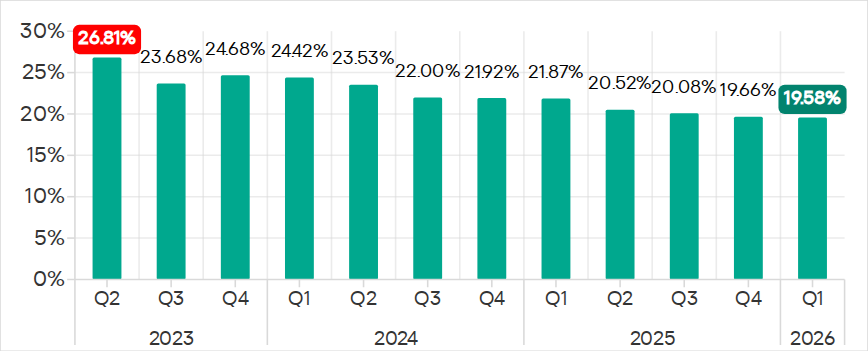
According to Kaspersky Security Network, the share of organizations affected by ransomware decreased in 2025 across all regions compared to 2024.

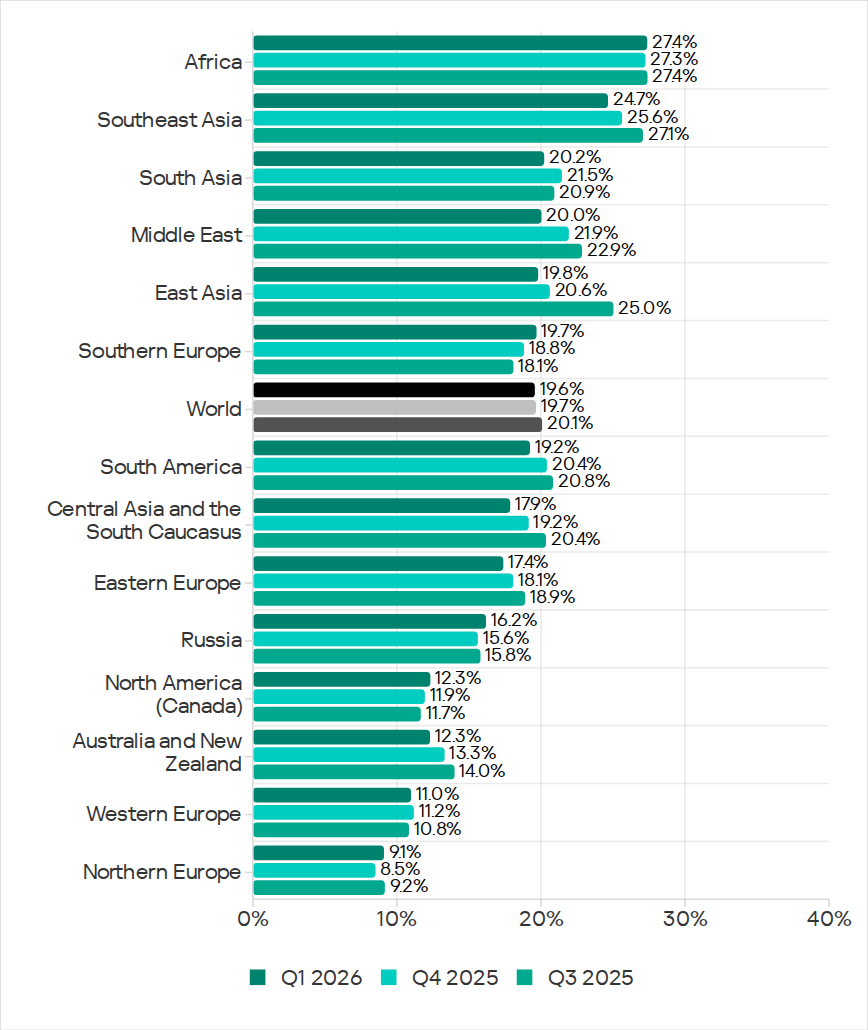
Percentage of organizations affected by ransomware attacks by region, 2025 (download)

Despite the formal decrease, organizations across all sectors continue to face a high likelihood of attack, as ransomware operators refine their tactics and scale their operations with increasing efficiency. Kaspersky and VDC Research have found that in the manufacturing sector alone, ransomware attacks may have caused over $18 billion in losses in the first three quarters of the year.

The continued rise of EDR killers and defense evasion tooling


In 2026, ransomware operators increasingly prioritize neutralizing endpoint defenses before executing their payloads. Tools commonly referred to as “EDR killers” have become a standard component of attack playbooks. This reflects a continuing trend toward more deliberate and methodical intrusions.

Attackers attempt to terminate security processes and disable monitoring agents, often by exploiting trusted components such as signed drivers. This technique is called Bring Your Own Vulnerable Driver (BYOVD) and allows adversaries to blend into legitimate system activity while gradually degrading defensive visibility.

Thus, evasion is no longer an opportunistic step but a planned and repeatable phase of the attack lifecycle. As a result, organizations are increasingly challenged not just to detect ransomware but also to maintain control in environments where security controls themselves are actively targeted.

The appearance of new families adopting post-quantum cryptography


We predicted that quantum-resistant ransomware would appear in 2025. Looking back at the previous year, we see that advanced ransomware groups indeed started using post-quantum cryptography as quantum computing evolved. The encryption techniques used by this quantum-proof ransomware could be used to resist decryption attempts from both classical and quantum computers, making it nearly impossible for victims to decrypt their data without having to pay a ransom.

One example is the appearance of the PE32 ransomware family (link in Russian); it leverages the cutting-edge ML-KEM (Module-Lattice-Based Key-Encapsulation Mechanism) standard to secure its AES keys. This specific cryptographic framework was recently selected by NIST as the primary standard for post-quantum defense.

Within the PE32 ransomware architecture, this is realized through the Kyber1024 algorithm, a robust mechanism providing Level 5 security, roughly equivalent in strength to AES-256. Its primary function is the secure generation and transmission of shared secrets between parties, specifically engineered to withstand future quantum computing attacks. This shift toward post-quantum readiness is part of a broader industry trend; for instance, TLS 1.3 and QUIC protocols have already adopted the X25519Kyber768 hybrid model, which fuses classical encryption with quantum-resistant security.

The shift to encryptionless extortion


In 2025, the share of ransoms paid dropped to 28%. As a response to this, one of the developments in the 2026 landscape is the growing prevalence of extortion incidents in which no file encryption takes place at all. Instead, attackers leave out the “ware” in “ransomware” and focus on extracting sensitive data and leveraging the threat of public disclosure as their primary means of extortion. ShinyHunters is an excellent example of such a group, using a data leak site to publicize its victims.

By avoiding encryption, attackers may aim at reducing the likelihood of immediate detection, shortening the duration of the attack, and eliminating dependencies on stable encryption routines. Often, this model is used alongside traditional tactics in so-called double extortion schemes, but an increasing number of campaigns rely exclusively on data theft.

For victims, this shift fundamentally changes the nature of the risk. While backups remain effective against encryption-based disruption, they provide no protection against data exposure, regulatory consequences, and reputational damage. Ransomware is therefore evolving from a business continuity issue into a broader data security and compliance challenge.

Industrialization of initial access (Access-as-a-Service)


The ransomware ecosystem continues to evolve toward a highly industrialized and specialized model, with initial access remaining as one of its most critical components. In 2026, many ransomware operators keep relying on IABs (initial access brokers), a network of intermediaries who supply pre-compromised access to corporate environments, aiming to no longer perform full intrusions themselves.

This “access-as-a-service” model is fueled by credential theft operations, and the widespread availability of compromised accounts harvested through infostealers and phishing campaigns.

The primary access vectors offered for sale have not changed: RDP, VPN, and RDWeb are still the top access vectors. Consequently, remote access infrastructure remains the primary attack surface for initial access sales. In response to the measures against public exposure of RDP access points to the internet, attackers are now targeting RDWeb portals, which are frequently vulnerable and occasionally inadequately safeguarded.

The result is a threat landscape where unauthorized access is increasingly commoditized, and the barrier to launching ransomware attacks declines. This means that preventing initial compromise is only part of the challenge; equal emphasis must be placed on detecting misuse of legitimate credentials and limiting lateral movement within already-breached environments.

Ransomware developments on the dark web


Telegram channels and underground forums increasingly function as platforms for the distribution and sale of compromised datasets and access credentials including those that were obtained as a result of ransomware attacks.

Advertisements posted on these resources typically include the nature of the access, a description of the exfiltrated or compromised data, price terms, and contact information for prospective buyers. In addition, some malicious actors mention their collaboration with other ransomware groups. Lesser-known gangs can use this name-dropping to promote themselves

Multiple threat actors not related to ransomware groups distribute datasets downloaded from ransomware blogs on underground forums and Telegram. By re-publishing download links and files, they spread compromised data as well as information on the ransomware attack within the community.

The ransomware itself is also sold or offered for subscription on the dark web platforms. The sellers underscore the uniqueness of their malware, as well as its encryption and defense evasion features.


Law enforcement actions


Law enforcement agencies are actively shutting down dark web platforms and ransomware data leak sites. A major underground forum, RAMP, which also functioned as a platform for threat actors to advertise their ransomware services and publish service‑related updates, was seized by authorities in January 2026. Another underground forum, LeakBase, where malicious actors distributed exfiltrated and compromised data, was seized in March 2026. In 2025, law enforcement agencies seized well-known forums like Nulled, Cracked, and XSS. Also in 2025, the DLSs of BlackSuit and 8Base ransomware groups were seized. These takedowns cause inconvenience to ransomware coordination, specifically for initial access brokers and affiliates, though similar forums are expected to fill the void over time.


Top ransomware groups in 2025


RansomHub’s sudden dormancy in 2025 marked a shift, and Qilin became the dominant player from Q2 onward. According to Kaspersky research, Qilin was the most active group executing targeted attacks in 2025.

Each group’s share of victims according to its data leak site (DLS) as a percentage of all reported victims of all groups during the period under review (download)

Qilin stands out as one of the fastest-growig and dominant RaaS platforms. Its combination of high-volume operations and structured affiliate model positions it as a central player in the current ecosystem.

Clop, the second most active group in 2025, is distinguished through its large-scale, supply-chain-style attacks, exploiting widely used file transfer and enterprise software to compromise hundreds of victims simultaneously. This one-to-many approach sets it apart from more traditional, single-target campaigns.

Third place is occupied by Akira, which remains notable for its consistency and operational stability, maintaining a steady stream of victims without major disruption. Its ability to sustain activity over time makes it one of the most reliable indicators of baseline ransomware threat levels.

Although no longer active, RansomHub stands out for its rapid rise and equally rapid disappearance in 2025, highlighting the volatility of the RaaS market. Its shutdown created a vacuum that significantly reshaped affiliate distribution across other groups.

DragonForce is also notable – not just for its own operations, but for its broader influence within the ransomware ecosystem, including reported involvement in infrastructure conflicts and possible links to the disruption of competing groups. Thus, the group claims that RansomHub “has moved to their infrastructure.” This positions it as more than just an operator and potentially an ecosystem-level actor.


New actors in 2026


While emerging actors generally operate on a smaller scale, they provide insight into the continuous churn and low barrier to entry within the ransomware ecosystem.

The Gentlemen group caught our attention in early 2026, as they managed to attack a significant number of victims over a short time. This actor is also notable for reflecting a broader shift toward professionalization and controlled operations within the ransomware ecosystem. Unlike many emerging groups that rely on opportunistic attacks and inconsistent leak activity, The Gentlemen demonstrate a more deliberate approach: structured intrusion workflows, selective targeting, and measured communication with victims. This signals a move away from chaotic, high-noise campaigns toward predictable, business-like execution models that are easier to scale and harder to disrupt. Their TTPs include the massive exploitation of hardware very common on big corporations, such as FortiOS/FortiProxy, SonicWall VPN, and Cisco ASA appliances. The group might be comprised of professional cybercriminals who left other prominent groups.

The group is also notable for its emphasis on data-centric extortion strategies, often prioritizing exfiltration and leverage over purely disruptive encryption. This aligns with one of the defining trends of 2026: ransomware evolving into a form of data breach monetization rather than just system denial. By focusing on controlled pressure and reputational risk instead of immediate operational damage, The Gentlemen exemplify how attackers are adapting to lower ransom payment rates and improved backup practices among victims.
Some other groups to take note of in 2026:

  • Devman appears to be an emerging actor with limited but growing activity, likely leveraging existing tooling rather than developing custom capabilities.
  • MintEye hasn’t been very active yet, with just five known victims, suggesting opportunistic campaigns without a consistent operational tempo.
  • DireWolf is associated with small-scale, targeted attacks, though its overall footprint remains relatively limited compared to larger RaaS groups.
  • NightSpire demonstrates characteristics of an amateur group, such as mistakes during its operations, uncommon communication channels with the victims, and sometimes giving them insufficient time to pay up. Although they both encrypt and leak data, they prioritize publication rather than encryption.
  • Vect shows low-volume activity. It is yet unclear whether they use a completely new codebase or are rather a rebrand of an existing group.
  • Tengu is a less prominent actor, with limited public reporting and no clear distinguishing tactics beyond standard extortion models.
  • Kazu appears to be created by ransomware operators previously engaged with multiple other groups. As of now, they don’t stand out for scale or technique.

Although there is little to say about these groups at the time of writing this report, each of them may be equally likely to disappear from the threat landscape or grow into a prominent threat. That’s why it’s important to track them from their early days. Moreover, collectively, these groups illustrate how dynamic the ransomware landscape is, with new entrants constantly replenishing it.

Conclusion and protection recommendations


Despite the growing effort by law enforcement agencies across the globe to seize and disrupt dark web platforms and threat actor infrastructures, ransomware operations remain stable, with new groups quickly taking the place of those who went silent. In 2026, we see a shift towards encryptionless extortion, with data leaks increasingly becoming the main threat to target organizations. At the same time, data encryption is also upgrading to the next level with the emergence of post-quantum ransomware.

To resist the evolving threat, Kaspersky recommends organizations:

Prioritize proactive prevention through patching and vulnerability management. Many ransomware attacks exploit unpatched systems, so organizations should implement automated patch management tools to ensure timely updates for operating systems, software, and drivers. For Windows environments, enabling Microsoft’s Vulnerable Driver Blocklist is critical to thwarting BYOVD attacks. Regularly scan for vulnerabilities and prioritize high-severity flaws, especially in widely used software.

Strengthen remote access: RDP and RDWeb connections should never be directly exposed to the internet, only through VPN or ZTNA (Zero Trust Network Access). It’s highly recommended to adopt multi-factor authentication on everything; the architecture may require continuous authentication for access, as one valid credential captured is enough to cause a breach. Monitoring the underground for stolen employee credentials is essential. Audit open ports across the entire attack surface. The adoption of the “Principle of Least Privilege” (PoLP), where users, systems, or processes are granted only the minimum access rights, such as read, write, or execute permissions, necessary to perform their specific job functions, is highly recommended.

Strengthen endpoint and network security with advanced detection and segmentation. Deploy robust endpoint detection and response solutions such as Kaspersky NEXT EDR to monitor for suspicious activity like driver loading or process termination. Network segmentation is equally important. Limit lateral movement by isolating critical systems and using firewalls to restrict traffic. Complete and immediate offboarding for employees is necessary as well as periodic permission reviews, with automatic revocation of unused access. Sessions with complete logging for privileged accounts are more than necessary. Monitoring the traffic divergence to new sites or even to legitimate endpoints can help the defenders to spot a new insider threat.

Invest in backups, training, and incident response planning. Maintain offline or immutable backups that are tested regularly to ensure rapid recovery without paying a ransom. Backups should cover critical data and systems and be stored in air-gapped environments to resist encryption or deletion. User education is essential to combatting phishing, which remains one of the top attack vectors. Conduct simulated phishing exercises and train employees to recognize AI-crafted emails. Kaspersky Global Emergency Response Team (GERT) can help develop and test an incident response plan to minimize potential downtime and costs.

The recommendation to avoid paying a ransom remains robust, especially given the risk of unavailable keys due to dismantled infrastructure, affiliate chaos, or malicious intent. By investing in backups, incident response, and preventive measures like patching and training, organizations can avoid funding criminals and mitigate the impact.

Kaspersky also offers free decryptors for certain ransomware families. If you get hit by ransomware, check to see if there’s a decryptor available for the ransomware family used against you.


securelist.com/state-of-ransom…