

EU adopts Digital Trade Agreement with Singapore despite warnings: a setback for digital rights and democratic oversight
The European Parliament has approved the EU–Singapore Digital Trade Agreement, rejecting a motion to seek a Court of Justice opinion on its legality. This decision weakens the Union’s capacity to safeguard privacy, data protection, and accountability over software systems, at a time when deregulation pressures are increasing across Europe.
The post EU adopts Digital Trade Agreement with Singapore despite warnings: a setback for digital rights and democratic oversight appeared first on European Digital Rights (EDRi).
Gazzetta del Cadavere reshared this.
Gipfel zur Digitalen Souveränität: Europa braucht den Mut, seine Souveränität zu teilen
netzpolitik.org/2025/gipfel-zu…

ICYMI: Clean Water, 2026 Conference
Nov. 17th – ICYMI, during our 11/16 meeting, the United States Pirate Party officially adopted Clean Water to our platform.
The issue of clean water first came up on March 4th when the Supreme Court ruled 5-4 that the Environmental Protection Agency (EPA) cannot limit sewage discharge into water, leaving the door open for cities to dump even more sewage into bodies of water.
Soon after, we released Pirates for Water, an entry of the Through the Spyglass series reaffirming the Pirate commitment to clean water.
As of yesterday’s meeting, it has officially been added to our platform. Pirates for water indeed.
Also of note: the 2026 Pirate National Conference will take place on June 6th, 2026, a date which marks 20 years of the US Pirate Party.
Instead of simply picking a location and choosing it, supporters have had the chance to suggest cities that would be brought to a wider vote.
After weeks of voting, we are finally down to twelve picks. This next week, supporters will vote in the first round to see who will face the Top Four seeds next week.

We have fun here.
Boston, MA, Providence, RI, Portland, OR and Vicksburg, MS are currently the standout choices and the cities who have received a first round bye.
If you are interested in being apart of the process, join our Discord server and make your voice heard.
It’ll be a on a boat, regardless of location.
😢


Sono morte le gemelle Kessler - Il Post
https://www.ilpost.it/2025/11/17/morte-gemelle-kessler/?utm_source=flipboard&utm_medium=activitypubPubblicato su News @news-ilPost

Poliversity - Università ricerca e giornalismo reshared this.
CrazyRDP takedown: quando l’hosting “bulletproof” mostra la corda
@Informatica (Italy e non Italy 😁)
C’è una regola non scritta, nel sottobosco digitale, che chi fornisce infrastrutture “bulletproof” – quelle che ignorano deliberatamente abuse report e richieste delle forze dell’ordine – siano in qualche modo intoccabili. Una certezza che, per molti cybercriminali, si è dissolta tra il
david_mcdavid reshared this.
La mano silenziosa di AppCloud: segnali di sorveglianza persistente sui dispositivi Samsung Galaxy
@Informatica (Italy e non Italy 😁)
Le recenti accuse relative alla preinstallazione dell’AppCloud di IronSource sugli smartphone Samsung Galaxy serie A e M, in particolare nella regione del Medio Oriente e Nord Africa (MENA), rappresentano più di un

I pod per senzatetto in Islanda
C'è un post che sta diventando virale su svariate piattaforme social, da Whatsapp a Facebook, da Instagram a TikTok; persino su Linkedin, che ormai sta diventando una fiera campionaria della bufala motivazionale.maicolengel butac (Butac – Bufale Un Tanto Al Chilo)
Garlasco, annullato il decreto di sequestro sui dispositivi del procuratore Venditti
[quote]BRESCIA – Nuovi sviluppi sul caso Garlasco. Su ricorso dell’avvocato Domenico Aiello, il Tribunale del riesame di Brescia ha annullato anche il secondo decreto di sequestro dei dispositivi, tra cui…
L'articolo Garlasco, annullato il decreto di sequestro sui
“La guerra è finita, perché non sono ancora tornati?”: Alla ricerca dei dispersi di Gaza
@Notizie dall'Italia e dal mondo
Oltre 11.000 palestinesi, per lo più donne e bambini, sono scomparsi dal 7 ottobre. I parenti non sanno se siano vivi o morti, se siano sotto le macerie o in prigione.
L'articolo “La guerra è finita, perché non sono ancora tornati?”:
Aiuti a Kiev e guerra ibrida: i temi al centro del Consiglio Supremo di Difesa (Il Fatto del giorno)
[quote]A cura di Roberto Abela
L'articolo Aiuti a Kiev e guerra ibrida: i temi al centro del Consiglio Supremo di Difesa (Il Fatto delhttps://www.lumsanews.it/ucraina-medio-oriente-e-guerra-ibrida-minacce-e-nuove-sfide-per-litalia-il-fatto-del-giorno/
Nessuno stato Palestinese: la via di Netanyahu.
noblogo.org/transit/nessuno-st…


Nessuno stato Palestinese: la via di Netanyahu.
(180)
La posizione del primo ministro israeliano Benjamin #Netanyahu e dei suoi governi rispetto alla nascita di uno stato palestinese è stata storicamente e sistematicamente di netta opposizione. Tale linea, consolidata nel corso di più mandati, si fonda su motivazioni di sicurezza, strategie politiche interne e supporto di alleati significativi come gli #USA, con uno specifico ruolo anche dell'Unione Europea, specialmente negli ultimi anni di conflitto e nella fragile tregua in atto.
Netanyahu si è sempre opposto in modo esplicito alla nascita di uno stato palestinese, sia in Cisgiordania che nella Striscia di Gaza, sostenendo che la creazione di tale entità comporterebbe gravi rischi per la sicurezza di Israele e porterebbe il territorio sotto l'influenza di Hamas e di altri gruppi considerati terroristici.
Nel corso dei decenni, il leader israeliano ha argomentato che l’origine del conflitto non dipende dall’assenza di uno stato palestinese, ma dall’opposizione all’esistenza stessa di Israele da parte di diverse parti palestinesi e arabe. Tale convinzione ha portato Netanyahu a promuovere politiche di isolamento dell’Autorità Nazionale Palestinese e al rafforzamento di Hamas a Gaza per mantenere la divisione tra i palestinesi: “Chi desidera ostacolare la nascita di uno stato palestinese deve sostenere il rafforzamento di #Hamas”, ha dichiarato in riunioni di partito.
A partire dal ritorno alla guida di #Israele nel dicembre 2022, il governo Netanyahu ha accentuato la sua opposizione a qualsiasi riconoscimento unilaterale di uno stato palestinese. Nel 2024, la Knesset ha votato formalmente contro la nascita di uno stato palestinese, definendo l’eventuale riconoscimento “un regalo al terrorismo”. Il primo ministro ha ottenuto il sostegno sia dai partiti di destra che da quelli centristi, consolidando una linea che respinge apertamente ogni diktat internazionale su tale questione. Parallelamente, sono state accelerate le operazioni militari a Gaza e l’espansione degli insediamenti in #Cisgiordania, rallentando o impedendo ogni serio negoziato di pace.
Gli Stati Uniti hanno storicamente sostenuto Israele anche rispetto al veto posto contro il riconoscimento di uno stato palestinese presso le Nazioni Unite. Nell’ultimo conflitto a #Gaza, Washington ha ripetutamente bloccato con il proprio veto risoluzioni ONU che chiedevano l’arresto delle ostilità e l’apertura agli aiuti umanitari, dichiarando che tali pressioni pianificate “indebolirebbero la sicurezza israeliana e rafforzerebbero Hamas”.
Tuttavia, segnali recenti indicano un leggero cambiamento: una parte del Congresso USA ha iniziato a proporre la risoluzione per il riconoscimento dello Stato palestinese, seppur senza concreto esito. La tregua attuale rimane estremamente fragile e subordinata alle dinamiche interne israeliane e alle pressioni internazionali, con il governo di Netanyahu che continua a minare la stabilità e i processi negoziali.
L’Unione Europea si è mostrata maggiormente incline a sostenere la “soluzione a due stati”, criticando apertamente la politica israeliana contemporanea. Tuttavia, la reale capacità d’influenza della #UE sulle scelte del governo israeliano rimane marginale, sia per le profonde divergenze interne alla stessa Europa che per il peso geopolitico degli Stati Uniti nelle politiche israeliane. La posizione della UE si limita spesso a dichiarazioni di principio e pressioni diplomatiche, risultando poco efficace nel condizionare gli sviluppi concreti sul campo.
L’opposizione di Netanyahu e del suo governo alla creazione di uno stato palestinese appare più radicata che mai nel contesto attuale. Le strategie di divisione interpalestinese, la retorica sulla sicurezza e la gestione della crisi di Gaza sono pilastri di questa immunità ai cambiamenti internazionali. Gli apparati di potere statunitensi e, in misura minore, europei, nonostante alcuni segnali di evoluzione, continuano a garantire una protezione diplomatica che rende difficile qualunque concreta attuazione della “soluzione a due stati”.#Israele vuole essere l’unico stato nella Palestina. Lo dice con le armi e la distruzione di ogni ragionevole ipotesi contraria.
#Blog #Israele #Palestina #USA #UE #Opinioni #Medioriente
Mastodon: @alda7069@mastodon.unoTelegram: t.me/transitblogFriendica: @danmatt@poliverso.orgBlue Sky: bsky.app/profile/mattiolidanie…Bio Site (tutto in un posto solo, diamine): bio.site/danielemattioli
Gli scritti sono tutelati da “Creative Commons” (qui)
Tutte le opinioni qui riportate sono da considerarsi personali. Per eventuali problemi riscontrati con i testi, si prega di scrivere a: corubomatt@gmail.com


Incubo Azzurro, la Norvegia travolge l’Italia. Il Mondiale resta un tabù (Il Fatto del Giorno)
[quote]A cura di Alessio Corsaro
L'articolo Incubo Azzurro, la Norvegia travolge l’Italia. Il Mondiale resta un tabù (Il Fatto del Giorno) su lumsanews.it/incubo-azzurro-la…
Gaza, il piano Trump al voto dell’Onu. Netanyahu: “Mai uno Stato palestinese”
[quote]NEW YORK – All’Onu approda il piano Usa per il futuro di Gaza, criticato nella notte dalle fazioni palestinesi di Hamas. Dal canto suo, il premier israeliano Benjamin Netanyahu ribadisce…
L'articolo Gaza, il piano Trump al voto dell’Onu. Netanyahu: “Mai uno Stato palestinese” su
Incubo azzurro, l’Italia travolta dalla Norvegia spera nei playoff. Gattuso fa mea culpa dopo le polemiche
[quote]MILANO – Nonostante la qualificazione ai playoff per i Mondiali 2026 fosse già matematicamente in tasca, la Nazionale di Gattuso ha fallito l’accesso diretto dopo la pesante sconfitta interna allo…
L'articolo Incubo azzurro,
Mattarella convoca il Consiglio Supremo di Difesa. Guerra ibrida al centro delle minacce all’Italia
[quote]ROMA – Gli attacchi ibridi della Russia in Europa, il sostegno all’Ucraina e l’attuazione del Piano di pace per Gaza voluto dagli Usa. Saranno questi i tre temi di politica…
L'articolo Mattarella convoca il Consiglio Supremo di Difesa.
Caso Epstein, Trump invita i repubblicani al voto: “Nulla da nascondere”
[quote]WASHINGTON – “I repubblicani dovrebbero votare per la pubblicazione dei documenti Epstein, perché non abbiamo nulla da nascondere ed è tempo di voltare pagina rispetto a questa bufala dei democratici…
L'articolo Caso Epstein, Trump invita i repubblicani al voto: “Nulla da nascondere” su
Cresce la tensione tra Cina e Giappone. Droni vicino Taiwan, Tokyo schiera i caccia
[quote]TAIWAN – Cresce la tensione in Asia. Dopo il sospetto avvistamento di un drone cinese sopra i cieli di Taiwan, il governo giapponese ha dichiarato di aver fatto decollare i…
L'articolo Cresce la tensione tra Cina e Giappone. Droni vicino Taiwan, Tokyo schiera i caccia su
Siani, il fratello Paolo 40 anni dopo: “La verità di Giancarlo non muore”
ROMA – A quarant’anni dall’omicidio del giornalista Giancarlo Siani, giovane cronista de Il Mattino ucciso dalla camorra il 23 settembre 1985, la sua memoria è più viva che mai. Il…
L'articolo Siani, il fratello Paolo 40 anni dopo: “La verità di Giancarlo non muore” su Lumsanews.
Eurallumina, operai in protesta a 40 metri d’altezza: “Governo sblocchi i fondi”
[quote]CARBONIA IGLESIAS – Una protesta a 40 metri d’altezza per chiedere il rilancio della fabbrica Eurallumina. È la decisione intrapresa dagli operai del polo industriale chiuso nel 2009 che dal…
L'articolo Eurallumina, operai in protesta a 40 metri d’altezza: “Governo sblocchi i
Un premio alla memoria di Maria Grazia Cutuli, giornalista uccisa in Afghanistan. Tra le vincitrici Maria Gianniti
[quote]CATANIA – Nel 1991 l’inviata del Corriere della Sera Maria Grazia Cutuli veniva barbaramente uccisa in Afghanistan. A distanza di 24 anni la sua memoria viene celebrata a Santa Venerina…
L'articolo Un premio
IA e protezione dei dati: ecco come applicare le linee guida EDPS per la gestione dei rischi
@Informatica (Italy e non Italy 😁)
Particolare attenzione deve essere posta su trasparenza, interpretabilità e spiegabilità del modello. L’organizzazione deve comprendere come l’IA prende le decisioni, quali fattori le influenzano e quali siano le motivazioni
TyL likes this.
Informatica (Italy e non Italy 😁) reshared this.
ECUADOR. Nuova Costituzione: bocciata la proposta di Daniel Noboa
@Notizie dall'Italia e dal mondo
L’intenzione del presidente di destra era quella di riscrivere una Carta costituzionale con una chiara matrice neoliberista e rivolta alle privatizzazioni
pagineesteri.it/2025/11/17/ame…
Notizie dall'Italia e dal mondo reshared this.
An Introduction to DC Motor Technology

[Thinking Techie] takes us back to basics in a recent video explaining how magnets, coils, brushed DC motors, and brushless DC motors work. If this is on your “to learn” list, or you just want a refresher, you can watch the video below. It’ll be ten minutes well-spent.
The video covers the whole technology stack behind the humble DC motor in its various incarnations. Starting with basic magnetic effects, it then proceeds through 2-wire brushed DC motors and finally into 3-wire brushless DC motors (BLDC motors).
It’s worth knowing that the 3-wires in a BLDC motor are for three power phases; they are not, as in an RC servo, positive, negative, and signal leads. But, confusingly, the BLDC motors in your PC fans do have positive, negative, and signal pins. But that’s because, like an RC servo, the fans have controllers built into the case.
Thanks to [Keith Olson] for writing in about this one. If you’d like to go deeper into BLDC controller tech, check out Take A Ride Through The Development Of A Custom BLDC Motor Controller and Moteus Open Source BLDC Controller Gets Major Upgrade.
youtube.com/embed/me6034BrwN8?…
Tor Browser 15.0.1: Risoluzione di Vulnerabilità Critiche e Miglioramenti
Il progetto Tor ha rilasciato Tor Browser 15.0.1, risolvendo le vulnerabilità di sicurezza critiche ereditate da Firefox 140.5.0esr.
Questa versione di manutenzione offre protezioni essenziali agli utenti attenti alla privacy che si affidano alla navigazione anonima.
Novità nella versione 15.0.1
L’aggiornamento include una revisione completa di Firefox 140.5.0esr, che incorpora patch di sicurezza essenziali dall’ultima versione di supporto esteso di Mozilla.
Tor Browser 15.0.1 è ora disponibile nella pagina ufficiale di download e nella directory di distribuzione di Tor Browser.
I miglioramenti principali includono aggiornamenti all’estensione NoScript (versione 13.4) e correzioni che risolvono diversi bug critici che influiscono sulle funzionalità principali.
La versione risolve i problemi di persistenza del livello di zoom, per cui le impostazioni di zoom predefinite vengono inaspettatamente ripristinate al 100%, una frustrazione comune per gli utenti con preferenze di ingrandimento specifiche.
Vulnerabilità di sicurezza corrette
L’aggiornamento include correzioni di sicurezza retroportate da Firefox ESR 145 e risolve otto vulnerabilità documentate identificate nel motore Firefox sottostante.
Si va da difetti ad alto impatto che incidono sul rendering grafico e sulle operazioni WebAssembly a problemi di gravità moderata riguardanti bypass delle policy e gestione della memoria.
Tutte le piattaforme beneficiano dell’aggiornamento dell’estensione NoScript e delle correzioni di bug. Gli utenti Windows, macOS e Linux beneficiano anche dell’integrazione con Firefox 140.5.0esr, con correzioni per il problema che compromette la visibilità del messaggio di aggiornamento nelle pagine about:tor.
Gli utenti Linux possono usufruire in particolare del ripristino dei font Noto CJK, della sostituzione dei font Jigmo meno leggibili e della risoluzione dei problemi di rendering dei font nella finestra di auto aggiornamento.
Gli utenti Android ora beneficiano di una gestione corretta del processo di aggiornamento delle estensioni, che in precedenza non veniva eseguito correttamente sui dispositivi mobili. GeckoView è stato aggiornato alla versione 140.5.0esr per adattarsi alle build desktop.
Il sistema di build ha ricevuto aggiornamenti di manutenzione, tra cui un aggiornamento della versione Go alla 1.24.10 sulle piattaforme Windows, Linux e Android.
I miglioramenti specifici per Android ottimizzano i processi di firma e zipalign, riducendo le operazioni ridondanti durante le build di rilascio.
Gli utenti possono scaricare Tor Browser 15.0.1 direttamente dal sito web ufficiale del Tor Project. Chi riscontra problemi o desidera nuove funzionalità è invitato a inviare feedback tramite il canale dedicato alla segnalazione dei bug sul portale di supporto Tor.
Il changelog completo documenta tutte le modifiche, compresi i miglioramenti al sistema di build interno, garantendo stabilità di manutenzione a lungo termine per il browser incentrato sulla privacy.
L'articolo Tor Browser 15.0.1: Risoluzione di Vulnerabilità Critiche e Miglioramenti proviene da Red Hot Cyber.
16 anni di Go: un linguaggio di programmazione innovativo e scalabile
Nel novembre 2025, il linguaggio di programmazione Go ha compiuto 16 anni. È stato rilasciato pubblicamente il 10 novembre 2009, come esperimento di Google per creare un linguaggio semplice e veloce per grandi sistemi distribuiti. Oggi è uno strumento chiave per lo sviluppo lato server moderno. L’attuale versione stabile ha raggiunto la versione 1.25.4 di Go, con patch di sicurezza regolari e miglioramenti al runtime e alla libreria standard.
L’idea di Go è nata all’interno di Google con Robert Griesemer, Rob Pike e Ken Thompson. Volevano un linguaggio che si compilasse quasi alla stessa velocità del C, ma che fosse anche simile in usabilità a Python e scalabile a basi di codice di grandi dimensioni e server multithread. Go 1.0 è stato rilasciato nel 2012 con una promessa pubblica: il codice scritto per la prima versione avrebbe continuato a essere sviluppato nelle versioni successive.
La compatibilità è stata effettivamente mantenuta nel corso degli anni, il che distingue significativamente Go da molti concorrenti e riduce i costi di supporto per progetti di lunga durata.
Negli ultimi 16 anni, Go è diventato più di un semplice linguaggio, ma uno standard de facto per le infrastrutture cloud. È alla base di Docker, Kubernetes, Terraform e Prometheus, gli strumenti che alimentano la stragrande maggioranza delle moderne piattaforme cloud e container. Tra il 2015 e il 2018 circa, Go si è affermato come la scelta principale per i microservizi e gli strumenti per container e, entro il 2024, è diventato uno dei linguaggi più utilizzati al mondo, in particolare nei servizi di intelligenza artificiale e nei dispositivi edge. Secondo una ricerca di JetBrains e SlashData, ci sono milioni di sviluppatori Go in tutto il mondo e, in classifiche come TIOBE e GitHub Octoverse, il linguaggio si posiziona costantemente tra i primi 10 ed è uno dei linguaggi open source in più rapida crescita e tra i client API.
Sebbene l’evoluzione del linguaggio sia proceduta senza intoppi, ci sono stati diversi punti di svolta. L’evento più significativo degli ultimi anni è stata l’introduzione dei generici in Go 1.18 nel 2022. Si è trattato del più grande aggiornamento sintattico nella storia del linguaggio, atteso con ansia dagli sviluppatori da molti anni.

Ora è possibile scrivere collection generiche e codice di utilità senza infiniti copia-incolla, mantenendo la semplicità che contraddistingue Go. Le versioni successive si sono concentrate meno sull’aspetto sorprendente e più sul perfezionamento di quanto già esistente. Go 1.22 e Go 1.23 hanno introdotto miglioramenti al compilatore e al linker, ottimizzazioni guidate dal profilo più efficaci, nuovi pacchetti iter e struct, timer e ticker rielaborati e aggiornamenti alle librerie di crittografia e networking, incluso il supporto per Encrypted Client Hello e schemi post-quantistici sperimentali in TLS.
Nel 2025, è stata rilasciata Go 1.25, che ha ulteriormente migliorato l’osservabilità e la containerizzazione: il runtime ora adatta automaticamente il numero di thread ai limiti della CPU, sono state introdotte una garbage collection sperimentale con pause più brevi e una modalità Flight Recorder per il tracciamento continuo con basso overhead, e la libreria standard ha acquisito strumenti per un test del codice simultaneo più pratico e una nuova versione di encoding/json.
Le statistiche della community mostrano che il linguaggio è entrato in una fase matura, ma rimane attraente. JetBrains classifica Go tra i linguaggi più promettenti secondo il Language Promise Index,e Stack Overflow lo classifica tra le tecnologie più “desiderate” e “rispettate”, con gli sviluppatori Go che guadagnano, in media, al di sopra della media del settore. Nel 2024, il team del linguaggio ha assistito a un cambio nella leadership tecnica: dopo l’uscita di Russ Cox, Austin Clements ha assunto il ruolo di responsabile tecnico generale e Cherry Mooy è ora responsabile del core di Go, sebbene la direzione dello sviluppo non sia cambiata. Il team continua a dare priorità alla stabilità, a modifiche accurate e a miglioramenti basati sulla telemetria e sui sondaggi degli utenti.
Nel suo sedicesimo anniversario, Go si presenta come un raro esempio di linguaggio “calmo” che non insegue l’hype, ma rafforza costantemente la sua posizione in aree in cui affidabilità, prevedibilità e facilità di manutenzione sono fondamentali. Per le aziende, questo significa la possibilità di sviluppare sistemi per anni a venire senza continue riscritture, e per gli sviluppatori, significa uno strumento chiaro e comprensibile che non enfatizza funzionalità di tendenza, ma piuttosto garantisce che la programmazione distribuita complessa rimanga un compito gestibile per i team tradizionali.
L'articolo 16 anni di Go: un linguaggio di programmazione innovativo e scalabile proviene da Red Hot Cyber.
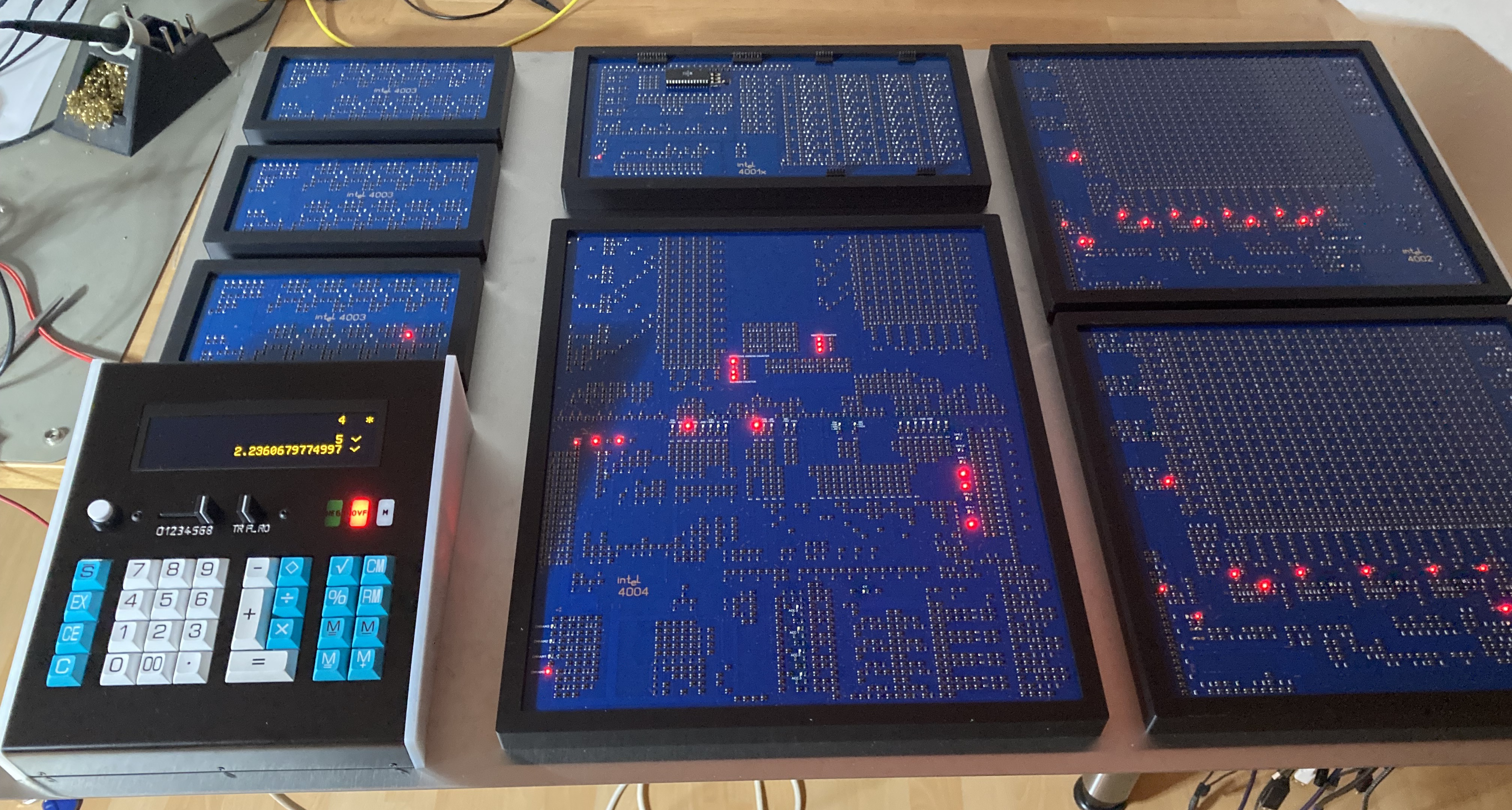
Supersized Calculator Brings the Whole Intel 4000 Gang Together

Though mobile devices and Apple Silicon have seen ARM-64 explode across the world, there’s still decent odds you’re reading this on a device with an x86 processor — the direct descendant of the world’s first civilian microprocessor, the Intel 4004. The 4004 wasn’t much good on its own, however, which is why [Klaus Scheffler] and [Lajos Kintli] have produced super-sized discrete chips of the 4001 ROM, 4002 RAM, and 4003 shift register to replicate a 1970s calculator at 10x the size and double the speed, all in time for the 4004’s 50th anniversary.
We featured this project a couple of years back, when it was just a lonely microprocessor. Adding the other MSC-4 series chips enabled the pair to faithfully reproduce the logic of a Busicom 141-PF calculator, the very first to market with Intel’s now-legendary microprocessor. Indeed, this calculator is the raison d’etre for the 4004: Busicom commissioned the whole Micro-Computer System 4-bit (MCS-4) set of chips specifically for this calculator. Only later, once they realized what they had made, did Intel buy the rights back from the Japanese calculator company, and the rest, as they say, is history.
Since its history, it belongs in a museum– and that’s where this giant, FET-based calculator is going. If you happen to be in Solothurn, Switzerland, you’ll be able to see it at a new history of technology exhibit opening at the Enter Museum in 2026. Do check out the write-up and links at 4004.com if you want to learn about this important piece of human history.
Hackaday Links: November 16, 2025

We make no claims to be an expert on anything, but we do know that rule number one of working with big, expensive, mission-critical equipment is: Don’t break the big, expensive, mission-critical equipment. Unfortunately, though, that’s just what happened to the Deep Space Network’s 70-meter dish antenna at Goldstone, California. NASA announced the outage this week, but the accident that damaged the dish occurred much earlier, in mid-September. DSS-14, as the antenna is known, is a vital part of the Deep Space Network, which uses huge antennas at three sites (Goldstone, Madrid, and Canberra) to stay in touch with satellites and probes from the Moon to the edge of the solar system. The three sites are located roughly 120 degrees apart on the globe, which gives the network full coverage of the sky regardless of the local time.
Losing the “Mars Antenna,” as DSS-14 is informally known, is a blow to the DSN, a network that was already stretched to the limit of its capabilities, and is likely to be further challenged as the race back to the Moon heats up. As for the cause of the accident, NASA explains that the antenna was “over-rotated, causing stress on the cabling and piping in the center of the structure.” It’s not clear which axis was over-rotated, but based on some specs we found that say the azimuth travel range is ±265 degrees “from wrap center,” we suspect it was the vertical axis in the base. It sounds like the azimuth went past that limit, which wrapped the swags of cables and hoses that run the antenna tightly, causing the damage. We’d have thought there would be a physical stop of some sort to prevent over-rotation, but then again, running a structure that big up against a stop would be very much an “irresistible force, immovable object” scenario. Here’s hoping they can get DSS-14 patched up quickly and back in service.
Speaking of having a bad day on the job, we have to take pity on these Russian engineers for the “demo hell” they went through while revealing the country’s first AI-powered humanoid robot. AIdol, as the bot is known, seemed to struggle from the start, doddering from behind some curtains like a nursing home patient with a couple of nervous-looking fellows flanking it. The bot paused briefly before continuing its drunk-walk, pausing again to deliver a somewhat feeble wave to the crowd before entering the terminal stumble and face-plant part of the demo. The bot’s attendants quickly dragged it away, leaving a pile of parts on the stage while more helpers tried — and failed — to deploy a curtain to hide the scene. It was a pretty sad scene to behold, made worse by the choice of walk-out music (Bill Conti’s iconic “Gonna Fly Now,” better known as the theme from Rocky).
youtube.com/embed/LyfCLRkXKYs?…
We just noticed that pretty much everything we have to write about this week has a “bad day at work” vibe to it, so to continue on with that theme, witness this absolutely disgusting restoration of a GPU that spent way too many years in a smoker’s house. The card, an Asus 9800GT Matrix, is from 2008, so it may have spent the last 17 years getting caked with tar and nicotine, along with a fair amount of dust and perhaps cat hair, from the look of it. Having spent way too much time cleaning TVs similarly caked with grossness most foul, we couldn’t stomach watching the video of the restoration process, but it’s available in the article if you dare.
And the final entry in our “So you think your job sucks?” roundup, behold the poor saps who have to generate training data for AI-powered domestic robots. The story details the travails of Naveen Kumar, who spends his workday on simple chores such as folding towels, with the twist of doing it with a GoPro strapped to his forehead to capture all the action. The videos are then sent to a U.S. client, who uses them to develop a training model so that humanoid robots can eventually copy the surprisingly complex physical movements needed to perform such a mundane task. Training a robot is all well and good, but how about training them how to move around inside a house made for humans? That’s where it gets really creepy, as an AI startup has partnered with a big real estate company to share video footage captured from those “walk-through” videos real estate agents are so fond of. So if your house has recently been on the market, there’s a non-zero chance that it’s being used to train an army of domestic robots.
And finally, we guess this one fits the rough-day-at-work theme, but only if your job is being a European astronaut, who may someday be chowing down on protein powder made from their own urine. The product is known as Solein — sorry, but have they never seen the movie Soylent Green? — and is made via a gas fermentation process using microbes, electricity, and air. The Earth-based process uses ammonia as a nitrogen source, but in orbit or on long-duration deep-space missions, urea harvested from astronaut pee would be used instead. There’s no word on what Solein tastes like, but from the look of it, and considering the source, we’d be a bit reluctant to dig in.
Poliversity - Università ricerca e giornalismo reshared this.

The Simplest Ultrasound Sensor Module, Minus the Module

Just about every “getting started with microcontrollers” kit, Arduino or otherwise, includes an ultrasonic distance sensor module. Given the power of microcontrollers these days, it was only a matter of time before someone asked: “Could I do better without the module?” Well, [Martin Pittermann] asked, and his answer, at least with the Pi Pico, is a resounding “Yes”. A micro and a couple of transducers can offer a better view of the world.
The project isn’t really about removing the extra circuitry on the SR-HC0, since there really isn’t that much to start. [Martin] wanted to know just how far he could push ultrasound scanning technology using RADAR signal processing techniques. Instead of bat-like chirps, [Martin] is using something called Frequency-Modulated Continuous Wave, which comes from RADAR and is exactly what it sounds like. The transmitter emits a continuous carrier wave with a varying frequency modulation, and the received wave is compared to see when it must have been sent. That gives you the time of flight, and the usual math gives you a distance.
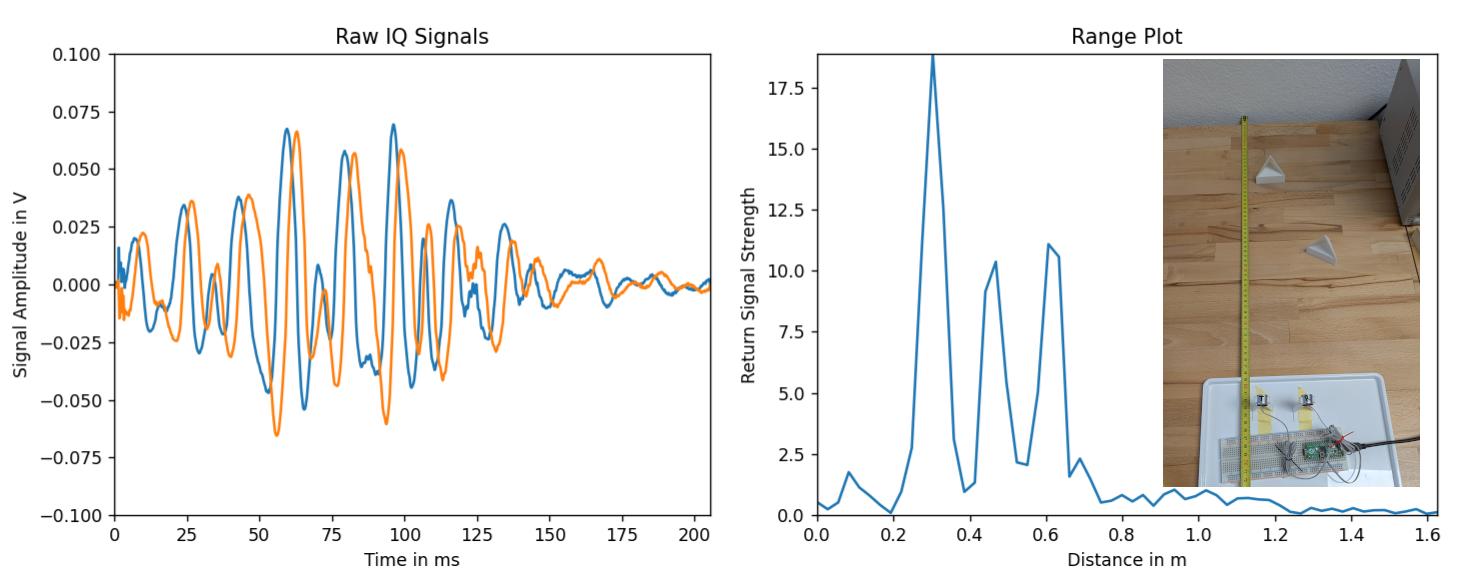
Since he’s inspired by RADAR, it’s no surprise perhaps that [Martin]’s project reminds us of SDR, and the write-up gets right into the signal-processing code. Does it work better than a chirping module? Well, aside from using fewer parts, [Martin] can generate a full range plot for all objects in the arc of the sensor’s emissions out to 4 meters using just the Pico. [Martin] points out that it wouldn’t take much amplification to get a greater range. He’s not finished yet, though — the real goal here is to measure wind speed, which means he’s going to have to go full Doppler. We look forward to it.
This isn’t the first time we’ve seen the Pico doing fun stuff at these frequencies, and Doppler RADAR is a thing hackers do, so why not ultrasound?
Google è pronta a lanciare Gemini 3.0: sarà davvero la svolta nella corsa all’AI?
Google si avvicina alla presentazione ufficiale di Gemini 3.0, il nuovo modello di intelligenza artificiale destinato a rappresentare uno dei passaggi più rilevanti nella strategia dell’azienda. Secondo quanto indicato internamente, il rilascio sarebbe imminente e programmato entro la fine dell’anno, come confermato dal CEO Sundar Pichai.
Negli ultimi giorni l’attenzione attorno al modello è cresciuta rapidamente. Su X e in diversi server Discord, alcuni appassionati di IA sostengono che Gemini 3 sia già in fase di test avanzatissimi, ipotesi alimentata dalla consueta modalità di sperimentazione riservata con cui Google prova spesso le sue tecnologie. L’interesse è stato ulteriormente amplificato dalla presenza del modello nei discorsi di analisti e addetti ai lavori, che lo considerano il prossimo banco di prova per valutare la capacità dell’azienda di tornare protagonista nella corsa all’intelligenza artificiale generativa.
Le aspettative sono elevate: Gemini 3 dovrebbe mostrare progressi significativi nella programmazione e nella produzione di contenuti multimediali. Tra le novità attese figura anche un aggiornamento di Nano Banana, lo strumento di Google dedicato alla creazione di immagini.
Il contesto in cui arriva questo lancio è particolarmente competitivo. Dall’uscita di ChatGPT alla fine del 2022, Google è stata spesso descritta come un gruppo costretto a rincorrere. La pressione ha portato a una riorganizzazione interna e all’integrazione accelerata dell’IA generativa nei prodotti principali dell’azienda. Negli ultimi mesi, però, i dati sembrano indicare una ripresa: l’utilizzo di Gemini è in crescita e il modello non ha inciso negativamente sul business pubblicitario, storicamente centrale per Google.
Per recuperare terreno, l’azienda ha fatto leva sul proprio vantaggio strutturale: oltre a sviluppare i modelli, dispone dell’infrastruttura cloud e dei canali di distribuzione necessari a integrarli rapidamente nei suoi servizi. Questo approccio le ha permesso di rimanere relativamente autonoma rispetto alla rete di alleanze sempre più fitta che caratterizza il settore.
La sfida più immediata resta il confronto con OpenAI, che quest’anno ha introdotto il nuovo ChatGPT 5, accolto con grande attenzione ma con un impatto inferiore alle aspettative. Secondo fonti citate da Business Insider, Gemini 3 sarebbe considerato “estremamente impressionante” da chi ha avuto modo di testarlo, tanto da poter rappresentare un’occasione concreta per Google di rialzare la testa e tornare a competere ai massimi livelli.
Resta tuttavia un ostacolo importante: il brand. ChatGPT continua a essere il nome più riconoscibile nel pubblico generalista, analogo al ruolo che “Google” ricopre nella ricerca web. Sebbene l’app Gemini abbia raggiunto 650 milioni di utenti attivi mensili, il servizio di OpenAI continua a mantenere una presenza superiore con circa 800 milioni di utenti settimanali. La diffusione crescente di Gemini tra gli utenti più giovani potrebbe contribuire a ridurre il divario, ma la distanza rimane significativa.
Le scelte compiute negli ultimi anni in materia di infrastrutture cloud, progettazione di chip e investimento nella ricerca sembrano ora iniziare a produrre risultati tangibili. Se Gemini 3 dovesse confermarsi all’altezza delle aspettative, Google potrebbe trovarsi nella posizione di rilanciare in modo deciso la propria corsa nell’intelligenza artificiale generativa.
L'articolo Google è pronta a lanciare Gemini 3.0: sarà davvero la svolta nella corsa all’AI? proviene da Red Hot Cyber.
The King of Rocket Photography

If you are a nerdy kid today, you have your choice of wondrous gadgets and time wasters. When we were nerdy kids, our options were somewhat limited: there was ham radio, or you could blow things up with a chemistry set. There were also model rockets. Not only were model rockets undeniably cool, but thanks to a company called Estes, you could find ready-to-go kits and gear that made it possible to launch something into the heavens, relatively speaking. But what about photographic proof? No live streams or digital cameras. But there was the Estes AstroCam 100. [Bill Engar] remembers the joy of getting film from your rocket developed.
Of course, photography was another nerdy kid staple, so maybe you did your own darkroom work. Either way, the Astrocam 110 was a big improvement over the company’s earlier Camroc. In 1965, if you wanted to fly Camroc, you had to cut a 1.5-inch piece of film in a darkroom and mount it just to get one terrible black-and-white photo. Or, you could buy the film canisters loaded if you had the extra money, which, of course, you didn’t.
You might think it would be easy to strap a consumer-grade camera to a model rocket. The problem is, the rocket is moving fast. A regular camera of the era would give you a nicely exposed blur, but that’s about it. You had to send your little 1.5-inch film to Estes, who would use special processing methods to account for the fast shutter speed.
By 1979, the company came out with the Astrocam, and it took a standard but small 110 film cartridge. This gave you lower resolution, but was easy to shoot, easy to develop, and — even better — in grainy ASA 400 color. By 1993, the camera had upgrades and could use 200-speed film.
[Bill] treats us to plenty of pictures of his boyhood neighborhood. He also mentions that you can still get 110 film if you look for it, so if you pick up a camera on eBay, you could still fly it. Or, 3D print the latest from Estes. If you want to mount some serious cameras, maybe try liquid fuel.

servizi editoriali a cura di MG
#editing #schede #pareri #ufficiostampa #curatele #lezioni #conferenze
reshared this
Max - Poliverso 🇪🇺🇮🇹
Unknown parent • •@zipidog
E in che modo chi assassina un assassino è migliore dell'assassino che ha assassinato?
Max - Poliverso 🇪🇺🇮🇹
Unknown parent • •@zipidog
Comunque con le condizioni di detenzione che abbiamo nelle carceri italiane devo dirti che la differenza morale tra chi rapisce e chi incarcera mi sembra sempre più sottile.
Max - Poliverso 🇪🇺🇮🇹
Unknown parent • •@zipidog
Ma io non discuto sull'errore giudiziario, io parto dall'idea che la persona sia la più colpevole del mondo, e che lo sia al di là di ogni dubbio.
C'è tutta questa differenza tra chi uccide un innocente e chi uccide un mostro? Io credo di no.