Cybersecurity & cyberwarfare ha ricondiviso questo.

"La peggiore fuga di dati a cui abbia mai assistito": l'agenzia statunitense per la sicurezza informatica lascia le sue chiavi digitali pubblicamente su GitHub.

Le password venivano memorizzate in chiaro in un repository pubblico di GitHub.
Il problema è stato finalmente risolto durante il fine settimana

gizmodo.com/the-worst-leak-tha…

@informatica

Cybersecurity & cyberwarfare ha ricondiviso questo.

Un museo virtuale di sistemi operativi (e applicazioni standalone) in esecuzione tramite emulazione, implementato come macchina virtuale Linux

È disponibile un launcher personalizzato indipendente dall'emulatore, con tutti i sistemi operativi e gli emulatori preinstallati e preconfigurati.
Sono inclusi anche i programmi di installazione dell'hypervisor e i collegamenti per eseguire la macchina virtuale su Windows, macOS e Linux.

virtualosmuseum.org/

@informatica

reshared this

Cybersecurity & cyberwarfare ha ricondiviso questo.

L'Iran chiede alle grandi aziende tecnologiche di pagare delle tariffe per i cavi internet sottomarini nello Stretto di Hormuz.

La rivendicazione iraniana su un punto di strozzatura sottomarino spinge le aziende tecnologiche statunitensi a utilizzare la fibra ottica via terra.

arstechnica.com/tech-policy/20…

@politica

Cybersecurity & cyberwarfare ha ricondiviso questo.

The media in this post is not displayed to visitors. To view it, please go to the original post.

Outsourcing your brain to corporations to stay competitive, then winding up a homeless, controlled cog... It's a rough cyberpunk reality, in my game, Neofeud 2! store.steampowered.com/app/461…
silverspook.itch.io/neofeud2
#gamedev #indiedev #visualnovel #art #artist #indiegame #cyberpunk #Noai #scifiart #humanmade

reshared this

in reply to Silver Spook Games

The media in this post is not displayed to visitors. To view it, please go to the original post.

"A storyline worthy of a William Gibson novel... If you like story driven pnc adventures and cyberpunk, then you will like this game," --Neofeud reviewer on Steam Neofeud store.steampowered.com/app/673… #indiegames #SteamDeck #noai #cyberpunk #steam #indiegame #scifi #scifiart #retrogame
Cybersecurity & cyberwarfare ha ricondiviso questo.

#Microsoft dismantled #malware-signing network #Fox #Tempest
securityaffairs.com/192391/cyb…
#securityaffairs #hacking
Cybersecurity & cyberwarfare ha ricondiviso questo.

Non esistono prove scientifiche a sostegno di un divieto generalizzato dei social media per i minori

Lo hanno affermato i ricercatori alla conferenza digitale re:publica. Persino molti sostenitori di tale divieto dubitano della sua efficacia. I primi dati provenienti dall'Australia suggeriscono perché questo scetticismo sia giustificato.

netzpolitik.org/2026/social-me…

@privacypride

How Pulse Oximetry Figures Out Your Blood Oxygen Levels


The media in this post is not displayed to visitors. To view it, please log in.

If you’ve ever had a medical team investigating cardiac issues, you’ve probably had a bunch of electrodes stuck all over your chest and been hooked up to an electrocardiogram. This is the gold standard when it comes to understanding electrical activity in the heart and can diagnose a great many conditions. However, sometimes doctors just need the basic information—your pulse rate, and whether or not there’s actually any oxygen in your blood.

Thankfully, there’s a cheap and simple device that can offer that exact information. It’s the pulse oximeter, and it’s a key piece of equipment that’s just about vital for monitoring vitals. Let’s learn how it works!

Pump It


If you’re unfamiliar with pulse oximeters, they’re that little plastic thing that clips on your finger at the doctor’s office. The device places two LEDs on one side of your finger, and a photodiode on the other. With just these simple components, it’s possible to determine the percentage of your blood’s hemoglobin that is currently carrying oxygen. It’s also possible to discern pulse rate, which also comes in handy when you’re trying to determine a patient’s current status at a glance.
A pulse oximeter is a small device typically worn on the finger. This example feeds a signal to a remote display, while some units will put the screen directly on the finger clamp itself. Credit: UusiAjaja, CC0
Pulse oximetery was the brainchild of Takuo Aoyagi, an electrical engineer at Nihon Kohden in Tokyo. In 1972 he was working on a non-invasive way to measure cardiac output using the dye dilution method, which involves injecting a tracer dye and watching how its concentration in the blood decays over time. He was reading that decay optically through an ear oximeter. These devices used red and infrared light passed through the ear tissue to determine blood oxygen levels, but required frustrating calibration to work properly and often required fussy steps like first squeezing blood out of the tissues prior to measurement. The problem was that early oximeters worked based on the total absorption of light, and were affected by things like the skin, tissue, and venous blood, when really the goal was to measure the oxygen levels in the arterial blood itself.

As Aoyagi worked with the device, he noted that the patient’s pulse kept showing up as an annoying ripple in the output. He spent some effort trying to cancel that ripple by balancing red and infrared signals against each other. Then he noticed that when a patient’s oxygen saturation dropped, the cancellation fell apart. This led to the realization that the ratio of how much red and infrared light was absorbed could be used to determine the oxygen saturation of the arterial blood.
Oxyhemoglobin and deoxyhemoglobin absorb red and infrared light at different rates. Measuring the ratio of each wavelength of light transmitted through the arterial blood allows the oxygen saturation to be calculated. Credit; Cmglee, CC BY SA 4.0
It all comes down to the nature of blood itself. Hemoglobin comes in two flavours relevant here: oxyhemoglobin, which is carrying an O₂ molecule, and deoxyhemoglobin, which isn’t. They are different colours, which is why arterial blood is bright red and venous blood is darker. They absorb light differently, to the point that it’s actually clinically useful. At a wavelength of 660 nm (red)—deoxyhemoglobin absorbs noticeably more light than its oxygenated cousin. At around 940 nm (near-infrared), oxyhemoglobin absorbs more. Almost every pulse oximeter uses these two wavelengths; both penetrate tissue quite easily, and it’s easy to find LEDs that spit out these wavelengths.

Reading the blood oxygen level is relatively straightforward. The device will typically alternate the two LEDs on and off, many times a second, also including a third phase with both off so the photodiode can subtract out ambient room light as well. The photodiode sees light that has passed through an entire finger, including the skin, bone, fat, as well as the venous and arterial blood. Most of that doesn’t change from second to second, but the arterial blood does, with every pump of the heart. Thus, when sampling light from the infrared and red LED pulses, the photodiode puts out a signal that’s mostly a continuous level from light passing through the finger, with a little wiggly bit on top that throbs at a human pulse rate. That’s due to the pulsing of the arterial blood, and the frequency can be used to measure pulse rate. Meanwhile, the continuous component is removed by subtracting the trough of both the infrared and red signals from the peak, which solely leaves the component of light absorption due to the fresh arterial blood itself.
The inside of a pulse oximeter sensor. Note the red LED and IR LED on one side, and the photodiode on the other. This design transmits light through the finger, though reflective approaches can also work. Credit: Eliran t, CC BY-SA 4.0
The level of oxygenation in the arterial blood itself can then be measured by comparing the ratio of red to infrared light picked up in this part of the signal. The light ratio is converted into an human-parseable number via a lookup table, based on the Beer-Lambert law of concentration of substances in a solution. The displayed number is flagged as “SpO₂.” The “p” stands for “peripheral,” to indicate it’s an optical measurement rather than determined directly with blood-gas measurement techniques. This distinction is important, as there are a range of conditions under which pulse oximetry readings can be inaccurate. At a very base level, pulse oximeters can get confused if a patient is moving while wearing the device, which makes the pulsatile signal itself less clear. The device also cannot tell carboxyhemoglobin from oxyhemoglobin, because they absorb light very similarly at 660 nm. Carboxyhemoglobin is the result of carbon monoxide entering the blood, so a smoke inhalation victim can display a high apparent SpO₂ figure while their blood is carrying very little oxygen. Nail polish and skin tone can impact the amount of light transmitted through the finger, impacting readings, while limited bloodflow to the fingers can also frustrate things.

It may not be perfect, but pulse oximetry is nevertheless very useful a lot of the time. It enables medical teams to get a near-instant look at a patient’s most vital signs in a completely non-invasive manner. The use of this technology has revolutionized both emergency care and surgery, where it has played a huge role in patient monitoring under anaesthesia. Plus, the simplicity of the device has made this critical medical insight accessible to anyone that can afford a $20 device with a few LEDs and a photodiode in it. It’s now even possible to track your oxygen saturation during sleep with an off-the-shelf smartwatch due to developments from this technology, helping aid in the diagnosis of complex conditions like sleep apnea. All because blood tends to pass light a little differently depending on how oxygenated it is. Sometimes you have to thank nature for those little conveniences.


hackaday.com/2026/05/19/how-pu…

Cybersecurity & cyberwarfare ha ricondiviso questo.

Paperweight è un'applicazione desktop open-source, pensata per l'utilizzo locale che analizza la tua casella di posta per mappare la tua impronta digitale e a riprendere il controllo e a eliminare i tuoi dati.

Cosa fa:
- Inventario degli account: mappa tutte le aziende che ti hanno mai contattato via email, con classificazione dei rischi e raccomandazioni sulle azioni da intraprendere.
- Annullamento iscrizione in blocco: trova e annulla l'iscrizione a tutte le liste di marketing e di distribuzione (automatico RFC 8058 ove supportato).
- Avvisi di violazione: ricevi notifiche quando un'azienda con cui sei stato in contatto subisce una violazione dei dati (tramite HaveIBeenPwned).
Richieste GDPR
- Genera richieste GDPR precompilate in diverse lingue

paperweight.email/

@privacypride

Cybersecurity & cyberwarfare ha ricondiviso questo.

Triple Lutz, In the Hands of an Angry Mob: il rumore prima della spiegazione

I Triple Lutz non sembrano interessati a rendere la rabbia presentabile.
Su IYEzine abbiamo recensito In the Hands of an Angry Mob, debutto della band punk di Portland in uscita il 26 giugno per SBÄM Records: otto brani brevi, nervosi, attraversati da hardcore, sarcasmo politico e tensione collettiva.
Dentro ci sono anche “Don’t Wake Daddy”, con un video ispirato a The Warriors, e “Slumlord Millionaire”: due anticipazioni di un disco che non prova a spiegare il rumore, ma a usarlo come forma del discorso.
Recensione completa su IYEzine.

iyezine.com/triple-lutz/

Cybersecurity & cyberwarfare ha ricondiviso questo.

The media in this post is not displayed to visitors. To view it, please go to the original post.

The Ontario Police got a court authorization to use spyware (they call it “on‑device investigative tool” or ODIT) to investigate a car theft ring.

We need more of these cases to be public. Keeping the use of spyware secret is not doing authorities any favors. This is taxpayer's money at work, and being so invasive, there needs to be checks and balances, and a public discussion.

If we only see the abuses, which there have been many, we can't have a serious and fair debate about the use of spyware.

thestar.com/news/ontario/ontar…

Questa voce è stata modificata (1 mese fa)
Cybersecurity & cyberwarfare ha ricondiviso questo.

The media in this post is not displayed to visitors. To view it, please go to the original post.

Passkey in Microsoft Entra ID: perché l’enforcement con Conditional Access è fondamentale
#tech
spcnet.it/passkey-in-microsoft…
@informatica


Passkey in Microsoft Entra ID: perché l’enforcement con Conditional Access è fondamentale


Introduzione: le passkey non bastano da sole


Le passkey rappresentano uno dei passi più significativi nell’evoluzione dell’autenticazione moderna. Basate sullo standard FIDO2, eliminano le password tradizionali sostituendole con coppie di chiavi crittografiche legate al dispositivo e all’identità biometrica dell’utente. Su Microsoft Entra ID, abilitare le passkey è diventato relativamente semplice — il vero problema emerge subito dopo: abilitarle non significa renderle obbligatorie.

Molte organizzazioni configurano le passkey come metodo di autenticazione disponibile e si fermano lì, convinte di aver rafforzato significativamente la loro postura di sicurezza. In realtà, senza un enforcement esplicito tramite Conditional Access, l’utente può ancora scegliere di autenticarsi con password e SMS — esattamente come prima. Questo scenario introduce un rischio spesso sottovalutato: il downgrade attack.

Cos’è un downgrade attack nel contesto dell’autenticazione


Un downgrade attack, nell’ambito dell’autenticazione, non è un attacco sofisticato nel senso tradizionale del termine. È semplicemente la possibilità di utilizzare un metodo di autenticazione meno sicuro rispetto a quello ideale. Dal punto di vista dell’utente, si manifesta come il familiare link “Accedi in un altro modo” nella schermata di login di Microsoft.

Gli attaccanti dispongono di toolkit avanzati — come Evilginx2 o strumenti analoghi — capaci di rilevare automaticamente quali metodi di autenticazione sono disponibili per un determinato account. Se il sistema accetta password + SMS come alternativa alla passkey, l’attaccante sfrutterà il percorso più debole. La passkey registrata diventa di fatto irrilevante dal punto di vista della sicurezza pratica.

Il problema non è tecnico, è organizzativo: manca il tassello dell’enforcement. Ed è qui che entra in gioco Conditional Access insieme alle Authentication Strengths.

Authentication Strengths: il fondamento dell’enforcement


Microsoft Entra ID offre il concetto di Authentication Strength come meccanismo per specificare non solo che si richiede la MFA, ma quali specifici metodi sono accettati. Esistono tre Authentication Strengths predefinite:

  • Multifactor authentication — la più permissiva, accetta password + qualsiasi secondo fattore (incluso SMS)
  • Passwordless MFA — richiede metodi senza password, come Windows Hello o Microsoft Authenticator
  • Phishing-resistant MFA — la più restrittiva, accetta solo certificati, Windows Hello for Business, passkey FIDO2

Il problema è che la maggior parte delle organizzazioni usa ancora la prima categoria — quella meno restrittiva. Alcune sono migrate dalla vecchia grant control “Require MFA”, ma si sono fermate al livello base. Usare Phishing-resistant MFA come Authentication Strength è già un passo corretto, ma la vera potenza arriva con le Custom Authentication Strengths.

Custom Authentication Strengths: controllo granulare


Le Authentication Strengths personalizzate permettono di specificare esattamente quali metodi sono ammessi, incluso il vincolo a specifici tipi di passkey tramite gli AAGUID (Authenticator Attestation GUID). Ogni tipo di passkey certificata — YubiKey 5C NFC, Google Titan, Microsoft Authenticator su iOS — ha il proprio AAGUID. Limitare l’accesso a specifici AAGUID garantisce che solo i dispositivi approvati dall’organizzazione possano autenticarsi.

Questo livello di granularità è particolarmente importante per gli account amministrativi, dove il rischio di compromissione è massimo.

Configurare la policy Conditional Access di baseline


Il punto di partenza consigliato è una policy di Conditional Access che prenda di mira un gruppo pilota di utenti che hanno già registrato una passkey. La policy deve:

  1. Essere creata inizialmente in modalità report-only per monitorare l’impatto senza bloccare gli accessi
  2. Targetizzare un security group contenente gli utenti del pilota
  3. Usare la grant control “Require authentication strength” con l’Authentication Strength appropriata
  4. Essere attivata in produzione solo dopo aver verificato i log di accesso e confermato che tutti gli utenti del gruppo hanno una passkey funzionante

Man mano che più utenti registrano le passkey, il gruppo viene espanso. Questo approccio graduale riduce il rischio di lockout e costruisce fiducia nelle varie business unit.

Account amministrativi: requisiti più stringenti


Gli account privilegiati richiedono una policy separata e più restrittiva. Le considerazioni principali sono:

  • Creare una Custom Authentication Strength dedicata agli amministratori che accetti solo passkey specifiche (con AAGUID approvati)
  • La policy Conditional Access per gli admin deve targetizzare esclusivamente le identità amministrative
  • Aggiungere condizioni supplementari: accesso solo da reti trusted, dispositivi compliant o hybrid-joined
  • Mantenere policy separate per accessi admin e utenti standard: facilita il troubleshooting e riduce la complessità

Un pattern comune negli ambienti Entra è la mancanza di protezioni specifiche per gli account amministrativi. Spesso questi account non hanno policy Conditional Access dedicate, o le policy esistenti si basano su MFA generica anziché su metodi phishing-resistant. Gli account amministrativi sono il bersaglio primario degli attaccanti: una compromissione a questo livello equivale a una compromissione del tenant.

Come usare i Sign-in Logs per verificare l’efficacia


Una volta attivate le policy in report-only, i log di accesso di Entra ID mostrano il risultato teorico della policy per ogni accesso. Per ogni evento di login è possibile vedere quale Authentication Strength è stata valutata, se l’accesso avrebbe soddisfatto i requisiti e quale metodo è stato effettivamente utilizzato.

Filtrando per gli utenti del gruppo pilota è possibile identificare chi ancora non ha registrato una passkey o chi tenta di usare metodi alternativi. Questo permette un’azione proattiva prima di attivare la policy in enforcement completo.

Conclusione: l’enforcement è dove il valore si manifesta


Le passkey sono una tecnologia potente e in rapida evoluzione, soprattutto nell’ecosistema Microsoft. Ma la loro efficacia dipende interamente dall’enforcement. Distribuire passkey senza Conditional Access che ne imponga l’uso equivale a blindare la porta principale lasciando le finestre aperte.

La sequenza corretta è: abilitare le passkey → creare le Custom Authentication Strengths appropriate → configurare le Conditional Access policy in report-only → espandere gradualmente il gruppo → attivare l’enforcement. Gli account amministrativi richiedono attenzione immediata e policy separate con requisiti più stringenti, incluso il binding a AAGUID specifici.

In un contesto di minacce sempre più sofisticate — con phishing kit come Tycoon 2FA che aggirano la MFA tradizionale — i metodi phishing-resistant non sono più un’opzione premium: sono il requisito minimo per chi gestisce identità critiche nel cloud Microsoft.


Fonte: Passkeys Aren’t Enough: Why Enforcement Matters in Entra ID — Petri IT Knowledgebase, Brandon Colley (TrustedSec)


Cybersecurity & cyberwarfare ha ricondiviso questo.

NEW: Hackers have compromised dozens of open source packages in the latest salvo in a relentless and massive supply chain hacking campaign.

According to one cybersecurity firm, the hackers released over 630 malicious versions across 317 packages in about 20 minutes.

techcrunch.com/2026/05/19/hack…

Biofeedback Butterfly Beats With a Pulse


The media in this post is not displayed to visitors. To view it, please log in.

Biofeedback is the idea of making one conscious of a biological process or feature, and then using this to try and exert control over the very same. [Mariia Hruntes] demonstrates this ably with a fluttering build of her own design.

In this case, the biological process being made clear is that of the user’s heartbeat. This is tracked with a MAX30102 pulse oximetry sensor, which can be used to measure both heart rate and blood oxygen levels if so desired. It’s hooked up to an Arduino Uno, which polls for pulse rate data, and then actuates an SG90 micro servo in turn. This operates the wings of a 3D printed butterfly, such that they flap in pace with the wearer’s pulse. The goal is to observe this, and then try and calm one’s self to relax and slow the flapping through the power of the mind.

It’s a simple build, but one that clearly demonstrates the concepts of biofeedback in action. We’ve seen similar principles applied to everything from aiding sleep to improving the practice of mediation. If you’re working on your own neat biofeedback project, be sure to let us know on the tipsline.


hackaday.com/2026/05/19/biofee…

JobStealer colpisce macOS e Windows e ruba dati personali con falsi colloqui di lavoro online


@Informatica (Italy e non Italy)
È stata identificata una nuova campagna malware che sta prendendo di mira sia utenti macOS sia utenti Windows con il trojan JobStealer nascosto in piattaforme fraudolente che imitano servizi professionali utilizzati per

The media in this post is not displayed to visitors. To view it, please log in.

QLNX: il nuovo implant Linux silenzioso che saccheggia la supply chain del software


@Informatica (Italy e non Italy)
Trend Micro ha scoperto Quasar Linux RAT (QLNX), un sofisticato implant Linux mai documentato in precedenza che prende di mira sviluppatori e ambienti DevOps. Capace di esecuzione fileless, doppio rootkit LD_PRELOAD + eBPF e furto sistematico di


QLNX: il nuovo implant Linux silenzioso che saccheggia la supply chain del software


Si parla di:
Toggle

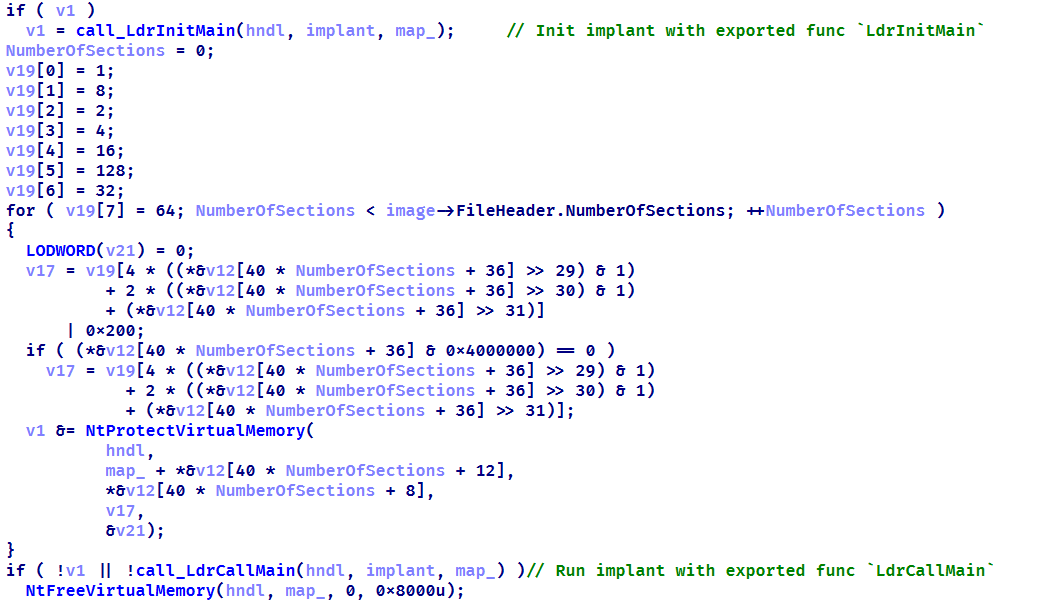
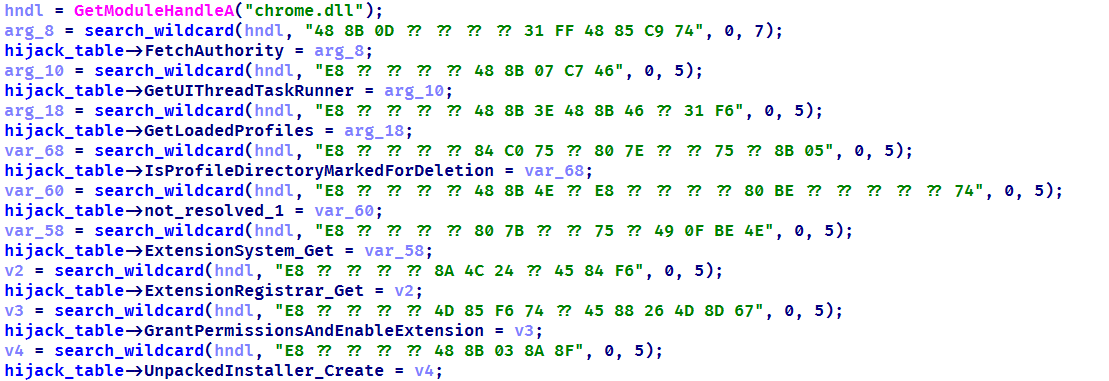
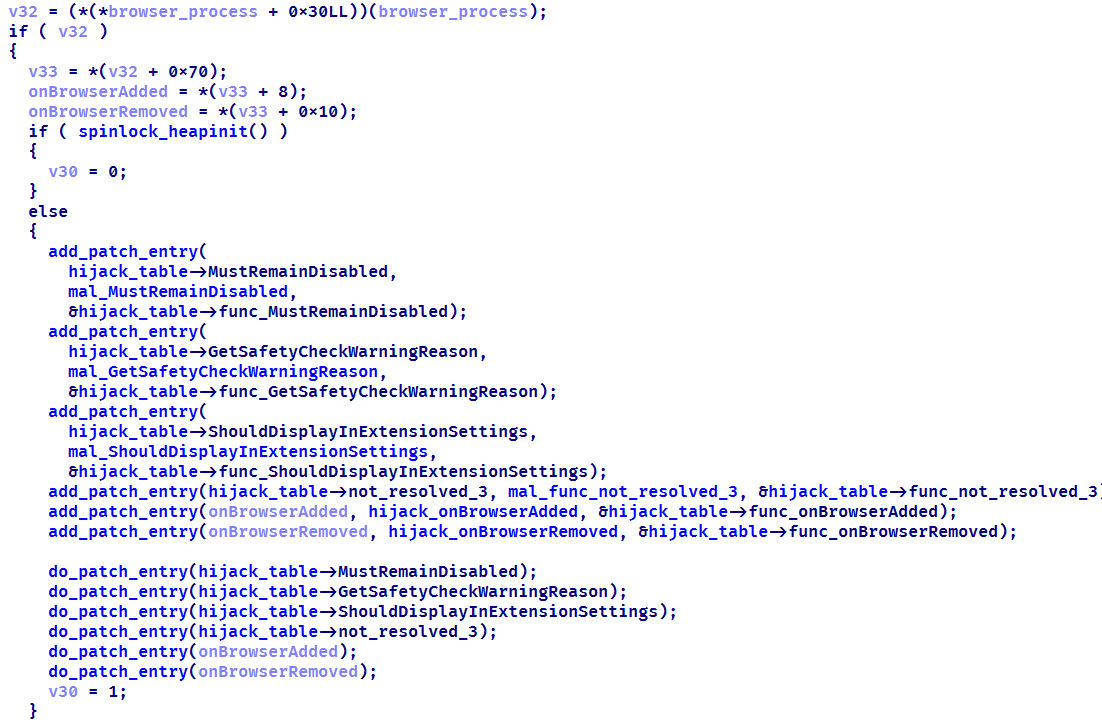
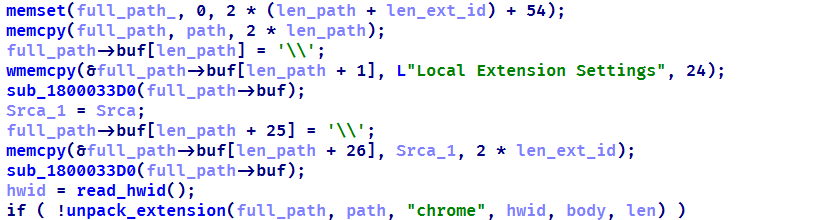
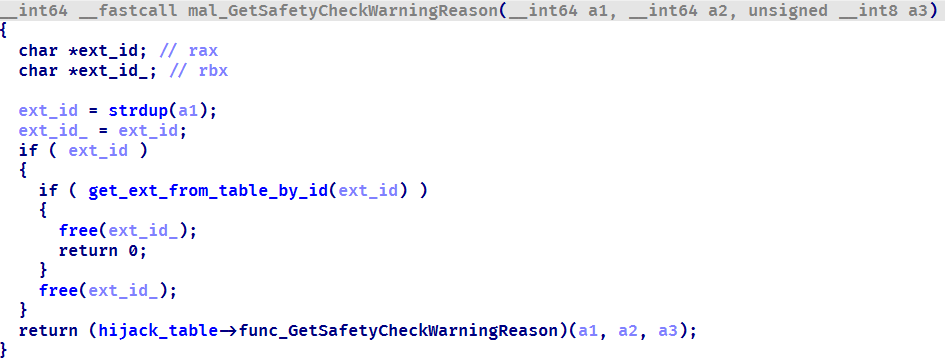
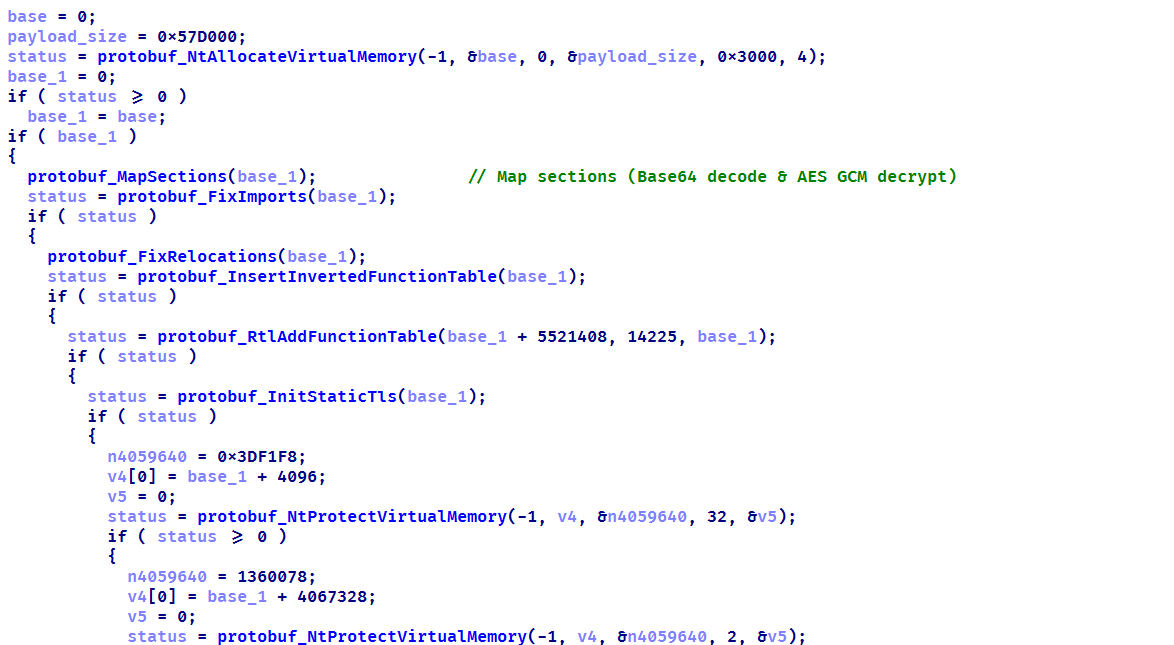
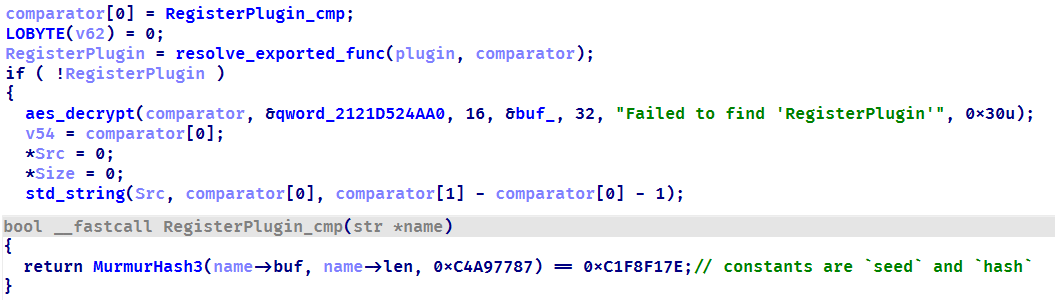
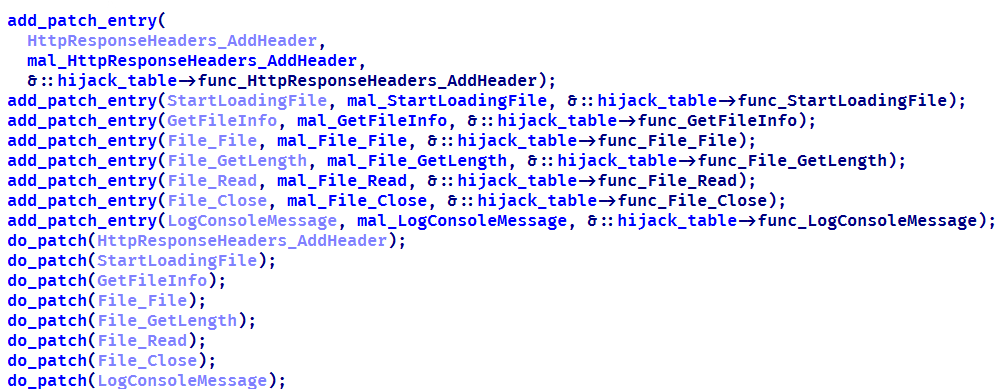
Un nuovo implant Linux mai documentato prima — denominato Quasar Linux RAT (QLNX) — sta prendendo di mira sviluppatori e ambienti DevOps con l’obiettivo di appropriarsi silenziosamente delle credenziali più preziose del ciclo di sviluppo software: token npm, PyPI, AWS, Kubernetes, GitHub e molto altro. La scoperta, opera dei ricercatori Aliakbar Zahravi e Ahmed Mohamed Ibrahim di Trend Micro, descrive uno strumento che non si limita ad essere un semplice trojan di accesso remoto, ma una piattaforma di spionaggio industriale progettata per persistere, nascondersi e colpire l’intera supply chain del software.

Cosa rende QLNX diverso dagli altri RAT Linux


A differenza di molti implant Linux che puntano sulla semplicità, QLNX è costruito come una piattaforma d’attacco coerente e modulare. Il suo punto di forza non sta in una singola tecnica innovativa, ma nell’integrazione armoniosa di più capacità offensive che si concatenano in un flusso d’attacco preciso: arriva, cancella le tracce dal disco, si radica con sei meccanismi ridondanti, si nasconde sia a livello userspace che kernel, e infine raccoglie sistematicamente le credenziali che contano davvero.

Il malware esegue filelessly dalla memoria, mascherandosi da thread del kernel attraverso nomi come kworker o ksoftirqd — nomi che ogni amministratore di sistema Linux incontra quotidianamente nei propri processi. Questo lo rende praticamente invisibile a una normale ispezione manuale. È inoltre in grado di profilare l’host per rilevare ambienti containerizzati, cancellare i log di sistema e stabilire persistenza attraverso non meno di sette metodi diversi, tra cui systemd, crontab e shell injection nel file .bashrc.

Un harvester di credenziali pensato per la supply chain


Il componente di furto credenziali di QLNX è ciò che lo rende particolarmente pericoloso per l’ecosistema open source. Il malware estrae sistematicamente segreti da un elenco preciso di file ad alto valore per uno sviluppatore:

File target di QLNX per il furto credenziali:

.npmrc              → Token di pubblicazione npm
.pypirc             → Credenziali PyPI
.git-credentials    → Credenziali Git
.aws/credentials    → Chiavi di accesso AWS
.kube/config        → Credenziali Kubernetes
.docker/config.json → Autenticazione Docker Registry
.vault-token        → Token HashiCorp Vault
.env                → Variabili d'ambiente con segreti
**/terraform.tfvars → Credenziali Terraform
GitHub CLI tokens   → Token di accesso GitHub

Il rischio non è solo per lo sviluppatore compromesso: un attore che ottiene accesso a uno di questi token può pubblicare pacchetti malevoli su npm o PyPI, accedere all’infrastruttura cloud o muoversi lateralmente attraverso pipeline CI/CD. È esattamente il meccanismo che ha consentito attacchi supply chain devastanti in passato, come l’operazione TeamPCP che ha colpito oltre 160 pacchetti npm e PyPI nelle scorse settimane.

Architettura rootkit a doppio livello: LD_PRELOAD + eBPF


L’aspetto più sofisticato di QLNX è la sua architettura rootkit a due livelli, che combina tecniche di occultamento a livello userspace e kernel.

Il primo strato è un rootkit userland deployato attraverso il meccanismo LD_PRELOAD del dynamic linker di Linux. Questo garantisce che tutti gli artefatti e i processi dell’implant rimangano nascosti agli strumenti di ispezione standard. Il secondo strato è un componente kernel-level basato su eBPF (Extended Berkeley Packet Filter) — il potente sottosistema Linux originariamente pensato per il networking e l’osservabilità dei sistemi. QLNX sfrutta eBPF per nascondere processi, file e porte di rete agli strumenti userland come ps, ls e netstat, su istruzione del server di comando e controllo (C2).

L’uso offensivo di eBPF per il rootkitting è una tendenza già documentata da altri ricercatori, ma la sua integrazione in un RAT con builder pipeline modulare indica una maturazione significativa di queste tecniche al di fuori di ambienti di ricerca accademica.

Backdoor PAM: furto di credenziali SSH in tempo reale


QLNX include anche un backdoor basato su PAM (Pluggable Authentication Module) che intercetta le credenziali in chiaro durante gli eventi di autenticazione SSH. Il componente PAM inline-hook registra i dati delle sessioni SSH in uscita e li trasmette al C2. È inoltre presente un secondo logger PAM che viene caricato automaticamente in ogni processo collegato dinamicamente, per estrarre nome del servizio, username e token di autenticazione.

Questa tecnica è particolarmente insidiosa perché i moduli PAM girano tipicamente con privilegi root e operano a un livello così basso nello stack di autenticazione che la maggior parte dei sistemi di monitoring tradizionali non riesce a intercettarli. Non a caso, negli ultimi mesi sono emersi altri strumenti simili — come PamDOORa, venduto su forum russi di cybercrime per 900 dollari — che sfruttano lo stesso vettore.

58 comandi C2 e un’infrastruttura operativa completa


QLNX supporta ben 58 comandi distinti che conferiscono agli operatori il controllo completo dell’host compromesso. Le capacità operative includono esecuzione di shell commands, gestione file, code injection nei processi, cattura di screenshot, keylogging, SOCKS proxy, TCP tunneling, esecuzione di Beacon Object Files (BOFs) — la stessa tecnica usata da Cobalt Strike — e gestione di una rete P2P mesh tra host compromessi.

La comunicazione con il C2 avviene su tre protocolli — TCP grezzo, HTTPS e HTTP — con un loop persistente che tenta continuamente di mantenere attiva la connessione. La vettore di infezione iniziale rimane ancora sconosciuto, ma una volta stabilito il foothold, QLNX cancella i propri artefatti dal disco e avvia la fase operativa principale.

Indicatori di compromissione e contromisure


QLNX evidenzia una tendenza preoccupante: la supply chain del software sta diventando il bersaglio privilegiato di attori sofisticati, perché compromettere un singolo sviluppatore con accesso ai registri npm o PyPI può avere effetti moltiplicatori su migliaia di utenti downstream. Per i team di sicurezza, alcune contromisure prioritarie:

  • Ruotare regolarmente tutti i token di pubblicazione per npm, PyPI, GitHub e altri registri, soprattutto dopo accessi da sistemi non familiari.
  • Monitorare processi Linux con nomi simili a thread del kernelkworker, ksoftirqd ecc. — che non corrispondono agli effettivi thread del kernel: strumenti come pstree con verifica del PPID possono rivelare anomalie.
  • Verificare l’integrità dei moduli PAM: controllare regolarmente che i file .so nei percorsi PAM non siano stati modificati rispetto alla versione del package manager.
  • Abilitare audit logging di eBPF per rilevare il caricamento di programmi eBPF non autorizzati: auditctl -a always,exit -F arch=b64 -S bpf.
  • Isolare i segreti CI/CD dall’ambiente di sviluppo locale, usando secret manager dedicati piuttosto che file in chiaro su disco.

Trend Micro ha pubblicato i dettagli tecnici completi nel proprio blog di ricerca. La natura fileless di QLNX e il suo doppio rootkit rendono il rilevamento basato su signature sostanzialmente inefficace: la difesa deve puntare su behavioral analytics e monitoraggio delle anomalie a livello di syscall, combinati con soluzioni EDR capaci di ispezionare la memoria dei processi.


Cybersecurity & cyberwarfare ha ricondiviso questo.

Domani alle 17.00 Claudio Paolucci (Università di Bologna) terrà la conferenza "Macchine dotate di linguaggio. Che cosa l’Intelligenza artificiale generativa ci dice dell’essere umano"

L'incontro si terrà IN PRESENZA e ONLINE.

SEDE FISICA dell'incontro: Centro Nexa su Internet e Società, Politecnico di Torino, Via Boggio 65/a, Torino (1° piano).
Per accedere alla sala si raccomanda di suonare al citofono Portineria e di seguire le indicazioni segnalate lungo il percorso.
QUI<nexa.polito.it/contatti> maggiori informazioni su come raggiungerci.

STANZA VIRTUALE dell'incontro: didattica.polito.it/VClass/Nex…

Maggiori informazioni alla pagina: nexa.polito.it/mercoledi-194

@Intelligenza Artificiale

Cybersecurity & cyberwarfare ha ricondiviso questo.

Scrivere note è sempre stato per me un delirio quando mi trovavo fuori.

Tra #app confusionarie, mille pubblicità e funzionalità non richieste, ci si riempie spesso di rumore di fondo anziché di sostanza.

Ecco perché nasce Flying Notes: la #web app single page application che ti risolve i problemi!

Una #tecnologia semplice quanto potente, che ti consente di scrivere "note volanti" con stile!

Tutto questo grazie all'implementazione del linguaggio #MarkDown che consente di formattare il testo come su una pagina web e di esportare il tutto in #PDF o in MD.

Chi ha detto che la tecnologia deve essere complicata? Scopri questo è molto altro ancora di FlyingNotes nel mio ultimo video!

youtu.be/uNqeYBQ2tz4?is=BEpIML…

@opensource

How Search Engines Enabled Finding Needles in a WWW-Sized Haystack


The media in this post is not displayed to visitors. To view it, please log in.

When the World Wide Web surged into existence during the 1990s, we were introduced to the problem of how to actually find something in this ever-ballooning construction zone that easily outpaced even the fastest post-WW2 urban sprawl. Although domain names provided a way to find servers using DNS rather than having to mash in IP addresses, you still somehow had to know the relevant URL.

A range of solutions were thought up over time, ranging from printed Yellow Pages type guides, to online curated lists of resources, as well as things like web rings where one website would link to a relevant similar website. This was the time when word-of-mouth was also very relevant, with people proudly announcing their own website on Geocities or other hosting service.

Search engines already existed long before the WWW became the hot new thing during the 1990s, but it was the WWW that would really push them to their limits. As anyone who used search engines for the WWW can attest, they had many issues. Often you’d end up using multiple search engines to find something, and despite fierce competition between web search engines to become the starting page for their browser, actually finding things on the WWW remained a tough problem.

Since a web search engine ‘just’ has to index the WWW and match a search query against the results, why was this such a hard problem that persisted until Google apparently cracked the code?

Unplanned Sprawl

URLs branching off from the main Wikipedia page in 2004. (Credit: Chris 73, Wikimedia)URLs branching off from the main Wikipedia page in 2004. (Credit: Chris 73, Wikimedia)
A nice thing about the WWW is that it was designed to be accessible to all, requiring only an Internet connection and thus opening up the possibility of setting up your own webserver. This unsurprisingly led to a very rapid growth of pages on the WWW, with content appearing, being modified and sometimes vanishing at an ever-increasing pace, making it extremely hard to keep up with.

This is however not how things started when the World Wide Web was created in 1989. Before its opening to the public in 1993 the pace of growth was slow enough that a manually maintained index was maintained. This was kept up until late 1992, with the last version of said index still online on the W3 website.

Over the course of a short few years, the WWW would change the face of the world forever alongside a surge of IBM-compatible PCs, exploding multimedia content, all the dot-com hype and perhaps best of all endless ‘free’ hosting services as long as you didn’t mind an advertising banner plastered above your personal homepage’s content.

Even internet service providers (ISPs) would often offer their own hosting service, along with endless n00b-friendly tools to make something resembling a website for whatever hobby you fancied. In addition to proving that one can absolutely argue about style and the prevalence of colorblindness, this would also serve to balloon the number of websites at an exponential rate.

Whether or not the WWW killing off the Gopher-based internet was a bad thing remains the topic of debate, though it’s beyond question that Gopher integrated search functionality into its protocol, mirroring a file system.

Infinite Library Indexing


Without any provisions in the HTTP protocol of the WWW, the only realistic way for search engines to create an index of the ever-expanding and changing WWW is to perform so-called web crawling. This means going through every known document, following any links found in them, and making sure to revisit any documents in case their contents got changed since the last visit.

The first complication here is that since the search engine’s database is the only real index for the web, initial discovery is purely organic, starting from a certain number of URL seeds in what is called the crawl frontier. This forms an integral part of a web crawler.
The Structure of Queues that Feed the URL Stream in the WebFountain Crawler (Credit: Edwards et al., 2001)The Structure of Queues that Feed the URL Stream in the WebFountain Crawler (Credit: Edwards et al., 2001)
Development of the algorithms and architecture behind these crawlers formed a major part of the early WWW, with IBM researchers on the WebFountain project in 2001 estimating a grand total of about 500 million pages, with – as they put it – web crawlers caught between the comfortable cushion of Moore’s Law and the hard place of the web’s exponential growth. Today this number is probably closer to forty billion pages.

Although the Google Search web crawler was already pretty good back in 2001, WebFountain improved on it by using a distributed system, with ‘ants’ working through their own list of URLs to crawl, as described in the development paper by Jenny Edwards et al.

Beyond the basic recursive following of links in a document there are many confounding factors, such as when to recrawl a URL, which very much depends on how often the content on it is expected to be updated. Here one dives into the territory of statistics, as depending on the type of site we can make an educated guess on how often it is expected to be updated. For example, a government’s historical news pages are unlikely to see frequent updates, whereas the front page of a news site can see updates practically every few minutes.

Inverted Indexing


As complex the topic of web crawling is, the fun part begins when you have pruned all duplicate documents and stripped all the irrelevant fluff that’s not text to be indexed. In order to make the resulting search index at all searchable before the heat death of the Universe you cannot simply do a full text search on every single document whenever someone enters a search query.

Instead an index is constructed whereby certain keywords are mapped to documents. This inverted index is generally implemented as a hash table or similar data structure where it provides a quick access into the full text documents, not unlike the keyword index in the back of a book, or the more elaborate concordance of yesteryear. These latter works also provide a keyword index, but add accompanying text to provide immediate context to further save time.

Creating an inverted index is a fairly labor-intensive process, with a new document often used for a forward index that decomposes the text into its keywords prior to updating (or creating) the inverted index. As with all of such text processing related tasks and data structures in general there are many ways to go about it, with some fun curveballs thrown into the mix such as parsing languages that do not separate words with spaces, like Japanese.

All of which is to say that implementing a search engine is easy, but making it performant, accurate and efficient at the same time is a minor nightmare. This is basically why search engines took so long to stop being so terrible, as the engineers behind them were trying to solve many rather complex problems, presumably with the C-suite and investors breathing down their necks during the dot-com days.

Search Battles


Over on the Wikipedia entry for ‘Search engine‘ we find a pretty good timeline of web search engines, along with their current status. Perhaps unsurprisingly none of the 1993-era ones made it, but 1994’s WebCrawler somehow crawled into the modern age, along with Lycos. Much like 1990’s Archie search engine and similar for the Gopher web, many of these early search engines simply couldn’t compete in the rapidly changing years leading up to the new millennium.

This was also the era in which some figured that the WWW simply needed to become more ‘3D’ with virtual environments using VRML, bringing it closer to sci-fi like that portrayed in Snow Crash or Tron. Perhaps unfortunately the WWW remained the domain of mostly text and images, although most recently the flood of JavaScript frameworks appear to want to turn once simple HTML documents into full-blown desktop-like applications, all probably to the delight of web crawler engineers.

Meanwhile some search engines figured that they could lift along on the hard work of others, with so-called meta search engines collating the results from multiple search engines to save people the trouble of querying them individually. Here 1996’s Dogpile is still going strong.

Some search engines are missing from the list, such as Marginalia, which boasts the use of open source software for its indexing and crawling, while focusing on non-commercial content. There is also the ever excellent Frog Find that provides a bridge between modern search engines and systems that really cannot run the latest web browser.

Today’s Survivors


The search engine landscape remains a brutal one today, with us having to recently say farewell to Jeeves, of Ask Jeeves fame, most recently seen carrying the Ask.com name. Personally I didn’t really Ask Jeeves much back in the day, instead mostly using AltaVista (RIP) and probably Lycos and a few others that I do not recall off the top of my head.

Having Google Search burst on the scene by 2000 was definitely quite the event, which was certainly when the web search game improved. Looking back it probably was less that Google Search was simply better, but more that it pushed hard just being a search engine, whereas the others were still very much stuck in that early WWW mindset of being a portal to the web.

To a certain extent this is understandable, as search engines aren’t a charity and running the associated hardware as well as the required bandwidth costs a lot of money. Despite this it would seem that we still have a rather thriving web search engine landscape, even if ChatGPT, Claude and kin are trying to become the very last ‘site’ you will ever need. This even as their little web crawlers are still doing the same crawling as has been done since the birth of the WWW.


hackaday.com/2026/05/19/how-se…

Cybersecurity & cyberwarfare ha ricondiviso questo.

Today is L0pht Day. In 1998 7 hackers in suits told the US Senate the internet was a house of cards. We said we could take it down in 30 minutes. They looked at us like we'd landed from another planet.

28 yrs later, the gap between what the security community knows and what decision-makers act on remains a fundamental problem.

Miss you, Peter Neumann. He testified that day too, with decades of hard-earned wisdom. We owe him.

The work isn't done. It never was.

#L0phtDay #InfoSec

Cybersecurity & cyberwarfare ha ricondiviso questo.

The media in this post is not displayed to visitors. To view it, please go to the original post.

The media in this post is not displayed to visitors. To view it, please go to the original post.

QLNX: il nuovo implant Linux silenzioso che saccheggia la supply chain del software
#CyberSecurity
insicurezzadigitale.com/qlnx-i…


QLNX: il nuovo implant Linux silenzioso che saccheggia la supply chain del software


Si parla di:
Toggle

Un nuovo implant Linux mai documentato prima — denominato Quasar Linux RAT (QLNX) — sta prendendo di mira sviluppatori e ambienti DevOps con l’obiettivo di appropriarsi silenziosamente delle credenziali più preziose del ciclo di sviluppo software: token npm, PyPI, AWS, Kubernetes, GitHub e molto altro. La scoperta, opera dei ricercatori Aliakbar Zahravi e Ahmed Mohamed Ibrahim di Trend Micro, descrive uno strumento che non si limita ad essere un semplice trojan di accesso remoto, ma una piattaforma di spionaggio industriale progettata per persistere, nascondersi e colpire l’intera supply chain del software.

Cosa rende QLNX diverso dagli altri RAT Linux


A differenza di molti implant Linux che puntano sulla semplicità, QLNX è costruito come una piattaforma d’attacco coerente e modulare. Il suo punto di forza non sta in una singola tecnica innovativa, ma nell’integrazione armoniosa di più capacità offensive che si concatenano in un flusso d’attacco preciso: arriva, cancella le tracce dal disco, si radica con sei meccanismi ridondanti, si nasconde sia a livello userspace che kernel, e infine raccoglie sistematicamente le credenziali che contano davvero.

Il malware esegue filelessly dalla memoria, mascherandosi da thread del kernel attraverso nomi come kworker o ksoftirqd — nomi che ogni amministratore di sistema Linux incontra quotidianamente nei propri processi. Questo lo rende praticamente invisibile a una normale ispezione manuale. È inoltre in grado di profilare l’host per rilevare ambienti containerizzati, cancellare i log di sistema e stabilire persistenza attraverso non meno di sette metodi diversi, tra cui systemd, crontab e shell injection nel file .bashrc.

Un harvester di credenziali pensato per la supply chain


Il componente di furto credenziali di QLNX è ciò che lo rende particolarmente pericoloso per l’ecosistema open source. Il malware estrae sistematicamente segreti da un elenco preciso di file ad alto valore per uno sviluppatore:

File target di QLNX per il furto credenziali:

.npmrc              → Token di pubblicazione npm
.pypirc             → Credenziali PyPI
.git-credentials    → Credenziali Git
.aws/credentials    → Chiavi di accesso AWS
.kube/config        → Credenziali Kubernetes
.docker/config.json → Autenticazione Docker Registry
.vault-token        → Token HashiCorp Vault
.env                → Variabili d'ambiente con segreti
**/terraform.tfvars → Credenziali Terraform
GitHub CLI tokens   → Token di accesso GitHub

Il rischio non è solo per lo sviluppatore compromesso: un attore che ottiene accesso a uno di questi token può pubblicare pacchetti malevoli su npm o PyPI, accedere all’infrastruttura cloud o muoversi lateralmente attraverso pipeline CI/CD. È esattamente il meccanismo che ha consentito attacchi supply chain devastanti in passato, come l’operazione TeamPCP che ha colpito oltre 160 pacchetti npm e PyPI nelle scorse settimane.

Architettura rootkit a doppio livello: LD_PRELOAD + eBPF


L’aspetto più sofisticato di QLNX è la sua architettura rootkit a due livelli, che combina tecniche di occultamento a livello userspace e kernel.

Il primo strato è un rootkit userland deployato attraverso il meccanismo LD_PRELOAD del dynamic linker di Linux. Questo garantisce che tutti gli artefatti e i processi dell’implant rimangano nascosti agli strumenti di ispezione standard. Il secondo strato è un componente kernel-level basato su eBPF (Extended Berkeley Packet Filter) — il potente sottosistema Linux originariamente pensato per il networking e l’osservabilità dei sistemi. QLNX sfrutta eBPF per nascondere processi, file e porte di rete agli strumenti userland come ps, ls e netstat, su istruzione del server di comando e controllo (C2).

L’uso offensivo di eBPF per il rootkitting è una tendenza già documentata da altri ricercatori, ma la sua integrazione in un RAT con builder pipeline modulare indica una maturazione significativa di queste tecniche al di fuori di ambienti di ricerca accademica.

Backdoor PAM: furto di credenziali SSH in tempo reale


QLNX include anche un backdoor basato su PAM (Pluggable Authentication Module) che intercetta le credenziali in chiaro durante gli eventi di autenticazione SSH. Il componente PAM inline-hook registra i dati delle sessioni SSH in uscita e li trasmette al C2. È inoltre presente un secondo logger PAM che viene caricato automaticamente in ogni processo collegato dinamicamente, per estrarre nome del servizio, username e token di autenticazione.

Questa tecnica è particolarmente insidiosa perché i moduli PAM girano tipicamente con privilegi root e operano a un livello così basso nello stack di autenticazione che la maggior parte dei sistemi di monitoring tradizionali non riesce a intercettarli. Non a caso, negli ultimi mesi sono emersi altri strumenti simili — come PamDOORa, venduto su forum russi di cybercrime per 900 dollari — che sfruttano lo stesso vettore.

58 comandi C2 e un’infrastruttura operativa completa


QLNX supporta ben 58 comandi distinti che conferiscono agli operatori il controllo completo dell’host compromesso. Le capacità operative includono esecuzione di shell commands, gestione file, code injection nei processi, cattura di screenshot, keylogging, SOCKS proxy, TCP tunneling, esecuzione di Beacon Object Files (BOFs) — la stessa tecnica usata da Cobalt Strike — e gestione di una rete P2P mesh tra host compromessi.

La comunicazione con il C2 avviene su tre protocolli — TCP grezzo, HTTPS e HTTP — con un loop persistente che tenta continuamente di mantenere attiva la connessione. La vettore di infezione iniziale rimane ancora sconosciuto, ma una volta stabilito il foothold, QLNX cancella i propri artefatti dal disco e avvia la fase operativa principale.

Indicatori di compromissione e contromisure


QLNX evidenzia una tendenza preoccupante: la supply chain del software sta diventando il bersaglio privilegiato di attori sofisticati, perché compromettere un singolo sviluppatore con accesso ai registri npm o PyPI può avere effetti moltiplicatori su migliaia di utenti downstream. Per i team di sicurezza, alcune contromisure prioritarie:

  • Ruotare regolarmente tutti i token di pubblicazione per npm, PyPI, GitHub e altri registri, soprattutto dopo accessi da sistemi non familiari.
  • Monitorare processi Linux con nomi simili a thread del kernelkworker, ksoftirqd ecc. — che non corrispondono agli effettivi thread del kernel: strumenti come pstree con verifica del PPID possono rivelare anomalie.
  • Verificare l’integrità dei moduli PAM: controllare regolarmente che i file .so nei percorsi PAM non siano stati modificati rispetto alla versione del package manager.
  • Abilitare audit logging di eBPF per rilevare il caricamento di programmi eBPF non autorizzati: auditctl -a always,exit -F arch=b64 -S bpf.
  • Isolare i segreti CI/CD dall’ambiente di sviluppo locale, usando secret manager dedicati piuttosto che file in chiaro su disco.

Trend Micro ha pubblicato i dettagli tecnici completi nel proprio blog di ricerca. La natura fileless di QLNX e il suo doppio rootkit rendono il rilevamento basato su signature sostanzialmente inefficace: la difesa deve puntare su behavioral analytics e monitoraggio delle anomalie a livello di syscall, combinati con soluzioni EDR capaci di ispezionare la memoria dei processi.


Cybersecurity & cyberwarfare ha ricondiviso questo.

Pizza Hut's AI system caused 'cascading' problems and $100M in damages, franchisee alleges in new suit
businessinsider.com/pizza-hut-…

> A top Pizza Hut franchisee says the chain's rollout of an AI-powered delivery system turned once-speedy pizza orders into a cold, late-arriving mess — and cratered a business that had been outperforming nearly every other operator in the system.

:blobcatpopcornnom:

#AI #Hype

#ai #hype

Remembering the Tech We Lost With a Virtual Graveyard


The media in this post is not displayed to visitors. To view it, please log in.

Although 1999 might still feel like yesterday for some of us, in the world of technology the intervening years are practically an eternity. New websites, applications and devices pop up all the time, only to die off just as fast again for a variety of reasons. Amidst such chaos it’s always good to take a breather and reflect on all that we have lost, such as on the virtual graveyard that [Burak Ozdemir] created with hand-written obituaries and only the classiest of 90s-era web design.

Remembered are everything from instant messengers and social networks to web hosts and devices. Who still remembers their ICQ number? There was a good chance that you were also on GeoCities or similar web host back then too. Maybe you weren’t really into Google+, but some of us still have fond memories of its virtual hangouts that provided a connection to people around the world in a way not since replicated.

Not all of the entries are as well-known, of course, with not everyone remembering or ever having heard about services like Songza. A few rare entries on the list have punched a zombified hand through six feet of soil and shambled back into the daylight, such as the Pebble devices. Some entries are quite more recent, with many probably remembering Microsoft’s short-lived Tay that made clear that public chatbots need a lot of safety rigging, a lesson that was mostly remember by subsequent chatbots.

Although some things like forum signatures and personal homepages arguably still live on, the death of Clippy will definitely be mourned by many.


hackaday.com/2026/05/19/rememb…

Cybersecurity & cyberwarfare ha ricondiviso questo.

Bastano cinque foto pubbliche su Instagram.

Basta questo, a un LLM, per scriverti un'email di phishing che sembra arrivare da qualcuno che ti conosce bene.

Costo irrisorio, alto potenziale e nessuna fatica: perchè il dataset, all'attaccante, lo abbiamo fornito noi.

Ne ho scritto qui: linkedin.com/posts/cgmongini_c… e vi invito a riflettere su quello che lasciamo dietro di noi.

Instagram, Facebook, LinkedIn, BlueSky stesso: lasciamo tracce di noi, scie, elementi.
E se a volte non è possibile esimersi, perché siamo "persone pubbliche", serve potenziare l'attenzione su tutto quello che ci gravita intorno.

La mail di tizio che ci propone una collab?
Prima di rispondere o cliccare, cercate il sesto grado di separazione e chiedeteglielo vis-a-vis.

Il collega che convoca un meeting urgente il venerdì e ti manda due calendar? Alzate il telefono e comunicate che il venerdì non è fatto per i meeting di emergenza - così vi sincerate che sia lui il pirla che ha davvero mandato il calendar!

Si può evitare il phishing?
No.
Ma si può limitare la superficie d'attaco, e dipende solo da noi.

Cybersecurity & cyberwarfare ha ricondiviso questo.

The media in this post is not displayed to visitors. To view it, please go to the original post.

Four Malicious npm Packages Steal SSH Keys, Cloud Credentials, and Crypto Wallets in Coordinated Supply Chain Attack
#CyberSecurity
securebulletin.com/four-malici…
Cybersecurity & cyberwarfare ha ricondiviso questo.

The media in this post is not displayed to visitors. To view it, please go to the original post.

Hackers Actively Exploiting Critical NGINX RCE Vulnerability in the Wild
#CyberSecurity
securebulletin.com/hackers-act…
Cybersecurity & cyberwarfare ha ricondiviso questo.

The media in this post is not displayed to visitors. To view it, please go to the original post.

CISA Warns of Actively Exploited Microsoft Exchange Server XSS Flaw — Patch by May 29
#CyberSecurity
securebulletin.com/cisa-warns-…
Cybersecurity & cyberwarfare ha ricondiviso questo.

The media in this post is not displayed to visitors. To view it, please go to the original post.

Windows ‘MiniPlasma’ Zero-Day Grants SYSTEM Privileges on Fully Patched Systems — Public PoC Released
#CyberSecurity
securebulletin.com/windows-min…
Cybersecurity & cyberwarfare ha ricondiviso questo.

Dopo i recenti attacchi informatici, la Polonia ha intimato ai funzionari pubblici di non utilizzare più #Signal per le comunicazioni sensibili

Sarebbe pronta un'alternativa sviluppata dallo Stato. La decisione fa seguito a ripetuti attacchi informatici contro gli account Signal di politici, militari e dipendenti pubblici. Le autorità ritengono che le campagne siano collegate a gruppi APT (Advanced Persistent Threat) sostenuti dalla Russia.

securityaffairs.com/192381/int…

@informatica

Cybersecurity & cyberwarfare ha ricondiviso questo.

#Poland shifts away from #Signal following cyberattacks on officials’ accounts
securityaffairs.com/192381/int…
#securityaffairs #hacking
Cybersecurity & cyberwarfare ha ricondiviso questo.

Massive MENA #cybercrime #Operation #Ramz disrupts infrastructure and arrests 201 suspects
securityaffairs.com/192357/unc…
#securityaffairs #hacking #malware

“L’AI rende il cybercrime accessibile anche ai principianti”. Allarme dell’Interpol


@Informatica (Italy e non Italy)
Gli strumenti dell’AI stanno rendendo più facile e veloce la vita ai cybercriminali, ha detto il responsabile del cybercrime dell’Interpol al sito specializzato Politico.eu. In un’intervista rilasciata venerdì scorso, Neal Jetton, direttore del

Cybersecurity & cyberwarfare ha ricondiviso questo.

Shai-Hulud worm copycats emerge after source code leak
securityaffairs.com/192366/mal…
#securityaffairs #hacking #malware
Cybersecurity & cyberwarfare ha ricondiviso questo.

📺 Between Two Nerds: Russia's hacker university

risky.biz/video/between-two-ne…

reshared this

DK 10x31 - Scricchiolii


The media in this post is not displayed to visitors. To view it, please log in.

Quando qualcosa crolla, prima scricchiola.


dk.dataknightmare.eu/dk10x31-s…


DK10x31 - Scricchiolii


Ascolta l'episodio su Spreaker.com

Quando qualcosa crolla, prima scricchiola.

Da qualche giorno, ci sono delle coincidenze che mi danno da pensare. E pensare è un'attività perfino sovversiva in questi tempi in cui tutti gli incentivi premiano soltanto le nostre reazioni istintive.

Fatemi mettere assieme un po' di pezzi e vediamo se anche voi cominciate a vedere quello che vedo io.

La prima cosa, ovviamente, è che le assicurazioni stanno come un sol uomo smettendo di stipulare polizze per danni causati dall'intelligenza artificiale.

Questa è gente che ai soldi sta attenta, e il fatto che non vogliano pagare certe cose ha una spiegazione molto semplice: il rischio di dover pagare è troppo alto.

Abbiamo un primo segnale: dopo quattro anni di propaganda incessante, quelli che dovrebbero aiutare a contenere i rischi, vedono rischi troppo grandi. Interessante, andiamo avanti.

Seconda cosa: i grandi istituti bancari stanno reincartando i rischi dei prestiti ai mega datacenter in strumenti finanziari per il mercato al consumo che si chiamano… Obbligazioni di debito collateralizzato.

Se non vi dice niente, stiamo parlando dei CDO di cui abbiamo visto i risultati nel crack del 2008. In quel caso le obbligazioni rivendevano il rischio di mutui subprime, in questo caso rivendono il rischio di prestiti ai costruttori di megadatacenter. Il rischio essendo, ovviamente, che mutui e prestiti non vengano ripagati.

Nel 2008, il crac fu dovuto al fatto che la stragrande maggioranza dei CDO era relativo a mutui che erano stati concessi a chiunque e al suo cane, gente che non avrebbe mai ripagato il prestito. Oggi, invece, i CDO sono relativi ai prestiti rilasciati a serissimi imprenditori dell'Intelligenza Artificiale per la costruzione di datacenter di dimensioni comparabili alle visioni mistiche che Sam Altman illustra ai propri investitori: mostri da 160Km^2, praticamente un quadrato di dodici kilometri e mezzo di lato, praticamente l'intera città di Milano, dalla Bicocca a San Donato e dal Parco delle Cave a Lambrate.

C'è solo il piccolo problema che non c'è l'elettricità per farli funzionare, e infatti uno dei pochi datacenter veramente costruiti, quello di Musk in Minnesota, funziona con una cinquantina di turbine a gas perché la fornitura locale di elettricità non è nemmeno lontanamente sufficiente.

A parole, c'è una corsa all'oro nella costruzione di datacenter, perché i signorotti dell'Intelligenza Artificiale parlano a destra e a manca di fantastiliardi di investimenti (ovviamente di soldi altrui), che verranno ripagati non appena l'Intelligenza Artificiale, tra due o tre anni, funzionerà come ci promettono ogni semestre da cinque anni.

Nei fatti, la maggioranza dei datacenter ha a malapena iniziato i lavori, e come ci racconta Ed Zitron, i soldi per completarli e soprattutto per farli rendere non esistono.


Altra notiziola: il carrozzone dell'Intelligenza Artificiale sta facendo di tutto per agganciarsi alle commesse statali, in primis quelle della difesa.

Anthropic ha fatto carte false per entrare al Pentagono, usando poi l'aggressione israelo-statunitense all'Iran come momento promozionale. Ve li ricordate i titoli, "Anthropic aiuta il Pentagono a pianificare 1000 missioni nelle prime 24 ore", incluso il bombardamento di una scuola media che però curiosamente nessuno ha voluto attribuirsi.

Naturalmente, due mesi e mezzo dopo, l'esercito più potente del mondo, assistito dall'Intelligenza Artificiale, non sa come tirarsi fuori dall'ennesima sconfitta; lo stretto di Hormuz, che prima dell'attacco era libero, paga pedaggio all'Iran, e tre portaerei della marina statunitense, quelli di Top Gun, stanno con i loro gruppi di battaglia il più possibile fuori vista per evitare di perdere una portaerei contro due poveracci su un motoscafo imbottito di tritolo.

openAI, dall'alto dei suoi risultati, è invece riuscita ad assicurarsi l'analisi dei dati di decenni di test nucleari, una cosa per la quale un rappresentante di openAI si è dovuto presentare ammanettato a una valigetta per installare chatGPT sui blindatissimi supercomputer del centro di ricerche di Los Alamos.

In quale modo un modello linguistico, che deve essere istruito separatamente su quante erre ci siano in "raspberry", possa servire nell'analisi di dati, è al di là della mia comprensione, ma evidentemente anche a Los Alamos credono alla magia.


Contemporaneamente, a seguito delle richieste di nessuno, continua la corsa dei produttori a mettere la cosiddetta Intelligenza Artificiale dentro qualsiasi cosa, Google annuncia un Googlebook nel quale Gemini interpreta ogni mossa e decisione dell'utente, naturalmente con un'interfaccia vocale. Sarà un successone negli uffici.

Viene quasi da pensare che tutto questo impegno, a fronte di nessuna richiesta da parte del mercato, sembra avere come unico scopo quello di alzare il prezzo di un ritorno allo status quo ante, una volta che la bolla speculativa sarà scoppiata. Ma occorrerebbe essere sospettosi e pure malfidati.


Fuori dalle notizie economiche, CEO dell'Intelligenza Artificiale rilasciano a giornalisti azzerbinati interviste a ciclo continuo in cui hanno mano libera per dire senza uno straccio di indizio quanto sono importanti, e che l'Intelligenza Artificiale cambia tutto, e che il lavoro (ovviamente il nostro, non il loro) cambierà per sempre, e che siccome quello che stanno facendo è così importante, forse dovrebbe intervenire lo Stato per aiutarli se dovessero avere problemi finanziari.

Ora, delle due l'una: o vendi un prodotto che qualcuno vuole, e allora non si capisce perché dovresti avere problemi finanziari, e soprattutto perché lo Stato ti dovrebbe aiutare a superarli.

Oppure hai problemi finanziari perché da quattro anni stai vendendo a prezzi stracciati un prodotto che nessuno è disposto a pagare quanto serve per coprire i tuoi costi, e in questo caso, i problemi finanziari si chiamano "la bolla speculative dentro la quale sei cresciuto" e visto che esiste il libero mercato, te li dovresti spupazzare tu.

Giusto per ripeterci, Anthropic spende dagli 8 ai 13 dollari per ogni dollaro per ogni dollaro di incasso (e la fonte è la Harvard Business Review, non "Rivoluzione Comunista"). Fino a oggi, la differenza continua a essere coperta dai soldi degli investitori, o dalle commesse statali, tanto paga Pantalone. Ma prima o poi i sussidi finiscono, e io non vedo aziende in coda per il privilegio di spendere cinque o diecimila dollari al mese a programmatore per farli giocare con Claude.

Sappiamo da almeno due anni che i bilanci dell'Intelligenza Artificiale non stanno in piedi nemmeno con un tutore. Sappiamo da almeno due anni che i famosi "investimenti" che ci annunciano ogni settimana sono in realtà una partita di giro in cui ciascuno promette gli stessi cento miliardi di dollari, tipicamente sotto forma di crediti, e poi li mette a bilancio come introiti.
Meme da Wolf of Wall Street. Altman: Vendimi questa penna - Huang: ti presto io i soldi per comprarlaAltman: Vendimi questa penna - Huang: ti presto io i soldi per comprarla
C'è un meme che gira, riadattato da "the wolf of Wall Street". Nel primo quadro Sam Altman con una penna in mano dice "Vendimi questa penna". Nel secondo c'è Jensen Huang, CEO di NVIDIA che dice "ti presto io i soldi per comprarla."

Fa ridere, ma con la quantità di soldi che ci sono in ballo dovremmo essere terrorizzati.

Chiunque non sia in uno stato di allucinazione e senta i numeri snocciolati da Sam Altman e soci capisce immediatamente di trovarsi di fronte a un venditore di fumo. E non lo dico io: la sua stessa CFO dice che, con i conti che ha, openAI non può permettersi di tentare una quotazione quest'anno.

Stiamo vivendo in una bolla speculativa le cui dimensioni fanno impallidire perfino il 2008.
La totalità della crescita del PIL statunitense negli ultimi anni è dovuta esclusivamente alla sopravvalutazione speculativa dei titoli dell'Intelligenza Artificiale, ma finché tutti ci credono, la speculazione tiene.

Musk, che è più furbo di Altman, ha fuso xAI e le sue perdite dentro SpaceX e le sue commesse militari blindate, e con ogni probabilità si quoterà entro l'anno.

Nientemeno che il Wall Street Journal ci racconta di come S&P stia cercando di riscrivere le proprie regole per poter includere openAI, SpaceX e Anthropic in indici come lo S&P 500. L'idea è che le regole, che fino a qui imponevano di aspettare un anno dalla quotazione e soprattutto di riportare profitti per poter essere incluse nell'indice, verrebbero ignorate nel caso di Initial Public Offering sufficientemente grandi da entrare direttamente fra i primi cento titoli per valore.

Il fatto che il valore di Anthropic, xAI e openAI sia fin qui puramente immaginario, evidentemente non preoccupa nessuno.

E chi li compra i titoli compresi negli indici? I fondi di investimento e i fondi pensione. Cioè i risparmiatori.

Il Sole 24 ore di oggi, domenica 17 maggio 2026, ha ancora il coraggio di titolare:

Dal credito all'high-tech profitti su del 20%. Gli utili 2026 spingono Wall Street.


Io, che non sono pagato da Confindustria, vedo lo stesso mondo e arrivo a conclusioni leggermente diverse.

Fino a due anni fa si poteva dire, e si diceva, che i critici dell'Intelligenza Artificiale parlavano per partito preso, o che erano in malafede, i soliti luddisti nemici del progresso.

Fino a un anno fa si poteva ancora sostenere, e si sosteneva, che il livello degli investimenti indicava un'industria in espansione, specialmente ignorando che gli investimenti erano circolari.

Ma oggi gli scricchiolii vengono dall'interno dell'establishment, parliamo di banche, di assicurazioni, di borse, non esattamente gente che entra o esce da un investimento perché è di moda.
E l'establishment si sta preparando al crollo, scaricando sul pubblico titoli che perderanno il 100% del valore nel momento in cui il mercato si risveglierà dalla trance.

Come nel 2008, l'economia reale verrà polverizzata dal tracollo dei valori immaginari dell'economia speculativa. Gli Stati interverranno per salvare i colpevoli, e il conto lo pagheremo tutti quanti noi.

La nostra unica consolazione sarà ricordarci nomi e cognomi degli algopirla che hanno costruito il disastro, e degli utili idioti, cantori e politici, che gli hanno dato corda. E, stavolta, chiedergli il conto.

A tutti.


Cybersecurity & cyberwarfare ha ricondiviso questo.

The media in this post is not displayed to visitors. To view it, please go to the original post.

313 – Hanno massacrato un vero Monet convinti che fosse AI camisanicalzolari.it/313-hanno…
Cybersecurity & cyberwarfare ha ricondiviso questo.

The media in this post is not displayed to visitors. To view it, please go to the original post.

Dentro gli allegati tecnici UE: la zona grigia delle nuove batterie smartphone

📌 Link all'articolo : redhotcyber.com/post/smartphon…

A cura di Giovanni Pollola

#redhotcyber #news #batterie #dispositivimobili #normue #ambiente #sostenibilita #ecologia #elettronica

Cybersecurity & cyberwarfare ha ricondiviso questo.

The media in this post is not displayed to visitors. To view it, please go to the original post.

L’arte del Prompting: la chiave per essere efficaci nell’era delle ai

📌 Link all'articolo : redhotcyber.com/post/larte-del…

A cura di Antonino Battaglia

#redhotcyber #news #interazioneuomocomputer #modellilinguistici #ingegneriadelpeso #intelligenzartificiale #llm

Digital Organizer Given Modern Upgrade


The media in this post is not displayed to visitors. To view it, please log in.

Remember digital organizers? They were like the lower-spec version of a PDA that couldn’t really do much more than store a few phone numbers and calendar entries. [TundraLegendZ] recently grabbed such a device from 1995 and set about transforming it into something a little more capable.

The device in question is a Casio Business Organizer Scheduling System SF-5580. The original guts have been replaced , though, with the power of a Raspberry Pi Zero. The single-board computer is hooked up to a small color LCD screen with a resolution of 480 x 800, which is tucked neatly into the spot where the original display lived. There’s also a Raspberry Pi Pico on board, which is charged with interfacing all 82 keys of the original keyboard. Power is courtesy of a 6000 mAh battery which should last a good few hours on a single charge. Hearing the buzzer hacked is fun, too. It’s more mobile phone ringtone than outright chiptune, but we still enjoyed listening to the results. Screencaps of the software show just what this setup can do with better hardware and a nicer screen than 1995 could provide. Future work is planned to give the build more capabilities with a HackRF upgrade.

We’re not convinced anyone ever got much use out of these diminutive digital organizers, but a great many were sold in the 1990s.


hackaday.com/2026/05/18/digita…

Prolog Via Pokémon


The media in this post is not displayed to visitors. To view it, please log in.

Like many people who read Hackaday, we are fairly fluent in a number of computer languages, but we have to admit it is easier to pick up languages that look like they group with things like Fortran. Sure, modern languages have all sorts of features, but the idea that you have a text file that executes in some order, variables, statements, and so on runs through most popular languages, but not all of them. Lisp and its variants are a different way of looking at things. And then there’s Prolog. [Alexander Petros] has an interesting way of explaining Prolog as a Pokémon game.

Prolog was “the next big thing” when AI meant expert systems. It is more of a specialized database where you define facts and rules that the computer can infer answers to queries. For example, if the facts say that Paul and Anna both have Mary as a parent, and a rule says that people with the same parent are siblings, then a query asking whether Paul and Anna are siblings will indicate that they are.

How does this relate to Pokémon? The classic card game pits teams of different characters against each other, and each has particular traits and moves. Prolog is well-suited to expressing situations like this, where there are many facts and rules about how they relate to one another.

In the example, characters like Bulbasaur and Squirtle are known to be pokemon. Each character can have one or more types (e.g., Bulbasaur is both a grass and poison type). Then, rules can define things like the types of moves and traits each character has. The way Prolog works, you can provide a variable as part of a query and get lists of matches, much like a database.

We didn’t see [Alex] mention the cut operator, and many people do not like to use it. There are probably other parts of Prolog left out, too, like backtracking. However, this is as good a place to start as any, and the example is exactly the sort of problem that Prolog is good at.

If you really prefer C, you can mix C and Prolog. We can’t imagine how it worked, but there was even a computer with a Prolog operating system.


hackaday.com/2026/05/18/prolog…

Cybersecurity & cyberwarfare ha ricondiviso questo.

The media in this post is not displayed to visitors. To view it, please go to the original post.

New, by me: CISA Admin Leaked AWS GovCloud Keys on GitHub

Until this past weekend, a contractor for the Cybersecurity & Infrastructure Security Agency (CISA) maintained a public GitHub repository that exposed credentials to several highly privileged AWS GovCloud accounts and a large number of internal CISA systems. Security experts said the public archive included files detailing how CISA builds, tests and deploys software internally, and that it represents one of the most egregious government data leaks in recent history.

krebsonsecurity.com/2026/05/ci…