Le vulnerabilità delle periferiche wireless a cui (quasi) nessuno pensa


@Informatica (Italy e non Italy)
L'Istituto nazionale elvetico di test per la cibersicurezza NCT rivela come tastiere, mouse e cuffie senza fili possano diventare pericolose porte d'accesso per gli attaccanti. Cosa sapere e perché tenerne conto
L'articolo Le vulnerabilità delle periferiche wireless a cui (quasi) nessuno pensa proviene

Cybersecurity & cyberwarfare ha ricondiviso questo.

The media in this post is not displayed to visitors. To view it, please go to the original post.

YouTube è pieno di pubblicità? Anche i creatori di DuckDuckGo ne hanno abbastanza!

📌 Link all'articolo : redhotcyber.com/post/youtube-e…

A cura di Carolina Vivianti

#redhotcyber #news #DuckDuckGo #BloccaAnnunci #YouTube #BrowserPrivato #SicurezzaOnline #Privacy #iPhone #Windows

Cybersecurity & cyberwarfare ha ricondiviso questo.

Dutch Nationals Suspected in Odido Hack That Exposed Six Million Customers
securityaffairs.com/195235/cyb…
#securityaffairs #hacking #malware
Cybersecurity & cyberwarfare ha ricondiviso questo.

📣 Vi siete persi il DevConf Italia 2026?

@devconf@citiverse.it

Niente paura, qui di seguito i link alle registrazioni mandate in onda su YT:

❤️ 7 Luglio mattina youtube.com/watch?v=OwU4nQzD3j…

❤️ 7 Luglio pomeriggio youtube.com/watch?v=nhreRdzRTx…

❤️ 8 Luglio mattina youtube.com/watch?v=e1Ege3H-SF…

❤️ 8 Luglio pomeriggio youtube.com/watch?v=gWPlkwk22k…

Qui invece alcuni scatti fotografici delle 2 giornate pixelfed.uno/c/980743000520435…

#devconf #devconf_ita #devconf_ita26 #devconf26

in reply to massimo.peca

@events_images@mastodon.social perchè pubblicare su peertube video da 4 ore a step (mattina / pomeriggio) per ben 2 giorni non sarebbe stata una cosa comoda ne fattibile visti i limiti non solo di spazio ma anche di banda.

Inoltre il canale YT è stato seguito da altro personale universitario che non poteva essere presente sul momento fisicamente al convegno.

Infine abbiamo preferito cosi anche per una questione di comodità visto che al momento, da quello che so, bisogna usare vari strumenti che facciano da ponte per la diretta streaming o mi sto sbagliando?

Cybersecurity & cyberwarfare ha ricondiviso questo.

The media in this post is not displayed to visitors. To view it, please go to the original post.

🚨 nuova rivendicazione #ransomware Italia 🚨

🏴‍☠️ gruppo #LockBit5
🧬 Sirsa S.P.A. | Palazzolo sull'Oglio (BS)
🎯 settore: C - Manifatturiero
🔗 sirsa.it
🗓️ 13 luglio 2026

📄 sample: -
▪️ dati esfiltrati dichiarati: -
▪️ dati esfiltrati pubblicati: -
⏲️ scadenza: 28 luglio 2026

#ransomNews #cyberthreats

reshared this

Cybersecurity & cyberwarfare ha ricondiviso questo.

L’infrastruttura è il tema del decennio. Il post di Simone Scavo

Energia, silicio e data center. Il mondo digitale poggia su un mondo fisico. E il mondo fisico ha un collo di bottiglia.

wattandwafer.substack.com/p/li…

@informatica

reshared this

Newton’s Cradle Isn’t Really Perpetual


The media in this post is not displayed to visitors. To view it, please log in.

If any astute Hackaday reader saw [dongvua90]’s Newton’s cradle go on without human intervention all day long, they’d probably suspect the truth: there’s a battery and a magnet involved. But it is a nice desk piece, and you might be able to fool your less enlightened friends that you’ve discovered perpetual motion. Watch the resulting faux perpetual motion machine in action in the video below.

The trick is to sense the ball’s travel and inject a little electromagnetic pulse at just the right time. No problem for an ESP32 and a proximity sensor like the ones you find on some 3D printers. In fact, there’s very little custom circuitry. Everything is a module, and even the Newton’s cradle is cut out of a premade toy. A printed case and some software are really the heart of the design.

We can imagine this might be an interesting science demonstrator. Show the class the cradle with the electronics turned off, then subtly turn it on and ask the class what changed. You could even make the point by having students do it normally, while only you can get it to keep going forever, and challenge them to deduce what’s going on.

You might correctly imagine that this isn’t the first one of these we’ve seen. You can also build one that is sort of simulated.

youtube.com/embed/U2TCAR9FwdM?…


hackaday.com/2026/07/13/newton…

Cybersecurity & cyberwarfare ha ricondiviso questo.

The media in this post is not displayed to visitors. To view it, please go to the original post.

Sovranità Digitale: Tanti Percorsi, Un Solo obiettivo per tutti!

📌 Link all'articolo : redhotcyber.com/post/sovranita…

A cura di Carolina Vivianti

#redhotcyber #news #sovranitadigitale #poteredelladati #controloidati #datipersonali #sicurezzadigitale

Cybersecurity & cyberwarfare ha ricondiviso questo.

☕ CYBERBRIEFING — Lunedì 13 luglio 2026

👉 Leggi tutti gli aggiornamenti delle ultime 24 ore:
ilpuntocyber.rfeed.it/article.…

#newsletter #cybersecurity
@informatica

Cybersecurity & cyberwarfare ha ricondiviso questo.

The media in this post is not displayed to visitors. To view it, please go to the original post.

La Procura di Manhattan restituisce ai Carabinieri Tutela Patrimonio Culturale reperti archeologici


Il District Attorney’s Office di Manhattan ha annunciato il rimpatrio in Italia di 48 reperti archeologici, sottratti illecitamente al nostro Paese per un valore complessivo superiore a 300.000 dollari. Si tratta del diciannovesimo atto di restituzione nell’arco degli ultimi vent’anni; secondo Matthew Bogdanos, Capo dell’Unità per il Traffico di Antichità di New York, i beni restituiti all’Italia dalla sua unità hanno raggiunto nel complesso un valore di 100 milioni di dollari.

I beni sono stati ufficialmente riconsegnati allo Stato italiano durante una cerimonia formale presieduta da Matthew Bogdanos. Alla consegna hanno preso parte Giuseppe Pastorelli, Console Generale d’Italia a New York – accompagnato dalle vice consoli Marta Mammana e Alessandra Oliva – e il Generale di Brigata Antonio Petti, Comandante del Comando Carabinieri per la Tutela del Patrimonio Culturale.

Le indagini della magistratura statunitense hanno accertato che 45 di questi reperti erano custoditi nelle collezioni del Metropolitan Museum of Art (“Met”), dove erano confluiti in passato grazie alle attività di reti di trafficanti internazionali guidate da Robert Hecht, Jonathan Rosen e Fritz Burki. Tra i pezzi di maggiore spicco sequestrati e rimpatriati figurano un prezioso psictere a colonnette in terracotta, datato tra il 480 e il 470 a.C. e attribuito al Pittore di Troilo, nonché un piatto da pesce in marmo proveniente dalla Magna Grecia (circa 400 a.C.).

L’inchiesta e i successivi sequestri delle opere italiane sono stati coordinati da Bogdanos insieme alla Sostituto Procuratrice Jacqueline Studley. A supportare il dossier hanno lavorato le analiste investigative Giuditta Giardini e Hilary Chassé, l’investigatore John Paul Labbat e l’Agente Speciale Brenton Easter della Homeland Security Investigations. Nella stessa sessione di restituzioni guidata dalle autorità giudiziarie di Manhattan, sono stati riconsegnati anche alcuni reperti storici appartenenti ai popoli dell’Iraq e dell’Indonesia.

L’incontro si è svolto in un clima di grande cordialità e collaborazione tra le due parti. Durante il suo intervento, il Console Pastorelli ha ringraziato Bogdanos: “Nonostante non ci conosciamo da molto tempo, posso affermare che il suo lavoro è lodevole; è un onore essere qui. Spero che lei possa continuare a operare in questo ufficio per i prossimi vent’o trent’anni”.

Bogdanos ha osservato che il “lavoro è tutt’altro che finito e non siamo nemmeno vicini a concluderlo, ed è giusto così”. Bogdanos, che vanta esperienza in numerosi teatri di guerra con un focus sui reparti dedicati alla tutela dell’arte, ha chiuso il suo discorso ringraziando “per oggi, ma soprattutto per domani”.

reshared this

Cybersecurity & cyberwarfare ha ricondiviso questo.

The media in this post is not displayed to visitors. To view it, please go to the original post.

Day 2 of #MeshCore experiments, let's go! 🚀

First I'll try to see if I can send any messages with just my companion unit and if that fails, I will set up my second unit as a repeater on my parents' balcony...

Thanks to everyone who sent in pics of their cute pets yesterday to cheer me up (after hours of failing to send any messages). Much appreciated! 💖

Cybersecurity & cyberwarfare ha ricondiviso questo.

#Australia Alerts Organizations to Ongoing CMS Exploitation Attacks
securityaffairs.com/195208/sec…
#securityaffairs #hacking #malware
Cybersecurity & cyberwarfare ha ricondiviso questo.

The media in this post is not displayed to visitors. To view it, please go to the original post.

Accesso alla tua rete per 100 dollari! Mentre il mercato nero vende le tue password, tu come ti proteggi?

📌 Link all'articolo : redhotcyber.com/post/accesso-a…

A cura di Chiara Nardini

#redhotcyber #news #cybersecurity #hacking #malware #ransomware #sicurezzainformatica

Cybersecurity & cyberwarfare ha ricondiviso questo.

The media in this post is not displayed to visitors. To view it, please go to the original post.

RHC Conference 2026 - Prompt and Pray, la Nuova Frontiera dello Sviluppo Software

📍Guarda il video: youtube.com/watch?v=cIk_AYX-OL…

#redhotcyber #rhcconference #conferenza #informationsecurity #ethicalhacking #dataprotection

Cybersecurity & cyberwarfare ha ricondiviso questo.

The media in this post is not displayed to visitors. To view it, please go to the original post.

369 – LA CIA PARAGONA L’AI ALLE ARMI NUCLEARI camisanicalzolari.it/369-la-ci…
Cybersecurity & cyberwarfare ha ricondiviso questo.

The media in this post is not displayed to visitors. To view it, please go to the original post.

L’IA sta rubando il primo lavoro ai giovani: l’allarme che nessuno può ignorare

📌 Link all'articolo : redhotcyber.com/post/lia-sta-r…

A cura di Carolina Vivianti

#redhotcyber #news #intelligenzaartificiale #carrierelavoro #giovanilaureati #competenzedigitali

Cybersecurity & cyberwarfare ha ricondiviso questo.

The media in this post is not displayed to visitors. To view it, please go to the original post.

Robot Umanoidi come chirurgo! In California due interventi avvenuti con successo

📌 Link all'articolo : redhotcyber.com/post/robot-uma…

A cura di Silvia Felici

#redhotcyber #news #robotchirurgici #chirurgiatelematica #interventichirurgici #robotumanoidi

CGI Motion Capture with only a Camera


The media in this post is not displayed to visitors. To view it, please log in.

Computer-generated imagery (CGI) has largely replaced physical models in major film productions these days, but the transition didn’t exactly happen overnight. For a time there was an effort to blend the physical and digital, which allowed animators on productions such as Jurassic Park to work with newer technology in a way they were familiar with. [Corridor Crew] took this concept a step further by manipulating digital models with nothing but a webcam.

Early in the production of CGI, animators found a purely digital workflow to be less intuitive than the use of physical elements such as puppets. Feeling the weight and touch of a miniature with joints and limbs made for a more natural animation, so they created the dinosaur input device to map movements of a physical model into a digital recreation.
Puppeteered humanoid input device for the film Species
Unfortunately for the future of dinosaurs made of motion sensors, none of these devices really caught on and the technology is essentially non-existent today. [Corridor Crew] decided to give the concept another chance with the application of newer motion capture research. Using just a camera and a small human miniature allowed for full animations to be made using one’s own hands. The motion capture plugin can be found here if you want to try it for yourself!

At the end of the day, the need for a stop motion intermediate was found to be unnecessary. That being said, there is some really cool tech discovered throughout its history. If you want to discover even more film tech, maybe try out an adventure making your own film camera!

youtube.com/embed/yS4k25ZTTPc?…


hackaday.com/2026/07/12/cgi-mo…

Musing on AI from 1964


The media in this post is not displayed to visitors. To view it, please log in.

[Irving John Good] was at Trinity College, Oxford back in 1964. His paper, “Speculations Concerning the First Ultraintelligent Machine” could have been a topic for today, as we deal with machines that aren’t really ultraintelligent, but appear smart and think they are even smarter. He starts off with a bold thesis: “The survival of man depends on the early construction of an ultraintelligent machine.”

He also admits that we’ll need to understand more about the human brain and human thought to make a breakthrough. This is still true today. However, we still don’t fully understand how our brains work, but it seems unlikely that we are just super-large LLMs. Not that [Good] anticipated the modern chatbot. Perhaps his comments will apply more to a future AI software that actually thinks like a human, if there will ever be such a thing.

Then again, there are many parallels. One theme in the paper is that a smart machine will design a smarter machine. Unless, of course, it is afraid of being replaced. If a machine were actually sentient, what are the ethics of turning it off and tearing it apart?

It is hard to be a visionary. [Good] remarks that by 1980, progress in human/computer symbiosis will encourage more investment in the field and that by that time, there would be “great advances in microminiaturization” and “frequencies of one billion pulses per second,” might be common in “large computers.”

We love reading what smart people thought the future might be like. What will the world be like in another 60 or 100 years?


hackaday.com/2026/07/12/musing…

Hackaday Links: July 12, 2026


The media in this post is not displayed to visitors. To view it, please log in.

Hackaday Links Column Banner

Although we’d rather bring you news of clever modifications and repairs down on the farm, more often than not, the name “John Deere” has appeared on the pages of Hackaday because of their opposition to farmers actually being able to work on the machines their livelihoods depend on. But thanks to a settlement reached between the company and the Federal Trade Commission this week, farmers seem to have been handed a much-needed win in the Right to Repair battle.

When a lawsuit against a company ends in a settlement, it usually means spending money they would rather pay than go to court. Indeed, earlier cases against John Deere have resulted in plenty of checks being written. But this time around, the FTC agreement requires Deere to make its diagnostic and repair software available to owners and independent shops. It also has a clause that prevents them from retaliating against owners who want to handle their own repairs rather than going through the company’s official service channels — hard to believe that’s something that actually needs to be specified, but it does give you a hint as to just how bad the situation has been. We’ll definitely be keeping an eye on this story.

Sounds like the Feds were busy this week, as the Federal Communications Commission also gave the green light to Reflect Orbital to launch a prototype satellite for their controversial “sunlight as a service” concept. The company plans to put the spacecraft into a roughly 600 km orbit around the planet, where it will deploy its 324-square-meter reflector and angle itself to illuminate a spot on the ground. It might sound like something a Bond villain would come up with, but Reflect Orbital says the capability will be used to beam sunlight directly onto solar panels at night and to provide light for search-and-rescue operations.

As you might expect, providing such a service on a global scale would require many such reflectors, which is where the concern really comes in. Critics note that a sky full of literal mirrors can cause all sorts of issues, ranging from the scientific to the scenic. The American Astronomical Society points out that each satellite in the constellation could appear to be four times as bright as the full Moon, and that it’s possible an amateur sky watcher could get an eyeball full of redirected sunlight should one of them unexpectedly zip past the aperture of their backyard telescope.

Moving from 600 km above to 400 meters below the surface of the ocean, the Royal Canadian Geographical Society and Woods Hole Oceanographic Institution have provided our first look at the wreck of Ernest Shackleton’s final ship, Quest. The schooner-rigged steamship was launched in 1917 and had a storied career that included not only a number of scientific expeditions but service during the Second World War. The ship ultimately met its fate in 1962 when it was damaged by ice and sank off the north coast of Labrador. The exact location of the wreck was unknown until its discovery in June of 2024.

youtube.com/embed/tQeVb2Hs9TQ?…

Now, before you start questioning your knowledge of history, we should probably clarify that Shackleton was not exploring the Labrador Sea in 1962. He did, however, die aboard Quest in 1922 at the age of 47 as he was preparing to depart on another expedition to the Antarctic.

This next one isn’t new, but it’s the first time we’ve come across this gallery of gorgeous Soviet-era control rooms. Hackaday isn’t the place to dive into the political and socioeconomic aspects of the USSR. All we know is that they were putting out some damn fine-looking control panels back then. Half of them look like they wouldn’t be out of place on a Moon base, and the white lab coats with the little hats really complete the retrofuturism vibe. Now we have to go watch Chernobyl again.

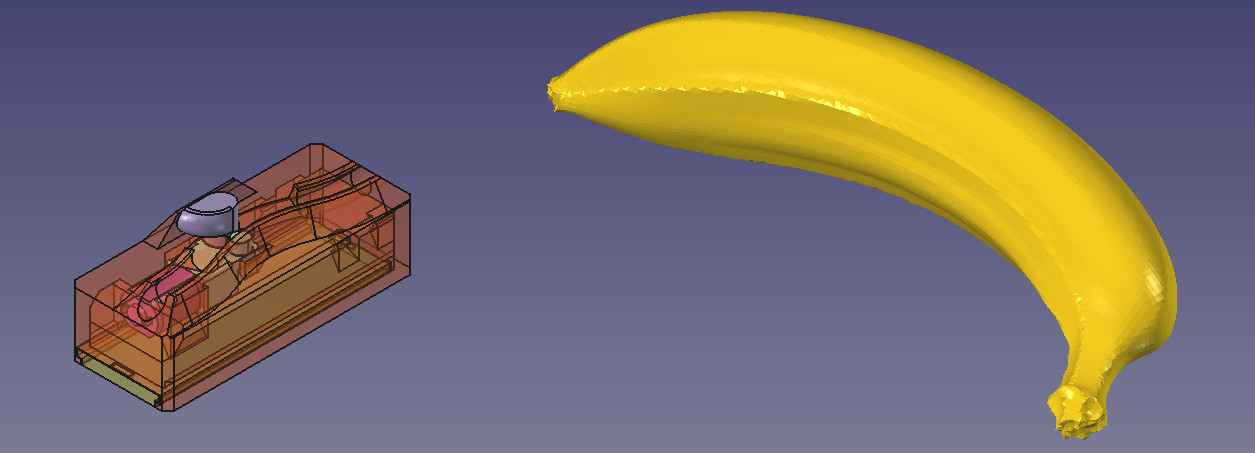
In software news, FreeCAD has received a new tool that we know many in the community will be excited about: Banana For Scale. Forget the confusion between Metric and Imperial measurements. Placing a 3D banana in the scene alongside your rendered part provides a globally recognized size reference. While the free and open-source CAD package has often been criticized for being behind its commercial counterparts in terms of user interface and overall feature set, we think this addition should go a long way toward evening the scales — no pun intended.

Finally, Phoronix reports that Linux 7.2-rc3 includes several vital updates to device drivers for the Sega Dreamcast. Users running Linux on the ill-fated PlayStation 2 competitor will benefit from improvements made to the keyboard, mouse, and joystick interfaces. These fixes join the improved code for the console’s GD-ROM optical drive that emerged back in April. The “Year of the Linux Desktop” continues to be elusive, but it certainly looks like 2026 may finally be the Year of Linux on the Dreamcast.


See something interesting that you think would be a good fit for our weekly Links column? Drop us a line; we’d love to hear about it.


hackaday.com/2026/07/12/hackad…

Cybersecurity & cyberwarfare ha ricondiviso questo.

The media in this post is not displayed to visitors. To view it, please go to the original post.

🎬 Project Hail Mary (2026)
🫡 Phil Lord, Christopher Miller
📺 Prime

⭐⭐⭐⭐️⭐️

💭 finalmente qualcuno che si sveglia dall'ipersonno con barba, capelli lunghi e senza muscoli!

Film dolce, divertente, abbastanza tecnico, un mix tra Interstellar, Enemy mine, Rango e una serie infinita di film SciFi degli ultimi 25 anni.

Gosling con magliette #nerd di prima classe, astrofagi che li vorrei regalare tutti al Signor Baci per vedergli brillare gli occhi, suite design favoloso.

Da vedere e portarsi a casa una riflessione: siamo tutti di passaggio, e il tempo ci gioca sempre contro.

Grace: "State insieme da molto tempo."
Rocky: "Non è abbastanza."

#Film #SerieTV #filmedì #NoSpoiler

reshared this

Cybersecurity & cyberwarfare ha ricondiviso questo.

Il membro del collegio del garante privacy Agostino Ghiglia: “Chat Control è strumento sproporzionato, ecco perché”

La sicurezza autentica non nasce dal controllo indistinto. Nasce dalla precisione: ordini mirati sui sospetti, cooperazione investigativa rafforzata, autorità competenti più forti, sicurezza fin dalla progettazione, rimozione tempestiva dei contenuti illeciti e strumenti efficaci contro la recidiva digitale.

agendadigitale.eu/sicurezza/pr…

@privacypride

Cybersecurity & cyberwarfare ha ricondiviso questo.

L'UE minaccia Meta con una multa di 12 miliardi di euro, a meno che non smantellino i meccanismi di dipendenza di Facebook e Instagram, come l'autoplay e lo scroll infinito.

La Commissione europea ha preso di mira lo scorrimento infinito e la riproduzione automatica su Instagram e Facebook, scoprendo che Meta non è riuscita a mitigare adeguatamente i rischi che le sue piattaforme rappresentano per la salute mentale degli utenti, compresi i bambini.

euronews.com/next/2026/07/10/i…

@eticadigitale

reshared this

Cybersecurity & cyberwarfare ha ricondiviso questo.

#Ryuk #Ransomware Member Pleads Guilty Over Attacks on U.S. Organizations
securityaffairs.com/195216/unc…
#securityaffairs #hacking #malware
Cybersecurity & cyberwarfare ha ricondiviso questo.

Debian 13.6 è disponibile con centinaia di correzioni


Debian 13.6 Trixie aggiorna la distribuzione con 124 correzioni di bug e 120 aggiornamenti di sicurezza, migliorando stabilità e affidabilità.

🔗 Leggi il post completo

Porting the Nvidia GPU Driver to Haiku for 3D Acceleration


The media in this post is not displayed to visitors. To view it, please log in.

As good as a desktop OS may be, at some point it has to feature accelerated 3D graphics. This has been a bit of a sticking point for Haiku OS, as none of the big names in GPU cards are likely to start putting out drivers for this OS any time soon. Fortunately there is the Linux open source driver code from Nvidia that can be used as a jumping-off point for a port, which is what [X512] and the community did over at the Haiku forums did over the course of more than a year.

In a recent video [Action Retro] takes a poke at the fruits of these efforts, trying out the driver with an RTX2070 Super GPU. Of note is that this driver requires the GSP (GPU System Processor) controller that got added by Nvidia with the Turing series of GPUs, meaning that you need at least a GTX16 or RTX20 series card.

You can get an installation package from the GitHub repository, such as for the v0.0.2 pre-release that was created in January of 2026. In this pre-release state quite a few things are working, with the ability to play 3D games at a reasonable FPS being the biggest improvement over plain VESA mode. Features like CUDA are not available as they’re not in the open sourced section, of course.

In the [Action Retro] video the whole installation process is demonstrated, starting with a fresh nightly Haiku build. First the gaming performance in software-rendered VESA mode is demonstrated before the GPU driver is installed. This shows a marked improvement in performance, although Minecraft needs to be updated for the newest Mesa library that omits OSMesa, so that couldn’t be tested. Overall it shows that Haiku has made another massive leap forward in becoming a viable daily driver OS.

Meanwhile, over on the ReactOS side of things we just saw a Half-Life 2 playthrough by [Aotori Hibiki], on an Intel Sandy Bridge PC with GeForce 8400GS graphics. Here ReactOS has the advantage of being Windows NT-compatible, including WDDM-style GPU drivers, allowing it to use the same drivers as Windows. Simultaneously, ReactOS is now implementing its first NT6 kernel API calls to make it compatible with modern (Vista+) Windows.

The upshot here is that for people who want to daily drive an open source OS with all the creature comforts imaginable, things have never seemed more promising. Especially for people who don’t want Yet Another Linux Distro but just an utterly boring desktop-centric, single-user focused OS that Just Works™ these are great tidings.

youtube.com/embed/BwBIoXNDsRo?…


hackaday.com/2026/07/12/portin…

Building a Better CNC Hot Wire Foam Cutter


The media in this post is not displayed to visitors. To view it, please log in.

Cutting foam with a hot wire is a common technique to shape foam in a wide variety of shapes. If you want to cut something detailed and precise, like an airfoil, you probably want to use a computer-controlled cutting tool. Here [Michael Rechtin] has been working on creating a very versatile DIY CNC hot wire cutter, with the results recently announced in a video, along with the GitHub project repository if you want to give it a shake yourself.

Key in hot wire foam cutting is getting the nickel-chromium wire hot enough to gently slice through the foam rather than annihilating it or having the wire encounter significant resistance. For an automated cutter it either needs to be able to adjust the current on the fly, or have a predetermined optimal current for the cutting speed.

The machine itself is a 4-axis system, allowing the wire to be moved just about any way in between the two sides. It uses typical NEMA 17 stepper motors, along with other components that you’d find on a 3D printer. The same is true for the control board that processes the g-code from the software.

The unique part is the pulley-based mechanism that tensions the cutting wire, along with the way that the current gets passed through the wire, which uses MIG welding tips rather than just some alligator clips, which would probably also have worked but not looked as nice.

There are a few 3D-printed parts for which the STLs are provided, and the design is such that the entire assembly can be fairly easily collapsed into a compact shape that’s much easier to store if you’re not cutting foam every single day. For [Michael] cutting airfoils is the main use, for which you got a few software packages that are mentioned in the video.

youtube.com/embed/YFl9Wnshgco?…


hackaday.com/2026/07/12/buildi…

Cybersecurity & cyberwarfare ha ricondiviso questo.

The media in this post is not displayed to visitors. To view it, please go to the original post.

Esattamente dieci anni fa, il 12 luglio 2016, ci lasciava Lorenzo Amurri.

Classe 1971, le prime volte in cui lessi il suo nome fu nei libri di suo padre, lo sceneggiatore e paroliere Antonio Amurri.

In un capitolo in cui narrava le intricate vicende scolastiche di Lorenzo, comprensive di una bocciatura, Antonio Amurri scherzosamente diceva di temere che suo figlio perdesse non solo un anno di scuola ma proprio un anno di vita.

Antonio Amurri morì anni prima prima che la sua scherzosa profezia si avverasse: nel 1997, mentre sciava, Lorenzo si schiantò contro un pilone; seguirono un periodo di coma farmaceutico, poi l'infinita riabilitazione che non gli ridiede la sua mobilità.

Cominciò a scrivere usando una tastiera con la nocca di un dito, e dal 2008 affidò al blog Tracce di ruote il suo diario ironico di persona con disabilità in una società menefreghista. Il blog non è più online, tuttavia i contenuti sono stati riversati nel libro omonimo edito da Fandango.

Nel 2013 Fandango pubblicò il libro Apnea, in cui Lorenzo Amurri descriveva come un'apnea il periodo di rifiuto della sua nuova condizione fisica.

Qui l'intervista che nel 2013 rilasciò a Daria Bignardi all'interno della trasmissione Le invasioni barbariche.

Questa voce è stata modificata (1 mese fa)
in reply to Elena Brescacin

@elettrona Verissimo. Mentre scrivevo mi trovavo in un parco pubblico senza essermi portato nessuna documentazione, sicuro di potermi affidare al web per reperire informazioni più precise che un tempo c'erano. Invece ho trovato pochissimo. Meno male che YouTube conserva ancora almeno l'intervista.

@informapirata

informapirata ⁂ reshared this.

Cybersecurity & cyberwarfare ha ricondiviso questo.

ARCHIVIO 2016 - Tra le trame di The Cursed Travails of the Demeter si respira l'aria intrisa di un fetore luciferino come negli storici album a cavallo tra gli anni ottanta ed il decennio successivo

iyezine.com/vircolac-the-curse…

#iye #iyezine #inyoureyesezine

reshared this

Cybersecurity & cyberwarfare ha ricondiviso questo.

Sono consapevole di aprire una discussione rilanciando queste riflessioni di #laviniaMarchetti
ma ritengo sia utile confrontarsi su questo senza tabù

"PERCHÉ NON VOTO?

Me lo avete chiesto in molti, a dire il vero con poco rispetto per una scelta piuttosto elaborata. Ma comprendo il fatto che fin da piccoli ci insegnano come un mantra che "il voto è un diritto e un dovere", "meglio votare che lasciare il governo in mano ai fascisti", "turiamoci il naso", ecc. ecc. . La ragione non è il menefreghismo, e nemmeno la delusione del momento. È una convinzione antica, che affonda le radici nel pensiero libertario, e riguarda il cuore stesso della faccenda: la delega.

Non votare non significa lavarsene le mani. Errico Malatesta, che di queste cose si intendeva, distingueva con nettezza l’astensione come indifferenza dall’astensione come lotta. La prima è la pigrizia di chi se ne infischia, la seconda è la scelta di chi mette le proprie energie altrove, nel conflitto reale invece che nel suo simulacro. Io appartengo alla seconda schiera. Non voto perché la politica la pratico altrove, in un altro luogo e in un altro modo, tutti i giorni.

Al fondo del mio rifiuto sta una diffidenza verso il principio di rappresentanza. Delegare vuol dire consegnare a un altro la propria porzione di potere, con la "speranza" che la usi nel mio interesse. Il rappresentante, però, appena eletto risponde al partito e ai poteri che lo tengono in piedi, e a me quasi più niente. Così funziona il "sistema".

Si obietta che il problema sono i rappresentanti corrotti, e che basterebbe eleggerne di onesti. Magari fosse così semplice. Perfino gli uomini più integri, una volta dentro il meccanismo, ne vengono assorbiti, perché il meccanismo ha una logica propria che non dipende dalle buone intenzioni. Il potere delegato corrompe la delega ben prima ancora di corrompere la persona. Rousseau, che pure non era un anarchico, lo aveva capito due secoli e mezzo fa:

"Il popolo inglese crede di essere libero, ma si sbaglia di grosso; lo è soltanto durante l’elezione dei membri del Parlamento; appena questi sono eletti, esso torna schiavo, non è più niente".

EH, MA LA "DEMOCRAZIA"...

Come puoi rifiutare il voto, mi si dice, se il voto è la democrazia? In questa domanda si nasconde un equivoco storico grande come una casa. La democrazia che gli ateniesi inventarono non somigliava affatto alla nostra. Era diretta, i cittadini decidevano di persona nell’assemblea, e affidava quasi tutte le cariche pubbliche al sorteggio, non all’elezione.

La ragione era ovvia, e la formulò Aristotele. Estrarre a sorte è democratico, eleggere è aristocratico, perché, in quel caso, l’elezione serve a scegliere i "migliori", e la scelta dei migliori è il principio dell’aristocrazia, non quello dell’uguaglianza. Nella democrazia vera chiunque può governare ed essere governato a turno, e il sorteggio garantisce esattamente questo. Lo storico David Van Reybrouck, nel suo «Contro le elezioni», ricostruisce come il voto sia nato, con le rivoluzioni del Settecento, per selezionare una nuova élite, e come solo più tardi sia stato ribattezzato democrazia. Chiama fondamentalismo elettorale il dogma per cui votare e decidere sarebbero la stessa cosa.
Van Reybrouck descrive anche la nostra malattia, e la chiama "sindrome da stanchezza democratica", l’entusiasmo per la democrazia che convive con la sfiducia totale verso le sue istituzioni. Quello che chiamiamo democrazia, insomma, è un sistema elettorale e rappresentativo, aristocratico nel congegno e democratico soltanto nel nome. Rifiutare quel congegno non significa rifiutare la democrazia. Significa prenderla sul serio nelle sue declinazioni.

I CAMBIAMENTI NON NASCONO DENTRO IL "SISTEMA"; SEMMAI IL SISTEMA SI ADEGUA ALLA PRESSIONE DEL FUORI

I grandi cambiamenti sociali non sono mai nati dentro i parlamenti. Sono nati fuori, nelle strade e nei luoghi di lavoro, e i parlamenti li hanno ratificati soltanto dopo, quando la forza sociale li aveva già imposti.
La giornata di otto ore non l’ha regalata un deputato, l’hanno strappata gli scioperi, e il suffragio universale l’hanno conquistato le suffragette in galera e gli operai in piazza, non la bontà dei governi. I diritti civili sono arrivati dopo i boicottaggi e le marce, mai prima. Il parlamento, in queste storie, si presenta sempre per ultimo, con il timbro. La leva del cambiamento sta fuori dall’urna, e chi vuole cambiare le cose fa bene a cercarla lì.

Si dice allora che le riforme, in fondo, passano dal parlamento, ed è vero. Passano però come la presa d’atto di un rapporto di forza deciso altrove. Camillo Berneri, che pagò con la vita la sua coerenza a Barcellona, additava lo Stato come la macchina che assorbe le energie del basso e le restituisce svuotate e addomesticate. Al suo posto immaginava una federazione di comunità che si autogovernano, dal basso verso l’alto, senza un vertice che decida per tutti. Non è un’astrazione da conferenza, è il principio che tiene in piedi una cooperativa o una cassa di mutuo soccorso.

FARE POLITICA IN PRIMA PERSONA

Se non delego, è perché la politica la faccio in prima persona, ed è una politica che chiede molto più di una crocetta. È la solidarietà concreta con chi resta indietro, e l’aiuto reciproco che tiene su un quartiere quando lo Stato lo abbandona. Chi vive dentro questa rete di rapporti non sente il bisogno di un rappresentante lontano, perché la sua parte di potere ce l’ha già in mano, e non intende cederla a nessuno.

La crocetta che si mette una volta a legislatura, al confronto, è il gesto più comodo che ci sia. Non costa niente, e in cambio regala una sensazione preziosa, quella di essere a posto con la coscienza. Ho fatto il mio dovere, si pensa, e ci si può voltare dall’altra parte per un lustro intero. Quella coscienza pulita a buon mercato è proprio ciò che non voglio, perché mi sembra il vero modo di lavarsene le mani.

OBIEZIONI CLASSICHE. IL MENO PEGGIO E LE ALTRE PAURE

So già che cosa mi risponderete, perché me lo sento ripetere da anni con le stesse identiche parole. Sono sempre le stesse obiezioni, e nascono tutte dalla stessa radice: la paura travestita da buonsenso.

  • La prima suona così: il sistema adesso è questo, e conviene stare alle regole del gioco che c’è. È la più subdola, perché si limita a constatare. Descrivere una cosa, però, non la rende giusta. Anche la monarchia assoluta era il sistema che c’era, e pareva solida come il cielo sopra la testa, finché una mattina non lo fu più. La schiavitù è stata la normalità per secoli, finché un pugno di persone si è rifiutato di chiamarla "normale". Il sistema è questo non è un argomento, è la prima obbedienza, quella che il potere sogna di sentirsi dire dai governati. La trovo la più pigra fra tutte le rese.
  • La seconda obiezione è la più nobile in apparenza, e la più efficace nel tenerci in riga. Si può dire, in tal senso che le opposizioni nascono per imbrigliare il dissenso. Votiamo il meno peggio, mi dite, o ci ritroveremo i fascisti al governo. La paura la capisco, e non la discuto. La vedo e la denuncio la deriva autoritaria, ma la vedevo anche quando a governare erano i "nostri". Guardiamo come lavora questo ricatto. Il meno peggio ti sa già in pugno, perché sa che temi troppo l’altro per lasciarlo, e un voto che non ha nessun altro posto dove andare è un voto che si incassa senza meritarlo. Così, elezione dopo elezione, il meno peggio scivola verso il peggio con tutto comodo, sicuro che la tua paura gli starà dietro. Questo è il PD. Può fare le peggio aberrazioni, ma tanto gli altri "sono peggio", quindi ci votano comunque.

Il fascismo non entra quasi mai dalla porta principale, in camicia nera e passo dell’oca. Entra perché il meno peggio, una volta al governo, delude e obbedisce, e abbandona sul terreno una massa di persone tradite, pronte a dare ascolto a chiunque prometta di rovesciare il tavolo. Il centro che governa come la destra non è la diga contro l’estrema destra, ne è il vivaio. Se guardo alla storia, il fascismo serio, non l’hanno mai fermato le schede, l’hanno fermato le organizzazioni operaie e la gente che si difendeva insieme. L’antifascismo è un fatto sociale, non una casella da barrare di tanto in tanto.

  • La terza obiezione mi vuole in colpa, chi non vota consegna il governo agli altri. La respingo. Consegnare il potere è precisamente ciò che fa chi vota, e non chi si astiene, è l’elettore a depositare la propria parte di sovranità nelle mani di un altro per un’intera legislatura. Io quella parte me la tengo, e la spendo di persona, giorno per giorno. Il vero delegante è chi mi rimprovera, non io.
  • Restano le due obiezioni più solenni. Mi si ricorda che per il voto è morta della gente, ed è sacrosanto. Quella gente, però, è morta per il diritto di decidere della propria vita, e quel diritto è molto più grande di una scheda da imbucare una volta a legislatura, lo si onora continuando la lotta dal basso, non affidandola a chi la spegne. Mi si avverte poi che senza rappresentanti verrebbe il caos, e osservo che il caos ce l’abbiamo già adesso, con i rappresentanti al loro posto. Le alternative esistono, dal sorteggio degli antichi alle assemblee di cittadini di oggi, alla solidarietà, all'autorganizzazione, e aspettano soltanto che la finiamo di considerare eterno un sistema che porta appena due secoli sulle spalle.

Lavinia Marchetti"

#democraziadelegata #democrazia #voto #nonvoto #votarevslottare

@politica

Cybersecurity & cyberwarfare ha ricondiviso questo.

In un mondo digitale sempre in mutamento, un numero sempre maggiore di persone sta perdendo la concezione di cosa sia davvero di proprietà e cosa invece sia a noleggio.

La questione della #sovranitàdigitale non è una barzelletta, è un argomento molto serio e poco trattato.

È per questo che mi sono chiesto come affrontare in maniera ampia il problema, cercando di usare un linguaggio che consenta di raggiungere il maggior numero di persone possibili.

Il #Software #OpenSource è ovviamente al centro di questo dibattito e può essere adottato come risposta a questo problema, ma come?

Ne parlo nel mio ultimo video 😉
youtu.be/HEUJ9jH0UYM?is=UNdD8C…

#Linux #foss #open #source

@gnulinuxitalia

in reply to Claudia

@signorina37 sicuramente merito loro per quanto riguardal'evento, ma ho apprezzato molto il tuo intervento (permettimi il tu) il fatto di vedervi di persona e non solo dietro un post , che seguo sempre e apprezzo, e nel tuo caso ,un avatar molto accattivante ma l'empatia che trasmetti seguendo dal vivo è tutta un'altra cosa. Complimenti, grazie e continua, continuate così!
Cybersecurity & cyberwarfare ha ricondiviso questo.

A few simple steps can drastically decrease the amount of personal information that’s available about you online. ssd.eff.org/module/how-to-mana…
Cybersecurity & cyberwarfare ha ricondiviso questo.

#Progress Told ShareFile Customers to Pull the Plug on Their Servers. Here's What We Know.
securityaffairs.com/195194/hac…
#securityaffairs #hacking

Speak Silently With An Ultrasound Probe


The media in this post is not displayed to visitors. To view it, please log in.

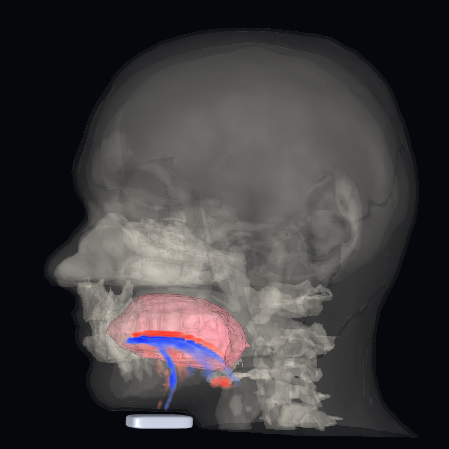
Speaking is much faster than typing, and while it’s an increasingly convenient way to interact with computers, it’s hardly private. Providing speech privacy in a way we haven’t seen before is this prototype tongue-reading system that uses machine learning and ultrasound to read tongue movements and turn them into decoded speech. Not only can a user speak without emitting a sound, since it doesn’t read sound waves it’s completely immune to noisy environments.
Tongues are a far richer source of speech data than reading lip and mouth movements.
It turns out that tongue movements are a very rich source of information about speech, and an ultrasound probe under the chin takes very clear video of a tongue. With a dataset consisting of only around 50 hours of training data, the system has a 15.6% error rate and generalizes across different speakers (as long as they speak with similar accents).

That error rate may seem high at first glance, but keep in mind this is for a prototype system built in a month around a relatively small training dataset. All indications are that better results are just a matter of better training.

Probably the biggest drawback at the moment is the size of the ultrasound probe and the way it must be held under one’s chin like a contact microphone, but at the moment the probe is an off-the-shelf model that is hardly optimized for either size, weight, or wearability. If the system seems promising enough, a probe resembling an adhesive patch might even be possible.

It’s certainly a different approach from others we’ve seen in the past, including whispering while inhaling and reading lip and mouth movements.


hackaday.com/2026/07/12/speak-…

Cybersecurity & cyberwarfare ha ricondiviso questo.

SECURITY AFFAIRS #MALWARE #NEWSLETTER ROUND 105
securityaffairs.com/195187/bre…
#securityaffairs #hacking
Cybersecurity & cyberwarfare ha ricondiviso questo.

#Meta è finita sotto la lente #UE : #Facebook e #Instagram vengono accusati di creare dipendenza, tra scroll infinito e funzioni pensate per trattenere l’attenzione. Sul fronte della #sovranità digitale, l’#Europa vuole riprendersi lo stack tecnologico per ridurre la dipendenza dalle #bigtech. Intanto #ChatControl riaccende il confronto tra privacy e sicurezza, mentre #DuckDuckGo blocca la pubblicità su #YouTube con una navigazione privacy-first.

@informatica

bit.ly/4aNLaqI

Printing Fungal Art with Laser Control


The media in this post is not displayed to visitors. To view it, please log in.

A series of simulations of a shape are shown, with that shape traced out in a petri dish with a laser below. The shape is roughly like a 90-degree corner bisected by a third arm.

Preservationists usually take great care to prevent fungi from appearing the world of art, but in the case of [Kexin Wang]’s Funguy project, the fungus itself is the art. It uses a laser diode to repeatedly trace an outline onto a dish of agar gel in which fungus is growing, and the photophobic fungus grows only up to the edge of the laser-traced figure, potentially creating complex designs.

This project evolved out of a research project in which they developed a computer model for fungal growth, then used its predictions and a laser to control a fungus’s growth pattern. The model has two parts: a temporal convolutional neural network which learns fungi growth patterns from a series of images, and a cellular automaton to simulate these growth patterns under different starting conditions. The cellular automaton’s rules aren’t fixed; each cell runs a small neural network which learns the rules under supervision from the convolutional network. By training these networks on images of the growth stages of three different fungi, it was able to realistically predict the different growth patterns of the different species.

To actually control the growth pattern, the researchers tried a series of different wavelengths and laser powers; shorter wavelengths tended to work better, with a 405 nm laser working best. The growth model complemented the laser setup by predicting in which areas the growth medium had run out of nutrients. Since fungus would no longer spread in these regions, the laser no longer needed to trace these sections. The Funguy kit’s laser system itself is similar to a laser engraver, with an XY-kinematic system seemingly built from a DVD drive frame. It uses fungi from the Mucor genus, though it can print with other photophobic microorganisms, such as slime molds.

This project seems aimed at artistic and educational uses, but considering the various electronic parts that have been made of fungi, more functional applications should be possible.


hackaday.com/2026/07/12/printi…

Cybersecurity & cyberwarfare ha ricondiviso questo.

The media in this post is not displayed to visitors. To view it, please go to the original post.

And you could have it all, my empire of dirt
I will let you down, I will make you hurt

If I could start again, a million miles away
I would keep myself, I would find a way

#YSMR - track 008
One track. One Sunday. One spin.
🔗 open.substack.com/pub/youspinm…

#ysmr