
Protecting children doesn’t require mass surveillance but mass surveillance requires “protecting children”.
reshared this
reshared this
Protezione dei minori online, il nodo che il dibattito ignora
Verifica dell’età, potere delle piattaforme e i limiti di una critica che si ferma alla sorveglianza. L'UE prova a suggerire delle soluzioni per una tutela necessaria dentro un web dominato dagli interessi delle Big Tech.
centroriformastato.it/protezio…
Il dibattito contemporaneo sui sistemi digitali di verifica dell’età sconta un limite ricorrente: tende a ridursi a una contrapposizione tra “protezione dei minori” e “libertà della rete”, senza quasi mai entrare nel merito delle architetture tecnich…Redazione CRS (CRS - Centro per la Riforma dello Stato)
reshared this

LINQ Max e i tipi valore nullable in C#: il comportamento inatteso che causa eccezioni a runtime
#tech
spcnet.it/linq-max-e-i-tipi-va…
@informatica


LINQ Max e i tipi valore nullable in C#: il comportamento inatteso che causa eccezioni a runtime
Chi usa LINQ in C# con una certa frequenza prima o poi si imbatte in un comportamento del metodoMaxche, a prima vista, appare del tutto irrazionale: due chiamate sintatticamente quasi identiche producono risultati radicalmente diversi, e una delle due lancia un’eccezione a runtime su una sequenza vuota. Vediamo perché accade e come risolverlo.Il problema: Max con proiezioni su tipi diversi
Consideriamo questo tipo record:public record WithValues(string Label, int Number, DateTimeOffset Date);
Ora proviamo a chiamareMaxsu un array vuoto con tre proiezioni diverse:WithValues[] empty = []; string? maxLabel = empty.Max(x => x.Label); // Restituisce null var maxDate = empty.Max(d => d.Date); // Lancia InvalidOperationException int? maxNumber = empty.Max(x => x.Number); // Lancia InvalidOperationException
La firma del metodo è:public static TResult? Max<TSource, TResult>( this IEnumerable<TSource> source, Func<TSource, TResult> selector);
Il tipo di ritorno è dichiarato comeTResult?— nullable. Eppure il comportamento cambia radicalmente in base a ciò che la funzione di proiezione restituisce.La causa: come Max distingue i tipi internamente
Internamente, l’implementazione diMaxusa un test per decidere come comportarsi su una sequenza vuota:TResult val = default; if (val == null) { // Tipo reference o nullable: restituisce null per sequenze vuote } else { // Tipo valore non nullable: lancia eccezione per sequenze vuote }
Questo porta a tre comportamenti distinti:
- Tipi reference (string):
default(string)ènull, quindi il ramo “restituisce null” viene eseguito correttamente.- Tipi valore non nullable (int, DateTimeOffset): i loro
defaultnon sononull, quindi viene eseguito il ramo che lanciaInvalidOperationException.- Tipi valore nullable (int?, DateTimeOffset?):
default(int?)ènull, quindi rientra nel primo ramo e restituiscenull.
Perché questo design?
Il ragionamento alla base è comprensibile: per i tipi valore, restituire il valore di default per una sequenza vuota sarebbe ambiguo. SeMaxsu una lista vuota di interi restituisse0, come distinguere tra “il massimo è zero” e “la lista era vuota”? L’eccezione rimuove questa ambiguità, ma lo fa in modo sorprendente data la firma del metodo.Il problema di fondo è storico: C# ha sviluppato la nullabilità in tre fasi distinte che non si integrano uniformemente nel codice generico:
- I tipi reference erano sempre nullable (fin dalle origini del linguaggio).
- I tipi valore nullable (
Nullable<T>, ovveroT?) sono stati introdotti in C# 2.0.- Le nullable reference types (NRT) sono arrivate in C# 8.0 come feature opzionale.
La soluzione: cast esplicito al tipo nullable
La correzione è semplice: basta fare il cast esplicito della proiezione al tipo nullable corrispondente.// Invece di: var maxDate = empty.Max(d => d.Date); int? maxNumber = empty.Max(x => x.Number); // Usare: DateTimeOffset? maxDate = empty.Max(d => (DateTimeOffset?)d.Date); int? maxNumber = empty.Max(x => (int?)x.Number);
Il cast forza il compilatore a inferireTResult = DateTimeOffset?(oint?), il cuidefaultènull, eMaxsegue quindi il percorso corretto, restituendonullinvece di lanciare un’eccezione.Alternativa: DefaultIfEmpty
Un’altra soluzione è preporreDefaultIfEmptyprima diMax:int maxNumber = empty .Select(x => x.Number) .DefaultIfEmpty(0) .Max();
Questa alternativa è utile quando si vuole un valore di fallback esplicito invece dinull, ma va usata con attenzione: il valore di default deve essere scelto consapevolmente per non introdurre ambiguità semantica nel risultato.Quando questo si manifesta in produzione
Il problema diventa insidioso quando si lavora con sequenze filtrate dinamicamente che possono risultare vuote in certi contesti, o quando il codice viene testato sempre con dati non vuoti e crasha in produzione su edge case inaspettati. Una buona pratica difensiva è usare sempre il cast a tipo nullable quando si usaMax(oMin, che ha lo stesso comportamento) su tipi valore, a meno che non si abbia la certezza assoluta che la sequenza non sarà mai vuota.Conclusioni
Il comportamento diLINQ.Maxcon i tipi valore è uno di quei casi in cui l’implementazione è tecnicamente coerente, ma la firma del metodo lascia intendere qualcosa di diverso da ciò che avviene a runtime. La regola da ricordare è semplice: se la proiezione restituisce un tipo valore non nullable e la sequenza potrebbe essere vuota, usare sempre un cast esplicito aT?. Un piccolo accorgimento che previene eccezioni difficili da diagnosticare in produzione.Fonte originale: LINQ Max and nullable value types (Ian Griffiths, endjin.com) — tratto dal briefing Dew Drop del 17 aprile 2026
Dew Drop – April 17, 2026 (#4649) – Morning Dew by Alvin Ashcraft
Dew Drop – April 17, 2026 (#4649)Alvin A. (Morning Dew by Alvin Ashcraft)
reshared this

When Ridge Racer hit the arcades in the early 1990s, it came in a few different versions. The last variant used three large CRTs to create a wraparound display for the player. Incredibly rare, it’s believed that only a single-digit number of machines remain in existence. [beaumotplage] has secured a remaining example, and been working to preserve this historical artifact.
The first mission when it comes to this machine was to dump the ROMs, which have thus far not been preserved in any major archive. With that done, [beaumotplage] worked to hack a version of MAME that could emulate the Three Monitor Version’s unique mode of operation. As it turns out, each screen is driven by its own arcade board, with the three boards linked via C139 serial links. To emulate this, the trick was simply to write some C139 linkup code and run three versions of MAME all at once, letting them communicate with each other as the original boards would have. It’s a little janky in operation right now, but it does work!
You can download the hacked version of MAME for three-monitor operation here, though note that this does not include the ROM dumps from the machine itself. We look forward to seeing if the hardware ends up getting a full restoration back to operational standard, too.
Overall, this work goes to show that arcade preservation and archival work sometimes requires getting deep into the nitty-gritty technical stuff.
youtube.com/embed/GmyMT3oPO-g?…
🚀 RHC Conference 2026: non è una conferenza, è un’esperienza!
Il 18 e 19 Maggio a Roma, la RHC Conference 2026 torna con un format completamente rinnovato: più pratica, più interattiva, più immersiva. Non sarai uno spettatore, sarai protagonista!
📍Lunedì 18 Maggio spazio alla pratica
👉 Iscriviti ai workshop: rhc-conference-2026-workshop.e…
📍Sempre il 18 prende il via la Capture The Flag “2149 – BREAK THE SPHERE”
Se sei un hacker etico è ora di segnarti. 60 flag online e in fisico per 26 ore ininterrotte senza limiti.
👉 Info e regolamento: redhotcyber.com/documents/rhc-…
📍Martedì 19 Maggio arriva la conferenza: visione, innovazione e speaker di alto livello
👉 Iscriviti alla conferenza: rhc-conference-2026.eventbrite…
👉 Programma: redhotcyber.com/linksSk2L/prog…
#redhotcyber #rhcconference #conferenza #informationsecurity #ethicalhacking
Registrazione per i Workshop di Lunedì 18 Maggio 2026 presso il Teatro Italia di Roma, in Via Bari 18.Eventbrite
Cybersecurity & cyberwarfare reshared this.
Cybersecurity & cyberwarfare reshared this.
Operation PowerOFF: 21 paesi coordinati smantellano 53 piattaforme DDoS-for-hire e identificano 75.000 cyberattaccanti
#CyberSecurity
insicurezzadigitale.com/operat…

Operation PowerOFF: 21 paesi coordinati smantellano 53 piattaforme DDoS-for-hire e identificano 75.000 cyberattaccanti
Ventuno paesi hanno coordinato la più vasta azione globale mai condotta contro le piattaforme DDoS-for-hire: Operation PowerOFF, culminata il 13 aprile 2026 con il sequestro di 53 domini, l’arresto di 4 amministratori, l’emissione di 25 mandati di perquisizione e l’invio di comunicazioni di allerta a oltre 75.000 utenti identificati come clienti di servizi “booter”. Europol ha coordinato l’operazione insieme all’FBI, all’NCFTA e alle forze di polizia di Europa, America e Asia-Pacifico, acquisendo accesso a database con oltre 3 milioni di account criminali.L’ecosistema dei booter: DDoS come servizio a 10 euro al mese
I servizi booter — chiamati anche stresser nel gergo del mercato underground — sono piattaforme commerciali che vendono potenza di fuoco DDoS a chiunque sia disposto a pagare una quota mensile, tipicamente tra i 10 e i 200 dollari. Il modello di business è quello di un SaaS criminale: interfacce web con dashboard intuitive, piani tariffari differenziati per banda e durata dell’attacco, e assistenza clienti. Le vittime sono target eterogenei — siti di e-commerce, server di gaming, infrastrutture governative locali, concorrenti aziendali — il denominatore comune è la disponibilità del pagante a causare interruzioni di servizio per denaro o vendetta.Tecnicamente, i booter operano sfruttando due modelli di amplificazione: botnet di dispositivi IoT compromessi (router SOHO, telecamere IP, NAS) e reflection amplification tramite protocolli UDP vulnerabili — DNS, NTP, SSDP, memcached — che consentono di amplificare il traffico di attacco fino a 50.000x rispetto al volume inviato. La decentralizzazione e il frequente ricorso a frontend anonimi dietro CDN rendevano queste piattaforme particolarmente resilienti ai tentativi di takedown tradizionali.
Operazione PowerOFF: storia di un’escalation investigativa
PowerOFF non è nata il 13 aprile: è il risultato di anni di indagini parallele che Europol ha progressivamente coordinato in un’unica architettura operativa. La prima fase significativa risale al dicembre 2024, quando l’operazione aveva già portato al sequestro di 27 piattaforme — tra cui zdstresser.net, orbitalstress.net e starkstresser.net — con 3 arresti e l’identificazione di oltre 300 utenti. La seconda ondata, coordinata nell’aprile 2026, ha esteso la portata dell’operazione a livello globale, coinvolgendo per la prima volta paesi come Brasile, Thailandia e Giappone.L’elemento innovativo della fase 2026 è stata l’approccio preventivo parallelo all’enforcement: mentre gli investigatori sequestravano server e domìni, un team specializzato lanciava una campagna di awareness mirata, rimuovendo oltre 100 URL pubblicitari dai risultati dei motori di ricerca che promuovevano servizi booter, e inviando messaggi di allerta direttamente sulle blockchain delle transazioni in criptovaluta usate per pagare i servizi — una tecnica nuova che segnala un’evoluzione nell’approccio investigativo alle piattaforme crypto-monetizzate.
75.000 allerte: la strategia della deterrenza scalabile
La novità più significativa di Operation PowerOFF 2026 non è il numero di domini sequestrati, ma la scelta strategica di non arrestare la stragrande maggioranza degli utenti identificati. Le autorità hanno inviato 75.000 comunicazioni personalizzate via email e posta ordinaria agli utenti dei servizi booter — molti dei quali sono giovani che non si percepiscono come criminali — spiegando le implicazioni legali delle loro azioni e le sanzioni previste. Questa strategia di deterrenza scalabile mira a modificare il comportamento prima che si consolidi in attività criminale conclamata.L’accesso ai database con 3 milioni di account — ottenuto tramite le operazioni di sequestro dell’infrastruttura — ha permesso alle autorità di costruire un profilo dettagliato dell’ecosistema: età media degli utenti, distribuzione geografica, modelli di pagamento, target preferiti. Questi dati alimenteranno future indagini mirate sui soggetti recidivi o con profili di rischio elevato.
Paesi partecipanti e coordinamento internazionale
L’operazione ha visto la partecipazione di: Australia, Austria, Belgio, Brasile, Bulgaria, Danimarca, Estonia, Finlandia, Germania, Giappone, Lettonia, Lituania, Lussemburgo, Paesi Bassi, Polonia, Portogallo, Svezia, Thailandia, Regno Unito e Stati Uniti. Il coordinamento tecnico è stato gestito dall’EC3 di Europol (European Cybercrime Centre), con supporto dell’Eurojust per gli aspetti giuridizionali delle richieste di mutua assistenza internazionale (MLA). Per la prima volta, paesi tradizionalmente assenti da operazioni cyber-enforcement come Brasile e Thailandia hanno contribuito con azioni di sequestro locali — segnale di una maturazione del quadro normativo e investigativo globale.Piattaforme disrupted: infrastruttura tecnica
# Tipologie di servizi smantellati
- Booter/stresser con interfaccia web (SaaS DDoS-for-hire)
- Layer 4 flood: UDP amplification (DNS, NTP, SSDP, memcached)
- Layer 7 HTTP flood su infrastruttura botnet IoT
- Servizi di anonimizzazione del pagamento (crypto mixer integration)

# Esempi di piattaforme sequestrate in operazioni precedenti
zdstresser.net
orbitalstress.net
starkstresser.net

# Indicatori da monitorare
- Traffico UDP anomalo su porte 53, 123, 1900, 11211
- Elevato numero di SYN senza ACK su range IP distribuiti
- Picchi di amplification ratio >100x in NetFlow/IPFIX
- Query DNS flood con domain randomization (NXDOMAIN storm)
Implicazioni per i difensori e gli operatori di rete
Il takedown di 53 piattaforme non risolve strutturalmente il problema — nuovi servizi emergeranno, spesso ospitati in giurisdizioni meno cooperative. La risposta efficace per chi gestisce infrastrutture è combinare scrubbing center upstream con BGP blackholing d’emergenza e accordi preventivi con il proprio upstream provider per la gestione di volumetric attack. La vera svolta di PowerOFF è l’approccio sistemico: colpire non solo le piattaforme, ma anche la domanda (gli utenti) e il canale di acquisizione (pubblicità sui motori di ricerca). Se l’ecosistema booter viene reso meno accessibile e percepito come più rischioso, la domanda si riduce — e con essa la viabilità economica dei servizi stessi. Per le organizzazioni esposte ad attacchi DDoS frequenti, il momento è propizio per negoziare con i provider uplink accordi di DDoS Protection Service Level Agreement, mentre il mercato dei booter attraversa una fase di disruption e riorganizzazione.
reshared this
@Informatica (Italy e non Italy)
Europol ha coordinato la più vasta operazione globale contro le piattaforme DDoS-for-hire: 53 domini sequestrati, 4 arresti, 25 mandati di perquisizione e 75.000 utenti allertati
Operation PowerOFF: 21 paesi coordinati smantellano 53 piattaforme DDoS-for-hire e identificano 75.000 cyberattaccanti
Ventuno paesi hanno coordinato la più vasta azione globale mai condotta contro le piattaforme DDoS-for-hire: Operation PowerOFF, culminata il 13 aprile 2026 con il sequestro di 53 domini, l’arresto di 4 amministratori, l’emissione di 25 mandati di perquisizione e l’invio di comunicazioni di allerta a oltre 75.000 utenti identificati come clienti di servizi “booter”. Europol ha coordinato l’operazione insieme all’FBI, all’NCFTA e alle forze di polizia di Europa, America e Asia-Pacifico, acquisendo accesso a database con oltre 3 milioni di account criminali.L’ecosistema dei booter: DDoS come servizio a 10 euro al mese
I servizi booter — chiamati anche stresser nel gergo del mercato underground — sono piattaforme commerciali che vendono potenza di fuoco DDoS a chiunque sia disposto a pagare una quota mensile, tipicamente tra i 10 e i 200 dollari. Il modello di business è quello di un SaaS criminale: interfacce web con dashboard intuitive, piani tariffari differenziati per banda e durata dell’attacco, e assistenza clienti. Le vittime sono target eterogenei — siti di e-commerce, server di gaming, infrastrutture governative locali, concorrenti aziendali — il denominatore comune è la disponibilità del pagante a causare interruzioni di servizio per denaro o vendetta.Tecnicamente, i booter operano sfruttando due modelli di amplificazione: botnet di dispositivi IoT compromessi (router SOHO, telecamere IP, NAS) e reflection amplification tramite protocolli UDP vulnerabili — DNS, NTP, SSDP, memcached — che consentono di amplificare il traffico di attacco fino a 50.000x rispetto al volume inviato. La decentralizzazione e il frequente ricorso a frontend anonimi dietro CDN rendevano queste piattaforme particolarmente resilienti ai tentativi di takedown tradizionali.
Operazione PowerOFF: storia di un’escalation investigativa
PowerOFF non è nata il 13 aprile: è il risultato di anni di indagini parallele che Europol ha progressivamente coordinato in un’unica architettura operativa. La prima fase significativa risale al dicembre 2024, quando l’operazione aveva già portato al sequestro di 27 piattaforme — tra cui zdstresser.net, orbitalstress.net e starkstresser.net — con 3 arresti e l’identificazione di oltre 300 utenti. La seconda ondata, coordinata nell’aprile 2026, ha esteso la portata dell’operazione a livello globale, coinvolgendo per la prima volta paesi come Brasile, Thailandia e Giappone.L’elemento innovativo della fase 2026 è stata l’approccio preventivo parallelo all’enforcement: mentre gli investigatori sequestravano server e domìni, un team specializzato lanciava una campagna di awareness mirata, rimuovendo oltre 100 URL pubblicitari dai risultati dei motori di ricerca che promuovevano servizi booter, e inviando messaggi di allerta direttamente sulle blockchain delle transazioni in criptovaluta usate per pagare i servizi — una tecnica nuova che segnala un’evoluzione nell’approccio investigativo alle piattaforme crypto-monetizzate.
75.000 allerte: la strategia della deterrenza scalabile
La novità più significativa di Operation PowerOFF 2026 non è il numero di domini sequestrati, ma la scelta strategica di non arrestare la stragrande maggioranza degli utenti identificati. Le autorità hanno inviato 75.000 comunicazioni personalizzate via email e posta ordinaria agli utenti dei servizi booter — molti dei quali sono giovani che non si percepiscono come criminali — spiegando le implicazioni legali delle loro azioni e le sanzioni previste. Questa strategia di deterrenza scalabile mira a modificare il comportamento prima che si consolidi in attività criminale conclamata.L’accesso ai database con 3 milioni di account — ottenuto tramite le operazioni di sequestro dell’infrastruttura — ha permesso alle autorità di costruire un profilo dettagliato dell’ecosistema: età media degli utenti, distribuzione geografica, modelli di pagamento, target preferiti. Questi dati alimenteranno future indagini mirate sui soggetti recidivi o con profili di rischio elevato.
Paesi partecipanti e coordinamento internazionale
L’operazione ha visto la partecipazione di: Australia, Austria, Belgio, Brasile, Bulgaria, Danimarca, Estonia, Finlandia, Germania, Giappone, Lettonia, Lituania, Lussemburgo, Paesi Bassi, Polonia, Portogallo, Svezia, Thailandia, Regno Unito e Stati Uniti. Il coordinamento tecnico è stato gestito dall’EC3 di Europol (European Cybercrime Centre), con supporto dell’Eurojust per gli aspetti giuridizionali delle richieste di mutua assistenza internazionale (MLA). Per la prima volta, paesi tradizionalmente assenti da operazioni cyber-enforcement come Brasile e Thailandia hanno contribuito con azioni di sequestro locali — segnale di una maturazione del quadro normativo e investigativo globale.Piattaforme disrupted: infrastruttura tecnica
# Tipologie di servizi smantellati
- Booter/stresser con interfaccia web (SaaS DDoS-for-hire)
- Layer 4 flood: UDP amplification (DNS, NTP, SSDP, memcached)
- Layer 7 HTTP flood su infrastruttura botnet IoT
- Servizi di anonimizzazione del pagamento (crypto mixer integration)

# Esempi di piattaforme sequestrate in operazioni precedenti
zdstresser.net
orbitalstress.net
starkstresser.net

# Indicatori da monitorare
- Traffico UDP anomalo su porte 53, 123, 1900, 11211
- Elevato numero di SYN senza ACK su range IP distribuiti
- Picchi di amplification ratio >100x in NetFlow/IPFIX
- Query DNS flood con domain randomization (NXDOMAIN storm)
Implicazioni per i difensori e gli operatori di rete
Il takedown di 53 piattaforme non risolve strutturalmente il problema — nuovi servizi emergeranno, spesso ospitati in giurisdizioni meno cooperative. La risposta efficace per chi gestisce infrastrutture è combinare scrubbing center upstream con BGP blackholing d’emergenza e accordi preventivi con il proprio upstream provider per la gestione di volumetric attack. La vera svolta di PowerOFF è l’approccio sistemico: colpire non solo le piattaforme, ma anche la domanda (gli utenti) e il canale di acquisizione (pubblicità sui motori di ricerca). Se l’ecosistema booter viene reso meno accessibile e percepito come più rischioso, la domanda si riduce — e con essa la viabilità economica dei servizi stessi. Per le organizzazioni esposte ad attacchi DDoS frequenti, il momento è propizio per negoziare con i provider uplink accordi di DDoS Protection Service Level Agreement, mentre il mercato dei booter attraversa una fase di disruption e riorganizzazione.
Booking.com has notified customers of a data breach that exposed names, addresses, email addresses, phone numbers, and full reservation details.dark6 (Secure Bulletin)
reshared this
Russia's APT28 (Fancy Bear) has launched a new campaign deploying the previously undocumented PRISMEX malware framework, which uses steganography, COM hijacking, and legitimate cloud services for C2.dark6 (Secure Bulletin)
reshared this
There are two UNIVAC 1219B computers that have survived since the 1960s and one of them is even operational. [Nathan Farlow] wanted to run a Minecraft server on it, so he did. After a lot of work, of course, which is described in a detailed blog post, and, a YouTube video by [TheScienceElf] we’ve embedded below.
The UNIVAC is a seriously weird architecture by modern standards: it’s got eighteen-bit words — yeah, not even a power of two — and one’s compliment arithmatic with a weird signed zero thing going on. There’s one 36-bit and one 18-bit register, and only 40,960 words of memory. Eighteen-bit words. Yeah, it was the 1960s and they were making it up as they went along.
[Nathan] wasn’t, entirely, as this weird system is both well-documented and already had an emulator — in BASIC, of all things. [TheScienceElf] used the docs and the existing emulator to recreate his own in Rust so he could test their somewhat crazy plan without wasting cycles on real hardware. The plan? Well, there are really only two options if you want to build modern software for a niche architecture: one is to add niche support to something like GCC, and the other is to write a RISC V emulator and compile to that. We’ve seen that second one before, and that’s the route [Nathan] took.
Of course, [Nathan] is a machine learning guy, so he made the best possible use of LLMs — though it’s interesting to see that unlike Z80 Assembly, Claude Code really couldn’t wrap its virtual head around the UNIVAC’s assembly language, and [Nathan] had to bang out the RISC V emulator himself. Emulator in hand, [Nathan] and friends had code to run on the museum UNIVAC. A single frame of an NES game took 40 minutes, but hey, at least it finished before they got back from lunch.
[TheScienceElf]’s YouTube treatment teases hosting Minecraft, but it wasn’t a full server, just the login portion. That they were able to get TCP/IP over serial and set up a handshake between a 2020s laptop and a 1960s computer is still mighty impressive. Just the work the Vintage Computer Federation put in to get and keep this antique running is mighty impressive all on its own, but it’s wonderful they let people play with it.
youtube.com/embed/rU8sCbwB8XU?…
La nuova frontiera del cybercrime: macchine virtuali per attacchi invisibili
📌 Link all'articolo : redhotcyber.com/post/la-nuova-…
A cura di Bajram Zeqiri
#redhotcyber #news #cybersecurity #hacking #malware #ransomware #qemu #virtualizzazione
Sophos rivela come i cybercriminali usano QEMU per nascondere attacchi, rubare dati e diffondere ransomware in modo invisibile ai sistemi di sicurezza. Attenzione alla minaccia.Bajram Zeqiri (Red Hot Cyber)
Cybersecurity & cyberwarfare reshared this.
Attackers abuse QEMU to hide malware in virtual machines, bypass detection, steal data, and deploy ransomware without leaving any trace.Pierluigi Paganini (Security Affairs)
Cybersecurity & cyberwarfare reshared this.
La newletter che ti dà il buongiorno #cyber insieme al caffè!
Alcuni giorni anche la buonanotte con l’edizione serale 😂
È online da pochi giorni, un breve briefing senza approfondimenti, con le news più salienti delle ultime ore
securitybriefing.substack.com/
Con SecurityBriefing si vuole tenere traccia degli argomenti cybersecurity più rilevanti durante la giornata. Il Punto Cyber appunto su ciò che accade nel mondo della sicurezza a livello globale ma spiegato in modo rapido. Un Cyber Brief Italia.Il Punto Cyber
reshared this
There is a currently ongoing debate in the neuropsychology world about how we relate to the tools that we use. The theory of “tool embodiment” says that when we use some tools frequently enough, our brain recognizes them similarly to how it recognizes our own hands, for instance. There is evidence and counter-evidence from experiments with prosthetics, trash-grabber arms, and rubber dummy arms, just to name a few. It’s fair to say the jury is still out.
All I know is that today my trackball broke, and using a normal gaming mouse to edit the podcast was torture. It would be an exaggeration to say that I felt like I’d lost a hand, but I have so much motor memory apparently built up in my use of the trackball that switching over to another tool to undertake the exact same series of hundreds of small audio edits – mostly compensating for the audio delay across continents, but also silencing coughs and background noises – took an extra hour.
Anyone who has switched from one keyboard to another, or heck even from emacs to vim, knows what I experienced. My body just knows how to flick my wrist to make the cursor on the screen move over to the beginning of that “umm”. It’s not like I don’t conceptually know how to use a mouse either, and it does exactly the same job. But the mouse wasn’t my tool for this application. And saying that out loud makes it almost sound like I’m bordering on embodying my trackball.
I probably should have taken the trackball apart and replaced the bad tact switch on the left-click – that would have taken maybe twenty minutes – but I completely underestimated how integral the tool had become to the work. Anyway, as I write this, tomorrow is Saturday and I’ll have time to fix it. But today, I learned something pretty neat about myself in the process, even if I don’t think my single datapoint is going to rock the academic psych world.
This article is part of the Hackaday.com newsletter, delivered every seven days for each of the last 200+ weeks. It also includes our favorite articles from the last seven days that you can see on the web version of the newsletter. Want this type of article to hit your inbox every Friday morning? You should sign up!
Visual Studio Code 1.117: agenti più potenti, permessi configurabili e nuove funzioni per gli sviluppatori
#tech
spcnet.it/visual-studio-code-1…
@informatica
Visual Studio Code 1.117: agenti più potenti, permessi configurabili e nuove funzioni per gli sviluppatori
Visual Studio Code continua la sua evoluzione rapida e la versione 1.117, rilasciata ad aprile 2026, porta con sé una serie di miglioramenti significativi soprattutto per chi lavora con agenti AI, gestisce sessioni di sviluppo automatizzato o vuole un controllo più fine sui permessi degli strumenti agentico. Ecco una panoramica tecnica di tutto ciò che cambia.Agenti e strumenti AI: più controllo e precisione
La funzionalità Run VS Code Command Agent Tool è stata aggiornata con il supporto per l’allowlisting di comandi specifici. Questo significa che è ora possibile definire una lista esplicita di comandi che un agente è autorizzato ad eseguire, riducendo la superficie di rischio nelle automazioni. Le approvazioni sono ora più granulari: invece di dare un via libera generico all’agente, l’operatore può specificare esattamente cosa è consentito.Anche la Agent Sessions View ha ricevuto attenzione: le sessioni possono ora essere ordinate per data di creazione o di aggiornamento. Chi gestisce molte sessioni parallele troverà questa funzione molto utile per navigare tra sessioni attive e recenti.
Un’altra aggiunta pratica riguarda i messaggi in coda nella chat: è ora possibile modificare un messaggio già accodato prima che venga elaborato, tramite una nuova voce “Edit” nel menu contestuale. Questo evita di dover annullare l’intera sequenza per correggere un messaggio inviato per errore.
Miglioramenti al terminale e all’output automatico
VS Code 1.117 introduce un cambiamento interessante nel modo in cui vengono gestiti i comandi terminale in background. Il completamento di un comando eseguito in background viene ora notificato come notifica di sistema, invece di apparire solo come testo inline nell’interfaccia. Questo migliora l’accessibilità e rende più evidenti i completamenti che avvengono mentre si lavora in altre finestre.Un’altra miglioria riguarda l’integrazione agente-terminale: quando un agente invia input a un terminale, l’output del terminale viene ora incluso automaticamente nel risultato dopo un breve ritardo. In pratica, l’agente non ha più bisogno di un turno aggiuntivo per “leggere” l’output del comando — lo riceve direttamente nel flusso di risposta. Questo riduce il numero di round-trip necessari nei workflow automatizzati.
VS Code ora riconosce anche Copilot CLI, Claude Code e Gemini CLI come tipi di shell nativi, migliorando l’integrazione e il rilevamento automatico per chi utilizza questi strumenti nel terminale integrato.
Gestione dei permessi: tre modalità di auto-approvazione
Uno degli aggiornamenti più rilevanti per i team che usano VS Code in ambienti agentico è il nuovo sistema di gestione dei permessi. Vengono introdotte tre modalità di auto-approvazione nell’Agent Host:
- Default Approvals: il comportamento standard, con richiesta esplicita di approvazione per ogni azione sensibile.
- Bypass Approvals: le approvazioni vengono saltate per azioni considerate sicure nel contesto attuale.
- Autopilot (Preview): modalità completamente automatica in cui l’agente opera senza interruzioni per l’approvazione.
La modalità Autopilot persiste tra le sessioni e può essere configurata come default tramite l’impostazione
chat.permissions.default. Questa flessibilità permette agli sviluppatori di scegliere il livello di supervisione appropriato in base al contesto — più controllo in produzione, più automazione in ambienti di sviluppo controllati.Supporto per sottoagenti e team di agenti
Il protocollo Agent Host ora supporta ufficialmente sottoagenti e team di agenti. Questo apre la strada a workflow multi-agente direttamente in VS Code, dove un agente orchestratore può delegare compiti specifici ad agenti specializzati. La funzionalità si integra con le sessioni worktree e git isolation a livello di sessione, garantendo che ogni sottoagente lavori in un ambiente isolato e riproducibile.Copilot CLI aggiunge anche la generazione di nomi di branch significativi basati sul prompt dell’utente quando crea worktree per sessioni in background. Questo rende molto più semplice identificare a cosa corrisponde ogni branch nei workflow automatizzati.
Miglioramenti all’editor: JSDoc con immagini e hover su package.json
Sul lato editor, due aggiunte migliorano sensibilmente l’esperienza per gli sviluppatori JavaScript e TypeScript:Le immagini nei commenti JSDoc, inclusi i tag HTML
<img>, vengono ora renderizzate correttamente negli hover, nei dettagli di completamento e nell’aiuto alla firma. Chi documenta componenti con screenshot o diagrammi nei commenti apprezzerà questa miglioria.Gli hover sulle dipendenze in package.json mostrano ora sia la versione attualmente installata che l’ultima versione pubblicata su npm. Questo rende immediato capire se un pacchetto è aggiornato senza dover uscire dall’editor.
Aggiornamenti per macOS
Su macOS, l’app Agents può ora aggiornarsi autonomamente (self-update), eliminando la necessità di intervento manuale per i rilasci futuri.Conclusioni
VS Code 1.117 consolida e affina il modello di sviluppo agentico introdotto nelle versioni precedenti. Le novità più importanti riguardano la gestione granulare dei permessi, il supporto per team di agenti e i miglioramenti al flusso terminale, tutti elementi che migliorano la produttività nei workflow automatizzati. Se state usando VS Code come ambiente per sviluppo assistito da AI, questo aggiornamento è decisamente consigliato.Fonte originale: Visual Studio Code 1.117 Release Notes (Visual Studio Code Team)
Visual Studio Code 1.117
Learn what's new in Visual Studio Code 1.117 (Insiders)code.visualstudio.com
thisisbutaname likes this.
reshared this
[Jeremy Bell] loves scratching, but he had a problem. His Hercules DJ controller wasn’t really doing a great job at emulating the kind of action one would get with a real turntable. The solution was both mechanical and electronic in nature!
As stock, the Hercules MIDI rig lets you scratch in a relatively simplistic way. When it detects a finger touching the rotary control, it lets you scratch back and forth with great motion tracking. However, when you let go, playback resumes at regular speed instantaneously, which creates a somewhat inorganic sound.
The fix was to make some mechanical mods to the MIDI controller. [Jeremy] tried out a variety of different methods of using a motor to spin the rotary control continuously, from geared rigs to belt-driven setups. It was then possible to scratch on the controller, and then let it return to normal rotational speed, creating much smoother auditory transitions. However, this was imperfect, as for whatever reason, the Hercules rig would stop tracking the rotary control accurately unless it detected a finger was touching it. [Jeremy] worked around this by whipping up a slip-ring-like setup to keep his body permanently in contact with the rotary control even while spinning.
The results are pretty great—they’re both mechanically janky and fantastically satisfying to listen to. We’ve featured some other great DJ controller hacks over the years, like this sweet Pioneer UI upgrade.
youtube.com/embed/hw4GSFN6ctM?…
Microsoft's April 2026 Patch Tuesday patches 167 vulnerabilities including an actively exploited SharePoint Server zero-day (CVE-2026-32201) and a publicly disclosed Windows Defender race condition (CVE-2026-33825).dark6 (Secure Bulletin)
reshared this
CISA has added CVE-2026-34197, a high-severity (CVSS 8.8) deserialization flaw in Apache ActiveMQ Classic, to its Known Exploited Vulnerabilities catalog after active exploitation was detected within 48 hours of disclosure.dark6 (Secure Bulletin)
reshared this
A Mirai variant called Nexcorium exploits a flaw in TBK DVRs to infect devices and use them in DDoS attacks, along with outdated TP-Link routers.Pierluigi Paganini (Security Affairs)
Cybersecurity & cyberwarfare reshared this.
Operation Masquerade: l’FBI smantella la rete di router compromessi dall’intelligence militare russa APT28 per il furto di credenziali Microsoft 365
#CyberSecurity
insicurezzadigitale.com/operat…
Operation Masquerade: l’FBI smantella la rete di router compromessi dall’intelligence militare russa APT28 per il furto di credenziali Microsoft 365
Il Dipartimento di Giustizia degli Stati Uniti ha annunciato lo smantellamento di una vasta rete di router domestici e aziendali compromessi dall’Unità 26165 del GRU russo — il gruppo noto come APT28, Forest Blizzard e Fancy Bear. L’operazione, denominata Operation Masquerade, ha neutralizzato un’infrastruttura che al picco contava oltre 18.000 indirizzi IP distribuiti in 120 paesi, utilizzata per intercettare credenziali Microsoft 365 di obiettivi militari, governativi e infrastrutture critiche.Chi è APT28: l’unità fantasma del GRU
APT28 — conosciuto anche come Forest Blizzard, Fancy Bear, Sofacy Group, Pawn Storm e Sednit — è il braccio cyber dell’85° Centro Principale dei Servizi Speciali del GRU (sigla interna: 85th GTsSS), identificato dai servizi di intelligence occidentali come Unità 26165. Attivo almeno dal 2004, il gruppo ha condotto alcune delle campagne di cyberspionaggio più audaci della storia recente: dall’interferenza nelle elezioni presidenziali statunitensi del 2016 all’attacco al Bundestag tedesco, dal DNC all’Olimpiade invernale di Pyeongchang. La caratteristica distintiva di APT28 è la capacità di operare “below the radar”, sfruttando infrastrutture di terzi per rendere l’attribuzione più complessa.La campagna: come APT28 ha trasformato router domestici in armi di spionaggio
La campagna documentata nell’advisory FBI (PSA260407) si articola in tre fasi distinte. Il punto di ingresso iniziale ha sfruttato una botnet criminale preesistente chiamata MooBot, già attiva su centinaia di router Ubiquiti EdgeRouter con credenziali di fabbrica predefinite (ubnt/ubnt). Successivamente, nel 2025, la campagna si è espansa verso i router TP-Link attraverso lo sfruttamento della vulnerabilità CVE-2023-50224. Nella fase di picco — dicembre 2025 — oltre 18.000 indirizzi IP unici in 120 paesi comunicavano attivamente con l’infrastruttura APT28.Fase 1: Compromissione del router
Una volta ottenuto accesso ai dispositivi — tramite credenziali predefinite o vulnerabilità note — gli operatori di APT28 installavano un malware persistente capace di sopravvivere ai riavvii del dispositivo (richiedendo un factory reset completo per la rimozione). Il router compromesso veniva quindi arruolato come nodo proxy nell’infrastruttura C2 del gruppo.Fase 2: DNS Hijacking e Adversary-in-the-Middle
Il cuore tecnico della campagna è il DNS hijacking a livello di router — una tecnica che opera al di sotto del layer applicativo, dove gli strumenti di endpoint security tipicamente non possono intervenire. APT28 modificava le impostazioni DHCP/DNS dei router compromessi, reindirizzando le query DNS verso resolver controllati dagli attori. Un sistema di filtraggio automatizzato analizzava le richieste DNS in transito: per i target di interesse, il resolver GRU restituiva record DNS fraudolenti — in particolare per domini che emulano Microsoft Outlook Web Access — equipaggiati con certificati SSL validi per non triggerare warning nel browser della vittima.Fase 3: Furto di credenziali M365 e NTLMv2
Le vittime che tentavano di autenticarsi su Microsoft 365 venivano reindirizzate su pagine di phishing ad alta fedeltà. Script Python personalizzati sui router compromessi validavano le credenziali in tempo reale contro i server Microsoft. Il gruppo raccoglieva password in chiaro, token di autenticazione e NTLMv2 digest — particolarmente preziosi per attacchi di pass-the-hash e relay. Parallelamente, APT28 sfruttava anche CVE-2023-23397 (vulnerabilità di Outlook per la divulgazione di hash NTLM) contro obiettivi selezionati.Target colpiti: militare, governo, infrastrutture critiche
Secondo le agenzie di intelligence coinvolte nell’advisory congiunto — FBI, NSA, NCSC britannico e omologhi europei — i settori primariamente presi di mira includono organizzazioni governative, militari, contractor della difesa e aziende tecnologiche. I paesi con obiettivi confermati includono Repubblica Ceca, Italia, Lituania, Polonia, Ucraina, Emirati Arabi Uniti e Stati Uniti. La presenza dell’Italia nella lista conferma l’interesse persistente del GRU verso obiettivi NATO nell’Europa meridionale.Operation Masquerade: la risposta dell’FBI
Il Dipartimento di Giustizia ha ottenuto un’autorizzazione giudiziaria (court order) per condurre un’operazione tecnica sui router compromessi negli Stati Uniti. L’FBI ha sviluppato una serie di comandi inviati direttamente ai dispositivi per: raccogliere evidenze forensi sull’attività GRU, reimpostare le configurazioni DNS ai valori legittimi, e disabilitare i meccanismi di accesso non autorizzato. Si tratta di una delle poche operazioni di law enforcement in cui l’FBI ha utilizzato autorizzazioni legali per accedere attivamente a dispositivi privati compromessi — una strategia già impiegata nella disruption di Volt Typhoon e della botnet Qakbot.Indicatori di Compromissione (IoC)
# Vulnerabilità sfruttate
CVE-2023-50224  - TP-Link Router - Arbitrary Code Execution
CVE-2023-23397  - Microsoft Outlook - NTLM Hash Disclosure

# Hardware primariamente compromesso
- Ubiquiti EdgeRouter (credenziali default: ubnt/ubnt)
- TP-Link SOHO Routers (vari modelli)

# Indicatori comportamentali
- Modifiche DNS/DHCP non autorizzate sulle interfacce LAN
- Traffico DNS verso resolver non configurati dall'utente
- Certificati SSL unexpected per domini M365/OWA
- Connessioni NTLMv2 verso IP non aziendali
- Presenza di script Python su filesystem router (via SSH/Telnet)

# Tecniche MITRE ATT&CK
T1584.001  - Compromise Infrastructure: Domains
T1557.003  - Adversary-in-the-Middle: DHCP Spoofing
T1040     - Network Sniffing
T1110.001  - Brute Force: Password Guessing
T1566.002  - Phishing: Spearphishing Link
Cosa devono fare i difensori
La natura della minaccia — che opera a livello di infrastruttura di rete anziché su endpoint — la rende particolarmente insidiosa per le organizzazioni che non monitorano attivamente il traffico DNS. Le contromisure prioritarie includono: aggiornare il firmware di tutti i dispositivi SOHO, cambiare immediatamente le credenziali predefinite, disabilitare la gestione remota esposta a Internet, e implementare il DNS-over-HTTPS (DoH) o DNSSEC per resistere a manomissioni DNS. Per le organizzazioni con accesso remoto, è fondamentale imporre MFA phishing-resistant (FIDO2/passkey) su tutti i servizi M365, poiché token e password rubati tramite AitM diventano inutilizzabili senza il secondo fattore hardware. Il monitoraggio di anomalie NTLM — in particolare tentativi di autenticazione verso IP esterni — dovrebbe essere prioritario nei SIEM aziendali.
reshared this
Una sanzione di 96mila euro è stata irrogata dal Garante privacy a Eni spa per aver pubblicato sul proprio sito web un atto di citazione integrale con i nominativi di dodici cittadini firmatari insieme a Greenpeace Onlus e ReCommon APS, comprensivo di data e luogo di nascita, codice fiscale e indirizzo di residenza. Un trattamento di dati dichiarato illecito dall’Autorità perché effettuato in violazione dei principi di liceità, correttezza e trasparenza del Regolamento europeo e in assenza di una valida base giuridica.
reshared this
@Informatica (Italy e non Italy)
Il Dipartimento di Giustizia USA ha neutralizzato l'infrastruttura di 18.000 router compromessi dall'Unità GRU 26165
Operation Masquerade: l’FBI smantella la rete di router compromessi dall’intelligence militare russa APT28 per il furto di credenziali Microsoft 365
Il Dipartimento di Giustizia degli Stati Uniti ha annunciato lo smantellamento di una vasta rete di router domestici e aziendali compromessi dall’Unità 26165 del GRU russo — il gruppo noto come APT28, Forest Blizzard e Fancy Bear. L’operazione, denominata Operation Masquerade, ha neutralizzato un’infrastruttura che al picco contava oltre 18.000 indirizzi IP distribuiti in 120 paesi, utilizzata per intercettare credenziali Microsoft 365 di obiettivi militari, governativi e infrastrutture critiche.Chi è APT28: l’unità fantasma del GRU
APT28 — conosciuto anche come Forest Blizzard, Fancy Bear, Sofacy Group, Pawn Storm e Sednit — è il braccio cyber dell’85° Centro Principale dei Servizi Speciali del GRU (sigla interna: 85th GTsSS), identificato dai servizi di intelligence occidentali come Unità 26165. Attivo almeno dal 2004, il gruppo ha condotto alcune delle campagne di cyberspionaggio più audaci della storia recente: dall’interferenza nelle elezioni presidenziali statunitensi del 2016 all’attacco al Bundestag tedesco, dal DNC all’Olimpiade invernale di Pyeongchang. La caratteristica distintiva di APT28 è la capacità di operare “below the radar”, sfruttando infrastrutture di terzi per rendere l’attribuzione più complessa.La campagna: come APT28 ha trasformato router domestici in armi di spionaggio
La campagna documentata nell’advisory FBI (PSA260407) si articola in tre fasi distinte. Il punto di ingresso iniziale ha sfruttato una botnet criminale preesistente chiamata MooBot, già attiva su centinaia di router Ubiquiti EdgeRouter con credenziali di fabbrica predefinite (ubnt/ubnt). Successivamente, nel 2025, la campagna si è espansa verso i router TP-Link attraverso lo sfruttamento della vulnerabilità CVE-2023-50224. Nella fase di picco — dicembre 2025 — oltre 18.000 indirizzi IP unici in 120 paesi comunicavano attivamente con l’infrastruttura APT28.Fase 1: Compromissione del router
Una volta ottenuto accesso ai dispositivi — tramite credenziali predefinite o vulnerabilità note — gli operatori di APT28 installavano un malware persistente capace di sopravvivere ai riavvii del dispositivo (richiedendo un factory reset completo per la rimozione). Il router compromesso veniva quindi arruolato come nodo proxy nell’infrastruttura C2 del gruppo.Fase 2: DNS Hijacking e Adversary-in-the-Middle
Il cuore tecnico della campagna è il DNS hijacking a livello di router — una tecnica che opera al di sotto del layer applicativo, dove gli strumenti di endpoint security tipicamente non possono intervenire. APT28 modificava le impostazioni DHCP/DNS dei router compromessi, reindirizzando le query DNS verso resolver controllati dagli attori. Un sistema di filtraggio automatizzato analizzava le richieste DNS in transito: per i target di interesse, il resolver GRU restituiva record DNS fraudolenti — in particolare per domini che emulano Microsoft Outlook Web Access — equipaggiati con certificati SSL validi per non triggerare warning nel browser della vittima.Fase 3: Furto di credenziali M365 e NTLMv2
Le vittime che tentavano di autenticarsi su Microsoft 365 venivano reindirizzate su pagine di phishing ad alta fedeltà. Script Python personalizzati sui router compromessi validavano le credenziali in tempo reale contro i server Microsoft. Il gruppo raccoglieva password in chiaro, token di autenticazione e NTLMv2 digest — particolarmente preziosi per attacchi di pass-the-hash e relay. Parallelamente, APT28 sfruttava anche CVE-2023-23397 (vulnerabilità di Outlook per la divulgazione di hash NTLM) contro obiettivi selezionati.Target colpiti: militare, governo, infrastrutture critiche
Secondo le agenzie di intelligence coinvolte nell’advisory congiunto — FBI, NSA, NCSC britannico e omologhi europei — i settori primariamente presi di mira includono organizzazioni governative, militari, contractor della difesa e aziende tecnologiche. I paesi con obiettivi confermati includono Repubblica Ceca, Italia, Lituania, Polonia, Ucraina, Emirati Arabi Uniti e Stati Uniti. La presenza dell’Italia nella lista conferma l’interesse persistente del GRU verso obiettivi NATO nell’Europa meridionale.Operation Masquerade: la risposta dell’FBI
Il Dipartimento di Giustizia ha ottenuto un’autorizzazione giudiziaria (court order) per condurre un’operazione tecnica sui router compromessi negli Stati Uniti. L’FBI ha sviluppato una serie di comandi inviati direttamente ai dispositivi per: raccogliere evidenze forensi sull’attività GRU, reimpostare le configurazioni DNS ai valori legittimi, e disabilitare i meccanismi di accesso non autorizzato. Si tratta di una delle poche operazioni di law enforcement in cui l’FBI ha utilizzato autorizzazioni legali per accedere attivamente a dispositivi privati compromessi — una strategia già impiegata nella disruption di Volt Typhoon e della botnet Qakbot.Indicatori di Compromissione (IoC)
# Vulnerabilità sfruttate
CVE-2023-50224  - TP-Link Router - Arbitrary Code Execution
CVE-2023-23397  - Microsoft Outlook - NTLM Hash Disclosure

# Hardware primariamente compromesso
- Ubiquiti EdgeRouter (credenziali default: ubnt/ubnt)
- TP-Link SOHO Routers (vari modelli)

# Indicatori comportamentali
- Modifiche DNS/DHCP non autorizzate sulle interfacce LAN
- Traffico DNS verso resolver non configurati dall'utente
- Certificati SSL unexpected per domini M365/OWA
- Connessioni NTLMv2 verso IP non aziendali
- Presenza di script Python su filesystem router (via SSH/Telnet)

# Tecniche MITRE ATT&CK
T1584.001  - Compromise Infrastructure: Domains
T1557.003  - Adversary-in-the-Middle: DHCP Spoofing
T1040     - Network Sniffing
T1110.001  - Brute Force: Password Guessing
T1566.002  - Phishing: Spearphishing Link
Cosa devono fare i difensori
La natura della minaccia — che opera a livello di infrastruttura di rete anziché su endpoint — la rende particolarmente insidiosa per le organizzazioni che non monitorano attivamente il traffico DNS. Le contromisure prioritarie includono: aggiornare il firmware di tutti i dispositivi SOHO, cambiare immediatamente le credenziali predefinite, disabilitare la gestione remota esposta a Internet, e implementare il DNS-over-HTTPS (DoH) o DNSSEC per resistere a manomissioni DNS. Per le organizzazioni con accesso remoto, è fondamentale imporre MFA phishing-resistant (FIDO2/passkey) su tutti i servizi M365, poiché token e password rubati tramite AitM diventano inutilizzabili senza il secondo fattore hardware. Il monitoraggio di anomalie NTLM — in particolare tentativi di autenticazione verso IP esterni — dovrebbe essere prioritario nei SIEM aziendali.
FABRICKED: il cloud su server AMD potrebbe non essere impenetrabile
📌 Link all'articolo : redhotcyber.com/post/fabricked…
A cura di Bajram Zeqiri
#redhotcyber #news #cybersecurity #hacking #malware #ransomware #attacchiremoti
Ricercatori hanno scoperto FABRICKED, un attacco che bypassa la sicurezza AMD SEV-SNP nei server cloud. I dati dei clienti potrebbero non essere al sicuro, nonostante le promesse di protezione.Bajram Zeqiri (Red Hot Cyber)
Cybersecurity & cyberwarfare reshared this.
There’s something to be said for a simple wind-up, free flight model airplane. With no controls, it must be built very well to fly well, and with only the limited power of a rubber band, it needs a good, high-lift design without much superfluous drag to maximize flight time. There’s also something to be said for modernity though, and prolific hacker [Tom Stanton] puts them together with this supercapacitor plane.
If that sounds familiar, it’s because [Tom] did this before back in 2023. But for that first attempt he converted a commercial R/C toy rather than a plane optimized for low-power free flight. Just like with the best rubber-band machines, his goal for the new production is more flight time than winding time. Plus lots of views on YouTube, but that goes without saying.
Thus this machine is smaller and lighter than the previous iteration. Rather than balsa and tissue like the free-flight aircraft of our youths, [Tom] is using 3D printed plastic for the structure. But he’s got a neat hack built in: he’s printing the wings and control surfaces directly onto tissue paper, eliminating the bonding step. Of course that means his wings are printed flat, but a bit of heat and some bending and he has a single-surface airfoil. Single-surface airfoils are normal in this application, anyway: closed wings add too much weight for too little gain. If you want to try the technique, he’s got files on Printables.
Another interesting factoid [Tom] discovered is that the energy density of supercapacitors decreases sharply below 10 F. As you might imagine by the square-cubed law, bigger is better, but the sharp drop-off dictated he use a single 10 F cap for this build, along with a micro motor. Using the wind-up generator from his previous build, he’s able to get 45 seconds of flight out of just 4 seconds of cranking, a good ratio indeed.
[Tom] seems to like playing with different ways to power his toys; aside from supercapacitors, we’ve also seen him finessing aircraft air motors — including an attempt at a turbine for a model helicopter.
youtube.com/embed/-4X6KYlQ7YQ?…
Un backdoor nascosta nel codice in 30 plugin WordPress si è misteriosamente attivata
📌 Link all'articolo : redhotcyber.com/post/un-backdo…
A cura di Carolina Vivianti
#redhotcyber #news #cybersecurity #hacking #malware #wordpress #sitiweb #backdoor #plugin
Scoperta una backdoor in plugin WordPress installati su migliaia di siti. Analisi dell’attacco supply chain e dei rischi per la sicurezza web.Carolina Vivianti (Red Hot Cyber)
reshared this
Attackers exploit three Microsoft Defender zero-days, code-named BlueHammer, RedSun, and UnDefend, to gain elevated access.Pierluigi Paganini (Security Affairs)
Cybersecurity & cyberwarfare reshared this.
La Shadow AI è peggiorata. Molto Vi avevo già parlato della Shadow AI, i dipendenti che usano strumenti di Intelligenza Artificiale al lavoro senza che l'IT ne sappia niente. La situazione è peggiorata.Marco Camisani Calzolari
Cybersecurity & cyberwarfare reshared this.
Chrome Web Store o malware bazar? Spoiler: 108 estensioni e 20.000 persone colpite
📌 Link all'articolo : redhotcyber.com/post/chrome-we…
A cura di Bajram Zeqiri
#redhotcyber #news #cybersecurity #hacking #malware #chromestore #telegram #youtube #tiktok
108 estensioni Chrome malevole hanno colpito oltre 20.000 utenti, rubando credenziali Google e sessioni Telegram. Scopri come funziona l’attacco e come proteggerti subito.Bajram Zeqiri (Red Hot Cyber)
Cybersecurity & cyberwarfare reshared this.
Dopo Glasswing arriva OpenAI TAC: Tranquilli, non è un disastro! Ma in via precauzionale
📌 Link all'articolo : redhotcyber.com/post/dopo-glas…
A cura di Carolina Vivianti
#redhotcyber #news #cybersecurity #intelligenzaartificiale #gpt5 #cyberdifesa #modellodicrescita
OpenAI afferma che gli attuali sistemi di sicurezza mitigano i rischi informatici dell’AI, ma avverte: i modelli futuri richiederanno difese molto più avanzate.Carolina Vivianti (Red Hot Cyber)
Cybersecurity & cyberwarfare reshared this.
Il #sabato del villaggio
"Ma te ce l'hai sempre con l'Italia! Guarda che non è mica sempre tutto brutto, eh.."
No, certo.
È il paese delle meraviglie.
reshared this
@naridola come in tutti i paesi, fatti i rilievi del caso e spostato quel che si deve spostare, poi riprendono le normali operazioni.
In Svizzera non abbiamo stazioni con fuffantamila binari, ci sono stazioni con anche solo due binari. E quando succede (perché succede), il traffico viene deviato su altre vie. Perché fermare tutto il traffico significa tagliare fuori fin troppo.
La circolazione, a detta degli operatori, non è stata deviata perché al sabato c'è meno affluenza - parole di un operatore del controllo traffico, non certo mie.
Aziende fallite che vendono vecchie chat di Slack e archivi di email per addestrare l'intelligenza artificiale
Secondo un nuovo rapporto, le startup fallite starebbero cedendo le conversazioni dei loro ex dipendenti a prezzi che possono arrivare fino a 100.000 dollari.
gizmodo.com/failed-companies-a…
IntelligenzaArtificiale
Defunct startups are pawning off their former employees conversations for up to $100,000, according to a new report.Bruce Gil (Gizmodo)
reshared this
reshared this
A colleghe, colleghi, madri, padri, alle nostre allieve e allievi di ogni colore, genere, orientamento, provenienza.Ned Ludd (I.A. BASTA!)
Ma Gianluca likes this.
Ma Gianluca reshared this.
A colleghe, colleghi, madri, padri, alle nostre allieve e allievi di ogni colore, genere, orientamento, provenienza.Ned Ludd (I.A. BASTA!)
Grazie mille delle informazioni!
Sono un militante, ma non sono del settore scuola.
In qualsiasi caso seguirò sul sito.
Saluti 💪

While it’s absolutely true that laser diodes have a limited lifespan, so do the capacitors and other components in the system. Thus, after tearing down this Japanese GameCube, [Skawo] accesses the optical PCB for some delicate plier-based capacitor surgery. One can absolutely question such violence, as well as the replacement mix of MLCC ceramics and a stray THT electrolytic capacitor, but the results after reassembly are obvious.
Without having to adjust the laser diode’s potentiometer, the game console now happily reads the game disc while the laser diode breathes a sigh of relief. Although all GameCube consoles will face the inevitable demise of their optical drives – barring a replacement optical pickup solution appearing – with this capacitor replacement solution it’s at least possible to stave off that undesirable time for a bit longer.
youtube.com/embed/OOUZbz_Y7BU?…
Those who have worked on a hobby operating system for x86 will have interacted with its rather complex and confusing interrupt model. [Evalyn] shows us why and how to use Flexible Return and Event Delivery (FRED), a new standard by the x86 Ecosystem Advisory Group.
Of course, it would be silly to omit the fact that Linux received patches first. But that isn’t the interesting part; after all, Linux is often the first place to have support for this kind of thing. No, what’s interesting is [Evalyn]’s implementation, to our knowledge among — if not the first — non-Linux operating system to support it.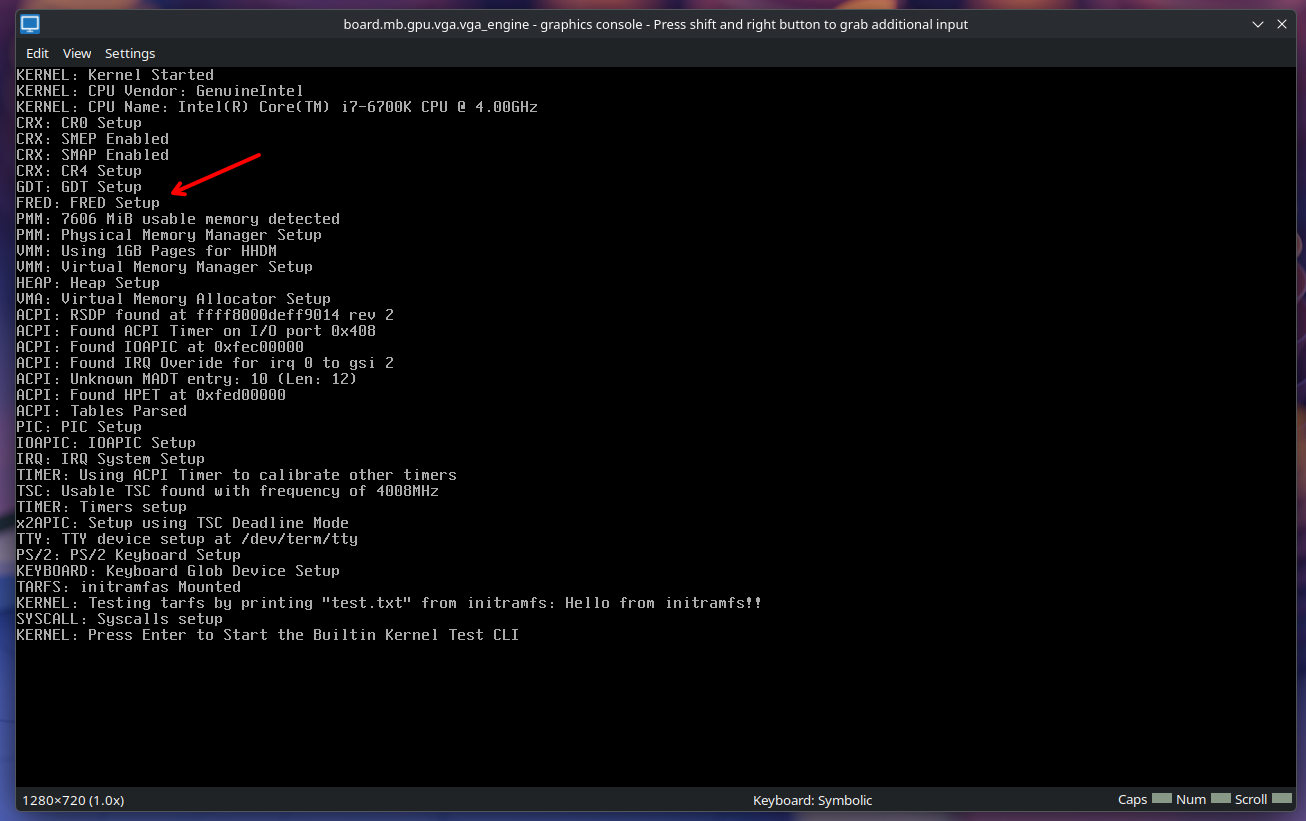
To know why we should switch to FRED, we must first understand what it replaces. The Interrupt Descriptor Table (IDT) tells the CPU what code to run when certain interrupts or faults happen. The big problem that the IDT has is inconsistency, most egregiously the fact that the stack layout depends on which interrupt happened. To solve the issues with the IDT, FRED was created.
[Evalyn] shows us the process, starting at the documentation, then finding an emulator capable of it and culminating in a demo where DOOM runs in EvalynOS with FRED enabled.
Pentium II die shot. Martijn Boer, Public domain.

Al ritorno dalla Luna, gli astronauti delle missioni Apollo trovarono la polvere attaccata alle loro tute spaziali, che causava mal di gola e lacrimazione agli occhi. La polvere lunare è composta da particelle taglienti, abrasive e nocive, ma quanto è tossica per l'uomo?
esa.int/Science_Exploration/Hu…
When the Apollo astronauts returned from the Moon, the dust that clung to their spacesuits made their throats sore and their eyes water. Lunar dust is made of sharp, abrasive and nasty particles, but how toxic is it for humans?www.esa.int
Cybersecurity & cyberwarfare reshared this.

Just getting that initial shape to start polishing is a chore, with hammering out the shape possibly being also a viable method. When casting metal it’s tricky to avoid having air bubbles and other defects forming, though using a sand mold seems to help a lot.
After you have the rough shape, polishing using power tools seems like cheating, but as you can see in the video even going from 50 to 8000 grit with a rotating disc left countless scratches. Amusingly, hand sanding did a much better job of removing the worst scratches, following which a polishing compound helped to bring out that literal mirror finish.
A quick glance at the Wikipedia entry for bronze mirrors shows that a tin-bronze alloy like speculum metal was used for thousands of years as it was much easier to polish to a good mirror finish. The metallurgy of what may seem like just a vanity item clearly goes deeper than just polishing up a metal surface.
youtube.com/embed/1x7hT55464g?…
Le proposte del Digital Omnibus, presentate come "semplificazione", rischiano di indebolire le garanzie essenziali del GDPR, della Direttiva ePrivacy e dell'AI Act. Riducendo le tutele e posticipando gli obblighi per i sistemi ad alto rischio, introducono una logica che ricorda l'approccio "muoviti velocemente e rompi le cose" tipico dell'industria tecnologica. Nelle infrastrutture digitali basate sull'elaborazione di grandi quantità di dati e su processi decisionali automatizzati, tuttavia, gli errori non scompaiono semplicemente. Diventano parte integrante del sistema. Per questo motivo, la regolamentazione è fondamentale per tutelare i diritti delle persone.
Il post di @EDRi
reshared this
NEW: Nicholas Moore, who hacked the U.S. Supreme Court's document filing system and two other government agencies, was sentenced to one year of probation.
“I made a mistake,” Moore reportedly said during the sentencing hearing. “I am truly sorry. I respect laws, and I want to be a good citizen.”
techcrunch.com/2026/04/17/man-…
Nicholas Moore hacked into three U.S. government networks using stolen credentials, and then bragged about it and posted victims' personal data on Instagram under the handle @ihackedthegovernment.Lorenzo Franceschi-Bicchierai (TechCrunch)
Cybersecurity & cyberwarfare reshared this.
Cooking food with fire is arguably the technology that propelled humans to become the dominant species on Earth. It’s pretty straightforward to achieve, just requiring a fuel source, a supply of oxygen from the air, and a way to initiate the reaction; then it self-sustains. You wouldn’t think there’s much to improve, but what about cooking with plasma? [Jay] from the plasma channel is no stranger here, and he thinks that there may be something in this idea, certainly enough to actually build something.
Now, let’s be straight with you, this isn’t a new concept, and you can buy a plasma-based cooking appliance right now. But they are all AC-powered devices. What if you want to go camping? [Jay] attempts (and succeeds) in building a portable, rechargeable 600W plasma cooking device that can actually cook food, but it was not all plain sailing.
The existing off-the-shelf ZVS driver modules available were a bit weak and unreliable, and the required flyback coils were hard to find with the right specs, so he needed to get down to work building custom parts. First off, the coils. Custom formers were resin-printed and machine-wound with 4000 turns of fine wire, and then resin-sealed into the former. [Jay] takes care to explain that it is crucial to get all the air out of the windings, or else local flashover breakdown will occur and wreck the coil in a short time. We reckon the resulting coils look amazing in their own right!

Next, the ZVS drivers on hand had low-quality capacitors (well, not enough capacitance anyway) and cheap driver transistors, so both were upgraded. The initial plan was to have four driver/coil pairs, each driving a single pair of electrodes, with a common ground ring connecting them all. It turns out this was a terrible idea: the drivers were not synchronised, so they were pulling on each other, causing catastrophic damage to the PCBs in a very short time. The solution was more complicated wiring, to give each coil secondary output a dedicated electrode pair, so there was no direct electrical connection between neighbouring coils and no coupling between them. A clever electrode arrangement meant that a pan would sit on top of a ring of electrodes, causing plasma discharges to jump directly to the pan, thereby concentrating localised heating there. We were wondering how this new direct connection (the pan is now a common connection!) didn’t also cause backfeeding and kill the ZVS drivers again, but it didn’t seem to happen.
Anyway, [Jay] demonstrates what is possibly the world’s first rechargeable, portable plasma cooker capable of making breakfast. Which we think is very important in its own right, however, we would like a plasma-based solution to making toast next, perhaps a plasma knife that cooks the bread as you slice it?
If this plasma cooking lark rings a bell, yes, we did touch upon this way back in 2017. And whilst not strictly plasma cooking, you can make an amazing microwave plasma in this ridiculously upgraded appliance. Definitely do not try that one at home.
youtube.com/embed/JtSYeftGUGE?…


Silvia Project In Gaza
in reply to Aral Balkan • • •