
Fincantieri accelera, ordini in crescita e nuovo slancio nell’underwater
@Notizie dall'Italia e dal mondo
I risultati del primo semestre 2025 confermano la traiettoria di crescita di Fincantieri, con performance in progresso in tutti i segmenti di business e una solidità finanziaria che rafforza la visione a lungo termine delineata nel piano industriale 2023-2027. Il consiglio di
I.A. e precisione delle risposte
@Informatica (Italy e non Italy 😁)
Lo scopo di questo articolo è riflettere su alcuni aspetti dell’intelligenza artificiale tra cui il prompting ossia la capacità di effettuare correttamente una domanda all’algoritmo d’intelligenza artificiale per ottenere risposte […]
L'articolo I.A. e precisione delle risposte proviene da Edoardo Limone.
L'articolo proviene dal blog

Hands On: The Hacker Pager

It should come as no surprise that the hacker community has embraced the Meshtastic project. It’s got a little bit of everything we hold dear: high quality open source software, fantastic documentation, a roll-your-own hardware ethos, and just a dash of counterculture. An off-grid communications network cobbled together from cheap parts, some of which being strategically hidden within the urban sprawl by rogue operators, certainly sounds like the sort of thing you’d read about it in a William Gibson novel.

Quality hardware that offers a turn-key experience will be critical to elevating Meshtastic from a hobbyist’s pastime to something that could actually be fielded for applications such as search and rescue. Plus, let’s be honest, even those of us who like to put together our own gadgets can appreciate a more consumer-oriented piece of hardware from time to time. Especially if that hardware happens to be open source and designed to empower the user rather than hold them back.
Enter the Hacker Pager from exploitee.rs. As the name implies, it’s still very much a device intended for hackers — a piece of hardware designed for the halls of DEF CON rather than trekking through the wilderness. But it’s also an important step towards a new generation of Meshtastic hardware that meets the high standard of quality set by the software itself.
All in One, One For All
Before diving into the device itself, it would be helpful to take a moment to explain how users typically interact with Meshtastic, and what makes the Hacker Pager different.
Generally speaking, there are two types of Meshtastic devices: stationary nodes placed on rooftops and other vantage points to provide the infrastructure, and mobile nodes that a person would carry with them that allows access the network. This isn’t strictly accurate as each mobile device can also relay messages and contribute to the overall mesh network, but for the purposes of this discussion that’s not really an important distinction.
The mobile nodes are essentially radio modems that connect to your smartphone. You might have one strapped to your backpack, or mounted to the roof of your car. An app on your phone allows you to use the radio to tap into the Meshtastic network, and provides (among other features) an SMS-like interface for sending and receiving messages. This can be a little ungainly if you’re physically plugged into the mobile node, but Bluetooth is also an option.
Now, what makes the Hacker Pager different is that it not only works as gateway device to provide access to the Meshtastic network to a tethered smartphone, but it can also be used as a stand-alone communicator. This approach is truly the best of both worlds, as you get all the functionality of the smartphone application, while also giving you the freedom to subtract the phone from the equation entirely.
hackaday.com/wp-content/upload…
The Hacker Pager isn’t the first Meshtastic device to provide this capability, but at the time of this writing, it’s still one of only a handful of options that offer it. It is however the first one to come in the classic pager form factor, which brings with it a certain nostalgic appeal. The unique layout and interface of the Hacker Pager does come at a cost though; at least for now, it can’t run the mainline Meshtastic firmware and has its own independent fork. But we’ll get back to that in a minute.
Built By Hackers, For Hackers
I mentioned earlier that the Hacker Pager isn’t designed for a rugged environment, but that doesn’t mean it’s a wimp, either. It’s built like a brick, which I mean in the most positive way possible. But more than that, it’s built how a hacker would build it. Laser-cut acrylic panels, 3D printed body and buttons, you can still see how each component could be produced by a well-equipped home gamer should they need or want to.
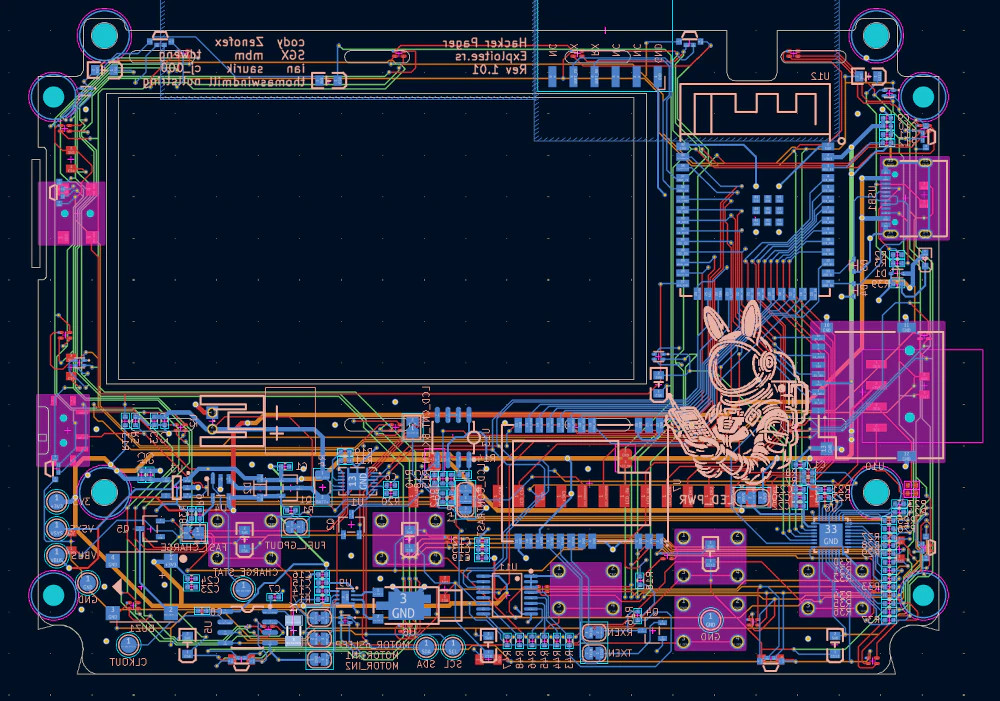
That’s something we often see get inadvertently overlooked by open source hardware projects, and I’m happy to see that it seems to have remained a guiding principle for the Hacker Pager. It’s no mean feat either — we always release the design files for our annual Supercon badge, but that’s not to say they’ve always been easy to recreate for the hacker who couldn’t make it out to Pasadena. It’s not that we ever intentionally design the badge to be hard to replicate, it can just get away from you sometimes.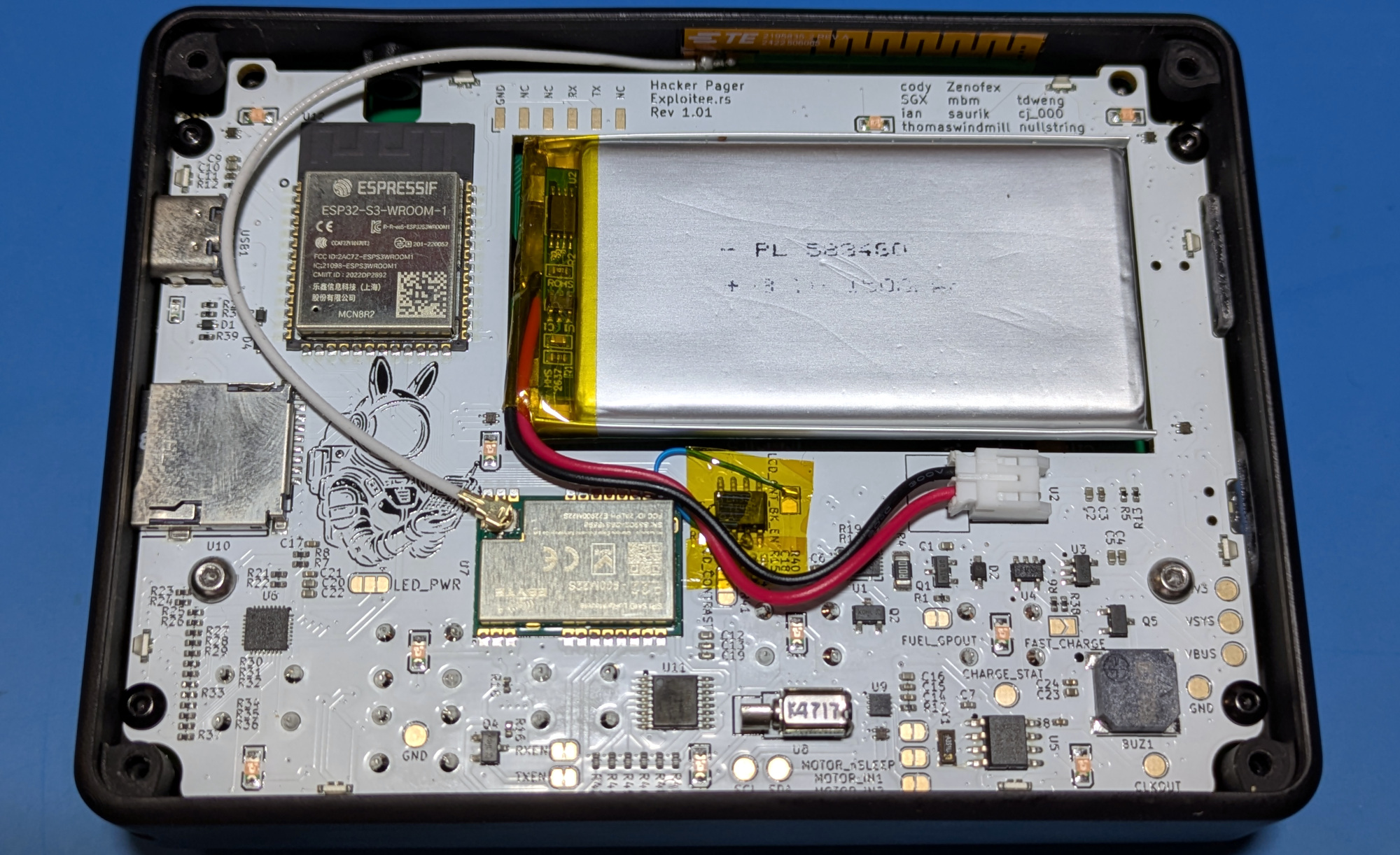
While going with a larger footprint for some of the components would have made DIY rework a little easier, there’s nothing about the Hacker Pager that would keep you from either building one yourself or using it as a basis for another design. That includes the license, as the hardware side of the project is available under the CERN Open Hardware Licence Version 2.
I could easily see the Hacker Pager becoming another Beepy — an OSHW project that resonates so strongly with the community that it inspires a whole line of clones.
A New Way to Mesh
The firmware for the Hacker Pager is forked from the upstream Meshtastic project, and as such, the device is fully compatible with all the infrastructure that’s already out there. Similarly, when used in conjunction with the official Meshtastic smartphone application, you’ll have all the features and functions you’re used to. But when you use the Hacker Pager on its own, it’s unlike any other Meshtastic device out there.
That’s largely due to the fact that the retro-inspired hardware of the Hacker Pager demands a different sort of user interface than any of the existing Meshtastic devices. The menu system makes excellent use of the vibrant 192×64 pixel monochrome LCD, and banging out messages using the on-screen keyboard and directional buttons is a breeze. Users from the younger generations may need some time to adapt, but for those of a certain age, it feels like home.
hackaday.com/wp-content/upload…
One of my favorite features doesn’t even kick in until you’ve put the Hacker Pager down for a bit. Once the device has hit the user-defined idle timeout, the screen backlight turns off and the screen shifts over to an ambient clock display that also shows critical status information such as battery level, number of nodes in the area, and a new message indicator.
It’s also got the features you’d expect from a modernized pager. You can be notified of incoming messages by the classic audible alert or vibration, naturally. But there’s also 36 addressable RGB LEDs and a dozen UV LEDs that are more than happy to put on a light show each time something hits your inbox.
More Than Idle Talk
Honestly, if everything I’ve just covered was all the Hacker Pager could do, I’d still have come away impressed. But the team at exploitee.rs took things a step further by adding in several tools that should prove useful for anyone who’s into hacking around on Meshtastic or other flavors of LoRa.

The Packet Capture mode (and matching Wireshark plugin) lets you explore the actual communication protocols at work, and the Spectrum Analyzer will visualize anything broadcasting between 850 to 950 MHz and optionally export the results. While there’s no official word on additional tools, it’s not hard to imagine how either exploitee.rs or the community could expand on these capabilities on the future with new functions such as a WiFi or Bluetooth scanner.
Joining the Pager Revolution
If you want your own Hacker Pager, it will set you back $200 for the standard Green/Black model shown here, or $250 for the Special Edition colors (Pink/Black, Orange/Black). Unfortunately, they’re currently out of stock.
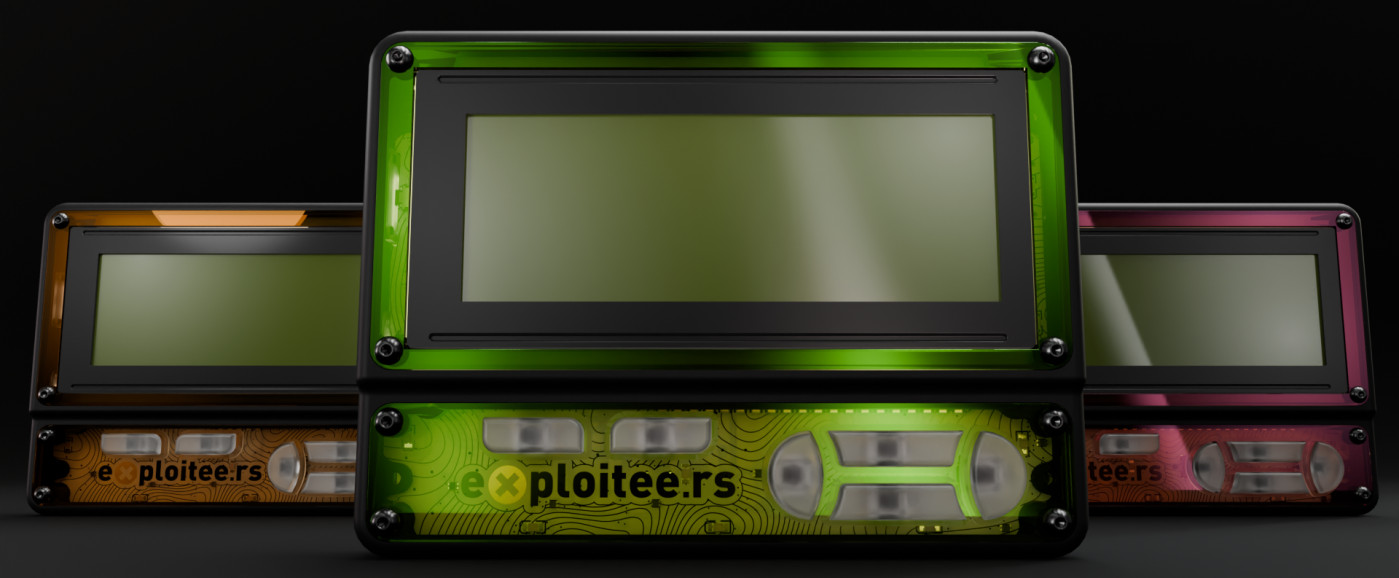
We made every effort to time the release of this article to coincide with availability of the Hacker Pager, but folks have been chomping at the bit to pick one up since they were first unveiled last year, and demand was simply too great. Sorry about that.
But don’t worry, you haven’t missed your chance. We’re told that units will be available at DEF CON 33 next week if you’re making the trip out to Vegas, and if not, you can put your email down to be notified when the next batch of Hacker Pagers will be ready to go.
In the meantime, you can read up on the promise of the Meshtastic project and maybe even setup your first node.
Farewell Shunsaku Tamiya: The Man Who Gave Us The Best Things To Build

In the formative experiences of most Hackaday readers there will almost certainly be a number of common threads, for example the ownership of a particular game console, or being inspired into engineering curiosity by the same TV shows. A home computer of a TV show may mark you as coming from a particular generation, but there are some touchstones which cross the decades.
Of those, we are guessing that few readers will not at some point have either built, owned, or lusted after a Tamiya model kit at some point over the last many decades, so it’s with some sadness that we note the passing of Mr. Tamiya himself, Shunsaku Tamiya, who has died at the age of 90.

For most of us the word “Tamiya” conjures up an image of a brightly coloured and well illustrated box with the trademark red and blue Tamiya logo containing a model kit, remote controlled car, or other wondrous piece of miniature engineering. Kids’ are shaped by the experiences their toys give them, and while it might seem strange to cite plastic models as a key influence for a hardware hacker, here were toys that could be built in all their intricate detail.
The Tamiya story started in the lumber business, diversifying into wooden toys, and then just like LEGO on the other side of the world from their Shizuoka base, into plastic injection mouldings. Shunsaku Tamiya was famous for his attention to detail and this very much came through in his products.
I learned this first-hand through a professional modeler friend who had the job of making the models featured on British Tamiya packaging. Though she dealt with the British agents of the company and could have spent her entire tenure talking to their marketing department, she found herself dealing with Mr. Tamiya personally. His box models were made by one of the best in the business, but even the quality of the packaging in a distant export market mattered to the boss.
We are sure the Tamiya company will continue to produce the best in plastic modeling, and we envy the kids who are now discovering them for the first time and sharpening an interest in making things that will stay with them for life. Thank you, Shunkasu Tamiya.
Bug da Oscar per macOS/iOS! Un’email crittografata causa l’arresto anomalo del device
Un’e-mail crittografata può causare l’arresto anomalo immediato del sistema macOS/iOS? La risposta è SI!
Non si tratta di un complotto di fantascienza, ma di un attacco reale, come rivelano gli ultimi risultati delle ricerche di Alibaba Security. Per prevenire efficacemente questo tipo di attacco, Alibaba Security e l’Università dell’Indiana a Bloomington hanno esplorato e scoperto congiuntamente un vettore di attacco per rilevare potenziali problemi di sicurezza DoS (Denial-of-Service) nelle librerie di algoritmi crittografici: certificati X.509 malformati.
Hanno quindi condotto una serie di ricerche su problemi correlati nelle librerie di algoritmi crittografici basate su questo vettore. Questo risultato è stato reso pubblico alla conferenza USENIX Security’25 ed è stato candidato ai Pwnie Awards, gli “Oscar del mondo degli hacker”.
Utilizzando certificati X.509 malformati, i ricercatori hanno condotto esperimenti su sei librerie di algoritmi crittografici open source tradizionali: OpenSSL, Botan, Bouncy Castle, Crypto++, GnuTLS e phpseclib, nonché su una libreria crittografica Security progettata specificamente per l’ecosistema Apple.

Sono state scoperte 18 nuove vulnerabilità CVE e identificate 12 vulnerabilità CVE note .
I certificati digitali X.509 sono le “carte d’identità” del mondo online
Con l’ampia diffusione di Internet, le problematiche relative alla sicurezza delle reti stanno diventando sempre più importanti. Per garantire la sicurezza e l’affidabilità delle comunicazioni di rete, i certificati digitali sono diventati uno strumento fondamentale per garantire l’autenticazione dell’identità e la sicurezza dei dati.
Un certificato digitale è come una “carta d’identità” nel mondo online. Viene rilasciato da un’organizzazione terza affidabile (chiamata autorità di certificazione, CA) e viene utilizzato per verificare l’identità di entrambe le parti in comunicazione e garantire che le informazioni non vengano manomesse durante la trasmissione.
Attualmente, X.509 è uno degli standard di certificazione digitale più ampiamente adottati a livello internazionale. Definisce la struttura e il contenuto di base di un certificato, inclusi campi quali informazioni sul soggetto, chiave pubblica, algoritmo di firma e periodo di validità, e supporta meccanismi di verifica della catena di certificati, creando così un’infrastruttura a chiave pubblica (PKI) affidabile.
Inoltre, i certificati X.509 sono diventati una componente fondamentale della moderna sicurezza di rete, utilizzati in vari protocolli (come TLS e S/MIME) per garantire la sicurezza delle comunicazioni. Anche i sistemi operativi moderni (come macOS e iOS) utilizzano i certificati X.509 per la verifica delle firme, garantendo l’autenticità e l’integrità delle applicazioni.
Risoluzione dei problemi di tipo DoS con certificati X.509 non validi
Le API relative alla crittografia sono spesso complesse nella progettazione, e molti sviluppatori non hanno conoscenze specifiche in materia. La contraddizione tra i due aspetti porta a un frequente uso improprio delle API di crittografia nella pratica, il che ha spinto la ricerca esistente a concentrarsi su come contrastare al meglio l’uso improprio delle API di crittografia.
Tuttavia, anche se gli utenti rispettano rigorosamente le specifiche di utilizzo e chiamano correttamente l’API in una libreria crittografica, potrebbero comunque verificarsi rischi per la sicurezza dovuti a problemi di sicurezza nell’implementazione dell’API stessa.
La ricerca attuale sui problemi di sicurezza nelle implementazioni crittografiche si concentra principalmente sulla riservatezza (come gli attacchi side-channel) e sull’integrità (come le collisioni hash) nella tripletta CIA (riservatezza, integrità e disponibilità), mentre viene prestata meno attenzione ai problemi di disponibilità. Tuttavia, il team di ricerca ha notato che le librerie crittografiche sono spesso più vulnerabili agli attacchi DoS rispetto ad altri tipi di progetti a causa delle due caratteristiche seguenti:

- L’implementazione di librerie crittografiche spesso comporta operazioni su “grandi numeri” (ad esempio, operazioni su un campo finito che coinvolgono un numero primo a 1024 bit). Tali operazioni e i loro ordini di grandezza sono relativamente rari nei progetti non crittografici.
- L’implementazione di librerie crittografiche spesso comporta l’elaborazione di vari tipi di dati (come ASN.1) e regole di codifica (come la codifica DER). La progettazione di questi schemi è spesso complessa ed è facile commettere errori durante il processo di implementazione.
Per convalidare ulteriormente questa osservazione, il team di ricerca ha condotto un’analisi sistematica delle implementazioni di codice in diverse librerie crittografiche vulnerabili agli attacchi DoS. Nel processo, hanno dimostrato la fattibilità dell’utilizzo di certificati X.509 malformati come vettore di attacco per sfruttare e rilevare problematiche di tipo DoS nelle librerie crittografiche.
I principali contributi di questo lavoro includono i seguenti tre punti:
- Analisi sistematica e nuove scoperte : hanno condotto la prima analisi sistematica delle librerie di algoritmi crittografici vulnerabili agli attacchi DoS. Così facendo, hanno scoperto tre nuovi rischi per la sicurezza di tipo DoS e hanno rivelato un vettore di attacco comune, ovvero certificati X.509 malformati, per sfruttare le vulnerabilità DoS associate a dieci rischi tipici identificati in questo studio.
- Sviluppo di strumenti automatizzati + Individuazione e sfruttamento delle vulnerabilità : hanno sviluppato uno strumento automatizzato chiamato X.509DoSTool, che può essere utilizzato per generare rapidamente certificati malformati specifici e rilevare vulnerabilità DoS nelle corrispondenti implementazioni delle librerie crittografiche. Utilizzando questo strumento, hanno scoperto con successo 18 nuove vulnerabilità e identificato 12 vulnerabilità note. Hanno inoltre verificato queste vulnerabilità in scenari reali e scoperto nuovi metodi di sfruttamento remoto sulle piattaforme macOS e iOS.
- Modellazione delle minacce e strategie di mitigazione : attraverso la modellazione delle minacce e i risultati sperimentali, hanno dimostrato che l’attacco DoS X.509 è una minaccia diffusa, ma finora poco studiata, nel mondo reale. Sulla base di ciò, hanno ulteriormente analizzato le cause profonde degli attacchi DoS X.509 e proposto strategie di mitigazione praticabili per aiutare gli sviluppatori a migliorare la sicurezza dei loro sistemi.
Questa sezione è dettagliata nella Sezione 1 dell’articolo. Inoltre, per comprendere meglio il contenuto dei capitoli successivi, si consiglia ai lettori di fare riferimento all’introduzione alle conoscenze di base nella Sezione 2 dell’articolo per una maggiore comprensione degli aspetti matematici delle curve ellittiche, di ASN.1 e di X.509.
La ricerca di Alibaba Security
In questo lavoro, i ricercatori concentrandosi su questo attacco, hanno ulteriormente analizzato i meccanismi e i metodi di sfruttamento di una serie di vulnerabilità legate ai rischi DoS nelle librerie crittografiche. Utilizzando strumenti automatizzati, hanno scoperto 18 nuove vulnerabilità in sette importanti librerie crittografiche. Hanno poi dimostrato queste vulnerabilità in due scenari reali: l’handshake TLS reciproco sui siti web HTTPS e la verifica della firma sui sistemi macOS/iOS di Apple.
I risultati sperimentali dimostrano la fattibilità dei certificati X.509 malformati da loro creati nel rilevare e sfruttare le vulnerabilità DoS nelle librerie crittografiche. Rivelano inoltre che gli attacchi DoS X.509 rappresentano una minaccia alla sicurezza diffusa ma poco studiata, meritevole di maggiore attenzione. Discutono inoltre le cause profonde di questi attacchi e propongono una serie di possibili strategie di mitigazione.
In futuro, il team di ricerca spera che questo lavoro possa accrescere ulteriormente la consapevolezza della comunità della sicurezza in merito alle vulnerabilità crittografiche e ai metodi di attacco e ispirare più ricercatori a esplorare meccanismi efficaci di rilevamento e difesa, promuovendo congiuntamente la costruzione di sistemi crittografici e proteggendo la sicurezza degli utenti.
L'articolo Bug da Oscar per macOS/iOS! Un’email crittografata causa l’arresto anomalo del device proviene da il blog della sicurezza informatica.
Mr Robot Insegna: un Raspberry Pi con supporto 4G usato dagli hacker per accedere alla rete di una banca
E’ stato segnalato da Group-IB che un Raspberry Pi con supporto 4G e’ stato sfruttato dal gruppo di pirati informatici UNC2891, conosciuto anche con il nome di LightBasin, al fine di superare le misure di sicurezza e accedere alla rete della banca. Attraverso la connessione allo stesso switch di rete del bancomat, il computer a scheda singola ha creato un varco nella rete interna della banca, permettendo ai malfattori di operare in modo laterale ed installare delle backdoor.
I ricercatori, che hanno individuato la violazione durante l’esame di operazioni sospette sul sistema informatico della banca, hanno rilevato che l’attacco era finalizzato ad alterare l’autorizzazione dei terminali di prelievo automatico e ad effettuare operazioni di ritiro di denaro.
Sebbene l’attacco LightBasin sia fallito, i ricercatori sottolineano che l’incidente è un raro esempio di attacco ibrido avanzato (che combina accesso fisico e remoto) che ha utilizzato anche più metodi anti-forensi. Il gruppo LightBasin, attivo dal 2016, non è il primo ad attaccare i sistemi bancari. Ad esempio, già nel 2022, gli esperti di Mandiant avevano segnalato l’allora nuovorootkit Unix Caketap, creato per funzionare sui sistemi Oracle Solaris utilizzati nel settore finanziario.
I ricercatori hanno quindi concluso che l’obiettivo finale di Caketap era quello di intercettare i dati di verifica delle carte di credito e i PIN dai server degli sportelli bancomat hackerati e poi utilizzare tali informazioni per effettuare transazioni non autorizzate. I messaggi intercettati da Caketap erano destinati a un Payment Hardware Security Module (HSM), un dispositivo hardware antimanomissione utilizzato nel settore bancario per creare, gestire e convalidare chiavi crittografiche per PIN, bande magnetiche e chip EMV.
Nell’attacco scoperto da Group-IB, i partecipanti a LightBasin hanno ottenuto l’accesso fisico a una filiale bancaria anonima, autonomamente o corrompendo un dipendente, che ha aiutato gli hacker a installare un Raspberry Pi con un modem 4G sullo stesso switch di rete del bancomat. Ciò ha permesso agli aggressori di mantenere un accesso remoto costante alla rete interna della banca, bypassando i firewall.
Sul Raspberry Pi era installata una backdoor TinyShell, che l’aggressore ha utilizzato per creare un canale di comunicazione con il server di comando e controllo tramite una rete mobile. Nelle fasi successive dell’attacco, gli aggressori si sono spostati sul Network Monitoring Server, che aveva ampie possibilità di connettersi al data center della banca.
Da lì, gli aggressori si sono spostati su un server di posta che aveva accesso diretto a Internet e che è rimasto presente sulla rete dell’organizzazione anche dopo che il Raspberry Pi è stato scoperto e rimosso. Le backdoor LightDM utilizzate dagli aggressori, imitavano gli accessi legittimi sui sistemi Linux. Un altro elemento che ha contribuito all’elevato grado “stealth” è stato il montaggio di file system alternativi (tmpfs ed ext4) sui percorsi /proc/[pid] dei processi dannosi. Ciò ha permesso di nascondere i metadati associati agli strumenti forensi.
Secondo i ricercatori, l’obiettivo finale degli aggressori era quello di distribuire il rootkit Caketap, ma il piano è stato sventato quando l’attacco è stato scoperto.
L'articolo Mr Robot Insegna: un Raspberry Pi con supporto 4G usato dagli hacker per accedere alla rete di una banca proviene da il blog della sicurezza informatica.
Relazione annuale 2024 in uscita! Date un'occhiata al lavoro di noyb nel 2024! mickey31 July 2025
Il diritto alla protezione dei dati e le battaglie per la privacy: pubblicato oggi il rapporto annuale 2024 di NOYB!
A quasi 7 anni dall'entrata in vigore del GDPR, noyb rimane una delle principali forze europee che si battono per il diritto fondamentale alla protezione dei dati per tutti gli utenti. Ad oggi, il nostro lavoro legale ha portato a sanzioni amministrative per un totale di 1,69 miliardi di euro. I nostri risultati nel 2024 dimostrano ancora una volta che possiamo fare la differenza: oltre ad aver presentato 36 nuovi reclami, abbiamo anche ottenuto diverse nuove decisioni dalle autorità e persino una sentenza della Corte di Giustizia Europea (CGUE).
Qui il rapporto in inglese
noyb.eu/en/annual-report-2024-…
Nessuno dei progetti di @mastodon.social/@noybeu.rss sarebbe possibile senza i 5.250 membri sostenitori, i membri istituzionali e ogni singolo individuo che dona a noyb. La vostra generosità e dedizione dei sostenitori permettono a NOYB di continuare il suo lavoro e di avere un impatto significativo sui diritti digitali.

Annual Report 2024 out now!
Our achievements in 2024 prove once again that we can make an impact: In addition to filing 36 new complaints, we also obtained a number of new decisions from authorities and a CJEU rulingnoyb.eu
reshared this
Dazi: la soluzione non sono i ristori ma le riforme
@Politica interna, europea e internazionale
In Italia, la pressione fiscale reale si attesta ormai sopra il 47% del Pil: un dato che condanna le nostre imprese a subire un carico fiscale complessivo particolarmente elevato, prossimo al 60%. A un fisco asfissiante, occorre poi sommare il costo degli adempimenti burocratici, di circa 80 miliardi di
Senza avventurarsi nel merito
@Politica interna, europea e internazionale
La legge costituzionale sulla separazione delle carriere deve essere ancora approvata, ma l’Associazione nazionale magistrati ha già avviato la campagna referendaria. Una campagna senza esclusione di colpi. Il primo, la diffusione di un documento risalente al 1994 in cui l’allora pubblico ministero Carlo Nordio si pronunciava contro la
Venezuela, il voto municipale premia il blocco bolivariano
@Notizie dall'Italia e dal mondo
Affluenza al 44%, forte presenza dei giovani e 285 municipi al Gran Polo Patriótico Simón Bolívar. Il governo punta sulla ripresa economica
L'articolo Venezuela, il voto pagineesteri.it/2025/07/31/ame…
L’imbecille morale. Credersi morali nell’immoralità di aggredire un ebreo
@Politica interna, europea e internazionale
Al “pazzo morale” Cesare Lombroso dedicò a un intero capitolo del suo L’uomo delinquente (1876). La pazzia morale, scrive, “o pazzia ragionante, o imbecillità morale, consiste, come denota il nome, in un’alterazione del senso morale, che può giungere sino alla
Le durissime parole di Mattarella: “A Gaza situazione sempre più intollerabile, nessun errore ma ostinazione a uccidere indiscriminatamente” | VIDEO
@Politica interna, europea e internazionale
Il presidente della Repubblica Sergio Mattarella condanna quanto il governo israeliano sta facendo nella Striscia di Gaza e lo fa con parole durissime. Durante la cerimonia del Ventaglio, infatti, il Capo
Nicola Pizzamiglio likes this.

La riduzione dell'inquinamento in Asia ha smascherato il riscaldamento globale
Le politiche di bonifica dell'aria dall'inquinamento in Asia orientale hanno rimosso il provvisorio effetto raffreddante degli aerosol.Focus.it

Aggressione al turista ebreo all'autogrill di Lainate, arriva la contro denuncia: «Ci ha insultati e ha alzato lui le mani per primo»
L'esposto presentato da due fratelli che facevano parte del gruppo. «Ci ha detto figli di puttana palestinesi, terroristi»Open

Come nasce la gravità? Forse abbiamo la risposta
Una teoria emergente suggerisce che la gravità non sarebbe una forza fondamentale, ma un fenomeno termodinamico indotto dall’aumento cosmico dell’entropia.Patrizio Coccia (Tom's Hardware)
L’Agenzia spaziale italiana svilupperà la prima casa per gli astronauti sulla Luna e su Marte
la Meloni insisterà anche per mandare una donna italiana a rassettare?
Non so se basterà, ma vale la pena provarci 💪🤞
(Se non compare l'anteprima: petizione per fermare l'abbattimento degli alberi sani a Roma)
reshared this

Idv resterà italiana. Finalizzato l’acquisto da parte di Leonardo per 1,7 miliardi
@Notizie dall'Italia e dal mondo
Alla fine, Idv resterà italiana. Con un’operazione da 1,7 miliardi di euro, Leonardo ha finalizzato l’accordo di acquisizione del segmento veicoli militari di Iveco. L’operazione sarà finalizzata nel corso del primo trimestre del 2026, previa autorizzazione
reshared this

Submit to biometric face scanning or risk your account being deleted, Spotify says, following the enactment of the UK's Online Safety Act.
Submit to biometric face scanning or risk your account being deleted, Spotify says, following the enactment of the UKx27;s Online Safety Act.#spotify #ageverification

Spotify Is Forcing Users to Undergo Face Scanning to Access Explicit Content
Submit to biometric face scanning or risk your account being deleted, Spotify says, following the enactment of the UK's Online Safety Act.Samantha Cole (404 Media)

Ministero dell'Istruzione
Il Consiglio dei Ministri ha approvato oggi in via definitiva i regolamenti che riformano il #voto di #condotta e la disciplina della valutazione degli #studenti della #scuola secondaria, dopo i pareri favorevoli espressi dal Consiglio di Stato.Telegram

Dazi, accordo Usa-Ue da rifare? Il caso
Il nodo principale da sciogliere riguarda la natura dell'intesa raggiunta: l'assenza di un testo congiunto è un fatto con pochi precedenti nella storia, almeno per 'deal' di questa portataRedazione Adnkronos (Adnkronos)
Mi sono arrivati gli occhiali.
È tutto più nitido, tutto più colorato... c'è tanta bellezza in giro.
Mi sono accorto che una commessa della COOP ha un piercing al naso.
Fino a ieri non mi ero accorto neanche che avesse un naso. 😁
like this
Poliversity - Università ricerca e giornalismo reshared this.
#Gaza e l'alibi del genocidio

Gaza e l’alibi del genocidio
I recenti annunci dei governi di Francia e Regno Unito sul riconoscimento nelle prossime settimane dello stato palestinese non hanno nulla a che vedere con un reale scrupolo per questo popolo né con un impegno autentico per fermare il genocidio in co…www.altrenotizie.org
Avviso per tripofobici: il web sta per diventare un percorso ad ostacoli tra buchi e link rotti.
@Privacy Pride
Il post completo di Christian Bernieri è sul suo blog: garantepiracy.it/blog/buco/
"Ipertesto": una parola in disuso, forse un po' da boomer. All'inzio del web "ipertesto" descriveva in modo sintetico il fatto che ogni pagina web poteva contenere dei link, dei richiami alle fonti, ad altre pagine, ad
Privacy Pride reshared this.
Panama in rivolta: repressione, disuguaglianze e proteste popolari scuotono il paese
@Notizie dall'Italia e dal mondo
Dai territori rurali alle città, cresce l’ondata di mobilitazione contro sfruttamento, violazioni dei diritti e politiche imposte dall’alto.
L'articolo Panama in rivolta: repressione, disuguaglianze e proteste popolari scuotono il paese
Notizie dall'Italia e dal mondo reshared this.
GAZA. “È genocidio”: B’Tselem e Physicians for Human Rights accusano Israele
@Notizie dall'Italia e dal mondo
Rompendo un tabù, due ONG israeliane hanno puntato il dito contro lo Stato lanciando pubblicamente un'accusa gravissima che sfida la narrazione ufficiale
L'articolo GAZA. “È genocidio”: B’Tselem e Physicians for Human Rights accusano Israele proviene da
Notizie dall'Italia e dal mondo reshared this.