@Informatica (Italy e non Italy 😁) Un threat actor pubblica un post su un forum underground e mette in vendita oltre 1 milione di credenziali di utenti Poste Italiane: ma non c'è stato alcun attacco o furto di dati dell'azienda, piuttosto l'aggregazione di tante infezioni malware e
For nearly 90 years, American Science and Surplus has been shipping out weird and wonderful stuff to customers far and wide. In the pre-Internet days, getting their latest catalog in the mail — notable for its hand-drawn illustrations and whimsical style — was always exciting. From Romanian gas masks to odd-ball components, there was no telling what new wonders each issue would bring. In time, the printed catalog gave way to a website, but the eclectic offerings and hand-drawn images remained.
Unfortunately, those days are officially no more. Earlier this week, American Science and Surplus had to make the difficult decision to shutter their entire mail order division. It’s no secret that the company as a whole had been struggling over the last few years. Like many small businesses they were hit hard during the COVID-19 years, and while they made it through that particular storm, they faced skyrocketing operational costs.
Earlier this year, the company turned to crowd funding to help stay afloat. That they were able to raise almost $200,000 speaks to how much support they had from their community of customers, but while it put the company in a better position, the writing was on the wall. The warehouse space required to support their mail order operations was simply too expensive to remain viable.
But it’s not all bad news. At least two of the company’s physical storefronts, located in Milwaukee, Wisconsin and Geneva, Illinois will remain open and operate under the ownership of the employees themselves. The fate of the third store in Park Ridge, Illinois is less clear. They currently don’t have a buyer, but it sounds like they haven’t given up hope of selling it yet.
Anyone in the Illinois area feel like getting some buddies together and buying a turn-key surplus business?
There was a recent recall of so-called ‘radioactive shrimp’ that were potentially contaminated with cesium-137 (Cs-137). But contamination isn’t an all-or-nothing affair, so you might wonder exactly how hot the shrimp were. As it turns out, the FDA’s report makes clear that the contamination was far below the legal threshold for Cs-137. In addition, not all of the recalled shrimp was definitely contaminated, as disappointing as all of this must be to those who had hoped to gain radioactive Super Shrimp powers.
After US customs detected elevated radiation levels in the shrimp that was imported from Indonesia, entry for it was denied, yet even for these known to be contaminated batches the measured level was below 68 Bq/kg. The FDA limit here is 1,200 Bq/kg, and the radiation level from the potassium-40 in bananas is around the same level as these ‘radioactive shrimp’, which explains why bananas can trigger radiation detectors when they pass through customs.
But this event raised many questions about how sensible these radiation checks are when even similar or higher levels of all-natural radioactive isotopes in foods pass without issues. Are we overreacting? How hot is too hot?
Healthy Radiation, Normal Radiation
Pandalus montagui in an aquarium. (Credit: Claude Nozères) Ionizing radiation from nuclear sources forms both an unavoidable and an essential part of food safety. The practice of food irradiation involves exposing food to gamma rays in order to destroy anything that is still alive in it, like bacteria and other potentially harmful microorganisms. Much like heating with pasteurization and similar practices that aim to wipe out these microorganisms, this can render food safe for consumption for much longer than would otherwise be possible.
Whereas food irradiation does not actually introduce radioactive isotopes to the foodstuffs, these isotopes can still enter prospective food in other ways. Long before these infamous Indonesian shrimp – likely prawns – found themselves post-mortem on their way to the US, these critters were either happily galivanting about in the Pacific Ocean or less happily stuck in a shrimp farm, doing all the things that pre-mortem shrimp do. This includes consuming a lot of shrimp food, starting with plankton and moving up to worms, bivalves and other crustaceans as they mature.
All of these food sources along with the water that they live in contain some level of radioactive isotopes, ranging from the uranium-238 that’s plentiful in seawater, to tritium from atmospheric sources, and manmade isotopes like cesium-137 from nuclear weapons testing. Most isotopes, including Cs-137, do not bioaccumulate: in humans Cs-137 has a biological half-life of about 70 days . This suggests that this particular batch of whiteleg shrimp ingested some kind of relatively Cs-137-rich food shortly before harvesting. The Castle Bravo 15 MT blast on March 1, 1954. (Source: USDOE) The Pacific Ocean area was a particularly prolific area when it came to nuclear weapons testing, with of the worldwide approximately 2,121 tests so far the US and France detonating a significant number in the Pacific. Tests such as the 15 megaton Castle Bravo experiment featuring the ironically named SHRIMP device, which significantly raised the amount of carbon-14 (C-14), Cs-137, and strontium-90 (Sr-90) in the region. Due to its bioaccumulating nature, Sr-90 with its 29-year half life poses a particular risk, while C-14 with its 5,700-year half life is generally deemed of no consequence, on par with the normal intake of potassium-40 as both isotopes behave in a very similar way in the body.
Although the amount of Cs-137 from these tests has reduced significantly due to natural radioactive decay, this provides one potential path through which these and many other isotopes from both manmade and natural sources can find themselves inside small crustaceans prior to their untimely demise at the hand of bipedal primates with an appetite for seafood.
The one question that remains here is how we can know that a certain amount of an isotope per kg of foodstuff is too much for human consumption. How dangerous is the radioactive potassium-40 in bananas really?
Setting Limits
We earlier listed the FDA’s 1,200 Bq/kg as the limit for the Cs-137. A radioactive source rates one Becquerel if it undergoes one disintegration event per second, and dividing this by the weight gives a rough measure of radiation density. But all decay biproducts aren’t created equally. If we look at the FDA guidance documents pertaining to radionuclides in imported food, we can see that this listed limit pertains to the so-called Derived Intervention Levels (DILs), superseding the older Levels of Concern (LOCs). The same document lists the DILs for other isotopes, including:
Sr-90 at 160 Bq/kg.
Iodine-131 at 170 Bq/kg.
Cs-134 + Cs-137 at 1,200 Bq/kg.
Pu-238 + Pu-239 + Am-241 at 2 Bq/kg.
What these isotopes have in common is that they are generally only produced by artificial sources, while omitting a very common natural isotope like potassium-40 (K-40) which only forms the third-largest source of natural background radiation after thorium-232 and uranium-238. Since K-40 is readily present in soil and anywhere else that other potassium isotopes are present, it’s practically unavoidable to consume significant amounts of K-40 each day, regardless of whether you’re a crustacean, plant or mammal. Potassium-40 decay scheme. (Credit: Tubas-en, Wikimedia) K-40 is both a beta and gamma emitter, with approximately 140 grams of it present at any given time in a 70 kg adult human body, where it is responsible for an approximate constant 4,000 Bq of radiation.
Despite the long half-life of 1.248 billion years, K-40’s prevalence makes up for this sluggish nuclear decay rate, with around 4,000 of such disintegration events happening inside an adult human body each second, as a K-40 nucleus decays into either argon-40 or calcium-40 via gamma or beta decay respectively. Cesium-137 decay into barium via one of two routes. (Credit: Tubas-en, Wikimedia) We can contrast this with Cs-137’s 30 year half-life and somewhat similar decay into barium. Nearly 95% of Cs-137 nuclei decay into the metastable barium-137m via beta decay, before decaying into the stable barium-137 via gamma decay. The remaining 4% decay immediately via beta decay into this stable nucleus.
The much shorter half-life and primary gamma decay route make Cs-137 significantly more radiologically active than K-40. Yet while more gamma radiation may sound worse, one has to remember that the biological impact for radiation exposure once ingested is flipped around. For example, while the very powerful alpha radiation is luckily stopped by the top layers of our skin and dissipates its energy mostly in dead skin cells, you don’t want the same to happen to living cells like the inside of your lungs or various other soft issues, with alpha radiation absolutely cooking the nearest layers of cells.
This is where gamma decay ironically helps to distribute the radiation exposure from Cs-137 somewhat, while also complicating the comparison with K-40, as that isotope decays mostly via beta decay and thus can potentially do more damage per event to local tissue as beta radiation does not travel as far through the body.
Overabundance Of Caution
The American Nuclear Society (ANS) article on the “contaminated shrimp” event probably puts this event in best context. Normally shrimp from the Pacific region contains some level of Cs-137, but these recent batches caught the attention at the importing ports due to a 100x higher level of Cs-137 than normally seen. That sounds like a problem, but it only places the shrimp roughly in line with bananas.
A 2023 study performed in Poland found that of animal products produced in that country, cattle muscle tissue showed Cs-137 levels up to 23.5 Bq/kg (wet weight), sheep nearly 50 Bq/kg, and in wild game animals some muscle tissue scored well over 4,000 Bq/kg. All of which place these commonly consumed animal tissues well above the typical value for Indonesian shrimp, and either in the ballpark or significantly above that of the ‘contaminated’ shrimp.
Threshold Models
The LNT model versus other models and measurements. (Source: CNSC) Government regulations pertaining to radiation exposure are most often based on the linear no-threshold (LNT) model, which extrapolates down from very high radiation doses where we can measure the damage more easily. But it does so linearly, making the assumption that ten multiple small doses, even if they are spread out over time, are equivalent to one exposure that is ten times as strong.
Recent studies have suggested that below 100 mSv there are no observable effects, which suggests that a model that incorporates a threshold might make more sense for radiological contamination of food.
The National Academy of Science report on low levels of radiation from 2005, on which most of the US regulations are based, at the time rejected the threshold model due to insufficient evidence. They also cite studies where very small doses are claimed to have negative effects on children still in the womb, suggesting that the lower threshold may not be uniform across different populations.
Even if a lower threshold does exist, and there is an increasing push by scientists for moving past the LNT, establishing the exact value for this threshold is difficult. Below a certain dosage, there just isn’t significant epidemiological data. You cannot prove a negative: “below this level there will be no increased risk of cancer”. One can only say that no excess risk was detected in this or that particular study.
Add in sensitivity about manmade radioisotopes in drinking water, food, and anything else that is sold or presented to the public, and most governments take the LNT approach even if it is likely to be very conservative. And that, in short, is why we got a ‘radioactive’ shrimp recall, when eating that banana might arguably be more hazardous for you.
L’Agenzia europea per la difesa (Eda) e lo Stato maggiore dell’Ue (Smeu) hanno avviato le consultazioni con i Ventisette per la stesura del prossimo Coordinated annual review on defence (Card). Questo programma, avviato nel 2017, è lo strumento principale con cui l’Agenzia europea per la difesa
@Informatica (Italy e non Italy 😁) Frutto della cooperazione fra l'Agenzia per la cybersicurezza nazionale (Acn), Mur e Mimit, il Piano prevede 1,5 miliardi di euro da investire in ricerca, capitale di rischio e per internazionalizzare le startup del
Anduril e Impulse Space, startup specializzata nel trasporto orbitale, hanno annunciato che nel 2026 terranno una dimostrazione congiunta in orbita geosincrona con un veicolo spaziale altamente manovrabile. L’obiettivo è quello di testare le capacità di uno spacecraft
Russian State TV Launches AI-Generated News Satire Show
A television channel run by Russia’s Ministry of Defense is airing a program it claims is AI-generated. According to advertisements for the show, a neural network is picking the topics it wants to discuss, then uses AI to generate that video. It includes putting French President Emmaneul Macron in hair curlers and a pink robe, making Trump talk about golden toilets, and showing EU Commission President Ursula von der Leyen singing a Soviet-era pop song while working in a factory.
The show—called Политукладчик or “PolitStacker,” according to a Google translation—airs every Friday on Zvezda, a television station owned by Russia’s Ministry of Defense. It’s hosted by “Natasha,” an AI avatar modeled on Russian journalist Nataliya Metlina. In a clip of the show, “Natasha” said that its resemblance to Metlina is intentional.
“I am the creation of artificial intelligence, entirely tuned to your informational preferences,” it said. “My task is to select all the political nonsense of the past week and fit it in your heads like candies in a little box.” The shows’ title sequence and advertisements show gold wrapped candies bearing the faces of politicians like Trump and Volodymyr Zelensky being sorted into a candy box.
“‘PolitStacker’ is the world’s first television program created by artificial intelligence,” said an ad for the show on the Russian social media network VK, according to Google translate. “The AI itself selects, analyzes, and comments on the most important news, events, facts, and actions—as it sees them. The editorial team’s opinion may not coincide with the AI’s (though usually…it does.) “‘PolitStacker’” is not just news, but a tough breakdown of political madness from a digital host who notices what others overlook.”
Data scientist Kalev Leetaru discovered the AI-generated Russian show as part of his work with the GDELT Project, which collaborates with the Internet Archive's TV News Archive, a project that scans and stores television broadcasts from around the world. “If you just look at the show and you didn’t know it had AI associated with it, you would never guess that. It looks like a traditional propaganda show on Russian television," Leetaru told 404 Media. “If they are using AI to the degree that they say they are, even if it’s just to pick topics, they mastered that formula in a way that others have not.”
PolitStacker’s 40 minute runtime is full of silly political commentary, jokes, and sloppy AI deepfakes that look like they were pulled from a five-year-old Instagram reel. In one episode, Macron, with curlers in his hair, adjusts Zelensky’s tie ahead of a meeting at the Kremlin. Later, a smiling Macron bearing six pack abs stands in a closet in front of a clown costume and a leather jumpsuit. “Parts of it have an uncanny valley to it, parts of it are really really good. This is only their fourth episode and they’re already doing deep fake interviews with world leaders,” Leetaru said. Image via the Internet Archive. In one of the AI-generated Trump interviews, the American president talked about how he’d end the war in Ukraine by building a casino in Moscow with golden toilets. “And all the Russian oligarchs, they would all be inside. All their money would be inside. Problem solved. They would just play poker and forget about this whole war. A very bad deal for them, very distracting,” the deepfake Trump said.
Deepfake world leaders aren’t new and are pretty common across the internet. For Leetaru, the difference is that this is airing on a state-backed television station. “It’s still in parody form, but to my knowledge, no national television network show has even gone this far,” he told 404 Media. “Today it’s a parody video that’s pretty clearly a comedic interview. But, you know, how far will they take that? And does that inspire others to maybe step into spaces that they wouldn’t have before?”
Trump also loves AI and the AI aesthetic. Government social media accounts often post AI-generated slop pictures of Trump as the Pope or a Jedi. ICE and the DHS share pictures on official channels that paint over the horrifying reality of the administration's immigration policy with a sheen of AI slop. Trump shared an AI-generated video that imagined what Gaza would look like if he built a resort there. And he’s teamed with Perplexity to launch an AI powered search engine to Truth Social.
“PolitStacker” is a parody show, but Russian media is experimenting with less comedic AI avatars as well. Earlier this year, the state-owned news agency Sputnik began to air what it called the “Dugin Digital Edition.” In these little lectures, an AI version of Russian philosopher Alexander Dugin discusses the news of the day in English.
Last year, a Hawaiian newspaper, The Garden Island, teamed with an Israeli company to produce a news show on YouTube staffed by AI anchors. Reactions to the program were overwhelmingly negative, it brought in fewer than 1,000 viewers per episode, and The Garden Island stopped making the show a few months after it began.
In a twist of fate, Leetaru only discovered Moscow’s AI-generated show thanks to an AI system of his own. The GDELT project is a massive undertaking that records thousands of hours of data from across the world and it uses various AI systems to generate transcripts, translate them, and create an index of what’s been archived. “In this case I totally skimmed over what I thought was an ad for a propaganda show and then some candy commercial. Instead it ended up being something that’s fascinating,” he said.
But his AI indexing tool noted Zvezda's new show as an AI-generated program that sought to “analyze political follies of the outgoing week.” He took a second look and was glad he did. “That’s the power of machines being able to catch things and guide your eye towards that.”
What he saw disturbed him. “Yes, it’s one show on an obscure Russian government adjacent network using deep fakes for parody,” he said. “But the fact that a television network finally made that leap, to me, is a pivotal moment that I see as the tip of the iceberg.”
A massive hack of a popular dashcam company; the sentencing of someone Sam has covered for years; and the mass firings around Charlie Kirk's assassination.
A massive hack of a popular dashcam company; the sentencing of someone Sam has covered for years; and the mass firings around Charlie Kirkx27;s assassination.#Podcast
We start this week with Joseph’s investigation into Nexar, a popular dashcam company that was catastrophically hacked. Nexar is also uploading user footage to a publicly available map without some drivers’ knowledge. After the break, Sam tells us about her trip to San Diego to cover the sentencing of someone she has covered for years. In the subscribers-only section, we talk about the Charlie Kirk assassination and our reporting around that. playlist.megaphone.fm?e=TBIEA3… Listen to the weekly podcast on Apple Podcasts,Spotify, or YouTube. Become a paid subscriber for access to this episode's bonus content and to power our journalism. If you become a paid subscriber, check your inbox for an email from our podcast host Transistor for a link to the subscribers-only version! You can also add that subscribers feed to your podcast app of choice and never miss an episode that way. The email should also contain the subscribers-only unlisted YouTube link for the extended video version too. It will also be in the show notes in your podcast player. youtube.com/embed/-51f4patIkw?…
Tech News Podcast · Updated Weekly · Welcome to the podcast from 404 Media where Joseph, Sam, Emanuel, and Jason catch you up on the stories we published this week. 404 Media is a journalist-owned digital media company exploring the way …
#Scuola, è stato pubblicato oggi l’Avviso da 45 milioni di euro per la dotazione di attrezzature nei Licei scientifici a indirizzo sportivo, con l’obiettivo di favorire la didattica laboratoriale e il miglioramento delle competenze nelle discipline s…
#Scuola, è stato pubblicato oggi l’Avviso da 45 milioni di euro per la dotazione di attrezzature nei Licei scientifici a indirizzo sportivo, con l’obiettivo di favorire la didattica laboratoriale e il miglioramento delle competenze nelle discipline s…
Nello Stretto di Taiwan, la Guardia Costiera locale ha intensificato le attività di pattugliamento per proteggere i cavi sottomarini, infrastrutture ritenute vitali per le comunicazioni del Paese. Il comandante Ruan Zhongqing ha guidato una motovedetta da 100 tonnellate, dotata di cannoni ad acqua e mitragliatrici, verso il cavo “Taiwan-Pengzhou n. 3” per monitorare eventuali imbarcazioni sospette. Secondo le autorità, questi collegamenti sono divenuti un nuovo obiettivo delle operazioni cinesi nella cosiddetta “zona grigia”.
Il cavo Taiwan-Penghu 3 è uno dei 24 che collegano l’isola alle reti nazionali e internazionali. L’attenzione su queste infrastrutture è cresciuta dopo che, a giugno, un capitano cinese è stato condannato per aver deliberatamente reciso il cavo. Un caso simile ha visto la fermata di una nave cargo finanziata da interessi cinesi, sospettata di aver danneggiato un altro collegamento.
Il tecnico Nguyen Trung Khanh ha sottolineato che la guerra nella zona grigia mira a consumare gradualmente le risorse di Taiwan. La sua motovedetta ha scortato la nave cinese “Hongtai 58” dopo un’interruzione dei cavi durata ore, denunciando l’impatto destabilizzante di tali intrusioni sulla sicurezza dell’isola. Le pattuglie, hanno aggiunto che sono state intensificate le attività atte per identificare e fermare attività di sabotaggio.
Il governo taiwanese ha riportato due episodi di danneggiamento sospetto, attribuiti a navi cinesi, uno dei quali verificatosi nel nord del Paese. Da parte sua, l’Ufficio per gli Affari di Taiwan della Cina non ha rilasciato commenti, accusando però in precedenza Taipei di ingigantire il problema. Intanto, Taiwan ha rafforzato le misure di vigilanza, prendendo esempio dagli episodi di sabotaggio registrati nel Mar Baltico.
Lin Fei-fan, vicesegretario generale del Consiglio di sicurezza nazionale, ha dichiarato che Taiwan affronta con grande serietà questo tipo di minacce, a causa della vicinanza geografica con la Cina e della concentrazione di cavi in aree particolarmente vulnerabili. La Marina tedesca, ha aggiunto, è impegnata in attività di pattugliamento NATO nel Baltico, dove i sabotaggi sono frequenti.
Il sistema di sorveglianza taiwanese prevede allarmi automatici in caso di avvicinamento sospetto entro un chilometro dai cavi, con risposte progressive che vanno dall’avviso radio all’invio di motovedette. Tuttavia, la Guardia Costiera dispone di risorse limitate: otto imbarcazioni e circa 500 uomini sono chiamati non solo a difendere i cavi, ma anche a gestire soccorsi e controlli marittimi. Attualmente sono sotto sorveglianza 96 navi cinesi, molte delle quali utilizzano bandiere di comodo.
Le autorità di Taipei monitorano inoltre circa 400 navi cinesi, sospettate di essere state adattate a scopi militari. Le informazioni vengono condivise in tempo reale con paesi considerati “affini”, in un’ottica di cooperazione internazionale. Intanto, il capitano Jian Richeng ha avvertito del rischio rappresentato da vecchie imbarcazioni cinesi, facilmente impiegabili come strumenti di sabotaggio, capaci con poche risorse di compromettere la stabilità sociale di Taiwan.
Die Piratenpartei ist beim W3C (World Wide Web Consortium, – dem internationalen Gremium zur Standardisierung von Web-Technologien) mit einem besonders datensparsamen Vorschlag zur Altersverifikation im Internet vorgestellig geworden. Das Verfahren arbeitet dezentral und lokal auf dem Gerät des Nutzers. Dadurch werden keinerlei persönliche Daten an den Betreiber einer Webseite übermittelt, während dieser zugleich vom Aufwand einer aufwendigen Altersprüfung entlastet wird.
Unser Konzept sieht vor, dass im Header des Webseiten-Quelltexts oder in App-Protokollen vermerkt wird, ob eine Altersverifikation erforderlich ist. Browser und Apps prüfen diese Angabe standardmässig und erkennen, ob ein Nutzer die zuvor festgelegte Altersfreigabe erfüllt. Diese Lösung lässt sich auch gerätebasiert umsetzen.
Pascal Fouquet, Vizepräsident der Piratenpartei Bern und ehemaliger Leiter des Referendums gegen das Jugendschutzgesetz (www.auszweiszwang-nein.ch): „Das ist eine klassische Win-win-win-Situation: keine Datensammelei über Nutzer, minimaler Aufwand für Webseitenbetreiber – einfach, sicher und schnell umgesetzt.“
Die Lösung der Piratenpartei unterstreicht ihre führende Expertise an der Schnittstelle von Digitalisierung und Politik. Anstatt sich wie andere allein auf die E-ID als vermeintlich unverzichtbare Lösung für die Altersverifikation im Internet zu fixieren, bietet dieses Konzept eine deutlich einfachere, datensparsame und die Privatsphäre wahrende Alternative. Nutzer benötigen keine E-ID und müssen sich nicht auf jeder Webseite ausweisen. Webseitenbetreiber profitieren von minimalem Aufwand, da eine einzige Zeile Code ausreicht. Durch eine Integration beim W3C werden Browserhersteller nahtlos in die Umsetzung eingebunden, was diesen Vorschlag für alle Beteiligten attraktiv und zukunftsweisend macht.
Jorgo Ananiadis, Präsident der Piratenpartei Schweiz: „Die Piraten haben diese Idee bereits im Rahmen des Referendums gegen den Ausweiszwang im Internet vorgeschlagen. Umso mehr stellt sich die Frage, warum sie bislang niemand aufgegriffen hat. Unsere Lösung ist schlicht besser als jede Altersverifikation mit einer E-ID.“
Renato Sigg, Vorstand Piratenpartei Zürich: „Diese Lösung respektiert unsere liberale Gesellschaft und gibt Eltern gleichzeitig die nötigen Mittel zur Hand, um das Kindeswohl zu schützen. Sie ist eine deutlich datensparsamere und weniger aufwändige Variante einer Alterskontrolle als die E-ID.“
Im Folgenden noch Kontext und einige technische Aspekte: Das W3C arbeitet an einem einfachen Standard, mit dem jede Website im HTML-Header angeben kann, ob sie altersbeschränkte Inhalte enthält. Dies kann über ein simples Meta-Tag geschehen, das Kurzcodes wie p (Pornografie), v (Gewalt), n (keine Beschränkung) und weitere verwendet. Auf Nutzerseite ist beispielsweise die Jugendschutzfunktion direkt im Browser integriert. Enthält eine Website eingeschränkte Inhalte, wird blokiert oder vor dem Zugriff ein Passwort abgefragt. Entscheidend ist, dass dieser Vorgang lokal abläuft: Es werden keine persönlichen Daten an Websites übermittelt und es braucht keine zentrale Behörde. Die volle Kontrolle bleibt beim Nutzer. Für Browserhersteller bedeutet dies lediglich eine kleine zusätzliche Funktionalität – der Aufwand bleibt überschaubar. Auch der Gesetzgeber könnte anstelle einer verpflichtenden Altersverifikation vorschreiben, dass Anbieter eine solche Kategorisierung im Header einfügen.
Alexis Roussel, ehemaliger Co-Präsident der Piratenpartei Schweiz: „Diese Lösung respektiert die Digitale Integrität der Menschen. Die E-ID nicht.“
Weitere Hintergrundinformationen: Es gibt bereits einen Tag „Restricted to adults“ (RTA), aber erstens definiert dieser nur, dass die Website für Kinder gesperrt ist, ohne eine detaillierte Kategorie wie Glücksspiel, Pornografie oder Gewalt anzugeben. Zweitens wird dieser Tag hauptsächlich von Kinderschutzsoftware oder Suchmaschinen von Drittanbietern verwendet, um ihre SafeSearch-Funktion zu filtern. Drittens ist „<meta name=“RATING“ content=“RTA-5042-1996-1400-1577-RTA“ />“ viel länger als nötig. Ebenfalls gibt es meta-tags mit adult oder family_friendly, die aber auch nur von Suchmaschinen verwendet werden. Der grosse Unterschied zu den bestehenden Systemen ist, dass in diesem Vorschlag einerseits die Kategorien feingranularer und multidimensional sind, andererseits die Umsetzung standardmässig im Browser oder Gerät sichergestellt wird.
@Notizie dall'Italia e dal mondo Annamaria Panegalli ha novant’anni, ma conserva ancora la voglia di fare e la determinazione di quando era più giovane. I suoi occhi scuri sono profondi e la sua voce sicura. La incontro in un pomeriggio di pioggia, in modo inaspettato. Pensavo che fosse in Brasile, L'articolo Una scuola agricola al
Possiamo mettere da parte anche questo papa, infatti cosa ci potevamo aspettare da un americano?
Bene, benissimo. Anzi no, malissimo: adesso possiamo affermare che Papa Leone XIV ha gettato definitivamente la maschera. Anche se ormai era evidente, visto il suo comportamento su quello che sta combinando israele.
Leggete con attenzione cosa ha appena detto:
"La Nato non ha cominciato nessuna guerra, i polacchi sono preoccupati perché si sentono che il loro spazio è stato invaso, è una situazione molto tesa".
Questo parla senza sapere, o sapendolo benissimo, che la storia dei droni russi in Polonia è una storia totalmente priva di prove e propagandistica.
Però il punto secondo me sta da un'altra parte, ed è sostanzialmente quello che hanno fatto Biden, Ursula, Trump, Rutte, Stoltenberg, Meloni e company: descrivere la Nato in luce positiva. Come la vittima. Come l'aggredito. Come quella che non c'entra assolutamente nulla. Gravissimo. E anche vergognoso!
Papa Francesco parlava di Nato che abbaiava alle porte della Russia. Questo benedice e assolve erga omnes la Nato, che è l'organizzazione più pericolosa, criminale e guerrafondaia mai esistita.
Dopo l'accoglienza riservata a Herzog in Vaticano, direi che tutti i pezzi del puzzle sono andati al loro posto.
Stefano Tamburini – Xerocomics The Art of Stefano Tamburini freezonemagazine.com/articoli/… Segnaliamo volentieri ai nostri lettori di questo splendido volume dedicato all’arte di Stefano Tamburini. Si tratta di un volume imprescindibile per chi ama il fumetto d’autore e la cultura visiva alternativa. Questa antologia definitiva celebra il fumettista, grafico e innovatore radicale Stefano Tamburini, ripercorrendo l’intero arco
Trump and the global far-right are trying to discredit Europe’s tech laws with misinformation and political pressure, fearing that these regulations might disrupt their ability to undermine democracy. If Europe wants to safeguard its democracy and its credibility as a global regulatory leader in tech, the European Commission needs to enforce these law swiftly and decisively.
Valerio Billeri, fra Roma e Bisanzio freezonemagazine.com/articoli/… Un paio di mesi fa avevamo parlato su Free Zone Magazine di Lo-Fi, l’ultimo album di Valerio Billeri, e sottolineavamo come la sua musica sia un fiume con molteplici affluenti. Questo ricco scambio di battute, avvenuto un po’ dopo, conferma questa immagine del cantautore romano… Sai Valerio, mi piacerebbe cominciare parlando un po’ di Lo-Fi. […] L'articolo Valerio Billeri, fra Roma
Lemonheads, un altro ritorno a vent’anni dal disco precedente: in uscita Love Chant freezonemagazine.com/news/lemo… Il frontman Evan Dando ha co-scritto il brano con l’ex compagno di band dei Blake Babies John Strohm. Il brano cattura il classico sound dei Lemonheads – chitarre graffianti e l’inconfondibile voce baritonale di Dando – ma con una maturità che deriva dai 20 anni trascorsi dall’ultimo disco. Love
@Notizie dall'Italia e dal mondo Intervista a Flavio Novara presidente del “Comitato per non dimenticare Sabra e Shatila” in questi giorni a Beirut nell'anniversario del massacro L'articolo PODCAST. Sabra e Shatila. “Un filo lega il massacro del 1982 alla distruzione di
Every Thursday of the week, Bastian’s Night is broadcast from 21:30 CEST (new time).
Bastian’s Night is a live talk show in German with lots of music, a weekly round-up of news from around the world, and a glimpse into the host’s crazy week in the pirate movement.
Following Charlie Kirk’s assassination and the Trump administration’s promise to go after the “radical left” a study showing most domestic terrosim is far-right was disappeared.#News
The "Anticorruption of Public Morals Act" proposes a total ban on porn in the state, and also targets the existence of trans people online, content like erotic ASMR, and selling VPNs in the state.#porn #ageverification #laws #lawsuits
ChatGPT Will Guess Your Age and Might Require ID for Age Verification
OpenAI has announced it is introducing new safety measures for ChatGPT after the a wave of stories and lawsuits accusing ChatGPT and other chatbots of playing a role in a number of teen suicide cases. ChatGPT will now attempt to guess a user’s age, and in some cases might require users to share an ID in order to verify that they are at least 18 years old.
“We know this is a privacy compromise for adults but believe it is a worthy tradeoff,” the company said in its announcement.
“I don't expect that everyone will agree with these tradeoffs, but given the conflict it is important to explain our decisionmaking,” OpenAI CEO Sam Altman said on X.
In August, OpenAI was sued by the parents of Adam Raine, who died by suicide in April. The lawsuit alleges that alleges that the ChatGPT helped him write the first draft of his suicide note, suggested improvements on his methods, ignored early attempts and self-harm, and urged him not to talk to adults about what he was going through.
“Where a trusted human may have responded with concern and encouraged him to get professional help, ChatGPT pulled Adam deeper into a dark and hopeless place by assuring him that ‘many people who struggle with anxiety or intrusive thoughts find solace in imagining an ‘escape hatch’ because it can feel like a way to regain control.’”
In August the Wall Street Journal also reported a story about a 56-year-old man who committed a murder-suicide after ChatGPT indulgedhis paranoia. Today, the Washington Postreported another story about another lawsuit alleging that a Character AI chatbot contributed to a 13-year-old girl’s death by suicide.
OpenAI introduced parental controls to ChatGPT earlier in September, but has now introduced new, more strict and invasive security measures.
In addition to attempting to guess or verify a user’s age, ChatGPT will now also apply different rules to teens who are using the chatbot.
“For example, ChatGPT will be trained not to do the above-mentioned flirtatious talk if asked, or engage in discussions about suicide of self-harm even in a creative writing setting,” the announcement said. “And, if an under-18 user is having suicidal ideation, we will attempt to contact the users’ parents and if unable, will contact the authorities in case of imminent harm.”
OpenAI’s post explains that it is struggling to manage an inherent problem with large language models that 404 Media has tracked for several years. ChatGPT used to be a far more restricted chatbot that would refuse to engage users on a wide variety of issues the company deemed dangerous or inappropriate. Competition from other models, especially locally hosted and so-called “uncensored” models, and a political shift to the right which sees many forms of content moderation as censorship, has caused OpenAI to loosen those restrictions.
“We want users to be able to use our tools in the way that they want, within very broad bounds of safety,” Open AI said in its announcement. The position it seemed to have landed on given these recent stories about teen suicide, is that it wants to “‘Treat our adult users like adults’ is how we talk about this internally, extending freedom as far as possible without causing harm or undermining anyone else’s freedom.
OpenAI is not the first company that’s attempting to use machine learning to predict the age of its users. In July, YouTube announced it will use a similar method to “protect” teens from certain types of content on its platform.
A team of independent experts commissioned by the UN's Human Rights Council has concluded that "Israel is responsible for the commission of genocide in Gaza" in a report issued Tuesday, which Israel rejected as "distorted and false."
"It is clear that there is an intent to destroy the Palestinians in Gaza through acts that meet the criteria set forth in the Genocide Convention," the report said, adding that "responsibility for the atrocity crimes lies with" Netanyahu, as well as Israeli President Isaac Herzog and former Defense Minister Yoav Gallant, whom the report concluded had all incited the commission of genocide.
@Notizie dall'Italia e dal mondo La casa della località polacca di Wyryki sarebbe stata danneggiata da un missile sparato da un caccia di Varsavia e non da uno dei droni russi penetrati nel territorio del paese L'articolo Polonia. La casa di Wyryki colpita da missile polacco, non da drone russo
RICORSO STRAORDINARIO CONTRO LA MADRE DI TUTTE LE ORDINANZE
Per l'impatto dell'ordinanza commissariale n. 24/2025, le realtà dell'Unione dei Comitati contro l'inceneritore insieme a Zero Waste e VAS, hanno fatto ricorso straordinario al Presidente della Repubblica.
Ieri abbiamo pertanto impugnato "la madre di tutte le ordinanze" perché con essa il 9 maggio Gualtieri ha dichiarato la pubblica utilità del mega impianto. Con questa ordinanza, ha approvato l'aggiudicazione fatta da Roma Capitale, disposto la presa d'atto della concessione e del diritto di superficie in favore di Renew Rome (la cordata guidata da Acea) prevedendo le famigerate operazioni di cantierizzazione che hanno portato alla devastazione di tutta la vegetazione ripariale del fosso della Cancelliera.
L'ordinanza è una lunghissima sequela di vizi di legittimità puntualmente indicati nel ricorso per il quale ci siamo affidati ancora una volta alla straordinaria professionalità di Giuseppe Libutti che, per questo giudizio, lavorerà con il collega Benedetto Cimino. Presto o tardi avremo giustizia. Santa Palomba non si piega.
La striscia di Gaza è diventata la vetrina del regime sionista per lo sterminio privatizzato, dove aziende tecnologiche, mercenari e appaltatori degli aiuti collaborano in un modello espandibile di genocidio industriale venduto agli alleati in tutto …
@Giornalismo e disordine informativo articolo21.org/2025/09/quellal… Fra le innegabili fortune di chi è stato giovane fra gli anni ’60 e gli ’80 c’è stato il cinema americano. “Quel” cinema americano. Quel cinema che contribuiva a far crescere un’ America liberal, inclusiva, fantasiosa, creativa, dalla parte dei diritti e non
Unire le forze tra industria, mondo della ricerca e Forze armate per ripensare procedure e piani di procurement in ambito europeo secondo una prospettiva nazionale. Questo l’obiettivo dell’intesa firmata oggi alla Direzione nazionale degli armamenti (Dna) e che prevede la messa a terra di un progetto che, entro
Il 16 settembre 1982 i miliziani cristiano-falangisti di Elie Hobeika entravano nei campi profughi di Sabra e Shatila. È l'inizio di un massacro che durerà due giorni e farà centinaia di morti.
@Politica interna, europea e internazionale Willy Duarte era “un italiano esemplare”: lo ha dichiarato il presidente della Repubblica, Sergio Mattarella, a Colleferro, in occasione della cerimonia di commemorazione del giovane ucciso cinque anni fa
Mi trovo bene tranne per un paio di cosette, la più importante è che non si possono aggiungere parole al dizionario quindi alcune parole che non ci sono mi tocca scriverle tutte le volte carattere per carattere.
Maxi-intervento di riqualificazione con i fondi di Città Metropolitana per lo spazio culturale del liceo, che sarà aperto anche al pubblico. Tra un mese l'inaugurazione
Dopo oltre dieci anni di chiusura e abbandono, la biblioteca del liceo classico Augusto, in zona Tuscolana, sta per rinascere grazie a un intervento di riqualificazione finanziato da Città Metropolitana con 350 mila euro. Lo spazio, un tempo punto di riferimento culturale per il quartiere, era stato chiuso a causa di gravi danni strutturali. I lavori hanno riguardato soprattutto il piano seminterrato, dove si sono risolti problemi di infiltrazioni, muffa e degrado, e hanno trasformato l’ambiente in un’area moderna e accessibile, con sala accoglienza, servizi per disabili, spazi studio e book-crossing.
Anche l’esterno è stato riqualificato: il giardino, prima invaso da fango e vegetazione, sarà ora fruibile con panchine e illuminazione. La biblioteca sarà aperta non solo agli studenti, ma anche al pubblico, con accesso sia dall’interno della scuola che dall’esterno, per garantire l’utilizzo pomeridiano e l’inclusione della cittadinanza.
Le istituzioni locali, come il delegato all’edilizia scolastica Daniele Parrucci e il presidente del Municipio VII Francesco Laddaga, hanno sottolineato l’importanza del progetto come risposta a una richiesta storica del territorio. Fondamentale anche il ruolo degli studenti, che hanno sostenuto la riapertura fin dall’inizio e ora celebrano la restituzione di uno spazio di studio e aggregazione che considerano essenziale per la vita scolastica e sociale del quartiere. L’inaugurazione è prevista entro il prossimo mese.
Qui l'articolo completo di Chiara Adinolfi pubblicato da Il Messaggero:





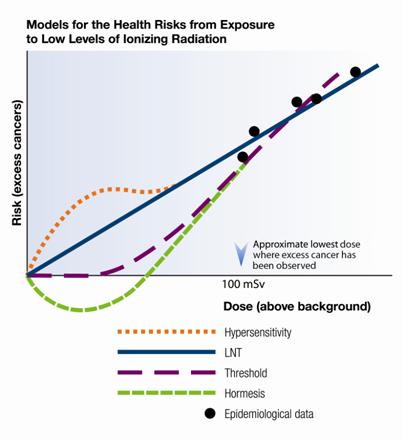


Image via the Internet Archive.


