“Siamo felici di questa seconda edizione del Master perché premia un percorso che ha radici profonde e una vocazione unica e chiara: valorizzare la comunicazione al servizio dell’umanità”.
Things are not looking good for iRobot. Although their robotic Roomba vacuums are basically a household name, the company has been faltering financially for some time now. In 2024 there was hope of a buyout by Amazon, who were presumably keen to pull the bots into their Alexa ecosystem, but that has since fallen through. Now, by the company’s own estimates, bankruptcy is a very real possibility by the end of the year.
Hackaday isn’t a financial blog, so we won’t get into how and why iRobot has ended up here, although we can guess that intense competition in the market probably had something to do with it. We’re far more interested in what happens when those millions of domesticated robots start getting an error message when they try to call home to the mothership.
We’ve seen this scenario play out many times before — a startup goes belly up, and all the sudden you can’t upload new songs to some weirdo kid’s media player, or the gadget in your fridge stops telling you how old your eggs are. (No, seriously.) But the scale here is unprecedented. If iRobot collapses, we may be looking at one of the largest and most impactful smart-gadget screw overs of all time.
Luckily, we aren’t quite there yet. There’s still time to weigh options, and critically, perform the kind of research and reverse engineering necessary to make sure the community can keep the world’s Roombas chugging along even if the worst happens.
The Worst-Case Scenario
So let’s say iRobot folds tomorrow. What’s likely to actually happen to all those Roombas?
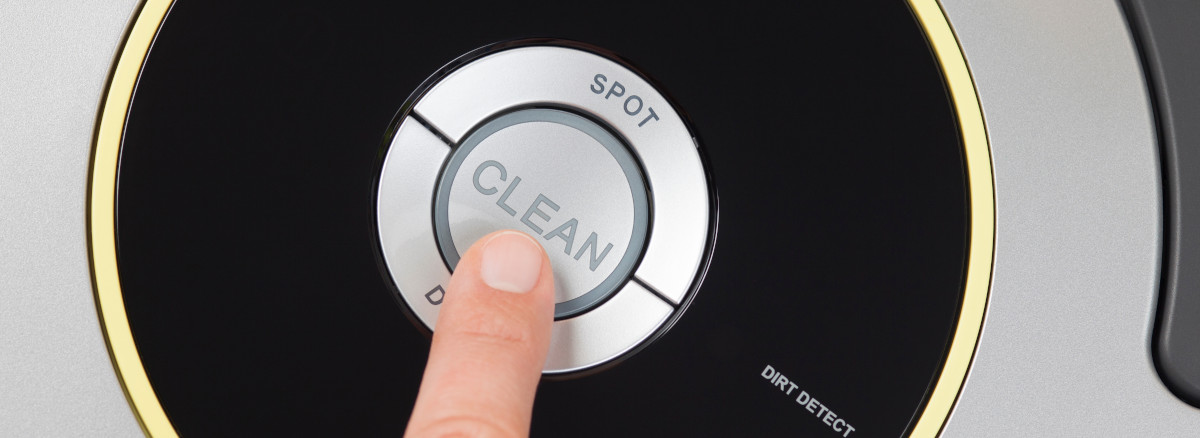
Well, the good news is that there’s no reason to assume the offline mode will be impacted. So pressing the “Clean” button on the top of your Roomba will still get the little fellow working, and the basic functions that allow it to navigate around a room and end up back on its charging dock are handled locally, so none of that will change.
But if iRobot’s servers go dark, that means the smartphone application and everything that relies on it is toast. So you’re going to lose features like scheduling, and the home mapping capabilities of the newer Roombas that allow it to understand directives such as “Clean the kid’s room” are also out the window. Thankfully, even the newest Roombas can function offline — but not all features will be available. Looking further ahead, it also means that your Roomba isn’t going to be getting any firmware updates. This probably isn’t a big deal in a practical sense. So long as you haven’t run into any kind of show stopping bug, any future updates would probably be minimal to begin with. But there’s always a chance, albeit slim, that a security vulnerability could be found within the Roomba’s firmware that would let an attacker use it in a malicious manner. In that case, you’d have to decide if the risk is significant enough to warrant chucking the thing.
Even further ahead, replacement parts will eventually become a problem and obviously you’ll no longer be able to get any support. The latter likely won’t phase many in this community, but the inability to repair your Roomba in a few years time might. Then again, depending on what parts we’re talking about, it’s not unreasonable to think that the community could produce alternatives via 3D printing or other methods when the time comes.
A Rich Hacking History
If you’ve been reading Hackaday for awhile, you probably already know that the Roomba is no stranger to hardware hackers. A quick search through the back catalog shows we’ve run nearly 150 articles featuring some variant of the cleaning droid. So it will likely come as no surprise to find that there’s already a number of avenues you can explore should official support collapse. iRobot invited hacking their robots, we accepted. Image: Fabrizio Branca To their credit, we should say that the success hackers have had with the Roomba is due in no small part to the relatively open attitude iRobot has had about fiddling around with their product. At least, in the early days.
As Fabrizio Branca mentions in a 2022 write-up about interfacing a Roomba with an ESP32, when he bought the bot in 2016, it even had a sticker that invited the owner to get their hands dirty. While the newer models seem to have deleted the feature, the majority of the older units even include a convenient expansion port that you can tap into for controlling the bot called the Roomba Open Interface (ROI).
So if you’ve got a Roomba with an ROI port — some cursory research seems to indicate they were still included up to the 800 series — there’s plenty of potential for smartening up your vacuum even if the lights go out at iRobot.
With a WiFi-enabled microcontroller riding shotgun, you can fairly easily tie an older Roomba into your home automation system. If Amazon has already taken over your household, you can teach it to respond to Alexa. For those looking to really push the limits of what a vacuum is capable of, you could even strap on a Linux single-board computer and communicate with the bot’s hardware using something like the PyRoombaAdapter Python library.
Solutions for Modern Problems
While this all sounds good so far, we run into something of a paradoxical problem. While the older Roombas are hackable and the community can continue updating and improving them, it’s the newer Roombas that are actually at greater risk should iRobot go under. In fact, many of the Roomba models that support ROI don’t even feature any kind of Internet connectivity to begin with — so they’ll be blissfully unaware should the worst happen.
The options right now for owners of “smarter” Roombas are more limited in a sense, but there’s still a path forward. Projects such as dorita980 and roombapy offer an unofficial API for communicating with many WiFi-enabled Roomba models over the local network, which in turn has allowed for fairly mature Home Assistant integration. You won’t be able to graft your own hardware to these more modern Roombas, but if all you want to do is mimic the functionality that would be lost if the official smartphone application goes down, a software solution will get you there.
It’s also quite possible that the news of iRobot’s troubles might inspire more hackers to take a closer look at the newer Roombas and see if there aren’t a few more rocks that could get turned over. As an example, the Valetudo project aims to free various robotic vacuums of their cloud dependency. It doesn’t currently support any of iRobot’s hardware, but if there were a few sufficiently motivated individuals out there willing to put in the effort, who knows?
A Windfall for Hackers?
In short, folks like us have little to fear should the Roomba Apocalypse come to pass. Between the years of existing projects demonstrating how the older bots can be modified, and the current — and future — software being developed to control the newer Internet-aware Roombas over the local network, we’ve got pretty much all the bases covered.
But for the average consumer who bought a Roomba in the last few years and makes use of the cloud-connected features, that’s another story. There’s frankly a whole lot more of them then there are of us, and they’ll rightfully be pretty pissed off if the fancy new robotic vacuum they just picked up on Black Friday loses a chunk of its promised functionality in a few months.
The end result may be a second-hand market flooded with discounted robots, ripe for the hacking. To be clear, we’re certainly not cheering on the demise of iRobot. But that being said, we’re confident this community will do its part to make sure that any Roombas which find themselves out in the cold come next year are put back to work in some form or another before too long.
L’economia britannica ha registrato un’ulteriore contrazione a settembre, in gran parte a causa dell’attacco informatico alla casa automobilistica Jaguar Land Rover (JLR) e della sua chiusura forzata.
Un nuovo rapporto dell’Office for National Statistics (ONS)registra una contrazione dello 0,1% del PIL e contemporaneamente rivede a zero il dato di agosto, che ha registrato una crescita dello 0,1% rispetto al precedente dato.
Di conseguenza, l’economia del Paese è cresciuta solo dello 0,1% nel terzo trimestre, significativamente al di sotto del tasso di crescita dello 0,7% registrato all’inizio dell’anno. Anche altri Paesi del G7 stanno registrando risultati altrettanto deboli: Germania, Italia e Canada hanno registrato una stagnazione o una crescita minima del PIL, compresa tra lo 0 e lo 0,1%.
Il Cancelliere dello Scacchiere Rachel Reeves ha affermato che la situazione nella seconda metà dell’anno richiede “decisioni decisive ma eque” per rafforzare l’economia e ridurre il costo della vita. Presenterà il suo secondo bilancio tra due settimane, promettendo di concentrarsi su misure volte a ridurre il debito pubblico e migliorare l’efficienza del sistema sanitario.
Il rapporto dell’ONS include anche l’impatto della crisi della Jaguar Land Rover, classificata dal centro di monitoraggio informatico come “evento sistemico di categoria 3”. A causa della chiusura forzata e delle ripercussioni sui settori correlati, la produzione di veicoli nel Paese è diminuita del 29%, con una riduzione del PIL complessivo di 0,17 punti percentuali.
Anche escludendo il settore automobilistico, l’economia rimane stagnante.
Ruth Gregory, Vice Capo Economista di Capital Economics, ha osservato che la crescita rimane frenata da imposte elevate e da un contesto esterno debole. Stima che gli aumenti fiscali previsti, che entreranno in vigore dopo la prossima legge di bilancio, potrebbero ridurre ulteriormente il PIL di circa lo 0,2% nel 2026, rendendo estremamente limitate le prospettive di un’accelerazione della crescita.
L'articolo proviene da #StartMag e viene ricondiviso sulla comunità Lemmy @Informatica (Italy e non Italy 😁) La Commissione europea intende valutare se Google applichi condizioni eque, ragionevoli e non discriminatorie di accesso ai siti web degli editori su Google Search. Non
I ricercatori di Google avvertono che gli hackerstanno sfruttando una vulnerabilità critica in Gladinet Triofox per eseguire da remoto codice con privilegi SYSTEM, aggirando l’autenticazione e ottenendo il controllo completo del sistema.
La vulnerabilità, identificata come CVE-2025-12480 (punteggio CVSS 9.1), è correlata alla logica di controllo degli accessi: i privilegi amministrativi vengono concessi se la richiesta proviene da localhost.
Questo consente agli aggressori di falsificare l’intestazione HTTP Host e penetrare nel sistema senza password, secondo gli esperti del Google Threat Intelligence Group (GTIG). Si noti che se il parametro facoltativo TrustedHostIp non è configurato in web.config, il controllo localhost diventa l’unica barriera, lasciando vulnerabili le installazioni con impostazioni predefinite.
Una patch per CVE-2025-12480 è stata inclusa nella versione 16.7.10368.56560, rilasciata il 26 luglio, e gli esperti di Google hanno confermato al produttore che il problema è stato risolto.
Tuttavia, gli esperti segnalano di aver già rilevato attività dannose correlate a questo bug. Ad esempio, ad agosto, un gruppo di hacker identificato con il codice UNC6485 ha attaccato i server Triofox che eseguivano la versione obsoleta 16.4.10317.56372.
In questo attacco, gli aggressori hanno sfruttato l’antivirus integrato di Triofox. Inviando una richiesta GET da localhost al referrer HTTP, gli hacker hanno ottenuto l’accesso alla pagina di configurazione AdminDatabase.aspx, che viene avviata per configurare Triofox dopo l’installazione. Gli aggressori hanno quindi creato un nuovo account Cluster Admin e hanno caricato uno script dannoso.
Gli hacker hanno configurato Triofox in modo che utilizzasse il percorso di questo script come posizione dello scanner antivirus. Di conseguenza, il file ha ereditato le autorizzazioni del processo padre di Triofox ed è stato eseguito con l’account SYSTEM.
Lo script ha quindi avviato un downloader di PowerShell, che ha scaricato il programma di installazione di Zoho UEMS. Utilizzando Zoho UEMS, gli aggressori hanno implementato Zoho Assist e AnyDesk per l’accesso remoto e lo spostamento laterale, e hanno utilizzato Plink e PuTTY per creare tunnel SSH verso la porta RDP dell’host (3389).
Gli esperti consigliano agli utenti di aggiornare Triofox all’ultima versione 16.10.10408.56683 (rilasciata il 14 ottobre) il prima possibile, di controllare gli account degli amministratori e di assicurarsi che l’antivirus integrato non esegua script non autorizzati.
Tv2000 trasmette in diretta, domani venerdì 14 novembre alle ore 11, il Dies Academicus della Pontificia Università Lateranense che segna l'inizio dell'Anno Accademico 2025-2026.
@Informatica (Italy e non Italy 😁) Secondo il Mobile Security Index 2025, la principale minaccia alla sicurezza delle aziende si trova nel palmo della mano dei loro dipendenti. Il fattore umano è la vera fragilità. Ecco cosa emerge dal report di Verizon L'articolo
Google is hosting a CBP app that uses facial recognition to identify immigrants, while simultaneously removing apps that report the location of ICE officials because Google sees ICE as a vulnerable group. “It is time to choose sides; fascism or morality? Big tech has made their choice.”#Google #ICE #News
Google Has Chosen a Side in Trump's Mass Deportation Effort
Google is hosting a Customs and Border Protection (CBP) app that uses facial recognition to identify immigrants, and tell local cops whether to contact ICE about the person, while simultaneously removing apps designed to warn local communities about the presence of ICE officials. ICE-spotting app developers tell 404 Media the decision to host CBP’s new app, and Google’s description of ICE officials as a vulnerable group in need of protection, shows that Google has made a choice on which side to support during the Trump administration’s violent mass deportation effort.
Google removed certain apps used to report sightings of ICE officials, and “then they immediately turned around and approved an app that helps the government unconstitutionally target an actual vulnerable group. That's inexcusable,” Mark, the creator of Eyes Up, an app that aims to preserve and map evidence of ICE abuses, said. 404 Media only used the creator’s first name to protect them from retaliation. Their app is currently available on the Google Play Store, but Apple removed it from the App Store.
“Google wanted to ‘not be evil’ back in the day. Well, they're evil now,” Mark added.
💡 Do you know anything else about Google's decision? I would love to hear from you. Using a non-work device, you can message me securely on Signal at joseph.404 or send me an email at joseph@404media.co.
The CBP app, called Mobile Identify and launched last week, is for local and state law enforcement agencies that are part of an ICE program that grants them certain immigration-related powers. The 287(g) Task Force Model (TFM) program allows those local officers to make immigration arrests during routine police enforcement, and “essentially turns police officers into ICE agents,” according to the New York Civil Liberties Union (NYCLU). At the time of writing, ICE has TFM agreements with 596 agencies in 34 states, according to ICE’s website.
This post is for subscribers only
Become a member to get access to all content Subscribe now
Apple dropped an ICE tracking app from its online store Thursday in response to the Department of Justice raising concerns that the app put law enforcement officers’ safety at risk.
[quote]WASHINGTON – “Trump sapeva delle ragazze e Virginia Giuffre ha passato ore a casa mia con lui”. Il contenuto di alcune mail del finanziere pedofilo Jeffrey Epstein, morto suicida in… L'articolo Le mail di Epstein fanno tremare
[quote]CARACAS – Si prepara al peggio il presidente venezuelano Nicolas Maduro dopo l’arrivo, nel Mar dei Caraibi, della portaerei americana USS Gerald Ford. A bordo decine di cacciatorpedinieri dotati di… L'articolo Usa-Venezuela, tensione nei Caraibi. Stop
ROMA – Migranti, difesa, energia. Sono questi alcuni dei temi dibattuti nella giornata di giovedì 13 novembre al primo vertice intergovernativo Roma-Tirana. A due anni dal protocollo che ha dato… L'articolo Migranti, difesa ed energia. Il vertice Italia-Albania a Roma su Lumsanews.
[quote]ROMA – Sfilate d’alta moda, flash dei paparazzi, champagne fumanti e poi i due inconfondibili tacchi rossi borchiati che calcano rumorosamente i corridoi di “Runway”. Meryl Streep e Anne Hathaway… L'articolo Il Diavolo veste Prada 2, Meryl Streep e Anne Hathaway
[quote]TRIESTE – Una donna ha ucciso il figlio, di nove anni tagliandogli la gola. L’episodio è accaduto la sera del 12 novembre nella loro abitazione, nel centro di Muggia, comune… L'articolo Tragedia a Trieste, una donna uccide il figlio di 9 anni tagliandogli la gola su
Stop a esenzioni doganali su pacchetti extra-Ue. È quanto stanno valutando i 27 ministri dell'Economia dell’Unione oggi 13 all'Ecofin L'articolo Pacchetti extra-Ue: l’Europa apre all’addio alla franchigia. Pressing di Italia e Francia su Lumsanews.
[quote]L’Italia di Gennaro Gattuso torna in campo questa sera a Chisinau per affrontare la Moldavia nella nona giornata delle qualificazioni ai Mondiali 2026. Nonostante il divario tecnico tra le due… L'articolo Italia, alle 20.45 gli azzurri sfidano la Moldavia.
[quote]ROMA – A più di trent’anni dalla sua scomparsa, si riapre la vicenda del giudice Paolo Adinolfi. Secondo un’indiscrezione del Corriere.it, gli investigatori sarebbero al lavoro con i cani molecolari… L'articolo Svolta sul caso Adinolfi, scavi sotto la Casa del Jazz. Si
[quote]TEL AVIV – Continuano le violenze in Cisgiordania ad opera dei coloni israeliani contro i palestinesi. Nella notte tra il 12 e il 13 novembre 2025 alcuni “settlers” hanno dato… L'articolo Cisgiordania, coloni israeliani incendiano una moschea. Idf: “Superata la linea
[quote]MILANO – Nuovo capitolo nell’indagine sull’urbanistica milanese. La Corte di Cassazione ha respinto il ricorso della Procura di Milano sulla presunta corruzione. È stata confermata così la revoca delle ordinanze… L'articolo Urbanistica Milano,
@Notizie dall'Italia e dal mondo Guasti e accuse di sabotaggio agitano il voto e riaprono la frattura tra Libre e le élite L'articolo Minacce di golpe in Honduras proviene da Pagine Esteri.
Amazon ha segnalato un complesso attacco informatico in cui gli aggressori hanno sfruttato simultaneamente due vulnerabilitàzero-day, presenti nei prodotti Citrix e Cisco. Secondo il responsabile della sicurezza informatica dell’azienda, CJ Moses, un gruppo sconosciuto ha ottenuto l’accesso ai sistemi sfruttando le falle prima che fossero rese pubbliche e ha distribuito malware personalizzato.
L’incidente è stato rilevato dalla rete honeypot MadPot di Amazon. Sono stati rilevati tentativi di sfruttare la vulnerabilitàCVE-2025-5777 in Citrix NetScaler ADC e NetScaler Gateway, un errore di lettura fuori dai limiti.
Questa vulnerabilità consentiva a un aggressore di leggere da remoto il contenuto della memoria del dispositivo e di ottenere dati sensibili della sessione. La vulnerabilità è stata denominata ufficiosamente CitrixBleed 2, in onore di un bug precedente che consentiva agli hacker di rubare i token di autenticazione degli utenti.
Citrix ha pubblicato una patch il 17 giugno, ma ulteriori osservazioni hanno dimostrato che l’exploit era stato utilizzato attivamente anche prima del rilascio della patch. All’inizio di luglio, la Cybersecurity and Infrastructure Security Agency (CISA) degli Stati Uniti e ricercatori indipendenti hanno confermato lo sfruttamento della vulnerabilità, che ha consentito il dirottamento delle sessioni utente.
Mentre i ricercatori di Amazon analizzavano l’attacco a Citrix, hanno scoperto un altro componente dannoso che prendeva di mira Cisco Identity Services Engine. Si è scoperto che sfruttava un endpoint di rete precedentemente non descritto, vulnerabile a un errore di deserializzazione dei dati. Queste informazioni sono state condivise con Cisco, e le aziende hanno successivamente assegnato al bug l’identificatore CVE-2025-20337.
Questa seconda vulnerabilità ha ricevuto il punteggio massimo di gravità di 10 sulla scala CVSS. Ha consentito ad aggressori remoti e non autorizzati di eseguire codice arbitrario sul server con privilegi di root.Secondo Moses, ciò che è stato particolarmente allarmante è stato il fatto che gli attacchi siano iniziati prima che Cisco documentasse ufficialmente la vulnerabilità e rilasciasse aggiornamenti completi. Questo “sfruttamento della finestra di patch” è considerato una tecnica tipica utilizzata da aggressori ben preparati che monitorano le modifiche al codice e trasformano immediatamente i bug scoperti in strumenti di attacco.
Dopo essere penetrati in Cisco ISE, gli hacker hanno installato una backdoor personalizzata, progettata specificamente per questa piattaforma. Operava esclusivamente nella RAM, senza lasciare praticamente alcuna traccia, e si infiltrava nei processi Java attivi utilizzando un meccanismo di riflessione.
Il malware si registrava nel sistema come listener HTTP, intercettando tutto il traffico proveniente dal server Tomcat. La crittografia DES e la codifica Base64 non standard venivano utilizzate per scopi stealth, e il controllo degli accessi richiedeva la conoscenza di determinate intestazioni HTTP. Sulla base di una combinazione di indicatori, gli esperti hanno concluso che l’attacco non è stato condotto da hacker casuali, ma da un gruppo con una conoscenza approfondita dell’architettura Cisco ISE e delle applicazioni Java aziendali.
Il fatto che possedessero contemporaneamente exploit per CitrixBleed 2 e CVE-2025-20337indica un elevato livello di sofisticazione da parte degli aggressori. Tali capacità potevano essere possedute solo da un team con ricercatori interni sulle vulnerabilità o con accesso a informazioni non pubbliche sulle vulnerabilità. Né Cisco né Citrix hanno ancora rivelato chi si cela dietro gli attacchi o lo scopo dell’operazione.
Il team di Amazon Threat Intelligence ritiene che questo incidente sia un buon esempio di una tendenza sempre più pericolosa: grandi gruppi APT sfruttano simultaneamente più vulnerabilità per penetrare nei servizi critici, ovvero quelli responsabili dell’autenticazione, del controllo degli accessi e delle policy di rete all’interno delle infrastrutture aziendali.
WiFi-enabled ‘smart’ light bulbs are everywhere these days, and each one of them has a microcontroller inside that’s capable enough to run all sorts of interesting software. For example, [vimpo] decided to get one running a minimal Minecraft server. The Bl602-equipped board inside the LED lightbulb. (Credit: vimpo, YouTube) Inside the target bulb is a BL602 MCU by Bouffalo Lab, that features not only a radio supporting 2.4 GHz WiFi and BLE 5, but also a single-core RISC-V CPU that runs at 192 MHz and is equipped with 276 kB of RAM and 128 kB flash.
This was plenty of space for the minimalist Minecraft server [vimpo] wrote several years ago. The project says it was designed for “machines with limited resources”, but you’ve still got to wonder if they ever thought it would end up running on a literal lightbulb at some point.
It should be noted, of course, that this is not the full Minecraft server, and it should only be used for smaller games like the demonstrated TNT run mini game.
Perhaps the next challenge will be to combine a large set of these light bulbs into a distributed computing cluster and run a full-fat Minecraft server? It seems like a waste to leave the BL602s and Espressif MCUs that are in these IoT devices condemned to a life of merely turning the lights on or off when we could have them do so much more.
“Considerate le circostanze e necessità attuali, riscontrate da quelli che prestano la loro opera nel servizio alla ‘gente del mare’, e con il vivo desiderio che la cura spirituale della Chiesa nell’ambito della pastorale del mare possa continuare co…
Il "segreto" della "rinascita spirituale" di Bartolo Longo "fu il Rosario. In quella semplice preghiera - contemplazione dei misteri di Cristo con gli occhi di Maria - Bartolo trovò la forza per rialzarsi, la luce per orientare la propria vita e il l…
"Venendo qui oggi, nel luogo che l’avvocato Bartolo Longo volle consacrare alla Madonna del Rosario come casa di preghiera e di speranza per tanti, ci sentiamo avvolti da quella stessa tenerezza che Maria offrì alla casa di Elisabetta: una presenza s…
“Distinguere fenomeni spirituali autentici, che possono accadere in un clima di orazione e sincera ricerca di Dio, da manifestazioni che possono essere ingannevoli”.
“I fenomeni straordinari che possono connotare l’esperienza mistica non sono condizioni indispensabili per riconoscere la santità di un fedele: se presenti, essi ne fortificano le virtù non come privilegi individuali, ma in quanto ordinati all’edific…