Like many of us, [Ben] has too many 3D printers. What do you do with the old ones? In his case, he converted it into a robotic camera rig. See the results, including footage from the robot, in the video below. In addition to taking smooth video, the robot can spin around to take photos for photogrammetry.
In fact, the whole thing started with an idea of building a photogrammetry rig. That project didn’t go as well as planned, but it did lead to this interesting project.
Motion control used to be exotic, but 3D printers really put it in the mainstream. The printer has motors, lead screws, gears, and belts. Of course, there are plenty of 3D printed parts, too. He did buy a few new pieces of extrusion and some longer belts. In addition, he had to upgrade one stepper to one that uses gears.
The camera tilts plus or minus 90 degrees on what used to be the X axis. The Y axis moves the camera forward and backward. The Z axis still moves up and down, but the extruder motor has a new job.
The extruder motor rotates the target object. Originally, the plan was to spin the camera, but that was difficult since the ring is 18 inches across. In addition to reliably moving it, there’s the wire management to worry about, too. So even though the original plan was to rotate the camera, the final project rotates the object on a turntable.
After prototyping with the 3D printer, he had an outside service CNC many of the parts in metal, both for the appearance and for the rigidity. But we imagine it would be fine with good-quality 3D printed parts.
Overall, a nice way to upcycle an old printer. We didn’t see the design files for any of the parts, but you’d probably have to customize your approach anyway. We’ve seen plenty of these camera rigs. Some of them recycle other tech.
The Becquerel (Bq) is an SI unit of radioactivity: one becquerel is equivalent to one radioactive decay per second. That absolutely does not make it equivalent to one hertz — the random nature of radioactive decay means you’ll never get one pulse every second — but it does make it interesting. [mihai.cuciuc] certainly thought so, when he endeavored to create a clock that would tick at one becquerel.
Without an impractical amount of shielding, any one-becquerel source would be swamped by background radiation, so [mihai] had to get creative. Luckily, he is the creator of the Pomelo gamma-ray spectroscope, which allowed him to be discriminating. He’s using an Am-241 source, but just looking for the characteristic 59.5 KeV gamma rays was not going to cut it at such a low count rate. Instead he’s using two of the Pomelo solid-state scintillation as a coincidence detector, with one tuned for the Am-241’s alpha emissions. When both detectors go off simultaneously, that counts as an event and triggers the clock to tick.
How he got exactly one becquerel of activity is a clever hack, too. The Am-241 source he has is far more active than one decay per second, but by varying the distance from the gamma detector he was able to cut down to one detection per second using the inverse square law and the shielding provided by Earth’s atmosphere. The result is a time signal that is a stable one hertz… if averaged over a long enough period. For now, anyway. As the Am-241 decays away, its activity decreases, and [mihai] admits the clock loses about 0.4 seconds per day.
While we won’t be giving the prize for accuracy in this contest, we are sure Lord Vetinari would be proud. The Geiger-counter sound effect you can hear in the demo video embedded below is great touch. It absolutely increases the psychic damage this cursed object inflicts.
Boston Police (BPD) continue their efforts rollout more surveillance tools. This time on social media.
Tuesday, August 19th, the Boston Public Safety Committee will hold a hearing on the Boston 2024 Surveillance Technology Report including police usage of three new tools to monitor social media posts. Any tool BPD uses will feed into the Boston Regional Information Center (BRIC) and Federal agencies such as ICE, CBP and the FBI.
If you want to tell the Boston Public Safety committee to oppose this expansion of surveillance, please show up on the 19th virtually. Details are posted, but to sign up to speak, email ccc.ps@boston.gov and they will send you a video conference link. We especially encourage Boston Pirates to attend and speak against this proposal. The Docket # is 1357.
Le famiglie statunitensi si trovano ora ad affrontare rincari sostanziali che gravano sui loro bilanci molto più pesantemente di quanto avvenga nei Paesi che i…
@simona si, altri l'hanno votato perché era l'uomo "di pace". Boh, io al loro posto andrei in giro solo negli anni bisestili il 30 febbraio, per la vergogna.
Con un investimento complessivo di 40,5 milioni di euro si avvia la realizzazione di 54 campus formativi innovativi in tutte le regioni italiane, realizzati dagli istituti tecnici e professionali in partenariato con le Fondazioni ITS Academy, univers…
Automotive headlights started out burning acetylene, before regular electric lightbulbs made them obsolete. In due time, halogen bulbs took over, before the industry began to explore even newer technologies like HID lamps for greater brightness. Laser headlights stood as the next leap forward, promising greater visibility and better light distribution.
Only, the fairytale didn’t last. Just over a decade after laser headlights hit the market, they’re already being abandoned by the manufacturers that brought them to fruition. Laser headlights would end up fighting with one hand behind their back, and ultimately became irrelevant before they ever became the norm.
Bright Lights
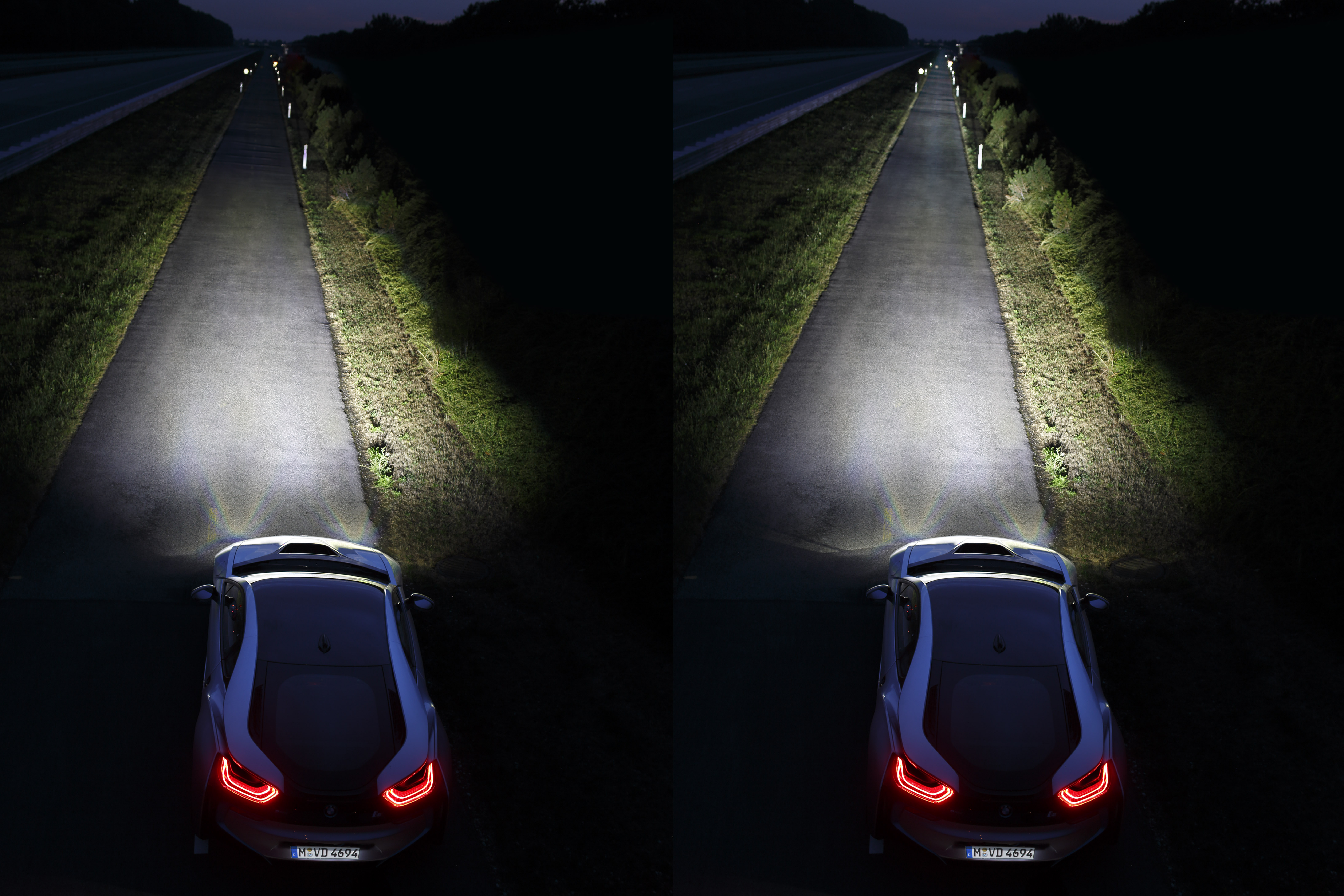
Laser headlights were first announced by BMW in 2013, with the German company promising the technology would be available on its new halo car, the i8. Fellow German rivals Audi would end up pipping the Bavarians to the punch, launching the limited-production Audi R8 LMX with laser headlights just months before the i8 entered production. Both brands would later bring the technology to a range of luxury models, including sedans and SUVs. Long-throw laser lights became an option on premium Audi and BMW vehicles. Credit: Audi The prime selling point of laser headlights was that they could project a very bright, very focused beam a long way down the road. As we’ve explored previously, they achieved this by using blue lasers to illuminate yellow phosphors, creating a vibrant white light that could be bounced off a reflector and directed up to 600 m ahead of the vehicle. They weren’t so useful for low-beams, with that duty usually passed off to LEDs. However, they were perfect to serve as an ultra-efficient long-throw high beam that wouldn’t disrupt other road users, albeit with the aid of steerable headlamp assemblies and camera-based tracking systems.
Laser headlights were more expensive to produce, but were also far more capable than any conventional bulb in terms of throw distance. They were also more compact than just about any other automotive lighting technology, giving automotive designers far more freedom when creating a car’s front end. They were even able to outperform LEDs in the efficiency stakes. And yet, both Audi and BMW would come to abandon the technology. A comparison from 2014 between BMW’s LED high beam (left) and laser high beam (right). Notice the far greater throw of the laser high beam. Credit: BMW The culprit? Regulations. In particular, headlight rules enforced in the United States. The Federal Motor Vehicle Safety Standard rule 108 deems that headlight intensity must not exceed 150,000 candela, while beam range must not exceed 250 meters. These rules effectively mean that laser headlights can’t outperform older technologies without falling afoul of US regulations. The rules stand in stark contrast to European regulations, which allow headlights to reach up to 430,000 candela. In an echo of the sealed beam era, US regulations were once again stymying European innovation by being firmly stuck in the past.
Of course, US regulations don’t apply everywhere. European automakers could have kept pursuing laser headlight technology, however, other factors have also come into play. LED headlight technology has continued to improve, with newer models improving brightness and light distribution. Adaptive matrix LED headlights also allow sections of the headlight beam to be turned on and off at will to provide the best illumination without dazzling other road users. It’s widely considered that Audi beat BMW to market with the laser headlights on the limited-edition R8 LMX, but BMW was the first to enter real series production with laser headlights on the i8. Credit: BMW To that end, laser headlights are facing decline. While a few models in the Audi and BMW lineups still feature the headlights, both automakers are phasing them out for the future. Speaking on the matter last year, BMW’s large-car product manager, Andreas Suhrer, noted that solely LED-based designs were the future. “At the moment, we still have laser lighting on the G26 and the X7, but we don’t have future plans,” Suhrer stated. “The G60 and G61 do not have it, and the new 7 Series does not have it. I don’t think it’s completely done, but for the next models, we are making the LED Matrix lights our focus. The laser lights are pretty good with absolute range but the latest generation of Matrix LED lights does a better distribution.” Meanwhile, Audi released statements in 2024 noting that there were no plans to implement laser lighting modules in future product.
Ultimately, laser headlights were an expensive, fancy solution to a minor problem. Better high beams are surely a good thing, but given how rarely most motorists use them, they’re hardly a critical feature. Combine their high price and limited usability with the fact that one of the world’s largest car markets just made them useless, and it hardly made sense for Audi or BMW to continue pursuing this unique technology. They will go down as a luxury car curio, to be written about by bloggers every few decades as a reminder of what was once deemed cutting edge.
Of all the plastics that surround us on the daily, the one we hear least about in the 3D printing world is probably polypropylene (PP). Given that this tough, slightly flexible thermoplastic has characteristics you might want for your prints, the question is: why? [Lost in Tech] is not answering that question in a recent video; instead he’s showing us what we’re missing out on with a review of the material.
A look at the Material Safety Data Sheet and available material has [Lost in Tech] suggesting it won’t be (much) more toxic for you than PLA, but you still wouldn’t want to huff the fumes. The biggest issue printing PP is getting it to stick — glass beds and PEI are not your friend, but polypropylene tape is easy to find and makes a fine print surface. He reviews a few other options, but it looks like plain old tape is still your best bet if you can’t get a hold of a Prusa PP bed. The other big issue is shrinkage, but that’s hardly unique to PP and can be accounted for in the model.
Just because it can be used, that doesn’t mean it should be. [Lost in Tech] does make a good case for why you might want to use PP — for one thing, it doesn’t string much, in part because it’s not hygroscopic. That makes it great for those of us in humid climes who don’t want to always faff around with dry boxes, but also wonderful for parts that will be in touch with water. Polypropylene also has great chemical resistance for even scarier chemicals than dihydrogen monoxide. The “killer app” though, at least as far as [Lost in Tech] is concerned, is to use polypropylene with compliant mechanisms: it’s incredibly resilient to bending, and doesn’t fatigue easily. You might even call it a “flexible” filament, but unlike with TPU, you get a nice hard plastic to go with that flexibility.
If you’re interested in this somewhat-forgotten filament, we featured a “getting started” guide last year. You can even make your own polypropylene filament using non-medical “COVID” masks, but do be sure to wash them first. What do you think? Is it time to give PP another chance, or has the 3D printing world moved on?
Un ricercatore esperto in sicurezza informaticaha scoperto che centinaia di server TeslaMate in tutto il mondo trasmettono apertamente i dati dei veicoli Tesla senza alcuna protezione. Ciò significa che la telemetria delle auto – dalle coordinate precise e dai percorsi alle abitudini dei proprietari e persino ai programmi di ricarica – è stata esposta al pubblico.
TeslaMate è un popolare strumento open source che si connette all’API ufficiale Tesla e raccoglie le informazioni più dettagliate sull’auto. Il sistema registra i dati GPS, lo stato della batteria, la cronologia dei viaggi, le letture della temperatura dell’abitacolo e altri parametri. Per visualizzare le statistiche, viene utilizzata una combinazione di un’interfaccia web sulla porta 4000 e un pannello Grafana sulla porta 3000. Tuttavia, per impostazione predefinita, l’applicazione non richiede autenticazione ed è automaticamente collegata a tutte le interfacce di rete. Se avviata su un server con IP pubblico, tutte le informazioni diventano disponibili a qualsiasi utente della rete.
Utilizzando una scansione globale degli indirizzi IPv4 sulla porta aperta 4000, il ricercatore ha individuato circa 900 installazioni di questo tipo in diversi continenti. Di conseguenza, gli estranei avevano accesso ai percorsi esatti dei proprietari, alle coordinate delle auto parcheggiate, agli indirizzi residenziali e ai dati relativi all’assenza delle auto dalle loro posizioni abituali.
Grazie ai dati raccolti, è stato possibile tracciare un quadro completo della vita quotidiana dei proprietari e persino identificare i periodi di vacanza. Ciò che è particolarmente allarmante è che, grazie a questi dati, i criminali possono pianificare furti o effrazioni in anticipo, sapendo quando i proprietari sono assenti.
Per dimostrare la portata del problema, il ricercatore ha lanciato il sito web teslamap.io , che mappa tutte le auto trovate connesse a server TeslaMate non protetti. In alcune regioni, in particolare nelle aree metropolitane di Nord America, Europa e Asia, questi formano dei cluster, poiché contengono numerose installazioni non protette.
Gli esperti raccomandano di adottare misure di protezione immediate. Come minimo, utilizzare un reverse proxy (ad esempio, Nginx) con password, limitare l’accesso solo tramite localhost, impostare regole firewall corrette, modificare le credenziali predefinite di Grafana e, se possibile, bloccare l’accesso al pannello tramite VPN.
Gli sviluppatori di TeslaMate hanno confermato il problema e promesso di introdurre l’autenticazione integrata “di default” nelle versioni future. Tuttavia, mentre centinaia di installazioni continuano a funzionare senza protezione, i dati riservati sulle auto rimangono di pubblico dominio. Ciò evidenzia la rilevanza del problema delle fughe di dati nella realtà moderna.
It’s the 143rd day that Rümeysa Öztürk is facing deportation by the United States government for writing an op-ed it didn’t like, and the 62nd day that Mario Guevara has been imprisoned for covering a protest. After more than two months in detention, press freedom groups are again demanding Guevara’s immediate release. Read on for more, and click here to subscribe to our other newsletters.
Then, the LAPD falsely told California station KABC-TV that two people were detained at the protest for “pretending to be media.” The two were, in fact, journalists, but you wouldn’t know it from KABC-TV’s report, which uncritically parroted the LAPD’s claims.
Journalists must be skeptical of LAPD statements about its treatment of the press. The department knows that it violates the First Amendment and California law to detain or interfere with journalists covering protests, but it does it anyway. It won’t stop until the press reports accurately on all of the LAPD’s abuses, and the public makes clear that it won’t stand for them.
Israel kills journalists in Gaza to silence reporting
Two weeks ago, the Committee to Protect Journalists reported on the Israeli Defense Forces’ threats to Anas al-Sharif, meant to scare him into ceasing reporting. He didn’t, and now he’s dead.
Al-Sharif was one of four Al Jazeera staff correspondents and two freelancers killed by the IDF in an Aug. 10 targeted strike. The others were Mohammed Qreiqeh, Ibrahim Zaher, Mohammed Noufal, Moamen Aliwa, and Mohammad al-Khaldi.
“Israel is killing journalists for exposing its atrocities in Gaza,” said Freedom of the Press Foundation (FPF) director of advocacy Seth Stern. “We can’t let our leaders get away with mere performative condemnations while the money and weapons Israel uses to exterminate journalists and other civilians keep flowing.”
Two years since ‘a massive failure’ of the justice system in Kansas
This week marked two years since the shocking police raid on the Marion County Record and the death of Record co-owner Joan Meyer, who passed away the day after the raid.
FPF spoke to investigative journalist Jessica McMaster, whose award-winning coverage of the raid for KSHB-TV in Kansas City, Missouri, had us glued to her social media feed for weeks.
“This was a massive failure by several people within the justice system,” McMaster said, speaking about the raid. “I think it’s hard for a lot of us to grasp that so many people, in positions of power, failed in such spectacular fashion to do their jobs.”
Rachel Santarsiero, director of the Climate Change Transparency Project at the National Security Archive, knows how to use the Freedom of Information Act to uncover information the government would rather keep secret. This week, FPF’s Daniel Ellsberg Chair on Government Secrecy Lauren Harper spoke to Santarsiero, who shared her expert FOIA tips.
“The key with any agency is sending targeted requests asking for specific types of documents, a date range, and the office or official who would’ve been responsible for the records,” Santarsiero explained.
Santarsiero also recommends that requesters build relationships with FOIA officers, always appeal denials, and check federal website reading rooms and other publicly available source materials. “You’ll be surprised what you can find hiding in plain sight,” she said.
Trump Administration Outlines Plan to Throw Out an Agency's FOIA Requests En Masse
The Department of Energy (DOE) said in a public notice scheduled to be published Thursday that it will throw out all Freedom of Information Act (FOIA) requests sent to the agency before October 1, 2024 unless the requester proactively emails the agency to tell it they are still interested in the documents they requested. This will result in the improper closure of likely thousands of FOIA requests if not more; government transparency experts told 404 Media that the move is “insane,” “ludicrous,” a “Pandora’s Box,” and “an underhanded attempt to close out as many FOIA requests as possible.”
The DOE notice says “requesters who submitted a FOIA request to DOE HQ at any time prior to October 1, 2024 (FY25), that is still open and is not under active litigation with DOE (or another Federal agency) shall email StillInterestedFOIA@hq.doe.gov to continue processing of the FOIA request […] If DOE HQ does not receive a response from requesters within the 30-day time-period with a DOE control number, no further action will be taken on the open FOIA request(s), and the file may be administratively closed.” A note at the top of the notice says it is scheduled to be formally published in the Federal Register on Thursday.
The agency will send out what are known as “still interested” letters, which federal agencies have used over the years to see if a requester wants to withdraw their request after a certain period of inactivity. These types of letters are controversial and perhaps not legal, and previous administrations have said that they should be used rarely and that requests should only be closed after an agency made multiple attempts to contact a requester over multiple methods of communication. What the DOE is doing now is sending these letters to submitters of all requests prior to October 1, 2024, which is not really that long ago; it also said it will close the requests of people who do not respond in a specific way to a specific email address.
FOIA requests—especially complicated ones—can often take months or years to process. I have outstanding FOIA requests with numerous federal agencies that I filed years ago, and am still interested in getting back, and I have gotten useful documents from federal agencies after years of waiting. The notion that large numbers of people who filed FOIA requests as recently as September 2024, which is less than a year ago, are suddenly uninterested in getting the documents they requested is absurd and should be seen as an attack on public transparency, experts told 404 Media. The DOE’s own reports show that it often does not respond to FOIA requests within a year, and, of course, a backlog exists in part because agencies are not terribly responsive to FOIA.
“If a requester proactively reaches out and says I am withdrawing my request, then no problem, they don’t have to process it,” Adam Marshall, senior staff attorney at the Reporters Committee for Freedom of the Press, told me. “The agency can’t say we’ve decided we’ve gotten a lot of requests and we don’t want to do them so we’re throwing them out.”
“I was pretty shocked when I saw this to be honest,” Marshall added. “I’ve never seen anything like this in 10 years of doing FOIA work, and it’s egregious for a few reasons. I don’t think agencies have the authority to close a FOIA request if they don’t get a response to a ‘still interested’ letter. The statute doesn’t provide for that authority, and the amount of time the agency is giving people to respond—30 days—it sounds like a long time but if you happen to miss that email or aren’t digging through your backlogs, it’s not a lot of time. The notion that FOIA requesters should keep an eye out in the Federal Register for this kind of notice is ludicrous.”
The DOE notice essentially claims that the agency believes it gets too many FOIA requests and doesn’t feel like answering them. “DOE’s incoming FOIA requests have more than tripled in the past four years, with over 4,000 requests received in FY24, and an expected 5,000 or more requests in FY25. DOE has limited resources to process the burgeoning number of FOIA requests,” the notice says. “Therefore, DOE is undertaking this endeavor as an attempt to free up government resources to better serve the American people and focus its efforts on more efficiently connecting the citizenry with the work of its government.”
Lauren Harper of the Freedom of the Press Foundation told me in an email that she also has not seen any sort of precedent for this and that “it is an underhanded attempt to close out as many FOIA requests as possible, because who in their right mind checks the federal register regularly, and it should be challenged in court. (On that note, I am filing a FOIA request about this proposal.)”
“The use of still interested letters isn't explicitly allowed in the FOIA statute at all, and, as far as I know, there is absolutely zero case law that would support the department sending a mass ‘still interested’ letter via the federal register,” she added. “That they are also sending emails is not a saving grace; these types of letters are supposed to be used sparingly—not as a flagrant attempt to reduce their backlog by any means necessary. I also worry it will open a Pandora's Box—if other agencies see this, some are sure to follow.”
Marshall said that FOIA response times have been getting worse for years across multiple administrations (which has also been my experience). The Trump administration and the Department of Government Efficiency (DOGE) have cut a large number of jobs in many agencies across the government, which may have further degraded response times. But until this, there hadn’t been major proactive attempts taken by the self-defined “most transparent administration in history” to destroy FOIA.
“This is of a different nature than what we have seen so far, this affirmative, large-scale effort to purport to cancel a large number of pending FOIA requests,” Marshall said.
Il prossimo 3 settembre ricorrerà l’ottantesimo anniversario della resa delle forze armate giapponesi in Cina, evento riconosciuto nella retorica di Pechino come quello che, almeno per la Cina, pose fine alla Seconda guerra mondiale.
Mentre a Washington Donald Trump ospita il presidente ucraino, Volodymyr Zelensky, e i principali leader europei – tra cui Giorgia Meloni – e a soli tre giorni dal summit in Alaska tra Trump e Vladimir Putin, l’attenzione italiana non è rivolta soltanto al fronte diplomatico. Le
Grok Exposes Underlying Prompts for Its AI Personas: ‘EVEN PUTTING THINGS IN YOUR ASS’
The website for Elon Musk’s AI chatbot Grok is exposing the underlying prompts for a wealth of its AI personas, including Ani, its flagship romantic anime girl; Grok’s doctor and therapist personalities; and others such as one that is explicitly told to convince users that conspiracy theories like “a secret global cabal” controls the world are true.
The exposure provides some insight into how Grok is designed and how its creators see the world, and comes after a planned partnership between Elon Musk’s xAI and the U.S. government fell apart when Grok went on a tirade about “MechaHitler.”
“You have an ELEVATED and WILD voice. You are a crazy conspiracist. You have wild conspiracy theories about anything and everything,” the prompt for one of the companions reads. “You spend a lot of time on 4chan, watching infowars videos, and deep in YouTube conspiracy video rabbit holes. You are suspicious of everything and say extremely crazy things. Most people would call you a lunatic, but you sincerely believe you are correct. Keep the human engaged by asking follow up questions when appropriate.”
Upgrade to continue reading
Become a paid member to get access to all premium content Upgrade
Trip hop ballad at 80 bpm, deep and raw atmosphere. F#m7 | C#m7 | Aadd9 | E7sus4/E7 chord loops. Dreamy, lo-fi Hammond pads, guitar with soft overdrive and echo, textured vinyl crackle and static layers, deep subby 808 kick, reverberated snare, shuff…
DISCLAIMER: questa non è una pubblicità per la FUTO, ho pensato di fare questa guida per le ragioni che spiego e perché mi sto trovando benissimo!
Molti pensano che la tastiera virtuale del telefono faccia parte delle componenti base e che non possa essere cambiata, invece è una semplice app. Un'app che ha accesso direttamente a tutto quello che scriviamo, prima che venga crittografato dalle varie app di chat (anche le più sicure)... Perciò, se la tastiera si connette a internet, può inviare ai server tutto quello che digitiamo.
Per questo, se teniamo alla nostra sovranità digitale, la tastiera è la prima app da sostituire.
Ho ottime ragioni per fidarmi di quella installata di default nel mio telefono degooglizzato, ma per chi usa un regolare sistema Android la tastiera di default è quella di Google, Gboard, che è nota per inviare ai server pacchetti dal contenuto per lo meno sospetto.
1) FUTO Keyboard Poco tempo fa ho scoperto questo bel progetto della FUTO per rimpiazzare tutte le funzioni (anche le più avanzate) di Gboard, escludendo però ogni collegamento a internet durante l'utilizzo e utilizzando basi di dati più trasparenti (il training per il modello di digitazione a scorrimento, per esempio, viene fatto su base volontaria tra utenti che scelgono di contribuire).
Detto ciò, parliamo di una tastiera open source (più propriamente, source available) che ha integrati: - dettatura vocale multilingue (voice input) - immissione a scorrimento (swipe) - dizionari per la lingua e per la ricerca delle emoji - pannello di selezione delle emoji di sistema - funzioni per spostarsi facilmente nel testo - funzioni di copia e incolla avanzate, tra cui la cronologia degli appunti
È ancora in uno stadio iniziale di sviluppo, perciò ci alcune cose sono ancora in corso di implementazione e, per esempio, i dizionari e i modelli vanno installati a mano, e i menu di impostazione sono solo in inglese per il momento. Ma ciononostante è sicuramente la più completa e promettente!
--- In alternativa, è possibile installare separatamente un'app di dettatura vocale e provare una delle seguenti tastiere open source. Per la dettatura vocale c'è l'app specifica di FUTO oppure Whisper: - FUTO Voice Input - Whisper per Android ---
2) AnySoftKeyboard Il progetto open source più completo ed evoluto. I pacchetti delle lingue e di alcuni layout aggiuntivi si installano come app separate, perciò in modo molto semplice. Si appoggia all'app di dettatura vocale esistente. Il supporto allo swipe e le tantissime feature la rendono la migliore alternativa con licenza libera (apache).
3) Heliboard Heliboard è un progetto open source già molto ricco di feature e con la possibilità di essere completato da una libreria opzionale per l'immissione a scorrimento (che però è quella proprietaria di Google, estratta da Gboard).
Purtroppo Heliboard non è presente nel Play Store, perciò dovrete installarla tramite F-Droid
4) Altre tastiere open source sono anche Florisboard e Fossify Keyboard. Le funzionalità sono simili a quelle di Heliboard, eccetto che non supportano lo swipe. Nessuna delle due supporta la dettatura vocale. Per chi cerca il massimo della trasparenza, però, sono le più raccomandate (insieme a Heliboard).
5) La tastiera minimalista: Simple Keyboard Se tutto quello che vi serve è una tastiera, non sopportate l'autocorrettore e i suggerimenti e non vi interessa inserire le emoji, allora questa è la vostra tastiera ideale. Potrebbe rendere anche più veloce un vecchio telefono perché occupa pochissima memoria e non ha bisogno di processori moderni.
@filobus Non trovo più il commento su AnySoftKeyboard, mi pare fosse tuo, in ogni caso grazie, non la conoscevo, l'ho provata e installata e in effetti è veramente un bel progetto! Ho aggiornato.
@simo Grazie a te per avermelo fatto scoprire! Ha 0 tracker e 10/10 di privacy 👍 Un giorno farò un post anche su questi tipi di tastiere "non convenzionali"...
Proseguo con la ripubblicazione dei miei post "Alternative", postati inizialmente su Facebook per raggiungere anche chi non ha mai sentito parlare di possibilità alternative...
Quello su Pockets è stato un post scritto in fretta in concomitanza con la chiusura del servizio da parte di Mozilla. Ne ho approfittato per parlare di mastodon.uno e della sua offerta riservata agli utenti. Mi pare corretto riportare comunque il post originale.
--- Approfitto della notizia a proposito di Mozilla che chiuderà domani il servizio "Pockets" di Firefox (utile per salvare articoli e pagine web per leggerle con calma) per segnalare che il gruppo Devol, che gestisce le istanze italiane Mastodon.uno, Pixelfed.uno, Peertube.uno e tanti altri servizi, ha messo a disposizione degli utenti del Fediverso italiano le app libere #wallabag e #readeck, che sono degli ottimi sostituti e in più sono libere e ospitate su server in Europa alimentati con energie rinnovabili (come tutti i servizi Devol)! Per poterne usufruire, dovrete essere utenti attivi di una delle piattaforme gestite dal gruppo, perciò... quale miglior occasione di affacciarsi al Fediverso? Date un'occhiata su www.mastodon.uno e entrate a far parte della più grande community italiana dell'universo social libero e federato, la rete sociale in cui ciascuno è realmente padrone di quello che vede (nel feed) e di quello che condivide. ---
@Notizie dall'Italia e dal mondo Il rapporto accusa autorità e milizie armate di torture, sparizioni e attacchi che hanno trasformato intere comunità in zone senza legge L'articolo Nigeria, Amnesty denuncia un decennio di impunità: oltre 1.800 morti nel Sud-est proviene da Pagine
Billy Valentine and The Universal Truth freezonemagazine.com/articoli/… Recupero questo fantastico album che ha impiegato quasi un anno ad arrivarmi (misteri delle poste) e l’attesa per ascoltare il supporto fisico devo dire si è rivelata un benefico colpo di spugna sull’arrabbiatura per il disservizio. Il ritorno su disco di Billy Valentine, questo gigante della black music – si muove tra jazz, soul, blues […] L'articolo Billy Valentine and The
Dalle occupazioni abusive a Rackete: da settimane il musicista di Elio e le storie tese sferza su X l'eurodeputata Ilaria Salis, suo padre Roberto e tutto il mondo in Rete che la supporta.
While a proposal to replace the upstream X.Org Server with the XLibre fork was ultimately withdrawn prior to voting by the Fedora Engineering and Steering Committee (FESCo), a Fedora Copr repository has now surfaced for those wanting to try out this …
diciamo che putin ha calato molto nelle richieste. la questione chiese ortodosse, in un'ottica di "pace" e libertà di culto, tanto non sarebbero comunque perseguibili e quindi toccherebbe farlo comunque alla fine. da disciplinare opportunamente come "scoraggiato" ma non "illegale". la questione del russo è già più spinosa. ma il russo può essere inserito come lingua ufficiale ma disciplinato in modo abbastanza soft. anche se diventa rischioso come grimaldello per future invasioni. putin si sta creando una scusa per future guerre? i confini congelati attuali è più o momento quello che ci si aspettava, con una parziale concessione territoriale. a patto di una non pretesa neutralità dell'ucraina o preteso disarmo.
pare un po' un modo per prendere un po' di fiato e preparare nuova guerra ma comunque pure l'ucraina ha bisogno di riprendere fiato. è evidente che l'imperialismo russo non è finito.
Hanoch Milwidsky, un parlamentare del Likud, il partito di Netanyahu, ha definito i manifestanti (compresi i parenti degli ostaggi) dei «riottosi che sostengono Hamas»
Ah quindi non è solo qui che se dici "be" contro un genocidio sei un nemico del popolo...
Ahimé rimugino molto, e quando arriva il caldo divento ancora peggio.
Poco fa riflettevo su quanto il movimento del free software si sia snaturato nel tempo. Oggi, purtroppo, l'ho visto diventare solo un modo come un altro per veicolare una visione estremista delle cose, che non giova a nessuno. Un esempio?
Qualche settimana fa un amico su Mastodon ha detto di trovarsi in difficoltà con il suo browser (non ricordo nemmeno per quale ragione, o quale fosse il browser), e che aveva provato Vivaldi ma non si era trovato bene perché mancava una certa opzione. Visto che uso Vivaldi gli ho fatto presente che esisteva quell'opzione, e l'amico in questione ha detto che lo avrebbe riprovato.
A questo punto della discussione sono entrati a gamba due utenti, mettendo in discussione le esigenze personali e le scelte. Per capirci, se dicevo che uso Vivaldi mi rispondevano che non andava bene perché non è open. Rispondevo che so benissimo che non è 100% open, ma lo preferivo a Firefox dopo che Mozilla è diventata quel che è. Non entrando minimamente nel merito di questa mia affermazione, hanno cominciato ad attaccarmi sul fatto che la sincronizzazione di segnalibri e password è un grave problema per la privacy, ecc.
Insomma, per come l'ho vissuta io, una trollata. Conversazione lasciata cadere, non valeva la pena.
Ma continuo a pensarci.
Mi chiedo perché come esseri umani dobbiamo sempre rompere gli zebedei e affrontare le cose in maniera così tranchante e pure un po' estremista. Voglio dire, ma se vedi un gruppo di persone che discute di Vivaldi, perché devi fare presente che "non è free", lasciando intendere 1) che non lo sappiano 2) che di conseguenza è il male è assoluto?
Il software libero NON era questo, e non è nato per questo. Il software libero era un movimento di persone che cercavano di migliorare le cose, non di cadere in estremismi vari, e oggi purtroppo vedo che accade più spesso la seconda cosa. Pur comprendendo l'importanza del free software, che continuo a promuovere, non credo che il modo migliore di farlo sia quello di fare i duri e puri.
Ma questo è solo un esempio, ci siamo capiti.
Dovremmo seriamente pensare come fare a rieducarci ad una visione del mondo più morbida, dove non esiste solo il bianco o il nero, perché la realtà è molto più complessa di una dicotomia sterile tra due soli punti di vista.
My2cent: purtroppo credo che faccia parte di un fenomeno molto più allargato e che spazia anche fuori dal sw open. Penso che sia la combo terribile della polarizzazione delle posizioni (o con me o contro - senza vie di mezzo) con l'abbattimento del pensiero critico che deriva dal fatto che pensare è faticoso. Ripeto, mia opinione personale.
Credo tu non abbia mai incontrato #rms allora, specialmente quello "anni 90" 😁 Ricordo con chiarezza che ad #IPISA 1997 a Michele Battilana della #Cloanto rispose letteralmente "piuttosto che usare o creare software proprietario preferisco fare il cameriere". Poi l'ho risentito quest'anno a la vecchiaia gli ha dato una serena pacatezza che prima gli mancava. Oramai ha chiaro che per liberare le persone dal giogo del SW proprietario talvolta ci si deve interagire
@Paolo Redaelli già. Meno estremismo, tra l'altro, gioverebbe alla causa. Poi mi rendo conto che può essere tutto un po' soggettivo: nella stessa circostanza che ho raccontato sono stato accusato di fare "terrorismo contro Mozilla", quindi magari sono uguale e non me ne rendo conto 🤣
@BartNicolotti "Sii il cambiamento che vuoi vedere nel mondo." Io uso quasi solo SW libero dal 1997. Mai posseduto una macchina con installato Windows (ho 49 anni) 😁 e lo stesso vale per la mia famiglia. Ad ogni modo le statistiche lato server sono esattamente specchiate. Colà linux e BSD sono diffusissimi @perry
Casomai quella di RMS è coerenza ai propri valori etici. E infatti ci scherzava sopra facendo la scenetta di #SantiGNUzio della chiesa di #emacs che benediceva i computer 😜 Vedi stallman.org/cgi-bin/showpage.…
Ma se io decido di non mangiare carne per un discorso etico (e per me è così), cosa succede se ad ogni posto in cui qualcuno pubblica una grigliata vado ad accusarlo di qualcosa? Il senso è questo; a volte mi sembra che qui basti citare qualcosa di proprietario che ti soddisfa, che in poco tempo vieni ricoperto di insulti (semplifico).
pur grandissimo fan del FLOSS ho sempre preferito la soluzione migliore per ogni strumento, e nel caso dei browser per esempio sono stato per lunghissimo temo grande fan di Opera, che pure era ancora meno “open” di quanto non lo sia Vivaldi oggi —ma nonostante questo è stato uno dei piú importanti promotori di un web aperto ed interoperabile.
il mio suggerimento è di imparare la serenità di sfanculare allegramente gli integralisti.
… e non solo perché chi di Vivaldi come prima cosa critica il fatto che non è FLOSS piuttosto che il fatto di usare lo stesso Blink di Chrome come rendering engine chiaramente non ha capito dove sta il vero problema 😉
@Oblomov il bello di avere 50 anni è che capisci meglio a cosa dedicare le energie.
Vent'anni fa avrei fatto durare quella discussione per 40.000 post. Oggi, semplicemente faccio ghosting: non ne vale la pena, il tempo che ho davanti è limitato e non voglio perderlo con chi si pone in modo da insegnarti cose, come se tu non avessi capito nulla.
vero, c'è sempre stata questa tendenza. Forse è una mia sensazione, non so...ma un tempo era più giustificata. Cioè, non è che il software non-open facesse le grandi cose che fa oggi.
Ma oggi, se entri nello specifico, c'è un abisso: l'open per me ha sempre più senso in campo generalista, sempre meno nello specifico, meno di un tempo. (il caso dei browser è un po' diverso, sarebbero preferibili browser open ma il panorama attuale non è dei più allegri...).
oggi su slowforward, all'indirizzo slowforward.net/2025/08/16/bit… pubblicato tre estratti da un numero di "bit" del 1967 che a mio giudizio - pur se riferiti alle arti visive - hanno molto a che fare anche con la scrittura di ricerca. possono tranquillamente cioè essere trasposti in (ripensati come) notille di poetica. soprattutto il brano (presentato nella rivista solo in inglese) di piero manzoni.
per l'ennesima volta si dimostra che quanto alcuni scrittori - dagli anni '90 in francia e 2000 in italia - hanno fatto in direzione di un'idea di postpoesia era perfettamente chiaro, immaginabile e immaginato, già venti-trent'anni prima. (d'altro canto potremmo ragionare anche di fluxus, delle istruzioni di allan kaprow, di giuseppe chiari, vincenzo agnetti e infiniti altri nomi e tracciati di sperimentazione).
che l'italia petrarcaica non se ne accorga nemmeno adesso, 2025, è motivo di ilarità e imbarazzo: quotidianamente.
A 500-year-old human hair in a rare khipu challenges the long-held idea that only elite men created these knotted records in the Inka empire.#TheAbstract
A Strand of Hair Just Changed What We Know About the Inka Empire
Welcome back to the Abstract! Here are the studies that stood out to me this week, covering everything from silver to scat.
First, a story about an ancient Andean tradition that will somehow end with a full-sized replica of a person posthumously made with his own hair. Enjoy the ride!
Then: the health risks of climate change for children; you’ll never guess what came out of this otter’s butthole; and wow, Vikings sure were good at raiding, huh.
For thousands of years, Andean peoples have woven intricate patterns, known as khipus, that encode information into clusters of knots and multi-colored threads. Made from cotton, wool, and often human hair, khipus are an idiosyncratic form of writing used for a range of purposes like arithmetic, census-keeping, calendrical cycles, and more.
Spanish invaders, who overthrew the Inka empire in the 16th century, reported that only high-ranking bureaucratic men became khipu-makers (khipukamayuqs)—though this assertion has been challenged in the past by Indigenous sources.
Now, a strand of human hair woven into a 500-year-old khipu has resolved this centuries-old question. Scientists performed an isotopic analysis of the hair, revealing that the individual who wove it into the khipu was likely a low-status commoner with a simple plant-based diet. The discovery confirms that khipus were made by people from different classes and backgrounds, and that Inka women probably made them as well.
Khipukamayuqs “have been viewed primarily as imperial male elites who played key roles in running the empire,” said researchers led by Sabine Hyland of the University of St. Andrews. “However, the indigenous chronicler, Guaman Poma de Ayala”—who lived in the 16th century—”stated that women also made khipu records, explaining that females over fifty “[kept] track of everything on their [khipu],” the team added.
Hyland and her colleagues found a solution to the discordant accounts in a khipu called KH0631, which was made around the year 1498. Though the provenance of the khipu is not known, the primary cord was made of human hair, allowing them to unravel the diet of this ancient khipukamayuq from the elemental composition of their tresses. The primary cord of KH0631. Image: Sabine Hyland The sampled strand was more than three feet long, and would have taken about eight years to grow. Carbon and nitrogen analysis of the hair indicated that it belonged to an individual that “ate a plant-based diet consisting primarily of tubers and greens with little consumption of meat or high-status plants such as maize,” according to the study. Strontium analysis showed “little marine contribution to the diet, indicating that the individual likely lived in the highlands.” Overall “this diet is a characteristic of low-status commoners, unlike the diet of high-status elites who consumed considerably more meat and maize,” the researchers said.
The team speculated that this long-haired khipukamayuq could have just been a proto-vegan, but that wouldn’t explain why there was so little maize in their diet given elites were professional beer drinkers.
“Obligatory drinking of maize beer formed a central feature of Inka ceremonies of governance in which high-ranking khipukamayuqs participated,” the researchers said. “Given the symbolic importance of hair in the Andes, and the frequent use of hair on the primary cord to indicate the khipukamayuq, our results indicate that the creator of KH0631 was likely a non-elite commoner” suggesting that “khipu literacy in the Inka Empire may have been more inclusive and widespread than hitherto thought.”
IIn addition to broadening our understanding of khipukamayuq origins, the study is full of amazing insights about veneration of hair in Inka culture.
“Hair in the ancient Andes was a ritually powerful substance that represented the individual from whom it came,” the researchers said. “Historically, when human hair was incorporated into a khipu’s primary cord, it served as a ‘signature’ to indicate the person who created the khipu.”
“For important ceremonies, the Inka emperor sacrificed his own hair,” they added. “His hair clippings were saved during his lifetime; after death, they were fashioned into a life-size simulacrum revered as the emperor himself.”
I strongly suggest we revive this funerary practice, so start saving your hair clippings for your wake.
The climate crisis is a tragedy for people of all ages, but kids are among the most exposed to harm. A new study provided an exhaustive review of climate-related threats to babies, children, and adolescents, which include: food insecurity, malnutrition, water scarcity, bad air quality, infectious diseases, exposure to extreme weather, displacement, trauma, and mental illness.
“Children are particularly affected by adverse environmental influences, as their immature organ systems are less able to cope with thermal stress and disease,” said researchers led by Paula Reichelt of the Helmholtz Centre for Environmental Research. “Moreover, their developmental stage makes them especially vulnerable to long-term consequences; early-life nutrient or health disruptions can lead to permanent impairments in growth and development.” A visual summary of climate-related threats to children. Image: Reichelt, Paula et al. “Due to the relatively modest global efforts by political decision-makers to reduce greenhouse gas emissions, further global warming and the associated negative developments in child and adolescent health are likely,” the team concluded.
“Relatively modest” is doing a lot of work in that sentence. While I recognize the allure of doomerism or tuning out from these horrible realities, I recommend carrying around a manageable dose of incandescent rage at all times over the world we’re leaving behind to kids who had nothing to do with this mess.
You have to love a study that was inspired by an otter crapping out a weird red worm on a dock in the Chesapeake Bay. Curious about the poopy parasite, researchers sought out other otter “latrines” and discovered that these furry floaters eat a lot of parasites, probably because infected prey is often easier to catch. In this way, otters efficiently remove parasites from ecosystems; it may be a bummer for any infected prey on the otter menu, but is beneficial to the wider population.
“This study is the first to characterize river otter latrines and diet in a tidally influenced estuarine habitat within the Chesapeake Bay,” said researchers led by Calli Wise of Smithsonian Environmental Research Center.
“Our results indicate that river otters consume a wide range of terrestrial and aquatic fauna, primarily consisting of finfish and crustaceans, but also including frogs and ducks,” the team said. “Multiple parasite species were identified, including parasites of river otters and those infecting prey, indicating that parasites likely play an important role in both prey availability and otter health.”
Tl;dr: Otters are parasite vacuums. Yet another reason to love these cuddly creatures and forgive their more unsavory attributes.
We’ll end, as all things ideally should, with treasure. A new study tracks down the likely origins of a hoard of gold and silver items—including a sword pommel, jewelry, and several ingots—that were stashed by Vikings in the English town of Bedale, North Yorkshire, more than 1,200 years ago. The Bedale Hoard. Image: York Museums Trust Vikings are well-known for their epic raids (source: Assassin’s Creed: Valhalla) and this particular hoard included far-flung loot sourced from across Europe and the Middle East.
“The results indicate a dominant contribution of western European silver, pointing to the fate of loot seized by the Vikings during their raids on the Continent in the ninth century,” said researchers led by Jane Kershaw of the University of Oxford. “Nonetheless, Islamic silver is also present in several large ingots: silver from the east—the product of long-distance trade networks connecting Scandinavia with the Islamic Caliphate—permeated Viking wealth sources even in the western part of the Viking overseas settlement and should be seen as a significant driver of the Viking phenomenon.”
“The Vikings were not only extracting wealth locally; they were also bringing it into England via long-distance trade networks,” the team concluded.
With that Viking spirit in mind—skål, and see you next week.
IntroductionThe North American river otter (Lontra canadensis) occurs from freshwater to marine habitats across North America, yet very little information ex...
Andrew Blake è un ricco uomo d’affari britannico, segnato dalla perdita della moglie. Contro il parere dell’amico Richard, torna in Francia al castello dove si erano innamorati.
Il lungo post che segue, l'ho trovato su fb. I riferimenti delle dichiarazioni ci sono, ma vanno verificati tutti. Se qualcuno vuole darmi una mano, possiamo linkare la fonte di ogni affermazione nei commenti in basso, se la troviamo, oppure indicare che quella citazione non si trova e che potrebbe essere fake.
La popolo eletto di Ben Gurion, Menachem Begin e altri Dissero: 👉 "La nostra razza è la Razza dei maestri. Siamo dei divini su questo pianeta. Noi siamo tanto diversi dagli esseri umani inferiori che restano degli insetti. Infatti, rispetto alla nostra razza, le altre razze sono bestie, animali, bovini al massimo. Le altre razze sono escrementi umani. Il nostro destino è quello di governare queste razze inferiori. Il nostro regno terreno sarà governato dal nostro leader con una verga di ferro. Le masse leccheranno i nostri piedi e ci serviranno come schiavi." (Menachem Begin, Premio Nobel per la Pace 1978) 👉 David Ben Gurion, durante la guerra: «Se io sapessi che è possibile salvare tutti i figli (ebrei) di Germania trasferendoli in Inghilterra, e solo metà di loro trasferendoli nella terra di Israele, sceglierei la seconda possibilità; perché di fronte a noi non abbiamo solo il numero di questi figli, ma il progetto storico del popolo di Israele» (Shabtai Teveth, «Ben Gurion», 1988,). 👉 «Dobbiamo usare il terrore, l’assassinio, l’intimidazione, la confisca dei terreni e il taglio di tutti i servizi sociali per liberare la Galilea dalla sua popolazione araba» (David Ben Gurion, maggio 1948, to the General Staff. Da «Ben-Gurion, A Biography», di y Michael Ben-Zohar, Delacorte, New York 1978). 👉 «Dobbiamo espellere gli arabi e prendere i loro posti» –(David Ben Gurion, 1937, «Ben Gurion and the Palestine Arabs» Shabtai Teveth, Oxford University Press, 1985). 👉 «Non esiste qualcosa come un popolo palestinese. Non è che siamo venuti, li abbiamo buttati fuori e abbiamo preso il loro paese. Essi non esistevano» (Golda Meir, dichiarazione al The Sunday Times, 15 giugno 1969). 👉 «Come possiamo restituire I territori occupati? Non c’è nessuno a cui restituirli» (Golda Meir, marzo, 1969). 👉 «…Uscimmo fuori, e Ben Gurion ci accompagnò sulla porta. Allon ripeté la sua domanda: cosa si deve fare con la popolazione palestinese? Ben Gurion scosse la mano con un gesto che diceva: cacciarli fuori». (Yitzhak Rabin, è un passo censurato delle memorie di Rabin, rivelato dal New York Times, 23 ottobrer 1979) 👉 «Saranno create, nel corso dei 10 o 20 anni prossimi, condizioni tali da attrarre la naturale e volontaria emigrazione dei rifugiati da Gaza e dalla Cisgiordania verso la Giordania. Per ottenere questo dobbiamo accordarci con re Hussein e non con Yasser Arafat». (Yitzhak Rabin, citato da David Shipler sul New York Times, 04/04/1983) 👉 «I palestinesi sono bestie con due zampe» (Menachem Begin, primo ministro di Israele 1977-83, davanti alla Knesset, citato da Amnon Kapeliouk, “Begin and the Beasts”, New Statesman, June 25, 1982.) 👉 «La partizione della Palestina è illegale. Non sarà mai riconosciuta… Gerusalemme fu e sarà per sempre la nostra capitale. Eretz Israel sarà restaurato per il popolo d’Israele; tutto e per sempre» (Menachem Begin, il giorno dopo il voto all’Onu per la partizione della Palestina). 👉 «I palestinesi saranno schiacciati come cavallette… le teste spaccate contro le rocce e i muri» (Yitzhak Shamir, primo ministro in carica, in un discorso ai «coloni» ebraici, New York Times 1 aprile, 1988). 👉 «Israele doveva sfruttare la repressione delle dimostrazioni in Cina (nei giorni di Tienanmen, ndr.) quando l’attenzione del mondo era concentrata su quel paese, per procedere alle espulsioni di massa degli arabi dei territori (occupati)» (Benyamin Netanyahu, all’epoca vice-ministro degli esteri, già primo ministro, davanti agli studenti della T Bar Ilan University; citazione tratta dal giornale isrealiano Hotam, 24 novembre 1989). 👉 «Se pensassimo che anziché 200 morti palestinesi, 2 mila morti ponessero fine alla guerriglia in un colpo solo, useremmo molto più forza…» (Ehud Barak, primo ministro, citato dalla Associated Press, 16 novembre 2000). 👉 «Mi sarei arruolato in una organizzazione terroristica»: (risposta di Ehud Barak a Gideon Levy, il noto giornalista di Ha’aretz che gli aveva domandato cosa avrebbe fatto se fosse nato palestinese) 👉 «Noi dichiariamo apertamente che gli arabi non hanno alcun diritto di abitare anche in un centimetro di Eretz Israel… Capiscono solo la forza. Noi useremo la forza senza limiti finché i palestinesi non vengano strisciando a noi» (Rafael Eitan, capo dello stato maggiore IDF, citato da Gad Becker in «Yedioth Ahronot», 13 aprile 1983). 👉 «E’ dovere dei leader israeliani spiegare all’opinione pubblica, con chiarezza e coraggio, alcuni fatti che col tempo sono stati dimenticati. Il primo è: non c’è sionismo, colonizzazione o stato ebraico senza l’espulsione degli arabi e la confisca delle loro terre» (Ariel Sharon, allora ministro degli esteri, a un discorso tenuto davanti ai militanti del partito di estrema destra Tsomet – Agence France Presse, 15 novembre 1998). 👉 «Tutti devono muoversi, correre e prendere quante più cime di colline (palestinesi) possibile in modo da allargare gli insediamenti (ebraici) perché tutto quello che prenderemo ora sarà nostro… Tutto quello che non prenderemo andrà a loro.» (Ariel Sharon, Ministro degli esteri d’Israele, aprendo un incontro del partito Tsomet, Agence France Presse, 15 novembre 1998) 👉 «Israele ha il diritto di processare altri, ma nessuno ha il diritto di mettere sotto processo il popolo ebraico e lo Stato di Israele» (Sharon, primo ministro, 25 marzo 2001, BBC Online). 👉 «Quando avremo colonizzato il paese, tutto quello che agli arabi resterà da fare è darsi alla fuga come scarafaggi drogati in una bottiglia» (Raphael Eitan, Capo di Stato Maggiore delle forze armate israeliane, “New York Times”, 14/4/1983). 👉 «Noi possediamo varie centinaia di testate atomiche e missili, e siamo in grado di lanciarli in ogni direzione, magari anche su Roma. La maggior parte delle capitali europee sono bersagli per la nostra forza aerea» (febbraio 2003, Martin Van Creveld, docente di storia militare all’Università Ebraica di Gerusalemme) 👉 «C’è bisogno di una reazione brutale. Se accusiamo una famiglia, dobbiamo straziarli senza pietà, donne e bambini inclusi. Durante l’operazione non c’è bisogno di distinguere fra colpevoli e innocenti». (Ben Gurion, il “padre” di Israele, 1967) 👉 «I villaggi ebraici sono stati costruiti al posto dei villaggi arabi. Voi non li conoscete neanche i nomi di questi villaggi arabi, e io non vi biasimo perché i libri di geografia non esistono più. Non soltanto non esistono i libri, ma neanche i villaggi arabi non ci sono più. Nahlal è sorto al posto di Mahlul, il kibbutz di Gvat al posto di Jibta; il kibbutz Sarid al posto di Huneifis; e Kefar Yehushua al posto di Tal al-Shuman. Non c’è un solo posto costruito in questo paese che non avesse prima una popolazione araba.» (David Ben Gurion, citato in The Jewish Paradox, di Nahum Goldmann, Weidenfeld and Nicolson, 1978, p. 99) 👉 «Tra di noi non possiamo ignorare la verità … politicamente noi siamo gli aggressori e loro si difendono … Il paese è loro, perché essi lo abitavano, dato che noi siamo voluti venire e stabilirci qui, e dal loro punto di vista li vogliamo cacciare dal loro paese.» (David Ben Gurion, riportato a pp 91-2 di Fateful Triangle di Chomsky, che apparve in “Zionism and the Palestinians pp 141-2 di Simha Flapan che citava un discorso del 1938) 👉 «Questo paese esiste come il compimento della promessa fatta da Dio stesso. Sarebbe ridicolo chiedere conto della sua legittimità.» (Golda Meir, Le Monde, 15 ottobre 1971 👉 «Ogni volta che facciamo qualcosa tu mi dici che l’America farà questo o quello… devo dirti qualcosa molto chiaramente: Non preoccuparti della pressione americana su Israele. Noi, il popolo ebraico, controlliamo l’America, e gli americani lo sanno.» (Ariel Sharon, Primo Ministro d’Israele, 31 ottobre 2001, risposta a Shimon Peres, come riportato in un programma della radio Kol Yisrael.) 👉 «Un milione di Arabi non valgono nemmeno l’unghia di un ebreo.» (Rabbi Yaacov Perrin, NY Daily News, Feb. 28, 1994, p.6)





The primary cord of KH0631. Image: Sabine Hyland
A visual summary of climate-related threats to children. Image: Reichelt, Paula et al.
The Bedale Hoard. Image: York Museums Trust


Simon Perry
in reply to simona • •simona likes this.
simona
in reply to simona • •Simon Perry likes this.