Negli ultimi anni le infrastrutture sottomarine che circondano Taiwan – cavi elettrici, condotte del gas e sistemi idrici – sono state danneggiate in più occasioni, con particolare attenzione ai cavi di comunicazione. Il 9 dicembre lo Yuan Legislativo ha approvato in terza lettura una serie di emendamenti alla Legge sull’elettricità, alla Legge sulle attività del gas naturale e alla Legge sull’approvvigionamento idrico, all’interno del pacchetto normativo noto come “Sette leggi sui cavi sottomarini”.
Le nuove norme stabiliscono pene più severe per chi manomette intenzionalmente tali infrastrutture: la reclusione può arrivare fino a sette anni, con una multa massima di 10 milioni di dollari taiwanesi. È prevista inoltre la confisca delle imbarcazioni o delle attrezzature utilizzate per commettere il reato, indipendentemente dal loro proprietario.
Il tema è particolarmente sensibile perché, secondo le autorità taiwanesi, diverse navi provenienti dalla Cina avrebbero danneggiato i cavi sottomarini in più episodi recenti. Preoccupazioni analoghe sono state espresse anche dalla Commissione USA-Cina per la Revisione Economica e della Sicurezza, che ha definito la rete sottomarina taiwanese altamente vulnerabile. Un’interruzione coordinata di tutti i cavi, secondo la Commissione, causerebbe perdite economiche stimate in 1,73 miliardi di dollari taiwanesi al giorno.
Gli emendamenti approvati il 9 dicembre aggiornano l’articolo 71-1 della Legge sull’elettricità, l’articolo 55-1 della Legge sulle attività del gas naturale e l’articolo 97-1 della Legge sull’approvvigionamento idrico. Le nuove disposizioni introducono pene da uno a sette anni per chi danneggia o mette in pericolo strutture legate allo stoccaggio, alla distribuzione del gas naturale o alle condotte e ai cavi utilizzati per il servizio idrico. Nei casi di danno colposo, è prevista la reclusione fino a sei mesi o una multa fino a 2 milioni di dollari taiwanesi.
Una novità rilevante riguarda la gestione delle prove e la prevenzione della recidiva: qualsiasi strumento impiegato per il reato – inclusi mezzi nautici e macchinari – dovrà essere sequestrato e smaltito.
Durante la stessa sessione plenaria è stata inserita anche una risoluzione per rendere pubbliche, tramite il Ministero dell’Interno, le mappe delle condotte e dei cavi sottomarini, così da evitare che eventuali indagati possano dichiarare di non essere a conoscenza della loro posizione. La diffusione delle informazioni, secondo il legislatore, dovrebbe agevolare sia la cittadinanza sia il lavoro delle forze dell’ordine e dei pubblici ministeri.
Intanto, il Comitato Trasporti dello Yuan Legislativo ha già completato la revisione preliminare delle restanti quattro leggi del pacchetto: la Legge sulla Gestione delle Telecomunicazioni, la Legge Meteorologica, la Legge sui Porti Commerciali e la Legge sulle Navi. Le versioni provvisorie introducono, tra le altre misure, la confisca immediata per chi mette a rischio apparecchiature sottomarine, multe fino a 2 milioni di dollari taiwanesi per danni a strutture meteorologiche e sanzioni fino a 10 milioni di dollari per violazioni delle norme di identificazione delle imbarcazioni.
Il legislatore Wang Ting-yu ha spiegato che l’intero pacchetto normativo consentirà di proteggere non solo i cavi per le telecomunicazioni ma anche condotte idriche, oleodotti, gasdotti e infrastrutture chimiche, garantendo così una tutela complessiva. Ha sottolineato che le nuove norme forniranno una base legale più solida alle autorità taiwanesi per intervenire, sia in mare sia sulla terraferma.
Wang ha però riconosciuto alcune criticità operative: individuare eventuali imbarcazioni coinvolte, soprattutto se registrate con bandiere di comodo, resta complesso. Secondo il legislatore, molte di queste navi risultano registrate in Paesi terzi, mentre gli effettivi controllori sarebbero cittadini cinesi o residenti di Hong Kong e Macao.
Per rafforzare l’attività investigativa, ha affermato, sarà necessario potenziare la ricognizione aerea della Guardia Costiera, accelerare l’individuazione dei punti danneggiati e aumentare la capacità di inseguimento. Solo con un’identificazione tempestiva sarà possibile applicare efficacemente le nuove sanzioni.
Wang Ting-yu ha inoltre evidenziato l’importanza della cooperazione internazionale. Molte navi sospettate di sabotaggio, ha spiegato, tendono a dirigersi rapidamente verso porti esteri dopo l’operazione. Una collaborazione con altri Stati sarebbe quindi indispensabile per assicurare alla giustizia chi danneggia intenzionalmente le infrastrutture sottomarine di Taiwan e per chiarire se dietro tali operazioni vi siano attori statali.
“Evidentemente abbiamo parlato di pace e di cessate il fuoco”. Lo ha detto il Papa, interpellato dai giornalisti all’uscita delle Ville Pontificie di Castel Gandolfo per far rientro in Vaticano, sull’udienza concessa oggi al presidente ucraino Volody…
Le politiche anti-migratorie adottate in sede europea e in molti paesi membri sono da tempo modellate sulle proposte delle forze di estrema destra ed apertamente xenofobe, nonostante nel vecchio continente ci si continui ad atteggiare a baluardo dell…
Instagram is generating headlines for Instagram posts that appear on Google Search results. Users say they are misrepresenting them.#News #AI #Instagram #Google
Instagram Is Generating Inaccurate SEO Bait for Your Posts
Instagram is generating headlines for users’ Instagram posts without their knowledge, seemingly in an attempt to get those posts to rank higher in Google Search results.
I first noticed Instagram-generated headlines thanks to a Bluesky post from the author Jeff VanderMeer. Last week, VanderMeer posted a video to Instagram of a bunny eating a banana. VanderMeer didn’t include a caption or comment with the post, but noticed that it appeared in Google Search results with the following headline: “Meet the Bunny Who Loves Eating Bananas, A Nutritious Snack For Your Pet.” Jeff VanderMeer (@jeffvandermeer.bsky.social) This post requires authentication to view. Bluesky Social
I’ve confirmed that Instagram is generating headlines in a similar style for other users without their knowledge. One cosplayer who wished to remain anonymous posted a video of herself showing off costumes in various locations. The same post appeared on Google with a headline about discovering real-life locations to do cosplaying in Seattle. This Instagram mentioned the city in a hashtag but did not write anything resembling that headline.
Google told me that it is not generating the headlines, and that it’s pulling the text directly from Instagram.
Meta told me in an email that it recently began using AI to generate titles for posts that appear in search engine results, and that this helps people better understand the content. Meta said that, as with all AI-generated content, the titles are not always accurate. Meta also linked me to this Help Center article to explain how users can turn of search engine indexing for their posts.
After this article was published, several readers reached out to note that other platforms, like TikTok and LinkedIn, also generate SEO headlines for users' posts.
“I hate it,” VanderMeer told me in an email. “If I post content, I want to be the one contextualizing it, not some third party. It's especially bad because they're using the most click-bait style of headline generation, which is antithetical to how I try to be on social—which is absolutely NOT calculated, but organic, humorous, and sincere. Then you add in that this is likely an automated AI process, which means unintentionally contributing to theft and a junk industry, and that the headlines are often inaccurate and the summary descriptions below the headline even worse... basically, your post through search results becomes shitty spam.”
“I would not write mediocre text like that and it sounds as if it was auto-generated at-scale with an LLM. This becomes problematic when the headline or description advertises someone in a way that is not how they would personally describe themselves,” Brian Dang, another cosplayer who goes by @mrdangphotos and noticed Instagram generated headlines for his posts, told me. We don’t know how exactly Instagram is generating these headlines.
By using Google's Rich Result Test tool, which shows what Google sees for any site, I saw that these headlines appeared under the <title></title> tags for those post’s Instagram pages.
“It appears that Instagram is only serving that title to Google (and perhaps other search bots),” Jon Henshaw, a search engine optimization (SEO) expert and editor of Coywolf, told me in an email. “I couldn't find any reference to it in the pre-rendered or rendered HTML in Chrome Dev Tools as a regular visitor on my home network. It does appear like Instagram is generating titles and doing it explicitly for search engines.”
When I looked at the code for these pages, I saw that Instagram was also generating long descriptions for posts without the user’s knowledge, like: “Seattle’s cosplay photography is a treasure trove of inspiration for fans of the genre. Check out these real-life cosplay locations and photos taken by @mrdangphotos. From costumes to locations, get the scoop on how to recreate these looks and capture your own cosplay moments in Seattle.”
Neither the generated headlines or the descriptions are the alternative text (alt text) that Instagram automatically generates for accessibility reasons. To create alt text, Instagram uses computer vision and artificial intelligence to automatically create a description of the image that people who are blind or have low-vision can access with a screen reader. Sometimes the alt text Instagram generates appears under the headline in Google Search results. At other times, generated description copy that is not the alt text appears in the same place. We don’t know how exactly Instagram is creating these headlines, but it could use similar technology.
“The larger implications are terrible—search results could show inaccurate results that are reputationally damaging or promulgating a falsehood that actively harms someone who doesn't drill down,” VanderMeer said. “And we all know we live in a world where often people are just reading the headline and first couple of paragraphs of an article, so it's possible something could go viral based on a factual misunderstanding.”
Update: This article was update with comment with Meta.
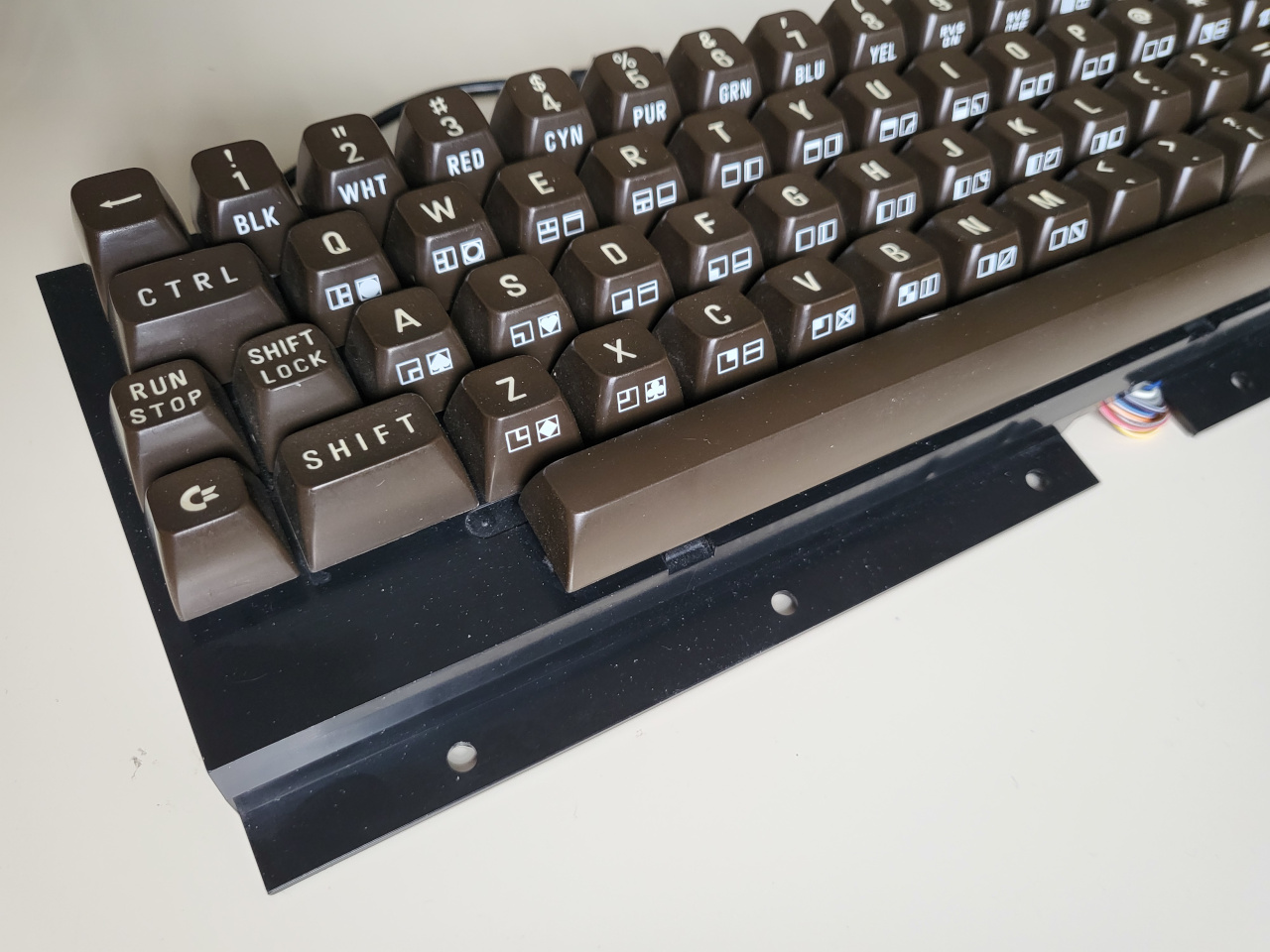
[Jean] wrote into the tips line (the system works!) to let all of us know about his hacked and hand-wired C64 keyboard, a thing of beauty in its chocolate-brown and 9u space bar-havin’ glory.
Image by [Jean] via GitHubThis Arduino Pro Micro-based brain transplant began as a sketch, and [Jean] reports it now has proper code in QMK. But how is a person supposed to use it in 2025, almost 2026, especially as a programmer or just plain serious computer user?
The big news here is that [Jean] added support for missing characters using the left and right Shift keys, and even added mouse controls and Function keys that are accessed on a layer via the Shift Lock key. You can see the key maps over on GitHub.
I’ll admit, [Jean]’s project has got me eyeing that C64 I picked up for $12 at a thrift store which I doubt still works as intended. But don’t worry, I will test it first.
Fortunately, it looks like [Jean] has thought of everything when it comes to reproducing this hack, including the requisite C64-to-Arduino pinout. So, what are you waiting for?
ArcBoard MK20 Proves That Nothing Is Ever Finished
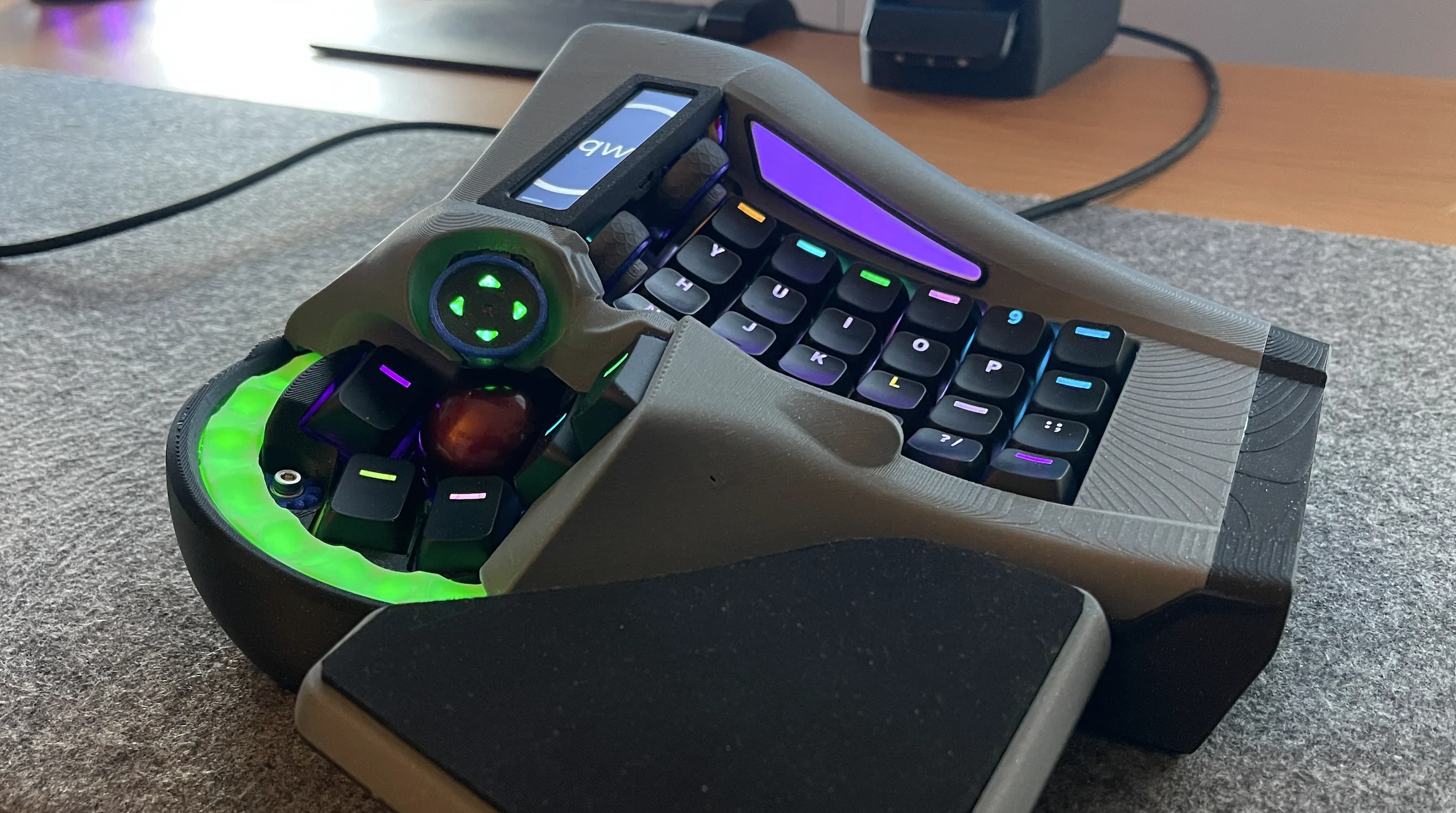
I find it so satisfying that [crazymittens-r] is never quite satisfied with his ArcBoard, which is now in its 20th revision.
Image by [crazymittens-r] via redditWhen asked ‘WTF am I looking at?’, [crazymittens-r] responded thusly: ‘my interpretation of how you might use a keyboard and trackball without moving your hands.’ Well, there you have it.
This is one of those times where the longer you look, the crazier it gets. Notice the thumb trackball, d-pad thingy, and the green glowy bit, all of which move. Then there are those wheels up by the YHN column.
A bit of background: [crazymittens-r] needed something to help him keep on working, and you know I can relate to that 100%. There’s even a pair of pedals that go with it, and you’ll see those in the gallery.
You may remember previous ArcBoards, and if not, know this: it’s actually gotten a lot smaller since mk. 19 which I featured here in May 2024. It still looks pretty bonkers in the best possible way, though, and I’m here for it.
Image by [harrael] via redditSo I have become fond of finding fuller-figured centerfolds for you such as KaSe by [harrael]. As the top commenter put it, KaSe gives off nice Esrille NISSE vibes. Boy howdy. And I think that’s probably just enough thumb keys for me.
[harrael] had noble goals for this project, namely learning more about ESP32-S3s, USB/BLE HID, and firmware design, but the most admirable of all is sharing it with the rest of us. (So, if you can’t afford a NISSE…)
Do you rock a sweet set of peripherals on a screamin’ desk pad? Send me a picture along with your handle and all the gory details, and you could be featured here!
I’m going to take a brief detour from the normal parade of old typewriters to feature Typewriter Tom, who has so many machines lying around that Hollywood regularly comes knocking to borrow his clacking stock. Image via The Atlanta-Journal Constitution And how many is that? Around 1,000 — or six storage units full. Tom received a call once. The caller needed six working IBM Selectrics ASAP. Of course, Tom could deliver, though he admits he’s probably the one person in all of Georgia who could.
Another thing Tom delivers is creativity in the form of machines he sells to artists and students. He also co-founded the Atlanta Typewriter Club, who have been known to hold typewriter petting zoo events where people can come and — you guessed it — put their hands on a typewriter or two.
Go for the story and stay for the lovely pictures, or do things the other way around if you prefer. But Typewriter Tom deserves a visit from you, even if he already got one from Tom Hanks once.
Finally, PropType AR Can Turn Anything Into a Keyboard
Yes, literally anything with enough real estate can now become a keyboard, or at least it would seem from TechExplore and the short video embedded below. Watch as various drinking vessels and other things become (split!) keyboards, provided you have your AR goggles handy to make the magic happen.
Image by [PropType] via YouTubeWhile this setup would be immensely helpful to have around given the right circumstances, the chances that you’re going to have your AR goggles on you while running or running around the mall seem somewhat slim.
But the point here is that for augmented reality users, typing is notoriously difficult and causes something known as ‘gorilla arm’ from extended use. So in all seriousness, this is pretty cool from a problem-solving standpoint.
So how does it work? Basically you set the keyboard up first using the PropType editing tool to customize layouts and apply various effects, like the one you’ll see in the video. Be sure to stick around for the demo of the editing tool, which is cool in and of itself. I particularly like the layout on the soda can, although it might be difficult to actually use without spilling.
La Chiesa in uscita nel digitale non si ferma. Mercoledì 10 dicembre prende il via l’ottava stagione dei tutorial WeCa, la videorubrica settimanale di formazione su Chiesa e comunicazione promossa dall’Associazione WebCattolici italiani (WeCa).
We’re all used to Bluetooth chips coming in QFN and BGA formats, at a minimum of 30-40 pins, sometimes even a hundred. What about ten pins, with 1.27 mm pitch? [deqing] from Hackaday.io shows us a chip from WCH, CH571K, in what’s essentially a SO-10 package (ESSOP10). This chip has a RISC-V core, requires only three components to run, and can work Bluetooth through a simple wire antenna.
This chip is a RISC-V MCU with a Bluetooth peripheral built in, and comes from the CH57x family of WCH chips that resemble the nRF series we’re all used to. You get a fair few peripherals: UART, SPI, and ADC, and of course, Bluetooth 4 with Low Energy support to communicate with a smart device of your choice. For extra hacker cred, [deqing] deadbugs it, gluing all components and a 2.54 mm header for FTDI comms onto the chip, and shows us a demo using webBluetooth to toggle an LED through a button in the browser.
You need not be afraid of SDKs with this one. There’s Arduino IDE support (currently done through a fork of arduino_core_ch32) and a fair few external tools, including at least two programming tools, one official and one third-party. The chip is under a dollar on LCSC, even less if you buy multiple, so it’s worth throwing a few into your shopping cart. What could you do with it once received? Well, you could retrofit your smoke alarms with Bluetooth, create your own tire pressure monitors, or just build a smartphone-connected business card!
"Durante l'udienza odierna con Sua Santità, l'ho ringraziato per le sue costanti preghiere per l'Ucraina e per il popolo ucraino, nonché per i suoi appelli per una pace giusta.
In un telegramma, inviato a Francesco Bonini, rettore dell’università Lumsa, in occasione dell’inaugurazione dell’anno accademico svoltasi oggi a Roma, Papa Leone XIV ricorda che “l’attività didattica favorisce la diffusione della cultura ispirata ai…
The exact circumstances around the search are not known. But activist Samuel Tunick is charged with deleting data from a Google Pixel before CBP’s Tactical Terrorism Response Team could search it.#CBP #Privacy
Man Charged for Wiping Phone Before CBP Could Search It
A man in Atlanta has been arrested and charged for allegedly deleting data from a Google Pixel phone before a member of a secretive Customs and Border Protection (CBP) unit was able to search it, according to court records and social media posts reviewed by 404 Media. The man, Samuel Tunick, is described as a local Atlanta activist in Instagram and other posts discussing the case.
The exact circumstances around the search—such as why CBP wanted to search the phone in the first place—are not known. But it is uncommon to see someone charged specifically for wiping a phone, a feature that is easily accessible in some privacy and security-focused devices.
💡 Do you know anything else about this case? I would love to hear from you. Using a non-work device, you can message me securely on Signal at joseph.404 or send me an email at joseph@404media.co.
This post is for subscribers only
Become a member to get access to all content Subscribe now
New videos and photos shared with 404 Media show a Border Patrol agent wearing Meta Ray-Bans glasses with the recording light clearly on. This is despite a DHS ban on officers recording with personal devices.#CBP #ICE #Meta
Border Patrol Agent Recorded Raid with Meta’s Ray-Ban Smart Glasses
On a recent immigration raid, a Border Patrol agent wore a pair of Meta’s Ray-Ban smart glasses, with the privacy light clearly on signaling he was recording the encounter, which agents are not permitted to do, according to photos and videos of the incident shared with 404 Media.
Previously when 404 Media covered Customs and Border Protection (CBP) officials’ use of Meta’s Ray-Bans, it wasn’t clear if the officials were using them to record raids because the recording lights were not on in any of the photos seen by 404 Media. In the new material from Charlotte, North Carolina, during the recent wave of immigration enforcement, the recording light is visibly illuminated.
That is significant because CBP says it does not allow employees to use personal recording devices. CBP told 404 Media it does not have an arrangement with Meta, indicating this official was wearing personally-sourced glasses.
This post is for subscribers only
Become a member to get access to all content Subscribe now
#Sicurnauti, da oggi sono disponibili i contenuti sul tema “L'identità digitale e i social network” rivolto a #studenti e #genitori per gestire in modo consapevole i social network, proteggendo la privacy online.
#Sicurnauti, da oggi sono disponibili i contenuti sul tema “L'identità digitale e i social network” rivolto a #studenti e #genitori per gestire in modo consapevole i social network, proteggendo la privacy online.
Qui il video ➡️ https://www.youtube.
Secondo un rapporto pubblicato di recente dal Financial Crimes Enforcement Network (FinCEN), l’attività globale del ransomware ha raggiunto il picco nel 2023, per poi crollare nel 2024. Questo calo è attribuito ai successivi attacchi ai gruppi ransomware su larga scala, tra cui ALPHV (BlackCat) e LockBit, attraverso indagini collaborative a livello internazionale.
Il FinCEN ha analizzato migliaia di segnalazioni ai sensi del Bank Secrecy Act (BSA) presentate da istituti finanziari tra gennaio 2022 e dicembre 2024, identificando 4.194 casi di ransomware e oltre 2,1 miliardi di dollari in riscatti. Questa cifra è quasi pari al totale segnalato negli otto anni dal 2013 al 2021.
4,5 miliardi di dollari: l’economia del ransomware tra il 2013 e il 2014
Considerando l’intero periodo (2013-2024), si arriva a circa 4,5 miliardi di dollari, il che dimostra che l’enorme economia criminale del settore ransomware è ancora in piena espansione. Secondo il rapporto, il 2023 è stato “l’anno più redditizio mai registrato” per i gruppi ransomware, con 1.512 attacchi e 1,1 miliardi di dollari in pagamenti di riscatto segnalati, con un aumento del 77% rispetto all’anno precedente.
Ma questa tendenza si è invertita nel 2024.
Mentre il numero di incidenti è leggermente diminuito a 1.476, il riscatto totale pagato è crollato a 734 milioni di dollari. Il rapporto attribuisce questo calo alle operazioni su larga scala condotte dalle autorità statunitensi ed europee contro Black Cat (fine 2023) e Lockbit (inizio 2024). In effetti, entrambi i gruppi sarebbero stati tra i gruppi di attacco “più attivi” all’epoca e, a quanto pare, stanno faticando a riorganizzarsi dopo la distruzione delle loro infrastrutture.
“La maggior parte dei pagamenti di riscatto era inferiore a 250.000 dollari”, ha affermato FinCEN, sottolineando che le piccole e medie imprese, così come le grandi aziende, continuano a subire perdite. I settori più colpiti sono quello manifatturiero, finanziario e sanitario.
I settori più colpiti dagli attacchi ransomware tra il 2022 e il 2024 sono:
Produzione: 456 casse
Servizi finanziari: 432 casi
Settore medico: 389 casi
Distribuzione al dettaglio: 337 casse
Servizi legali: 334 casi
In termini di entità dei danni, il settore finanziario è stato quello che ha subito i maggiori danni, seguito da quello medico e da quello manifatturiero.
Servizi finanziari: circa 365,6 milioni di dollari
Settore sanitario: circa 305,4 milioni di dollari
Produzione: circa 284,6 milioni di dollari
Scienza e tecnologia: circa 186,7 milioni di dollari
Vendite al dettaglio: circa 181,3 milioni di dollari
In particolare, si è scoperto che gli istituti finanziari rappresentano il settore più grande non solo in termini di portata degli attacchi, ma anche in termini di riscatto totale pagato. Sono attive 267 famiglie di ransomware, tra cui “Akira” è quella che compare più frequentemente.
I Ceppi dei ransomware
FinCEN ha riferito che tra il 2022 e il 2024 sono state segnalate in totale 267 diverse famiglie di ransomware.
Un piccolo numero di gruppi ha guidato l’attacco generale, e le seguenti famiglie sono quelle menzionate più frequentemente:
Akira: al primo posto per numero di incidenti segnalati con 376 casi.
Alphabet/BlackCat (ALPHV/BlackCat): al primo posto per ricavi derivanti dai riscatti, con circa 395 milioni di dollari.
LockBit: circa 252,4 milioni di dollari
Tra gli altri personaggi ai vertici della classifica ci sono Black Basta, Royal, BianLian, Hive, Medusa e Phobos. Solo queste prime 10 organizzazioni hanno pagato riscatti per oltre 1,5 miliardi di dollari tra il 2022 e il 2024.
Circa il 97% dei pagamenti dei riscatti è stato effettuato in Bitcoin, a conferma che la criptovaluta rimane un mezzo di transazione fondamentale nell’economia del ransomware. Un colpo decisivo per le agenzie investigative: “Il riscatto diminuirà, ma gli attacchi continueranno.”
La cooperazione internazionale il punto di svolta
Il rapporto ha citato la cooperazione internazionale tra le agenzie investigative negli Stati Uniti e in Europa come fattore chiave nella significativa riduzione dei riscatti nel 2024. Con l’infrastruttura di Black Cat e Lockbit neutralizzata, la redditività degli aggressori è diminuita drasticamente e si ritiene che diverse organizzazioni stiano vivendo una fase di confusione durante la riorganizzazione.
Tuttavia, il fatto che il numero di attacchi non sia diminuito è un altro messaggio di allarme. Anche con riscatti più bassi, il numero di tentativi di attacco continua ad aumentare. Il rapporto prevede che “nuovi gruppi più piccoli continueranno a emergere e a riempire il mercato”.
FinCEN esorta tutte le organizzazioni a “segnalare immediatamente qualsiasi attacco ransomware all’FBI e a FinCEN”, sottolineando che è fondamentale monitorare le reti criminali e bloccare i fondi attraverso la condivisione di informazioni finanziarie.
A year ago, I’ve design reviewed an MCU module for CAN hacking, called TinySparrow. Modules are plenty cool, and even more so when they’re intended for remaking car ECUs. For a while now, every car has heavily depended on a computer to control the operation of everything inside it – the engine and its infrastructure, the lights, and Sadly, ECUs are quite non-hackable, so building your own ECUs only makes sense – which is why it’s heartwarming to see modules intended to make this easier on the budding ECU designer!
Last time we saw this module, it was quite a bit simpler. We talked about fixing a number of things – the linear regulator, the unprotected CAN transceiver, and the pinout; we also made the board cheaper to produce by reducing the layer count and instead pushing the clearance/track width limits. This time, we’re seeing TinySparrow v2 , redesigned accounting for the feedback and upgraded with a new MCU – it’s quite a bit more powerful!
For a start, it’s got ESD diodes, a switching-linear regulator chain for clean but efficient power supply, and most importantly, an upgraded MCU, now with USB and one more CAN channel for a total of two! There’s a lot more GPIOs to go around, too, so the PCB now uses all four of its sides for breakout out power, programming, and GPIO pads. Only a tiny bit bigger than its v1, this module packs a fair bit of punch.
Let’s revisit the design, and try to find anything still left to improve – there’s a few noteworthy things I found.
Protection Almost Perfect
It took me a bit to try and find the ESD diodes mentioned in the README – I didn’t notice that they’re basically the only thing on the bottom layer. This is fine – protection elements like ESD diodes can be on a different layer, and as they’re SOT-23, they’re easy to solder on post-factum. This is quite a nice placement choice, in my opinion – you can basically solder this board with cheaper single-side assembly, use ESD-less boards for your bench testing, and then simply solder the few bottom side components onto “production” versions!
There is but one hiccup with the way they’re placed. ESD diode appnotes will tell you – there’s some extra considerations you can try and put into ESD diode layout. This design pulls connector tracks directly to the CAN ICs on top layer, and directly to diodes on the bottom one. Instead, you should try and route the signal “through” the ESD diodes – letting track inductance play in your favour, and not impeding the ESD diode’s impact. Fortunately, by lightly rerouting 3.3V CAN transceiver power inputs and a few surrounding signals, we can put CAN+ and CAN- signals through vias under the package, so that the signal flows “in series” with ESD diode pads. Similarly, the ESD diodes get vias to ground, shared with transceiver ground vias, but oh well. It’s not perfect, but to my eye, it’s better than before, as far as ESD protection is concerned.
About the only problem I can see with the reroute, is having to reshuffle USB signals, putting them closer together. However, as long as they’re intra-pair length-matched, they’ll do just fine.
Vias Fit Inside Pads, But Maybe Don’t?
This is not the only change to consider as far as signal routing goes, but it’s the most major one. The next issue I see, is vias – specifically, vias inside component pads.
I’ve had a few run-ins with via-in-pad related problems. Previously, I’ve failed to assemble some boards specifically because of via-in-pad related problems, with solder paste wicking through the board and onto the opposite side. For 0402 components I used, this made a number of boards essentially non-solderable depending on how lucky I got reflowing them, and I had to run a new board revision to get the yield up. This board’s files have a fair few hints about getting assembled by JLCPCB, and JLC can definitely do plugged vias, preventing any sorts of solder flowing through the board. If the designer or someone else takes the board elsewhere, however, that might no longer apply, which would be disappointing. Also, you might have to pay extra for plugging holes – just like with the previous review, let’s see if we can avoid it. Most problematic areas are around the transceivers, still – especially given the board files now have a custom rule for 0.5mm via-to-via distances. This is not a constraint I’ve seen actually stressed by JLCPCB, but I don’t mind – with just a little bit more signal shuffling, every newly moved via landed within the 0.5mm target area.
Pinout Considerations, Again
The VDC pin now has GND pins to match, and in general, there’s a lot more GND pins to go around – which is great! It’s pretty surprising to me that the VDC pin is duplicated and its trace goes across the board on an inner layer. This is supposed to be an at least somewhat unfiltered and unprotected car power rail, after all, and I don’t think that’d help things like noise integrity. Maybe this helps with testing because all the core signals are brought to the same corner, but to my eye, it has bad vibes.
The module could perhaps use a key pin – there’s zero omissions in the outer dual-row, which leaves for a possibility of inserting this module rotated 180 degrees by accident, likely obliterating at least something on the module. If these modules are ever meant to be swapped during testing, i.e. using machined headers, I’d try and remove one of the pins from the equation – there’s a NC pin in one of the corners already, thankfully. There’s a pair of 3.3 V signals and GND signals on the opposite sides of each other. This is geometrically satisfying pinout-wise, and, it would short-circuit the module’s onboard regulator if the module’s ever rotated inserted 180 degrees. This is generally harmless with modern modules, but it could very well make the switching or the linear regulator heat up to finger-burning temperatures – last thing you need when trying to remove a module inserted incorrectly!
Thankfully, at the top, there’s a few unconnected pads, so perhaps GND and NC could swap places, making sure that 3.3 V lands on NC once rotated 180 degrees. The VDC pads could perhaps use the same consideration, but I’m comfortable leaving those as homework.
Moving Forward
It’s a joy to see how much the TinySparrow module has grown in its v2. From vastly improved layout to higher consideration given to design rules, nicer silkscreen, and a way more powerful MCU while at it, it’s that much more of a viable heart for a somewhat modern car, and it’d be quite nice to see some boards utilizing it in the future. I hope this review can help! As usual, if you would like a design review for your board, submit a tip to us with [design review] in the title, linking to your board files. KiCad design files strongly preferred, both repository-stored files (GitHub/GitLab/etc) and shady Google Drive/Dropbox/etc .zip links are accepted.
Dear All Members of Pirate Parties International and all interested parties,
The 2025-2026 PPI Winter GA will take place on Saturday, January 10th, 2026, starting at 09:00 UTC. The event will be hybrid with some participants physically attending in Potsdam, Germany.
If representatives from your organization intend to participate in person, please let us know by requesting a completely free ticket here: eventbrite.com/e/1975346809482
If you have any statute amendments or new member applications, please make sure that you send them to the board by December 10th. If you have any other motions or any other business, feel free to bring them up before the meeting, and you are free to propose them at the meeting itself.
It is very important that we make a quorum, so please delegate your vote to another member if you cannot come to the event. Please also forward this message to other PPI members.
Delegates should be announced to the board prior to the start of the GA. Each member may have up to 6 delegates. Others are welcome to attend without voting. Rules of the GA can be reviewed on the Wiki: wiki.pp-international.net/wiki…
We also remind full members to pay membership fees. We don’t want anyone not to participate if they don’t have funds to pay membership fees, so please let us know if you require a discount or accommodation. Please note that nascent members have no membership fees.
We hope that many of you can attend, either in person or online.
Le incursioni corsare dal Nordafrica e dalle coste dell’Impero Ottomano hanno flagellato la nostra penisola per lungo tempo. Nel corso di queste razzie o di battaglie navali, capitava che marinai e corsari (specie nordafricani) finissero nelle mani
come pensa trump di far votare gli ucraini tra bombe che piovono dal cielo e territori occupati dai russi? i russi faranno il servizio di sicurezza per i territori occupati dentro i seggi? ma come fa a una persona minimamente normale di uscire con una idea del genere? qua i rincoglioniti sono i cittadini usa, mica trump.... ma che mondo alla rovescia è quello dove pare "normale" una frase del genere? con la meloni che acclama tutti i giorni trump... che dice che le sue idee le aveva già avute lei prima da tanto che erano buone... e che sicuramente è stata in un suo store... P.S. il sostengo pubblico a personaggio pubblico costituisce di per sé pesante responsabilità politica indipendentemente da cosa pensi realmente la meloni di trump... specie di fronte a emergenze vere e drammatiche come il cambiamento climatico.
putin minaccia la linea dura se non gli verrà consegnato un territorio ucraino, e trump che vorrebbe le elezioni in ucraina. viene il dubbio che entrambi negozino la pace in ucraina senza rappresentante ucraino senza neppure sapere che c'è una guerra in ucraina. e meno male che biden secondo trump era svampito... qua pare una sinfonia scritta da svampiti...
Negozi,1 comune su 8 senza 'Alimentari' 12.00 Un comune italiano su 8 senza più un negozio di alimentari e uno su 16 senza neppure supermercati, ipermercati o grandi magazzini. Sono alcuni dati del sondaggio Ipsos diffuso in occasione dell'assemblea di Confesercenti. Va anche peggio a edicole e libreria, negozi sportivi e di giocattoli: oltre 3,8 milioni di residenti in oltre 3.200 comuni ne sono privi.Tracollo dei gestori carburanti: benzinai assenti in quasi 4mila comuni e lontani chilometri per 6,6mln di residenti. In un anno -21.700 imprese e +17mila addetti. #televideo #ultimaora
Profitez des vidéos et de la musique que vous aimez, mettez en ligne des contenus originaux, et partagez-les avec vos amis, vos proches et le monde entier.
se trump sostiene che in ucraina (e non in russia) è ora di indire elezioni rende palese la sua idea sulle regole, che siano costituzionali o altro. lui è un re. e pensa che zelensky sia anche lui un re che dovrebbe abdicare. la esistono dei ruoli istituzionali, che so essere estranei sia a te che a putin, mio piccolo e giallo trump. la russia non è proprietà di putin, gli stati uniti non sono un tuo feudo, e l'ucraina non è proprietà di zelensky.
@Privacy Pride Il post completo di Christian Bernieri è sul suo blog: garantepiracy.it/blog/pillole-… Lo spam telefonico sta evolvendo e noi con essi. I call center hanno sempre fatto ciò che hanno voluto, completamente indisturbati. Gli sporadici e irrilevanti interventi
158 anni fa, in questo mese di dicembre, avvenne la più grande esecuzione di massa per impiccagione nella storia degli Stati Uniti, per mano del malvagio presidente Abraham Lincoln.
L’esecuzione fu approvata dal presidente Abraham Lincoln il giorno dopo Natale.
Alle 10:00 del mattino del 26 dicembre 1862, 38 nativi Dakota Sioux, prigionieri, furono condotti su un grande patibolo costruito appositamente per la loro esecuzione. Uno dei Dakota condannati all’impiccagione ottenne una sospensione all’ultimo momento. Si stima che 4.000 spettatori affollarono le strade di Mankato, Minnesota, e i terreni circostanti per assistere a questo evento orribile, glorificato dal governo degli Stati Uniti.
Ai popoli nativi erano state concesse riserve, che erano considerate terre e nazioni sovrane; gli Stati Uniti avevano stipulato accordi tramite trattati che permettevano ai nativi di utilizzare quelle terre come proprie. Dopo mesi dalla firma di questi trattati, gli USA permisero ai cacciatori di entrare nelle terre tribali, dove furono affrontati da nativi armati. Furono o allontanati dalle terre tribali oppure uccisi dai nativi per violazione di territorio, ed è per questo – secondo questa interpretazione – che Lincoln fece impiccare 38 Dakota: per dare l’esempio a chiunque avesse ucciso intrusi nelle proprie terre.
Quando eravamo giovani, alle scuole elementari ci insegnavano menzogne sul governo degli Stati Uniti e ancora più grandi menzogne sui loro leader, come il presidente Lincoln, presentato come il più grande presidente mai vissuto.
La verità è che il governo ha scritto la propria narrazione, che ha poi insegnato ai bambini, e non era altro che un insieme di bugie che continuano a essere insegnate ancora oggi.
L’esercito volontario della Resistenza che si forma e si aggrega in montagna non è scisso dai gruppi clandestini che si organizzano in città adrianomaini.altervista.org/le…
Il Giappone non ci sta. Ursula ha pessime carte da giocare, ma non molla il tavolo verde: va all-in, punta l’ultima mano sui miliardi russi congelati. «Punto tutto sugli asset russi.»
Invoca 'poteri d’emergenza' come un prestigiatore che estrae conigli dal cilindro, per foraggiare la macchina da guerra di Kiev e tenere in piedi lo schema Ponzi della truffa. «Solo un’altra mano… Per Kiev, per la democrazia, per il nostro futuro»
Comportamento da ludopatica all'ultimo stadio: ruba il banco per continuare a giocare, sperando che qualcuno non le spezzi le ginocchia prima delle ritorsioni di Mosca.
Intanto fuori dal casinò si addensano nubi nere, ma lei non le vede. E infatti arriva la mazzata: il Giappone ha appena respinto le richieste della UE di espropriare i circa 30 miliardi di asset russi congelati a Tokyo. Un colpo durissimo al tentativo di Bruxelles di ottenere un via libera dal G7.
La ministra delle Finanze giapponese Satsuki Katayama, durante la riunione virtuale dei ministri G7 dell’8 dicembre, ha tagliato corto: non esiste base legale per toccare o riconvertire quegli asset in prestiti a Kiev.
Da quando è iniziata l’operazione militare speciale russa in Ucraina, UE, Canada, USA e Giappone hanno congelato circa 300 miliardi di asset sovrani russi: 5-6 miliardi negli USA, la fetta piu' grossa (210 miliardi) nel caveau belga di Euroclear.
Il ministero degli Esteri russo ha già avvertito: se li toccate, la risposta sarà immediata e simmetrica.
Pechino non è mai stata una potenza marittima per ragioni storiche e geografiche. Lento è stato perciò il suo affacciarsi sul mare con la Marina da guerra (che nel 2027 celebrerà il suo centenario) in funzione di interdizione contro le Filippine e Taiwan, per poi
Elon Musk and X are once again proving why institutions should never rely on corporate-owned, centrally-controlled social media platforms to reach their people.
@Mastodon io avrei bloccato i domini di x nel territorio europeo (so bene che non è semplice e ciò scaturirà una guerra a chi ha il firewall più grosso) ma il problema è l'arancione amico/nemico (secondo me fanno la parte di essere nemici giurati per salvare l'apparenza) che potrebbe fare un'altra delle sue. o si pensa a rendere indipendente l'Europa a nostre condizioni altrimenti non se ne esce. Senza di noi europei falliscono, non avranno più il loro giardinetto in cui pisciare.
@Notizie dall'Italia e dal mondo Raid aerei, artiglieria e scontri in più province segnano il collasso dell’accordo di ottobre: evacuazioni di massa e timori di una crisi regionale fuori controllo. L'articolo La guerra di confine tra Thailandia e Cambogia riesplode:
@Notizie dall'Italia e dal mondo Nel cuore di Caracas, tra propaganda digitale dell’opposizione e mobilitazione popolare, il governo bolivariano risponde alla campagna di destabilizzazione con presenza pubblica, disciplina civico-militare e un messaggio diretto a Washington. L'articolo Venezuela-Usa, geopolitica dell’ultimatum proviene da Pagine Esteri.
Alessandra Celletti – Satie Mon Amour freezonemagazine.com/articoli/… Ci sono artisti che sembrano nascere per attraversare i confini, per camminare sul filo che separa il classico dal contemporaneo, il rigore dallo stupore. Alessandra Celletti appartiene a questa rara specie. Eclettica pianista romana, formatasi in ambito accademico ma sempre insofferente a qualsiasi recinto, ha costruito negli anni un percorso fatto di libertà: recital che […]
RAI, A QUASI 4 ANNI DI GUERRA ARRIVA IL SECONDO REPORTAGE DAL LATO RUSSO: MICALESSIN ENTRA A POKROVSK La maggior parte dei civili ha gradualmente abbandonato le zone conquistate dalla Russia fra Avdiïvka e Pokrovs'k, dove è si è svolta una delle battaglie più violente dell'intera guerra in Ucraina. Per le strade si vedono passare quasi soltanto mezzi militari dell'esercito di Mosca, tra cui i convogli che portano aiuti nelle città assediate. Nel reportage di Gian Micalessin, la vita "dell'altro fronte", quello russo, e i pensieri dei civili.
Puntata andata in onda dalle 0:30 alle 2:45, non sia mai ci sia troppa gente a vedere dei civili ucraini che accusano il regime di Kiev di usarli come scudi umani, mentre l'esercito russo vuole difenderli.
Segnalato dal LUG di Firenze e pubblicato sulla comunità Lemmy @GNU/Linux Italia #Firenze Nuova attività in collaborazione col GOLEM e con la partecipazione straordinaria del sensei giomba, promotore ufficiale di IPv6 nella piana empolese e dintorni. Martedì 9 novembre 2025, ci sarà una serata di spippolamento
Far-right National Security Minister Itamar Ben-Gvir arrived at the Knesset's National Security Committee hearing on his party's proposed death penalty bill for terrorists wearing a gold noose-shaped pin
a gold noose-shaped pin = una spilletta in oro a forma di cappio
Questo non è un tutorial sulla privacy. È il mio punto di vista, frutto di anni di vita online e di errori che mi hanno insegnato a proteggere i miei dati. Lo dedico a chi naviga, a chi usa i social senza pensarci troppo e a chi pensa di non avere nulla da nascondere. La tua privacy online è preziosa come le chiavi di casa.
Se vuoi seguire altri post sulla #Privacy puoi seguire il gruppo Activitypub @Privacy Pride
Perché dovremmo preoccuparci della privacy quando navighiamo, anche se non abbiamo nulla da nascondere
Negli ultimi anni la parola privacy è ovunque, ma spesso non sappiamo davvero cosa significhi. Tra app che chiedono accesso a ogni aspetto della nostra vita, assistenti vocali che ci ascoltano anche quando non parlano, pubblicità che sembrano leggere nei nostri pensieri e social network sempre più affamati di dati, viene spontaneo chiedersi: abbiamo davvero ancora il controllo sulla nostra vita digitale?
Eppure, molte persone continuano a ripetere un mantra apparentemente rassicurante: “Non ho nulla da nascondere, quindi non ho nulla da temere.” È una frase che sento ancora troppo spesso quando si parla di privacy online. Ed è comprensibile, perché per anni ci hanno fatto credere che la privacy fosse una questione per paranoici, complottisti o criminali digitali.
Perché proteggere la propria identità online non è un gesto da paranoici
C’è ancora chi pensa che preoccuparsi della privacy online sia roba da fissati o da chi ha qualcosa da nascondere, come se solo i “colpevoli” volessero proteggere i propri dati personali. È una visione distorta che gioca a favore di chi, giorno dopo giorno, raccoglie informazioni su di noi senza trasparenza né un consenso davvero informato.
Proteggere la propria privacy quando navighiamo non significa sparire dal web o vivere con la paranoia che ogni clic sia una minaccia. Significa semplicemente scegliere consapevolmente cosa condividere e con chi, proprio come facciamo nella vita reale. Nessuno penserebbe di lasciare le chiavi di casa a degli sconosciuti, eppure online accade qualcosa di simile ogni volta che accettiamo cookie invasivi o ci registriamo a un servizio senza nemmeno dare un’occhiata alle condizioni d’uso.
Ormai la raccolta di dati è una componente essenziale di tante piattaforme gratuite che usiamo ogni giorno. È il loro modo di guadagnare: più sanno di noi, più possono venderci a qualcuno. Per anni ho ceduto dati senza pensarci, fino a rendermi conto di quante informazioni avessi regalato. Alcune erano banali, altre no. E tutte raccontavano qualcosa di me, anche quando non volevo.
Ogni informazione che condividiamo è un pezzetto della nostra identità digitale. Non sono solo numeri, cronologie o preferenze: siamo noi. Per questo la privacy dovrebbe essere riconosciuta e rispettata come un diritto, non trattata come un privilegio per pochi esperti o come un comportamento sospetto.
In un’epoca in cui ogni attività online lascia una traccia, proteggere la propria identità digitale significa tutelare la propria libertà e riaffermare il controllo su ciò che ci riguarda. Non serve giustificarsi: voler mantenere la riservatezza non è sospetto, è sano buon senso.
Cosa succede davvero quando navighi su internet
Navigare online può sembrare un’azione semplice e immediata: apri il browser, digiti un indirizzo, e in pochi secondi la pagina appare sullo schermo. Dietro questa apparente semplicità, però, si nasconde un complesso meccanismo di scambi di dati e comunicazioni che coinvolge molti attori, alcuni dei quali non sempre visibili all’utente.
Quando visiti un sito web, il tuo dispositivo invia una richiesta ai server che ospitano quella pagina. Oltre al contenuto che chiedi di vedere, il sito raccoglie informazioni come l’indirizzo IP del tuo computer, il tipo di browser che usi, il sistema operativo e persino la risoluzione dello schermo. Questi dati, combinati, possono diventare un’impronta digitale unica, capace di identificarti anche senza bisogno di un login o di un account. Questo processo si chiama fingerprinting e rappresenta una delle tecniche più sofisticate di tracciamento.
Molti siti utilizzano poi i cookie, piccoli file salvati sul tuo dispositivo, per ricordare chi sei e personalizzare la tua esperienza. Non tutti i cookie sono innocui: alcuni sono progettati per tracciare la tua navigazione su più siti, creando un profilo dettagliato dei tuoi interessi e comportamenti. Questa raccolta può essere usata per indirizzarti pubblicità mirate o, in molti casi, condivisa con partner commerciali senza che tu ne sia pienamente consapevole.
Accanto ai cookie, ci sono anche tracker invisibili nascosti nelle pagine, script di terze parti che raccolgono dati senza un chiaro consenso. Questi strumenti funzionano in background, monitorando quanto tempo resti su una pagina, cosa clicchi, quali prodotti guardi e molto altro. Spesso, la loro presenza è difficile da rilevare senza strumenti specifici.
Il risultato è un ecosistema in cui la tua navigazione viene continuamente monitorata, analizzata e sfruttata per vari scopi commerciali o di profilazione. Capire cosa succede dietro le quinte è il primo passo per proteggersi efficacemente e navigare in modo più consapevole, scegliendo strumenti e abitudini che rispettino la tua privacy.
Cosa puoi fare senza essere un esperto
Proteggere la propria privacy online non è una missione riservata agli smanettoni o agli appassionati di sicurezza informatica. Al contrario, ci sono strumenti e accorgimenti semplici che chiunque può adottare nella vita digitale di tutti i giorni, senza bisogno di competenze tecniche o configurazioni complicate.
La buona notizia è che anche piccoli cambiamenti possono fare una grande differenza nel ridurre la quantità di dati che lasciamo in giro mentre navighiamo.
Per iniziare, basta scegliere un browser che offra già un buon livello di protezione della privacy (ne parlo nel capitolo successivo) e dire addio a Microsoft Edge o Google Chrome, entrambi noti per la loro raccolta aggressiva di dati.
Anche cambiare il motore di ricerca predefinito è un passo semplice ma efficace. Esistono alternative che non tracciano le tue ricerche né creano profili dettagliati su di te, a differenza di Google e Bing.
Browser e motori di ricerca che rispettano la tua privacy
Navigare online senza essere tracciati è sempre più difficile. Ogni sito visitato, ogni ricerca effettuata, ogni clic può contribuire a costruire un profilo dettagliato della nostra identità digitale. Questi dati vengono raccolti, collegati, analizzati per prevedere i nostri comportamenti, mostrarci pubblicità su misura o in molti casi influenzare le nostre decisioni.
Per questo, scegliere un browser e un motore di ricerca che rispettino davvero la privacy è una scelta consapevole, non una fissazione da esperti.
Esistono diverse alternative ai browser più famosi e preinstallati, come Microsoft Edge su Windows o Google Chrome su Android, che cercano un equilibrio tra protezione dei dati e facilità d’uso. Tra queste troviamo:
Firefox, sviluppato da una fondazione no-profit che ha sempre messo al primo posto la privacy degli utenti;
LibreWolf e Waterfox, due fork di Firefox pensati per chi vuole il massimo della riservatezza;
In un prossimo post approfondiremo meglio la questione browser, analizzando vantaggi e differenze tra queste soluzioni
Un altro aspetto spesso trascurato riguarda i motori di ricerca.
Continuare a usare Google o Bing significa accettare che ogni ricerca venga registrata, profilata e legata a un’identità precisa. Per chi desidera maggiore riservatezza esistono alternative concrete da usare.
Qwant motore di ricerca europeo con cuore francese, nato come alternativa a Google, progettato fin dall’inizio per rispettare il GDPR e ospitare tutti i dati in Europa. Qwant ha sviluppato un proprio indice di ricerca (in crescita), anche se per alcune query integra risultati da altri partner. progettato fin dall’inizio per rispettare il GDPR e ospitare tutti i dati in Europa.
DuckDuckGo (Stati Uniti), i suoi risultati provengono da oltre 400 fonti, ma la base principale resta Bing e Yahoo. Ha un proprio crawler (DuckDuckBot), ma lo usa in modo complementare. La sua priorità è la privacy, dichiara che non registra indirizzi IP, non salva cronologia, non crea profili pubblicitari.
Startpage(Paesi Bassi), è un motore di ricerca olandese nato con l’obiettivo di offrire la potenza dei risultati di Google ma senza alcun tracciamento. In pratica, funziona come un “filtro”: tu fai la ricerca, Startpage la inoltra a Google, riceve i risultati e te li mostra senza che Google sappia chi sei
Brave Search (Stati Uniti), è il motore di ricerca sviluppato da Brave Software, la stessa azienda dietro al browser Brave. È pensato come alternativa a Google e Bing, con un indice indipendente costruito da zero che a differenza di DuckDuckGo o Startpage lo rende più indipendente dalle Big Tech. Integra funzioni basate su intelligenza artificiale per risposte rapide e sintetiche ed è integrato nel browser Brave, rendendo facile l’uso per chi già utilizza questo browser.
Mojeek (Regno Unito), è un motore di ricerca britannico nato nel 2004 che si distingue perché utilizza un indice proprietario costruito con il proprio crawler (MojeekBot). Non si appoggia a Google o Bing, e punta su privacy e indipendenza, senza tracciamento né profilazione degli utenti. Tuttavia, anche se Mojeek è tecnologicamente indipendente, i suoi risultati di ricerca spesso non sono così completi o pertinenti come quelli di Google, soprattutto quando si cercano argomenti complessi o notizie molto recenti.
SearXNG è un metamotore di ricerca open-source, non ha un indice proprio, ma aggrega i risultati da vari motori di ricerca (tra cui Google, Bing, DuckDuckGo, Qwant, Wikipedia, ecc…) senza tracciare gli utenti, non memorizza query, non invia dati personali ai motori da cui prende i risultati. Un esempio di istanza di SearXNG è ospitato dal progetto italiano Devol, disponibile all’indirizzo https://searxng.devol.it
La scelta del browser e del motore di ricerca non richiede competenze tecniche, ma solo un pizzico di curiosità e la voglia di informarsi. In un web dove siamo sempre più controllati, anche una piccola scelta consapevole può avere un impatto significativo. Navigare in modo più libero e rispettoso della propria privacy è possibile: basta sapere dove guardare.
VPN e strumenti avanzati
Quando si parla di privacy online, è facile imbattersi in consigli che includono l’uso di VPN, estensioni per il browser, DNS alternativi e strumenti di anonimato come Tor. Ma a cosa servono davvero questi strumenti? E soprattutto: sono sempre necessari?
Partiamo dalle VPN (Virtual Private Network). Questo tipo di servizio crea un “ponte” crittografato tra il tuo dispositivo e internet, nascondendo l’indirizzo IP reale e rendendo più difficile risalire alla tua posizione. Le VPN sono utili in particolare quando si utilizza una rete Wi-Fi pubblica, come in aeroporto o al bar, o quando si vuole evitare che il proprio provider internet tracci le attività di navigazione. Tuttavia, non tutte le VPN sono affidabili: molte gratuite vendono i dati degli utenti o offrono protezione limitata. Per questo, se si decide di usarne una, è preferibile scegliere un servizio serio e trasparente, come Mullvad, ProtonVPN o IVPN, noti per la loro attenzione alla privacy e per non registrare log.
Poi ci sono i DNS (Domain Name System) che il tuo provider (ISP) ti assegna automaticamente, ma non sei obbligato a usarli: puoi cambiarli manualmente e scegliere alternative che offrono più velocità, sicurezza e privacy. La configurazione manuale non è immediata per chi non ha molta dimestichezza, ma tra le opzioni che proteggono da siti malevoli e phishing segnalo: Quad9, OpenDNS, Cloudflare
Per chi vuole spingersi un po’ oltre, esistono soluzioni avanzate ma alla portata degli utenti più smanettoni. Ad esempio strumenti come Pi-hole o AdGuard Home, che puoi installare su un Raspberry Pi o in un vecchio PC all’interno della tua rete domestica, agiscono a livello di rete e bloccano pubblicità, tracker e domini dannosi per tutti i dispositivi connessi: computer, smartphone, smart TV, senza bisogno di configurare ogni singolo dispositivo. Sono una scelta ideale per chi vuole un controllo granulare della propria rete ma restano comunque complementari ai plugin del browser (come uBlock o Privacy Badger), che bloccano contenuti più avanzati.
Risorse utili e progetti che difendono i tuoi diritti online.
Difendere la propria privacy online non è solo questione di usare gli strumenti giusti: è anche una scelta consapevole, che passa per l’informazione e la scoperta di risorse affidabili. Anche in Italia, esistono progetti, comunità e piattaforme non commerciali che lavorano ogni giorno per tutelare i nostri diritti digitali e promuovere un web più etico.
Le Alternative, un progetto indipendente che recensisce e propone strumenti alternativi alle Big Tech, con schede complete, comparazioni chiare e un linguaggio accessibile a tutti. È l’ideale per chi vuole scoprire nuovi strumenti evitando di restare legato ai soliti colossi tecnologici.
Get Privacy, una guida pratica che suggerisce sette semplici passi per migliorare la tua privacy online, preferendo servizi europei e strumenti open source. È pensata per chiunque voglia fare un primo passo concreto, senza diventare un esperto.
Librezilla è una piattaforma che raccoglie e promuove servizi online liberi, open source e gratuiti, come motori di ricerca alternativi, strumenti per la produttività, software audio/video, social decentralizzati e molto altro. L’obiettivo è offrire soluzioni etiche e rispettose della privacy, come alternative concrete ai servizi delle Big Tech.
AlternativaLinux, è un blog italiano ricco di tutorial e guide pratiche, con particolare attenzione a Linux Mint. Offre percorsi tematici per principianti e consigli concreti per migliorare sicurezza e produttività con software libero.
Una realtà italiana virtuosa è il collettivo Devol, che propone servizi etici, liberi e gratuiti, ospitati su infrastrutture trasparenti e pensati per tutelare la privacy degli utenti. Tra le soluzioni offerte, spicca la loro istanza Mastodon: uno spazio sociale decentralizzato e privo di tracciamento, pensato come alternativa consapevole a Twitter/X. Si tratta di un’istanza italiana e generalista, aperta a chiunque voglia comunicare in modo etico, senza algoritmi invasivi né pubblicità, e con una forte attenzione alla libertà di espressione.
Ti è piaciuto questo articolo? Lascia un feedback nei commenti, ogni suggerimento è prezioso per migliorare e condividere conoscenza libera.
P.S.: Se vuoi proporre una risorsa utile che non è elencata nella lista, lascia un commento sotto o scrivimi su Mastodon: ogni contributo è benvenuto.
Gli ultimi articoli Scopri i percorsi tematici I percorsi tematici raccolgono contenuti del blog organizzati secondo un ordine logico e non cronologico, per favorire una conoscenza progressiva dei temi trattati.
404 Media is making a print zine about the surveillance tactics used by ICE, and the ways people are resisting this technology. It will be 16 pages and printed on a risograph printer by a printshop in Los Angeles. It contains both reworked versions of our best reporting on ICE and some new articles for the zine. It will be available at the beginning of January.
Why are we doing this? Well, zines are cool, and print media is cool. We have joked about wanting to print out our blogs and hand them out door-to-door or staple them to lamp posts. Handing out zines at a concert or sending them to you in the mail will get the job done, too.
We have spent the last two-and-a-half years trying to build something more sustainable and more human in a world and on an internet that feels more automated and more artificial than ever. We have shown that it’s possible for a small team of dedicated reporters to do impactful, groundbreaking accountability journalism on the companies and powers that are pushing us to a more inhumane world without overwhelmingly focusing on appeasing social media and search algorithms. Nevertheless, we still spend a lot of our time trying to figure out how to reach new audiences using social media and search, without making ourselves feel totally beholden to it. Alongside that, we put a huge amount of effort into convincing people who find our stuff on Instagram or TikTok or YouTube or Reddit (and Bluesky and Mastodon) to follow our work on platforms where we can directly reach them without an algorithmic intermediary. That’s why we focus so much on building our own website, our own direct email newsletters, our own full-text RSS feeds, and RSS-based podcast feeds.
This has gone well, but we have seen our colleagues at The Onion and other independent media outlets bring back the printed word, which, again, is cool, but also comes with other benefits. Print can totally sidestep Big Tech’s distribution mechanisms. It can be mailed, sold in stores, and handed out at concerts. It can be read and passed to a friend, donated to a thrift store and discovered by someone killing time on a weekend, or tossed in a recycling bin and rescued by a random passerby. It is a piece of physical media that can be organically discovered in the real world.
Print does come with some complications, most notably it is significantly more expensive to make and distribute a print product than it is to make a website, and it’s also a slower medium (duh). Ghost, our website and email infrastructure, also doesn’t have a native way to integrate a print subscription into a membership. This is a long way of saying that the only way this first print experiment makes sense is if we sell it as a separate product. Subscribers at the Supporter level will get a discount; we can’t yet include print in your existing subscription for all sorts of logistical and financial reasons, but we will eventually make a PDF of the zine available to subscribers. If you're a subscriber, your code is at the bottom of this post. playlist.megaphone.fm?p=TBIEA2… Some other details: Our cover art was made by Veri Alvarez, a super talented LA-based artist whose work you can find here. The interior of the magazine was designed and laid out by our old friend Ernie Smith, who runs the amazing Tedium newsletter and who was willing to unretire from his days of laying out newspapers to help us with this. We are printing it at Punch Kiss Press, a DIY risograph studio here in Los Angeles. For those unfamiliar, risograph printing is sort of like silkscreening on paper, where you print one color at a time and layer them on top of each other to get very cool color mixing effects.
We did not originally set out to spend most of the last year reporting on ICE. But we have watched the agency grow from an already horrifying organization into a deportation force that is better funded than most militaries. We have seen full-scale occupations of Los Angeles and Chicago, daily raids playing out in cities, towns, and workplaces across the country, and people getting abducted while they are at work, shopping, or walking down the street.
As this has played out, we have focused on highlighting the ways that the Trump administration has used the considerable power of the federal government and the vast amounts of information it has to empower ICE’s surveillance machine. Technologies and databases created during earlier administrations for one governmental purpose (collecting taxes, for example) have been repurposed as huge caches of data now used to track and detain undocumented immigrants. Privacy protections and data sharing walls between federal agencies have been knocked down. Technologies that were designed for local law enforcement or were created to make rich people feel safer, like license plate tracking cameras, have grown into huge surveillance dragnets that can be accessed by ICE. Surveillance tools that have always been concerning—phone hacking malware, social media surveillance software, facial recognition algorithms, and AI-powered smart glasses—are being used against some of society’s most vulnerable people. There is not a ton of reason for optimism, but in the face of an oppressive force, people are fighting back, and we tried to highlight their work in the zine, too.
Again, this is an experiment, so we can’t commit at the moment to a print subscription, future zines, future magazines, or anything like that. But we are hopeful that people like it and that we can figure out how to do more print products and to do them more often. If you have a connection at a newspaper printing press, a place that prints magazines or catalogs, or otherwise have expertise in printmaking, design, layout, or other things that deal with the printed word, please get in touch, it will help us as we explore the feasibility of doing future print products (jason@404media.co).
We are also hoping that groups who work with immigrants throughout the United States will be interested in this; if that’s you please email me (jason@404media.co). We are also exploring translating the zine into Spanish.
If you are a subscriber, your discount code is below this:
.
.
.
.
.
This post is for subscribers only
Become a member to get access to all content Subscribe now
This week Sam is in conversation with Noelle Perdue. Noelle is a writer, producer, and internet porn historian whose works has been published in Wired, the Washington Post, Slate, and more, and you’re probably familiar with her work if you’ve been paying attention to the plot in your favorite pornographic films. She’s writing on Stubstack so look her up there!
Noelle and Sam discuss everything from sexbots and AI porn to censorship, age verification legislation, and their favorite parody porn flicks. youtube.com/embed/9eqMXBwWtkA?… Listen to the weekly podcast on Apple Podcasts, Spotify, or YouTube. Become a paid subscriber for access to this episode's bonus content and to power our journalism. If you become a paid subscriber, check your inbox for an email from our podcast host Transistor for a link to the subscribers-only version! You can also add that subscribers feed to your podcast app of choice and never miss an episode that way. The email should also contain the subscribers-only unlisted YouTube link for the extended video version too. It will also be in the show notes in your podcast player.
@Notizie dall'Italia e dal mondo A Damasco e nelle più importanti città del Paese si celebra il primo anniversario della caduta di Bashar al-Assad e della presa del potere da parte del gruppo dell'autoproclamato presidente Ahmad al-Sharaa. L'articolo PODCAST SIRIA. Un
Continua a far discutere il piano Trump per la pace in Ucraina come pure la posizione che l’Unione europea deve assumere a sua volta, schiacciata tra un’emarginazione internazionale e un ruolo rivendicato, almeno da co-protagonista, nella soluzione della crisi che più direttamente intacca la sua


Bluesky Social
Bluesky Social







404 Media404 Media


Ciriaco Niside
in reply to Max - Poliverso 🇪🇺🇮🇹 • • •