


Cinema e missione: mons. Viganò (Mac), “apostolic cinema” è una nuova categoria interpretativa “che forma, educa, trasmette, persuade” - AgenSIR
“Il volume è frutto di un lavoro di ricerca e di raccordo culturale che mi permetto di definire come pionieristico.Redazione (AgenSIR)
A few years ago, Putin hyped the Kinzhal hypersonic missile. Now electronic warfare is knocking it out of the sky with music and some bad directions.#News #war


Ukraine Is Jamming Russia’s ‘Superweapon’ With a Song
The Ukrainian Army is knocking a once-hyped Russian superweapon out of the sky by jamming it with a song and tricking it into thinking it’s in Lima, Peru. The Kremlin once called its Kh-47M2 Kinzhal ballistic missiles “invincible.” Joe Biden said the missile was “almost impossible to stop.” Now Ukrainian electronic warfare experts say they can counter the Kinzhal with some music and a re-direction order.As winter begins in Ukraine, Russia has ramped up attacks on power and water infrastructure using the hypersonic Kinzhal missile. Russia has come to rely on massive long-range barrages that include drones and missiles. An overnight attack in early October included 496 drones and 53 missiles, including the Kinzhal. Another attack at the end of October involved more than 700 mixed missiles and drones, according to the Ukrainian Air Force.
playlist.megaphone.fm?p=TBIEA2…
“Only one type of system in Ukraine was able to intercept those kinds of missiles. It was the Patriot system, which the United States provided to Ukraine. But, because of the limits of those systems and the shortage of ammunition, Ukraine defense are unable to intercept most of those Kijnhals,” a member of Night Watch—a Ukrainian electronic warfare team—told 404 Media. The representative from Night Watch spoke to me on the condition of anonymity to discuss war tactics.Kinzhals and other guided munitions navigate by communicating with Russian satellites that are part of the GLONASS system, a GPS-style navigation network. Night Watch uses a jamming system called Lima EW to generate a disruption field that prevents anything in the area from communicating with a satellite. Many traditional jamming systems work by blasting receivers on munitions and aircraft with radio noise. Lima does that, but also sends along a digital signal and spoofs navigation signals. It “hacks” the receiver it's communicating with to throw it off course.
Night Watch shared pictures of the downed Kinzhals with 404 Media that showed a missile with a controlled reception pattern antenna (CRPA), an active antenna that’s meant to resist jamming and spoofing. “We discovered that this missile had pretty old type of technology,” Night Watch said. “They had the same type of receivers as old Soviet missiles used to have. So there is nothing special, there is nothing new in those types of missiles.”
Night Watch told 404 Media that it used this Lima to take down 19 Kinzhals in the past two weeks. First, it replaces the missile’s satellite navigation signals with the Ukrainian song “Our Father Is Bandera.”
A downed Kinzhal. Night Watch photo.
Any digital noise or random signal would work to jam the navigation system, but Night Watch wanted to use the song because they think it’s funny. “We just send a song…we just make it into binary code, you know, like 010101, and just send it to the Russian navigation system,” Night Watch said. “It’s just kind of a joke. [Bandera] is a Ukrainian nationalist and Russia tries to use this person in their propaganda to say all Ukrainians are Nazis. They always try to scare the Russian people that Ukrainians are, culturally, all the same as Bandera.”💡
Do you know anything else about this story? I would love to hear from you. Using a non-work device, you can message me securely on Signal at +1 347 762-9212 or send me an email at matthew@404media.co.Once the song hits, Night Watch uses Lima to spoof a navigation signal to the missiles and make them think they’re in Lima, Peru. Once the missile’s confused about its location, it attempts to change direction. These missiles are fast—launched from a MiG-31 they can hit speeds of up to Mach 5.7 or more than 4,000 miles per hour—and an object moving that fast doesn’t fare well with sudden changes of direction.
“The airframe cannot withstand the excessive stress and the missile naturally fails,” Night Watch said. “When the Kinzhal missile tried to quickly change navigation, the fuselage of this missile was unable to handle the speed…and, yeah., it was just cut into two parts…the biggest advantage of those missiles, speed, was used against them. So that’s why we have intercepted 19 missiles for the last two weeks.”
Electronics in a downed Kinzhal. Night Watch photo.
Night Watch told 404 Media that Russia is attempting to defeat the Lima system by loading the missiles with more of the old tech. The goal seems to be to use the different receivers to hop frequencies and avoid Lima’s signal.“What is Russia trying to do? Increase the amount of receivers on those missiles. They used to have eight receivers and right now they increase it up to 12, but it will not help,” Night Watch said. “The last one we intercepted, they already used 16 receivers. It’s pretty useless, that type of modification.”
According to Night Watch, countering Lima by increasing the number of receivers on the missile is a profound misunderstanding of its tech. “They think we make the attack on each receiver and as soon as one receiver attacks, they try to swap in another receiver and get a signal from another satellite. But when the missile enters the range of our system, we cover all types of receivers,” they said. “It’s physically impossible to connect with another satellite, but they think that it’s possible. That’s why they started with four receivers and right now it’s 16. I guess in the future we’ll see 24, but it’s pretty useless.”
Russia fires 500 drones at Ukraine in deadly overnight attack, Zelenskyy says
At least five people were killed across the country, Zelenskyy said.David Brennan (ABC News)
Mating Cycles: Engineering Connectors to Last

If you take a look around you, chances are pretty good that within a few seconds, your eyes will fall on some kind of electrical connector. In this day and age, it’s as likely as not to be a USB connector, given their ubiquity as the charger of choice for everything from phones to flashlights. But there are plenty of other connectors, from mains outlets in the wall to Ethernet connectors, and if you’re anything like us, you’ve got a bench full of DuPonts, banana plugs, BNCs, SMAs, and all the rest of the alphabet soup of connectors.
Given their propensity for failure and their general reputation as a necessary evil in electrical designs, it may seem controversial to say that all connectors are engineered to last. But it’s true; they’re engineered to last, but only for as long as necessary. Some are built for only a few cycles of mating, while others are built for the long haul. Either way, connectors are a great case study in engineering compromise, one that loops physics, chemistry, and materials science into the process.
A Tale of Two Connectors
While there’s a bewildering number of connectors available today, most have at least a few things in common. Generally, connectors consist of one or more electrically conductive elements held in position by an insulating body of some sort, one that can mechanically attach to another body containing more conductive elements. When the two connectors are attached, the conductive elements come into physical contact with each other, completing the circuit and providing a low-resistance path for current to flow. The bodies also have to be able to separate from each other when the connections need to be broken.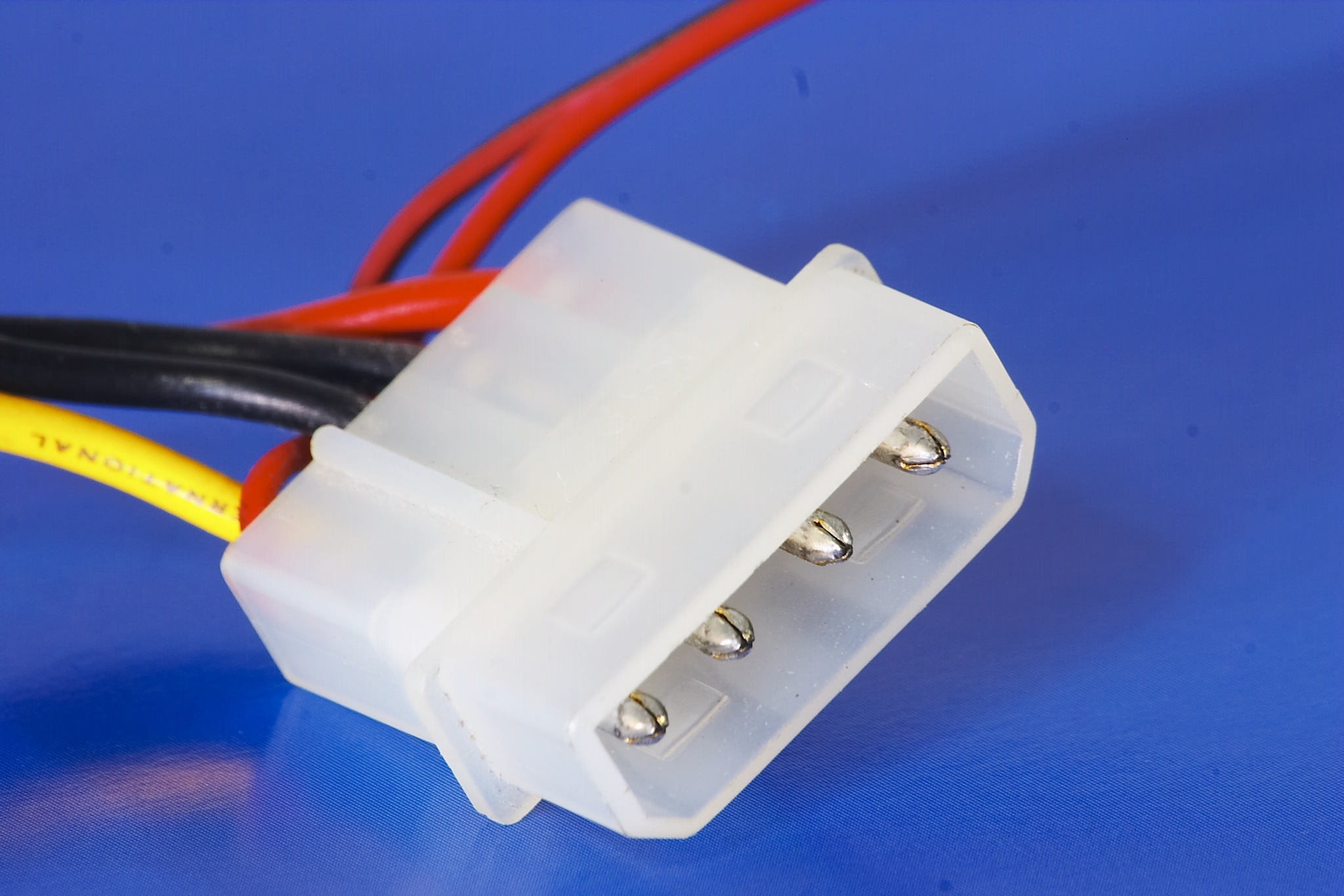
For as simple as that sounds, a lot of engineering goes into making connectors that are suitable for the job at hand. The intended use of a connector dictates a lot about how it’s designed, and in terms of connector durability, looking at the extremes can be instructive. On one end of the scale, we might have something like a Molex connector on a wiring harness in a dishwasher. Under ideal circumstances, a connector like that only needs to be used once, in the factory during assembly. If the future owner of the appliance is unlucky, that connector might go through one or two more mating cycles if the machine needs to be serviced at some point. Either way, the connector is only going to be subjected to low single-digit mating cycles, and should be designed accordingly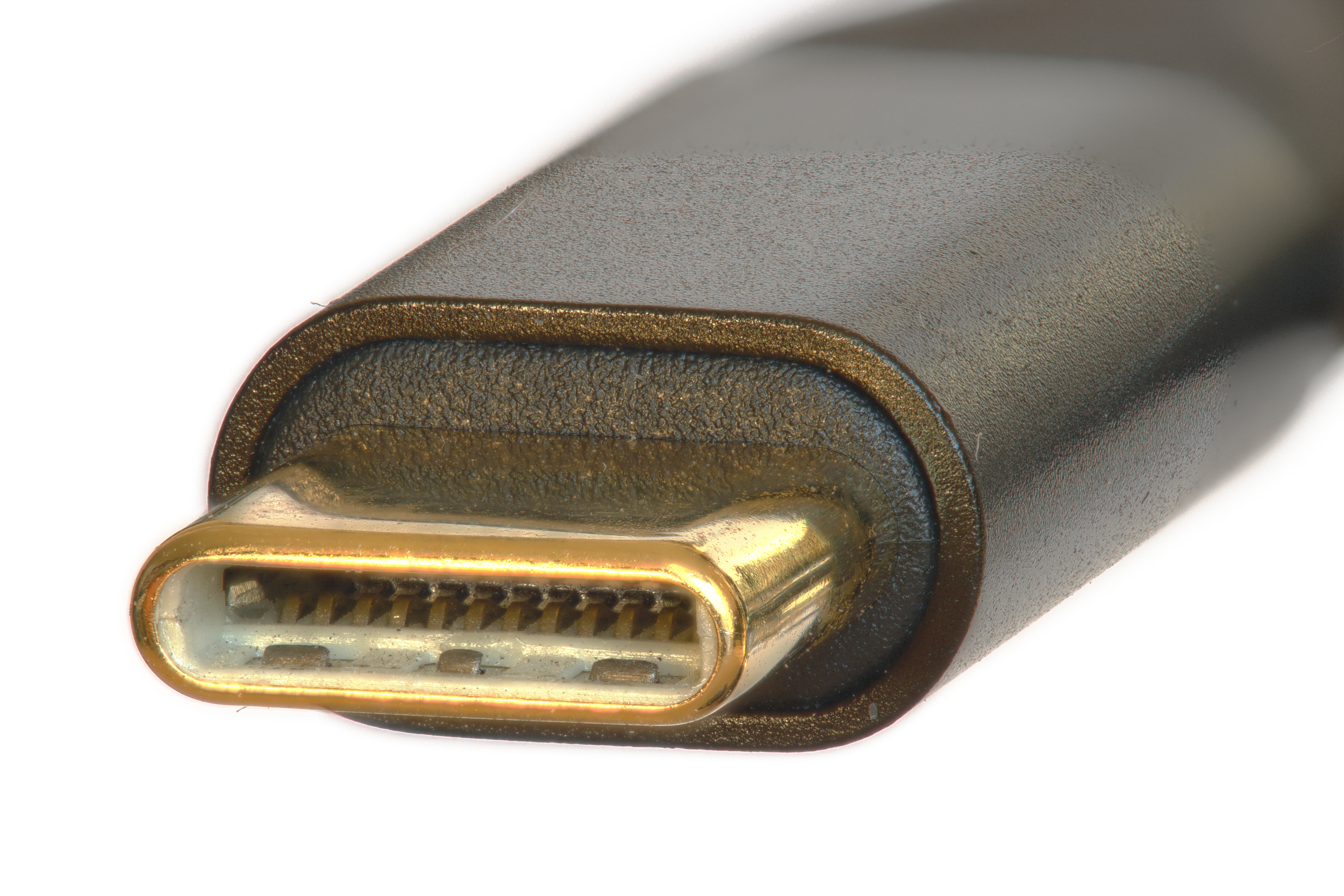
On the other end of the mating-cycle spectrum would be something like the USB-C connector on a cell phone. Assuming the user will charge the phone once a day, the connector might have to endure many thousands of mating cycles over the useful life of the phone. Such a connector has a completely different use case from a connector like that Molex, and very different design constraints. But the basic job — bringing two conductors into close contact to complete a low-resistance circuit, and allow the circuits to be broken only under the right circumstances — is the same for both.
But what exactly do we mean by “close contact”? It might seem obvious — conductors in each half of the connector have to touch each other. But keeping those conductors in contact is the real trick, especially in challenging environments such as under the hood of a car or inside a CNC machine, where vibration, dust, and liquid intrusion can all come together to force those contacts apart and break the circuit while it’s still in use.
esseeWhy Be Normal?
To keep contacts together, engineers rely on one of the simplest mechanisms of all: springs. In most connectors, the contacts themselves are the sprung elements, although there are connectors where force is applied to the contacts with separate springs. In either case, the force generated by the spring pushes the contacts together firmly enough to ensure that they stay connected. This is the normal force, called so because the force is exerted perpendicular to the plane of contact when the connector is mated.
Traditionally, normal force in connector engineering is expressed in grams, which seems like an affront to the SI system, where force is expressed in Newtons. But fear not — “grams” does not refer to the mass of a contact, but rather is shorthand for “gram-force,” the force applied by one gram of mass in a one g gravitational field. So, an “80 gram” contact is really exerting 0.784 N of normal force. But that’s a bit clunky, especially when most connectors have normal forces that are a fraction of a Newton. So it ends up being easier to refer to the grams part of the equation and just assume the acceleration component.
The amount of normal force exerted by the contacts is a critical factor in connector design, and has to be properly scaled for the job. If the force is too low, it may increase the resistance of the circuit or even result in intermittent open circuits. If the force is too high, the connector could be difficult to mate and unmate, or the contacts could wear out from excess friction.
Since the contacts themselves are usually the springs as well as the conductors, getting the normal force right, as well as ensuring the contacts are highly conductive, is largely an exercise in materials science. While pure copper is an excellent conductor, it is not elastic enough to provide the proper normal force. So, most connectors use one of two related copper alloys for their contacts: phosphor bronze, or beryllium copper. Both are excellent electrical and thermal conductors, and both are strong and springy, but there are significant differences between the two that make them suitable for different types of connectors.
As the name implies, phosphor bronze is an alloy of phosphorus and bronze, which itself is an alloy of copper and tin. To make phosphor bronze, about 0.03% phosphorus is added to pure molten copper. Any oxygen dissolved in the copper reacts with the phosphorus, making phosphorus pentoxide (P2O5), which can be easily removed during refining. About 2% tin is added along with about 10% zinc and 2% iron to make the final alloy, which is easily cast into sheets or coil stock.
While far superior to pure copper or non-phosphor bronze for use in contacts, phosphor bronze is, at best, a compromise material. It’s good enough in almost all categories — strength, elasticity, conductivity, wear resistance — but not really great in any of them. It’s the “Jack of all trades, master of none” of the electrical contact world, which, coupled with its easy workability and low cost, makes it the metal of choice for the contacts in commodity connectors. If a manufacturer is making a million copies of a connector, especially ones that are cheap enough that nobody will cry too much if they have to be replaced, chances are good that they’ll choose phosphor bronze. It’s also the alloy most likely to be used for connectors intended for low mating-cycle applications, like the aforementioned dishwasher Molex.
For more mission-critical contacts, a different alloy is generally called for: beryllium copper. Also known as spring copper, beryllium copper contains up to about 3% beryllium, but for electrical uses, it’s usually around 0.7% with a little cobalt and nickel added in. Beryllium copper is everything that phosphor bronze is, and more. It’s stronger and springier, it’s a far better electrical conductor, and it also has a better ability to withstand creep under load. Also known as stress relaxation, creep under load is the tendency for a spring to lose its strength over time, which reduces its normal force. Phosphor bronze has pretty good stress relaxation resistance, but when it heats up past around 125°C, it starts to lose spring force — not ideal for high-power applications. Beryllium copper is easily able to withstand 150°C or more, making it a better choice for power connectors.
Beryllium copper also has a higher elastic modulus than phosphor bronze, which makes it easier to create small contacts that still have enough normal force to maintain good contact. Smaller is better when it comes to modern high-density connectors, so you’ll often see beryllium copper used in fine-pitch connectors. It also has better fatigue life and tends to maintain normal force over repeated mating cycles, making it desirable for connectors that specify cycle lives in the thousands. But just because it’s desirable doesn’t make it a shoo-in — beryllium copper is at least three times more expensive than phosphor bronze. That means it’s usually reserved for connectors that can justify the added expense.
Noble Is Only Skin Deep
No matter what the base metal is for connector contacts, chances are good that the finished contact will have some sort of plated finish. Plating is important because it protects the base metal from oxidation, as well as increasing the wear resistance of contacts and improving their electrical conductivity. Plating metals fall into two broad categories: noble (principally gold, with silver used sometimes for high-power connectors, as well as palladium, but only very rarely) and non-noble platings.
Noble metal finishes are quite common in high-density connectors, RF applications, and high-speed digital circuits, as well as high-reliability applications and connectors that are expected to have high mating cycles. But at the risk of stating the obvious, gold is expensive, so it’s used only on connectors that really need it. And even then, it’s very rare that the entire contact is plated. While that would be incredibly expensive — gold is currently pushing $4,000 an ounce — the real reason is that gold isn’t particularly solderable. So generally, selective plating is used to deposit gold only on the mating surfaces of contacts, with the tail of the contact plated in a non-noble metal to improve solderability.
youtube.com/embed/AtwVm_3YrwI?…
Among the non-noble finishes, tin and tin alloys are the first choice. Aside from its excellent solderability, tin alloys do a great job at protecting the base metal from corrosion. However, the tin plating itself begins to oxidize almost immediately after it’s applied. This would seem to be a problem, but it’s easily addressed by using more spring force in the contacts to break through the oxide layer to fresh tin. Tin-plated contacts typically specify normal forces of 100 grams or more, while noble metal contacts can get by with 30 grams or less. Also, tin contacts require much thicker plating than noble metal finishes. Tin is generally specified for commodity connectors and anywhere the number of mating cycles is likely to be low.
Don’t You Fret
Although corrosion is obviously something to be avoided, the real enemy when it comes to connector durability is metal-on-metal contact. The spring pressure between contacts unavoidably digs into the plating, and while that’s actually desirable in tin-plated contacts, too much of a good thing is bad. Digging past the plating into the base metal marks the end of the road for many connectors, as the base metal’s relatively lower conductivity increases the resistance of the connection, potentially leading to intermittent connections and even overheating. Again, noble metals perform better in this regard, at least in the long run, as their lower normal force reduces friction and results in a longer-lived contact.
There’s another metallurgical phenomenon that can wreak havoc on connectors: fretting. Fretting is caused by tiny movements of the contacts against each other, on the order of 10-7 meters, generally in response to low-g vibrations but also as a result of thermal expansion and contraction. Fretting damage occurs when the force of micromotions between contacts exceeds the normal force exerted between them. This leads to one contact sliding over the other by a tiny amount, digging a trench through the plating metal. In tin-plated contacts, this exposes fresh tin, which oxidizes instantly, forming an insulating surface. Further micromotions expose more fresh tin, which leads to more oxides. Eventually the connection fails due to high resistance. Fretting is insidious because it happens even without a lot of mating cycles; all it takes is a little vibration and some time. And those are the enemies of all connectors.
Tanti auguri Windows! 40 anni di storia dei sistemi operativi e non sentirli
Esattamente 40 anni fa, il 20 novembre 1985, Microsoft rilasciò Windows 1.0, la prima versione di Windows, che tentò di trasformare l’allora personal computer da una macchina con una monotona riga di comando in un sistema con finestre, icone e controllo tramite mouse.
Si tratta della messa a terra di alcune delle più grandi innovazioni del nostro tempo, ideata dal genio di Duglas Engelbart e dell’“oN-Line System”, il sistema progettato negli anni sessanta che introduceva un sistema operativo a finestre connesso ad un mouse, presentati nella storica “mother of all demos” del 9 dicembre del 1968.

Per il pubblico di oggi, questo sembra scontato (o sconosciuto) ma a metà degli anni ’80, l’idea stessa di un’interfaccia grafica sul PC IBM di massa era praticamente rivoluzionaria.
Tecnicamente, Windows 1.0 non era un sistema operativo completo. Era una sovrapposizione grafica su MS-DOS , una shell a 16 bit chiamata MS-DOS Executive che si sovrapponeva al sistema esistente e consentiva l’esecuzione di programmi in modalità finestra.
La prima versione fu rilasciata solo negli Stati Uniti; aggiornamenti ed edizioni internazionali seguirono in seguito, e il pacchetto costava circa 99 dollari, una cifra considerevole all’epoca.

L’interfaccia appariva insolita persino per gli standard degli anni ’80. In Windows 1.0, le finestre non potevano essere sovrapposte liberamente: erano rigorosamente affiancate sullo schermo. L’utente controllava il sistema principalmente con il mouse, selezionando le voci di menu e trascinando gli elementi, sebbene i menu stessi funzionassero in modo strano e richiedessero di tenere premuto il pulsante del mouse.
Ma anche allora, Microsoft stava già definendo i principi che in seguito si sarebbero evoluti nel modello desktop che conosciamo.
Windows 1.0 includeva una suite di applicazioni sorprendentemente riconoscibili ancora oggi. Agli utenti venivano offerti Paintbrush, l’antenato dell’odierno Paint, Blocco note, l’editor di testo Write, Calcolatrice, un orologio, un terminale, il database di schede Cardfile, gli appunti e un gestore di stampa. Queste applicazioni consentivano agli utenti di prendere semplici appunti, disegnare semplici grafici, stampare documenti ed eseguire più programmi contemporaneamente, sebbene con un multitasking molto limitato.
I requisiti hardware al momento del rilascio erano considerati piuttosto elevati. Per eseguire Windows 1.0 era necessario un processore Intel 8086 o 8088, almeno 256 kilobyte di RAM, una scheda grafica e due unità floppy disk a doppia faccia o un disco rigido. Molti recensori si sono lamentati del notevole rallentamento del sistema durante l’esecuzione di più applicazioni, soprattutto se il computer disponeva di una memoria inferiore ai 512 kilobyte consigliati. In confronto, l’attuale minimo di 4 gigabyte per Windows 11 sembra quasi un balzo in avanti.
Windows 1.0 ricevette un’accoglienza tiepida dal mercato. I critici ne notarono l’interfaccia lenta, la scarsa compatibilità con i programmi DOS esistenti e il numero limitato di applicazioni scritte specificamente per Windows. Rispetto ai sistemi grafici Apple già disponibili, il prodotto Microsoft appariva rudimentale e alcuni recensori paragonarono le sue prestazioni su un PC con 512 kilobyte di RAM a “melassa versata nell’Artico”, alludendo alla sua incredibile lentezza.

Tuttavia, Microsoft non abbandonò l’idea. Nel giro di un paio d’anni, l’azienda rilasciò diversi aggiornamenti di Windows 1.x con supporto per nuovo hardware e layout di tastiera europei, per poi introdurre Windows 2.0 e il particolarmente riuscito Windows 3.0.
Queste versioni, da sole, resero l’interfaccia grafica dei PC IBM uno standard di fatto del settore e gettarono le basi per il vasto ecosistema software a cui ci siamo abituati negli anni ’90.

Oggi, Windows 1.0 è ormai da tempo diventato un reperto da museo: emulatori del sistema vengono lanciati per nostalgia e curiosità, e la stessa Microsoft occasionalmente ricorda la sua prima interfaccia grafica attraverso Easter egg e progetti a tema, come la divertente app per Windows 1.11 basata sulla serie TV Stranger Things.
Ma molte idee e persino alcuni programmi di quell’epoca sono sopravvissuti fino a oggi, e il 40° anniversario ci ricorda quanto rapidamente siano cambiati sia i computer che la nostra comprensione di cosa dovrebbe essere un’interfaccia intuitiva in una sola generazione .
L'articolo Tanti auguri Windows! 40 anni di storia dei sistemi operativi e non sentirli proviene da Red Hot Cyber.

Papa Leone XIV ad Assisi: “Da San Francesco un segno di speranza per un mondo smarrito”
[quote]ASSISI – Papa Leone XIV ha visitato il Sacro Convento per una preghiera sulla tomba di San Francesco. Accompagnato dal presidente della Cei Matteo Zuppi e accolto tra gli applausi…
L'articolo Papa Leone XIV ad Assisi: “Da San Francesco un segno di speranza per un
Nascite in Italia ai minimi storici: oltre 3 mila euro per chi ha un figlio (Il Fatto del giorno)
[quote]A cura di Leonardo Macciocca
L'articolo Nascite in Italia ai minimi storici: oltre 3 mila euro per chi ha un figlio (Il lumsanews.it/nascite-in-italia…
Nascite in Italia ai minimi storici: oltre 3 mila euro di aiuti per chi ha un figlio
[quote]Le nascite in Italia sono ai minimi storici. Secondo l’ultimo report dell'Istat, sono solo 369 mila i bambini nati nel 2024, quasi cinquemila in meno rispetto all’anno precedente
L'articolo Nascite in Italia ai minimi storici: oltre 3 mila euro di aiuti per chi ha un
E’ ora di sciogliere Casa Pound in base alla Legge Anselmi. Da Torino via alla petizione
@Giornalismo e disordine informativo
articolo21.org/2025/11/e-ora-d…
CasaPound va sciolta usando la Legge Anselmi, n. 17 del 1982, ed i suoi beni vanno confiscati. Il libro di
Giornalismo e disordine informativo reshared this.
Fuga di dati WhatsApp, perché è giusto preoccuparsi
@Informatica (Italy e non Italy 😁)
Un gruppo di ricerca austriaco ha documentato il comportamento anomalo della struttura di WhatsApp che si occupa di verificare se un numero appartiene o no a un utente dell'applicazione. Per farlo è riuscita ad estrarre oltre 3 miliardi di account con relativi dettagli. Falla chiusa ma il rischio c'è
Informatica (Italy e non Italy 😁) reshared this.
VIDEO. Israele confisca Sebastia, il più importante sito archeologico palestinese
@Notizie dall'Italia e dal mondo
Il pretesto dell'espropriazione: "La conservazione e lo sviluppo del sito come sito accessibile ai visitatori e al grande pubblico", naturalmente israeliano.
L'articolo VIDEO. Israele confisca Sebastia, il più importante sito archeologico
Notizie dall'Italia e dal mondo reshared this.
“Pertini. L’arte della democrazia”: al Museo M9 la collezione privata del Presidente
[quote]VENEZIA – Il Museo M9 di Mestre inaugura la più grande mostra dedicata in Italia a Sandro Pertini, presidente della Repubblica tra il 1978 e il 1985. L’allestimento sarà a…
L'articolo “Pertini. L’arte della democrazia”: al Museo M9 la collezione privata del Presidente su
Psychisch-Kranken-Gesetz in Niedersachsen: Gefährlich per Verwaltungsvorschrift
netzpolitik.org/2025/psychisch…

Cyber attacco ad Almaviva, tutti i dettagli
@Informatica (Italy e non Italy 😁)
Pesante attacco hacker ai sistemi di Almaviva. Che cosa si sa
L'articolo proviene dalla sezione #Cybersecurity di #StartMag la testata diretta da Michele #Arnese
startmag.it/cybersecurity/cybe…
Informatica (Italy e non Italy 😁) reshared this.
Giornata mondiale dell’infanzia, Unicef: “417 milioni di bambini in povertà e senza beni essenziali”
[quote]Oggi è la Giornata mondiale dell'infanzia. Secondo l'Unicef sono 417 milioni i bambini nel mondo che vivono in povertà
L'articolo Giornata mondiale dell’infanzia, Unicef: “417 milioni di bambini in povertà e senza beni essenziali” su

Nvidia supera le attese: la trimestrale rassicura i mercati, svanisce la paura bolla Ia
[quote]La trimestrale di Nvidia riporta fiducia sui mercati dopo settimane di timori per una bolla IA: fatturato record da 57 miliardi di dollari per la società di Jensen Huang.
L'articolo Nvidia supera le attese: la trimestrale rassicura i mercati, svanisce la paura
Bruxelles, Ppe con le destre bloccano la missione del Pe sullo stato di diritto in Italia
[quote]BRUXELLES – La Conferenza dei presidenti del Parlamento europeo ha cancellato una missione per verificare il rispetto dello stato di diritto in Italia. Il blocco è stato deciso da una…
L'articolo Bruxelles, Ppe con le destre bloccano la missione del Pe sullo
Manovra, dagli affitti brevi al Piano casa: vertice di maggioranza per sciogliere gli ultimi nodi
[quote]ROMA – Oggi pomeriggio (20 novembre intorno alle 18), i vertici dei leader di centrodestra si incontreranno a Palazzo Chigi per risolvere gli ultimi nodi della manovra. I partiti di…
L'articolo Manovra, dagli affitti brevi al
Esercito ridotto e Donbass a Mosca. Sul piano Trump Bruxelles frena: “Servono Kiev e Ue”
[quote]KIEV – Il Donbass non ancora conquistato a Mosca e la promessa di ridurre la portata operativa dell’esercito di Kiev. Sono queste le due condizioni che Stati Uniti e Russia…
L'articolo Esercito ridotto e Donbass a Mosca. Sul piano Trump Bruxelles frena: “Servono
Ferrari, Hamilton risponde alle critiche di Elkann: “Penso a guidare anche mentre dormo”
[quote]LAS VEGAS – “Mi sveglio pensandoci, vado a dormire pensandoci, e ci penso mentre dormo”. Lewis Hamilton risponde ai rimproveri del presidente della Ferrari John Elkann, che aveva criticato i…
L'articolo Ferrari, Hamilton risponde alle critiche di Elkann: “Penso a
Caporalato, indagati tre manager di Tod’s. Cassazione respinge richieste del pm di Milano
[quote]MILANO – La Corte di Cassazione ha respinto ieri (19 novembre) le richieste del pm di Milano, Paolo Storari, che chiedeva il mantenimento della competenza territoriale sul procedimento di prevenzione…
L'articolo Caporalato, indagati tre manager di Tod’s.
Perché la trimestrale e la Casa Bianca fanno esultare Nvidia
L'articolo proviene da #StartMag e viene ricondiviso sulla comunità Lemmy @Informatica (Italy e non Italy 😁)
Nvidia festeggia tre volte: la Casa Bianca si schiera contro le limitazioni commerciali del Gain Ai Act, il governo autorizza le vendite in Medioriente e gli ottimi risultati del terzo trimestre allontanano i timori sulla bolla
Informatica (Italy e non Italy 😁) reshared this.
Ex Ilva, occupata l’acciaieria di Taranto (Il Fatto del giorno)
A cura di Clara Lacorte
L'articolo Ex Ilva, occupata l’acciaieria di Taranto (Il Fatto del giorno) su Lumsanews.
Universitaly: università & universitari reshared this.
Ex Ilva, fabbrica occupata a Taranto e blocchi stradali. Urso convoca tavolo con sindacati
[quote]Al grido "vergogna" i lavoratori diretti e dell’appalto insieme ai sindacati hanno occupato lo stabilimento siderurgico ex Ilva di Taranto
L'articolo Ex Ilva, fabbrica occupata a Taranto e blocchi stradali. Urso convoca tavolo con sindacati su

Giubileo 2025, primo bilancio di un Anno Santo da numeri straordinari
Servizio di Sofia Landi
L'articolo Giubileo 2025, primo bilancio di un Anno Santo da numeri straordinari su Lumsanews.
Universitaly: università & universitari reshared this.
Scontro Colle – FdI, Meloni va da Mattarella. Tregua dichiarata ma resta alta tensione
Giorgia Meloni e Sergio Mattarella verso il disgelo istituzionale. Le parole della discordia colte durante una cena tra amici
L'articolo Scontro Colle – FdI, Meloni va da Mattarella. Tregua dichiarata ma resta alta tensione su Lumsanews.
Trasferimento dati: il Consiglio d’Europa chiarisce le modalità per eventuali reclami
@Informatica (Italy e non Italy 😁)
Il Consiglio d’Europa ha adottato una nuova legge tesa ad accelerare la gestione dei reclami transfrontalieri in materia di protezione dati. Le misure intendono semplificare l’iter procedurale, burocratico e amministrativo, rendendo più
Informatica (Italy e non Italy 😁) reshared this.
Diskette Game Floppy Flopper is Certainly no Flop

There’s a tactile joy to the humble 3.5″ floppy that no USB stick will ever match. It’s not just the way they thunk into place in a well-made drive, the eject button, too, is a tactile experience not to be missed. If you were a child in disk-drive days, you may have popped a disk in-and-out repeatedly just for the fun of it — and if you weren’t a child, and did it anyway, we’re not going to judge. [igor] has come up with a physical game called “Floppy Flopper” that provides an excuse to do just that en masse, and it looks like lots of fun.
It consists of nine working floppy drives in a 3×3 grid, all mounted on a hefty welded-steel frame. Each drive has an RGB LED above it. The name of the game is to swap floppies as quickly as possible so that the color of the floppy in the drive matches the color flashing above it. Each successful insertion is worth thirteen points, tracked on a lovely matrix display. Each round is faster than the last, until you miss the window or mix up colors in haste. That might make more sense if you watch the demo video below.
[igor] could have easily faked this with NFC tags, as we’ve seen floppy-like interfaces do, or perhaps just use a color sensor. But no, those nine drives are all in working order. In the interest of speed — this is a timed challenge, after all, and we don’t need a PC slowing it down — each floppy is given its own microcontroller. Rather than reading data off the disk, only the disk’s write-protect and density holes are checked. He’s only using R, G, and B for floppy colors, so those four bits are enough. Unfortunately [igor]’s collection of floppies is very professional — lots of black and grey — so he needed to use colored stickers instead of technicolor plastic.
The project is open source, if you happen to have a stack of floppy drives of your own. If you don’t, but still want to play, the area, the Floppy Flopper is being exhibited at RADIONA in Rijeka, Croatia until December 5th 2025. If you happen to be in the neighborhood, it might be worth a trip.
If we had a nickle for every physical game that used a floppy drive, we’d have two nickles just this year. Which isn’t a lot, but it’s kind of neat to see so long after the last diskettes came off the production lines.
youtube.com/embed/wWfkXNIbJLw?…
scrittura asemica al #PalazzoEsposizioni domenica: palazzoesposizioniroma.it/even…
presentazione e dialoghi per
IN ITINERE, di Fabrizio M. Rossi
reshared this
Otttoz
in reply to Antonella Ferrari • • •Giornalismo e disordine informativo reshared this.