MASTODON by CheGuevaraRoma APPUNTAMENTI GANCIO DE ROMA: agenda condivisa della Roma ribelle e autogestita APPROFONDIMENTI SINISTRAINRETE: Archivio di documenti e articoli per la discussione politica nella sinistra
Online - Online (mercoledì, 4 febbraio 20:00) Assemblea Non una di meno Palermo
Verso l'8 Marzo
4 febbraio ore 20
ONLINE - scrivi alla mail nonunadimenopalermo@gmail.com per avere il link di accesso, oppure in dm nei social
In queste settimane la violenza patriarcale continua a riversarsi sulle nostre vite, la repressione rimane l'unica risposta delle istituzioni al dissenso e agli spazi sociali, mentre il consenso viene cancellato da una legge che dovrebbe proteggerci torniamo ad incontrarci e organizzare la nostra lotta.
Ci riuniamo mercoledì 4 febbraio in una assemblea online per continuare a costruire le nostre pratiche e il nostro percorso verso e oltre un 8 marzo di lotta, e un 9 marzo di sciopero transfemminista!
Candelo - Biblioteca Civica "Livio Pozzo" - via Matteotti, 48 - Candelo (sabato, 7 febbraio 16:30) L'autore presenta il suo romanzo: un thriller ispirato a una storia vera di ostaggi, pirateria e corruzione internazionale.
Pervin Buldan, membro della delegazione di Imrali, ha affermato che Abdullah Öcalan ha sottolineato che il processo ha raggiunto un punto morto e ha chiesto la ripresa dei negoziati e del dialogo, aggiungendo che l’accordo tra il governo di Damasco e le SDF è stato raggiunto in linea con tale richiesta.
L’accordo firmato tra le Forze democratiche siriane (SDF) e il governo di transizione siriano è considerato più di un semplice accordo tecnico: è il risultato di un nuovo equilibrio di potere creato sul campo e in politica dalla resistenza multidimensionale del popolo curdo nel corso di molti anni.
La realtà militare, sociale e politica sul campo ha rivelato l’insostenibilità delle politiche che ignorano il popolo curdo, mentre l’inclusione dei diritti identitari, culturali ed educativi nel testo dell’accordo dimostra che la politica di negazione e annientamento perseguita per quasi un secolo ha ampiamente fallito.
Pervin Buldan, membro della delegazione di Imrali del Partito per la democrazia e l’uguaglianza dei popoli (DEM), ha commentato l’accordo firmato tra le SDF e il governo di transizione siriano e il ruolo del leader del popolo curdo Abdullah Öcalan in questo processo.
Ha sottolineato che il processo di accordo tra le SDF e Damasco è in corso da molto tempo e che è importante raggiungere questa fase.
Pervin Buldan ha affermato che l’accordo ha impedito la perdita di migliaia di vite umane, aggiungendo che quanto accaduto nei quartieri di Şêxmêqsûd (Sheikh Maqsoud) ed Eşrefiyê (Ashrafiah) è stata una grande cospirazione che potrebbe portare al massacro del popolo curdo in Siria.
Ha dichiarato che durante il loro ultimo incontro con Abdullah Öcalan sull’isola di Imrali, il 17 dicembre, gli scontri continuavano nei quartieri di Şêxmêqsûd ed Eşrefiyê, aggiungendo che questa situazione ha causato grande preoccupazione e rabbia ad Abdullah Öcalan. Pervin Buldan ha dichiarato: “Abdullah Öcalan ha fatto importanti osservazioni che hanno aperto la strada al negoziato e al dialogo.
Non sarebbe sbagliato affermare che questa fase è stata raggiunta dopo aver trasmesso i suoi messaggi alle parti interessate. Pertanto, la missione, il ruolo e gli appelli del signor Öcalan su questa questione, basati sulla prospettiva di impedire che il popolo curdo venga nuovamente massacrato, sono stati decisivi per portare l’accordo a questa fase .”
Ha affermato che i curdi si trovano davanti a una grande cospirazione
Pervin Buldan ha affermato che la sicurezza del popolo curdo è molto importante per Abdullah Öcalan: “Il signor Öcalan ha detto: ‘Non vedo nulla di male nel dire che questa è in realtà una nuova cospirazione del 15 febbraio’.
I curdi sono di nuovo sull’orlo di una nuova cospirazione per massacrarli. Per questo ha fatto importanti osservazioni sulla loro sicurezza, sul loro futuro, sulle loro vite e sulla tutela delle conquiste che hanno ottenuto in ogni parte del mondo in cui si trovano attualmente.
Pervin Buldan ha riferito che Abdullah Öcalan ha sottolineato la grande importanza della preferenza del popolo curdo per la negoziazione e il dialogo, affermando: “Ha compiuto grandi sforzi in tal senso e, in linea con i risultati di questo sforzo, l’accordo o la riconciliazione tra il governo di Damasco e le SDF è entrato in vigore oggi con questo appello”.
Sottolineando che la lotta non è finita, Pervin Buldan ha affermato che il processo è in corso e continuerà, ricordando che il governo di Damasco è un governo di transizione.
Pervin Buldan ha concluso: “Guardando all’accordo ci sono molte discussioni: è sufficiente o insufficiente? Non dovremmo guardare la questione solo in questo modo. La lotta del popolo curdo continuerà; di conseguenza, il popolo curdo continuerà a portare avanti la sua lotta.”
La campagna “No alle esecuzioni di martedì”, che ha annunciato che più di 2.350 persone sono state giustiziate dall’inizio dell’anno, ha richiamato l’attenzione sui massacri e sulle sparizioni forzate commessi dal regime repressivo, insieme alle proteste in corso in 56 carceri.
La campagna “No alle esecuzioni di martedì”, lanciata contro la pena di morte in Iran, prosegue in 56 carceri per la sua 106a settimana. La campagna ha annunciato che 123 persone sono state giustiziate a gennaio. Secondo i dati pubblicati dalla campagna, dall’inizio di quest’anno sono state giustiziate più di 2.350 persone.
Il testo della campagna include le seguenti dichiarazioni:
“Sono trascorse più di tre settimane dalle brutali uccisioni di civili e dalla detenzione di decine di migliaia di cittadini indifesi nelle strade, nei quartieri e nei viali dell’Iran, eppure ampie fasce della popolazione iraniana rimangono completamente all’oscuro della sorte e dello stato dei propri cari. Queste azioni del regime repressivo sono un chiaro esempio di omicidio e sparizioni forzate sponsorizzati dallo Stato, e la responsabilità principale ricade sul Velayat-e Faqih.”
Molti dei detenuti vengono processati segretamente, senza il diritto a un giusto processo, e rischiano dure condanne e minacce di esecuzione. Le agenzie di sicurezza hanno minacciato molti avvocati indipendenti, chiedendo loro di non assumere la difesa dei detenuti durante la rivolta. Noi, come membri di questa campagna, invitiamo tutte le famiglie degli arrestati e di coloro che hanno perso la vita ad alzare la voce e a rendere pubblici i nomi dei loro cari. Invitiamo inoltre tutte le persone oneste e gli attivisti per i diritti umani, sindacali, civili e politici a farsi portavoce dei prigionieri e di coloro che sono stati recentemente arrestati, con più forza che mai.
Il regime dispotico continua le sue esecuzioni in modo sconsiderato e quasi isterico. Ad oggi, sono state giustiziate 123 persone, e oltre 2.350 dall’inizio dell’anno.
La legittima protesta del popolo iraniano e il ricordo delle migliaia di ragazze e ragazzi il cui sangue è stato ingiustamente versato dalle forze oppressive del regime fascista e religioso con proiettili e asce, hanno finalmente portato la Guardia Rivoluzionaria, principale responsabile di questi crimini, ad essere inserita nell’elenco delle organizzazioni terroristiche dell’Unione Europea. Questo sviluppo rappresenta un passo fondamentale nella lotta del popolo iraniano ed è la richiesta non solo dei membri di questa campagna e di tutti i prigionieri politici, ma di tutto il popolo iraniano che da anni chiede libertà e uguaglianza.
Nell’ambito della campagna, in 56 carceri si svolgono scioperi della fame per la 106a settimana.
Hackers have targeted a spread of apps or sites that aim to track ICE activity, in one case even sending push notifications to users in an attempt to intimidate them.#ICE #News
Hackers and Trolls Target Wave of ICE Spotting Apps
Over the last few days hackers and trolls have targeted a slew of ICE spotting apps and their users in an apparent attempt to intimidate and stop them from reporting sightings of ICE. These hackers sent threatening text messages to users of StopICE, claiming their personal data has been sent to the authorities; attempted to wipe uploads on Eyes Up, which aims to document ICE abuses; and even sent push notifications to DEICER app users claiming their data has also been sent to various government agencies.
There is little evidence that hackers have actually provided data to the government. But it shows that apps like these, many of which Apple and Google have already kicked from their respective app stores, in some cases after direct government pressure, can be targeted by hackers or those looking to harass their users.
“Yes there is a targeted spike in attacks targeting similar [sites],” Sherman Austin, the developer of StopICE, told 404 Media in an email.
This post is for subscribers only
Become a member to get access to all content Subscribe now
Wedding Photo Booth Company Exposes Customers’ Drunken Photos
A photo booth company that caters to weddings, lobbying events in D.C., and engagement parties has exposed a cache of peoples’ photos, with the revellers likely unaware that their sometimes drunken antics have been collected and insecurely stored by the company for anyone to download. A security researcher who flagged the issue to 404 Media said the company, Curator Live, has not responded to his request to fix the issue.
The exposure, which also includes phone numbers, highlights how we can face data collection even at innocuous events like weddings. It’s also not even the only recent exposure by a photo booth company. TechCrunch reported on a similar issue with a different company in December.
“Even if you just wanted the printed photo, your data is being held by a third party unbeknownst to you,” the security researcher, who requested anonymity to speak about a sensitive security issue, said. “The fact that this third party leaks it freely is icing on the cake. It violates any reasonable expectation of privacy.”
In all, the researcher says at least 100GB of photos are exposed. 404 Media reviewed a smaller sample of photos. They show people at various weddings and engagement parties cheering and drinking. Some photos include children. Others appear to have been taken at a NASA branded event.
“You can attribute the phone numbers to photos of people in some cases. I think the greatest reasonable risk for photo booth users is that it could reveal intimate photos,” the researcher added.
Curator Live’s website says the company “delivers industry-leading enterprise photo and video capture solutions. From photo booth operators to zoos, sports events, attractions, and vacation destinations, we help your brand create unforgettable experiences and lasting memories.”
As for how they found this issue, the researcher said they went to a wedding where the DJ company had a Curator Live photo booth. “The booth was configured to take four or so photos, then printed them out. The machine promoted the user for a phone number to receive digital copies of the photos,” he said.
After reluctantly entering his number, the researcher received a text with a link to Curator Live’s API, he said. From there, he found the exposed data. The company is still exposing people’s data so 404 Media is not explaining the security issue in detail. But the impact is that a stranger could dig through other peoples’ photos.
The researcher shared a copy of his email he sent to Curator Live in November detailing the issue. The researcher said he never received a response. “Fix your shit,” one line read.
Curator Live did not respond to 404 Media’s request for comment.
Hama Film makes photo booths that upload pictures and videos online. But their back-end systems have a simple flaw that allows anyone to download customer pictures.
My colleague Lewin on the other side of the world has recently bought himself a new camera. It’s a very cute little thing, a Kodak Charmera, the latest badge-engineered device to carry the venerable photography company’s name. It’s a keyring camera, not much bigger than my thumb, and packing a few-megapixel sensor and a little fixed-focus camera module. They’re all the rage and thus always sold out, so when I saw something similar on AliExpress for just under a tenner I was curious enough to drop in an order. How bad could it be?
A Blatant-Knock-Off With Interesting Internals
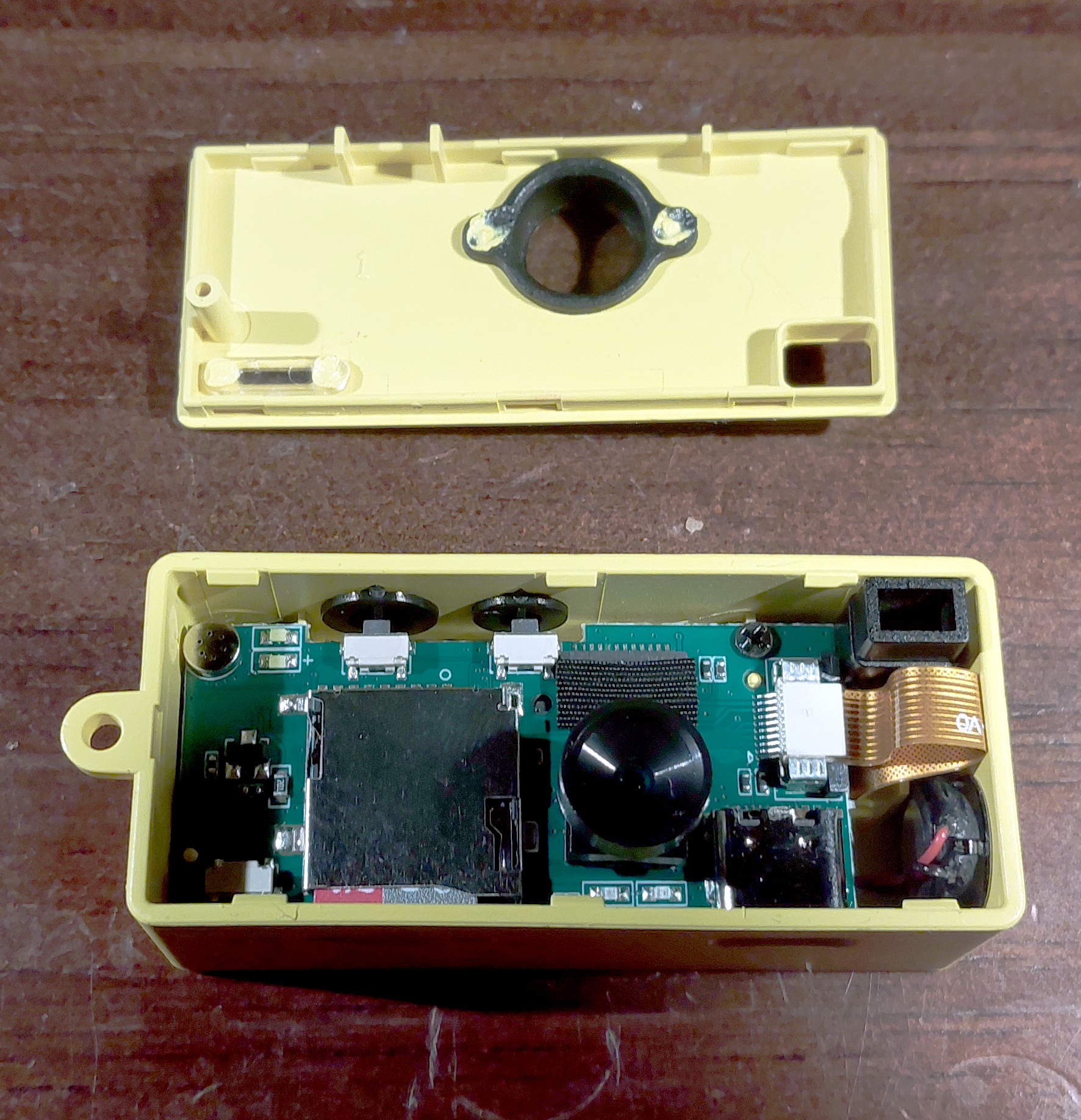
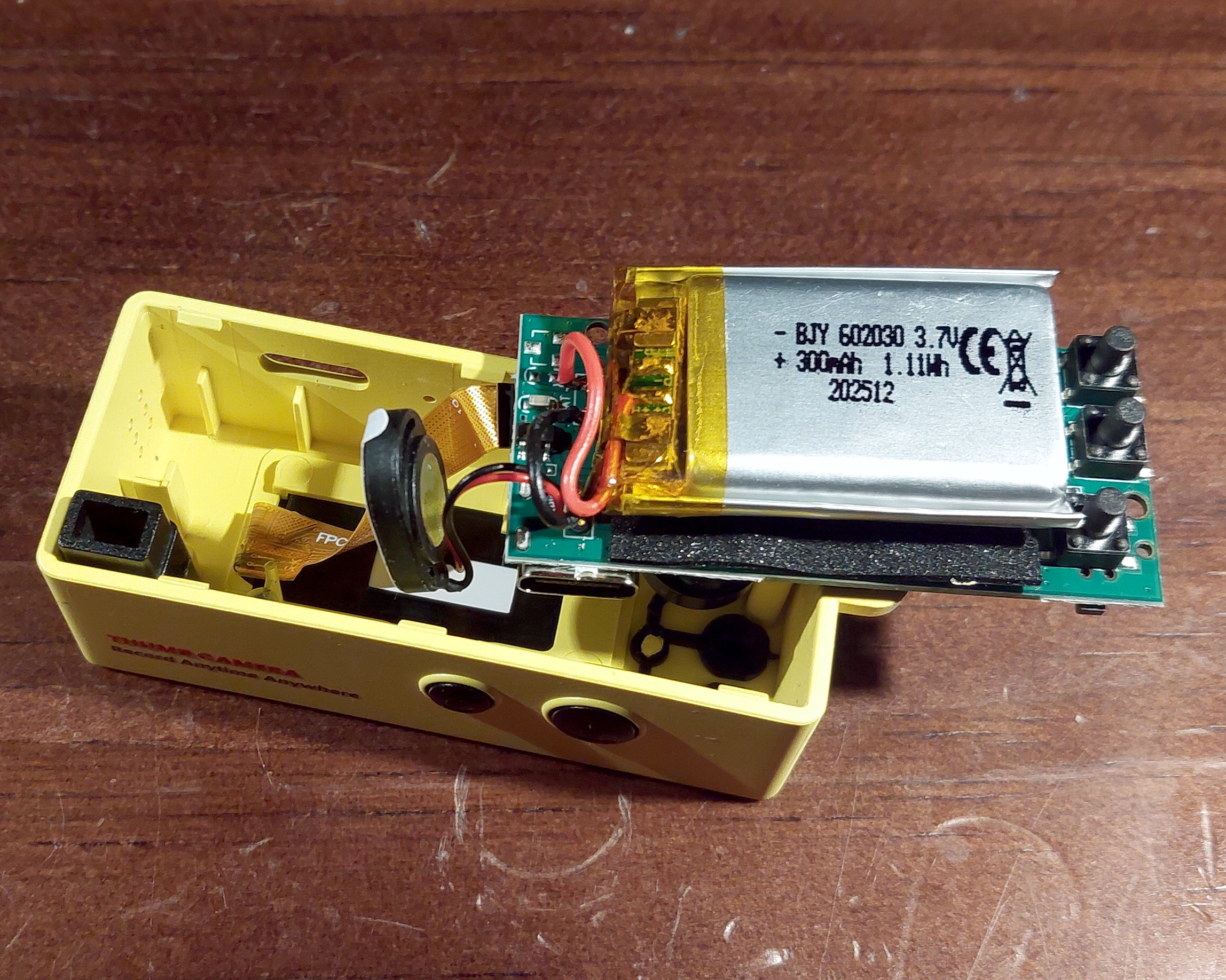
My G6 Thumb Camera arrived a few days later, as straightforward a copy of a branded product as I have seen, and while it’s by any measure not a high quality camera, I am pleasantly surprised how bad it isn’t. I’ve received a three megapixel camera with image and movie quality that’s far better than that of the kids toy cameras I’ve played with before at a similar price, and that’s something I find amazing. This isn’t a review of a cheap camera, instead it’s an investigation of what goes into a camera like this one. How can they make a camera that’s almost useful, for under a tenner?
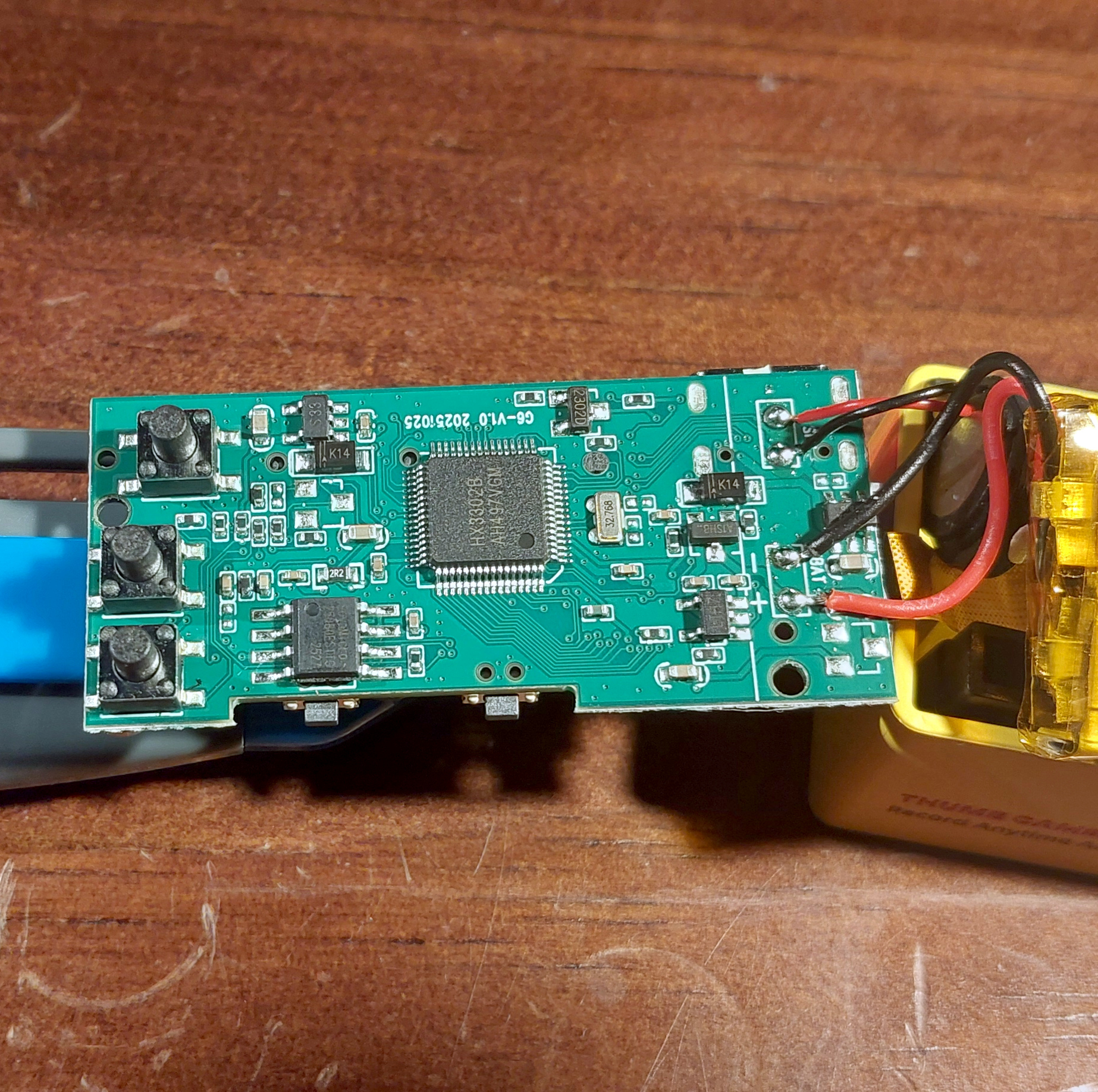
If I were setting out to make this camera, I would reach for a microcontroller and one of the variety of cheap all-in-one camera modules on the market. You can buy just that for a similar price, the so-called ESP32-cam module, which pairs the Tensilica version of the microcontroller with a parallel-interface camera module. You can do all manner of hacks with an ESP32-cam and I have too, but unlike my knock-off Kodak it’s not quite fast enough for usable video. Plus, it doesn’t come with a battery and screen. The little thumb camera is easy enough to crack open, and doing so reveals a small PCB with as expected a camera module dangling from it on a flexible PCB. It’s got a lens with an M8 mount which technically makes it an interchangeable lens camera, but we doubt anyone’s going to change lenses on this thing. Undoing a couple of screws, the board comes out along with the battery, speaker, and display connection, and on the reverse is the SoC, and a Flash memory chip. It’s an HX-Tech HX3302B, a dedicated IC for small cameras which appears in so many of these devices, but one which is sadly one of those Chinese chips for which almost no info can be found online. Oddly some of the best info comes from a familiar source, Sprite_TM has done a little hacking here and discovered that it has an openRISC 1000 core and the firmware is usually accessible, but beyond that no handy data sheets are to be had.
Just Good Enough To Be A Camera-As-A-Module
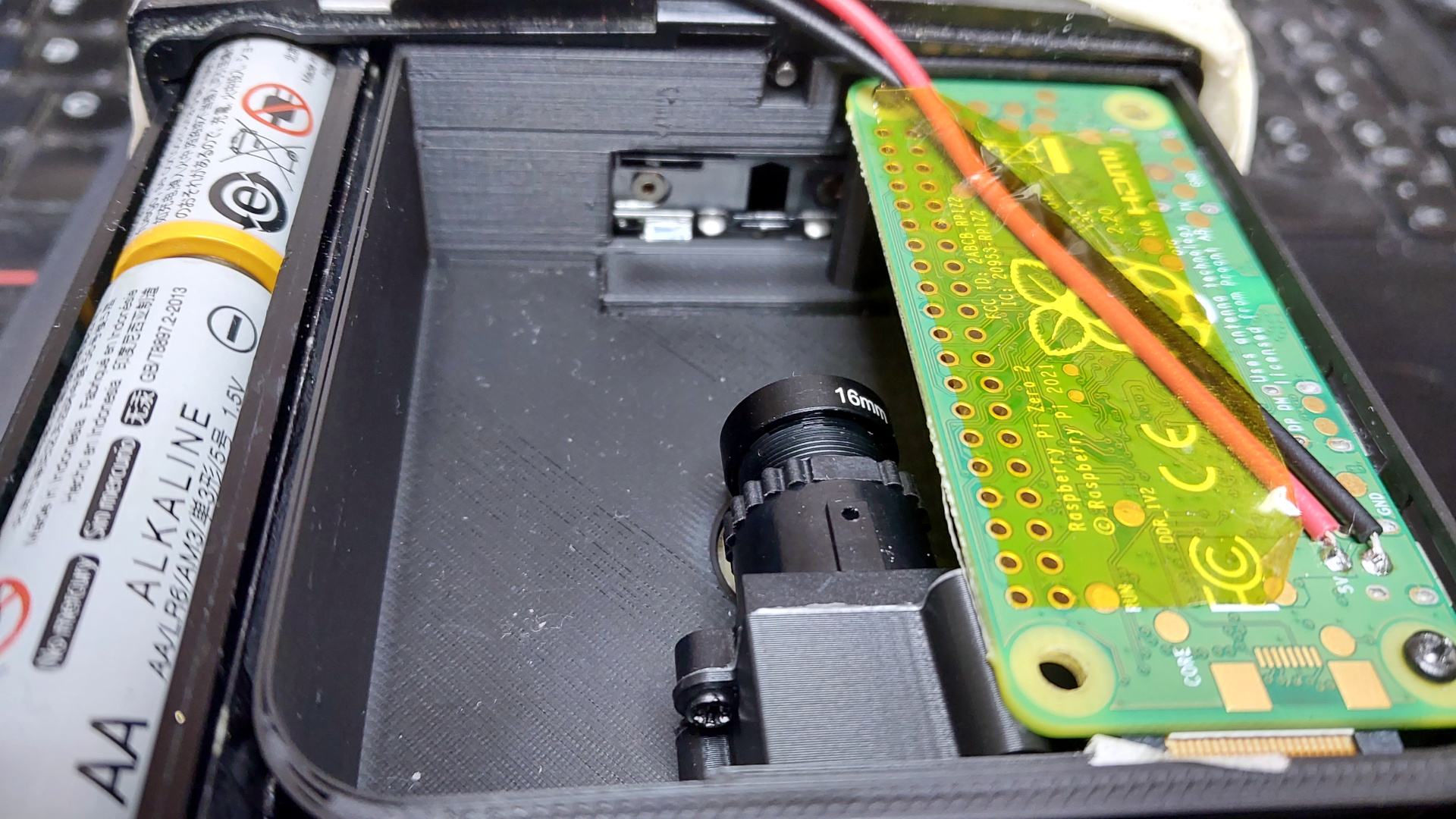
The focal plane focusing technique in action, in my digital Super 8 cartridge. My camera then can be software-hacked, but not easily. If that were all then we’d be at the end of it, and I’d have merely another trinket. But there’s another reason I bought this thing, and that’s because I wanted a hardware hackable camera, not a software one. I want to use a small sensor like this behind all manner of custom lenses and mirrors in projects featuring repurposed 1970s snapshot cameras, and while I can and have used Raspberry Pi cameras and those ESP32s to do the job, that introduces annoying things like software and power systems to the equation. This camera has the germ of a digital camera as a module; I can take away the M8 lens and surround to replace it with my own optics, and in an instant I have a digital camera of my own without the hassle. Suddenly a just-good-enough novelty camera becomes rather interesting.
So my knock-off novelty integrates a package I would struggle to replicate for the price, and holds the promise of many creative camera hacks to come. I’ll probably follow the path I have with Pi cameras of fitting an M12 macro lens, and rear-focusing on the focal plane of a full-frame film camera for retro digital fun. In the ten days or so since the work for this article started, the G6 Thumb Camera has been removed from AliExpress in Europe. You can still find it by switching your country to somewhere far-flung, but given that as you can see from the photos above it really is a blatant knock-off of the Kodak product it is hardly surprising that some lawyers have probably made a call. The good news is though that for hacking it doesn’t matter what the case says. I’ll be looking out for the inevitable follow-up, a thumb camera that’s not such a knock-off but which packs the same internals, and if you’re enjoying camera hacking, I suggest you do too.
Like many of us, [Tim]’s seen online videos of circuit sculptures containing illuminated LED filaments. Unlike most of us, however, he went a step further by using graph theory to design glowing structures made entirely of filaments.
The problem isn’t as straightforward as it might first appear: all the segments need to be illuminated, there should be as few powered junctions as possible, and to allow a single power supply voltage, all paths between powered junctions should have the same length. Ideally, all filaments would carry the same amount of current, but even if they don’t, the difference in brightness isn’t always noticeable. [Tim] found three ways to power these structures: direct current between fixed points, current supplied between alternating points so as to take different paths through the structure, and alternating current supplied between two fixed points (essentially, a glowing full-bridge rectifier).
To find workable structures, [Tim] represented circuits as directed graphs, with each junction being a vertex and each filament a directed edge, then developed filter criteria to find graphs corresponding to working circuits. In the case of power supplied from fixed points, the problem turned out to be equivalent to the edge-geodesic cover problem. Graphs that solve this problem are bipartite, which provided an effective filter criterion. The solutions this method found often had uneven brightness, so he also screened for circuits that could be decomposed into a set of paths that visit each edge exactly once – ensuring that each filament would receive the same current. He also found a set of conditions to identify circuits using rectifier-type alternating current driving, which you can see on the webpage he created to visualize the different possible structures.
We’ve seen some artistic illuminated circuit art before, some using LED filaments. This project doesn’t take exactly the same approach, but if you’re interested in more about graph theory and route planning, check out this article.
"Nel tempo del noviziato occorre vivere un reale distacco sospendendo l'uso dei social, l'uso di internet in cella, la visione individuale di filmati o di film, l'abbonamento a piattaforme come Netflix e disciplinare la comunicazione con la famiglia …
"L'uso dello smartphone e dei social, i video e i film online, l'uso di WhatsApp senza regole sono una sfida per la vita monastica e religiosa. Non possiamo far finta che questa sfida non esista".
Oggi si è svolta la quinta udienza del processo d’appello sugli investimenti finanziari della Segreteria di Stato a Londra, durante la quale è continuata l’analisi delle questioni preliminari presentate dalle difese.
"La tratta di persone resta una profonda ferita globale, che viola la dignità umana e mina la pace delle nostre società, soprattutto in un mondo lacerato da conflitti, guerre e migrazioni forzate".
La rassegna “Francesco ha gli occhi tuoi” prosegue con un secondo incontro sabato 7 febbraio - presso la Domus Pacis di Santa Maria degli Angeli, a pochi passi dalla Porziuncola – dove sul tema “Francesco e i Frati Minori tra i saraceni”, interverran…
La Biblioteca nazionale centrale di Firenze, nell’ambito del proprio servizio di Web archiving, sostiene la campagna promossa dall’IIPC – International Internet Preservation Consortium per la creazione di una collezione internazionale e cooperativa di siti e altre risorse web dedicata ai Giochi olimpici invernali di Milano Cortina 2026. L’IIPC, infatti, archivia da 15 anni risorse web sui Giochi olimpici, sia estivi che invernali.
Considerato che quest’anno i Giochi si svolgeranno sul nostro territorio nazionale, la conservazione del patrimonio informativo web in lingua italiana è prioritario.
Sono di interesse per la collezione le seguenti tipologie di risorse:
Siti web
Sezioni di siti web
Singoli articoli
Notizie
Blog
Contenuti audiovisivi
Per motivi tecnici, non sarà possibile raccogliere contenuti pubblicati sulle piattaforme Social.
Un elenco non esaustivo delle tematiche di maggiore interesse comprende:
Atleti/Squadre
Videogames
Doping/Truffa e corruzione
Questioni ambientali
Fandom
Questioni di genere (ad es. copertura mediatica, molestie sessuali, ecc.)
Notizie generali/Commenti
Questioni relative ai diritti umani
Sedi olimpiche/paraolimpiche
Sicurezza
Eventi sportivi
Si invitano, pertanto, tutti i proprietari o responsabili di siti e risorse web italiani o in lingua italiana ad aderire alla campagna di archiviazione compilando l’apposito form online (tempo di compilazione: 5 minuti) entro il 22 marzo 2026.
Maggiori informazioni possono essere richieste all’indirizzo mail della Biblioteca: bnc-fi.magazzinidigitali@cultura.gov.it
When looking back on classic gaming, there’s plenty of room for debate. What was the best Atari game? Which was the superior 16-bit console, the Genesis or the Super NES? Would the N64 have been more commercially successful if it had used CDs over cartridges? It goes on and on. Many of these questions are subjective, and have no definitive answer.
But even with so many opinions swirling around, there’s at least one point that anyone with even a passing knowledge of gaming history will agree with — the Virtual Boy is unquestionably the worst gaming system Nintendo ever produced. Which is what makes its return in 2026 all the more unexpected.
Released in Japan and North America in 1995, the Virtual Boy was touted as a revolution in gaming. It was the first mainstream consumer device capable of showing stereoscopic 3D imagery, powered by a 20 MHz 32-bit RISC CPU and a custom graphics processor developed by Nintendo to meet the unique challenges of rendering gameplay from two different perspectives simultaneously.
In many ways it’s the forebear of modern virtual reality (VR) headsets, but its high cost, small library of games, and the technical limitations of its unique display technology ultimately lead to it being pulled from shelves after less than a year on the market.
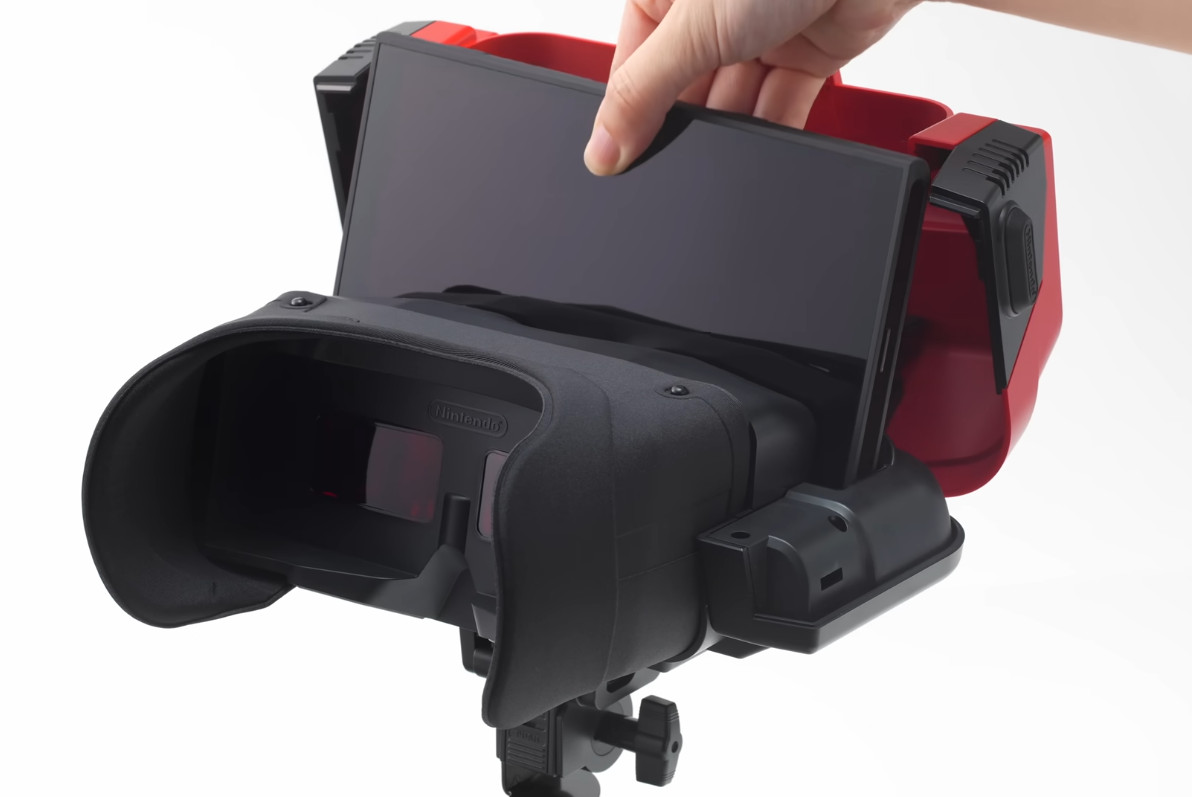
Now, 30 years after its disappointing debut, this groundbreaking system is getting a second chance. Later this month, Nintendo will be releasing a replica of the Virtual Boy into which players can insert their Switch or Switch 2 console. The device essentially works like Google Cardboard, and with the release of an official emulator, users will be able to play Virtual Boy games complete with the 3D effect the system was known for.
This is an exciting opportunity for those with an interest in classic gaming, as the relative rarity of the Virtual Boy has made it difficult to experience these games in the way they were meant to be played. It’s also reviving interest in this unique piece of hardware, and although we can’t turn back the clock on the financial failure of the Virtual Boy, perhaps a new generation can at least appreciate the engineering that made it possible.
Cutting Edge Technology
Looking at the Virtual Boy today, it’s easy to assume that it operates on more or less the same principles as modern VR headsets, with two independent displays used to show slightly different perspectives of the same scene to the player in order to trick their brain into seeing a three dimensional image. Indeed, that’s how it would be done today if you were to create a modern version of the Virtual Boy, and is essentially how the Switch version of the system will work.
That’s because today, thanks in large part to the demands of the smartphone market, we have access to miniature high-resolution displays. But the display technology of 1995 was very different, especially when it came to consumer devices. Released just five years prior, Sega’s Game Gear did feature a self-illuminated color display — but it was far too large and energy-hungry for this type of application.
The solution ended up coming from an American company, Reflection Technology. In the late 1980s they had developed a product called “The Private Eye”, a wearable monocle display that could connect to a standard computer. Utilizing the company’s patented Scanned Linear Array technology, it had a resolution of 720×280 and retailed for $795.
Reflection tried shopping the Scanned Linear Array technology around to other companies, including Sega, but were repeatedly turned down due to its cost and complexity. Eventually Gunpei Yokoi, head of Nintendo’s R&D and legendary creator of the Game Boy, came across the device and was impressed. He believed a scaled-down version of the technology could create a new type of gameplay experience that would be difficult for competitors to match, and so Nintendo entered into an exclusive licensing agreement for the Scanned Linear Array as it applied to gaming.
More than Meets the Eye
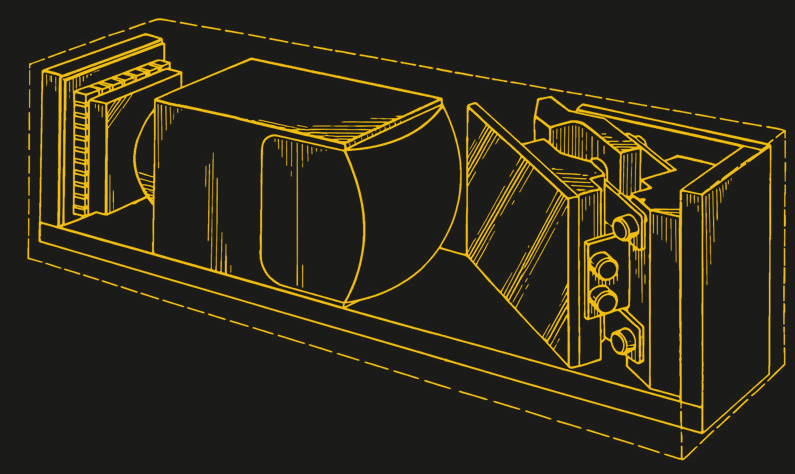
Contrary to our contemporary expectations, the Virtual Boy doesn’t have two screens. In fact, it doesn’t even have one. Instead, the Scanned Linear Array makes use of a single column of LEDs and a rapidly oscillating mirror to project an image into the user’s eye. By scanning back and forth across the eye fast enough, persistence of vision makes the viewer see a complete image. From Patent 5003300A: “Head Mounted Display for Miniature Video Display System The Private Eye used a single Scanned Linear Array element to create a 2D image in one eye, but the Virtual Boy featured two identical units to achieve its 3D effect. To bring the cost down, the resolution was dropped to 384×224, which corresponded to a column of 224 tiny LEDs for each eye. Recently The Slow Mo Guys on YouTube captured incredible footage of how the technology actually works inside the Virtual Boy, utilizing some clever video editing to demonstrate how each 1×244 LED array is able to draw out an entire frame of video.
As impressive as the Scanned Linear Array technology was, it had a critical flaw in that it could only produce an image in shades of red. While technically you could produce a full-color image via this method, it would require a red, green, and blue array for each eye, plus the necessary optics to combine their output.
By the time the Virtual Boy was being developed, blue LEDs were available but they were not yet common, and would have substantially raised the cost of the device. But even if this wasn’t the case, there was no way to fit all six LED arrays and the required optics into the Virtual Boy. As it was, the system was too heavy to wear like a modern VR headset, and needed to be held up to eye level with a tabletop stand. The power consumption would also have been prohibitive — even with just the two LED arrays, the system could only run for approximately four hours on six AA batteries.
Despite these challenges, Nintendo reportedly did experiment with versions of the Virtual Boy that could display more colors. But in the end, just like The Private Eye that came before it, the console was only capable of a red-on-black color scheme that users found unpleasant to view for extended periods of time. As if that wasn’t bad enough for a game system, many players experienced eyestrain from the 3D imagery, and even Nintendo’s own advertisements claimed children under the age of seven shouldn’t use the system due to the potential for eye damage.
The Modern Solution
While the Switch support for Virtual Boy games will at least mean these titles get to be played by a larger audience, there’s something bittersweet about how it will work. The Virtual Boy accessory for the Switch is nothing but a hollow plastic shell with a slot for the player to insert their Switch, and for those that don’t want to spend $99, Nintendo says there’ll even be a cardboard version that accomplishes the same goal. Like Google’s phone-based VR offering, all you really need is to hold a couple of lenses and partition off each eye.
All the heavy lifting will be done in software, with the two perspectives on gameplay being displayed in a split-screen fashion. A simple and easy to implement approach that takes advantage of the Switch’s modern high-resolution widescreen display and processing power.
It’s a logical solution to a problem which once took hundreds of dollars worth of custom hardware to solve, and will undoubtedly work even better than the original version. This is especially true since Nintendo has said they plan on adding support for rendering the games in colors other than red.
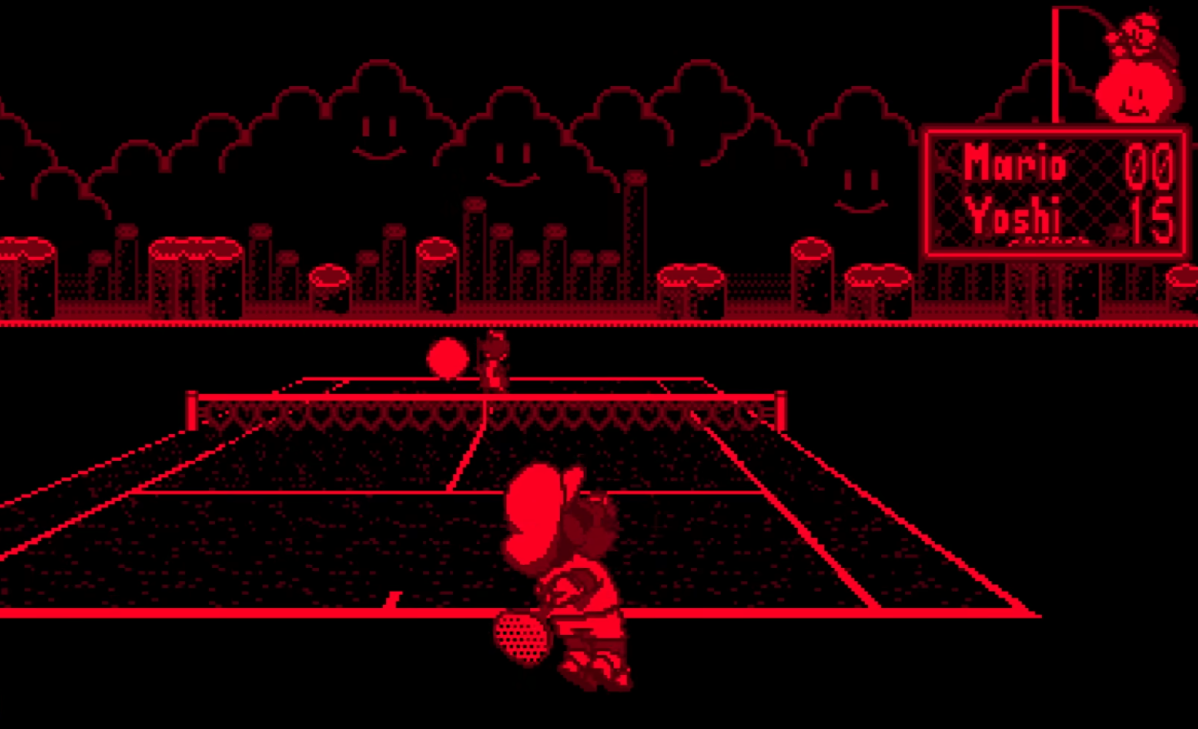
Still, it won’t be nearly as impressive as the engineering that went into the Virtual Boy itself. So if you find yourself playing Mario Tennis or Galactic Pinball through the literal rose-tinted glasses of the Switch’s upcoming accessory, take a moment to appreciate all the incredible work that went into developing the hardware capable of rendering them thirty years ago.
Quello a cui si è assistito in questi giorni sull’asse Washington-Teheran è l’ennesimo dietro front di Donald Trump a un passo dallo scatenare un nuovo fronte
@Informatica (Italy e non Italy 😁) La ransomware gang Medusa ha rivendicato un attacco ai server informatici del Comune di Battipaglia, con l'esfiltrazione di oltre 200.000 files. Source
Giovedì 19 febbraio torniamo in corteo sull’Ardeatina per manifestare contro la condanna che Gualtieri vorrebbe infliggere alla terra dove viviamo.
La nostra protesta contro le decisioni di Gualtieri e del potere romano tutto, vuol rendere chiaro che la comunità di donne e uomini impegnata da anni contro l’inceneritore non ha nessuna intenzione di piegarsi ma, al contrario, rilancia la mobilitazione intensificando le azioni territoriali perché vogliamo che molte più persone prendano coscienza del male che il mostro brucia rifiuti porta al nostro vivere.
Torneremo a manifestare per le bambine e i bambini che hanno aperto i nostri cortei estivi e i cui occhi continueranno a trasmetterci la forza che serve per restare liberi dai veleni di Roma.
Partiremo dal piazzale di via Ardeatina, angolo con via della Cancelliera, dove, poco meno di due anni ci stringemmo nel giuramento di Santa Palomba.
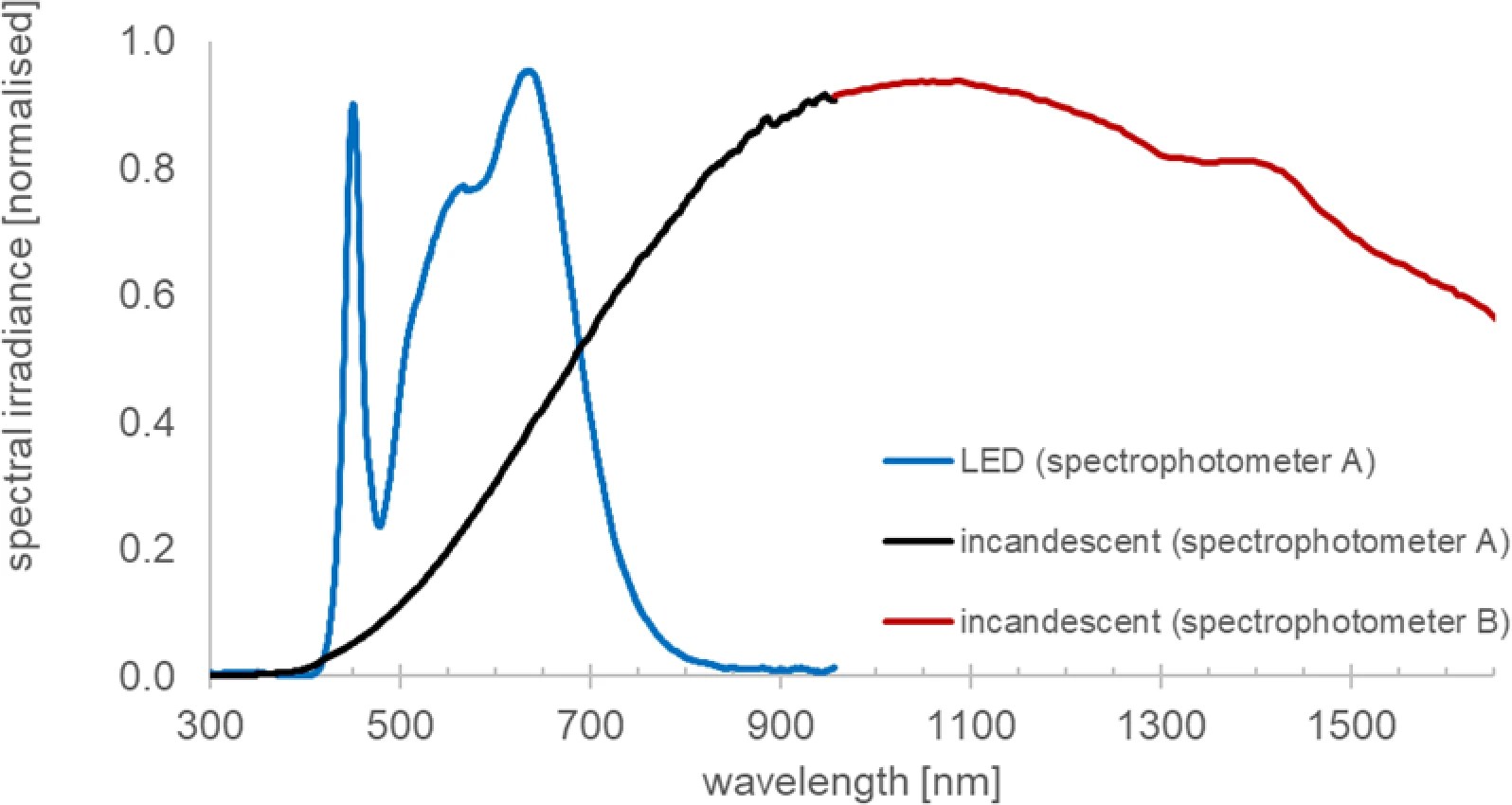
The study ran with a small number of subjects (n=22) aged between 23 to 65 years. They were tested prior to the study for normal visual function and good health. Participants worked exclusively under LED lighting, with a select group then later also given supplemental incandescent light (with all its attendant extra wavelengths) in their working area—which appears to have been a typical workshop environment. Incandescent bulbs have a much broader spectrum of output than even the best LEDs. Credit: Research paper Notably, once incandescent lighting was introduced, those experimental subjects showed significant increases in visual performance using ChromaTest color contrast testing. This was noted across both tritan (blue) and protan (red) axes of the test, which involves picking out characters against a noisy background. Interestingly, the positive effect of the incandescent lighting did not immediately diminish when those individuals returned to using purely LED lighting once again. At tests 4 and 6 weeks after the incandescent lighting was removed, the individuals continued to score higher on the color contrast tests. Similar long-lasting effects have been noted in other studies involving supplementing LED lights with infrared wavelengths, however the boost has only lasted for around 5 days.
The exact mechanism at play here is unknown. The study authors speculate as to a range of complex physical and biological mechanisms that could be at play, but more research will be needed to tease out exactly what’s going on. In any case, it suggests there may be a very real positive effect on vision from the wider range of wavelengths provided by good old incandescent bulbs. As an aside, if you’ve figured out how to get 40/40 vision with a few cheap WS2812Bs, don’t hesitate to notify the tip line.
@Giornalismo e disordine informativo articolo21.org/2026/02/lo-scud… Cinquantamila persone hanno manifestato pacificamente a Torino. Alcune migliaia si sono infiltrate e hanno provocato violenze ingiustificabili. Il risultato è sotto gli occhi di tutti: la manifestazione è stata completamente oscurata nella narrazione e la violenza,
@Giornalismo e disordine informativo articolo21.org/2026/02/referen… La risposta più vincolante che dovremo dare, da cittadini democratici, il 22 e 23 marzo, è se la riforma della giustizia proposta dalla maggioranza Fdi, Lega, Forza Italia, Noi Moderati e da un ministro che ancora oggi
@Politica interna, europea e internazionale Mario Draghi è stato chiaro: il mondo che ha cullato l’Europa nel benessere e nella sicurezza non esiste più e l’unica alternativa, non solo per sopravvivere ma per entrare nel novero
@Giornalismo e disordine informativo articolo21.org/2026/02/calma-e… Quello che Trump ha messo in atto, a Minneapolis come in tutto il paese, arriva anche qui, correndo attraverso i legami di una Internazionale Nera che ormai è sotto gli occhi di tutti L'articolo Calma
@Privacy Pride Il post completo di Christian Bernieri è sul suo blog: garantepiracy.it/blog/lincubo/ "Quando c'è la salute..." magari fosse una banalità, purtroppo è una tragedia annunciata. Chi frequenta gli ospedali per lavoro si distingue al volo: ha uno sguardo corrucciato ma sereno, a volte affaccendato, a volte nullafacente, ma sereno. Questi sguardi sereni incrociano spesso
L’accordo tra Leonardo e Adani Defence & Aerospace per la costruzione di un ecosistema elicotteristico in India va letto oltre la dimensione industriale e commerciale. La firma del Memorandum of Understanding annunciata a Nuova Delhi segna un passaggio rilevante
@Politica interna, europea e internazionale Un milione e duecentomila firme di cittadini di tutta l’Unione europea hanno prodotto un effetto preciso e verificabile: l’obbligo formale per la Commissione Ue di esprimersi sull’accesso all’aborto sicuro in Europa. È quanto avvenuto con “My Voice, My Choice”, l’iniziativa dei Cittadini Europei
Dopo mesi di disaccordi con il leader Matteo Salvini, che l'aveva accolto nel partito per sfruttare la sua popolarità presso l'elettorato di destra più radicale
sono quelle cose "indimostrabili" nel senso che se anche pensi che una persona ne soffra una persona di fatto "fragile" neppure accetta che tu lo dica, perché interpreta tutto come una critica.
Il primo ministro canadese, Mark Carney, è stato il protagonista indiscusso dell’annuale World economic forum di Davos. Il suo richiamo alla realtà per le “medie potenze” è uno spartiacque tra la tradizionale visione del mondo basata sulla centralità degli
La National defense strategy 2026 degli Stati Uniti ha il merito della franchezza. Per la prima volta in un documento strategico di questo livello, il Pentagono ammette esplicitamente che la base industriale della difesa americana non è dimensionata per sostenere un conflitto ad alta intensità contro
@Politica interna, europea e internazionale Roberto Vannacci lascia la Lega. L’annuncio ufficiale dovrebbe arrivare nel Consiglio federale del partito, in calendario a Milano nel pomeriggio di oggi, martedì 3 febbraio. L’indiscrezione emerge dopo nella serata di ieri l’eurodeputato – che è anche vicesegretario del Carroccio – ha avuto un faccia a faccia con
Decreto sicurezza: da Torino alla deriva autoritaria.
(203)
Dopo gli scontri di #Torino di sabato scorso, il governo #Meloni ha colto l’occasione per accelerare su un nuovo decreto sicurezza, trasformando un episodio di violenza circoscritto in pretesto per una stretta repressiva sul dissenso.
Non si tratta di una reazione improvvisata, ma dell’evoluzione di un’idea di “sicurezza” che parte da lontano nella strategia della destra al potere, radicata nei pacchetti sicurezza del passato e in una narrazione binaria tra “buoni cittadini” e “teppisti” da contenere a ogni costo.
Il contenuto del decreto (perquisizioni immediate sul posto, fermi preventivi fino a 12 ore senza vaglio giudiziario, cauzioni obbligatorie per gli organizzatori di cortei e uno “scudo penale” ampliato per le forze dell’ordine) mira a rendere costoso e rischioso l’esercizio del diritto di manifestare, spostando l’equilibrio verso un potere discrezionale della polizia quasi illimitato.
Questa logica trasforma l’ordine pubblico in stato d’eccezione permanente: un corteo violento a Torino diventa grimaldello per limitare proteste pacifiche, centri sociali e sindacati conflittuali, colpendo il cuore dell’uguaglianza democratica e rendendo la piazza un privilegio per chi ha risorse economiche.
Le origini di questa repressione affondano nelle precedenti norme del governo, come il primo decreto sicurezza con oltre sessanta misure su immigrazione, blocchi navali e tutele alle forze dell’ordine, che già riprendevano la retorica securitaria inaugurata anni fa da altre destre.
Culturalmente, è il trionfo di una visione che legge l’insicurezza sociale solo come minaccia da reprimere, ignorando le sue radici in disuguaglianze e mancata redistribuzione, per normalizzare un clima di sospetto verso chiunque dissenta.
Ma i profili costituzionali sono il vero nodo: l’uso del decreto-legge viola l’articolo 77, che richiede reale urgenza e non un pretesto politico per aggirare il Parlamento, come già contestato da costituzionalisti sui provvedimenti passati.
Le restrizioni su riunioni e manifestazioni (artt. 17 e 21 della #Costituzione) appaiono sproporzionate, con fermi e divieti basati su semplici denunce che erodono garanzie fondamentali, mentre lo scudo penale rischia di ledere l’uguaglianza davanti alla legge (art. 3) e i pesi e contrappesi dello Stato di diritto. Organismi internazionali hanno già ammonito l’Italia su queste derive, che comprimono il dissenso pacifico in modo inaccettabile.
In fondo, non è solo un pacchetto norme: è una scelta politica netta, che governa conflitti sociali con polizia e codice penale anziché con dialogo e politiche inclusive. Torino è solo la scintilla; il fuoco è un modello di democrazia sempre più autoritario, dove il garantismo cede il passo a un esecutivo onnipotente. Resta da vedere se il Parlamento e la Consulta porranno rimedio a questa deriva, ma non si può essere troppo ottimisti. Pure la speranza potrebbe essere scambiata per pericolosa provocazione.
Gli scritti sono tutelati da “Creative Commons” (qui)
Tutte le opinioni qui riportate sono da considerarsi personali. Per eventuali problemi riscontrati con i testi, si prega di scrivere a: corubomatt@gmail.com
@Notizie dall'Italia e dal mondo Gli Emirati rafforzano l'intesa con l'India per tentare di contrastare il patto di “mutua difesa” firmato da Riad e Islamabad al quale potrebbe sommarsi la Turchia L'articolo Contro la “Nato islamica” si rafforza l’asse tra Emirati e India (e Israele) proviene da
Segnaliamo questa interessante serata che si terrà domani martedì 3 febbraio 2026 presso la sala Bookique di Trento alle ore 20.00 Si parlerà di potere…










Jacob Urlich 🌍
in reply to simona • • •