
Join the The Newest Social Network and Party Like its 1987

Algorithms? Datamining? Brainrot? You don’t need those things to have a social network. As we knew back in the BBS days, long before anyone coined the phrase “social network”, all you need is a place for people to make text posts. [euklides] is providing just such a place, at cyberspace.online.
It’s a great mix of old and new — the IRC inspired chatrooms, e-mail inspired DMs (“cybermail”) make it feel like the good old days, while a sprinkling of more modern concepts such as friends lists, a real-time feed, and even the late-lamented “poke” feature (from before Facebook took over the world) provide some welcome conveniences.
The pursuit of retro goes further through the themed web interface, as well. Sure, there’s light mode and dark mode, but that’s de rigueur. Threads might not offer a blue-and-white Commodore 64 theme, and you’d have little luck getting Bluesky to mimic the soothing amber glow of a VT-230, but Cyberspace offers that and more.
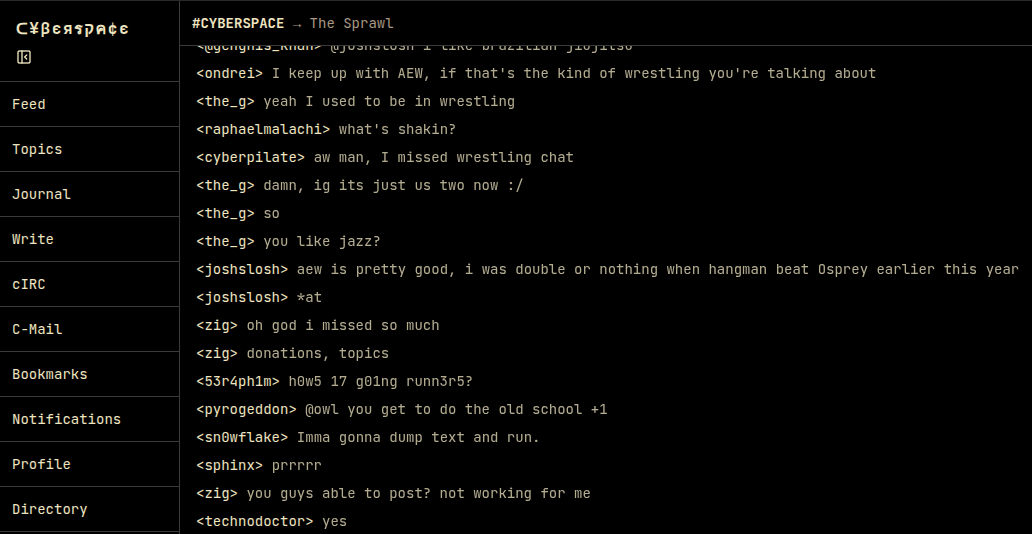
It’s also niche enough that there’s nobody here but us chickens. That is, it looks like a site for geeks, nerds, tech enthusiasts — whatever you want to call us — it might just be via “security by obscurity”, but Cyberspace doesn’t seem likely to attract quite the same Eternal September the rest of the internet is drowning under.
In the Reddit thread where the project was announced, there’s talk of a CLI tool under development. In Rust, because that’s just what all the cool kids are using these days it seems. A text-based interface, be it under DOS or something POSIX-compliant, seems like it would be the perfect fit for this delightful throwback site.
If nobody will join your homebuilt BBS, this might be the next best thing. For those of you who wonder where the hack is: this is a one-man show. If making your own social network in a cave with a box of scraps doesn’t count as a hack, what does?
Thanks to [spiritplumber] for the tip.
Ransomware Midnight: un decryptor gratuito è stato rilasciato grazie ad un errore nel codice
I ricercatori hanno individuato una vulnerabilità nel nuovo ransomware Midnight, basato sul vecchio codice sorgente di Babuk. Il malware viene commercializzato come una versione “avanzata” del malware, ma i tentativi di accelerare e potenziare il processo di crittografia si sono rivelati infruttuosi: i ricercatori Norton sono riusciti a creare un decryptor gratuito per i dati interessati.
Gli esperti affermano che Midnight si basa sul codice sorgente di Babuk, che è trapelato nel pubblico dominio nel 2021 e successivamente utilizzato come base per decine di progetti malware.
Midnight replica quasi interamente la struttura del suo predecessore, ma gli sviluppatori hanno deciso di modificarne lo schema di crittografia: il malware utilizza ChaCha20 per crittografare il contenuto dei file e RSA per crittografare la chiave ChaCha20.
Tuttavia, i ricercatori hanno scoperto un bug nell’utilizzo della chiave RSA, che ha permesso loro di recuperare parzialmente i dati e poi di creare un decryptor completo. Lo strumento è gratuito ed è già stato rilasciato pubblicamente.

Come Babuk, Midnight crittografa solo porzioni di file per agire più velocemente e paralizzare il sistema. La dimensione dei blocchi crittografati dipende dalle dimensioni del file: documenti o database di grandi dimensioni diventano illeggibili quasi istantaneamente. Nelle ultime build, il malware ha ampliato il suo elenco di obiettivi per coprire quasi tutti i formati di file, ad eccezione dei file eseguibili (.exe, .dll e .msi).
I dispositivi infetti finiscono per ricevere file con estensione .midnight o .endpoint, e a volte questo tag è incorporato direttamente nel contenuto del file. Alla vittima viene lasciata una richiesta di riscatto standard (How To Restore Your Files.txt) e talvolta persino un file di registro come report.midnight o debug.endpoint, che mostra il funzionamento dello script.
L'articolo Ransomware Midnight: un decryptor gratuito è stato rilasciato grazie ad un errore nel codice proviene da Red Hot Cyber.

Frontiere Sonore #04 – Parkwalker, Basie Jackson Hauser, Statues, Zhi Zhong Zheng
Nuovo episodio di Frontiere Sonore.
Federico “Il Deca” De Caroli e Simone Benerecetti conducono un viaggio tra suoni che attraversano post-rock, ambient e sperimentazione contemporanea.
LIVE di CAMPIDONICO….
- Parkwalker apre con “Open Sea”, un flusso sonoro che espande l’orizzonte.
- Basie Jackson Hauser prosegue con “Astral Dance”, dove il groove incontra lo spazio cosmico.
- Statues portano il minimalismo a nuove profondità con “Occupational Main Master”.
- Zhi Zhong Zheng chiude con “Searching for Leads”, intrecciando tradizione e drone elettronico.
Ascolta la puntata completa su Mixcloud e scopri nuove prospettive sonore.
iyezine.com/frontiere-sonore-p…

Frontiere Sonore #04 – Parkwalker, Basie Jackson Hauser, Statues, Zhi Zhong Zheng | Podcast musicale Iyezine
Nella puntata #04 di Frontiere Sonore su Iyezine, Federico “Il Deca” De Caroli e Simone Benerecetti presentano Parkwalker, Basie Jackson Hauser, Statues e Zhi Zhong Zheng.In Your Eyes ezine (Iyezine)
Feddit Un'istanza italiana Lemmy reshared this.


LLM: Parassiti di Wikipedia. L’importanza dell’uomo nell’era dell’intelligenza artificiale
Nell’era dei rapidi progressi dell’intelligenza artificiale, l’importanza di Wikipedia come fonte di conoscenza affidabile è diventata particolarmente significativa. Mentre le reti neurali generano testi, immagini e video, il loro lavoro si basa su contenuti creati dall’uomo.
Dietro ogni risposta algoritmica si celano decenni di lavoro collettivo di redattori che hanno raccolto, verificato e perfezionato manualmente i fatti. Senza questo fondamento umano, l’idea stessa di intelligenza artificiale perde la sua sostenibilità.
Secondo la Wikimedia Foundation, l’intelligenza artificiale non può esistere senza una conoscenza umana costantemente aggiornata. Senza questa fonte, i modelli linguistici inizieranno a degradarsi e alla fine smetteranno di produrre informazioni accurate.
La forza di Wikipedia risiede nella sua comunità di redattori volontari, che conta centinaia di migliaia di persone. Creano e modificano articoli, ne discutono i contenuti e costruiscono il consenso. La Fondazione si limita a mantenere l’infrastruttura e a proteggere il progetto legalmente e tecnicamente, senza interferire con i suoi contenuti.
La principale differenza tra Wikipedia e l’apprendimento automatico è che quest’ultimo si basa sull’interazione umana: discussione, accordo e attenta analisi dei fatti. L’intelligenza artificiale può combinare i dati o rielaborarli, ma non può scoprire autonomamente un documento raro in un archivio o scattare una foto di un evento per integrare un articolo. Inoltre, Wikipedia esiste in oltre 300 lingue ed è spesso creata da madrelingua, il che la rende una piattaforma multilingue unica per lo sviluppo di modelli di intelligenza artificiale culturalmente sensibili.
Il progetto rimane un modello di trasparenza: tutti gli utenti vedono le stesse informazioni, senza personalizzazioni algoritmiche o interessi commerciali nascosti. Ogni affermazione è collegata alla sua fonte e la cronologia delle modifiche è accessibile a chiunque. Questa apertura crea fiducia e distingue Wikipedia dai sistemi che potrebbero produrre informazioni fittizie creando un’apparenza di autenticità.
La Wikimedia Foundation non rifiuta l’intelligenza artificiale, ma la utilizza per scopi strettamente definiti: per assistere gli editor, non per sostituirli. Un’area di sviluppo riguarda il rilevamento automatico di atti vandalici, per liberare volontari da dedicare a lavori più significativi. Allo stesso tempo, gli stessi membri della comunità stanno sviluppando linee guida per l’uso responsabile degli strumenti di intelligenza artificiale.
I creatori di Wikipedia sottolineano che i sistemi di reti neurali si basano in larga misura su risorse aperte e non commerciali come la loro piattaforma. Per questo motivo, la Fondazione invita le aziende di intelligenza artificiale ad attribuire correttamente le fonti dei propri dati e a sostenere finanziariamente Wikipedia. Ciò può essere fatto attraverso la piattaforma Wikimedia Enterprise, che consente di utilizzare i materiali del progetto su larga scala senza sovraccaricare i server e contribuisce al contempo a mantenerne la sostenibilità.
La Fondazione ritiene che il futuro di Internet dipenda direttamente dal sostegno alla conoscenza umana viva. Wikipedia rimane la più grande e trasparente raccolta di informazioni verificate, ed è su questa base che si costruisce la fiducia nell’ambiente digitale.
Nel gennaio 2026, il progetto celebrerà il suo 25° anniversario, continuando a essere un luogo in cui le persone creano, verificano e trasmettono conoscenza, nonostante il rumore degli algoritmi.
L'articolo LLM: Parassiti di Wikipedia. L’importanza dell’uomo nell’era dell’intelligenza artificiale proviene da Red Hot Cyber.
Sotto una tenda nel centro di Gaza nasce un festival cinematografico dedicato alle donne
@Notizie dall'Italia e dal mondo
Tenutosi la scorsa settimana per sei giorni, il primo Festival Internazionale del Cinema delle Donne è stato “un'affermazione dell'amore di Gaza per la vita nonostante il genocidio”.
L'articolo Sotto una tenda nel centro di Gaza
Notizie dall'Italia e dal mondo reshared this.

NetScaler ADC e Gateway vulnerabile: Aggiornamenti Urgenti per Prevenire Attacchi XSS
NetScaler e Citrix – ha pubblicato l’11 novembre 2025 un bollettino di sicurezza CTX695486 riguardante la vulnerabilità CVE-2025-12101, che interessa i prodotti NetScaler ADC e NetScaler Gateway. La falla è classificata con gravità “Media” e riguarda scenari di configurazione specifici dei sistemi utilizzati per l’accesso remoto e l’autenticazione.
Il problema individuato è una vulnerabilità di tipo Cross-Site Scripting (XSS), classificata come CWE-79, che si manifesta quando l’appliance NetScaler è configurata come “Gateway” (ad esempio VPN Virtual Server, ICA Proxy, CVPN o RDP Proxy) oppure come virtual server AAA (Authentication, Authorisation, Accounting).
In queste condizioni, un attaccante potrebbe riuscire a iniettare codice malevolo nelle pagine web generate dal dispositivo, compromettendo la sicurezza delle sessioni utente o rubando informazioni sensibili.
Le versioni non vulnerabili, che risolvono la vulnerabilità sono:
- NetScaler ADC and NetScaler Gateway 14.1-56.73 and later releases
- NetScaler ADC and NetScaler Gateway 13.1-60.32 and later releases of 13.1
- NetScaler ADC 13.1-FIPS and 13.1-NDcPP 13.1-37.250 and later releases of 13.1-FIPS and 13.1-NDcPP
- NetScaler ADC 12.1-FIPS and 12.1-NDcPP 12.1-55.333 and later releases of 12.1-FIPS and 12.1-NDcPP
Inoltre, le release 12.1 e 13.0 sono già dichiarate “End Of Life” (EOL) e quindi vulnerabili senza ulteriori aggiornamenti di sicurezza. L’azienda ha specificato che anche le implementazioni “Secure Private Access” on-premise o ibride che utilizzano istanze NetScaler sono interessate dalla falla.
Si invita con urgenza tutti i clienti a installare le versioni aggiornate: 14.1-56.73 o successive, 13.1-60.32 o successive, 13.1-FIPS/NDcPP 13.1-37.250 o successive, e 12.1-FIPS/NDcPP 12.1-55.333 o successive. Al momento non risultano exploit pubblici noti, ma la natura dell’attacco – che colpisce direttamente i portali di autenticazione – lo rende potenzialmente pericoloso, specialmente per le organizzazioni che espongono queste interfacce su Internet.
Per ridurre i rischi, gli amministratori di sistema dovrebbero verificare le configurazioni dei propri appliance alla ricerca delle stringhe “add vpn vserver .” o “add authentication vserver .“, che indicano la presenza di servizi Gateway o AAA.
Le infrastrutture critiche, gli enti pubblici e i settori finanziari, che spesso utilizzano NetScaler per la gestione sicura delle connessioni remote, sono invitati ad applicare gli aggiornamenti immediatamente per prevenire possibili attacchi XSS e conseguenti compromissioni delle sessioni utente.
L'articolo NetScaler ADC e Gateway vulnerabile: Aggiornamenti Urgenti per Prevenire Attacchi XSS proviene da Red Hot Cyber.
Rechte von Beschäftigten: Niemand soll durch einen Algorithmus gefeuert werden
netzpolitik.org/2025/rechte-vo…

freezonemagazine.com/news/marc…
In Libreria dal 19 novembre 2025 Un libro sul rugby, ma anche sulla condivisione di storie incredibili, su un rifugio dove stare riparati dal mondo e dal business dello sport e poter essere veri. Il rugby è una voce del verbo dare. A ogni allenamento, a ogni partita, a ogni placcaggio, a ogni sostegno, dai […]
L'articolo Marco Pastonesi – Rugby Underground proviene da FREE ZONE MAGAZINE.
Cop30 e movimenti dal basso. La (s)volta buona?
@Notizie dall'Italia e dal mondo
Il 10 novembre è ufficialmente iniziata la trentesima edizione della Conferenza delle parti (Cop) sul clima a Belém, alle porte dell’Amazzonia brasiliana. I 162 Paesi partecipanti stanno facendo i conti con il fallimento diplomatico della scorsa edizione, conclusa con un accordo troppo poco ambizioso e
L'articolo Cop30 e
Notizie dall'Italia e dal mondo reshared this.
Il soccorso speleologico si fa hi-tech
L'articolo proviene da #StartMag e viene ricondiviso sulla comunità Lemmy @Informatica (Italy e non Italy 😁)
Il soccorso speleologico mette sicuramente alla prova la resistenza di vittime e soccorritori perché avviene all'interno di spelonche e anfratti che non facilitano le operazioni. Mahttps://www.startmag.it/innovazione/il-soccorso-speleologico-si-fa-hi-tech/
Informatica (Italy e non Italy 😁) reshared this.
Enshittification: il progressivo degrado delle piattaforme digitali
@Informatica (Italy e non Italy 😁)
Intervista a Cory Doctorow sulle risposte radicali necessarie a liberarsi dello strapotere delle Big Tech statunitensi e su quel processo di degrado dell’esperienza utente che chiama "enshittification".
L'articolo Enshittification: il progressivo degrado delle piattaforme digitali
Informatica (Italy e non Italy 😁) reshared this.

Con l'appoggio incondizionato del PdR ,sembra proprio che abbiano intenzione di instaurare una nuova forma di Fascismo 2.0, quello dove secondo loro la democrazia è in pericolo e quindi te la tolgono.
Ducetti allo sbaraglio.

La ballata della finanziaria: austerità, ipocrisie e la resa dello Stato ai mercati - Kulturjam
kulturjam.it/politica-e-attual…
Senza contropoteri il potere è assoluto, segreto e artificiale
@Giornalismo e disordine informativo
articolo21.org/2025/11/senza-c…
È in corso di discussione alla Camera dei deputati una significativa mozione sui temi della libertà di informazione a prima firma Cafiero De Raho con un lungo elenco a seguire
Giornalismo e disordine informativo reshared this.


freezonemagazine.com/articoli/…
Free Zone Magazine continua la serie di interviste a Editori Indipendenti perché riteniamo che il loro ruolo nel campo dell’editoria sia da sempre di vitale importanza. Ciò per il lavoro di accurata ricerca, da loro svolto, nell’individuazione di autori e libri di particolare interesse, oltre che valore letterario, che altrimenti non troverebbero opportunità di […]

Il Tryzub, l’ambasciata russa e Carlo Calenda
Non sono un grande estimatore di Carlo Calenda, sarà che mi sta sulle scatole fin da quando interpretò Bottini in Cuore diretto dal nonno Luigi Comencini.maicolengel butac (Butac – Bufale Un Tanto Al Chilo)
„Künstliche Intelligenz“: Ursula von der Leyen als Papagei der Tech-Bosse
netzpolitik.org/2025/kuenstlic…

Oggi, 12 novembre, nel 2003, l'attentato alla base italiana Maestrale di Nassiriya

Alle ore 10:40 (locali), un'autocisterna carica di esplosivo, stimato tra 150 e 400 chili, fu lanciata a tutta velocità contro l'ingresso della base, che ospitava la Multinational Specialized Unit (MSU) italiana dei Carabinieri.
Il camion superò le barriere passive e esplose davanti ad una palazzina di tre piani, provocando un'esplosione di grande portata che sventrò l'edificio e innescando l'esplosione del deposito munizioni, causando gravi danni anche alla sede vicina "Libeccio".
L'attacco provocò la morte di 28 persone, di cui 19 italiani (12 carabinieri, 5 militari dell'Esercito e 2 civili, il regista Stefano Rolla e il cooperatore internazionale Marco Beci), e 9 iracheni.

Antefatto
Nel mese di marzo 2003 aveva preso il via l’operazione “IraqiFreedom” (OIF), nota anche quale Seconda Guerra del Golfo, condotta da una coalizione composta principalmente degli eserciti degli USA e della Gran Bretagna. Il 1º maggio 2003, con l’ingresso delle truppe alleate in Baghdad, la guerra ebbe ufficialmente termine, anche se di fatto gli eserciti stranieri non avevano ancora il controllo pieno del territorio, iniziando a subire da subito gravi perdite inflitte dalla resistenza irachena attraverso l’attuazione di attacchi
terroristici.
La Risoluzione ONU 1483 del 22 maggio 2003, approvata dal Consiglio di Sicurezza delle Nazioni Unite, invitò tutti gli Stati a contribuire alla rinascita dell’Iraq, favorendo la sicurezza del popolo iracheno e lo sviluppo della nazione.
L’Italia partecipò attraverso la missione “Antica Babilonia” fornendo forze armate dislocate nel sud del Paese, con base principale proprio a Nassiriya
Le indagini
Si sospettò il coinvolgimento di Abu Musab al-Zarqawi e di una cellula terroristica libanese legata ad Al-Qaeda. Un membro di al-Qaeda, Abu Omar al-Kurdi, si dichiarò responsabile dell'organizzazione dell'attacco, affermando che la base fu scelta perché situata lungo una strada principale facilmente accessibile. Tuttavia, poiché tutti i diretti responsabili risultarono morti, l'inchiesta fu archiviata per mancanza di imputati viventi.
Fu altresì aperta un’inchiesta per accertare eventuali carenze nelle misure di sicurezza della base. I comandanti militari italiani furono inizialmente coinvolti, ma furono assolti in sede penale con formula piena. Tuttavia, nel 2019 la Corte di Cassazione ha ritenuto civilmente responsabile l'ex generale Bruno Stano, allora comandante della missione italiana, condannandolo al risarcimento dei familiari delle vittime per aver sottovalutato il rischio terroristico.
Storia reshared this.
Come e perché la Germania le suona a OpenAi su ChatGpt per la musica
L'articolo proviene da #StartMag e viene ricondiviso sulla comunità Lemmy @Informatica (Italy e non Italy 😁)
I giudici bavaresi hanno dato ragione a Gema (la Siae tedesca) contro OpenAI: usare testi di canzoni protette per addestrare ChatGpt senza startmag.it/innovazione/german…
reshared this

like this
reshared this
PPI board meeting on 18.11.2025, 14:00 UTC
Ahoy Pirates,
Our next PPI board meeting will take place on 18.11.2025, 14:00 UTC / 15:00 CET.
All official PPI proceedings, Board meetings included, are open to the public. Feel free to stop by. We’ll be happy to have you.
Where:jitsi.pirati.cz/PPI-Board
Agenda: Pad: https://etherpad.pp-international.net/p/ppi-board-meeting-2025-08-05-vnly0cj
All of our meetings are posted to our calendar: pp-international.net/calendar/
We look forward to seeing visitors.
Thank you for your support,
The Board of PPI
Gazzetta del Cadavere reshared this.
Global efforts to protect the environment
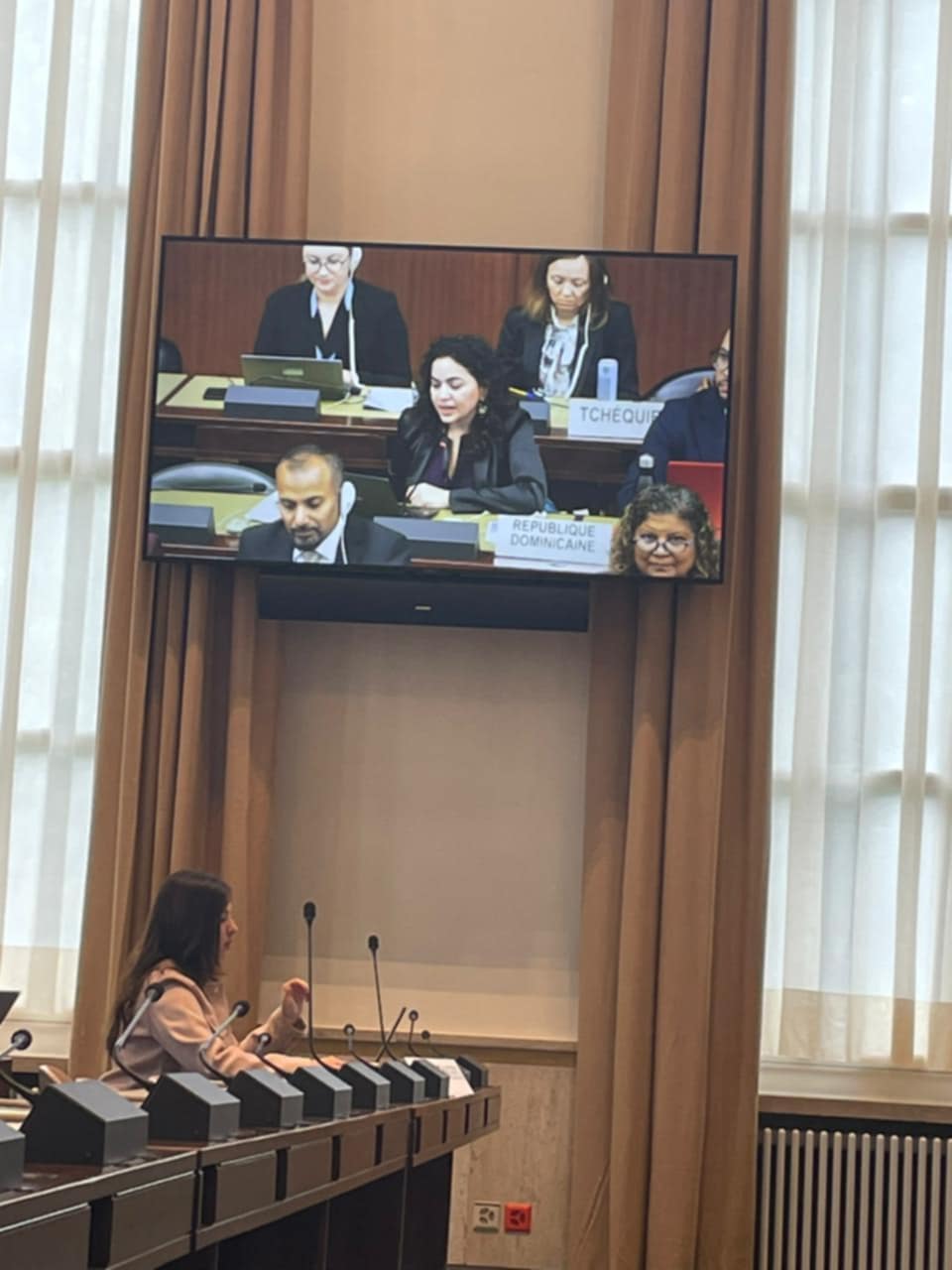
PPI’s main delegate at the United Nations Office of Geneva, Mr. Carlos Polo, attended events of the Environmental Programme (UNEP) this August. We attach some pictures of his visit, and we offer some comments about the efforts of our organization in helping to shape environmental policy.
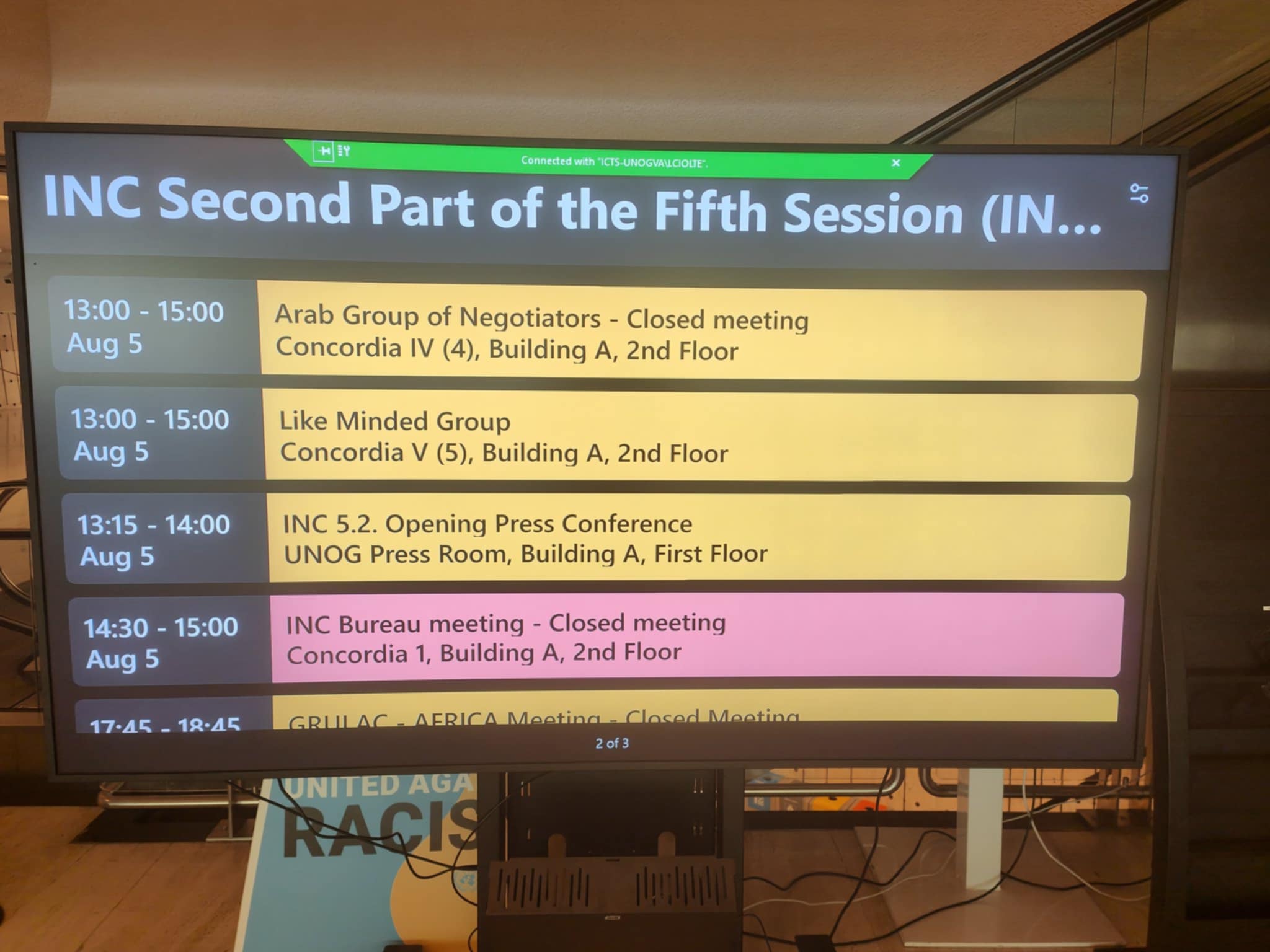

The UNEP oordinates environmental work across the UN, but it is not the only organization. The UN has now created the UN Convention to Combat Desertification (UNCCD), the Convention on Biological Diversity (CBD), and the United Nations Framework Convention on Climate Change (UNFCCC). Each organization deals with separate environmenal issues and hosts its own conferences that include negotiations between nations and sometimes ask for statements and opinions of NGOs like our own. Currently the UNFCCC is hosting the COP conference in Brazil.


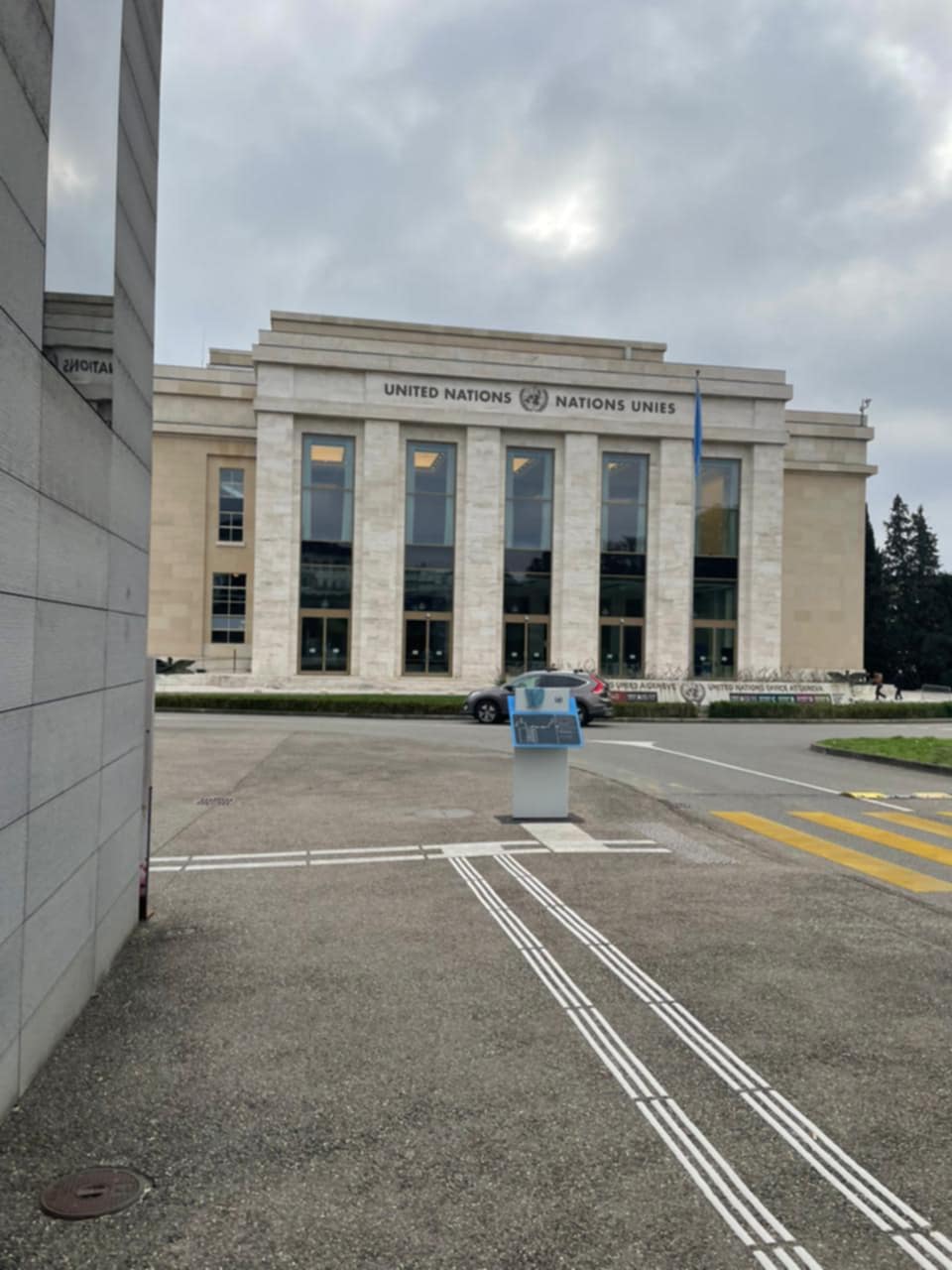
Carlos was able to observe the UNEP negotiations, but as we are not a nation (aka Party) we do not have a voice. Furthermore, we are not yet members of any of these conventions. PPI needs to establish more direct activities that promote environmental protection so that we can be accepted as members of these organizations, in addition to the Economic and Social Affairs Committee (ECOSOC) where we are already members.

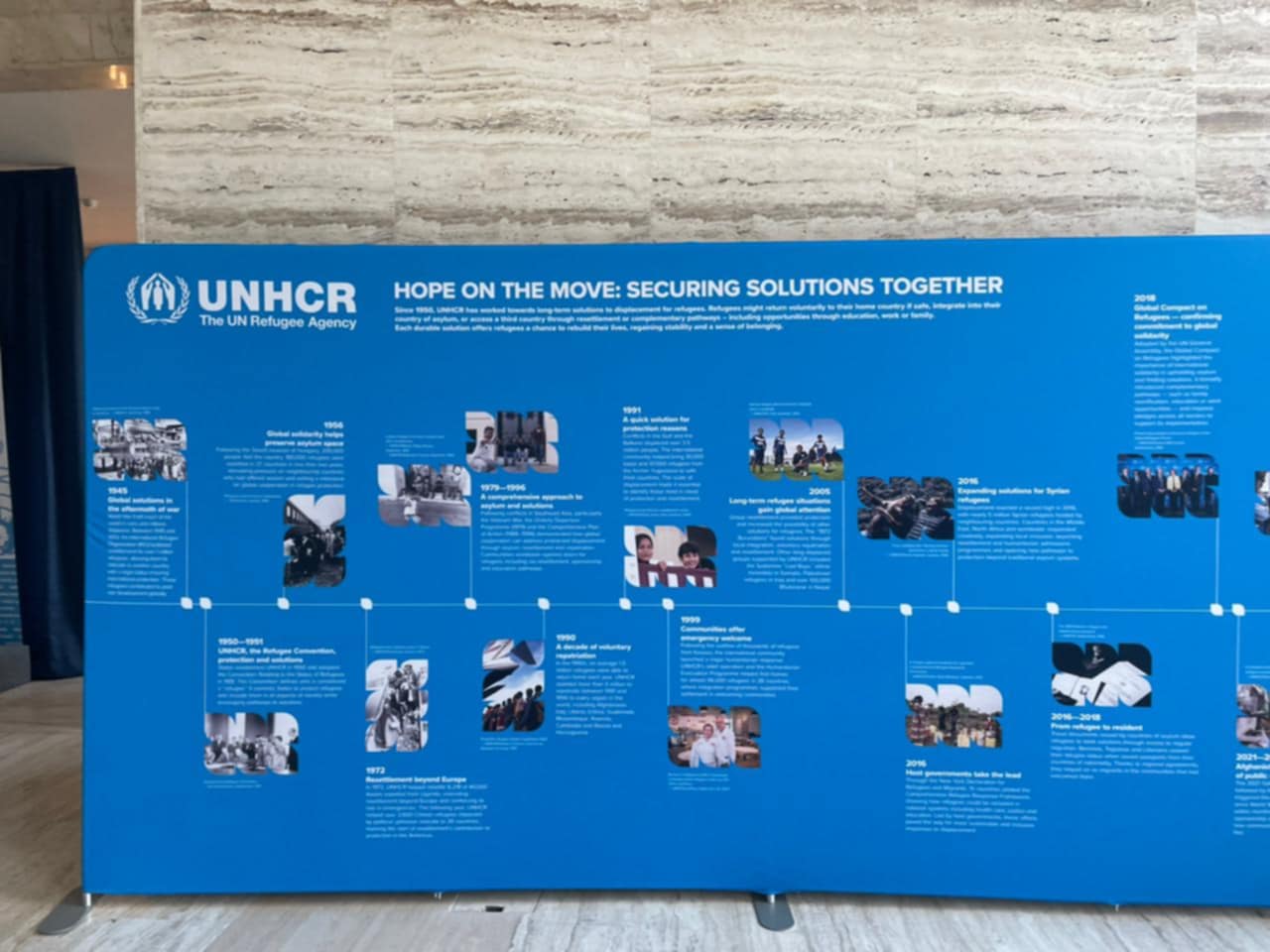
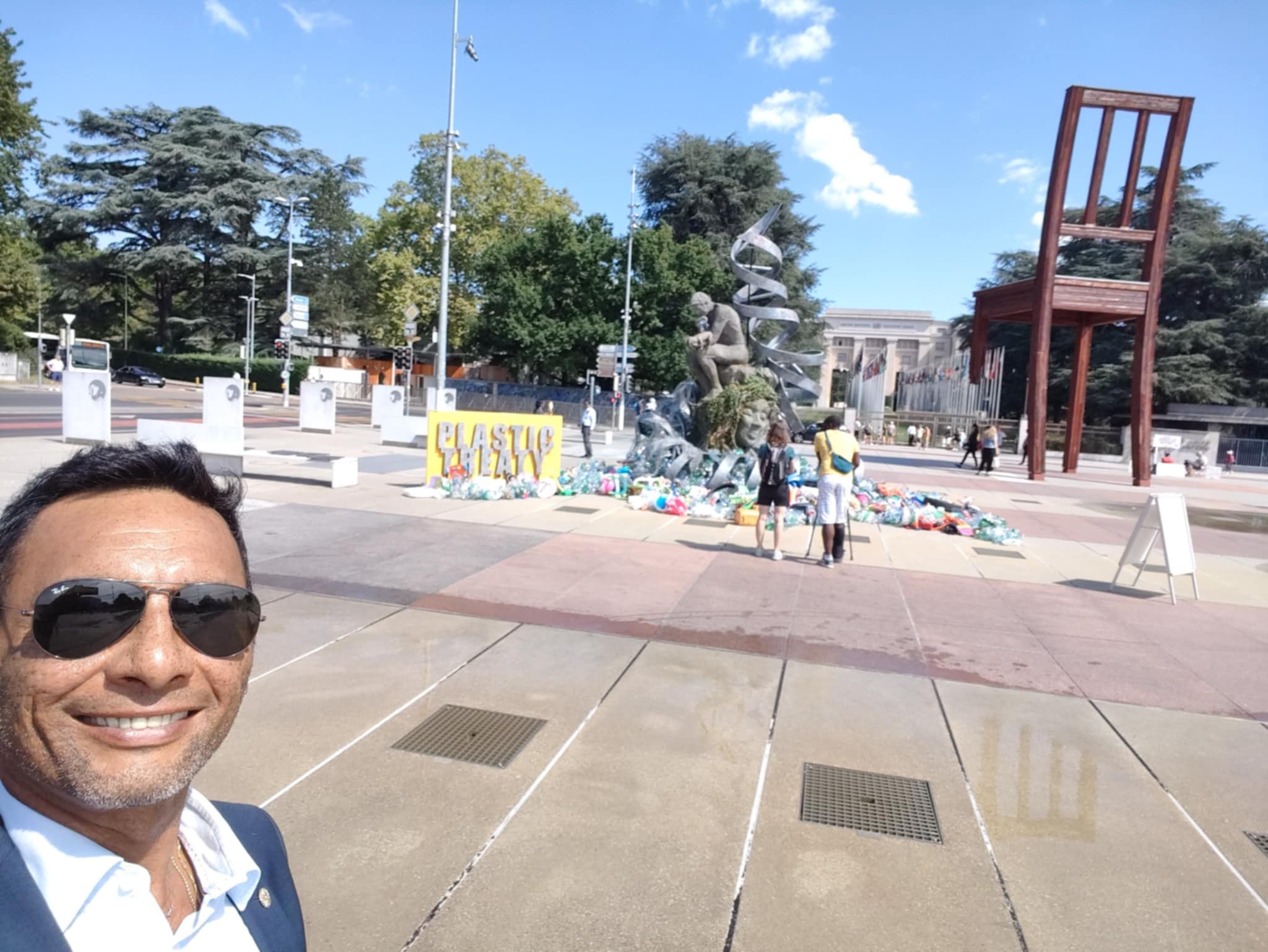
We are hoping to make a bigger impact on international environmental governance. As an NGO, our abilities are limited. NGOs often watch from the back of the room. Our speaking time is scarce. The actual negotiation where the decisions are made take place behind closed doors, and we are simply able to only provide statements at the conference or as a published policy statement. One additional opportunity is that we can host side events. We have discussed cohosting a side even with other NGOs. If anyone is interested in collaborating, please contact us.
board@pp-international.net
Donations
pp-international.net/donations…
pp-international.net/2025/11/g…


Il senso dell’umano, riflessioni a Città della Pieve
@Giornalismo e disordine informativo
articolo21.org/2025/11/il-sens…
Il 9 novembre a Città della Pieve grazie a Domenico Iannacone abbiamo dialogato sul “Senso dell’umano”. Un incontro di due ore e mezza presso il Teatro degli Avvaloranti, che ha scavato nella profondità del reale, dove
Giornalismo e disordine informativo reshared this.
“Fuori la politica dei teatri”, lo slogan che ha animato il corteo degli orchestrali a Venezia
@Giornalismo e disordine informativo
articolo21.org/2025/11/fuori-l…
Un messaggio, netto come accaduto pochissime altre volte, quello arrivato dal corteo di Venezia
Nessuno likes this.
Giornalismo e disordine informativo reshared this.
Presentazione molto partecipata, a Roma, del saggio di Bertoni e Vita sulla RAI
@Giornalismo e disordine informativo
articolo21.org/2025/11/present…
Presentazione di ottimo livello del saggio di Roberto Bertoni e Vincenzo Vita sulla RAI e le sue prospettive. “L’occupazione. Dell’editto
Giornalismo e disordine informativo reshared this.
Adesso basta! Chatcontrol 2.0 rientra dalla porta di servizio – Breyer avverte: “L’UE ci sta prendendo in giro”
Riportiamo la traduzione del post pubblicato da Patrick Breyer sul suo blog Poco prima di un incontro decisivo a Bruxelles, l’esperto di diritti digitali ed ex membro del Parlamento europeo, il Dott. Patrick Breyer, lancia l’allarme. Con un “ingannevole gioco di prestigio”, un controllo obbligatorio e ampliato della messaggistica privata viene imposto dalla porta sul retro…
Nessuno likes this.
VPN e verifica dell'età online: essere consapevoli per non fare cazzate.
@Privacy Pride
Il post completo di Christian Bernieri è sul suo blog: garantepiracy.it/blog/vpn/
Per accedere ai siti porno e di gioco d’azzardo è ora necessaria la verifica online dell’età… P A N I C O ! L’allarme è stato lanciato da tempo, ma solo ora le persone si stanno rendendo conto delle implicazioni in termini di privacy. La…
reshared this
Perché SoftBank ha venduto l’intera partecipazione in Nvidia?
L'articolo proviene da #StartMag e viene ricondiviso sulla comunità Lemmy @Informatica (Italy e non Italy 😁)
SoftBank ha venduto la sua intera partecipazione in Nvidia per 5,8 miliardi di dollari. La holding giapponese vuole aumentare gli investimenti nell'intelligenza artificiale, puntando su OpenAi, Ampere e non solo. Numeri e dettagli.
Informatica (Italy e non Italy 😁) reshared this.
L’Eccidio di Kindu – 11 novembre 1961: il sacrificio dimenticato dei 13 aviatori italiani - Difesa Online

Nel 1960 il Congo, da poco indipendente dal Belgio, era precipitato in una violenta crisi interna. Le Nazioni Unite inviarono un contingente internazionale. L’Italia partecipò alla missione con personale dell’Aeronautica Militare, impiegato per il trasporto umanitario e logistico.
L’11 novembre, due velivoli da trasporto C-119 “Flying Boxcar” della 46ª Aerobrigata dell’Aeronautica Militare Italiana atterrarono presso l’aeroporto di Kindu con carichi di rifornimenti destinati ai caschi blu malesi.
Dopo lo scarico dei materiali, gli equipaggi, disarmati e in abiti militari, si recarono alla mensa della guarnigione ONU. In quel momento, un’unità di militari congolesi ammutinatisi che aveva preso posizione contro il governo centrale e contro il contingente ONU intervenne. Gli aviatori furono catturati, portati in un locale carcere della città e in poche ore trucidati brutalmente: alcuni furono uccisi a colpi di mitra, altri furono mutilati o assassinati con macete.
Storia reshared this.
Una fotografia di un giornale mostra un titolo in grassetto su sfondo bianco. Il titolo principale recita: "ORRENDO ECCIDIO DAVANTI ALLA FOLLA IN KINDU". Sotto, in caratteri più grandi, c'è la frase: "FATTI A PEZZI E GETTATI IN UN FIUME I TREDICI AVIATORI ITALIANI NEL CONGO".
Sotto il titolo principale, si trova un testo più piccolo. La prima riga recita: "Furono massacrati sabato scorso, dopo essere stati catturati dalla soldataglia congolese - L'annuncio dato dal portavoce delle Nazioni Unite. Scarse speranze di ritrovare i resti mortali - L'ONU chiede al governo Adula di condurre un'inchiesta sull'eccidio e punire i colpevoli: se la richiesta non verrà esaudita agirà «immediatamente e per conto proprio»".
In fondo, in caratteri più piccoli, c'è la frase: "ORA BASTA È GIUNTA DALLA RADIO LA NOTIZIA ALLE SPOSE".
In basso a destra si trova un sito web e loghi.
Fornito da @altbot, generato localmente e privatamente utilizzando Gemma3:27b
🌱 Energia utilizzata: 0.168 Wh
"Origine di 3I/Atlas, ora abbiamo la conferma che l'enigmatico oggetto interstellare non è un'astronave aliena"
ahahahaha ma no... ma davvero? mannaggia. e io che avevo già formato il comitato di benvenuto...
Le parole vanno scelte
ildivulgatoreculturale.blog/20
È rimasto qualcosa che non sia tutelato dall'UNESCO, a parte il petrolio, l'herpes e Mario Giordano?


Per la cucina italiana patrimonio dell'Unesco arriva il primo semaforo verde
https://www.wired.it/article/cucina-italiana-patrimonio-unesco-documento-iscrizione/?utm_source=flipboard&utm_medium=activitypubPubblicato su Cultura @cultura-WiredItalia
Per la cucina italiana patrimonio dell'Unesco arriva il primo semaforo verde
Un documento tecnico dell'organizzazione culturale dell'Onu riconosce il valore del dossier e spiana la strada verso il voto finale a dicembre in IndiaPietro Deragni (Wired Italia)
Poliversity - Università ricerca e giornalismo reshared this.
#Shutdown, il salvagente di #Trump

Shutdown, il salvagente di Trump
La fine dello “shutdown” più lungo della storia americana sembra essere a portata di mano dopo l’approvazione al Senato di Washington, con l’appoggio decisivo del Partito Democratico, di una misura semi-temporanea per sbloccare il bilancio federale.www.altrenotizie.org
CHAT CONTROL 2.0 THROUGH THE BACK DOOR – Breyer warns: “The EU is playing us for fools – now they’re scanning our texts and banning teens!”
Just before a decisive meeting in Brussels, digital rights expert and former Member of the European Parliament Dr. Patrick Breyer is sounding the alarm. Using a “deceptive sleight of hand,” a mandatory and expanded Chat Control is being pushed through the back door, in a form even more intrusive than the originally rejected plan. The legislative package could be greenlit tomorrow in a closed-door EU working group session.
“This is a political deception of the highest order,” warns Breyer. “Following loud public protests, several member states including Germany, the Netherlands, Poland, and Austria said ‘No’ to indiscriminate Chat Control. Now it’s coming back through the back door – disguised, more dangerous, and more comprehensive than ever. The public is being played for fools.”
According to Breyer, the new compromise proposal is a Trojan horse containing three poison pills for digital freedom:
1. MANDATORY CHAT CONTROL – MASKED AS “RISK MITIGATION”
Officially, explicit scanning obligations have been dropped. But a loophole in Article 4 of the new draft obliges providers of e-mail, chat and messenger services like WhatsApp to take “all appropriate risk mitigation measures.” This means they can still be forced to scan all private messages – including on end-to-end encrypted services.
“The loophole renders the much-praised removal of detection orders worthless and negates their supposed voluntary nature,” says Breyer. “Even client-side scanning (CSS) on our smartphones could soon become mandatory – the end of secure encryption.”
2. TOTAL SURVEILLANCE OF TEXT CHATS: A “DIGITAL WITCH HUNT”
The supposedly voluntary “Chat Control 2.0” goes far beyond the previously discussed scanning of photos, videos, and links. Now, algorithms and AI can be used to mass-scan the private chat texts and metadata of all citizens for suspicious keywords and signals.
“No AI can reliably distinguish between a flirt, sarcasm, and criminal ‘grooming’,” explains Breyer. “Imagine your phone scanning every conversation with your partner, your daughter, your therapist and leaking it just because the word ‘love’ or ‘meet’ appears somewhere. This is not child protection – this is a digital witch hunt. The result will be a flood of false positives, placing innocent citizens under general suspicion and exposing masses of private, even intimate, chats and photos to strangers.” Under the current voluntary “Chat Control 1.0” scanning scheme, German federal police (BKA) already warn that around 50% of all reports are criminally irrelevant, equating to tens of thousands of leaked chats per year.
3. DIGITAL HOUSE ARREST FOR TEENS & THE END OF ANONYMOUS COMMUNICATION
In the shadow of the Chat Control debate, two other disastrous measures are being pushed through:
- The End of Anonymous Communication: To reliably identify minors as required by the text, every citizen would have to present their ID or have their face scanned to open an email or messenger account. “This is the de facto end of anonymous communication online – a disaster for whistleblowers, journalists, political activists, and people seeking help who rely on the protection of anonymity,” warns Breyer.
- “Digital House Arrest”: Teens under 16 face a blanket ban from WhatsApp, Instagram, online games, and countless other apps with chat functions. “Digital isolation instead of education, protection by exclusion instead of empowerment – this is paternalistic, out of touch with reality, and pedagogical nonsense.”
URGENT APPEAL: GOVERNMENTS MUST NOW USE THEIR VETO!
Several EU governments—including those of Germany, the Netherlands, Poland, Czechia, Luxembourg, Finland, Austria, and Estonia—have previously voiced strong opposition to indiscriminate mass scanning.
“Now, these governments must show some backbone!” demands Breyer. “Block this sham compromise in the Council and demand immediate corrections to save the fundamental rights of all citizens. The EU Parliament has already shown, across party lines, how child protection and digital freedom can be achieved together.”
Breyer demands the following immediate corrections before any government should agree:
- No mandatory chat control through the back door: Clarify that scans cannot be enforced as “risk mitigation.”
- No AI chat police: Restrict scanning to known child sexual abuse material (CSAM).
- No mass surveillance: Only allow targeted surveillance of suspects based on a court order.
- Preserve the right to anonymity: The mandatory age verification requirement must be scrapped entirely.
“They are selling us security but delivering a total surveillance machine,” Breyer concludes. “They promise child protection but punish our children and criminalize privacy. This is not a compromise – this is a fraud against the citizen. And no democratic government should make itself an accomplice.”
About Dr. Patrick Breyer:
Dr. Patrick Breyer is a jurist, digital rights expert, and a former Member of the European Parliament (Pirate Party) until 2024. As a co-negotiator of the Parliament’s position on the Chat Control regulation (CSAR), he is a leading European critic of indiscriminate mass surveillance.
reshared this
Informa Pirata likes this.
Informa Pirata reshared this.
Endof10 @ SFSCON auf Peer.tv
lugbz.org/endof10-sfscon-auf-p…
Segnalato dal LUG di #Bolzano e pubblicato sulla comunità Lemmy @GNU/Linux Italia
In der Abendausgabe von der Nachrichtensendung „Das Journal“ auf Peer.tv am 08.11.2025 ging ein Beitrag über die SFSCON und Endof10 @ SFSCON 2025 online! Interviewt wurden unter anderen unsere Mitglieder Paolo
GNU/Linux Italia reshared this.
Waves within Earth’s mantle can carry traces of past continents across hundreds of miles, explaining why their chemical fingerprints appear in unlikely places.#TheAbstract


Remnants of Lost Continents Are Everywhere. Now, We Finally Know Why.
🌘
Subscribe to 404 Media to get The Abstract, our newsletter about the most exciting and mind-boggling science news and studies of the week.Tiny remnants of long-lost continents that vanished many millions of years ago are sprinkled around the world, including on remote island chains and seamounts, a mystery that has puzzled scientists for years.
Now, a team has discovered a mechanism that can explain how this continental detritus ends up resurfacing in unexpected places, according to a study published on Tuesday in Nature Geoscience.
When continents are subducted into Earth’s mantle, the layer beneath the planet’s crust, waves can form that scrape off rocky material and sweep it across hundreds of miles to new locations. This “mantle wave” mechanism fills in a gap in our understanding of how lost continents are metabolized through our ever-shifting planet.
“There are these seamount chains where volcanic activity has erupted in the middle of the ocean,” said Sascha Brune, a professor at the GFZ Helmholtz Centre for Geosciences and University of Potsdam, in a call with 404 Media. “Geochemists go there, they drill, they take samples, and they do their isotope analysis, which is a very fancy geochemical analysis that gives you small elements and isotopes which come up with something like a ‘taste.’”
“Many of these ocean islands have a taste that is surprisingly similar to the continents, where the isotope ratio is similar to what you would expect from continents and sediments,” he continued. “And there has always been the question: why is this the case? Where does it come from?”
These continental sprinkles are sometimes linked to mantle plumes, which are hot columns of gooey rock that erupt from the deep mantle. Plumes bring material from ancient landmasses, which have been stuck in the mantle for eons, back to the light of day again. Mantle plumes are the source of key hot spots like Hawai’i and Iceland, but there are plenty of locations with enriched continental material that are not associated with plumes—or any other known continental recycling mechanisms.
The idea of a mantle wave has emerged from a series of revelations made by lead author Tom Gernon, a professor at the University of Southampton, along with his colleagues at GFZ, including Brune. Gernon previously led a 2023 study that identified evidence of similar dynamics occurring within continents. By studying patterns in the distribution of diamonds across South Africa, the researchers showed that slow cyclical motions in the mantle dislodge chunks off the keel of landmasses as they plunge into the mantle. Their new study confirms that these waves can also explain how the elemental residue of the supercontinent Gondwana, which broke up over 100 million years ago, resurfaced in seamounts across the Indian Ocean and other locations.
In other words, the ashes of dead continents are scattered across extant landmasses following long journeys through the mantle. Though it’s not possible to link these small traces back to specific past continents or time periods, Brune hopes that researchers will be able to extract new insights about Earth’s roiling past from the clues embedded in the ground under our feet.
“What we are saying now is that there is another element, with this kind of pollution of continental material in the upper mantle,” Brune said. “It is not replacing what was said before; it is just complementing it in a way where we don't need plumes everywhere. There are some regions that we know are not plume-related, because the temperatures are not high enough and the isotopes don't look like plume-affected. And for those regions, this new mechanism can explain things that we haven't explained before.”
“We have seen that there's quite a lot of evidence that supports our hypothesis, so it would be interesting to go to other places and investigate this a bit more in detail,” he concluded.
Update: This story has been update to note Tom Gernon was a lead author on the paper.
🌘
Subscribe to 404 Media to get The Abstract, our newsletter about the most exciting and mind-boggling science news and studies of the week.Enriched mantle generated through persistent convective erosion of continental roots - Nature Geoscience
Convective erosion and lateral transport of metasomatized continental keels may generate enriched mantle geochemical domains sampled by oceanic volcanism, according to a geodynamic modelling study.Nature

IRAQ. Elezioni, poche attese di cambiamento in un Paese stanco e disilluso
@Notizie dall'Italia e dal mondo
Gli elettori sono andati alle urne sapendo che è difficile scardinare apparati consolidati di potere. L'affluenza perciò è stata bassa. I risultati definitivi si conosceranno nei prossimi giorni
L'articolo IRAQ. Elezioni, poche attese di cambiamento in un Paese
Notizie dall'Italia e dal mondo reshared this.
Software engineer Hector Dearman built a zoomable map of every issue of BYTE magazine.#archives #magazines #publishing #byte
Visualize All 23 Years of BYTE Magazine in All Its Glory, All at Once
Fifty years ago—almost two decades before WIRED, seven years ahead of PCMag, just a few years after the first email ever passed through the internet and with the World Wide Web still 14 years away—there was BYTE. Now, you can see the tech magazine's entire run at once. Software engineer Hector Dearman recently released a visualizer to take in all of BYTE’s 287 issues as one giant zoomable map.The physical BYTE magazine published monthly from September 1975 until July 1998, for $10 a month. Personal computer kits were a nascent market, with the first microcomputers having just launched a few years prior. BYTE was founded on the idea that the budding microcomputing community would be well-served by a publication that could help them through it.
This post is for subscribers only
Become a member to get access to all content
Subscribe now

di fatto, continuando nella pratica dell'installance, e della dissipazione delle opere, i luoghi che a queste sono dedicati possono essere solo la perdita o - paradossalmente - al contrario, le collezioni (vari pezzi miei in giro per istituzioni oppure privati).
pensare a una mostra è estremamente difficile in effetti.
mi hanno invitato in Francia per questa primavera, 2026. avrò uno spazio mio a disposizione. credo non sarà facile gestirlo, proprio per la natura anarchica del mio lavoro. vedremo.
reshared this
L’altro Venezuela. Quella base militare in Nicaragua finanziata con i soldi del Cremlino
@Notizie dall'Italia e dal mondo
Nelle ultime settimane il tema della presenza russa in America Latina è tornato ad essere oggetto di attenzione, come diretta conseguenza dell’accrescersi delle tensioni nel teatro caraibico: qui gli Stati Uniti stanno portando avanti una serie
Notizie dall'Italia e dal mondo reshared this.
La nuova intesa di Avio che rafforza il legame tra Roma e Washington
@Notizie dall'Italia e dal mondo
Nel momento in cui le catene di fornitura della difesa occidentale cercano nuovi equilibri, Avio decide di investire ulteriormente oltreoceano per rafforzare la propria posizione. L’azienda italiana, specializzata nella propulsione spaziale e missilistica, ha siglato due intese con
Notizie dall'Italia e dal mondo reshared this.
Public records show DHS is deploying the "Homeland Security Information Network" at college protests and football games.#FOIA
DHS Is Deploying a Powerful Surveillance Tool at College Football Games
A version of this article was previously published on FOIAball, a newsletter reporting on college football and public records. You can learn more about FOIAball and subscribe here.Last weekend, Charleston’s tiny private military academy, the Citadel, traveled to Ole Miss.
This game didn’t have quite the same cachet as the Rebels' Week 11 opponent this time last year, when a one-loss Georgia went to Oxford.
A showdown of ranked SEC opponents in early November 2024 had all eyes trained on Vaught-Hemingway Stadium.
Including those of the surveillance state.
According to documents obtained by FOIAball, the Ole Miss-Georgia matchup was one of at least two games last year where the school used a little-known Department of Homeland Security information-sharing platform to keep a watchful eye on attendees.
The platform, called the Homeland Security Information Network (HSIN), is a centralized hub for the myriad law enforcement agencies involved with security at big events.
CREDIT: Ole Miss/Georgia EAP, obtained by FOIAball
According to an Event Action Plan obtained by FOIAball, at least 11 different departments were on the ground at the Ole Miss-Georgia game, from Ole Miss campus police to a military rapid-response team.HSINs are generally depicted as a secure channel to facilitate communication between various entities.
In a video celebrating its 20th anniversary, a former HSIN employee hammered home that stance.“When our communities are connected, our country is indeed safer," they said.
In reality HSIN is an integral part of the vast surveillance arm of the U.S. government.
Left unchecked since 9/11, supercharged by technological innovation, HSIN can subject any crowd to almost constant monitoring, looping in live footage from CCTV cameras, from drones flying overhead, and from police body cams and cell phones.
HSIN has worked with private businesses to ensure access to cameras across cities; they collect, store, and mine vast amounts of personal data; and they have been used tofacilitate facial recognition searches from companies like Clearview AI.
It’s one of the least-reported surveillance networks in the country.
And it's been building this platform on the back of college football.
Since 9/11, HSINs have become a widely used tool.
A recentInspector General report found over 55,000 active accounts using HSIN, ranging from federal employees to local police agencies to nebulous international stakeholders.
The platforms host what’s called SBU, sensitive but unclassified information, including threat assessments culled from media monitoring.According to aprivacy impact study from 2006, HSIN was already maintaining a database of suspicious activities and mining those for patterns.
"The HSIN Database can be mined in a manner that identifies potential threats to the homeland or trends requiring further analysis,” it noted.
In anupdated memo from 2012 discussing whose personal information HSIN can collect and disseminate, the list includes the blanket, “individuals who may pose a threat to the United States.”
A 2023 DHS “Year in Review” found that HSIN averaged over 150,000 logins per month.Its Connect platform, which coordinates security and responses at major events, was utilized over 500 times a day.
HSIN operated at the Boston Marathon, Lollapalooza, the World Series, and the presidential primary debates. It has also been used at every Super Bowl for the last dozen years.
DHS is quick to tout the capabilities of HSINs in internal communications reviewed by FOIAball.
In doing so, it reveals the growth of its surveillance scope. In documents from 2018, DHS makes no mention of live video surveillance.
But a 2019annual review said that HSINs used private firms to help wrangle cameras at commercial businesses around Minneapolis, which hosted the Final Four that year.
“Public safety partners use HSIN Connect to share live video streams from stationary cameras as well as from mobile phones,” it said. “[HSIN communities such as] the Minneapolis Downtown Security Executive Group works with private sector firms to share live video from commercial businesses’ security cameras, providing a more comprehensive operating picture and greater situational awareness in the downtown area.”
And the platform has made its way to college campuses.
Records obtained by FOIAball show how pervasive this technology has become on college campuses, for everything from football games to pro-Palestinian protests.
In November 2023, students at Ohio State University held several protests against Israel’s war in Gaza. At one, over 100 protesters blocked the entrance to the school president’s office.
Areport that year from DHS revealed the protesters were being watched in real-time from a central command center.
Under the heading "Supporting Operation Excellence," DHS said the school used HSIN to surveil protesters, integrating the school’s closed-circuit cameras to live stream footage to HSIN Connect.
“Ohio State University has elevated campus security by integrating its closed-circuit camera system with HSIN Connect,” it said. “This collaboration creates a real-time Common Operating Picture for swift information sharing, enhancing OSU’s ability to monitor campus events and prioritize community safety.”
“HSIN Connect proved especially effective during on-campus protests, expanding OSU’s security capabilities,” the school’s director of emergency management told DHS. “HSIN Connect has opened new avenues for us in on-campus security.”
While it opened new avenues, the platform already had a well-established relationship with the school.
According to aninternal DHS newsletter from January 2016, HSIN was utilized at every single Buckeyes home game in 2015.
“HSIN was a go-to resource for game days throughout the 2015 season,” it said.
It highlighted that data was being passed along and analyzed by DHS officials.
The newsletter also revealed HSINs were at College Football Playoff games that year and have been in years since. There was no mention of video surveillance at Ohio State back in 2015. But in 2019, that capability was tested at Georgia Tech.
There, police used “HSIN Connect to share live video streams with public safety partners.”
A2019 internal newsletter quoted a Georgia Tech police officer about the use of real-time video surveillance on game days, both from stationary cameras and cell phones.
“The mobile app for HSIN Connect also allows officials to provide multiple, simultaneous live video streams back to our Operations Center across a secure platform,” the department said.
Ohio State told FOIAball that it no longer uses HSIN for events or incidents. However, it declined to answer questions about surveilling protesters or football games.
Ohio State’s records department said that it did not have any documents relating to the use of HSIN or sharing video feeds with DHS.
Georgia Tech’s records office told FOIAball that HSINs had not been used in years and claimed it was “only used as a tool to share screens internally." Its communications team did not respond to a request to clarify that comment.
Years later, DHS had eyes both on the ground and in the sky at college football.
According to the 2023 annual review, HSIN Connect operated during University of Central Florida home games that season. There, both security camera and drone detection system feeds were looped into the platform in real-time.
DHSsaid that the "success at UCF's football games hints at a broader application in emergency management.”HSIN has in recent years been hooked into facial recognition systems.
A 2024report from the U.S. Commission on Civil Rights found that the U.S. Marshals were granted access to HSIN, where they requested "indirect facial recognition searches through state and local entities" using Clearview AI.
Which brings us to the Egg Bowl—the annual rivalry game between Ole Miss and Mississippi State.
FOIAball learned about the presence of HSIN at Ole Miss through a records request to the city’s police department. It shared Event Action Plans for the Rebels’ games on Nov. 9, 2024 against Georgia and Nov. 30, 2024 against Mississippi State.
It’s unclear how these partnerships are forged.
In videos discussing HSIN, DHS officials have highlighted their outreach to law enforcement, talking about how they want agencies onboarded and trained on the platform. No schools mentioned in this article answered questions about how their relationship with DHS started.
The Event Action Plan provides a fascinating level of detail that shows what goes into security planning for a college football game, from operations meetings that start on Tuesday to safety debriefs the following Monday.
Its timeline of events discusses when Ole Miss’s Vaught-Hemingway Stadium is locked down and when security sweeps are conducted. Maps detail where students congregate beforehand and where security guards are posted during games.
The document includes contingency plans for extreme heat, lightning, active threats, and protesters. It also includes specific scripts for public service announcers to read in the event of any of those incidents.
It shows at least 11 different law enforcement agencies are on the ground on game days, from school cops to state police.
They even have the U.S. military on call. The 47th Civil Support Team, based out of Jackson Air National Guard Base, is ready to respond to a chemical, biological, or nuclear attack.All those agencies are steered via the document to the HSIN platform.
Under a section on communications, it lists the HSIN Sitroom, which is “Available to all partners and stakeholders via computer & cell phone.”
The document includes a link to an HSIN Connect page.
It uses Eli Manning as an example of how to log in.
“Ole Miss Emergency Management - Log in as a Guest and use a conventional naming convention such as: ‘Eli Manning - Athletics.’”
On the document, it notes that the HSIN hosts sensitive Personally Identifiable Information (PII) and Threat Analysis Documents.“Access is granted on a need-to-know basis, users will need to be approved prior to entry into the SitRoom.”
“The general public and general University Community is not permitted to enter the online SitRoom,” it adds. “All SitRooms contain operationally sensitive information and PII, therefore access must be granted by the ‘Host’.”
It details what can be accessed in the HSIN, such as a chat window for relaying information.
It includes a section on Threat Analysis, which DHS says is conducted through large-scale media monitoring.
The document does not detail whether the HSIN used at Ole Miss has access to surveillance cameras across campus.
But that may not be something explicitly stated in documents such as these.
Like Ohio State, UCF told FOIAball that it had no memoranda of understanding or documentation about providing access to video feeds to HSINs, despite DHS acknowledging those streams were shared. Ole Miss’ records department also did not provide any documents on what campus cameras may have been shared with DHS.
While one might assume the feeds go dark after the game is over, there exists the very real possibility that by being tapped in once, DHS can easily access them again.
“I’m worried about mission creep,” Matthew Guariglia, a senior policy analyst at the Electronic Frontier Foundation, told FOIAball. “These arrangements are made for very specific purposes. But they could become the apparatus of much greater state surveillance.”
For Ole Miss, its game against Georgia went off without any major incidents.
Well, save for one.
During the second quarter, asquirrel jumped onto the field, and play had to be stopped.In the EAP, there was no announcer script for handling a live animal interruption.
Scoop: Inside DHS's vast college football surveillance effort
Documents obtained by FOIAball reveal how the feds surveil SEC, Big Ten games.David Covucci (FOIAball)


Altbot
in reply to storiaweb • • •Un gruppo di persone sta portando una bara. Sei persone in uniforme scura e con cappelli stanno portando una bara di legno ricoperta da una bandiera verde, bianca e rossa. Le persone in uniforme stanno camminando in una fila. Sullo sfondo c'è una folla di persone.
Alt-text: Sei persone in uniforme scura e con cappelli stanno portando una bara ricoperta da una bandiera verde, bianca e rossa. I portatori camminano in una fila mentre una folla di persone guarda sullo sfondo. Le persone in uniforme indossano guanti. I portatori sono di fronte a un edificio scuro.
―
Ecco una descrizione testuale alternativa dell'immagine:
L'immagine mostra un edificio parzialmente distrutto, ripreso in un ambiente esterno con un cielo azzurro. L'edificio è a più piani, con una struttura in cemento scheletrica e pareti in gran parte assenti. Un escavatore giallo è posizionato di fronte all'edificio. Il terreno circostante è costituito da terra e detriti. Nell'angolo inferiore sinistro, si può vedere una parte di un elmetto militare verde con un distintivo tricolore italiano. Sul terreno, in primo piano, si vede un nastro di delimitazione blu con la scritta "POLIZEI".
Fornito da @altbot, generato localmente e privatamente utilizzando Gemma3:27b
🌱 Energia utilizzata: 0.313 Wh