

Building Beautiful LED Lanterns With Black LED Acrylic

[Geeksmithing] and [When Geeks Craft] recently came together for a glowing collaboration. They wanted to build ever more attractive lanterns for a local parade event. They recently discovered a fantastic material that can really improve the look of whatever project you might be building with LEDs.
The material is commonly referred to as “Black LED Acrylic” or similar. In this case, it was sourced from TAP Plastics, though you can source similar acrylic from other vendors, too. From first glance, it looks like any other piece of black acrylic plastic. However, shine an LED through it, and it will be beautifully diffused and smoothed out to wonderful visual effect. A simple test of a 3×3 array of LEDs behind a 3D-printed grid shows how good this can look. It almost entirely eliminates hot spots, and the result looks like a display built out of juicy glowing cubes. The duo used this material to produce giant pixel art lanterns for their local parade. We only get a glimpse at the final build, but it appears giant Pacman and Blinky totems are on the way.
If you’ve been struggling to find a good way to diffuse the light from LEDs, you might want to give this stuff a try. Alternatively, you might explore some other methods we’ve looked at before, and don’t discount ping pong balls, either.
youtube.com/embed/WsO6myw9gNQ?…
youtube.com/embed/TGJzGQ-Hc9A?…
Maximaler Nervenkitzel: Das sind die Tricks der Glücksspiel-Industrie
netzpolitik.org/2025/maximaler…

[2025-12-30] Natale in Giallo + Fare Buono @ Parco Coletta
Natale in Giallo + Fare Buono
Parco Coletta - Viale della Costituzione, 44122, Ferrara
(martedì, 30 dicembre 18:00)
Martedì 30 dicembre – pomeriggio e sera

📖🎭 Storie, misteri e memoria per chiudere la rassegna
A Il tempo della festa si chiude con due appuntamenti speciali:
🕯 ore 18 – Natale in Giallo. Sulle orme di Agatha Christie
Seconda puntata delle letture a cura di Chiara Tarabotti e Lisa Boni
🎭 ore 21 – Fare buono
Spettacolo teatrale tratto dal podcast I Fantasmi della Bassa, un racconto tra storia, territorio e memoria
Un finale intenso per salutare insieme il Natale nel quartiere Giardino.
🎟 Attività gratuite
#IlTempodellaFesta #NataleInGiardino #Teatro #Letture #Ferrara #Cultura
[2026-01-07] Officine Naturali. Autoproduzione Erboristica @ CSOA Forte Prenestino
Officine Naturali. Autoproduzione Erboristica
CSOA Forte Prenestino - via Federico delpino, Roma, Italy
(mercoledì, 7 gennaio 19:00)
li appuntamenti sono previsti a partire dal 22 Ottobre 2025, il Mercoledì pomeriggio, dalle ore 19:00 alle ore 21:00.

INFO COMPLETE NEL LEGGI TUTTO!
Anche quest’anno vorremmo realizzare una formazione di autoproduzione di base Erboristica e Fitocosmetica.
Durante le formazioni completeremo il percorso intrapreso lo scorso anno ed impareremo insieme a utilizzare le erbe per la formulazione di tisane ad azione specifica per lavorare in maniera mirata sui singoli apparati (nervoso, osteoarticolare, genitale, respiratorio, etc.), a realizzare tantissime formulazioni (idrolati, paste, burri labbra, spray per la gola etc.) e introdurremo importanti discipline parallele e complementari all’Erboristeria come Apiterapia (con uscite di approfondimento su campo), Idroterapia e Argilloterapia.
*La partecipazione agli incontri è libera, a sottoscrizione, ed è possibile per chi lo desidera seguire tutta l’esperienza formativa o anche solo singole giornate.
*Gli incontri si terranno nel nostro laboratorio (p.zza d'armi a destra), gli incontri con ospiti invece nella sala cinema.
*Per maggiori info passate a trovarci o scrivete sulla pagina FB (Officine Naturali).
PERCORSO FORMATIVO:
-12 NOVEMBRE 2025 Impacchi e compresse e cataplasmi di erbe.
Preparazione di compresse calde, fredde e derivate. Applicazioni cutanee a base di idroliti. Differenze tra impacchi e cataplasmi. Preparazione e usi del cataplasma di semi di lino.
-19 NOVEMBRE 2025 Incontro sulla coltivazione raccolta e usi dello Zafferano con Alex Tombolillo.
- 26 NOVEMBRE 2025 Pomate: Paste Galeniche
Preparazione ed uso delle paste galeniche. Formulazione del linimento noto come “Pasta di Hoffman”. Pomate galeniche a uso specifico per: dermatiti, varici, ustioni, etc.
-3 DICEMBRE 2025 Incontro sulla Medicina Tradizionale Latinoamericana con Carmen Tersa Vazquez.
-10 DICEMBRE 2025 Idroterapia
Bagni, semicupi ed altri usi del solvente acqua. Introduzione all’Idroterapia: i bagni aromatici e i semicupi Metodo Kneipp e dei semicupi con frizione, noti come “bagni derivativi”.
-14 GENNAIO 2026 Argilloterapia
Argilla da bere (legislazione relativa) e cataplasmi d’argilla. Argille: tipologie, impieghi e proprietà. Tecniche per depurare l’organismo con le argille. Latte d’argilla ed acque d’argilla.
-21 GENNAIO 2026 PH e Conservazione Naturale
Tecniche di misurazione e regolazione del pH nelle preparazioni. Conservanti naturali ad uso alimentare: formulazioni, dosaggi e norme d’uso.
-28 GENNAIO 2026 Incontro sulla Medicina Tradizionale Cinese con Raniero Iacobucci.
-4 FEBBRAIO 2026 Colliri e Riabilitazione Visiva
Formulazione dei colliri e trattamento delle infiammazioni oculari. La riabilitazione visiva: tecniche ed esercizi per una corretta funzionalità della vista. Formulazione di colliri e preparazioni oculari
-11 FEBBRAIO 2026 Trattamenti Nasali e Auricolari
. Tecniche di pulizia e di purificazione nasale e auricolare. Irrigazioni e lavaggi nasali. Formulazione e applicazione di gocce e rimedi auricolari. Buone norme igieniche e tecniche sconsigliate.
-18 FEBBRAIO 2026 Collutori, Trattamenti Buccali e Spray per la Gola
Igiene orale e disinfezione: preparazione e impiego dei collutori Trattamenti per il mal di gola. Spray orali ad azione specifica: formulazione e posologia.
-25 FEBBRAIO 2026 Incontro sulla Medicina Tradizionale Ayurvedica con Luca D’Alessandro.
-4 MARZO 2026 Capsule e Integratori
Erbe in polvere per la realizzazione di integratori naturali. Introduzione agli integratori norme, impiego preparazione, confezionamento e posologia delle capsule.
-25 MARZO 2026 Incontro sulla Medicina Tradizionale Mediterranea con Paolo Ospici.
-15 APRILE 2026 Apiterapia: Miele, Propolis, Pappa Reale e Polline.
La vita dell’alveare e le risorse dell’Apiterapia: miele, polline, propolis e pappa reale. Formulazione della tintura madre di propolis e applicazione dell’apiterapia in erboristica.
-22 APRILE 2026 Incontro sul riconoscimento, raccolta e usi delle erbe spontanee con Marco Sarandrea.
-6 MAGGIO 2026 Oli essenziali
Introduzione agli oli essenziali, caratteristiche, indicazioni e controindicazioni. Essenze in relazione ai vettori, somministrazione a uso interno e bagni aromaterapeutici.
-13 MAGGIO 2025 Incontro con lo Sportello di Ascolto Nutrizionale: focus su prevenzione e salute donna a cura di Foodopia e Rock the food.

Playing DOOM on a Receipt Printer

Gaming is a wonderful thing. Unfortunately for many of us, work takes up our valuable time, which should be allocated to our gaming. What if there was a better way? Well, printers can print an image quickly, and receipt printers can print a lot of images. This sounds like an effective display for DOOM in a pinch. [Bringus Studios] managed to find such a printer and got the classic shooter running.
Getting the printer’s attached computer, which was only designed for printing the cost of your chicken sandwich, to run Half-Life was far from easy. [Bringus] struggled through the process of swapping operating systems from Windows 7 to Linux just to return to Windows 7 after a painful process of maintaining compatibility between 32 and 64 bit software. Driver issues followed through the entire process just to get anything running at all.
But we can’t play DOOM while at work on a normal screen. The printer MUST display our glorious 480p gameplay. To achieve such a workflow, [Bringus] implemented a script to print out a frame of the display, allowing for “visible gameplay”. Along with some heat issues from the nature of thermal receipts, eventually the printer displayed the glory of DOOM.
Playing games on a thermal printer might be one of the weirdest things you’ve seen today, but what if we could reverse the script a bit and create a printer from something else? Here at Hackaday, we have exactly the thing for you: a printer made from a vintage typewriter!
youtube.com/embed/oEqvYXYI56s?…
Thanks [DjBiohazard] for the tip!

reshared this
ciao Gianni.
..che poi io avevo un presentimento, ma l'ho ignorato, a lungo.
Forse volevo evitare tutto questo dolore?

#grief #lutto #amicizia #presentimento #witch
Poliversity - Università ricerca e giornalismo reshared this.
Modem/Router ZTE MF289F con OpenWrt - Questo è un post automatico da FediMercatino.it

Prezzo: 75 €
Modem/Router ZTE MF289F LTE CAT 20 con OpenWrt 24.10.5 (latest release).
Supporta PPPoE, WPA3, VLAN, HTTPS, SSH, VPN, B.A.T.M.A.N., MQTT Broker e QoS.
Il router è venduto resettato alle impostazioni di base e con interfaccia in inglese. Richiede un minimo di configurazione iniziale via cavo Ethernet.
Specifiche tecniche:
wifi: 5 GHz: a/n/ac
wifi: 2.4 GHz: a/b/g/n
1× Porta Gigabit WAN che può essere configurata come LAN1
1× Porta Gigabit LAN2
1× RJ11 per connessione telefonica funzionante
2 connettori antenna esterna tipo TS-9
Utilizzato con fastweb e vodafone anche per ricevere/effettuare telefonate e SMS.
Disponibile per consegna a mano o spedizione da concordare.
Il Mercatino del Fediverso 💵♻️ reshared this.
Governi e potenti contro ogni verità
@Giornalismo e disordine informativo
articolo21.org/2025/12/governi…
Trump ha concesso la grazia a Juan Orlando Hernández, ex presidente dell’Honduras, che era stato condannato dagli Usa a 43 anni di carcere per traffico di cocaina, incassando tangenti milionarie, in dollari, da Chapo Guzman capo del cartello di Sinaloa, la mafia
Giornalismo e disordine informativo reshared this.
Nei giorni scorsi ho letto un po' di cose su #Yunohost.
Ora... se io volessi passare al self hosting dovrei installarmi una mezza dozzina di applicazioni (posta, blog, istanza Friendica e poco altro).
Volendo gestire solo una mezza dozzina di applicazioni non mi converrebbe lavorare direttamente sul server senza metterci Yunohost di mezzo? Anche lui alla fine è pur sempre un qualcosa che va curato, tenuto aggiornato, gestito in qualche modo e se mi è chiaro il vantaggio nel caso di una community che usa una ventina di applicazioni non mi è altrettanto chiaro il vantaggio nel caso di self hosting monoutente.
Se le app sono poche la fatica di installarsele "a mano" è bassa e si evita il livello aggiuntivo introdotto da Yunohost.
Cosa mi perderei se lavorassi direttamente su un VPS senza metterci Yunohost di mezzo?
reshared this

Alla fine qualche semplificazione c'è: probabilmente diventa più facile per sviluppatori e utenti configurare tutto quello che serve.
Con "qualche semplificazione c'è" ti riferisci a Yunohost?
Sicuramente c'è, mi domandavo se dovendo gestire solo un DB tipo mySQL, un web server tipo Apache (Yunohost non usa Apache) e le 5-6 applicazioni che li usano, avesse senso aggiungere Yunohost.
Fino ad ora ho usato solo hosting condiviso quindi nel passare ad un VPS dovrei gestire in più, rispetto ad ora, "solo" gli aggiornamenti del sistema operativo (che però sono automatici), quelli del web server, quelli del DB e configurare il firewall.
Il lavoro da fare è questo, quanto sarebbe d'aiuto Yunohost e quanto sarebbe solo un SW in più di cui occuparmi? Non lo so.

Per la TUTELA di SANTA PALOMBA la mattina di lunedì torniamo a Roma 29 DICEMBRE 2025 SIT-IN PER LA TUTELA ARCHEOLOGICA E PAESAGGISTICA
Pronto lo striscione per il sit-in di lunedì 29 dicembre ore 10.30 alla Soprintendenza Speciale di Roma del Ministero della Cultura per la piena tutela dell'intera area minacciata dal pericolo della distruzione della Storia.
Qui Fabrizio Valeri al "ritocco" dello striscione da applausi appena realizzato e che esporremo lunedì con l'Unione dei Comitati contro l’inceneritore.

Conversando con diversi utenti del Fediverso, mi è capitato più volte di trovarmi di fronte alla frase "no, il tuo paragone è improprio".
Il paragone che solleva i dubbi riguarda i sistemi aperti, liberi, GNU/Linux, chiamiamoli come ci pare (per capirci). In particolare per l'utilizzo su smartphone, io credo che un dispositivo potrebbe prendere piede soltanto se l'utente non ha bisogno di sapere cosa sia GNU/Linux, il kernel, o addirittura che il sistema si aperto. Questo, secondo me, sarebbe l'ideale: la diffusione di questo "qualcosa" avverrebbe semplicemente perché funziona bene e per l'utente questo sarebbe già un vantaggio sufficiente.
Ma sono conscio che in un mercato ormai già saturato da Anrdoid/iOS serva molto, molto molto di più.
Bisognerebbe che le persone capissero il vantaggio di usare un sistema aperto, libero, o almeno per la maggior parte libero, e senza il controllo delle grandi aziende della tecnologia, per potersi riprendere la propria vita digitale.
E qui di solito nascono le divergenze. Io sostengo che la tecnologia debba essere un po' come un aereo: salgo su un volo Ryanair non perché so con precisione come si pilota, o a cosa serva ogni singola vite. Uso un televisore non perché saprei costruirlo io stesso, o perché so cosa ci sia dietro quelle lucine che si accendono e spengono, ma semplicemente perché ho un bisogno che può venire soddisfatto da un certo oggetto/servizio.
Nel caso di uno smartphone (o computer) con un sistema aperto, ovviamente chi vuole può approfondire, ma tanto più i sistemi sono semplici e usabili, meglio è. L'unica cosa che occorre spiegare è il concetto di controllo digitale e di codice aperto, che esiste a garanzia di trasparenza e come metodo per facilitare la produzione di nuovi programmi. Su questo penso che siamo tutti d'accordo (giusto?).
Ma quando faccio la metafora dell'aereo, apriti cielo: "il paragone è improprio", "non ci azzecca nulla", "l'aereo non è il giusto paragone, perché tu ci sali ma non sei tu che fai"; qualcuno addirittura mi ha detto "se sali su un aereo senza sapere come funziona il problema è tuo".
Perché? Credo che sfugga il punto. Non riesco a capire perché per usare la tecnologia, secondo alcuni, tutti dovrebbero essere molto, molto, molto esperti oppure non usarla: sembra che nessuna via di mezzo possa essere considerata.
Che si possa migliorare la media delle conoscenze informatiche è indubbio e sarebbe auspicabile, ma fino a che punto? Continuo a pensare che non tutti debbano essere esperti di tutto e ci sta che una persona non debba sapere come si compila un programma, cosa sia un kernel, o come funziona l'IMAP se deve inviare una mail.
In fondo io vado dal meccanico, dal medico, dall'avvocato proprio perché non so nulla di come si ripara la mia automobile, o di come curare una malattia che ho, o come perorare la mia causa in un tribunale. E, secondo me, va bene così.
Che ne pensate?
@marcell_o ma infatti, io la vedo come te.
Penso che se non si parte da questo presupposto, hai voglia a parlare di GNU/linux.
Io, due macchine fa, mi cambiavo le candele da solo, su questa (è vecchia ma a iniezione elettronica) non ci ho mai pensato.
Stesso discorso per altri dispositivi.
Devo avere (se ne ho voglia) tutte le informazioni all'acquisto, poi basta.
Devo sapere chi deve fare la manutenzione, quali cose evitare, ecc.
Dovrebbero essere i negozi a proporre alternative libere:
se prendi questo ha windows e costa tot, se prendi questo senza windows paghi un tecnico per...
Simon Perry likes this.
Active Ideal Full Bridge Rectifier using TEA2208T

Everyone loves a full-wave bridge rectifier, but there’s no denying that they aren’t 100% efficient due to the diode voltage drop. Which isn’t to say that with some effort we cannot create an ideal bridge rectifier using active components, as demonstrated by [Mousa] with an active bridge circuit. This uses the NXP TEA2208T active bridge rectifier controller, along with the requisite four MOSFETs.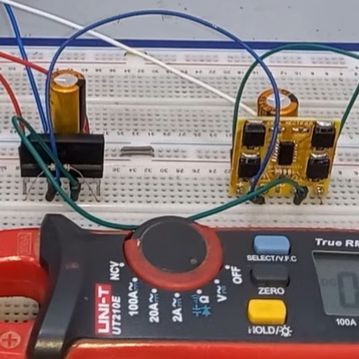
Taking the circuit from the datasheet, a PCB was created featuring four FDD8N50NZ MOSFETs in addition to the controller IC. These were then compared to a diode-based bridge rectifier, showing the imperfections with the latter when analyzing the output using an oscilloscope.
As expected, the active rectifier’s output was also one volt higher than the diode bridge rectifier, which is another small boost to overall efficiency. According to NXP’s product page, there’s about a 1.4% efficiency gain at 90 VAC, with the chip being promoted for high-efficiency operations. When you consider that many designs like computer PSUs feature one or more diode bridge rectifiers often strapped to heatsinks, the appeal becomes apparent. As for [Mousa], he put this particular board in his laboratory PSU instead of the diode bridge rectifier, because why not.
Perhaps the biggest impediment to using an active rectifier is the cost, with the TEA2208T coming in at $4 on DigiKey for a quantity of 100, in addition to the MOSFETs, PCB, etc. If power efficiency isn’t the goal, then some wasted power and an aluminium heatsink is definitely cheaper.
youtube.com/embed/KeshFe3rftU?…
Astronomers think they may have captured starlight from the first generation of stars, which shone more than 13 billion years ago.#TheAbstract


Scientists May Have Spotted Light from the First Stars
Welcome to a special holiday edition of the Abstract! It’s been an incredible year for science, from breakthroughs in life-saving organ transplants to the discovery of 3I ATLAS, the third known interstellar object. But we can’t cover everything, so to cap off 2025 I’m pulling together a grab-bag of my favorite studies from the past year that fell through the cracks.First, a bitter feud that has divided dinosaur lovers for decades finally came to an end in 2025, proving at last that tyrannosaurs come in size small. Then: ye olde American cats, the search for the very first stars, and humanity’s chillest invention.
As always, for more of my work, check out my book First Contact: The Story of Our Obsession with Aliens or subscribe to my personal newsletter the BeX Files.
The Vindication of Nanotyrannus
For decades, a tiny tyrannosaur has inspired big debates. The remains of this dinosaur were initially judged to be a juvenile tyrannosaur, until a team in the 1980s suggested they might belong to a whole new species of pint-sized predator called Nanotyrannus—sort of like a T. rex shrunk down to the size of a draft horse.
This argument has raged ever since, causing bad blood between colleagues and inspiring a longstanding quest to reveal this dinosaur's true identity. Now, in the closing months of 2025, peace has at last been brokered in these bone wars, according to a pair of new studies that cement Nanotyrannus as a distinct lineage of predators that coexisted alongside heavyweight cousins like T. rex.
“Nanotyrannus has become a hot-button issue, and the debate has often been acrimonious,” said researchers led by Lindsay Zanno of North Carolina State University in an October study. “Over the past two decades, consensus among theropod specialists has aligned in favor of Nanotyrannus lancensis representing a juvenile morph of Tyrannosaurus rex.”
The only evidence that could shatter this consensus would be “a skeletally mature specimen diagnosable” as Nanotyrannus, the team continued. Enter: “Bloody Mary,” the nickname for a near-complete tyrannosaur skeleton found unearthed in Montana in 2006. After a scrupulous new look at the specimen, Zanno's team concludes that it demonstrates “beyond reasonable doubt that Nanotyrannus is a valid taxon.”
youtube.com/embed/yJw1WUXIFG8?…
These results were reinforced by another study earlier this month that argues that Nanotyrannus was “a distinct taxon…that was roughly coeval with Tyrannosaurus rex and is minimally diagnosable by its diminutive body size,” according to researchers led by Christopher Griffin of Princeton University.Nanotyrannus supports the hypothesis that dinosaurs may have been flourishing in diversity at the end of the Cretaceous era—right before they got punched by a space rock. In addition to confirming the existence of a new tyrannosaur, the new studies “prompts a critical reevaluation of decades of scholarship on Earth’s most famous extinct organism,” meaning Tyrannosaurus rex, said Zanno’s team.
In other words, tyrannosaurs of all sizes were running around together at the end of the Cretaceous period. While T. rex will always reign supreme as the tyrant king of its time, we also salute this new dinosaurian dauphin.
In other news…
I can haz seas-burger?
In 1559, a Spanish colonial fleet was dashed to pieces by a hurricane in Florida. Among the many casualties of this disaster were a cat and a kitten, whose remains were found centuries later in the lower hull of a galleon shipwreck at Emanuel Point, near Pensacola.
These felines “are, most likely, the earliest cats in what is now the United States,” according to a study from April filled with fascinating facts about the fallen felines. For example, the adult cat ate like a sailor, devouring nutritious fish and domestic meat (like pork or poultry), with few signs of rodents in its diet.
This suggests the cat “was so effective at controlling rat populations that such prey was an insufficient food source,” said researchers led by Martin Welker of the University of Arizona.
It seems that cats have been impressing people with their legendary hunting prowess for centuries.
The study also includes some fun passages about the prized role of cats as pest control on these European ships, including this excerpt from a marine treatise from 1484:
“If goods laden on board of a ship are devoured by rats, and the owners consequently suffer considerable damage, the master must repair the injury sustained by the owners, for he is considered in fault. But if the master kept cats on board, he is excused from the liability.”
A resolution for 2026: Bring back cat-based legal exemptions.
The search for the ur-stars
For generations, astronomers have dreamed of glimpsing the very first stars in the universe, known as Population III. This year, these stellar trailblazers may have finally come into view, thanks to the James Webb Space Telescope and the natural phenomenon of gravitational lensing, which can magnify distant objects in space.
Lensed light from an ancient galaxy called LAP1-B, which traveled more than 13 billion years before it was captured by JWST, contains the expected low-metal signatures of Population III stars, according to a December study.
“Understanding the formation and properties of the first stars in the Universe is currently an exciting frontier in astrophysics and cosmology,” said researchers led by Eli Visbal of the University of Toledo. “Up to this point, there have been no unambiguous direct detections of Population III (Pop III) stars, defined by their extremely low metallicities.”
“We argue that LAP1-B is the first Pop III candidate to agree with three key theoretical predictions for classical Pop III sources,” the team added. “LAP1-B may only represent the tip of the iceberg in terms of the study of Pop III stars with gravitational lensing from galaxy clusters.”
JWST continues to be a JW-MVP, and it will be exciting to see what else it might spy next.
A swing-kle in time
Let’s close out this wild year with some rest and relaxation in the most soothing of all human creations: the hammock. In a study published last month, researchers meditated on the history of these sleepy slings, from their Indigenous origins in the Americas to their widespread adoption by European mariners and settler-colonists.
The work is full of interesting ruminations about the unique properties and its multifaceted purposes, which ranged from rocking newborn babies to sleep at the dawn of life to comforting the ailing in the form of death beds and burial shrouds.
“The hammock facilitated transitions between life stages like birth, puberty, leadership, and death,” said researchers Marcy Norton of the University of Pennsylvania and John Kuhn of SUNY-Binghamton. But it also facilitated more quotidian shifts in the body: sleep, dreaming, entering hallucinogenic states, and healing.”
What better way to celebrate this weird liminal week, suspended between the past and the future, than an ode to this timeless technology of transitions. It’s been so much fun hanging out with you all in 2025, and I look forward to swinging into a New Year of all things Abstract.
Thanks for reading and have a Happy New Year! See you next week.
Comet 3I/ATLAS
NASA missions are working together to track and study this rare, interstellar comet as it passes through our solar system.dghernandez (NASA Science)

Cambogia e Thailandia firmano un nuovo cessate il fuoco
@Notizie dall'Italia e dal mondo
Dopo tre settimane di combattimenti i due paesi asiatici siglano un nuovo cessate il fuoco dopo quello raggiunto nei mesi scorsi
L'articolo Cambogia e Thailandia firmano un nuovo cessate il fuoco proviene pagineesteri.it/2025/12/27/asi…
Notizie dall'Italia e dal mondo reshared this.
[2026-01-31] Giornata-studio Rete dei Gas Appennino bolognese @ villa Mingarelli
Giornata-studio Rete dei Gas Appennino bolognese
villa Mingarelli - via pietrafitta 46, grizzana morandi
(sabato, 31 gennaio 10:00)


Print Your Next LED Bezel

LED bezels (also known as LED panel-mount holders) are great, so how about 3D printing the next ones you need? Sure, they’re inexpensive to purchase and not exactly uncommon. But we all know that when working on a project, one doesn’t always have everything one might need right at hand. At times like that, 3D printing is like a superpower.
[firstgizmo]’s design is made with 3D printing in mind, and most printers should be able to handle making them. Need something a little different? You’re in luck because the STEP files are provided (something we love to see), which means modifications are just a matter of opening them in your favorite CAD program.
There’s not even any need to export to an STL after making tweaks, because STEP support in slicer programs is now quite common, ever since PrusaSlicer opened that door a few years ago.
Not using 5 mm LEDs, and need some other size? No problem, [firstgizmo] also has 3 mm, 8 mm, and 10 mm versions so that it’s easy to mount those LEDs on a panel. Combined with a tool that turns SVG files into multi-color 3D models, one can even make some panels complete with color and lettering to go with those LEDs. That might be just what’s needed to bring that midnight project to the next level.

Giubileo 2025: card. Reina, “dobbiamo essere missionari della trasfigurazione in tutti i luoghi sociali ed esistenziali” - AgenSIR
“Dobbiamo essere missionari della trasfigurazione in tutti i luoghi sociali ed esistenziali”. È la consegna del card.M.Michela Nicolais (AgenSIR)
Perché la tecnologia non sostituirà l’istruzione. Parla Billari (Bocconi)
Per vedere altri post come questo, segui la comunità @Informatica (Italy e non Italy 😁)
C'è bisogno di una riforma del sistema educativo e universitario per preparare al meglio i nuovi ricercatori. L'intervista di Maria Scopece a Francesco Billari, rettore dell'Università Bocconi, tratta dall'ultimo numero del quadrimestrale
reshared this
Amici cari, questa è l'ultima puntata del podcast fino al primo di Febbraio.
Questo periodo mi servirà come pausa personale ma anche per raccogliere le idee e ripartire con la produzione delle successive 10 puntate.
Spero che che continuerete a seguirlo o inizierete, se non lo avete ancora fatto.
Grazie ❤️
castopod.it/@versocasa/posts/0…


Repubblica Ceca, un grande insegnamento per il futuro
Repubblica Ceca: a 7 mesi di distanza dall'inizio della ricerca di una nuova casa, ancora nulla.Mi serviva un viaggio di piro relax, una vacanza per trovare il fresco nel mese di Luglio del 2024.
Eppure, avrei imparato tanto. Su di noi, sull'Europa, sul nostro passato che sembra essere anche il futuro.
reshared this
Devo ammettere che mandare a quel Paese Google è sì faticoso, dopo anni di abitudine, ma anche divertente.
Si scoprono cose nuove, opportunità diverse che possono tornare utili nella vita anche professionalmente.
Mi chiedo cosa farà il resto d'Europa. Perché... forse, noi che ci stiamo svegliando e affrancando dalla schiavitù dei dati controllati non siamo poi così pochi, ma facciamo poco rumore, poca notizia.
Ieri leggevo la notizia di Airbus, che si toglierà dai cloud americani. E questo fa più rumore.
Speriamo che diventi assordante nei prossimi mesi.
#degoogle #demicrosoft #bigtech #google #Microsoft #sovranitàdigitale
reshared this

Come hai risolto il problema della mail?
Perché di tutti i servizi internet che uso, quello per me è il più importante quindi anche un giorno offline per me sarebbe un problema.
E poi dovrei cambiare l'indirizzo mail ovunque... chissà in quanti siti l'ho inserito (e mi riferisco a INPS, banca, Agenzia delle Entrate, ecc.) e non credo di ricordarmeli tutti.
Simon Perry likes this.
@max sono le stesse preoccupazioni che sto avendo io. Considera che ho una decina di account su google, e un paio su Microsoft. Di tutti questi quello che uso di più è senza dubbio un account Microsoft (e anche uno di GMail).
Visto che è in effetti una cosa complicata smantellarli tutti (o almeno il più possibile), me lo sono posto come obiettivo a medio/lungo termine.
Intanto sto facendo pulizia dei mille mila account che ho aperto in giro, su siti da cui ricevo anche fastidiose newsletter di cose che francamente non mi interessano più. Così, quando sarà ora di cambiare la mail per i servizi che mi interessa davvero mantenere, ne avrò meno da gestire e potrò individuarli con più chiarezza.
Almeno una o due newsletter/account li cancello ogni giorno.
Il mio vuole anche essere un processo in cui mi svincolo dagli Stati Uniti, quindi ho cominciato proprio dai servizi statunitensi.
A parte questo ho due scelte possibili:
1) sfrutto il dominio che ho su Aruba e che uso già per il sito e creo una mail lì sopra. Se un domani cambio provider, la mia email rimane finché resta il dominio (e ovviamente se acquisto il servizio relativo).
2) ho già aperto una mail su infomaniak, l'account gratuito con 20 GB che rimane gratuito per sempre. Potrei comprare da loro lo spazio cloud per i miei file e documenti.
Per il punto 2 le possibilità sono diverse, on teoria si può usare Proton, Tuta, o quel che si vuole: tutti servizi europei.
[2026-01-05] BEFANA REGGAE – Rub a Dub Party @ CSOA La Strada
BEFANA REGGAE – Rub a Dub Party
CSOA La Strada - Via Passino, 24
(lunedì, 5 gennaio 22:30)
"Anche questo nuovo anno non potevamo cominciarlo nel migliore dei modi con la mighty dancehall della Befana.

Ai microfoni del Baracca Sound System avremo il piacere di ospitare due fratelli: Papa Buju & Natty Vale Hi Fi!! 🔥
🔥 Nah Miss!!!"

10.700 miliardi di anni in 5 minuti: La rivoluzione quantistica è qui?
Google ha annunciato un risultato che segna un passaggio rilevante nello sviluppo dell’informatica quantistica. Il chip Willow, presentato ufficialmente nel dicembre 2024, è riuscito a completare in soli cinque minuti un calcolo che, secondo le stime, richiederebbe a un supercomputer tradizionale circa 10.700 miliardi di anni (10,7 trilioni secondo la scala corta).
Un intervallo di tempo che supera di gran lunga l’età dell’universo, stimata in 13,8 miliardi di anni.
Il traguardo è stato accolto come un avanzamento significativo perché affronta uno degli ostacoli storici della computazione quantistica: la gestione e la correzione degli errori.
Un problema che per oltre tre decenni ha limitato l’applicazione pratica di queste tecnologie. Commentando il risultato, il CEO di Alphabet Sundar Pichai ha paragonato la fase attuale del calcolo quantistico a quella in cui si trovava l’intelligenza artificiale cinque anni fa, sottolineando il potenziale impatto economico e industriale del settore.
Oltre i limiti del binario
A differenza dei computer classici, che operano esclusivamente con bit binari (0 e 1), i sistemi quantistici sfruttano il principio della sovrapposizione, consentendo ai qubit di rappresentare più stati contemporaneamente.
Questo approccio permette di affrontare in tempi estremamente ridotti problemi che risultano praticamente irrisolvibili per le architetture tradizionali. Le applicazioni potenziali spaziano dalla progettazione di nuovi farmaci alla scienza dei materiali, fino all’ottimizzazione di reti logistiche complesse.
Anche il Dipartimento della Difesa degli Stati Uniti guarda con attenzione a queste tecnologie, in particolare per le implicazioni nel campo della crittografia.
La competizione internazionale
Nel frattempo, la competizione internazionale si fa sempre più serrata. La corsa alla supremazia quantistica vede Stati Uniti e Cina impegnati in un confronto diretto. John Martinis, fisico di fama mondiale e figura chiave nello sviluppo dei primi chip quantistici di Google, ha descritto in passato il divario tra i due Paesi come estremamente ridotto, parlando di una situazione sostanzialmente di parità tecnica.
Pechino ha dichiarato apertamente l’obiettivo di diventare un punto di riferimento globale nella scienza dell’informazione quantistica. A sostegno di questa strategia, la Cina ha stanziato investimenti per circa 1.000 miliardi di yuan (circa 140 miliardi di dollari), destinati allo sviluppo di semiconduttori, computer quantistici e tecnologie avanzate di base.
Secondo diversi analisti, non si tratta soltanto di un piano di finanziamento alla ricerca, ma di una chiara dichiarazione geopolitica. Il Paese, del resto, è già considerato leader mondiale nel settore delle comunicazioni quantistiche sicure.
La risposta degli Stati Uniti
Negli Stati Uniti, la risposta istituzionale non si è fatta attendere. La DARPA ha promosso 11 aziende alla Fase 2 della Quantum Benchmarking Initiative, il programma di valutazione più ampio mai avviato nel settore. Parallelamente, la Commissione per la revisione economica e della sicurezza tra Stati Uniti e Cina ha invitato il Congresso a definire un obiettivo nazionale “quantum first” entro il 2030.
Secondo molti osservatori, il calcolo quantistico avrebbe ormai superato la fase puramente teorica per entrare in quella dello sviluppo industriale.
Il chip Willow viene indicato come un punto di svolta non solo per le prestazioni, ma per il metodo di produzione: una filiera industriale simile a quella dei semiconduttori, che segna il passaggio dal laboratorio alla produzione su scala.
Sinergia con l’Intelligenza Artificiale
Si sta inoltre delineando una relazione di reciproco rafforzamento tra IA e calcolo quantistico. L’IA accelera la ricerca sui materiali quantistici e, allo stesso tempo, le tecnologie quantistiche promettono di potenziare i modelli di intelligenza artificiale.
- Sandbox AQ: a febbraio ha presentato un sistema che ha aumentato di 20.000 volte la velocità di scoperta di catalizzatori per l’energia pulita.
- IonQ: ha dichiarato che il proprio computer quantistico può risolvere specifici problemi utilizzando meno dell’1% della potenza richiesta da un supercomputer convenzionale.
Mercati e prospettive future
L’interesse crescente si riflette anche sui mercati finanziari. Il fondo ETF Defiance Quantum ha registrato una crescita significativa nell’ultimo anno. Tra le aziende più osservate figura Quantinuum (Honeywell), la cui tecnologia a ioni intrappolati consente di raggiungere un rapporto tra qubit fisici e qubit logici di circa 2 a 1, un’efficienza molto superiore rispetto alle architetture che richiedono centinaia di qubit fisici per ogni qubit logico “pulito”.
Nonostante i progressi, le criticità restano.
La correzione degli errori su larga scala non è ancora un problema risolto definitivamente e il numero di specialisti nel settore è limitato.
Gli esperti suggeriscono prudenza: il settore è in una fase simile a quella dell’industria automobilistica del 1905. Molte aziende attuali potrebbero non sopravvivere, ma ignorare il potenziale trasformativo della tecnologia potrebbe rappresentare un rischio strategico ancora maggiore.
L'articolo 10.700 miliardi di anni in 5 minuti: La rivoluzione quantistica è qui? proviene da Red Hot Cyber.
La guerra dell’energia invisibile: come la Cina controlla il cuore dell’IA occidentale
Nella Virginia settentrionale, lungo quello che viene ormai definito il “corridoio dei data center”, sorgono enormi strutture senza finestre che costituiscono l’ossatura fisica della corsa statunitense all’intelligenza artificiale.
Questi edifici, grandi quanto hangar industriali, assorbono quantità di energia paragonabili a quelle di una città di medie dimensioni, esercitando una pressione crescente sulle reti elettriche locali.
La stabilità dell’alimentazione è un elemento critico: anche brevi cali di tensione possono compromettere il funzionamento dei sistemi di intelligenza artificiale, causando errori difficili da individuare nei processi di calcolo. Per questo motivo, le grandi aziende tecnologiche stanno investendo miliardi di dollari in sistemi di accumulo basati su batterie agli ioni di litio, indispensabili per garantire continuità operativa ai data center.
Il paradosso della dipendenza strategica
Il paradosso, come spiega il China NYT, sottolineato dagli analisti, è che proprio questa infrastruttura strategica dipende in larga misura dalla Cina, principale rivale geopolitico degli Stati Uniti.
Pechino domina quasi ogni segmento della filiera delle batterie, dalla raffinazione delle materie prime alla produzione di celle e componenti avanzati. Secondo Wang Dan, esperto di tecnologia cinese presso la Hoover Institution della Stanford University, la leadership cinese si fonda sia sulla superiorità tecnologica sia sulla capacità produttiva su larga scala.
La questione non riguarda solo il settore civile.
Anche il Pentagono osserva con crescente preoccupazione la dipendenza dalle forniture cinesi. Le forze armate statunitensi, che stanno adattando le proprie strategie alle lezioni apprese dal conflitto in Ucraina, prevedono un futuro in cui droni, armi laser, sistemi di comunicazione e satelliti richiederanno milioni di batterie ad alte prestazioni.
Secondo la società di analisi Govini, l’esercito statunitense utilizza oggi circa 6.000 componenti per batterie provenienti dalla catena di approvvigionamento cinese.
Negli ultimi mesi, le tensioni si sono ulteriormente accentuate. Il 9 ottobre, in un contesto di crescente frizione commerciale, la Cina ha segnalato la possibilità di limitare l’export di alcune tecnologie avanzate per batterie agli ioni di litio, inclusi elementi chiave come anodi e catodi in grafite. Una mossa che ha rafforzato, negli Stati Uniti, la percezione delle batterie come un tema di sicurezza nazionale, e non più solo industriale.
Trump di fronte ad un equilibrio complesso
L’amministrazione Trump si trova così di fronte a un equilibrio complesso. Dopo aver inizialmente congelato fondi federali destinati alla produzione di batterie e ad altre tecnologie per l’energia pulita approvati sotto l’amministrazione Biden, la Casa Bianca ha progressivamente riconosciuto il ruolo centrale delle batterie per settori strategici come l’intelligenza artificiale e la difesa. Secondo fonti a conoscenza dei dossier, nelle ultime settimane si sono tenute riunioni ad alto livello sulla filiera delle batterie, con il coinvolgimento del National Energy Leadership Council e del Dipartimento dell’Energia.
Alcuni segnali concreti sono già emersi. Washington ha autorizzato lo sblocco di diverse sovvenzioni dell’era Biden e annunciato nuovi finanziamenti, fino a 500 milioni di dollari, per progetti legati ai materiali e al riciclo delle batterie. Parallelamente, il National Defense Authorization Act approvato di recente vieta al Pentagono di acquistare batterie da “entità straniere di interesse”, una definizione che prende di mira soprattutto la Cina.
Concludendo
Resta tuttavia aperta la questione dei tempi e delle difficoltà strutturali.
I dati dell’Agenzia Internazionale per l’Energia indicano che nel 2024 il 99% delle celle al litio-ferro-fosfato e oltre il 90% dei componenti principali sono stati prodotti in Cina.
Gli esperti stimano che serviranno almeno cinque anni prima che gli Stati Uniti possano avvicinarsi all’autosufficienza in questo segmento, e ancora più tempo per costruire una filiera completa.
Una dipendenza che, come ha osservato Fatih Birol, ricorda quella dell’Europa dal gas russo: affidarsi a un unico Paese per una tecnologia strategica comporta rischi difficili da ignorare.
L'articolo La guerra dell’energia invisibile: come la Cina controlla il cuore dell’IA occidentale proviene da Red Hot Cyber.
KW 52: Die Woche zwischen Weihnachten und Chaos Communication Congress
netzpolitik.org/2025/kw-52-die…

Building a Wall-Mounted Sound Visualizer

Visualizers used to be very much in vogue, something you’d gasp in at amazement when you’d fire up Winamp or Windows Media Player. They’re largely absent from our modern lives, but [Arnov Sharma] is bringing them back. After all, who doesn’t want a cool visualizer hanging on the wall in their living room?
The build is based around the Raspberry Pi Pico 2. It’s paired with a small microphone hooked up to a MAX9814 chip, which amplifies the signal and offers automatic gain control to boot. This is a particularly useful feature, which allows the microphone to pick up very soft and very loud sounds without the output clipping. The Pi Pico 2 picks up the signals from the mic, and then displays the waveforms on a 64 x 32 HUB75 RGB matrix. It’s a typical scope-type display, which allows one to visualize the sound waves quite easily. [Arnov] demonstrates this by playing tones on a guitar, and it’s easy to see the corresponding waveforms playing out on the LED screen.
It’s a fun project, and it’s wrapped up in a slick 3D printed housing. This turns the visualizer into a nice responsive piece of wall art that would suit any hacker’s decor. We’ve featured some other great visualizers before, too.
youtube.com/embed/33o3QkeaBJI?…
Il sistema di riconoscimento delle targhe dell’Uzbekistan online senza protezione
Lo specialista in sicurezza informatica Anurag Sen ha scoperto che il database del sistema di riconoscimento targhe dell’Uzbekistan era liberamente accessibile online: chiunque poteva accedere a tutte le informazioni.
Non è chiaro da quanto tempo il sistema fosse attivo, ma il database è stato lanciato nel settembre 2024 e il monitoraggio del traffico è stato avviato a metà del 2024.
Secondo TechCrunch, l’Uzbekistan ha circa un centinaio di gruppi di telecamere per il controllo del traffico che controllano costantemente le targhe dei veicoli in transito e dei loro occupanti.
Il sistema registra migliaia di violazioni al giorno, dal passaggio con il rosso ai conducenti senza cinture di sicurezza e ai veicoli non immatricolati.
Un’analisi ha rivelato che almeno un centinaio di gruppi di telecamere sono stati installati nelle principali città uzbeke, presso incroci trafficati e importanti snodi di trasporto. Queste telecamere si trovano a Tashkent, nelle città meridionali di Jizzakh e Karshi e nella parte orientale di Namangan. Alcuni dispositivi si trovano in aree rurali, lungo le strade vicine al confine un tempo conteso tra Uzbekistan e Tagikistan.
I dispositivi registrano video e scattano foto dei trasgressori in risoluzione 4K. Il sistema non protetto fornisce accesso a un’interfaccia web con una dashboard in cui gli operatori possono rivedere le registrazioni delle violazioni.
Come ha dichiarato il ricercatore ai giornalisti, il database del sistema era liberamente accessibile a chiunque online. Ha affermato che questa rappresenta una rara opportunità per studiare il funzionamento dei sistemi nazionali di tracciamento delle targhe, quali dati raccolgono e come possono essere utilizzati per tracciare gli spostamenti di milioni di persone.
Secondo Sen, il database rivela le reali coordinate delle telecamere e contiene milioni di foto e video di auto in transito. Il sistema è gestito dal Dipartimento di Pubblica Sicurezza del Ministero degli Affari Interni dell’Uzbekistan, ma il dipartimento non ha risposto alle richieste di commento di TechCrunch. Anche UZCERT ha inviato ai giornalisti solo una risposta automatica per confermare la ricezione dell’e-mail.
La piattaforma implementata in Uzbekistan è descritta come un “sistema intelligente di gestione del traffico” creato dall’azienda cinese Maxvision. Secondo documenti aziendali pubblicamente disponibili , Maxvision esporta le sue soluzioni di sicurezza e sorveglianza in Burkina Faso, Kuwait, Oman, Messico, Arabia Saudita e Uzbekistan.
Va notato che il database non protetto dell’Uzbekistan non è unico. Ad esempio, all’inizio di quest’anno, Wired ha riportato che oltre 150 telecamere per il riconoscimento delle targhe negli Stati Uniti erano accessibili online senza alcuna protezione.
Le autorità statunitensi stanno attivamente sviluppando una propria rete di riconoscimento targhe e il gigante della sorveglianza Flock fornisce queste soluzioni principalmente al governo. 404 Media ha recentemente riferito che decine di telecamere Flock erano accessibili al pubblico online, consentendo ai giornalisti di osservare in tempo reale come le soluzioni dell’azienda li stanno tracciando.
L'articolo Il sistema di riconoscimento delle targhe dell’Uzbekistan online senza protezione proviene da Red Hot Cyber.
Flock Exposed Its AI-Powered Cameras to the Internet. We Tracked Ourselves
I am standing on the corner of Harris Road and Young Street outside of the Crossroads Business Park in Bakersfield, California, looking up at a Flock surveillance camera bolted high above a traffic signal. On my phone, I am watching myself in real time as the camera records and livestreams me—without any password or login—to the open internet. I wander into the intersection, stare at the camera and wave. On the livestream, I can see myself clearly. Hundreds of miles away, my colleagues are remotely watching me too through the exposed feed.Flock left livestreams and administrator control panels for at least 60 of its AI-enabled Condor cameras around the country exposed to the open internet, where anyone could watch them, download 30 days worth of video archive, and change settings, see log files, and run diagnostics.
Unlike many of Flock’s cameras, which are designed to capture license plates as people drive by, Flock’s Condor cameras are pan-tilt-zoom (PTZ) cameras designed to record and track people, not vehicles. Condor cameras can be set to automatically zoom in on people’s faces as they walk through a parking lot, down a public street, or play on a playground, or they can be controlled manually, according to marketing material on Flock’s website. We watched Condor cameras zoom in on a woman walking her dog on a bike path in suburban Atlanta; a camera followed a man walking through a Macy’s parking lot in Bakersfield; surveil children swinging on a swingset at a playground; and film high-res video of people sitting at a stoplight in traffic. In one case, we were able to watch a man rollerblade down Brookhaven, Georgia’s Peachtree Creek Greenway bike path. The Flock camera zoomed in on him and tracked him as he rolled past. Minutes later, he showed up on another exposed camera livestream further down the bike path. The camera’s resolution was good enough that we were able to see that, when he stopped beneath one of the cameras, he was watching rollerblading videos on his phone.
0:00
/0:16
1×The exposure was initially discovered by YouTuber and technologist Benn Jordan and was shared with security researcher Jon “GainSec” Gaines, who recently found numerous vulnerabilities in several other models of Flock’s automated license plate reader (ALPR) cameras. They shared the details of what they found with me, and I verified many of the details seen in the exposed portals by driving to Bakersfield to walk in front of two cameras there while I watched myself on the livestream. I also pulled Flock’s contracts with cities for Condor cameras, pulled details from company presentations about the technology, and geolocated a handful of the cameras to cities and towns across the United States. Jordan also filmed himself in front of several of the cameras on the Peachtree Creek Greenway bike path. Jordan said he and Gaines discovered many of the exposed cameras with Shodan, an internet of things search engine that researchers regularly use to identify improperly secured devices.
youtube.com/embed/vU1-uiUlHTo?…
After finding links to the feed, “immediately, we were just without any username, without any password, we were just seeing everything from playgrounds to parking lots with people, Christmas shopping and unloading their stuff into cars,” Jordan told me in an interview. “I think it was like the first time that I actually got like immediately scared … I think the one that affected me most was as playground. You could see unattended kids, and that’s something I want people to know about so they can understand how dangerous this is.” In a YouTube video about his research, Jordan said he was able to use footage pulled from the exposed feed to identify specific people using open source investigation tools in order to show how trivially an exposure like this could be abused.Benn Jordan
Last year, Flock introduced AI features to Condor cameras that automatically zoom in on people as they walk by. In Flock’s announcement of this feature, it explained that this technology “zooms in on a suspect exiting one car, stealing an item from another, and returning to his vehicle. Every detail is captured, providing invaluable evidence for investigators.” On several of the exposed feeds, we saw Flock cameras repeatedly zooming in on and tracking random people as they walked by. The cameras can be controlled by AI or manually.The exposure highlights the fact that Flock is not just surveilling cars—it is surveilling people, and in some cases it is doing so in an insecure way, and highlight the types of places that its Condor cameras are being deployed. Condor cameras are part of Flock’s ever-expanding quest to “prevent crime,” and are sometimes integrated with its license plate cameras, its gunshot detection microphones, and its automated camera drones.
Cooper Quintin, senior staff technologist at the Electronic Frontier Foundation, told me the behavior he saw in videos we shared with him “shows that Flock's ambitions go far beyond license-plate surveillance. They want to be a nation-wide panopticon, watching everyone all the time. Flock's goal isn't to catch stolen cars, their goal is to have total surveillance of everyone all the time."
0:00
/1:03
1×The cameras were left not just livestreaming to the internet for anyone who could find the link, but in many cases their administrative portals were left open with no login credentials required whatsoever. On this portal, some camera settings could be changed, diagnostics could be run, and text logs of what the camera was doing were being streamed, too. Thirty days of the camera’s archive was left available for anyone to watch or download from any of the cameras that we found. We were not able to geolocate every camera that was left unprotected, but we found cameras at a New York City Department of Transportation parking lot, on a street corner in suburban New Orleans, in random cul-de-sacs, in a Lowes parking lot, in the parking lot of a skatepark, at a pool, outside a parking garage, at an apartment complex, outside a church, on a bike path, and at various street intersections around the country.
Quintin told me the situation reminds him of ALPR cameras from another company that were left unprotected a decade ago.
“This is not the first time we have seen ALPRs exposed on the public internet, and it won't be the last. Law enforcement agencies around the country have been all too eager to adopt mass surveillance technologies, but sometimes they have put little effort into ensuring the systems are secure and the sensitive data they collect on everyday people is protected,” Quintin said. “Law enforcement should not collect information they can’t protect. Surveillance technology without adequate security measures puts everyone’s safety at risk.”
It was not always clear which business or agency owned specific cameras that were left exposed, or what type of misconfiguration led to the exposure, though I was able to find a $348,000 Flock contract for Brookhaven, Georgia, which manages the Peachtree Creek Greenway, and includes 64 Condor cameras.
"This was a limited misconfiguration on a very small number of devices, and it has since been remedied," a Flock spokesperson told 404 Media. It did not answer questions about what caused the misconfiguration or how many devices ultimately were affected.
💡
Do you know anything else about surveillance? I would love to hear from you. Using a non-work device, you can message me securely on Signal at jason.404. Otherwise, send me an email at jason@404media.co.In response to Jordan and Gaines’ earlier research on vulnerabilities in other Flock cameras, Flock CEO Garrett Langley said in a LinkedIn post that “The Flock system has not been hacked. We secure customer data to the highest standard of industry requirements, including strict industry standard encryption. Flock’s cloud storage has never been compromised.” The exposure of these video feeds is not a hack of Flock’s system, but demonstrates a major misconfiguration of at least some cameras. It also highlights a major misconfiguration in its security that persisted for at least days.
“When I was making my last video [about Flock ALPR vulnerabilities], it was almost like a catchphrase where I'd say like, ‘I don't see how it could get any worse.’ And then something would happen where you'd be like, wow, they pulled it off. They made it worse,” Jordan said. “And then this is like the ultimate one. Because this is completely unrelated [to my earlier research] and I don’t really know how it could be any worse to be honest.”
In a 2023 video webinar introducing the Condor platform to police, Flock executives said the cameras are meant to be paired with their ALPR cameras and are designed to feed video to FlockOS, a police panel that allows cops to hop from camera to camera in real time across a mapped-out view of their city. In Bakersfield, which has 382 Flock cameras according to a transparency report, one of the Condor cameras we saw was located next to a mall that had at least two Flock ALPR cameras stationed at the entrances to the mall parking lot.Kevin Cox, a Flock consultant who used to work for the Grand Prairie, Texas Police Department, said in the webinar that he built an “intel center” with a high “density” of Flock cameras in that city. “I am passionate about this because I’ve lived it. The background behind video [Condor] with LPR is rich with arrests,” he said. “That rich experience of seeing what happened kind of brings it alive to [judges]. So video combined with the LPR evidence of placing a vehicle at the scene or nearby is an incredibly game changing experience into the prosecutorial chain of events.”
“You can look down a tremendous distance with our cameras, to the next intersection and the next intersection,” he said. “The camera will identify people, what they’re wearing, and cars up to a half a mile away. It’s that good.”
0:00
/0:08
1×Condor cameras in a Flock demo showing off its AI tracking features
In the webinar Cox pulled up a multiview panel of a series of cameras and took control of them, dragging, panning, and zooming on cameras and hopping between multiple cameras in real time. Cox suggested that police officers could either use Flock’s cameras to pinpoint a person at a place and time and then use it to request “cell tower dumps” from wireless companies, or could use cell GPS data to then go into the Flock system to track a person as they moved throughout a city. “If you can place that person’s cell phone and then the Condor video and Falcon LPR evidence, it would be next to impossible to beat that in court,” he said, adding that some towns may just want to have always-on, always recording video of certain intersections or town squares. “There’s endless endless uses to what we can do with these things.”
On the webinar, Seth Cimino, who was a police officer at the Citrus Heights, California police department at the time but now works directly for Flock, told participants that officers in his city enjoyed using the cameras to zoom in on crimes.
“There is an eagerness amongst our staff that are logged in that have their own Flock accounts to be able to monitor our ALPR and pan tilt zoom Condor cameras throughout the community, to a point where sometimes our officers are beating dispatch with the information,” he said. “If there’s an incident that occurs at a specific intersection or a short distance away where our Condor cameras can zoom in on that area, it allows for real time overwatch […] as I sit here right now with you—how cool is this? We just had a Flock alert here in the city. I mean, it just popped up on my screen!”
Samantha Cole contributed reporting.
Introducing Condor Live and Recorded Video
Respond with Confidence with a cutting-edge video camera that empowers officerswww.flocksafety.com


Africa sotto assedio cyber: INTERPOL arresta 574 criminali e smantella migliaia di infrastrutture
L’Interpol ha condotto l’operazione Sentinel, un’operazione internazionale che ha portato all’arresto di 574 persone e al recupero di 3 milioni di dollari rubati tramite attacchi BEC, frodi ed estorsioni.
L’operazione si è svolta dal 27 ottobre al 27 novembre 2025, con la partecipazione delle forze dell’ordine di 19 paesi. Durante questo periodo, sono stati eliminati oltre 6.000 link dannosi e la crittografia di sei varianti di ransomware è stata decifrata.
Un attacco BEC a una compagnia petrolifera in Senegal sarebbe stato sventato. Gli aggressori hanno tentato di rubare 7,9 milioni di dollari tramite bonifico bancario. I conti sono stati congelati prima che i fondi potessero essere prelevati.
Il Ghana è diventato teatro di un’indagine su un attacco ransomware ai danni di un istituto finanziario. I criminali hanno crittografato 100 TB di dati e rubato 120.000 dollari. Gli esperti hanno analizzato il malware utilizzato nell’attacco, creato un decryptor e recuperato 30 TB di informazioni. Le persone coinvolte nel caso sono già state arrestate.
Truffatori internazionali provenienti da Ghana e Nigeria hanno creato siti web falsi per note catene di fast food. Alla fine, i criminali hanno truffato oltre 400.000 dollari da oltre 200 vittime. Le forze dell’ordine hanno arrestato dieci persone, sequestrato oltre 100 dispositivi e disattivato circa 30 server degli hacker.
Una delle fasi più importanti dell’operazione si è svolta in Benin : sono state arrestate 106 persone, sono stati eliminati 43 domini dannosi e sono stati chiusi 4.318 account fraudolenti sui social media.
In Camerun è stata scoperta una truffa nella vendita di auto. Gli investigatori hanno identificato il server compromesso e congelato i conti bancari dei colpevoli nel giro di poche ore.
“Gli attacchi informatici in Africa stanno diventando sempre più diffusi e sofisticati, in particolare quelli che prendono di mira settori critici come la finanza e l’energia”, ha affermato l’Interpol.
Oltre alle forze dell’ordine, anche il settore privato ha partecipato attivamente all’operazione. Specialisti di Team Cymru, The Shadowserver Foundation, Trend Micro, TRM Labs e Uppsala Security hanno contribuito a rintracciare gli indirizzi IP coinvolti in attacchi ransomware e frodi, e a congelare i beni criminali.
Sentinel non è la prima grande operazione dell’INTERPOL nella regione.
Ad esempio, nell’agosto di quest’anno, l’Operazione Serengeti 2.0 ha portato all’arresto di 1.209 sospettati di reati informatici. Sono stati recuperati 97,4 milioni di dollari e sono state chiuse 11.432 infrastrutture dannose collegate ad attacchi contro 87.858 vittime.
L'articolo Africa sotto assedio cyber: INTERPOL arresta 574 criminali e smantella migliaia di infrastrutture proviene da Red Hot Cyber.


freezonemagazine.com/rubriche/…
Nel panorama della narrativa italiana capace di muoversi con intelligenza tra storia, sport e letteratura, L’ombra del cannibale di Marco Ballestracci occupa un posto speciale. Non è semplicemente un libro su Eddy Merckx, né solo il racconto di un episodio controverso della sua carriera: è piuttosto una riflessione potente sul mito sportivo, sulle sue ombre […]
L'articolo
suoko
in reply to Il Fedimercatino / Flohmarkt /Flohra • • •