There’s an adage coined by [Ian Betteridge] that any headline ending in a question mark can be answered by the word “No”. However, Lorentz invariance – the theory that the same rules of physics apply in the same way in all frames of reference, and an essential component of special relativity – has been questioned for some time by researchers trying to unify general relativity and quantum field theory into a theory of quantum gravity. Many theories of quantum gravity break Lorentz invariance by giving photons with different energy levels very slightly different speeds of light – a prediction which now looks less likely since researchers recently analyzed gamma ray data from pulsed astronomical sources, and found no evidence of speed variation (open-access paper).
The researchers specifically looked for the invariance violations predicted by the Standard-Model Extension (SME), an effective field theory that unifies special relativity with the Standard Model. The variations in light speed which it predicts are too small to measure directly, so instead, the researchers analyzed gamma ray flare data collected from pulsars, active galactic nuclei, and gamma-ray bursts (only sources that emitted gamma rays in simultaneous pulses could be used). Over such great distances as these photons had traveled, even slight differences in speed between photons with different energy levels should have added up to a detectable delay between photons, but none was found.
This work doesn’t disprove the SME, but it does place stricter bounds on the Lorentz invariance violations it allows, about one and a half orders of magnitude stricter than those previously found. This study also provides a method for new experimental data to be more easily integrated into the SME. Fair warning to anyone reading the paper: the authors call their work “straightforward,” from which we can only conclude that the word takes on a new meaning after a few years studying mathematics.
LA DESTRA AMERICANA - con Francesca Coin x università popolare zam
ZAM - Milano, via Sant'Abbondio 4 (venerdì, 16 gennaio 18:30) Venerdì 16 Gennaio dalle ore 18:30
Recuperiamo la breve lectio magistralis con Francesca Coin @fracoin sulla Desta Americana e la logica antidemocratica che ne è parte integrante.
Francesca Coin, sociologa, si occupa di lavoro e diseguaglianza sociale. Sino al 2022 ha lavorato come Professoressa Associata nel Dipartimento di Sociologia dell'Università di Lancaster, nel Regno Unito. Ora insegna all'Università di Parma. È direttrice della collana di libri sul lavoro <<Infedeli» per Derive Approdi, co-direttrice, insieme a Sara Farris, della collana <<Feminist>> per Edizioni Alegre. Il suo ultimo libro, pubblicato da Einaudi, <<<Le grandi dimissioni. Il nuovo rifiuto del lavoro e il tempo di riprenderci la vita» (2023), ha vinto il Premio Alessandro Leogrande (2024) e il Premio Biella Letteratura e Industria (2024).
A seguire piccola presentazione dei corsi del nostro bellissimo secondo quadrimestre e cena popolare by @qcinazam (con prenotazione)
Whenever you buy used computers there is a risk that they come with unpleasant surprises that are not of the insect variant. From Apple hardware that is iCloud-locked with the original owner MIA to PCs that have BIOS passwords, some of these are more severe than others. In the case of BIOS passwords, these tend to be more of an annoyance that’s easily fixed by clearing the CMOS memory, but this isn’t always the case as [Casey Bralla] found with a former student-issued HP ProBook laptop purchased off Facebook Marketplace.
Maybe it’s because HP figured that locking down access to the BIOS is essential on systems that find their way into the hands of bored and enterprising students, but these laptops write the encrypted password and associated settings to a separate Flash memory. Although a master key purportedly exists, HP’s policy here is to replace the system board. Further, while there are some recovery options that do not involve reflashing this Flash memory, they require answers to recovery questions.
This led [Casey] to try brute-force cracking, starting with a Rust-based project on GitHub that promised much but failed to even build. Undeterred, he tasked the Claude AI to write a Python script to do the brute-forcing via the Windows-based HP BIOS utility. The chatbot was also asked to generate multiple lists of unique passwords to try that might be candidates based on some human guesses.
Six months later of near-continuous attempts at nine seconds per try, this method failed to produce a hit, but at least the laptop can still be used, just without BIOS access. This may require [Casey] to work up the courage to do some hardware hacking and erase that pesky UEFI BIOS administrator password, proving at least that apparently it’s fairly good BIOS security.
You may have heard of the “cheap yellow display” (CYD), so-called due to the board’s typical color. It’s a dodgy cheapo board with, among other things, TFT display, touchscreen, and ESP32 built-in. You can learn more about the CYD over here: Getting Started with ESP32 Cheap Yellow Display Board – CYD (ESP32-2432S028R).
In this build eight AA batteries are used to deliver 12 volts to operate a solenoid controlling a latch and 5 volts for the microcontroller. The encasing is clear in order to entice players in an escape-room style sitting. The custom software is included down the bottom of the project page and it is also available from arduino.cc, if that’s your bag.
Mezcal Squat - Parco della Certosa Irreale - Collegno (TO) (mercoledì, 28 gennaio 15:00) CUCINA APERTA DALLE 15.
Porta farina e lievito per preparare il pane nel forno a legna autocostruito del Mezcal Squat!
--------------------------------------
Il Mezcal Squat è uno spazio autogestito e le attività svolte al suo interno si basano sulla condivisione. Non vi è circolo di denaro. Porta quello che vorresti trovare. Utilizza la cucina e prepara quello che vuoi da mangiare.
Parco Mitilini Stefanini Moneta - Parco Mitilini Stefanini Moneta (venerdì, 16 gennaio 16:00) 🔥Partono gli appuntamenti fissi al Parco Mitilini Moneta Stefanini! 🔥
🌱Ci troviamo domani, venerdì 16, dalle 16 confrontarci sui bisogni del rione, conoscerci e discutere di come portare avanti insieme la mobilitazione contro il MUBA! 🌱
Biblioteca Amilcar Cabral - Biblioteca Amilcar Cabral, 24, Via San Mamolo, Roncrio, Santo Stefano, Bologna, Emilia-Romagna, 40136, Italia (venerdì, 23 gennaio 18:00) Vi aspettiamo venerdì 23 gennaio h 18 in biblioteca per l'incontro intorno alla presentazione del libro 'Black Images Matter' di Lapo Gresleri , Odoya edizioni 2025.
Dialoga con l'autore Walter Bruno Renato Toscano.
Black Images Matter è il primo studio italiano interamente dedicato al nuovo cinema afroamericano. Un viaggio attraverso le opere e le visioni di autori emersi - o esplosi - dagli anni Duemila in poi, come Jordan Peele, Ryan Coogler, Ava DuVernay, Barry Jenkins e Lee Daniels, che hanno riscritto le regole della rappresentazione Black sul grande schermo. Un insieme eterogeneo di voci, stili e visioni, unite dal desiderio condiviso di esplorare e ridefinire l'identità nera nella contemporaneità statunitense. Un concetto complesso e in continua evoluzione, che prende forma sul grande schermo e si nutre del pensiero critico, trasformando il cinema in uno spazio di riflessione e resistenza.
Il cerchio e la saetta - Storie dai centro sociali romani
Stravento - via Antonio de Curtis 34, Catania (domenica, 25 gennaio 18:00) Presentazione del libro "Il cerchio e la saetta - Storie dai centro sociali romani" di Fabrizio C. L'autore racconterà l’esperienza dei centri sociali romani e il suo lavoro di raccolta storie.
Nemi - Via Nemorense (domenica, 18 gennaio 10:00) Domenica 18 Gennaio ore 10:00, Corteo a Nemi Partenza in via Nemorense, piazzale con parcheggio prima di Villa delle Querce (dalle ore 8:30 sarà disponibile una navetta gratuita da Genzano Piazza Cina e ritorno a fine corteo da Piazza Roma a Nemi)
Contro il prosciugamento dei laghi, i progetti di turistificazione del lago di Nemi e lo sfruttamento dei boschi.
Lab!Puzzle - Via Monte Meta, 21 (lunedì, 19 gennaio 19:00) Food Not Bombs arriva al Tufello! 🥕🥦🍊🍉🍎🥝🥬
Food Not Bombs è un movimento attivo in molte parti del mondo, composto da gruppi autonomi di persone solidali che organizzano pasti gratuiti. In un mondo in cui si finanziano armi e guerre, in cui si acuiscono le disuguaglianze, noi scegliamo la solidarietà.
Domenica 19 gennaio dalle ore 19:00 a Lab!Puzzle ci sarà la prima cena di Food Not Bombs al Tufello!
Una cena vegana e gratuita, cucinata con alimenti recuperati dai mercati locali e condivisa con tutto il quartiere.
Biella - spazio Hydro - via Cernaia 46 Biella (venerdì, 16 gennaio 21:00) Venerdì 16 Gennaio h21 SPAZIO. Birrette & dischetti
Facciamo Spazio anche nel nuovo anno! Siamo un Arci, e ci manca un’apertura ordinaria, senza eventi o ospiti speciali, ma con i tavolini, le birrette e la voglia di stare insieme. L’abbiamo chiamata Spazio un po’ perché siamo uno spazio e un po’ perché lo spazio è quella cosa dove si aggiunge posto per tutti. E anche perché ci piace guardare le stelle. Portatevi un disco da metter su, un libro da leggere o le carte. (Spazio) Hydro mette il resto. Proveremo a far Spazio abbastanza spesso!
Se portate i dischi, ecco le regole: a) Si ascolta almeno un lato intero. b) Tenete d’occhio i vostri dischi.
Poi c’è una cesta “HYDROTEQUE” di dischi che abbiamo trovato o ci hanno regalato, a cui potete contribuire e una “SWAP” dove potete mettere i dischi che non vi piacciono più, e prenderne altri. Quelli che ci piacciono andranno in Hydroteque.
→ Ingresso libero con tessera Arci dalle h 21 | HYDRO, via Cernaia 46, Biella
Il tono della retorica dei leader di Iran e Stati Uniti si è improvvisamente abbassato nella giornata di mercoledì, dopo che tutte le indicazioni dei giorni
Biella - spazio Hydro - via Cernaia 46 Biella (sabato, 17 gennaio 19:30) Questo è un’evento memorial dell’undicesimo anno dalla scomparsa del nostro amico Baghe, suoneranno per voi 6 band pronte per farvi saltare e pogare, ci saranno banchetti distro e buon cibo e per finire un dj set! Non potete mancare! Ricchi premi e cotillon! No nazi No cani No omofobi!
Bielmonte - Bar della Panoramica - Frazione Bielmonte, 1, Piatto BI (sabato, 17 gennaio 20:00) etti il rosso addosso ❤️, senti la neve sotto i piedi ❄️ e lasciati portare dal sound 🎧. Siamo in Oasi Zegna, in montagna 🏔️, a bordo pista 🎿: drink ghiacciati 🍹, fuoco in pista 🔥 e après-ski vero. Balla, brinda, vivi la notte a cielo aperto 🌌. Ci vediamo a notte fonda 🌙
Brusnengo - Discoteca Il Faro - Brusnengo, Via Rovasenda 180 (sabato, 17 gennaio 22:00) 📼 Sabato alla discoteca @ilfarobrusnengo 🎉 🤙 Sala 1 @eldiablo_dj@tagliatimanuel, scuola di ballo e tutta la musica latina che volete 🔝 😘 Sala 2 damianino dj con le hit da cantare e ballare 🔥 Se vuoi divertirti, sai dove andare 🎧
A common task in a laboratory setting is that of sampling, where a bit of e.g. liquid has to be sampled from a series of containers. Doing this by hand is possible, but tedious, ergo an autosampler can save a lot of time and tedium. Being not incredibly complex devices that have a lot in common with e.g. FDM 3D printers and CNC machines, it makes perfect sense to build one yourself, as [Markus Bindhammer] of Marb’s Lab on YouTube has done.
The specific design that [Markus] went for uses a sample carousel that can hold up to 30 bottles of 20 mL each. An ATmega-based board forms the brain of the machine, which can operate either independently or be controlled via I2C or serial. The axes and carousel are controlled by three stepper motors, each of which is driven by a TB6600 microstep driver.
Why this design is a time saver should be apparent, as you can load the carousel with bottles and have the autosampler handle the work over the course of however long the entire process takes instead of tying up a human. Initially the autosampler will be used for the synthesis of cadmium-selenium quantum dots, before it will be put to work for an HPLC/spectrometer project.
Although [Markus] intends this to be an open hardware and software project, it will take a bit longer to get all the files and documentation organized. Until then we will have to keep manually sampling, or use the video as the construction tutorial.
Amnesty International ha denunciato uccisioni illegali di massa in Iran di dimensioni senza precedenti, mentre prosegue la chiusura di internet imposta dalle autorità dall’8 gennaio per occultare le violazioni.
When we first heard the term “random laser,” we did a double-take. After all, most ordinary sources of light are random. One defining characteristic of a traditional laser is that it emits coherent light. By coherent, in this context, that usually includes temporal coherence and spatial coherence. It is anything but random. It turns out, though, that random laser is a bit of a misnomer. The random part of the name refers to how the device generates the laser emission. It is true that random lasers may produce output that is not coherent over long time scales or between different emission points, but individually, the outputs are coherent. In other words, locally coherent, but not always globally so.
That is to say that a random laser might emit light from four different areas for a few brief moments. A particular emission will be coherent. But not all the areas may be coherent with respect to each other. The same thing happens over time. The output now may not be coherent with the output in a few seconds.
Baseline
A conventional laser works by forming a mirrored cavity, including a mirror that is only partially reflective. Pumping energy into the gain medium — the gas, semiconductor, or whatever — produces more photons that further stimulate emission. Only cavity modes that satisfy the design resonance conditions and experience gain persist, allowing them to escape through the partially reflecting mirror.
The laser generates many photons, but the cavity and gain medium favor only a narrow set of modes. This results in a beam that is of a very narrow band of frequencies, and the photons are highly collimated. Sure, they can spread over a long distance, but they don’t spread out in all directions like an ordinary light source.
So, How does a Random Laser Work?
Random lasers also depend on gain, but they have no mirrors. Instead, the gain medium is within or contains some material that highly scatters photons. For example, rough crystals or nanoparticles may act as scattering media to form random lasers.
The scattering has photons bounce around at random. Some of the photons will follow long paths, and if the gain exceeds the losses along those paths, laser emission occurs. Incoherent random lasers that use powder (to scatter) or a dye (as gain medium) tend to have broadband output. However, coherent random lasers produce sharp spectral lines much like a conventional laser. They are, though, more difficult to design and control.
Random lasers are relatively new, but they are very simple to construct. Since the whole thing depends on randomness, defects are rarely fatal. The downside is that it is difficult to predict exactly what they will emit.
There are some practical use cases, including speckle-free illumination or creating light sources with specific fingerprints for identification.
It’s Alive!
Biological tissue often can provide scattering for random lasers. Researchers have used peacock feathers, for example. Attempts to make cells emit laser light are often motivated by their use as cellular tags or to monitor changes in the laser light to infer changes in the cell itself.
The video below isn’t clearly using a random laser, but it gives a good overview of why researchers want your cells to emit laser light.
You may be thinking: “Isn’t this just amplified spontaneous emission?” While random lasers can resemble amplified spontaneous emission (ASE), true random lasing exhibits a distinct turn-on threshold and, in some cases, well-defined spectral modes. ASE will exhibit a smooth increase in output as the pump energy increases. A random laser will look like ASE until you reach a threshold pump energy. Then a sharp rise will occur as the laser modes suddenly dominate.
We glossed over a lot about conventional lasers, population inversion, and related topics. If you want to know more, we can help.
There’s a Lootbox With Rare Pokémon Cards Sitting in the Pentagon Food Court
It’s possible to win a gem mint Surging Sparks Pikachu EX Pokémon card worth as much as $840 from a vending machine in the Pentagon food court. Thanks to a company called Lucky Box Vending, anyone passing through the center of American military power can pay to win a piece of randomized memorabilia from a machine dispensing collectibles.
On Christmas Eve, a company called Lucky Box announced it had installed one of its vending machines at the Pentagon in a now-deleted post on Threads. “A place built on legacy, leadership, and history—now experiencing the thrill of Lucky Box firsthand,” the post said. “This is a milestone moment for Lucky Box and we’re excited for this opportunity. Nostalgia. Pure Excitement.” playlist.megaphone.fm?p=TBIEA2… A Lucky Box is a kind of gacha machine or lootbox, a vending machine that dispenses random prizes for cash. A person puts in money and the machine spits out a random collectible. Customers pick a “type” of collectible they want—typically either a rare Pokémon card, sports card, or sports jersey—insert money and get a random item. The cost of a spin on the Lucky Box varies from location to location, but it’s typically somewhere around $100 to $200. Pictures and advertisements of the Pentagon Lucky Box don’t tell us how much a box cost in the nation’s capitol and the company did not respond to 404 Media’s request for comment.
Most of the cards and jerseys inside a Lucky Box vending machine are only worth a few dollars, but the company promises that every machine has a few of what it calls “holy grail” items. The Pentagon Lucky Box had a picture of a gem mint 1st edition Charizard Pokémon card on the side of it, a card worth more than $100,000. The company’s social media feed is full of people opening items like a CGC graded perfect 10 1st edition Venusaur shadowless holo Pokémon card (worth around $14,000) or a 2023 Mookie Betts rookie card. Most people, however, don’t win the big prizes.
Lucky Box vending machines are scattered across the country and mostly installed in malls. According to the store locator on its website, more than 20 of the machines are in Las Vegas. Which makes sense, because Lucky Boxes are a kind of gambling. These types of gacha machines are wildly popular in Japan and other countries in Southeast Asia. They’ve seen an uptick in popularity in the US in the past few years, driven by loosening restrictions on gambling and pop culture crazes such as Labubu.
Task & Purpose first reported that the Lucky Box had been in place since December 23, 2025. Pentagon spokesperson Susan Gough told 404 Media that, as of this writing, the Lucky Box vending machine was still installed in the Pentagon’s main food court.
Someone took pictures of the thing and posted them to the r/army on Monday. From there, the pictures made it onto most of the major military subreddits and various Instagram accounts like USArmyWTF. After Task & Purpose reported on the presence of the Lucky Box at the Pentagon, Lucky Box deleted any mention of the location from its social media and the Pentagon location is not currently listed on the company’s store locator. But it is, according to Gough, still there.
In gaming, the virtual versions of these loot boxes are frowned upon. Seven years ago, games like Star Wars: Battlefront II were at the center of a controversy around similar mechanics. At the time, it was common for video games to sell loot boxes to users for a few bucks. This culminated in an FTC investigation. A year ago, the developers of Genshin Impactagreed to pay a $20 million fine for selling loot boxes to teens under 16 without parental consent.The practice never went away in video games, but most major publishers backed off the practice in non-sports titles.
Now, almost a decade later, the lootboxes have spread into real life and one of them is in the Pentagon.
AC induction motors are everywhere, from ceiling fans to vehicles. They’re reliable, simple, and rugged — but there are some disadvantages. It’s difficult to control the speed without complex electronics, and precisely placing the shaft at a given angle is next to impossible. But the core of these common induction machines can be modified and rewired into brushless DC (BLDC) motors, provided you have a few tools on hand as [Austin] demonstrates.
To convert an AC induction motor to a brushless DC electric motor (BLDC), the stator needs to be completely rewired. It also needs a number of poles proportional to the number of phases of the BLDC controller, and in this case the 24-pole motor could accommodate the three phases. [Austin] removed the original stator windings and hand-wound his own in a 16-pole configuration. The rotor needs modification as well, so he turned the rotor on a lathe and then added a set of permanent magnets secured to the rotor with JB Weld. From there it just needs some hall effect sensors, a motor controller and power to get spinning.
At this point the motor could be used for anything a BLDC motor would be used. For this project, [Austin] is putting it on a bicycle. A 3D printed pulley mounts to the fixed gear on the rear wheel, and a motor controller, battery, and some tensioners are all that is left to get this bike under power. His tests show it comfortably drawing around 1.3 kW so you may want to limit this if you’re in Europe but other than that it works extremely well and reminds us of one of our favorite ebike conversions based on a washing machine motor instead of a drill press.
A nove anni dall’approvazione dei cosiddetti “nuovi” LEA, il diritto delle persone sorde ad accedere a protesi acustiche digitali personalizzate continua a rimanere, nei fatti, largamente disatteso. Lo denuncia Vanessa Migliosi, presidente dell’Associazione Movimento LIS Subito, in un recente articolo pubblicato su Superando, anche prendendo le mosse dall’adozione del nuovo Nomenclatore regionale per gli ausili per l’udito della Regione Lazio.
Come ricostruito nell’articolo, nonostante il DPCM del 12 gennaio 2017 abbia formalmente superato le obsolete protesi acustiche analogiche, la mancata attuazione concreta della riforma ha prodotto un paradosso: rimborsi pubblici fermi a cifre del tutto incongrue rispetto ai reali prezzi di mercato. La recente Deliberazione della Regione Lazio, per esempio, che fissa un rimborso massimo di 665 euro per protesi negli adulti, rappresenta addirittura un arretramento rispetto al vecchio tariffario del 1999.
Il quadro è aggravato dal fatto che tali importi derivano da stime risalenti al 2012, mentre – come evidenziato anche dall’Autorità garante della concorrenza e del mercato – il costo medio di una protesi acustica digitale oggi oscilla tra i 1.500 e i 2.100 euro. La conseguenza è una discriminazione sistemica che scarica sulle persone sorde oneri economici insostenibili, compromettendone l’inclusione sociale, lavorativa e familiare.
C’è da dire che queste criticità hanno trovato un’importante conferma anche sul piano giuridico. Con la sentenza n. 22313/2025, il TAR del Lazio ha annullato il cosiddetto “Decreto Tariffe” del Ministero della Salute nella parte relativa all’assistenza protesica, rilevando un grave difetto di istruttoria e imponendo la riscrittura del Nomenclatore entro un anno. Dalle decisioni giudiziarie – lette anche alla luce della class action promossa dall’Associazione Luca Coscioni sul tema degli ausili destinati a bisogni complessi – emerge con chiarezza un problema strutturale: tariffe determinate in assenza di un’adeguata valutazione dei bisogni delle persone con disabilità e dei costi effettivi delle prestazioni, con il rischio concreto di comprimere il diritto alla salute in nome di una logica meramente contabile.
A ciò si aggiunge una scelta strutturalmente sbagliata anche per le protesi acustiche digitali, cioè collocarle tra gli “ausili di serie”, nonostante si tratti di dispositivi che richiedono una personalizzazione professionale complessa, riconosciuta anche dalla normativa europea sui dispositivi medici. Una classificazione che legittima procedure standardizzate e rimborsi inadeguati, in contrasto con il diritto a un’assistenza appropriata.
È urgente un intervento normativo nazionale che, alla luce delle pronunce del TAR, riclassifichi anche le protesi acustiche digitali come ausili su misura, adeguando le tariffe ai prezzi reali e garantendo finalmente un accesso equo a tecnologie indispensabili per l’autonomia e i diritti delle persone sorde.
La copertina del “Corso di filosofia del diritto” di Luigi Lombardi Vallauri, qui riprodotta, non contiene un’elaborazione realizzata con l’intelligenza artificiale, bensì mostra la targa di una via di Firenze. Difficilmente l’autore avrebbe potuto scovare un’immagine più efficace per esprimere un fenomeno ben noto: quando un qualsiasi giudice adotta una decisione, non soddisfa mai tutte le persone direttamente coinvolte nel processo. Se poi la vicenda trattata dal giudice assume rilevanza mediatica, anche parte dell’opinione pubblica disapproverà la decisione e ne rimarrà scontenta.
Tutto questo accade ogni giorno e il Governo sfrutta sistematicamente queste dinamiche per sostenere la causa della riforma costituzionale che sarà prossimamente sottoposta a referendum, presentandola come un passo verso un miglior funzionamento del sistema giustizia.
Ma in quale modo dovrebbe avvenire questo “miglioramento”? Comprimendo l’indipendenza e l’autonomia dei magistrati attraverso meccanismi che ne condizionino la carriera, inducendoli così a conformarsi all’orientamento politico e valoriale della maggioranza politica del momento.
Sia chiaro, allora, che col prossimo referendum saremo chiamati a decidere che tipo di giudici vogliamo in Italia.
Che genere di giudice voglia la Presidente del Consiglio è chiarissimo e lo ha ribadito lei stessa qualche giorno fa, nel corso della conferenza stampa annuale, con un’affermazione che denota un’agghiacciante estraneità alla più basilare grammatica costituzionale: riferendosi al caso del cosiddetto imam di Torino, Meloni afferma “la polizia ne dimostra la pericolosità per i suoi contatti con i jihadisti; il ministro Piantedosi ne dispone l’espulsione; e l’espulsione viene bloccata“ dalla magistratura; mentre invece dovremmo “lavorare tutti nella stessa direzione”.
Frasi che spazzano via in un colpo solo la terzietà dei giudici, l’habeas corpus, secoli di lotte per conquistare il diritto a sottoporre a un giudice le accuse che ci siano rivolte: se la polizia ha “dimostrato” la pericolosità di una persona, pare dire Meloni, di cosa si discute ancora?
Quello che vuole Meloni è in realtà un giudice-esecutore passivo, ciecamente fedele alla lettera del comando legislativo. Ma senza bisogno di tornare a discutere di Montesquieu e della sua celebre definizione del giudice come “bocca della legge”, l’idea del giudice-esecutore, chiamato ad applicare il dettato normativo senza interferirvi con la sua interpretazione, è da tempo considerata completamente irrealistica. Eppure corrisponde all’ideale di giudice che accomuna molti autocrati nel mondo.
In una moderna democrazia costituzionale, invece, il giudice non può, né deve essere un mero esecutore, quanto piuttosto il “guardiano” dei diritti fondamentali della persona, quali sono enunciati in primo luogo dalle Costituzioni. In questa veste, il giudice è chiamato a difendere gli individui, e specialmente le minoranze, dagli abusi che possono essere compiuti da chi detiene la maggioranza politica in un determinato momento storico.
Se vogliamo continuare ad avere giudici “guardiani” della democrazia e dei nostri diritti, è necessario votare NO al referendum costituzionale sull’ordinamento giudiziario.
Over the course of its nearly 30 years in orbit, the International Space Station has played host to more “firsts” than can possibly be counted. When you’re zipping around Earth at five miles per second, even the most mundane of events takes on a novel element. Arguably, that’s the point of a crewed orbital research complex in the first place — to study how humans can live and work in an environment that’s so unimaginably hostile that something as simple as eating lunch requires special equipment and training.
Today marks another unique milestone for the ISS program, albeit a bittersweet one. Just a few hours ago, NASA successfully completed the first medical evacuation from the Station, cutting the Crew-11 mission short by at least a month. By the time this article is released, the patient will be back on terra firma and having their condition assessed in California. This leaves just three crew members on the ISS until NASA’s Crew-12 mission can launch in early February, though it’s possible that mission’s timeline will be moved up.
What We Know (And Don’t)
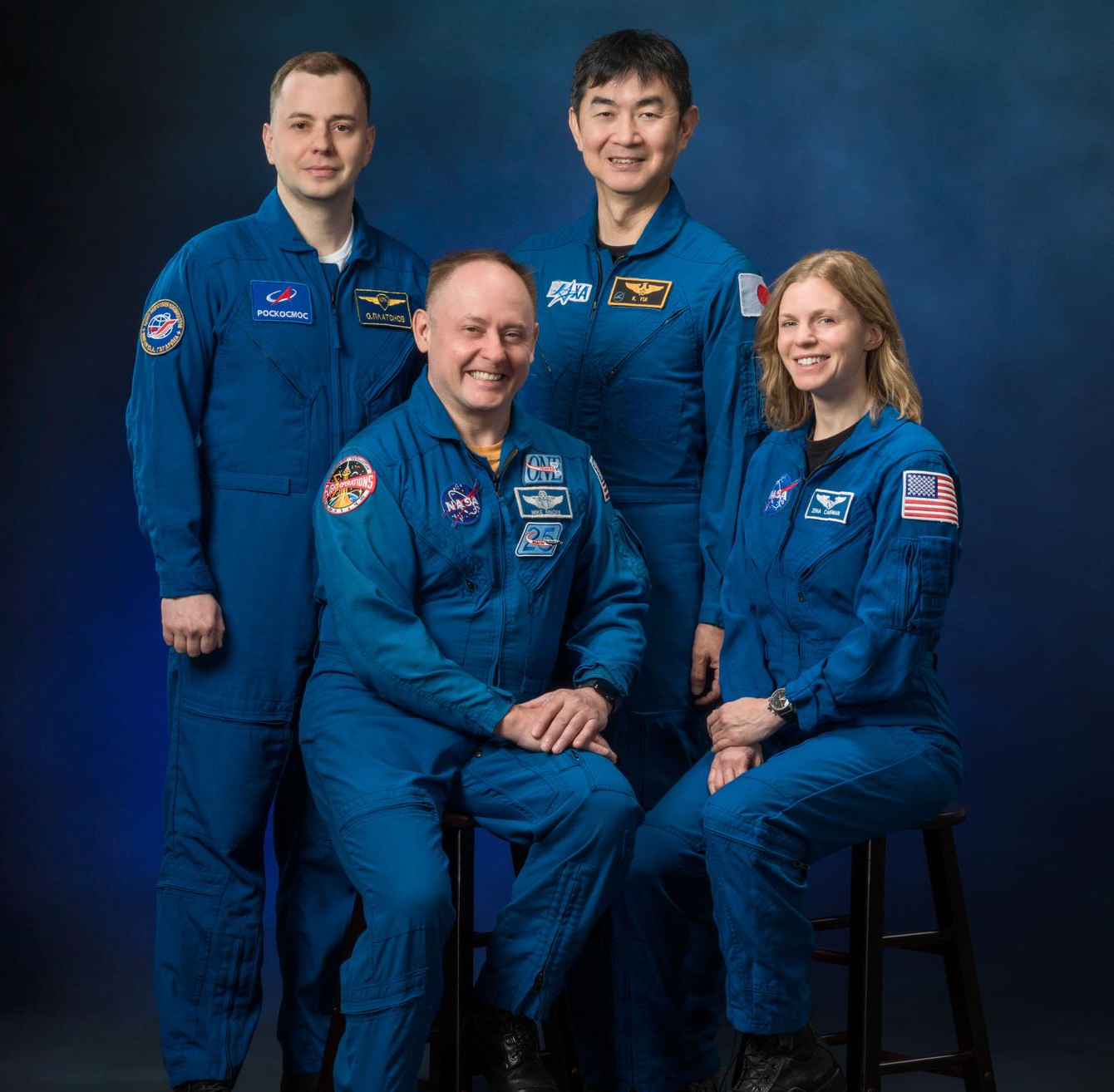
To respect the privacy of the individual involved, NASA has been very careful not to identify which member of the multi-nation Crew-11 mission is ill. All of the communications from the space agency have used vague language when discussing the specifics of the situation, and unless something gets leaked to the press, there’s an excellent chance that we’ll never really know what happened on the Station. But we can at least piece some of the facts together. Crew-11: Oleg Platonov, Mike Fincke, Kimiya Yui, and Zena Cardman On January 7th, Kimiya Yui of Japan was heard over the Station’s live audio feed requesting a private medical conference (PMC) with flight surgeons before the conversation switched over to a secure channel. At the time this was not considered particularly interesting, as PMCs are not uncommon and in the past have never involved anything serious. Life aboard the Station means documenting everything, so a PMC could be called to report a routine ailment that we wouldn’t give a second thought to here on Earth.
But when NASA later announced that the extravehicular activity (EVA) scheduled for the next day was being postponed due to a “medical concern”, the press started taking notice. Unlike what we see in the movies, conducting an EVA is a bit more complex than just opening a hatch. There are many hours of preparation, tests, and strenuous work before astronauts actually leave the confines of the Station, so the idea that a previously undetected medical issue could come to light during this process makes sense. That said, Kimiya Yui was not scheduled to take part in the EVA, which was part of a long-term project of upgrading the Station’s aging solar arrays. Adding to the mystery, a representative for Japan’s Aerospace Exploration Agency (JAXA) told Kyodo News that Yui “has no health issues.”
This has lead to speculation from armchair mission controllers that Yui could have requested to speak to the flight surgeons on behalf of one of the crew members that was preparing for the EVA — namely station commander Mike Fincke and flight engineer Zena Cardman — who may have been unable or unwilling to do so themselves.
Within 24 hours of postponing the EVA, NASA held a press conference and announced Crew-11 would be coming home ahead of schedule as teams “monitor a medical concern with a crew member”. The timing here is particularly noteworthy; the fact that such a monumental decision was made so quickly would seem to indicate the issue was serious, and yet the crew ultimately didn’t return to Earth for another week.
Work Left Unfinished
While the reusable rockets and spacecraft of SpaceX have made crew changes on the ISS faster and cheaper than they were during the Shuttle era, we’re still not at the point where NASA can simply hail a Dragon like they’re calling for an orbital taxi. Sending up a new vehicle to pickup the ailing astronaut, while not impossible, would have been expensive and disruptive as one of the Dragon capsules in rotation would have had to be pulled from whatever mission it was assigned to.
So unfortunately, bringing one crew member home means everyone who rode up to the Station with them needs to leave as well. Given that each astronaut has a full schedule of experiments and maintenance tasks they are to work on while in orbit, one of them being out of commission represents a considerable hit to the Station’s operations. Losing all four of them at once is a big deal.
Granted, not everything the astronauts were scheduled to do is that critical. Tasks range form literal grade-school science projects performed as public outreach to long-term medical evaluations — some of the unfinished work will be important enough to get reassigned to another astronaut, while some tasks will likely be dropped altogether. Work to install the Roll Out Solar Arrays (ROSAs) atop the Stations original solar panels started in 2021. But the EVA that Crew-11 didn’t complete represents a fairly serious issue. The astronauts were set to do preparatory work on the outside of the Station to support the installation of upgraded roll-out solar panels during an EVA scheduled for the incoming Crew-12 to complete later on this year. It’s currently unclear if Crew-12 received the necessary training to complete this work, but even if they have, mission planners will now have to fit an unforeseen extra EVA into what’s already a packed schedule.
What Could Have Been
Having to bring the entirety of Crew-11 back because of what would appear to be a non-life-threatening medical situation with one individual not only represents a considerable logistical and monetary loss to the overall ISS program in the immediate sense, but will trigger a domino effect that delays future work. It was a difficult decision to make, but what if it didn’t have to be that way? The X-38 CRV prototype during a test flight in 1999. In other timeline, the ISS would have featured a dedicated “lifeboat” known as the Crew Return Vehicle (CRV). A sick or injured crew member could use the CRV to return to Earth, leaving the spacecraft they arrived in available for the remaining crew members. Such a capability was always intended to be part of the ISS design, with initial conceptual work for the CRV dating back to the early 1990s, back when the project was still called Space Station Freedom. Indeed, the idea that the ISS has been in continuous service since 2000 without such a failsafe in place is remarkable.
Unfortunately, despite a number of proposals for a CRV, none ever made it past the prototype stage. In practice, it’s a considerable engineering challenge. A space lifeboat needs to be cheap, since if everything goes according to plan, you’ll never actually use the thing. But at the same time, it must be reliable enough that it could remain attached to the Station for years and still be ready to go at a moment’s notice.
In practice, it was much easier to simply make sure there are never more crew members on the Station than there are seats in returning spacecraft. It does mean that there’s no backup ride to Earth in the event that one of the visiting vehicles suffers some sort of failure, but as we saw during the troubled test flight of Boeing’s CST-100 in 2024, even this issue can be resolved by modifications to the crew rotation schedule.
No Such Thing as Bad Data
Everything that happens aboard the International Space Station represents an opportunity to learn something new, and this is no different. When the dust settles, you can be sure NASA will commission a report to dives into every aspect of this event and tries to determine what the agency could have done better. While the ISS itself may not be around for much longer, the information can be applied to future commercial space stations or other long-duration missions.
Was ending the Crew-11 mission the right call? Will the loses and disruptions triggered by its early termination end up being substantial enough that NASA rethinks the CRV concept for future missions? There are many questions that will need answers before it’s all said and done, and we’re eager to see what lessons NASA takes away from today.
I social sono un pericolo per la democrazia. Sono numerosi i saggi che argomentano questo aspetto distruttivo della comunicazione paritaria online che si afferma nelle logiche algoritmiche di Facebook, Tik Tok, Truth, eccetera. I social media sono spesso fonte e canale di propaganda e disinformazione.
Purtroppo la maggior parte delle persone non sa distinguere tra notizie vere e notizie false e le notizie false sono più virali di quelle vere. E questo è il danno principale che fanno alla democrazia.
Giovanni Boccia Artieri lo sintetizza bene nel suo ultimo libro, “Sfiduciati. Democrazia e disordine comunicativo nella società aperta” appena pubblicato da Feltrinelli, provando a dare qualche rimedio. “I social media favoriscono ciò che funziona: e ciò che funziona polarizza, semplifica, infiamma. La democrazia ha bisogno di ascolto, mediazione, argomentazione. E se il conflitto algoritmico si consuma in millisecondi, il dissenso democratico richiede tempo”, ma è necessario.
La riflessione del professore di sociologia, prorettore dell’Università degli Studi di Urbino, già autore di diversi saggi sul tema è ovviamente molto più ampia. Nel libro sostiene infatti che l’agorà pubblica negli ultimi anni è stata inquinata soprattutto da tre fenomeni. Il primo è l’ingresso nell’era della post-verità. In questa fase della comunicazione infatti non è tanto importante la verità e neanche la validità la coerenza e l’utilità con cui si comunicano concetti semplici e complessi ma il modo in cui le persone vi reagiscono. Chi sa gestire quelle reazioni può farci credere a ciò che vero non è. Il secondo fenomeno è la piattaformizzazione di Internet. Secondo questa famosa teorizzazione di Van Dijck e Poell, le piattaforme che connettono gli individui tra di loro permettendogli di fruire e consumare servizi non offerti dagli Stati, creano strutture sociali disomogenee producendo valori con un potenziale rischio etico. Il terzo fenomeno è la fringe democracy, cioè l’annullamento del confine tra cio che è legittimo e cio che non lo è, insieme al livellamento delle opinioni sempre più autoreferenziali.
Queste tre dinamiche creano la società esposta, un ambiente in cui la comunicazione e la sfera pubblica, attraversate dalla sfiducia, sono diventate vulnerabili.
Sabato 17 gennaio 2026, alle ore 18.00, presso la Chiesa della Domus Mariae (via Aurelia, 481 - Roma), si terrà una solenne celebrazione eucaristica presieduta dal cardinale Pietro Parolin, Segretario di Stato della Santa Sede.
Parliamo di élite. Una parola semplice, apparentemente neutra, eppure carica come una stanza chiusa a chiave. Evoca immediatamente un’idea scomoda: non tutti decidono, e soprattutto non tutti contano allo stesso modo. E no, non stiamo entrando nel territorio del complottismo urlato, quello dei burattinai con il mantello. Qui restiamo coi piedi ben piantati nella realtà documentata, studiata, analizzata da sociologi, economisti e politologi spesso molto lontani da qualsiasi deriva “cospirazionista”. Cos'è in fondo un élite? Un élite è una minoranza che concentra risorse decisive: capitali finanziari, accesso alle informazioni, potere decisionale e influenza mediatica. Non è un giudizio morale, è una descrizione strutturale. Ogni società complessa genera élite. Il punto non è se esistano, ma quanto siano visibili, controllabili e responsabili. Le élite non vivono in una stanza segreta (spoiler: niente candele nere). Vivono in reti. Consigli di amministrazione, fondi di investimento, think tank, lobby, organismi sovranazionali, grandi studi legali e finanziari. Luoghi dove le decisioni vengono preparate, molto prima di essere annunciate. Qui è utile fare nomi, senza demonizzarli: World Economic Forum, BlackRock, Fondo Monetario Internazionale, Banca Centrale Europea. Queste entità non governano direttamente, ma influenzano il perimetro delle scelte possibili. È una differenza sottile, ma fondamentale. La politica “di superficie” decide dentro cornici già tracciate. Pensare che politica, economia e finanza siano mondi separati è una favola rassicurante. In realtà: la finanza decide cos'è sostenibile, l'industria decise cos'è realizzabile e la politica il piu' delle volte decide solo come raccontarlo. Il potere moderno non ha bisogno di imposizioni violente. Funziona per vincoli, incentivi, dipendenze strutturali. Non ti obbliga. Ti convince che non ci siano alternative. Ma allora chi vota? Chi conta? Domanda legittima. E qui arriva il punto che mette in crisi anche gli scettici onesti. Il voto conta, ma non decide tutto. Le grandi scelte — modello economico, assetti produttivi, flussi finanziari, politiche energetiche — precedono spesso il dibattito pubblico. La democrazia resta, ma si muove in uno spazio sempre più stretto. Non è una dittatura. È qualcosa di più elegante e più difficile da contestare: una governance tecnocratica globale. Perché parlarne non è complottismo. Il complottismo semplifica tutto in “loro cattivi, noi buoni”. Qui invece parliamo di: studi accademici, concentrazione del capitale, revolving doors tra politica e finanza e dati pubblici su partecipazioni incrociate. Negare l’esistenza delle élite oggi è come negare la gravità perché non la vedi. Crederci ciecamente come a un mito oscuro è ingenuo. Capirle è un atto di maturità civica. Le élite esisteranno sempre. Il nodo vero è questo: chi le controlla? Chi le bilancia? Chi le rende trasparenti? Quando il potere è troppo concentrato e troppo opaco, la società si sbilancia. E quando una società si sbilancia troppo… la storia ci insegna che prima o poi si spezza. Non serve credere a oscure cabale. Basta guardare i meccanismi, seguire i flussi, osservare chi siede dove e per quanto tempo. L’élite non è un mostro. È una struttura di potere. Ignorarla è comodo. Capirla è scomodo. Ma è l’unico modo per non esserne semplicemente oggetto.
Al Referendum decideremo che tipo di giudice vogliamo in Italia possibile.com/al-referendum-de… Se vogliamo continuare ad avere giudici “guardiani” della democrazia e dei nostri diritti, è necessario votare NO al referendum costituzionale sull’ordinamento giudiziario. L'articolo Al Referendum decideremo che tipo di giudice
@Notizie dall'Italia e dal mondo La Somalia ordina la cancellazione dei contratti che permettono agli Emirati Arabi di gestire tre porti nelle regioni ribelli del nord. Mogadiscio accusa Abu Dhabi di minare la propria unità nazionale L'articolo La Somalia contro gli Emirati: “minano la nostra unità nazionale”
Importante operazione di polizia contro una banda criminale internazionale chiamata Black Axe (Ascia Nera)
L'Operazione
La polizia spagnola, in collaborazione con le autorità tedesche e l' #Europol (l'agenzia europea di coordinamento delle forze di polizia), ha arrestato 34 persone collegate a questa organizzazione criminale. La maggior parte degli arresti è avvenuta a Siviglia, in Spagna.
Cos'è Black Axe?
Black Axe è un vasto gruppo criminale organizzato nato in Nigeria ma ora attivo in tutto il mondo. Immaginatela come una società criminale con: - gerarchia rigida (come una struttura aziendale con capi e dipendenti); - circa 30.000 membri registrati in tutto il mondo; - divisa in "zone" come sedi di franchising (60 in Nigeria, 35 a livello internazionale); - circa 200 membri per zona.
Le loro attività criminali
Il gruppo guadagna denaro attraverso varie operazioni illegali: - frodi informatiche (truffe online e reati finanziari); - traffico di droga (vendita di droghe illegali); - tratta di esseri umani e prostituzione; - altri reati come rapimenti e rapine a mano armata.
Guadagnano miliardi di euro all'anno attraverso molte piccole truffe che si sommano.
Money Mules
La rete operava principalmente tramite truffe Man-in-the-Middle (MITM), in particolare con il metodo Business Email Compromise (BEC), intercettando le comunicazioni tra aziende per modificare i dati bancari e dirottare pagamenti di importo elevato. Una parte fondamentale della loro attività consiste nel reclutare "money mules", ovvero persone povere e disoccupate (per lo più spagnole in questo caso) che vengono ingannate o costrette ad aiutare a spostare il denaro rubato attraverso i loro conti bancari. Questi individui vulnerabili spesso non si rendono conto di aiutare i criminali. Attività aggiuntive: oltre alle truffe, sono accusati di riciclaggio di denaro, traffico illecito di veicoli (tramite società fittizie e prestanome) e ricorso a minacce e intimidazioni durante la riscossione dei pagamenti.
Risultati
La polizia ha congelato/sequestrato circa 185.000 € e ritiene che questa rete abbia causato danni per frode per oltre 5,93 milioni di €.
Non è il futuro che fa paura. È il presente che fingiamo di non vedere: è parte della guerra cognitiva globale. Va oltre alla propaganda classica ed è più profonda, intima ed epistemica.