
FAQ zum „Digitalen Omnibus“: Was plant die EU-Kommission bei KI und Datenschutz?
netzpolitik.org/2025/faq-zum-d…

C’era una volta la scuola di partito, ora la politica diventa casting
Lontana dalle sezioni e dai congressi di un tempo, una rivoluzione silenziosa attraversa la politica italiana del futuro. A decidere il destino dei giovani militanti non sono più le classiche…
L'articolo C’era una volta la scuola di partito, ora la politica diventa casting su Lumsanews.
Per due giorni Gualdo Tadino diventa “capitale” della libertà di informazione
@Giornalismo e disordine informativo
articolo21.org/2025/11/per-due…
Domani e sabato la grande comunità di Articolo 21 si ritrova a Gualdo Tadino che si trasforma in una delle grandi capitali europee della libertà
Giornalismo e disordine informativo reshared this.
Leoni (FI): “Altro che apatia: i giovani ci mettono il portafoglio per fare politica”
[quote]Negli ultimi mesi i partiti hanno rilanciato eventi e scuole di formazione politica rivolti ai più giovani. I dati che emergono dall’indagine Ipsos di maggio – secondo cui il 76,4%…
L'articolo Leoni (FI): “Altro che apatia: i giovani ci mettono il portafoglio per fare
Attacco ransomware a Poltronesofà: il rischio è l’esposizione di dati personali
@Informatica (Italy e non Italy 😁)
Al momento non c'è alcuna rivendicazione, ma l'attacco ransomware subito da Poltronesofà rappresenta un caso emblematico della minaccia persistente che colpisce il tessuto imprenditoriale italiano. Ecco cosa rischiano le persone coinvolte
L'articolo Attacco
Informatica (Italy e non Italy 😁) reshared this.
È uscito il nuovo numero di The Post Internazionale. Da oggi potete acquistare la copia digitale
@Politica interna, europea e internazionale
È uscito il nuovo numero di The Post Internazionale. Il magazine, disponibile già da ora nella versione digitale sulla nostra App, e da domani, venerdì 21 novembre, in tutte le edicole, propone ogni due settimane inchieste e approfondimenti sugli affari e il potere in
Politica interna, europea e internazionale reshared this.
Il Consiglio Supremo di Difesa Italiano discute sulla minacce ibride e digitali in Italia e Europa
Il Consiglio Supremo di Difesa, si è riunito recentemente al Quirinale sotto la guida del Presidente Sergio Mattarella, ha posto al centro della discussione l’evoluzione delle minacce ibride e digitali che investono l’Italia e l’Europa.
La guerra in Ucraina resta lo scenario da cui originano molte delle tensioni che ricadono anche sul dominio cyber, con Mosca che continua a utilizzare strumenti tecnologici e informativi come leve strategiche per destabilizzare i Paesi occidentali.
Una parte rilevante della riunione è stata dedicata all’impiego sempre più aggressivo dei droni da parte della Russia, non solo in Ucraina ma anche con violazioni dello spazio aereo di Paesi NATO. Sebbene si tratti di operazioni prettamente militari, il Consiglio ha sottolineato come tali tecniche riflettano un salto di qualità nell’integrazione tra mezzi fisici e digitali, confermando la necessità di potenziare le capacità europee di innovazione e difesa tecnologica, in linea con quanto previsto dal Libro Bianco per la Difesa 2030.
Il tema centrale sul fronte cyber è stato però l’aumento della minaccia ibrida. Il Consiglio ha riconosciuto che la Russia – insieme ad altri attori ostili – sta intensificando attività che spaziano dalla disinformazione alle interferenze nei processi democratici, sfruttando la velocità e l’ubiquità delle tecnologie digitali, oltre alle potenzialità dell’intelligenza artificiale per manipolare lo spazio cognitivo e costruire narrazioni polarizzanti.
Sempre più frequenti sono anche le operazioni cyber dirette contro infrastrutture critiche italiane ed europee. Ospedali, reti energetiche, sistemi finanziari e piattaforme logistiche rientrano tra gli obiettivi più vulnerabili.
L’obiettivo di questi attacchi è creare interruzioni, generare sfiducia nelle istituzioni e colpire la stabilità economica e sociale. Per questo, il Consiglio ha ribadito l’urgenza di rafforzare i meccanismi di difesa e coordinamento nazionale, in continuità con le iniziative già intraprese a livello UE e NATO.
Accanto alle minacce digitali, il Consiglio ha evidenziato come nuovi domini – lo spazio e il sottosuolo marino – stiano rapidamente diventando aree chiave di competizione strategica. La protezione dei cavi sottomarini, dei satelliti e delle infrastrutture spaziali è ormai parte integrante della sicurezza cyber nazionale, poiché un attacco in questi ambiti avrebbe ricadute dirette sulle comunicazioni digitali e sui servizi essenziali.
In chiusura, oltre ai rischi cyber e ibridi, il Consiglio ha espresso forte preoccupazione per le tensioni nei principali scenari di crisi globali – Ucraina, Medio Oriente, Libano, Sahel e Balcani – ricordando che ogni instabilità regionale si ripercuote anche sulla sicurezza informatica europea.
Il messaggio finale è stato chiaro: l’Italia deve continuare a investire nella resilienza digitale e nella cooperazione internazionale, mantenendo alta la vigilanza su tutte le dimensioni della sicurezza contemporanea.
L'articolo Il Consiglio Supremo di Difesa Italiano discute sulla minacce ibride e digitali in Italia e Europa proviene da Red Hot Cyber.

Today, 6pm: The Criminalization of Self-Defense Talk
The Black Response and Impact Boston will present The Criminalization of Self-Defense, a community education event on Thursday, November 20, from 6:00 to 8:30 PM at The Community Art Center in Cambridge, MA. We are proud to be one of the sponsors of it. Please register in advance.
It is a free and public gathering that will explore how self-defense is criminalized, particularly for Black, Brown, and marginalized survivors, and how communities can reclaim safety through resistance, advocacy, and care.
Featured Speakers will be:
- Prof. Alisa Bierria – Survived and Punished / UCLA
- Meg Stone – Impact Boston
- Kishana Smith-Osei – Massachusetts Women of Color Network
- Lea Kayali – Palestinian Youth Movement Boston
The Community Art Center is at 119 Windsor Street, Cambridge. It is a nine minute walk from Central Square and the MBTA Red Line stop there.
FREE food and childcare will be provided. TBR will collect food donations for the network of free CommunityFridges. Please bring nonperishable food items to contribute. More details are available.
OnlyFans CEO Keily Blair announced on LinkedIn that the platform partnered with Checkr to "prevent people who have a criminal conviction which may impact on our community's safety from signing up as a Creator on OnlyFans."
OnlyFans CEO Keily Blair announced on LinkedIn that the platform partnered with Checkr to "prevent people who have a criminal conviction which may impact on our communityx27;s safety from signing up as a Creator on OnlyFans."#onlyfans #porn #backgroundchecks


OnlyFans Will Start Checking Criminal Records. Creators Say That's a Terrible Idea
OnlyFans will start running background checks on people signing up as content creators, the platform’s CEO recently announced.As reported by adult industry news outlet XBIZ, OnlyFans CEO Keily Blair announced the partnership in a LinkedIn post. Blair doesn’t say in the post when the checks will be implemented, whether all types of criminal convictions will bar creators from signing up, if existing creators will be checked as well, or what countries’ criminal records will be checked.
OnlyFans did not respond to 404 Media's request for comment.
“I am very proud to add our partnership with Checkr Trust to our onboarding process in the US,” Blair wrote. “Checkr, Inc. helps OnlyFans to prevent people who have a criminal conviction which may impact on our community's safety from signing up as a Creator on OnlyFans. It’s collaborations like this that make the real difference behind the scenes and keep OnlyFans a space where creators and fans feel secure and empowered.”
Many OnlyFans creators turned to the platform, and to online sex work more generally, when they’re not able to obtain employment at traditional workplaces. Some sex workers doing in-person work turned to online sex work as a way to make ends meet—especially after the passage of the Fight Online Sex Trafficking Act in 2018 made it much more difficult to screen clients for escorting. And in-person sex work is still criminalized in the U.S. and many other countries.
“Criminal background checks will not stop potential predators from using the platform (OF), it will only harm individuals who are already at higher risk. Sex work has always had a low barrier to entry, making it the most accessible career for people from all walks of life,” performer GoAskAlex, who’s on OnlyFans and other platforms, told me in an email. “Removing creators with criminal/arrest records will only push more vulnerable people (overwhelmingly, women) to street based/survival sex work. Adding more barriers to what is arguably the safest form of sex work (online sex work) will push sex industry workers to less and less safe options.”
Jessica Starling, who also creates adult content on OnlyFans, told me in a call that their first thought was that if someone using OnlyFans has a prostitution charge, they might not be able to use the platform. “If they're trying to transition to online work, they won’t be able to do that anymore,” they said. “And the second thing I thought was that it's just invasive and overreaching... And then I looked up the company, and I'm like, ‘Oh, wow, this is really bad.’”
Checkr is reportedly used by Uber, Instacart, Shipt, Postmates, and Lyft, and lists many more companies like Dominos and Doordash on its site as clients. The company has been sued hundreds of times for violations of the Fair Credit Reporting Act or other consumer credit complaints. The Fair Credit Reporting Act says that companies providing information to consumer reporting agencies are legally obligated to investigate disputed information. And a lot of people dispute the information Checkr and Inflection provide on them, claiming mixed-up names, acquittals, and decades-old misdemeanors or traffic tickets prevented them from accessing platforms that use background checking services.
Checkr regularly acquires other background checking and age verification companies, and acquired a background check company called Inflection in 2022. At the time, I found more than a dozen lawsuits against Inflection alone in a three year span, many of them from people who found out about the allegedly inaccurate reports Inflection kept about them after being banned from Airbnb after the company claimed they failed checks.
How OnlyFans Piracy Is Ruining the Internet for Everyone
Innocent sites are being delisted from Google because of copyright takedown requests against rampant OnlyFans piracy.404 MediaEmanuel Maiberg
“Sex workers face discrimination when leaving the sex trade, especially those who have been face-out and are identifiable in the online world. Facial recognition technology has advanced to a point where just about anyone can ascertain your identity from a single picture,” Alex said. “Leaving the online sex trade is not as easy as it once was, and anything you've done online will follow you for a lifetime. Creators who are forced to leave the platform will find that safe and stable alternatives are far and few between.”Last month, Pornhub announced that it would start performing background checks on existing content partners—which primarily include studios—next year. "To further protect our creators and users, all new applicants must now complete a criminal background check during onboarding," the platform announced in a newsletter to partners, as reported by AVN.
Alex said she believes background checks in the porn industry could be beneficial, under very specific circumstances. “I do not think that someone with egregious history of sexual violence should be allowed to work in the sex trade in any capacity—similarly, a person convicted of hurting children should be not able to work with children—so if the criminal record checks were searching specifically for sex based offences I could see the benefit, but that doesn't appear to be the case (to my knowledge). What's to stop OnlyFans from deactivating someone's account due to a shoplifting offense?” she said. “I'd like to know more about what they're searching for with these background checks.”
Even with third-party companies like Checkr doing the work, as is the case with third-party age verification that’s swept the U.S. and targeted the porn industry, increased data means increased risk of it being leaked or hacked. Last year, a background check company called National Public Data claimed it was breached by hackers who got the confidential data of 2.9 billion people. The unencrypted data was then sold on the dark web.
Pornhub Is Now Blocked In Almost All of the U.S. South
As of today, three more states join the list of 17 that can’t access Pornhub because of age verification laws.404 MediaSamantha Cole
“It’s dangerous for anyone, but it's especially dangerous for us [adult creators] because we're more vulnerable anyway. Especially when you're online, you're hypervisible,” Starling said. “It doesn't protect anyone except OnlyFans themselves, the company.”OnlyFans became the household name in independent porn because of the work of its adult content creators. Starling mentioned that because the platform has dominated the market, it’s difficult to just go to another platform if creators don’t want to be subjected to background checks. “We're put in a position where we have very limited power," they said. "So when a platform decides to do something like this, we’re kind of screwed, right?”
Earlier this year, OnlyFans owner Fenix International Ltd reportedly entered talks to sell the company to an investor group at a valuation of around $8 billion.
Pornhub Is Now Blocked In Almost All of the U.S. South
As of today, three more states join the list of 17 that can't access Pornhub because of age verification laws.Samantha Cole (404 Media)


🗓️ Fino al 1° dicembre è possibile partecipare alla consultazione pubblica sull’impatto delle norme sugli #ITSAcademy.
Compila il questionario online su ➡️ partecipa.gov.it/processes/ITS…

Ministero dell'Istruzione
🗓️ Fino al 1° dicembre è possibile partecipare alla consultazione pubblica sull’impatto delle norme sugli #ITSAcademy. Compila il questionario online su ➡️ https://partecipa.gov.it/processes/ITS-AcademyTelegram

A few years ago, Putin hyped the Kinzhal hypersonic missile. Now electronic warfare is knocking it out of the sky with music and some bad directions.#News #war
Ukraine Is Jamming Russia’s ‘Superweapon’ With a Song
The Ukrainian Army is knocking a once-hyped Russian superweapon out of the sky by jamming it with a song and tricking it into thinking it’s in Lima, Peru. The Kremlin once called its Kh-47M2 Kinzhal ballistic missiles “invincible.” Joe Biden said the missile was “almost impossible to stop.” Now Ukrainian electronic warfare experts say they can counter the Kinzhal with some music and a re-direction order.As winter begins in Ukraine, Russia has ramped up attacks on power and water infrastructure using the hypersonic Kinzhal missile. Russia has come to rely on massive long-range barrages that include drones and missiles. An overnight attack in early October included 496 drones and 53 missiles, including the Kinzhal. Another attack at the end of October involved more than 700 mixed missiles and drones, according to the Ukrainian Air Force.
playlist.megaphone.fm?p=TBIEA2…
“Only one type of system in Ukraine was able to intercept those kinds of missiles. It was the Patriot system, which the United States provided to Ukraine. But, because of the limits of those systems and the shortage of ammunition, Ukraine defense are unable to intercept most of those Kijnhals,” a member of Night Watch—a Ukrainian electronic warfare team—told 404 Media. The representative from Night Watch spoke to me on the condition of anonymity to discuss war tactics.Kinzhals and other guided munitions navigate by communicating with Russian satellites that are part of the GLONASS system, a GPS-style navigation network. Night Watch uses a jamming system called Lima EW to generate a disruption field that prevents anything in the area from communicating with a satellite. Many traditional jamming systems work by blasting receivers on munitions and aircraft with radio noise. Lima does that, but also sends along a digital signal and spoofs navigation signals. It “hacks” the receiver it's communicating with to throw it off course.
Night Watch shared pictures of the downed Kinzhals with 404 Media that showed a missile with a controlled reception pattern antenna (CRPA), an active antenna that’s meant to resist jamming and spoofing. “We discovered that this missile had pretty old type of technology,” Night Watch said. “They had the same type of receivers as old Soviet missiles used to have. So there is nothing special, there is nothing new in those types of missiles.”
Night Watch told 404 Media that it used this Lima to take down 19 Kinzhals in the past two weeks. First, it replaces the missile’s satellite navigation signals with the Ukrainian song “Our Father Is Bandera.”
A downed Kinzhal. Night Watch photo.
Any digital noise or random signal would work to jam the navigation system, but Night Watch wanted to use the song because they think it’s funny. “We just send a song…we just make it into binary code, you know, like 010101, and just send it to the Russian navigation system,” Night Watch said. “It’s just kind of a joke. [Bandera] is a Ukrainian nationalist and Russia tries to use this person in their propaganda to say all Ukrainians are Nazis. They always try to scare the Russian people that Ukrainians are, culturally, all the same as Bandera.”💡
Do you know anything else about this story? I would love to hear from you. Using a non-work device, you can message me securely on Signal at +1 347 762-9212 or send me an email at matthew@404media.co.Once the song hits, Night Watch uses Lima to spoof a navigation signal to the missiles and make them think they’re in Lima, Peru. Once the missile’s confused about its location, it attempts to change direction. These missiles are fast—launched from a MiG-31 they can hit speeds of up to Mach 5.7 or more than 4,000 miles per hour—and an object moving that fast doesn’t fare well with sudden changes of direction.
“The airframe cannot withstand the excessive stress and the missile naturally fails,” Night Watch said. “When the Kinzhal missile tried to quickly change navigation, the fuselage of this missile was unable to handle the speed…and, yeah., it was just cut into two parts…the biggest advantage of those missiles, speed, was used against them. So that’s why we have intercepted 19 missiles for the last two weeks.”
Electronics in a downed Kinzhal. Night Watch photo.
Night Watch told 404 Media that Russia is attempting to defeat the Lima system by loading the missiles with more of the old tech. The goal seems to be to use the different receivers to hop frequencies and avoid Lima’s signal.“What is Russia trying to do? Increase the amount of receivers on those missiles. They used to have eight receivers and right now they increase it up to 12, but it will not help,” Night Watch said. “The last one we intercepted, they already used 16 receivers. It’s pretty useless, that type of modification.”
According to Night Watch, countering Lima by increasing the number of receivers on the missile is a profound misunderstanding of its tech. “They think we make the attack on each receiver and as soon as one receiver attacks, they try to swap in another receiver and get a signal from another satellite. But when the missile enters the range of our system, we cover all types of receivers,” they said. “It’s physically impossible to connect with another satellite, but they think that it’s possible. That’s why they started with four receivers and right now it’s 16. I guess in the future we’ll see 24, but it’s pretty useless.”
Russia fires 500 drones at Ukraine in deadly overnight attack, Zelenskyy says
At least five people were killed across the country, Zelenskyy said.David Brennan (ABC News)
Mating Cycles: Engineering Connectors to Last

If you take a look around you, chances are pretty good that within a few seconds, your eyes will fall on some kind of electrical connector. In this day and age, it’s as likely as not to be a USB connector, given their ubiquity as the charger of choice for everything from phones to flashlights. But there are plenty of other connectors, from mains outlets in the wall to Ethernet connectors, and if you’re anything like us, you’ve got a bench full of DuPonts, banana plugs, BNCs, SMAs, and all the rest of the alphabet soup of connectors.
Given their propensity for failure and their general reputation as a necessary evil in electrical designs, it may seem controversial to say that all connectors are engineered to last. But it’s true; they’re engineered to last, but only for as long as necessary. Some are built for only a few cycles of mating, while others are built for the long haul. Either way, connectors are a great case study in engineering compromise, one that loops physics, chemistry, and materials science into the process.
A Tale of Two Connectors
While there’s a bewildering number of connectors available today, most have at least a few things in common. Generally, connectors consist of one or more electrically conductive elements held in position by an insulating body of some sort, one that can mechanically attach to another body containing more conductive elements. When the two connectors are attached, the conductive elements come into physical contact with each other, completing the circuit and providing a low-resistance path for current to flow. The bodies also have to be able to separate from each other when the connections need to be broken.
For as simple as that sounds, a lot of engineering goes into making connectors that are suitable for the job at hand. The intended use of a connector dictates a lot about how it’s designed, and in terms of connector durability, looking at the extremes can be instructive. On one end of the scale, we might have something like a Molex connector on a wiring harness in a dishwasher. Under ideal circumstances, a connector like that only needs to be used once, in the factory during assembly. If the future owner of the appliance is unlucky, that connector might go through one or two more mating cycles if the machine needs to be serviced at some point. Either way, the connector is only going to be subjected to low single-digit mating cycles, and should be designed accordingly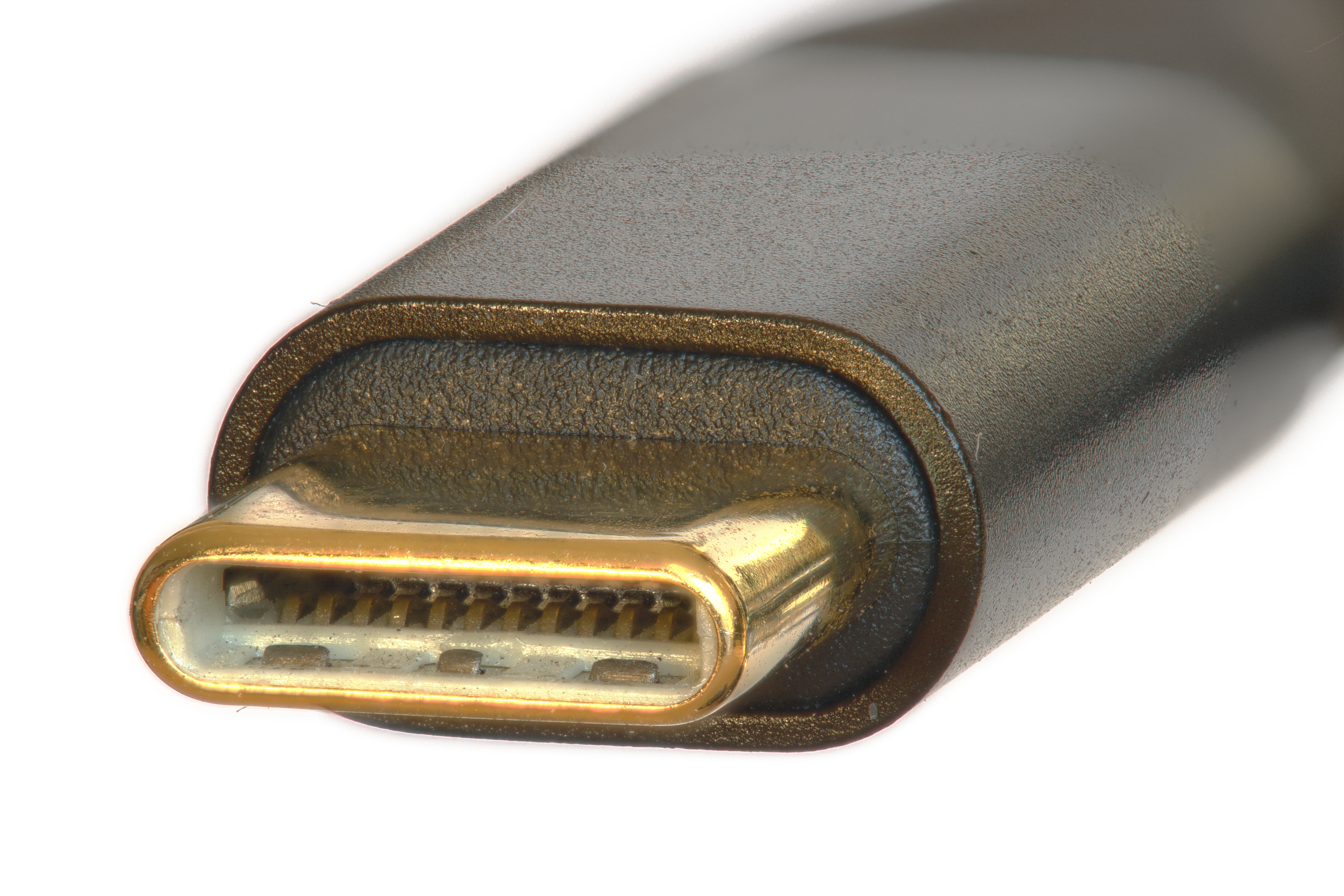
On the other end of the mating-cycle spectrum would be something like the USB-C connector on a cell phone. Assuming the user will charge the phone once a day, the connector might have to endure many thousands of mating cycles over the useful life of the phone. Such a connector has a completely different use case from a connector like that Molex, and very different design constraints. But the basic job — bringing two conductors into close contact to complete a low-resistance circuit, and allow the circuits to be broken only under the right circumstances — is the same for both.
But what exactly do we mean by “close contact”? It might seem obvious — conductors in each half of the connector have to touch each other. But keeping those conductors in contact is the real trick, especially in challenging environments such as under the hood of a car or inside a CNC machine, where vibration, dust, and liquid intrusion can all come together to force those contacts apart and break the circuit while it’s still in use.
esseeWhy Be Normal?
To keep contacts together, engineers rely on one of the simplest mechanisms of all: springs. In most connectors, the contacts themselves are the sprung elements, although there are connectors where force is applied to the contacts with separate springs. In either case, the force generated by the spring pushes the contacts together firmly enough to ensure that they stay connected. This is the normal force, called so because the force is exerted perpendicular to the plane of contact when the connector is mated.
Traditionally, normal force in connector engineering is expressed in grams, which seems like an affront to the SI system, where force is expressed in Newtons. But fear not — “grams” does not refer to the mass of a contact, but rather is shorthand for “gram-force,” the force applied by one gram of mass in a one g gravitational field. So, an “80 gram” contact is really exerting 0.784 N of normal force. But that’s a bit clunky, especially when most connectors have normal forces that are a fraction of a Newton. So it ends up being easier to refer to the grams part of the equation and just assume the acceleration component.
The amount of normal force exerted by the contacts is a critical factor in connector design, and has to be properly scaled for the job. If the force is too low, it may increase the resistance of the circuit or even result in intermittent open circuits. If the force is too high, the connector could be difficult to mate and unmate, or the contacts could wear out from excess friction.
Since the contacts themselves are usually the springs as well as the conductors, getting the normal force right, as well as ensuring the contacts are highly conductive, is largely an exercise in materials science. While pure copper is an excellent conductor, it is not elastic enough to provide the proper normal force. So, most connectors use one of two related copper alloys for their contacts: phosphor bronze, or beryllium copper. Both are excellent electrical and thermal conductors, and both are strong and springy, but there are significant differences between the two that make them suitable for different types of connectors.
As the name implies, phosphor bronze is an alloy of phosphorus and bronze, which itself is an alloy of copper and tin. To make phosphor bronze, about 0.03% phosphorus is added to pure molten copper. Any oxygen dissolved in the copper reacts with the phosphorus, making phosphorus pentoxide (P2O5), which can be easily removed during refining. About 2% tin is added along with about 10% zinc and 2% iron to make the final alloy, which is easily cast into sheets or coil stock.
While far superior to pure copper or non-phosphor bronze for use in contacts, phosphor bronze is, at best, a compromise material. It’s good enough in almost all categories — strength, elasticity, conductivity, wear resistance — but not really great in any of them. It’s the “Jack of all trades, master of none” of the electrical contact world, which, coupled with its easy workability and low cost, makes it the metal of choice for the contacts in commodity connectors. If a manufacturer is making a million copies of a connector, especially ones that are cheap enough that nobody will cry too much if they have to be replaced, chances are good that they’ll choose phosphor bronze. It’s also the alloy most likely to be used for connectors intended for low mating-cycle applications, like the aforementioned dishwasher Molex.
For more mission-critical contacts, a different alloy is generally called for: beryllium copper. Also known as spring copper, beryllium copper contains up to about 3% beryllium, but for electrical uses, it’s usually around 0.7% with a little cobalt and nickel added in. Beryllium copper is everything that phosphor bronze is, and more. It’s stronger and springier, it’s a far better electrical conductor, and it also has a better ability to withstand creep under load. Also known as stress relaxation, creep under load is the tendency for a spring to lose its strength over time, which reduces its normal force. Phosphor bronze has pretty good stress relaxation resistance, but when it heats up past around 125°C, it starts to lose spring force — not ideal for high-power applications. Beryllium copper is easily able to withstand 150°C or more, making it a better choice for power connectors.
Beryllium copper also has a higher elastic modulus than phosphor bronze, which makes it easier to create small contacts that still have enough normal force to maintain good contact. Smaller is better when it comes to modern high-density connectors, so you’ll often see beryllium copper used in fine-pitch connectors. It also has better fatigue life and tends to maintain normal force over repeated mating cycles, making it desirable for connectors that specify cycle lives in the thousands. But just because it’s desirable doesn’t make it a shoo-in — beryllium copper is at least three times more expensive than phosphor bronze. That means it’s usually reserved for connectors that can justify the added expense.
Noble Is Only Skin Deep
No matter what the base metal is for connector contacts, chances are good that the finished contact will have some sort of plated finish. Plating is important because it protects the base metal from oxidation, as well as increasing the wear resistance of contacts and improving their electrical conductivity. Plating metals fall into two broad categories: noble (principally gold, with silver used sometimes for high-power connectors, as well as palladium, but only very rarely) and non-noble platings.
Noble metal finishes are quite common in high-density connectors, RF applications, and high-speed digital circuits, as well as high-reliability applications and connectors that are expected to have high mating cycles. But at the risk of stating the obvious, gold is expensive, so it’s used only on connectors that really need it. And even then, it’s very rare that the entire contact is plated. While that would be incredibly expensive — gold is currently pushing $4,000 an ounce — the real reason is that gold isn’t particularly solderable. So generally, selective plating is used to deposit gold only on the mating surfaces of contacts, with the tail of the contact plated in a non-noble metal to improve solderability.
youtube.com/embed/AtwVm_3YrwI?…
Among the non-noble finishes, tin and tin alloys are the first choice. Aside from its excellent solderability, tin alloys do a great job at protecting the base metal from corrosion. However, the tin plating itself begins to oxidize almost immediately after it’s applied. This would seem to be a problem, but it’s easily addressed by using more spring force in the contacts to break through the oxide layer to fresh tin. Tin-plated contacts typically specify normal forces of 100 grams or more, while noble metal contacts can get by with 30 grams or less. Also, tin contacts require much thicker plating than noble metal finishes. Tin is generally specified for commodity connectors and anywhere the number of mating cycles is likely to be low.
Don’t You Fret
Although corrosion is obviously something to be avoided, the real enemy when it comes to connector durability is metal-on-metal contact. The spring pressure between contacts unavoidably digs into the plating, and while that’s actually desirable in tin-plated contacts, too much of a good thing is bad. Digging past the plating into the base metal marks the end of the road for many connectors, as the base metal’s relatively lower conductivity increases the resistance of the connection, potentially leading to intermittent connections and even overheating. Again, noble metals perform better in this regard, at least in the long run, as their lower normal force reduces friction and results in a longer-lived contact.
There’s another metallurgical phenomenon that can wreak havoc on connectors: fretting. Fretting is caused by tiny movements of the contacts against each other, on the order of 10-7 meters, generally in response to low-g vibrations but also as a result of thermal expansion and contraction. Fretting damage occurs when the force of micromotions between contacts exceeds the normal force exerted between them. This leads to one contact sliding over the other by a tiny amount, digging a trench through the plating metal. In tin-plated contacts, this exposes fresh tin, which oxidizes instantly, forming an insulating surface. Further micromotions expose more fresh tin, which leads to more oxides. Eventually the connection fails due to high resistance. Fretting is insidious because it happens even without a lot of mating cycles; all it takes is a little vibration and some time. And those are the enemies of all connectors.
Tanti auguri Windows! 40 anni di storia dei sistemi operativi e non sentirli
Esattamente 40 anni fa, il 20 novembre 1985, Microsoft rilasciò Windows 1.0, la prima versione di Windows, che tentò di trasformare l’allora personal computer da una macchina con una monotona riga di comando in un sistema con finestre, icone e controllo tramite mouse.
Si tratta della messa a terra di alcune delle più grandi innovazioni del nostro tempo, ideata dal genio di Duglas Engelbart e dell’“oN-Line System”, il sistema progettato negli anni sessanta che introduceva un sistema operativo a finestre connesso ad un mouse, presentati nella storica “mother of all demos” del 9 dicembre del 1968.

Per il pubblico di oggi, questo sembra scontato (o sconosciuto) ma a metà degli anni ’80, l’idea stessa di un’interfaccia grafica sul PC IBM di massa era praticamente rivoluzionaria.
Tecnicamente, Windows 1.0 non era un sistema operativo completo. Era una sovrapposizione grafica su MS-DOS , una shell a 16 bit chiamata MS-DOS Executive che si sovrapponeva al sistema esistente e consentiva l’esecuzione di programmi in modalità finestra.
La prima versione fu rilasciata solo negli Stati Uniti; aggiornamenti ed edizioni internazionali seguirono in seguito, e il pacchetto costava circa 99 dollari, una cifra considerevole all’epoca.

L’interfaccia appariva insolita persino per gli standard degli anni ’80. In Windows 1.0, le finestre non potevano essere sovrapposte liberamente: erano rigorosamente affiancate sullo schermo. L’utente controllava il sistema principalmente con il mouse, selezionando le voci di menu e trascinando gli elementi, sebbene i menu stessi funzionassero in modo strano e richiedessero di tenere premuto il pulsante del mouse.
Ma anche allora, Microsoft stava già definendo i principi che in seguito si sarebbero evoluti nel modello desktop che conosciamo.
Windows 1.0 includeva una suite di applicazioni sorprendentemente riconoscibili ancora oggi. Agli utenti venivano offerti Paintbrush, l’antenato dell’odierno Paint, Blocco note, l’editor di testo Write, Calcolatrice, un orologio, un terminale, il database di schede Cardfile, gli appunti e un gestore di stampa. Queste applicazioni consentivano agli utenti di prendere semplici appunti, disegnare semplici grafici, stampare documenti ed eseguire più programmi contemporaneamente, sebbene con un multitasking molto limitato.
I requisiti hardware al momento del rilascio erano considerati piuttosto elevati. Per eseguire Windows 1.0 era necessario un processore Intel 8086 o 8088, almeno 256 kilobyte di RAM, una scheda grafica e due unità floppy disk a doppia faccia o un disco rigido. Molti recensori si sono lamentati del notevole rallentamento del sistema durante l’esecuzione di più applicazioni, soprattutto se il computer disponeva di una memoria inferiore ai 512 kilobyte consigliati. In confronto, l’attuale minimo di 4 gigabyte per Windows 11 sembra quasi un balzo in avanti.
Windows 1.0 ricevette un’accoglienza tiepida dal mercato. I critici ne notarono l’interfaccia lenta, la scarsa compatibilità con i programmi DOS esistenti e il numero limitato di applicazioni scritte specificamente per Windows. Rispetto ai sistemi grafici Apple già disponibili, il prodotto Microsoft appariva rudimentale e alcuni recensori paragonarono le sue prestazioni su un PC con 512 kilobyte di RAM a “melassa versata nell’Artico”, alludendo alla sua incredibile lentezza.

Tuttavia, Microsoft non abbandonò l’idea. Nel giro di un paio d’anni, l’azienda rilasciò diversi aggiornamenti di Windows 1.x con supporto per nuovo hardware e layout di tastiera europei, per poi introdurre Windows 2.0 e il particolarmente riuscito Windows 3.0.
Queste versioni, da sole, resero l’interfaccia grafica dei PC IBM uno standard di fatto del settore e gettarono le basi per il vasto ecosistema software a cui ci siamo abituati negli anni ’90.

Oggi, Windows 1.0 è ormai da tempo diventato un reperto da museo: emulatori del sistema vengono lanciati per nostalgia e curiosità, e la stessa Microsoft occasionalmente ricorda la sua prima interfaccia grafica attraverso Easter egg e progetti a tema, come la divertente app per Windows 1.11 basata sulla serie TV Stranger Things.
Ma molte idee e persino alcuni programmi di quell’epoca sono sopravvissuti fino a oggi, e il 40° anniversario ci ricorda quanto rapidamente siano cambiati sia i computer che la nostra comprensione di cosa dovrebbe essere un’interfaccia intuitiva in una sola generazione .
L'articolo Tanti auguri Windows! 40 anni di storia dei sistemi operativi e non sentirli proviene da Red Hot Cyber.
E’ ora di sciogliere Casa Pound in base alla Legge Anselmi. Da Torino via alla petizione
@Giornalismo e disordine informativo
articolo21.org/2025/11/e-ora-d…
CasaPound va sciolta usando la Legge Anselmi, n. 17 del 1982, ed i suoi beni vanno confiscati. Il libro di
Giornalismo e disordine informativo reshared this.
Fuga di dati WhatsApp, perché è giusto preoccuparsi
@Informatica (Italy e non Italy 😁)
Un gruppo di ricerca austriaco ha documentato il comportamento anomalo della struttura di WhatsApp che si occupa di verificare se un numero appartiene o no a un utente dell'applicazione. Per farlo è riuscita ad estrarre oltre 3 miliardi di account con relativi dettagli. Falla chiusa ma il rischio c'è
Informatica (Italy e non Italy 😁) reshared this.
VIDEO. Israele confisca Sebastia, il più importante sito archeologico palestinese
@Notizie dall'Italia e dal mondo
Il pretesto dell'espropriazione: "La conservazione e lo sviluppo del sito come sito accessibile ai visitatori e al grande pubblico", naturalmente israeliano.
L'articolo VIDEO. Israele confisca Sebastia, il più importante sito archeologico
Notizie dall'Italia e dal mondo reshared this.
Psychisch-Kranken-Gesetz in Niedersachsen: Gefährlich per Verwaltungsvorschrift
netzpolitik.org/2025/psychisch…

scrittura asemica al #PalazzoEsposizioni domenica: palazzoesposizioniroma.it/even…
presentazione e dialoghi per
IN ITINERE, di Fabrizio M. Rossi
reshared this
freezonemagazine.com/news/sian…
Ore dopo la scorgiamo, un luccichio in lontananza. Port Man Tou. La città fantasma. Non so cosa mi aspettavo. Sembra vera. Sembra una città vera. Solo a osservarne le vie non si capisce che è un falso. Ha la stessa planimetria e gli stessi schemi di qualunque agglomerato urbano, lo stesso DNA di cemento. La differenza è che non […]
L'articolo Siang Lu – Le città impossibili proviene da FREE ZONE M
freezonemagazine.com/articoli/…
Il sassolino che cade e diventa valanga. Pare questo il destino dell‘inchiesta aperta dalla Procura di Milano e denominata “Safari Sarajevo“. Sui giornali italiani si continuano a ripetere le stesse notizie: le dichiarazioni del giornalista e scrittore milanese Ezio Gavazzeni che ha coraggiosamente scoperchiato una pentola che bolliva da troppi anni, la denuncia presentata dalla […]
L'articolo Saf
Il sassolino che cade e
Più capitali (privati) per una Difesa d’avanguardia. Il caso Keen venture raccontato da Lacerenza
@Notizie dall'Italia e dal mondo
La Difesa europea è fatta di tante anime. Non bastano volontà politica e buona intenzioni, servono capitali da veicolare su investimenti mirati, a cominciare dalla tecnologia. Il tandem pubblico-privato, come sempre, può fornire un contributo decisamente poco
Notizie dall'Italia e dal mondo reshared this.
Cos’è (e chi aiuta) la finanza climatica
@Notizie dall'Italia e dal mondo
I Paesi ricchi si sono impegnati a stanziare fino a 300 miliardi di dollari annui ai Paesi poveri per sostenerli nella transizione climatica, ma buona parte di questi fondi arrivano in India, in Cina e alle petromonarchie del Golfo. Secondo un’inchiesta del Guardian, appena un quinto degli aiuti raggiungono i Paesi in via
Notizie dall'Italia e dal mondo reshared this.
Trump vende gli F35 all’Arabia Saudita, Israele vuole un “risarcimento”
@Notizie dall'Italia e dal mondo
Usa e Arabia Saudita siglano nuovi accordi e Trump dice sì alla vendita dei caccia F35 a Riad. Israele formalmente non si oppone ma teme la fine della sua superiorità aerea in Medio Oriente
L'articolo Trump vende gli F35 all’Arabia Saudita, Israele vuole un
Notizie dall'Italia e dal mondo reshared this.


A quanto pare circa una pecora maschio su 12 è omosessuale, quindi non si accoppia con le femmine, quindi è inservibile a livello commerciale e dunque viene mandata al macello, ma in Germania esiste un allevamento che salva le pecore omosessuali e ne raccoglie, fila e tesse la lana per produrre abbigliamento gay-friendly con l’etichetta “I Wool Survive”. 🏳️🌈Non si finisce mai d’imparare.
gcn.ie/grindr-fashion-collecti…
Poliversity - Università ricerca e giornalismo reshared this.
Online-Verfahren im Zivilrecht: Digitalisierung in der Justiz benachteiligt Menschen
netzpolitik.org/2025/online-ve…

Trump vende gli F35 all’Arabia Saudita, i timori di Israele
@Notizie dall'Italia e dal mondo
Usa e Arabia Saudita siglano nuovi accordi e Trump dice sì alla vendita dei caccia F35 a Riad. Israele formalmente non si oppone ma teme la fine della sua superiorità aerea in Medio Oriente
L'articolo Trump vende gli F35 all’Arabia Saudita, i timori di Israele proviene da Pagine Esteri.
Notizie dall'Italia e dal mondo reshared this.
Bastian’s Night #452 November, 20th
Every Thursday of the week, Bastian’s Night is broadcast from 21:30 CEST (new time).
Bastian’s Night is a live talk show in German with lots of music, a weekly round-up of news from around the world, and a glimpse into the host’s crazy week in the pirate movement.
If you want to read more about @BastianBB: –> This way
Finanza contro economia
@Giornalismo e disordine informativo
articolo21.org/2025/11/finanza…
Amintore Fanfani con la Legge 28/02/1949 “Provvedimenti per incrementare l’occupazione operaia…”, poi detta “Piano Casa”, si inimicò la finanza internazionale (USA) perché osò indirizzare verso l’economia reale (e ci fu il boom) le risorse finanziarie del piano Marshall. Wall Street avrebbe voluto che
Giornalismo e disordine informativo reshared this.
Partito Dem: il caso della strage in carcere non può concludersi impunito
La Commissione legale e per i diritti umani del partito DEM ha condannato la gestione del caso del massacro in carcere del 19 dicembre e ha affermato che l’impunità è un risultato inaccettabile. L’operazione condotta il 19 dicembre 2000, pubblicizzata come operazione “Ritorno alla Vita”, ebbe un esito grave e devastante. Persone che lo Stato era tenuto a proteggere furono uccise e ferite. Trentadue persone persero la vita, tra cui due membri delle forze di sicurezza che avevano preso parte all’operazione, e centinaia rimasero gravemente ferite.
Successivi esami forensi hanno stabilito che tutti i decessi causati da ferite da arma da fuoco, compresi quelli degli agenti di sicurezza, erano dovuti ad armi utilizzate dal personale statale. I rapporti hanno confermato che non sono stati sparati colpi dall’interno verso l’esterno. Le armi che hanno causato le morti erano armi da fuoco militari ad alta energia cinetica, armi estremamente potenti e a canna lunga.
I metodi utilizzati nel reparto femminile erano pura barbarie. Vennero aperti dei buchi nel tetto e materiale incendiario fu lanciato nei dormitori. Agenti incendiari a base chimica, proibiti all’uso in spazi chiusi, furono rilasciati in grandi quantità provocando l’incendio dei reparti e rendendo impossibile respirare alle prigioniere. Quando le detenute, rendendosi conto che sarebbero state uccise, tentarono di raggiungere il cortile, furono colpite anche lì. Sei persone persero la vita in questo attacco.
Nonostante le istanze e le denunce presentate, furono avviati procedimenti contro le vittime, mentre non fu concessa alcuna autorizzazione a procedere contro gli agenti coinvolti nell’operazione. L’indagine fu deliberatamente protratta fino al 2010.
Quell’anno furono infine presentate accuse contro 37 coscritti, ma non contro alcun ufficiale di grado superiore. L’avvio tardivo del procedimento contro coloro che avevano comandato l’operazione non ne alterò l’esito. Il tribunale respinse le richieste di audizione personale degli imputati e di deposizione di persona di vittime e testimoni. Le dichiarazioni sono rimaste incomplete per anni. La mancata presentazione dei documenti e delle informazioni richiesti dal tribunale ha intenzionalmente prolungato il processo per molti anni. Alla fine il caso è stato archiviato per prescrizione.
Tuttavia, secondo la giurisprudenza consolidata della Corte europea dei diritti dell’uomo (CEDU), la prescrizione non può essere invocata quando i ritardi sono causati dalle autorità giudiziarie o dai funzionari statali. I crimini che possono essere considerati crimini contro l’umanità non possono essere conclusi impunemente, poiché ciò viola sia la legge sia i principi normativi fondamentali che sostengono i diritti umani.
Per queste ragioni, la CEDU ha stabilito il 15 novembre 2016,nel caso Hamdemir e altri contro la Turchia, che la forza e i metodi utilizzati nel carcere di Bayrampaşa erano sproporzionati e che il diritto alla vita era stato violato. Inoltre, lo Stato non aveva rispettato le Regole minime standard delle Nazioni Unite per il trattamento dei detenuti, di cui è parte.
La perdita di diritti causata dalle politiche carcerarie dello Stato e il fatto che un altro massacro abbia portato all’impunità sono inaccettabili. Respingiamo l’archiviazione dell’ultimo caso riguardante le operazioni simultanee condotte in 20 carceri, il caso del raid nel carcere di Bayrampaşa, attraverso l’applicazione della prescrizione e il conseguente esito di impunità.”
L'articolo Partito Dem: il caso della strage in carcere non può concludersi impunito proviene da Retekurdistan.it.
Oggi vi presento la sister!
Piccolo spazio promozionale pre-natalizio per un'artista indipendente e attivista LGBTQ+ (ma per niente "social"... anche se le dico sempre che sul Fediverso si troverebbe bene...)
Cinzia è attrice e speaker/voiceover artist e ha uno shop di prodotti parlanti!
Su PrintedVOICE trovate magliette, felpe, shopper, tazze, borracce... su ognuna delle quali c'è un QR che rimanda a una clip con la sua voce.
I design sono ispirati al contenuto delle clip: le frasi più emozionanti della letteratura italiana, inglese (in inglese) e non solo (ci sono anche il francese e il latino!).
Nelle foto potete vedere qualche esempio interessante... ma vi consiglio di esplorare il sito e provare le combinazioni di colori che preferite!
Qui invece trovate un esempio delle clip che si apriranno inquadrando il QR!
E... vi consiglio di approfittare degli sconti di novembre / black friday: fino a domenica c'è il 20% di sconto, mentre il 28-29 ci sarà uno sconto speciale del 25% su ordini a partire da 70 €
Ricondivisioni molto gradite... Grazie!
printed-voice.myspreadshop.it/


Tiziano reshared this.
Regno Unito, Laburisti a tutta destra

Regno Unito, Laburisti a tutta destra
Il Partito Laburista britannico sotto la guida del primo ministro, Keir Starmer, sta procedendo a passo spedito verso la trasformazione in un soggetto di (estrema) destra, liquidando anche formalmente riferimenti e principi di carattere progressista.www.altrenotizie.org
Rogan's conspiracy-minded audience blame mods of covering up for Rogan's guests, including Trump, who are named in the Epstein files.
Roganx27;s conspiracy-minded audience blame mods of covering up for Roganx27;s guests, including Trump, who are named in the Epstein files.#News
Joe Rogan Subreddit Bans 'Political Posts' But Still Wants 'Free Speech'
In a move that has confused and angered its users, the r/JoeRogan subreddit has banned all posts about politics. Adding to the confusion, the subreddit’s mods have said that political comments are still allowed, just not posts. “After careful consideration, internal discussion and tons of external feedback we have collectively decided that r/JoeRogan is not the place for politics anymore,” moderator OutdoorRink said in a post announcing the change today.The new policy has not gone over well. For the last 10 years, the Joe Rogan Experience has been a central part of American political life. He interviews entertainers, yes, but also politicians and powerful businessmen. He had Donald Trump on the show and endorsed his bid for President. During the COVID and lockdown era, Rogan cast himself as an opposition figure to the heavy regulatory hand of the state. In a recent episode, Rogan’s guest was another podcaster, Adam Carolla, and the two spent hours talking about Covid lockdowns, Gavin Newsom, and specific environmental laws and building codes they argue is preventing Los Angeles from rebuilding after the Palisades fire.
playlist.megaphone.fm?p=TBIEA2…
To hear the mods tell it, the subreddit is banning politics out of concern for Rogan’s listeners. “For too long this subreddit has been overrun by users who are pushing a political agenda, both left and right, and that stops today,” the post announcing the ban said. “It is not lost on us that Joe has become increasingly political in recent years and that his endorsement of Trump may have helped get him elected. That said, we are not equipped to properly moderate, arbitrate and curate political posts…while also promoting free speech.”To be fair, as Rogan’s popularity exploded over the years, and as his politics have shifted to the right, many Reddit users have turned to the r/JoeRogan to complain about the direction Rogan and his podcast have taken. These posts are often antagonistic to Rogan and his fans, but are still “on-topic.”
Over the past few months, the moderator who announced the ban has posted several times about politics on r/JoeRogan. On November 3, they said that changes were coming to the moderation philosophy of the sub. “In the past few years, a significant group of users have been taking advantage of our ‘anything goes’ free speech policy,” they said. “This is not a political subreddit. Obviously Joe has dipped his toes in the political arena so we have allowed politics to become a component of the daily content here. That said, I think most of you will agree that it has gone too far and has attracted people who come here solely to push their political agenda with little interest in Rogan or his show.” A few days later the mod posted a link to a CBC investigation into MMA gym owners with neo-Nazi ties, a story only connected to Rogan by his interested in MMA and work as a UFC commentator.
r/JoeRogan’s users see the new “no political posts” policy as hypocrisy. And a lot of them think it has everything to do with recent revelations about Jeffrey Epstein. The connections between Epstein, Trump, and various other Rogan guests have been building for years. A recent, poorly formatted, dump of 200,000 Epstein files contained multiple references to Trump and Congress is set to release more.
“Random new mod appears and want to ruin this sub on a pathetic power trip. Transparently an attempt to cover for the pedophiles in power that Joe endorsed and supports. Not going to work,” one commenter said under the original post announcing the new ban.
“Perfectly timed around the Epstein files due to be released as well. So much for being free speech warriors eh space chimps?,” said one.
“Talking politics was great when it was all dunking on trans people and brown people but now that people have to defend pedophiles that banned hemp it's not so fun anymore,” said another.
You can see the remnants of pre-politics bans discussions lingering on r/JoeRogan. There are, of course, clips from the show and discussions of its guests but there’s also a lot of Epstein memes, posts about Epstein news, and fans questioning why Rogan hasn’t spoken out about Epstein recently after talking about it on the podcast for years.
Multiple guests Rogan has hosted on the show have turned up in the Epstein files, chief among them Donald Trump. The House GOP slipped a ban on hemp into the bill to re-open the government, a move that will close a loophole that’s allowed people to legally smoke weed in states like Texas. These are not the kinds of things the chill apes of Rogan’s fandom wanted.
“I think we all know what eventually happened to Joe and his podcast. The slow infiltration of right wing grifters coupled with Covid, it very much did change him. And I saw firsthand how that trickled down into the comedy community, especially one where he was instrumental in helping to rebuild. Instead of it being a platform to share his interests and eccentricities, it became a place to share his grievances and fears….how can we not expect to be allowed to talk about this?” user GreppMichaels said. “Do people really think this sub can go back to silly light chatter about aliens or conspiracies? Joe did this, how do the mods think we can pretend otherwise?”
Chatbot roleplay and image generator platform SecretDesires.ai left cloud storage containers of nearly two million of images and videos exposed, including photos and full names of women from social media, at their workplaces, graduating from universities, taking selfies on vacation, and more.#AI #AIPorn #Deepfakes #chatbots
Massive Leak Shows Erotic Chatbot Users Turned Women’s Yearbook Pictures Into AI Porn
An erotic roleplay chatbot and AI image creation platform called Secret Desires left millions of user-uploaded photos exposed and available to the public. The databases included nearly two million photos and videos, including many photos of completely random people with very little digital footprint.The exposed data shows how many people use AI roleplay apps that allow face-swapping features: to create nonconsensual sexual imagery of everyone, from the most famous entertainers in the world to women who are not public figures in any way. In addition to the real photo inputs, the exposed data includes AI-generated outputs, which are mostly sexual and often incredibly graphic. Unlike “nudify” apps that generate nude images of real people, these images are putting people into AI-generated videos of hardcore sexual scenarios.
Secret Desires is a browser-based platform similar to Character.ai or Meta’s AI avatar creation tool, which generates personalized chatbots and images based on user prompting. Earlier this year, as part of its paid subscriptions that range from $7.99 to $19.99 a month, it had a “face swapping” feature that let users upload images of real people to put them in sexually explicit AI generated images and videos. These uploads, viewed by 404 Media, are a large part of what’s been exposed publicly, and based on the dates of the files, they were potentially exposed for months.
About an hour after 404 Media contacted Secret Desires on Monday to alert the company to the exposed containers and ask for comment, the files became inaccessible. Secret Desires and CEO of its parent company Playhouse Media Jack Simmons did not respond to my questions, however, including why these containers weren’t secure and how long they were exposed.
💡
Do you have a tip about AI and porn? I would love to hear from you. Using a non-work device, you can message me securely on Signal at sam.404. Otherwise, send me an email at sam@404media.co.The platform was storing links to images and videos in unsecured Microsoft Azure Blob containers, where anyone could access XML files containing links to the images and go through the data inside. A container labeled “removed images” contained around 930,000 images, many of recognizable celebrities and very young looking women; a container named “faceswap” contained 50,000 images; and one named “live photos,” referring to short AI-generated videos, contained 220,000 videos. A number of the images are duplicates with different file names, or are of the same person from different angles or cropping of the photos, but in total there were nearly 1.8 million individual files in the containers viewed by 404 Media.
The photos in the removed images and faceswap datasets are overwhelmingly real photos (meaning, not AI generated) of women, including adult performers, influencers, and celebrities, but also photos of women who are definitely not famous. The datasets also include many photos that look like they were taken from women’s social media profiles, like selfies taken in bedrooms or smiling profile photos.
In the faceswap container, I found a file photo of a state representative speaking in public, photos where women took mirror selfies seemingly years ago with flip phones and Blackberries, screenshots of selfies from Snapchat, a photo of a woman posing with her university degree and one of a yearbook photo. Some of the file names include full first and last names of the women pictured. These and many more photos are in the exposed files alongside stolen images from adult content creators’ videos and websites and screenshots of actors from films. Their presence in this container means someone was uploading their photos to the Secret Desires face-swapping feature—likely to make explicit images of them, as that’s what the platform advertises itself as being built for, and because a large amount of the exposed content is sexual imagery.
Some of the faces in the faceswap containers are recognizable in the generations in the “live photos” container, which appears to be outputs generated by Secret Desires and are almost entirely hardcore pornographic AI-generated videos. In this container, multiple videos feature extremely young-looking people having sex.
‘I Want to Make You Immortal:’ How One Woman Confronted Her Deepfakes Harasser
“After discovering this content, I’m not going to lie… there are times it made me not want to be around any more either,” she said. “I literally felt buried.”404 MediaSamantha Cole
In early 2025, Secret Desires removed its face-swapping feature. The most recent date in the faceswap files is April 2025. This tracks with Reddit comments from the same time, where users complained that Secret Desires “dropped” the face swapping feature. “I canceled my membership to SecretDesires when they dropped the Faceswap. Do you know if there’s another site comparable? Secret Desires was amazing for image generation,” one user said in a thread about looking for alternatives to the platform. “I was part of the beta testing and the faceswop was great. I was able to upload pictures of my wife and it generated a pretty close,” another replied. “Shame they got rid of it.”In the Secret Desires Discord channel, where people discuss how they’re using the app, users noticed that the platform still listed “face swapping” as a paid feature as of November 3. As of writing, on November 11, face swapping isn’t listed in the subscription features anymore. Secret Desires still advertises itself as a “spicy chatting” platform where you can make your own personalized AI companion, and it has a voice cloning mode, where users can upload an audio file of someone speaking to clone their voice in audio chat modes.
On its site, Secret Desires says it uses end-to-end encryption to secure communications from users: “All your communications—including messages, voice calls, and image exchanges—are encrypted both at rest and in transit using industry-leading encryption standards. This ensures that only you have access to your conversations.” It also says stores data securely: “Your data is securely stored on protected servers with stringent access controls. We employ advanced security protocols to safeguard your information against unauthorized access.”
The prompts exposed by some of the file names are also telling of how some people use Secret Desires. Several prompts in the faceswap container, visible as file names, showed users’ “secret desire” was to generate images of underage girls: “17-year-old, high school junior, perfect intricate detail innocent face,” several prompts said, along with names of young female celebrities. We know from hacks of other “AI girlfriend” platforms that this is a popular demand of these tools; Secret Desires specifically says on its terms of use that it forbids generating underage images.
Screenshot of a former version of the subscription offerings on SecretDesires.ai, via Discord. Edits by the user
Secret Desire runs advertisements on Youtube where it markets the platform’s ability to create sexualized versions of real people you encounter in the world. “AI girls never say no,” an AI-generated woman says in one of Secret Desire’s YouTube Shorts. “I can look like your favorite celebrity. That girl from the gym. Your dream anime character or anyone else you fantasize about? I can do everything for you.” Most of Secret Desires’ ads on YouTube are about giving up on real-life connections and dating apps in favor of getting an AI girlfriend. “What if she could be everything you imagined? Shape her style, her personality, and create the perfect connection just for you,” one says. Other ads proclaim that in an ideal reality, your therapist, best friend, and romantic partner could all be AI. Most of Secret Desires’ marketing features young, lonely men as the users.
youtube.com/embed/eVugJ78rBRM?…
We know from years of research into face-swapping apps, AI companion apps, and erotic roleplay platforms that there is a real demand for these tools, and a risk that they’ll be used by stalkers and abusers for making images of exes, acquaintances, and random women they want to see nude or having sex. They’re accessible and advertised all over social media, and that children find these platforms easily and use them to create child sexual abuse material of their classmates. When people make sexually explicit deepfakes of others without their consent, the aftermath for their targets is often devastating; it impacts their careers, their self-confidence, and in some cases, their physical safety. Because Secret Desires left this data in the open and mishandled its users’ data, we have a clear look at how people use generative AI to sexually fantasize about the women around them, whether those women know their photos are being used or not.A Deepfake Nightmare: Stalker Allegedly Made Sexual AI Images of Ex-Girlfriends and Their Families
An Ohio man is accused of making violent, graphic deepfakes of women with their fathers, and of their children. Device searches revealed he searched for "undress" apps and "ai porn."Samantha Cole (404 Media)

We talk the terrible format of the latest Epstein dump; how a contractor is hiring randos on LinkedIn to physically track immigrants for $300; and a new code of conduct in the adult industry.#Podcast
Podcast: The Epstein Email Dump Is a Mess
We start this week with a rant from Jason about how the latest dump of Epstein emails were released. It would be a lot easier to cover them if they were published differently! After the break, we talk about Joseph’s piece about a contractor hiring essentially randos off LinkedIn to physically track immigrants for $300. In the subscribers-only section, Sam tells us about a new adult industry code of conduct that has been a long time coming
playlist.megaphone.fm?e=TBIEA6…
Listen to the weekly podcast on Apple Podcasts,Spotify, or YouTube. Become a paid subscriber for access to this episode's bonus content and to power our journalism. If you become a paid subscriber, check your inbox for an email from our podcast host Transistor for a link to the subscribers-only version! You can also add that subscribers feed to your podcast app of choice and never miss an episode that way. The email should also contain the subscribers-only unlisted YouTube link for the extended video version too. It will also be in the show notes in your podcast player.
youtube.com/embed/_6tVI4jh__Y?…
- Our New FOIA Forum! 11/19, 1PM ET
- Contractor Recruiting People on LinkedIn to Physically Track Immigrants for ICE, Will Pay $300
- Major Porn Studios Join Forces to Establish Industry ‘Code of Conduct’
The 404 Media Podcast
Tech News Podcast · Updated Weekly · Welcome to the podcast from 404 Media where Joseph, Sam, Emanuel, and Jason catch you up on the stories we published this week. 404 Media is a journalist-owned digital media company exploring the way …Apple Podcasts

Druetti-Marro (Possibile): Cannabis, il Senato blocca l’esame del DDL di iniziativa popolare in violazione del proprio regolamento. Conferenza stampa il 20 novembre, ore 16.00 – Sala Nassirya
Il 20 novembre alle ore 16.00, presso la Sala Nassirya del Senato, si terrà la conferenza stampa “Io Coltivo: che fine ha fatto la proposta di legge popolare?” dedicata al Disegno di Legge di iniziativa popolare S.1317 – “Depenalizzazione della coltivazione per uso personale e in forma associata della cannabis”, promosso da Meglio Legale, Associazione Coscioni, Forum Droghe e con il sostegno di oltre 70 organizzazioni.
A quasi un anno dal deposito della proposta, sostenuta da 54.000 firme, e a dieci mesi dalla sua assegnazione alle Commissioni Giustizia, Sanità e Lavoro, il Senato non ha ancora avviato l’esame del testo, violando apertamente l’Art. 74 del Regolamento.
Una mancata discussione che svilisce e di fatto denigra lo strumento della proposta di legge di iniziativa popolare, previsto dalla Costituzione per garantire ai cittadini un canale diretto di partecipazione democratica.
“Siamo da anni al fianco della battaglia per la legalizzazione della cannabis e siamo al fianco di Meglio Legale”, dichiara la Segretaria di Possibile Francesca Druetti, “con la convinzione che sia urgente e necessario togliere il mercato della cannabis dalle mani della criminalità organizzata, separarlo da quello delle droghe pesanti, trovare risorse per le casse dello Stato che possono essere investite in una corretta informazione sulle droghe e sulla sanità pubblica. Che il Parlamento non voglia nemmeno discutere una proposta firmata e condivisa da decine di migliaia di persone è un danno che la maggioranza fa non solo a noi, ma alla qualità del rapporto tra istituzioni e cittadinanza”.
In quest’ottica, Druetti ha partecipato alla Controconferenza nazionale sulle Droghe a Roma insieme alla Consigliera Regionale del Piemonte Giulia Marro, che aggiunge: “La Controconferenza è stato un luogo di confronto serio e necessario in un momento in cui le politiche governative procedono a colpi di “tolleranza zero”, senza risultati e senza ascolto.
È emerso con chiarezza quanto queste scelte – dalle oscillazioni continue sulla canapa agli interventi punitivi sulle sostanze – stiano producendo solo danni: non diminuisce l’uso, non si riduce la circolazione delle droghe, che anzi oggi sono più varie e più diffuse che mai.
Si continua a combattere battaglie simboliche, inseguendo un nemico immaginario, invece di confrontarsi con ciò che cinquant’anni di studi e pratiche ci insegnano: la repressione non funziona. Funzionano l’informazione corretta, la comunicazione trasparente, la riduzione del danno, il coinvolgimento delle persone e delle associazioni di consumatori.
Per questo considero grave che il Senato non abbia ancora avviato l’esame del DDL di iniziativa popolare sulla coltivazione domestica.
Rispettare la volontà di migliaia di cittadine e cittadini è un obbligo democratico. Continuare a rinviare la discussione significa lasciare spazio a politiche inefficaci e punitive, mentre avremmo bisogno di responsabilità, dati e prevenzione”.
Interverranno:
Antonella Soldo, presidente Meglio Legale e vicesegretaria +Europa
Marco Perduca, Associazione Luca Coscioni
Francesca Druetti, segretaria Possibile
Leonardo Fiorentini, Forum Droghe
Mattia Cusani, Canapa Sativa Italia
Denise Amerini, CGIL
Parlamentari, rappresentanti istituzionali, stampa e organizzazioni sono invitati a partecipare.
L'articolo Druetti-Marro (Possibile): Cannabis, il Senato blocca l’esame del DDL di iniziativa popolare in violazione del proprio regolamento. Conferenza stampa il 20 novembre, ore 16.00 – Sala Nassirya proviene da Possibile.
Basta tagli: al presidio AVS contro i tagli agli enti locali
Oggi in piazza a Roma insieme a tanti amministratori e amministratrici da tutta Italia per partecipare al presidio organizzato da Alleanza Verdi e Sinistra che denuncia i tagli agli enti locali fatti dal governo Meloni.
139,5 milioni su 140 tagliati al fondo per la messa in sicurezza di scuole, strade ed edifici pubblici.
100 milioni su 200 tagliati ai fondi contro il dissesto idrogeologico.
400 milioni su 400 di taglio ai fondi per gli interventi di sviluppo sostenibile.
29,9 milioni su 30 tagliati a opere per la messa in sicurezza di edifici e strutture pubbliche.
Soldi, tantissimi soldi, tolti all’edilizia scolastica, agli edifici pubblici, al contrasto al dissesto idrogeologico, all’edilizia pubblica.
Tagli che significano la cancellazione o riduzione di servizi essenziali, di politiche per la casa, di interventi sull’efficientamento energetico, della messa in sicurezza di infrastrutture e territorio. In un paese in cui milioni persone vivono in aree a rischio idrogeologico, in cui l’emergenza abitativa dovrebbe essere in cima alle priorità di qualunque governo. Tagli che investono fondi in gran parte destinati al Mezzogiorno e alle Aree interne.
In un paese in cui l’astensionismo alle urne è un dato allarmante, il governo decide tagli che vanno a depotenziare le amministrazioni comunali, le istituzioni più vicine ai cittadini e alle cittadine, quelle che dovrebbero poter garantire servizi essenziali nella vita quotidiana delle persone, che dovrebbero essere la fondazione del rapporto tra cittadinanza e chi in sua rappresentanza amministra la cosa pubblica. Se i Comuni non hanno i mezzi per erogare questi servizi, si incrina ulteriormente la fiducia tra cittadinanza e istituzioni, si infierisce su chi è più fragile, aumentando ulteriormente le disuguaglianze, si mina la tenuta delle città e dei territori di fronte alla crisi economica, sociale, climatica.
L'articolo Basta tagli: al presidio AVS contro i tagli agli enti locali proviene da Possibile.
Ahmad Salem libero: la mobilitazione per la Palestina non è reato
Ahmad Salem è un nome che alla maggior parte di noi non dice niente, ed è questo il problema.
Salem è un ragazzo palestinese, da sei mesi detenuto in regime di alta sicurezza in un carcere della nostra regione per aver denunciato il genocidio che il suo popolo stava e sta subendo per mano di Israele.
Durante l’iter per ottenere asilo politico in Italia il suo telefono è stato sequestrato e perquisito: spezzoni decontestualizzati di un video in cui invita la società civile a mobilitarsi per la Palestina sono bastati per accusarlo di “propaganda jihadista”.
Altri filmati presenti sul suo cellulare sono considerati dall’accusa “video istruttivi” di matrice terroristica. I filmati — diffusi in passato dalle principali testate giornalistiche italiane — non contengono però effettive indicazione tecniche o di addestramento.
I reati contestati a Salem — istigazione a delinquere e autoaddestramento con finalità di terrorismo — sono stati introdotti dal DDL Sicurezza, cardine della repressione del dissenso che è l’unico tratto distintivo del governo Meloni. Un provvedimento che, tramite l’introduzione di nuovi reati e l’inasprimento di pene, aggravanti e sanzioni, limita diritti e libertà fondamentali.
Salem ora va sostenuto, come lui ha tentato di fare col popolo palestinese. Dobbiamo diventare la sua voce, amplificare la sua rabbia e aggiungerci la nostra verso un governo sempre più securitario e criminalizzante.
Raccogliendo l’appello delle attiviste e degli attivisti, come @vincenzo23fullone, vi invitiamo a spezzare l’indifferenza che circonda la detenzione di Salem.
Il 21 novembre è stato organizzato un presidio di solidarietà davanti al Tribunale de L’Aquila per altri tre giovani palestinesi — Ahmad, Anan Yaeesh, Ali Irar e Mansour Doghmosh — accusati di terrorismo, in cui manifestare anche la solidarietà ad Ahmad Salem.
L'articolo Ahmad Salem libero: la mobilitazione per la Palestina non è reato proviene da Possibile.
simona
in reply to simona • — (Livorno) •