Un tribunale australiano ha condannato un uomo di 44 anni che ha rubato i dati personali di passeggeri di compagnie aeree e visitatori aeroportuali per diversi mesi. È stato condannato a sette anni e quattro mesi di carcere per aver creato reti Wi-Fi false e aver poi utilizzato le informazioni rubate.
Questa storia è iniziata nell’aprile 2024, quando i dipendenti di una compagnia aerea australiana hanno scoperto una rete wireless sospetta a bordo di un aereo. Dopo aver contattato la Polizia Federale Australiana (AFP), le forze dell’ordine hanno arrestato il sospettato, allora 42enne. Una perquisizione del suo bagaglio a mano ha portato alla luce un dispositivo Wi-Fi portatile Pineapple, un computer portatile e un telefono cellulare. La polizia ha poi perquisito la sua abitazione e lo ha formalmente arrestato.
L’indagine ha rivelato che l’aggressore operava negli aeroporti di Perth, Melbourne e Adelaide, oltre che su numerosi voli nazionali. Ha utilizzato una variante classica dell’attacco Evil Twin, creando falsi hotspot Wi-Fi utilizzando gli stessi nomi di rete (SSID) delle reti legittime di compagnie aeree e aeroporti.
Di conseguenza, ignari passeggeri si sono collegati a reti dannose e sono stati reindirizzati a pagine di phishing. Lì, alle vittime è stato chiesto di accedere utilizzando le credenziali di posta elettronica o dei social media. Le password e i dati di accesso inseriti sono finiti nelle mani dei criminali.
Secondo l’ AFP, l’esame dei dispositivi sequestrati all’uomo ha rivelato la vera portata di questa attività. Migliaia di foto e video intimi, credenziali rubate di numerose persone e registrazioni di pagine di accesso fraudolente sono state trovate sui dispositivi.
È emerso inoltre che il sospettato aveva preso di mira specificamente gli account delle donne. Dopo aver ottenuto l’accesso ai loro social media e alle loro email, ha monitorato la loro corrispondenza personale e rubato immagini e video privati di natura intima.
Dopo che la polizia ha perquisito la sua abitazione, l’autore ha tentato di distruggere le prove. Il giorno successivo, ha cancellato 1.752 file dal suo cloud storage e ha tentato, senza successo, di cancellare da remoto tutti i dati dal suo cellulare.
Nel luglio 2024, l’imputato è stato formalmente accusato di molteplici reati. Alla fine si è dichiarato colpevole di 15 capi d’imputazione, tra cui cinque capi d’imputazione per accesso non autorizzato a dati riservati, tre capi d’imputazione per tentato accesso, un capo d’imputazione per furto, due capi d’imputazione per interruzione di comunicazioni elettroniche, possesso di dati con l’intento di commettere un reato, tentata distruzione di prove e mancato rispetto di un ordine del tribunale.
La polizia australiana ricorda agli utenti che le reti Wi-Fi gratuite legittime non richiedono mai l’accesso tramite e-mail o account social. Se il portale di accesso richiede tali informazioni, ciò dovrebbe destare sospetti.
Inoltre, gli esperti consigliano di evitare di utilizzare app bancarie e altri servizi con dati sensibili quando si è connessi a reti pubbliche e di eliminare manualmente le connessioni salvate dopo l’uso, per evitare che il dispositivo si riconnetta automaticamente a esse.
“La vostra presenza qui oggi, in questo luogo straordinario dove minareti e campanili stanno fianco a fianco, eppure entrambi si slanciano verso il cielo, testimonia la fede duratura di questa terra e la persistente dedizione del suo popolo all’unico…
The US Patent Office has put forth regulations to end the our ability to challenge improperly granted patents in the Patent Office. These new rules will be a gift to patent trolls by keeping bad patents alive to stifle innovation. As the EFF notes: People targeted with troll lawsuits will be left with almost no realistic or affordable way to defend themselves.
We have until the end of Tuesday, December 2nd to file comments opposing these rules. The Biden administration tried to get these rules passed in 2023, but thousands of people stopped them. We need to stop the Trump administration from getting these rules passed!
The Inter partes review (IPR) process what voted on by Congress in 2013. Congress defined how it should work and who it applies to. The Patent Office must not add additional regulations that limit our access to it. The EFF points out why these rule changes are harmful:
Inter partes review, (IPR), isn’t perfect. It hasn’t eliminated patent trolling, and it’s not available in every case. But it is one of the few practical ways for ordinary developers, small companies, nonprofits, and creators to challenge a bad patent without spending millions of dollars in federal court. That’s why patent trolls hate it—and why the USPTO’s new rules are so dangerous.
IPR isn’t easy or cheap, but compared to years of litigation, it’s a lifeline. When the system works, it removes bogus patents from the table for everyone, not just the target of a single lawsuit.
IPR petitions are decided by the Patent Trial and Appeal Board (PTAB), a panel of specialized administrative judges inside the USPTO. Congress designed IPR to provide a fresh, expert look at whether a patent should have been granted in the first place—especially when strong prior art surfaces. Unlike full federal trials, PTAB review is faster, more technical, and actually accessible to small companies, developers, and public-interest groups.
As an example why we need the IPR process: Personal Audio tried to squeeze royalties from podcasters. Without IPR, EFF would not have been able to challenge their patent and Personal Audio would have continued to shake down podcasters.
Please take a couple of minutes to submit your comments about why we cannot let bad patents slip through unchallenged. You can write your own or use the following draft comment we borrowed from the EFF and modified:
I oppose the USPTO’s proposed rule changes for inter partes review (IPR), Docket No. PTO-P-2025-0025. The IPR process must remain open and fair. The Patent Office does not have the ability to legislate and must not limit who can take advantage of the IPR process beyond what Congress has authorized. Patent challenges should be decided on their merits, not shut out because of legal activity elsewhere. These rules would make it nearly impossible for the public to challenge bad patents, and that will harm innovation and everyday technology users.
or you can use their comment as they wrote it:
I oppose the USPTO’s proposed rule changes for inter partes review (IPR), Docket No. PTO-P-2025-0025. The IPR process must remain open and fair. Patent challenges should be decided on their merits, not shut out because of legal activity elsewhere. These rules would make it nearly impossible for the public to challenge bad patents, and that will harm innovation and everyday technology users.
As amazing as the human body is, it’s unfortunately not as amazing as e.g. axolotl bodies are, in the sense that they can regrow entire limbs and more. This has left us humans with the necessity to craft artificial replacement limbs to restore some semblance of the original functionality, at least until regenerative medicine reaches maturity.
Despite this limitation, humans have become very adept at crafting prosthetic limbs, starting with fairly basic prosthetics to fully articulated and beautifully sculpted ones, all the way to modern-day functional prosthetics. Yet as was the case a hundred years ago, today’s prosthetics are anything but cheap. This is mostly due to the customization required as no person’s injury is the same.
When the era of 3D printing arrived earlier this century, it was regularly claimed that this would make cheap, fully custom prosthetics a reality. Unfortunately this hasn’t happened, for a variety of reasons. This raises the question of whether 3D printing can at all play a significant role in making prosthetics more affordable, comfortable or functional.
What’s In A Prosthetic
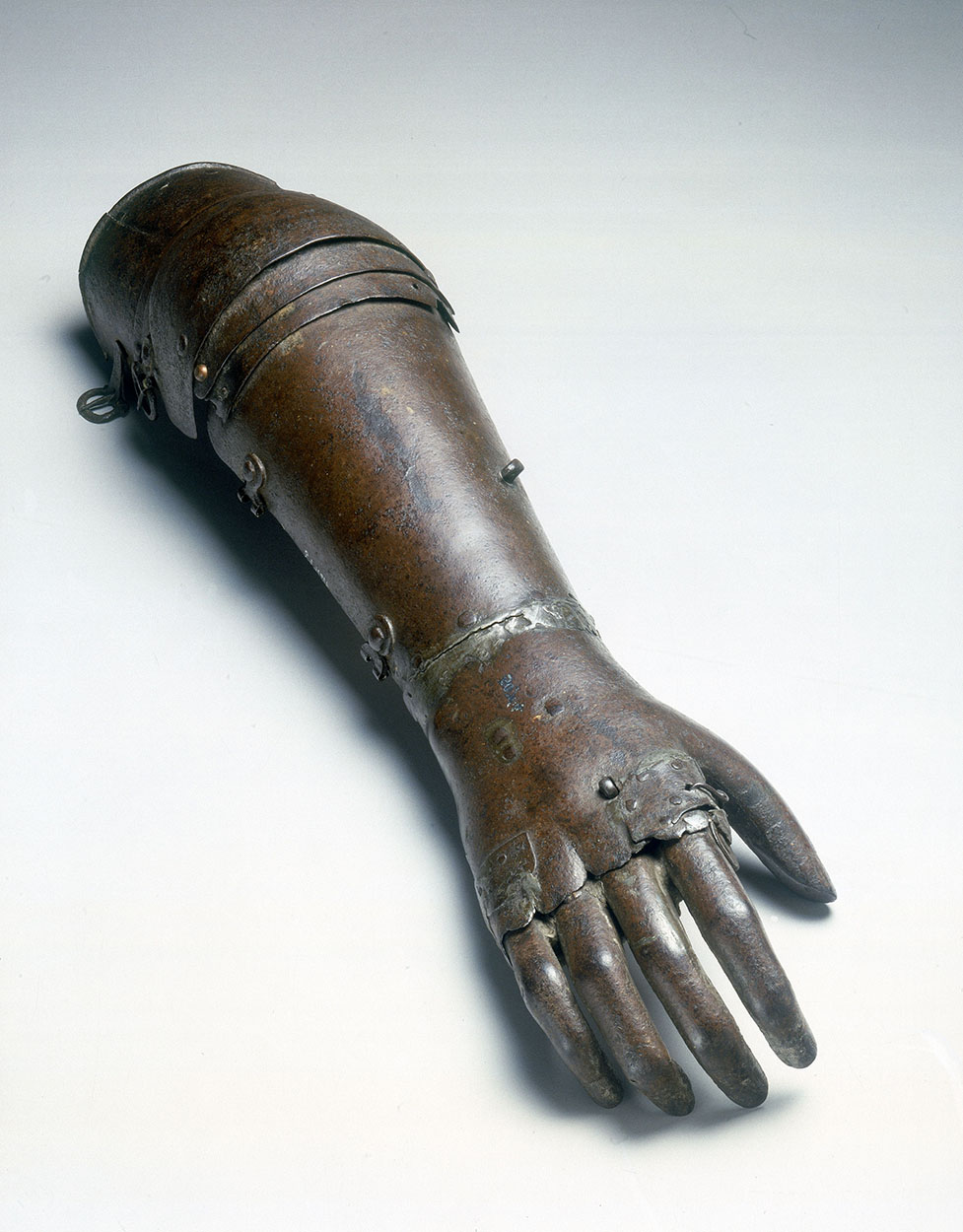
Shengjindian prosthetic leg, 300-200 BCE (Credit: HaziiDozen, Wikimedia) The requirements for a prosthetic depend on the body part that’s affected, and how much of it has been lost. In the archaeological record we can find examples of prosthetics dating back to around 3000 BCE in Ancient Egypt, in the form of prosthetic toes that likely were mostly cosmetic. When it came to leg prosthetics, these would usually be fashioned out of wood, which makes the archaeological record here understandably somewhat spotty. Artificial iron arm, once thought to have been owned by Gotz von Berlichingen (1480-1562). (Credit: Mr John Cummings, Wikimedia) While Pliny the Elder made mention of prosthetics like an iron hand for a general, the first physical evidence of a prosthetic for a lost limb are found in the form of items such as the Roman Capua Leg, made out of metal, and a wooden leg found with a skeleton at the Iron Age-era Shengjindian cemetery that was dated to around 300 BCE. These prosthetics were all effectively static, providing the ability to stand, walk and grip items, but truly functional prosthetics didn’t begin to be developed until the 16th century.
These days we have access to significantly more advanced manufacturing methods and materials, 3D scanners, and the ability to measure the electric currents produced by muscles to drive motors in a prosthetic limb, called myoelectric control. This latter control method can be a big improvement over the older method whereby the healthy opposing limb partially controls the body-powered prosthetic via some kind of mechanical system.
All of this means that modern-day prosthetics are significantly more complex than a limb-shaped piece of wood or metal, giving some hint as to why 3D printing may not produce quite the expected savings. Even historically, the design of functional prosthetic limbs involved complex, fragile mechanisms, and regardless of whether a prosthetic leg was just static or not, it would have to include some kind of cushioning that matched the function of the foot and ankle to prevent the impact of each step to be transferred straight into the stump. After all, a biological limb is much more than just some bones that happen to have muscles stuck to them.
Making It Fit
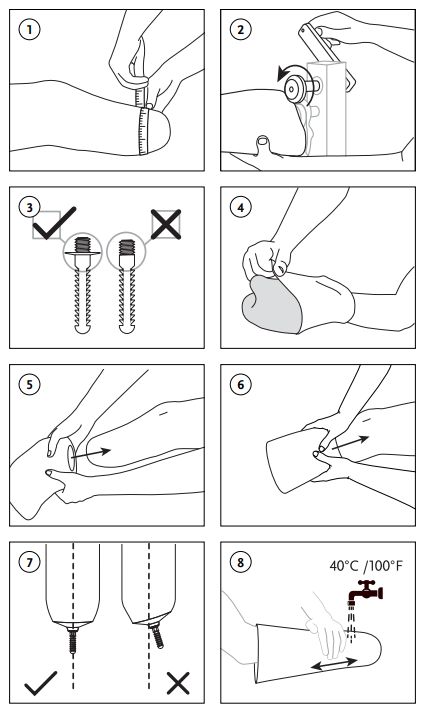
Fitting and care instructions for cushioning and locking prothesis liners. (Credit: Össur) Perhaps the most important part of a prosthetic is the interface with the body. This one element determines the comfort level, especially with leg prostheses, and thus for how long a user can wear it without discomfort or negative health impacts. The big change here has been largely in terms of available materials, with plastics and similar synthetics replacing the wood and leather of yesteryear.
Generally, the first part of fitting a prosthetic limb involves putting on the silicone liner, much like one would put on a sock before putting on a shoe. This liner provides cushioning and creates an interface with the prosthesis. For instance, here is an instruction manual for just such a liner by Össur.
These liners are sized and trimmed to fit the limb, like a custom comfortable sock. After putting on the liner and adding an optional distal end pad, the next step is to put on the socket to which the actual prosthetic limb is attached. The fit between the socket and liner can be done with a locking pin, as pictured on the right, or in the case of a cushion liner by having a tight seal between the liner and socket. Either way, the liner and socket should not be able to move independently from each other when pulled on — this movement is called “pistoning”.
For a below-knee leg prosthesis the remainder of the device below the socket include the pylon and foot, all of which are fairly standard. The parts that are most appealing for 3D printing are this liner and the socket, as they need to be the most customized for an individual patient.
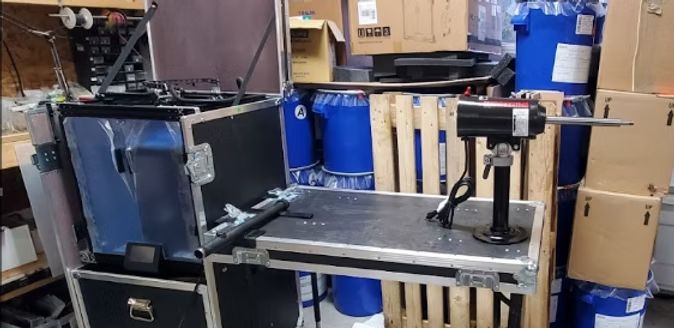
Companies like the US-based Quorum Prosthetics do in fact 3D print these sockets, and they claim that it does reduce labor cost compared to traditional methods, but their use of an expensive commercial 3D printer solution means that the final cost per socket is about the same as using traditional methods, even if the fit may be somewhat better. The luggable Limbkit system, including 3D printer and workshop. (Credit: Operation Namaste) This highlights perhaps the most crucial point about using 3D printing for prosthetics: to make it truly cheaper you also have to lean into lower-tech solutions that are accessible to even hobbyists around the world. This is what for example Operation Namaste does, with 3D printed molds for medical grade silicone to create liners, and their self-contained Limbkit system for scanning and printing a socket on the spot in PETG. This socket can be then reinforced with fiberglass and completed with the pylon and foot, creating a custom prosthetic leg in a fraction of the time that it would typically take.
Founder of Operation Namaste, Jeff Erenstone, wrote a 2023 article on the hype and reality with 3D printed prosthetics, as well as how he got started with the topic. Of note is that the low-cost methods that his Operation Namaste brings to low-resource countries in particular are not quite on the same level as a prosthetic you’d get fitted elsewhere, but they bring a solution where previously none existed, at a price point that is bearable.
Merging this world with that of of Western medical systems and insurance companies is definitely a long while off. Additive manufacturing is still being tested and only gradually integrated into Western medical systems. At some level this is quite understandable, as it comes with many asterisks that do not exist in traditional manufacturing methods.
It probably doesn’t bear reminding that having an FDM printed prosthetic snap or fracture is a far cry from having a 3D printed widget do the same. You don’t want your bones to suddenly go and break on you, either, and faulty prosthetics are a welcome source of expensive lawsuits in the West for lawyers.
Making It Work
Beyond liners and sockets there is much more to prosthetic limbs, as alluded to earlier. Myoelectric control in particular is a fairly recent innovation that detects the electrical signals from the activation of skeletal muscles, which are then used to activate specific motor functions of a prosthetic limb, as well as a prosthetic hand.
The use of muscle and nerve activity is the subject of a lot of current research pertaining to prosthetics, not just for motion, but also for feedback. Ideally the same nerves that once controlled the lost limb, hand or finger can be reused again, along with the nerves that used to provide a sense of touch, of temperature and more. Whether this would involve surgical interfacing with said nerves, or some kind of brain-computer interface is still up in the air.
How this research will affect future prosthetics remains to be seen, but it’s quite possible that as artificial limbs become more advanced, so too will the application of additive manufacturing in this field, as the next phase following the introduction of plastics and other synthetic materials.
The 2026 Pirate National Conference has been subject to an elimination style bracket tournament to determine where we will host what will mark the 20th birthday of the United States Pirate Party.
As of today, we are down to four potential cities:
Boston, Massachusetts
Chicago, Illinois
Seattle, Washington
Vicksburg, Mississippi
Results from Round 2 are posted on our Discord server.
Eight other cities were previously in consideration and will no longer be considered for the 2026 conference. The eight eliminated cities, as well as the three cities that shall be eliminated by the conclusion of this tournament, shall be in permanent consideration for future Pirate National Conference locations until they have hosted. Albuquerque, Las Vegas, Louisville, Mobile, New Orleans, Plattsburgh, Portland (OR) and Providence shall all be in consideration in 2027 and beyond.
We now find ourselves in the Final Four, with two matchups this week that our members and supporters can vote on. Boston (1) will take on Seattle (9) while Vicksburg (4) takes on Chicago (6). The Final Four The tournament shall conclude on December 15th.
This tournament ending up in four totally different regions of the country is emblematic of the growth of this party. We might have states with a stronger presence of their Pirate Party, but our growth is nationwide and undeniable. After 20 years, the second oldest Pirate Party in the world will celebrate our conference on a boat and prepare for the next 20 years. We are looking forward to June 6th and hope you all are too.
Regardless of location, the conference will be A.) held on a boat and B.) hybrid, meaning those unable to attend in-person may still attend online.
Those who wish to vote can join our Discord server to find a link to the tournament. The Final Four closes out next week and the championship vote will begin from there.
Joseph talks to a former FBI official about how the FBI secretly ran an encrypted phone for organized criminals, sweeping up tens of millions of messages.#Podcast
Inside the Biggest Sting Operation Ever (with Michael Bobbitt)
Joseph speaks to Michael Bobbitt, a former FBI official who worked directly on Operation Trojan Shield. In this operation the FBI secretly ran its own encrypted phone company for organized crime, backdoored the phone, and collected tens of millions of messages. Michael and Joseph discuss how Michael handled intelligence sourced from the phones, how to navigate an operation that complex, and its fallout. playlist.megaphone.fm?e=TBIEA3… Listen to the weekly podcast on Apple Podcasts,Spotify, or YouTube. Become a paid subscriber for access to this episode's bonus content and to power our journalism. If you become a paid subscriber, check your inbox for an email from our podcast host Transistor for a link to the subscribers-only version! You can also add that subscribers feed to your podcast app of choice and never miss an episode that way. The email should also contain the subscribers-only unlisted YouTube link for the extended video version too. It will also be in the show notes in your podcast player. youtube.com/embed/bLeueG5V4QY?…
We speak to Meredith Whittaker about the threat posed by AI to end-to-end encryption, what backdoors actually look like, and much more in this special interview episode.
Flock accidentally exposed training materials and a panel which tracked what its AI annotators were working on. It showed that Flock, which has cameras in thousands of U.S. communities, is using workers in the Philippines to review and classify footage.#Flock
Flock, the automatic license plate reader (ALPR) and AI-powered camera company, uses overseas workers from Upwork to train its machine learning algorithms, with training material telling workers how to review and categorize footage including images people and vehicles in the U.S., according to material reviewed by 404 Media that was accidentally exposed by the company.
The findings bring up questions about who exactly has access to footage collected by Flock surveillance cameras and where people reviewing the footage may be based. Flock has become a pervasive technology in the U.S., with its cameras present in thousands of communities that cops use everyday to investigate things like car jackings. Local police have also performed numerous lookups for ICE in the system.
Companies that use AI or machine learning regularly turn to overseas workers to train their algorithms, often because the labor is cheaper than hiring domestically. But the nature of Flock’s business—creating a surveillance system that constantly monitors U.S. residents’ movements—means that footage might be more sensitive than other AI training jobs.
💡 Do you work at Flock or know more about the company? I would love to hear from you. Using a non-work device, you can message me securely on Signal at joseph.404 or send me an email at joseph@404media.co.
Flock’s cameras continuously scan the license plate, color, brand, and model of all vehicles that drive by. Law enforcement are then able to search cameras nationwide to see where else a vehicle has driven. Authorities typically dig through this data without a warrant, leading the American Civil Liberties Union (ACLU) and Electronic Frontier Foundation (EFF) to recently sue a city blanketed in nearly 500 Flock cameras.
Broadly, Flock uses AI or machine learning to automatically detect license plates, vehicles, and people, including what clothes they are wearing, from camera footage. A Flock patent also mentions cameras detecting “race.”
Screenshots from the exposed material. Redactions by 404 Media.
Multiple tipsters pointed 404 Media to an exposed online panel which showed various metrics associated with Flock’s AI training.
This post is for subscribers only
Become a member to get access to all content Subscribe now
Sarà l’eparca di Lungro degli italo-albanesi dell’Italia Continentale, mons. Donato Oliverio, ad aprire domani pomeriggio a Napoli – con una relazione su “Il Concilio di Nicea, bussola per la Chiesa” – il convegno internazionale “Presente, memorie ec…
Marco Perduca alla Camera dei Deputati per la presentazione “Il bosco fiorito, Psichedelia: orizzonti di cura”
Camera dei Deputati- Piazza Del Parlamento 24, Roma Martedì 2 dicembre 2025 Ore 17:30
Marco Perduca, Coordinatore delle attività internazionali dell’Associazione Luca Coscioni, interverrà presso la Camera dei Deputati a Roma, durante la presentazione del libro Il bosco fiorito, Psichedelia: orizzonti di cura.
L’evento l’ospitato dall’On. Riccardo Magi è introdotto dalla curatrice del volume Letizia Renzini di MAPS Italia.
Il dibattito vedrà inoltre i contributi di Rick Doblin di MAPS , Tommaso Barba neuroscienziato dell’Imperial College e Antonella Soldo vicesegretaria +Europa e Meglio Legale
Sarà un momento per approfondire come la ricerca scientifica in continua evoluzione stia svelando costantemente nuovi ambiti di applicazione e utilizzo.
Il mercato clandestino del cybercrime continua a evolversi rapidamente, alimentato da gruppi specializzati che progettano e vendono strumenti per truffe digitali sempre più sofisticate. Tra questi, un attore particolarmente attivo nelle ultime settimane è KrakenBite, noto per offrire servizi di phishing “chiavi in mano” rivolti a criminali informatici di tutto il mondo.
In un recente annuncio diffuso sui propri canali, rilevato dal gruppo DarkLab di Red Hot Cyber, il gruppo ha comunicato di aver aggiunto cinque nuove pagine di phishing dedicate a banche marocchine, portando il totale delle pagine disponibili nel loro “catalogo” a 115.
L’offerta criminale: pagine phishing per ogni mercato
Il post presenta un elenco impressionante di istituti bancari internazionali presi di mira: Australia, Brasile, Canada, Colombia, Francia, Italia, Israele, Messico e molti altri paesi. Per ogni banca elencata è disponibile una pagina di phishing che replica fedelmente il sito ufficiale, con l’obiettivo di rubare credenziali e dati sensibili alle vittime.
Il gruppo propone queste pagine come parte di un servizio a pagamento:
Accesso illimitato a tutte le pagine presenti e future
Licenza “lifetime” venduta per soli 50 dollari, un prezzo estremamente basso pensato per attirare un pubblico criminale molto vasto
Il post, inoltre, contiene screenshot di landing page progettate per imitare vari istituti finanziari marocchini come CIH Bank, Banque Populaire e Société Générale Maroc. Le pagine sono esteticamente curate e in lingua locale, segno dell’attenzione del gruppo nel rendere i propri falsi quanto più credibili possibile.
Un modello di business sempre più strutturato
La vendita di kit phishing non è una novità nel mondo del cybercrime, ma ciò che colpisce è l’approccio “aziendale” di gruppi come KrakenBite.
Nel messaggio pubblicato si fa riferimento a:
un pannello di controllo per monitorare in tempo reale le vittime
un “auto shop link” per acquistare il servizio
un canale Telegram dedicato al supporto
Questa organizzazione ricorda da vicino i modelli SaaS (Software-as-a-Service) legittimi, trasformati però in PhaaS: Phishing-as-a-Service, un fenomeno in crescita che abbassa drasticamente la barriera tecnica per chi vuole compiere attacchi informatici.
Perché le nuove pagine marocchine sono significative
Il Marocco è negli ultimi anni un mercato bancario in forte digitalizzazione, con milioni di utenti che utilizzano servizi finanziari online e mobile banking.
Questa espansione digitale, unita a campagne di phishing sempre più credibili e localizzate nella lingua del Paese, aumenta il rischio che utenti poco esperti cadano nella trappola.
Il fatto che KrakenBite abbia investito nel creare ben cinque nuove pagine dedicate a istituti marocchini è un indicatore chiaro: c’è una forte richiesta di strumenti mirati proprio a quel mercato.
Per i gruppi criminali, infatti, ogni Paese rappresenta un ecosistema specifico, e il successo delle truffe dipende dalla capacità di colpire target locali con strumenti costruiti su misura.
Implicazioni per la sicurezza
L’episodio dimostra ancora una volta quanto sia fondamentale l’awareness degli utenti e la capacità delle banche di rilevare tempestivamente campagne fraudolente basate su siti clonati.
imitano in modo estremamente fedele il design degli istituti bancari
sono accessibili a chiunque, anche senza competenze tecniche
possono essere utilizzate immediatamente per campagne via SMS, email o social engineering
In un contesto simile, la difesa passa inevitabilmente da:
Educazione continua dei cittadini sui segnali di una pagina fraudolenta
Monitoraggio proattivo del deep e dark web per intercettare la diffusione dei kit
Implementazione obbligatoria di metodi di autenticazione avanzati, come MFA e dispositivi hardware di sicurezza
Conclusione
L’annuncio di KrakenBite è un’ulteriore conferma dell’evoluzione del cybercrime verso modelli sempre più industrializzati e globali. Il phishing non è più opera di singoli attaccanti improvvisati, ma di vere e proprie “aziende” criminali che sviluppano, distribuiscono e supportano strumenti pronti per l’uso.
La consapevolezza e la prevenzione restano oggi più che mai l’arma principale per contrastare questi fenomeni.
“Lasciatemi morire ridendo” a Roma – Proiezione al Cinema Barberini
Cinema Barberini, Piazza Barberini 25 –Roma
Martedì 2 dicembre 2025
Ore 21:30
Una nuova proiezione del docufilm “Lasciatemi morire ridendo”, diretto da Massimiliano Fumagalli, che racconta la storia di Stefano Gheller, primo in Veneto e secondo in Italia ad ottenere l’autorizzazione alla morte volontaria medicalmente assistita, secondo i criteri fissati dalla Corte costituzionale.
Una storia personale che diventa universale, un viaggio lucido e struggente nel cuore del dibattito dei diritti civili.
IT'S MONDAY, AND THIS IS DIGITAL POLITICS. I'm Mark Scott, and will be splitting my time next week between Berlin and Brussels. If you're around and want to grab coffee, drop me a line.
— We're about to enter a new paradigm in how children use the internet. The global policy shift is a proxy for a wider battle over platforms' role in society.
— The European Union is shifting its approach to tech regulation. But these changes are not down to political rhetoric coming from the United States.
— How much would you sell your personal data for? France's privacy regulator figured out the sweet spot.
The Pebble was the smartwatch darling of the early 2010s, a glimpse of the future in the form of a microcontroller and screen strapped to your wrist. It was snapped up by Fitbit and canned, which might have been the end of it all were it not for the dedication of the Pebble community. Google open-sourced the OS back in January this year, and since then a new set of Pebble products have appeared under the guidance of Pebble creator [Eric Migicovsky]. Now he’s announced the full open-sourcing of the current Pebble hardware and software stack. As he puts it, “Yesterday, Pebble watch software was ~95% open source. Today, it’s 100% open source”.
If you’re curious it can all be found in repositories under the Core Devices GitHub account. Building your own Pebble clone sounds cool, but perhaps the real value lies instead in giving the new Pebbles something the original never had, an assured future. If you buy one of the new watches then you’ll know that it will remain fixable, and since you have the full set of files you can create new parts for it, or update its software. We think that’s the right way to keep a personal electronic device relevant.
“I gruppi di lingua ed etnia diversa, e in modo particolare gli italiani presenti in modo massiccio nella Confederazione Elvetica, hanno ancora bisogno di un’attenzione particolare che prepari il terreno per l’avvio di dinamiche interculturali.
“La Chiesa in Libano ha sempre curato molto l’istruzione. Incoraggio tutti voi a continuare in quest’opera lodevole, venendo incontro soprattutto a chi è nel bisogno e non ha mezzi, a chi si trova in situazioni estreme, con scelte improntate alla car…
Danneggiata l'unica rampa di lancio della base russa di Baikonur dalla quale partono le missioni con astronauti a bordo. Lo rende noto sui social l'agenzia spaziale russa Roscosmos. (ANSA)
Il nuovo rapporto annuale dello Stockholm international peace research institute (Sipri) certifica un’ulteriore crescita dell’industria mondiale degli armamenti. Nel 2024, i ricavi dei cento maggiori
@Notizie dall'Italia e dal mondo Un rapporto delle Nazioni Unite accusa Israele di condurre una politica statale che "de facto" sostiene l'utilizzo della tortura nei confronti dei prigionieri palestinesi L'articolo L’ONU accusa Israele: “utilizza la tortura contro i prigionieri palestinesi” proviene da Pagine
@Notizie dall'Italia e dal mondo Un gruppo di coloni armati ha picchiato e derubato quattro volontari italiani e canadesi, un altro ha sconfinato nella Siria meridionale per fondare un insediamento L'articolo I coloni israeliani picchiano quattro attiviste straniere e sconfinano
I ragazzi e le ragazze della IIE dell'istituto comprensivo Sferracavallo-Onorato chiedono un piano di rinaturalizzazione dell'area di Barcarello e Capo Gallo che comprenda:
- identificazione delle specie vegetali più adatte al contesto climatico e paesaggistico, preferendo quelle autoctone; - definizione di misure di prevenzione degli incendi, quali la manutenzione regolare delle aree verdi e la sensibilizzazione della popolazione; - coinvolgimento di associazioni locali, scuole, e cittadini volontari per favorire la partecipazione attiva della comunità; - possibilità di accedere a fondi regionali, nazionali ed europei destinati a progetti ambientali.
sono certa che a parte sporadici gruppi di nazisti presenti in tutto il mondo, l'unico stato che li ha istituzionallizzati e a cui ha dato potere è quello russo. se putin fosse sincero per combattere il nazismo dovrebbe auto distruggersi.
Siamo di fronte a un paradosso che sfida la logica istituzionale: un’università statale, finanziata con oltre 540 milioni di euro di fondi pubblici, nega l’accesso a rappresentanti di un’altra istituzione dello Stato. L’Esercito italiano, previsto e
Secondo indiscrezioni Apple sarebbe pronta a riportare in patria parte della propria filiera siglando una partnership sui processori con Intel. Una mossa che va nella direzione indicata da Trump ma utile anche a ridurre la propria esposizione alle
Keith Jarrett – The Köln Concert: Cinquant’anni dopo la nascita di un classico senza genere. freezonemagazine.com/articoli/… Almeno tre, quattro volte l’anno, specie nei momenti in cui lo stato di ansia e il pessimismo cosmico mi prendono in ostaggio, mi ascolto il Concerto di Colonia del grande pianista di Allentown. Il potere omeopatico della musica vince sempre e dopo l’ascolto tutto torna a posto. Ma, sorvolando il fatto personale che poco interesserà
Safari Sarajevo: il confine tra civiltà e barbarie non è geografico è morale. freezonemagazine.com/articoli/… “La guerra vicina, quella con cui possiamo interloquire tutti i giorni, non con cartelli e appelli ma frequentandone le vittime, ci mette in discussione, rende precaria la nostra convivenza perché svela l’inconsistenza dei fondamenti su cui si fonda. Se non abbiamo fermato tutto questo a che serve ciò
Digital Omnibus – A Single Rulebook or a License to Trespass Fundamental Rights?
What is Digital Omnibus?
Digital policy lobbies across the European Union are buzzing with one word: Digital Omnibus, a proposal aimed at consolidating and simplifying the existing EU digital framework. The idea, according to the proposal’s advocates, is to reduce overlap in obligations and the compliance burden on businesses.
Clarifying GDPR concepts such as pseudonymised vs non-personal data
Allowing limited use of sensitive data for detecting AI bias
Adjusting some obligations under the AI Act and delaying certain requirements
Creating a European Business Wallet for corporate digital identities
Merging various data laws into a more unified Data Act
Introducing a single entry point for cybersecurity incident reporting
These are framed as efficiency measures, cost-reduction initiatives, and efforts to make Europe more attractive to digital innovation.
Critics Warn: What Does Streamlining Actually Mean for OurRights?
For policymakers looking at the issue from strictly a business perspective, the digital Omnibus is a proposal long overdue. But as with any sweeping reform, the details matter, and this is where the debate becomes intense.
This is where concerns sharpen, especially among civil society groups, privacy advocates, and parties committed to defending digital freedoms such as the European Pirates.
European Digital Rights (EDRI) and other Digital rights advocates warn that simplifying the rulebook will come with a quiet erosion of our rights that were hard-won over the past decade.
Key Concerns Raised Against the Digital Omnibus
1. Roll-Back of Digital Protection Laws
The Omnibus is seen as reopening and weakening major protections, including the GDPR, ePrivacy, and the AI Act. This is viewed as a blow to the decades of work on digital rights.
2. Weakening of ePrivacy Rules
According to EDRi, the proposal would shift some “device access” rules from ePrivacy into GDPR, reducing mandatory consent in some cases. It is feared that this could permit tracking on devices without users’ explicit approval.
3. Narrowing the Definition of “Personal Data”
A redefinition of personal data could give companies more leeway to process information. Critics argue that this redefinition could reduce transparency and control for individuals.
4. Undermining AI Accountability
According to TechPolicy.Press article, amendments that give AI providers too much discretion, including a loophole that allows them to opt out of certain “high-risk” obligations without publicly declaring it. Rights groups argue this removes a key transparency check, weakening the AI Act’s purpose of managing risk.
5. Privileging Business Over People
Supporters of digital rights strongly believe that these reforms will shift power toward companies, thereby reducing individuals’ leverage under data protection laws. Precisely, these reforms have corporate interests as their focal point rather than citizens’ rights.
6. Weak Democratic Process
The way Omnibus is being fast-tracked with limited consultation and impact assessment, EDRi and others argue that such sweeping changes deserve more thorough democratic scrutiny.
7. Risk to Minoritised and Vulnerable Groups
EDRi highlights that under the proposed changes, marginalised communities could face a higher risk of profiling or automated discrimination. Reduced oversight and transparency could make it harder to challenge unfair or biased automated decisions.
So, Where Does This Leave Us?
For the European Pirates, the question is not whether Europe should innovate, but how. Efficiency cannot come at the cost of loosening the protections that set the EU apart in the global digital landscape.
The Digital Omnibus, on the surface, may appear to be an effort to overcome the hurdles that impede the EU’s innovation and growth. However, the implications of this proposal have far-reaching consequences from a social perspective.
The debate around the Digital Omnibus is only beginning. What is at stake is the balance between modernising Europe’s digital framework and guarding the rights of the people who live within it.
Across Europe, a new concept known as chat scanning has entered the public debate. Supporters claim it will protect children from online harm. Chat control is formally part of the Child Sexual Abuse Regulation (CSAR), aimed at combating CSAM (child sexual abuse material). However, many experts, privacy groups, and digital rights advocates warn that it poses a greater risk for everyone who uses a phone, especially young people who message daily.
What is chat scanning?
In simple terms, it is a system that checks your private messages before or as soon as you send them. The app you use would need to scan your texts, photos, or videos and determine whether they seem suspicious. If the scanner thinks something is “unsafe,” it can report the sender, even if the message was completely innocent.
This means the scanning occurs within your phone, not on a server elsewhere. Every typed or uploaded message is checked before it reaches a friend or family member. It is like having a digital security guard watching over your shoulder every time you write something personal.
For digital rights advocates, including the Pirate Party, this raises a serious concern: privacy is not something that can be switched on and off. Once a system is built to monitor everyone’s conversations, it becomes a permanent gateway to surveillance. It does not take much for such tools to be expanded, misused, or accessed by actors who do not have the public’s interest at heart.
Why Chat Control Is a Real Threat
Chat control systems are not theoretical risks. Automated scanners genuinely make mistakes. They often cannot understand teenage slang, humour, or personal images. A tool meant to protect vulnerable users can easily turn into one that falsely accuses innocent people. Meanwhile, determined bad actors can simply switch to apps that do not follow these rules, while ordinary citizens remain under constant monitoring.
This approach also weakens secure communication. End-to-end encryption is designed to protect everyone from hackers, identity theft, and even misuse of state power. Scanning messages before they are encrypted breaks that protection. Instead of keeping society safe, it exposes activists, families, journalists, and children to new dangers.
The Ripple Effect on Democracy
If chat controls become law with a full majority, the long-term consequences could spread slowly but deeply. The ripple effect would impact multiple pillars of democracy.
Privacy Erosion
What begins as limited scanning to target harmful content can gradually expand to include most users. When every message is subject to scrutiny, personal privacy is the first casualty.
Overwhelmed Law Enforcement
A flood of false positives would strain police resources. German experts who reviewed the proposal warned that law enforcement would be unable to handle the volume of inaccurate reports. This waste of time and energy increases the risk of people being wrongly investigated or prosecuted, ultimately making the public less safe.
Chilling of Free Expression
Journalists, activists, and vulnerable groups may start to self-censor because they no longer trust their communication channels. When private conversations feel monitored, open dialogue becomes rare.
Decline in Civic Participation
As trust in institutions weakens, people may disengage from democratic processes. Press freedom declines, and political debate becomes less open.
Shift in Social Norms
Over time, society may begin to accept the idea that monitoring private digital spaces is normal. Such a shift can alter the social contract itself, making surveillance an everyday expectation rather than an exception.
This is how a policy introduced in the name of protection can gradually erode the foundations of democracy.
Are there safer alternatives?
There are better ways to keep communities safe. Targeted investigations, stronger reporting channels, improved child protection services, and investment in digital literacy can genuinely support vulnerable groups without breaking the fundamental right to private communication.
Europe should not accept a future where every phone becomes a checkpoint. Safety should be built on rights, not surveillance. Protecting children and protecting privacy are not opposing goals. With smart policy and responsible technology, the EU can and must do both.
ma esattamente quando la meloni sostiene che la violenza va sempre condannata, quando a proprio danno, intende anche violenze del genere esposto nell'articolo accluso?
Spinto da questo toot dei @Devol ⁂ (che ringrazio), ho deciso di andare un po' più in là nella mia degooglizzazione. Non posso rimuovere del tutto google ddalla mia vita, ma mi sono detto almeno voglio avvicinarmi il più possibile, un passo alla volta.
La premessa da fare è che non conoscevo molte delle soluzioni indicate nel toot, quindi è un'ulteriore riprova (se mai ce ne fosse bisogno), che la conoscenza è potere --> diffondiamo il più possibile!
Ho messo #lineageos nel mio vecchio Redmi Note 10 Pro, che stavo letteralmente per buttare in pattumiera: si bloccava continuamente, andava a scatti, la batteria non durava più molto. Del resto è questo a cui ci hanno abituati; a buttare l'hardware ogni 3 anni al massimo per comprarlo nuovo. In questo caso, quel dispositivo era stato particolarmente sfortunato perché la stessa Xiaomi l'aveva ucciso dopo sole 2 versioni di android e 3 anni scarsi di vita, chiudendo il rubinetto degli aggiornamenti.
Con Lineage OS, a 2 anni di distanza dall'ultimo aggiornamento rilasciato, ho riportato a nuova vita il dispositivo. Senza più il peso di tutta la spazzatura di Google e Xiaomi, quell'hardware è tornato a far girare android 16 (uscito quest'anno) e per di più in maniera estremamente fluida, comparabile a un google pixel nuovo. La batteria dura di più, e posso anche dire che sono più tranquillo dal punto di vista della sicurezza (è sempre meglio avere software aggiornato).
Ho installato anche il play store, ma sinceramente non conto di usarlo: sto usando F-Droid per le app open source (ne userò il più possibile) e per tutto il resto c'è Aurora store, che si interfaccia con il play store di google ma con un dispositivo "virtuale", quindi in maniera anonima. Potrò anche beneficiare degli aggiornamenti molto più frequenti rispetto al nulla a cui mi aveva condannato Xiaomi/Redmi.
Insomma, al posto di un hardware ancora valido ma inutilizzabile, mi rtrovo un secondo cellulare che è tornato come nuovo, e che potrò usare come riserva o come compagno per i miei viaggi (è sempre utile avere con sé un secondo dispositivo da usare nel caso in cui si perda il primo).
L'installazione non è stata difficilissima per me che sono un utente avanzato, ma di per sé non è complicatissima: se si conosce un minimo di inglese, il sito di Lineage Os spiega passo passo cosa fare.
La parte più complicata, tutto sommato, è stata quella di sbloccare il dispositivo Xiaomi: l'azienda non mette a disposizione il software aggiornato per farlo, quello sul sito lineage è un po' vecchiotto, e anche una volta che si è reperito in rete la versione aggiornata, Xiaomi ti fa aspettare una settimana di calendario!
Superato questo ostacolo, è stato facile.
Insomma, ancora una volta grazie all'opensource e a chi ne ha diffuso la conoscenza.
Liberi dal monopolio di Google: devol.it e la rivoluzione della deGooglizzazione
Il movimento DeGoogle (in italiano “degooglizzazione”) invita utenti e cittadinə a uscire dalla gabbia digitale di Google.
Con OpenAi che fa incetta di memorie volatili le altre aziende che non hanno scorte adeguate rischiano ora una forte esposizione agli shock del mercato che ha visto le Dram aumentare del 170 per cento in 12 mesi. Microsoft sarebbe





Camera dei Deputati- Piazza Del Parlamento 24, Roma
Martedì 2 dicembre 2025
Ore 17:30


Cinema Barberini, Piazza Barberini 25 –Roma
Martedì 2 dicembre 2025
Ore 21:30


