
Frogblight threatens you with a court case: a new Android banker targets Turkish users

In August 2025, we discovered a campaign targeting individuals in Turkey with a new Android banking Trojan we dubbed “Frogblight”. Initially, the malware was disguised as an app for accessing court case files via an official government webpage. Later, more universal disguises appeared, such as the Chrome browser.
Frogblight can use official government websites as an intermediary step to steal banking credentials. Moreover, it has spyware functionality, such as capabilities to collect SMS messages, a list of installed apps on the device and device filesystem information. It can also send arbitrary SMS messages.
Another interesting characteristic of Frogblight is that we’ve seen it updated with new features throughout September. This may indicate that a feature-rich malware app for Android is being developed, which might be distributed under the MaaS model.
This threat is detected by Kaspersky products as HEUR:Trojan-Banker.AndroidOS.Frogblight.*, HEUR:Trojan-Banker.AndroidOS.Agent.eq, HEUR:Trojan-Banker.AndroidOS.Agent.ep, HEUR:Trojan-Spy.AndroidOS.SmsThief.de.
Technical details
Background
While performing an analysis of mobile malware we receive from various sources, we discovered several samples belonging to a new malware family. Although these samples appeared to be still under development, they already contained a lot of functionality that allowed this family to be classified as a banking Trojan. As new versions of this malware continued to appear, we began monitoring its development. Moreover, we managed to discover its control panel and based on the “fr0g” name shown there, we dubbed this family “Frogblight”.
Initial infection
We believe that smishing is one of the distribution vectors for Frogblight, and that the users had to install the malware themselves. On the internet, we found complaints from Turkish users about phishing SMS messages convincing users that they were involved in a court case and containing links to download malware. versions of Frogblight, including the very first ones, were disguised as an app for accessing court case files via an official government webpage and were named the same as the files for downloading from the links mentioned above.
While looking for online mentions of the names used by the malware, we discovered one of the phishing websites distributing Frogblight, which disguises itself as a website for viewing a court file.
The phishing website distributing Frogblight

We were able to open the admin panel of this website, where it was possible to view statistics on Frogblight malware downloads. However, the counter had not been fully implemented and the threat actor could only view the statistics for their own downloads.
The admin panel interface of the website from which Frogblight is downloaded
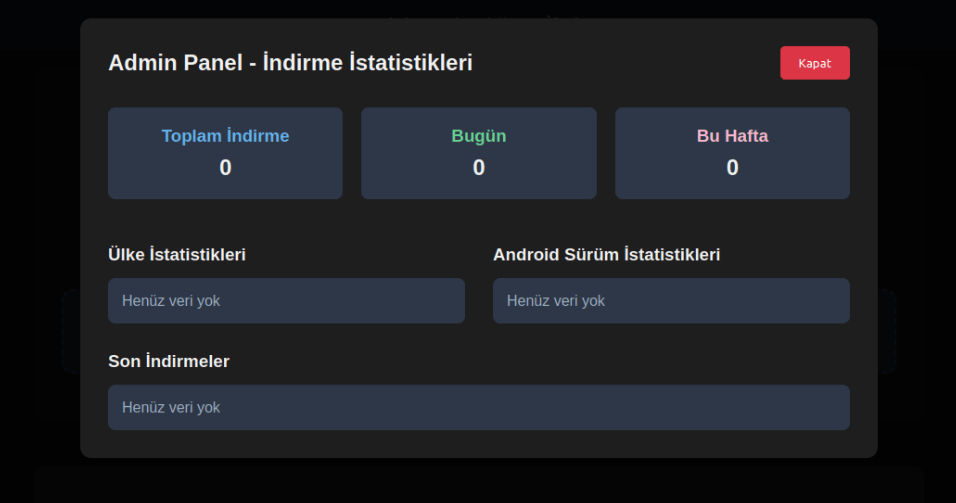
Additionally, we found the source code of this phishing website available in a public GitHub repository. Judging by its description, it is adapted for fast deployment to Vercel, a platform for hosting web apps.
The GitHub repository with the phishing website source code
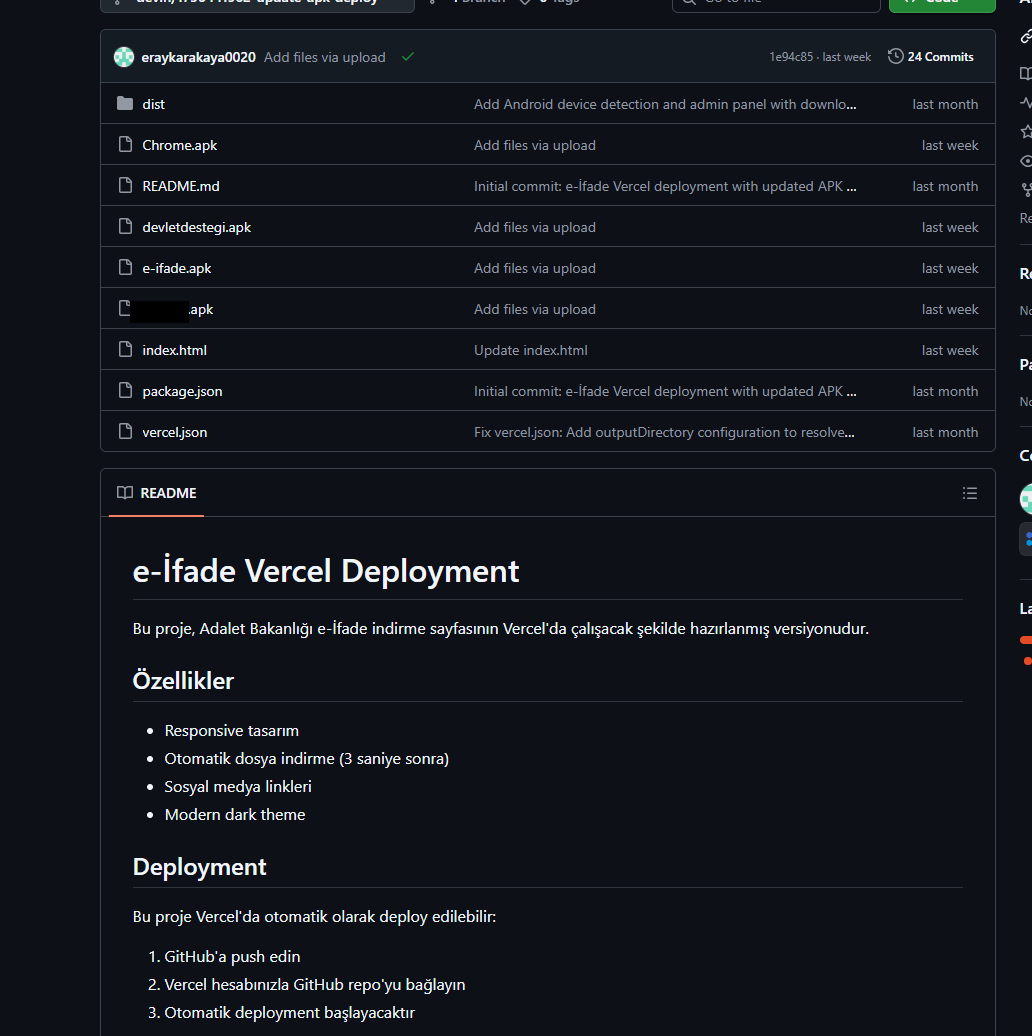
App features
As already mentioned, Frogblight was initially disguised as an app for accessing court case files via an official government webpage. Let’s look at one of the samples using this disguise (9dac23203c12abd60d03e3d26d372253). For analysis, we selected an early sample, but not the first one discovered, in order to demonstrate more complete Frogblight functionality.
After starting, the app prompts the victim to grant permissions to send and read SMS messages, and to read from and write to the device’s storage, allegedly needed to show a court file related to the user.
The full list of declared permissions in the app manifest file is shown below:
- MANAGE_EXTERNAL_STORAGE
- READ_EXTERNAL_STORAGE
- WRITE_EXTERNAL_STORAGE
- READ_SMS
- RECEIVE_SMS
- SEND_SMS
- WRITE_SMS
- RECEIVE_BOOT_COMPLETED
- INTERNET
- QUERY_ALL_PACKAGES
- BIND_ACCESSIBILITY_SERVICE
- DISABLE_KEYGUARD
- FOREGROUND_SERVICE
- FOREGROUND_SERVICE_DATA_SYNC
- POST_NOTIFICATIONS
- QUICKBOOT_POWERON
- RECEIVE_MMS
- RECEIVE_WAP_PUSH
- REQUEST_IGNORE_BATTERY_OPTIMIZATIONS
- SCHEDULE_EXACT_ALARM
- USE_EXACT_ALARM
- VIBRATE
- WAKE_LOCK
- ACCESS_NETWORK_STATE
- READ_PHONE_STATE
After all required permissions are granted, the malware opens the official government webpage for accessing court case files in WebView, prompting the victim to sign in. There are different sign-in options, one of them via online banking. If the user chooses this method, they are prompted to click on a bank whose online banking app they use and fill out the sign-in form on the bank’s official website. This is what Frogblight is after, so it waits two seconds, then opens the online banking sign-in method regardless of the user’s choice. For each webpage that has finished loading in WebView, Frogblight injects JavaScript code allowing it to capture user input and send it to the C2 via a REST API.
The malware also changes its label to “Davalarım” if the Android version is newer than 12; otherwise it hides the icon.
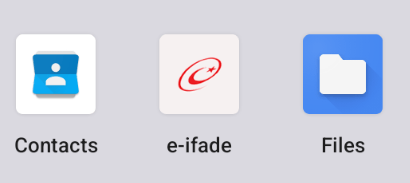 | 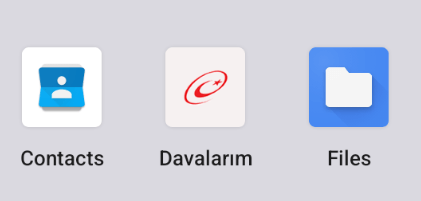 |
The app icon before (left) and after launching (right)
In the sample we review in this section, Frogblight uses a REST API for C2 communication, implemented using the Retrofit library. The malicious app pings the C2 server every two seconds in foreground, and if no error is returned, it calls the REST API client methods fetchOutbox and getFileCommands. Other methods are called when specific events occur, for example, after the device screen is turned on, the com.capcuttup.refresh.PersistentService foreground service is launched, or an SMS is received. The full list of all REST API client methods with parameters and descriptions is shown below.
| REST API client method | Description | Parameters |
| fetchOutbox | Request message content to be sent via SMS or displayed in a notification | device_id: unique Android device ID |
| ackOutbox | Send the results of processing a message received after calling the API method fetchOutbox | device_id: unique Android device ID msg_id: message ID status: message processing status error: message processing error |
| getAllPackages | Request the names of app packages whose launch should open a website in WebView to capture user input data | action: same as the API method name |
| getPackageUrl | Request the website URL that will be opened in WebView when the app with the specified package name is launched | action: same as the API method name package: the package name of the target app |
| getFileCommands | Request commands for file operations Available commands: ● download: upload the target file to the C2 ● generate_thumbnails: generate thumbnails from the image files in the target directory and upload them to the C2 ● list: send information about all files in the target directory to the C2 ● thumbnail: generate a thumbnail from the target image file and upload it to the C2 | device_id: unique Android device ID |
| pingDevice | Check the C2 connection | device_id: unique Android device ID |
| reportHijackSuccess | Send captured user input data from the website opened in a WebView when the app with the specified package name is launched | action: same as the API method name package: the package name of the target app data: captured user input data |
| saveAppList | Send information about the apps installed on the device | device_id: unique Android device ID app_list: a list of apps installed on the device app_count: a count of apps installed on the device |
| saveInjection | Send captured user input data from the website opened in a WebView. If it was not opened following the launch of the target app, the app_name parameter is determined based on the opened URL | device_id: unique Android device ID app_name: the package name of the target app form_data: captured user input data |
| savePermission | Unused but presumably needed for sending information about permissions | device_id: unique Android device ID permission_type: permission type status: permission status |
| sendSms | Send information about an SMS message from the device | device_id: unique Android device ID sender: the sender’s/recipient’s phone number message: message text timestamp: received/sent time type: message type (inbox/sent) |
| sendTelegramMessage | Send captured user input data from the webpages opened by Frogblight in WebView | device_id: unique Android device ID url: website URL title: website page title input_type: the type of user input data input_value: user input data final_value: user input data with additional information timestamp: the time of data capture ip_address: user IP address sms_permission: whether SMS permission is granted file_manager_permission: whether file access permission is granted |
| updateDevice | Send information about the device | device_id: unique Android device ID model: device manufacturer and model android_version: Android version phone_number: user phone number battery: current battery level charging: device charging status screen_status: screen on/off ip_address: user IP address sms_permission: whether SMS permission is granted file_manager_permission: whether file access permission is granted |
| updatePermissionStatus | Send information about permissions | device_id: unique Android device ID permission_type: permission type status: permission status timestamp: current time |
| uploadBatchThumbnails | Upload thumbnails to the C2 | device_id: unique Android device ID thumbnails: thumbnails |
| uploadFile | Upload a file to the C2 | device_id: unique Android device ID file_path: file path download_id: the file ID on the C2 The file itself is sent as an unnamed parameter |
| uploadFileList | Send information about all files in the target directory | device_id: unique Android device ID path: directory path file_list: information about the files in the target directory |
| uploadFileListLog | Send information about all files in the target directory to an endpoint different from uploadFileList | device_id: unique Android device ID path: directory path file_list: information about the files in the target directory |
| uploadThumbnailLog | Unused but presumably needed for uploading thumbnails to an endpoint different from uploadBatchThumbnails | device_id: unique Android device ID thumbnails: thumbnails |
Remote device control, persistence, and protection against deletion
The app includes several classes to provide the threat actor with remote access to the infected device, gain persistence, and protect the malicious app from being deleted.
capcuttup.refresh.AccessibilityAutoClickService
This is intended to prevent removal of the app and to open websites specified by the threat actor in WebView upon target apps startup. It is present in the sample we review, but is no longer in use and deleted in further versions.capcuttup.refresh.PersistentService
This is a service whose main purpose is to interact with the C2 and to make malicious tasks persistent.capcuttup.refresh.BootReceiver
This is a broadcast receiver responsible for setting up the persistence mechanisms, such as job scheduling and setting alarms, after device boot completion.
Further development
In later versions, new functionality was added, and some of the more recent Frogblight variants disguised themselves as the Chrome browser. Let’s look at one of the fake Chrome samples (d7d15e02a9cd94c8ab00c043aef55aff).
In this sample, new REST API client methods have been added for interacting with the C2.
| REST API client method | Description | Parameters |
| getContactCommands | Get commands to perform actions with contacts Available commands: ● ADD_CONTACT: add a contact to the user device ● DELETE_CONTACT: delete a contact from the user device ● EDIT_CONTACT: edit a contact on the user device | device_id: unique Android device ID |
| sendCallLogs | Send call logs to the C2 | device_id: unique Android device ID call_logs: call log data |
| sendNotificationLogs | Send notifications log to the C2. Not fully implemented in this sample, and as of the time of writing this report, we hadn’t seen any samples with a full-fledged implementation of this API method | action: same as the API method name notifications: notification log data |
Also, the threat actor had implemented a custom input method for recording keystrokes to a file using the com.puzzlesnap.quickgame.CustomKeyboardService service.
Another Frogblight sample we observed trying to avoid emulators and using geofencing techniques is 115fbdc312edd4696d6330a62c181f35. In this sample, Frogblight checks the environment (for example, device model) and shuts down if it detects an emulator or if the device is located in the United States.
Part of the code responsible for avoiding Frogblight running in an undesirable environment
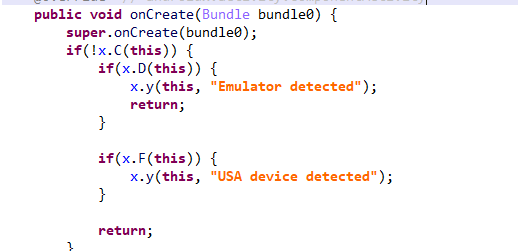
Later on, the threat actor decided to start using a web socket instead of the REST API. Let’s see an example of this in one of the recent samples (08a3b1fb2d1abbdbdd60feb8411a12c7). This sample is disguised as an app for receiving social support via an official government webpage. The feature set of this sample is very similar to the previous ones, with several new capabilities added. Commands are transmitted over a web socket using the JSON format. A command template is shown below:
{
"id": <command ID>,
"command_type": <command name>
"command_data": <command data>
}
It is also worth noting that some commands in this version share the same meaning but have different structures, and the functionality of certain commands has not been fully implemented yet. This indicates that Frogblight was under active development at the time of our research, and since no its activity was noticed after September, it is possible that the malware is being finalized to a fully operational state before continuing to infect users’ devices. A full list of commands with their parameters and description is shown below:
| Command | Description | Parameters |
| connect | Send a registration message to the C2 | – |
| connection_success | Send various information, such as call logs, to the C2; start pinging the C2 and requesting commands | – |
| auth_error | Log info about an invalid login key to the Android log system | – |
| pong_device | Does nothing | – |
| commands_list | Execute commands | List of commands |
| sms_send_command | Send an arbitrary SMS message | recipient: message destination message: message text msg_id: message ID |
| bulk_sms_command | Send an arbitrary SMS message to multiple recipients | recipients: message destinations message: message text |
| get_contacts_command | Send all contacts to the C2 | – |
| get_app_list_command | Send information about the apps installed on the device to the C2 | – |
| get_files_command | Send information about all files in certain directories to the C2 | – |
| get_call_logs_command | Send call logs to the C2 | – |
| get_notifications_command | Send a notifications log to the C2. This is not fully implemented in the sample at hand, and as of the time of writing this report, we hadn’t seen any samples with a full-fledged implementation of this command | – |
| take_screenshot_command | Take a screenshot. This is not fully implemented in the sample at hand, and as of the time of writing this report, we hadn’t seen any samples with a full-fledged implementation of this command | – |
| update_device | Send registration message to the C2 | – |
| new_webview_data | Collect WebView data. This is not fully implemented in the sample at hand, and as of the time of writing this report, we hadn’t seen any samples with a full-fledged implementation of this command | – |
| new_injection | Inject code. This is not fully implemented in the sample at hand, and as of the time of writing this report, we hadn’t seen any samples with a full-fledged implementation of this command | code: injected code target_app: presumably the package name of the target app |
| add_contact_command | Add a contact to the user device | name: contact name phone: contact phone email: contact email |
| contact_add | Add a contact to the user device | display_name: contact name phone_number: contact phone email: contact email |
| contact_delete | Delete a contact from the user device | phone_number: contact phone |
| contact_edit | Edit a contact on the user device | display_name: new contact name phone_number: contact phone email: new contact email |
| contact_list | Send all contacts to the C2 | – |
| file_list | Send information about all files in the specified directory to the C2 | path: directory path |
| file_download | Upload the specified file to the C2 | file_path: file path download_id: an ID that is received with the command and sent back to the C2 along with the requested file. Most likely, this is used to organize data on the C2 |
| file_thumbnail | Generate a thumbnail from the target image file and upload it to the C2 | file_path: image file path |
| file_thumbnails | Generate thumbnails from the image files in the target directory and upload them to the C2 | folder_path: directory path |
| health_check | Send information about the current device state: battery level, screen state, and so on | – |
| message_list_request | Send all SMS messages to the C2 | – |
| notification_send | Show an arbitrary notification | title: notification title message: notification message app_name: notification subtext |
| package_list_response | Save the target package names | packages: a list of all target package names. Each list element contains: package_name: target package name active: whether targeting is active |
| delete_contact_command | Delete a contact from the user device. This is not fully implemented in the sample at hand, and as of the time of writing this report, we hadn’t seen any samples with a full-fledged implementation of this command | contact_id: contact ID name: contact name |
| file_upload_command | Upload specified file to the C2. This is not fully implemented in the sample at hand, and as of the time of writing this report, we hadn’t seen any samples with a full-fledged implementation of this command | file_path: file path file_name: file name |
| file_download_command | Download file to user device. This is not fully implemented in the sample at hand, and as of the time of writing this report, we hadn’t seen any samples with a full-fledged implementation of this command | file_url: the URL of the file to download download_path: download path |
| download_file_command | Download file to user device. This is not fully implemented in the sample at hand, and as of the time of writing this report, we hadn’t seen any samples with a full-fledged implementation of this command | file_url: the URL of the file to download download_path: downloading path |
| get_permissions_command | Send a registration message to the C2, including info about specific permissions | – |
| health_check_command | Send information about the current device state, such as battery level, screen state, and so on | – |
| connect_error | Log info about connection errors to the Android log system | A list of errors |
| reconnect | Send a registration message to the C2 | – |
| disconnect | Stop pinging the C2 and requesting commands from it | – |
Authentication via WebSocket takes place using a special key.
The part of the code responsible for the WebSocket authentication logic

At the IP address to which the WebSocket connection was made, the Frogblight web panel was accessible, which accepted the authentication key mentioned above. Since only samples using the same key as the webpanel login are controllable through it, we suggest that Frogblight might be distributed under the MaaS model.
The interface of the sign-in screen for the Frogblight web panel

Judging by the menu options, the threat actor can sort victims’ devices by certain parameters, such as the presence of banking apps on the device, and send bulk SMS messages and perform other mass actions.
Victims
Since some versions of Frogblight opened the Turkish government webpage to collect user-entered data on Turkish banks’ websites, we assume with high confidence that it is aimed mainly at users from Turkey. Also, based on our telemetry, the majority of users attacked by Frogblight are located in that country.
Attribution
Even though it is not possible to provide an attribution to any known threat actor based on the information available, during our analysis of the Frogblight Android malware and the search for online mentions of the names it uses, we discovered a GitHub profile containing repos with Frogblight, which had also created repos with Coper malware, distributed under the MaaS model. It is possible that this profile belongs to the attackers distributing Coper who have also started distributing Frogblight.
GitHub repositories containing Frogblight and Coper malware

Also, since the comments in the Frogblight code are written in Turkish, we believe that its developers speak this language.
Conclusions
The new Android malware we dubbed “Frogblight” appeared recently and targets mainly users from Turkey. This is an advanced banking Trojan aimed at stealing money. It has already infected real users’ devices, and it doesn’t stop there, adding more and more new features in the new versions that appear. It can be made more dangerous by the fact that it may be used by attackers who already have experience distributing malware. We will continue to monitor its development.
Indicators of Compromise
More indicators of compromise, as well as any updates to these, are available to the customers of our crimeware reporting service. If you are interested, please contact crimewareintel@kaspersky.com.
APK file hashes
8483037dcbf14ad8197e7b23b04aea34
105fa36e6f97977587a8298abc31282a
e1cd59ae3995309627b6ab3ae8071e80
115fbdc312edd4696d6330a62c181f35
08a3b1fb2d1abbdbdd60feb8411a12c7
d7d15e02a9cd94c8ab00c043aef55aff
9dac23203c12abd60d03e3d26d372253
C2 domains
1249124fr1241og5121.sa[.]com
froglive[.]net
C2 IPs
45.138.16.208[:]8080
URL of GitHub repository with Frogblight phishing website source code
https://github[.]com/eraykarakaya0020/e-ifade-vercel
URL of GitHub account containing APK files of Frogblight and Coper
https://github[.]com/Chromeapk
Distribution URLs
https://farketmez37[.]cfd/e-ifade.apk
https://farketmez36[.]sbs/e-ifade.apk
https://e-ifade-app-5gheb8jc.devinapps[.]com/e-ifade.apk
Donne in Cybersecurity: da Outsider a Cornerstone
La scena è sempre quella: monitor accesi, dashboard piene di alert, log che scorrono troppo in fretta, un cliente in ansia dall’altra parte della call. Ti siedi, ti guardi intorno e ti rendi conto che, ancora una volta, sei l’unica donna nella stanza. Quando dico che lavoro come Cyber Threat Intelligence Analyst, la reazione è spesso un misto tra stupore e curiosità:
“Ma quindi è come essere un hacker?”, “Non è un lavoro un po’ troppo tecnico?”, “Non è spaventoso questo mondo?”.
Siamo nel 2025 e certe domande fanno quasi sorridere, ma raccontano bene la realtà: la cybersecurity è ancora percepita come un territorio maschile, dove le donne vengono viste come eccezioni statistiche, anomalie. E i numeri, purtroppo, non smentiscono del tutto questa sensazione.
A livello globale, le donne rappresentano ancora una netta minoranza nella forza lavoro della cybersecurity e non sono rari i team in cui non è presente nemmeno una professionista. Proprio per colmare questo divario, Red Hot Cyber ha dato vita a RHC Cyber Angels, un gruppo interamente al femminile nato con l’obiettivo di rafforzare le connessioni tra le donne nel settore cyber e promuovere una cultura più inclusiva.
Il caso Italia: Terreno fragile ma fertile
Nel 2025, il settore della cybersecurity è in crescita ma sotto pressione a causa dell’aumento degli attacchi e dell’allargamento della superficie d’attacco. Nonostante la crescita del numero di professionisti, la domanda supera l’offerta, con un deficit di quasi cinque milioni di ruoli. La presenza femminile nel settore è ancora minoritaria, con un divario retributivo rispetto agli uomini. Non è solo una questione di numeri: è una questione di opportunità mancate e di inefficienza strutturale. Si sta combattendo una guerra digitale usando metà dell’esercito disponibile.
L’Italia, storicamente indietro per la presenza femminile nel digitale, mostra un dato sorprendente: è tra i Paesi con la più alta percentuale di donne nella cybersecurity, quasi un terzo dei professionisti del settore, un aumento significativo rispetto al passato.
Cosa significa?
Significa che l’Italia sta recuperando terreno, forse proprio perché partiva da lontano. Le donne che sono riuscite a entrare in questo mondo hanno spesso dovuto costruirsi il percorso passo dopo passo navigando controcorrente, inventandosi strade alternative. Non è stato un cambiamento spontaneo: è stato spinto da scelte individuali coraggiose e da alcune iniziative collettive.
Allo stesso tempo, se allarghiamo lo sguardo all’intero digitale, il quadro resta fragile. In Italia meno della metà delle persone tra i 16 e i 74 anni ha competenze digitali almeno di base, e siamo sotto la media europea. Questo significa che il bacino di potenziali talenti è già ristretto in partenza, e dentro a questo bacino le donne sono quelle che più frequentemente vengono orientate verso altri percorsi, spesso lontani dall’IT e dalla sicurezza.
In pratica: da un lato emergono segnali positivi, dall’altro restano barriere culturali, scolastiche e sociali che pesano in modo particolare sulle ragazze.
Il lato invisibile del Gender Gap
Quando si parla di discriminazione di genere, si tende a pensare agli episodi estremi: commenti apertamente misogini, esclusioni deliberate, casi di molestie. Esistono, purtroppo, anche nel nostro settore, ma non sono l’unica forma di disparità. Quello che logora, spesso, sono le silenziose ferite quotidiane.
La prima è lo stereotipo: se si è una donna in un contesto tecnico, bisogna costantemente dimostrare qualcosa. L’obiettivo marcato da un giudizio implicito è: controllare se la competenza è reale. Un collega uomo, con lo stesso livello di esperienza, si prende molto più spesso un beneficio del dubbio: se sbaglia, “capita”. Se sbaglia la collega donna, diventa una conferma del pregiudizio.
La seconda è la sottovalutazione wordless: viene presentata un’analisi dettagliata su un incidente, con collegamenti di IoCs, tecniche di attacco, impatti di business, raccomandazioni. Nessuno obietta. Poi, più tardi, un collega ripete un concetto che era stato già detto precedentemente, con parole leggermente diverse, e all’improvviso quella stessa cosa viene percepita come brillante. Non succede sempre, ma abbastanza spesso da non poter parlare solo di coincidenze.
La terza è la messa in discussione del proprio merito. Quando una donna viene invitata come speaker a un convegno, quando le viene proposto un ruolo visibile o una promozione, si chiede se sia stata scelta per le proprie competenze o perché cercavano una donna da mettere in foto per dimostrare inclusività. Il confine tra valorizzazione reale e tokenismo è sottile. E a volte è la donna a interiorizzare questo dubbio, anche quando non ha motivo di esistere.
Poi ci sono le disparità meno visibili ma altrettanto concrete: quelle di stipendio, di accesso a determinati progetti, di possibilità di crescita verticale. In diversi casi, a parità di ruolo e responsabilità, le donne guadagnano meno dei colleghi uomini.
L’Unione Europea ha riconosciuto il problema a livello sistemico e ha varato una direttiva sulla trasparenza retributiva che gli Stati membri, inclusa l’Italia, dovranno attuare entro il 2026.
Non sarà la bacchetta magica che risolve tutto, ma è un passo.
E ogni passo verso la trasparenza, in un settore ancora poco regolato come la cyber, conta moltissimo.
Un Paese poco digitale che non può permettersi di scartare talenti
C’è un altro pezzo di realtà che non possiamo ignorare: in Italia, le competenze digitali nella popolazione sono ancora basse.
Meno della metà delle persone ha competenze di base, e la distanza dalla media europea è significativa. Questo si traduce in un ecosistema in cui: aziende faticano a trovare profili tecnici, molte persone non si sentono all’altezza di intraprendere percorsi IT, la cultura digitale è percepita come per pochi.
Se unito a decenni di stereotipi di genere (“le ragazze sono più portate per il linguistico, per l’umanistico, per il sociale”), il risultato è un imbuto strettissimo: pochi studenti scelgono l’ambito informatico, e tra questi le donne sono ancora una minoranza.
In un contesto così fragile, ogni donna che decide di entrare in cybersecurity compie un atto di rottura rispetto alle aspettative.
Non si parla solo di carriera individuale, ma di impatto collettivo: ogni percorso aperto da qualcuna rende il terreno un po’ più calpestabile per chi verrà dopo.
E, soprattutto, il settore non può permettersi di continuare a pescare sempre dallo stesso bacino ristretto di profili maschili, spesso con lo stesso tipo di background. È inefficiente, rischioso e miope.
Non si tratta solo di ‘’quote rosa’’
A volte il discorso viene semplificato: “Bisogna avere più donne per arrivare al 50 e 50”. Ma il punto non è solo l’estetica delle percentuali. La cybersecurity moderna è complessa. Richiede capacità di vedere connessioni tra tecnologia, persone, processi, contesto geopolitico, dinamiche economiche. Non è più solo “chiudere porte e configurare firewall”, ma gestire rischio, comunicare crisi, costruire strategie di lungo periodo.
In questo tipo di scenario, la diversità di prospettive non è un accessorio: è una forma di ridondanza intelligente. Un team composto da persone tutte simili tra loro tenderà a vedere gli stessi problemi, sempre dalla medesima prospettiva e ad ignorarne altri.
Un team eterogeneo per genere, età, background di studi, esperienze di vita ha molte più possibilità di cogliere segnali deboli, leggere i comportamenti umani legati alle minacce, intuire le implicazioni di una scelta tecnica sulle persone che la subiranno.
Le donne, in tutto questo, non sono “migliori per definizione”, ma portano spesso competenze e sensibilità preziose: attenzione alla comunicazione con il business, capacità di gestione relazionale dei conflitti, sensibilità rispetto alle implicazioni umane delle crisi di sicurezza, approccio sistemico che va oltre il singolo tool. Più donne in cybersecurity significa più modi diversi di difendere, non solo più statistiche da esibire nei report aziendali.
Le community che investono nel cambiamento
Negli ultimi anni, diverse community hanno supportato la presenza femminile nella cybersecurity. Tra queste, Cyber Angels, all’interno di Red Hot Cyber, offre uno spazio informale per condividere esperienze e creare una rete di supporto.
A livello europeo, Women4Cyber Foundation promuove la partecipazione femminile con programmi di mentorship e networking, mentre Women4Cyber Italia organizza eventi e percorsi di mentoring.
Il Laboratorio Nazionale di Cybersecurity del CINI coordina progetti formativi come CyberChallenge.IT, rivolti anche alle studentesse.
A livello globale, WiCyS offre programmi simili.
Queste community offrono opportunità concrete e, soprattutto, il messaggio che non si è mai sole in questo percorso. Il valore di queste community non è solo nelle opportunità concrete (borse di studio, workshop, contatti lavorativi), ma nel messaggio implicito che portano: non si è mai da sole. Qualcun’altra ha già affrontato quegli stessi dubbi, le stesse paure, le stesse frustrazioni. E ce l’ha fatta!
Essere una donna in Cyber Threat Intelligence
La Cyber Threat Intelligence è una di quelle aree che stanno a metà tra il mondo iper-tecnico e quello strategico. È un lavoro che richiede di entrare nella testa degli attaccanti, studiare campagne, analizzare infrastrutture, correlare indicatori tecnici e contesto geopolitico, per poi tradurre tutto questo in informazioni comprensibili per il business.
Essere una donna in questo ambito, significa vivere in modo amplificato questa dimensione “di confine”.
Da una parte ci sono i colleghi che amano parlare di TTP, di log, di sandbox, di memoria volatile. Dall’altra i manager, i board, i clienti che chiedono: “Che cosa significa tutto questo per noi? Quanto rischio corriamo? Cosa dovremmo fare domani?”.
Stare nel mezzo vuol dire allenare sia il linguaggio tecnico che quello umano.
Vuol dire imparare a cambiare registro a seconda dell’interlocutore, senza perdere precisione.
Vuol dire, soprattutto, sviluppare una grande capacità di ascolto: dell’organizzazione che si difende, del contesto in cui si opera, delle persone che si hanno intorno.
Il fatto di essere donna, in un ruolo come questo, significa talvolta essere vista istintivamente come “la persona che sa comunicare bene” prima che come “quella che sa analizzare un’infrastruttura di C2”. All’inizio può dare fastidio, perché sembra ridurre una competenza a una soft skill. Con il tempo, però, se si affianca alla capacità comunicativa una solidissima base tecnica, quella percezione si trasforma: si arriva ad essere la persona che riesce a fare da ponte tra due mondi che spesso non si parlano.
Non è sempre facile. Ci saranno momenti in cui ci si potrebbe sentire sottovalutate, situazioni in cui il proprio contributo verrà dato per scontato, ruoli in cui alzare la voce (anche metaforicamente) per non farsi schiacciare ai margini, potrebbe diventare una necessità.
Ma ci saranno anche momenti in cui prenderà il sopravvento la consapevolezza che il proprio sguardo ha fatto la differenza: un rischio che nessuno aveva visto, un segnale debole riconosciuto, un consiglio strategico che ha evitato a un’azienda un impatto serio. E quei momenti ripagano moltissimo.
Quando la paura di iniziare è il primo ostacolo
Ciò che va tenuto a mente è che nessuno nasce tecnico.
Chi oggi sembra muoversi con naturalezza tra protocolli, exploit e log, un tempo non aveva idea di che cosa fosse un pacchetto TCP o un SIEM.
Tutto si impara, non c’è un gene segreto della cybersecurity.
Non esiste soprattutto una “età giusta” o un percorso “perfetto”. Ci sono persone che sono arrivate alla sicurezza passando da lingue, psicologia, giurisprudenza, relazioni internazionali. Hanno portato con sé competenze fondamentali per domini come governance, risk management, privacy, awareness, social engineering, policy.
La cybersecurity non è solo exploit e reverse engineering: è anche processi, norme, persone, educazione, cultura aziendale. Se a mancare è la fiducia, l’importante è non guardare mai tutta la scala che si dovrà salire, ma iniziare ad affrontarla un gradino alla volta.
La verità è che nessuno si sente davvero pronto quando inizia. Si entra titubanti, si rimane per convinzione. La paura non è un segnale di inadeguatezza, è il segnale che si sta varcando un confine. La differenza la fa ciò che succede subito dopo: arretrare o fare un passo avanti.
Conclusioni: non esiste un “posto giusto”, esiste il posto che si decide di occupare
La cybersecurity è un’infrastruttura invisibile che tiene in piedi aziende grandi e piccole e persino una parte della vita quotidiana più semplice.
Ogni volta che un attacco viene fermato, che un incidente viene gestito, che una vulnerabilità viene chiusa, c’è qualcuno che ha scelto di stare dall’altra parte dello schermo.
Quel “qualcuno” non ha né volto né genere prestabilito. Può essere chiunque decida di esserci.
Dire che non è un mondo per donne significa, in realtà, accettare in silenzio che la sicurezza di tutti venga progettata e gestita da uno sguardo solo. È una rinuncia. È una forma di resa culturale. È lasciare che metà delle voci resti fuori dalla stanza in cui si prendono decisioni importanti. Ogni donna che sceglie la cybersecurity manda un messaggio potente, anche se non se ne accorge subito:
“Questo spazio mi appartiene tanto quanto a chiunque altro.”
Non è una dichiarazione contro qualcuno, non è una guerra di genere. È un atto di riequilibrio.
È dire ad alta voce ciò che dovrebbe essere ovvio: la competenza, il talento, la capacità di analisi, di gestione della crisi, di lettura del rischio non hanno sesso. Il settore, oggi, ha bisogno di menti lucide, di sguardi diversi, di persone che sappiano restare in piedi in mezzo al caos.
Ogni barriera culturale che scoraggia una ragazza dal provarci non è solo un’ingiustizia individuale, è un pezzo di difesa in meno per tutti.
In un Paese in cui il digitale fatica ancora a trovare spazio, ogni donna che decide di investire in competenze tecniche rompe un pezzo di narrativa vecchia: quella che relega le donne lontano dalle console, dagli alert, dai log, dalle scelte strategiche. Ogni ingresso rende quello successivo un po’ meno faticoso, è così che cambiano i settori: non con una rivoluzione improvvisa, ma con una serie di persone che, una dopo l’altra, si rifiutano di restare fuori.
Non si tratta di essere “più brave degli uomini”. Si tratta di essere sé stesse in un campo che, per troppo tempo, ha fatto finta che esistesse un solo modo “giusto” di essere professionisti IT.
Il posto a quella scrivania, davanti a quei monitor, in quelle riunioni, non è riservato a qualcun altro.
È lì, in attesa di chi decide di occuparlo. Non è il momento di farsi piccole per entrare negli spazi già esistenti, è il momento di allargare quegli spazi finché nessuno si sentirà di troppo.
Chi oggi decide di iniziare un percorso in cybersecurity sta scegliendo di stare dalla parte di chi difende, protegge, costruisce sicurezza dove prima c’era solo vulnerabilità e non c’è ruolo più potente, né per un professionista, né per una donna.
L'articolo Donne in Cybersecurity: da Outsider a Cornerstone proviene da Red Hot Cyber.
Hackaday Links: December 14, 2025

Fix stuff, earn big awards? Maybe, if this idea for repair bounties takes off. The group is dubbed the FULU Foundation, for “Freedom from Unethical Limitations on Users,” and was co-founded by right-to-repair activist Kevin O’Reilly and perennial Big Tech thorn-in-the-side Louis Rossman. The operating model works a bit like the bug bounty system, but in reverse: FULU posts cash bounties on consumer-hostile products, like refrigerators that DRM their water filters or bricked thermostats. The bounty starts at $10,000, but can increase based on donations from the public. FULU will match those donations up to $10,000, potentially making a very rich pot for the person or team that fixes the problem.
So far, it looks like FULU has awarded two $14,000 bounties for separate solutions to the bricked Nest thermostats. A second $10,000 bounty, for an air purifier with DRM’d filters, is under review. There’s also a $30,000 bounty outstanding for a solution to the component pairing problem in Xbox Series X gaming consoles. While we love the idea of putting bounties on consumer-unfriendly products and practices, and we celebrate the fixes discovered so far, we can’t help but worry that this could go dramatically wrong for the bounty hunters, if — OK, when — someone at a Big Tech company decides to fight back. When that happens, any bounty they score is going to look like small potatoes compared to a DMCA crackdown.
From the “Interesting times, interesting problems” Department comes this announcement by NASA of a change in vendor for the ground support vehicles for the Artemis program. The US space agency had been all set to use EVs manufactured by Canoo to whisk astronauts on the nine-mile trip from their prep facility to the launch pad, but when the company went belly up earlier this year, things abruptly changed. Now, instead of the tiny electric vans that look the same coming and going, NASA will revert to type and use modified Airstream coaches to do the job. Honestly, we think this will be better for the astronauts. The interior of the Airstream is spacious, allowing for large seats to accommodate bulky spacesuits and even providing enough headroom to stand up, a difficult proposition in the oversized breadloaf form-factor of the Canoo EV. If they’re going to strap you into a couple of million pounds of explosives and blast you to the Moon, the least they can do is make the last few miles on Earth a little more comfortable.
Speaking of space, we stumbled across an interesting story about time on Mars that presented a bit of a “Well, duh!” moment with intriguing implications. The article goes into some of the details about clocks running slower on Mars compared to Earth, thanks to the lower mass of the Red Planet and the reduced gravity. That was the “duh” part for us, as was the “Einstein was right” bit in the title, but we didn’t realize that the difference would be so large — almost half a millisecond. While that might not sound like much, it could have huge implications when considering human exploration of Mars or even eventual colonization. Everything from the Martian equivalent of GPS to a combined Earth-Mars Internet would need to take the differing concept of what a second is into account. Taking things a bit further, would future native-born Martians even want to use units of measurement based on those developed around the processes and parameters of the Old World? Seems like they might prefer a system of time based on their planet’s orbital and rotational characteristics. And why would they measure anything in meters, being based (at least originally) on the distance between the North Pole and the equator on a line passing through Paris — or was it Greenwich? Whatever; it wasn’t Mars, and that’s probably going to become a sticking point someday. And you thought the U.S. versus the metric system war was bad!
Sticking with space news, what does it take to be a U.S. Space Force guardian? Brains and brawn, apparently, as the 2025 “Guardian Arena” competition kicked off this week at Florida’s Space Force Base Patrick. Guardians, as Space Force members are known, compete as teams in both physical and mental challenges, such as pushing Humvees and calculating orbital properties of a satellite. Thirty-five units from across the Space Force compete for the title of Best Unit, with the emphasis on teamwork. It’s not quite the Colonial Marines, but it’s pretty close.
And finally, Canada is getting in on the vintage computer bandwagon with the first-ever VCF Montreal. In just a couple of weeks, Canadian vintage computer buffs will get together at the Royal Military College of Saint-Jean-sur-Richelieu for an impressive slate of speakers, including our friend “Curious Marc” Verdiell, expounding on his team’s efforts to unlock the secrets of the Apollo program’s digital communications system. Along with the talks, there’s a long list of exhibitors and vendors. The show kicks off on January 24, so get your tickets while you can.
Quando l’EDR diventa un cavallo di Troia: Storm-0249 abusa di SentinelOne
Un noto broker di accesso iniziale (IAB) denominato “Storm-0249“, ha modificato le proprie strategie operative, utilizzando campagne di phishing ma anche attacchi altamente mirati, i quali sfruttano proprio gli strumenti di sicurezza pensati per la protezione delle reti come mezzo per raggiungere i propri obiettivi.
Il gruppo utilizza una nuova tecnica allarmante che include un metodo chiamato DLL sideloading. I pacchetti MSI dannosi vengono diffusi da Storm-0249 tramite campagne di phishing, sfruttando spesso tattiche di ingegneria sociale denominate “ClickFix”, le quali spingono gli utenti a eseguire comandi per risolvere presunti problemi tecnici fasulli.
Il ReliaQuest Threat Research Team (dopo che l’analisi era stata in parte sviluppata dagli specialisti di TrendMicro) ha pubblicato un rapporto aggiornato, il quale sottolinea che il gruppo di minaccia sta anche sfruttando indebitamente i processi legittimi di rilevamento e risposta agli endpoint (EDR), soprattutto le componenti SentinelOne, al fine di occultare le proprie tracce e facilitare l’avvio di attacchi del tipo ransomware.
Una volta eseguito con privilegi di SYSTEM, il programma di installazione rilascia una versione legittima e firmata digitalmente di SentinelAgentWorker.exe, un componente fondamentale dell’agente di sicurezza di SentinelOne , nella cartella AppData dell’utente. Insieme a essa, inserisce un file dannoso denominato SentinelAgentCore.dll.
“Quando il file binario SentinelOne portato con sé dall’aggressore viene avviato, carica la DLL dannosa invece di quella legittima che si trova accanto ad essa”, spiega il rapporto.
Questo trasforma di fatto lo strumento di sicurezza in un cavallo di Troia. Per chi si occupa della difesa della rete, l’attività appare come una normale operazione EDR, che consente agli aggressori di aggirare il rilevamento basato sulle firme e stabilire canali di comando e controllo (C2) crittografati mascherati da telemetria legittima.
I difensori dovrebbero monitorare:
- Caricamento laterale anomalo: file binari legittimi che caricano DLL da posizioni insolite come AppData.
- Traffico sospetto: connessioni a domini appena registrati provenienti da processi EDR attendibili.
- Abuso di LoLBin: utilizzo inaspettato di curl.exe o reg.exe da parte degli agenti di sicurezza.
Oltre al sideloading, Storm-0249 abusa anche delle utilità integrate di Windows per eludere il rilevamento. Il gruppo crea domini falsi che imitano gli URL di Microsoft (ad esempio, /us.microsoft.com/) per ingannare gli utenti e i filtri di sicurezza.
ReliaQuest sottolinea che questo non indica una vulnerabilità in SentinelOne in sé. “I processi legittimi all’interno dei comuni strumenti EDR, incluso SentinelOne, non vengono sfruttati, aggirati, elusi o compromessi con le tecniche descritte nel presente documento”. Al contrario, gli aggressori stanno abusando della fiducia riposta nei file binari firmati.
Utilizzano quindi curl.exe, uno strumento standard per il trasferimento dati, per recuperare script dannosi e inviarli direttamente nella memoria di PowerShell. “Invece di salvare lo script su disco, dove l’antivirus potrebbe intercettarlo, il comando invia il contenuto direttamente nella memoria di PowerShell per l’esecuzione immediata”, creando una catena di attacchi “fileless” che lascia prove forensi minime.
L’obiettivo finale di queste intrusioni è vendere l’accesso a gruppi di ransomware come LockBit e ALPHV. Il rapporto sottolinea che Storm-0249 conduce una ricognizione specifica per estrarre il MachineGuid, un identificatore di sistema univoco.
L'articolo Quando l’EDR diventa un cavallo di Troia: Storm-0249 abusa di SentinelOne proviene da Red Hot Cyber.
Sviluppatori nel mirino: malware nascosto nel marketplace di Visual Studio Code
Una campagna di malware sofisticata è stata individuata all’interno del marketplace di Visual Studio Code (VS Code). I ricercatori di ReversingLabs (RL) sono riusciti a identificare 19 estensioni malevole che sono state in grado di eludere con successo i metodi standard di rilevamento, occultando i loro payload all’interno delle cartelle delle dipendenze in modo profondo.
Attiva da febbraio 2025, utilizza una combinazione astuta di tecniche di “typosquatting-adjacent” e steganografia al fine di compromettere i computer degli sviluppatori.
“I file dannosi hanno abusato di un pacchetto npm legittimo per eludere il rilevamento e hanno creato un archivio contenente file binari dannosi che si spacciavano per un’immagine: un file con estensione PNG”, hanno riportato i ricercatori.
Per oscurare ulteriormente le loro tracce, gli aggressori hanno utilizzato un file ingannevole denominato banner.png. Sebbene sembrasse un file immagine standard per la presentazione dell’estensione sul marketplace, in realtà era un archivio modificato.
La catena di attacco inizia quando il file index.js della dipendenza compromessa viene eseguito all’avvio di VS Code. Attiva una classe nascosta che decodifica un dropper JavaScript da un file chiamato semplicemente lock. Questo dropper estrae quindi il payload dal file PNG falso.
Il modo in cui le estensioni di VS Code gestiscono i loro componenti fondamentali è ciò che rende questo attacco geniale. Le estensioni di VS Code, diversamente dai progetti npm tradizionali che scaricano le dipendenze in tempo reale, sono fornite con una cartella node_modules già pronta, contenente tutte le librerie richieste.
Questa struttura consente alle estensioni di funzionare “out of the box”, ma ha anche offerto agli aggressori un nascondiglio perfetto, riportano i ricercatori.
Per questa campagna, gli autori della minaccia hanno preso il popolarissimo pacchetto path-is-absolute, una libreria con oltre 9 miliardi di download, e lo hanno modificato localmente all’interno delle loro estensioni dannose. Non hanno toccato il pacchetto ufficiale nel registro npm; hanno invece manomesso la versione inclusa nella loro estensione.
“In questo modo, l’autore della minaccia sta trasformando un pacchetto popolare e altrimenti sicuro in una bomba a orologeria pronta a esplodere non appena viene utilizzata una delle estensioni dannose”, afferma il rapporto. “Il file banner.png, come si è scoperto, non era un file immagine. Si tratta invece di un archivio contenente due file binari dannosi”.
Una volta decompresso, il malware non si limita a essere eseguito: sfrutta il sistema contro se stesso. Il dropper decodificato esegue i file binari dannosi utilizzando cmstp.exe, uno strumento legittimo di installazione dei profili di Microsoft Connection Manager, spesso utilizzato dagli hacker come file binario “Living Off the Land” (LOLBIN) per aggirare i controlli di sicurezza .
Sebbene la maggior parte delle estensioni identificate abusasse del pacchetto path-is-absolute, i ricercatori hanno notato che quattro estensioni utilizzavano un vettore diverso, modificando il pacchetto @actions/io e nascondendo i payload nei file TypeScript (.ts) e sourcemap (.map) invece dell’immagine falsa.
L'articolo Sviluppatori nel mirino: malware nascosto nel marketplace di Visual Studio Code proviene da Red Hot Cyber.
“Le città di pianura”, di Francesco Sossai, Ita-Ger., 2025. Con Sergio Romano, Pierpaolo Capovilla, Filippo Sacchi
@Giornalismo e disordine informativo
articolo21.org/2025/12/le-citt…
Un film che sorprende per la sua capacità di
“La vostra presenza è un pericolo per le vostre vite” – di Samar Yazbek
@Giornalismo e disordine informativo
articolo21.org/2025/12/la-vost…
Samar Yezbek, è un’ intellettuale siriana nata nel 1970, laureata in letteratura araba, impegnata nel sostegno dei diritti umani e dei diritti delle donne, è
You stopped Flock surveillance in Cambridge!
Cambridge City Manager Yi-An Huang pulled Cambridge’s Flock surveillance camera contract as a result of the December 9th Public Safety Meeting. Thanks to everyone who spoke out against these cameras and to Digital 4th and the ACLU for their efforts on this issue.
The Cambridge Police Department still wants to put up surveillance cameras from a different vendor instead of Flock, who put up two additional cameras after the City Council ordered them removed. That is a fight for another day. For now, we are happy for the win!


Adesione a Maastricht: mai messa a vaglio elettorale
Referendum sull'Euro: mai svolto
Rapporto deficit/PIL: mai messo a vaglio elettorale, non ha alcuna valenza scientifica, ci hanno ucciso la Grecia.
Banca Centrale Europea: è un'istituzione privata
Presidente della Repubblica Italiana: è il garante dei trattati internazionali, mai messo a vaglio elettorale
[Marzo 2018, maggioranza elettoralmente designata propone ministro economico vagamente euroscettico: Mattarella rifiuta la nomina]
Consiglio Europeo: no vaglio elettorale
Commissione Europea: no vaglio elettorale
Parlamento Europeo: eletto, non ha alcun potere legislativo
Partiti antieuropeisti altissimi nei sondaggi in Romania, in Bulgaria, in Moldova, in Germania: messi fuorilegge prima delle elezioni
cittadini europei: decidono st_c_zz_
Gabriele Busti

C'è qualche problema con poliversity.it? Il mio account @ floreana (manco lo riesco a taggare) non mi è più accessibile (email o password non validi).
Taggo @macfranc e vado a dormire. 👋🏻
Come fa Babbo Natale a consegnare tutti i regali in una sola notte? Una possibile risposta è che non ne esista uno solo, ma tantissimi, molti dei quali si allenano a Pont-Saint-Martin. I Santa Claus si ritrovano in Piazza 4 novembre, da dove partono per un giro assolutamente non competitivo per le strade cittadine.
Organizzata dall'associazione commercianti e artigiani di Pont-Saint-Martin e giunta alla quinta edizione, la corsa ha scopo benefico. In particolare quest'anno la quota verrà donata integralmente al Centro Donne contro la violenza di Aosta, per la quale sono stati raccolti in totale mille euro.
Interviste ad alcuni partecipanti e a Christian Bordet, presidente dell'Associazione commercianti e artigiani di Pont-Saint-Martin.
rainews.it/tgr/vda/video/2025/…

I Babbi Natale che fanno del bene correndo
A Pont-Saint-Martin in più di duecento per la manifestazione, giunta alla quinta edizione. Il ricavato sarà devoluto al Centro donne contro la violenza di AostaRaiNews
reshared this
Per vedere altri post come questo, segui la comunità @Informatica (Italy e non Italy 😁)
Tutti i dettagli sull'espansione di marchi cinesi come Tcl, Hisense, Xiaomi e Lenovo in Francia e non solo. L'articolo di Le Figaro tratto dalla startmag.it/innovazione/xiaomi…
Atreju e l’odio messo in scena
@Giornalismo e disordine informativo
articolo21.org/2025/12/atreju-…
La derisione del dissenso, la ridicolizzazione del conflitto sociale, la svalutazione della memoria
L'articolo Atreju e l’odio messo in scena proviene da Articolo21.
Così l’Ai ha incantato Walt Disney: tutti gli affari miliardari con OpenAi
Per vedere altri post come questo, segui la comunità @Informatica (Italy e non Italy 😁)
Disney investirà un miliardo di dollari nella creatrice di ChatGpt. Inoltre, OpenAi potrà includere nei suoi software, a iniziare da Sora, oltre 200 personaggi inclusi Topolino, Pippo, Paperino e quelli dei brand Marvel, startmag.it/innovazione/disney…
Dopo il tour mondiale, Carmen Consoli torna a teatro, nell’acustica calda e morbida delle sale, con la vicinanza affettuosa del pubblico. Il racconto del concerto al Teatro Splendor di Aosta, dove ha fatto tappa l'Amuri Luci Tour.

reshared this
Questa cosa dell'IA ci sta sfugge di di mano.
Leggo che potrebbero tornare gli smartphone android con 4 GB di RAM.
Perché sai, non sia mai che l'IA venga anche vagamente rallentata, meglio rallentare la vita delle persone.
#la #RAM #ramshortage
like this

@Dario Zanette intendiamoci, a me è stata utile in più di un'occasione.
Ma non è sostenibile, né di per sé né per l'alone di divinità che la accompagna.
Resoconto GNU/Linux Day 2024
firenze.linux.it/2025/12/resoc…
Segnalato dal LUG di Firenze e pubblicato sulla comunità Lemmy @GNU/Linux Italia
#Firenze
Un altro giorno di GNU/Linux se n’è andato e io mi decido con ritardo mostruoso a scopiazzare da un messaggio di Leandro nella lista del FLUG, con l’obiettivo di fissare nella memoria
reshared this
La fenice di Meta non brucia più? Menlo Park rinvia gli occhiali-visori Phoenix
Per vedere altri post come questo, segui la comunità @Informatica (Italy e non Italy 😁)
Dopo i tagli al programma sul metaverso, Meta potrebbe rinviare di un anno il suo progetto hardware più ambizioso: il device Phoenix, a metà strada tra i visori e gli smart glasses. Che startmag.it/innovazione/meta-o…
ICYMI: The Tournament Ends Tomorrow
ICYMI
On October 20th, the United States Pirate Party had begun the process of determining the location of the 2026 Pirate National Conference, marking 20 years of the United States Pirate Party.
This week was the finals week between finalist cities Boston, MA (1) and Vicksburg, MS (4).

Tomorrow, December 15th, we shall reveal the winner of the location tournament finals and find out once and for all where the Conference will take place.
Those of you who are disappointed in your city of choice not making it to the finals, fear not: all ten cities eliminated, including the eleventh city due to be eliminated tomorrow, will remain in consideration for future conferences. San Francisco, which was the host city for the 2024 Pirate National Conference, shall return to consideration as well.
Pirates: Will it be Boston or will it be Vicksburg?
We shall find out tomorrow.
Il cuore pulsante dell'economia informatica
L’informatica e la tecnologia non sono più semplici strumenti al servizio dell’uomo: sono diventate l’infrastruttura invisibile su cui poggia gran parte dell’economia globale. Ogni gesto quotidiano, dal pagamento con lo smartphone allo streaming di un contenuto, dall’invio di una mail all’uso di un assistente vocale, attraversa piattaforme digitali costruite, gestite e monetizzate da colossi dell’hi-tech. Dietro l’apparente semplicità dell’interfaccia si muove un ecosistema complesso fatto di software, hardware, dati, algoritmi e soprattutto di business. Un business enorme, stratificato, spesso opaco, ma incredibilmente efficiente.

Operazione Overload
Introduzione Era marzo 2024 quando in un nostro articolo segnalammo qualcosa che non ci tornava: BUTAC riceve quotidianamente messaggi per segnalare notizie che i nostri lettori ritengono che andrebbero verificate.maicolengel butac (Butac – Bufale Un Tanto Al Chilo)
L' Alchimista Digitale likes this.
Leggo su un'altra testata che Igor Bosonin era stato candidato con la Lega alle comunali di Ivrea e successivamente espulso dal partito.
continua su: fanpage.it/attualita/torino-qu…
fanpage.it/

♲ @ilPost@flipboard.com:Sono stati condannati a un anno di carcere i quattro militanti di CasaPound che aggredirono il giornalista della Stampa Andrea Joly a Torino - Il Post
ilpost.it/2025/12/10/casa-poun…
Pubblicato su News @news-ilPost
Poliversity - Università ricerca e giornalismo reshared this.
like this
Trames reshared this.
like this
Dalla caduta degli Sforza sino alla conquista napoleonica, il libro ripercorre la storia delle istituzioni e della società dello Stato di Milano in età moderna: una panoramica aggiornata che attraversa la dominazione degli Asburgo di Spagna, la riforma borromaica della Chiesa ambrosiana e il secolo dei Lumi. Un mosaico di conflitti, di ambizioni individuali e collettive, di stili di vita e di governo, che definirono i tratti salienti, l’identità, la vitalità economica e la capacità creativa dello spazio culturale e politico milanese.Attraverso un’argomentazione sintetica e innovativa, il volume connette e interpreta una lunga teoria di eventi e fenomeni, di temi e problemi, che misurarono la capacità degli Sforza, degli Asburgo di Spagna e degli Asburgo d’Austria di sperimentare strategie efficaci per conservare la sovranità sulla Lombardia, un territorio ricco di risorse e situato in una posizione strategica, e pertanto al centro della contesa tra potenze per l’egemonia nello spazio euro-mediterraneo lungo tutta la prima età moderna.
I saluti istituzionali di Paola Avallone, Direttrice del CNR-ISEM, apriranno i lavori. Seguiranno gli interventi di Isabella Cecchini (CNR-ISEM), Gaetano Sabatini (Università Roma Tre, Direttore Istituto Storico Italiano per l’Età Moderna e Contemporanea) e Michele Maria Rabà (CNR-ISEM), autore del volume.
L’evento si terrà in presenza – presso l’Aula Milone del Dipartimento di Studi Umanistici dell’Università di Ca’ Foscari (3° piano ala D, Palazzo Malcanton Marcorà, Dorsoduro 3246) – e da remoto, attraverso la piattaforma Microsoft Teams, al seguente URL
informapirata ⁂ reshared this.
SIRIA. Attacco dell’Isis: uccisi due soldati e un contractor americani
@Notizie dall'Italia e dal mondo
L'agguato è avvenuto a Palmira (Tadmor) nell'Est del paese dove cellule dello Stato islamico continuano i loro raid
L'articolo SIRIA. Attacco dell’Isis: pagineesteri.it/2025/12/14/med…
Le industrie aerospaziali e della difesa europea sono in ottima salute. L’analisi di Braghini
@Notizie dall'Italia e dal mondo
Performance positive e migliorate – e superiori agli USA – nel 2024 per il comparto AS&D europeo (Ue e non) per il quarto anno consecutivo, con una crescita annua dei ricavi (+10%) e degli addetti (+7%) andamenti differenziati, difesa

Venti sanità
@Politica interna, europea e internazionale
L'articolo Venti sanità proviene da Fondazione Luigi Einaudi.

I combattimenti fra Thailandia e Cambogia continuano
Nonostante Donald Trump avesse detto che era entrato in vigore un cessate il fuocoIl Post
Trames reshared this.
ivdp.it/articoli/i-numeri-segr…
Normally, it’s bad news to be next to an exploding star. But ancient supernovae may have aided the formation of our home world—and perhaps Earthlike planets elsewhere.#TheAbstract


Earth-Like Planets Are More Common Than We Thought, Study Says
Welcome back to the Abstract! These are the studies this week that got hosed with star spray, mounted a failed invasion, declined to comment, and achieved previously unknown levels of adorability.First, a study about how the solar system wasn’t destroyed 4.5 billion years ago (phew!). Then: a human touch on an ancient boat, the duality of posters and lurkers, and an important update on toadlets.
As always, for more of my work, check out my book First Contact: The Story of Our Obsession with Aliensor subscribe to my personal newsletter the BeX Files.
Sink into a warm cosmic-ray bath
Earth was cosmically conceived in part by a massive shockwave from a nearby supernova, which seeded our home world and neighboring rocky planets with telltale radioactive signatures, according to a new study.
The solar system’s rocky planets contain short-lived radionuclides (SLRs), which are ancient elements that were likely barfed out from exploding stars. For this reason, scientists have long suspected that stars must’ve detonated next to the gassy disk that gave rise to the solar system. The heat generated from these radioactive elements helped the building blocks of the rocky planets—Mercury, Venus, Earth, and Mars—melt together so they could become whole worlds, which means we owe our existence to these ancient supernovas.
Now, a team has developed a new model to explain how the primordial pyrotechnics didn’t just blow up the nascent solar system. The results suggest that rocky Earth-like worlds may be common in the universe, with potential implications for the search for extraterrestrial life.
“A key question in astronomy is how ubiquitous Earth-like rocky planets are,” said researchers led by Ryo Sawada of the University of Tokyo. “The formation of terrestrial planets in our Solar System was strongly influenced by the radioactive decay heat of SLRs, particularly aluminum-26, likely delivered from nearby supernovae.”
“However, the supernova injection scenario faces an unresolved problem in that existing supernova models could not reproduce both the relative and absolute abundances of SLRs without disrupting the protosolar disk,” an event that “would likely prevent the Solar System formation altogether,” the team added.
In other words, it’s hard to explain how the solar system got its high abundance of SLRs without killing it in the cradle. Sawada and his colleagues propose a solution that involves at least one star exploding about three light years of the disk, sparking a shockwave that created a cosmic-ray “bath.”
Schematic picture of the system assumed in this study. Image: Sawada et al., Sci. Adv. 11, eadx7892
In this “immersion mechanism,” energetic cosmic rays trapped in the bath triggered SLR-producing reactions directly within the disk. This contrasts with the hypothesis that the SLRs were largely injected and then mixed up in the disk through some unknown process. This new solution can account both for the high abundance of certain SLRs, like aluminum-26, and the fact that the solar system was not destroyed, as evidenced by its apparent continued existence.“Our results suggest that Earth-like, water-poor rocky planets may be more prevalent in the
Galaxy than previously thought,” the team said, noting that many disks are rocked by similar supernova-shockwaves. “This challenges previous interpretations that classified the Solar System as an outlier with a particularly high [aluminum-26] abundance.”
In addition to offering a new hypothesis for an old astronomical problem, the study gets bonus points for its extremely poetic title: “Cosmic-ray bath in a past supernova gives birth to Earth-like planets.” If you say this enchanted phrase three times, somewhere an Earth-like world will be born.
In other news…
The biometrics of a Baltic boatsman
Stars aren’t the only things leaving their dirty fingerprints in unexpected places this week. Archeologists working on the mysterious Hjortspring boat, a 2,400-year-old Scandinavian vessel, discovered a tantalizing partial human fingerprint in its caulking, providing “a direct link to the ancient seafarers who used this boat,” according to the study.
Photo of caulking fragment showing fingerprint on the left and high-resolution x-ray tomography scan of fingerprint region on the right. Image: Photography by Erik Johansson, 3D model by Sahel Ganji
The ridges of the fingerprint “fall within average distributions for both adult male and females as well as for juvenile adults, making it difficult to say much about the individual who produced the print,” said researchers led by Mikael Fauvelle of Lund University. “The most likely interpretation, however, is that it was made during repairs by one of the crew members on the boat itself, providing a direct link to the seafarers of the ancient vessel.”Regardless of this person’s identity, their voyage didn’t end well. Researchers think the crew of the Hjortspring boat probably sailed from the eastern Baltic Sea to attack the Danish island of Als, where they were defeated. “The victors [deposited] the weapons of their vanquished foes together with one of their boats into the bog,” where they remained for millennia until they were rediscovered in the 1880s, the team said.
It’s a timeless reminder for would-be invaders: Don’t get caulky.
Long-time lurker, first-time poster
At last, scientists have investigated the most elusive online demographic: the humble lurker. A team recruited 520 Redditors in the U.S. to participate in small subreddits focused on a variety of political topics during the summer of 2024. The aim was to probe why some people became prolific “power-users” that post with voluminous confidence, while others remained wallflowers.
“Online political discussions are often dominated by a small group of active users, while most remain silent,” said researchers led by Lisa Oswalt of the Max Planck Institute for Human Development. “This visibility gap can distort perceptions of public opinion and fuel polarization.”
The team found that “lurking (posting nothing) was most common among users who perceived discussions as toxic, disrespectful, or unconstructive.” Lurkers were offered small payments to post in the experiment, which succeeded in motivating some to contribute to discussions. As a result, the study concluded that “future interventions may be able to make online political discussions more representative by offering more positive social rewards for lurkers to post.”
At last, an opportunity to unionize the lurkers of the world. Solidarity (in silence) forever.
It’s the great pumpkin toadlet, Charlie Brown
We will close, as we have before, with an impossibly cute toadlet. Scientists have discovered this new species of “pumpkin toadlet” in the “cloud forests” of Brazil, a sentence so twee that it’s practically its own fairy tale. The tiny toad Brachycephalus lulai, pictured below on a pencil tip, belongs to a family of “flea toads” that are among the smallest vertebrates on Earth.
Basically it is very smol: Brachycephalus lulai is a tiny pumpkin toadlet measuring less than 14 mm in length. Photo: Luiz Fernando Ribeiro. Image credit 1: Luiz Fernando Ribeiro, CC-BY 4.0 (creativecommons.org/licenses/b…)
“Our team sought to better document the individual variation of all Brachycephalus species in southern Brazil, looking for them in the field over the past seven years,” said researchers led by Marcos R. Bornschein of São Paulo State University. “As a result of this work, we discovered and herein described a population collected on the eastern slope of Serra do Quiriri as a new species.”The team also reported that the toads are actively colonizing newly formed cloud forests, which are high-altitude woods shrouded in mist. The researchers propose making these unique habitats into refuges for the adorable anurans.
Thanks for reading! See you next week.
First Contact
A narrative and visual exploration of humanity’s age-old search for and fixation with extraterrestrials.First Contact explores the ancient idea—and epic ...Hachette Book Group
macfranc
in reply to floreana • • •floreana likes this.
floreana
in reply to macfranc • •Ok, bella per il server. Ma sai dirmi se esisto ancora? 😂
macfranc
in reply to floreana • • •floreana likes this.
rag. Gustavino Bevilacqua
in reply to floreana • • •Da questo capo del filo ti vedo pure io.
@macfranc
floreana likes this.
Signor Amministratore ⁂
in reply to macfranc • •floreana likes this.
floreana
in reply to Signor Amministratore ⁂ • •Ecco, sì, l'ho visto. Almeno so che è ancora tutto lì.
macfranc
in reply to floreana • • •hai letto il messaggio che ti ho mandato da @admin ?
@floreana
floreana likes this.
floreana
in reply to macfranc • •Ho letto, provato e risposto, ma ora devo proprio dormire. Domani è un altro giorno! 😂
macfranc
in reply to floreana • • •buona notte allora! COmunque stai tranquilla che è tutto a posto 😅
@admin @floreana
floreana likes this.
floreana
in reply to macfranc • •Ho fatto bene a dormirci sopra. 😆
Tentavo il login con l'email sbagliata. 🙈
Grazie per il supporto e mi scuso per l'allarme inutile. 😆
like this
Signor Amministratore ⁂ likes this.