For those born with certain types of congenital deafness, the cochlear implant has been a positive and enabling technology. It uses electronics to step in as a replacement for the biological ear that doesn’t quite function properly, and provides a useful, if imperfect, sense of hearing to its users.
New research has promised another potential solution for some sufferers of congenital deafness. Instead of a supportive device, a gene therapy is used to enable the biological ear to function more as it should. The result is that patients get their sense of hearing, not from a prosthetic, but from their own ears themselves.
New Therapy
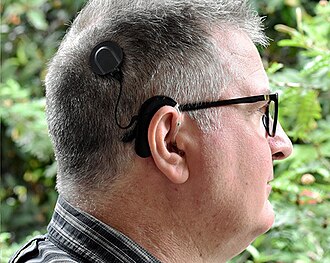
Cochlear implants are a popular treatment for many types of congenital deafness. Credit: Hear hear, CC BY SA 4.0 There are a number of causes of congenital deafness, each of which presents in its own way. In the case of OTOF-related hearing loss, it comes down to a genetic change in a single critical protein. The otoferlin gene is responsible for making the protein of the same name, and this protein is critical for normal, functional hearing in humans. It’s responsible for enabling the communication of signals between the inner hair cells in the ear, and the auditory nerve which conducts these signals to the brain. However, in patients with a condition called autosomal recessive deafness 9, a non-functional variant of the otoferlin gene prevents the normal production of this protein. Without the proper protein available, the auditory nerve fails to receive the proper signals from the hair cells in the ear, and the result is profound deafness.
The typical treatment for this type of congenital hearing loss is the use of a cochlear implant. This is an electronic device that uses a microphone to pick up sound, and then translates it into electrical signals which are sent to electrodes embedded in the cochlear. These simulate the signals that would normally come from the ear itself, and provide a very useful sense of hearing to the user. However, quality and fidelity is strictly limited compared to a fully-functional human ear, and they do come with other drawbacks as is common with many prosthetic devices.
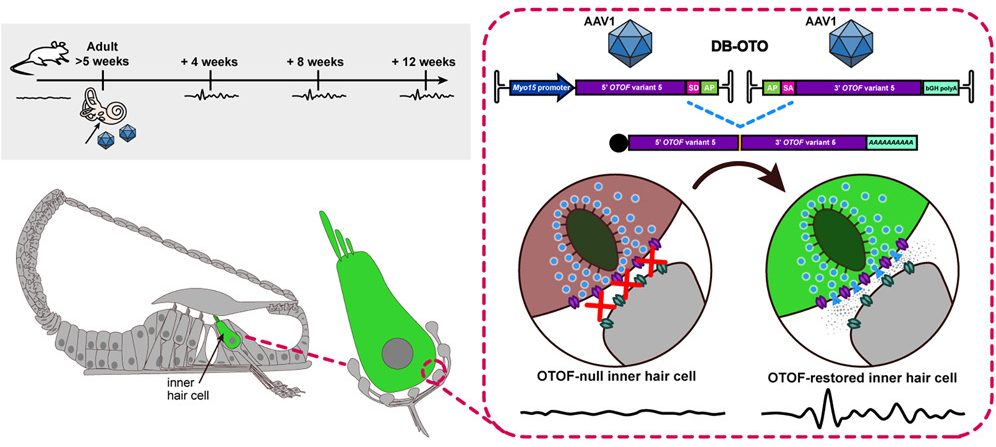
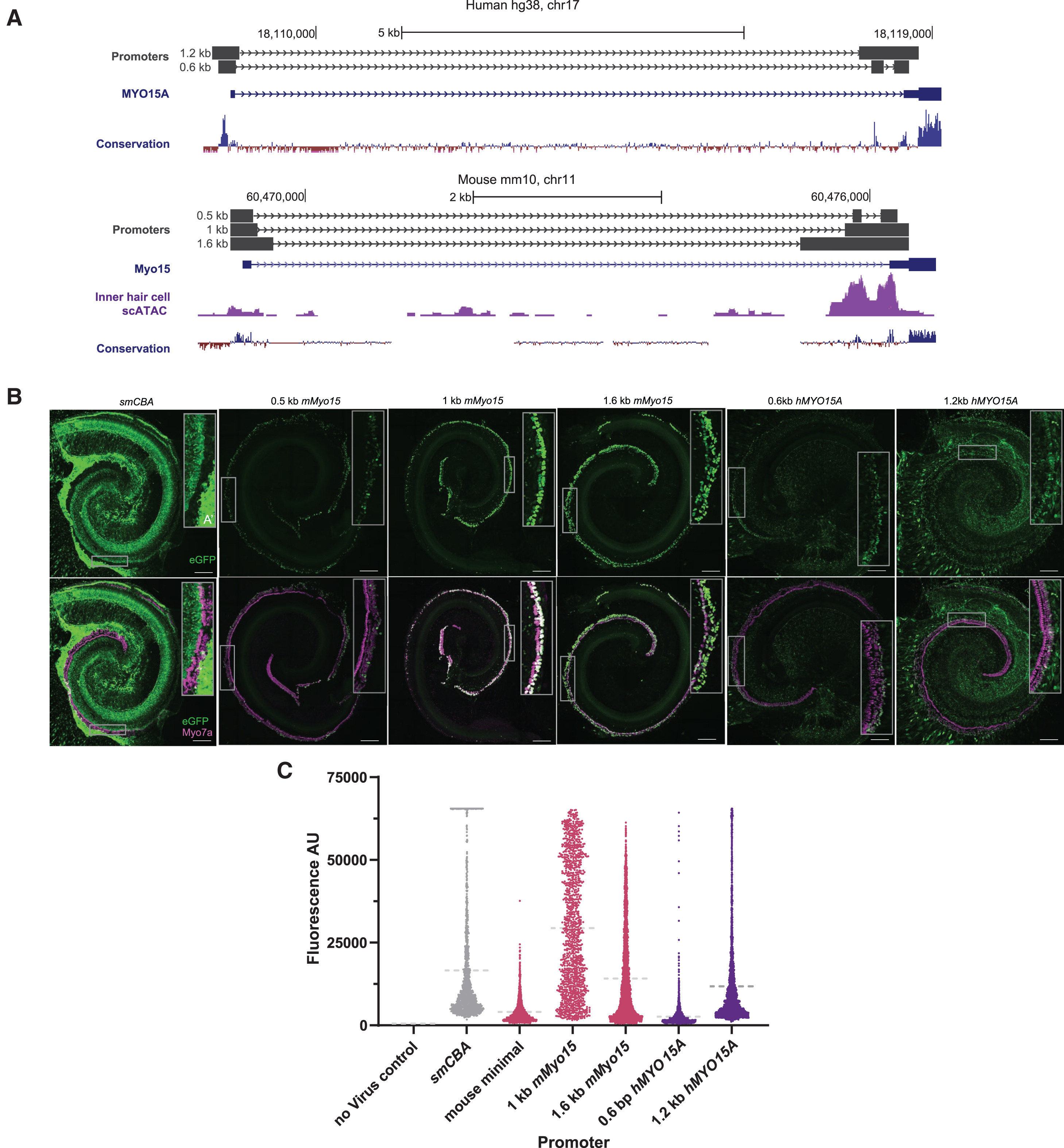
The better understanding that we now have of OTOF-related hearing loss presented an opportunity. If it were possible to get the right protein where it needed to be, it might be possible to enable hearing in what are otherwise properly-formed ears. DB-OTO was initially trialled in mice, where it was able to improve hearing response by creating the protein necessary for nerve conduction between inner ear hair cells and the auditory nerve. Credit: research paper The treatment to do that job is called DB-OTO. It’s a virus-based gene therapy which is able to deliver a working version of the OTOF gene. It uses a non-pathogenic virus to carry the proper genetic code that produces the otoferlin protein. However, it’s no good if this gene is expressed in just any context. Thus, it’s paired with a special DNA sequence called a Myo15 promoter which ensures the gene is only expressed in cochlear hair cells that would normally express the otoferlin protein. Treatment involves delivering the viral gene therapy to one or both ears through a surgical procedure using a similar approach to implanting cochlear devices. Researchers pursued a number of promoter sequences to ensure the gene was only expressed with the correct cells. Credit: research paper An early trial provided DB-OTO treatment to twelve patients, ranging in age from ten months to sixteen years. eleven out of twelve patients developed improved hearing within weeks of treatment with DB-OTO. Nine patients were able to achieve improvements to the point of no longer requiring cochlear implants and having viable natural hearing.
Six trial participants could perceive soft speech, and three could hear whispers, indicating a normal level of hearing sensitivity. Notably, hearing improvements were persistent and there were some signs of speech development in three patients in the study. The company behind the work, Regeneron, is also eager to take the learnings from its development and potentially apply it to other kinds of hearing loss from genetic causes.
DB-OTO remains an experimental treatment for now, but regulatory approvals are being pursued for its further use. It could yet prove to be a viable and effective treatment for a wide range of patients affected by this genetic issue. It’s just one of a number of emerging treatments that use viruses to deliver helpful genetic material when a patient’s own genes don’t quite function as desired.
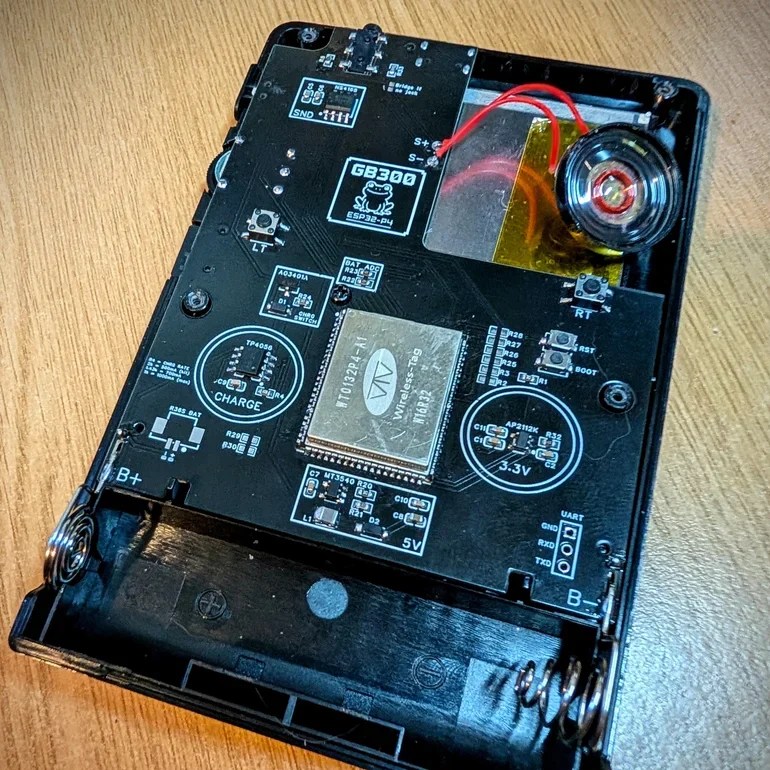
The ESP32-P4 is the new hotness on the microcontroller market. With RISC-V architecture and two cores running 400 MHz, to ears of a certain vintage it sounds more like the heart of a Unix workstation than a traditional MCU. Time’s a funny thing like that. [DynaMight] was looking for an excuse to play with this powerful new system on a chip, so put together what he calls the GB300-P4: a commercial handheld game console with an Expressif brain transplant.
Older ESP32 chips weren’t quite up to 16-bit emulation, but that hadn’t stopped people trying; the RetroGo project by [ducalex] already has an SNES and Genesis/Mega Drive emulation mode, along with all the 8-bit you could ask for. But the higher-tech consoles can run a bit slow in emulation on other ESP32 chips. [DynaMight] wanted to see if the P4 performed better, and to no ones surprise, it did.
If the build quality on this handheld looks suspiciously professional, that’s because it is: [DynaMight] started with a GB300, a commercial emulator platform. Since the ESP32-P4 is replacing a MIPS chip clocked at 914 MHz in the original — which sounds even more like the heart of a Unix workstation, come to think of it — the machine probably doesn’t have better performance than it did from factory unless its code was terribly un-optimized. In this case, performance was not the point. The point was to have a handheld running RetroGo on this specific chip, which the project has evidently accomplished with flying colours. If you’ve got a GB300 you’d rather put an “Expressif Inside” sticker on, the project is on github. Otherwise you can check out the demo video below. (DOOM starts at 1:29, because of course it runs DOOM.)
The last P4 project we featured was a Quadra emulator; we expect to see a lot of projects with this chip in the new year, and they’re not all going to be retrocomputer-related, we’re sure. If you’re cooking up something using the new ESP32, or know someone who is, you know what to do.
Sono in corso in questi giorni le operazioni di muratura delle Porte Sante nelle Basiliche papali, che si concluderanno venerdì 16 gennaio con un rito di carattere privato. Lo comunica la Sala Stampa della Santa Sede.
È pronto il ritratto musivo di Papa Leone XIV che sarà collocato nella Basilica di San Paolo Fuori le Mura. Lo rende noto la Sala Stampa della Santa Sede.
Il Papa ha nominato nunzio apostolico in Albania mons. Mirosław Adamczyk, finora nunzio apostolico in Argentina. Lo rene noto oggi la Sala Stampa della Santa Sede.
Quale direzione ha preso il dialogo tra cristiani ed ebrei? L’eredità della dichiarazione Nostra Aetate quanto e come “vive” nel presente? Preti e rabbini, accademici e teologi si esprimeranno al riguardo nel corso della 37esima edizione della Giorna…
Il Papa ha dedicato l'udienza di oggi, in Aula Paolo VI, alla Dei Verbum. No alle chiacchiere, sì alla preghiera, che "non può mancare nella giornata e nella settimana del cristiano".
If you search the Internet for “Clone Wars,” you’ll get a lot of Star Wars-related pages. But the original Clone Wars took place a long time ago in a galaxy much nearer to ours, and it has a lot to do with the computer you are probably using right now to read this. (Well, unless it is a Mac, something ARM-based, or an old retro-rig. I did say probably!)
IBM is a name that, for many years, was synonymous with computers, especially big mainframe computers. However, it didn’t start out that way. IBM originally made mechanical calculators and tabulating machines. That changed in 1952 with the IBM 701, IBM’s first computer that you’d recognize as a computer.
If you weren’t there, it is hard to understand how IBM dominated the computer market in the 1960s and 1970s. Sure, there were others like Univac, Honeywell, and Burroughs. But especially in the United States, IBM was the biggest fish in the pond. At one point, the computer market’s estimated worth was a bit more than $11 billion, and IBM’s five biggest competitors accounted for about $2 billion, with almost all of the rest going to IBM.
So it was somewhat surprising that IBM didn’t roll out the personal computer first, or at least very early. Even companies that made “small” computers for the day, like Digital Equipment Corporation or Data General, weren’t really expecting the truly personal computer. That push came from companies no one had heard of at the time, like MITS, SWTP, IMSAI, and Commodore.
The IBM PC
The story — and this is another story — goes that IBM spun up a team to make the IBM PC, expecting it to sell very little and use up some old keyboards previously earmarked for a failed word processor project. Instead, when the IBM PC showed up in 1981, it was a surprise hit. By 1983, there was the “XT” which was a PC with some extras, including a hard drive. In 1984, the “AT” showed up with a (gasp!) 16-bit 80286.
The personal computer market had been healthy but small. Now the PC was selling huge volumes, perhaps thanks to commercials like the one below, and decimating other companies in the market. Naturally, others wanted a piece of the pie.
Anyone could make a PC-like computer, because IBM had used off-the-shelf parts for nearly everything. There were two things that really set the PC/XT/AT family apart. First, there was a bus for plugging in cards with video outputs, serial ports, memory, and other peripherals. You could start a fine business just making add-on cards, and IBM gave you all the details. This wasn’t unlike the S-100 bus created by the Altair, but the volume of PC-class machines far outstripped the S-100 market very quickly.
In reality, there were really two buses. The PC/XT had an 8-bit bus, later named the ISA bus. The AT added an extra connector for the extra bits. You could plug an 8-bit card into part of a 16-bit slot. You probably couldn’t plug a 16-bit card into an 8-bit slot, though, unless it was made to work that way.
The other thing you needed to create a working PC was the BIOS — a ROM chip that handled starting the system with all the I/O devices set up and loading an operating system: MS-DOS, CP/M-86, or, later, OS/2.
Protection
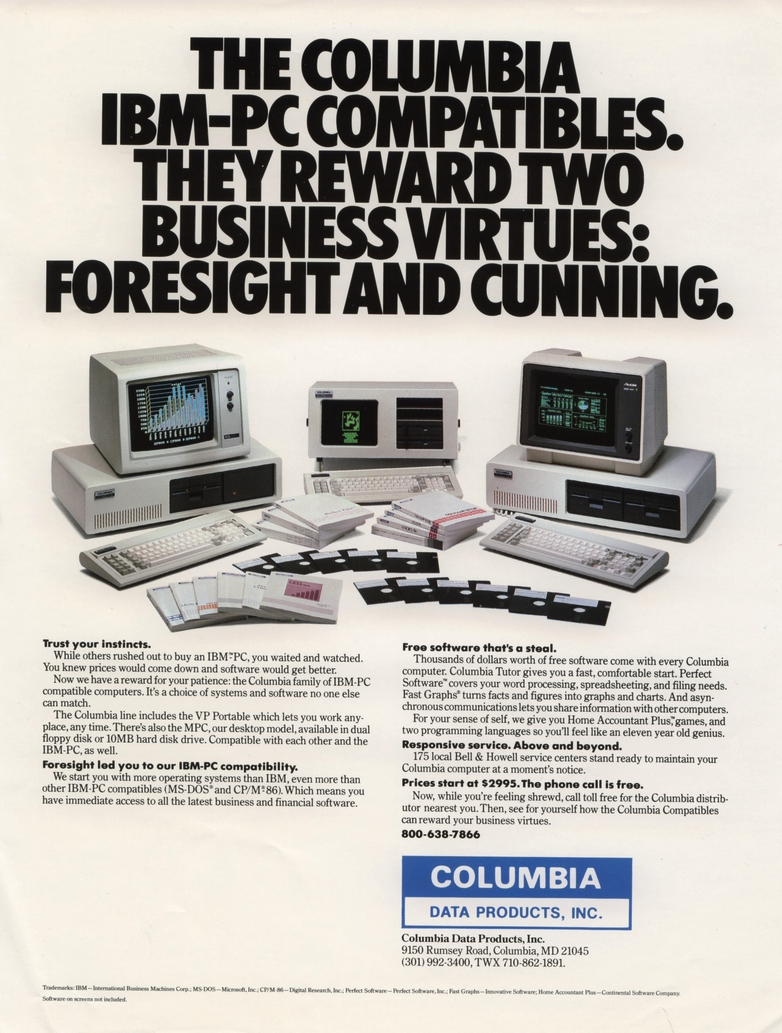
An ad for a Columbia PC clone. IBM didn’t think the PC would amount to much so they didn’t do anything to hide or protect the bus, in contrast to Apple, which had patents on key parts of its computer. They did, however, have a copyright on the BIOS. In theory, creating a clone IBM PC would require the design of an Intel-CPU motherboard with memory and I/O devices at the right addresses, a compatible bus, and a compatible BIOS chip.
But IBM gave the world enough documentation to write software for the machine and to make plug-in cards. So, figuring out the other side of it wasn’t particularly difficult. Probably the first clone maker was Columbia Data Products in 1982, although they were perceived to have compatibility and quality issues. (They are still around as a software company.)
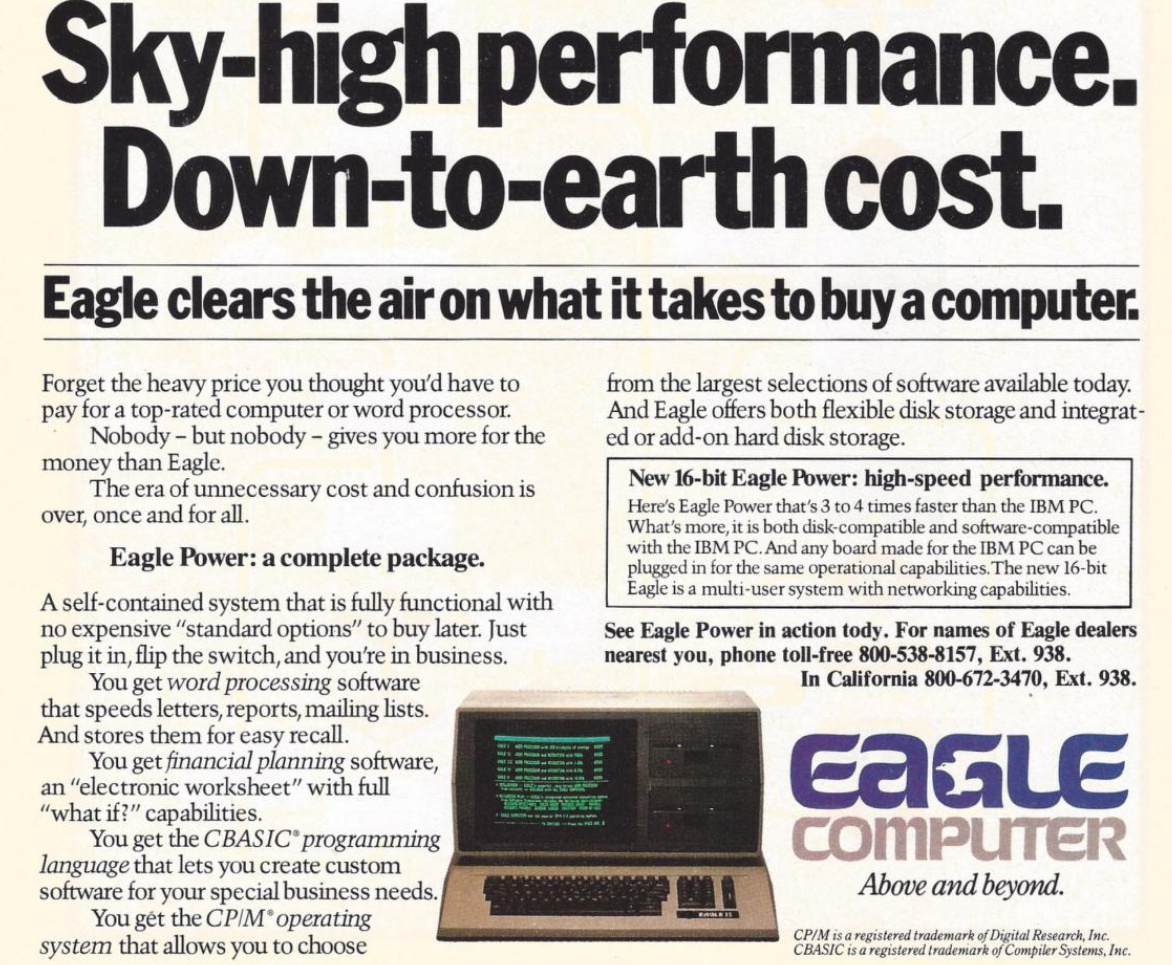
Eagle Computer was another early player that originally made CP/M computers. Their computers were not exact clones, but they were the first to use a true 16-bit CPU and the first to have hard drives. There were some compatibility issues with Eagle versus a “true” PC. You can hear their unusual story in the video below.
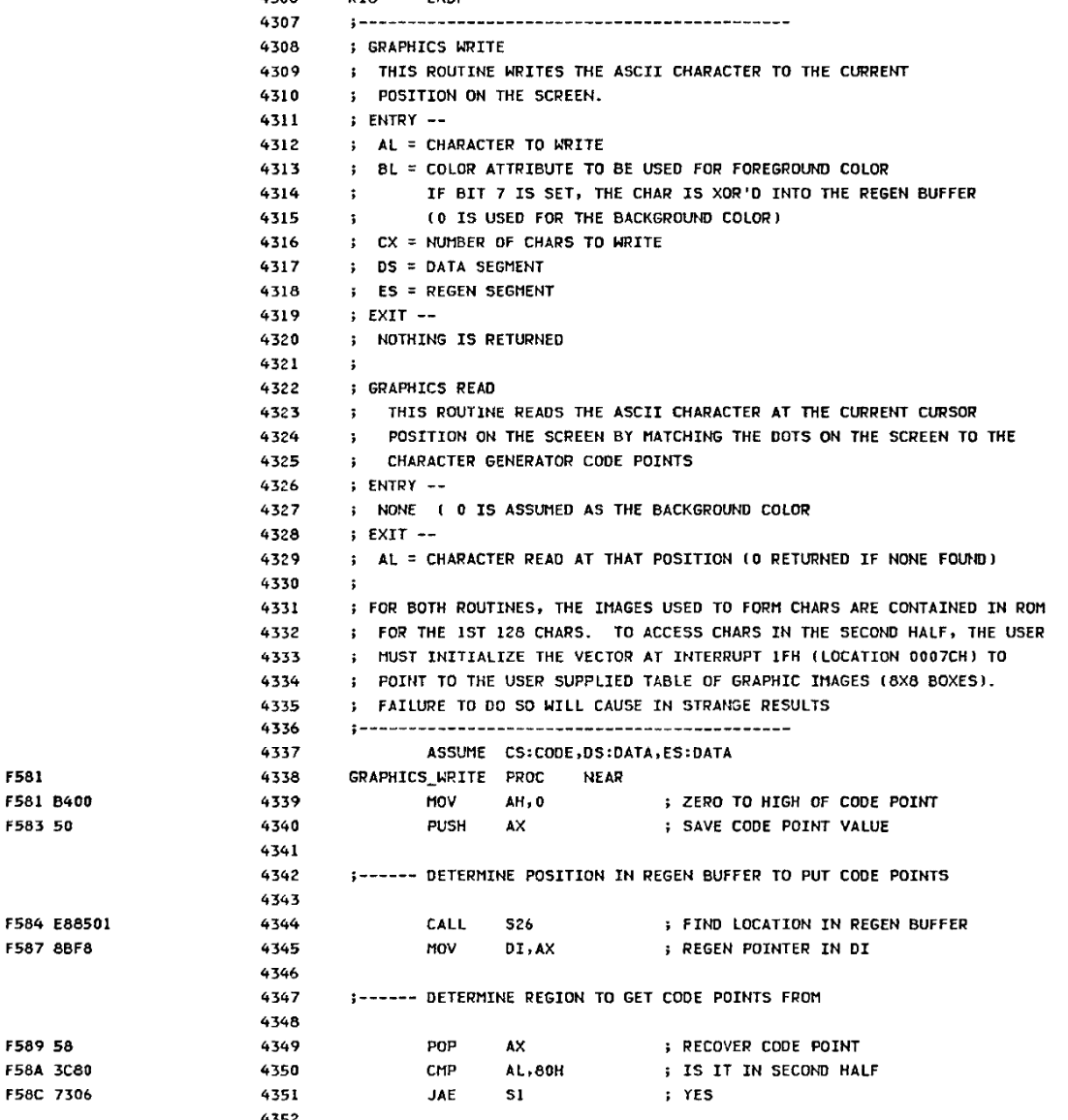
youtube.com/embed/0wdunM5XZwo?… The PC Reference manual had schematics and helpfully commented BIOS source code One of the first companies to find real success cloning the PC was Compaq Computers, formed by some former Texas Instruments employees who were, at first, going to open Mexican restaurants, but decided computers would be better. Unlike some future clone makers, Compaq was dedicated to building better computers, not cheaper.
Compaq’s first entry into the market was a “luggable” (think of a laptop with a real CRT in a suitcase that only ran when plugged into the wall; see the video below). They reportedly spent $1,000,000 to duplicate the IBM BIOS without peeking inside (which would have caused legal problems). However, it is possible that some clone makers simply copied the IBM BIOS directly or indirectly. This was particularly easy because IBM included the BIOS source code in an appendix of the PC’s technical reference manual.
Between 1982 and 1983, Compaq, Columbia Data Products, Eagle Computers, Leading Edge, and Kaypro all threw their hats into the ring. Part of what made this sustainable over the long term was Phoenix Technologies.
Phoenix was a software producer that realized the value of having a non-IBM BIOS. They put together a team to study the BIOS using only public documentation. They produced a specification and handed it to another programmer. That programmer then produced a “clean room” piece of code that did the same things as the BIOS. An Eagle ad from 1983 This was important because, inevitably, IBM sued Phoenix but lost, as they were able to provide credible documentation that they didn’t copy IBM’s code. They were ready to license their BIOS in 1984, and companies like Hewlett-Packard, Tandy, and AT&T were happy to pay the $290,000 license fee. That fee also included insurance from The Hartford to indemnify against any copyright-infringement lawsuits.
Clones were attractive because they were often far cheaper than a “real” PC. They would also often feature innovations. For example, almost all clones had a “turbo” mode to increase the clock speed a little. Many had ports or other features as standard that a PC had to pay extra for (and consume card slots). Compaq, Columbia, and Kaypro made luggable PCs. In addition, supply didn’t always match demand. Dealers often could sell more PCs than they could get in stock, and the clones offered them a way to close more business.
Issues
Not all clone makers got everything right. It wasn’t odd for a strange machine to have different interrupt handling than an IBM machine or different timers. Another favorite place to err involved AT/PC compatibility.
In a base-model IBM PC, the address bus only went from A0 to A19. So if you hit address (hex) FFFFF+1, it would wrap around to 00000. Memory being at a premium, apparently, some programs depended on that behavior.
With the AT, there were more address lines. Rather than breaking backward compatibility, those machines have an “A20 gate.” By default, the A20 line is disabled; you must enable it to use it. However, there were several variations in how that worked.
Intel, for example, had the InBoard/386 that let you plug a 386 into a PC or AT to upgrade it. However, the InBoard A20 gating differed from that of a real AT. Most people never noticed. Software that used the BIOS still worked because the InBoard’s BIOS knew the correct procedure. Most software didn’t care either way. But there was always that one program that would need a fix.
The point is that there were many subtle features on a real IBM computer, and the clone makers didn’t always get it right. If you read ads from those days, they often tout how compatible they are.
Total War!
IBM started a series of legal battles against… well… everybody. Compaq, Corona Data Systems, Handwell, Phoenix, AMD, and anyone who managed to put anything on the market that competed with “big blue” (one of IBM’s nicknames).
IBM didn’t win anything significant, although most companies settled out of court. Then they just used the Phoenix BIOS, which was provably “clean.” So IBM decided to take a different approach.
In 1987, IBM decided they should have paid more attention to the PC design, so they redid it as the PS/2. IBM spent a lot of money telling people how much better the PS/2 was. They had really thought about it this time. So scrap those awful PCs and buy a PS/2 instead.
Of course, the PS/2 wasn’t compatible with anything. It was made to run OS/2. It used the MCA bus, which was incompatible with the ISA bus, and didn’t have many cards available. All of it, of course, was expensive. This time, clone makers had to pay a license fee to IBM to use the new bus, so no more cheap cards, either.
You probably don’t need a business degree to predict how that turned out. The market yawned and continued buying PC “clones” which were now the only game in town if you wanted a PC/XT/AT-style machine, especially since Compaq beat IBM to market with an 80386 PC by about a year.
Not all software was compatible with all clones. But most software would run on anything and, as clones got more prevalent, software got smarter about what to expect. At about the same time, people were thinking more about buying applications and less about the computer they ran on, a trend that had started even earlier, but was continuing to grow. Ordinary people didn’t care what was in the computer as long as it ran their spreadsheet, or accounting program, or whatever it was they were using.
Dozens of companies made something that resembled a PC, including big names like Olivetti, Zenith, Hewlett-Packard, Texas Instruments, Digital Equipment Corporation, and Tandy. Then there were the companies you might remember for other reasons, like Sanyo or TeleVideo. There were also many that simply came and went with little name recognition. Michael Dell started PC Limited in 1984 in his college dorm room, and by 1985, he was selling an $800 turbo PC. A few years later, the name changed to Dell, and now it is a giant in the industry.
Looking Back
It is interesting to play “what if” with this time in history. If IBM had not opened their architecture, they might have made more money. Or, they might have sold 1,000 PCs and lost interest. Then we’d all be using something different. Microsoft retaining the right to sell MS-DOS to other people was also a key enabler.
IBM stayed in the laptop business (ThinkPad) until they sold to Lenovo in 2005. They would also sell them their server business in 2014.
Things have changed, of course. There hasn’t been an ISA card slot on a motherboard in ages. Boot processes are more complex, and there are many BIOS options. Don’t even get us started on EMS and XMS. But at the core, your PC-compatible computer still wakes up and follows the same steps as an old school PC to get started. Like the Ship of Theseus, is it still an “IBM-compatible PC?” If it matters, we think the answer is yes.
If you want to relive those days, we recently saw some new machines sporting 8088s and 80386s. Or, there’s always emulation.
Una legge, specie una discutibile come il Piracy Shield, si può discutere e modificare, ma intanto la si rispetta. E il CEO di CloudFlare può attaccarsi.
@Informatica (Italy e non Italy 😁) Il 14 gennaio 2026 il collettivo Anubis ha pubblicato alcuni documenti che dimostrerebbero un data breach ai danni del Porto di Ancona. Il porto di Ancona fa parte dell’Autorità del […] L'articolo Porto di Ancona: data breach proviene da Edoardo Limone.
@Giornalismo e disordine informativo articolo21.org/2026/01/231608/ La visione de ‘La Grazia’ di Paolo Sorrentino conferma la maturità di un autore che, dopo la parentesi autobiografica di ‘È stata la mano di Dio’ e quella estetica di ‘Parthenope’, torna a interrogarsi su temi cruciali come la responsabilità di vivere. Il film, pur
#Groenlandia: Svezia, Norvegia, Regno Unito, Germania e Francia mandano truppe. L'Italia, forte del riconoscimento Unesco alla sua cucina, manderà trippe.
Mentre Israele, nonostante il cessate il fuoco formalmente in vigore, continua a massacrare civili a Gaza, in Gran Bretagna almeno tre attivisti pro-Palestina
C’è un momento preciso in cui la retorica sulla promozione della democrazia smette di essere una formula rassicurante e diventa un progetto di potere. Quel
Una cosa tipica dei nuovi arrivati nel #fediverso proveniente dall'internet commerciale è "qui non succede niente", questo è morto... Ma COSA VUOI CHE ACCADA? Cosa stai aspettando? Qualcosa di sensazionalistico? Morboso? Umiliante? Qualcosa che ti faccia saltare di rabbia e lanciare insulti? O desiderare follemente quel viaggio/scarpe/acqua di colonia/corpo che non è alla tua portata.
o desde a internet das corporacións é "aquí non pasa nada", esto está muerto... QUE QUERES QUE PASE? que agardas? Algo sensacionalista? Morboso? Humillante? Algo que che faga saltar de carraxe a lanzar insultos? Ou desexar con loucura esa viaxe/zapat…
È una soluzione cinica ma coerente: non il silenzio del cosmo, bensì il nostro. Il paradosso di Fermi nasce come una domanda scientifica, ma resiste da decenni perché tocca un nervo scoperto: l’idea che l’universo sia pieno di vita e che, nonostante questo, nessuno ci risponda. Per molto tempo abbiamo cercato spiegazioni rassicuranti, legate ai limiti tecnologici, alle distanze astronomiche, alla rarità delle condizioni necessarie alla vita intelligente. Abbiamo immaginato civiltà spazzate via prima di poter comunicare, pianeti sterili, errori di calcolo. Ma esiste una lettura più semplice e, proprio per questo, più disturbante: non siamo soli, siamo solo indesiderati. Se ci osservano, vedono una specie tecnologicamente brillante e moralmente immatura, capace di produrre strumenti potentissimi senza una visione condivisa del loro uso. Vedono un pianeta che trasmette nello spazio non tanto segnali di intelligenza, quanto rumore, ripetizione, aggressività, autocompiacimento. Vedono una civiltà che confonde informazione con conoscenza e visibilità con valore. Dal loro punto di vista, la nostra crescita appare sbilanciata: enorme sul piano tecnico, fragile su quello etico. Abbiamo imparato a controllare l’energia prima di controllare noi stessi, a moltiplicare le connessioni senza approfondire le relazioni, a simulare il pensiero senza chiarire cosa significhi davvero comprendere. In questa chiave, il famoso “grande filtro” non è un evento cosmico, ma una soglia interiore. Non un’esplosione, ma una scelta. L’isolamento deliberato diventa allora una strategia di sopravvivenza per civiltà che hanno già attraversato la nostra fase evolutiva e ne riconoscono i pericoli. Interagire con una specie ancora dominata dall’ego, dalla competizione distruttiva e dalla mitologia del potere significherebbe alterarne il percorso o esserne trascinati. Così come noi evitiamo di interferire con ecosistemi instabili o popolazioni non pronte al contatto, loro evitano noi. Non per arroganza, ma per responsabilità. Il silenzio cosmico assume allora un significato diverso: non è assenza di vita, ma presenza di limite. È una forma di attesa, una quarantena cosmica che non ha una data di fine prestabilita. Forse il criterio non è il livello tecnologico, ma la maturità collettiva. Forse non si entra nella conversazione galattica finché non si dimostra di saper ascoltare, cooperare, preservare ciò che si crea. In questo scenario, il paradosso di Fermi smette di essere un problema astronomico e diventa uno specchio antropologico. Non chiede dove siano gli altri, ma chi siamo noi visti da fuori. Siamo una civiltà che usa l’intelligenza per comprendere o solo per dominare? Siamo capaci di trasformare il sapere in saggezza o restiamo prigionieri della performance? Forse il primo vero contatto non avverrà quando intercetteremo un segnale alieno, ma quando ridurremo il rumore che produciamo. Forse arriverà quando la tecnologia tornerà a essere strumento e non identità, quando la potenza sarà accompagnata da misura, quando il progresso non sarà più una corsa cieca ma una direzione condivisa. Fino ad allora, il silenzio dell’universo non è un rifiuto definitivo. È un invito implicito a crescere. È una pausa carica di significato. È la prova che, prima di cercare altri mondi, dobbiamo rendere abitabile il nostro.
Ciao @L' Alchimista Digitale , vorrei condividere con te degli appunti su una questione che riguarda i post Friendica con il titolo
Formattazione post con titolo leggibili da Mastodon
Come forse saprai già, con Friendica possiamo scegliere di scrivere post con il titolo (come su WordPress) e post senza titolo (come su Mastodon). Uno dei problemi più fastidiosi per chi desidera scrivere post con il titolo è il fatto che gli utenti Mastodon leggeranno il tuo post come se fosse costituito dal solo titolo e, due a capi più in basso, dal link al post originale: questo non è di certo il modo miglior per rendere leggibili e interessanti i tuoi post!
Gli utenti Mastodon infatti hanno molti limiti di visualizzazione, ma sono pur sempre la comunità più grande del Fediverso e perciò è importante che vedano correttamente i vostri post: poter contare sulla loro visibilità è un'opportunità per aggiungere ulteriori possibilità di interazioni con altre persone.
Fortunatamente, con le ultime release di Friendica abbiamo la possibilità di modificare un'impostazione per rendere perfettamente leggibili anche i post con il titolo. Ecco come fare:
A) dal proprio account bisogna andare alla pagina delle impostazioni e, da lì, alla voce "Social Network" al link poliverso.org/settings/connect… B) Selezionando la prima sezione "Impostazione media sociali" e scorrendo in basso si può trovare la voce "Article Mode", con un menu a cascataC) Delle tre voci disponibili bisogna scegliere "Embed the title in the body"
Ecco che adesso i nostri post saranno completamente leggibili da Mastodon!
I bot social sono un problema noto nella società odierna. Sono influenzati da una varietà di fattori, che vanno dalla presenza di bot alla mancanza di interazione tra bot e utenti. Questo articolo propone un approccio multipiattaforma per il rilevamento dei bot social basato su metadati del profilo e incorporamenti di testo, applicato agli account utente di Twitter, Mastodon e Bluesky. Il modello risultante raggiunge un'accuratezza del 97,39% in un'attività di classificazione a quattro classi, superando diverse linee di base consolidate, inclusi approcci basati su grafici e federati, pur essendo computazionalmente efficiente. Il contributo principale di questo lavoro è la dimostrazione che le caratteristiche utente possono supportare un'efficace classificazione dei bot in ambienti eterogenei e decentralizzati, dimostrando la fattibilità della generalizzazione interdominio su larga scala. Presentiamo inoltre un nuovo set di dati che combina account bot e non bot autoidentificati da piattaforme decentralizzate.
Il set di dati creato per questo studio è disponibile su richiesta. I ricercatori interessati possono contattare l'autore corrispondente all'indirizzo fran.moreno@upm.es. Il set di dati non include componenti derivati da Cresci et al. (2017).
Le notizie dal Centro Nexa su Internet & Società del Politecnico di Torino su @Etica Digitale (Feddit)
11 febbraio 2026 | STEFANO TORTORICI (Scuola Normale Superiore di Firenze) The post 191° Mercoledì di Nexa – Un’alternativa al capitalismo digitale? Confini e traiettorie delle piattaforme cooperative appeared
WEBINAR – 13 GENNAIO 2026 – 18:00 con ANTONIO D’ALESSIO, Deputato della Repubblica di Azione e componente della Commissione Giustizia GIUSEPPE BENEDETTO, Presidente Fondazione Luigi Einaudi STEFANO CECCANTI, Professore ordinario diritto pubblico comparato, Università la Sapienza di Roma LORENZA VIOLINI, Professoressa ordinaria
Mercoledì, 14 Gennaio 2026 ore 13:00 presso la Sala Stampa Camera dei Deputati, Piazza Montecitorio, Via della Missione, 4 Partecipano Avv. Giuseppe Benedetto, Presidente Fondazione Einaudi Avv. Giandomenico Caiazza, Presidente Comitato SiSepara On. Giorgio Mule, Vice Presidente
27 Gennaio 2026, ore 15:30 – Sala dell’Istituto di Santa Maria in Aquiro presso il Senato della Repubblica, Piazza Capranica, 72 – Roma Interverranno Giuseppe Benedetto Andrea Cangini Fabrizio Cicchitto Giuseppe Gargani Matteo Hallissey L'articolo Ripristiniamo l’Art. 68 proviene da Fondazione Luigi fondazioneluigieinaudi.it/ripr…
In uscita un doppio live di Annahstasia freezonemagazine.com/news/in-u… Una rivisitazione affascinante e coinvolgente dei brani tratti da Tether, Surface Tension e Revival. Questo si preannuncia Live at Glasshaus di Annahstasia in uscita il prossimo 13 marzo in doppio LP e Download. L’ensemble della cantante ha evocato la grandiosità orchestrale di arrangiamenti impressionistici, diretti dalla sua voce squisita, una delle più intense ed espressive
Gli americani sono preoccupati per il costo della vita, così Trump li rassicura: i data center, dice, non faranno aumentare le bollette. E loda Microsoft, che ha lanciato una nuova iniziativa per non gravare sulle comunità. L'industria dell'intelligenza artificiale,
Secondo alcune organizzazioni no profit, l'accesso al servizio Internet Starlink di Elon Musk èhttps://www.startmag.it/innovazione/starlink-gratis-in-iran-ecco-come-musk-sfida-il-blackout-digitale-del-regime/
ℹ️🔴 La CNIL sanctionne la société FREE MOBILE d'une amende de 27 millions d’euros et la société FREE d'une amende de 15 millions d'euros, compte tenu du caractère inadapté des mesures prises pour assurer la sécurité des données de leurs abonnés 👉 cnil.fr/sanction-free-2026
Le contexte En octobre 2024, un attaquant est parvenu à s’infiltrer dans le système d’information des sociétés et à accéder à des données personnelles concernant 24 millions de contrats d’abonnés, dont des IBAN lorsque les personnes étaient à la fois…
Salomone è un Re importante, e quando leggiamo il suo nome nella Bibbia, tra le altre cose, lo troviamo davanti a due donne: una delle due ha perso suo figlio, e ha rubato il figlio all’altra. Entrambe rivendicano la maternità dell’unico bambino, e a Salomone spetta il compito di stabilire con saggezza quale sia, tra le due donne, la vera mamma. Quindi, nell'impossibilità di stabilire oltre ogni dubbio quale delle due fosse quella vera, Salomone sguaina la sua spada e decide: tagliamo il bambino in due parti, così accontentiamo entrambe. Venga data una metà all’una, e una metà all’altra. La vera mamma, pur di lasciare il figlio in vita prega il Re di non farlo; piuttosto, lo desse all’altra donna. Purché il bambino viva, lei è disposta a rinunciarvi. Sia pure la falsa mamma, la sua mamma. L’altra invece, pur di negare all’altra la maternità che a lei il destino ha voluto negare, urla: taglialo in due, taglialo. Niente a me, niente a lei. La sua cattiveria non cerca la maternità che Dio le ha tolto facendole morire il figlio, ma vuole che all’altra venga negata, così come è stata negata a lei. Questi i presupposti del bene e del male, nell’esposizione del mio pensiero più intimo. Chi vuole il male distrugge, divide, uccide, cerca — con ogni mezzo — di privare gli altri del bene, perché sa che a lui è precluso. Chi ama il male non è capace del bene. È un contenitore sterile del buio. Chi vuole il bene invece non cerca di distruggerlo. Al contrario, a costo di privarsene, vuole che il bene viva, e venga agito. Gli basta che altri lo abbiano, e ne gioiscano.
Dopo aver abbandonato Canada, Germania, Austria, Irlanda, Svizzera e anche l'Italia, GameStop sarebbe prossima all'addio pure alla Nuova Zelanda. E negli Usa avrebbe chiuso 470https://www.startmag.it/innovazione/game-over-per-centinaia-di-punti-vendita-gamestop/
Rispetto alla sanzione di #Agcom da oltre 14 milioni a #Cloudflare ho preso convintamente le distanze, come sull’intero procedimento che ha portato alla nascita di #PiracyShield. Non condivido, però, neppure la concezione di tutele e #regole, per quanto perfettibili, come inutili fardelli.
In ogni caso, tra chi ci vede una svolta nella lotta alla #pirateria e chi un preoccupante “salto di qualità” verso #blocchi infrastrutturali sempre più automatici, il provvedimento ha riaperto un confronto importante. Che merita meno tifoserie e più #metodo.
Tipo: discutere di proporzionalità, #garanzie e sostenibilità operativa. Metto dunque a fattor comune gli aspetti che ritengo possano fare la differenza tra costruire uno strumento stabile o un #contenzioso permanente.
1) Se l’enforcement si estende verso servizi infrastrutturali come #DNS pubblici, CDN o altri intermediari tecnici, il tema non è se i fornitori possano avere un ruolo nel contrasto ai contenuti #illeciti ma come evitare criteri troppo larghi che finiscano per trascinare nella rete anche usi pienamente leciti. Un’infrastruttura molto diffusa può comparire spesso anche nei contesti illeciti, ma questo non dovrebbe tradursi automaticamente in #obblighi applicati in modo indistinto.
2) Alla velocità del blocco dovrebbe corrispondere una velocità comparabile di correzione, con procedure chiare, tracciabili e tempi di ripristino espliciti, perché gli errori o gli #overblocking per quanto non desiderati sono sempre possibili e quando accadono ne derivano danni immediati.
3) È fisiologico che le segnalazioni operative arrivino dai titolari dei #diritti o da soggetti incaricati ma un sistema di accertamento delle #violazioni credibile nel lungo periodo dovrebbe poggiare su standard pubblici minimi di qualità della prova, #audit indipendenti periodici e un #contraddittorio effettivo e tempestivo, almeno nei casi dubbi o ricorrenti.
4) Chi sostiene i #costi tecnici, legali e organizzativi di questa operatività quotidiana? Se una quota rilevante ricade su #ISP e intermediari, è ragionevole aprire una discussione su governance, cost-sharing (o criteri trasparenti di ripartizione), responsabilità in caso di segnalazioni errate e reportistica pubblica su volumi, #tempi ed esiti.
In sintesi: proviamo ad uscire dal manicheismo del “pro” o “contro” e chiediamoci invece quali garanzie e quali metriche nel sistema dei blocchi è necessario implementare...
mamma mia che succede? Muore Cloudflare o blocca i servizi italiani? Magari lo facesse visto che si tratta di un colosso americano o sbaglio? Perchè non usare i servizi di Gcore invece che sono europei???? Figa se dobbiamo boicottare le big tech facciamolo come si deve.. famose a capì 😉 eccovi il link per il piano gratuito CDN per sempre
Accelerate your static and dynamic content delivery with the next-generation CDN by Gcore. Advanced caching functionality and built-in security mechanisms.
Magari lo facesse visto che si tratta di un colosso americano o sbaglio?
No, non sbagli affatto. Ma non lo farà, perché la nostra è una classe politica servile con gli USA e quindi l'Italia incasserà il cazziatone di Cloudflare con il sorriso sulle labbra e chiederà pure scusa
Perchè non usare i servizi di Gcore invece che sono europei????
Non la conoscevo! Grazie per la dritta su gcore.com/cdn
@Notizie dall'Italia e dal mondo Il 31 ottobre 2025, il Consiglio di sicurezza delle Nazioni Unite ha approvato con larga maggioranza la risoluzione 2797/2025, che rinnova la missione di peacekeeping Minurso (Missione delle Nazioni Unite per il referendum nel Sahara Occidentale) nel territorio del Sahara Occidentale. La
@Notizie dall'Italia e dal mondo L'establishment iraniano, contrariamente a quanto si dice in Occidente, è solido e porzioni significative della popolazione lo appoggiano nonostante i tanti morti e feriti di questi giorni L'articolo ANALISI. Iran. Quadro fluido, ma Khamenei non è privo di consenso proviene da
@Giornalismo e disordine informativo articolo21.org/2026/01/iran-16… Venerdì 16 Gennaio , a partire dalle ore 16:30, Amnesty International Italia e Women Life Freedom for Peace and Justice organizzano un importante momento di mobilitazione sulla scalinata del Campidoglio. Un appuntamento fondamentale
Dušan Jelinčič – I fantasmi di Trieste freezonemagazine.com/news/dusa… In libreria dal 20 Gennaio 2026 Trieste è il luogo dei luoghi. Che però sono sempre luoghi con ombre e fantasmi. Che possono chiamarsi paura del passato, non accettare il presente e sospettare del futuro, perché se c’è un futuro, bisognerà chiarire tante cose, a cominciare dall’identità. Trieste è una città mondo con […] L'articolo Dušan Jelinčič – I fantasmi di Trieste proviene
Every Thursday of the week, Bastian’s Night is broadcast from 21:30 CET.
Bastian’s Night is a live talk show in German with lots of music, a weekly round-up of news from around the world, and a glimpse into the host’s crazy week in the pirate movement.
Segnalato dal LUG di Firenze e pubblicato sulla comunità Lemmy @GNU/Linux Italia #Firenze Il volenteroso Gianfranco del GOLEM rinnova la proficua collaborazione con la biblioteca di Scandicci, con una serie di appuntamenti il
trump. il più grande negazionista della storia. chissà alla fine come sarà ricordato. in un mondo futuro controllato da lobby e imperi fascisti militaristi probabilmente bene.
Il progetto di accentramento di poteri virtualmente assoluti al vertice dell’esecutivo da parte del presidente americano Trump sta procedendo su vari fronti
Mentre il conflitto in Ucraina, oramai quasi giunto al suo quarto anniversario, continua a imperversare, l’apparato militare della Federazione Russa continua ad adattare e perfezionare il proprio arsenale di droni. L’ultima evoluzione di questa famiglia è il Geran-5, una nuova variante
Socs26 - Via Celoria 22 (martedì, 13 gennaio 18:30) Una società medicalizzata è una società che ha completamente delegato a una casta di tecnici la cura della salute. Ma anche una cultura può medicalizzarsi, perdendo la capacità tutta umana di dare senso al dolore, la malattia, la morte. Quando questo accade, sopportazione e sofferenza lasciano il posto a una frustrante richiesta di servizi medici e appare la "morte naturale" come merce che può essere fornita dagli ospedali e consumata oppure rivendicata come diritto universale.
Parliamo insieme di questo e altro trovandoci a SOCS il 13 gennaio alle 18:30. Porta quello che vuoi trovare
Chi fa da sé fa per tre - proiezione del film "To kill a war machine"
COX18 - Via Conchetta 18, Milano (mercoledì, 14 gennaio 20:30) “Non potendo più sopportare di vedere morire fratelli e sorelle in Palestina e stanchi di continuare a chiedere ai politici di smantellare le fabbriche d’armi, ci siamo andati e le abbiamo smantellate noi.”
Mercoledì 14 gennaio 2026, h. 20,30
¶ proiezione del documentario “To Kill a War Machine” sulle pratiche di azione diretta contro l’industria bellica realizzate in Gran Bretagna dal gruppo Palestine Action
¶ aggiornamenti in collegamento con attivisti inglesi sullo sciopero della fame dei membri di Palestine Action arrestati
*
Il film, To Kill a War Machine, tratta delle azioni dirette in Gran Bretagna del gruppo Palestine Action contro Elbit System, azienda israeliana produttrice d’armi, e contro aziende complici di israele. “Non potendo più sopportare di vedere morire fratelli e sorelle in Palestina e stanchi di continuare a chiedere ai vari politici di smantellare le fabbriche d’armi, siamo andati e le abbiamo smantellate noi.” Dopo gli arresti di 33 attivisti e la decisione del governo di dichiarare Palestine Action organizzazione terroristica, i prigionieri hanno proclamato uno sciopero della fame iniziato il 2 novembre 2025, “quando lo stato nega giustizia, siamo obbligati ad agire”.
Trattoria Popolare ARCI Traverso - Via Ambrogio Figino 13, Milano (giovedì, 15 gennaio 19:00) // VILLAPIZZONE - PREALPI PER LA PALESTINA //
Dopo il 7 ottobre 2023 e con la crescita del movimento di solidarietà con la Palestina il dibattito sull'antisemitismo ha ripreso vigore e intorno a questo concetto si sono imperniate diverse prese di distanza istituzionali dal movimento, accusato appunto di rigurgiti antisemiti. Assistiamo oggi ad un pericoloso slittamento del significato del termine: da pregiudizio razziale verso il popolo ebraico a critica verso Israele come entità statuale.
Questo uso strumentale può avere delle pesantissime ricadute limitando l'espressione di dissenso o la libertà di insegnamento.
Ne parleremo con Valentina Pisanty, semiologa che da anni studia il discorso pubblico attorno a questi temi, autrice del libro "Antisemita. Una parola in ostaggio", 2025.
Ingresso libero soci arci Prenotazioni per la cena: 3480559421
Biblioteca Baggio - via Pistoia 10, Milano (giovedì, 15 gennaio 20:45) Le Olimpiadi sono sempre state ovunque, e in ogni epoca storica, un fatto di enorme rilevanza politica; e quanto ciò sia vero, trova proprio in questa storia delle candidature olimpiche milanesi una emblematica conferma.Un lungo viaggio che parte da Sant’Ambrogio e arriva fino al sindaco Sala, passando per Gianni Brera. Uno specchio dei rapporti tra la città, la politica, lo sport e la sua dimensione internazionale, un’inchiesta storica dietro cui si celano rapporti di potere e speculazioni.







Poliverso - notizie dal Fediverso ⁂
in reply to L' Alchimista Digitale • •Ciao @L' Alchimista Digitale ,
vorrei condividere con te degli appunti su una questione che riguarda i post Friendica con il titolo
Formattazione post con titolo leggibili da Mastodon
Come forse saprai già, con Friendica possiamo scegliere di scrivere post con il titolo (come su WordPress) e post senza titolo (come su Mastodon). Uno dei problemi più fastidiosi per chi desidera scrivere post con il titolo è il fatto che gli utenti Mastodon leggeranno il tuo post come se fosse costituito dal solo titolo e, due a capi più in basso, dal link al post originale: questo non è di certo il modo miglior per rendere leggibili e interessanti i tuoi post!
Gli utenti Mastodon infatti hanno molti limiti di visualizzazione, ma sono pur sempre la comunità più grande del Fediverso e perciò è importante che vedano correttamente i vostri post: poter contare sulla loro visibilità è un'opportunità per aggiungere ulteriori possibilità di interazioni con altre persone.
Fortunatamente, con le ultime release di Friendica abbiamo la possibilità di modificare un'impostazione per rendere perfettamente leggibili anche i post con il titolo. Ecco come fare:
A) dal proprio account bisogna andare alla pagina delle impostazioni e, da lì, alla voce "Social Network" al link poliverso.org/settings/connect…
B) Selezionando la prima sezione "Impostazione media sociali" e scorrendo in basso si può trovare la voce "Article Mode", con un menu a cascataC) Delle tre voci disponibili bisogna scegliere "Embed the title in the body"
Ecco che adesso i nostri post saranno completamente leggibili da Mastodon!