
[2026-03-04] Umanità migrante: Kurdistan sotto assedio @ https://arcibrescia.it/2026/03/04/umanita-migrante-kurdistan-sotto-assedio/
Umanità migrante: Kurdistan sotto assedio
arcibrescia.it/2026/03/04/uman… - arcibrescia.it/2026/03/04/uman…
(mercoledì, 4 marzo 10:50)
Umanità migrante: Kurdistan sotto assediomercoledì 4 marzo ore 20.30 – Teatro Borsoni Via Milano 83 Brescia In arrivo la decima edizione di Umanità Migrante!Primo appuntamento: mercoledì 4 marzo.Ascolteremo la testimonianza di Maysoon Majidi, regista e attivista curda ingiustamente detenuta in Italia a causa di un’assurda accusa di favoreggiamento all’immigrazione clandestina.Insieme…
[2026-03-08] Forget, Rabbia, Zach @ Lupo
Forget, Rabbia, Zach
Lupo - Viale Romagna 323/h 48125 Lido di Savio (RA)
(domenica, 8 marzo 18:00)
Rassegna Musica inaudita

Forget, Rabbia, Zach
Nathalie Forget – Ondes Martenot
Michele Rabbia – percussioni, elettroniche
Ingar Zach – percussioni
La stagione di Area Sismica ospita un trio di caratura internazionale composto dai percussionisti Michele Rabbia e Ingar Zach – sodalizio ormai rodato – cui si aggiunge in questa occasione la francese Nathalie Forget all’Ondes Martenot, strumento di grande fascino – uno dei primi sintetizzatori elettronici, inventato da Maurice Martenot e presentato al pubblico nel 1928 –, molto raro da ascoltare dal vivo.
Il disco Musique pour deux corps riunisce, nel suo secondo repertorio, il duo Michele Rabbia e Ingar Zach. Insieme, i due percussionisti, propongono un concerto volto a inventare, ricercare e sviluppare nuove forme sonore da materiali illimitati e inesauribili che solo le percussioni possono offrire. Le pelli sono utilizzate come superfici su cui far risuonare differenti metalli, legni, oggetti vari e l’elettronica viene utilizzata come estensione del suono naturale per aprire l’intera gamma di un nuovo mondo sonoro. A Zach e Rabbia si aggiungono in questa occasione l’Ondes Martenot della talentuosa Nathalie Forget. Forget è stata insignita all’unanimità del Primo Premio in d’Ondes Martenot al Conservatorio Nazionale Superiore di Parigi, dove ha studiato con Valérie Hartmann-Claverie.
L’Ondes Martenot può essere considerato un antenato delle tastiere moderne in quanto si basa sullo sfruttamento delle differenze di frequenza emesse da due generatori sonori (oscillatori). Ha un’estensione di sei ottave, e può produrre intervalli inferiori al semitono, glissati e diversi timbri. In tempi moderni è stato utilizzato, tra gli altri, dai Radiohead.
Ingresso 20 euro – prevendite su oooh.events
Info 345 6638289
[2026-03-07] L'inverno grande artista @ Biella - Spazio cultura
L'inverno grande artista
Biella - Spazio cultura - via Garibaldi, 14 - Biella
(sabato, 7 marzo 10:30)
Fotografie di Francesco Delorenzi

di nuovo: una firma per far entrare gli aiuti a Gaza
differx.noblogs.org/2026/03/01…
per oxfamitalia.org/petizione/gaza…

Let aid IN - Oxfam Italia
Chiedi l'ingresso degli aiuti umanitari a Gaza in modo imparziale, neutrale e indipendente. Firma subito per salvare migliaia di viteOxfam Italia
reshared this
Molto interessante.
#CGIL


Quali conseguenze può avere il ricorso contro Burger King presentato dalla Cgil dopo le inchieste su Glovo e Deliveroo
https://www.wired.it/article/rider-inchieste-filiera-cgil-presenta-ricorso-contro-burger-king-glovo-deliveroo/?utm_source=flipboard&utm_medium=activitypubPubblicato su Diritti @diritti-WiredItalia
Quali conseguenze può avere il ricorso contro Burger King presentato dalla Cgil dopo le inchieste su Glovo e Deliveroo
Alla base del ricorso contro Burger King, c'è la richiesta che la catena eserciti un’effettiva vigilanza sulle condizioni di lavoro dei rider nelle consegneElena Betti (Wired Italia)

Poliversity - Università ricerca e giornalismo reshared this.
Il senso in meno. Deleuze e Guattari a Vincennes, 1, 1975-76, parti 1-4
differx.noblogs.org/2026/02/28…
reshared this
Crosetto a Dubai. Come fosse un film già visto
@Giornalismo e disordine informativo
articolo21.org/2026/03/crosett…
Se la vicenda Crosetto-a-Dubai fosse una stanza ci sarebbe un enorme elefante rosa nel bel mezzo di cui nessuno pare accorgersi, che si chiama Alfredo Mantovano. Per vederlo bisogna scartare dalla scena tutto ciò che non serve, tipo:
Giuseppe likes this.
Giornalismo e disordine informativo reshared this.
traduco: "Questa settimana, tra i progetti open source, dalle distribuzioni Linux agli app store come Flathub, si parla di come affrontare l'ultima follia della California: il Digital Age Assurance Act. La legge statale AB 1043 della California impone ai sistemi operativi, Linux incluso, di raccogliere informazioni sull'età durante la configurazione dell'account e di renderle pubbliche per le app idonee a partire dal 1° gennaio 2027. Ciò lascia molta incertezza per le distribuzioni Linux e altri repository/store e altro ancora. Canonical ha rilasciato oggi una dichiarazione per chiarire di non avere ancora una soluzione da annunciare."
evidentemente leggi insensate non si fanno solo in italia...

Ubuntu Still Figuring Out A Plan For Dealing With California's Digital Age Assurance Act
The talk this week among open-source projects from Linux distributions to app stores like Flathub is how to deal with California's latest insanity: the Digital Age Assurance Actwww.phoronix.com
Gherardo Colombo ospite a Formia, in una chiesa per parlare di giustizia a studenti e genitori
@Giornalismo e disordine informativo
articolo21.org/2026/03/gherard…
L’immagine è di impatto, fortissimo, indicativa di una società civile che ha voglia di
Giornalismo e disordine informativo reshared this.

Una cosa che i robot proprio non sanno fare
Un’operazione semplice per gli umani, ma che richiede capacità percettive e motorie non banali: piegare il bucatoIl Post
La chiave per la de-escalation in Medio Oriente e l’invito all’Europa. Gli spunti di Mauro e Pittella
@Notizie dall'Italia e dal mondo
Dopo l’allargamento del conflitto, oggi il rischio principale è quello dell’allungamento. Nel senso che Donald J. Trump che solo tre giorni fa aveva parlato di un blitz di quattro giorni (poi diventato ieri di 4 settimane) adesso dice che la guerra sarà lunga. E per la
Notizie dall'Italia e dal mondo reshared this.
Mobile malware evolution in 2025

Starting from the third quarter of 2025, we have updated our statistical methodology based on the Kaspersky Security Network. These changes affect all sections of the report except for the installation package statistics, which remain unchanged.
To illustrate trends between reporting periods, we have recalculated the previous year’s data; consequently, these figures may differ significantly from previously published numbers. All subsequent reports will be generated using this new methodology, ensuring accurate data comparisons with the findings presented in this article.
Kaspersky Security Network (KSN) is a global network for analyzing anonymized threat intelligence, voluntarily shared by Kaspersky users. The statistics in this report are based on KSN data unless explicitly stated otherwise.
The year in figures
According to Kaspersky Security Network, in 2025:
- Over 14 million attacks involving malware, adware or unwanted mobile software were blocked.
- Adware remained the most prevalent mobile threat, accounting for 62% of all detections.
- Over 815 thousand malicious installation packages were detected, including 255 thousand mobile banking Trojans.
The year’s highlights
In 2025, cybercriminals launched an average of approximately 1.17 million attacks per month against mobile devices using malicious, advertising, or unwanted software. In total, Kaspersky solutions blocked 14,059,465 attacks throughout the year.
Attacks on Kaspersky mobile users in 2025 (download)
Beyond the malware mentioned in previous quarterly reports, 2025 saw the discovery of several other notable Trojans. Among these, in Q4 we uncovered the Keenadu preinstalled backdoor. This malware is integrated into device firmware during the manufacturing stage. The malicious code is injected into libandroid_runtime.so – a core library for the Android Java runtime environment – allowing a copy of the backdoor to enter the address space of every app running on the device. Depending on the specific app, the malware can then perform actions such as inflating ad views, displaying banners on behalf of other apps, or hijacking search queries. The functionality of Keenadu is virtually unlimited, as its malicious modules are downloaded dynamically and can be updated remotely.
Cybersecurity researchers also identified the Kimwolf IoT botnet, which specifically targets Android TV boxes. Infected devices are capable of launching DDoS attacks, operating as reverse proxies, and executing malicious commands via a reverse shell. Subsequent analysis revealed that Kimwolf’s reverse proxy functionality was being leveraged by proxy providers to use compromised home devices as residential proxies.
Another notable discovery in 2025 was the LunaSpy Trojan.
LunaSpy Trojan, distributed under the guise of an antivirus app
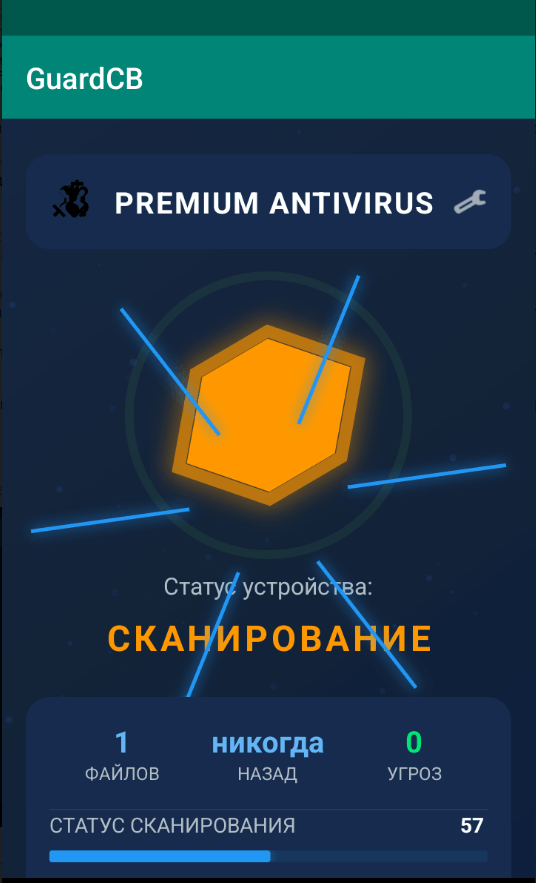
Disguised as antivirus software, this spyware exfiltrates browser passwords, messaging app credentials, SMS messages, and call logs. Furthermore, it is capable of recording audio via the device’s microphone and capturing video through the camera. This threat primarily targeted users in Russia.
Mobile threat statistics
815,735 new unique installation packages were observed in 2025, showing a decrease compared to the previous year. While the decline in 2024 was less pronounced, this past year saw the figure drop by nearly one-third.
Detected Android-specific malware and unwanted software installation packages in 2022–2025 (download)
The overall decrease in detected packages is primarily due to a reduction in apps categorized as not-a-virus. Conversely, the number of Trojans has increased significantly, a trend clearly reflected in the distribution data below.
Detected packages by type
Distribution* of detected mobile software by type, 2024–2025 (download)
* The data for the previous year may differ from previously published data due to some verdicts being retrospectively revised.
A significant increase in Trojan-Banker and Trojan-Spy apps was accompanied by a decline in AdWare and RiskTool files. The most prevalent banking Trojans were Mamont (accounting for 49.8% of apps) and Creduz (22.5%). Leading the persistent adware category were MobiDash (39%), Adlo (27%), and HiddenAd (20%).
Share* of users attacked by each type of malware or unwanted software out of all users of Kaspersky mobile solutions attacked in 2024–2025 (download)
* The total may exceed 100% if the same users encountered multiple attack types.
Trojan-Banker malware saw a significant surge in 2025, not only in terms of unique file counts but also in the total number of attacks. Nevertheless, this category ranked fourth overall, trailing far behind the Trojan file category, which was dominated by various modifications of Triada and Fakemoney.
TOP 20 types of mobile malware
Note that the malware rankings below exclude riskware and potentially unwanted apps, such as RiskTool and adware.
| Verdict | % 2024* | % 2025* | Difference in p.p. | Change in ranking |
| Trojan.AndroidOS.Triada.fe | 0.04 | 9.84 | +9.80 | |
| Trojan.AndroidOS.Triada.gn | 2.94 | 8.14 | +5.21 | +6 |
| Trojan.AndroidOS.Fakemoney.v | 7.46 | 7.97 | +0.51 | +1 |
| DangerousObject.Multi.Generic | 7.73 | 5.83 | –1.91 | –2 |
| Trojan.AndroidOS.Triada.ii | 0.00 | 5.25 | +5.25 | |
| Trojan-Banker.AndroidOS.Mamont.da | 0.10 | 4.12 | +4.02 | |
| Trojan.AndroidOS.Triada.ga | 10.56 | 3.75 | –6.81 | –6 |
| Trojan-Banker.AndroidOS.Mamont.db | 0.01 | 3.53 | +3.51 | |
| Backdoor.AndroidOS.Triada.z | 0.00 | 2.79 | +2.79 | |
| Trojan-Banker.AndroidOS.Coper.c | 0.81 | 2.54 | +1.72 | +35 |
| Trojan-Clicker.AndroidOS.Agent.bh | 0.34 | 2.48 | +2.14 | +74 |
| Trojan-Dropper.Linux.Agent.gen | 1.82 | 2.37 | +0.55 | +4 |
| Trojan.AndroidOS.Boogr.gsh | 5.41 | 2.06 | –3.35 | –8 |
| DangerousObject.AndroidOS.GenericML | 2.42 | 1.97 | –0.45 | –3 |
| Trojan.AndroidOS.Triada.gs | 3.69 | 1.93 | –1.76 | –9 |
| Trojan-Downloader.AndroidOS.Agent.no | 0.00 | 1.87 | +1.87 | |
| Trojan.AndroidOS.Triada.hf | 0.00 | 1.75 | +1.75 | |
| Trojan-Banker.AndroidOS.Mamont.bc | 1.13 | 1.65 | +0.51 | +8 |
| Trojan.AndroidOS.Generic. | 2.13 | 1.47 | –0.66 | –6 |
| Trojan.AndroidOS.Triada.hy | 0.00 | 1.44 | +1.44 |
* Unique users who encountered this malware as a percentage of all attacked users of Kaspersky mobile solutions.
The list is largely dominated by the Triada family, which is distributed via malicious modifications of popular messaging apps. Another infection vector involves tricking victims into installing an official messaging app within a “customized virtual environment” that supposedly offers enhanced configuration options. Fakemoney scam applications, which promise fraudulent investment opportunities or fake payouts, continue to target users frequently, ranking third in our statistics. Meanwhile, the Mamont banking Trojan variants occupy the 6th, 8th, and 18th positions by number of attacks. The Triada backdoor preinstalled in the firmware of certain devices reached the 9th spot.
Region-specific malware
This section describes malware families whose attack campaigns are concentrated within specific countries.
| Verdict | Country* | %** |
| Trojan-Banker.AndroidOS.Coper.a | Türkiye | 95.74 |
| Trojan-Dropper.AndroidOS.Hqwar.bj | Türkiye | 94.96 |
| Trojan.AndroidOS.Thamera.bb | India | 94.71 |
| Trojan-Proxy.AndroidOS.Agent.q | Germany | 93.70 |
| Trojan-Banker.AndroidOS.Coper.c | Türkiye | 93.42 |
| Trojan-Banker.AndroidOS.Rewardsteal.lv | India | 92.44 |
| Trojan-Banker.AndroidOS.Rewardsteal.jp | India | 92.31 |
| Trojan-Banker.AndroidOS.Rewardsteal.ib | India | 91.91 |
| Trojan-Dropper.AndroidOS.Rewardsteal.h | India | 91.45 |
| Trojan-Banker.AndroidOS.Rewardsteal.nk | India | 90.98 |
| Trojan-Dropper.AndroidOS.Agent.sm | Türkiye | 90.34 |
| Trojan-Dropper.AndroidOS.Rewardsteal.ac | India | 89.38 |
| Trojan-Banker.AndroidOS.Rewardsteal.oa | India | 89.18 |
| Trojan-Banker.AndroidOS.Rewardsteal.ma | India | 88.58 |
| Trojan-Spy.AndroidOS.SmForw.ko | India | 88.48 |
| Trojan-Dropper.AndroidOS.Pylcasa.c | Brazil | 88.25 |
| Trojan-Dropper.AndroidOS.Hqwar.bf | Türkiye | 88.15 |
| Trojan-Banker.AndroidOS.Agent.pp | India | 87.85 |
* Country where the malware was most active.
** Unique users who encountered the malware in the indicated country as a percentage of all users of Kaspersky mobile solutions who were attacked by the same malware.
Türkiye saw the highest concentration of attacks from Coper banking Trojans and their associated Hqwar droppers. In India, Rewardsteal Trojans continued to proliferate, exfiltrating victims’ payment data under the guise of monetary giveaways. Additionally, India saw a resurgence of the Thamera Trojan, which we previously observed frequently attacking users in 2023. This malware hijacks the victim’s device to illicitly register social media accounts.
The Trojan-Proxy.AndroidOS.Agent.q campaign, concentrated in Germany, utilized a compromised third-party application designed for tracking discounts at a major German retail chain. Attackers monetized these infections through unauthorized use of the victims’ devices as residential proxies.
In Brazil, 2025 saw a concentration of Pylcasa Trojan attacks. This malware is primarily used to redirect users to phishing pages or illicit online casino sites.
Mobile banking Trojans
The number of new banking Trojan installation packages surged to 255,090, representing a several-fold increase over previous years.
Mobile banking Trojan installation packages detected by Kaspersky in 2022–2025 (download)
Notably, the total number of attacks involving bankers grew by 1.5 times, maintaining the same growth rate seen in the previous year. Given the sharp spike in the number of unique malicious packages, we can conclude that these attacks yield significant profit for cybercriminals. This is further evidenced by the fact that threat actors continue to diversify their delivery channels and accelerate the production of new variants in an effort to evade detection by security solutions.
TOP 10 mobile bankers
| Verdict | % 2024* | % 2025* | Difference in p.p. | Change in ranking |
| Trojan-Banker.AndroidOS.Mamont.da | 0.86 | 15.65 | +14.79 | +28 |
| Trojan-Banker.AndroidOS.Mamont.db | 0.12 | 13.41 | +13.29 | |
| Trojan-Banker.AndroidOS.Coper.c | 7.19 | 9.65 | +2.46 | +2 |
| Trojan-Banker.AndroidOS.Mamont.bc | 10.03 | 6.26 | –3.77 | –3 |
| Trojan-Banker.AndroidOS.Mamont.ev | 0.00 | 4.10 | +4.10 | |
| Trojan-Banker.AndroidOS.Coper.a | 9.04 | 4.00 | –5.04 | –4 |
| Trojan-Banker.AndroidOS.Mamont.ek | 0.00 | 3.73 | +3.73 | |
| Trojan-Banker.AndroidOS.Mamont.cb | 0.64 | 3.04 | +2.40 | +26 |
| Trojan-Banker.AndroidOS.Faketoken.pac | 2.17 | 2.95 | +0.77 | +5 |
| Trojan-Banker.AndroidOS.Mamont.hi | 0.00 | 2.75 | +2.75 |
* Unique users who encountered this malware as a percentage of all users of Kaspersky mobile solutions who encountered banking threats.
In 2025, we observed a massive surge in activity from Mamont banking Trojans. They accounted for approximately half of all new apps in their category and also were utilized in half of all banking Trojan attacks.
Conclusion
The year 2025 saw a continuing trend toward a decline in total unique unwanted software installation packages. However, we noted a significant year-over-year increase in specific threats – most notably mobile banking Trojans and spyware – even though adware remained the most frequently detected threat overall.
Among the mobile threats detected, we have seen an increased prevalence of preinstalled backdoors, such as Triada and Keenadu. Consistent with last year’s findings, certain mobile malware families continue to proliferate via official app stores. Finally, we have observed a growing interest among threat actors in leveraging compromised devices as proxies.
securelist.com/mobile-threat-r…


Neither Android nor iOS: DIY Smartphone Runs on ESP32!

You may or may not be reading this on a smartphone, but odds are that even if you aren’t, you own one. Well, possess one, anyway — it’s debatable if the locked-down, one-way relationships we have with our addiction slabs counts as ownership. [LuckyBor], aka [Breezy], on the other hand — fully owns his 4G smartphone, because he made it himself.
OK, sure, it’s only rocking a 4G modem, not 5G. But with an ESP32-S3 for a brain, that’s probably going to provide plenty of bandwidth. It does what you expect from a phone: thanks to its A7682E simcom modem, it can call and text. The OV2640 Arducam module allows it to take pictures, and yes, it surfs the web. It even has features certain flagship phones lack, like a 3.5 mm audio jack, and with its 3.5″ touchscreen, the ability to fit in your pocket. Well, once it gets a case, anyway.
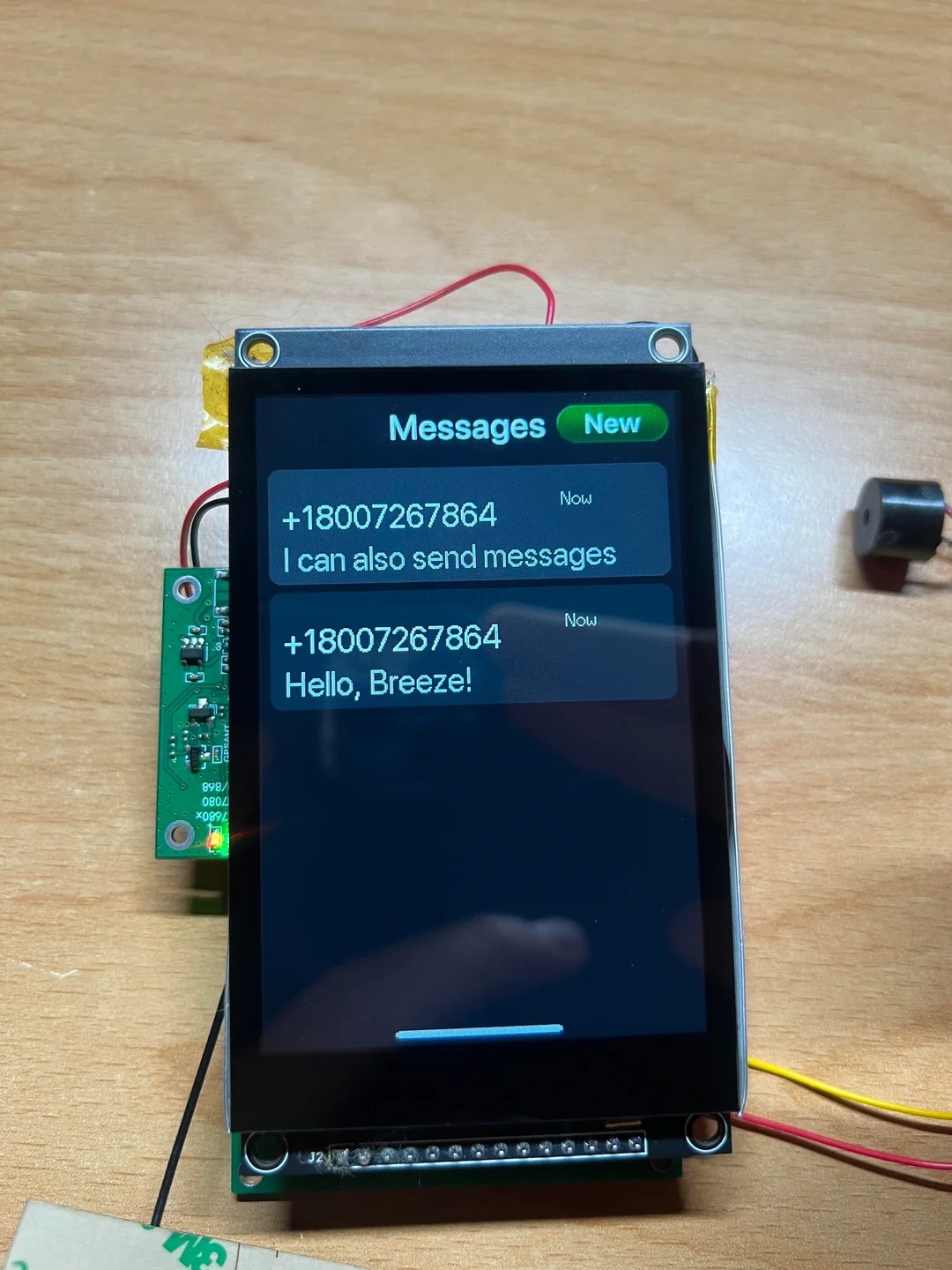
This is just an alpha version, a brick of layered modules. [LuckyBor] plans on fitting everything into a slimmer form factor with a four-layer PCB that will also include an SD-card adapter, and will open-source the design at that time, both hardware and software. Since [LuckyBor] has also promised the world documentation, we don’t mind waiting a few months.
It’s always good to see another open-source option, and this one has us especially chuffed. Sure, we’ve written about Postmarket OS and other Linux options like Nix, and someone even put the rust-based Redox OS on a phone, but those are still on the same potentially-backdoored commercial hardware. That’s why this project is so great, even if its performance is decidedly weak compared to flagship phones that have as more horsepower as some of our laptops.
We very much hope [LuckyBor] carries through with the aforementioned promise to open source the design.
hackaday.com/2026/03/04/neithe…


EDRi-gram, 4 March 2026
What has the EDRi network been up to over the past few weeks? Find out the latest digital rights news in our bi-weekly newsletter. In this edition: Chat Control in final stretch, breaking extractive business models with Digital Fairness Act, & more!
The post EDRi-gram, 4 March 2026 appeared first on European Digital Rights (EDRi).

Amos reshared this.
Pasdaran: 'Abbiamo il controllo totale dello stretto di Hormuz'
sicuramente. ma avete anche il controllo del vostro buco di culo?
Sabato 7 marzo: riscopriamo i social e la sicurezza
estelinux.serviziliberi.it/sab…
Segnalato dall'Internet User Group di #Este e pubblicato sulla comunità Lemmy @GNU/Linux Italia
#Este
In un momento storico dove i social non sono più lo spazio digitale in cui
reshared this
Perché le tecnologie civili con ricadute militari sono un fenomeno da presidiare
@Notizie dall'Italia e dal mondo
La Relazione annuale sulla politica dell’informazione per la sicurezza 2026, tra i vari temi, sottolinea la crescente convergenza tecnologica tra il settore civile e quello militare. Sensori, algoritmi, droni, cloud e crittografia quantistica nascono sempre più spesso nei
Notizie dall'Italia e dal mondo reshared this.
Se sapete chi è Dianna Cowern (aka Physics Girl), e soprattutto che cosa sta passando da qualche anno a questa parte, sapete che questa è una grande notizia (prima di tutto per lei).
(Se non lo sapete, date un'occhiata al canale...)
My first science video in 3 years
Physics Girl
Virkkunen (Commissione Ue): “La minaccia ad uno Stato membro è una minaccia per tutti”
@Informatica (Italy e non Italy)
Minaccia ibrida costante nella Ue “Oggi in Europa siamo tutti sottoposti a continue campagne ibride. Tutti i giorni ci sono cyberattacchi alle nostre infrastrutture critiche. Nel mirino ci sono reti elettriche, energetiche, reti idriche e
Informatica (Italy e non Italy) reshared this.
[2026-03-11] Sportello Psicologico sui Traumi dei Migranti @ Via Web (Whatsapp, Skype)
Sportello Psicologico sui Traumi dei Migranti
Via Web (Whatsapp, Skype) - Sardegna, Alghero
(mercoledì, 11 marzo 08:00)
La guerra in Ucraina ha messo in risalto quanti migranti fuggono da tutti i teatri di guerra in giro per il mondo. Il Centro Culturale ResPublica, di Alghero, col sostegno del Centro Culturale Sa Domo De Totus, di Sassari, ha arricchito lo Sportello di Ascolto Psicologico via web con le tecniche psicologiche mirate all'elaborazione dei traumi. Gratuitamente, con lo psicoterapeuta Gian Luigi Pirovano 3804123225

[2026-03-14] SOLO IL SI SIGNIFICA SI - La questione della prova nel reato di violenza sessuale @ Sala Polivalente - Comacchio
SOLO IL SI SIGNIFICA SI - La questione della prova nel reato di violenza sessuale
Sala Polivalente - Comacchio - Via Agatopisto
(sabato, 14 marzo 16:00)

Butti: “Cybersecurity questione di sovranità e innovazione”
@Informatica (Italy e non Italy)
Definire insieme una strategia per combattere insieme cybercrime e cyberattacchi. E’ questo l’obiettivo dichiarato per arrivare ad una difesa comune. La cybersecurity come faro di innovazione. “Il mio dipartimento ha investito 623 milioni per quanto riguarda il PNRR sulla cybersecurity, su progetti
Informatica (Italy e non Italy) reshared this.
Uno dei peggiori naufragi del Mediterraneo centrale
@Notizie dall'Italia e dal mondo
Indice Il Mediterraneo in inverno è severo. Da un momento all’altro, le onde possono crescere fino a oltre tre metri di altezza e il vento può sorpassare i 30 nodi. Nella plancia di comando della Humanity1, nave search and rescue (SaR) della Ong tedesca Sos
L'articolo Uno dei peggiori naufragi del Mediterraneo
Notizie dall'Italia e dal mondo reshared this.
PODCAST. Attacco all’alleato Iran, come risponderà Pechino?
@Notizie dall'Italia e dal mondo
La Cina chiede la fine delle ostilità e il rispetto della sovranità territoriale di Tehran. L'aggressione a un membro dei brics e della Shanghai cooperation organization rappresentanta un problema inedito per la Cina, che potrebbe fare saltare la visita di Donald Trump a fine mese
L'articolo
Notizie dall'Italia e dal mondo reshared this.
L’attacco fisico al data center Amazon negli Emirati che ridefinisce il rischio cloud
@Informatica (Italy e non Italy)
L'attacco alla struttura AWS degli Emirati Arabi Uniti segna la prima volta che un data center, in zona di guerra, di una grande azienda tecnologica statunitense ha subito un'interruzione a causa di un'azione militare. Ciò solleva
like this
Informatica (Italy e non Italy) reshared this.
Outsourcing crime control: How EU anti-money laundering rules threaten financial privacy
Privacy First is drawing attention to the risks to financial privacy and fundament rights arising from the European Union’s anti-money laundering and counter-terrorist financing (AML/CFT) framework. Over the past decade, the EU has increasingly shifted the responsibility of detecting financial crime from public authorities to banks, bookkeepers and other companies (called“obliged entities”). With a completely revised AML Package set to enter into force in mid-2027, this system will expand further, turning ordinary citizens and civil society organisations into subjects of systems of financial surveillance.
The post Outsourcing crime control: How EU anti-money laundering rules threaten financial privacy appeared first on European Digital Rights (EDRi).
Conclusa l'Operazione Shield VI, nel mirino traffico illecito di farmaci contraffatti, sostanze dopanti e dispositivi medici illegali
In Italia oscurati 100 siti web che commercializzavano farmaci illegali

L' Operazione annuale "Shield" giunta alla sua sesta edizione (VI), coordinata da #Europol, è stata condotta da aprile a novembre 2025, con focus sul contrasto del traffico illecito di farmaci contraffatti, sostanze dopanti e dispositivi medici illegali.
L'azione è stata guidata dal Comando Carabinieri per la Tutela della Salute (NAS), che ha assunto il ruolo di co-leader di Europol, con il supporto dell’Agenzia delle Dogane e dei Monopoli e di diverse organizzazioni internazionali come WADA, OLAF, Interpol e EUIPO.
L’operazione ha coinvolto 30 Paesi, ed ha portato al sequestro di oltre 10 milioni di unità di farmaci, prodotti dopanti, dispositivi medici e integratori alimentari, per un valore commerciale stimato in circa 33 milioni di euro. Sono stati individuati 5 laboratori clandestini e 10 centri di assemblaggio illegali, disarticolati 43 gruppi criminali e deferiti 3.354 soggetti all’autorità giudiziaria.

In Italia, sono stati effettuati 91 accertamenti investigativi, 3 arresti, e sequestrati 2.800 confezioni e 18.000 unità posologiche di farmaci (tra dimagranti, antibiotici, farmaci per la disfunzione erettile, botulino) e 1.800 confezioni e 4.500 unità di sostanze dopanti. Sono state inoltre eseguite quasi 100 azioni di oscuramento di siti web che vendevano farmaci illegali online, grazie a un’intensa sorveglianza telematica.
L’attività antidoping ha riguardato circa 11.000 controlli su atleti, sia in competizione che fuori, con 7 positività rilevate. L’operazione ha evidenziato un forte traffico di farmaci contenenti ossicodone, semaglutide e botulino, spesso destinati a centri estetici non autorizzati.
reshared this
L’onda d’urto di Hormuz: l’economia globale nel caos e l’Iran resiste all’attacco
@Notizie dall'Italia e dal mondo
Cinque giorni dopo l'attacco di Usa e Israele all'Iran, domina lo spettro di una guerra lunga e dall'esito incerto, in cui l'arma economica si è rivelata potente quanto quella militare
L'articolo L’onda d’urto di Hormuz: l’economia globale nel caos
Notizie dall'Italia e dal mondo reshared this.
Sanchez gli nega le basi per attaccare l’Iran, Trump minaccia la rottura con Madrid
@Notizie dall'Italia e dal mondo
Donald Trump, furioso dopo il no del governo Sanchez all'uso delle basi per attaccare l'Iran, ha minacciato di interrompere ogni relazione commerciale con Madrid
L'articolo Sanchez gli nega le basi per attaccare l’Iran, Trump minaccia la rottura
Notizie dall'Italia e dal mondo reshared this.

Scientists studied tiny, abnormal vibrations—called “glitches”—to discover what happens inside the Sun while it undergoes phases of low activity.#TheAbstract #thesun


The Sun Is 'Glitching.' Scientists Investigated and Solved a Cosmic Mystery
Scientists have peered inside the Sun and observed subtle shifts and “glitches” that have occurred over four decades, shedding light on the enigmatic long-term vibrations of our star, reports a study published on Tuesday in Monthly Notices of the Royal Astronomical Society.The Sun goes through a roughly 11-year cycle that includes a period of high and low activity, known as solar maximum and minimum. The past few cycles have revealed changes in solar behavior that could have implications for predicting space weather and unraveling the internal dynamics of our Sun, along with other Sun-like stars.
To drill down on this mystery, researchers with the Birmingham Solar-Oscillations Network (BiSON), a network of telescopes that have monitored the Sun since the 1970s, compared the last four solar minima using this unique 40-year dataset and focused on internal vibrations that make the sun subtly oscillate.
“The entire Sun oscillates in a globally coherent way, and the oscillations are formed by sound waves trapped inside the Sun that make it resonate just like a musical instrument,”said Bill Chaplin, a professor of astrophysics at the University of Birmingham who co-authored the study, in a call with 404 Media.
“For this particular study, we were interested in seeing whether there are differences in what the Sun is doing in its structure when you focus on the periods or epochs when the Sun is very quiet,” he continued. “The last few cycles have seen some quite marked changes in behavior.”
For example, scientists have been perplexed for years by an unusually long and quiet solar minimum between cycle 23 to 24, which occurred from 2008 to 2009. Chaplin and his colleagues were able to use BiSON’s long record of asteroseismology—the study of stellar interiors—to directly contrast the interior vibrations of the Sun during this minimum to others.
“There were hints that there were things that were different” about this cycle, said Chaplin. “But now that we have the cycle 24-25 minimum—the last one in about 2019—in the bag, then we thought, ‘okay, now's the time to actually go back and look at this.’”
The team specifically looked for an acoustic wave “glitch” caused by an interior layer in which helium atoms lose electrons, producing a detectable change in the Sun’s internal structure. This glitch was significantly stronger during the 2008–2009 minimum, suggesting that the Sun’s outer interior was slightly hotter and allowed sound waves to travel faster at that time of magnetic weakness.
“The ionizing helium affects the speed at which the sound waves move through that region,” explained Chaplin. “It leaves a characteristic imprint.”
“It's not just that there is a difference with the other cycles, but it's starting to tell us about what physically has really changed beneath the surface,” he added. “They're quite subtle changes, but it's nevertheless giving us clues as to what is actually happening beneath the Sun during this very quiet period.”
The results confirm that the Sun doesn’t return to the same minimum baseline at the end of every cycle, and its activity varies within timescales of decades and centuries. For example, Chaplin pointed to one bizarrely long quiet period from 1645 to 1715, known as the Maunder Minimum.
Astronomers during this time marvelled at the prolonged lack of visible sunspots on the Sun’s surface, a sign of extremely low solar activity. Centuries later, BiSON and other solar observatories are allowing scientists to study the interior dynamics behind these shifts in depth for the first time.
“This is the first step in actually demonstrating that there are changes,” Chaplin said. “Does this mean that there are systematic changes in the way that the Sun is generating its field? It's really only now, because we have this long dataset, that we can start to ask questions like that. Previously, we just didn't have enough data to say.”
Scientists hope to keep recording the long-term behavior of the Sun with projects like BiSON so that we can better understand its mercurial nature over time. This is interesting work on its own merits, but it is also useful for refining forecasts of space storms that can wreak havoc on power grids and space assets (while also producing pretty auroras).
Chaplin also nodded to the European space telescope PLAnetary Transits and Oscillations of stars (PLATO), due for launch in 2027. This mission will search for analogous oscillations in stars beyond the Sun, building on similar work conducted by NASA’s retired Kepler space telescope.
Studying the vibrations of the Sun and other similar stars is not only important for life here on Earth; it also has implications in the search for extraterrestrial life, because local solar activity is one key to assessing the habitability of star systems similar to our own.
“The data that we have on other stars from Kepler has really helped to understand and get a better picture of the cyclic variability of other stars, like the Sun,” Chaplin concluded. “But it's still not an entirely clear picture; let's put it that way. Seismology now enables you to do really detailed analysis of stars that you can't do by other means.”
elementary OS 8.1.1: una release di rifinitura con kernel aggiornato
linuxeasy.org/elementary-os-8-…
elementary OS 8.1.1 introduce kernel HWE aggiornato, miglioramenti al Dock e AppCenter più coerente L'articolo elementary OS 8.1.1: una release di rifinitura con kernel aggiornato è su Linux Easy.
GNU/Linux Italia reshared this.
Typhoon il meteo open source passa a Qt 6 senza cambiare volto
linuxeasy.org/typhoon-meteo-op…
Typhoon 1.7.x abbandona GTK3 per Qt 6 senza cambiare estetica, migliora il comportamento della finestra e introduce un nuovo selettore colore L'articolo Typhoon il meteo open source passa a Qt 6 senza cambiare volto è su Linux Easy.
GNU/Linux Italia reshared this.
AI is a “game changer” for what the FBI calls remote access operations, an FBI official said in response to a 404 Media question on Tuesday.#fbi #Hacking #News
The FBI Discusses the Potential to Use AI to Hack Targets
Update: after this article was published, the national press office for the FBI said in a statement that “Hemmen was discussing hypothetical FBI application of AI technology in the context of positive and negative outcomes resulting from the technology's development.” For clarity, 404 Media has updated the headline, included the FBI’s full statement below, but left the original article intact so readers can see the comments made at the conference. An FBI spokesperson told 404 Media that “DAD Hemmen was discussing hypothetical FBI application of AI technology in the context of positive and negative outcomes resulting from the technology's development. FBI's current deployment of AI is inventoried, reviewed, and reported per Executive Order requirements, OMB guidance, and guidance from other relevant authorities. All FBI operations are conducted in accordance with the Constitution, applicable statutes, executive orders, Department of Justice regulations and policies, and Attorney General guidelines.”The FBI is using artificial intelligence in what it describes as “remote access operations,” FBI parlance for hacking, according to an FBI official.
The comments, given at a national security and AI conference 404 Media was attending, give an unusually candid admission of the FBI’s use of hacking tools, which are often shrouded in secrecy.
“My team, one of the parts of our capabilities mission is our computer network operations program, where we're doing on-network or remote access operations,” Todd Hemmen, the deputy assistant director of the FBI’s Cyber Division, said on Tuesday. Remote access operations is a turn of phrase for when the FBI remotely enters a computer network; in other words, when the agency hacks into a target.
💡
Do you know anything else about FBI or other agencies' hacking tools? I would love to hear from you. Using a non-work device, you can message me securely on Signal at joseph.404 or send me an email at joseph@404media.co.Specifically for those sorts of operations “AI has tremendous benefits, not entirely different than the benefits that are being enjoyed by some of our adversarial nationstate actors,” he continued. He pointed to “the speed at which we are able to conduct—autonomous isn't the right word—but AI enabled attacks.”
Hemmen was speaking on a panel about how criminals and nationstates are using AI to power scams and fraud. When 404 Media asked a follow-up question for more details on how the FBI is using AI for its remote access operations, Hemmen said he wouldn’t give any case specific examples, but spoke more broadly about the benefits.
playlist.megaphone.fm?p=TBIEA2…
He pointed to reconnaissance, when a hacker scopes out a target network to in turn find potential ways to break into it. “You have very large attack surfaces; AI can scan those surfaces very, very efficiently. So it's that initial scanning in terms of where are the vulnerabilities, how can I exploit and gain access,” he said. He added AI then can be used for moving laterally through the network, which is when a hacker moves from one position to another to access more data or capabilities. While a threat actor—a cybercriminal or an adversary nationstate—may then steal data, “we have a different mission obviously, but I see AI as having applicability across, again, every single tactic that would be relevant to those on-network operations, So it's a game changer in that sense.”In his role, Hemmen oversees the division’s technical tools. The FBI did not respond to a request for additional comment.
Relatively little is known about what hacking tools the FBI deploys, what sort of cases it decides to deploy them in, and for what exact purpose. Over the years journalists have pieced together parts, though. Previously, the FBI used a “non-public” vulnerability to hack suspected visitors of a dark web child abuse site. The FBI’s Remote Operations Unit (ROU) used classified hacking tools—which are typically reserved for intelligence gathering operations—in ordinary criminal investigations, potentially complicating criminal defendants’ opportunity to scrutinize the evidence collected against them. The FBI has also used hacking tools, euphemistically called network investigative techniques, to investigate bomb threats and the users of a privacy-focused email service. The FBI also purchased hacking tools from the notorious spyware vendor NSO Group and explored using them against phones in the U.S., The New York Times previously reported.
Unsealed Court Docs Show FBI Used Malware Like ‘A Grenade’
Finally, the warrants and affidavits related to the FBI’s use of malware on TorMail have been unsealed.Joseph Cox (VICE)
Fake war footage is a problem as old as social media. AI has just supercharged it.#News
X Will Stop Paying People for Sharing Unlabeled AI-Generated War Footage
X said it will temporarily demonetize accounts that share AI-generated war footage without a label. The decision comes days after the US and Israel launched airstrikes in Iran and AI-slop war footage flooded social media timelines across the internet.“Today we are revising our Creator Revenue Sharing policies to maintain authenticity of content on Timeline and prevent manipulation of the program. During times of war, it is critical that people have access to authentic information on the ground. With today’s AI technologies, it is trivial to create content that can mislead people,” Nikita Bier, X’s head of product, said in a post on X.
playlist.megaphone.fm?p=TBIEA2…
Many of the AI-generated videos currently on X purport to show Iranian ballistic missiles hitting sites in Israel. One video shared thousands of times on X showed missiles slamming into the ground near the Dome of the Rock in Jerusalem while a computer generated voice said “Oh my god, hear they come.” X users community noted the video, but the account that shared it has a Bluecheck and is eligible for a financial payout for engagement as part of X’s content creator program.Up to now, the Iranians have been deliberately firing their older missiles and drones, using them as expendable bait to drain US and Israeli air defenses.
That strategy clearly worked.Now they’re escalating, rolling out their more advanced ballistic missiles and drones.
So… pic.twitter.com/0w1RiT0guC
— Richard (@ricwe123) March 3, 2026Tel Aviv, stripped of illusion, as you have never witnessed it. pic.twitter.com/HE3ckjBMti
— Abdulruhman Ismail (@a_abdulruhman) March 3, 2026
Bier said today that X will stop people from making money on unlabeled AI war footage, but won’t stop accounts from sharing it.“Starting now, users who post AI-generated videos of an armed conflict—without adding a disclosure that it was made with AI—will be suspended from Creator Revenue Sharing for 90 days. Subsequent violations will result in a permanent suspension from the program,” he added. “This will be flagged to us by any post with a Community Note or if the content contains meta data (or other signals) from generative AI tools. We will continue to refine our policies and product to ensure X can be trusted during these critical moments.”
Today we are revising our Creator Revenue Sharing policies to maintain authenticity of content on Timeline and prevent manipulation of the program.During times of war, it is critical that people have access to authentic information on the ground. With today’s AI technologies,…
— Nikita Bier (@nikitabier) March 3, 2026
Fake war footage shared on social media isn’t a new problem. For several years every new conflict would be met with a flood of fake videos. Old war footage passed off as coming from the current war was popular, but so was recordings of video games run through filters to make it look low-resolution. The same three clips from milsim video game Arma 3 were shared at the outbreak of every new conflict for a decade. The Government of Pakistan even shared Arma 3 footage once in a post that’s still live on X.What is new is the proliferation of easy to use AI video-generation tools. AI image and video generation has come a long way in the past few years and it’s trivially easy to remove the watermark that’s supposed to distinguish them from the real thing. X’s verification system—which rewards accounts for engagement—has also created incentives for Bluecheck accounts to publish fast, verify later (if ever), and rake in the cash. So in the hours and days after the war with Iran began, fake footage of airstrikes and conflict spread on X.
The way X is handling the problem gives the game away. According to Bier, the site will rely on the community to police itself and the punishment is a 90 day suspension not from the site but from the monetization program.
Sora 2 Watermark Removers Flood the Web
Bypassing Sora 2's rudimentary safety features is easy and experts worry it'll lead to a new era of scams and disinformation.Matthew Gault (404 Media)

In a new series by CBC Podcasts, hosted by 404 Media's Sam Cole, join journalists, investigators, and targets of non-consensual intimate images on the hunt for the worlds’ most prolific deepfake mastermind.
In a new series by CBC Podcasts, hosted by 404 Mediax27;s Sam Cole, join journalists, investigators, and targets of non-consensual intimate images on the hunt for the worlds’ most prolific deepfake mastermind.#Podcast #podcasts #cbc #Deepfakes
New Podcast Alert: The Globe-Spanning, Multi-Newsroom Hunt for Mr. Deepfakes
Mr. Deepfakes was the biggest website in the world for sharing AI-generated abuse imagery, swapping tips and tricks for more realistic results, and posting endless, fake, nonconsensual videos of everyone from celebrities to everyday people. In a new podcast by the CBC, I got to tell the tale of how deepfakes started, what targets go through, and where we go next.It's called Understood: Deepfake Porn Empire. It's about the decades-long rise of non-consensual deepfake porn, the targets who are fighting back, and what it takes to stop its proliferation. Check it out here and listen wherever you get your podcasts.
The first three episodes are already up, so you can binge them all before the finale next Tuesday.
View this post on Instagram
In the first episode, "The Dawn of Fake Porn," you’ll get a fascinating history of the decades of cultural and technological standards that set the stage for AI-generated nonconsensual imagery as we know it today. I learned a lot in this episode myself, including about a guy who went by “Lux Lucre” who ran two Usenet groups dedicated to fake nudes of celebrities in the 90s. This stuff goes so much farther back than you might realize.In episode two, “So You’ve Been Deepfaked,” I got the chance to talk to Taylor, who discovered she’d been targeted by AI images while at university, working in a male-dominated field. Instead of hoping it’d go away, she set out to find her harasser, and found his other targets in the process. It all led back to one place: the biggest deepfake site in the world, Mr. Deepfakes.
Episode three just came out today: “The Notorious D.P.F.K.S.” is a romp through the investigative highs and lows that led a team of journalists scattered around the world to the door of Mr. Deepfakes himself. I was so thrilled to talk to investigative journalist Ida Herskind, OSINT specialist Zakaria Hameed, and Bellingcat’s Ross Higgins in this episode. Come for the How I Met Your Mother references, stay for the gripping chase.
Episode four, the series finale, launches next week. It’s a true crime story with CBC reporters on stakeouts and infiltrating hospitals, and legal and social experts breaking down what it all means now that we’re in a post-Mr. Deepfakes world—but far from a post-AI abuse landscape. Follow the Understood feed wherever you listen to get it when it comes out on Tuesday.
If you liked this season, head back to catch up on another series I hosted with the CBC: Pornhub Empire, on the rise and fall of the porn monolith.
Tune in and let me know what you think!
The Rise, Fall, and Revival of Pornhub
In a new series by CBC Podcasts, hosted by 404 Media's Sam Cole, former employees, performers, and the new owners themselves speak out about Pornhub's influence on the industry and beyond.Samantha Cole (404 Media)

ilsimoneviaggiatore
in reply to Andrea Russo • • •Quando ho sentito "taglieremo tutti i rapporti commerciali", detta da Trump, mi sono venuti i brividi.
Il 70% delle nostre PA, degli apparati statali - e forse anche militari - si basano su loro prodotti/cloud.
Zitti zitti si sono ritrovati con i loro "malware" nel 70% (o più) dei nostri sistemi, pronti per lo 0-day perfetto.
Quando si parla di questi argomenti in tanti continuano a dire "ma figurati se lo fanno!". Però vorrei ricordare che stanno facendo altre cose che non avremmo mai immaginato possibili. Tante!
Ecco il potere che hanno gli Stati Uniti, e perché è sempre più importante abbandonare i loro guinzagli digitali; ben vengano tutte le alternative possibili.
@lealternative@mastodon.uno
Andrea Russo likes this.